Category: General

Retail News Asia is committed to providing both local and global retailers with the latest General Retail news throughout the Asian market. This on a daily base.

  • AirAsia up 1.91% on upgrade, outlook for better 2Q results

    AirAsia up 1.91% on upgrade, outlook for better 2Q results

    Shares of low-cost carrier AirAsia Bhd rose 1.91% at mid-morning today following an upgrade by CIMB IB Research as well as positive outlook for its second quarter earnings.

    At 10.49am, AirAsia rose 6 sen to RM3.21 with 4.35 million shares traded.

    CIMB Investment Bank Bhd upgraded AirAsia Bhd shares to “add” from “hold” after the stock’s recent drop and in anticipation that the budget airline will report better financials in the second quarter ended June 30, 2017 (2QFY17).

    CIMB analyst Raymond Yap wrote in a note yesterday that the research house however maintained its AirAsia share target price at RM3.51.

    “Upgrading AirAsia after recent share price correction,” Yap said.

    “On a yoy (year-on-year) basis, we believe that AirAsia may deliver better results in 2QFY17F despite the ringgit being weaker by 5.7% yoy and the jet fuel price (inclusive of hedging) higher by 11% yoy. This is because we expect loads to be 4% pts higher yoy, offsetting most or all of the cost hikes.” he said.

    AirAsia is scheduled to announce its 2QFY17 financials next month.

  • Woolworths bans the bags

    Woolworths bans the bags

    Woolworths will no longer offer single-use lightweight plastic shopping bags across its entire store network in Australia.

    Over the next 12 months, the conglomerate said the decision to reduce its plastic bag usage was “the right thing to do” as one of the country’s largest retailers.

    “We currently give out more than 3.2 billion lightweight plastic bags a year and hence can play a significant role in reducing overall plastic bag usage,” Woolies CEO, Brad Banducci.

    “Today’s commitment shows we are committed to taking our environmental and community responsibilities seriously.

    “Whilst we know this is a major decision, we will work very closely with all of our store teams to ensure the transition for our customers is as simple as possible.

    The reduction will cover all Woolworths Group stores nationwide including its supermarkets and metro stores, Big W, BWS and e-commerce operations. Dan Murphy’s and Cellarmasters are already single-use plastic bag free.

    Instead shoppers will be offered reusable bags ranging from 15 cents to $2, although Big W may provide reusable bags at no extra cost.

    Banducci said the move signals the start of further commitments by Woolies, in minimising its impact on the environment.

    “Our customers can also expect further commitments in reducing plastic use in all parts of our supply chain, especially in fruit and vegetables,” he said.

    Jon Dee, the founder of the national anti-plastic bag campaign Do Something, said that this is the first big step by a major Australian retailer.

    “This is the first move by a major retailer to get rid of plastic bags and we now need to see Coles make the same pledge,” Dee told AAP.

    “Aldi took the lead when they set up here in 2001 because from day one they didn’t give away free plastic bags.”

    Woolworths’ lunchtime announcement was quickly followed by a similar announcement from fierce rival Coles on Friday afternoon.

    Coles said it will bring its stores in Queensland, NSW, Victoria and WA into line with Tasmania, SA, the Northern Territory and the ACT, where Coles complies with local bans.

    Coles chief customer officer Simon McDowell said this follows several months of consultation with non-government organisations and environmental groups.

    Dee said lightweight plastic bags often end up polluting waterways and the ocean, killing and maiming marine animals.

    Removing free bags will give shoppers an incentive to use their reusable bags, he added.

    Greenpeace campaigner Samantha Wockner said Woolworths’ move will have a significant positive impact on the environment, and urged governments to act on the issue.

    “It’s disappointing that leadership on this issue has come from a large supermarket chain rather than from our politicians,” she said.

    Several major retailers have removed or put a charge on single-use plastic bags to encourage shoppers to bring reusable bags. Aldi has charged customers 15 cents per bag since arriving in Australia in 2001. Wesfarmers-owned Bunnings introduced a 10 cent levy on disposable plastic bags in 2003. Furniture chain, Ikea stopped using free disposable plastic bags in 2013.
  • Korean duty-free sales to see first drop in 14 years

    Korean duty-free sales to see first drop in 14 years

    “The Korean duty-free industry may see a drop in on-year annual sales in 2017, which would make it the first decline in 14 years, according to data from the customs regulator Sunday.”

    Since the outbreak of the Severe Acute Respiratory Syndrome virus in 2003, the duty-free industry had seen steadily rising sales until last year.

    Especially in 2016, sales had risen sharply to 12.3 trillion won (US$10.83 billion), breaking the 10 trillion-won mark thanks to the popularity of Korean music and dramas and heavy marketing aimed at the Chinese market by duty-free operators.

    However, those numbers had been heavily reliant on large tourist groups from China which were brought to downtown duty-free outlets by travel agencies. This demand spiraled down beginning in mid-March when Beijing imposed an unofficial ban on travel packages to Korea.

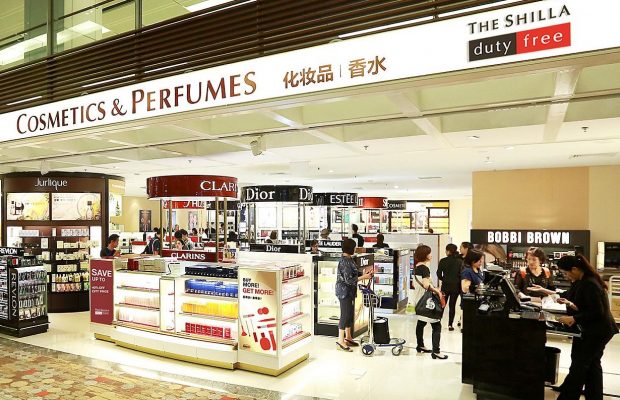
    The loss of inbound traffic from China took a heavy toll on duty-free operators such as Lotte Duty Free, who had previously pulled in up to 70 percent of its revenues from Chinese tourists.

    The blow was even harder for newer duty-free operators who do not have the brand power of industry leaders Lotte and Shilla, and are heavily dependent on tourist groups.

    Earlier this month, Hanwha Galleria announced that it would be returning its permit to operate a duty-free outlet at Jeju International Airport due to continued losses.

    The move followed months of repeated bidding for the fashion and accessories duty-free area of the second terminal at Incheon International Airport, which eventually went to Shinsegae DF after Incheon Airport agreed to lower the rent prices by 30 percent.

    Recent developments have indicated a sharp turn away from the optimism that had previously surrounded the duty-free industry, which had led to intense bidding wars between operators to win licenses for downtown outlets.

    Analyst Choi Min-ha wrote for Korea Investment & Securities that this year‘s annual sales for the duty-free sector was likely to reach around 10.5 trillion won, marking the first drop since the SARS crisis.

    “Although numbers of Koreans leaving the country are rising, they are not enough to make up for the losses from Chinese tourists,” Choi said.

  • Retail veteran bent on creating top go-to brand

    Retail veteran bent on creating top go-to brand

    The Australian department store giant – a household name here in electronics, computers, furniture and bedding – has steadily expanded its footprint in Singapore, even as the retail sector continues to grapple with headwinds.

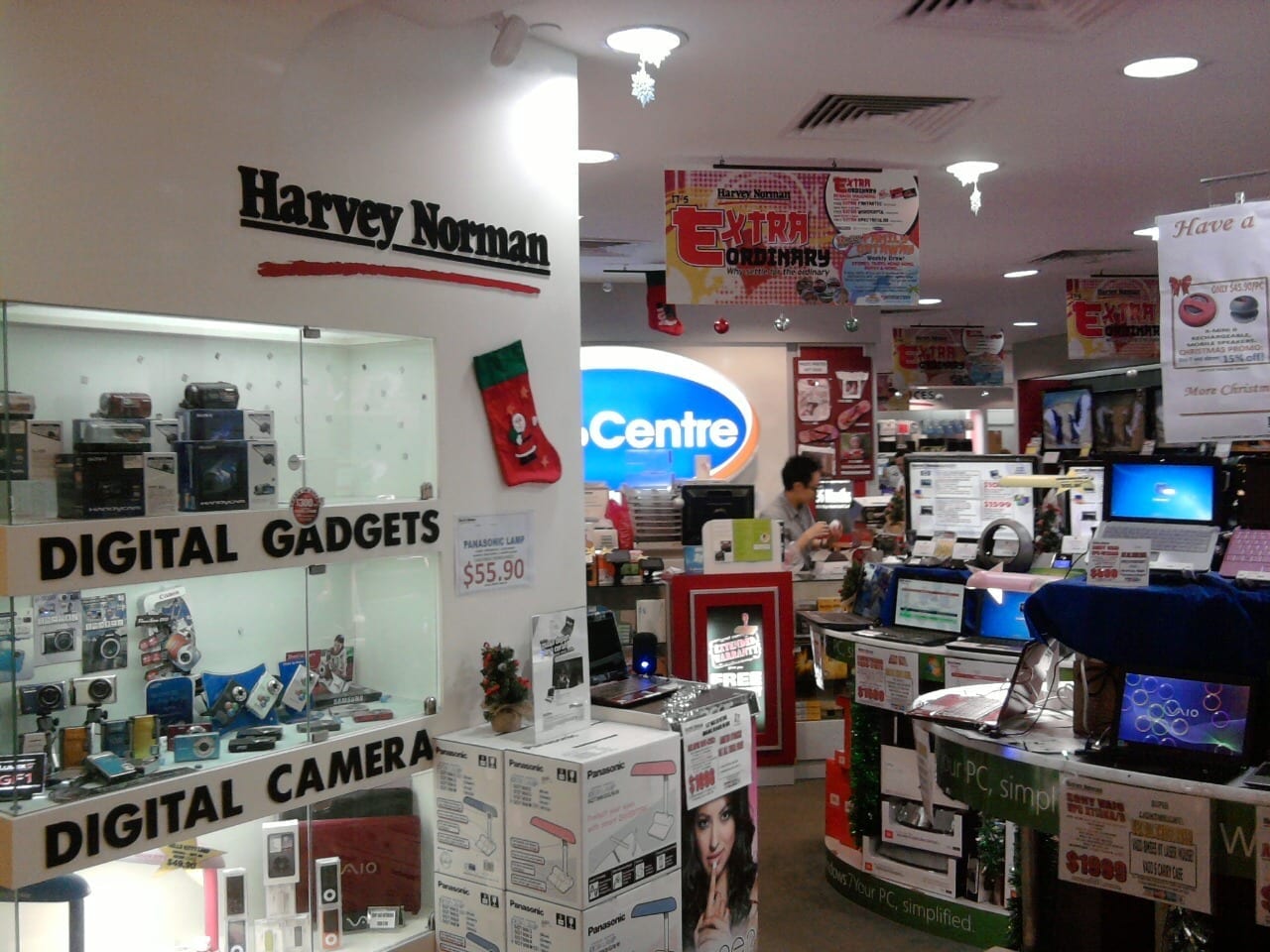
    Over the weekend, Harvey Norman unveiled a new, two-storey, 38,500 sq ft factory outlet in Chai Chee Road that stocks items at up to 90 per cent off usual prices.

    The retail chain has also added to its space at the Parkway Parade store, an expansion that has yet to be officially launched.

    “If you take a look at Harvey Norman’s vision – which is to provide the ultimate customer experience – and put it at the centre of everything we do, we have to change our shops to cater to what consumers want today,” Mr Aruldoss explained the operations head.

    He said Harvey Norman has had to evolve alongside consumer habits and tastes, which have changed significantly in recent years.

    Offering that ultimate experience means stores must be supported by a solid range of products, which is why Harvey Norman plans to refurbish its other outlets here and roll out new ones.

    The physical stores continue to account for over half of its sales here, compared with its online platform.

    Still, moves to transform Harvey Norman and make sure it stays on top of its game go beyond just changing the look and feel of its bricks-and-mortar stores.

    The firm is ramping up efforts for its digital platform “in a big way”, to create a more seamless online and offline experience for customers, said Mr Aruldoss.

    “We always knew, for many years already, that e-commerce was going to change things. So we’ve got to gear up our online platform to support our stores, and gear up our stores to support our online platform. We have put a lot of things in place for our people to change, and also for consumers to know that we are changing.” he noted.

  • Virgin Australia launches its first inflight duty free service

    Virgin Australia launches its first inflight duty free service

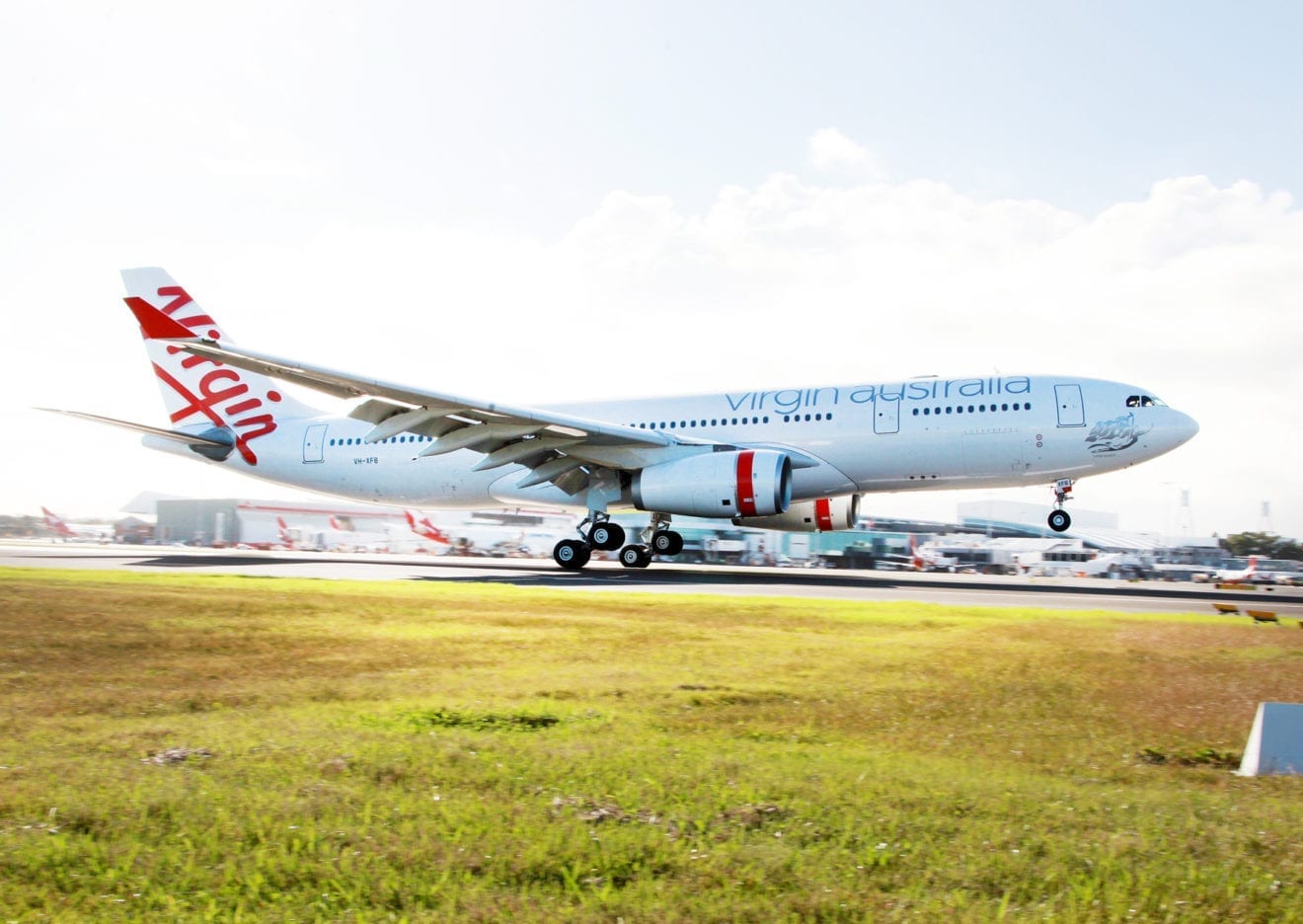
    Virgin Australia has launched its first inflight duty free service on a new route between Melbourne and Hong Kong.

    The airline said it had partnered with over 100 “exciting and popular” Australian and international brands, and the service is being operated by Alpha Flight Services.

    The offer includes a selection of exclusive products from brands such as jewellery makers Love From Venus and Luv & Bart, men’s skincare company Hunter Lab, and chocolatier Bahen & Co.

    Virgin Australia will operate five services per week between Melbourne and Hong Kong. Sir Richard Branson said the airline was “here to shake things up on this route”.

    Virgin Australia’s inaugural flight to Hong Kong took place on 5 July with the new duty free service. It marks the start of an expansion into Greater China, the airline said.

    The inflight duty free service will expand to include Los Angeles flights in late 2017.

    To order duty free products, passengers must fill in an order form at the back of the inflight magazine and hand it to cabin crew, who will then deliver the purchase to the passenger’s seat.

  • Data marketing for Philippines 7-Eleven

    Data marketing for Philippines 7-Eleven

    Philippines Seven Corporation (7-Eleven) has engaged Big Data For Humans to develop and support its customer marketing.

    The customer-insights company will use automated data science to enhance campaigns across the retailer’s 2000-store network.

    Founded in Scotland three years ago, Big Data for Humans launched its Asia Pacific office in Singapore last year as part of its expansion into the Asian market, where clients include Air Asia. Internationally, its clients include Selfridges, Tesco and Swiss department store Jelmoli.

    “We want to generate more customer insights from our data stream and use these effectively to improve our marketing,” says Philippine Seven Corporation president Victor Paterno.

    Big Data For Humans offers the Customer Graph, a platform that empowers business users at all levels to use automated customer insights to power their marketing. The company was founded by a group of retailers and has a 40-strong team across its offices in Glasgow, London and Singapore.

  • Cebu Pacific resumes Cebu-Ormoc regular flights

    Cebu Pacific resumes Cebu-Ormoc regular flights

    Cebu Pacific has resumed its regular flights between Cebu and Ormoc after the Ormoc Airport passed a risk assessment by aviation authorities.

    “Cebu Pacific Air, through its wholly-owned subsidiary Cebgo, resumes regular flights to and from Ormoc City, starting July 14, 2017. Cebgo flies daily between Cebu and Ormoc, with the Cebu-Ormoc flight departing at 6:35am; and the return flight leaving Ormoc at 7:40am,” the airline posted on its website on Friday.

    The risk assessment was performed in cooperation with the Civil Aviation Authority of the Philippines (CAP), after the 6.5-magnitude quake rocked Leyte last July 6.

    Passengers booked on cancelled Cebgo flights from July 6 to 13 may rebook their flights free of charge, the company said.

    Operations at the Ormoc Airport returned to normal two days after the quake. Cebu Pacific, however, said it had to perform its own risk assessment to ensure operational requirements would be met.

  • Singapore exports rebound in June, beating forecasts with 8.2% rise

    Singapore exports rebound in June, beating forecasts with 8.2% rise

    Non-oil domestic exports (NODX) bounced back in June, topping expectations with an 8.2 per cent increase from the year earlier, with a strong rise in non-electronic shipments offsetting a smaller increase in electronic sales.

    Analysts polled by Bloomberg had expected NODX to rise 5.1 per cent in June from the same month a year ago. Exports in May edged up just 0.4 per cent in May, revised up from an earlier estimate of a 1.2 per cent decline, and dipped 0.3 per cent in April, after expanding for six straight months.

    On a month-on-month seasonally adjusted basis, NODX declined by 2.7 per cent in June, after the previous month’s 9.4 per cent increase, as the decline in electronic shipments outweighed the increase in non-electronic sales, data from trade agency International Enterprise (IE) Singapore showed on Monday (July 17). Some S$14.5 billion exports were recorded in June, lower than the S$14.9 billion in May.

    Exports of electronics cooled in June, expanding by 5.4 per cent year-on-year compared to the 28.9 per cent surge in May. Data last Friday showed that Singapore narrowly avoided a technical recession, growing at 0.4 per cent in the second quarter from the quarter before, saved by solid global demand for its tech products.

    Electronic exports in June were led by ICs, disk media products and capacitors which increased by 20.7 per cent, 2.9 per cent and 10.5 per cent respectively.

    Exports of non-electronics grew by 9.3 per cent year-on-year, in contrast to the 8.6 per cent drop in the previous month. Economists have been concerned that the pick-up in Singapore’s economic growth has thus far been driven limited to certain segments of the economy – mainly, electronics manufacturing.

    Exports in non-electronics were lead by non-monetary gold, specialised machinery and petrochemicals, which increased by 148 per cent, 76.1 per cent and 13.7 per cent respectively.

    In terms of export markets, the top contributors to the NODX increase were China (+48.9 per cent), South Korea (+56.9 per cent) and Japan (+26.7 per cent) – outweighing the declines to the US, Taiwan, the EU 28, Thailand and Indonesia.

  • Wesfarmers to trim Target portfolio

    Wesfarmers to trim Target portfolio

    Wesfarmers will reduce the size of Target’s store portfolio in an effort to improve productivity as it looks to refocus the struggling business towards a growth phase by FY21.

    Speaking to analysts and investors at Wesfarmers’ annual strategy day on Wednesday, department stores chief financial officer Marina Joanou said that leadership has taken “decisive action” to cut costs at Target and reset the business, concluding a store network review across the division.

    “We’ve reviewed the whole country and have created a plan that rebalances the network, removes unproductive space and opens accretive new space over time,” she said.

    A 20 per cent improvement in store space productivity across the department store division is being targeted in what Joanou called a “long term game” that will include closures, store re-badges and new stores where appropriate.

    Wesfarmers department store CEO Guy Russo, who has been tasked with spearheading the turnaround of Target, declined to outline the number of Target stores earmarked for closure, but told a Sydney audience that the plan involves large and small format stores.

    “Our capital plans will be prioritised on the basis of performance, materiality and opportunities for market catch-up,” Russo said.

  • Why did all 7-Elevens in Jakarta suddenly disappear?

    Why did all 7-Elevens in Jakarta suddenly disappear?

    The closure of global convenience chain ­7-Eleven in Indonesia underlines the tough economic and regulatory landscape that could deter future investors from taking over the iconic brand’s franchise in Southeast Asia’s biggest economy.

    The publicly listed PT Modern Internasional, ­7-Eleven’s franchise holder in the country, said in its statement to Jakarta’s bourse that a lack of resources was the main reason it ceased operations at all 7-Eleven outlets permanently as of June 30. The company also cited its failed deal to sell the franchise and other assets to Charoen Pokphand Indonesia, an affiliate of Thai conglomerate Charoen Pokphand Group, for 1 trillion rupiah (HK$585 million).

    But the debate over why 7-Eleven, widely known as “sevel” in Indonesia, closed down its stores continues to swirl. Analysts and industry watchers said that a combination of strong competition, an economic downturn and regulatory hurdles, including a 2015 nationwide ban on the sale of alcoholic drinks in mini markets, led to the brand’s closure.

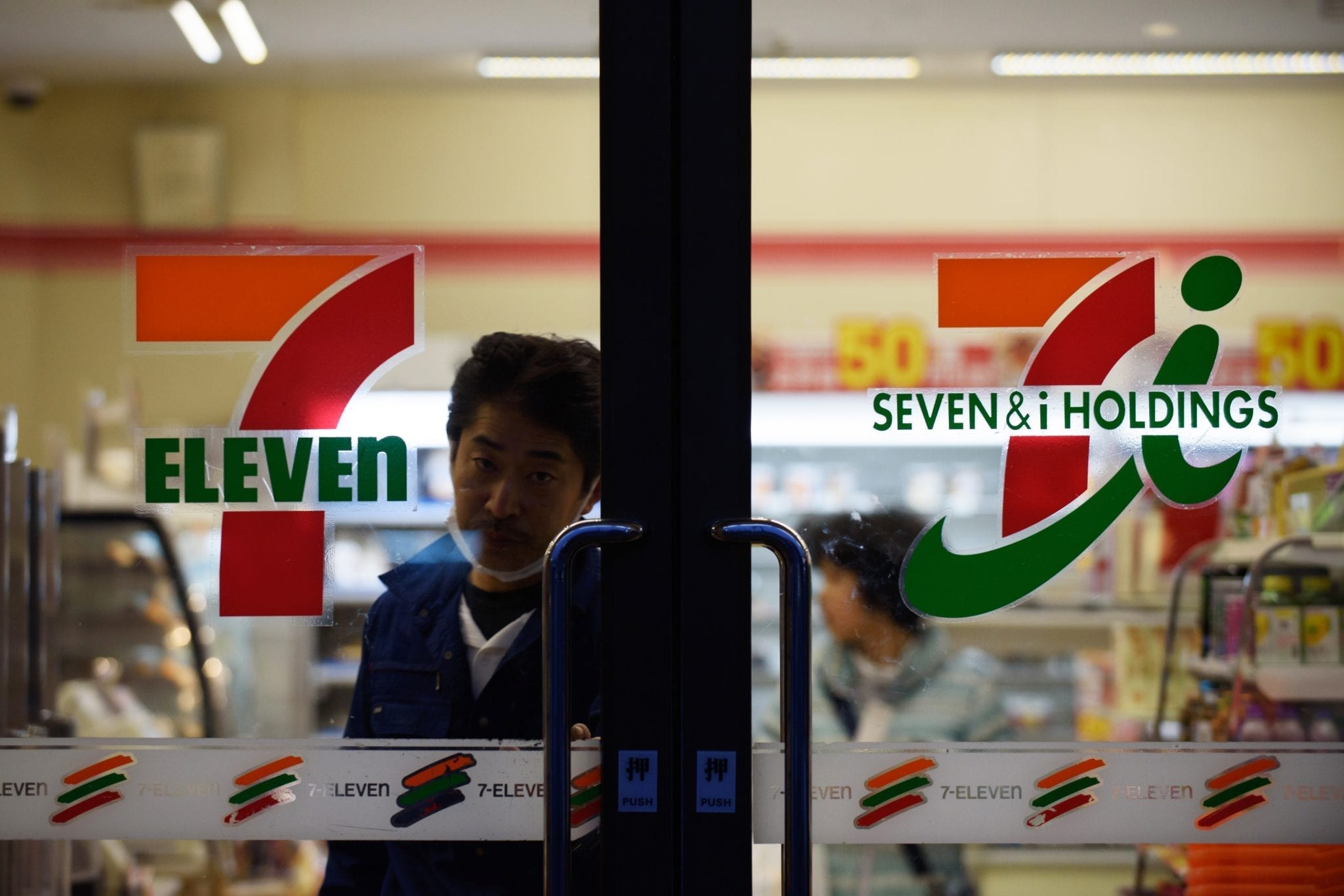
    The termination of 7 eleven’s franchise agreement affects approximately 110 stores in and around Jakarta, and both parties are in talks to wind down the 7-Eleven business in all of Indonesia, including the de-branding of 7-Eleven stores, the American franchiser said.

    7-Eleven also had a role in developing Indonesia’s digital payment ecosystem by facilitating online transactions and utilities payments through clerks. Competitors, such as the country’s biggest mini market operators Indomaret and Alfamart, eventually followed 7-Eleven’s business concept by providing hot meals and small seating areas at some stores.

    They also now accept payment for utilities and an array of digital services, including e-commerce. Combined, Indomaret and Alfamart had nearly 90 per cent of the nation’s convenience store market last year, while 7-Eleven only had a 0.7 per cent share, according to researcher Euromonitor International.

    The chain’s glory days in the country didn’t last long. In the past two years, industry players noted Indonesians got thriftier as a sluggish economy and an oversupply of low-wage labourers lessened purchasing power.

    “The consumers’ behavioural change affected the overall retail industry. Many customers no longer stock up on groceries and only buy goods when they need them,” Mandey said. Indonesian shoppers also increasingly rely on online delivery services, reducing the chances of in-store impulse buying, he added.

    Modern Internasional shut down 45 stores over the past two years due to dwindling sales. According to its annual report, the struggling company recorded more than 630 billion rupiah in net losses last year, an increase from around 58 billion rupiah in 2015. Net sales for 7-Eleven, which contributed 75 per cent of the company’s total revenue, was 675 billion rupiah last year, a nearly 24 per cent drop year on year.

    “The problem was exacerbated by the lack of clear differentiation between the 7-Elevenconvenience stores and fast-food and medium-sized restaurants in Indonesia,” Olly Prayudi, associate director at credit ratings agency Fitch in Indonesia, said in a recent research note.

    Unfavourable regulations also added to the company’s woes. In 2015, a ban on the sale of alcoholic drinks in mini markets and convenience stores across Indonesia was a blow to company performance, as alcoholic drinks made up about 15 per cent of Modern Internasional’s sales, according to Fitch.

    Japan’s Seven & i Holdings, the global parent of the 7-Eleven chain, told it would search for another partner to revive the franchise in Indonesia.

  • Vietjet continues to pay generous dividend of USD28.3 million

    Vietjet continues to pay generous dividend of USD28.3 million

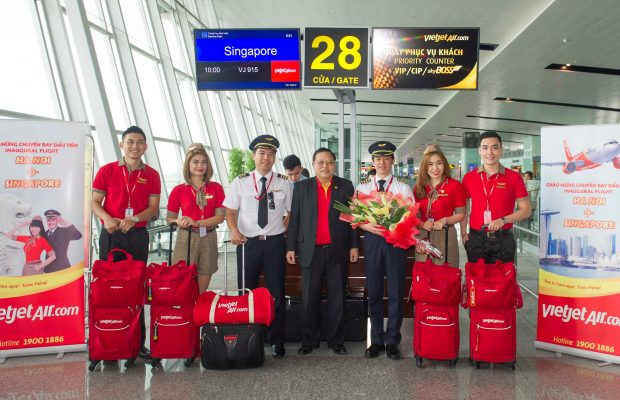
    Vietjet Aviation Joint Stock Company’s (HOSE: VJC) Board of Directors today approved a resolution for a dividend advance payment with the rate of 20% in cash of US9 cents per share (VND2,000) for the first stage of 2017.

    The registration deadline is July 31, 2017, which means the ex-dividend date is July 28, 2017. The dividend will be paid on August 15, 2017. With Vietjet’s charter capital of USD142 million (VND3,224 billion), the total dividend to be paid is equivalent to USD28.3 million (VND645 billion)

    Besides the above dividend payment, Vietjet will also soon confirm the bonus share dividend at the 40% rate following the allocation of the 2016 profits, which was approved at the company’s 2017 annual shareholder meeting and now under the consideration and approval process of the States Securities Committee. In 2017, Vietjet plans to pay dividend up to 50%.

    Up to the end of 2017’s first quarter, Vietjet’s audited redundancy capital was USD67.5 million (VND1,535 billion) and unallocated after-tax profit at USD91.5 million (VND2,080 billion). The business result for the year’s second quarter is expected to be better than the budgeted plan.

  • Montblanc Philippines relaunches in Rustan’s Makati

    Montblanc Philippines relaunches in Rustan’s Makati

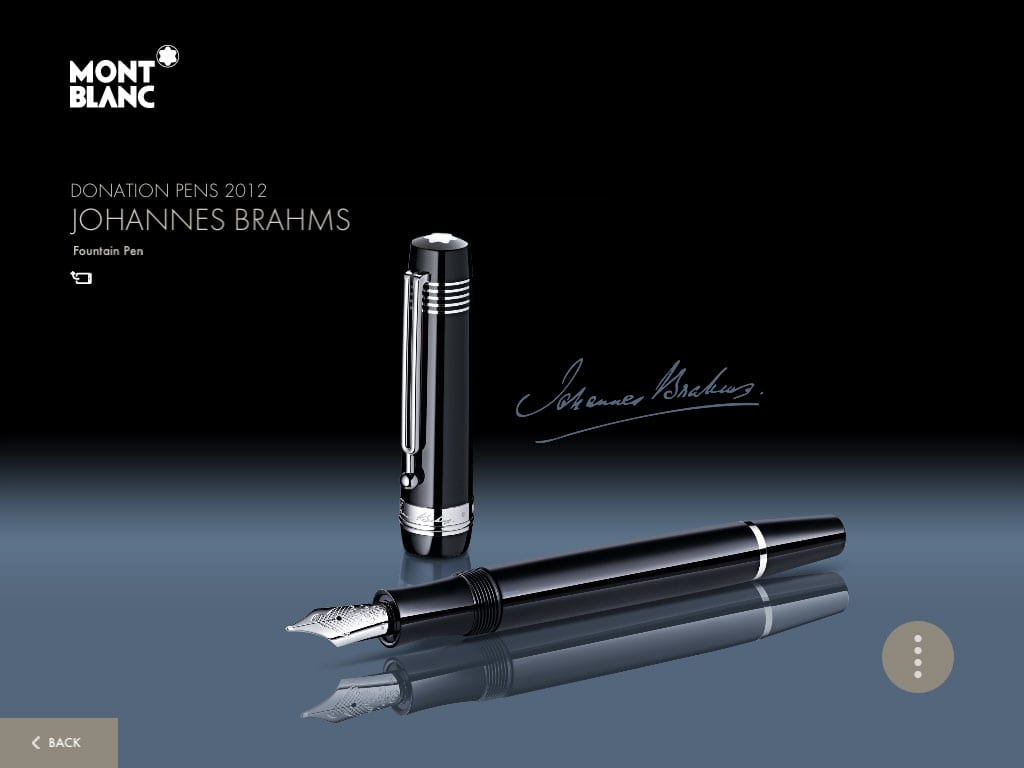
    Following a renovation and enlargement, Montblanc Philippines has relaunched its Rustan’s Makati store as the first concept boutique of the German luxury brand for Southeast Asia.

    From an original 78 sqm, the store now covers 110 sqm, allowing the brand to widen its offering of writing instruments, leather goods and classic timepieces.

    Inspired by the signature elements of Montblanc, the new boutique boasts a palette of black, white and wood, with designer Noé Duchaufour-Lawrance aiming for an uncluttered aesthetic.

    “We’re proud to be Montblanc’s partner in realising its new global vision,” says Rustan VP for store planning and expansions Michael Huang.

    SSI Group president Anton Huang says the brand has garnered a strong following during its years in the Philippines with its high standards of perfection.

    A grand re-opening event for the store attracted Manila celebrities, glitteratti and influencers.

  • New brands joining line-up at The Shoppes

    New brands joining line-up at The Shoppes

    New brands will join The Shoppes at Marina Bay Sands in the next few months.

    They include award-winning Singapore fashion label In Good Company, which will showcase its signature womenswear and Mini Me collections for children three to eight years old. The 1600 sqft (148.6 sqm) store will also have a play area for children.

    Meanwhile, the outlet for local luxury leather goods and accessories brand Kwanpen will be extensively renovated to become its largest flagship boutique in Singapore. Opening next month, the boutique will triple in size to more than 2500 sqft.

    Other anticipated openings in the coming months include new-to-market Hong Kong fashion and accessories label EQ:IQ with a standalone boutique, as well as French luxury brand Balmain’s first standalone store for Southeast Asia. Its 1647 sqft store will feature an interior concept that echoes its traditional Parisian boutiques.

    Two boutiques will be the first for Southeast Asia, for diamond jeweller Nirav Modi and perfume house Henry Jacques.

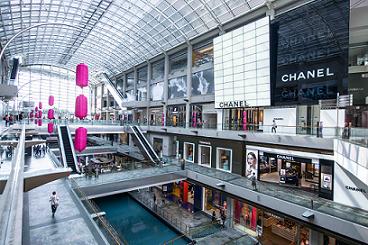
    Bespoke beauty offerings include the re-opening of perfumery Jo Malone and a new standalone Estee Lauder boutique. Also renovated, Chanel Fragrance & Beauty offers a new private facial cabin, as well as personalised beauty and fragrance consultations.

    Following the unveiling of the Chanel Ephemeral boutique last month, Fendi has also launched a menswear pop-up for the first time at The Shoppes until Sunday. For the first time in Asia, The Fendi Ape Car is showcasing the latest Fendi Vocabulary Capsule Collection.

    Singaporean designer label Chi Chi Von Tang will also open a pop-up store, featuring a personalised shopping experience.

    Joining the F&B line-up will be French tearoom/patisserie Angelina, and homegrown Da Paolo Gastronomia, a gelato bar along the waterfront promenade. Also new to the promenade are The Bird Southern Table & Bar and Dallas Cafe & Bar.

    TWG Tea will re-open at a new location at The Shoppes next month with a 50-seat salon and boutique featuring a counter for tea-infused chocolate.

  • Singapore retail sales up 0.9% in May

    Singapore retail sales up 0.9% in May

    A surge in takings at petrol pump stations lifted Singapore‘s retail sales in May, though a broad fall in sales by food retailers and other consumer goods sellers has left shops and restaurants here worried.

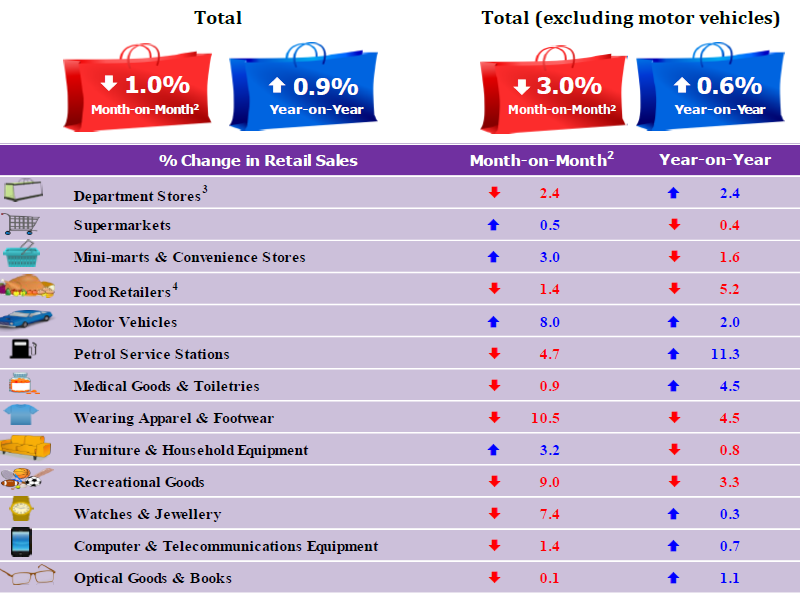
    Total retail turnover in May was S$3.7 billion, up 0.9 per cent from May last year, according to Department of Statistics data out on Wednesday (July 12).

    This was due mainly to a 11.3 per cent jump in sales at petrol service stations, a 4.5 per cent rise in sales of medical goods and toiletries, as a well as a 2 per cent rise in motor vehicle sales.

    Singapore Retail sales - Retail in Asia

    Excluding motor vehicles, retail sales rose 0.6 per cent from May last year.

    On a month-on-month, seasonally adjusted basis, retail sales dropped 1 per cent in May over the previous month. Excluding motor vehicles, takings were down by a bigger margin of 3 per cent.

  • Singapore Airlines adds more flights on Dhaka-Singapore route

    Singapore Airlines adds more flights on Dhaka-Singapore route

    Singapore Airlines has increased the number of its weekly flights on the Dhaka-Singapore route from seven to 10.

    The new flights will be operated on Sundays, Wednesdays and Thursdays from July 19 with an Airbus A330 aircraft, the airline said in a statement.

    “With 10 flights a week, it will be more convenient than ever to re-visit the places you love and explore the 135 destinations in our group network,” said TM Wang, general manager for Bangladesh at Singapore Airlines. The additional frequencies will also give a boost to the air cargo capacity out of Hazrat Shahjalal International Airport, Wang said.