Category: General

Retail News Asia is committed to providing both local and global retailers with the latest General Retail news throughout the Asian market. This on a daily base.

  • Hong Kong retail expansion ahead

    Hong Kong retail expansion ahead

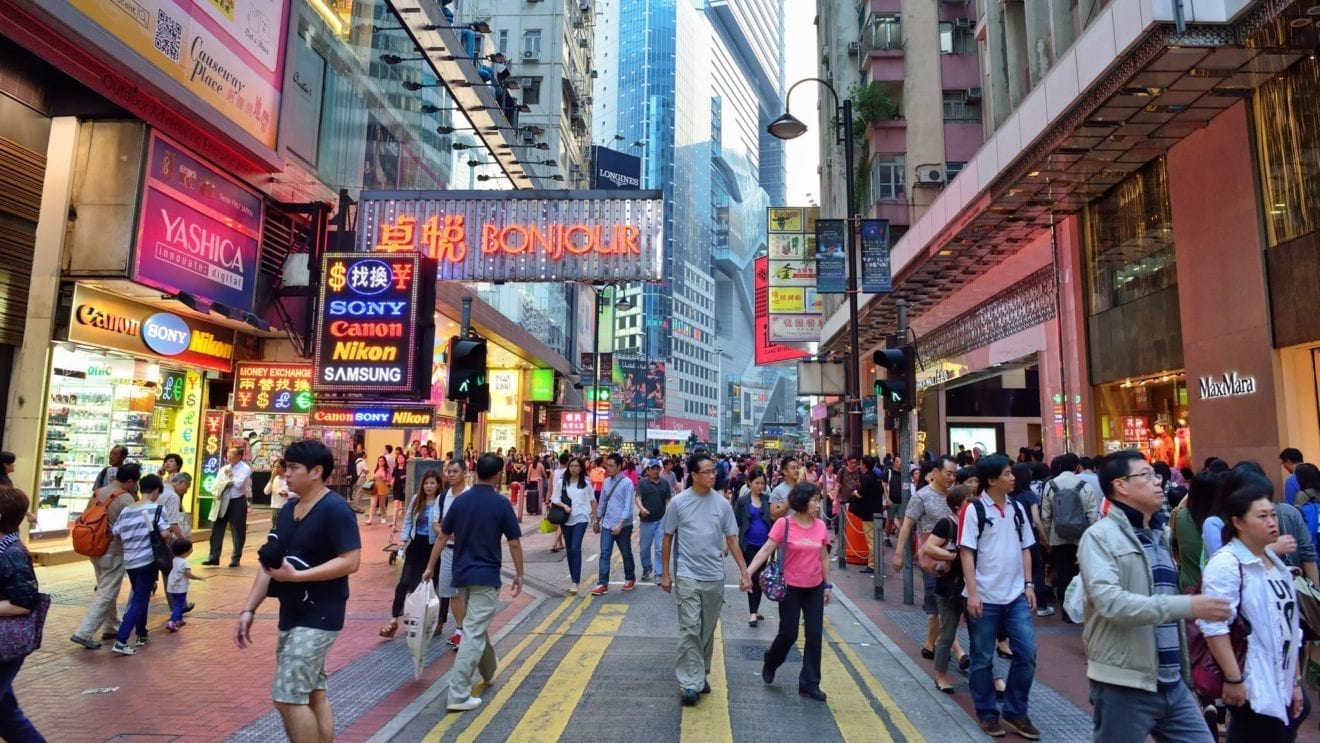
    Many Hong Kong retailers plan to open more stores next year, a new JLL survey shows.

    The realty consultancy firm found that 62 per cent of overseas and local retailers in its survey plan new stores despite predicting a recovery in retail rents in core shopping precincts like Causeway Bay, Central and Tsim Sha Tsui.

    Rates have plummeted more than 40 per cent from the market peak in 2014, says the survey, but half of the 50 retailers surveyed last month believe Hong Kong’s retail market will bottom out and recover next year.

    While all respondents believe high-street rentals are overvalued, there is an equal balance between retailers who prefer to open a store in a shopping mall and those who favour a street-level outlet.

    “Hong Kong’s retail market is still challenging, but the mood among retailers has changed from pessimistic last year to believing the worst is over and there are now opportunities,” says JLL Asia Pacific director James Assersohn.

    He says the city’s prominence in the global map of retail and luxury goods has not been diminished amid a strong domestic consumer market and its exposure to the Mainland Chinese market.

    More tourists

    Statistics from the Hong Kong Tourism Board offer more reasons for optimism: total tourist arrivals in the first five months this year rebounded 3.2 per cent year-on-year to 23.6 million. Moreover, visits by overnight tourists, who spend double on shopping than same-day tourists, rose 5.7 per cent to 11 million.

    “Tourist numbers are bouncing back. Hong Kong’s rentals have come down and still need a small amount of correction to create an equilibrium. However, business is booming for many retailers and the reduced rentals have left a great opportunity to obtain prime retail space,” says Assersohn.

    “Retailers are seeing this as a great time to take advantage of the market conditions and acquire more space.”

    Meanwhile, Hong Kong is lagging in online shopping. Of the surveyed retailers, 22 per cent believe consumers still prefer brick-and-mortar shops, though almost all key retailers and chains have been running online platforms for sales and promotion for years.

    “Hongkongers believe it’s still more convenient and more enjoyable to just pop into a mall,”  Assersohn said.

    Malls are transforming into community hubs by offering more entertainment and improving dining options, he says.

    JLL Hong Kong head of retail Terence Chan says landlords are now willing to offer flexible leasing terms to the retailers with a good brand image.

    Also, the rental correction allows more retailers to enter the market and for landlords to diversify their tenant mix. “It has also helped many retailers to open crossover stores to create a new shopping experience.”

  • Korean Air Charters Flight Directly to Lombok

    Korean Air Charters Flight Directly to Lombok

    Korean Air is set to open a chartered flight from Incheon airport to Lombok, West Nusa Tenggara (NTB), starting on July 29. According to Head of the NTB tourism agency, Lalu Moh Faozal, the South Korean airline has prepared seven flights up to October 9.

    “The flight will carry 200 passengers in each flight from Incheon,” said Faozal on Wednesday, July 12. Australian Jet Star will also open a flight from Sydney, Australia to Lombok.

    South Koreans have been attracted to Lombok ever since a Korean drama series shot an episode in gili Trawangan and several other locations in Lombok.

    Considering that Lombok has successfully grabbed the attention of international tourism community, Faozal urged the people of NTB to improve the quality of several aspects in NTB such as problems of traffic congestion and environmental problems.

    Tourism has been the fourth largest contributor for Indonesia’s economy, devoting 9.3 percent to the national income compared to other national industrial aspects. Tourism also contributes 10 percent of Indonesia’s total gross domestic product (GDP).

    Previously, South Korean ambassador, Taiyoung Cho met with the governor of West nusa Tenggara, Muhammad Zainul Majdi. “Lombok is really popular there,” said Taiyoung Cho. Korean businessmen will be diverted to invest in the property sector.

    Direct flights between Incheon and Lombok by the Korean Air are expected to help improve foreign tourist arrivals in NTB.

  • 7-Eleven sees success in Vietnam after failure in Indonesia?

    7-Eleven sees success in Vietnam after failure in Indonesia?

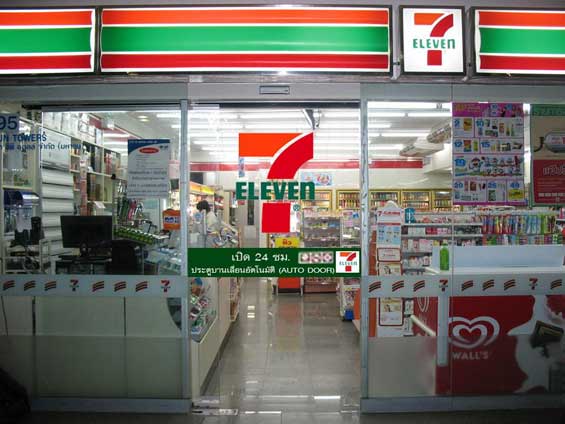
    After 7-Eleven’s initial success in the Vietnamese market, people are still questioning its long-term achievements as competition among different brands of convenience stores in Vietnam is getting more intense, and especially after 7-Eleven’s failure in Indonesia.

    Currently, people are less crazy about 7-Eleven after four new stores were opened within nearly a month. However, some people may still wish to experience this famous chain of convenience stores, while others who used to live abroad, especially in Japan, Thailand, and China, may not be too excited about 7-Eleven in Vietnam.

    At the middle of June, the debut of 7-Eleven in Vietnam lured great attention on newspapers and Facebook, there were even some rumours that customers were paid to queue in front of the first 7-Eleven store.

    In real life, there is not much talk about 7-Eleven, because they think that 7-Eleven stores are just like other convenience stores that have appeared in Vietnam in recent years, such as Ministop, B’s smart, Circle K, Vinmart+, and Shop & Go.

    Since three years ago, Nguyen Tan Minh, a communication employee at a big consumer goods corporation, said that he had not bought goods from traditional grocery stores or small shops on the pavements because he used to be sold the expired goods there, making him lose faith in these kinds of stores. Meanwhile, different chains of convenience stores are appearing everywhere, and the goods in these stores are regularly checked.

    In addition, buying goods in a 24-hour convenience store helps Minh to save time more than buying at a supermarket. Minh is a frequent customer of Ministop but he said that he would not hesitate to leave Ministop and buy in 7-Eleven if one opened closer to his home.

    “7-Eleven sells some kinds of homemade food that suit my taste, such as cakes or yogurt. I usually buy bread in this store for breakfast to save time,” Minh said.

    Besides, 7-Eleven attracts consumers by its own advantages, such as the various imported confectionery products. Specifically, 7-Eleven has a menu of 100 dishes which are cooked in Vietnamese style, and the menu changes every day. This is not only 7-Eleven’s advantage, but also a point of differentiation.

    However, the selling price at 7-Eleven is a little bit higher than some other stores. “This is not important, I love this store mainly due to its convenience,” Minh said and added that a little bit of difference in selling price does not originate from the popularity of a brand, but derives from the initial investment and lease fees.

    All four 7-Eleven stores are at prime locations in Ho Chi Minh City, the most populous and dynamic city in Vietnam. Still, consumers like Minh hope that after the early stage, the prices in 7-Eleven will go down.

    According to Minh, the only shortcoming of 7-Eleven is that there are few stores in the suburbs, so people in these areas must travel all the way to Saigon Trade Center at 37 Ton Duc Thang Street, District 1. However, this 7-Eleven store does not have its own parking lot for customers who drive motorbikes and it is such an inconvenience

    Factors behind 7-Eleven’s success

    Without aggressive advertising, numerous chains of convenience stores have silently entered the Vietnamese market in recent years, such as Circle K, B’s mart, Ministop, Shop & go, and Vinmart+. This year saw a boom of convenience stores with the participation of 7-Eleven.

    “Basically, these convenience stores are similar. I often visit a convenience store because it is near my house, not because of its Japanese or Thai goods,” Thy Thy, a communication employee of Asus Vietnam, said.

    Vietnamese customers’ habits often change quickly. Youngsters in Vietnam do not stick to certain brands and are willing to try new convenience stores if they offer various products at competitive prices, but above all comes convenience.

    Thus, 7-Eleven has the strategy of developing its chain of convenience stores everywhere, on crowded streets or in small and narrow lanes in residential areas.

    In Vietnam, 7-Eleven targets to open 100 stores within three years and 1,000 stores within the next ten years. 7-Eleven is the first foreign retailer in Vietnam that sets such a high target.

    The rumour among domestic retailers says that Henry Nguyen Bao Hoang, managing general partner of IDG Ventures Vietnam, the first technology venture capital fund in Vietnam, is the one who stands behind 7-Eleven stores in the country. He is also the person who brought the first McDonald’s to Vietnam.

    Notably, Pham Phu Ngọc Trai, an excellent Vietnamese CEO over two last decades, is a shareholder of Seven System Vietnam Joint Stock Company, a franchisee of 7-Eleven in Vietnam. He has mastered the retail sector and consumer goods industry in Vietnam.

    All of these things make people think that the 7-Eleven chain will flourish in Vietnam. However, the initial success does not ensure a bright future for 7-Eleven on its own.

    Threats from domestic competition

    While 7-Eleven is warmly welcomed in Vietnam, in Indonesia, it had to close all stores eight years after entering. Previously, Modern International, 7-Eleven’s franchisee in Indonesia, continuously expanded the brand outside the capital Jakarta.

    Like in Vietnam, 7-Eleven induced a modern space with various foods at reasonable prices for Indonesian youngsters. However, these were not enough for 7-Eleven to survive in Indonesia, because at the same time, it had two strong domestic rivals, Alfamart and Indomaret, two chains with a long history and expansive networks all over Indonesia.

    At first, Alfamart and Indomaret copied 7-Eleven upon seeing its success. Afterwards, they focused on raw and fresh food products rather than processed food.

    This is one precious lesson for 7-Elven Vietnam, but at present, it refuses to answer questions about domestic competition. In Vietnam, Vinmart+ of Vingroup may become the Vietnamese version of Alfamart and Indomaret, posing a threat to 7-Eleven.

    Vinmart+ entered the retail sector later than most domestic and foreign convenience stores and mini-marts, but it has one of the biggest number of stores. After only two years of operation, Vinmart+ has opened about 1,000 stores. It targets to open an additional 1,000 stores this year.

    Currently, Vinmart+ focuses on fresh and raw vegetables and fruits instead of cooked food to attract youngsters, who love a quick and convenient life, but the store is changing its strategy.

    Vinmart+ will supply clean vegetables and fruits from its eco-farm VinEco, necessities for housewives and busy officers, and fast food and processed food for youngsters. The food will be processed in VinmartCook and then distributed in Vinmart+ stores.

    Convenience stores in Vietnam have their own ways to approach potential customers. However, customers’ psychology and needs are always changing and they seem to be reluctant to stick to a single brand. This demonstrates that convenience stores that aim for success must understand their customers and adjust to the tren


  • RIP high street retailers, faced by the relentless onslaught of mobile

    RIP high street retailers, faced by the relentless onslaught of mobile

    I overheard a young Hongkonger say recently, “I rarely buy anything at shops anymore. I only shop online.” It is not hard to notice the profound effect that e-commerce has had around the world and especially in an emerging and fast-growing market like China.

    But this phenomenon has yet to fully hit Hong Kong’s major luxury malls and department stores that are crammed with overpriced purses and overwrought window displays.

    Despite a restructuring of Hong Kong retail outlets by major luxury brands, the city still hosts more flagship stores than any other place. The lucrative wave of mainland shoppers has long receded and on any given day the luxury stores in Landmark and Pacific Place and other high-profile malls appear awfully sleepy.

    The fate of Hong Kong’s luxury malls against the online shopping onslaught has not yet unfolded.

    I don’t expect them to become ghost towns, but even they cannot avoid downward trends.

    But they are like the fixed fortifications on Frances’s doomed Maginot Line that were bypassed by the German army on the second world war – intimidating and monolithic, but easily made irrelevant by technological disintermediation.

    E-commerce has radically changed shopping habits in the US. Hudson’s Bay department store posted a US$152 million quarterly loss. Ralph Lauren is closing its fabulous and iconic Fifth Avenue flagship store. What is occurring goes beyond an economic cycle, but rather it represents technology enabling generational change. Millennials are conducting their entire lifestyle on smartphones.

    Will Hong Kong’s malls become obsolete or changed so much they will not mean the same thing.

    Sites like deadmalls.com chronicle the slow, but sure death and irreversible evolution of shopping malls in the US.

    Although not all of them are dying, certain segments in urban and suburban areas are empty, hastened by the rise of online. Changing consumer habits and online shopping is decimating the mall as a central retailing concept or necessary gathering place for the community.

    JD.com’s recent acquisition of a US$397 million stake in Farfetch, the London-based luxury fashion and boutique e-commerce service provider, marks a major milestone in the development of luxury retailing. The company, which reported gross sales of US$800 million last year, runs nine local language e-commerce sites, which include the mainland, South Korea and Japan.

    The two companies described their strategic partnership as a means to dominate market share in the estimated US$80 billion market in domestic and travel-related purchases of luxury goods by mainland consumers.

    “We’re just scratching the surface of China’s US$80 billion luxury market,” said Jose Neves, Farfetch’s CEO and founder after the announcement.

    “In China, there’s a huge movement from offline to online [shopping] and there are millions of new millennial luxury shoppers who live their lives digitally.”

    I met its Portuguese founder Jose Neves in 2012 after he raised US$23 million from venture capitalists. Four years into its start-up he expected to close the year with over US$100 million annual sales growth rate of 204 per cent and 56,000 customers in over 100 countries. Today, its online marketplace sells to about 1 million customers in more than 190 countries and territories.

    Farfetch demonstrates the irreversible momentum of change that is possible in shopping habits when shoppers are technologically enabled.

    Furthermore, disintermediation – the reduction in the use of intermediaries between producers and consumers – is an almost imperceptible event when it takes hold.
    What looks like an insignificant catalyst is like observing a distant car in your car’s rear-view mirror. Suddenly, it sling shots past you at great speed and is never seen again as it no longer competes directly with you. Rather it has redefined and recreated a new industry.

    Hong Kong retailers and shoppers have been slow to adopt e-commerce. During internet 1.0, department store owner tycoons woefully misinterpreted the idea by spawning “Dickson CyberExpress”, a misguided attempt to cross a website with a physical mall.

    It only showed how our retail tycoons cannot visualise retailing beyond renting floor space, seeking profits per square foot and abusing “cyber” and “e”.

    By waiting for the trend to materialise and prove itself rather than adapting, leading and innovating Hong Kong mall owners only ensure their extinction.

    The best malls will probably survive as every major city has a high street, but tenant mix and rent levels may not remain the same. But then again, if technology has taught us anything, it is that you still have to worry about some obscure person toiling away in a garage or flat somewhere, inventing the new killer platform.

  • Hong Kong retailers fail to harness the power of data to improve customer engagement

    Hong Kong retailers fail to harness the power of data to improve customer engagement

    Brands are caught in a vicious cycle when it comes to building a relationship with their customers. According to a recent study conducted by global loyalty marketing agency ICLP, a majority of Hong Kong consumers do not expect to get anything in return for sharing their personal details with only 9% reporting that their shopping, payment and delivery preferences are recalled and used by retailers.

    “The reason for this is either because retailers might not be able to collect enough personal data or they don’t harness the data they have to improve customer engagement. Collecting data is one thing, but drawing insights to create a meaningful dialogue with customers is critical to trigger action,” comments Mary English, Executive Vice President-APAC at ICLP.

    Brands fail to harness the power of data

    Customers currently do not believe that retailers will deliver much when it comes to personalisation, whether it is providing product recommendations or remembering their favourite way to pay, according to the ICLP study.

    · Only 9% of Hong Kong shoppers say that brands remember their shopping, payment and delivery preferences

    · Only 9% say that brands remember their past purchase

    · Just 10% are given personalised shopping recommendations

    · Only 10% are given offers relevant to them

    · As few as 12% find that retailers remember their birthday (perhaps the most basic level of customer recognition)

    The study revealed that 88% of Hong Kong shoppers say that they do not think that they will get anything in return for sharing their personal details with retailers – this is the highest percentage of the Asia-Pacific markets surveyed compared with 78% of shoppers in Singapore and 67% in China. The conclusion, based on this feedback, is Hong Kong consumers lack passion and excitement for receiving a brand’s information. The risk for a brand is that these consumers will ignore its communications, considering them irrelevant, and seek excitement elsewhere. Without that passion and the personalised dialogue, there is limited opportunity for the brand to improve its relationship with its customers or to surprise and delight them, and thus inspire them to shop more often or make impulse purchases.

    To create an intimate relationship with customers, brands have to make sure they capture data across all channels. The data collected should not be limited to personal details, but also include social activities, and payment and delivery preferences. Customers realise the importance of their personal information and expect to benefit from providing it. Brands should therefore respect the data consumers provide, and reward them for sharing their information by offering discounts, offers or other rewards, and use the data collected in an effective way that actually delivers real benefits to the customer.

    Mary commented: “These findings reveal that Hong Kong customers don’t expect much from retailers by sharing their personal details. These particularly notable figures compared to the APAC territories and countries surveyed are certainly an action signal for brands to review their customer engagement strategy. Retailers need to respect the customers’ personal data by providing relevant, real-time experiences based on their shopping behaviour and incorporate elements of surprise and delight to drive customer devotion.

    Brands should have a cohesive engagement strategy with data architecture for a single view of their customer to continually gather insights to strengthen their relationship with their customers. Harnessing personal, transactional and social data gathered at point of sale and from social platforms enables brands to understand customers’ shopping, payment and delivery preferences. With these data analytics, brands are then able to provide personalised experiences, build emotional connections with their customers as well as identify demand trends for use in product development.

    In order to build stronger relationships with customers, brands need to be smarter in the way that they use and reward personal data. A devoted relationship requires intimacy, passion and commitment according to Sternberg’s Triangular Theory of Love. Delivering unique and tailored experiences helps build both passion, by delivering something customers will really value, and intimacy, by communicating when they expect it and through their choice of channel.”

  • Franchise brands increase by 9%

    Franchise brands increase by 9%

    The number of franchise brands and companies has increased by roughly 9 percent compared to last year, with over 5,000 franchise brands owned by 4,000 franchise companies now operating in Korea.

    But while an average of 115 new franchise stores have opened up every day since 2015, 66 per day have also been forced to close, indicating how fierce the competition is.

    These figures were announced by the Korea Fair Trade Mediation Agency on Wednesday. The agency’s primary goal was to provide a better understanding of the status quo in Korea’s franchise market, especially as the intense competition is increasingly becoming a major social and economic concern.

    Although the agency has previously released individual information on different franchise industries, this is the first time that an overall assessment has been made.

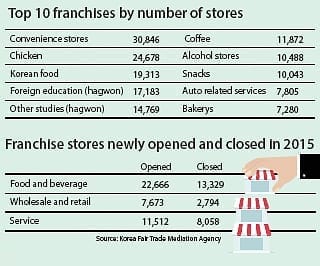
    Last year there were 5,273 franchise brands, with 429 new brands introduced in just one year – an 8.9 percent increase. The majority of the newly created brands, 76.2 percent, were food and beverage franchises.

    Service franchises, which includes education related businesses such as cram schools, preschools and children’s indoor playgrounds as well as sports, PC repair shops, lodging, laundry, drugstores and moving companies accounted for 17.9 percent, or 944 brands. Wholesale and retail franchises, which include convenience stores, clothing brands, cosmetics and health related franchises accounted for 5.9 percent, or 312.

    Within food and beverage franchises, Korean food businesses accounted for 1,261 brands, followed by fried chicken with 392. Coffee shops came in fifth with 325 brands. The number of franchise companies grew to 4,268, a 9.2 percent increase.

    As of 2015, the total number of franchise stores in the country amounted to 218,997 shops, which is a 5.2 percent increase year-on-year. By number of stores, convenience stores topped the list with 30,846 shops followed by chicken restaurants with 24,678.

    Convenience stores also turned out to be the first choice for many self-starters, as they don’t require any specific skills to run. In 2015 alone, 5,755 convenient stores opened, followed by 4,552 Korean restaurants and 3,988 chicken restaurants.

    On average franchise stores lasted for four years and eight months. Food franchises generally closed quicker than wholesale and retail franchises or service franchises. Wholesale and retail franchises stayed in business for six years and three months on average, while service franchises lasted five years and 10 months, and restaurant franchises lasted four years and three months.

    The study by the fair trade mediation agency came at a time when franchise businesses have been under heavy government scrutiny over the unfair business practices that have led to the arrest of Jung Woo-hyun, founder and chairman of Mr. Pizza.

    With more baby boomers retiring and young people struggling to find jobs, franchise businesses have become a major alternative for those seeking a new livelihood. However, because of the intense competition with similar stores popping up in the same neighborhoods, many have struggled to have ends meet, and in some cases, franchisees have ended up losing their life savings after investing in an unsuccessful business.

    “The competition in the chicken, snack and fast food market is fierce while the unfair business practices by franchise headquarters might have had some influence,” said Chang Choon-jae, the vice head of the mediation agency.

    The franchise industry has become such a concern that Fair Trade Commission Chairman Kim Sang-jo announced that he would prioritize the protection of small neighborhood businesses and uphold fair competition – including implementing penalties against unfair business practices by franchise headquarters – as his top priority.

    The study also showed that the oldest franchise brand is Lims Chicken. The chicken franchise started its business in July 1977 at the Shinsegae Department Store. Lotteria came in second with 36 years, another chicken franchise Pelicana came in third with 35 years and the bakery franchise Shilla Myunggua lasted 33 years.

    The franchise company that had the largest number of brands under its belt was Theborn Korea, which was founded by Korea’s celebrity chef Paik Jong-won. The franchise company owns 20 brands including coffee shops, Korean beef, bibimbap and udong franchises.

    Nolboo, a franchise that specializes in Korean cuisine including its signature dish budae jjigae, a stew made with instant noodles and other items including sausage and ham as well as dumplings, took second place after Theborn Korea with 13 brands.

    The franchise company that took the third spot by number of brands, however, wasn’t in the restaurant business. Soft Play Korea took the No.3 spot with 13 brands. The company specializes in indoor preschools and children’s playgrounds.

  • New routes to help Malaysia Airlines turn around next year

    New routes to help Malaysia Airlines turn around next year

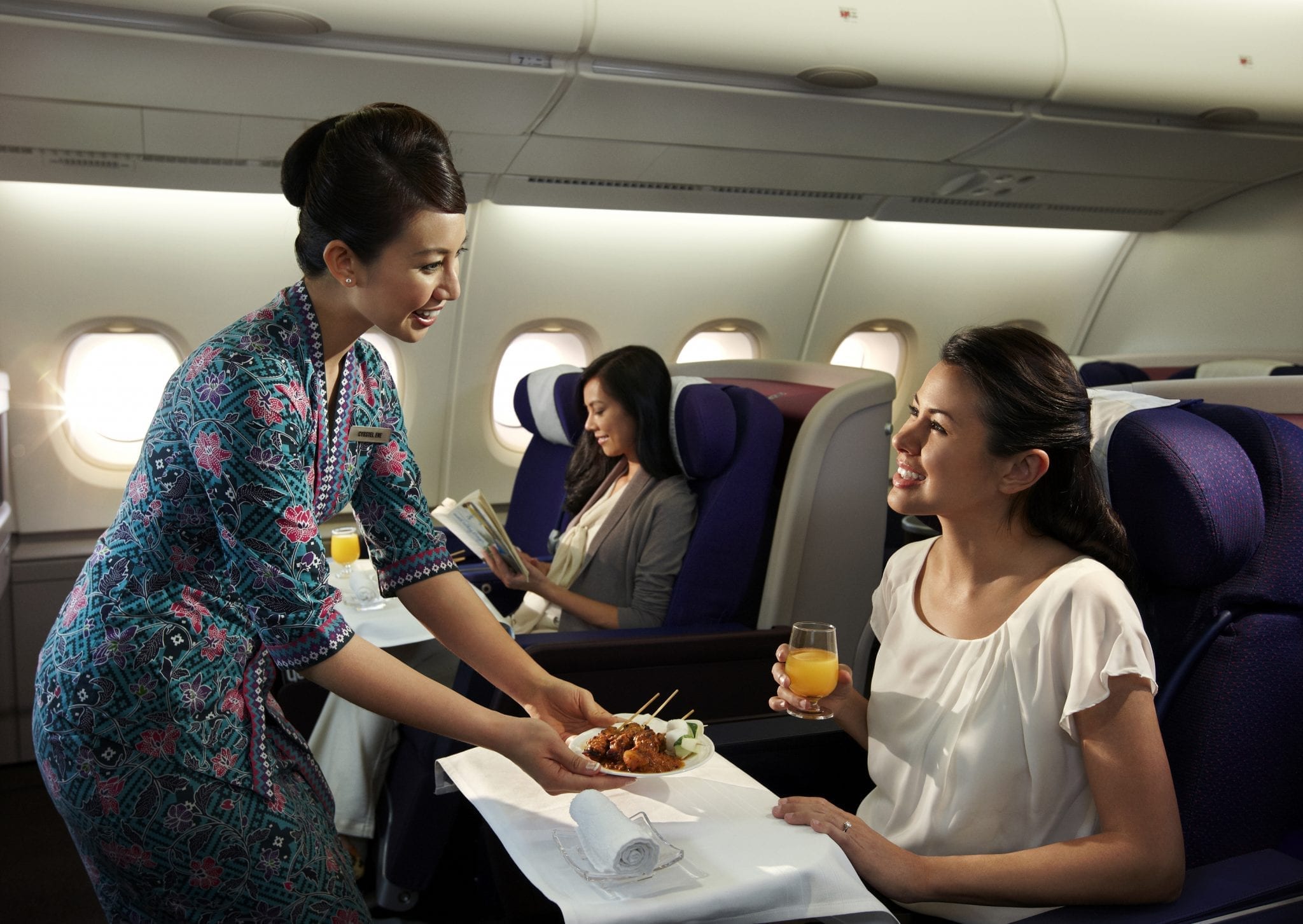
    The expansion of new routes to China, India and North Asia, which is expected to happen in the second half of financial year ending Dec 31, 2018, would be the key to the turnaround story of Malaysian Airlines Bhd (MAB), said chief executive officer Peter Bellew.

    Bellew said MAB was making good progress in its restructuring and the airline just needed another few percentage upside on the yield to be into profit.

    “Our recovery plan is half-way through. In fact, we can say we are little bit ahead (of schedule). And it’s all about revenue and cost control.

    “Taking the right routes, improving the sales and marketing and by increasing the load factors, we should increase the revenue. Next year, we are expected to be able to break even across some of the quarters, start making profit and to show consistent profit in the following year,” Bellew told reporters on the sidelines of Malaysia Aviation Group’s Hari Raya celebration in Sepang on Monday.

    The group comprises its ground-handling unit, AeroDarat Services Sdn Bhd and MAB’s units -–MASWings Sdn Bhd, Firefly Sdn Bhd and MASkargo Sdn Bhd.

    Bellew said expansion of selected new routes throughout this year till 2019 would be a significant step forward for the airline, capitalising on a booming population, increasing middle class and incredible growing economies of China, India, as well as in Japan, South Korea and Taiwan.

    “We are quite optimistic our fleets would increase a little bit next year and we should improve products on board as well, and overall, would result in beneficial impact to the airline,” he said.

    MAB was reportedly half-way through its US$1.39bil (RM6bil) restructuring exercise which is likely to be completed in five years.

    The exercise was put into place in 2015 during the time of Bellew’s predecessor, Christoph Mueller.

    Bellew took over as MAS CEO on July 1, 2016, after Mueller left citing personal reasons.

    The second phase of the MAB’s restructuring, according to Bellew, involved adding new routes, including 11 routes to China. It launched new routes to Nanjing and Fuzhou last month.

    The coming routes include Chengdu, Chongqing, Wuhan, Tianjin, Shenzhen and Shanghai from Penang, Kuala Lumpur and Kota Kinabalu, while the expansion of other new routes are also being considered.

  • June Retail Inflation for India Slowest in More Than Five Years

    June Retail Inflation for India Slowest in More Than Five Years

    India’s annual retail inflation eased in June to its slowest pace in more than five years, as food prices fell, building pressure on the central bank to cut interest rate when it meets for a monetary policy review on August 2.

    The consumer price index rose 1.54% in the 12 months through June, down from an increase of 2.18% in the previous month and slower than the forecast of economists in a Reuters poll, data released by the Ministry of Statistics showed on Wednesday.

    Economists in a poll had predicted inflation to ease to 1.7% last month.

    This is the lowest inflation rate since India started releasing retail inflation data in January 2012 based on a combined CPI index for rural and urban consumers.

    Elsewhere in Asia, China’s annual consumer prices remained subdued at 1.5% in June.

    With headline inflation remaining below the Reserve Bank of India’s mid-term target of 4% for the past eight months, industry participants and the government have sought a cut in interest rates to support economic expansion.

    Economists expect that the central bank to cut interest rates in its next policy review.

    The economy grew at an annual 6.1% in January-March quarter, the weakest growth since late 2014, hit by Prime Minister Narendra Modi’s surprise decision to scrap 86% of the currency in circulation in November.

    Some analysts, though, say an increase in charges of services after the launch of a new tax system this month, could push up core inflation, which excludes food and energy prices, and has remained stubbornly stayed above 4 percent for years.

    Separately, industrial output grew 1.7% in May from a year earlier, data showed.

    The pace of expansion, however, was slower than a revised 2.8% annual rise in April and compared with a 1.9% growth forecast by economists in a Reuters poll.

    Bumper foodgrains

    Analysts say expected good rains this year could lead to bumper grain production and a further slide in food prices in Asia’s third largest economy.

    Retail food prices fell 2.12% last month from a year ago, compared with a 1.05% fall in May. Falling food prices present a worry for the government because of the hit on millions of farm households.

    The central bank now expects retail inflation to come in a 2.0-3.5% range for the first half of fiscal year 2017/18 and 3.5-4.5% in the second half, down from 4.5% and 5.0%, respectively.

    Expert opinions

    “The continued softness in core inflation should comfort the MPC that underlying price pressures have eased, in addition to the collapse in food prices over the past few months.

    Accordingly, we expect the MPC (monetary policy committee) to cut the repo rate by 25 bps in their August review.

    Subsequently we expect the MPC to be on a wait and watch mode through this financial year. We expect headline inflation to top around 4 percent by March 2018 as food inflation reverts to more normal levels.

    Further price data is likely to be clouded by both GST (goods and services tax) and government house rent allowance increases.

    Lastly, with major central banks likely starting to contract balance sheets by last quarter of this calendar year, global financial markets could turn more volatile from hereon. Taking all this into consideration the MPC would prefer to stay on sidelines after easing rates in August.”

    “Given the current inflation trajectory we reiterate our call of a 25 basis points rate cut in August policy.

    The momentum of overall inflation will pick-up slightly from August given higher housing allowances but it is unlikely to pose any upside risk to the upper band of RBI’s 3.5-4.5 percent inflation target in the second half of the year (October-March).

    Core inflation is at a series low since 2012, which might go up slowly but we don’t see any sharp upside as a pick-up in demand is still not robust and the output gap is negative.”

    “It is slightly higher than my expectations. I was at 1.4%, and that is largely because of vegetable prices. I was expecting the increase to be on the lower side.

    Otherwise, we do expect a rate cut of 25 basis points in the August policy. There is a significant possibility that overall inflation will be significantly lower than RBI’s forecast. Unless, there is some major disappointment in monsoon, I don’t see any upside risk to inflation by March 2018.”

    “RBI does not believe that GST will increase inflation yet, but if you observe other countries where GST was implemented, it definitely created an upward pressure on inflation.

    We also have the 7th Pay Commission which increased the house rent allowance (HRA). Both factors would create upside risk for the baseline inflation.

    The RBI will be monitoring the progress of GST and the monsoon this year.”

    “This print will provide room for RBI to cut repo rate by 25 bps, but scope for further rate cuts would be restricted as the RBI would likely wait-and-watch the impact of HRA (house rent allowance) increases over the next few months.

    Recent increase in vegetable and cereals prices would also keep the RBI cautious. Further, developed markets have been signalling a reversal in their policy stances for some time.

  • Malaysian retailers urged to go digital

    Malaysian retailers urged to go digital

    The Malaysia Retail Chain Association (MRCA) wants to drive the retail industry to go into the online arena, in line with the government’s aspirations, for better opportunities and to compete better.

    President Datuk Garry Chua said online adoption among Malaysian retailers is still relatively low, but the initiative to start thinking and adopting digital strategies is there. He said members are putting their products for sale online and gauging feedback from online channels.

    “Some of our members have started adopting online initiatives but it takes time to pick up. But it’s a good start. Since the government is bringing in Alibaba, we have to rely on that wave to benefit the retailers and SMEs to the maximum,” he told reporters after opening the MRCA Retail Conference 2017 yesterday.

    He said online sales contribution is growing, but on a gradual mode.

    “This depends on the Digital Free Trade Zone (DFTZ). If it kicks off faster, the process (online sales) will be faster. We’re looking at the next three years (for a pick-up in online sales). Definitely a double-digit growth for online after this,” said Chua.

    Despite the growing importance of e-commerce, he said brick-and-mortar stores will not totally lose its presence.

    “You have to fine tune the balancing game. Countries like the US, Singapore and Malaysia always have a supply of malls, so some have to be wiped out. It’s like a rationalisation process. You can’t have too many, so there’s a balancing of online and offline,” he said.

    He reiterated MRCA’s expectation of a 4.5% growth in retail sales this year, driven by tourism.

    Themed “Retail Innovation: The Future is Now”, the MRCA Retail Conference 2017 discussed shifting retail landscapes, disruptive technology, digital economy, DFTZ and understanding Gen Y, in line with the government’s aspirations of spurring Malaysia’s economic growth by providing cross-border e-trade facilities for SMEs.

    The conference was officiated by International Trade and Industry Minister Datuk Seri Mustapa Mohamed.

    In his speech, Mustapa said the government launched the Productivity Blueprint a couple of months ago and has set up three groups of Productivity Nexus, in which one is a Productivity Nexus for retail and food & beverage (F&B) to be led by the private sector. The Nexus also comprises of organisations such as MRCA, Bumiputra Retail Organisation, Malaysia Franchise Association among others, in partnership with the government.

    “We recognise the importance of the retail and F&B sectors, which employ no less than 2.5 billion people and contribute 8.3% to GDP. Having said that, labour productivity in many of the sectors in the country is one of the lowest, therefore we formed the Productivity Nexus, which is about sharing of best practices,” Mustapa said.

    He added that innovation is important for retailers to move with the times and to be ahead of the curve, with digital being the way forward.

    The MRCA Retail Conference 2017 was held in conjunction with MRCA’s Malaysia International Retail Franchise & Licensing Fair 2017, which starts today.

  • Japan retailers’ profit growth slows to 0.6% in March-May

    Japan retailers’ profit growth slows to 0.6% in March-May

    Japan’s retail sector has seen earnings growth slow notably from a year earlier in the March-May quarter due to lackluster increases in sales combined with greater labor and other costs.

    The aggregate pretax profit of 61 retailers that announced their March-May results by Tuesday increased 0.6% on the year, according to a compilation. The figure, which translates to a nearly 3 percentage point drop from a year earlier, was the smallest over the past two years. About 40%, or 26 companies, booked profit increases.

    Are winners losing their grip?

    Convenience stores, which had been the winners in retail, are perhaps at a turning point. FamilyMart Uny Holdings, which was created through the merger between UNY Group Holdings and FamilyMart last September, said Tuesday its operating profit was 12.5 billion yen ($109 million), down 31% from the combined profits of its two predecessors a year before. Renovation costs were a major factor behind the profit drop, as the company turned some 750 Circle K and Sunkus convenience stores into FamilyMarts in the quarter.

    Lawson’s pretax profit declined even with a sales increase, partly due to the costs it shoulders for its store operators for the disposal of unsold packaged meals.

    Industry leader Seven-Eleven Japan was the only one among the top three players that booked profit growth. Its operating profit climbed 2% to 59.5 billion yen.

    Meanwhile, even within the same Seven & i Holdings group, general merchandise store operator Ito-Yokado struggled, with its existing-store sales shrinking 3.2%.

    “We will reform food operations by setting up a dedicated team,” said Yuji Kaneko, an executive officer of Seven & i.

    Aeon Retail, a general merchandise unit of Aeon group, sustained an operating loss for the quarter despite slashing advertising and other costs. The company cut prices of as many as 254 food and household items in April. President Soichi Okazaki says “sales would have slid even deeper were it not for the price cuts.” To spur sales, the company plans to lower prices again as early as August.

  • Bad news for Japan’s retailers as Chinese tourists cut back on buying

    Bad news for Japan’s retailers as Chinese tourists cut back on buying

    They’re still coming in droves — but no longer buying in spades. After propping up sales for overseas retailers over the past decade with a shopping-driven tourism agenda, Chinese visitors are no longer returning home with suitcases bulging like before.

    A new survey by consultancy Oliver Wyman shows Chinese tourist numbers and holiday expenditure continuing to rise last year, even as shopping during overseas travel dropped 17 percent from a year earlier.

    The average Chinese tourist spent about 6,705 yuan ($986) on shopping when traveling, down from 8,050 yuan in 2015. But overall holiday spending — including on hotels and sightseeing — rose 3.5 percent to 20,317 yuan from 19,635 yuan, according to the survey of 2,000 travelers from the mainland.

    The sea change in spending habits is dealing a blow to retailers from Parisian department stores to Japanese duty-free operators and Hong Kong jewelers, but bigger numbers of wealthier Chinese may create other opportunities for leisure and entertainment operators in popular overseas destinations.

    “Businesses globally have to adjust their strategy to think about how to capture the new Chinese tourist dollar,” said Oliver Wyman’s Shanghai-based partner, Hunter Williams. “It’s less about the outlet mall now and more about the national park.”

    One reason for the change is the easier access to foreign goods in mainland China due to a booming $60 billion cross-border e-commerce market.

    Imported items can now be ordered online and delivered in as quickly as a day, often exempt from taxes levied on goods from store shelves.

    That’s damped the practice of buying overseas for the purpose of reselling locally, and the survey showed such resales falling to 3 percent of shopping expenditures from 8 percent in 2015.

    Chinese outbound spending still ranks highest in the world. In 2016, travelers from the country spent $261 billion, a fifth of the global total, up from $249.8 billion in 2015, according to the World Tourism Organization.

    But the portion contributed by shopping has fallen to 33 percent of overall travel expenditure, from 41 percent in 2015, the Oliver Wyman survey showed.

    Chinese consumers no longer need to travel overseas to stock up on items from Playtex bras to Christian Dior lipsticks and Blue Nile diamond rings, which are now available on online portals run by firms like Alibaba Group Holding Ltd. and JD.com Inc. With foreign brands increasingly using the internet to reach Chinese buyers, foot traffic to malls and outlet stores in popular overseas destinations is slumping.

    Duty-free retailer Laox Co. reported a 33 percent fall in revenue for 2016 as Chinese tourists spent less, while U.S retailer Macy’s Inc. is shutting 14 percent of its stores to stem sales declines.

    Luxury houses like LVMH Moet Hennessy Louis Vuitton SE and Cie Financiere Richemont SA and brewer Kirin Holdings Co. have pointed to sales pressures from fewer Chinese shoppers visiting stores globally, said Bloomberg Intelligence retail analyst Catherine Lim.

    The survey also showed that more Chinese tourists are traveling with children and spouses rather than going alone or with friends. That could benefit destinations that offer unique leisure experiences or entertainment options, said Oliver Wyman’s Williams.

    “The number of Chinese tourists is still rising rapidly and at quicker pace than their overall spending,” he said. “This should give industry players some pause to think about how to make up for the loss of shopping-related spending through volume.”

  • Cebu Pacific seeks to increase Manila-Sydney flight frequency

    Cebu Pacific seeks to increase Manila-Sydney flight frequency

    Cebu Pacific (CEB), the only low-cost carrier servicing Manila and Sydney in Australia, has captured the largest market share for both passenger and cargo services on the route as of April 2017 and wants to increase its flight frequencies to this destination.

    Data from Australia’s Bureau of Infrastructure, Transport and Regional Economics (BITRE) showed that CEB flew 16,441 passengers in April alone, representing 41.8% of the total market share for the Manila-Sydney route, the highest among the three carriers flying this route.

    This brings the total number of passengers flown by CEB to 59,953 – representing 41.7% market share. Its closest competitor, on the other hand, captured 33.5% market share. Load factor for CEB for the Manila-Sydney route was at an average 80% for the first four months of 2017.

    Year-on-year, total passenger volume for the first four months of 2017 of all three carriers plying the Manila-Sydney route reached 143,765, up 12% versus the 128,352 passengers flown in the same period in 2016.

    For cargo service between Manila and Sydney, CEB captured 43.8% market share of the total 789 tons carried in April 2017. From January to April 2017, CEB had 47.4% market share of the total 3,114 tons of cargo carried for that route. The total cargo volume for the first four months of 2017, however, is 30.6% lower than the 2,128 tons carried in the comparable period last year.

    “Since opening the Sydney route in 2014, we have contributed to the growth of trade and tourism between the Philippines and Australia, through year-round low fares. Today, Sydney is one of our top international routes and bodes well for our future expansion plans in the Australian market,” according to Atty. JR Mantaring, Vice President for Corporate Affairs of Cebu Pacific.

    Cebu Pacific currently offers the most number of seats between Manila and Sydney, operating up to five weekly nonstop services between Sydney and Manila, departing every Tuesday, Wednesday, Thursday, Saturday and Sunday from Sydney at 11:35 a.m. and arriving Manila at 5:50 p.m.

    The flights from Manila to Sydney, on the other hand, depart at 12:05 a.m. and arrive Sydney at 10:05 a.m.

    Recently, the airline expressed interest to increase frequency between Manila and Sydney, noting strong demand for this route.

    Cebu Air, Inc. is the largest carrier in the Philippine air transportation industry, offering its low-cost services to more destinations and routes with higher flight frequency within the Philippines than any other airline. It also offers flights to over 60 destinations including Dubai, Tokyo, Beijing, Bali and Sydney.

    CEB’s 61-strong fleet, comprised of 4 Airbus A319, 36 Airbus A320, 8 Airbus A330, 8 ATR-72 500 and 5 ATR 72-600 aircraft, is one of the most modern aircraft fleets in the world. Between 2017 and 2022, Cebu Pacific will take delivery of 7 Airbus A321ceo, 32 Airbus A321neo, and 11 ATR 72-600 aircraft.

  • AirAsia’s Shenzhen-Langkawi route starts Aug 9

    AirAsia’s Shenzhen-Langkawi route starts Aug 9

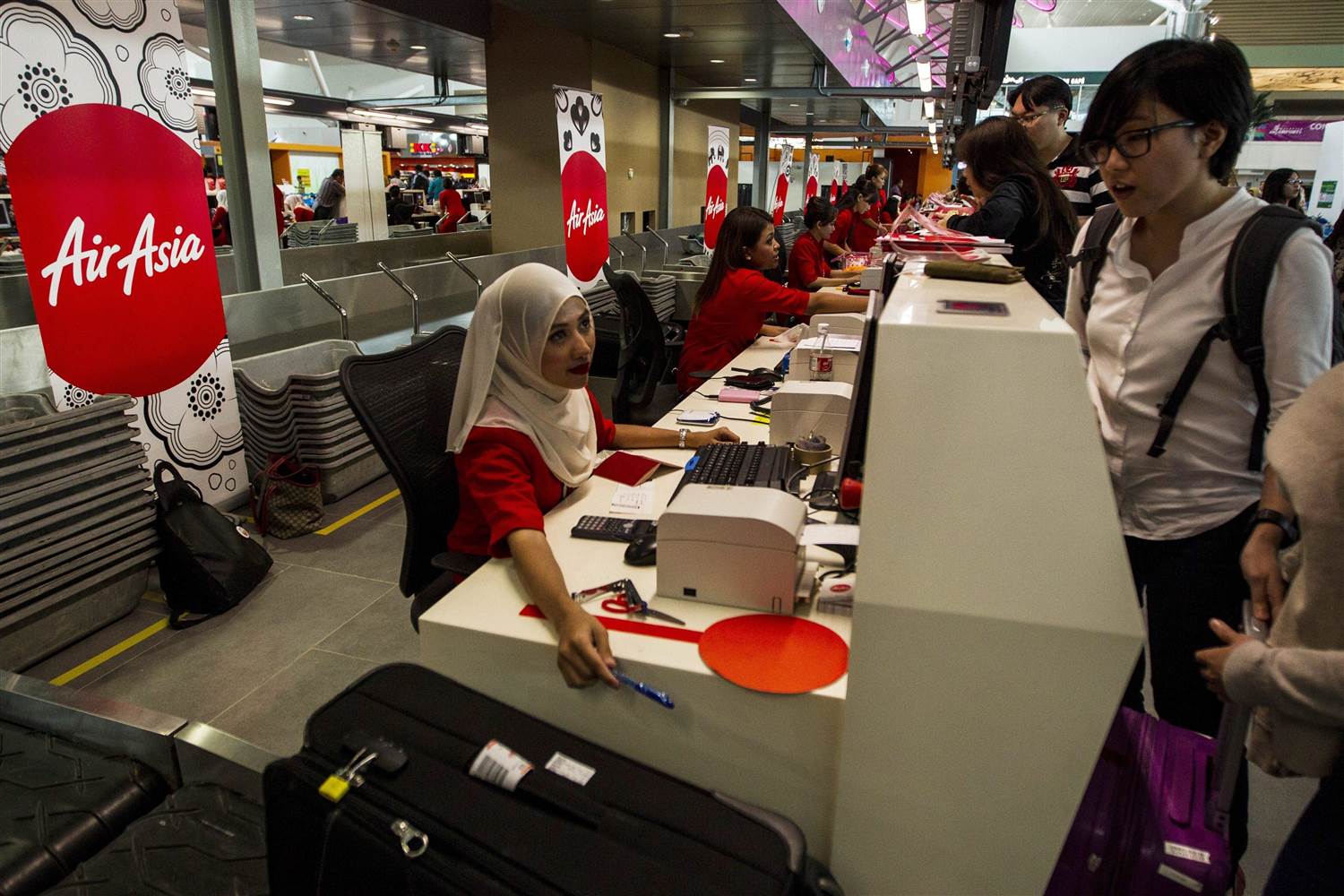
    AirAsia is expanding its connectivity by introducing direct flights from Shenzhen, China, to Langkawi starting Aug 9. Chief executive officer Aireen Omar said the concept of low-cost airline was introduced in Shenzhen with the aim of enabling more people to fly.

    “Now people in the Guangdong province are well-connected to the world through our extensive flight network of over 120 destinations in Asia, Australia, New Zealand and the United States,” she said in a statement.

    Since its inaugural flight in 2007, the airline has flown 4.3 million guests in and out of Shenzhen, bringing in high local and international passenger traffic into the city.

    Celebrating its tenth anniversary flying into Shenzhen, China, AirAsia was now offering 35 weekly flights from Shenzhen to South-East Asia.

    The average load factor for this year for the three routes from Shenzhen recorded a performance of over 85%, placing AirAsia as the leading foreign airline, in terms of flight frequency and passengers flown into Shenzhen.

    To celebrate the occasion, AirAsia is offering all-in fares as low as RM256 from Kuala Lumpur to Shenzhen and RM257 from Kota Kinabalu to Shenzhen.

  • Singapore Myanmar Investco reports encouraging initial retail results at Yangon International

    Singapore Myanmar Investco reports encouraging initial retail results at Yangon International

    Singapore Myanmar Investco Limited has reported revenue of US$13.3 million in its travel and fashion retail segment for the year ended 31 March 2017.

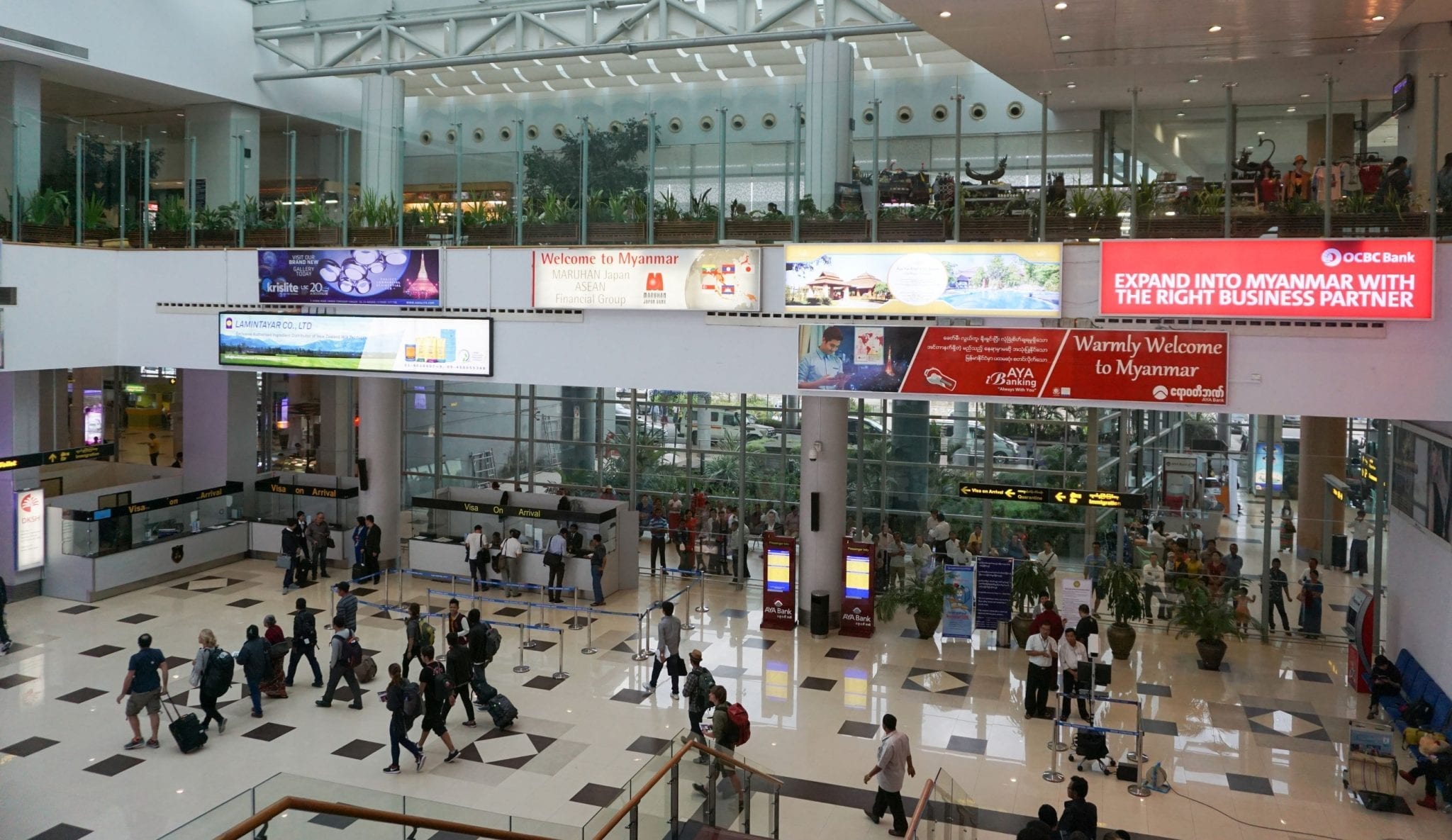
    Subsidiary SMI Retail only began duty free operations at Yangon International Airport in September 2016, meaning there is little meaningful basis for year-on-year comparison. The company was awarded contracts for duty free, other retail and food & beverage outlets in 6,700sq m of space at the airport’s new International Terminal in December 2015.

    The 6,700sq m of retail space includes a multibrand and multicategory duty free area of almost 2,000sq m on three levels

    Singapore Myanmar Investco Limited reported overall group revenue of US$23.3 million for the year, and a gross profit of US$4.8 million. Net of tax, the company reported a loss of US$7.3 million.

    “The initial results of retail operations at Yangon International Airport are encouraging although it will take time for the new terminal to reach traffic flows at projected levels,” said SMI President and CEO Mark Bedingham in the company’s annual report.

    “We have received much positive feedback from passengers and the airport management company on the quality of the duty free and travel retail stores that we have created and this initial success has been widely noticed in the city itself.

    “Notably, we have used our relationship with DFS to supply a comprehensive portfolio of international wines & spirits and beauty brands for both departures and arrivals at Yangon International Airport and have introduced more than 30 international fashion and lifestyle brands to create an outstanding retail experience for this very modern, newly-built terminal.

    “This new terminal has dramatically increased the capacity of Yangon International Airport to meet the expected rapid rise in international travellers; for business, for tourism and for Myanmar nationals who are also starting to travel overseas in greater numbers. This new terminal is already scheduled for further expansion and this will undoubtedly create new opportunities for SMI in travel retail at the airport.”

    Bedingham also noted that a number of mall owners and developers in Myanmar saw SMI as a “highly desirable partner”. He continued: “We have been pleased to work with Junction City – a new integrated upscale development in downtown Yangon. We have been able to introduce several international brands that we work with at the airport into Junction City and nearly all of these retail stores have been opened by the end of April 2017.”

    SMI signed an exclusive distribution agreement with Shiseido Asia Pacific in February 2017 and the first Shiseido flagship counter in Myanmar will open in Junction City by mid-year 2017.

    Non-Executive Chairman Ho Kwok Wai said that SMI would now move focus on organic growth across its diversified business portfolio.

    He noted a World Bank report issued on 30 January 2017 which stated that Myanmar’s economy will grow an average of +7.1% per year in the next three years.

    “The landscape in Myanmar was very different when we began our transformation in 2013 but our objective for the group remains the same: to build a diversified business model to capitalise on the strong trends in consumer spending, international tourism and infrastructure investment in this frontier market,” he said.

    “From the encouraging results shown in our portfolio of businesses so far, there is positive sentiment that we are on the cusp of major advances in Myanmar, with strong growth potential.”

  • Paper dominates Indonesia`s export in 2016-2017

    Paper dominates Indonesia`s export in 2016-2017

    Paper products dominate Indonesias global exports in two years, which was worth US$13.95 billion of the total wood products’ exports of $11.83 billion in 2016-2017.

    “These value are wood-based products with V-Legal documents, namely SVLK and FLEGT licenses,” Director of Forest Products Processing and Marketing, Ministry of Environment and Forestry, Rufiie, said here on Monday.

    SVLK is Indonesias timber legality assurance system, while FLEGT is the EUs Forest Law Enforcement, Government and Trade.

    According to Rufiie, the export of wood products using the V-Legal and FLEGT system was just implemented in 2016. FLEGT was issued after Indonesia implemented SVLK.

    In 2016, Rufiie added that the total global export value of Indonesia’s timber products amounted to $9.26 billion. Wood products’ exports with FLEGT license, which is exported to the EU, amounted to $868.85 million.

    Of the total exports, paper products to all countries around the globe amounted to $3.11 billion, while paper exports to the EU amounted to $204.17 million.

    “There are two systems applied in wood products’ export, namely with SVLK for all countries outside the EU and FLEGT Licenses for the EU market,” Rufiie remarked.

    Up to March 2017, the export value of wood products to all countries was worth $2.57 billion, while that to the EU was worth $277.26 million.

    The global paper export value until March 2017 was worth $837.37 million, while export to the EU was worth $65.25 million.

    “Export of wood products in the form of handicrafts to all countries till March 2017 was worth $28.91 million, export of furniture was worth $368.05 million, export of panel was worth $567.48 million, export of pulp was worth $475.66 million, export of wood works was worth $265.04 million, and export of wooden chips was worth $ 28.91 million,” Rufiie revealed.