Category: General

Retail News Asia is committed to providing both local and global retailers with the latest General Retail news throughout the Asian market. This on a daily base.

  • Japan’s retail sales growth slows in May, June looks more positive

    Japan’s retail sales growth slows in May, June looks more positive

    Retail sales in Japan lifted 2% for the month of May, as shopping revenue growth slowed in the archipelago nation, compared to April’s increase of 3.2%.

    The May result came in below a median forecast of 2.6% compiled by Reuters.

    The biggest contributors to the rise were sales of motor vehicles, followed by fuel, medicine and toiletries, according to the Economy Ministry.

    Offsetting the gains, sales at supermarkets and department stores dipped 0.6% in May, after growing for the first time in nine months in April at a pace of 1.1%

    Month-on-month, sales fell 1.6% from April, when they rose 1.4% on March.

    However, June looks to be more positive on the retail front for major apparel and accessories players.

    A report by WWD said big-name fashion retailers in Japan recorded a positive sales month in June, on the back of early clearance sales and an increase in shopping tourists to the nation.

    Fast Retailing said Tuesday that same-store sales at its Uniqlo stores in Japan were up 4.1% on the year last month, while Isetan Mitsukoshi Holdings, the country’s largest department store operator, said same-store sales among its Tokyo metropolitan area gained 1.1% year-over-year in June.

    After releasing a soaring first-quarter profit result last week, Takashimaya said June sales at its 17 department stores in Japan grew 4.6% compared with the same month last year, while H2O Retailing Corp, which operates the Hankyu and Hanshin chains of department stores, said sales at those stores were up 4.6% on the year last month.

    Finally, the 18 Daimaru and Matsuzakaya department stores in Japan, operated by J. Front Retailing, posted a 4.8% sales rise on the year in June.

  • Japan Airlines to outfit B787-9 Dreamliners with new Sky Suite offering

    Japan Airlines to outfit B787-9 Dreamliners with new Sky Suite offering

    Japan Airlines is introducing a new JAL Sky Suite configuration to its B787-9 Dreamliners that is set to debut on the airline’s Tokyo Narita to Kuala Lumpur route starting at the end of July this year.

    The new configuration is part of a wider plan by Japan’s national carrier to outfit its B777-300ER/-200ER, B767-300ER and B787-8/-9 with new Sky Suite layouts, which it has been introducing on select international routes. After Kuala Lumpur, the new B787-9 Dreamliner layout will be progressively introduced onto other international services.

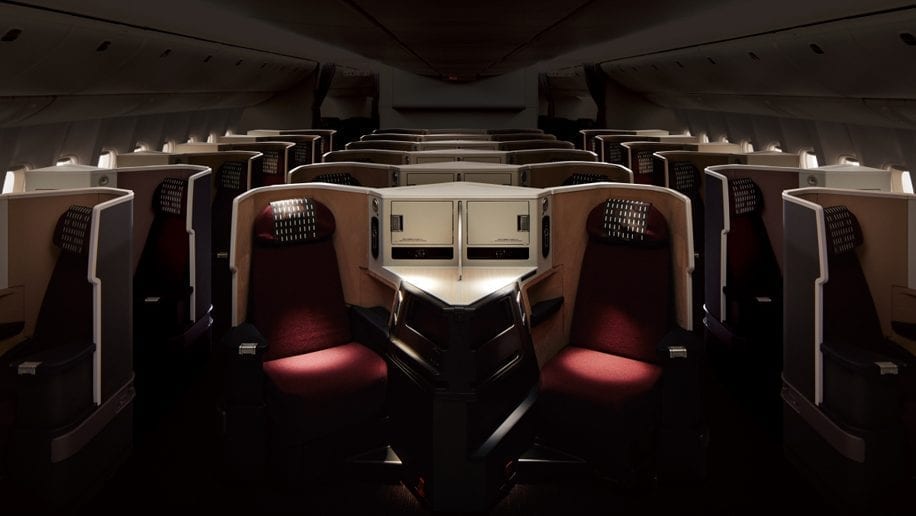
    The revised layout will notably be retrofitted with the fully flat JAL Sky Suite III business class seat – the same as its B777-200ER, which first began sporting the seat last June. Meanwhile the business class cabin itself will increase in capacity to 52 seats compared to the 44 with the aircraft’s current layout.

    The JAL Sky Suite III seats are laid out in a 1-2-1 configuration (the current layout has seats 2-2-2), providing all passengers with direct aisle access – and offer a maximum bed length of about 78 inches, a width of 21 inches (which can be increased to 29 inches with the armrest is stowed), and a width of 20 inches. Additional features include a 17-inch monitor, a retractable privacy partition, a universal power outlet and a USB port.

    Premium economy and economy class, meanwhile, won’t see a capacity change – a notable detail as it means Japan Airlines will be retaining its eight-across configuration in economy. Industry norm is for the B787-9 Dreamliner to be configured with nine-across seating, and Japan Airlines claims it is the only airline to offer eight-abreast in economy on the aircraft.

    Seating in premium economy will be the JAL Sky Premium (35 seats in a 2-3-2 layout), which offer about 42 inches of pitch and 19 inches of width. Dividers, a 12.1-inch monitor (10.6 inches for bulkhead seats), a universal power outlet and USB port also feature.

    Meanwhile economy class sports the airline’s JAL Sky Wider II seats, which have a pitch of about 33 inches and – due to the eight-across layout – a width of around 19 inches. Seats also have a universal power outlet, USB port and 10.6-inch monitor.

    The seating isn’t all that will be changing, though. A new “Magic-VI” in-flight entertainment system with some 300 films will be available, as will in-flight wifi.

  • ICAO President impressed by Vietjet’s superb performance

    ICAO President impressed by Vietjet’s superb performance

    The superb performance of Vietjet in its operations, services and management has gained the appreciation of the Council of the International Civil Aviation Organization (ICAO).  The ICAO delegation, led by president Dr. Olumuyiwa Benard Aliu and ICAO APAC Deputy Regional Director Manjit Singh Seva Singh, visited the Vietjet office during its trip to Vietnam from 5 to 10 July, 2017.

    Speaking at the meeting with the Vietjet management board members on the first day of their visit, Dr. Olumuyiwa Benard Aliu said he highly appreciated the airline’s efforts and achievements in its operations, services and management activities. He also stressed on its comprehensive investment in building up human resources and training highly skilled experts that meet the internationally standardized safety requirements for operation and management, which greatly contributed to not only the airline’s success but also the growth of the aviation industry in Vietnam and the region.

    Dr. Nguyen Thanh Hung, Vice chairman of Vietjet Board of Directors, Mr. Luu Duc Khanh, Managing Director and other management members of Vietjet warmly welcomed the ICAO delegation. Mr. Luu Duc Khanh said: “Safety is our top priority not only in operations but also in the entire airline’s activities. Safety requirements conformity has been the guideline for us in all operations and policy decision we have made. We are happy that our technical reliability rate stood at 99.59% in the first quarter of the year and flight operation, ground operation and engineering safety indicators were also listed in the group of highest quality airlines in the Asia Pacific region”.

    Following their working agenda in Vietnam, the ICAO delegation today met with high-ranking officials of the Vietnamese Government, the Ministry of Transport, and Civil Aviation Authority of  Vietnam (CAAV) followed by their granting of the Council President Certificate to the representatives of CAAV in Hanoi. The certificate recognizes Vietnam’s significant progress in resolving safety oversight deficiencies and improving the effective implementation of ICAO Standards and Recommended Practices

  • Shinsegae Duty Free lands fashion & accessories contract at Incheon Airport T2

    Shinsegae Duty Free lands fashion & accessories contract at Incheon Airport T2

    Shinsegae Duty Free has been awarded the fashion & accessories contract at Incheon International Airport Terminal 2. The DF3 concession covers 14 stores embracing 4,889 square meters of retail space.

    It draws a line under troubled period for the concession, which was retendered multiple times with successively reduced minimum guarantees in an effort to attract interest.

    Bidding was negatively affected by the perceived high cost of entry and the recent collapse in Chinese tourism caused by the THAAD dispute between South Korea and China. Last year the Chinese represented almost 50 percent of total arrivals and generated around 65 percent of duty free spending. Chinese visitor arrivals have fallen dramatically so far in 2017, by -40 percent year-on-year in March, -66.6 percent in April, and -64.1 percent in May.

    In the end, Incheon International Airport Corporation decided to directly negotiate a contract with Shinsegae and requested the Korea Customs Service (KCS) to hold a patent examination committee.

    If the selection of operators is delayed, it is difficult to open 2 terminals until January next year.

    As reported, the other T2 contracts have been awarded as follows: DF1, The Shilla Duty Free; DF2, Lotte Duty Free; DF4 SM; DF5 Entas Duty Free; DF6 CItyPlus.
    The new terminal is due to open in the final quarter of this year.

    Shinsegae will proceed with negotiations with Incheon International Airport Corporation on specific matters related to the duty-shop business contract in the future.

  • Government committed to relocating Indonesian capital

    Government committed to relocating Indonesian capital

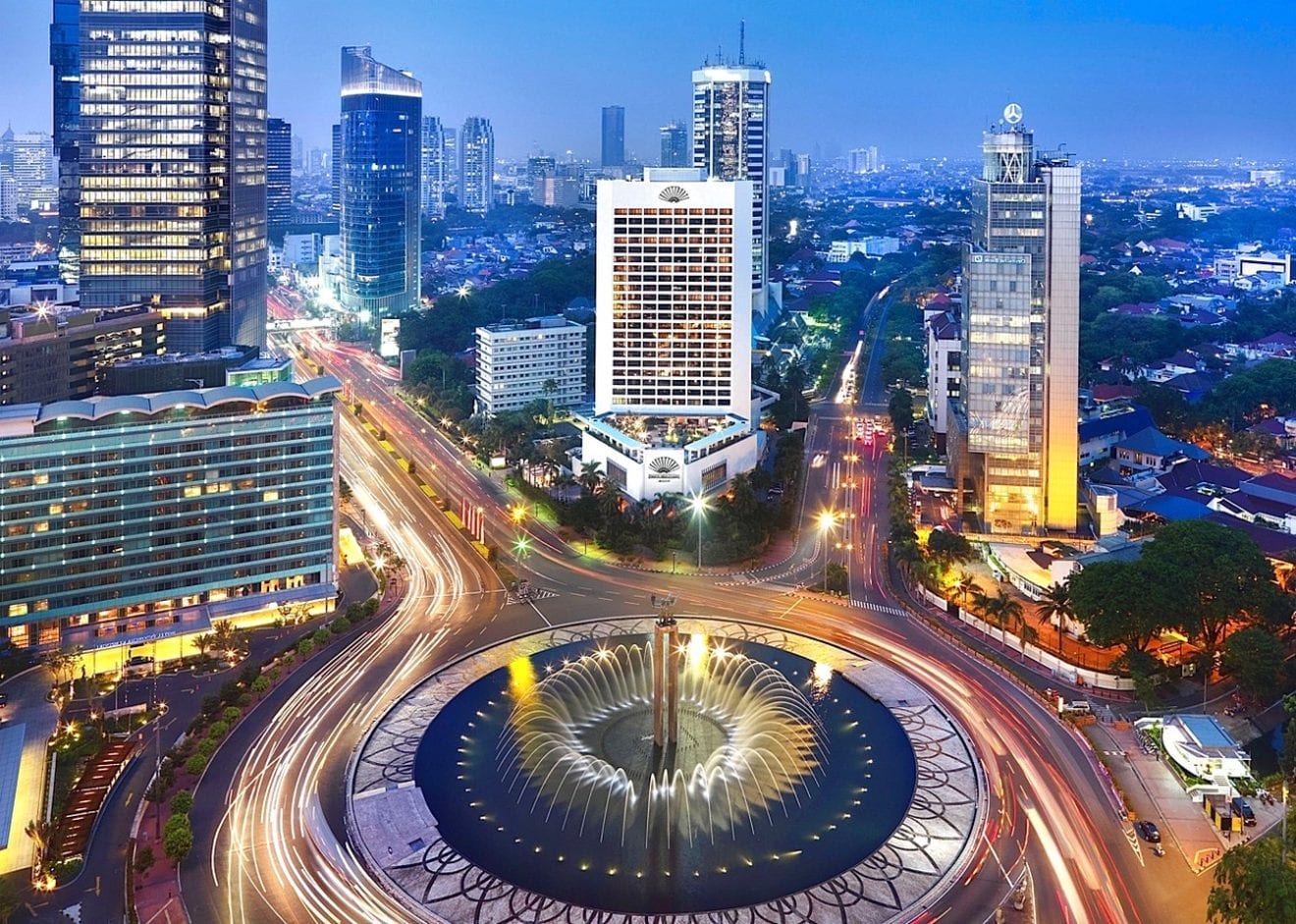
    The Government of Indonesia is determined to relocate the state capital Jakarta out of Java Island to avoid total traffic gridlock by 2020.

    President Joko Widodo, better known as Jokowi, had urged the National Development Planning Board (Bappenas) to conduct a feasibility study on the possible location, and Palangkaraya in Central Kalimantan was one of the options.

    Bappenas Chief Bambang Brodjonegoro has stated that by the end of this year, the agency would have completed assessing potential alternative cities that could become the new capital of Indonesia.

    Brodjonegoro expressed hope that in the next two years, activities related to the transfer of the administrative center of the state capital would be carried out.

    Debates on relocating the capital have frequently resurfaced since it was first mooted by President Sukarno in 1957.

    Sukarno once held a discourse that the state capital could be relocated to Palangkaraya, as he had also visited the city to review its development.

    Problems of the overcrowded Jakarta city have since then become more practical and less ideological, with reports surfacing that areas of north Jakarta are sinking at a rate of 25 centimeters a year.

    In search of a new capital city of Indonesia, Bappenas is looking at aspects, such as the availability of land and natural resources around the potential cities.

    “We have discussed the matter with the president, and essentially, we will soon begin the process of relocating the capital,” the Bappenas chief remarked.

    Brodjonegoro reiterated that the assessment would hopefully be completed this year, including its estimation and funding scheme.

    According to Brodjonegoro, Bappenas will encourage private involvement in the planned relocation of the state capital, particularly in terms of funding.

    For funding, he said Bappenas will push the public-private partnership model.

    Until now, Bappenas is still reviewing the plan to relocate the state capital from Jakarta to a new area outside Java Island.

    The capital city should be relocated to outside of Java Island, given the availability of more adequate land.

    Nevertheless, Brodjonegoro has not revealed details of the specific location of the new capital of the country.

    “Certainly, outside Java, most likely on the island of Kalimantan, but the specific location will be finalized soon,” Brodjonegoro said.

    Java Island is believed to dominate Indonesias economic activities. Moreover, economic activities in Java are more concentrated in the areas of Jakarta, Bogor, Depok, Tangerang, and Bekasi.

    If the plan to relocate the capital city is truly realized, the Bappenas chief said the heavy burden on Jakarta, as the center of government, finance, and business, can be reduced.

    In addition to heavy burden of Jakarta as the center of government, finance, as well as business, annual flooding during the rainy season has repeatedly crippled Jakarta and hindered the smooth functioning of administrative and business activities.

    The flooding has aggravated several existent problems faced by Jakarta, which conventional measures have failed to resolve.

    Public services and government businesses grind to a halt every time floods lash the capital city.

    In a bid to solve Jakartas problems, the idea of relocating the state capital has repeatedly resurfaced.

    But numerous political figures have stated that moving the capital to another island in Indonesia outside of Java would not solve the problems.

    They suggested that it would be better if the city of Jakarta remains Indonesias capital, but it would be beneficial if some government activities are relocated outside Jakarta.

    They said the problems of Jakarta can be solved by relocating some ministries to other islands across the country.

    According to them, shifting some of the ministries can resolve the issues plaguing the capital city. But, the Ministry of Finance, the Ministry of Religious Affairs, the National Police, Defense and Security Ministry, and the Presidential Palace should remain in Jakarta.

    By relocating the capital, the political figures do not want to give the impression that they are shifting Jakartas problems to another city.

    The names of some Indonesian cities in Kalimantan, West Java, and Papua had circulated among the public following the discussions related to relocating the countrys administrative center.

    Some of the proposed cities were Palangkaraya in Central Kalimantan, Jonggol in West Java, and Jayapura in Papua.

    Some years ago, in an address to all provincial governors across the country at a gathering in Palangkaraya, Central Kalimantan, the then President Susilo Bambang Yudhoyono stated that Jakarta Metropolitan City was already too crowded and hence not an ideal location to be the center of the national administration.

    “Around 15 years ago, Jonggol in West Java was under consideration to be the new national administration center,” Yudhoyono stated at the time.

    The idea of relocating the center of administration from Jakarta to another area was shelved as Indonesia was hit by a monetary crisis some years ago.

    Over the years, the Jakarta Metropolitan City has become too crowded, and the idea of relocation should be reconsidered.

  • Direct Flights from Indonesia to Moscow Set to Open

    Direct Flights from Indonesia to Moscow Set to Open

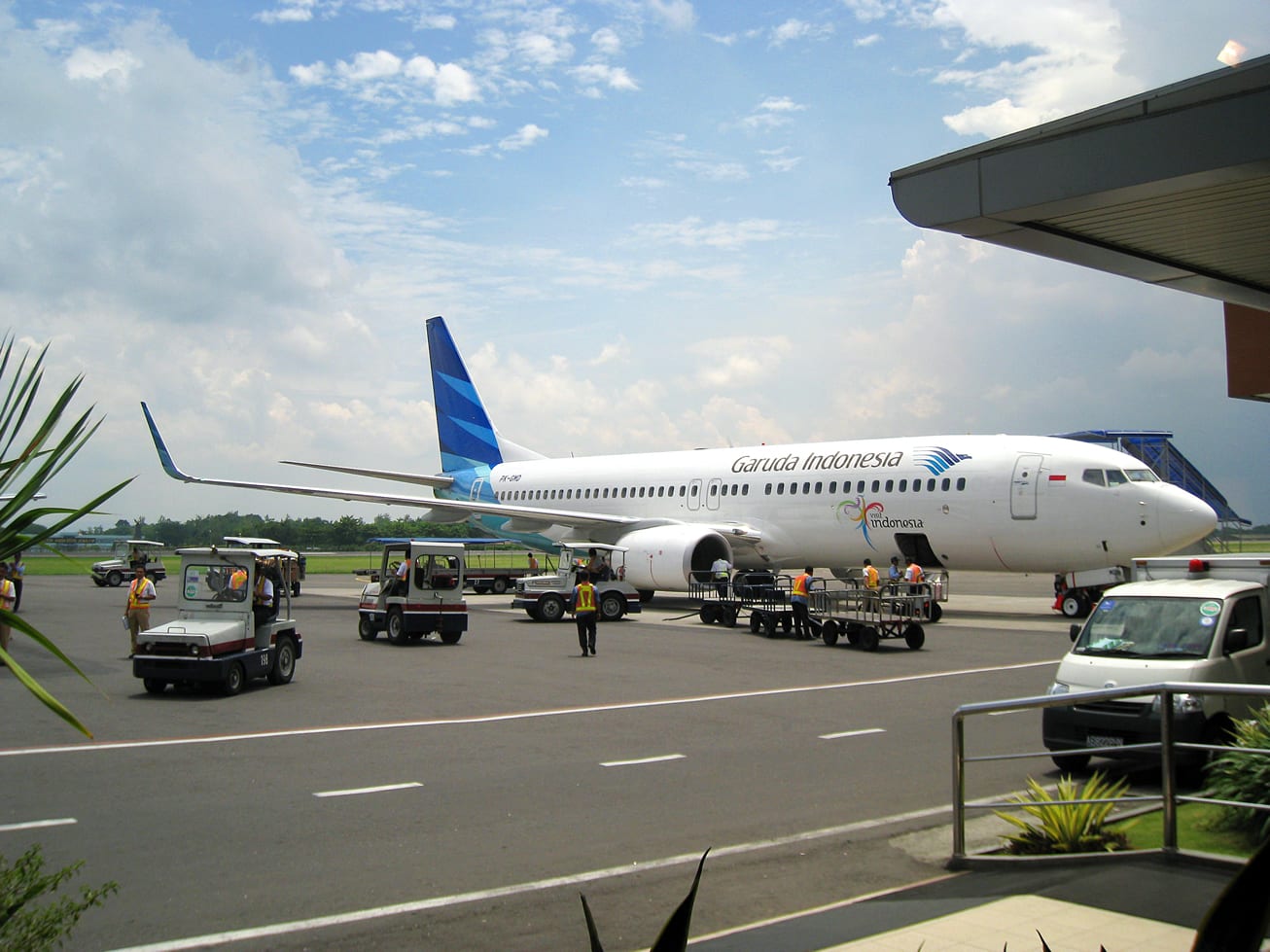
    Indonesia has planned to open direct flights to Moscow, Russia, in a bid to attract the countrys tourists to visit Indonesia.

    “Currently, we have to transit in a third country when we fly to Russia, and this could take 24 hours, whereas with direct flight, it might only take 11 hours,” Ambassador to Russia M. Wahid Supriyadi said here on Wednesday. Wahid is scheduled to hold a meeting with the management of the national flag carrier Garuda Indonesia to discuss the plan.

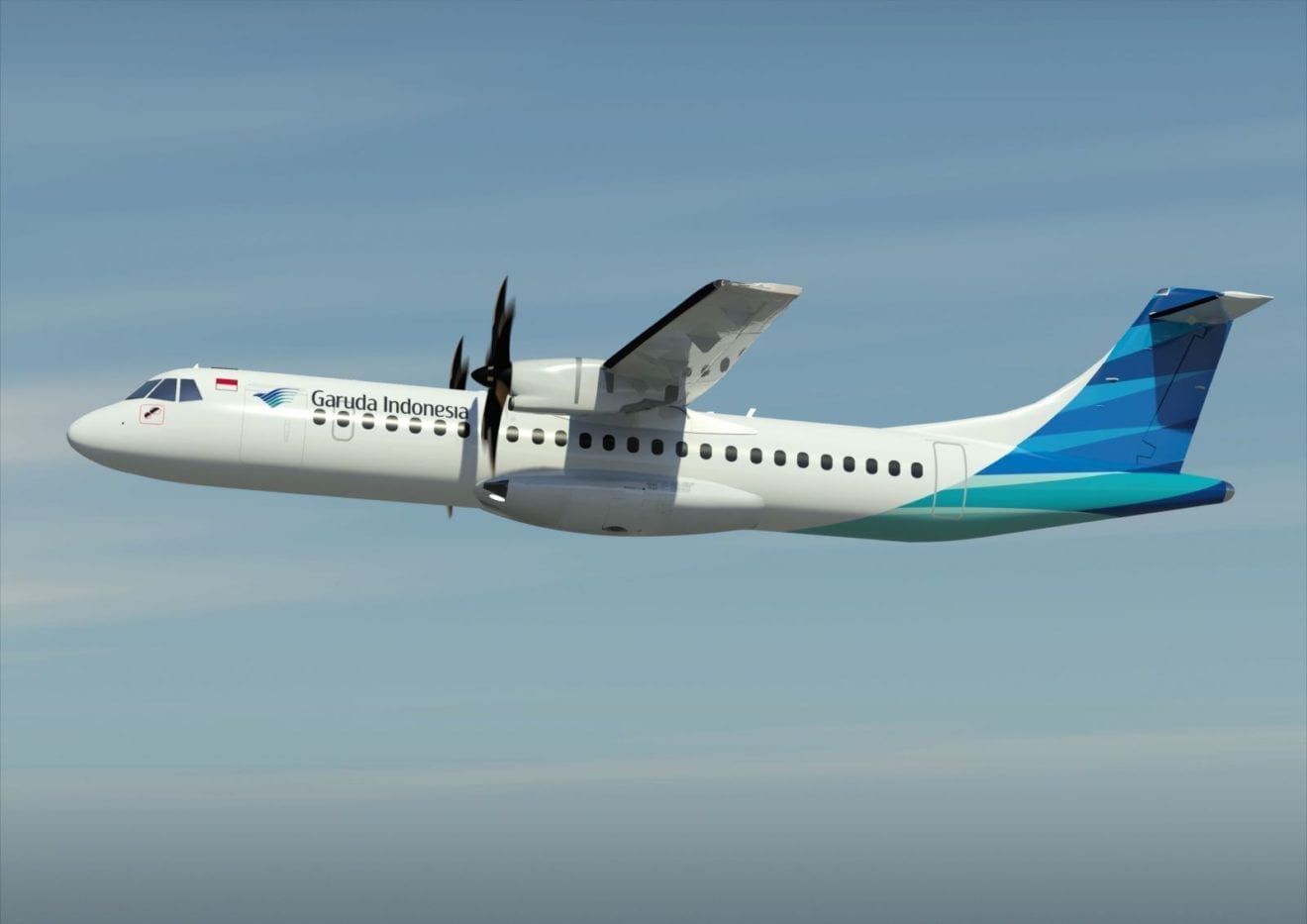
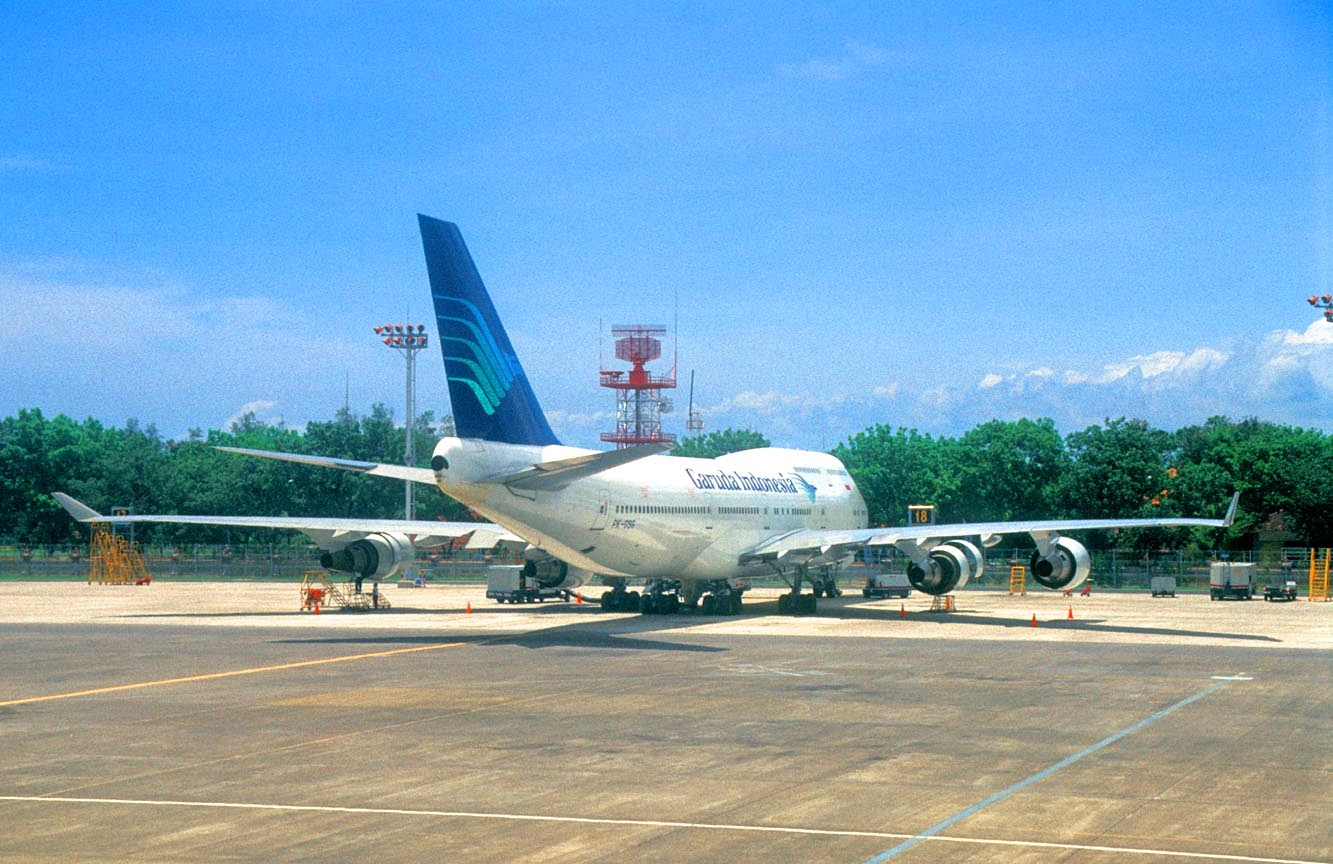
    “Alhamdulillah, Garuda has the commitment to fly to Moscow,” he noted. Garuda Indonesia has planned to fly thrice a week to Russia, two flights from Denpasar in Bali and one from Jakarta, from August.

    A data of the Tourism Ministry showed that some 85 thousand Russian tourists had visited Indonesia in 2016. The number is targeted to reach 100 thousand tourists in 2017. However, Wahid remarked that the number was still relatively small compared to Russian tourists visiting Thailand, which is about 1.5 million per year, through direct flights from the country.

    “Garuda’s flight would not only carry passengers but also tropical fruits and vegetables,” he revealed, adding that these commodities were scarce in Russia. Following the European Union and the US embargo, Russia would halt import of fruits, vegetables, and dairy products from the two regions as a response.

    The move would provide an opportunity for Indonesian commodities to penetrate the Russian market. “These products would have to be transported by air cargo,” Wahid pointed out, adding that Garuda Indonesia planes could carry some 5 tons of the products in one flight.

  • Australia’s retail sales lift more-than-expected in May

    Australia’s retail sales lift more-than-expected in May

    Australian retail sales increased 0.6 per cent, on seasonally adjusted basis, surpassing expert expectations of just a 0.2 per cent gain, according to data released this week.

    While the May results were down on the 1 per cent growth recorded in April, economists were pleased with the May increase, saying it signaled a solid second quarter for Australia after a poor start to year. Year-on-year, sales increased 3.2 per cent.

    With the majority of categories strengthening, department stores continued to have problems with turnover falling 0.7 per cent.

    Clothing, footwear and personal accessories rebounded from a recent weakness, largely held up by the demand for personal accessories and shoes, as apparel sales fell.

    Supermarket sales rose 0.5 per cent, while liquor sales dwindled, down 2.1 per cent.

    Finally, there were strong gains in electronic goods, furnishings and garden supplies.

    By state, shoppers in New South Wales and Victoria were the biggest spenders, while retail sales in Queensland fell for the sixth time out the last seven months.

    Analysts said the much stronger-than-expected rise in retail sales in May, coupled with the leap in sales over April, suggests Australia’s consumption growth surged in the second quarter. However, it may not be sustained.

    “With consumer confidence continuing to trend downwards, households’ incomes facing an additional squeeze from rising energy bills and household indebtedness at a record high we expect that real consumption growth will slow from around 2.6 per cent year-on-year in the second quarter to 2.0 per cent by the end of the year,” Capital Economics analyst, Kate Hickie, told The Australian.

  • Wings Air to open new route to three cities from Jakarta

    Wings Air to open new route to three cities from Jakarta

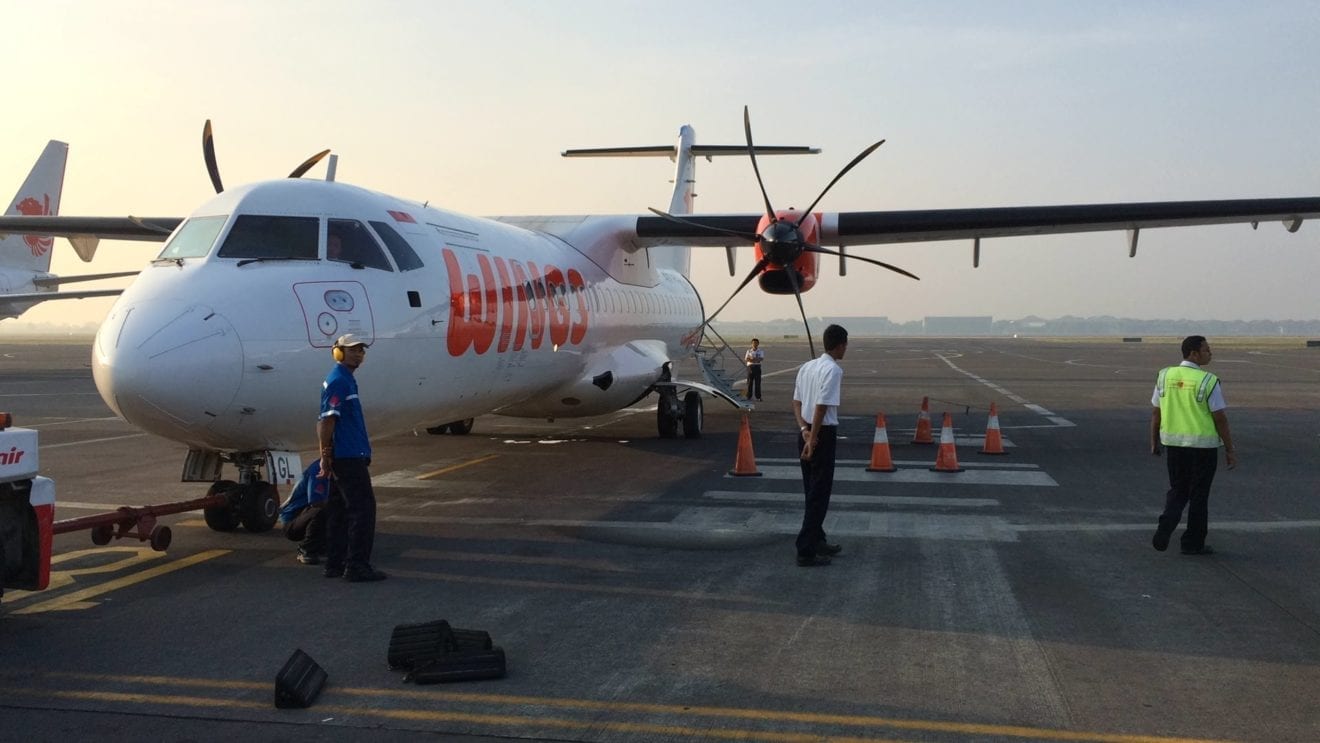
    Wings Air, a subsidiary of Indonesia’s largest airline, Lion Air Group, will soon open a new route from Jakarta via Halim Perdanakusuma International Airport to three destinations in one go, namely Bandung, Malang and Makassar.

    “The new route will only be served once every day and will use ATR ‪72-500/600 aircraft that have a capacity of 72 passengers,” said Lion Air Group president director Edward Sirait.

    The route will launch on July 2, with departure from Jakarta scheduled at 1:55 p.m., from Bandung to Malang at 2:15 p.m. and from Malang to Makassar at 4:35 p.m.

    On July 3, the plane will fly back from Makassar to Malang at 6 a.m., then from Malang to Bandung at 7:25 a.m. and from Bandung to Jakarta at 9:35 a.m.

    “Currently, Wings Air flies to more than 86 domestic destinations with more than 293 daily flights and owns 52 ATR ‪72-500/600 aircraft,” Edward added.

  • Singapore explores more air links to India

    Singapore explores more air links to India

    Singapore is exploring more airline services to India whichis expected to overtake China and Indonesia to become the fastest-growing air-traffic generating market for Changi Airport here, according to a media report.

    New services to Pune, Madurai, Bhubaneswar and Guwahati are being explored, to add to the 15 cities in India that airlines already operate to from Singapore, said Changi Airport Group’s managing director for air hub development Lim Ching Kiat.

    More than 1.7 million passengers travelled between Singapore and India between January-May this year, a 15 per cent jump over the same period of last year, Lim was quoted as saying by the Straits Times.

    Comparatively, two-day traffic between Singapore and China, as well as Indonesia, grew by 12 per cent and 9 per cent, respectively.

    Changi Airport handled 5 million passengers in May, a 4.6 per cent increase from the same month a year ago.

    Nine airlines, including Singapore Airlines, Scoot, Tigerair, Air India and Jet Airways, fly between Singapore and India.

    Among the Indian cities, top-performing routes include Mumbai, Chennai and Bangalore. The traffic increase has come on the back of additional capacity provided by airlines with more flights and flying bigger aircraft.

    This led to a 21 per cent increase in the number of seats on the Singapore-India sector in the first five months of this year, compared with the same period last year.

    Just last week, India’s largest domestic carrier, IndiGo, launched a new daily non-stop service between Singapore and Bangalore.

    A growing Indian expatriate population here and strong Singapore-India trade links are fuelling demand for travel between the two countries, with competition among carriers bringing fares down for travellers, the Singapore daily had experts as saying.

    According to the High Commission of India in Singapore, the city state is among India’s largest trade and investment partners, accounting for more than 22 per cent of India’s overall trade with ASEAN countries from 2014 to 2015.

    Indian travellers also featured significantly among transfer and fly-cruise passengers, Lim said.

    India is currently the third largest contributor of Changi Airport’s transfer traffic, after Australia and Indonesia.

    Last year, about 100,000 cruise passengers from India, the highest for any country, were registered by the Singapore Tourism Board.

  • East Nusa Tenggara urges Garuda to open Kupang-Dili-Darwin flight route

    East Nusa Tenggara urges Garuda to open Kupang-Dili-Darwin flight route

    The East Nusa Tenggara Tourism Office has urged Garuda Indonesia to open Kupang-Dili-Darwin flight route round trip immediately to help boost foreign tourist arrivals to the islands province.

    The head of the Tourism Office, Marius Ardu Jelamu, stated here on Tuesday that in the past year, the number of tourists visiting the province in cruises and chartered aircrafts had increased.

    According to Marius, Kupang-Darwin flights will help travelers in terms of cost and time because it only takes 1.5 hours to reach the destination.

    Marius is optimistic that the Kupang-Timor Leste-Darwin flight would increase the number of tourist arrivals to East Nusa Tenggara, considering the current growing tourism potential in the province.

    East Nusa Tenggara is increasingly attractive to domestic and foreign tourists, especially with regard to the various cultural festivals.

  • Lion Air welcomes Indonesia’s first Boeing 737 MAX-8

    Lion Air welcomes Indonesia’s first Boeing 737 MAX-8

    Indonesia’s largest low-cost carrier Lion Air welcomed on Tuesday the arrival of the first of hundreds of Boeing 737 MAX-8 aircraft it ordered from the United States planemaker, paving the way for the company to move forward with its expansion plan.

    The aircraft will be the first of its kind operated by an Indonesian airline.

    Lion Air is part of the Lion Air Group, together with Wings Air, Batik Air, Lion Bizjet, Malaysia-based Malindo Air and Thailand-based Thai Lion Air.

    The aircraft delivery is the second this year for Lion Air Group as Malindo Air earlier welcomed a similar type of aircraft in May.

    “This new aircraft will help us develop our routes to other destinations and to offer affordable air fares,” Lion Air Group public relations manager Andy M. Saladin said in an official statement.

    Lion Air Group has ordered 218 Boeing 737 MAX-8, eight of which will be delivered this year.

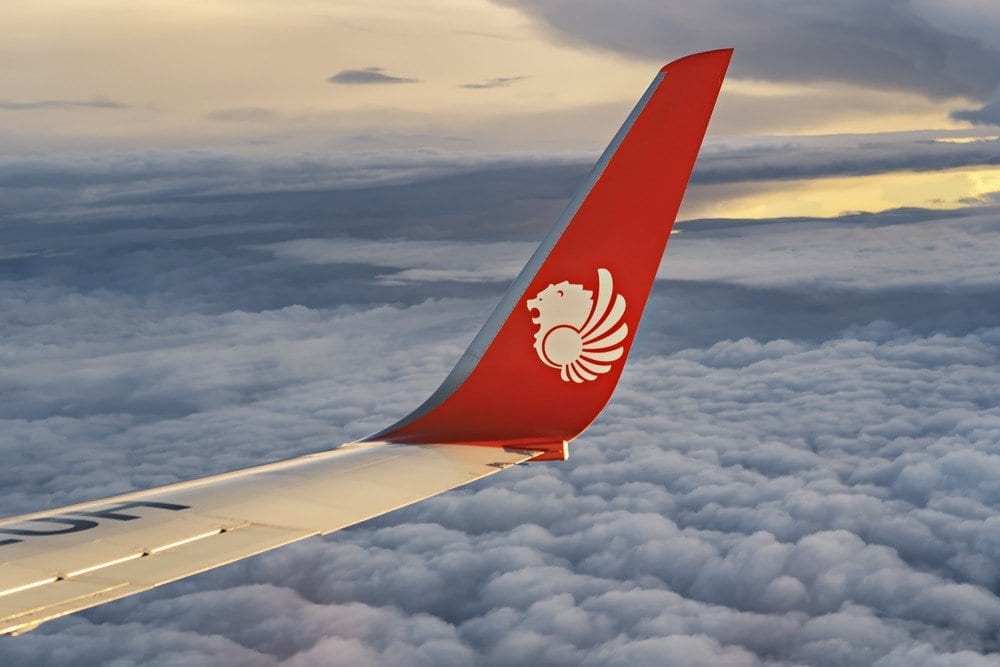
    The Boeing 737 MAX-8 can fly for seven and a half hours without refueling and is the first Boeing aircraft to have a double winglet feature.

    Lion Air currently operates 113 aircraft to serve 630 flights to 44 domestic and international destinations.

  • Cebu Pacific boost Boracay flights

    Cebu Pacific boost Boracay flights

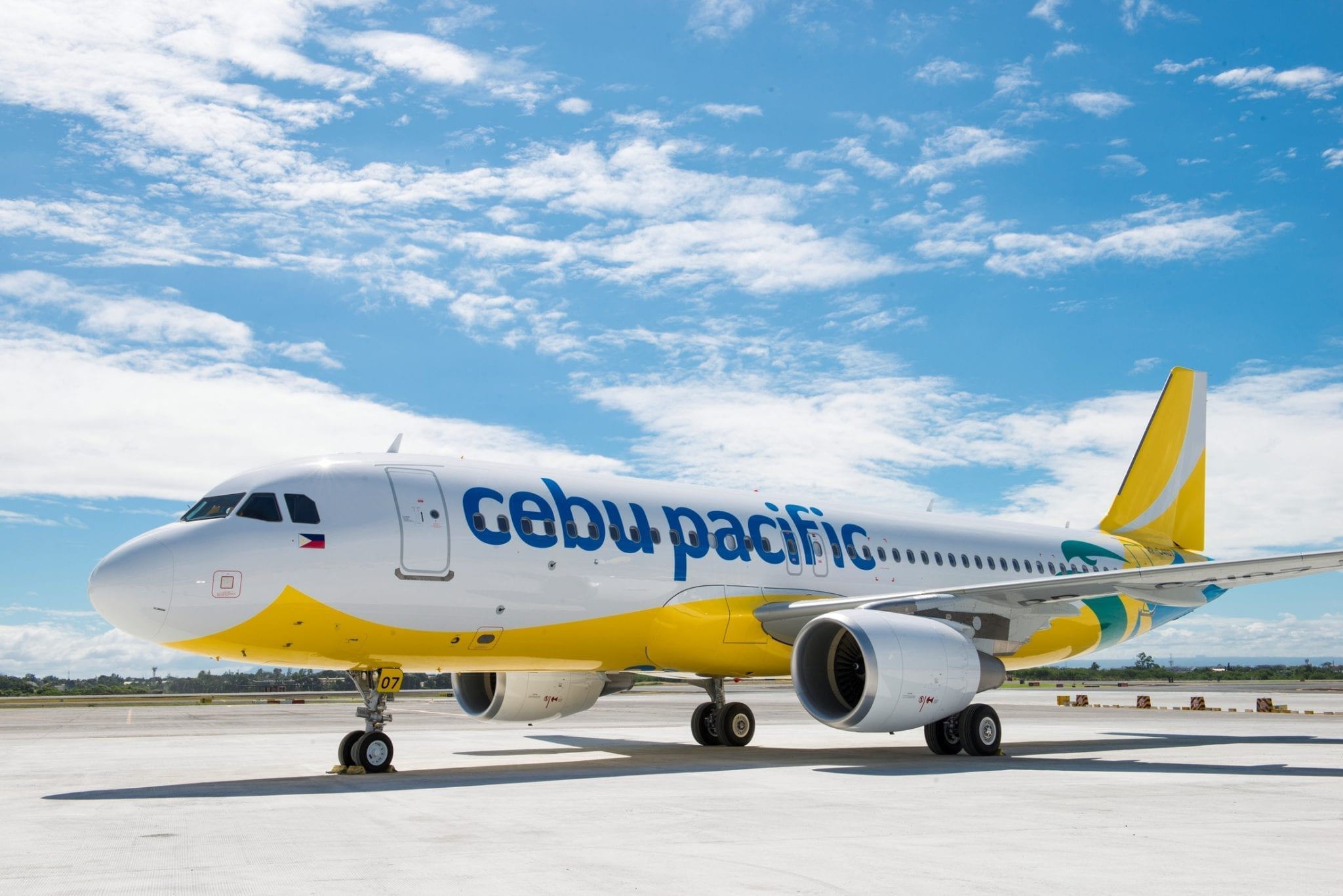
    Cebu Pacific has started evening flights to and from Caticlan, the gateway to Boracay Island. CEB is the first carrier to introduce night flights and use the upgraded air traffic control system and newly-installed night navigational equipment at the Godofredo P. Ramos Airport.

    CEB has added roundtrip flights daily between Manila and Caticlan and will be use ATR aircraft through its wholly owned subsidiary Cebgo.

    In total, Cebu Pacific has 39 flights weekly between Manila and Caticlan; 14 between Cebu and Caticlan; and seven between Clark and Caticlan. The additional night frequencies will add 12 more flights to Caticlan to bring the total CEB frequency to 72.

    Currently, the last flight from Manila to Caticlan leaves at 1530 with the return flight at 1710. With CEB’s new night operations, the last flight will leave Manila at 1855 and will be return from Caticlan at 2045.

    Night flights at Caticlan Airport was given the go-signal following  technical reviews and consultations on its night operation capability with  the Civil Aviation Authority of the Philippines (CAAP), the Department of Transportation, and other relevant aviation authorities.

    Prior to Caticlan, Cebu Pacific had added night flights to and from the Roxas City Airport in Capiz, the Laguindingan  Airport (Cagayan  de  Oro)  in  Misamis  Oriental,  and  the  Legazpi  International  Airport  in  Albay.

    “We believe that expansion of operating times will not only boost frequencies to key domestic routes,  but  it will  also give  travellers  more  options,  greater  flexibility on when they fly and also help decongest air traffic, especially during the peak flying hours at noon and during the early afternoon,” said Cebu Pacific vice president for corporate affairs Atty, JR Mantaring.

    For as low as PHP2,774.88 (approximately USD55), passengers can fly from Manila to Caticlan, while Cebu Pacific also offers daily flights from Clark to Caticlan at PHP2,365.88 (approximately USD48) and from Cebu to Caticlan at only PHP2,217.88 (approximately USD45).

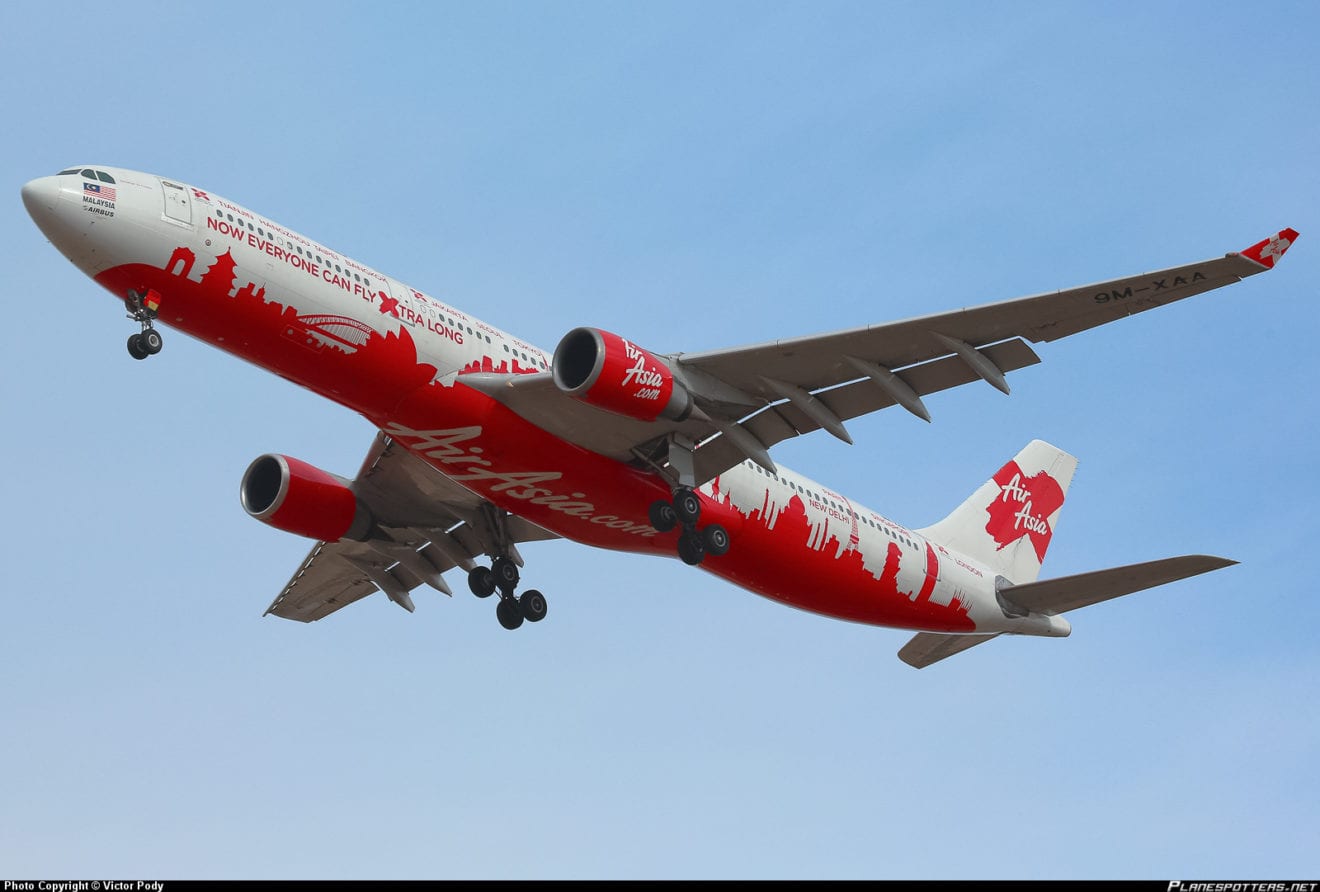
  • AirAsia India gearing up to start international flights

    AirAsia India gearing up to start international flights

    AirAsia India aims to scale up to a fleet of 20 planes by September-October and commence international operations thereafter, its CEO Amar Abrol said on Tuesday.

    Any domestic airline with a fleet size of at least 20 aircraft will be eligible for international operations under India’s aviation policy. AirAsia India currently has a fleet of 10 Airbus A320 planes.

    Abrol said the initial international destinations in the airline’s plan would naturally be those in Southeast Asia, the stronghold of its parent AirAsia Berhad.

    As a precursor of sorts, the airline is launching Fly-Thru, a service which facilitates seamless check-in for passengers through to the final destination. Abrol said it is in its testing stages.

    He said AirAsia India would stick to its earlier target of doubling revenue and passenger traffic this year although he declined to give any projection on profitability.

    He said the airline is almost every month clocking passenger ticket revenue of Rs 100 crore, double the amount in the same period last year.

    AirAsia India posted a net loss of Rs 40.4 crore in the quarter ended March, down from Rs 46.89 crore a year earlier, thanks to foreign exchange gains. Its operating loss for the quarter widened to Rs 53.91 crore from Rs 46.86 crore, according to unaudited filings in Bursa Malaysia, the Kuala Lumpur stock exchange.

  • Garuda opens Kendari-Baubau flight route

    Garuda opens Kendari-Baubau flight route

    The Indonesian flag carrier, Garuda Indonesia, opens a new flight route of Haluoleo airport in Kendari to Betoambari Airport in Baubau, Southeast Sulawesi.

    The first flight was made on Monday afternoon.

    Southeast Sulawesi Governor Nur Alam here on Monday appreciated Garuda for the flight route connecting Kendari and Baubau.

    “This will add and expand our access to air transportation and connectivity in Southeast Sulawesi,” he said.

    The Kendari-Baubau flight, Nur Alam added, will provide a fundamental trust for investors to invest in the province.

    “When Garuda opens flights in an area of course it is because there is great economic potential in that place,” he said.

    The Kendari-Bauban route is available roundtrip every day using ATR 72-600.

  • Indian retailers lure customers with discounts as GST kicks in

    Indian retailers lure customers with discounts as GST kicks in

    Some of India’s biggest retailers announced price cuts on Saturday as Asia’s third-largest economy switched to a new nationwide sales tax at the stroke of midnight, replacing a host of provincial and national levies.

    The Goods and Services Tax (GST), India’s biggest tax reform in the 70 years since independence from British colonial rule, unifies the $2 trillion economy and 1.3 billion people into one of the world’s biggest common markets.

    Hypermarket Big Bazaar, owned by Future Retail Ltd, announced discounts of 2 percent to 22 percent on groceries and household supplies across its stores in 26 states.

    Fashion portal Myntra, part of India’s biggest online retailer Flipkart, was also offering GST discounts.

    In Bhubaneswar, the capital of eastern Odisha state, customers queued up outside shops and malls, which remained open until late Friday night to clear stocks of watches, electronic gadgets, cosmetics and gold at discounted rates before the GST regime kicked off at midnight.

    Members of Prime Minister Narendra Modi’s Bharatiya Janata Party (BJP) were seen celebrating the launch of the GST with firecrackers on Friday evening and by painting “Welcome GST” slogans on roads.

    The federal government is encouraging all business to migrate to the new GST system but its complexity – four rates and several exemptions – has still kept many at bay.

    “We will continue as usual unless we see trouble,” said a 35-year-old grocer in Bhubaneswar who has not yet registered for the GST.

    India’s northern Muslim-majority state of Jammu and Kashmir is yet to implement the GST as the provincial government grapples to arrive at a consensus with the opposition and other stakeholders.

    Traders in Kashmir Valley have called for a day’s strike on Saturday to protest the GST.

    “Though we have missed the (July 1) deadline, we will wish to take everybody along before taking any decision,” Public Works Minister Naeem Akhtar said.