Category: General

Retail News Asia is committed to providing both local and global retailers with the latest General Retail news throughout the Asian market. This on a daily base.

  • AirAsia to start daily flights to Nha Trang, Vietnam on Sept 14

    AirAsia to start daily flights to Nha Trang, Vietnam on Sept 14

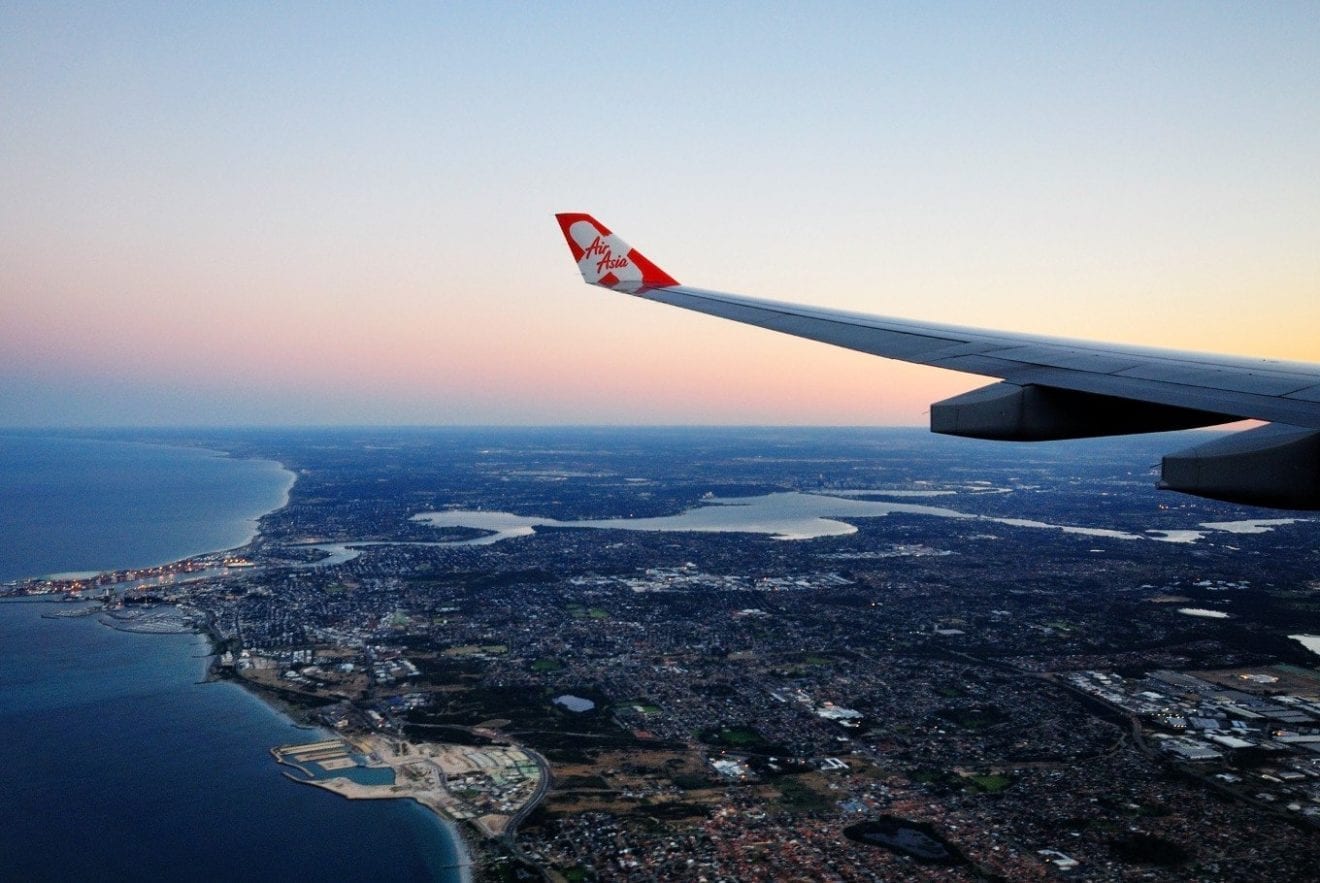
    Low-cost carrier AirAsia Bhd will begin offering daily, non-stop service between Nha Trang, Vietnam and Kuala Lumpur on Sept 14.

    In a statement today, AirAsia said the new service will mark the airline’s fourth route into Vietnam, after Ho Chi Minh City, Da Nang and Hanoi.

    In conjunction with the new flight, it will offer promotional all-in fares from RM99 one-way for booking from July 4 to 9, for the travel period from Sept 14, 2017 to Aug 28, 2018.

    “This year is all about driving the Asean vision forward with the year-long Visit Asean@50 initiative. In line with this, we are happy to be expanding our network with our 54th unique route from Malaysia to cover yet another exciting destination within the region,” AirAsia head of commercial Spencer Lee said in the statement.

    “As the only airline flying directly into Nha Trang from Malaysia, this route introduction not only opens up air travel into the city, but it also gives access to the people from the Khánh Hòa Province to enjoy over 120 AirAsia destinations around Asia,” he added.

  • Watson group planning new shops

    Watson group planning new shops

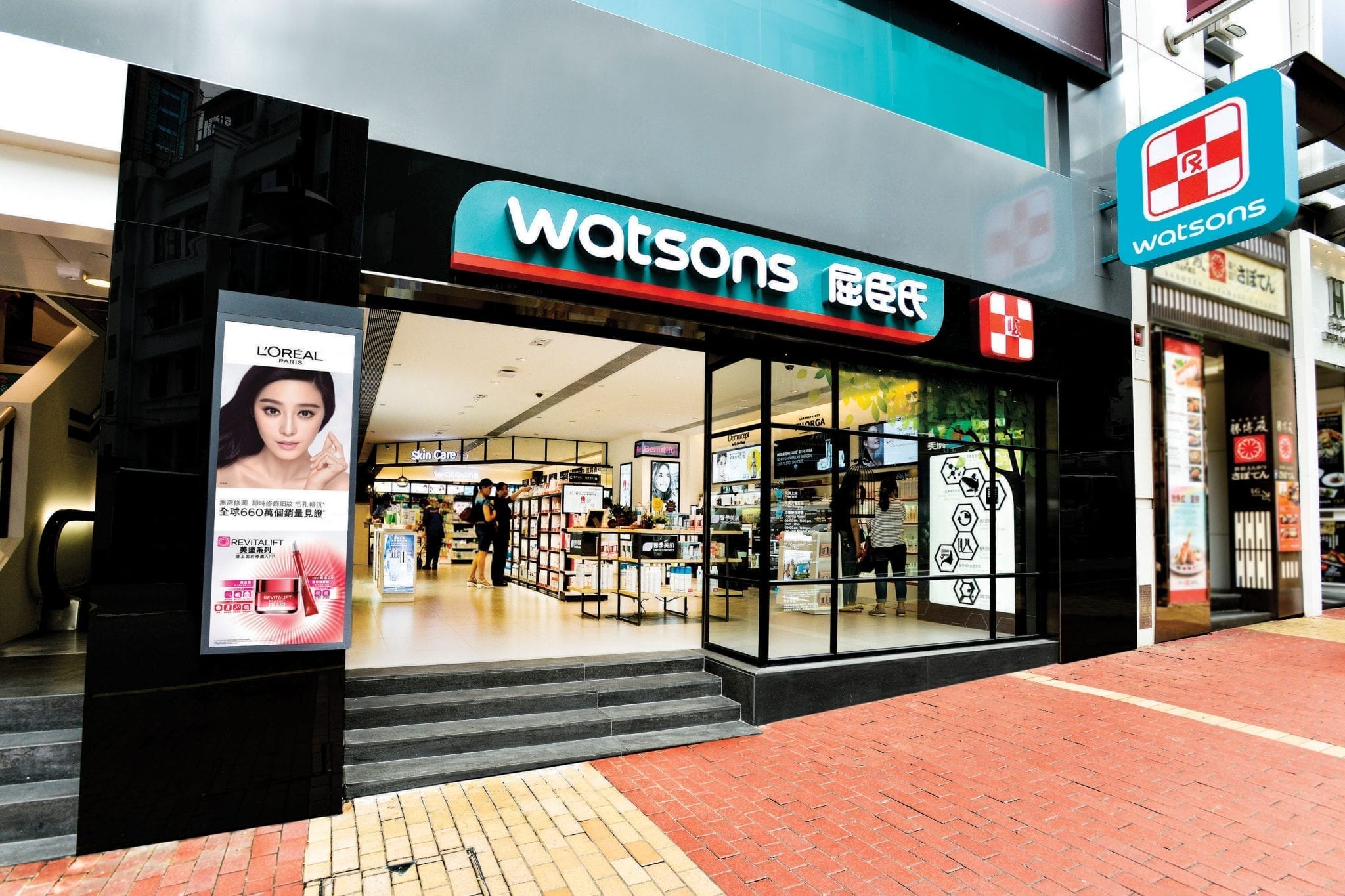
    The A.S. Watson Group plans to open 1,400 new outlets globally this year – 60 shops will be in Hong Kong – but it will not expand the electricity group Fortress, says chief operating officer Malina Ngai Man-lin.

    The group doesn’t have a plan for an initial public offering for the moment, Lai added.

    Watson plans to invest HK$500 million in the next three years to improve its technology platform as well as enhance big data analysis.

    Managing director Dominic Lai Kai-ming said MoneyBack, a member reward program under the Watson Group, has been rebranded with a new mobile app, which allows member to manage their accounts more conveniently.

    The scheme has rewarded points with a value equivalent to HK$800 million to their members since the establishment in 2007.

    Meanwhile, Hong Kong retail sales growth turned positive in May, up 1.8 percent year-on-year, said a Mastercard report.

    The increase in grocery sales and the health and beauty sector were the strongest. Groceries were up 2.3 percent and health 5 percent, driven mainly by domestic consumption.

    Jewelry sales fell 44 percent in May, which was below the 2013 level. “Discretionary sectors historically driven by tourist spending continue to be a drag, despite stabilization and some recovery in visitor arrivals in recent months,” the group said.

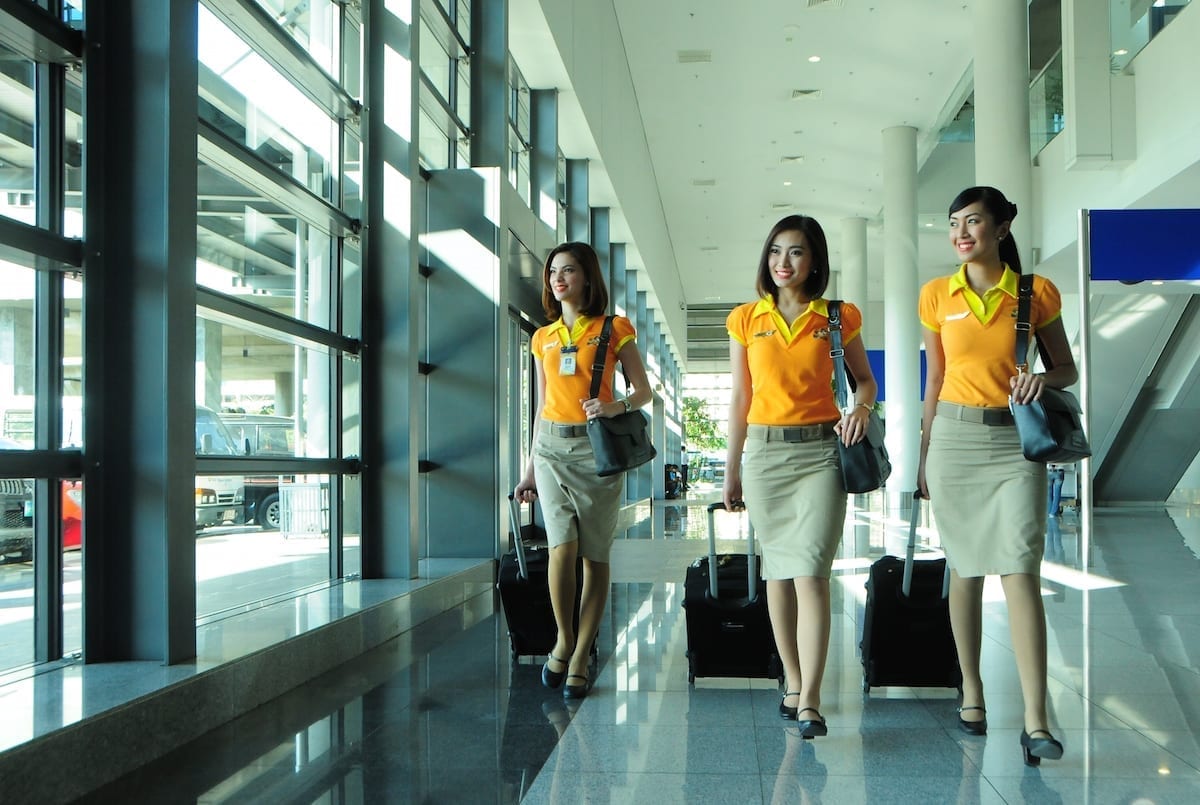
  • Cebu Pacific to launch Manila-Dumaguete night flights

    Cebu Pacific to launch Manila-Dumaguete night flights

    The Gokongwei-led airline said in a statement that it will add three round-trip flights weekly between Manila and Dumaguete, utilizing its 180-seater Airbus 320 aircraft. With the additional service, the budget carrier said the last flight will be leaving Manila at 5:20 p.m. and arriving in Dumaguete at 6:50 p.m. while return flight will be at 8:00 p.m. “Increasing the number of airports with night-flying capability would help promote tourism and improve connectivity within the country,” Cebu Pacific Vice-President for Corporate Affairs Paterno S. Mantaring, Jr. said. Increasing the number of airports with night operations will also allow the budget airline, along with other carriers, “leeway to spread flight times,” which in turn will improve aircraft movement and traffic at the Ninoy Aquino International Airport in the capital during the peak hours, he added.

    Cebu Pacific flies 21 times weekly between Manila and Dumaguete; and 14 times a week between Cebu and Dumaguete, through its wholly owned subsidiary Cebgo. Prior to Dumaguete, the airline announced night flights to and from Caticlan, the gateway to Boracay. It also operates night flights to and from the Roxas City Airport in Capiz, the Laguindingan Airport in Misamis Oriental, and the Legazpi International Airport in Albay, on top of trunk routes in Cebu and Davao. Cebu Pacific flies to 37 domestic and 26 international destinations, with over 104 routes spanning Asia, Australia, the Middle East, and USA. The airline operates flights out of six hubs in the Philippines: Clark, Davao, Kalibo, Cebu, Iloilo and Manila. Cebu Air, Inc.’s net income plunged 68% to P1.28 billion in the first quarter.

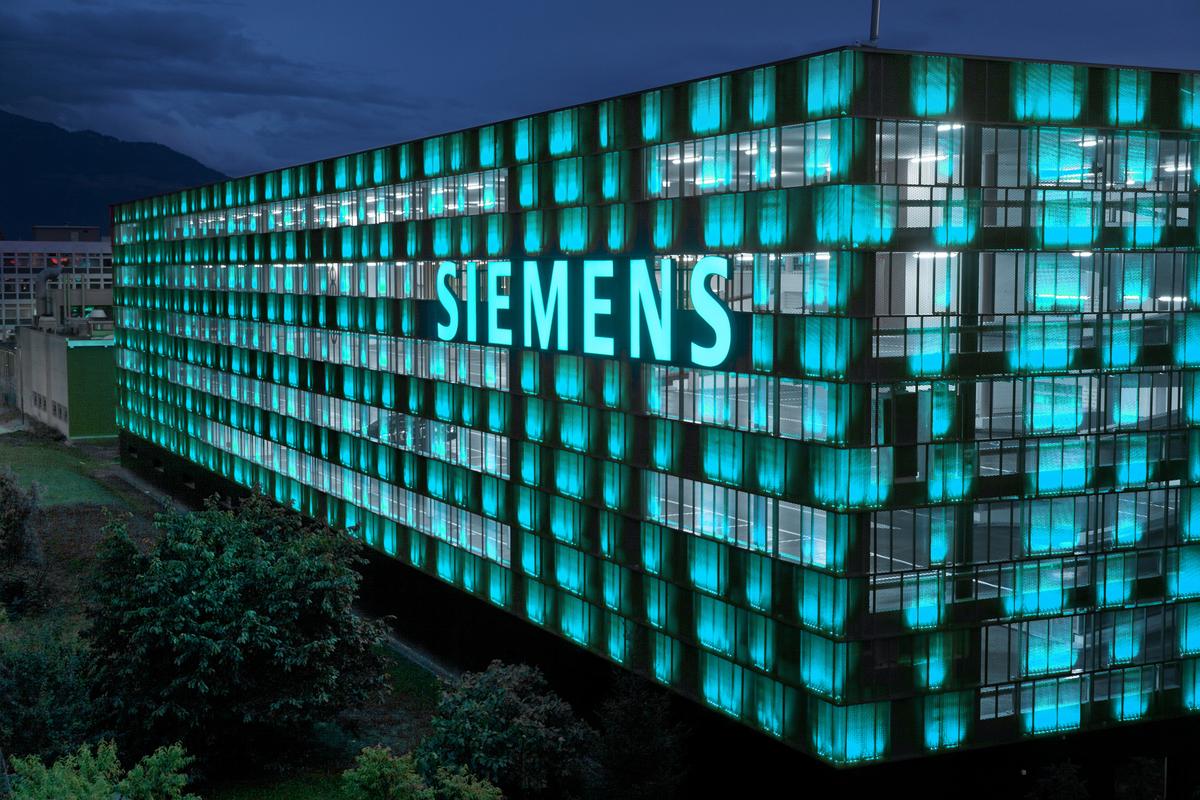
  • Siemens enhances relationship with user community in Southeast Asia

    Siemens enhances relationship with user community in Southeast Asia

    The Siemens Process Automation Conference & Exhibition (SPACe) Innovation Tour 2017 will visit five countries in Southeast Asia this year. A biennial event, SPACe focuses on automation, technology and challenges, as well as drives topics that are shaping Process Industries today.

    Themed “Driving the Digital Enterprise in Process Industries of Southeast Asia” this year, the roadshow will begin from Vietnam on 23 June, followed by countries such as Singapore, Thailand, Philippines and Malaysia in August and September. The conference sessions will consist of customized topics based on specific country’s’ industry requirements, including process automation, integrated drives system, process safety, industrial communication, process instrumentation and emerging industry trends such as digitalization. This enables Siemens community of users to engage with in-house experts and fellow users in the region.

    SPACe is an enriching platform that gathers users, partners and Siemens experts from different parts of the world to allow the sharing of ideas and opinions. Activities include presentation and technology sessions, microfairs and exhibitions, as well as industry workshops and networking sessions that attendees can choose to participate in according to their specialization and interests.

    Through these activities, Siemens’ user community and potential users can gain knowledge from industry peers, discover more about Siemens technologies and network with fellow users as well as Siemens technical experts. This enables them to learn from each other and gain first-hand access to new technologies and its creative applications.

    Dr. Friedhelm Geiger, Head of Siemens PD PA ASEAN Solution Business, Siemens Thailand and SPACe Siemens Advisory Board Chairman, ASEAN, said, “Based on the feedback and support from the user community, we have evolved SPACe to cover more markets this year in order to reach out to and engage with the wider user community. Since the inception of SPACe in 2010, we have had very successful sessions with participants, and we look forward to continuing this outreach by showcasing our expertise in the Process Industries space, and at the same time discussing opportunities available in each of the Southeast Asia markets.”

    Moving forward, the SPACe community in each of the countries will form their local user advisory board, to increase engagement locally and enhance the relationship among members in the industry.

    Tindaro Danze, vice president and country division lead of Siemens Vietnam, said, “Through the conference, we aim to strengthen our relationship with Siemens users in Vietnam and the overall region. We are very keen to hear from them the challenges they face, as well as understand more about the industry requirements to better provide them with relevant technology solutions. We look forward in engaging with them through the various activities organized on-site.”

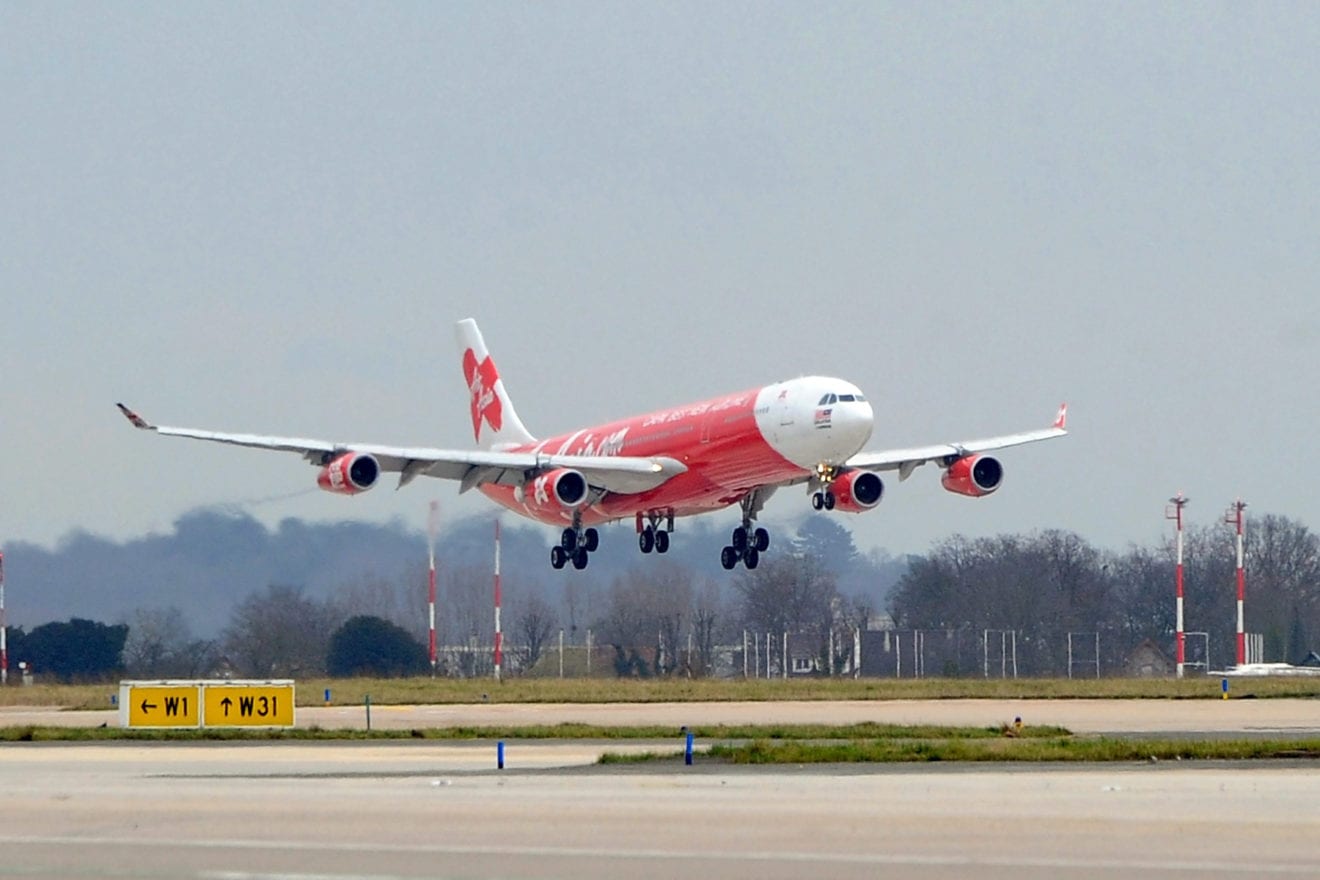
  • Aloha! AirAsia X now flying to Hawaii

    Aloha! AirAsia X now flying to Hawaii

    AirAsia X, Malaysia’s award-winning long-haul, low-cost carrier, has launched its inaugural flight from Kuala Lumpur to Hawaii via Osaka, Japan.

    The departure lounge at KLIA2 where passengers boarded flight D7 001 was abuzz with excitement.

    Gracing the launch at KLIA2 was AirAsia X chairman Tan Sri Rafidah Aziz who adorned passengers with floral garlands.

    After the approximately six-hour flight to Osaka, the celebration continued with Rafidah and AirAsia X CEO Benyamin Ismail present at a ribbon-cutting ceremony at Kansai Airport.

    In Honolulu, State of Hawaii Chief of Staff Mike McCartney, Malaysian ambassador to the United States Tan Sri Dr Zulhasnan Rafique, and Hawaiian Tourism Authority (HTA) president and CEO George D. Szigeti also attended a press conference.

    AirAsia X Group CEO Datuk Kamarudin Meranun said when he founded AirAsia with partner Tan Sri Tony Fernandes, they dreamed of democratising air travel for everyone so flying would no longer be a luxury only a few could enjoy.

    “The landmark route to Hawaii is a bold new chapter in that quest to help more people travel farther for less. But this is just the beginning, and soon our guests will be able to enjoy flights to even more destinations in the US as we continue to grow our international footprint,” he said.

    HTA’s Szigeti said they were deeply honoured AirAsia X had chosen Honolulu as its initial destination to expand its service in the United States.

    “We appreciate how this route strengthens our ties with the people and culture of Malaysia.

    “AirAsia X customers in Kuala Lumpur and Osaka will enjoy the convenience of this direct service and how it connects them with the welcoming spirit of the Hawaiian culture, the spectacular natural beauty of our islands, and the diversity of Asia-Pacific influences that enriches the experience of being in Hawaii.”

    Last week, AirAsia was named the World’s Best Low Cost Airline for the ninth consecutive year, while AirAsia X won the World’s Best Low Cost Airline Premium Cabin and Premium Seat awards for the fifth year in a row at the Skytrax World Airline Awards held at the Paris Air Show.

    AirAsia X flies from Kuala Lumpur to Honolulu via Osaka four times a week.

    To celebrate the inaugural flight, AirAsia X is offering a one-way fare from RM899 for a standard seat or RM2,999 for the award-winning Premium flatbed, from Kuala Lumpur to Honolulu. The promotional fares are available on airasia.com now through July 2, for travel between Oct 1 and Aug 28, 2018.

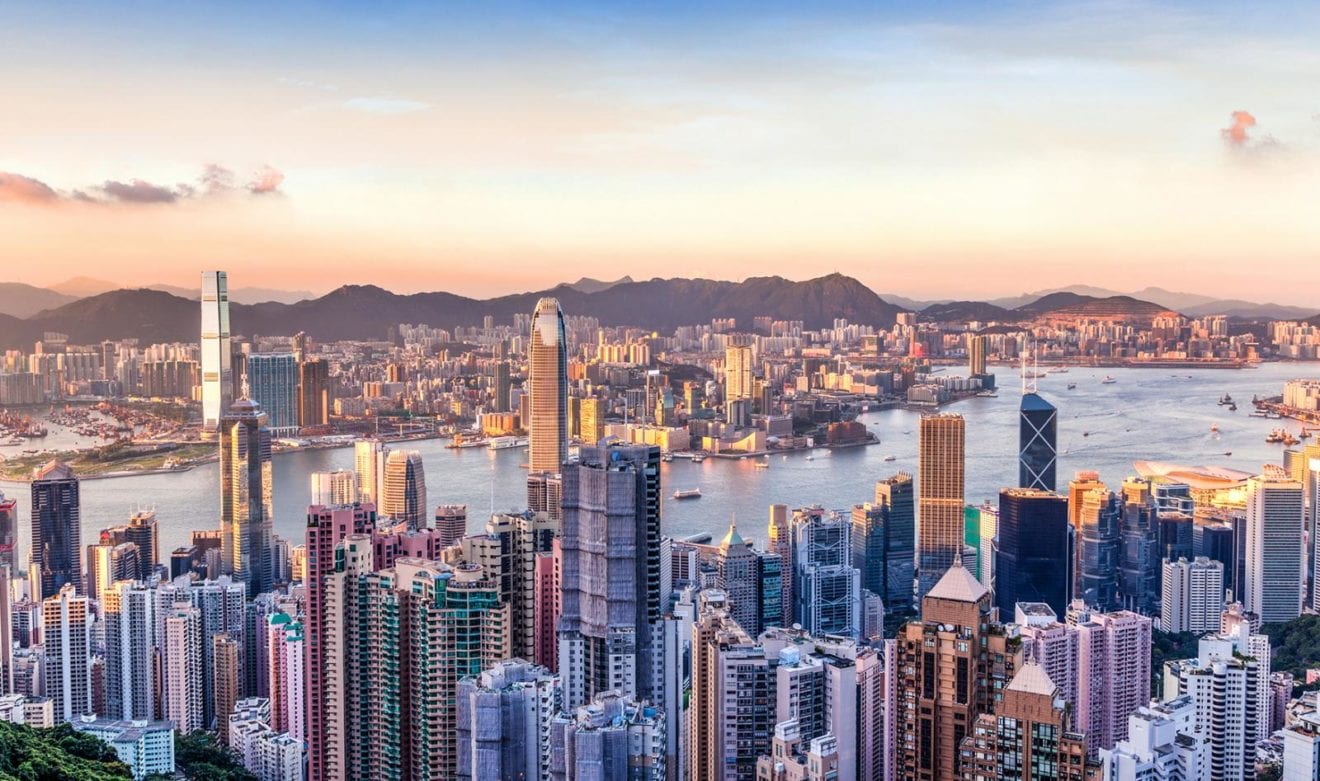
  • Why Hong Kong’s handover could be an opportunity for luxury retail

    Why Hong Kong’s handover could be an opportunity for luxury retail

    On Saturday, Hong Kong kicks off a series of 320 events celebrating the anniversary of the region’s handover from British to Chinese governance of Hong Kong in 1997. With president Xi Jinping making his first official visit since taking office in 2013, over $80 million is being invested in the celebrations by the Chinese Government.

    Driving this investment is the promise of an influx of tourists from China’s Mainland, spelling an opportunity for luxury brands operating in the market. A potential economic boost sparked by the handover anniversary celebrations cannot come soon enough for Hong Kong. Luxury sales have been in steep decline, falling by as much 9 percent in 2016.

    Several international luxury brands, including Ralph Lauren, Prada and Tag Heuer shut stores in Hong Kong last year. Meanwhile, Burberry halved the size of its flagship in the city’s Pacific Place complex, while Gucci publicly demanded lower rents, threatening to close several stores.

    Recent accounts show that Hong Kong’s technology and property shares have risen, however, suggesting a renewed confidence in the market. Significant infrastructural developments are also underway. The Hong Kong International Airport is undergoing an $800 million expansion, adding a third runway, to bolster crucial tourist flow into the city — a move projected to boost Hong Kong’s economy by $235 billion by 2030. And the New World Development group has announced a $2.6 billion development, Victoria Dockside, which will span three million square-feet and aims to reinvigorate the Kowloon Waterfront.

    “We can see that Hong Kong is doing slightly better, but we can’t forget that, compared to its heyday in 2012 and 2013, it’s still very depressed,” warns Mario Ortelli, senior research analyst for luxury goods at Sanford C. Bernstein. “All the luxury companies are cautious about Hong Kong. Going forward, they are planning more store closures, not store openings.”

    Mainland Chinese Tourists

    Hong Kong’s struggle to maintain its position as one of the region’s most profitable luxury retail destinations is inextricably linked to tourism from Mainland China. Mainland Chinese tourists represented 76 percent of all visitors to the city in 2016, a significant drop of 6.7 percent from 2015. Mainland Chinese consumers are taking more overseas trips than ever before, and what they buy has evolved beyond Hong Kong’s retail offering.

    “For a younger crowd, they naturally relate more to contemporary fashion, and are more informed in making consumer choices,” says Anais Mak, who co-founded Hong Kong-based womenswear label Jourden in 2012, and counts luxury department store Lane Crawford among her stockists. “I also see more curiosity [among tourists] to discover many other aspects of the city apart from the sought-after luxury fashion products,” she adds.

    Competition from rival markets in the region continues to grow, despite Hong Kong’s key draws: prime geographical location and tax-free shopping. “Macau is currently more dynamic than Hong Kong because it’s cheaper,” explains Ortelli. “South Korea and Japan are also attractive alternative regional destinations, and there are many others that are growing, like Taiwan and Singapore.”

    Tourists have also been deterred by political tensions between the Chinese government and Hong Kong citizens, which hit boiling point in 2014. Meanwhile, the continued sabre-rattling by China and South Korea, surrounding the installation of an American missile defence system in the latter, has also impacted touristic flow.

    In Hong Kong, the attitude is positive. “The general cool down of domestic political tension as well as mixed sentiments between Hong Kong and Mainland China will account for an uptick [in tourist spending in Hong Kong],” says Mak. “Times have been tough in 2015 and 2016, but it seems people are experiencing a natural progression to regain confidence in the environment.”

    However, due to continuing store closures, it’s clear that international luxury brands continue to be far more cautious about Hong Kong’s potential for a turnaround. “There is potential for disruption,” insists Ortelli. “The celebrations are an opportunity for the luxury companies that could, perhaps, become another Occupy Hong Kong.”

  • Duty Free Americas set for Changi debut

    Duty Free Americas set for Changi debut

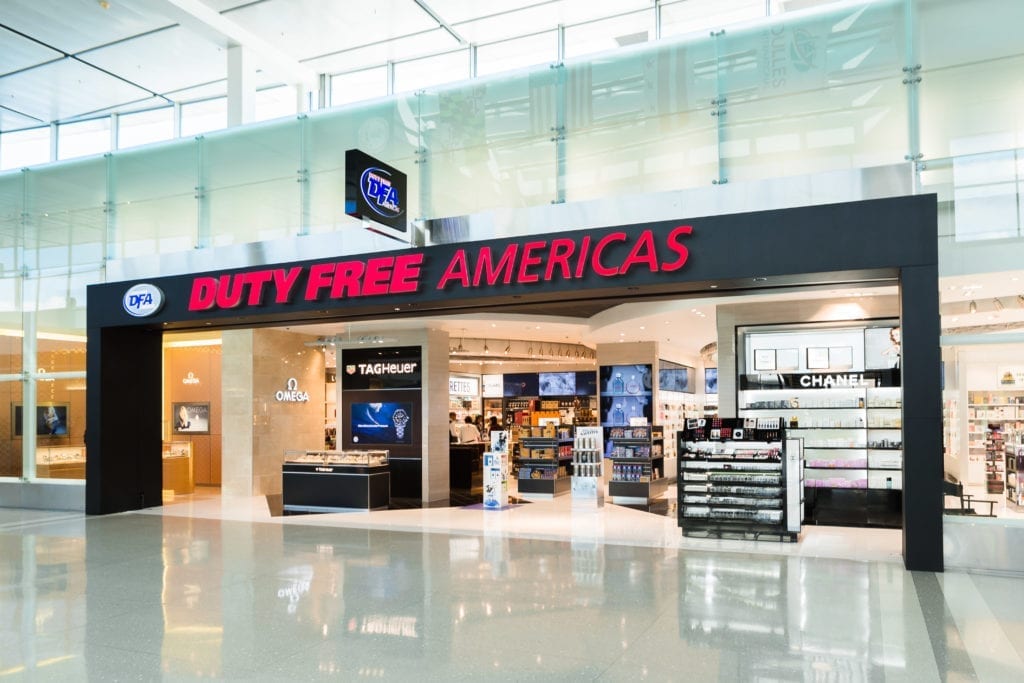
    Duty Free Americas (DFA) will open its first store at Singapore Changi Airport after capturing one of three recent speciality/brand name store concessions in Terminal 2.

    DFA will operate 46sq m unit under the ‘Black’ speciality store name in Departure/Transit Lounge South. The three-year contract runs for three years from 29 November, with no renewal option. It follows a Direct Marketing Exercise conducted by Changi Airport Group earlier this year as it sought partners for the concessions.

    The other two contracts, in 94sq m and 85sq m respectively, were won by RSH Singapore and Dufry. The former will run a Ted Baker store while the latter will run a new Tumi store in T2.

    The Dufry/Tumi three-year concession begins on 28 November while the RSH/Ted Baker concession takes effect from 1 March 2018. Duty Free Americas will take its brand of retailing to Singapore Changi Airport with its latest international contract.

  • Decathlon Opens First Store in the Philippines

    Decathlon Opens First Store in the Philippines

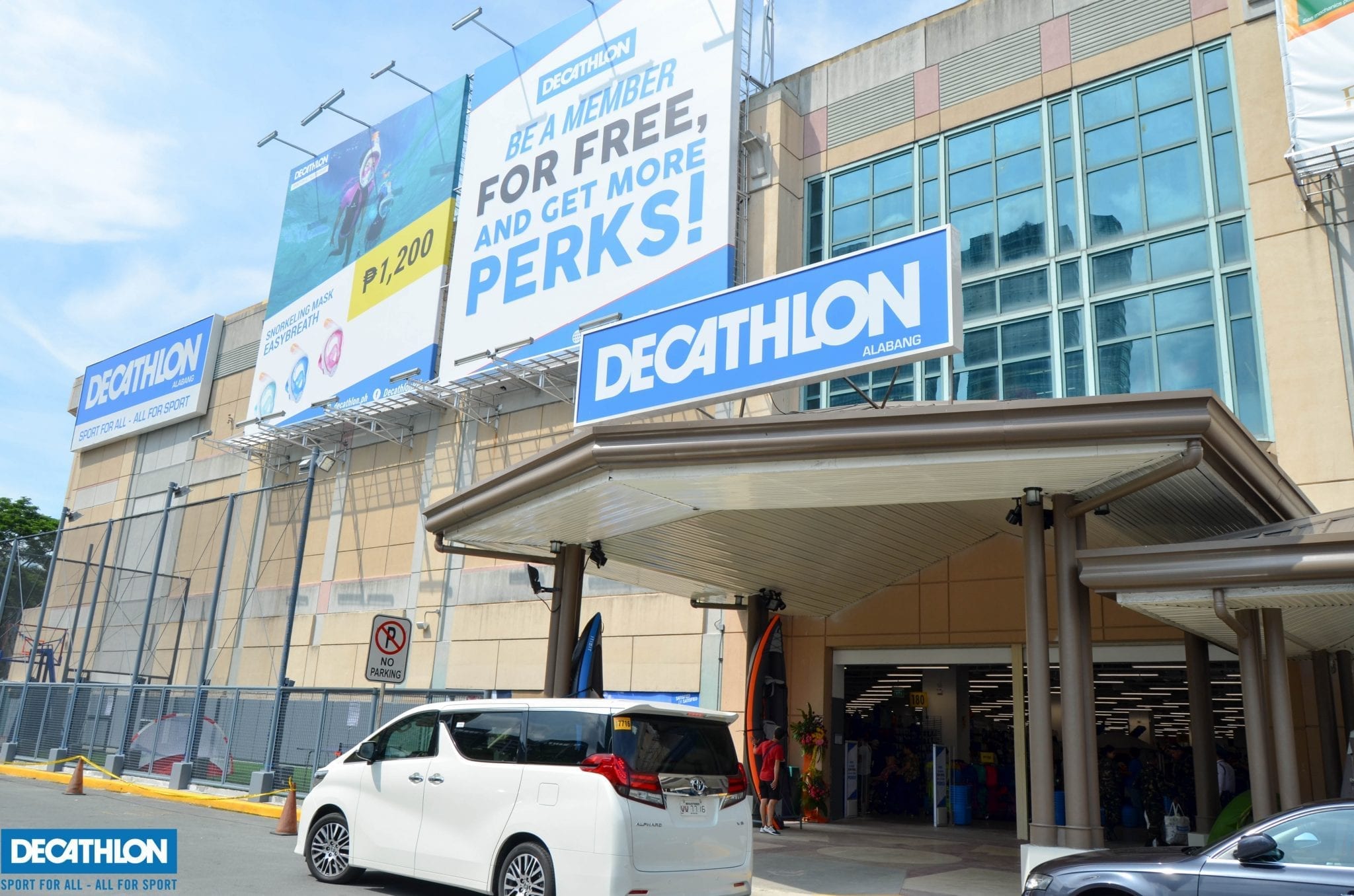
    Decathlon, one of the world’s largest sporting goods retailers, is taking another step to realizing its tagline—”Making Sports Accessible to the Many”—when it will officially open its first Philippine store in Manila on June 30.

    Founded in France in 1976, the retail giant currently has more than 1,200 stores and operates in over 30 countries. Decathlon’s Alabang branch in Muntinlupa City Metro Manila marks the company’s 16th store in Southeast Asia, and the first of many more stores the company plans to roll out in the Philippines.

    Over the next 10 years, Decathlon plans to expand to other key cities, such as Cebu, Davao, Iloilo, and Legazpi.

    “We have been interested in the Philippines for quite some time now,” says Hans Iff, CEO of Decathlon Philippines. “As the country’s economy has gotten more robust and consumers are becoming more wellness-conscious, it is the right time to invest.”

    According to a McKinsey report, the sports industry in the Philippines is projected to multiply four times over the next twenty years, reaching €1 billion by 2026. With a growing younger population, an emerging middle class, and increased infrastructure spending, the World Bank Group expects the country’s real GDP to grow at a rate of 6.9 percent in 2017 and 2018.

    A core part of Decathlon’s operations is an investment in in-house, consumer-focused products, called Passion Brands. Each of the company’s 40 Passion Brands represents a different sport or group of sports, with a dedicated team that is responsible for the research, design, development, and testing of their product.

    “We want Decathlon to become one of the most loved brands in the Philippines. Thanks to the innovation and unbeatable value of our passion brands, we will continue to deliver the best quality and safety to guarantee customer satisfaction,” says Iff.

    The company places particular emphasis on recruiting people that share our company values: passionate about sports, service-minded, and autonomous. Managers at Decathlon work closely with their staff, encouraging them to make decisions and take on more responsibilities. “We believe satisfied customers start with satisfied employees,” says Iff. “Our employees are given the room to make mistakes and grow in their roles.”

    Decathlon Philippines is also investing in the local ecommerce market, allowing customers to purchase goods from their website. “Our physical stores are part of our omni-channel strategy to help us interact and serve our customers better. As consumer shopping behaviours and expectations are changing, we want to offer a seamless user experience, both in-store and online.”

    Through all of its platforms and brands, Decathlon is committed to creating value for its end users, employees, partners, and citizens wherever the company is present.

    The company is also looking to manufacture some of its products in the Philippines. “We aim to setup factories in the near future for the production of goods sold locally,” says Iff. “The Philippines already has the infrastructure in place for certain processes, such as heavy stitching and injection moulding for shoes.  And we have already made plans to locally produce a Bluetooth communication kit for Easybreath —our innovative snorkelling mask that lets you breath through your nose.”

    Decathlon Philippines actively supports the local community by investing in community development programs and partnering with NGOs and non-profit organizations. The company also recruits local underprivileged youth who have the opportunity to become Decathlon employees after undergoing a series of training. As part of their long-term vision, the company is seeking to collaborate with such youth for the design and development of certain new goods tailored for the Philippine market.

    “In a country where natural resources are limited, we want our stores to be as eco-friendly as possible,” says Iff. “The objective in the middle term is to build our stand-alone concept store with a minimal impact on the environment, through the reduction of energy consumption, the optimization of waste treatments and other strategies.”

    Aside from the brand’s corporate responsibility initiatives, their stores are famous for the sheer variety. The 3,000-square-meter store occupies the ground floor of Festival Mall in Alabang and stocks goods for 70 different types of sports. Aside from popular sports like basketball, running, diving, hiking, and cycling, Decathlon will also provide products that support the Philippines’ national and traditional sports like Arnis and Sipa.

    Customers can even try out products before buying. All Decathlon stores in the Philippines will contain a large playground spanning more than 400 square meters, which will be free and accessible to all customers. Sports activities will also be organised onsite to promote healthy living and fitness for store visitors.

    “Ultimately, the store was designed to enhance customers’ brand experience, inviting them in to touch, feel and see the quality of our products, the latest innovations, while discovering new sports.”

  • Almost 77,000 new enterprises operative in H1

    Almost 77,000 new enterprises operative in H1

    There were 61,276 newly-established enterprises in Vietnam in the first half of this year with total capital of VND596.196 trillion ($26.22 billion), according to the Ministry of Planning and Investment (MPI).

    Numbers were up 12.4 per cent year-on-year while capital was up 39.4 per cent. Average capital was VND9.7 billion ($42,600), a 24.3 per cent increase year-on-year.

    There were also 18,100 enterprises adding capital in the first half, totaling VND859.186 trillion ($37.7 billion), for new and additional capital of some VND1,455 trillion ($64 billion).

    MPI’s figures also reveal that the number of newly-established enterprises and capital grew each year in the first half from 2013 to 2017.

    The number of newly-established enterprises in the first half of 2017 increased 1.5-fold compared to the first half of 2013.

    Registered capital and average capital in the first half of this year rose three-fold and 1.8-fold, respectively, compared to the first half of 2013.

    Most sectors saw newly-established enterprises in the first half.

    There were almost 2,280 in real estate, up 68.3 per cent year-on-year, 679 in banking, finance and insurance, up 37.2 per cent, and 318 in healthcare and social assistance, up 30.9 per cent.

    In education and training, 1,597 enterprises were newly-established, an increase of 30.4 per cent, and in electricity, water, and gas production 442, a 23.1 per cent increase.

    Some 15,380 enterprises also returned to operations in the first half after temporarily suspending operations, up 3.2 per cent.

    There were also, however, 14,377 enterprises temporarily suspending operations in the first half, an increase of 17.8 per cent year-on-year.

    The number of enterprises ceasing business or waiting for dissolution was 23,530, up 24.4 per cent year-on-year.

    Of these, 5,443 enterprises completed procedures for dissolution, down 1.2 per cent.

    Some 91.5 per cent of enterprises ceasing operations or temporarily suspending operations had registered capital of less than VND10 billion ($439,800), up 23.1 per cent.

  • 7-Eleven outlets shutdown in Indonesia

    7-Eleven outlets shutdown in Indonesia

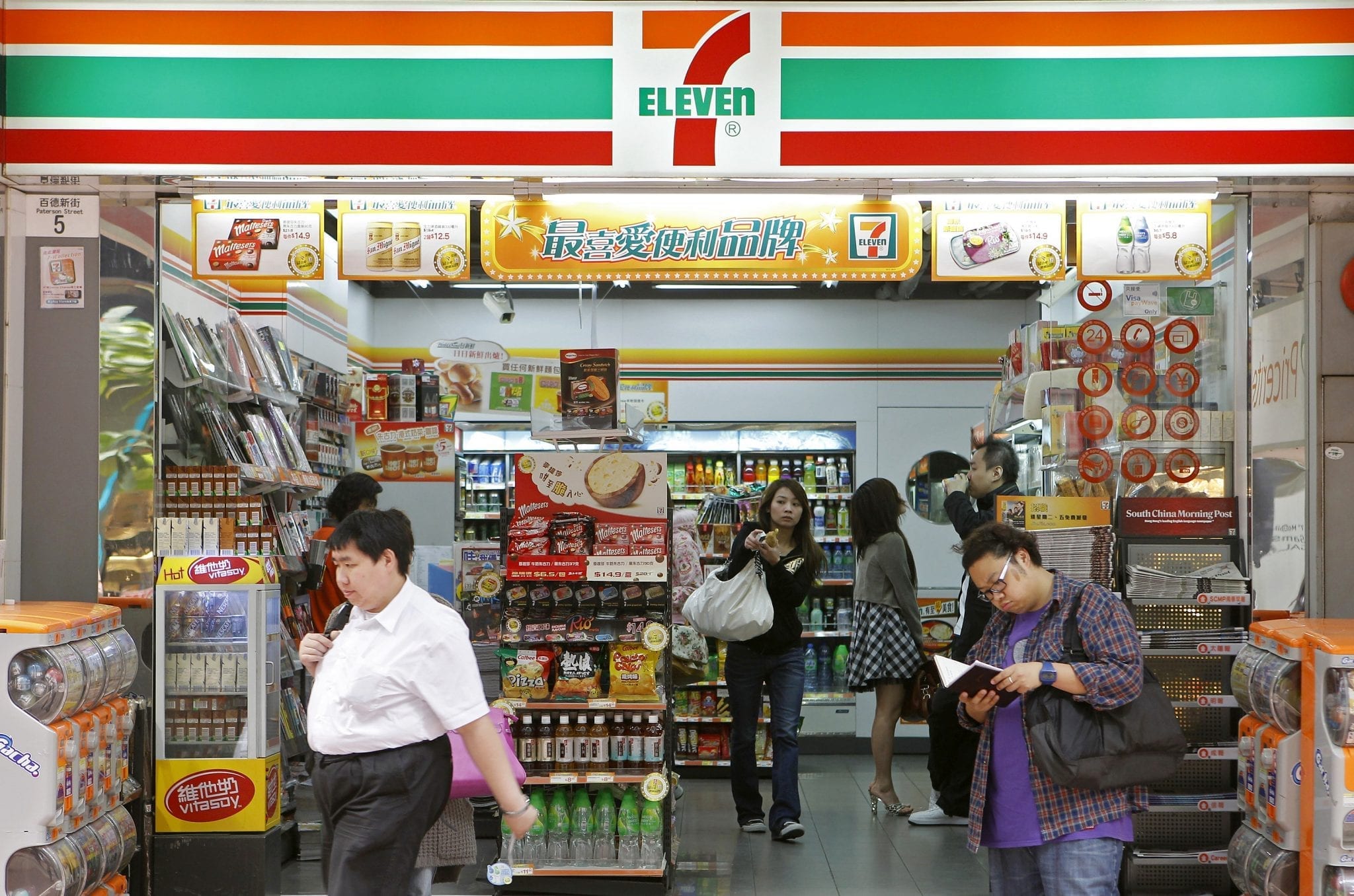
    The remaining 141 7-Eleven outlets in Indonesia will cease operations today (Friday), said franchise-owner of the 24-hour convenience store, Indonesia PT Modern Internasional.

    In a statement to the Bursa Efek recently, its Director, Chandra Wijaya, said the decision was taken given the limited resources to support operations and also to the sale and purchase of its shares.

    The company was reported to have agreed to sell the franchise to PT Charoen Pokphand Restu Indonesia but it was called off when both parties failed to reach a consensus on certain matters.

    There were some 175 7-Eleven outlets operating in Jakarta until September last year.

    At the end of 2016, more than 20 stores started closing down as they were not profitable.

    The chain outlets was first introduced in 2008 by PT Modern Internasional’s subsidiary, PT Modern Sevel Indonesia.

    However, PT Modern Internasional’s first quarter results for 2017 revealed that 7-Eleven stores incurred a a 37.17 per cent decline in total sales.

    Meanwhile, Indonesian Trade Minister Enggartiasto Lukita denied allegations that the shutdown in 7-Eleven’s operations displayed weakness in the Indonesian retail sector as many other 24-hour retail outlets were still operating as usual.

    He said the shut down was due to internal problems and the losses experienced by the company.

    Enggartiasto said he would meet the management to obtain more information on the closure of the franchise outlets.

  • Convenience stores seek ways to differentiate themselves from rivals

    Convenience stores seek ways to differentiate themselves from rivals

    In the past, convenience stores differentiated themselves from privately run groceries by position, diverse goods and modern services. Now, they tend to set up large stores integrated with fast food shops to attract youth and office workers.

    HCMC residents were reported as queuing up at the first 7-Eleven shop at Saigon Trade Center on June 15, the opening day of the shop.

    N.N. Huong, who visited with her teenage daughter, said she was curious about the new brand and she wanted to find out if there was any difference with the Ministop shop located next to her house.

    Seven System Vietnam said 7-Eleven offers hundreds of dishes suitable to Vietnamese taste, and provides lunches to office workers with 20 alternatives. Besides the products with private brands, 7-Eleven also provides facilities such as dining area, wifi and card payment services.

    After a decade of slow development, convenience stores have been developing strongly in the last three years.

    FamilyMart, Ministop and B’s, after changing the joint venture model, have been stepping up the expansion of the chains.

    Each of the brands has had 40-50 new shops set up every year. In the last three years, the network of 24/24 convenience stores has grown threefold and expanded to other provinces and cities besides Hanoi and HCMC.

    Analysts said though the high retail premises rent remains the biggest obstacle for the development of convenience stores (which accounts for 40 percent of operation costs), convenience stores have overcome a difficult period to form large-scale chains.

    Most convenience store chains are part of large corporations such as Aeon, Central Group, Saigon Co.op, Vingroup and SATRA.

    Aeon, for example, now owns many retail chains in Vietnam, including Ministop, which is open 24/24 hours, located in central districts; Aeon Fivimart, known as food shops; Aeon Citimart B&B, located in apartment blocks; and Daiso, the single-price chain, which all connect other models, from supermarkets, hypermarkets and shopping malls to other potential segments of the retail market.

    Zakkamart, a 100 percent Vietnamese owned chain, established three years ago, opens two new shops every month on average. The difference between Zakkamart and other convenience stores is that the chain sells fresh food, vegetables and fruits and frozen products.

    Nguyen Van Khoa, deputy general director of Satra, said Satra provides daily meals, and does not only focus on FMCG (fast-moving consumer goods).

  • The next Silicon Valley? Where to place Vietnam on the global startup map

    The next Silicon Valley? Where to place Vietnam on the global startup map

    Vietnam is trying hard to become a startup nation. The country kicked off its own “Silicon Valley” with the hope of transforming from a software outsourcing haven to a major tech hub last year. This complex, with total investment of $21.5 million, is aimed at nurturing tech-incentive startups.

    However, when asked if Saigon could become the next Silicon Valley, entrepreneur Anh-Minh Do from the Singapore-based Vertex Venture, smiled and answered without hesitation: “I don’t think it will ever happen.”

    In the Global Startup Ecosystem Report 2017 released by U.S. research organization Genome, Saigon was not mentioned in its top 20.

    Meanwhile, Southeast Asian neighbor Singapore shocked the world by outperforming Silicon Valley as the world’s number one for tech talents, and was ranked 12th overall.

    Saigon became known to the global tech market nearly two decades ago as an outsourcing haven, together with Bangalore in India, which did secure a place in the top 20.

    When it comes to other up-and-coming tech hubs in Southeast Asia, Kuala Lumpur also has its name on the map.

    In another report released this month by consultancy firm A.T. Kearney, Saigon stood in 74th out of the 128 most innovative cities worldwide.

    Those rankings cast doubt on Saigon’s Silicon Valley dream. People are getting more realistic, saying it may be out of reach.

    People have been wondering where the second Silicon Valley will emerge, but even Singapore is not a safe bet, according to some investors. Singapore may have overtaken the California-based tech hub in some respects, but is still a long way from becoming a major rival.

    For some entrepreneurs, investors and developers, the term “Saigon Silicon Valley” comes as a surprise.

    “What do you mean Saigon Silicon Valley?” astonished Tuan Anh, a former Google intern in the U.S., asked with wide-open eyes at an Internet of Things conference held last month in Hanoi. He had no idea that Vietnam is constructing its own Silicon Valley, covering an area of over 11,000 square meters. “I am sorry, I didn’t know about the project. But considering the situation in Vietnam now, I think Silicon Valley is just a name reflecting a government dream.”

    It seems the Vietnamese government is obsessed with the term “Silicon Valley”. Nearly five years ago, the government also sponsored an accelerator based in Hanoi called Vietnam Silicon Valley, hosting bootcamps aimed at mentoring young startups and giving direction to the fragmented venture capital market.

    Tech talents

    Many investors agree that Vietnam is a great breeding ground for IT workers, and tech companies are constantly hunting for talented candidates.

    Domestic demand for techies has doubled over the past five years, according to a report by human resources firm VietnamWorks.

    Vietnam is recognized as one of the world’s top software outsourcing hubs. The appeal is bolstered by its tech-savvy workforce, which is cheaper than China’s and more productive than other countries in the ASEAN Economic Community.

    “But when it comes to sophisticated projects that require the ability to appreciate good and user-focused design and critical thinking, Vietnamese developers seem to be struggling,” Pham Quoc Dat, founder & CEO of Hatch Ventures Vietnam.

    “Vietnamese IT workers are just above average,” Dat added. “On a scale of 1 to 10, they score 7 to 8 in comparison to their Southeast Asian peers, but just 5 to 6 compared to the real Silicon Valley in the U.S.”

    Clearly, outsourcing is not enough for Vietnamese developers to make their Silicon Valley dream come true – it’s the matter of creating new things.

    “The world is now focused on artificial intelligence and automation, but Vietnam has virtually no home-grown talents in this field, only those who were educated overseas,” said Anh-Minh. “That means Vietnam is being left behind when it comes to education, which is a key component to keep up in this fast-paced world.”

    On the other hand, Vietnamese high school students have long been known for their excellent performances at math and science competitions, outscoring their U.S. and U.K. counterparts. It is this foundation for computer science that could give Vietnam an edge.

    “Vietnam has hidden tech potential, but it could take another five years to create massive companies that have global influence,” Anh-Minh added.

    The country is looking at ways to transform from an electronic component producer to a center for research, innovation and development.

    In early 2014, the world became addicted to mobile game Flappy Bird, developed by Vietnamese programmer Nguyen Ha Dong. He was said to have pocketed an estimated $50,000 a day thanks to the bird. Not even Mark Zuckerberg became rich that fast.

    Dong’s story is an encouraging example for his peers, but it seems that “Flappmania” was just a one-night hit for him. No more spotlight for descendents of this bird.

    Since then, no Vietnamese techies have been able to recreate that, not even Dong himself.

    When entrepreneurial spirit is not enough

    Setting up your own business is part of Vietnamese culture. Seven in 10 startups are family-run businesses, according to the “Vietnam –Promised Land for Entrepreneurship” report, conducted by USAID and the Vietnam Chamber of Commerce and Industry. They start small but hope to grow bigger.

    The average age of startup founders in Vietnam was 30, said the report, just slightly older than the 28 years reported in Singapore, the world’s youngest base.

    “Most young Vietnamese people want to be entrepreneurs,” said Chris Zobrist, an American entrepreneur and advisor on the Silicon Valley Project. “A lot of their parents started businesses that did really well, and that created an image in young people’s minds that being an entrepreneur is a real path to success in life.”

    Geektime, one of the biggest tech blogs focusing on global innovation, estimated the number of tech startups in Vietnam stood between 1,400 and 3,000 in 2016, making the country the third largest ecosystem in Southeast Asia, only behind Singapore and Indonesia. However, around 95 percent of startups die within 3-5 years.

    Vietnamese people are focusing more on commercial startups like coffee shops rather than doing something tech-related and revolutionary, said Truong Gia Binh, chairman of technology giant FPT Corporation. Binh said he would wholeheartedly support any projects that could make a breakthrough in the tech world. Startups that could go global should have technology as their foundation, he added.

    The startup trend has fired up in Vietnam for three years.

    The government has set a target of reaching one million newly established firms by 2020, but quantity should go together with quality.

    To become the “next” anything, the country needs bigger bets from founders, investors and regulators.

    Vietnamese startups enjoy significant government subsidies and the country’s strategists are working to establish local tech startups that can make it big on a global scale.

    “The law needs to regulate the money better. The government needs to be more supportive; there needs to be more interaction from Vietnamese-Americans, specifically Vietnamese-Californians because of the ‘Valley’ connection,” Anh-Minh said.

    Vietnamese startups struggle to succeed because they don’t have access to experienced professionals. In Silicon Valley, founders and entrepreneurs have a lot of people who have successfully started companies to go to for advice. Here in Vietnam, a relatively young market, it is not easy to find that depth of experience.

    Vietnam is a small country with big ambitions.

    Dat from Hatch Ventures said: “As the first entrepreneurial hub in Vietnam, Saigon is the first choice for investors looking for potential deals.”

    “If any city in Vietnam has the potential to become the next big tech hub, it’s Saigon,” Dat said.


  • AirAsia X enters U.S. market with flights to Honolulu

    AirAsia X enters U.S. market with flights to Honolulu

    Low-cost airline AirAsia X entered the U.S. market Wednesday, arriving in Honolulu on an inaugural flight for a new route between Malaysia and Hawaii.

    The AirAsia X flight departed Kuala Lumpur, Malaysia, and stopped in Osaka, Japan, before landing at Honolulu International Airport. The new flight will operate four times per week utilizing Airbus A330-300 aircraft with 12 premium flatbeds and 365 economy seats.

    “We are here to democratize air travel for everyone so flying long haul would no longer be a luxury only a few could enjoy,” AirAsia X Group Chairman Tan Sri Rafidah Aziz, who held a news conference at The Royal Hawaiian hotel after landing in Honolulu, said in a statement. “This landmark route to Hawaii is a bold new chapter in that quest to help more people travel farther for less.

    “But this is just the beginning, and soon our guests will be able to enjoy flights to even more destinations in the US as we continue to grow our international footprint.”

    AirAsia X, an affiliate of the AirAsia Group, operates in 24 destinations in Asia, Australia, New Zealand and the Middle East.

  • Hong Kong retail sales extend growth to three months

    Hong Kong retail sales extend growth to three months

    Retail sales rebounded modestly for the third consecutive month in May, edging up 0.5% on the year to reach 35.9 billion Hong Kong dollars ($4.6 billion). That was slightly higher than the 0.2% sales increase in April, according to official data released on Thursday.

    Leading the gain was an improvement in the sales of luxury goods including jewelry and watches, which rose for the third straight month at 1.4%. This was followed by a 3.8% increase in department store sales, while sales of vehicles jumped 8% as demand surged ahead of more stringent pollution regulations imposed on diesel vehicles.

    Clothing sales swung back to negative territory and fell 0.4% from a year ago. Sales of electrical goods and consumer durables like cell phones remained in the doldrums, slumping 14% and 12% respectively.

    A government spokesperson said the figures indicated the “relative improvement in inbound tourism” and the “resilience of local consumption demand.” Boosted by long weekends including the three-day Labor Day Holiday and Dragon Boat Festival, the number of mainland tourists in Hong Kong grew 3.7% on the year in May, compared with a 1.8% increase in April.

    But industry players remain cautious on the outlook of nonessential items such as electrical goods, as mainland tourists tighten their purse strings. “Their travel pattern is no long the same — what they want is something more experiential than just shopping,” said Thomson Cheng Wai-hung, chairman of Hong Kong Retail Management Association. “The chance of a quick turnaround for this market is slim.”

    Some luxury retailers in Hong Kong are eyeing overseas expansion to make up for the sluggish business at home. Jeweler Luk Fook is working with local partners to open two shops in Cambodia this year, including a 30,000 sq. ft (2,787 sq, m) flagship store in Phnom Penh, in the hope of bringing the total number of retail outlets there to seven in five years.

    Luk Fook reported an 8.7% decline in revenue to HK$12.8 billion for the year ended in March, dragged lower by a near 20% slump in Hong Kong retail revenue. But same-store sales in the territory turned around in the last quarter of 2016 after falling 12 consecutive quarters.

    But Luk Fook has no plans to expand in Hong Kong despite signs of recovery. “Our expansion will focus on mainland China in the medium- to long-term. We are particularly bullish on the growth of the country’s middle-class population,” said Chief Financial Officer Kathy Chan. The group is planning another 50 shops on the mainland this year to add to its sales network of 1,500 spanning the U.S., Malaysia and South Korea.

  • British Airways will use Qatar planes during cabin crew strike

    British Airways will use Qatar planes during cabin crew strike

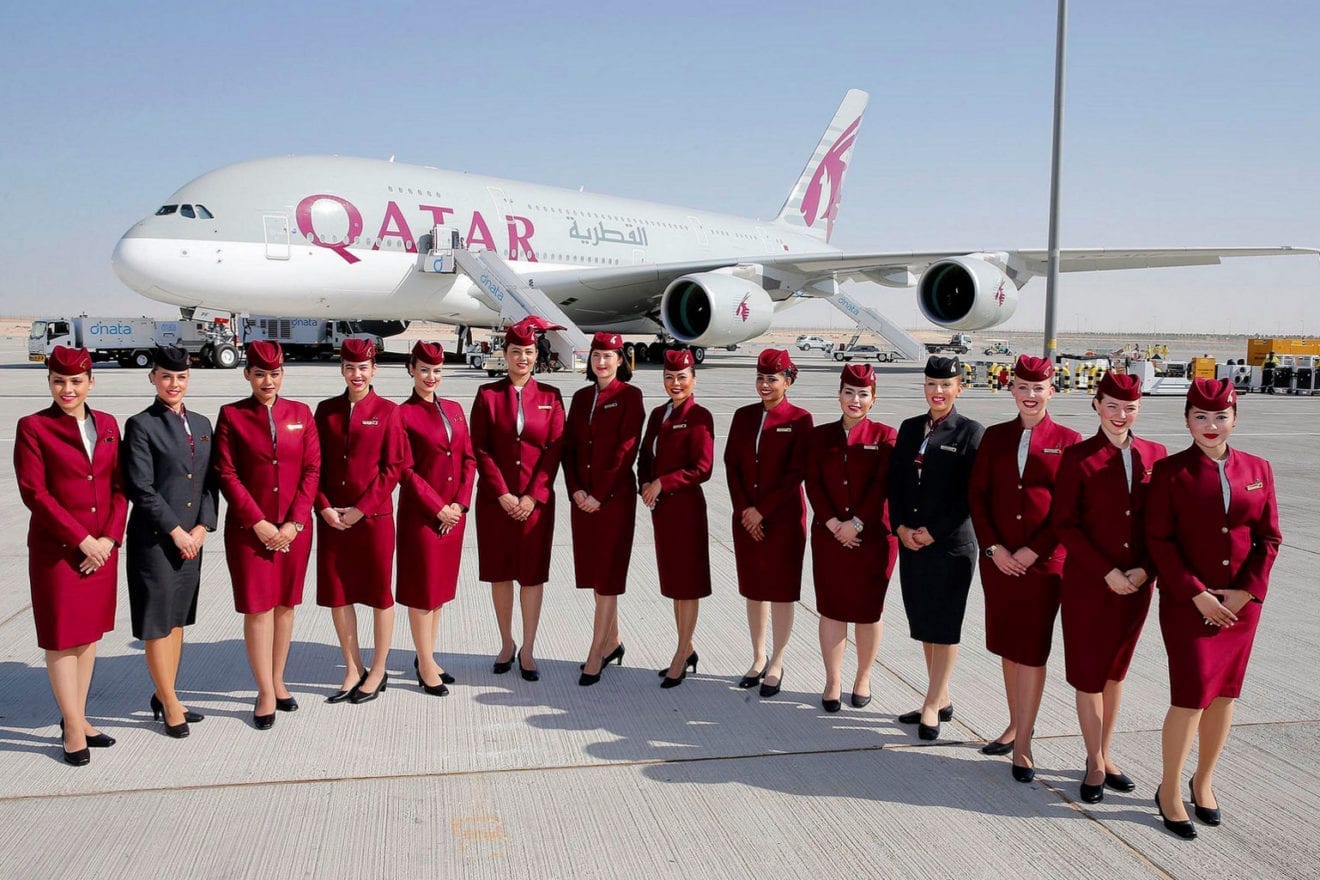
    British Airways will use Qatar Airways planes and crew to fly all its passengers to their destinations during a planned two-week strike by some cabin crew, Willie Walsh, head of BA’s parent company, said on Thursday.

    The strike by BA’s mixed fleet cabin crew – those who work on both long and short-haul flights – is due to begin on Saturday. BA had already applied to Britain’s Civil Aviation Authority (CAA) to use nine Qatar-registered Airbus A320 or A321s betweenJuly 1 and July 16 and Walsh, CEO of International Consolidated Airlines Group (IAG), said the plan would go ahead.

    “I’ll be pleased to say that those airplanes will fly and all of the British Airways passengers who are booked to fly with us over the next couple of weeks will be flying,” Walsh told reporters in Brussels on Thursday when asked if the application to use the planes had been successful.

    Members of the mixed fleet crew are engaged in a long-running dispute with BA about pay. The forthcoming strike is over sanctions on union members involved in previous industrial action.British Airways had previously guaranteed that all customers would reach their destinations, although some flights will be merged.

    The CAA would not confirm that BAs application had been approved and said it was still processing it.

    “Under European regulations specific approval is required for an EU airline, such as British Airways, to wet lease aircraft from an airline based outside of Europe,” a spokesman for the CAA said in a statement.

    “The UK Department for Transport will approve or reject the application taking into account advice from the Civil Aviation Authority.”

    A “wet-leasing” deal would mean that BA pays Qatar to use its aircraft and crew for the two-week period.

    The deal could help Qatar make more use of its planes after its operations were disrupted by a boycott from four Arab nations, forcing it to seek out other destinations on which to use its planes.

    Saudi Arabia, the United Arab Emirates, Bahrain and Egypt cut ties with Qatar on June 5 in the worst diplomatic crisis in the region in years.

    BA and Qatar Airways have close ties. Both are partners in the OneWorld alliance and code share on certain flights, while the Doha-based carrier owns a 20 percent stake in BA parent
    International Airlines Group.