Category: General

Retail News Asia is committed to providing both local and global retailers with the latest General Retail news throughout the Asian market. This on a daily base.

  • Thailand Geas Up to Be ‘The Energy Hub For Asia’

    Thailand Geas Up to Be ‘The Energy Hub For Asia’

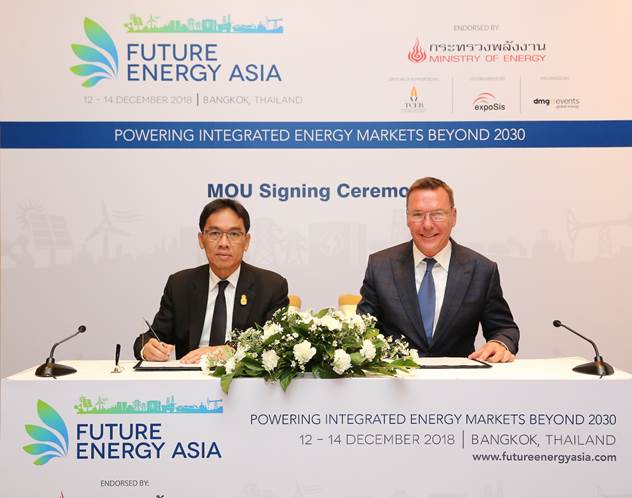
    The ‘Future Energy Asia Exhibition & Conference’ was launched on 04 April 2017 by Mr. Areepong Bhoocha-Oom, Permanent Secretary of the Ministry of Energy of Thailand as a major initiative towards securing the path to Thailand’s Energy 4.0. The transformation and development of Thailand is a major priority for the government which creates incredible business opportunities for both integrated and non-integrated energy companies globally. As such, ‘Future Energy Asia Exhibition & Conference’ is the perfect platform for NOCs and IOCs to foster the transition from traditional fuel suppliers to integrated energy providers for a more efficient and sustainable energy mix across Asia.

    Primary energy demand in Southeast Asia is set to rise by a massive 80% between 2015 and 2040 with hydrocarbons set to remain the single largest contributor to this mix, rising from 74% in 2013 to 78% in 2040, according to a recent IEA report.

    Natural gas demand is predicted to rise by two-thirds across the region, and in Thailand gas remains the single largest fuel source for power generation, supplying over 60% of the country’s fuel mix today.

    Across Asia, the power sector will shape the energy landscape out to 2040 as electricity demand triples, with an additional 400 GW of capacity added in the region. In order to achieve these bold figures the IEA has estimated energy investments will total $2.5 trillion by 2040, representing a huge opportunity for energy companies eager to supply to Asia’s growing population.

    Future Energy Asia under support of the Thailand Ministry of Energy promises to be the largest energy industry gathering Asia has ever seen. Focusing on oil, gas and renewables, the event is set forth to outline the perfect scenarios of mixed fuels and technologies needed to meet growing energy demand, improve efficiency and support the transition to a lower-carbon economy. It will be held from 12-14 December 2018 at BITEC, Thailand with 15,000+ visitors, 2,500+ delegates, 300 speakers and over 600 exhibiting companies.  The Permanent Secretary announced the launch to a gathering of dignitaries, officials, energy sector leaders and prominent media together with international organiser dmg eventsand expert event co-organisers, Exposis from Thailand.

    Mr. Thammayot Srichuai said “Thailand 4.0 means opportunity and the transformation in the energy sector of the country as well. As we move more closely towards an improved energy system, energy production and consumption must adapt radically to ensure the demands of growing populations are met, whilst ensuring cleaner and more efficient delivery is achieved. While renewable and other carbon-free energy will play a primary role, the importance of fossil fuels, in particular natural gas, in delivering the cost-effective and immediate requirements of Asia’s growing demand cannot be ignored. Fossil fuel & renewable energy can certainly form the core elements of a transition to a cleaner & more sustainable energy future for Asia”

    He affirmed that holding Future Energy Asia exhibition and conference in Thailand reflects Thailand’s continuous efforts to promote new projects, attract investments in the energy sector, and consolidate communication with foreign investors and large international corporations, which are foremost on the investment opportunities map. The event will act as a collaborative effort to publicise Thailand’s new policies and readiness as an investment hub and showcase Thailand’s potential to become the sustainable energy hub for Asia, as it transitions to Thailand 4.0.

    He added “We are delighted to host Future Energy Asia 2018 and look forward to the interactions with its delegates for the continued improvement of the global energy sector. The decisions and relationships built will foster a collaborative and economically viable energy future.”

    From his part, Mr. Christopher Hudson, President of DMG Events Global Energy, the company responsible for organising the ‘Future Energy Asia’ presented the plans for the event. He explained that “The 3-day exhibition and conference is dedicated to advancing future energy, energy efficiency and clean technology. Going by the overwhelming response from the global events dmg organises such as ADIPEC and Gastech, the event promises to be the most sought after meeting point for Asia’s stake holders to discuss, debate and embrace future energy scenarios and solutions concerning long-term global energy policies.”

    “Thailand is clearly a growing market with huge opportunities, and ‘Future Energy Asia 2018’ presents the first opportunity for local, regional and international energy companies across the full value chain of this promising sector to come together and create a blueprint for the future energy security of Asia. This inaugural Show will provide an opportunity for global buyers and sellers to display their products and services on the exhibition floor, and to establish alliances and partnerships. The conference represents an unparalleled opportunity for the global energy industry to explore the opportunities and challenges of the exciting Asian market” he said.

    Along with the conference and exhibition, the event will host strategic Ministerial meetings, an ‘awards ceremony and fund’ that will support research and development in energy and social programs on all the days to facilitate networking with peers, business partners and key stake-holders in the energy sector.

    Commenting further on the conference element of the show, Mr. Hudson added “The Conference will not only address the technical aspects of gas, oil and renewables, but also host discussions addressing the challenges facing the industry to include both business and political issues. Some of the key topics include ‘delivering power to grids’, developing efficient and smart electricity distribution and transmission networks, lighting up Asia’s cities: next-generation power generation strategies and technology and ‘creating a blueprint for a harmonious fuel mix: maximising the use and efficiency of fossil fuels in conjunction with carbon-free energy’”.

    “We are extremely grateful for the support and understanding we have received from the Ministry of Energy of Thailand in ensuring the inaugural Future Energy Asia 2018 is a success. Having the Minister himself as Event Chairman underlines Thailand’s commitment to bringing energy security to all,” concluded Mr. Hudson.

    Future Energy Asia is also supported by Thailand Convention & Exhibition Bureau (TCEB). “TCEB, as a government organization dedicated to developing Thailand’s MICE industry, is pleased to support Future Energy Asia 2018.  Thanks to DMG Events for the trust and confidence in Thailand to anchor the show for the first time in 2018 at Bangkok International Trade and Exhibition Centre (BITEC). Thailand’s trade exhibitions are well recognized as a high-potential marketplace and gateway to emerging business opportunities in ASEAN, Asia, and the world. With Thailand’s ASEAN-centric location, ease of doing business, TCEB’s strong network of local and international alliances, and the Thai government’s clear, forward-looking policy on energy, we are positive that locating Future Energy Asia in Thailand will be a contributing factor to its success, and that the show will be able to play a more effective role in connecting all key stakeholders in the development of ASEAN’s energy sector” said Mrs. Jaruwan Suwannasat, Director, Exhibition and Event Department, TCEB

    Future Energy Asia 2018 is the latest expansion in dmg events’ Global Energy Division conference and exhibition portfolio, which includes some of the world’s largest and most important events, including the Abu Dhabi International Petroleum Exhibition and Conference (ADIPEC), Gastech in Barcelona, and the Global Petroleum Show (GPS) in Canada.

  • Textile and garment industry undergoes restructuring

    Textile and garment industry undergoes restructuring

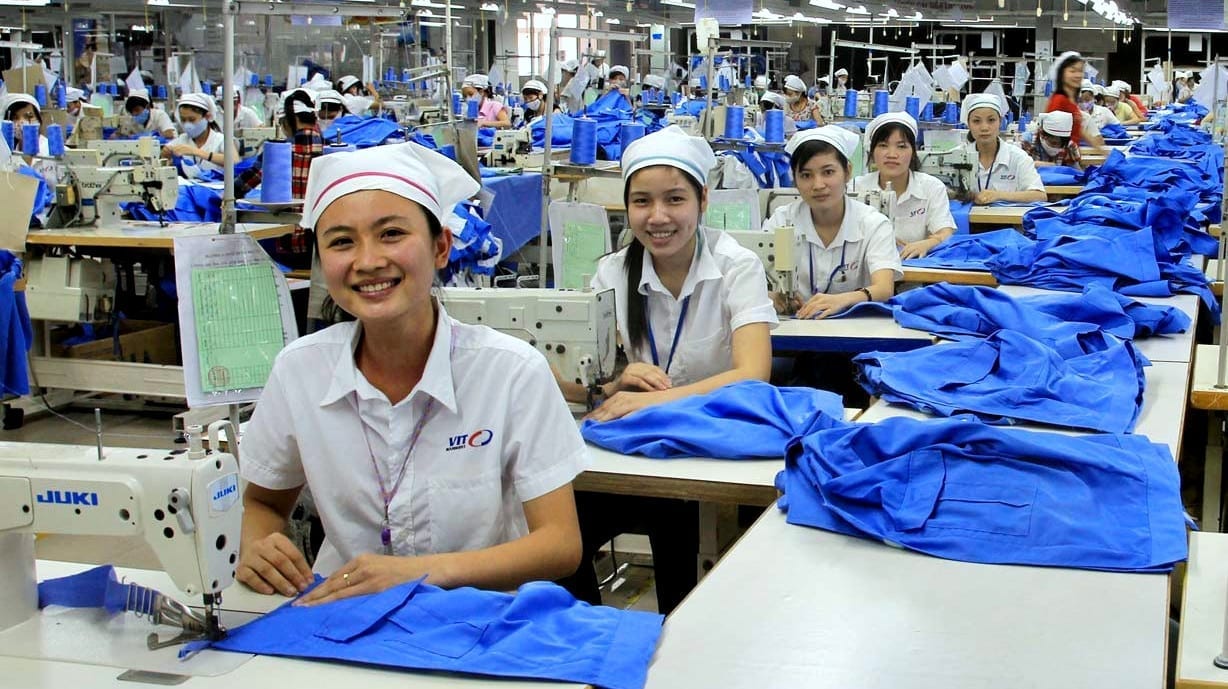
    Restructuring the textile and garment industry involves drawing up a new development strategy, using new technologies, and closing fiber and textile factories that use outdated technologies.

    The Nam Dinh Textile & Garment JSC has undergone ‘major surgery’. The number of workers has been cut from 18,000 to 4,000. However, the remaining workers’ output equals that of 18,000 workers in the past.

    The textile & garment industry has been improving satisfy the requirements of global value chains. The productivity has improved thanks to renovation of machines and equipment and the removal of factories with outdated technologies. However, many things still need to be done.

    MOIT is going to submit to the government a plan to restructure industry in general in 2016-2020, which includes the textile & garment industry.

    Commenting about the plan, Le Tien Truong, deputy chair of the Vietnam Textile & Apparel Association (Vinatas) said the figures shown in the plan were not reliable.

    The plan, for instance, says that productivity is VND35-40 million a year, while Truong believes the figure is inaccurate and it is lower than the real figure.

    If noting that Vietnam exported $28 million worth of textiles & garments in 2016 and imported $17 billion worth of input materials, the average productivity would be VND140 million per worker.

    The plan shows several targets such as repositioning enterprises geographically and shutting down factories with outdated technologies, but it does not include implementation measures.

    There are three ways to improve productivity in the textile & garment industry, according to Truong.

    First, using few workers and high-productivity machines. Second, shutting down unprofitable enterprises and reducing the number of enterprises consuming a lot of power. Third, adjusting the product structure to choose enterprises with higher added value.

    Truong Duy Hung, director of MOIT’s planning department, the compiler of the plan, believes the weak point of textile industry is the lack of input materials.

    Analysts say that if Vietnamese enterprises make input materials, their products would be able to replace Chinese products and can compete with Chinese products in price.

    In current conditions, however, it is easier and faster to seek input materials from China than domestic sources. This is because China organizes large-scale production and  always has large stocks, while Vietnam only makes products to order.

    Vietnam earned $6.84 billion from garment and textile exports in the first quarter of this year, 11.2 percent more than in the same period last year, according to Vinatas.

  • Competition heats up as convenience stores race for dominance in Vietnam

    Competition heats up as convenience stores race for dominance in Vietnam

    With a slate of brands operating nearly 2,000 stores, the remaining space for expansion is limited. The first outlet of 7-Eleven, the largest convenience store chain in Japan, opened in Vietnam last week with a lot of fanfare.

    Thousands of people lined up and squeezed into the small shop in downtown Ho Chi Minh City, trying to buy snacks and light meals.

    The chain has said it will open around 20 outlets in Vietnam by the end of this year and 100 in the next three years.

    The important question here is not about whether similarly big crowds will be coming to its stores in the future. It’s where to put these stores.

    7-Eleven is entering a market that has become increasingly packed in recent years. Its arrival is intensifying the heated competition for both customers and for retail space.

    After all, the choice of location can make or break a convenience store. In big cities, many of the best spots are either too expensive or already taken.

    Crowded market

    The A.T. Kearney’s Global Retail Development Index this month named Vietnam the sixth most attractive retail market. The country made headlines worldwide when it topped this list in 2008.

    The market has drawn a lot of foreign players who are now occupying 70 percent of the convenience store segment.

    The American chain Circle K is operating around 250 stores, mostly in the country’s two biggest cities Ho Chi Minh and Hanoi.

    FamilyMart, Japan’s second largest convenience store chain, now has 130 stores in Ho Chi Minh City, the nearby resort town of Vung Tau and in Binh Duong Province. It aims to expand the network to 150 locations by the end of this year.

    Southeast Asian chains Shop&Go and B’s mart are running another 300 stores.

    The dominant local player VinMart+, an offshoot of conglomerate Vingroup, has quickly expanded its network from 500 outlets in 2015 to around 900 last year. The chain plans to round up the number to 1,000 this year or next.

    According to industry insiders, setting up a convenience store is much simpler than a supermarket but in order to launch a profitable chain, it takes a lot of money and efforts.

  • Kioda to enter India via franchise route, open 300 stores

    Kioda to enter India via franchise route, open 300 stores

    Malaysia-based Korean concept retail store Kioda plans to open 300 stores in India by 2021 and has tied up with Franchise India which will invest USD 10 million for expansion and marketing.

    Kioda, which has a product range of cosmetics, gifts, stationery and household items, is looking to source 25-30 per cent of its products locally for Indian stores and rest to be imported from Malaysia.

    Kioda is entering India in a joint venture partnership with Franchise India and will open 300 stores in the next four years, the company said in a statement.

    “We eventually want to source products from India itself especially in the F&B range.Kioda stores will be unique stores which have a Korean concept and experience,”Kioda Managing Director Alvin said.

    The company, which currently has presence in Singapore and China apart from Malaysia, plans to expand to additional 13 countries by 2018.

    The joint venture agreement was signed at the Master Franchise Show here by Franchise India where over 150 companies participated.

    Franchise India Chairman Gaurav Marya said: “India offers a large landscape for brands to access the burgeoning consumer market with international brands taking the top tier space in the hierarchy. Our investments in the JV will help us to quickly ramp up across India.

  • AirAsia to acquire 14 more aircraft

    AirAsia to acquire 14 more aircraft

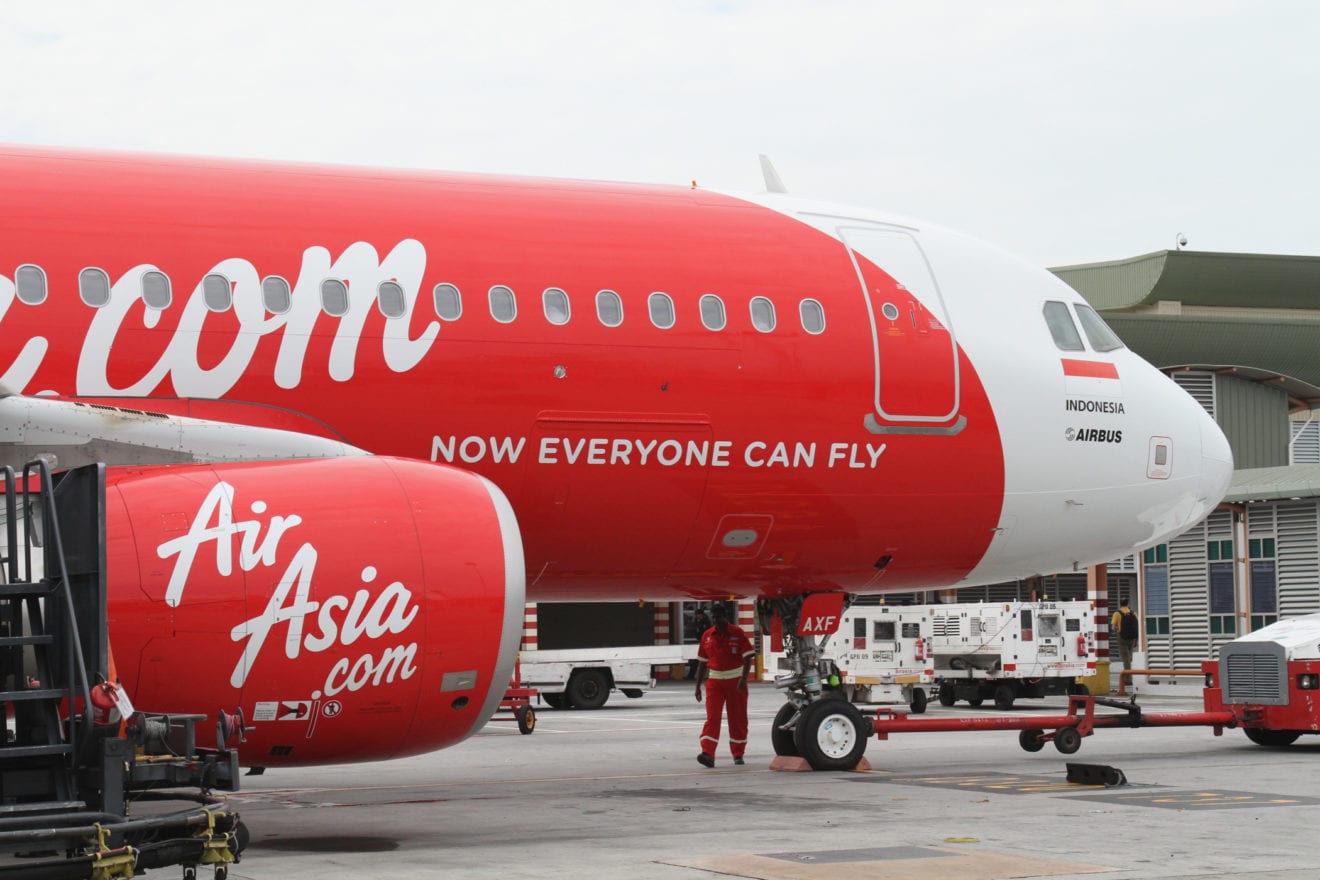
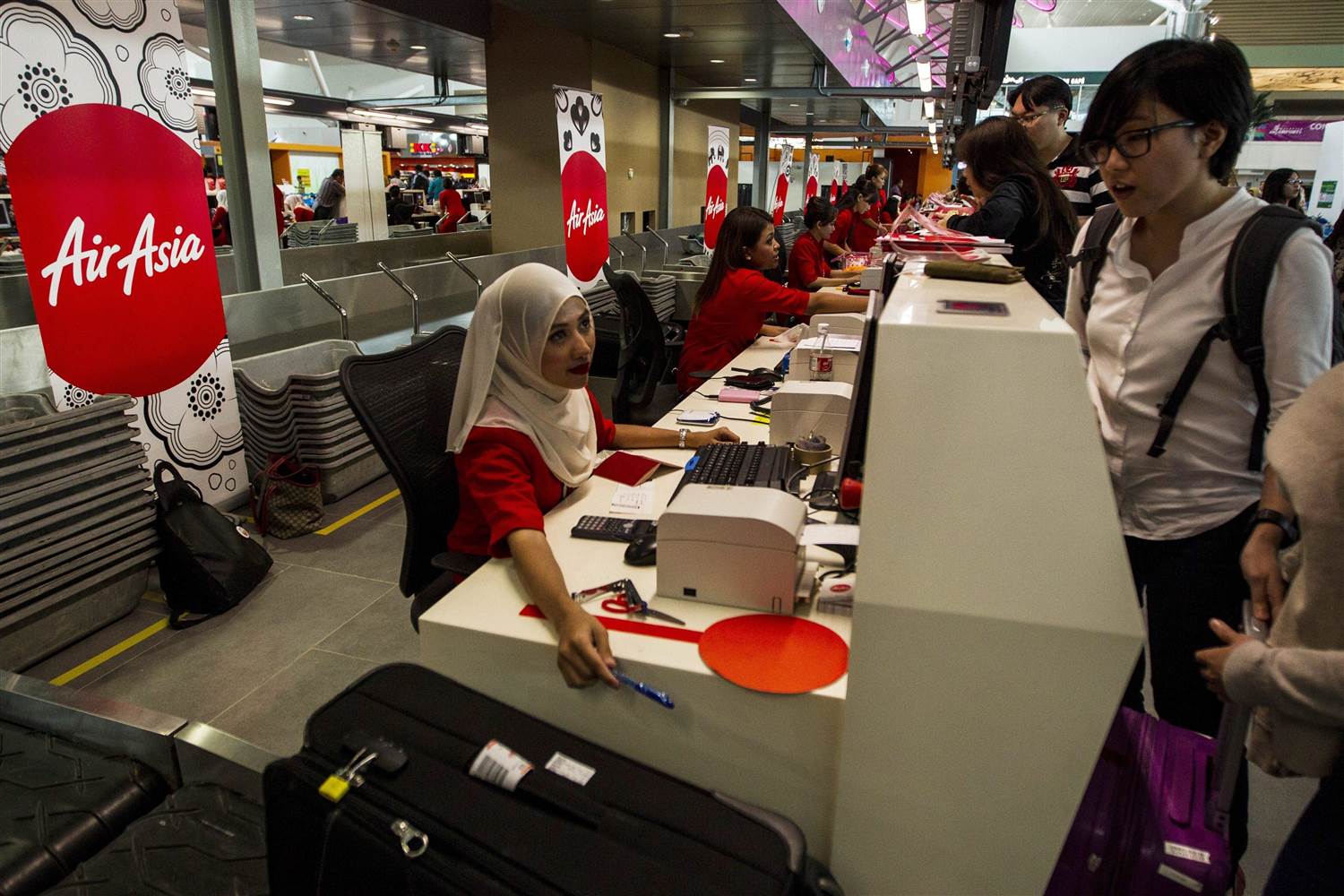
    French plane maker Airbus S.A.S announced yesterday that Malaysia’s AirAsia Bhd. ordered an additional 14 A320ceo aircraft to cater to increasing demand.

    Airbus said the deal with AirAsia, which has extensive operations in Southeast Asia, including the Philippines, was announced during the 2017 Paris Air Show.

    Following the order, AirAsia’s fleet of mid-range A320s will increase to 529 planes. It is the single largest airline customer for the A320, Airbus said in a statement.

    To date, 171 A320ceo and eight A320neo have already been delivered to AirAsia and are operated by units in Malaysia, India, Indonesia, Thailand and the Philippines.

    “Demand is very strong in AirAsia’s traditional countries, but now we have Indonesia, Philippines and India doing extremely well. The robust demand has led us to expand our fleet, and Airbus has been a great partner in finding us slots,” AirAsia Group CEO Tony Fernandes said in the same statement.

    “We still need to find more aircraft to expand our regional reach and are actively sourcing from the leasing market. The competitive environment is at its best, coupled with a stable oil price. With the lowest cost in the world, AirAsia is back on aggressive growth,” he added.

    Airbus said the A320 family is the world’s best-selling single aisle product line.

    To date, it has won over 13,000 orders and more than 7,600 aircraft have been delivered to some 400 customers and operators worldwide. With one aircraft in four sizes (A318, A319, A320 and A321), the A320 Family seats from 100 to 240 passengers.

  • Cebu Pacific to launch evening flights to Caticlan in July

    Cebu Pacific to launch evening flights to Caticlan in July

    Cebu Pacific Air will launch in July night flights to and from Caticlan, the gateway to tourism spot Boracay, the airline announced Thursday.

    The country’s leading budget airline said it would add two round-trip flights for this route daily, with the last leaving Manila at 6:55 PM and returning from Caticlan at 8:45 PM.

    This would bring to 72 the total number of Cebu Pacific flights to Caticlan, including the current 60 from Manila, Cebu and Clark.

    Cebu Pacific said it would be the first carrier to mount night flights and use the upgraded air traffic control system and newly-installed night navigational equipment at Caticlan’s Godofredo P. Ramos Airport.

    The Civil Aviation Authority of the Philippines (CAAP), the Department of Transportation, and other relevant aviation authorities gave the operations the green light after technical reviews and consultations on Caticlan Airport’s night operation capability.

    “We thank CAAP for continually leading the scale-up of our airports to night-flying capability. We believe that expansion of operating times will not only boost frequencies to key domestic routes, but it will also give travelers more options, greater flexibility on when they fly and also help decongest air traffic, especially during the peak flying hours at noon and early afternoon,” said JR Mantaring, Cebu Pacific’s Vice President for Corporate Affairs.

    Mantaring said the launch of evening flights to and from Boracay, world-renowed beach destination, was “a long-standing request of tourism stakeholders.”

    The additional flights, he said, would make flights available to more passengers.

  • Lotte Duty Free to take measures facing China tourism crisis

    Lotte Duty Free to take measures facing China tourism crisis

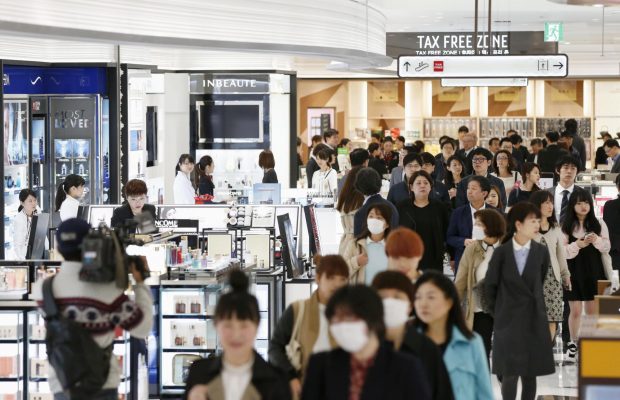
    Lotte Duty Free is implementing a number of measures to combat the crisis situation caused by China’s ban on tourists visiting South Korea.

    Over 40 executives will return 10% of their salary in a bid to alleviate some of the pressure on the company as a result of the lost business. The senior executives have more than 15 years of experience on average, Lotte said, and are all tax-exempt veterans.

    Lotte Duty Free CEO Jang Seon-wook: “The decline in sales is a shock that has been unprecedented since the founding of Lotte Duty Free in 2003, except for the SARS crisis.”

    As reported, South Korea’s decision to deploy the US defence system infuriated the Chinese government and led to a massive backlash against Korean companies. The tourism and travel retail sectors, heavily dependent on Chinese visitors, have been among the worst-affected.

    Lotte Duty Free discussed various methods of encouraging individual Chinese travellers and tourists from other countries in Southeast Asia to visit South Korea at a recent management strategy meeting.

    The meeting focused on how to revitalise sales and reduce costs, the retailer said, as it feared the Chinese ban could be a prolonged one. The company also noted the impact of fierce competition among duty free retailers in South Korea, which it said was “overheating”.

    “The THAAD situation is likely to be prolonged,” wrote CEO Jang Seon-wook in a letter to employees. “The decline in sales is a shock that has been unprecedented since the founding of Lotte Duty Free in 2003, except for the SARS crisis.”

    He said the company’s experience would see it through the crisis, and that it should focus on internal matters that it had control over. Zhang cited the loss and re-acquisition of the World Tower duty free licence as an example of overcoming a difficult situation.

    “If we can trust each other and cope with each other, we will become the cornerstone of growing Lotte Duty Free as a global number one company,” he told staff. “Everyone in the company will gather wisdom and enthusiasm.”

    Lotte Duty Free noted a survey conducted by the Korea Tourism Organization (KTO) in 2016 which showed that foreign tourists decided to visit South Korea 2.7 months before they travel on average. The retailer said this means that even if the THAAD dispute was solved immediately, there would still be a long delay in returning to ‘normal’ and that “long-term difficulties seem inevitable”.

  • Malaysia targets luxe shoppers as retail spend soars

    Malaysia targets luxe shoppers as retail spend soars

    With shopping now a bigger driver of tourist spend than ever before in Malaysia, a luxury-dedicated component of the Malaysia Mega Sale Carnival was last week inaugurated by luxury retailer The Melium Group, in partnership with Tourism Malaysia and Pavilion Kuala Lumpur.

    Abdul Ghaffar Thambi, secretary-general, Tourism and Culture Ministry, said: “In 2015, for the first time, shopping became the main tourist expenditure at 31.3 per cent, overtaking the share for spending on accommodation. This trend continued into 2016 with tourist expenditure on shopping taking up a share of 31.7 per cent.

    “We are also seeing an increase in the amount spent by tourists for shopping. In 2016, tourists spent RM26 billion (US$6.1 billion) on shopping, up 20.3 per cent from RM21.6 billion the previous year.”

    Based on a report on the Tourist Refund Scheme, 43 per cent of tourist expenditure in Malaysia is on watches and jewellery, both considered luxury items. Chinese tourists are the largest spenders on these items, followed by Singaporeans, Indonesians, Indians and Bangladeshis.

    Beyond the Malaysia Mega Sale – Luxury Shopping Experience, Tourism Malaysia intends to attract big spenders in Singapore, Indonesia, India, the Middle East and Bangladesh through in-market tactical campaigns.

    President of The Melium Group, Farah Khan, said: “Our aim in supporting the government’s effort in the Malaysia Mega Sale launch is to engage with the luxury tourism market segment and ensure that Kuala Lumpur is well-positioned as the next global market opportunity for luxury brands.

    “With our duty-free status, we can capitalise on the luxury tourist shoppers market as luxury brand prices in Malaysia are within an average of 25 per cent lower than in other countries, and with the GST refund our luxury brands prices are more attractive.”

  • Engagement opportunities with Muslim consumers in Southeast Asia

    Engagement opportunities with Muslim consumers in Southeast Asia

    According to the “State of the Global Islamic Economy Report” by DinarStandard, Muslim consumers spent an estimated US$243 billion on apparel in 2015.

    Modest fashion purchases by Muslim women, estimated at US$44 billion that year, accounted for 18 percent of that total. Muslim consumer spending on apparel is expected to reach US$368 billion by 2021 – a 51 percent increase from 2015.

    The rise of modest fashion

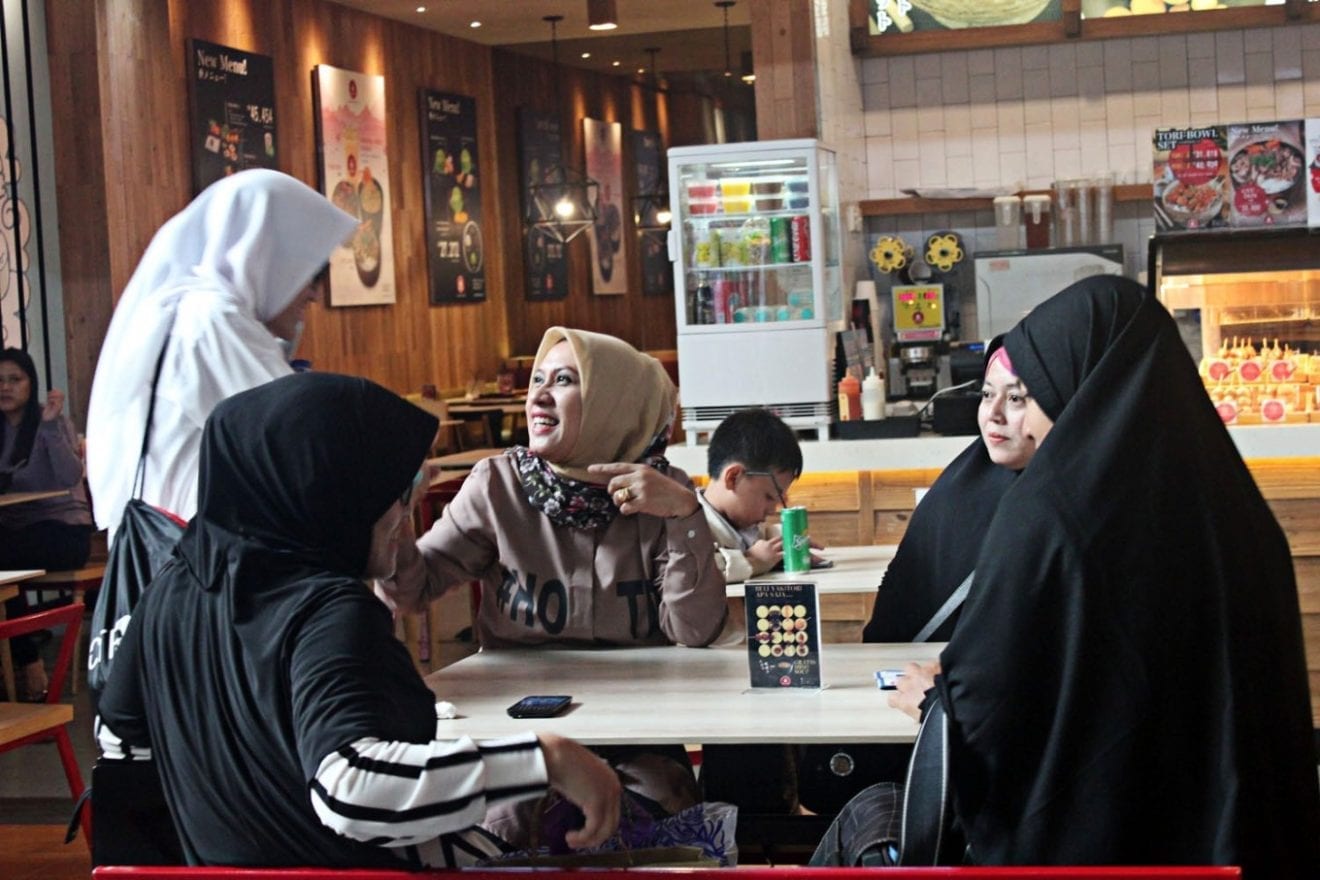
    What is modest fashion? It generally refers to looking stylish while remaining relatively covered. Most importantly, the modest fashion movement is more mainstream and multi-brand than ever before. It is not reserved just for those who follow religious customs when it comes to apparel.

    Modest fashion is gaining momentum, driven by eCommerce and social media. Mass market retailers and designers are taking notice of the market potential and joining the modest mix. Prominent eCommerce players like Zalora and Lazada are already offering more than 3,077 and 13,310 pieces of modest fashion respectively. Brands like Nike, Zara and Mango have also introduced special collections for the Ramadan season.

    The Asia-Pacific region is home to 63 percent of the world’s Muslim population, or nearly one billion people. It is therefore no surprise that we see retail spikes during Ramadan, especially in Indonesia, Malaysia and Singapore.

    Based on an analysis of more than 8 million transactions across Southeast Asia, Criteo observed a 67 percent increase in retail eCommerce sales during this period in 2016. This trend is expected to continue during this year’s fasting month, which commenced on 26 May 2017 and will be followed by Eid al-Fitr from 25 to 27 June 2017.

    The Eid festival is the biggest holiday in Indonesia and amongst the most widely celebrated in Singapore and Malaysia. During this period, families customarily visit the homes of their relatives and friends, and households would be decorated lavishly and stocked with an abundance of food and snacks to welcome their guests. Naturally, they would also have bought new clothes to mark the beginning of the festivities.

    Overall, this represents a great opportunity for retailers, if they take note of the following seasonal shopping trends.

    Engaging consumers at the right time

    The third week of Ramadan represent the biggest opportunity for retailers to engage consumers when they are actively browsing and purchasing items for upcoming celebrations. During this period in 2016, there was a 67 percent uplift in online retail sales, especially on mobile devices. To reach mobile shoppers, apart from promoting their offers on mobile just before the start of Ramadan, eCommerce players must also intensify their digital marketing efforts towards the season’s end.

    One of the hallmarks of Ramadan is dawn-to-dusk fasting, which ends once the sun goes down. That means that throughout the 30-day period, daytime quiet gives way to night time buzz when people can eat and drink, giving retailers more opportunities for incremental sales increases at night.

    In Southeast Asia, nearly a third (29 percent) of retail sales happens between 9pm and 5am during the Ramadan period – a 21 percent increase as compared to the pre-Ramadan period. This means that eCommerce players should optimise marketing efforts for the time of day (or night) when Muslim consumers are most likely to shop online.

    Engaging consumers on the right device

    In Southeast Asia, 46 percent of Ramadan retail buyers use multiple devices prior to purchase, while one in four shoppers switched devices at least three times during their purchasing journey. No matter where your shoppers are, one thing is clear – they are browsing and toggling between mobile devices, desktops and various applications before making the actual purchase. During this season, eCommerce players must ensure that their digital storefronts are optimised for differing consumer paths to purchase.

    The success of eCommerce businesses in Southeast Asia will depend on their ability to enable or encourage users to complete purchases on their web, mobile web or app storefronts. To do so, these businesses can turn to machine learning based performance marketing technology that automatically understands customers’ shopping behaviour across devices, browsers and apps, and delivers personalised and compelling advertising content based an individual’s online habits and preferences.

    Modesty is both a fashion choice and a lifestyle. Today’s modest fashion buyers select pieces based on style and takes inspiration from many sources – they are no longer just relying on larger mainstream brands, but also turning to smaller players with niche interests and products. Social media platforms also allow individuals who dress modestly to share styles, experiences and views.

    Whether it is festive season or beyond, Muslim and modest fashion is still a relatively untapped market, but with massive growth potential. There is therefore no better time than now for eCommerce players to respond to and maximise the opportunities presented by this unique market, by leveraging mobile and cross-device strategies and technology.

  • Garuda Indonesia reigns as world’s best airline cabin crew for fourth consecutive year

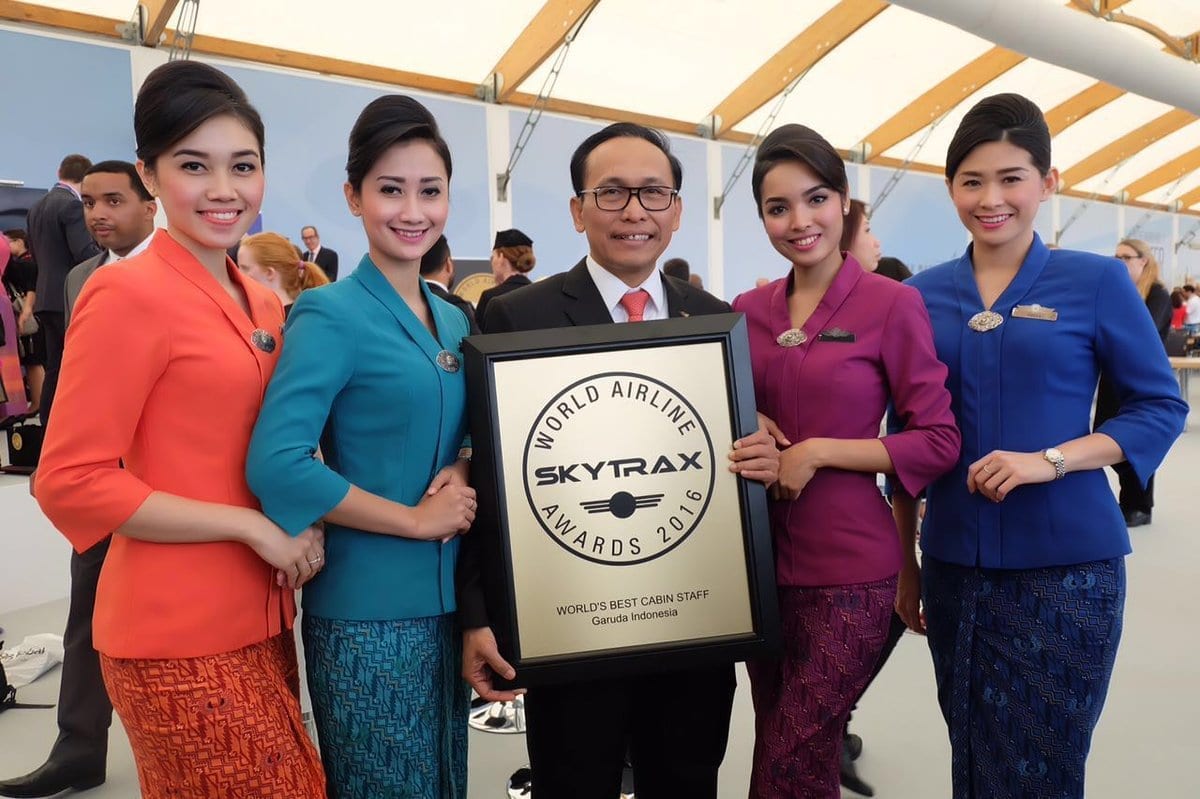
    Garuda Indonesia reigns as world’s best airline cabin crew for fourth consecutive year

    Indonesia’s flag carrier Garuda Indonesia has won the world’s best airline staff award for the fourth year in a row according to a survey conducted by international rating organization Skytrax.

    Garuda Indonesia took first spot in the category at this year’s World Airline Awards, dubbed as the Oscars of the aviation industry, beating other prestigious airlines in the region such as Singapore Airlines and Thai Airlines.

    In the same category, Japan’s largest airline All Nippon Airways came second, followed by Taiwan-based international airline Eva Air and Thai Airways and Singapore Airlines.  The awards were announced at the Paris Air Show yesterday.

    According to Skytrax, the award “recognizes the highest all-around performance of an airline’s cabin staff” as well as the quality of staff members’ techniques and efficiency and their enthusiasm, attitude and overall hospitality.

    The survey was conducted from August 2016 to May 2017, involving 19.8 million votes.

    This year, Garuda Indonesia improved its position in the best airline category, climbing one spot to enter the top ten carriers on the world’s best airline list.

    The world’s best airline award for 2017 went to Qatar Airways, which took the title from fellow Middle Eastern carrier Emirates.

  • Unilever Indonesia secures Rp 3 trillion standby loan for expansion

    Unilever Indonesia secures Rp 3 trillion standby loan for expansion

    Publicly listed consumer goods giant PT Unilever Indonesia (UNVR) has secured a standby loan worth Rp 3 trillion (US$225 million) from Unilever Finance International AG to expand its business in the country.

    Unilever corporate secretary Sancoyo Antarikso said the loan facility could be disbursed anytime the firm needed it in the next five years, with a tenure of one to 12 months and at a 0.15 percent lower interest compared to bank loans.

    “The shareholders meeting has agreed to allow the firm to receive a standby loan within five years from now, so we can use it anytime we need it,” Sancoyo told after the meeting at Unilever Indonesia headquarters in BSD City, Banten, on Tuesday.

    The loan can be used to fund the company’s plan to expand the capacities of its nine existing factories in West Java and East Java. The Indonesian unit of the Dutch-British transnational consumer goods company has announced plans to invest $500 million within the 2016-2020 period in Indonesia.

    In 2016, Unilever Indonesia spent Rp 1.79 trillion (US$134.4 million) in capital expenditure toward capacity expansion, among other aims, while booking a 9.2 percent increase in its net profit to Rp 6.4 trillion and a 9.8 percent increase in net sales to Rp 40 trillion.

    Almost all of its 2016 profit will be distributed as dividends worth Rp 835 per share. While Rp 2.9 trillion has been paid as an interim dividend last year, the company will distribute the remaining Rp 3.5 trillion this year.

  • AirAsia to start flights to South East Asia from next year

    AirAsia to start flights to South East Asia from next year

    Singapore or Bali should now be even cheaper to fly, with AirAsia India spreading its wings to the Asean. The carrier announced that it will launch its international operations by providing connectivity to Southeast Asia from next year. Vistara, too, plans to fly international next year.

    “We have kind of cracked the Indian market. We will make money in the next six months. We are only three years old in India. We are happy with the way we are going. We will be a good mix between dom estic and international, which we are planning to go next year,” AirAsia Group CEO Tony Fernandes said on the sidelines of the Paris Airshow.

    He added that AirAsia India would be focusing on launching connectivity between Asean nations as it starts international operations. Asean members include Indonesia, Malaysia, the Philippines, Singapore, Thailand, Brunei, Cambodia, Laos, Myanmar, and Vietnam.

    AirAsia (India) Ltd is a JV between Tata Sons & AirAsia, with AirAsia and Tata Sons Ltd holding 49 per cent each and S Ramadorai (chairman) and R Venkataramanan, two directors of the company in their individual capacity, holding 0.5 per cent and 1.5 per cent, respectively.

  • Tesco aims to boost online sales

    Tesco aims to boost online sales

    Ek-Chai Distribution System Co, the operator of Tesco Lotus hypermarkets, has outlined strategies to serve omnichannel shoppers better.

    Due to the growth of mobile internet usage in Thailand, the boundaries between offline and online worlds are become increasingly blurry.

    Customer behaviours have shifted towards omnichannel shopping, where they receive information, converse with brands, do their research and finally shop both in brick-and-mortar stores and online, interchangeably, according to Mark Roughley, the company’s online director.

    Internet penetration in Thailand in 2017 grew to 67% from 56% in January 2016. Nearly 45 million Thais now access the internet on their mobile phones.

    Due to these trends, the customer journey has changed tremendously, and the new retail ecosystem now involves several parties and providers to facilitate the new customer journey and offer more choice, Mr Roughley said.

    “We have been witnessing an increasing number of omnichannel customers,” he said. “We know that convenience is key for these customers. And we also know that mobile and innovation is the secret to attracting and connecting with omnichannel customers.”

    To cope with this trend, the company continues to enhance its shopping fulfilment by extending more choices in terms of product delivery and shopping platforms.

    The customer journey has changed rapidly. The new retail ecosystem is much more sophisticated than the old one, which had only three or four key players, namely product manufacturers, distributors, retailers and customers.

    But the new retail ecosystem involves several parties and providers facilitating the new customer journey, from logistics providers to payment providers and price comparison platforms.

    “We plan to enhance our services for customers in this new retail environment,” Mr Roughley said. “For example, the company has partnered with Happy Fresh to deliver fresh food to customers in their homes within one hour, or they can choose Tesco’s delivery.”

    The retailer has also set a more comprehensive plan geared towards the e-payment system, in line with the government’s national e-payment scheme.

    Mr Roughley said Tesco Lotus will focus on providing e-payment channels for customers. The retailer is considering setting its own e-payment system or using those of partners it would recruit.

    The launch of the government’s national e-payment system will propel the country’s e-commerce industry and online shopping business. And the company can see that more customers are aware of e-payment.

    To prepare for the growing trend, Tesco Lotus is working with payment providers such as Rabbit Line Pay to facilitate mobile payments. The retailer’s e-payment module is expected to start sometime by the end of this year or early next year.

    This will support the online business of Tesco Lotus, currently a small portion of total sales. Mr Roughley declined to reveal the sales figures for Tesco, one of Thailand’s leading retailers operating 1,900 branches in all formats, including Tesco Express.

    “Online shopping in Thailand grew faster than our network in several countries worldwide,” he said. “We are seeing very strong double-digit growth in our online business since offering it in the past five years, and the growth will be stronger this year.”

  • HKIA unveils plans for new shops in multi-million dollar upgrade

    HKIA unveils plans for new shops in multi-million dollar upgrade

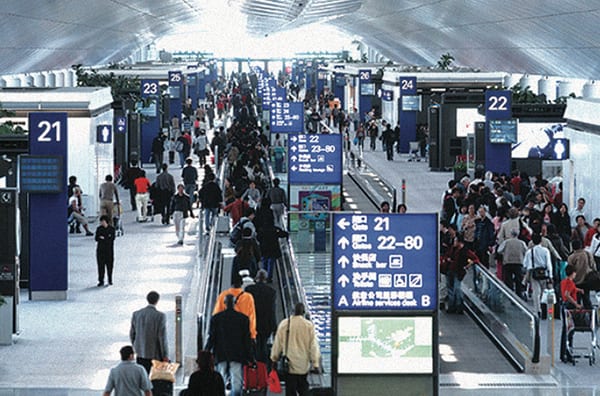
    Hong Kong International Airport has unveiled a series of enhancements including new shops and retail options as part of its multi-million dollar upgrade programme.

    The Airport Authority Hong Kong revealed the plans, which include the introduction of new anchor duty free shops in Terminal 1 for liquor, cosmetics and accessories. The stores are set to open soon and airport bosses promise they will include experiential concepts such as a whisky bar and interactive zones.

    The work will also create more space in Terminal 1, with expansion work to the building’s north side, 40 new check-in counters and two more baggage reclaim carousels. There will also be more seats, shops and catering outlets.

    A fresh look

    The scheme is set to cost HK$7billion – equivalent to almost $898million. It also includes the creation of a roof garden and play area, a recreational zone with technology for travellers, along with 1,400 more car parking spaces and staff facilities including a sports hall and canteens.Airport Authority CEO Fred Lam said: “The enhancement projects for Terminal 1, together with the three-runway system in 2024, will increase the airport’s handling capacity, as well as bringing a fresh look and feel. Passengers from around the world will enjoy an experience tantamount to travelling through a new airport.”

    Crossing in style

    A spokesman for the Airport Authority added: “The authority is also planning to build a weather-proof footbridge connecting Terminal 1 and the North Satellite Concourse, known as ‘Sky Bridge’, which will reduce passengers’ travelling time and the need for using shuttle buses.

    “Rising 28 metres above ground, Sky Bridge will allow the largest A380 aircrafts to taxi underneath. The 200-metre long footbridge with travelators will feature an observation deck and catering outlets in the towers at both sides, providing scenic spots and relaxation spaces for passengers.”

  • Saigon cab firm lodges formal complaint after losing out to Uber, Grab

    Saigon cab firm lodges formal complaint after losing out to Uber, Grab

    The plight of traditional taxis has received little sympathy from members of the public, who say they are fed up with unreliable services.

    Vietnam’s second biggest taxi firm Vinasun said it lost over 4,200 drivers in the first quarter of 2017 while more than 300 of its cabs have been left in the yard due to harsh competition from ride-hailing firms Uber and Grab.

    In a document sent to the government, Vinasun said more than 21,100  cars have been granted licenses to work for Uber and Grab in Ho Chi Minh City, not to mention over 1,800 cars from other cities and provinces.

    The figure matches data from the city’s transport department, which says the number of so-called technology taxis in the city had reached 22,000 at the end of the April, far beyond the authorities’ expectations.

    As Uber and Grab are not registered to run passenger transport services, they do not have to follow the strict regulations that traditional taxi firms do and pay less taxes, according to Vinasun.

    Due to loose management, Uber and Grab have been able to offer a string of promotions to lure customers, it claimed, calling the competition “unhealthy” and “unfair”.

    Vinasun asked the government to treat Uber and Grab like traditional taxi firms, limit the number of cars they operate and charge them corporate income tax.

    In response to Vinasun, the Ministry of Transport said the government welcomes all transport firms that use hi-tech applications to support their businesses.

    Uber and Grab are not taxi firms but transport firms that ink contracts with their passengers that are electronic instead of on paper, it said.

    Yet late last week, the ministry instructed localities to stop licensing new ride-hailing services in a bid to control app-based taxis.

    With the number of technology taxis threatening to spiral out of control, Nguyen Hong Truong, deputy transport minister, said his ministry will tighten management of ride-hailing firms.

    U.S.-based Uber and Malaysia-based Grab entered Vietnam in 2014. Since then, collecting tax from the two firms has proved a headache for local authorities.

    As currently regulated, Uber has to pay 3 percent VAT while Grab has to pay 5 percent. Traditional taxi firms have to pay 10 percent VAT and 20 percent corporate income tax.

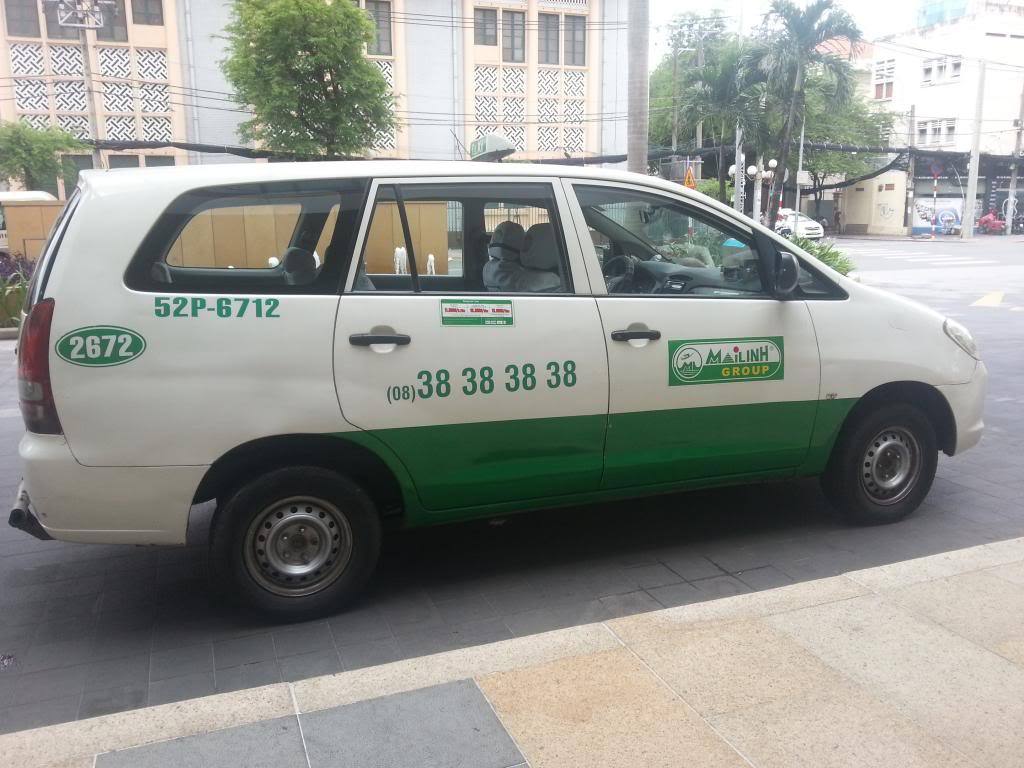
    In April, Mai Linh, another major taxi firm in Vietnam, also complained that they were losing business to Uber and Grab.

    Mai Linh said its net profit plunged nearly 70 percent last year to VND43 billion

    Ho Huy, chairman of the company, said Uber and Grab were the main reasons 2016 was such a difficult year for Mai Linh and other traditional taxi firms.

    But so far, the plight of traditional taxis has received little sympathy from the public. Many people are fed up with poor and unreliable services provided by traditional taxi firms, such as drivers refusing to take short trips or failing to show up for a booking, while ride-hailing firms are clean and their fares are transparent.