Category: General

Retail News Asia is committed to providing both local and global retailers with the latest General Retail news throughout the Asian market. This on a daily base.

  • China’s retail crossover

    China’s retail crossover

    With the tenant mix gravitating away from straight retail towards entertainment, food and lifestyle concepts. The catalyst for change – adopting to the needs of the millennial shopper and counteracting e-commerce penetration.

    Across China, retail is becoming an increasingly digital story. Traditional shopping spaces have been forced to take notice, and for good reason. China’s online retail sales accounted for approximately 40 per cent of the global market in 2016, with an estimated 731 million internet users, as reported by the Chinese Ministry of Commerce.

    Given this backdrop, the big question for psychical retailers now is how to differentiate their services against a more agile opponent? Recently, brand crossovers are seen as a solution.

    Across China, we are seeing a trend for the typical fashion retailers to expand their offer to create a destination shoppers cannot find online. For example, many brands have incorporated F&B into flagship locations. China is Muji’s largest overseas market with over 150 locations, their flagship store on Huaihai Road in Shanghai houses China’s first Cafe & Meal Muji. Further down the same road, Gucci also opened its first 1921 Gucci Restaurant on 4F of IAPM.

    Local brands are also diversifying. Popular homegrown fast fashion brand Urban Revivo from South China, with over 100 stores in China, recently opened new lifestyle concept OCE. Now with 12 locations in China the lifestyle concept typically occupies over 1500sqm housing homewares, home accessories, plants, stationary as well as a varied fashion offer.

    The crossover phenomenon is not only restricted to fashion brands. Korean lifestyle brand Line Friends has recently opened a new kids entertainment concept in Chengdu‘s In99. Offering slides, climbing walls, ball pits and other kids entertainment the concept has been very well received by local shoppers.

    Many retailers are also utilizing “pop ups” to experiment with concept crossover. Coco Cafe on Shanghai’s Nanjing Road West took over a local Aunn Cafe, with queues hours long. The concept created a real buzz in the market as shoppers lined up to try the cosmetic / cafe concept. Magnum has also housed another successful pop up cafe in K11 recently after big success in 2016 with massive social media coverage and over 90,000 customers in a two-month period.

    To differentiate against the omnipresence of digital retailers, concept crossovers will only become more mainstream in China. And with over 1.4 billion potential consumers up for grabs, we also believe this phenomenon is here to stay ensuring shoppers have a reason to visit China’s growing shopping mall portfolio.
  • Cebu Pacific dominates Manila-Sydney route

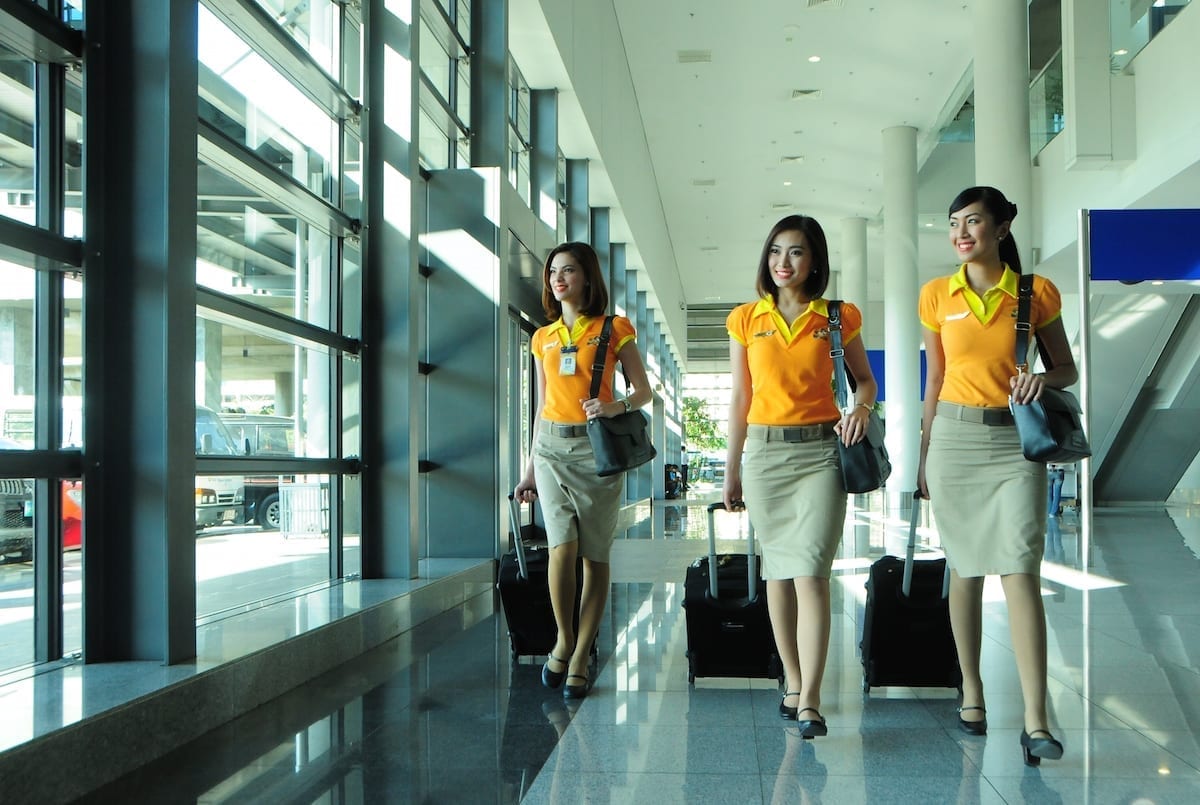
    Cebu Pacific dominates Manila-Sydney route

    he Philippines’ leading airline, Cebu Pacific (CEB) continues to soar high, capturing the lion’s share for both passenger and cargo traffic between Manila and Sydney in the first quarter of 2017. Data from the Bureau of Infrastructure, Transport and Regional Economics (BITRE) of Australia showed that CEB carried over 43,512 passengers, representing 42% passenger market share on the Manila-Sydney route, the highest among the three carriers covering this route.

    The BITRE report noted that from January to March 2017, passenger traffic between Manila and Sydney totalled 104,446, up seven percent (7%) versus the same period last year.  The growth in passenger traffic was dominated by CEB, which carried 16% more passengers from the 37,640 reported in the first quarter of 2016. Load factor for CEB for the Manila-Sydney route was at an average 78% for the first three months of 2017.

    “We are very pleased to see that the Cebu Pacific effect continues across one of our strongest international markets. Our goal is to make flights affordable, accessible and available to a greater number of travellers. These numbers do not only showcase the Philippines as a flourishing destination, but it also shows our strong commitment to remain and further stimulate our key market in Australia,” said Candice Iyog, Vice President for Marketing and Distribution of Cebu Pacific.

    Aside from the growth in passenger volume, Cebu Pacific also reinforced its leadership in the Manila-Sydney airline cargo service. CEB flew 1,131 tons of cargo between Manila and Sydney in the first three months of 2017, covering 49% of the total 2,325 tons carried by the three carriers.

    The growth in CEB’s cargo service tracked the increase in total volumes, from 1,567 tons carried in the comparable quarter last year.

    BITRE, an agency under the Department of Infrastructure and Regional Development of the Australian government, “provides economic analysis, research and statistics on infrastructure, transport and regional development issues,” according to its official website. The bureau holds data and statistics on the aviation industry.

    Cebu Pacific offers the most number of seats between Manila and Sydney, covering close to 40% of the route’s total capacity.

  • Spar International Appoints New Head of Buying

    Spar International Appoints New Head of Buying

    SPAR International, the world’s largest voluntary retail chain, has today announced the appointment of Wouter Lefevere as Head of International Buying.

    Based in the organization’s international head office in Amsterdam, Mr. Lefevere will take on key buying responsibilities including supplier relationships and negotiations, working in close co-operation with SPAR partners worldwide to build on the brand’s growing international scale and presence.

    SPAR, which has 12,545 stores in 44 countries, recently reported sales of €33.1 billion for 2016.

    Mr. Lefevere joins SPAR with a wealth of international buying experience, having held a number of senior buying and commercial development roles for LIDL in France, Belgium and the Netherlands.

    Welcoming Mr Lefevere, Tobias Wasmuht, Managing Director of SPAR International said, “Buying better together internationally is a key pillar of the scope of services provided to our partners, and the appointment of Wouter signals our intention to further enhance this scope. Today we collaborate with our supplier partners on behalf of our SPAR partners in 44 countries across four continents. As a result we have a uniquely strong global network which, not only allows us to source better by leveraging our international scale, but also to provide extensive market access opportunities for our international suppliers.”

    Lefevere will be responsible for delivering on SPAR’s recently launched Buying Better Together strategy, leading a team which will focus on collaboratively working with partners and suppliers in the areas of own brand development, warehouse & logistics, supplier partnerships and analysis & marketing.

    Wasmuht continued: “As a partnership of independent retailers and wholesalers, SPAR International doesn’t adopt a traditional transactional supplier-buyer relationship with our SPAR partners but takes a collaborative approach. We offer resources and buying services to our partners to help them grow their business. Wouter and his team will work to grow joint buying volumes of SPAR partners and the penetration of SPAR International Own Brands, as well as facilitate the pooling of buying volumes of FMCG brands.”

    SPAR International works with Partners to develop supply chain, retail operations, staff training, retail design and brand development strategies, while its multi-format strategy sees its Partners operate hypermarket, supermarket, neighbourhood, convenience and online stores, now serving the needs of 13 million customers daily.

  • AEON in Collaboration with The Mall Shopping Center Anniversary Happy Surprise

    AEON in Collaboration with The Mall Shopping Center Anniversary Happy Surprise

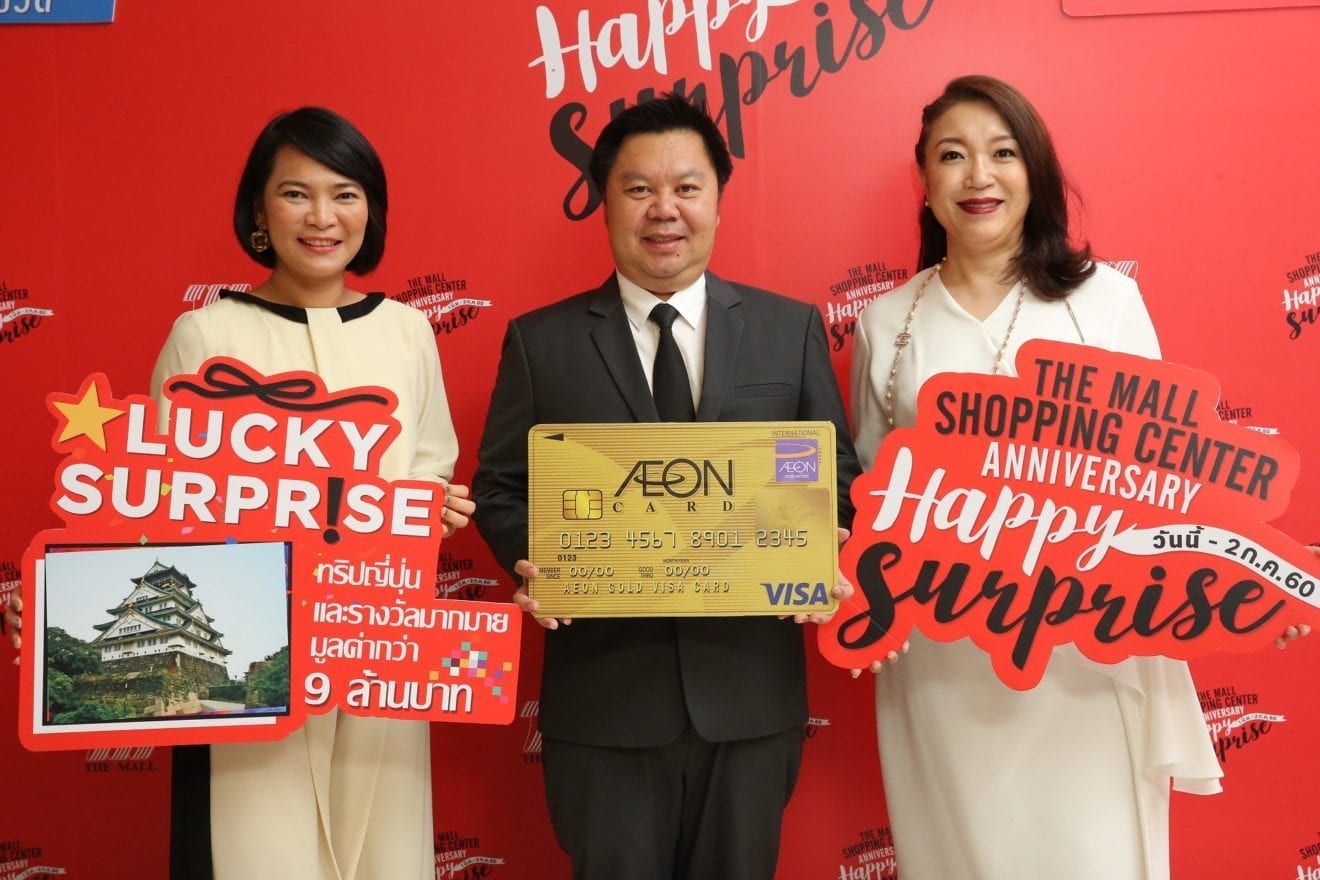
    Mr. Tula Pharuehaspailin (Middle), Marketing Senior Manager AEON Thana Sinsap (Thailand) Public Company Limited, Ms.Voralak Tulaphorn (Right), Senior Vice President Marketing The Mall Group, and Ms.Duangta Phongwilai (Left), Group General Manager – Shopping Center Corporate Marketing The Mall Group launches “The Mall Shopping Center Anniversary Happy Surprise” campaign for AEON shopping enthusiasts, with a “Lucky Surprise” draw when choosing to spend at every branch of The Mall Shopping Center.

    Every 1,000 baht spent, customers will get an x3 lucky draw coupon to win a special trip to Japan, Osaka with a round-trip flight ticket and accommodation for up to 5 prizes for 2 seats per prize totaling 650,000 baht. Followed by “Surprise Digital Box”, where customers spending 800 baht and above will get a chance to win a Surprise Digital Box. Most importantly with “AEON Surprise” ,when spending 5,000 baht or more with The Mall Shopping Center receive cash vouchers up to 500 baht , together with many promotions starting today until the 2nd of July, 2017.

  • Garuda Indonesia poised to trim losses with Idul Fitri traffic

    Garuda Indonesia poised to trim losses with Idul Fitri traffic

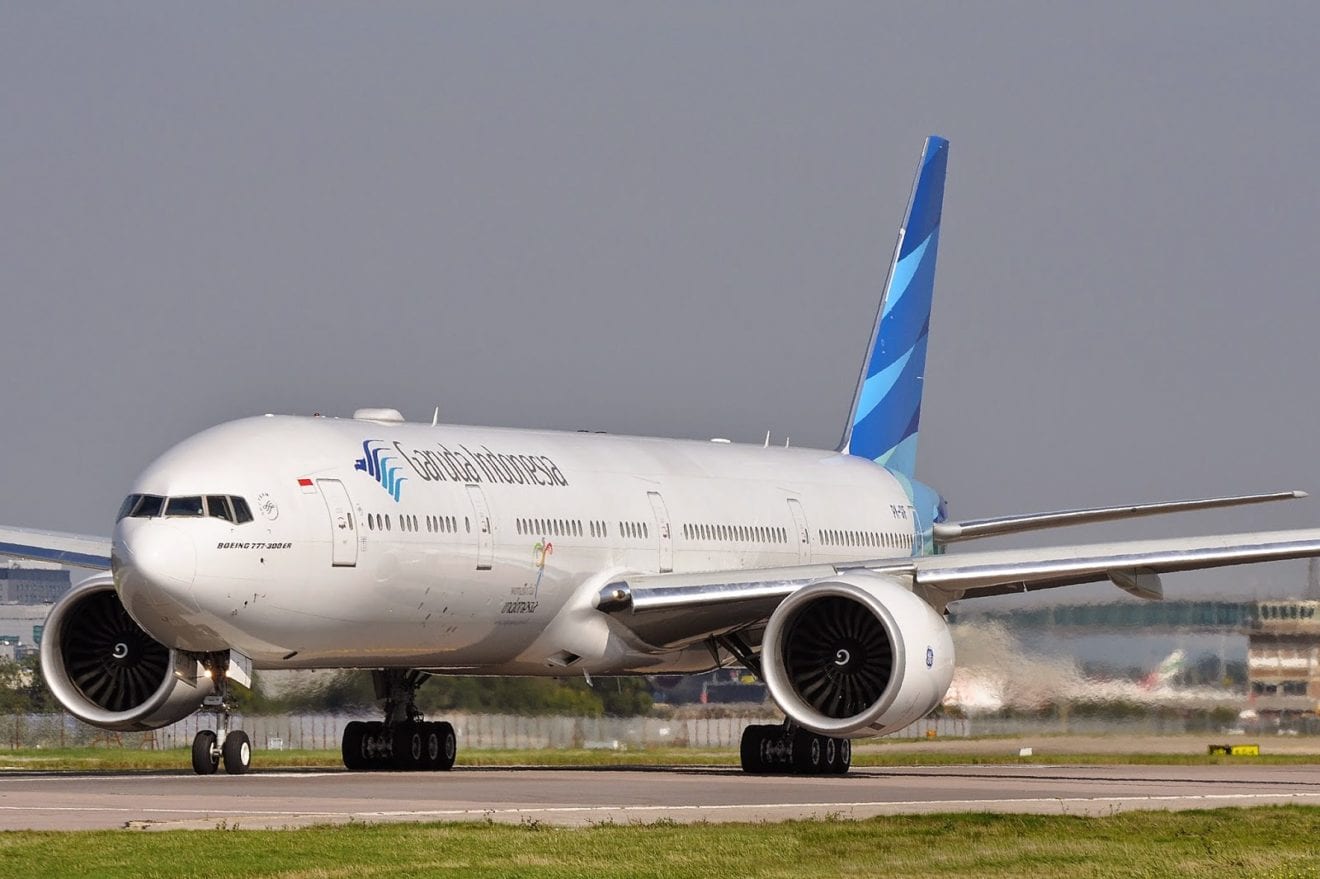
    After suffering US$89.49 million in losses during the first quarter of the year, PT Garuda Indonesia is poised to see a recovery in the second quarter, especially in the June and July months that encompass the Idul Fitri holiday.

    Garuda Indonesia president director Pahala N. Mansury said the second quarter offered good prospects and the Idul Fitri exodus would help improve the company’s accumulative performance in the first semester.

    In the first quarter of 2016, the state-owned flag carrier booked $74.48 million in profits, but still suffered $63.2 million, or around Rp 824 billion, in losses.

    “Even if the losses have yet to be covered, hopefully we can at least push the losses down,” he said after accepting an award from TripAdvisor as one of the top 10 best airlines in the world on Friday.

    He also denied accusations from Rizal Ramli about the company’s lavish spending and potential corruption in the purchase of an Airbus A350.

    “We don’t have an Airbus A350 and thus the statement is not true,” he said, adding that the company was currently focused on optimizing efficiency.

  • Resorts World Manila set to reopen shopping section

    Resorts World Manila set to reopen shopping section

    Recovering from a deadly tragedy, the hotel-casino complex set on fire by an attacker last week will begin to open its retail section soon. Stephen Reilly, chief operations officer of Resorts World Manila, said that while management has been eyeing to open the shopping area which had 114 outlets, the gaming area will remain closed.

    “We’re not intending to open the gaming facilities at this given time. It’s insensitive to do so,” Reilly said on Friday.

    “But for the retail component, people still love to come to Resorts World. Go to restaurants, go to the cinema, go and dine and shop. We’d be looking to open up the retail component by the end of this week,” he added.

    Reilly maintained, however, that the business keeps as its priority the victims and families of the fatal incident on June 2 when gunman Jessie Javier Carlos armed with a rifle entered its premises and set parts of the gaming area on fire.

    Javier, the lone suspect behind the deadly attack, was a heavily indebted gambling addict, police said Sunday. Thirty-seven died due to suffocation while 78 others were injured. Outside the premises, people are still holding a vigil before a memorial set up for the victims of the assault.

    Reilly said Resorts World Manila is wholly shouldering medical expenses of the victims, among whom were its own employees, giving out P1 million for each and setting aside funding for their dependents’ education.

    Financial matters ‘irrelevant,’ says exec

    Asked how much the company is losing each day it remains closed, Reilly chose not to disclose and dismissed the concern as “irrelevant.”

    “What is important to me, to the company and to the executives is: let’s work through this in the best interest of everybody, the victims, the families, the industry, and also how the Philippines is perceived,” he said.

    Still, the franchise of casino giant based in Pasay City is facing threat as it remains in hot water over possible security lapses that resulted in scores of casualties.

    “I wouldn’t like to comment that we would lose our franchise. We’ll wait for the investigations to be concluded. That would also include PAGCOR. They are our governing body,” Reilly said.

    The executive, who has over a decade of experience in surveillance and security before helping set up Resorts World in the Philippines, also said experts and third parties are coming in to sort out the establishment’s fault in the tragedy.

    While insisting that the complex has followed international security standards, Reilly said it would not be foolproof.

    “We’re engaging experts from prior military field, intelligence field to totally review all areas of operation with regards to security protocols of Resorts World Manila,” he said.

  • Tesco pulls plug on Thailand bulk business as UK sales grow

    Tesco pulls plug on Thailand bulk business as UK sales grow

    Tesco has shut down a “bulk selling” operation in Thailand after concluding it could not make a profit. The decision to walk away from nearly 6 per cent of Asian revenue contributed to a 3 per cent decline in like-for-like sales at Tesco’s international business, taking the gloss off a sixth consecutive quarter of growth driven by price rises and volume growth in the UK.

    Dave Lewis, chief executive, said the shuttered Thai unit served independent merchants rather than individual consumers, and sold “large volumes of mainly tobacco and alcohol”.

    He added: “It’s not profitable and it adds complexity to the way we run the operation. We took a decision to exit that segment in order that we could focus on direct retail customers.”

    The supermarket chain is trying to extend its lead in UK convenience retailing with the £3.7bn takeover of food wholesaler Booker Group, announced in January.

    Booker serves independent merchants rather than retail consumers and derives 30 per cent of its revenue from bulk tobacco sales. The acquisition has drawn criticism from two large shareholders and prompted the chain’s senior non-executive director to quit in protest. Richard Cousins, who left after just two years on the board, complained that Tesco “need[s] to make the business simpler, not more complex”.

  • Vietjet Air takes first step to list shares in New York

    Vietjet Air takes first step to list shares in New York

    Dinh Trong Thinh, an economist, said that listing shares on foreign stock markets is the goal of many enterprises because joining transparent financial markets will help them become global companies.

    However, Vietnamese enterprises will have to satisfy strict requirements. To be eligible to list shares on NYSE, for example, a business must have at least 5,000 shares, 2.5 million public shares, and $100 million of gross pre-tax profits made in the last three years.

    The high listing fee and the required financial sources to maintain presence on foreign bourses are also a big barrier.

    At SGX, for example, the lowest listing fee is 50,000 SGD and the highest is 200,000 SGD. The listing application fee is 20,000 SGD. Enterprises also have to pay a fee of 25,000 SGD to 100,000 SGD every year.

    Hoang Anh Gia Lai had to cancel the plan to list its shares at SGX because it was time- consuming and costly, and it was not sure about the efficiency.

    “These will still be challenges for Vietjet for the immediate time and future,” Thinh said.

    He said that it would be risky for Vietjet and any other Vietnamese businesses to list shares on foreign bourses if they still cannot satisfy requirements according to international standards.

    If they are weak at corporate governance, production and business capability, they will not be recognized in the international market, even if they can enter foreign bourses.

    “It is more important to consider how long they can stay on the bourse,” he said.

    “Vietjet needs to think if it is powerful enough and its shares are prestigious enough to interest international investors. It is not a simple matter,” he said.

    Tran Dinh Ba from the Vietnam Economics Science Association believes that with strong determination and potential, Vietjet will succeed.

    Vietjet Air is now second to Vietnam Airlines, the nation’s flag air carrer, in domestic market share, but the gap is small, just 1 percent (Vietjet Air 41 percent and Vietnam Airlines 42 percent).

    In the stock market, Vietjet Air’s share price is 4.2 times higher than Vietnam Airlines, while its capitalization value has exceeded VND1.448 trillion.

    VietJet Air CEO Nguyen Thi Phuong Thao,  is one of two Vietnamese representatives in Forbes 2017 billionaires list. The other is Vingroup chairman Pham Nhat Vuong.

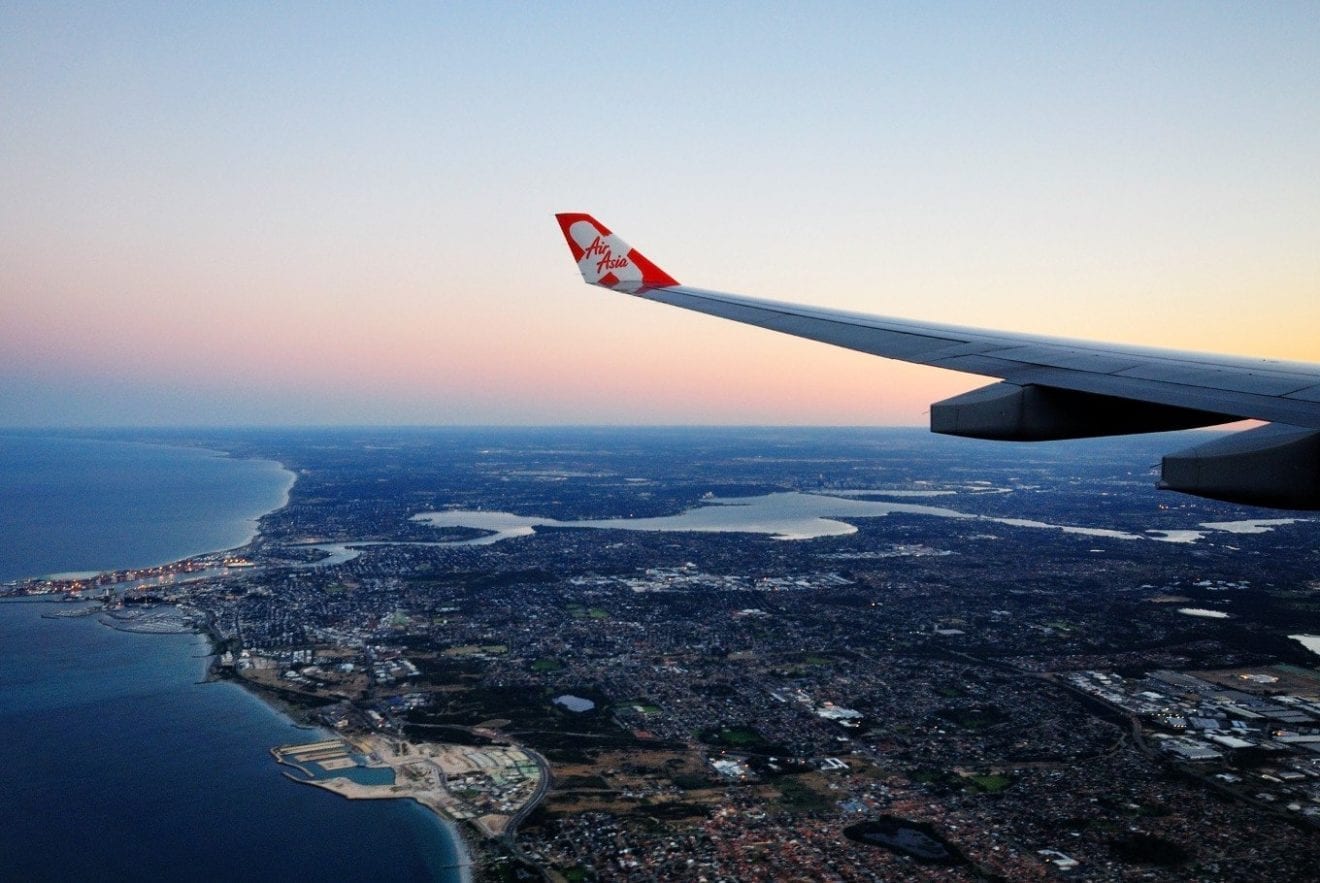
  • Budget airline AirAsia announces discount fares

    Budget airline AirAsia announces discount fares

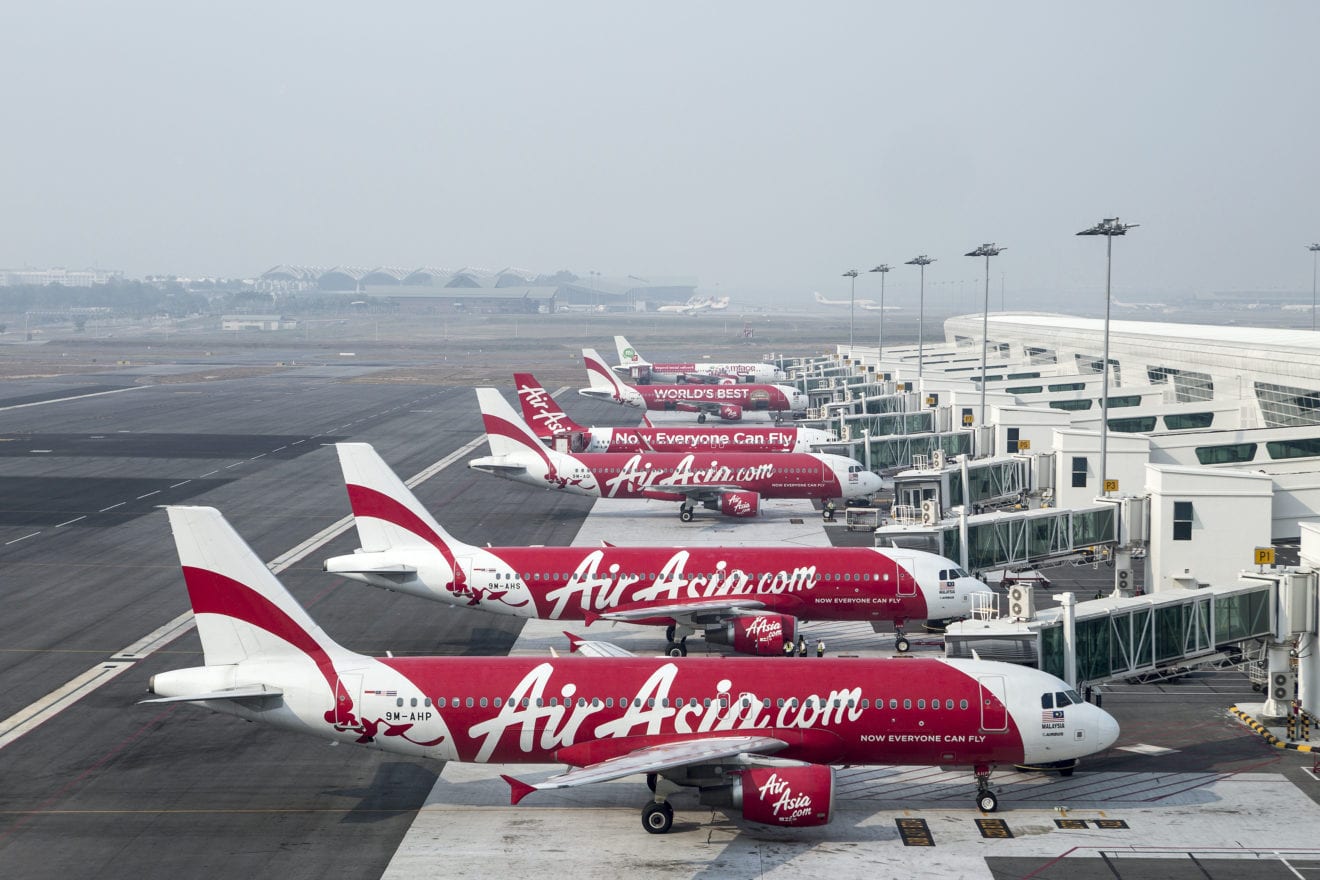
    There is good news for air travellers. Budget airline AirAsia has come out with ‘discount fares’ as part of its sales promotion campaign.

    The ‘discounted fares’ begin from as low as Rp1,099 for domestic destinations on flights operated by its Indian joint venture and Rp2,999 for international flights operated by other group airlines. However, these ‘discounted fares’ are for a limited period.

    Booking period

    Tickets for ‘discounted fares’ can be availed from June 4 to June 11 for travel between January 15, 2018 and August 28, 2018.

    “Travellers can enjoy fares as low as ₹1,099 to domestic destinations such as Bengaluru, New Delhi, Hyderabad, Kochi, Goa, Srinagar, Ranchi and Kolkata operated by AirAsia India. They can also fly to international destinations such as Kuala Lumpur, Bangkok, Phuket, Krabi and many more destinations operated by AirAsia Berhad, Thai AirAsia, AirAsia X Berhad and Indonesia AirAsia X at fares as low as Rp2,999,” said a release.

    “Guests travelling on AirAsia X will also be able to enjoy its award-winning Premium Flatbed to Sydney, Melbourne, Korea, Japan, Bali at a fare of ₹11,999.”

    “The lowest fare during this promo applies to all bookings made through www.airasia.com and the AirAsia mobile app,” the release added.

    “Big sale is the best time to lock down travel plans for next year. With so many fantastic destinations on offer, it is perfect for a long break or even just a quick weekend getaway,” said Amar Abrol, MD and CEO.

  • Thai AirAsia to launch direct flights to Bangkok

    Thai AirAsia to launch direct flights to Bangkok

    hai AirAsia has planned to operate direct flights to Bangkok from Trichy international Airport on a daily basis from August 12, according to sources.

    The move was widely welcomed as a large number of travellers from the central region currently have to take a circuitous route via Kuala Lumpur, Colombo and Singapore to reach Bangkok. Once the service becomes operational it would take less than two hours to reach Bangkok from Trichy.

    Thai AirAsia, a joint venture of Malaysia low-cost airline AirAsia and Thailand’s Asia Aviation, flight would depart from Trichy international airport at 1.30am, sources said. With this new service, the total number of international flights being operated from Trichy airport would go up to 112 from 105. At present, SriLankan Airlines, AirAsia, Air India Express, Tiger Air and Malindo Air are operating services from the airport.

    They are presently connecting Dubai, Singapore, Kuala Lumpur, Colombo and Sharjah, besides 28 domestic services per week by Jet Airways.

    As Thailand is a popular and affordable tourist destination, the launch of Thai AirAsia would attract more number of people from central region, travel agents have said. “There is a close historical, spiritual and cultural connection that dates back to thousands of years. India’s influence in Indonesia can be felt even today. Ramayana is a popular epic in Bali and Java islands of the country,” said M S Paramasivam, chairman of Travel Agents Associations of India, South Tamil Nadu Chapter.

    “Compared to any other overseas tourist destination, Thailand would be comparatively cheaper. So, the new service would definitely attract more number of tourists from both the countries,” he added.

  • Planning for peak is a marathon not a sprint

    Planning for peak is a marathon not a sprint

    Peak 2016 seems a distant memory and you are now relaxing back into your normal routine until next Q3 when planning for 2017 peak can start afresh. But is this really the best approach? Waiting until peak is almost upon you could spell disaster for your stress levels. So why not start now?

    Planning for peak should be a marathon, not a sprint. Now is the perfect time to reflect on what did and didn’t work in 2016 and start putting plans in place to make 2017 peak the best yet. The steps below will help shape your peak planning; so instead of stumbling out of the blocks and falling at the first hurdle you’ll be able to set the pace to get you through the finish line as seamlessly as possible.

    Step one: what did you learn?

    Why not conduct a lessons learned session for the whole team. Why not evaluate what made peak 2016 such a success and of course, what didn’t. Think back to Q4 2016, how much did volume spike? Which items were most popular? Where did issues arise? Having this baseline will help to project anticipated volume in 2017 and will provide a better idea of potential problem areas in the system that should receive extra attention and testing.

    Step two: create a plan

    Once you have reviewed the do’s and don’ts from last year it is time to come up with an action plan for 2017. Do you need to re-evaluate staff training? Put new systems in place? Be more flexible with fulfilment? One key thing to remember about the plan is that it might change. Flexibility is a must have when it comes to conquering the unpredictability of omnichannel shopping, and poor planning will no longer be an acceptable scapegoat for inventory shortages. And remember, initiatives like ship from store can be your new best friend when it comes to keeping up with demand!

    Step three – review your resource and take action

    So you’ve analysed 2016 within an inch of its life and come up with a (flexible) action plan for 2017. Now you need to assemble the best team to execute it. Reviewing your current talent-pool and calling in new resource from other areas of the business could just be the shake-up you need. Just because it’s how you’ve always done it, doesn’t mean it can’t be done differently. Allocating additional or fresh resource to your peak planning working group has the potential to introduce new ideas and can also help to get the whole organisation on board.

    Step four: don’t underestimate the store, keep it connected

    Despite the year on year rise in online purchasing, brick-and-mortar stores remain the biggest revenue driver for retailers. But what will the store of the future look like? By the time peak 2017 comes around technology could be a huge driver for customers when it comes to which stores they visit, as they crave a seamless omni-channel experience. And, don’t underestimate the importance of returns! In-store returns of online purchases during peak, will always prove its worth by getting bodies into stores, which means opportunities for ‘upselling’ and impulse buying that just don’t exist online. Those who bear this in mind will thrive during peak, and those who don’t will come in a slow second.

    Step five: have a test run(s)

    If your distribution and order management systems includes software from various vendors, engage with those concerned and set up a test (or a series of tests) that simulates peak shopping times. If possible, plan to test the system several times throughout the year in the run up to the peak times. If you can start this testing now then you will be in a great position when it comes to Christmas preparations. In order to run your marathon at pace, you need to practice at pace!

    So now you have all the steps to get a head start on the race to peak 2017, don’t get left behind. Keep ahead of the game and by doing so, you’ll have the vision to steer towards a healthy growth and sustained performance for many peak seasons to come.


  • Vietnam’s annual inflation expected at 2.6%

    Vietnam’s annual inflation expected at 2.6%

    Inflation this year is forecast at 2.6 per cent amid fluctuations in prices on world markets and adjustments in the cost of public services, according to the latest report from the government watchdog, the National Financial Supervisory Commission (NFSC).

    While average inflation during the first five months of this year hit 4.47 per cent, the NSFC believes it will fall towards the end of the year due to stability in food and restaurant prices.

    Figures from the General Statistics Office show a 0.53 per cent decline in the CPI in May against April, primarily due to sharp falls in food prices. May’s CPI rose 3.19 per cent year-on-year.

    Forex

    The NSFC also pointed out that exchange rates will be vulnerable against high foreign currency demand due to the rising trade deficit, where Vietnam may see its trade balance change from a surplus in 2016 to a deficit of about 3.5 per cent of total exports this year.

    Its calculations show that if the VND/USD exchange rate rises 1 per cent, inflation will increase by 0.17 per cent. The US Federal Reserve raising short-term interest rates in small adjustments has yet to put pressure on the exchange rate, however.

    It’s very likely, though, that “the VND will be under pressure by the US Fed’s roadmap of raising interest rates in the long run, along with unpredictable changes in the prices of the Chinese Yuan and Japanese Yen,” the NFSC said, adding that efforts are required to ease pressure on exchange rates and drastic measures needed to tackle bad debt.

    Earlier, BMI Research, a Fitch Group company, predicted that further Chinese Yuan weaknesses could prompt a slight devaluation of the VND in 2017 by the SBV to preserve export competitiveness.

    By end-May, the VND was down more than 1 per cent against the USD this year, according to State Bank of Vietnam (SBV) figures.

    Interest rates

    Vietnam is now more eager than ever to tackle the scale of bad debts in its banking sector, especially with the amount sold to the Vietnam Asset Management Company making up 10.08 per cent of total outstanding loans by end-2016.

    The government issued Decree No.61/2017 on May 16 on the verification of the initial price of bad debts and the formation of a council for bad debt auctions. A draft law on support for credit institution restructuring and bad debt settlement is also being finalized, and a decree on the settlement of credit institutions’ bad debt may be approved as soon as June 20.

    But while the NSFC report noted that measures to settle bad debts will help reduce interest rates, SBV Deputy Governor Ms. Nguyen Thi Hong made it clear in a meeting last week that lowering interest rates will remain a challenge for the central bank in 2017.

    “Some commercial banks have increased interest rates on certificates of deposit and VND deposits already, mainly for terms of over 12 months,” she said, adding that by the end of last month, the central rate was up 1 per cent from the same period last year.

    In a related note, the NFSC’s calculations show that the country’s ratio of credit-to-GDP has continuously increased since the last quarter of 2015, reaching 11 per cent in the first quarter of this year. This is the second highest level in the 2009-17 period, after the 13 per cent recorded in the first quarter of 2011.

    At end-May, credit had risen 5.7 per cent compared to the same period last year.

  • Thai AirAsia set to open up Maldives

    Thai AirAsia set to open up Maldives

    Thai AirAsia (TAA) is breaking into Bangkok Airways’ long-held monopoly on Bangkok-Maldives air services, knocking down the high fare barrier in the process.

    TAA, Thailand’s largest low-cost carrier, is to launch a daily non-stop service on Aug 11 with an introductory fare that is a fraction of what is charged by Bangkok Airways.

    TAA’s introductory one-way fare inclusive of taxes and fees, will be 1,990 baht, compared with the reduced 20,400 baht round-trip fare quoted by Bangkok Airways yesterday.

    Bangkok Airways’ normal round-trip goes for around 33,000 baht for flights that take slightly over four hours each way.

    TAA is set to change the face of air travel to the Maldives, which has long been regarded as a highly expensive and luxurious destination.

    TAA’s arrival in the Maldives appears to support the island nation’s move to open up an economy travel segment to boost its tourism.

    “The Maldives is indeed a luxurious brand, but it is for all, not only for ultra high-end travellers,” said Haris Mohamed, acting managing director of Maldives Marketing and PR Corporation, a Maldives state-owned firm whose role is akin to the national tourism board.

    Speaking to the Bangkok Post at TAA’s Maldives service launch in Bangkok yesterday, Mr Mohamed said the arrival of TAA is welcome as it would help create a competitive environment as well offer more travel options to the Maldives.

    Santisuk Klongchaiya, TAA’s commercial director, was confident the carrier’s latest international route would show early success with a high load factor of 85% because of the Maldive’s reputation as a world-class destination.

    TAA has successfully secured time slots for arrival and departure at Male airport that are much sought after by other airlines because it suits travellers’ preference.

    The time slots — arriving in Male at 11.40m and departing at 12.30pm — granted to TAA are broadly similar to Bangkok Airways, which has been the sole operator on this route for more than a decade.

    TAA will use 180-seat Airbus A320 single-aisle jets and only offer economy class for the route, while Bangkok Airways deploys A319s with 12 seats for business class passengers and 108 for economy.

    The provision of attractive time slots at the congested Male airport to TAA reflects the Maldives’ belief that the Thai budget airline would boost international arrivals to the republic.

    Mr Mohamed said TAA would not only bring more Thai tourists to the Maldives but also others from Southeast Asia.

    Last year, Maldives attracted 1.3 million foreign visitors with about 16,000 from Thailand. This year, the country expects to ramp up that number to 1.5 million with TAA being instrumental in achieving that target, Mr Mohamed said.

    Arrival growth has been restricted by limited capacity at Male airport, which is building a second runway which has caused part of the existing airport facility to close.

    TAA will become only the third low-cost carrier flying to the Maldives. The others are Malaysia AirAsia flying from Kuala Lumpur and Tigerair from Singapore.

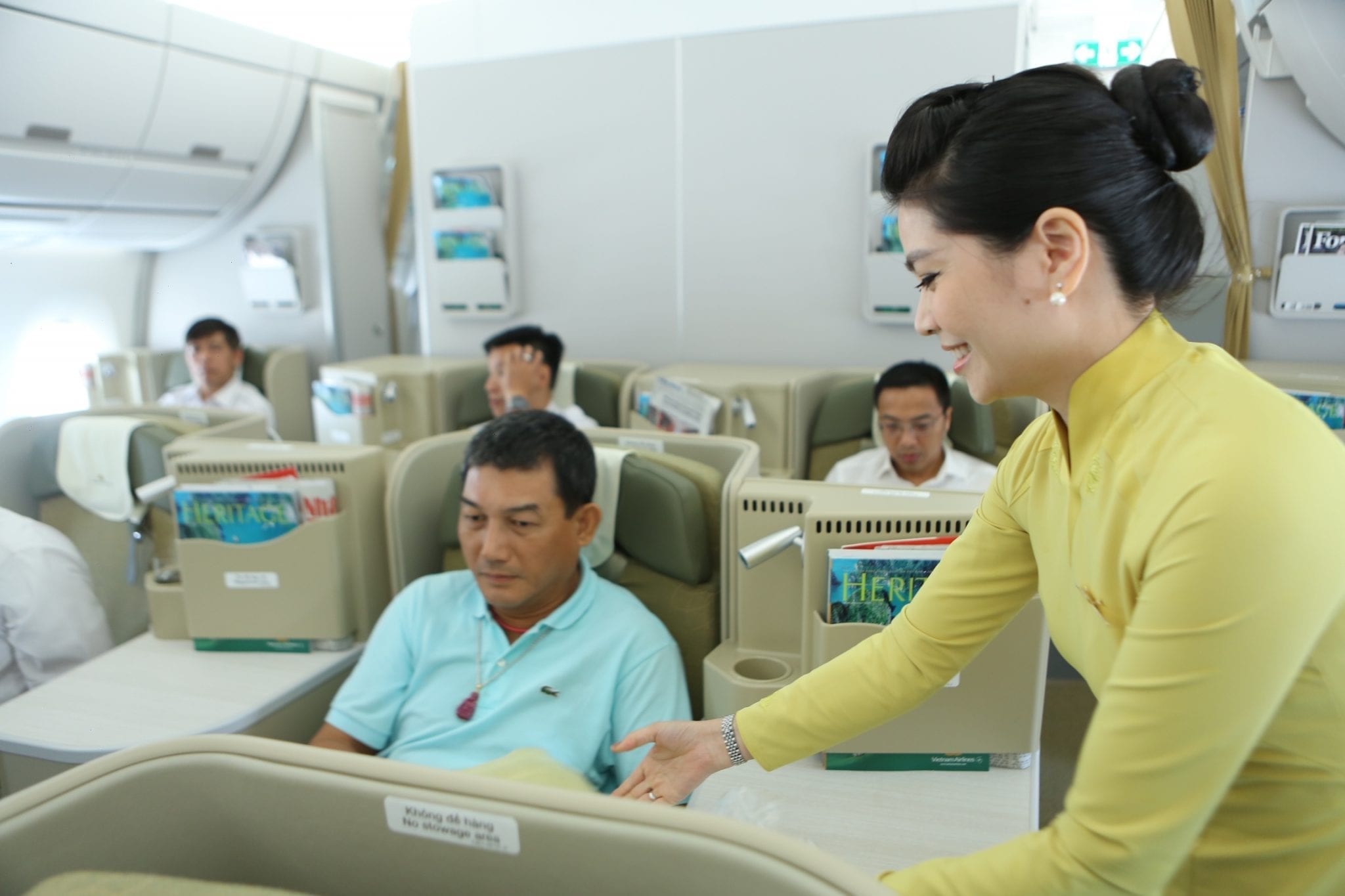
  • Vietnam Airlines targets nearly $4 bln in revenue for 2017

    Vietnam Airlines targets nearly $4 bln in revenue for 2017

    A high salary bill and increased competition dragged on the carrier’s income last year. Vietnam’s national flag carrier Vietnam Airlines (VNA) has set a revenue target of VND87.9 trillion (nearly $4 billion) for 2017, up 22.7 percent from last year.

    A report to be submitted at VNA’s annual shareholder meeting on June 20 shows that 2016 was a difficult year for the carrier due to increased competition from budget airlines on international and domestic routes.

    In 2016, VNA’s revenue hit VND71.6 trillion, eight percent below its target. That was partly due to a salary bill for 6,199 workers that cost VND2.7 trillion.

    Pilots’ salaries rose 4.7 percent on average to VND115.3 million per month, while flight attendants enjoyed a rise of 10.9 percent from last year to VND25.5 million.

    According to the airline, the Vietnamese economy remains unpredictable due to foreign currency and fuel price fluctuations, as well as fiercer competition.

    At the upcoming meeting, VNA will ask shareholders to for approval to issue 191 million new shares to existing stakeholders at a starting price of VND10,000 in order to increase its charter capital.

    If the proposal is adopted, the shares will be issued in the fourth quarter of this year, bringing the airline’s charter capital to VND14.2 trillion.

    The money will be used to buy more Boeing Dreamliners and Airbus A350s.

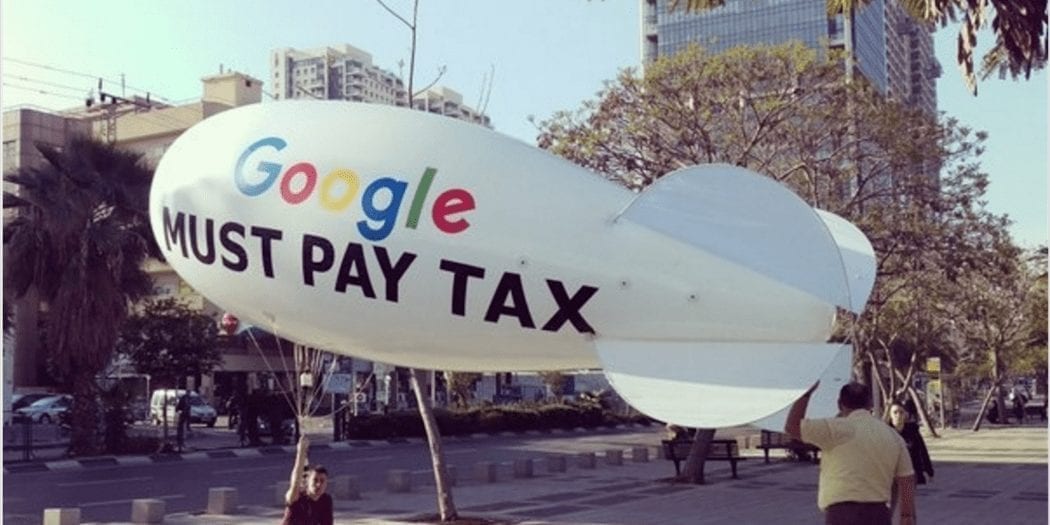
  • Google Settles Tax Matter with Indonesia

    Google Settles Tax Matter with Indonesia

    Alphabet’s Google has made an agreement with Indonesia for 2016 after a long-standing dispute over charges of insufficient annual payments to the government.

    The latest settlement figure has been estimated using a new method which will finally conclude to charges that the tech firm was avoiding the required tax payments in the country.

    The report also corresponds with information that a decision was expected very soon.

    Indonesia’s Finance Minister Sri Mulyani Indrawati said on Tuesday that they already have reached a deal with the group based on prior year but they cannot release the figure yet.

    Google has so far not provided any statement.

    It is a notable progress seeing that both parties have settled for just one collection year. The government had been going after the search giant for tax avoidance and failure to pay the required amount for the past five years.

    Indonesia is doing the same but is coming across complication with tracking the money flow in view of the fact that the revenue of Google’s Indonesian business is managed at its Asia Pacific headquarters located in Singapore.

    The search giant was expected to pay about $376 million in taxes for 2015 but only paid $391,000.

    Google had mentioned that the estimated size of Indonesia’s digital advertising market was at $300 million for the said year.

    If found to have failed with taking care of payments, the five years of back taxes will cost the company a fine of over $400 million for only the year 2015 which could put a slight pressure on Google’s swamp bank account.

    Indonesia is keen on increasing tax collection and is planning to make use of the newly loaded capital to reduce its budget shortage and add fund to their current infrastructure program in the country.

    Other governments around the world are searching as well so as to crack down on what they consider as business tax avoidance.

    Other News

    During the Ramadhan, Google Indonesia e-commerce consumer behavior presented data searches on areas associated with the celebration in the country rose up to 28 percent while spending added to 30 percent.

    The country’s e-commerce head Henry Prihatna said that fashion product had the biggest sales gaining 180 percent, home appliances with 100 percent high and cellular phones edged up 80 percent.

    On the other hand, Google’s shares closed its Monday session losing as much as 0.7 percent to $942.90 on the Nasdaq Composite Index as tech stocks declined nearly 75 percent with Apple, Microsoft and Alphabet falling almost 6.5 percent.

    The three companies make up for approximately 30 percent of the index’s weighting.

    However, some experts believed that investors do not have to worry as any decline is likely to be buying opportunity and that the market is overbought from a long-term point of view and estimations are extended.

    With regards to money flows, investors may think about merging the variation between rising and falling matter in the stock market or their preferred index with money flows so as to have a useful perspective.