Category: General

Retail News Asia is committed to providing both local and global retailers with the latest General Retail news throughout the Asian market. This on a daily base.

  • ‘Donki’ to bring ceiling to floor mega discounts to Asia

    ‘Donki’ to bring ceiling to floor mega discounts to Asia

    Don Quijote, a chain of neon-lit emporiums filled ceiling to floor with discounted goods, is opening its first store in Southeast Asia, where it expects to further expand.

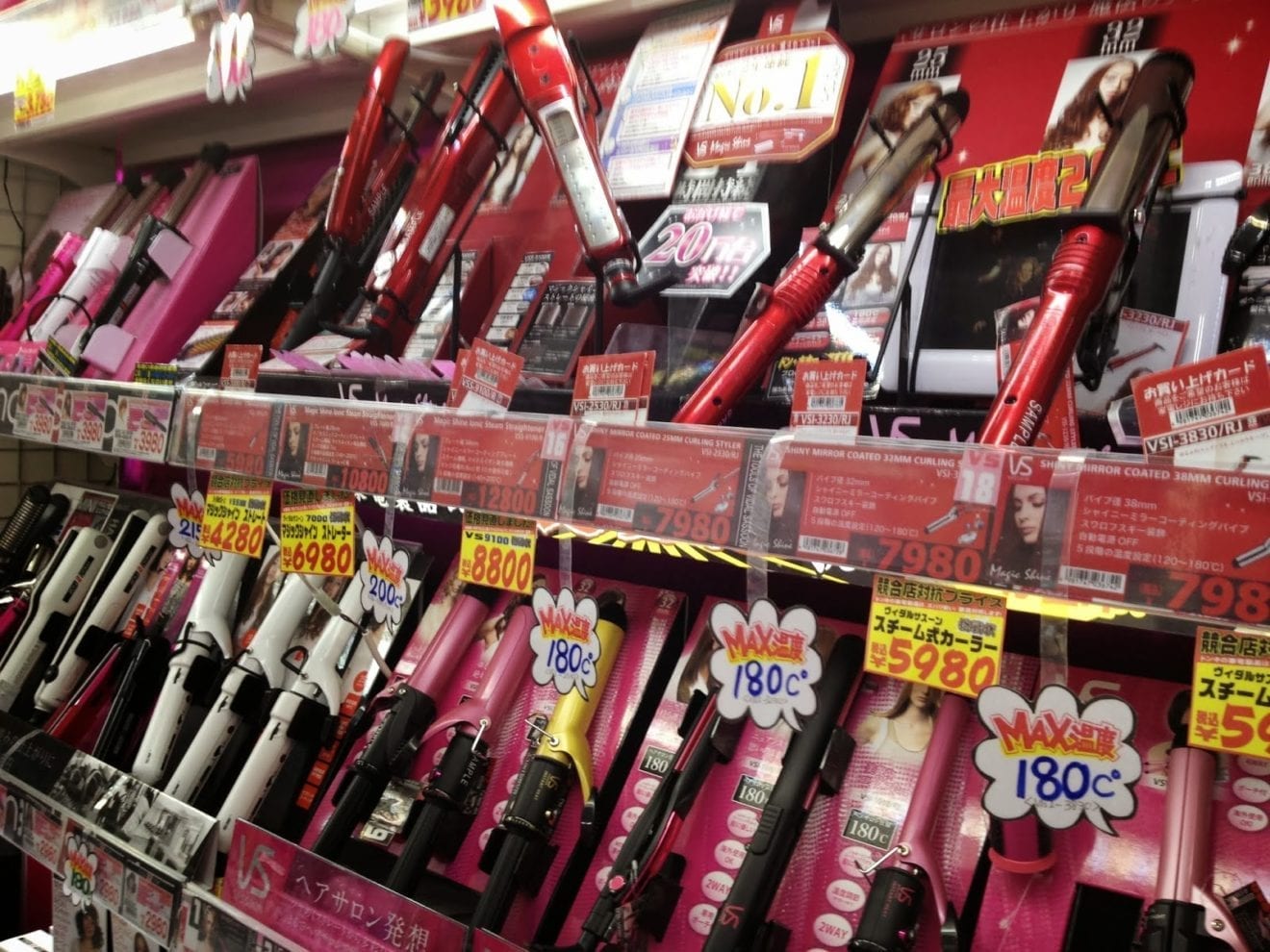
    The chain — now with over 300 stores across Japan — is a must-visit among tourists to Japan. There is much to like — duty-free shopping and a vast selection of discounted products, ranging from packaged food, alcohol and consumer electronics to luxury brand items and cosplay costumes.

    Now shoppers in Singapore can get a taste of “Donki,” as it is commonly known, with a store opening in the city’s Orchard area, the company said this week.

    The branch will be developed by Donki’s holding company for overseas operations, Pan Pacific International Holdings, which was established in the city-state in 2013 to headquarter the group’s overseas operations.

    In Singapore, Donki will offer a range of Japanese pop culture products. But other details — like the store’s opening date, its operating hours and what kind of prices to expect — have yet to be announced.

    This isn’t the first time Donki has ventured overseas. It currently operates three stores in Hawaii. In 2013, it acquired Marukai, a small chain of Japanese grocery stores in the U.S. state of California.

    But the Singapore emporium will be the retailer’s first in Southeast Asia, and the group is looking at opening more stores in the region, a Donki spokesman said, without elaborating on details or strategy.

    In Japan, Donki is also known for its long opening hours, with around 10% of its stores open 24 hours. A typical store offers a selection of around 45,000 goods, stacked on shelves so high that shopping can be a mazelike experience. Thanks to their low prices and multilingual displays, the mazes have seen a surge in overseas customers. The number of foreign visitors to the stores soared 62.4% in 2016, the company said.

    Peek shopping hours for domestic customers are 3 p.m. to 5 p.m. The number of overseas visitors, though, tends to peak around 10 p.m., the spokesman said, with many visiting the stores after dinner or after spending the day sightseeing. He said South Koreans account for nearly 40% of its overseas customers, followed by Chinese, Taiwanese and Thais.

    Japan has been experiencing a tourism boom. Last year, it welcomed 24 million visitors, an increase of 21.8%. Of the total, over 20 million came from Asia, led by tourists from South Korea, China and Taiwan. Prime Minister Shinzo Abe’s goal is to increase the number of foreign visitors to 40 million by 2020, when Tokyo will host the Olympics.
  • Aviation infrastructure overloaded

    Aviation infrastructure overloaded

    The heavy investment made recently by the Airports Corporation of Vietnam (ACV) to upgrade airports and develop new infrastructure still cannot satisfy the increasingly high travel demand.

    The additional parking lots set up by ACV recently do not mean much if compared with demand, while airlines still have to scramble for the locations to park their aircrafts. Noi Bai and Tan Son Nhat Airports had many meetings to discuss the allocation of parking lots but they were not useful.

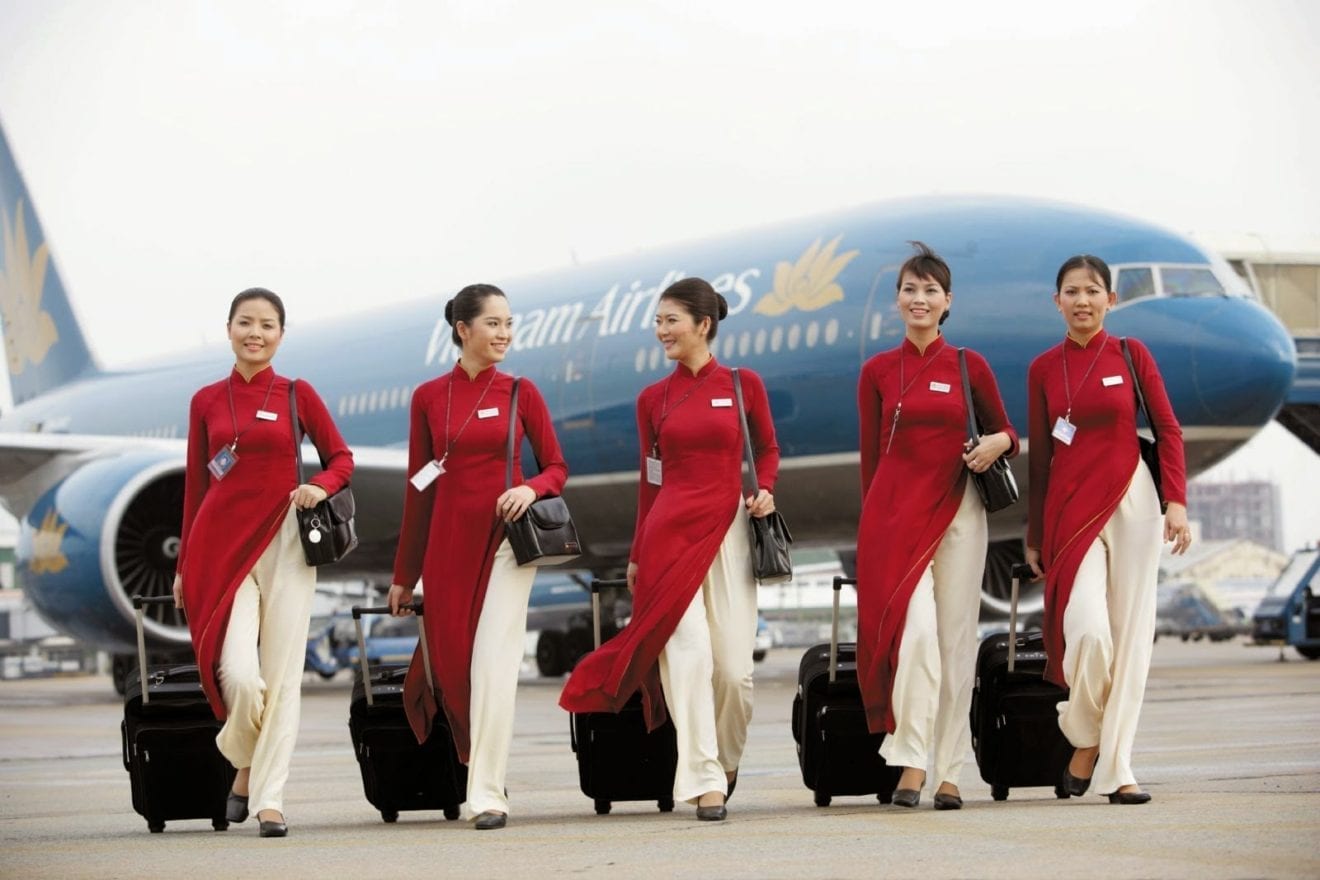
    Giao Thong quoted a high ranking executive of Vietnam Airlines as saying that the carrier’s fleet has 10-15 new aircraft every year while it has put next-generation aircrafts into operation. In 2015, Vietnam Airlines had 83 aircrafts, while the figure is expected to increase to 120 by 2020. This leads to a higher demand for parking lots and the upgrade of technical service areas.

    Nguyen Thi Phuong Thao, CEO of Vietjet Air, has repeatedly asked for more aircraft parking lots at the Tan Son Nhat, Noi Bai and Da Nang Airports. In 2016 alone, the air carrier needs at least 44 parking locations.

    According to Tran Van Thang, ACV’s deputy CEO, ACV has arranged 11 new parking locations at Noi Bai, raising the total number of licensed locations to 70.

    At Tan Son Nhat Airport, four new locations have been arranged for ATR72 aircrafts. The figures are 8 at Da Nang and 16 at Cam Ranh. However, he admitted that the additional supply still cannot satisfy the high demand from airlines.

    Head of the Civil Aviation Authority of Vietnam (CAAV) Lai Xuan Thanh confirmed the lack of parking lots for aircrafts. He said all the four large airports including Noi Bai, Tan Son Nhat, Da Nang and Cam Ranh need to have their parking areas expanded to satisfy the demand.

    A CAAV report showed that in the first six months of 2016, airlines provided more than 128,000 flights, 15.8 percent of which were delayed while the canceled flights amounted to 0.6 percent.

    About the reasons behind the delayed and canceled flights, the report pointed out that airlines’ technical problems were the direct reason of 10.3 percent of delayed flights, while the lack of equipment at airports caused the delay of 6.2 percent, or 1,250 flights.

    Meanwhile, the problems in flight control at the departure airports were the reason behind the late arrival of 11.3 percent of total delayed flights.

    Thanh from CAAV said that until the Long Thanh Airport is built and put into operation, the overloading at Tan Son Nhat would still not be settled.

  • Garuda aims to improve financial performance in two years

    Garuda aims to improve financial performance in two years

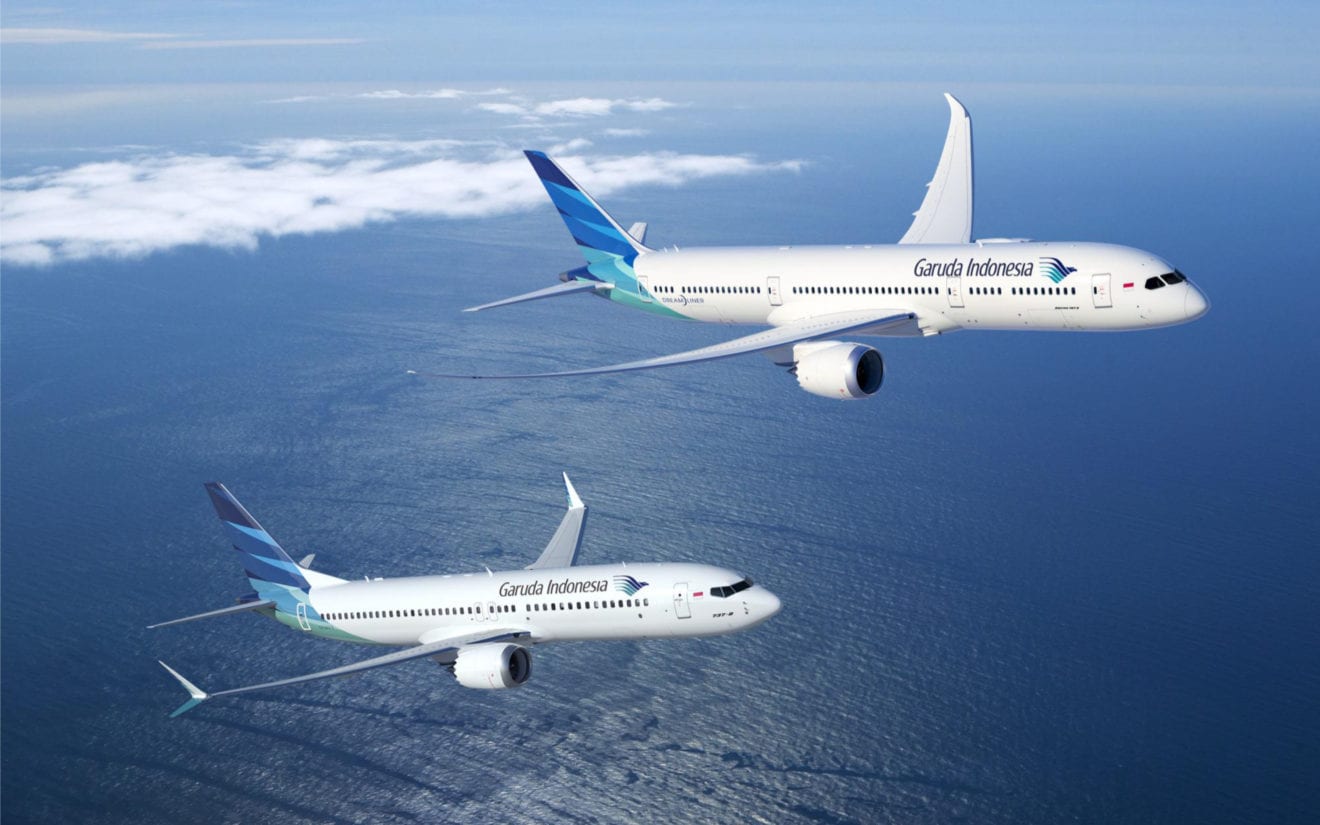
    Garuda Indonesia is optimistic its operational and financial performance will see sustainable positive growth in one to two years, fueled by business strategy focusing on financial performance transformation.

    “Garuda Indonesia will focus on improving its performance by taking 10 financial and business performance initiatives in such a way that its operational and financial conditions will be better and we are quite optimistic about achieving it in one to two years time,” Garuda Indonesia President Director Pahala N Mansury said here on Sunday.

    In the phase of business growth which is full of challenges, Pahala expressed gratitude to all sides for their attention and inputs to improve the financial performance and business dynamics of Garuda Indonesia.

    “Of course, this is worthy of out praise, particularly when it comes to the commitment and concern of all stakeholders to ensure that Garuda Indonesia as national flag carrier will always have good business performance,” he said.

    He said the company is currently in very good condition in terms of operations and services to the public.

    The challenge that the company must fulfill now is related to how to improve its financial performance in a sustainable way to ensure the continuity of its business, he said.

    “We ascertain that the phase of business cycle that Garuda Indonesia is going through is only temporary now that in terms of infrastructures, human resources and products, all business lines of the company have good platform to support the improvement of its performance,” he said.

    Among the 10 financial performance strategy initiatives are making optimum use of fleet, lowering the costs of fleet, improving services related to punctual departure and arrival time, and reforming the system of managing income from service users.

  • 2017 Samui Regatta continues successful trend, with Centara Grand Beach Resort as Sponsor

    2017 Samui Regatta continues successful trend, with Centara Grand Beach Resort as Sponsor

    Centara Grand Beach Resort Samui once again showed itself capable of handling international water sports events, being the host sponsor for the Samui Regatta 20-27 May. The Regatta, in its 16th year, has grown to attract the best yachts in Asia and a large spectator following. They come to Samui for great sailing, fantastic beach parties, and the island’s acclaimed hospitality.

    Samui Island itself is acknowledged for its white-sand beaches, sparkling blue sea, breezy coconut trees and picture-postcard tropical appeal. Lately it has proven itself a leading sports tourism destination, especially in yachting. With full support from the Thai government and its policy to promote sports tourism, Samui has attracted more international events and sports enthusiasts to the country during the last decade. The now-famous Samui Regatta is one of the blue-ribbon international events exemplifying this trend.

    “This is another opportunity for people to recognize our resort, not only as a luxurious tropical tourist destination but also a superb water sport venue,” said Denis Thouvard, the resort’s General Manager. “We are located in a prime area where nature and civilization mesh perfectly. Our private beachfront offers Chaweng’s soft white sand, crystal clear water, and peaceful space for personal relaxation or fun activities such as swimming, sailing, jet-skiing and yachting. The resort is also an ideal base for exploring Samui and its island neighbors Koh Nang Yuan and Ang Thong National Marine Park. It is next to Samui’s main town and 20 minutes from the airport. Our guests enjoy wonderful vacations in this tropical paradise.”

    “Samui Island is one of the top tourism and yachting destinations in Asia,” added Ms. Kae Wattana, Managing Director of Regattas Asia. “We have organised Samui Regatta for 15 years and each year we see the number of yachts that come to the island is growing. I believe this growth will continue as more and more people experience the beauty of Samui and the unmatched sailing it has to offer. This year we will again have a spectator boat at Samui Regatta which members of the public and tourists can join to experience the event and learn more about yachting. Our aim is bring the event and yachting closer to people, to increase people’s understanding of yachting, and to attract more visitors to Samui Island. Having Centara, a leading Thai hospitality brand, joined just as main host for this event is helping us to ensure that all participants will be treated professionally and bring back not only a trophy or medal from a competition but also a fantastic memory in Samui as well”.

    The Samui Regatta consists of five days of racing and six nights of parties, including daily prize-awarding on the beach and a lavish Gala Dinner hosted by Centara Grand Beach Resort on the final night. This event showcases Samui’s reputation as a leading yachting destination and contributes significant revenues to the local economy. Surveys show most of the approximately 500 participants come from overseas and have high incomes.

    “As part of the Samui community, we are proud to support the people and economy of this island,” General Manager Thouvard concluded. “In the future we look forward to seeing more tourists, both returning guests and new visitors who want to witness Samui’s natural beauty with their own eyes.”

  • Qatar Airways Umrah Passengers Transferred to Garuda Indonesia

    Qatar Airways Umrah Passengers Transferred to Garuda Indonesia

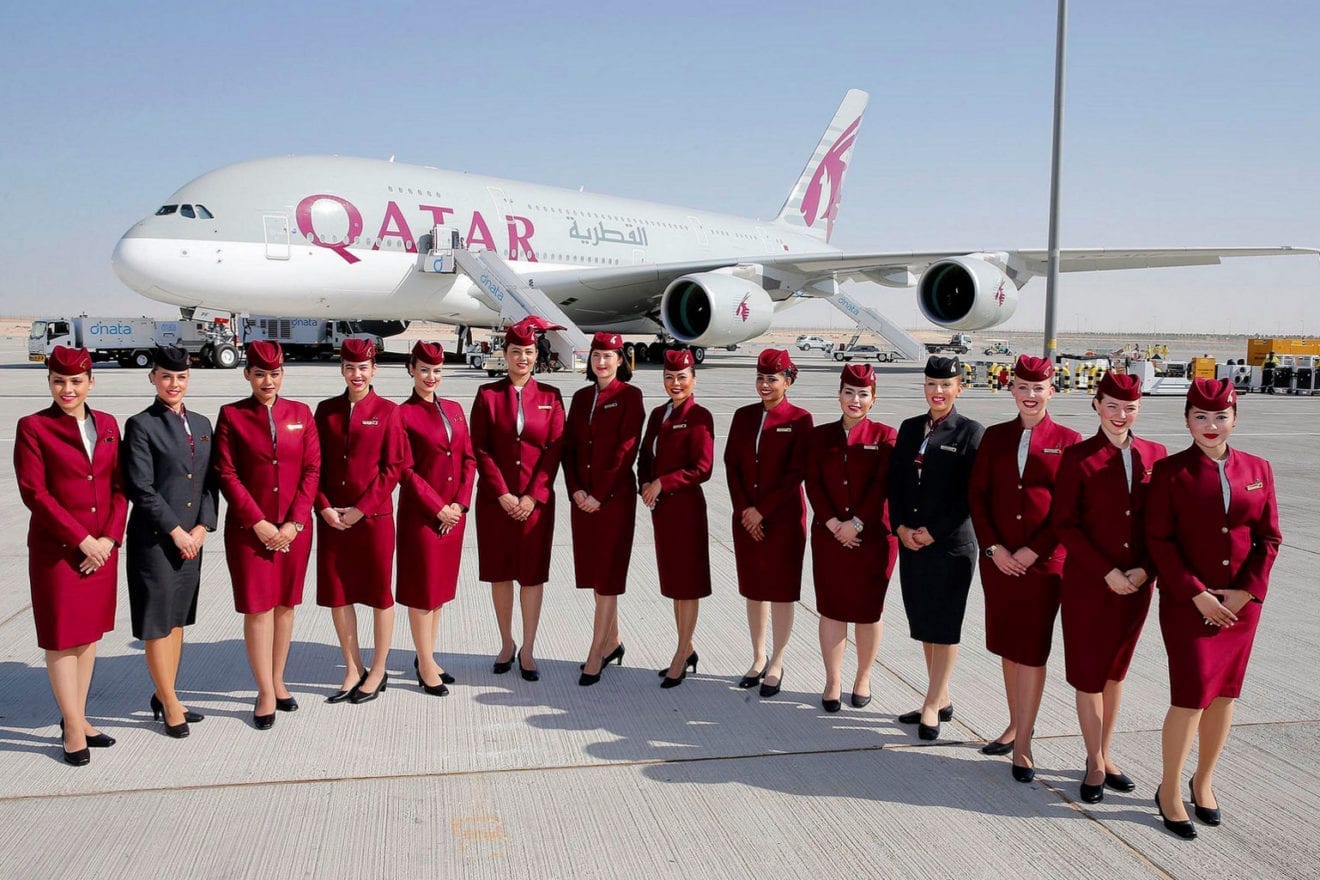
    Qatar Airways umrah passengers will be transferred to flag carrier Garuda Indonesia. “We have a partnership with Qatar Airways. Some passengers to be carried from Jakarta to Saudi Arabia will be transferred to Garuda Indonesia, it expected to happen in a short term,” Garuda CEO Pahala Mansyuri told us yesterday, June 8. According to Pahala, the opportunity will be exploited by Garuda Indonesia to introduce its highly potential umrah services. The first phase will see the transfer of 45 Qatar Airways passengers in Jakarta-Saudi Arabia route. In the phase, around 150 passengers will be carried in the routes previously operated by Qatar Airways.

    In a written statement issued Wednesday Transportation Minister Budi Karya Sumadi said that he has not revoked Qatar Airways flight license. The government will only transfer Indonesian umrah passengers using Qatar Airways to other airlines.

    Budi said that the transfer will be done in the wake of the diplomatic row between Qatar and some other Gulf countries. The conflict has resulted in a ban on Qatar Airways from flying above Gulf countries, including Saudi Arabia, which is the destination country of hajj and umrah.

    As for flights from and to Indonesia, Qatar Airways may still carry passengers as usual. “Qatar Airways can still serve flights from and to Indonesia and [passengers] may continue the travel to third countries aside from those having diplomatic issues with Qatar,” the minister said.

  • Pelni and Pertamina building a cruise ship

    Pelni and Pertamina building a cruise ship

    State shipping company PT. Pelayaran Indonesia (Pelni) will team up with Patra Jasa, a subsidiary of state-owned energy company PT. Pertamina, to build a cruise ship, to support the countrys tourism industry.

    “We already signed a memorandum of understanding (MoU) to build a cruise ship to support the countrys tourism industry especially in 10 tourist destinations,” head of the Kupang branch of PT Pelni Adrian said here on Saturday.

    The ship is being built in South Korea expected to be completed and to be operational in 2018, Adrian said.

    Earlier Pelni and Patra Jasa planned to buy a cruise ship, but the plan could not be realized with a regulation banning government agencies including state companies to buy second hand goods from abroad.

    “Therefore, Pelni and Pertamina decided to build one that would take a year for completion,” Adrian said, adding the cruise ship would serve transport to 10 tourist destinations recognized by the government.

    The ten tourist destinations include Labuan Bajo and under sea destination in Riung, East Nusa Tenggara.

    Currently Pelni operates not only passenger ships but it also has ship for the transport of cargoes and livestock and tourists.

    Business in passenger transport has declined as most passengers choose air transport which much faster.

    “Mr (Ignasius) Jonan , when he was transport minister, once told us that it was time for Pelni to focus on other lines of business, but business in passenger transport continues,” Adrian said.

    He said business in tourism industry is growing that cruise ships is important . The government has been more aggressive in developing its tourism industry to make use of the countrys tourism wealth .

    The government is set to double the number of foreign tourists visiting the country to around 20 million in 2019.

  • Semen Indonesia records 10 percent growth in sales

    Semen Indonesia records 10 percent growth in sales

    Cement company PT Semen Indonesia is still able to record an increase of up to 10 percent in sales in the midst of current tight competition and growth of infrastructure projects which has not been as expected.

    “Sales in the period from January to May 2017 were up 10 percent from last year,” the companys head of communication bureau, Sigit Wahono, said here on Friday.

    He said sales in May were recorded at 2.9 million tons to make the total in the first five months of this year to reach 11.5 million tons.

    He admitted that although the cement market has been over supplied due to the increasing number of players including foreign industries, Semen Indonesia is still able to record significant growth.

    Regarding Semen Indonesias control of around 43 percent market share, he said that it has been relatively the same in the past five years.

    On market absorption, Sigit said that in general it was still the same as last year which was dominated by retail (bag) sales for household market segment and housing development.

    “In the first semester you see there were not many big projects nationwide including from the government. So sales are still dominated by retail sales,” he said.

    Regarding the cement factory in Rembang, Central Java, whose progress is still hampered, Sigit said that it did not affect much as it was not included in the Cost Budget and Work Plan.

    He said however that Semen Indonesia has set a target of contribution from the factory at 1.1 million tons out of its capacity which is up to 1.5 million tons.

    “Indeed the factory in Rembang has not been included in the production or sales plan. However, we are optimistic it will contribute 1.1 million tons as its capacity is 1.5 million tons. That will be the target for the second semester this year,” he said.

    Sigit said Semen Indonesia would abide by the decision by not conducting development in the factory area pending the result of the second round of environmental study.

  • Vietjet offers generous dividend payouts at the rate of 60%

    Vietjet offers generous dividend payouts at the rate of 60%

    Based on business results of the financial statements for the first quarter of 2017, the Board of Directors of Vietjet has announced to advance the first phase dividend for 2017 at the rate of 20% in the form of cash. The shareholder list confirmation date will be within July 2017.

    Also, according to the issuance plan approved at the company’s annual shareholders meeting in 2016 and based on KPMG audited capital report for the first quarter of 2017, Vietjet agrees to offer a bonus sharedividend to the shareholders at the rate of 100:40 (a compliment of 40 shares per 100 shares owned). Theshareholder list confirmation date will be within July 2017 following the approval of the State Securities Commission of Vietnam, the same time with the list confirmation date for cash dividend distribution.

    Accordingly, Vietjet shareholders will receive a 20% cash dividend and 40% bonus share dividend, totaling 60%.

    Earlier in May 10, Vietjet finalized the shareholder list for cash dividend for 2016. After the 40% bonus share dividend, those shareholders who have already received shares and cash dividends of 119% for 2016 will continue to receive dividend advance for 2017.

  • China’s cybersecurity law poses major challenges

    China’s cybersecurity law poses major challenges

    The controversial new Cybersecurity Law which came into force at the start of the month in China brings significant change and some uncertainty for companies, but is to be expected in a rapidly evolving environment of new technologies and big data, acording to digital forensics and eDiscovery specialist KrolLDiscovery.

    “Mirroring what is happening all around the world, the Chinese government is becoming more involved with data protection and strengthening enforcement,”  KrolLDiscovery country manager for Shanghai Han Lai said.

    “Up until now, its rules have not been clearly defined or regularly enforced, but this new law is looking to change that, and companies need to be fully up to speed with its requirements, especially network operators managing data.”

    The majority of the new law’s provisions apply to “Critical Information Infrastructure Operators” (CIIO) possessing data critical to China’s security. Industries predominantly targeted in this new definition include financial, transportation, healthcare, utilities and telecommunications.

    The most significant, and controversial, change is that Chinese citizens’ “personal information” and “important data” must now be stored on servers within China. Any companies claiming an exception that is “truly necessary” must undergo a security assessment before information can be released.

    “This will affect the majority of foreign companies that operate in China, in particular those which use their global infrastructure and IT resources to operate their business in China, as the original data collected, including business data and customer data within China will typically be stored directly in the data centres or servers physically located overseas,” Lai said.

    “For example many global companies are still using email servers located outside China for their China operations. Companies need to start thinking and planning ahead to restructure their infrastructure to be in line with the new law.”

    In addition, the new law reinforces the requirement for network operators to obtain their clients’ consent before collecting and disclosing personal information, including the reason for the disclosure, and take measures to ensure the security of personal information.

    “This tightening is commensurate with other developed markets, but will take a while to get used to in China where data on individuals is collected on a mass scale for sales and marketing purposes without proper consent, and probably without awareness of what the risks might be,” remarked Lai.

    From now on, all network providers must also pass a “network security examination.” This includes specific requirements that network operators must follow when purchasing new network systems.

    What is not clear yet, as the law is currently untested, is what the consequences will be of noncompliance, but they are expected to be more severe than in the past, and more rigorously enforced. Cancellation of a business license was one penalty in the previous regulations.

    “The new regulations require CIIO’s to establish violation reporting mechanisms, suggesting that the government is taking the new law very seriously,” noted Lai.

    Lai added, “Companies need to ensure that an appropriate framework is established for collecting and using data, demonstrating that any data collected has a proper purpose and that its use can be explained in detail. Companies should also ensure appropriate security and protection measures are in place to safeguard the data as well as incident response procedures for responding and reporting any breach.”

  • Chinese exports, imports beat forecasts but analysts wary

    Chinese exports, imports beat forecasts but analysts wary

    Exports rose 8.7 percent on-year to $191 billion while imports jumped 14.8 percent to $150.2 billion. China on Thursday posted a forecast-busting surge in exports and imports in May, signaling improvement in the world’s number two economy, but there were warnings Beijing would struggle to maintain its momentum.

    The readings will come as a relief after a series of weak readings suggesting a recent pick-up could be fizzling, while there are also lingering concerns about U.S. President Donald Trump’s protectionist rhetoric.

    Exports rose 8.7 percent on-year to $191 billion while imports jumped 14.8 percent to $150.2 billion.

    The data were far better than the 7.2 percent rise in exports and 8.3 percent increase in imports predicted by analysts in a survey by Bloomberg News. The trade surplus rose to $40.8 billion, up $2 billion from April.

    The news comes as the global economy also shows signs of strength.

    However, Julian Evans-Pritchard, China economist at Capital Economics, said the government’s efforts to rein in the country’s ballooning debt could weigh on future trade data.

    “Looking ahead, the current strength of imports is unlikely to be sustained if, as we expect, slower credit growth feeds through into weaker economic activity in the coming quarters,” he warned.

    “Exports growth is also likely to edge down further ahead but should fare better than imports given the relatively upbeat outlook for China’s main trading partners,” he said.

    China had been showing signs of life in early in the year, fuelling hopes the world’s top trader in goods and a key driver of global growth was stirring after a years-long growth slowdown.

    Too early for optimism

    However, other figures have pointed to slowing growth in the Chinese economy as it deals with weaker demand and excess industrial capacity left over from a debt-fuelled infrastructure boom.

    Imports and exports picked up at a weaker rate in April from March, while a private survey of factory activity indicated the manufacturing sector contracted in May for the first time in almost a year, hinting at deteriorating conditions for producers.

    Industrial output, retail sales and fixed-asset investment also hit the brakes, data showed last month.

    “It’s still too early to be optimistic on China’s imports. The outlook for fixed asset investment and infrastructure construction will be key,” said Betty Wang at ANZ Research in a note.

    “While May’s better-than-expected trade data may provide a boost to market sentiment amid tighter financial regulation, it’s premature to draw any solid conclusion.”

    Authorities have been trying to clean up the country’s toxic brew of unregulated and risky lending that for years has fuelled the economy’s spectacular growth, though some analysts doubt its willingness to quit its debt addiction.

    Worries about rising debt levels led agency Moody’s to last month slash China’s credit rating for the first time in almost three decades.

    China’s economy expanded last year at its weakest rate in more than a quarter of a century and Beijing has indicated it expects growth to slow further this year.

    Weak growth is a major concern for stability-obsessed policymakers and it complicates their efforts to retool the economy into one driven by consumer demand rather than state investment and exports.

    The transformation has been rough at times and China is hoping that its much-vaunted Belt and Road infrastructure project will provide a new source of growth.

  • Influencer posts are 8 times more popular than brand posts in China

    Influencer posts are 8 times more popular than brand posts in China

    Luxury brands experimenting with WeChat’s commerce model rose from 3 percent to 10 percent from the year-ago, suggesting that the sector is beginning to have better understanding of the Chinese commercial ecosystem.

    L2’s Digital IQ Index China: Luxury 2017 report looked at different luxury brands and how they are performing in the Chinese market. What the report found was that familiarity with China’s unique digital platforms leads to better performance, particularly when engaging with Chinese influencers on social media.

    “The most successful luxury brands in China have embraced ecommerce and are experimenting with new channels such as WeChat commerce,” said Danielle Bailey, head of APAC research at L2, New York. “They have also responded to the rising popularity of livestreaming and short video platforms with celebrity campaigns that resonated with consumers and spiked both social engagement and search volume.

    “Investments in the performance in their localized China sites with a heavy emphasis on mobile, which is crucial for the China market, have paid off,” she said. “These brands also understand that serving Chinese consumers digitally extends beyond the mainland.”

    Chinese ecosystem
    Every market in the world has its own idiosyncrasies that force businesses to adjust their strategies there, but few have the kinds of differences that China poses.

    For one, China has its own set of digital platforms distinct from what most countries use. There is no Facebook, Google, Instagram or many other common digital destinations in China due to government regulation.

    Instead, Chinese consumers rely on platforms such as WeChat, Tmall and JD to search for products, view and share social content and make online purchases.

    Currently, the most successful have been watches and jewelry brands such as Bulgari and Cartier as well as fashion house Christian Dior. These brands are among those that have launched their own direct-to-consumer ecommerce platforms in China.

    Dior, for example, tried its hand at social selling by offering its followers on WeChat the opportunity to purchase a limited-edition handbag directly through a post. Burberry currently leads L2’s China IQ Index in terms of overall digital competence in China.

    This can be partially attributed to Burberry’s embrace of Chinese social media platforms such as WeChat and its partnerships with prominent Chinese influencers such as Mr. Bags, with whom Burberry released an exclusive bag.

    Mobile first
    Another notable trend of the top performing luxury brands in China is an embrace of ecommerce. Online shopping is huge in China and even eclipses in-store purchases by some measurements.

    Because of its reach, some ecommerce sites have become host to the kind of content that would normally appear on a brand’s personal site.

    Instead of getting most of their brand interactions from social media, Chinese shoppers spend a lot of time on ecommerce platforms. The two most popular are Tmall and JD

    China also places heavy emphasis on mobile, with mobile far outweighing desktop as the channel of choice for engaging with brands, consuming media and making purchases. WeChat is a strong driver of this trend, with its emphasis on mobile payments helping to boost the mobile commerce sector.

    WeChat’s social gifting and augmented reality coupons on Alibaba’s Alipay are a few of the tools consumers can leverage through mobile wallets that make the customer experience in China extremely advanced. Marketers should be prepared for this to be replicated throughout the world, as well as advancing beyond. Understanding how the Chinese market works is paramount to luxury brands as the overall spending from Chinese consumers outside of China grows more each year.

  • Philippine airline Cebu Pacific to suspend operations in Kuwait, Doha, Riyadh

    Philippine airline Cebu Pacific to suspend operations in Kuwait, Doha, Riyadh

    Philippine carrier Cebu Pacific will fly the last of its four-times-a-week service from Manila to Kuwait on June 13, 2017, and its Kuwait-Manila flight on June 14, 2017.

    The thrice-weekly Manila-Doha-Manila route will have its last flight on July 1, 2017, while its last flight from Manila to Riyadh will depart on July 2, 2017, while the Riyadh-Manila flight will leave on July 3, 2017.

    “The entry of Cebu Pacific into these markets benefitted passengers with lower fares and more choices. Of late, other carriers have aggressively added more flights, which has resulted in substantial oversupply of seats and fares that are so low, hence making the routes unsustainable,” said Atty JR Mantaring, vice president for corporate affairs of Cebu Pacific.

    “We have to continuously review our routes to ensure their viability. At this point, it makes more sense for us to re-deploy the aircraft used for our Riyadh, Doha and Kuwait service to routes where we can further stimulate demand and sustain our low fare offers.”

    The airline will retain its other long-haul services to and from Dubai and Sydney with a view to increasing frequencies to these destinations in the future. The airline also flies to 24 other international destinations across Asia and USA, as well as 37 domestic destinations.

    Passengers affected by the suspension of the airline’s service in Doha, Riyadh and Kuwait are being contacted. Options are being provided to minimize the disruption, which include rebooking passengers on flights with other airlines or on earlier travel dates with Cebu Pacific, a full refund, or placing the full value of the ticket in a travel fund for future use.

    From January to March 2017, Cebu Pacific carried 4.8 million passengers, of which 1.3 million flew international destinations. Total revenues for the first quarter of 2017 were up 4.7 per cent to 16.9 billion Philippine pesos. However, this was outpaced by the growth in expenses, driven by a weaker peso versus the US dollar and rising fuel prices. The airline’s net income for the first three month of 2017 was down 68 per cent versus the same period in 2016.

  • Siam Paragon, Siam Center, Siam Discovery Kick off the Tourist Mid-Year Promotion

    Siam Paragon, Siam Center, Siam Discovery Kick off the Tourist Mid-Year Promotion

    The exclusive cool deals await tourist shoppers as Siam Paragon, Siam Center, and Siam Discovery, Bangkok’s three major shopping destinations, has just launched
    the Tourist Mid-Year Promotion offering a lot of exciting deals and a rewarding experience from now until July 31, 2017.

    As the ultimate all-in-one-place shopping destination and entertainment attraction in Bangkok, Siam Paragon, Siam Center and Siam Discovery offer a truly remarkable experience for all walks of life

    while inviting tourist shoppers to enjoy exclusive tourist privileges and  a wide variety of special offers  from Tourist Mid-Year Promotion from now until the end of this July.

    Simply register “Tourist Card” and receive a complimentary voucher valued at Baht 200 to enjoy

    a world of flavours at My Kitchen located on the 4th Floor, Siam Discovery. My Kitchen offers everyone a new social dining experience with a variety of great taste from five well-known restaurants namely Nara, Kuppadeli, Café Chilli, Man Fu Yuan, Yuzu by Yuutaro and a super chic café Brix Dessert Bar.

    Moreover, making your vacation even more fulfilled by spending more to receive a value of money special gift. Just spend a minimum purchase of Baht 5,000, receive a limited edition elephant clutch while spending  a minimum purchase of Baht 10,000, receive a travelling bag and VIZ Titanium member card.

    Tourist shoppers just present their valid passport at any information counter at Siam Paragon, Siam Center, and Siam Discovery or Tourist Lounge located on G floor of Siam Paragon for registering “Tourist Card”. Tourist Card holders will enjoy up to 30% discounts  on regularly priced merchandises at participating shops ranging from fashion, beauty, wellness, lifestyle to dining at these 3 shopping centers. Tourist Card holders will be also entitled to up to 6% VAT refund for their purchases at these 3 locations.  Valid until the end of December 2017.

    Get ready for a great time of shopping and super savings.

  • China’s Tongfang Kontafarma to move into fitness

    China’s Tongfang Kontafarma to move into fitness

    Hong Kong-listed Tongfang Kontafarma will acquire a significant stake in Singapore’s True Group, which comprises True Yoga and True Fitness, according to a press release by the latter on Tuesday (May 30).

    The deal will see Tongfang Kontafarma, which is mainly engaged in the manufacturing and sales of prescription drugs, buy a 51 per cent stake in True Group’s Singapore and China businesses, and a 29 per cent stake in its Taiwan businesses, for US$36.7 million (S$51.2 million) in cash, the release said.

    True Group said the deal is so that it can pursue expansion in China, as it looks to tap on the fitness boom there. It also aims to conduct an initial public offering on the Hong Kong Stock Exchange.

    Both parties intend to grow its presence in China through corporate-owned and franchised clubs in tier one and tier two Chinese cities, with up to 20 new clubs to be opened by end-2019. This will be done through acquisitions and building new clubs, and an initial US$5 million will be set aside to help fuel its growth there, the company said.

    Gym membership in China has doubled since 2008 to 6.6 million in 2016, said the press release, citing the China Business Research Academy.

    The True Group currently owns and operates 26 fitness and yoga centres in the three countries and has an annual turnover of more than US$100 million.

  • Brookstone formally enters Hangzhou

    Brookstone formally enters Hangzhou

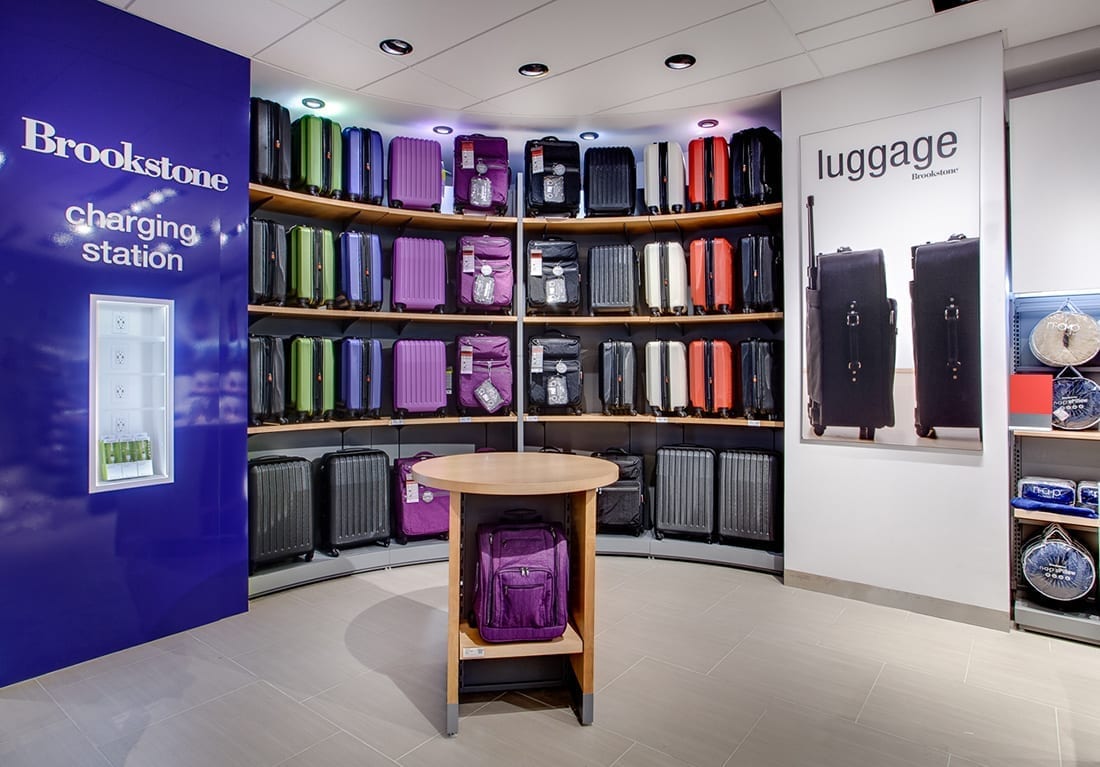
    Brookstone will formally enter the Hangzhou market with its first store opened at the Hangzhou GDA Plaza, which is Brookstone’s flagship store in the city.

    Ma Qihua, president of Hangzhou GDA Plaza, said that the cooperation with Brookstone is based on the common value of the two parties. Brookstone is seeking transformation as it faces more threats from e-commerce; while GDA Plaza is also exploring ways to truly return to market value to gain acceptance of the market and its customers.

    Xin Kexia, chief executive officer of Brookstone, is quoted in local media as saying that Brookstone has experienced many mistakes and corrections and has now discovered a new path. Now the industry pays more and more attention to Brookstone. With the opening of Brookstone store in Hangzhou, they are looking forward to sharing their business model with their peers in the city.

    Brookstone opened its first store at Nanjing Aqua City on January 1, 2016. On April 18, 2017, the company announced the start of its full expansion. So far, it has launched nearly 20 stores in over ten cities.