Category: General

Retail News Asia is committed to providing both local and global retailers with the latest General Retail news throughout the Asian market. This on a daily base.

  • Cebu Pacific gets 2 aircrafts, increases flights

    Cebu Pacific gets 2 aircrafts, increases flights

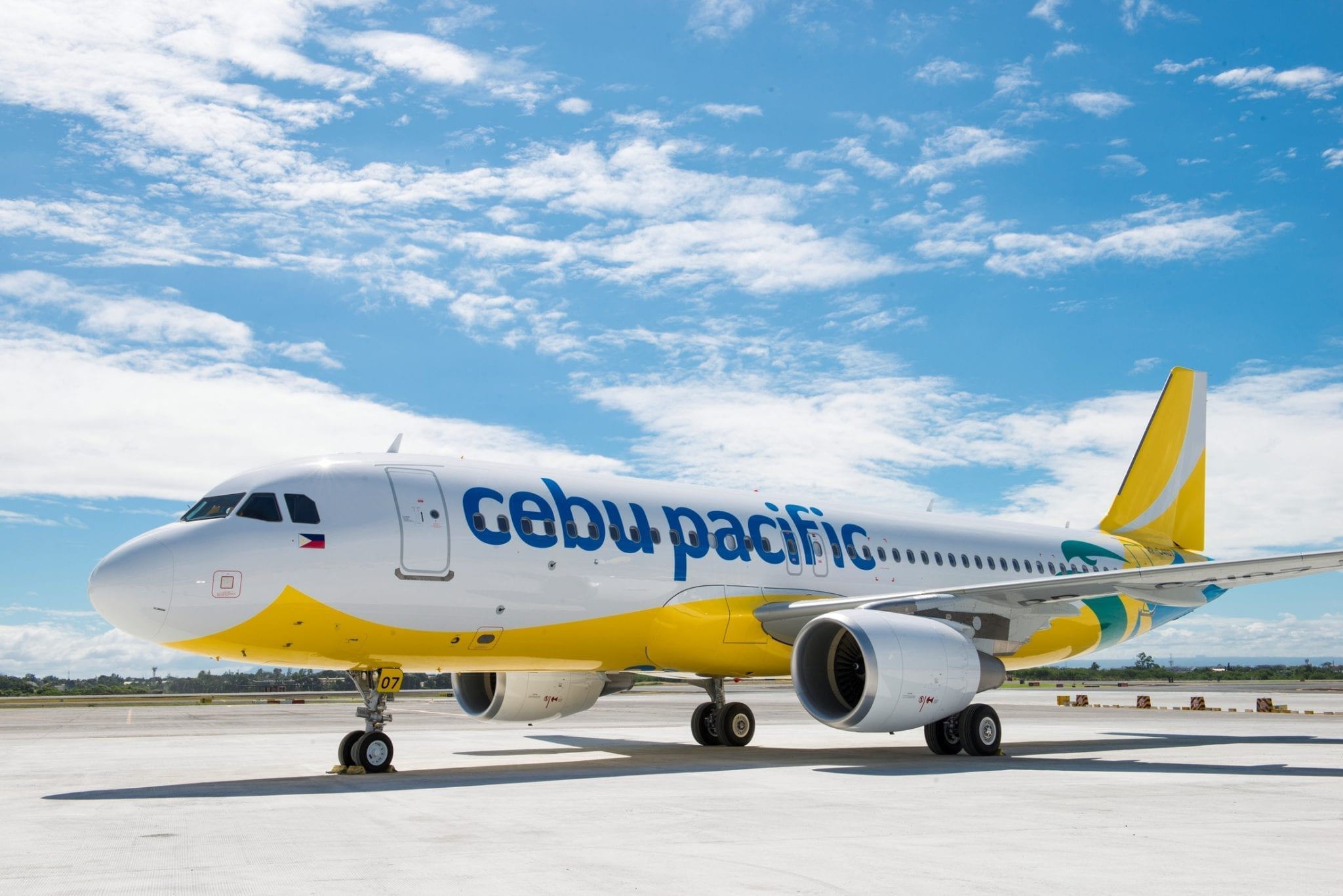
    The Philippines’ Cebu Pacific Air increases the frequency and capacity of its flights to Cebu, Davao, and Hong Kong, with the upgrading of its aircraft from an Airbus A320 to an A330. The increase in frequencies comes as Cebu Pacific added two brand-new aircraft into its fleet. Starting July 4, Cebu Pacific will be increasing frequency of its Manila to Hong Kong route by 50 percent, resulting in thrice-a-day flights, or a total of 21 flights a week, from the current twice-a-day.

    The Cebu Pacific will also use the A330s to fly between Manila and Cebu three times daily, or 21 times a week, while the Davao hub will get a boost with two additional daily flights to and from Manila, bringing frequency to four times daily, or 28 weekly flights. The upgrade from a 180-seater A320 to a 436-seater A330 makes available an additional 256 seats for each flight, or 59 percent more capacity.

    “More seats and more flights in high-demand destinations will help lower fares for every Juan. Moreover, using larger aircraft will make flying more efficient, freeing-up some aircraft and slots at the Ninoy Aquino International Airport. This will also enable us to increase capacity and frequency for other routes moving forward,” said lawyer JR Mantaring, Cebu Pacific Vice President for Corporate Affairs. The brand-new ATR 72-600 aircraft, on the other hand, will form part of the existing ATR fleet of wholly-owned subsidiary Cebgo.

    The latter recently announced five new domestic routes set to start operations in July, namely: Cebu to Masbate, Cagayan de Oro to Zamboanga, Davao to Dumaguete and Tacloban, and Zamboanga to Cotabato. Cebu Pacific boasts of one of the youngest fleets in the world, with an average aircraft age of 4.99 years. The carrier’s now 61-strong fleet is comprised of four Airbus A319, 36 Airbus A320, eight Airbus A330, eight ATR 72-500, and five ATR 72-600 aircraft. B

    etween 2017 and 2021, Cebu Pacific expects delivery of 32 Airbus A321neo, and 11 ATR 72-600 aircraft. Cebu Pacific currently offers flights to a total of 37 domestic and 26 international destinations, operating over 100 routes spanning across Asia, Australia, the Middle East, and United States of America.
  • Cebu Pacific to buy 7 Airbus jets for $812M

    Cebu Pacific to buy 7 Airbus jets for $812M

    The Philippines’ largest airline Cebu Pacific is ordering seven Airbus A321ceo aircraft in a deal worth $812 million to meet growing domestic and regional demand, the airline said Wednesday.

    Cebu Pacific, best known for its budget flights, said in a statement the new planes would start arriving next March.

    “There is… the need to increase our current capacity to meet growing domestic and regional network demand, thus the A321ceo order,” chief finance officer Andrew Huang was quoted in a statement as saying.

    The A321ceo order comes on top of an existing order for 32 Airbus A321neo aircraft which were originally scheduled to arrive from September 2017 to 2021.

    However these deliveries have been pushed back till late-2018 until 2022 due to delays with the engines selected to power them, the statement said.

    “The aircraft will enable us to increase capacity on popular routes, while at the same time benefiting from the lowest operating costs in this size category,” said Cebu Pacific president Lance Gokongwei.

    Cebu Pacific, which started operations in 1996, boasts a 61-plane fleet of which 48 are Airbus planes. It flies both domestic and international routes.

  • AirAsia eyes local, international expansion

    AirAsia eyes local, international expansion

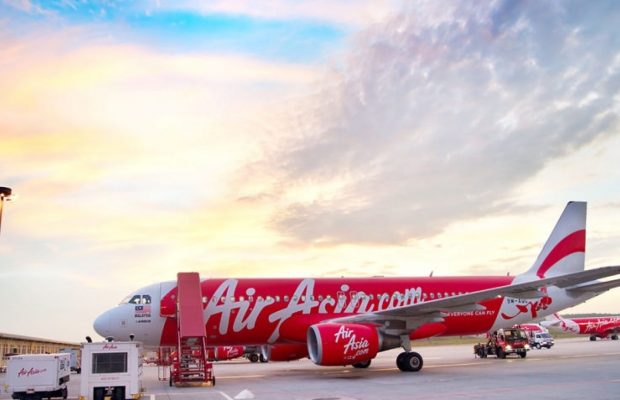
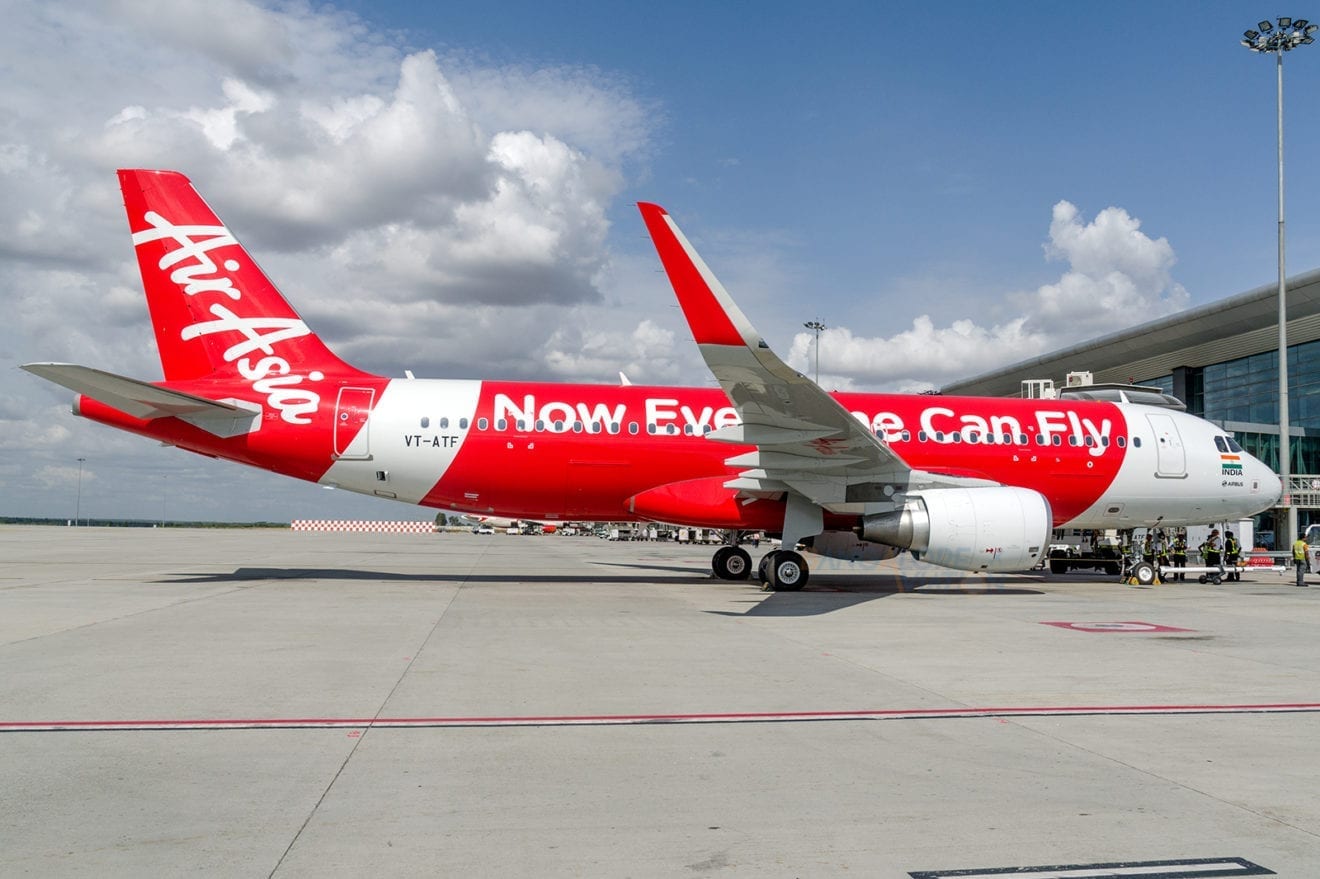
    AirAsia , who has been gunning for aggressive regional expansion with the signing of two separate joint-ventures in Vietnam and China in the first half of 2017 (1H17), will continue to emphasise on both local and international expansion.

    According to head of commercial Spencer Lee, AirAsia will continue to focus on expanding local connectivity and frequency amidst regional expansion in order to stimulate and maintain local market demand.

    “For us it is always about expansion and locally, we are aiming to close the gap on local connectivity with flights to unique destinations that people might not even expect.

    “For example for our current network in Sarawak, we have started Kuching Pontianak and Kuching Langkawai routes and are set to reveal another additional two new destinations from Kuching at the end of the year,” Lee revealed to The Borneo Post yesterday.

    This was during the inaugural AK1029 flight ceremony from Pontianak to Kuching held at Kuching International Airport yesterday.

    The Kuching-Pontianak route is the latest AirAsia route from Kuching and has begun its operations with daily flights between the two destinations. Its addition brings total AirAsia destinations from Kuching to ten and total weekly flights both ways to 468.

    The Kuching-Langkawi route on the other hand, is slated to begin operation sometime in August.

    Besides expansion on their airline business, Lee emphasised that the group would also be looking towards focusing on growth of their non-airline products such as their Tune travel insurance and their Big prepaid travel money card.

    “Now that have built our network and our passenger numbers, we believe that the one huge opportunity for us to grow even further is to build businesses that complements our entire business model by adding to the whole flying experience for our customers.

    “For example, with our BIG programme, we have amassed a huge database which we can use to improve our customer services, and our other offered products that seek to enhance the entire flying experience we offer.

    “I think at the end of the day, while we are primarily an airline, we believe that it’s about giving guests the best flying experience that extends beyond the actual flight.

    “Hence, at AirAsia, we are really aiming to build up an ecosystem were we can link and connect all of our businesses together.”

    Looking forward, Lee anticipates for the group to see another great year like they had in 2016, especially for Sarawakian operations due to increased partnerships with the local authorities, travel industry and state government with their expansion plans.

    “I hope that personally for Kuching, we will continue seeing a growth like the four per cent year over year (y-o-y) passenger number growth we saw last year and while we don’t have an estimate right now, you can rest assure that we will be aiming to beat last year’s figure.”

  • Australians curb retail spending as household debt balloons

    Australians curb retail spending as household debt balloons

    Australia’s economy may have achieved a remarkable winning streak, avoiding a recession for 25 years, but there are now clear signs that the consumers who have driven much of the growth are running out of puff. With cash interest rates at a record low and house prices near record highs, the nation’s household debt-to-income ratio has climbed to an all-time peak of 189 percent, according to the Reserve Bank of Australia (RBA).

    Australia’s household debt-to-income ratio has climbed to an all-time peak of 189 percent, according to the Reserve Bank of Australia (RBA). That means there are an increasing number of people who have little cash for discretionary spending – on everything from cars to electrical appliances and new clothes – as their pay packets get consumed by large mortgages and high rental payments in the country’s red-hot property market.

    And it’s not as if a sudden plunge in home prices would help – it might well expose and exacerbate the problem, at least in the short run, squeezing many who have bought into the frothy market with high mortgage repayments and little equity in their homes.

    “We are seeing a considerable spike in stress even in more affluent households. Large mortgages, big commitments but no income growth,” said Digital Finance Analytics (DFA) Principal Martin North. “Stressed households are less likely to spend at the shops, which acts as a drag anchor on future growth.”

    North estimates a record 52,000 households risk default in the next 12 months and that 23.4 percent of Australian families are under mortgage stress, meaning their income does not cover ongoing costs. That compares with about 19 percent a year ago.

    “People are up to their ears in mortgages,” said Brad Smith, a car sales consultant at MotorPoint Sydney which has seen a stark slowdown in sales in the past six months. “They are all on a budget. Everyone’s got all their money in houses, that’s how it is.”

    Australians are also facing a cash crunch because price inflation in essential items such as food, electricity and insurance is accelerating at a 3.4 percent annual rate at a time when Australian wages are rising at their slowest pace on record, just 1.9 percent in the year to March.

    Meanwhile, growth in retail sales, personal loans and luxury car sales are all at multi-year lows, suggesting the household sector – nearly 60 percent of Australia’s A$1.7 trillion ($1.3 trillion) economy – is under severe strain.

    RETAILING PAIN

    Weak consumer spending is proving a huge drag on retailers’ performance, with shares in furniture and appliance chain Harvey Norman and electronics shop JB Hi-Fi both trading near one-year lows.

    Retail sales have hardly grown in the past few months. Even online sales have slowed, with all major categories including homeware, games and toys, daily deals and takeaway food shrinking in April, according to the NAB Online Retail Sales Index.

    Car sales have flattened this year after solid growth in 2016 while sales of luxury cars and sports utility vehicles are at a four-year low.

    For consumers such as Sydney resident Marie-Aimee Guillermin, there’s little ‘play money’ left after stepping into Sydney’s housing market with a A$1.4 million 3-bedroom house last month.

    “We thought once we had the house we could take our foot off the brake a little bit but now that we have it I feel even less certain in terms of stability and financial security,” she told.

    “So whether we’ll end up spending a bit more on clothes and restaurants and going out and what have you I don’t see that happening.”

  • Air Asia X‘s Direct Flights from Bali Reduce Passengers Going through KL

    Air Asia X‘s Direct Flights from Bali Reduce Passengers Going through KL

    he number of tourists from China and India has seen huge improvements after e-visa services were made available, said Tourism Malaysia chairman Datuk Dr Siew Ka Wei.

    According to Siew in a statement, between March 2016 and April 2017, total of 284,606 and 323,173 Chinese tourists have applied for e-visa (electronic visa) and eNTRI (Electronic Travel Registration and Information), respectively. As for India, its tourists’ visas application also shot up by 91.1 per cent from 36,442 approved in March to 69,635 visas approved in April.

    “Following the green light from Prime Minister Datuk Seri Najib Razak to approve e-visa applications for multiple entries, the Home Affairs Ministry is working on the final details of the two-week multiple entry visa-free visit to Malaysia, which will boost this number even further.

    “In addition, they are also allowed to transit in Malaysia without a visa, on specific terms and conditions. “This improved facility is expected to help attract larger numbers of tourists from China and India to Malaysia who are looking for a holiday experience that offers diversity at an affordable price,” he said.

    He added that Chinese and Indian nationals can now apply for e-visa, eNTRI or VOA (Visa on Arrival), depending on the purpose of their visit to Malaysia. “These improvements have come at an opportune time to encourage more Chinese and Indian tourists to visit Malaysia.

    “Considering that visa arrangements are critical for the convenience of travellers, these facilities are expected to ease travel preparations, especially since it has the following features, namely online application system, faster processing time and reasonable fees,” he added.

    Meanwhile, Malaysian Association of Tours and Travel Agents (Matta) Inbound and Domestic vice president Datuk KL Tan said the number of tourists from China and India saw a drop lately due to aggressive promotions from neighbouring countries such as Indonesia, Thailand and Singapore.

    “These countries have increased their promotions and are targeting the Chinese and Indian tourists. “Indian tourists have dropped significantly as more countries such as Indonesia had extended free visa on arrival to Indian nationals. Thailand too had extended a similar policy until end of this year.

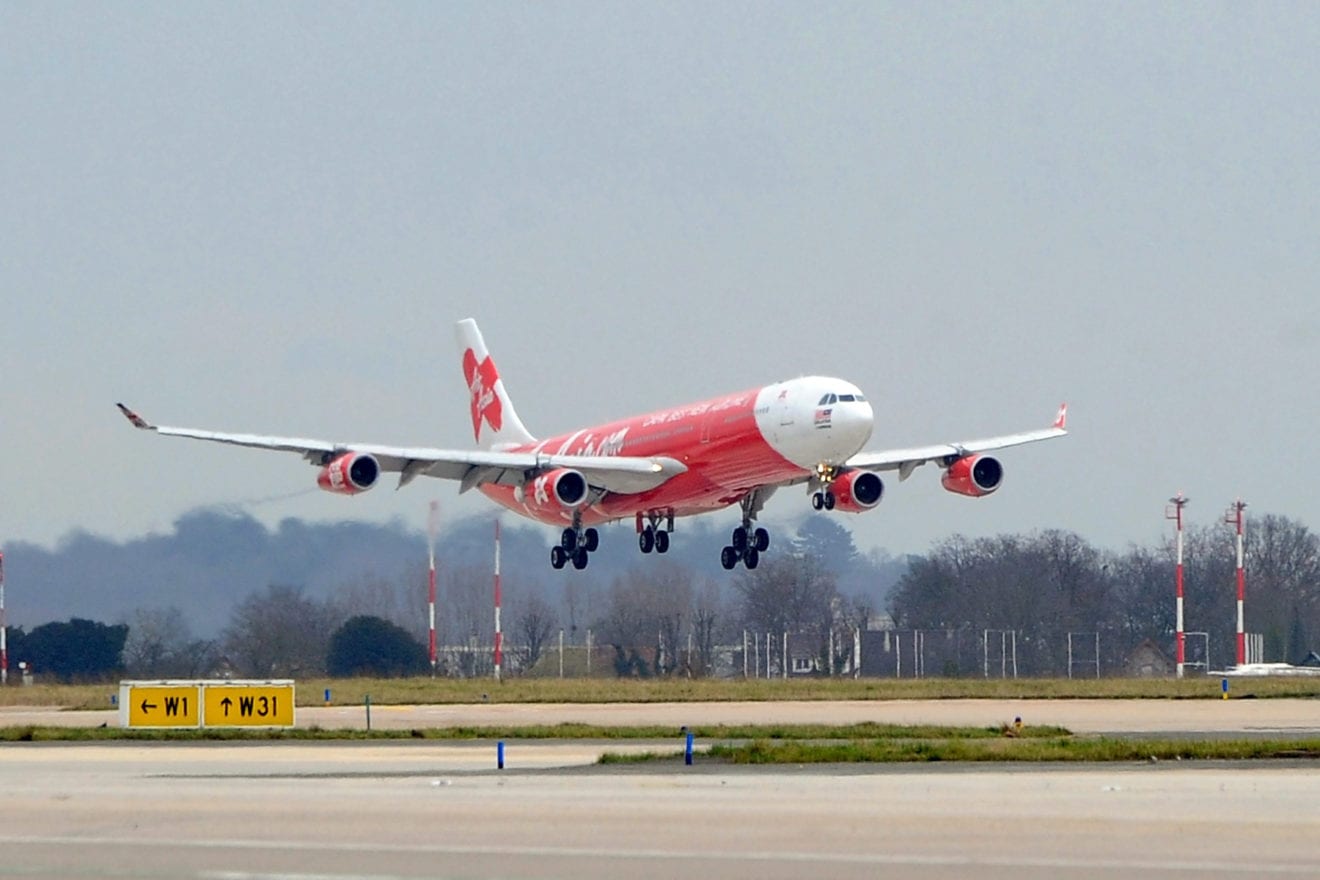
    “Their airlines have started to fly direct. Air Asia X Indonesia started direct flights from Bali to Mumbai and Bali to Kochi. These have reduced chances of passengers going through Kuala Lumpur,” said Tan.

    Tan added that most country’s tourist market have dropped especially in the ASEAN region.“Foreign tourists’ arrival such as those from Singapore, Thailand, Brunei and Indonesia has seen a decrease.“But for long haul markets, we are quite dependent on Chinese tourists.”

    He however applauded the improvements made by the government saying that an increase of visitors from any country is always good. “But India visitors dropped 35.1 per cent during the first quarter in 2017 compared to 11.6 per cent for whole of last year.

    “The visa fee is slightly on the high side. We would like to see for the government’s review on the visa fees, especially for India. “If everything goes right, we could get six million Chinese visitors and 1.5 million from India by 2020. Growth from the nine ASEAN nations will be steady, rising to 23.5 million by 2020 and the rest of the world, five million,” Tan said.

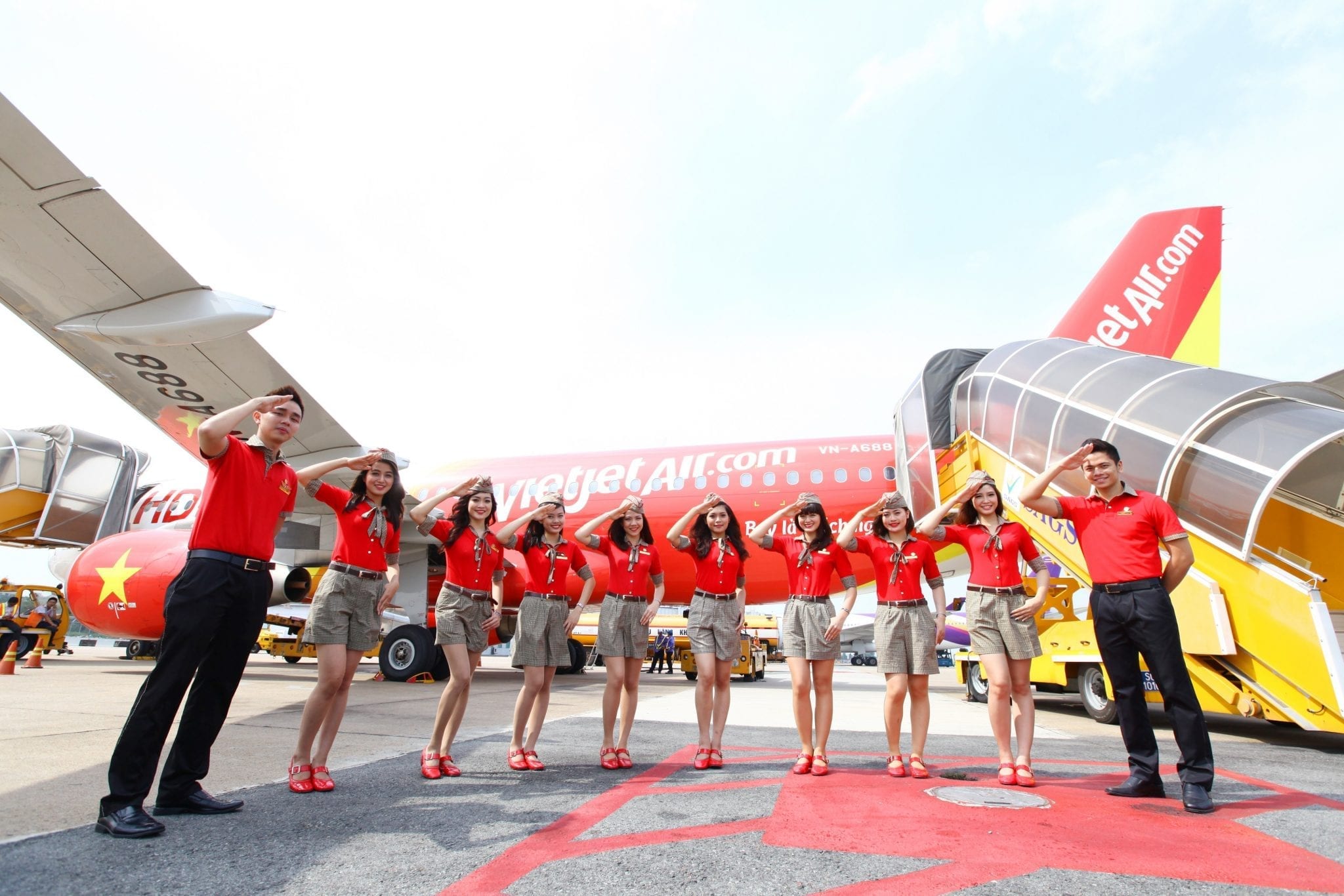
  • Vietjet inks strategic aircraft financing agreement with Mitsubishi UFJ Financial Group

    Vietjet inks strategic aircraft financing agreement with Mitsubishi UFJ Financial Group

    Today in Tokyo, Vietjet and Mitsubishi UFJ Lease & Finance Company Limited (MUL), a member of Japan’s leading finance group Mitsubishi UFJ Financial Group (MUFG), signed a strategic agreement as witnessed by Vietnam’s Prime Minister Nguyen Xuan Phuc and high-ranking dignitaries from Vietnam and Japan. The agreement will pave the way for MUL to finance Vietjet’s acquisition of three brand new A321 aircraft, worth US$348 million, according to the manufacturer’s listed price.

    The three aircraft are part of the A320 family aircraft contract signed earlier between Vietjet and European aircraft manufacturer Airbus. Vietjet will receive the aircraft within this year to meet expansion plans for the airline’s domestic and international flight network. The airline has so far taken delivery of more than 20 brand new A321s and A320s.

    Under the terms of the agreement, Vietjet and MUL will also work together to share best practices for the operation and management of airlines.

    Last week, in the U.S., Vietjet also signed a series of deals worth a total of US$4.7 billion for engines and components maintenance support and its techical services, auxiliary power unit (APU) supply and APU technical maintenance and aircraft financing and/or purchasing.

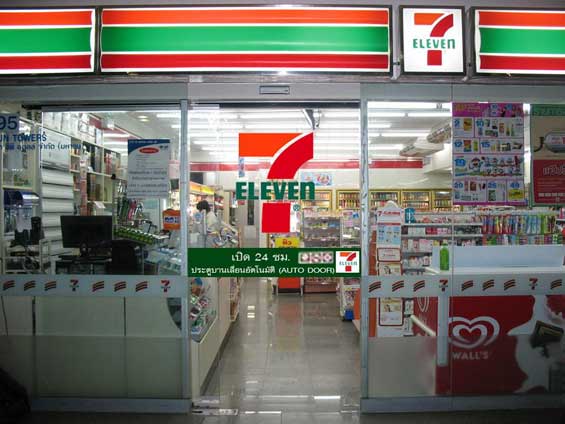
  • Japan’s 7-Eleven set to clock in for Vietnam debut in June

    Japan’s 7-Eleven set to clock in for Vietnam debut in June

    The convenience store chain reportedly plans to open 100 stores in Vietnam in the next three years. Seven & i Holdings, which operates Japan’s biggest convenience store chain 7-Eleven, will open its first outlet in Ho Chi Minh City this month, according to information on the company’s official Facebook page.

    A recent post said the first 7-Eleven store in Vietnam could be opened in downtown District 1, District 3 or Binh Thanh. District 2, a popular neighborhood among foreigners and expats, is also a possible location, it said.

    The company has been hiring staff for its Vietnamese entry since early this year, around a year after its U.S. subsidiary signed a license agreement with Seven System Vietnam, a new firm founded by a Vietnamese restaurant chain.

    Seven & i Holdings plans to apply its home business model in Vietnam, and Japanese employees will be dispatched to help local staff develop products like ready meals, and to choose store locations and develop a distribution network.

    The company, which operates more than 61,500 7-Eleven outlets including more than half outside Japan, has opened stores in Indonesia, Malaysia, the Philippines, Singapore and Thailand.

    The chain’s expansion comes as its rival FamilyMart, Japan’s second largest convenience store chain, said last month that it plans to stay focused on the domestic market after reporting losses in Vietnam and other Southeast Asian markets, including Indonesia and Thailand.

    “We cannot continue to pour in more resources,” company president Koji Takayanagi told. FamilyMart first arrived in Vietnam in 2010 but was forced to withdraw before returning in July 2013. It had 150 stores at the end of last year.

    7-Eleven’s launch is expected to add heat to Vietnam’s retail market, which is listed in the top five in Southeast Asia and ranked 11th globally in terms of growth rate, according to the A.T. Kearny 2016 Global Retail Development Index.

    Vietnam’s trade ministry has projected the market to hit $179 billion by 2020, a jump of 52 percent from last year, with foreign convenience store operators already holding a 70-percent market share.

    The sector has a lot room to grow in Vietnam, where more than half of a population of nearly 92 million are young and the annual average income is expected to increase rapidly, the ministry said.

  • Singapore Airlines swings in to Stockholm in Sweden

    Singapore Airlines swings in to Stockholm in Sweden

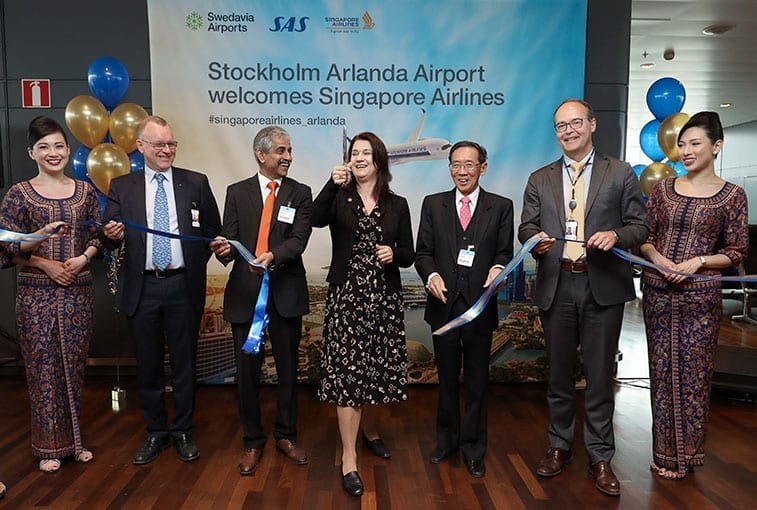
    Singapore Airlines has arrived in Sweden. On 30 May the Star Alliance carrier began five times weekly service from Singapore (SIN) to Stockholm Arlanda (ARN) via Moscow Domodedovo. The 9,651-kilometre route will be flown by the airline’s A350-900s. This is the first route to be served at the Swedish airport using this aircraft type. Jonas Abrahamsson, President and CEO of Swedavia, said: “The new route to Singapore is the result of several years of intense work, and it is a highly desired destination.

    The route is crucial in enabling business travellers to reach markets in Asia easily and also provides potential for greater cargo traffic between the two countries. It is a strategically important intercontinental route in Stockholm Arlanda’s development to be the leading airport in Scandinavia by 2020.” Singapore Airlines now serves 15 destinations in Europe across 11 countries.

  • Double win for AirAsia at World Travel Awards

    Double win for AirAsia at World Travel Awards

    AirAsia has been voted Asia’s Leading Low-Cost Airline for the fifth year in a row at the 2017 World Travel Awards Asia and Australasia.

    It beat 10 other contenders – Air India Express, Firefly, GoAir, JetKonnect, JetStar Airways, Lucky Air, Nok Air, Scoot, SpiceJet and West Air.

    AirAsia also fended off nine other contenders to win the title of Asia’s Leading Low-Cost Airline Cabin Crew at the awards ceremony in Shanghai.

    The World Travel Awards are considered prestigious and much sought-after trophies in the global tourism industry, and are voted on by international travel and tourism professionals.

    AirAsia Group chief executive officer Tan Sri Tony Fernandes said the awards were a special win because it recognised the airline’s efforts to always do better.

    “This year, we are focusing on improving our check-in systems to make the whole process easier.

    “RoKKi (AirAsia’s onboard WiFi portal) is our big push to make the in-flight experience better, and our Santan in-flight food goes from strength to strength.

    “We are excited to bring our uniquely Asean products to the rest of Asia and the world,” he said in a statement.

    Fernandes also thanked his cabin crew, describing them as “simply the best – special, warm and real”.

    The airline’s North Asia president, Kathleen Tan, said it had listened to its passengers for the past 16 years and refined its vision of low-cost travel.

    “We have continuously ensured that we only deliver services that epitomise the best of Asean hospitality,” she said.

    “Thank you to those who voted to make us Asia’s No. 1 for five years in a row and for giving us our second cabin crew award.”

  • Happy Customers Key to Improving a Business’ Bottom Line

    Happy Customers Key to Improving a Business’ Bottom Line

    “You’ve got to start with the customer experience and work backwards to the technology,” said Steve Jobs. And as more and more customers interact with businesses over a variety of touchpoints and channels, it has become essential for businesses to offer a consistently seamless experience. But while everyone is rushing to launch customer experience (CX) programs, it is not easy to know where to focus to drive the most value and change.

    CX management has increasingly become a key differentiator for top Asia Pacific brands in today’s increasingly competitive market. According to Forrester’s “2016 Predictions for Business Leaders In Asia Pacific” report, more businesses in the region will recognise the need to improve their customer experience across all customer touchpoints and will thus put pressure on international companies that do not seek to localize their CX initiatives.

    A well-designed CX program will deliver real-time, actionable feedback from customers about their experiences and expectations, as well as their future intentions to recommend or purchase and connect multiple types of feedback across all customer touchpoints, helping organisations to focus on the areas of greatest impact. By using appropriate customer measures, both lead and lag, organisations can then understand their performance by leveraging real-time stakeholder dashboards and comprehensive reports that need to be fully adaptable as customer priorities and business needs change.

    Volkswagen Australia is a prime example as its customer insights dashboard are made available for dealerships on mobile devices and desktop. Its dynamic closed-loop follow up effectively enables allof its dealerships to resolve customer issues using automated ticketing and customized, role=based dashboards.

    Here are three key methods in which organisations can more effectively manage the customer experience:

    1. Employees drive experience: Many organisations forget about the impact employee engagement has on the customer experience. At the end of the day people drive change and an engaged workforce is essential for long term success of a customer-centric brand. 
    1. Customer feedback is key: Managing the customer experience depends on the ability to build a stable, repeatable process for capturing customer feedback and helping people learn from that feedback so that it is embedded into the way teams work and make decisions every day.
    2. Map the journey, not the moments: Businesses who map the customer journey by segment better understand the unique paths their customers take. This lets them measure things like barriers in the journey, what drives satisfaction, what drives purchase decisions, the relative importance of each stage in the customer journey and more.

    Organisations that can tie journey performance metrics to actions can deliver customer experiences that are tailor-made to encourage loyalty and repeat purchases. It is important for businesses to measure journeys, and not simply one-off interactions. Organising teams around key journeys will also allow businesses to connect their functional silo teams, encouraging them work together to innovate and deliver customer value and find ways to improve efficiency, which in turn reduces cost.

    Organisations that use a sophisticated, yet easy-to-use platform can gather real-time snapshots of their customers’ experiences and determine where they can make operational and strategic improvements. By gathering this kind of feedback and analysing it for insights, businesses can continuously improve their customer’s experience. This will in turn help companies improve revenue, and gain competitive advantage in the market.

  • It’s “Free summer, Fly for free”, enjoy flying with Vietjet

    It’s “Free summer, Fly for free”, enjoy flying with Vietjet

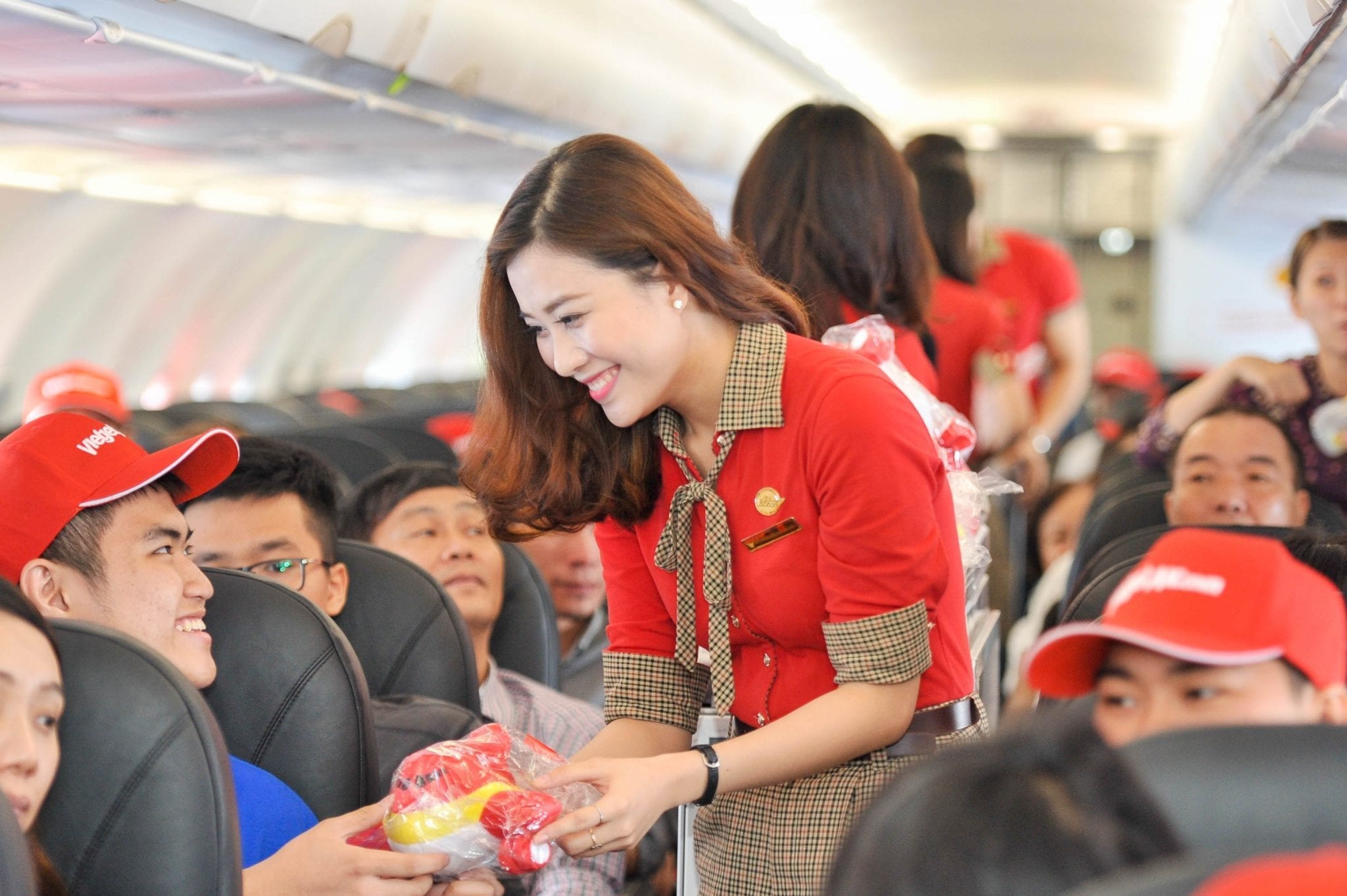
    Hot on the heels of the launch of the sensational promotion campaign of “Free summer, Fly for free”, Vietjet announces a three-golden-day promotion on 06, 07, 08 June 2017, which offers 800,000 promotional tickets priced from only HKD0 within the golden hours 13h-15h at www.vietjetair.com. The promotion is applied for all international routes from Vietnam to Hong Kong, Seoul and Busan (South Korea), Kaohsiung, Taipei, Taichung and Tainan (Taiwan), Singapore, Bangkok (Thailand), Kuala Lumpur (Malaysia), Yangon (Myanmar) and Siem Reap (Cambodia) with travel time being from August 1, 2017 to December 31, 2017 (except public holidays).

    Especially, all customers successfully booking tickets at www.vietjetair.com with instant payment within the golden hours from now to June 15, 2017 will also have the chances to join the lucky draw for the gifts of mobile phone top-up cards and air ticket promotion codes at summerwin.vietjetair.com.

  • Hong Kong retail sales rise for second consecutive month

    Hong Kong retail sales rise for second consecutive month

    Hong Kong’s retail sales rebounded slightly in April for the second straight month following a two-year period of contraction, with an industry expert predicting that growth for the whole year could hit 1 per cent.

    The latest figures released by the Census and Statistics Department yesterday showed that total retail sales in April edged up 0.1 per cent year on year to HK$35.2 billion.

    That was drastically lower than the 3 per cent rise confirmed for March – which ended a 25-month slump dating back to February 2015.

    ooking at the figures for April, consumer durables recorded the biggest year-on-year decline of 12.8 per cent. The dip was fuelled by an 18 per cent plunge in sales of electronic goods and photographic equipment.

    Motor vehicle sales also fell in April, by 13.9 per cent, in stark contrast to a 16 per cent rise the previous month spurred by a last-minute buying spree for electric cars ahead of the cancellation of a tax waiver for the vehicles.

    Retail Management Association chairman Thomson Cheng Wai-hung said sales of jewellery and luxury watches would also remain sluggish.

    “We don’t see any trend pointing to [the sale of] these expensive items picking up at any time,” he said.

    Setting aside these negatives, Cheng said the April figures were quite positive, with most categories recording modest growth.

    The exception was supermarket sales, which dropped 0.6 per cent.

    “A lot of Hongkongers travelled overseas during the Easter and Ching Ming holidays … This affected livelihood-related sales,” Cheng said.

    Asked if the Labour Day holiday – known in mainland China as the “golden week” – would lead to better figures for May, Cheng said association members who responded to a survey on sales over that period were mostly disappointed.

    The likely visit of President Xi Jinping for the July 1 handover anniversary would also turn some mainland visitors away due to the inconvenience caused by tight security measures, he said.

    We cannot guarantee there will be growth this year, but we see the market starting to stabilise. Thomson Cheng, Retail Management Association chairman

    But for the whole year, the association forecast the value of sales would remain the same as last year, give or take 1 per cent.

    “We cannot guarantee there will be growth this year, but we see the market starting to stabilise,” Cheng said.

    If local demand, which accounts for 70 per cent of all sales, remains robust, a rebound of inbound visitors would translate into a positive sales outlook, he said.

    Statistics from the Tourism Board showed that visitor arrivals in April picked up 1.9 per cent year on year, and 3.2 per cent for the first four months of the year.

    The recent growth provided much-needed relief to the tourism industry, which last year weathered a 4.5 per cent drop in inbound visitors.

    A government spokesman said the near-term outlook depended on how fast the tourism sector recovered and local consumer sentiment amid likely US interest rate rises and external uncertainties.

  • AirAsia Free Seats promotion starts tomorrow

    AirAsia Free Seats promotion starts tomorrow

    Need to satisfy your wanderlust? Look no further, because AirAsia will be giving away up to three million promotional seats in its Free Seats campaign.

    The promotion is available from June 5 to June 11 for travel between Jan 15 and Aug 28, 2018.

    Fares will be as low as RM0 to des­­tinations such as Johor Baru, Pe­­nang and Surat Thani from Kuala Lumpur; Singapore and Lang­­kawi from Penang; and Te­­reng­ganu from Johor Baru.

    Other than that, AirAsia X guests can also fly from Kuala Lumpur to Perth and Chongqing for fares as low as RM199.

    Those travelling on AirAsia X will also be able to enjoy its award-winning Premium Flatbed from Kuala Lumpur to Beijing, Shanghai, Osaka, Busan, Auckland, Gold Coast, and many more destinations from only RM899.

    AirAsia BIG Members and BIG Prepaid MasterCard members will enjoy priority access and will be able to make bookings on airasia.com and the AirAsia mobile app or redeem flights via airasiabig.com from today.

    Other partners will also be able to access the promotion 24 hours earlier. BIG Prepaid cardholders can do so on airasia.com, AirAsiaGo and AirAsia Expedia on their respective websites, while account holders with Citibank in Malaysia will re­ceive an exclusive link from the bank. The first 100 daily bookings with AirAsia-Citi Card will get a RM50 AirAsia Electronic Gift Voucher (eGV).

    “Free Seats is the best time to lock down travel plans for next year,” said AirAsia Group chief commer­cial officer Siegtraund Teh.

    “With so many fantastic destinations on offer, it’s perfect for a long break or even just a quick weekend getaway,” she said in a statement.

  • Chearavanont family keeps crown as rich Thais get richer

    Chearavanont family keeps crown as rich Thais get richer

    The Chearavanont brothers, led by Dhanin Chearavanont, honorary chairman of Charoen Pokphand (CP) Group, Thailand’s agriculture and food conglomerate, remain the wealthiest family in Thailand this year, according to Forbes magazine.

    According to the Forbes list of Thailand’s 50 Richest in 2017, more than two-thirds of the tycoons saw their wealth increase, with the top five notching the biggest dollar gains. The collective net worth of Thailand’s 50 richest is US$123.5 billion, up 16% since 2016.

    The CP Group’s net worth includes shares owned by Mr Dhanin and his three brothers, Jaran, Montri and Sumet, who are the biggest gainers in dollar terms, adding $3 billion to their wealth to retain the top rank with a net worth of $21.5 billion.

    CP Group has operations in Thailand and overseas with core businesses involving agribusiness, retail and telecommunications. The empire now falls in the hands of Mr Dhanin’s two sons after he decided to step down earlier this year.

    His youngest son, Suphachai, succeeded him as chief executive of CP, while his eldest son, Supakit, is chairman of CP Group, overseeing CP’s business in China.

    Second on the wealth list is TCC Group chairman Charoen Sirivadhanabhakdi, who grew richer by $1.7 billion, making his net worth $15.4 billion.

    In April, Mr Charoen announced the largest property investment in a single site in the country with One Bangkok, a 120-billion-baht business district at the intersection of Rama IV and Wireless roads.

    Coming in third is the Chirathivat family, which operates retail businesses under the Central Department Store brand, as well as hotels and property, with $15.3 billion, up $2.3 billion.

    Central Group, under chief executive Tos Chirathivat, restructured its management board late last year by bringing in a number of key professionals, including former central bank governor Prasarn Trairatvorakul, to run the group’s operations and brace for increasing challenges in retail business.

    This is the first time the 70-year-old company recruited outsiders to help manage group business, which has a combined sales revenue estimated at 320 billion baht.

    A notable gainer on this year’s list is duty-free tycoon Vichai Srivaddhanaprabha, who moves up from No.7 to No.5 with $4.7 billion in wealth, up from $3.25 billion in 2016.

    Mr Vichai replaces Vanich Chaiyawan, a founder of Thai Life Insurance Co, whose rank dropped to No.7 as his net worth dipped by $200 million to $3.8 billion.

    Also dropping in wealth are Prasert Prasarttong-Osoth, a major shareholder of Bangkok Airways and Bangkok Dusit Medical Services Plc, and beer baron Santi Bhirombhakdi.

    Indian-born plastics tycoon Aloke Lohia emerged in 10th place to replace former prime minister Thaksin Shinawatra. The net worth of Mr Lohia, chief executive of SET-listed Indorama Ventures Plc, one of the world’s leading makers of polyethylene terephthalate, rose to $1.75 billion from $1.2 billion in 2016.

    The rich list was compiled using shareholding and financial information obtained from the families and individuals, stock exchanges and analysts, the Stock Exchange of Thailand and regulatory agencies. The stock market rose by 12% in the past 12 months.

    Newcomers to this year’s list include poultry producer Winai Teawsomboonkij (No.35), who founded Thaifoods Group; Itthipat Peeradechapan (No.44), founder of SET-listed Taokaenoi Food and Marketing; and Nutchamai Thanombooncharoen (No.46) of Carabao Group.

  • ASEAN Sustainable Tourism Awards Launched

    ASEAN Sustainable Tourism Awards Launched

    Sustainable tourism operators in Southeast Asia can now enter the new ASEAN Sustainable Tourism Awards (ASTA), which have been launched as part of ASEAN’s Tourism Strategic Plan 2016-2025.

    Twenty sustainable tourism winners – two from each ASEAN member state – will receive a package of benefits that will raise their business profile substantially. Winners will be highlighted on their NTO’s website and will receive exposure as a national best practice operator during press conferences and trade shows such as ATF, TRAVEX, ITB and WTM.

    In addition, winners will be highlighted on ASEAN’s website www.aseantourism.travel. They will be invited on stage to receive a trophy and recognition during the sustainable tourism awards event, which will be part of the ASEAN Tourism Forum in Chiang Mai, January 2018.

    Some of the key objectives of the awards are to boost the profile and importance of sustainable tourism businesses in Southeast Asia, promote responsible tourism in all ASEAN countries, combat seasonality, and rebalance tourist flows towards best practice tourism experiences, said Mr Sounh Manivong, Director General of Tourism Marketing Department, Ministry of Information, Culture and Tourism, Lao PDR.

    “The diversity and quality of ASEAN’s sustainable tourism options are amazing,” said Mr Manivong.  “The aim of the awards is to prove it — and encourage green tourism practitioners to keep doing a great job.”

    Of the two winners in each country, one will be “rural”, one will be “urban”, to reaffirm that city operators can be sustainable as much as rural ones.

    The awards will take place every two years with a dedicated theme decided jointly by ASEAN NTOs. The inaugural awards 2017-18, which are now open, is themed “nature-based tourism.”

    Mr Manivong said such a theme also applies to urban tourism businesses as they may include experiences such as cycling, educational visits to urban parks, walking tours, or tree planting, to name a few examples.

    Applications will be assessed by NTOs in the applicant’s country.

    The deadline for submissions is 15 August 2017. Results will be announced in December and the award ceremony will take place during ATF 2018.