Category: General

Retail News Asia is committed to providing both local and global retailers with the latest General Retail news throughout the Asian market. This on a daily base.

  • Korean Air to fly to Lombok Island

    Korean Air to fly to Lombok Island

    The South Korean airline and flag carrier company Korean Air is ready to fly to Lombok Island, West Nusa Tenggara, Indonesia, in July and Aug 2017.

    “The Korean Air will open a charter flight for seven times,” Lombok International Airports General Manager I Gusti Ngurah Ardita stated in Mataram District, the capital of West Nusa Tenggara Province, on Monday.

    Ardita confirmed the information to journalists after a meeting with the Korean Airs Network and Sales General Manager of South East Asia/Oceania, Bae Sang Wook, and Regional Manager of Indonesia Park Kee Hyun in Mataram, Lombok.

    The Gonghang-dong, Gangseo-gu, Seoul-based airline companys aircraft would arrive at the Lombok International Airport (LIA) from July 29 to the end of Aug 2017, Ardita noted.

    “This charter flight is, of course, expected to open a fixed route for Korea-Lomboks flights,” he noted.

    Ardita explained that the arrival of Korean Air to Lombok Island was a result of the last meeting between the LIA and the Korean Air company on April 25, 2017, which was also supported by the regional government and the Tourism Board of West Nusa Tenggara.

    Earlier in a separate interview, West Nusa Tenggara Governor TGH Muhammad Zainul Majdi remarked during a visit by South Korean Ambassador to Indonesia Cho Tai Young and his wife Madame Cho Gye Young that the flight charter from South Korea to Lombok in Aug 2017 could be continued into a regular flight.

    Majdi expected that a regular flight would increase the number of South Korean tourists and ease the investment inflow to West Nusa Tenggara.

    The Indonesian government is hopeful of attaining 20 million foreign tourists annually by 2019 amid concerted efforts to make the archipelago a world-class tourism destination, one of which is in Lombok Island.

  • Retail robot coming to a shop near you

    Retail robot coming to a shop near you

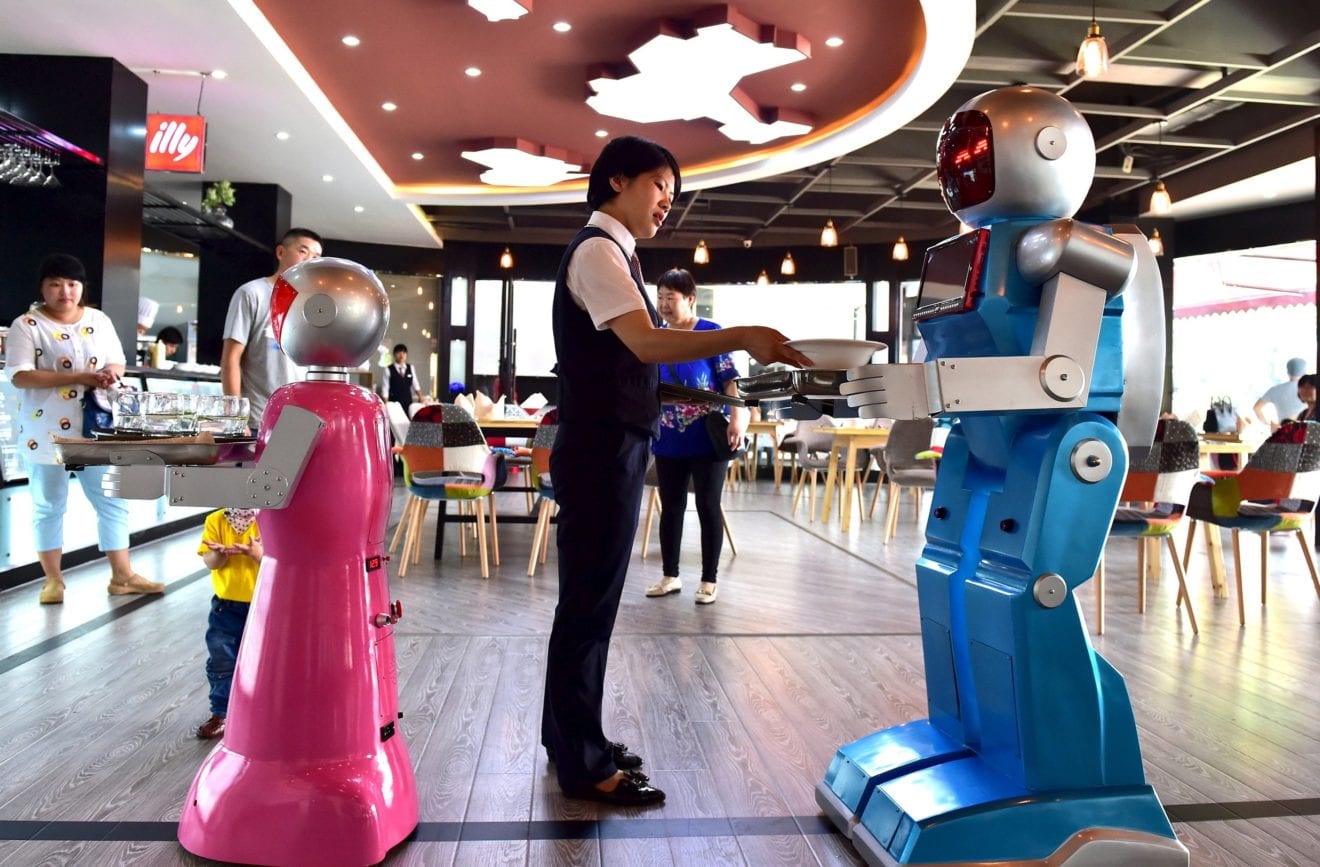
    Designed as a sales assistant, this robot can talk, guide shoppers and even receive credit card payments. In a demonstration yesterday at Marina Mandarin Hotel, the XYZrobot greeted a prospective customer with “It’s a pleasure to be at your assistance”, told him there was a special promotion on 3D printers, and led him to where the printers were supposed to be.

    The robot was even able to moderate its pace to the walk of the shopper. It was launched yesterday by Singapore consumer electronics retailer Newstead Technologies, ahead of the upcoming PC Show 2017.

    The XYZrobots could help retailers save costs, said Mr Sky Chen, 36, general manager of retail and global distribution services at Newstead Technologies.

    “This robot does not get sick or need to take leave. So if you calculate the costs of purchasing the robot verses hiring an employee, a shop could easily see how it is worth it.”

    It is understood to be the first retail robot in Asia which is able to receive payments by credit card.

    Each robot can run for about eight hours on a four-hour charge. It will also be able to return to its charging point as often as it needs.

    The robot was manufactured by Taiwanese tech firm New Kinpo Group.

    Its chief executive officer Simon Shen, 51, said: “Fewer young people (in Singapore) want to do jobs that pay less such as retail. So as our population ages, we must keep up with the manpower shortages.”

    The idea was conceived three years ago to help cope with manpower shortages and the company invested $5 million to develop it.

    Mr Shen said that people ought to be doing jobs that require higher thinking and that robots can fill in the gaps for tasks that require less of a human touch.

    But Professor Chen I-Ming of the School of Mechanical and Aerospace Engineering in Nanyang Technological University thinks that humans are always needed in certain sectors such as retail.

    “Sales is all about persuading people to buy things. You need to use hard sell or soft sell tactics based on the consumer. This is a communication skill that robots simply cannot do as of now.”

    The XYZrobot will be on display for visitors to engage with at the PC Show 2017, which will be held at Marina Bay Sands Expo and Convention Centre from June 1- 4.

    From August this year, it will be sold in Newstead’s Suntec City store for at least $12,000.

  • 7-Eleven opening futuristic store in South Korea

    7-Eleven opening futuristic store in South Korea

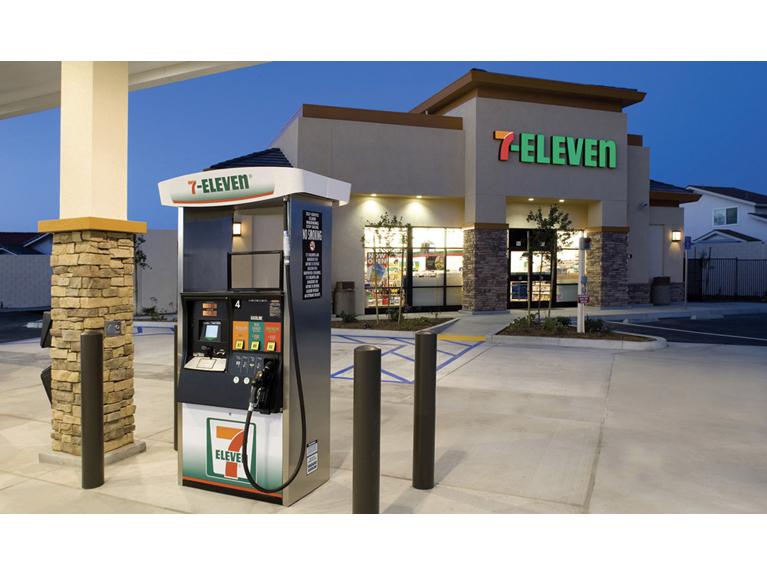
    Convenience-store giant 7-Eleven is opening a store that allows customers to pay simply with a wave of their hand.
    The store is located in the world’s fifth largest building, Lotte World Tower in Seoul, Korea. It features a biometric verification system that scans vein patterns in shoppers’ palm and allows them to pay by swiping their hands. A scanner at the self-checkout studies the size, color and shape of a shopper’s veins, and allows them to make payments after they have registered their Lotte Card user information.
    Other features include an unmanned checkout system with a 360-degree laser scanner that reads the barcode of every item within range and calculates the total cost, according to the report, and refrigerators that automatically open and shut their doors. The high-tech 7-Eleven is doing a test run, open only to Lotte staff. It is due to open to the public in August.
  • PyeongChang 2018 to Open 1st Official Shop This Week

    PyeongChang 2018 to Open 1st Official Shop This Week

    The first official shop of the 2018 PyeongChang Winter Games will open in the South Korean capital this week, selling licensed merchandise associated with the international sporting event, local organizers said Thursday.

    The PyeongChang Organizing Committee for the 2018 Olympic & Paralympic Winter Games (POCOG) said the official merchandise store of the games will open to the public Friday at Lotte Department Store’s Myeongdong branch in central Seoul.

    The store, run by South Korean retail giant Lotte Group, also one of the sponsors for the PyeongChang Games, will sell products related with both the Olympics and the Paralympics in PyeongChang, Gangwon Province, some 180 kilometers east of Seoul. The POCOG said some 300 items, including stuffed animals of the PyeongChang Games mascots, Bandabi and Soohorang, are currently available for sale, but the number of products will double by the end of June and reach 2,000 by October.

    The POCOG said the opening ceremony for the official store will take place Sunday, featuring its honorary ambassador and speed skater Park Seung-hi, as well as other South Korean celebrities.

    The POCOG said two more official PyeongChang 2018 stores will open next month at Lotte’s department store and duty-free shop in Seoul.

    The PyeongChang Winter Olympics will kick off Feb. 8 next year for a 17-day run.

  • Consumer spending in Malaysia to increase 5.8% in 2017

    Consumer spending in Malaysia to increase 5.8% in 2017

    It will grow at an annual average of 5.3% between 2017-2021. BMI Research reported that consumer spending in Malaysia is set to increase. The rise will be brought about the increasing disposable income. Real household spending growth in Malaysia will continue to expand the medium term.

    However, it will be modest on the back of an uptick in inflation and slightly weaker currency. Household spending will become more dynamic over the medium term as the share of non-essential spending rises. BMI foresees household spending real to grow at an annual average of 5.3% between 2017-2021. In 2017 we project a y-o-y increase of 5.8%

    Rising disposable incomes will foster discretionary spending, highlighted by robust growth in education; restaurants and hotels; and recreation and culture spending. According to BMI, these categories are set to grow at an annual average rate of 8.7%, 8.5% and 8.2% respectively.

    Consumer spending in Malaysia will benefit from a youthful and increasingly urbanised population; rising household incomes; and low levels of unemployment. The growing middle class and relatively low inflation will help generate demand for non-essential items and luxury goods.

  • Walmart’s future in China increasingly depends on a single Chinese company

    Walmart’s future in China increasingly depends on a single Chinese company

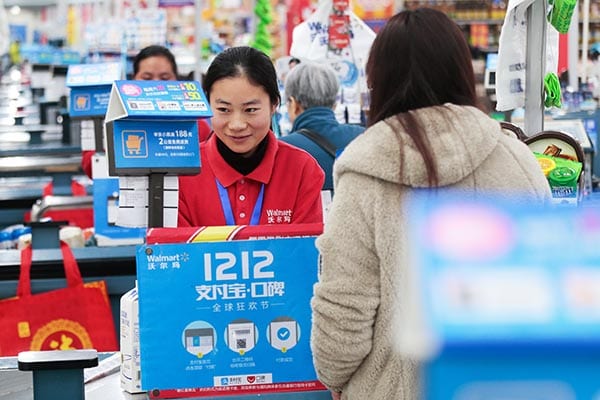
    In China, Walmart is not only betting on e-commerce, it’s betting on a top Chinese e-commerce giant. The US retail giant announced on May 25 that it will open a store on JD.com, one of China’s most popular e-commerce sites, second only to Alibaba. It’s the latest move in a new strategy for the company that has consistently brought it closer to JD, which now has the power to make—or break—the company’s future in China.

    According to Walmart, the online store will carry over 1,700 of Walmart’s most-purchased items from its brick-and-mortar stores in China. Customers that order items before 11:00am can receive their packages on that same day. The orders will be fulfilled using JD’s in-house logistics infrastructure of warehouses, deliverymen, and drones.

    Walmart sold its e-commerce operations to JD in June 2016 after a joint-venture with Yihaodian, a marginal player in China’s online shopping industry, proved unsuccessful. In exchange for the purchase, Walmart took a 5% stake in JD.

    Since then, the two companies have moved quickly to boost Walmart’s online presence. In October 2016 JD launched an online store for Sam’s Club, as well as a store that sold only imported goods from Walmart overseas. That same month, Walmart announced it had invested $50 million in New Dada, a joint venture between JD and logistics network Dada. In April 2017 it launched an online store for Asda, Walmart’s UK subsidiary, selling British-branded products.

    Meanwhile, Walmart has steadily increased its stake in JD–from 5% in June 2016, to 10.8% in October, and then 12.1% this past February.

    Walmart’s bet on e-commerce in China, assisted by JD, comes as its traditional offline retail business there continues to struggle. The company does not regularly disclose financial details about its China business, but there’s plenty of evidence to suggest it is not going great. In 2014 a joint-venture partner revealed that same-store sales across 21 outlets dropped 6 percent between 2014 and 2015. It has also slowed the rate (paywall) of its new store openings in China.

    One of the factors causing Walmart’s middling success in China has been the country’s quick embrace of e-commerce. According to Nielsen, 11% of total retail sales in China come from e-commerce, compared to 8% in the US. And e-commerce sales in China are growing at a rate of 53% annually, compared to roughly 12% in the US. Meanwhile, Chinese consumers are opting to make small purchases either online or in convenience stores, rather than in hypermarkets, according to another Nielsen study. The average shopping basket value for Chinese hypermarket shoppers fell 172.4 yuan (about $25) in 2014 to 162.7 (about $23) yuan in 2015.

    This and other factors have led other overseas retailers to revamp their China strategies, or withdraw altogether. Carrefour, another hypermarket chain in the style of Walmart, suffered a net loss of €58 million (about $65 million) in China during 2016. The company recently started opening smaller outlets modeled after convenience stores. Tesco, from the UK, distanced itself from China when it sold its stores there to domestic retailer China Resources Enterprises in late 2013. And last October, bourgie expats gasped when Marks & Spencer announced it would close its 10 stores in China, citing continued losses.

    By relying on JD to manage its e-commerce operations, Walmart is placing its future in China in the hands of another company, and betting on JD’s success to boost its own. That could turn out all right for Walmart.

    JD, a major competitor to Alibaba, has long differentiated by promising faster deliveries than its rival, thanks to its in-house logistics network. Its market share in business-to-consumer e-commerce (as opposed to “marketplace style” e-commerce, where third-party vendors do the selling) has risen in the past few years, from 18.6% to 24.7%. The company just turned its first-ever operating profit since it listed in New York in 2014, and is investing hugely in drones to make delivery more efficient.

    Both JD and Alibaba have lately turned to groceries and household items as drivers for growth, hoping that repeat purchases will drive up “gross merchandise value,” a metric investors look at to assess the sales value of all purchases (though it’s not the same as revenue). That competitive pressure might squeeze JD’s margins from selling Walmart products online. Given all the headaches Walmart has endured in China in the past—food safety scandals, fickle consumer behavior, and accounting fudges—it might be nice to offload parts of the company’s future to someone else.

  • AirAsia warns of free ticket scam

    AirAsia warns of free ticket scam

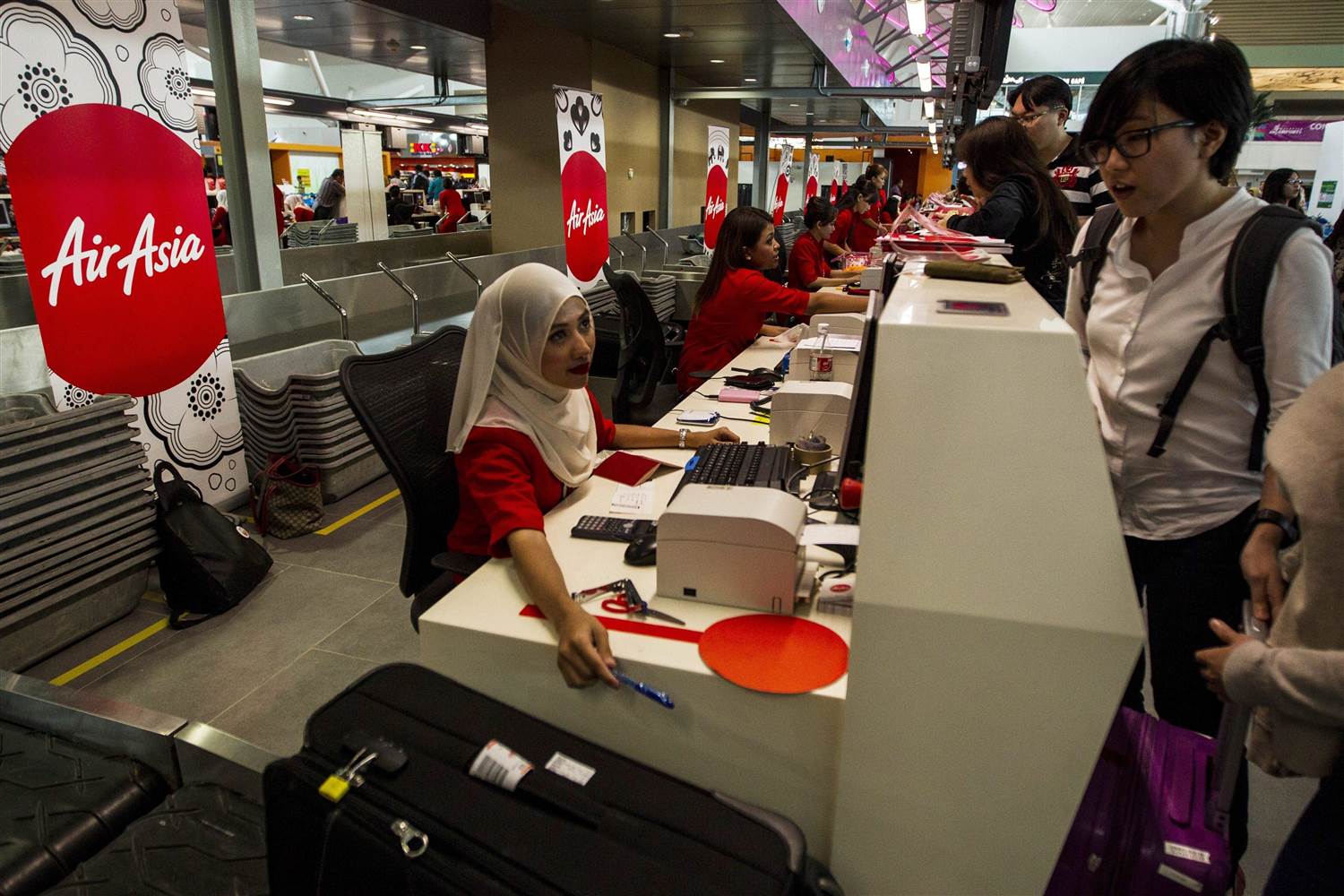
    AirAsia has issued a public warning about a social media post, claiming to offer free flight tickets through an online survey.

    The post asks participants to answer several questions to redeem vouchers, the low-cost carrier said in a statement on Monday.

    “There is also another scam circulating on Facebook, offering 268 free tickets in conjunction with AirAsia’s 28th anniversary.

    “Both scams used the AirAsia brand without authorisation and aim to lure the public to participate in it,” it added.

    The airline said it will not be held liable for any claims pertaining to the false scheme and will not hesitate to take legal action against individuals or groups that organise illegal schemes using the AirAsia brand.

  • Philippine Double Digit Growth to Attract Investors

    Philippine Double Digit Growth to Attract Investors

    The year 2016 was a great period for Philippines in the field of consumer lending which recorded a massive growth. The presidential elections in 2016 led to political stability and consumers had more confidence to take consumer loans. When the global market was highly volatile, consumer lending in the Philippines was an attractive destination with its strong consistently growing economic and financial systems that operate in a safe and sound approach.

    The new government has focussed on tax system and introduced a tax reform program that helped the country’s economic growth with respect to consumer lending. The World Bank signified that the Philippine financial market system will grow rapidly due to its consumer confidence and transparency of building regulations. According to research report “Consumer Lending in the Philippines”, country’s robust banking system is crucial in the consumer lending field where it ensures stability and rapid growth in the country’s economy. Thus, the Filipinos are now more confident to take more loans from the retail banks for automobile or domestic purpose.

    The rapid growth in Philippine domestic economy has created more jobs which washed out poverty to some extent. The recent economic developments in Philippines was somewhat driven by the presidential elections. The fixed capital investment rose to 25.6%. There were vast opportunities in the field of construction, manufacturing and service sectors.

    As per the economy growth statistics for the first quarter of 2017, it showed that the primary income for the nation slowed down by 3.9% and the gross national income has risen to 5.9%. The Philippines economy is aiming at a 6.5% to 7.5% GDP for the year 2017.

    The services sector is the highest contributor to the growth of the nation’s economy. The industry sector stands second and agriculture sector stands in the third place. The IPP (Intellectual Property products) are outstanding with the growth contribution of 27.2%. The export and imported goods contributed 22.3% and 20.8% respectively.


  • Sunway Putra Mall Wins Gold at Kuala Lumpur Mayor’s Tourism Awards 2017

    Sunway Putra Mall Wins Gold at Kuala Lumpur Mayor’s Tourism Awards 2017

    It was a celebratory affair when Sunway Putra Mall was named the gold award winner in the third edition of the Kuala Lumpur Mayor’s Tourism Awards 2017 gala dinner and award presentation ceremony at Shangri-La Kuala Lumpur.

    The win saw the refurbished two-year old mall emerging as one of the only two winners in the shopping mall category after edging out competition from Suria KLCC, Starhill Gallery, Berjaya Times Square and Low Yat Plaza. It was the mall’s first attempt for the award

    Minister of Tourism and Culture, Dato’ Seri Nazri bin Abdul Aziz presented the award to Sunway Putra Mall General Manager Ms Phang Sau Lian alongside with the Mayor of Kuala Lumpur, Datuk Seri Hj Mhd Amin Nordin bin Abd Aziz in front of a-650 strong audience from the city’s various tourism industry players and related government agencies.

    The Mayor had earlier emphasised that the tourism industry’s contribution to the socio-economic growth and development of Kuala Lumpur was important as it generated revenue and employment opportunities. These awards were recognition towards tourism industry players for boosting the city’s image.

    “The gold award is meaningful to Sunway Putra Mall that despite being only two years in operation after the refurbishment, we are being recognized by the Mayor of Kuala Lumpur as the top two malls in promoting Kuala Lumpur. It is a big honour for Sunway,” said Phang.

    The Kuala Lumpur Mayor’s Tourism Awards is a tri-annual programme which was first held in 2011. In its third edition, this year’s awards saw over 500 entries being received. Qualified entries went through a stringent selection by a panel of independent judges and public voting. The criteria for judging were based on the vision outlined in the Kuala Lumpur Tourism Master Plan 2015-2025.

    Phang attributed the win to Sunway’s high service standard and top management visionary leadership which placed emphasis on delivering beyond. “It’s always been the intentions of our Chairman Tan Sri Dato’ Seri Jeffrey Cheah, CEO HC Chan and COO Kevin Tan that for any Sunway projects, emphasis is given to progress not solely on profit but people and planet too. Hence, the relentless focus on going beyond,” she added.

    The winning of this award added another feather to the cap for the mall tourism offering excellence. Sunway Putra Mall had already been recognised by the Ministry of Tourism & Culture as a Malaysia Tourism Quality Assurance (MyTQA) certified mall that delivered outstanding service quality and tourism products.

    Among the unique initiatives included the hiring of well-trained ex-flight attendants as frontline staff, DBKL appointment of the mall’s customer service staff as DBKL brand ambassador to promote heritage walks in Kuala Lumpur, promoting at overseas tourism alongside Tourism Malaysia and many others.

    The mall among others also partnered with international movies for activation, staging popular artistes appearances and collaborating with Malaysian Airlines and Matta Fair to promote KL as a tourism destination.

    Apart from the above, to date Sunway Putra Mall had also picked up the MPIM Asia Awards 2015 (bronze award) for best refurbished building category and Malaysia Shopping Malls Association’s (PPK) Best Experiential Marketing Awards 2016 (gold award) for Category B (malls with 500,001 to 999,999 sq ft nett lettable area).

    The former award paid tribute to excellence and innovation in retail development in Asia Pacific region while the latter award recognized the best of marketing programmes that enhance shoppers’ shopping experience.

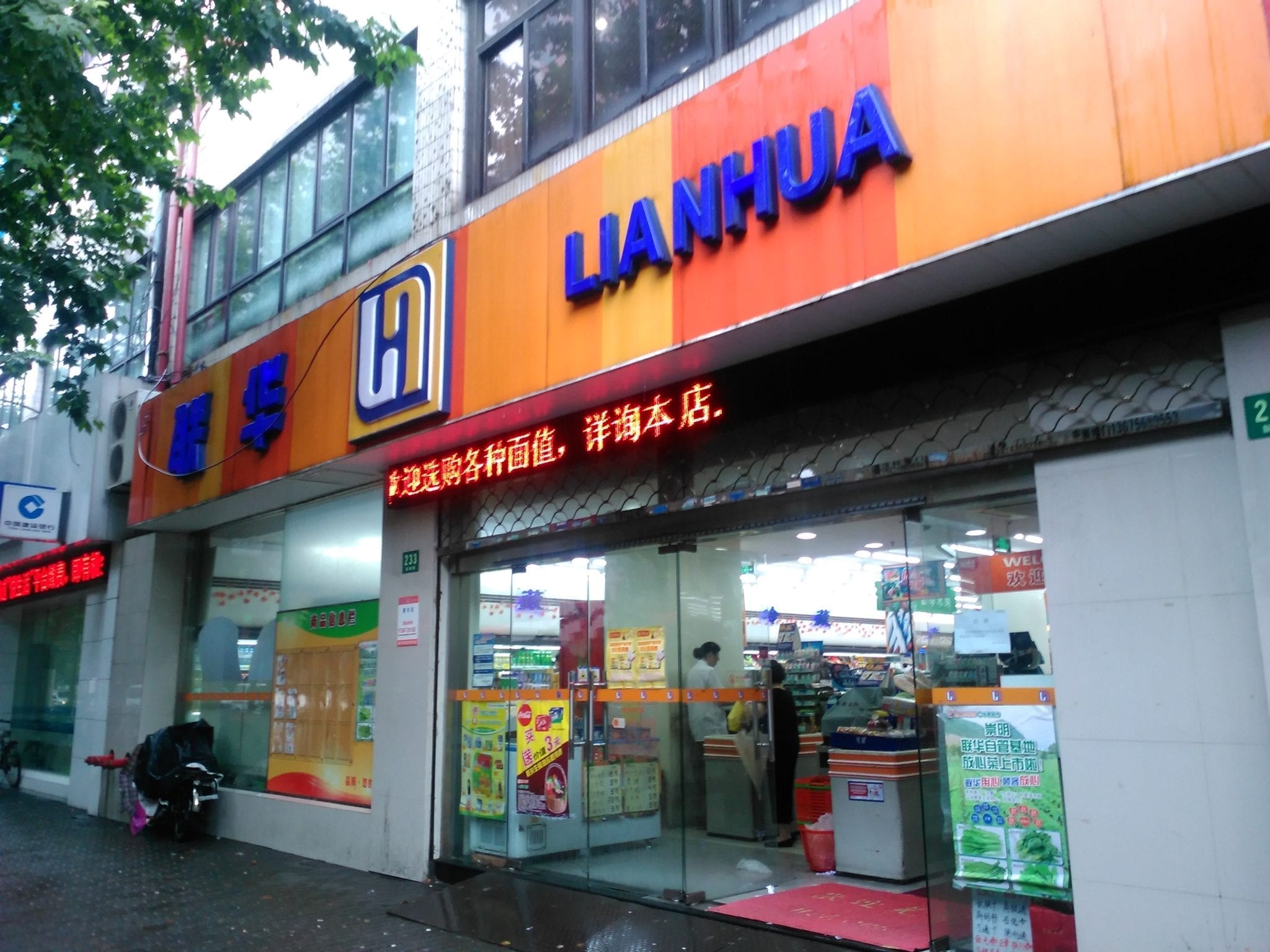
  • Alibaba buys 201.5 million shares in Lianhua Supermarket to become second-largest shareholder

    Alibaba buys 201.5 million shares in Lianhua Supermarket to become second-largest shareholder

    Lianhua Supermarket Holdings’ shares were halted in Hong Kong after the retailer’s stock jumped by almost 22 per cent following the announcement that Alibaba Group Holding has emerged as its second-largest shareholder.

    The stake purchase is the latest in a long line of Alibaba investment in brick and mortar shopping malls, part of a strategy adopted by the e-commerce giant since 2015 to broaden its exposure to markets where online and offline retailers are converging.

    Lianhua shares rose to a two-month high of HK$3.83 before trading was halted on the Hong Kong stock exchange.

    Alibaba, operator of the world’s largest online shopping platform, said it would buy 201.5 million shares of Lianhua, giving it 18 per cent of the supermarket operator and becoming its second-largest shareholder, according to a filing to the Shanghai Stock Exchange issued by the retailer’s parent Bailian Group.

    The investment by Alibaba, owner of the South China Morning Post, follows a February announcement of a strategic tie up with Bailian to use big data to improve sales at its physical stores, the largest retailer by store numbers in China

    As online sales growth slows, Alibaba has been rapidly expanding into traditional retailing in recent months.

    Alibaba announced in August 2015 that it would invest US$4.6 billion for a minority stake in Chinese electronics retailer Suning Commerce Group Co, while in January its announced it is leading a US$2.6 billion bid to privatise mainland department store and shopping mall operator Intime Retail Group.

    In November it bought a stake in supermarket chain Sanjiang Shopping Club Co for US$305 million.

    Zhu Danpeng, a researcher on China’s retail industry, said the online and offline retailing business are converging as they start to realise that they are more complementary than mutually exclusive.

    “Offline shopping fulfils an emotional need of a consumer, which is irreplaceable by the online shopping experience,” he said. “So it is natural for mature e-commerce businesses to want to capture that part of the business.”

    He also said the retailing industry will stratify into different levels of services.

    High-end products such as luxury goods will retail in brick-and-mortar shops where consumers look for a higher level of personal service, while standard grocery and household items are better suited for the online environment.

    Brett McGonegal, chief executive of Capital Link International, said that the trend towards brick-and-mortar shops will allow e-commerce businesses such as Alibaba and Amazon to learn more about the shopping habits of consumers.

    “It closes the gap between warehouse distribution and consumers,” he said, “[With better understanding of consumers’ habits] retailers can put items right where and when you need them.”

    He also said Alipay will be an important component to the convergence of online and offline shopping. He added that Alibaba ultimately wants to allow its users to finish all their shopping and transactions exclusively on its network.

    A JLL market report highlighted that an increasing number of brick-and-mortar shops on the mainland are pushing for online shopping services, which include online voucher schemes, automated check-out and order-online-pickup-offline services.

    JD.com has also been expanding into offline retailing in recent years after it invested 4.3 billion yuan (US$627.3 million) in Yonghui Supermarket and forged a partnership with Walmart.

    JD.com said that it plans to establish more than 1 million convenience stores, with half located in rural China, in five years.

  • Shiseido and King Power International capture beauty of Thailand in 360° campaign

    Shiseido and King Power International capture beauty of Thailand in 360° campaign

    Shiseido Travel Retail has partnered with King Power International (Thailand) to deliver a major promotional campaign which aimed to capture the beauty of Thailand.

    For the initiative, Shiseido collaborated with Thai artist Riety Darisa K and influential Chinese fashion and lifestyle blogger Magic Yang  to target Chinese travellers through a 360 ̊ programme.

    The programme included social media and digital content, in-store activations and Travel Retail Exclusive (TREX) products available only at King Power Thailand stores.

    The campaign, which aimed to capitalise on the large number of Chinese visitors to Thailand, tapped into the power of influencer marketing to push brand awareness and drive sales among Shiseido’s key consumers, particularly millennials. Magic Yang, a leading influencer in China, has a strong following of millennials on social media who are inspired by her personal style, her love for travel and adventure and the places she visits.

    With Riety as her guide, Magic was taken on a tour of Bangkok, where she discovered the capital city’s art, beauty and culture. Her trip to Thailand was captured in a promotional film, called ‘The Beauty of Thailand’.

    Leading up to the campaign’s official launch on 1 April, Magic posted exclusive behind-the-scenes pictures of her trip to announce the collaboration and shared the film on her Weibo and WeChat accounts. The film features subtle placement of Magic’s top three Shiseido beauty picks: Ultimune Power Infusing Concentrate, Perfect UV Protector SPF 50+ and Rouge Rouge.

    The campaign was prominently highlighted on King Power Thailand’s website and social media platforms and a dedicated campaign micro-site. Travellers were also targeted prior to departure via advertising.

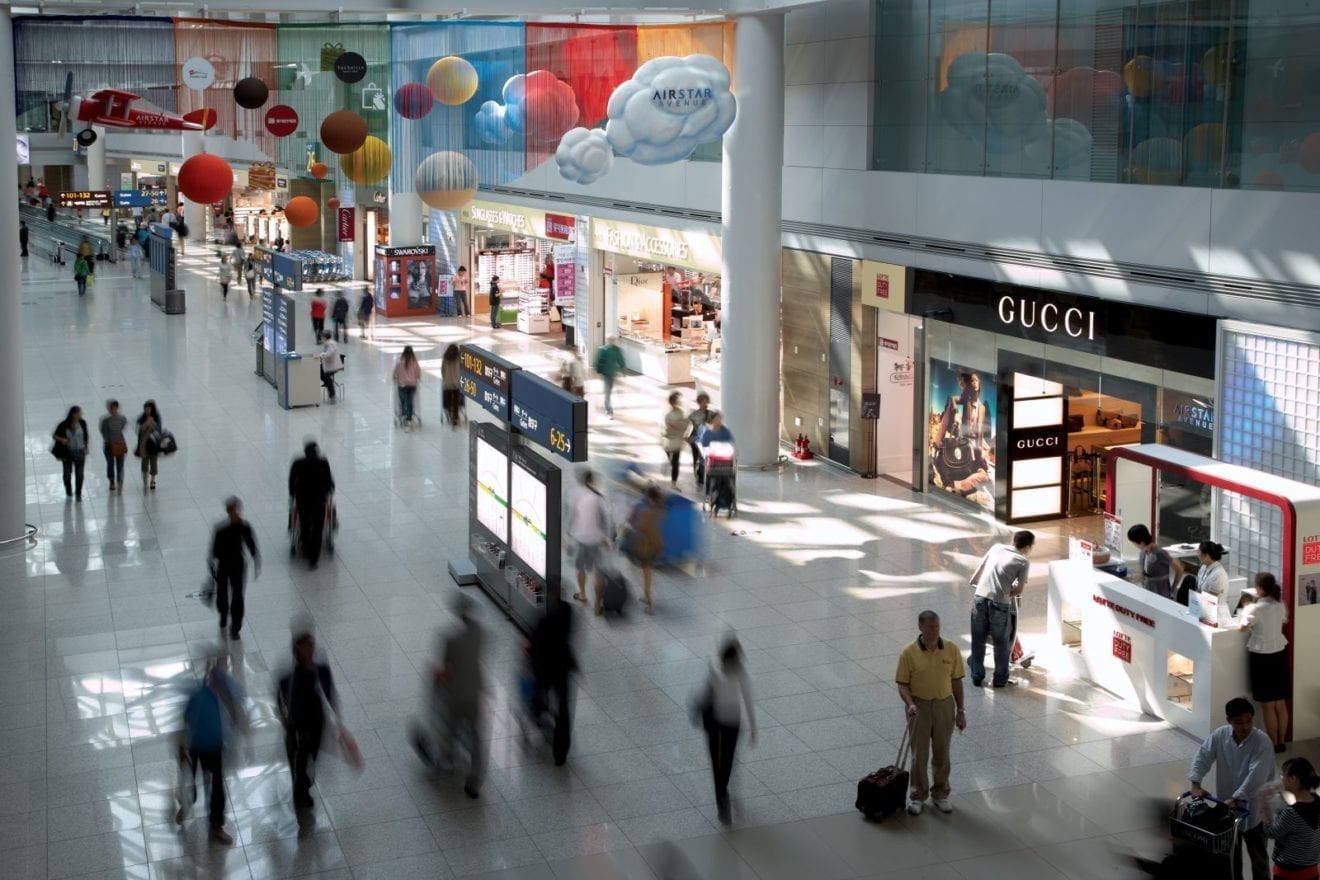
    The in-store activations at Bangkok Suvarnabhumi Airport and in the King Power Srivaree Complex downtown store are running until 31 May. The airport activation features a pop-up store which offers complimentary skincare treatments and lip make-overs, as well as a Photo Booth where travellers can personalise their photos with Riety’s Thai-inspired visuals to be printed onto their own customised luggage tags.

    To further underline the Sense of Place focus, Shiseido has developed an exclusive skincare set specially curated by Magic Yang and packaged in bespoke sleeves featuring art by Riety. The limited-edition set, only available at King Power Thailand stores, includes Ultimune Power Infusing Concentrate for Face and Perfect UV Protector SPF50+/PA++++.

    Customers spending THB 14,000 (€368) or more will receive a complimentary ‘The Beauty of Thailand’ cosmetics bag and those spending more than THB 16,000 (€420) can claim an additional Shiseido tote bag.

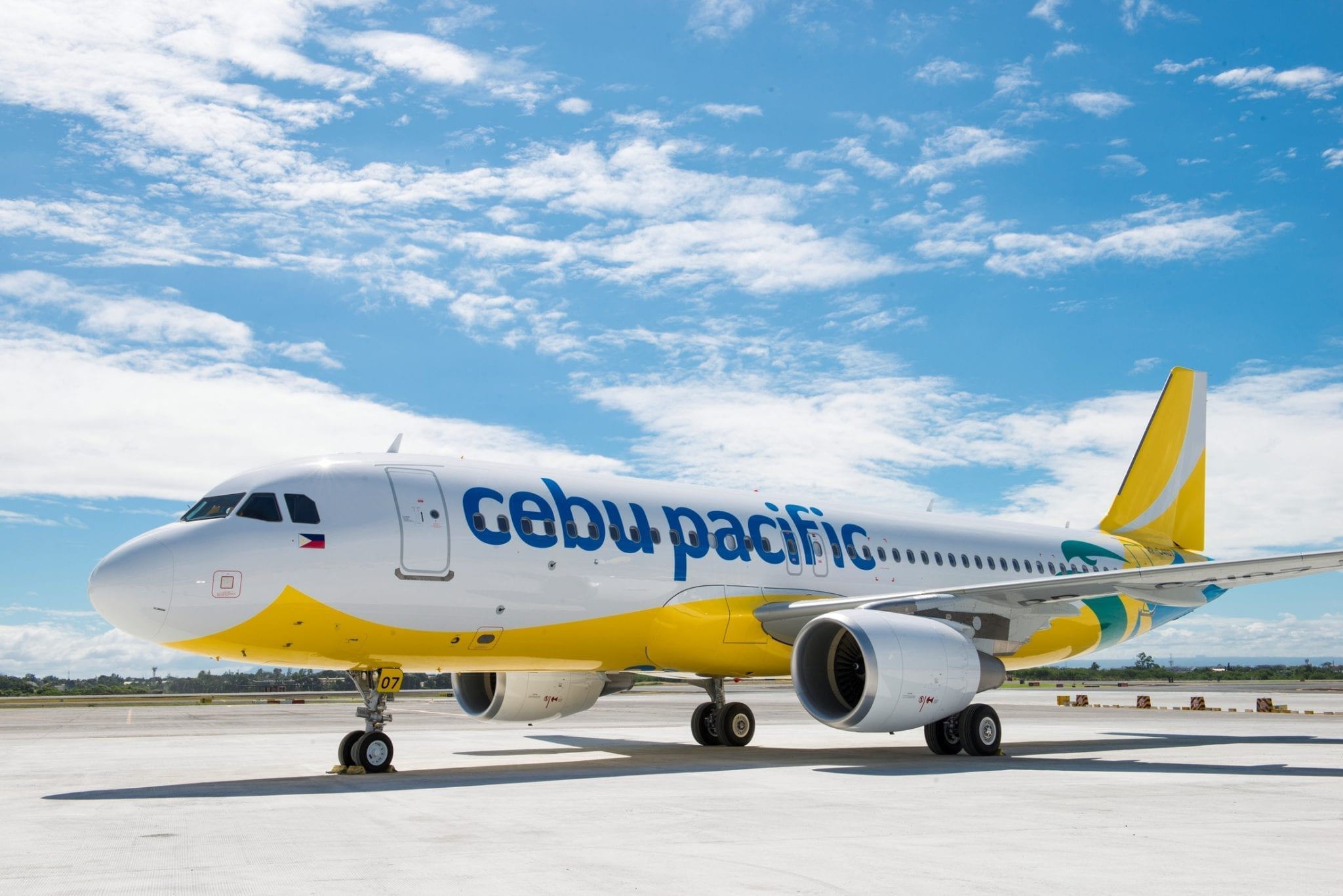
  • Cebu Pacific to end flights to Qatar from July 1

    Cebu Pacific to end flights to Qatar from July 1

    The low-cost Philippines carrier Cebu Pacific Air will stop flying to Doha at the beginning of July because the route is no longer financially viable, it said.

    The airline has been flying direct to Qatar for just over two years, and announced that its last return flight from Manila to Doha will be on July 1.

    It will also cease flying to Kuwait from mid-June and the Saudi city of Riyadh in early July.

    Passengers who are already booked on flights after these dates can transfer to another airline offering the same routes (subject to availability), book for an earlier flight with Cebu Pacific (also depending on availability) or get a full refund.

    The airline “strongly advised” all such passengers to contact their travel agents or its hotline to discuss their options.

    Too much competition

    Cebu Pacific is essentially halting the routes due to too much competition, according to Atty JR Mantaring, vice president for Corporate Affairs of Cebu Pacific.

    In a statement this week, Mantaring said:

    “Of late, other carriers have aggressively added more flights, which has resulted in substantial oversupply of seats and fares that are so low, hence making the routes unsustainable…

    At this point, it makes more sense for us to re-deploy the aircraft used for our Riyadh, Doha and Kuwait service to routes where we can further stimulate demand and sustain our low fare offers.”

    Cebu Pacific will continue to fly to Dubai and Sydney and may increase capacity to these cities, the statement added.

    Crowded market

    The airline began direct flights between Manila’s Ninoy Aquino International Airport and Hamad International Airport in Doha in June 2015.

    A 436-seat, all-economy class Airbus A330 flies between the cities twice a week. It was initially popular when the route first started because of its competitive fares.

    While Qatar Airways also flies twice-daily direct flights on the same routes, prices were usually higher.

    The national carrier increased its service to the Philippines’ capital in July 2015. That’s the same month that Cebu started its direct Doha-Manila service.

    National flag carrier Philippine Airlines also began offering the same route earlier this year, in a bid to meet the needs of Qatar’s 260,000-strong Filipino population.

    That carrier operates four times a week, on Monday, Wednesday, Friday and Sunday on A330 aircraft.

    Its daytime departure and arrivals times, and its competitive introductory prices, has attracted many travelers.

    Tickets range from QR885 to QR2,745 in economy, and include WiFi and meal service. Passengers can also check in two pieces of luggage, weighing up to 23kg each.

    A business class option could be rolled out this summer.

  • Customer traffic dropping fast at Korean online shopping malls

    Customer traffic dropping fast at Korean online shopping malls

    Online shopping malls are fast losing customer traffic, industry data showed , compounding their massive business losses last year. According to the data, the number of unique visitors to the six top online shopping sites totaled 84.86 million last month. This is 9.2 percent less than the same month last year, with each site losing between 2 to 19 percent. For Ticket Monster, the monthly tally for April was 9.91 million, the smallest among the six sites.

    It is the first time that the number fell under the 10-million mark since the latter half of 2014.

    Industry analysts say the market has become overcrowded with both large retailers and smaller competitors all strengthening their online platforms. Customers consequently have scattered in the face of more choices. E-shoppers have also matured, making purchases at select sites best suited for them instead of hopping through different malls.

    A growing number of online customers shop through portals like Naver instead of directly visiting the sites, which is contributing to the decrease in traffic among online malls, analysts said.

    Industry experts estimate that losses by e-shopping sites last year exceeded 1 trillion won (US $892.85 million). Given that most of the companies are making ends meet through monetary increase in transactions, they may be pushed to the brink if the current loss in traffic leads to bigger operational deficits, analysts say.

    “The number of unique visitors is not the absolute indicator,” an industry official said. “However, since it is related to transactions, we are closely watching the situation.”

  • Google promises to work with Vietnam to remove ‘bad’ content

    Google promises to work with Vietnam to remove ‘bad’ content

    The tech giant has been asked to open a representative office and coordinate with Vietnamese authorities. Prime Minister Nguyen Xuan Phuc has asked that Google open a representative office in Vietnam to better manage its increasingly popular services in Vietnam, including preventing bad content on YouTube, according to a report on the government’s website.

    Phuc said during a meeting with Eric Schmidt, executive chairman of Google’s parent company Alphabet, in Hanoi on Friday that many of Google’s services are widely used by Vietnamese businesses and people.

    He reportedly asked for more cooperation from Google to prevent and remove bad information on its video site YouTube.

    According to the report, Schmidt has pledged to work with Vietnam government to filter its content, and said he will consider opening the Vietnam office.

    Vietnam has the second largest number of YouTube users in the world, he was quoted as saying.

    Major market

    Nearly 49 million people in Vietnam, or more than half of the country’s population, are online.

    A report from Think With Google, the research arm of the tech giant, last month said many Vietnamese spend their summer on searching on Google and watching YouTube.

    Trailers on the site got more than 500 million views in summer 2016, up a staggering 136 percent from previous year.

    Data from the company shows that last summer, YouTube views in Vietnam doubled compared to spring, with more than 60 percent from mobile.

    Every day during that summer, 100 million mobile searches were made on Google – that’s even more than the population.


    ‘Toxic’ content

    In March, Google Europe had to apologize for allowing ads to appear alongside offensive videos on YouTube, after big companies either pulled ads or threatened to do so.

    A month later, Vietnam’s government called on all companies doing business in the country to stop advertising on YouTube, Facebook and other social media until they could find a way to end the publication of “toxic” anti-government information.

    The information ministry in April confirmed that it had asked Google to block and remove 2,200 videos on YouTube that had “defamatory” content against Vietnamese leaders.

    Facebook, the most popular social network in Vietnam, last month also pledged to cooperate with the Vietnamese government to block “bad” and “toxic” content.

    Google CEO Sundar Pichai visited Vietnam in December 2015, joining a talk with Vietnamese businesspeople and startup community.

  • AirAsia: No merger with AirAsia X

    AirAsia: No merger with AirAsia X

    Low cost carrier AirAsia Bhd and its long-haul sister company AirAsia X Bhd (AAX) are not considering a merger, according to the co-founders of both the low cost carriers.

    At a press conference today, AirAsia Group chief executive officer Tan Sri Tony Fernandes said the merger was never brought to the board of directors, and the management remain in their belief that both short and long haul operations have to be separated.

    “AirAsia’s position is very clear, the board has never discussed this and there is no merger at all,” he said.

    “The whole purpose of setting up AAX as a separate company, is because we believe it should be separated, and 10 years on we still believe that,” he added.

    Last week, local media reported that there will be a possible merger between the two companies.

    Today AirAsia Group’s executive chairman Datuk Kamarudin Meranun also clarified that it is premature to talk about merger between the two entity, and AAX should remains focus on improving its profitability.

    “In AirAsia everything is possible, but I made it very clear that we should focus on AAX’s profitability strength first, and the issue has never been discussed at the board,” he said.

    On the AirAsia’s China venture, Fernandes said it represents the first stage of establishing an airline there and the group is unfazed by concern of local airlines may lobby against the idea.

    “It is the first stage and we are very proud and excited about it, there are many stages, we been through that in India, there should be something by the end of this year. I can’t talk for the other airlines, but all over the world, airlines have been lobbying against us, but we still did it,” he said.

    Earlier this month, AirAsia signed a memorandum of understanding (MoU) with China Everbright Group and the Henan Government Working Group to jointly explore the planned establishment of a budget airline in China.

    The MoU enabled AirAsia, Everbright and the Henan Government “to confirm their interest” in forming joint venture (JV) entity AirAsia (China). Henan is a province in central China.

    The MoU parties planned to incorporate AirAsia (China) in Henan’s capital city Zhengzhou, which is intended to be the headquarters of AirAsia (China).
    At the midday break, AirAsia rose 5.78% or 17 sen to RM3.11 while AAX fell 3.33% or 1.5 sen to 43.5 sen.