Category: General

Retail News Asia is committed to providing both local and global retailers with the latest General Retail news throughout the Asian market. This on a daily base.

  • Yonghui to build supply chain industrial park in Sichuan with CNY1 billion

    Yonghui to build supply chain industrial park in Sichuan with CNY1 billion

    Chinese supermarket chain retailer Yonghui Supermarket has decided to build a supply chain industrial park in Sichuan’s Pengzhou city, with a total investment of CNY1 billion.

    The company says the industrial park will better support its regional distribution and warehousing demands and food processing business development in Sichuan.

    Yonghui Supermarket will purchase an area of 300 mu for this project. The first phase of the project, which covers 93 mu, will be launched first; and the second phase, which covers 207 mu, is expected to be launched in 2019.

    With an investment of CNY100 million, Yonghui Supermarket will also set up a project company in the industrial park and this project company will be named “Sichuan Caishixian Supply Chain Development Company Limited”, which is subject to the approval of industry and commercial authorities.

    Meanwhile, Yonghui Supermarket will establish two “Caishixian” processing subsidiaries – one in Hefei, Anhui province and the other in Kunshan, Jiangsu province with CNY50 million investments in each.

  • Vietjet signs deals worth USD 4.7 billion

    Vietjet signs deals worth USD 4.7 billion

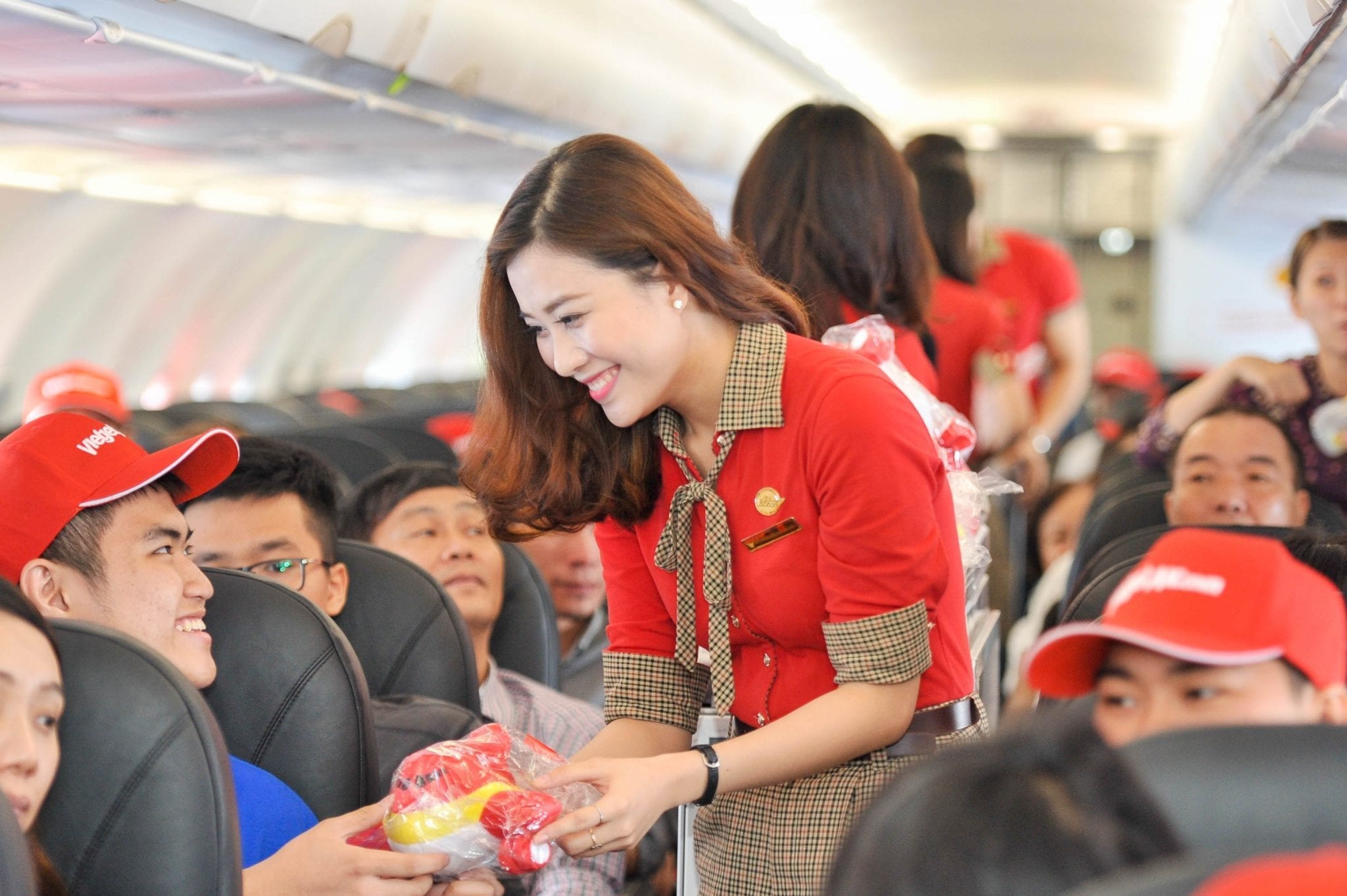
    Vietjet Aviation Joint Stock Company yesterday signed an agreement with CFM International – a joint venture of GE and Safran, in Washington on supporting 215 engines to power the airline’s fleet under the witnesses of Vietnam’s Prime Minister Nguyen Xuan Phuc and U.S. Secretary of Commerce Wilbur L. Ross, Jr. The 12 year-long agreement which is valued at USD 3.58 billion includes other technical services, engines and components maintenance.

    Speaking at the signing ceremony, Vietjet’s President and CEO Nguyen Thi Phuong Thao said: “We are orienting our fleet to aircraft families and engines which are of efficient fuel consumption and environment friendly. The engines under today agreement will help us to save up to 15 percent of fuel consumption as well as to obtain other comprehensive services in technical support, maintenance and training. It is our great honor to be a partner of GE and CFM International. Thanks to this agreement, Vietjet’s fleet can enjoy new technical and technological advances which enhance our flight quality and operation reliability and reduce costs. We strongly believe that this agreement will promote economic and trade exchange between the two countries and create million jobs for the two peoples.”

    “We appreciate the high level of confidence this agreement shows in CFM and in our ability to support Vietjet over the long term,” said Gaël Méheust, President and CEO of CFM International.  “It has been an honor to be a part of the very dynamic and exciting team for the last six years.  It is a privilege to know that this very special relationship will continue for many more years to come.”

    On this occasion, Vietjet and GECAS under GE signed a Memorandum of Understanding in aircraft financing worth USD 1 billion. Accordingly, GECAS will support Vietjet to finance and/or purchase and enter into leaseback arrangement of 10 aircraft ordered by Vietjet.

    Vietjet and Honeywell Aviation also inked an agreement on auxiliary power unit supply and technical maintenance to power the airline’s 98 airplanes. The agreement which is worth USD 180 million, is aimed to help Vietjet’s fleet be maintained under world leading standards.

  • Vietnam to have more airlines

    Vietnam to have more airlines

    On May 31, the FLC Group announced that they will set up Viet Bamboo Airlines with VND700bn (USD31m) in charter capital. Viet Bamboo Airlines will also invest in the real estate and other sectors. The capital is just enough to allow FLC Group to join both local and international transportation markets with 10 planes. The money will be frozen to prove the investor’s financial capacity.

    As of now, three firms have announced their plans to establish and expand new airlines are Viet Bamboo Airlines, Vietstar Airlines and a joint-venture carrier by Malaysian AirAsia Group and Hai Au Aviation JSC.

    Vo Huy Cuong, Deputy Director of the Vietnam Civil Aviation Administration, said he hadn’t received registration documents from FLC Group or Hai Au Aviation JSC and AirAsia Group. Vietstar Airlines’ registration has been halted while the government tries to deal with overloading at Ho Chi Minh City’s Tan Son Nhat Airport.

    Cuong said they would receive and check the documents before submitting to the Ministry of Transport. However, if the airlines will also operate at Tan Son Nhat Airport, the investors are warned that they won’t be given permit before the new airport planning is completed.

    Hai Au Aviation JSC first started their seaplane services in Ha Long Bay in 2014. The company’s representative said they were completing legal procedures in order to establish an airline. They will submit the documents in the next two months for 2018’s operations.

    “Our plan is related to Tan Son Nhat Airport’s expansion so it won’t be affected, unlike other projects,” he said.

    According to Hai Au Aviation JSC, they will open completely new routes. In the first phase, they will invest in routes from Hanoi and Danang to other Asian countries.

    Meanwhile, Vietstar Airlines has decided to cut half of its fleet from 23 to 10 planes to suit Tan Son Nhat Airport’s capacity so that they can begin operations in 2018.

    Many private firms asked to set up new airlines between 2005-2010. But due to lack of financial capacity, they suffered losses and went bankrupt such as the Indochine Airlines and Air Mekong. Vietjet Air was given a permit in 2007 but had to wait until 2011 before officially entering operation.

    The situation is different now as the average growth of the South East Asian aviation market is over 16%. The growth of the local market could reach 30%. Vietnam has a prime position and can allow narrow-body aircraft to go to most major cities in North Asia, South East Asia and India within five hours.

    The number of passengers in Vietnam is low, yet the demand is still higher than the supply. Vietnam has seven licensed airlines but only four have public transport services. Vietnam Airlines and Vietjet Air top the list with over 40% of market share.

  • i-City to have own lifestyle retail mall

    i-City to have own lifestyle retail mall

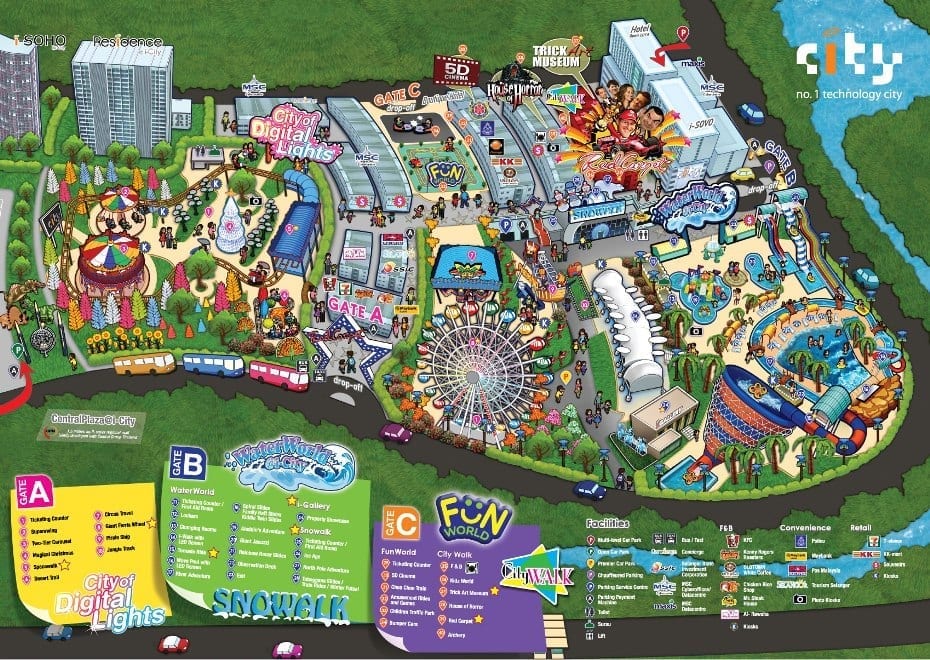
    The fast developing i-City in Shah Alam will have its own lifestyle retail mall – Central i-City Mall – which will introduce Thailand’s retail experience to the growing local retail market.

    Set for opening in October 2018, the mall, which has allotted 940,000 sq ft for rent, will showcase many interesting brands that are not available in the country.

    I-Bhd, the developer of i-City, is collaborating with Thailand’s CPN Group to introduce the unique Thai retail landscape to Malaysian shoppers.

    In addition, I-Bhd aims to offer a new retail landscape and innovative retail experiences for shoppers given that Thai mall concepts have captivated many visitors.

    CPN Ventures Sdn Bhd chief operating officer Anthony Dylan said the Asian Economic Community (AEC) and Malaysia’s bustling tourism industry will create a strong business proposition for the mall.

    “We will bring in some significant tenants from Thailand that have not expanded outside their home country before,” he added.

    Among the mall’s main attractions are its unique retailers and its cosy ambience. It will have 3,000 parking bays and is located close to the Padang Jawa KTM station.

    i-City is an ultrapolis development where the commercial, residential and recreation elements are integrated.

    The community here would enjoy the ease of having a multitude of amenities within one location.

    Dylan said more than 3,000 residences in i-City, including Hill10 residences above DoubleTree by Hilton hotel, will be linked to the first floor of Central i-City Mall, heralding a new lifestyle haven.

    To showcase I-Bhd’s tech-furbished residences such as Hill10 Residence, 8Kia Peng, Parisien Tower, Hyde, Liberty Tower and i-Suite, the three-day StarProperty.my Fair (i-City Edition) will be held from June 10 to 12 at the I-Gallery at i-City.

    I-Bhd has completed more than 1,000 properties, encompassing various commercial and residential units, with plans to hand over another 3,000 units of mainly residences in the next 12 months.

    The projects featured at the fair have set a benchmark for technologically-incorporated homes.

    Participants at the fair stand a chance to win a home at the Petaling Jaya Midtown development located at Section 13 here, worth RM557,800, by taking part in the StarProperty.my Win A Home (WAH) contest.

    The fair will also feature renowned speakers on property investments and smart home technology.

    There will also be a lucky draw for purchasers during the fair, including two return air tickets on economy class to Tokyo, Paris and London.

    During the fair, all purchasers will be entitled to free sale and purchase agreements and loan legal fees.

  • Shiseido and King Power executes sense of place campaign

    Shiseido and King Power executes sense of place campaign

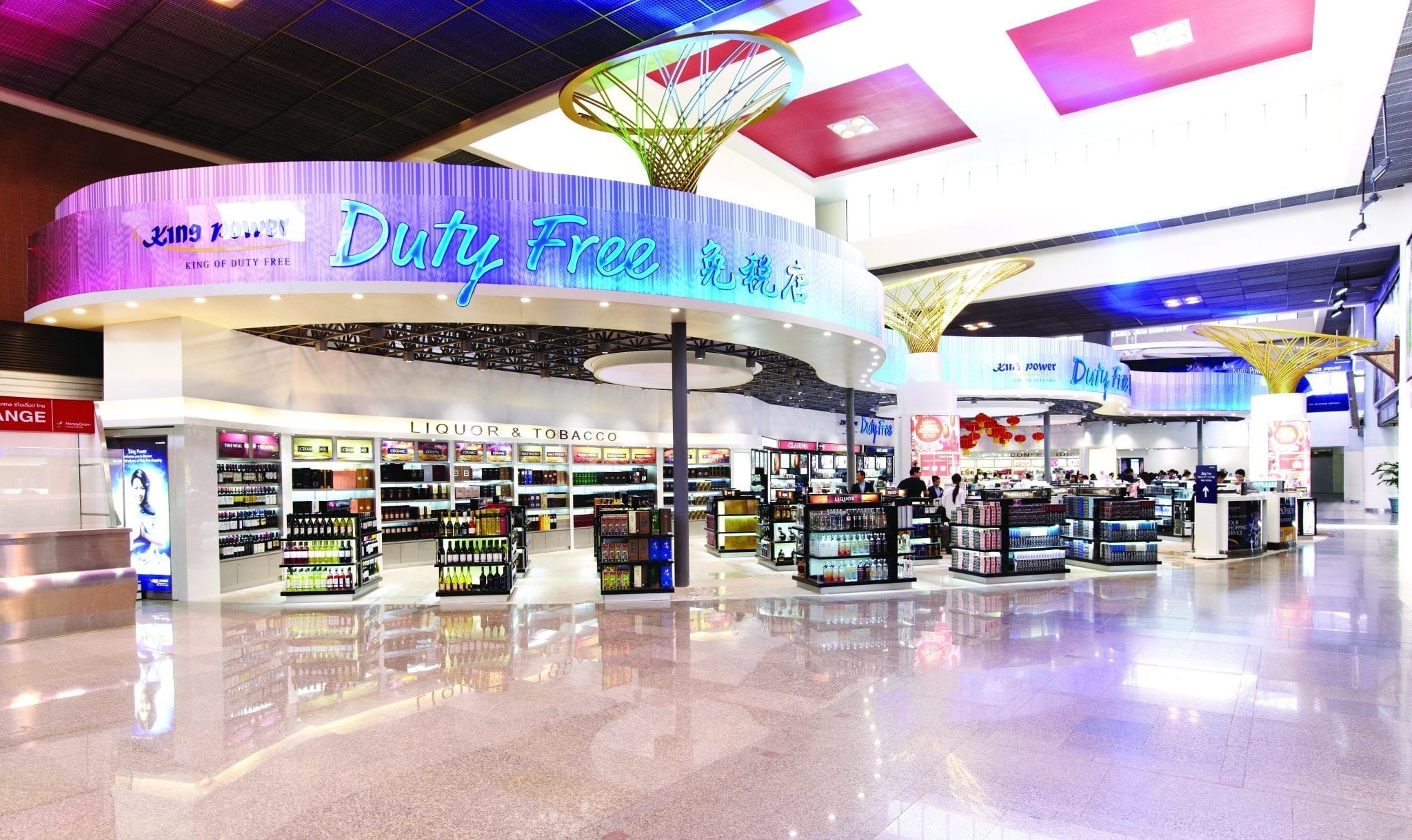
    Shiseido Travel Retail has partnered with King Power International to deliver a major promotional campaign seeking to capture the unique attractions of Thailand, which will launch the beginning of next month.

    The initiative saw the Shiseido brand collaborate with Thai artist Riety Darisa K and influential Chinese fashion and lifestyle blogger Magic Yang to target Chinese travellers through a 360° programme that included compelling social media and digital content, high-profile in-store activations and travel-retail exclusive products available only at King Power Thailand stores.

    Thailand is one of the most popular overseas destinations for Chinese tourists and the most popular getaway destination during Chinese New Year, with the campaign seeking to appeal to the lucrative Chinese millennials market. Yang, who has a significant social media following, resonates well with the market, regarding her as a key reference point for her personal style, inspired by her love for travel and adventure and the places she visits.

    Yang featured in a promotional film, The Beauty of Thailand, in which she was taken on a tour of the Thai capital Bangkok, featuring subtle references of Shiseido products, as she used some of the products from the brand’s travel-retail range. Her favourite product picks – Ultimune Power Infusing Concentrate, Perfect UV Protector SPF 50+ and Rouge Rouge – were presented through three short videos illustrating the product features, adding further impetus to the campaign. Behind-the-scene pictures of her trip to announce the collaboration as well as the film were posted on her popular Weibo and WeChat social media accounts.

    The campaign was strongly supported by King Power Thailand, with amplification on the travel retailer’s website and social media platforms, a dedicated campaign micro-site, as well as advertising that targeted travelers prior to departure.

    The digital activation created significant buzz ahead of the 1 April unveiling of the in-store activations in King Power Thailand’s main store at Bangkok Suvarnabhumi airport and in the King Power Srivaree Complex (downtown) store. The airport activation, which runs until 31 May, centres on a pop-up store offering complimentary skincare treatments and lip makeovers, as well as a Photo Booth installation where travellers can personalize their photos with Riety’s Thai-inspired visuals to be printed onto their very own customised luggage tags.

    Providing further differentiation and adding to the Sense of Place focus, Shiseido has developed an exclusive skincare set specially curated by Yang and packaged in bespoke sleeves featuring art by Riety. Available only at King Power Thailand stores, the limited edition set includes Magic’s skincare favourites: Ultimune Power Infusing Concentrate for Face, which strengthens skin’s health and its ability to resist signs of ageing; and Perfect UV Protector SPF50+/PA++++, featuring powerful sun protection technology that increases in efficacy upon contact with water or perspiration. Customers spending bt14,000 or more can receive a ‘The Beauty of Thailand’ cosmetic bag as a gift with purchase, while those spending more than THB 16,000 can claim an additional Shiseido tote bag.

    King Power International Senior Executive Vice President Susan Whelan said: “King Power International Group has been the leading retailer and duty free airport and downtown operator for several decades, and have always championed partnership initiatives with our leading supplier partners. At the same time, we are passionate about sharing the Kingdom of Thailand’s rich history and unique culture with the world, and we have been instrumental in developing and supporting cultural initiatives throughout this time.”

    “This exciting collaboration initiated by Shiseido perfectly encapsulates the wonders of Thailand, as seen through the eyes of our talented homegrown artist Riety and prominent social media personality Magic Yang,” she continued. “We are delighted with this opportunity to not only strengthen our long partnership with Shiseido, but also enhance our all-important tourism links with key visitors from China.”

    Shiseido Travel Retail vice-president Marketing Elisabeth Jouguelet commented: “Thailand is one of the most popular destinations for Chinese tourists – it is not only a beautiful and enthralling country but a true retail destination in its own right. Through our strong partnership with King Power International and collaboration with Riety and Magic Yang, we have been able to create a platform which brings a genuine Sense of Place to our retail activation. With compelling and engaging content driving awareness of the unique experiences to be enjoyed in Thailand, coupled with the appeal of TREX products and offers at King Power Thailand, we believe this initiative brings together the best of destination marketing and travel retail in a very powerful combination.”

  • Sneak peek at Golden Pin Concept Design Award 2017 “crazy” design entries to date

    Sneak peek at Golden Pin Concept Design Award 2017 “crazy” design entries to date

    With less than one month to go until the close of the 2017 call for entries period for Taiwan’s international Golden Pin Concept Design Award on June 28, executive organizers, the Taiwan Design Center, are offering a sneak peek at some of the wildest, weirdest, and weightiest designs submitted into the competition so far.

    Inspired by a nostalgic revival in the popularity of older methods of music recording like vinyl and cassette tapes, Lithuanian designers Andrius Žemaitis and Marius Paulikas of audiovisual art and design organization, BrainMonk, have created a portable cassette player for the digital age. Unlike traditional players, Elbow Cassette Player uses a single pulley to drive the tape coupled with a sensor to maintain consistent playback. A biaxial arm offers a unique solution to the insertion of the cassette and the control of play direction. The player can be attached to clothing or other objects using a small push-pin.

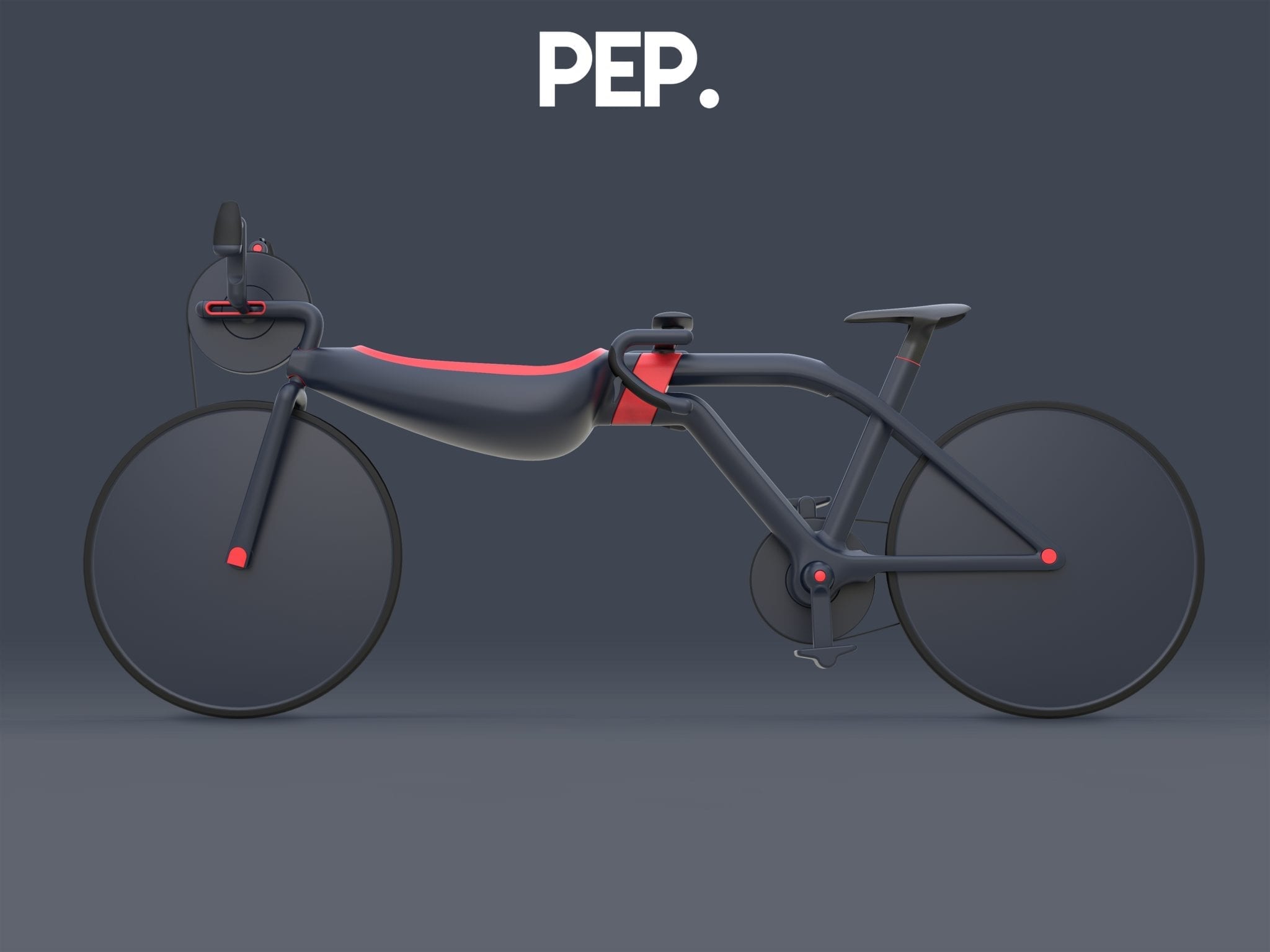
    Turkish designer Emre Özsöz has found a way to solve some of today’s most pressing problems through bicycle design. Pep combines features of a tandem bicycle and handcycle to allow people with visual impairment or a physical disability to compete together across multiple categories in the Paralympic Games. Not wanting to wait for governments to catch up with the current transport issues faced by cities across the world, Horsy allows commuters to get from place to place quickly with a lightweight, foldable urban bike that can easily be carried and stored.

    From Taiwan comes Plastico by designers Liang-Chih Chen, Chi-Huan Yang, and Le-Chi Lai; the design team is seeking to reduce plastic pollution by creating an attractive line of stationery out of discarded plastic bags, which they aim to market under the brand name Plastico. Cecilia Chen, the designer behind accessories brand SYChen.Shoes, has submitted a highly conceptual series of fashion footwear that takes inspiration from origami, architecture, and her own life journey.

    In 2017, the Golden Pin Concept Design Award is themed on the phrase, “In craziness lies genius,” which was conceived by locally renowned graphic designer Aaron Nieh. The award encourages entries from students, individual designers, and companies of all experience levels around the world who hold society changing ideas and are devoted to innovative design development. Entries have been received from Taiwan, China, Hong Kong, Lithuania, Macao, Malaysia, Singapore, Turkey, and the United States so far this year.

    The Golden Pin Concept Design Award offers a total of more than NT$ 1 million (approx. US$ 32,700) in cash prizes to its Best Design and Award winners. Winners are invited to attend the Golden Pin award ceremony in Taipei in December, and can also access a plethora of free promotional and exhibition opportunities. Entries can be submitted in four award categories–Product Design, Visual Communication Design, Packaging Design, and Spatial Design–and are assessed in three stages by a carefully selected jury made up of local and international design industry innovators.

  • South Korea’s Jeju Air says China approves flights in sign of easing tension

    South Korea’s Jeju Air says China approves flights in sign of easing tension

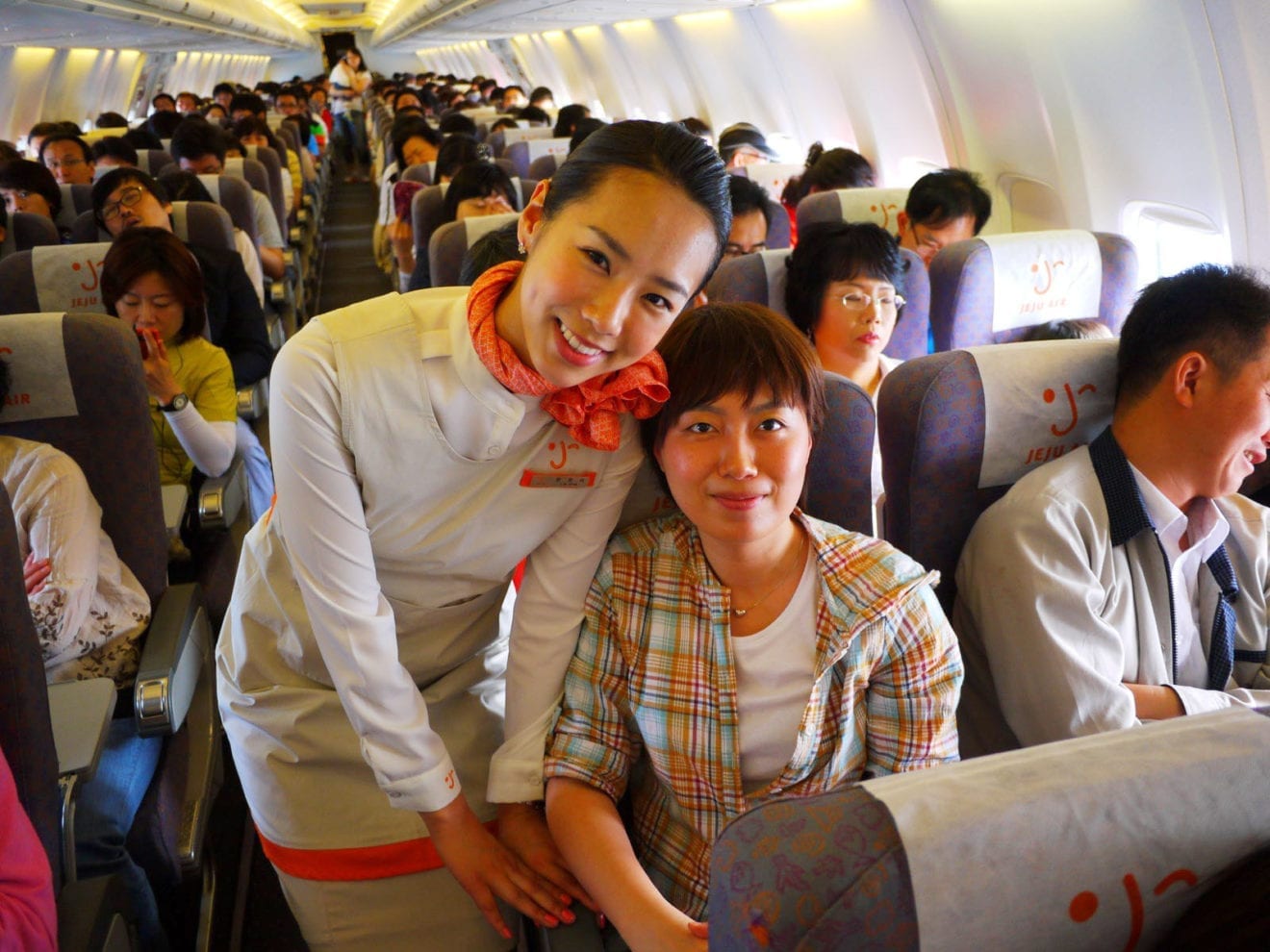
    South Korea’s Jeju Air said on Tuesday China has approved a plan to double its flights to the Chinese city of Weihai from June 2, boosting hopes of easing political tension between the two countries.

    Relations between China and South Korea have been strained for months by a South Korean decision to deploy a U.S. anti-missile system, but have taken on a more conciliatory tone with the election this month of President Moon Jae-in.

    Jeju Air, South Korea’s top low-cost carrier, said it first applied to increase its flights to Weihai, to 14 a week from 7, in early April, but China had not approved the plan because of the diplomatic row.

    “The political tension has had a far-reaching impact on flights between the two countries including new flights, added flights and charter flights,” said a Jeju Air spokesman, Park Jung-Jun.

    “The latest move raises hopes that the tension is easing,” he said.

    However, he said China has not approved a request from his airline to resume charter flights between the two countries.

    South Korean firms from airlines to automakers and retailers has suffered from China’s backlash to the decision last year to deploy the U.S. Terminal High Altitude Area Defense (THAAD) anti-missile system.

    China says the system’s powerful radar can penetrate deep into its territory and undermine its security. South Korea and the United States have said the deployment is aimed purely at defence against North Korea.

    Moon has pledged to seek a parliamentary review of the THAAD system, and sent his representative, Lee Hae-chan, to China to meet President Xi Jinping this month.

    Xi told Lee that China wanted to put ties with South Korea back on a “normal track”, but he also urged it to respect China’s concerns and resolve tension over the THAAD deployment.

    China’s tourism ministry has also instructed tour operators to stop selling trips to South Korea from March 15. An official at South Korean tour agency Mode Tour told Reuters it hoped the ban may be lifted as early as the second week of June.

    Lotte Group has closed 74 of 99 retail stores in China after the group in late February approved a land swap outside Seoul to allowed South Korea to install the THAAD system. A Lotte Group official said on Tuesday that no stores had reopened yet.

  • Retaliations by Beijing for Thaad seem to be easing

    Retaliations by Beijing for Thaad seem to be easing

    Since the Moon Jae-in government kicked off, Beijing has been easing up on retaliatory measures for Seoul’s deploying of U.S. antimissile system.

    According to Korean news reports, Chinese custom authorities have reduced the number of Korean products being sampled for import approvals to the level before the decision to deploy the Terminal High Altitude Defense (Thaad) system was made last summer.

    After the Park Geun-hye administration decided to allow a Thaad battery to be set up in the southern region of the country, Beijing intensified inspections of Korean imports, which led to bans of several food items and cosmetics goods.

    Although it never officialy acknowledged that the inspections were retaliation measures for the Thaad deployment, the cause-and-effect phenomenon was understood.

    Other noticeable improvements have taken place in the entertainment field. Popular Korean group Big Bang has reappeared in Chinese online commercials, after being missing for a few months. Shows which were not aired on TV because of featuring Korean actors are now being considered for release in the second half of this year.

    Although no Korean celebrities have yet appeared on Chinese TV or in televised advertisements recently, the lifting of that unofficial ban on Korea-related content seems to be taking place.

    Lotte Mart announced last week that its website in China, which was forced by the government to shut down in March, has reopened.

    “Since the new Korean government came in, a momentum is being felt in China over improving a relationship that seemed to have been heading toward a dead end,” said an official at the Korea Trade-Investment Promotion Agency’s Beijing office. “Although it has only been two weeks since the Moon administration started; and that more time is needed to expect actual changes, signals from the Chinese government have been changing favorably, and business sentiment seems to follow that of the government.”

    The Kotra official said retribution for the Thaad deployment was also felt in Chinese investments.

    “Chinese investors who previously had interest in investing in Korean businesses held back their decisions since Thaad,” the Kotra official said. “The situation hasn’t improved drastically but they are now in a situation where they can start considering opening up.”

    In March, the Industrial Bank of Korea released a report estimating that Korea would likely suffer losses worth US$20 billion if the Chinese government deepened its retaliations for the Thaad system.

    The industries hurt the most are the Korean duty-free and tourism industries, where revenues would shrink to US$11.7 billion compared to the previous year, IBK predicted, while manufacturing exports would see a drop of US$8.3 billion. Cosmetic companies could suffer losses amounting to US$1.4 billion.

    Although the situation seems to be slowly resolving itself, some remain skeptical.

    “We’re still not at a stage where we can say that the situation has ‘improved’, since we haven’t received any detailed messages or notifications from the Chinese government,” said a Lotte Group official.

    “Eighty-seven of our branches are still closed [for alleged fire code and other safety violations],” said a Lotte Mart official. “We are continuously requesting a revaluation of our safety violations but the Chinese government remains silent. Since our businesses have been suspended we haven’t seen any improvement.”

  • Private jet market warming up

    Private jet market warming up

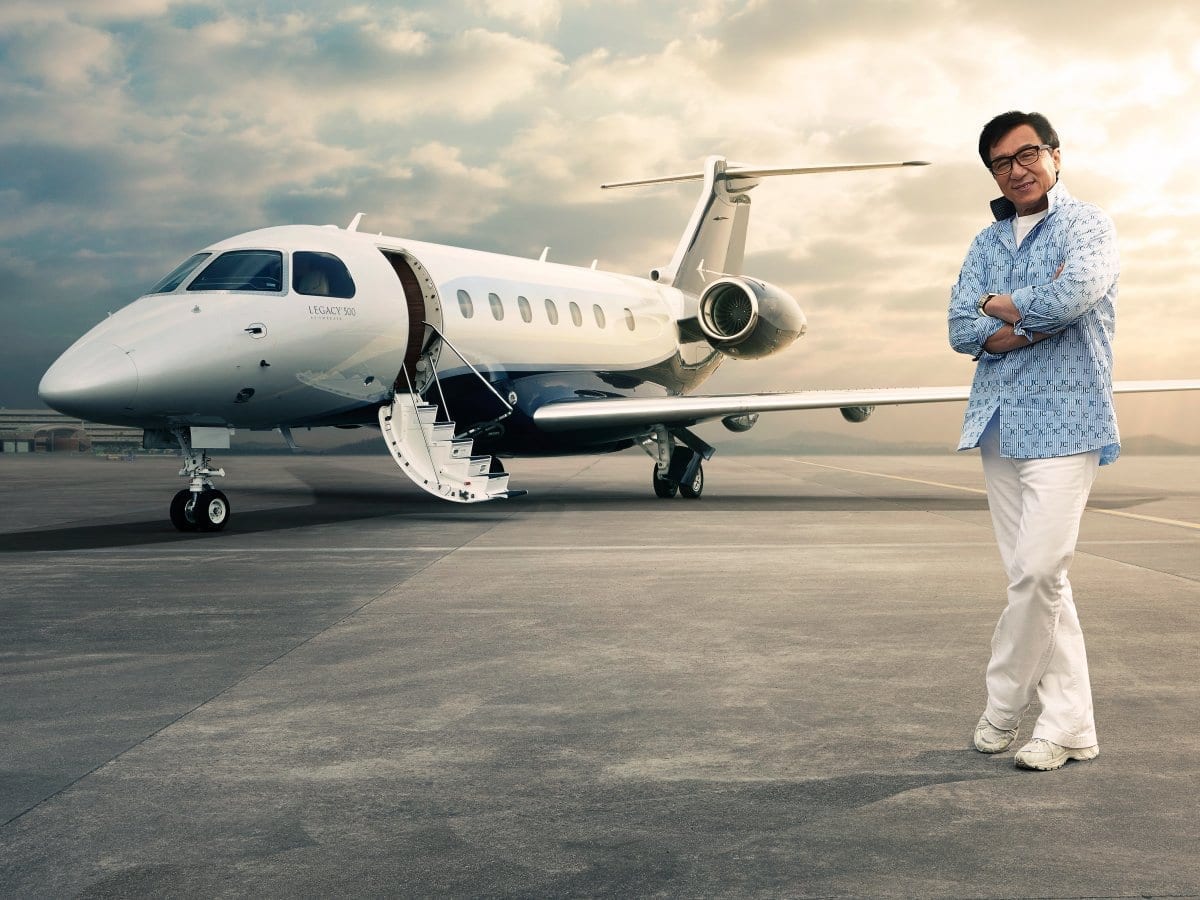
    The news that Thai Aerospace Services has been chosen by Honda as the distributor of HondaJet in the SE Asian market has caught public attention.

    HondaJet was launched in December 2015; the manufacturer received 100 orders from all over the world.  The plane is offered to businessmen who want to save time on traveling. It entered the US market after FAA granted a certificate on meeting technical requirements.

    A representative of the Civil Aviation Authority of Vietnam (CAAV) said CAAV has not received any information from Honda about bringing HondaJet to Vietnam.

    To put a new airplane model into exploitation, manufacturers will have to work with local aeronautical authorities and fulfill procedures to obtain a license.

    Besides, every aircraft has to satisfy a series of requirements to obtain two other kinds of certificates, including ownership registration and certificate on meeting requirements to fly.

    The manufacturers also have to prove they can satisfy requirements on radio communication systems.

    “This is important for small private airplanes, because the planes have low flying range. They make noise and affect residential quarters if they fly at night,” an official from CAAV explained.

    For the last 10 years, Vietnam has been the target of many private plane manufacturers and lessors, from luxury planes such as Bombardier Inc (Canada) to helicopters such as Azur Helicopter (France).

    Analysts commented that Vietnam is a market with the number of super-rich people expected to increase by 170 percent in the next 10 years, to 540. The super-rich are defined as ones with total assets of over $30 million.

    The analysts said it would not be a problem for Vietnamese businesspeople to spend several million dollars to buy airlines. Doan Nguyen Duc, a well-known businessman, once owner two private airplanes. However, the maintenance costs and the licensing fee are big challenges.

    Jet owners will have to obtain licenses for every flight, while the owners of helicopters with low flying range will have to obtain approval from the Ministry of National Defence.

    Some years ago, Jussi Hoikka, Commercial Manager of Vinacopter, a distribution firm,  commented that though the Vietnamese average income per capita remains at “low average” level, the demand for private aircraft in Vietnam would soar in the time to come.

    One of the Vietnamese businessmen who first ordered a private helicopter in Vietnam is Chair of the Hoa Phat Group, Tran Dinh Long.

    Long placed the order about the private helicopter with Eurocopter, of which Vinacopter is a subsidiary, in Singapore in 2008.

  • Singapore Airlines teams up with New Zealand craft brewer Garage Project

    Singapore Airlines teams up with New Zealand craft brewer Garage Project

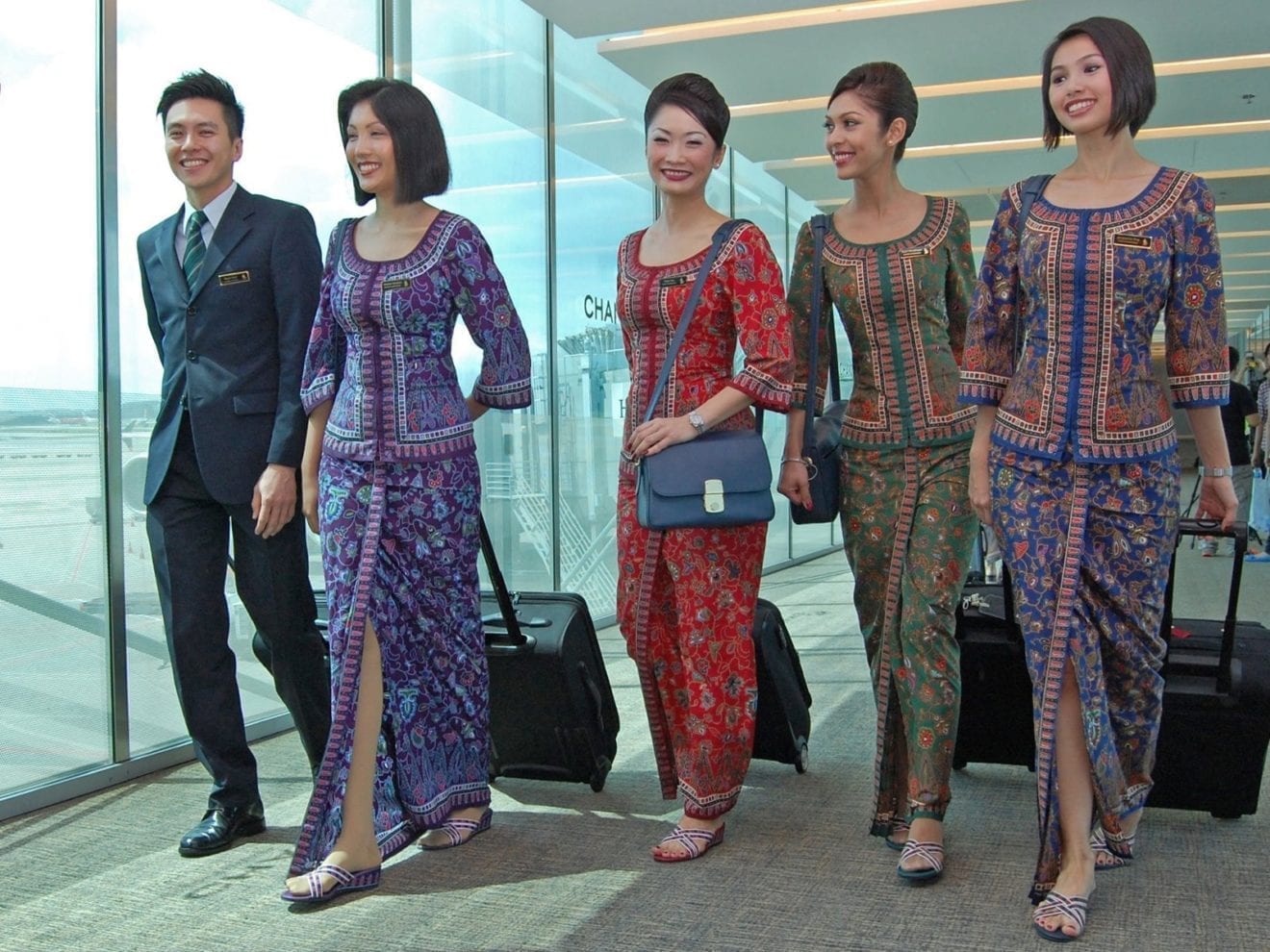
    Singapore Airlines has teamed up with Wellington craft brewer Garage Project to put its beer on all flights to and from New Zealand.

    The airline says that in response to growing demand for craft beer in the air, it will serve Hapi Daze throughout its planes from tomorrow.

    Singapore operates 18 weekly services from New Zealand and the Pacific Pale Ale will be available to up to 400,000 passengers a year.

    The airline’s general manager New Zealand, Simon Turcotte, said the brew showcased New Zealand ingredients, and had broad appeal as a ”great ambassador” for New Zealand craft beer.

    ”In the past we’ve always had a strong emphasis on the quality of our wine programme and that will remain but there’s a growing demand for craft beer.”

    There was demand from traditional markets such as New Zealand, Australia, the United States and Britain but growing interest from new markets in Asia.

    Garage Project is a leading independent, Wellington-based brewery that was started six years ago in an old car garage in Wellington’s Aro Valley.

    Turcotte said his airline always tried to partner with local suppliers wherever it flew.

    He said he was partial to the brew himself but the airline’s beverage experts in Singapore made the final call on the beer which sells for $3.50 a can through the Garage Project’s website.

  • HCM City tax department to monitor social media businesses

    HCM City tax department to monitor social media businesses

    The Ho Chi Minh City Department of Taxation has said recently that its data center is checking Facebook accounts used for conducting business, with a view to determining any tax obligations.

    Not all individual Facebook accounts, however, have to pay tax on their business. Those that are conducting “non-professional” business on an irregular basis and with low turnover will not have to pay tax.

    Only those with large sales and unpaid taxes are targeted, according to the head of the city’s tax department.

    Upon completing the checks, the department will submit plans to the city’s People’s Committee to coordinate with other departments to collect e-commerce business management taxes, including business Facebook accounts.

    At a meeting between city leaders and the department in February, the Department of Industry and Trade proposed collecting taxes from Facebook businesses.

    The Department of Tax Policy under the General Department of Taxation (GDT) is also studying the management of taxes on business activities conducted via social networks such as Facebook, YouTube, and Zalo.

    According to experts, collecting sales tax from Facebook business is not an easy task. Every organization and individual can now own multiple accounts on social networks for their business.

    Sales are mainly made in cash, so it is difficult to monitor. In addition, some people only do business via Facebook as a seasonal job or to earn more income, which also challenges tax management.

    The department’s current solution is to require people doing business on social networks to provide information such as their name, address, telephone number, and personal tax code, in order to control their business activities more strictly.

    In 2015, revenue from e-commerce in Vietnam reached $4.1 billion, an increase of five-fold compared to 2012, according to the latest data from the GDT. It is expected to reach $10 billion by 2020, accounting for 5 per cent of total retail sales in the country. E-commerce will therefore play a significant role in Vietnam’s retail sector in the future.

  • Vietnam’s budget airline VietJet seeks overseas listing

    Vietnam’s budget airline VietJet seeks overseas listing

    The plan comes amid the government’s easing of rules to potentially allow more foreign investment in the aviation market. VietJet Aviation Joint Stock Co., which controls almost half of Vietnam’s domestic airline market, is in talks to become the first company in the Southeast Asian nation to list its shares in an overseas stock exchange, Bloomberg reported.

    “We’ve been approached by some foreign stock exchanges including London, Hong Kong and Singapore, which expressed their interest in our stock,” Nguyen Thi Phuong Thao, VietJet’s founder and chief executive officer, was quoted as saying on Sunday. She added that she will meet exchange officials in New York later this week.

    Hanoi-based VietJet reportedly received shareholder approval in April to boost its foreign ownership limit to 49 percent from 30 percent.

    The increase will need to be approved by the government because foreign ownership in the industry is currently capped at 30 percent.

    “We don’t want to hide our hope to become the first Vietnamese company to list shares overseas,” Thao reportedly said.

    Her “bikini” airline, nicknamed after its unique yet controversial promotional campaign for depicting a female crew in bikinis, now rivals national carrier Vietnam Airlines in the local market.

    It went public in Vietnam in late February in a move deemed successful by local media.

    Thao, Vietnam’s richest woman, said publicly in April that her carrier was not competing directly with Vietnam Arlines. “We create our own customers. We do not take them from others.”

  • AirAsia eyes budget-conscious Aussie travellers

    AirAsia eyes budget-conscious Aussie travellers

    Benyamin Ismail, the CEO of budget airline AirAsia X, wants the coastal city in Borneo to become as familiar to Australians as the famous Bali beach destination.

    AirAsia is eyeing Aussie travellers and wants the Malaysian-based low-cost carrier to be a serious contender in our budget travel market.

    Its pitch to local travellers is its network can offer flights to places we might not have been able to afford before.

    Speaking on the airline’s 10th anniversary in Australia, Mr Ismail, said it wants to beef up its Aussie operations to win budget travellers, and show us there is life beyond Bali.

    “We see a lot of Australians travelling to Bali. So of course, we know that is a very strong market and we have been doing well in that market, but we have been trying to educate that there is life beyond Bali,” Mr Ismail told news.com.au.

    It’s just that many Australians haven’t been able to get there, affordably, before.

    “We want to focus on other islands in Malaysia — Penang, Langkawi and Kota Kinabalu.

    “We are also looking at Sri Lanka — Colombo has a very nice stretch of beaches so we are pushing hard on that. And we are also looking at Vietnam.

    “We know that there is an attraction there, we just want to make these markets affordable.”

    AirAsia currently operates flights out of most of our major airports — Sydney, Melbourne, Perth, Gold Coast and Darwin.

    Flights from Sydney to Kota Kinabula start from $278 one-way, from Melbourne $288, or Perth from $228.

    But Mr Ismail believes its their network within Asia that will open up low-cost travel to Australians once they are in the region.

    For example, trips from Kuala Lumpur to Penang can go for as low as $10 or Bangkok to Phuket for $55 for a basic economy seat without all the comforts.

    However, like most low-cost carriers, ticket prices only include a basic economy seat. If you want to add baggage allowance, a meal, standard seat selection and in-flight entertainment, you’ll have to pay an extra. These fees change depending on departure and arrival destinations and ticket prices can change depending on demand.

    But Mr Ismail said giving passengers this choice on how they fly is an important part of how budget airlines are able to keep prices low.

    “If you are really concerned about the cost and value for money, you don’t have to buy food, for example. That is the good thing about low-cost carriers, you pay for what you use,” he told.

    “Whereas full-service airlines charge everything onto one ticket, but 60 per cent of those things you might not need. That’s really why we are able to transfer savings to our customers too.”

    He said AirAsia is also able to make travel more affordable for Australians by focusing on volume and efficiency.

    “We run a very cost-efficient operation which allows us to charge lower fares,” Mr Ismail said.

    “We have more seats on our planes. We are a very high density aircraft, so the cost per seat is much lower. But how we operate staff is also quite efficient.

    “When we look at the number of staff per aircraft — the number of total airline staff divided by the number of aircraft — we are at about 90 staff per aircraft.

    “Low-cost carriers like Ryanair or EasyJet run their airlines at about 72 to 80 staff per aircraft. Full service carriers are sitting about 160 to 180.”

    And he assures that efficiency doesn’t equal poor service.

    “It just means if you arrive at a terminal to board, in a low-cost airline you might only have one staff member there welcoming you rather than five,” Mr Ismail said.

  • Vietnam’s online gaming firm VNG eyes IPO in US

    Vietnam’s online gaming firm VNG eyes IPO in US

    It is now in a race with budget carrier VietJet to become the first Vietnamese company to list abroad. Vietnamese online gaming and messaging firm VNG Corp said Tuesday that it has signed a preliminary agreement with U.S. bourse operator Nasdaq Inc to explore an initial public offering, a move that could make it the first Southeast Asian firm to be listed overseas.

    The agreement, which could see Nasdaq help VNG prepare for the listing, was signed on the sidelines of Vietnam Prime Minister Nguyen Xuan Phuc’s visit to the U.S.

    Founded in 2004, VNG provides online games, music streaming and messaging applications. Its statement did not disclose details about the IPO plans.

    The company was not immediately available for comment.

    In his Tuesday meeting with Robert H. McCooey Jr, vice president of Nasdaq, PM Phuc hailed the agreement between Nasdag and VNG. According to a government report, he said that Vietnam’s government always encourages the cooperation between local firms and U.S. partners.

    In a report on Sunday, VietJet Aviation Joint Stock, which controls almost half of Vietnam’s domestic airline market, is in talks to become the first company in the Southeast Asian nation to list its shares in an overseas stock exchange.

    “We’ve been approached by some foreign stock exchanges including London, Hong Kong and Singapore, which expressed their interest in our stock,” Nguyen Thi Phuong Thao, VietJet’s founder and chief executive officer, was quoted as saying. She added that she will meet exchange officials in New York later this week.

    VietJet reportedly received shareholder approval in April to boost its foreign ownership limit to 49 percent from 30 percent. The increase will need to be approved by the government because foreign ownership in the industry is currently capped at 30 percent.

    “We don’t want to hide our hope to become the first Vietnamese company to list shares overseas,” Thao reportedly said.

  • Uber fires engineer at center of trade secret suit

    Uber fires engineer at center of trade secret suit

    The star engineer was accused of stealing technology from Alphabet’s self-driving car unit. Uber on Tuesday confirmed that it has fired an engineer accused in a trade secrets suit involving files he purportedly purloined from Alphabet’s self-driving car unit Waymo.

    The firing of Anthony Levandowski came just ahead of a date set by a judge for Uber to return files taken from Waymo.

    Levandowski missed a company deadline for assisting with an internal investigation related to the litigation, according to an Uber spokesperson who asked not to be named.

    The case stems from a lawsuit filed in February by Waymo, formerly known as the Google self-driving car unit, which claimed former manager Levandowski took a trove of technical data with him when he left to launch a competing venture that went on to become Otto and was later acquired by Uber.

    San Francisco-based Uber said it pressed Levandowski for months to help with the investigation, and did not want to wait until the matter made its way through the courts to decide whether to let him go.

    In mid-May, U.S. District Court Judge William Alsup issued a partial injunction that fell short of the complete shutdown of Uber’s self-driving car efforts that Alphabet lawyers had requested.

    “Waymo has supplied a compelling record that Levandowski pilfered over 14,000 files from Waymo, and that Uber knew or should have known as much when it brought him on board,” Alsup said in his order.

    Waymo’s lawsuit contends that Levandowski in December 2015 downloaded files from a highly confidential design server to a laptop and took the data with him to the startup.

    The judge ordered Uber to do everything in its power to prevent information taken from Waymo from being used at the on-demand ride company and to return all copies to Waymo, or the court, by the end of May.

    Under the order, Levandowski was barred from being involved at Uber with anything to do with LiDAR, an object-sensing technology used to help self-driving cars “see,” which is at the heart of the suit.

    Waymo argued in the lawsuit that a “calculated theft” of its technology netted Otto a buyout of more than $500 million and enabled Uber to revive a stalled self-driving car program.

    Uber acquired commercial transport-focused Otto late last year as the company pressed ahead with its pursuit of self-driving technology.

    Levandowski, a co-founder of Otto, headed Uber’s efforts to develop self-driving technology for personal driving, delivery and trucking.