Category: General

Retail News Asia is committed to providing both local and global retailers with the latest General Retail news throughout the Asian market. This on a daily base.

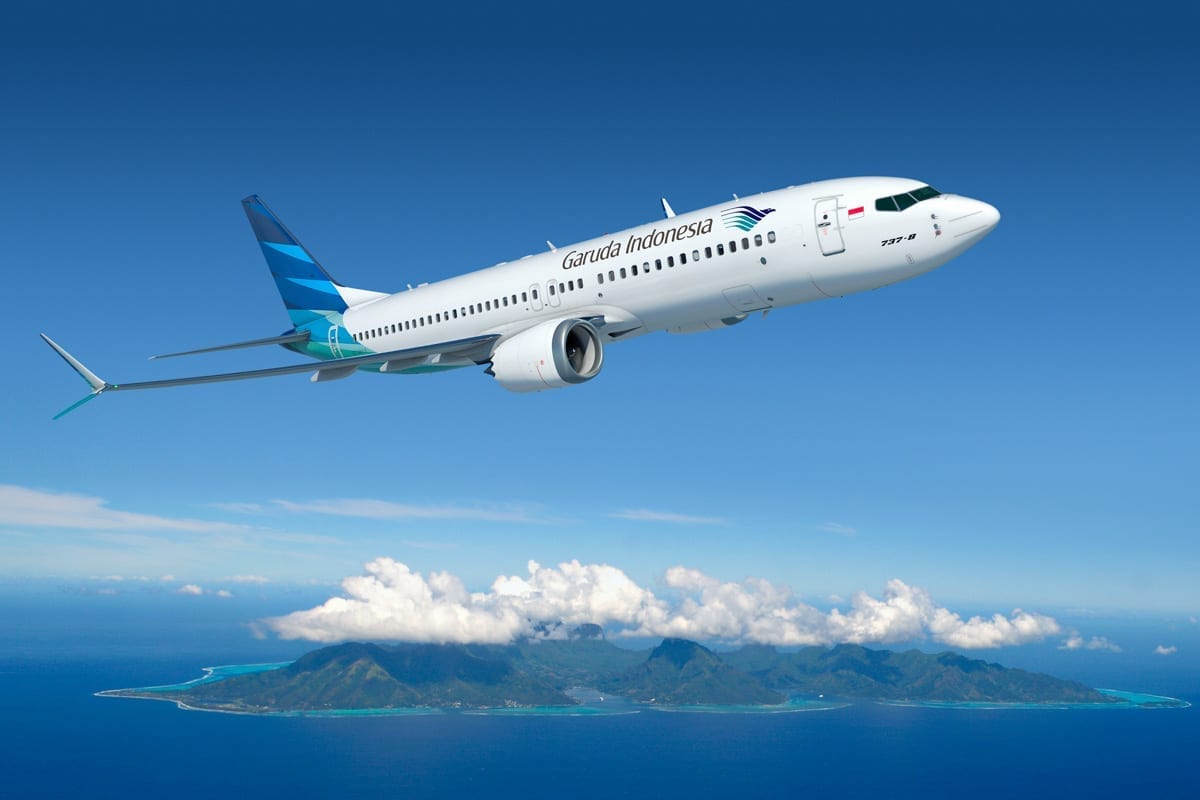
  • Garuda to operate large aircraft to serve Lebaran travelers

    Garuda to operate large aircraft to serve Lebaran travelers

    Flag carrier Garuda Indonesia is preparing 61,324 flight seats through the operation of large aircraft for an extra flight in anticipation of an increase in passengers during the post-fasting Eid ul-Fitr or Lebaran 2017.

    President Director of PT Garuda Indonesia Pahala N. Mansury said the Lebaran is a period when flight operations peak, mainly coinciding with school holidays, so that seat capacity this year increased to 87.24 percent.

    “During the increase this year, there are additional seats of around 60 thousand for the Lebaran peak season. One-third of it is from the large aircraft, while the remaining two-thirds include additional frequencies for both domestic and international flights,” Pahala noted here on Saturday (May 27).

    There is also the use of wide-bodied aircraft (bigger aircraft) and extra flights consisting of 50,210 seats to 11,114 seats on domestic routes and international routes.

    Meanwhile, the type of aircraft to be operated are B737-800 (162 passengers), A330-200 (222 passengers), A330-300 (287 passengers), and entire economy class A330-300 (360 passengers).

    Previously, VP Corporate Communications Garuda Indonesia Benny S. Butarbutar remarked at the Lebaran peak season this year that Garuda Indonesia operates a total of 348 additional flights comprising 188 extra flights and 160 flights using large aircraft.

    “The addition of low-capacity Lebaran peak season this year increased by 87.24 percent of the total capacity of extra flights in the same period last year,” Benny stated.

    Homecoming of passengers are expected to take place from June 16 to July 9, 2017, for both domestic and international routes.

    Garuda Indonesia appealed to all service users to plan a trip as early as possible and use the city check-in facility at the sales offices of Garuda Indonesia or in the web check-in and phone check-in to avoid long queues at the check-in booths in the airport.

  • Rule change in the battle against pirates

    Rule change in the battle against pirates

    The growth of high speed broadband in Asia has changed the nature of video piracy, with downloads giving way to streaming over IP and requiring a new “360 degree” response.

    That’s the view of Roger Harvey, regional sales director for security vendor Irdeto in Asia-Pacific, who has seen the proliferation of “IP boxes” which allow users to access thousands of global television channels illegally.

    Irdeto recently commissioned a global consumer online piracy survey and found that while 78% of APAC consumers are aware that sharing pirated video is illegal, 61% still choose to watch it. This is significantly higher than the US, where the latter figure is 32%, and Europe, 45%.

    Part of the reason that piracy is lower in the US is because subscription video on demand (SVOD) models are inexpensive and easy to use, while pirate sites are often infected with malware.

    While Asia’s broadband is getting faster, content providers in the SVOD space are not as advanced, meaning that people turn to pirates more often to find what they want to watch.

    “Broadband has created a massive shift in piracy and how you deal with it,” says Harvey.

    “Five years ago you had people trying to break encryption systems, but these systems are so much more advanced, but what you have now is the broadband speed which makes it easy to take the content in the clear and put it over the internet.”

    The shift to “linear” viewing to viewing on demand has also changed the technical infrastructure and the devices people are using to view content, and each of these devices has their own digital rights management (DRM) technology which needs to be understood by service providers.

    “These days you need some sort of watermarking on content so you can trace the source,” says Harvey.

    “And once you have that you can deploy 360 degree security. And that means scouring the web using our crawlers, finding the content and then taking it down at the source.”

    Irdeto was the first western vendor to have an agreement with Alibaba, where it has succeeded in shutting down thousands of online advertisements for pirate devices from dozens of suppliers on the Alibaba platform.

    The company also works with Google, and with many subscription television providers such as Australia’s Foxtel, where the 360 approach helps minimize revenue leakage.

  • Hong Kong retail market enters post-correction era

    Hong Kong retail market enters post-correction era

    Hong Kong’s retail sector is transitioning into a period of normality. After several years of correction, the retail market is showing genuine signs of stability and renewed tenant activity.

    The driver is, simply, cost. In the first half of 2017, rental costs of core shopping areas have finally come down to a level considered acceptable from a tenant perspective. Significantly, with this normalization, low-to-middle range retailers are now confident and less likely to succumb to outlandish rental costs and fierce competition with luxury jewelry stores for retail space. Higher up the value chain, landlords of shopping malls and street shops have become so nimble with their portfolio strategy that a more diversified market has brought in a new era of retail.

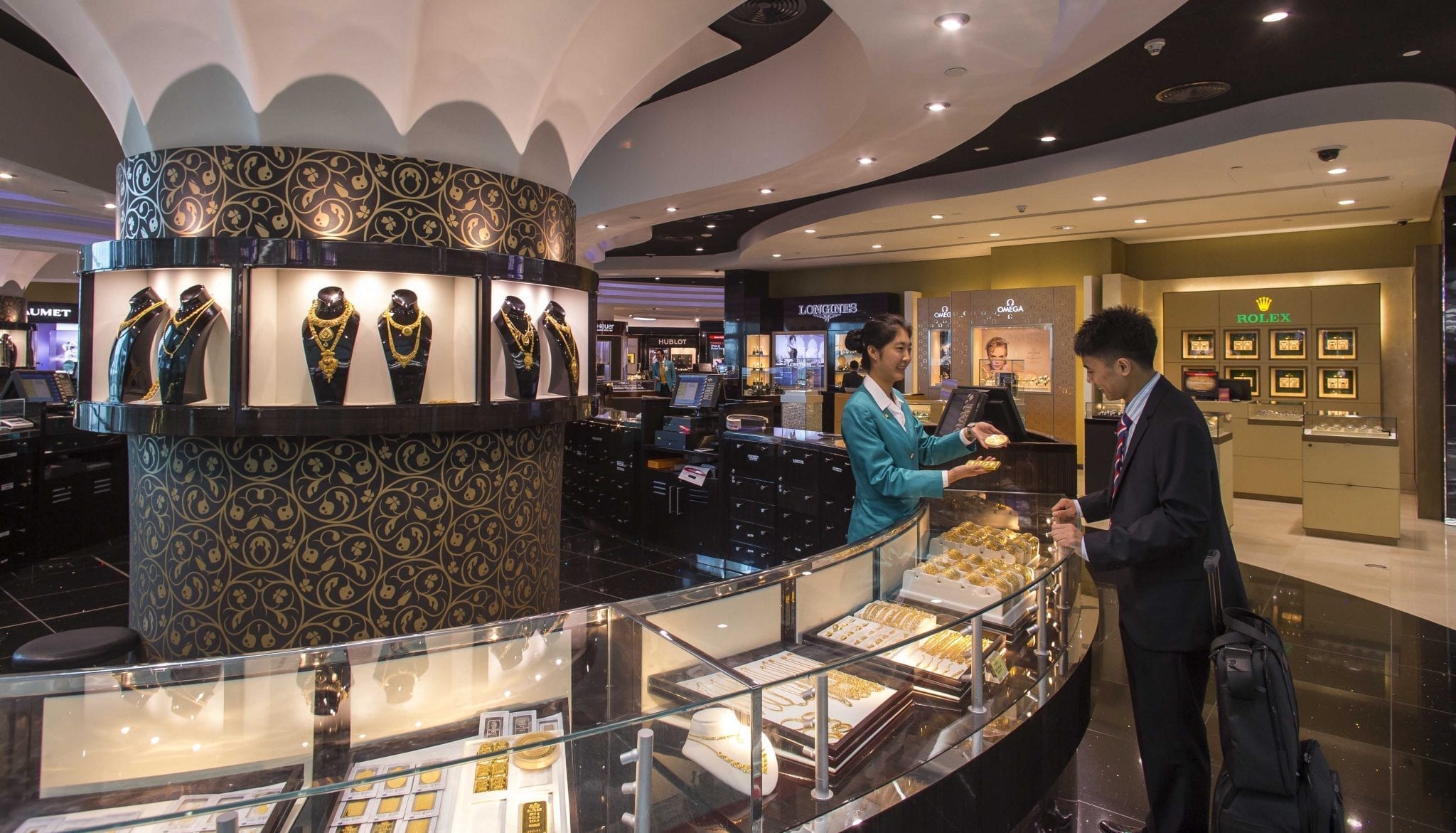
    The change is conspicuous. Major streets in Hong Kong are no longer dominated by jewelry shops, pharmacies or luxury brands.

    Outside forces are increasingly influencing this retail shift; Chinese tourists’ diminishing consumption have changed the consumer profile. And as a result, landlords have to cater to the needs of a more local clientele. To reflect the transition in the market, landlords are actively leasing to more trendy tenants such as affordable luxury brands, diversified fashion concepts, cosmetics stores and food & beverage establishments.

    The change is also occurring away from the street level. Most shopping malls have transformed or are about to transform their tenant mix by adding unique restaurants, niche fashion brands, international lifestyle stores or sports-related gadget shops. In addition to cinemas, landlords are signing boutique-style gyms as alternative tenant anchors. They are successfully attracting footfall, complemented with a sports brand added to the trade-mix.

    But retailers have still not fully regained their confidence and a meaningful recovery in Hong Kong will take time. Signs of a more measured rebound are more obvious with well-established brands who are still regrouping from their extensive expansion across Greater China. As such, newer brands are taking advantage of the situation and are actively acquiring.

    Innovative hybrid concepts, mingling entertainment with dining, have been imported from the overseas market into Hong Kong. As opposed to previous cycles, international operators of these new concepts have found space in revitalized industrial buildings. Some of these family-friendly restaurants, like Mr. Tree and Crazy Car Cafe in Lai Chi Kok, have become so sought-after that customers have to book one month in advance to secure a place for a child’s birthday party.

    Nonetheless, the current retail market is at its healthiest it has been in the last ten years. Hong Kong’s landlords are now adopting proactive and flexible strategies to attract tenants and foot traffic, paving the way for the long term development of the retail industry. Only time will tell.

  • Cebu Pacific to suspend operations in 3 Middle Eastern routes

    Cebu Pacific to suspend operations in 3 Middle Eastern routes

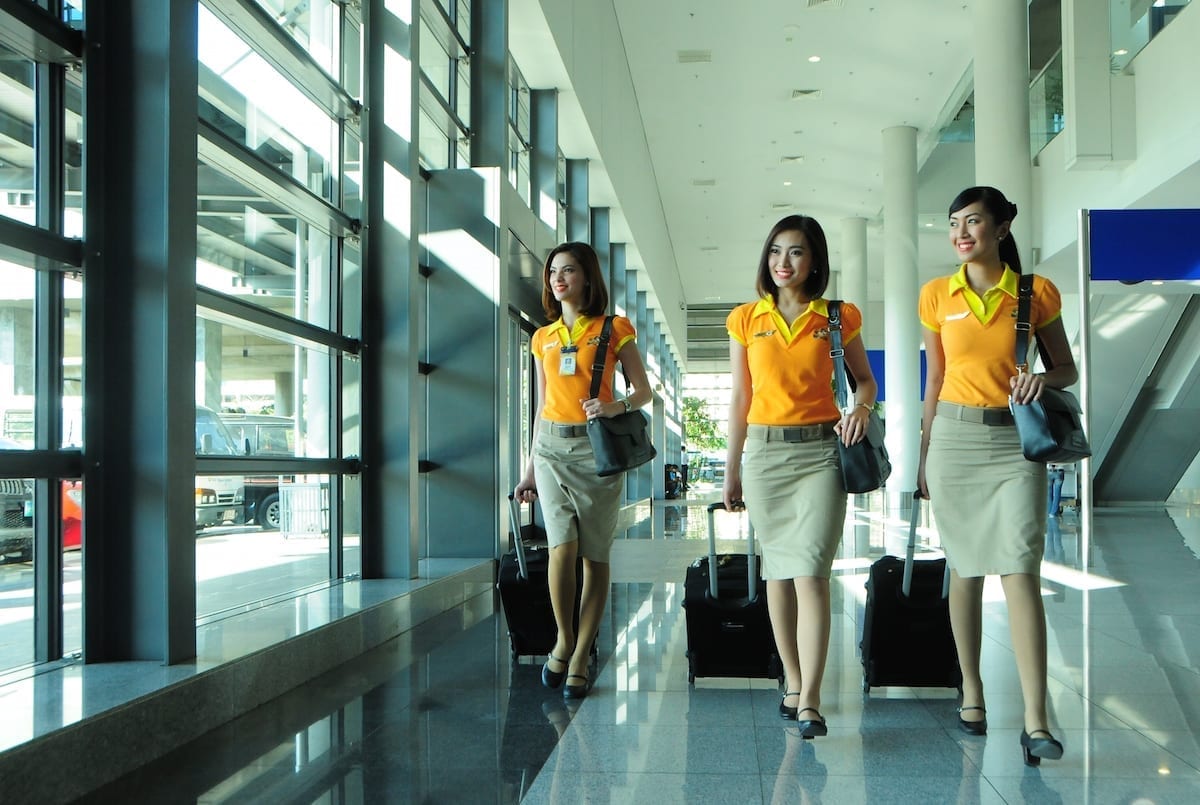
    CEBU Pacific Air announced Wednesday that it will halt flying to Riyadh in Saudi Arabia, Kuwait, and Doha in Qatar because the routes are not viable anymore. Lawyer JR Mantaring, CEB vice president for corporate affairs, said there were too many competitions already in the said routes. “The entry of Cebu Pacific into these markets benefited passengers with lower fares and more choices. Of late, other carriers have aggressively added more flights, which has resulted in substantial oversupply of seats and fares that are so low, hence making the routes unsustainable,” he said in a statement. He said it makes more sense for CEB to re-deploy the aircraft used for the Riyadh, Doha and Kuwait service to routes where they could further stimulate demand and sustain the low fare offers.

    “We have to continuously review our routes to ensure their viability,” he said. CEB will fly the last of its four-times-a-week service from Manila to Kuwait on June 13, and its Kuwait-Manila flight on June 14. The thrice-weekly Manila-Doha-Manila route will have its last flight on July 1; while CEB’s last flight from Manila to Riyadh, Saudi Arabia will depart on July 2, while the Riyadh-Manila flight will leave on July 3.

    CEB said it will retain its other long-haul services to and from Dubai, United Arab Emirates; and Sydney, Australia, with a view to increasing frequencies to these destinations in the future. The airline also flies to 24 other international destinations across Asia and the United States; as well as 37 domestic destinations. “Passengers affected by the suspension of CEB service in Doha, Riyadh and Kuwait are being contacted. Options are being provided to minimize the disruption, which include rebooking passengers on flights with other airlines or on earlier travel dates with CEB; a full refund; or placing the full value of the ticket in a travel fund for future use,” CEB said.

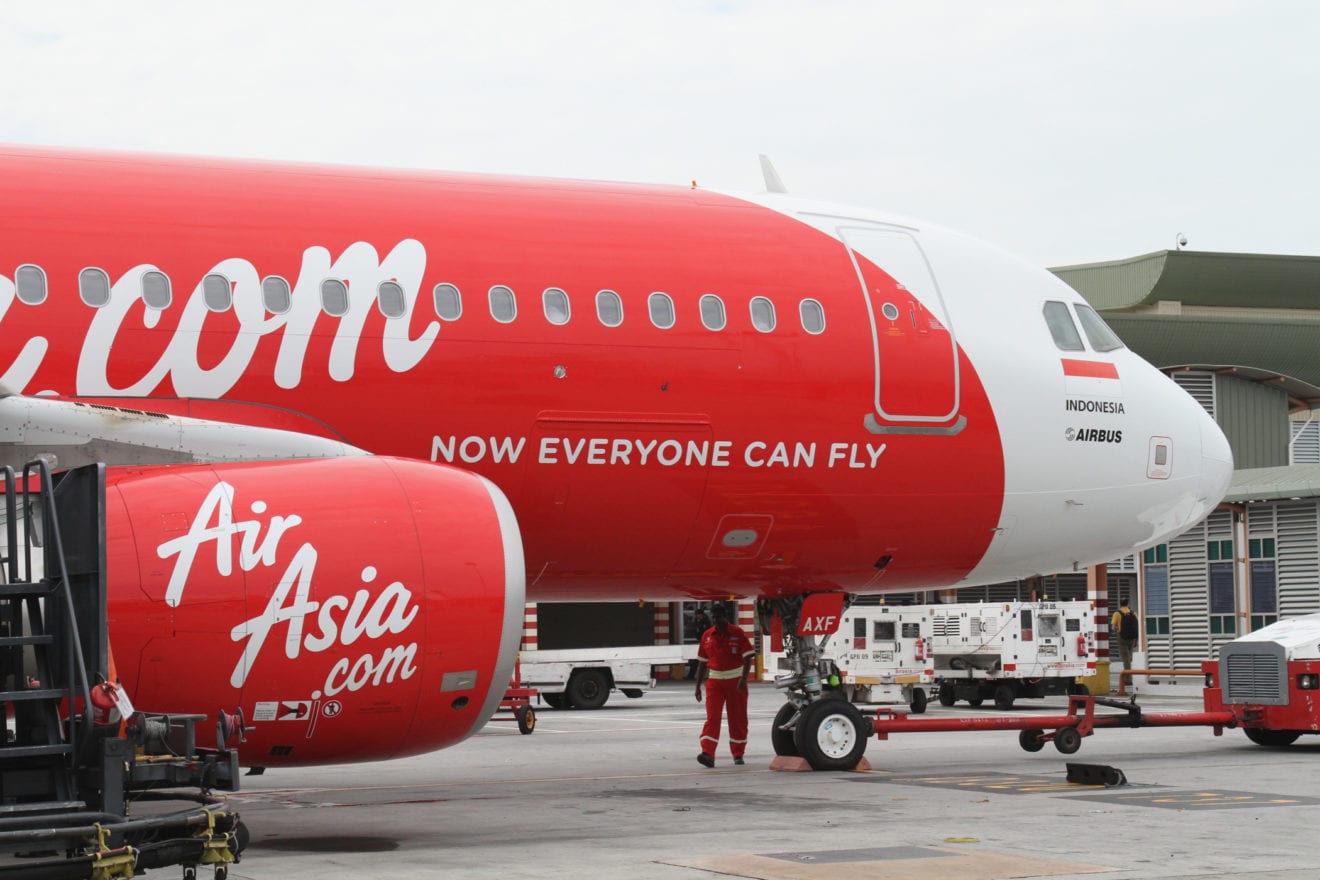
  • AirAsia sees 2017 results surpassing 2016 despite lower 1Q earnings

    AirAsia sees 2017 results surpassing 2016 despite lower 1Q earnings

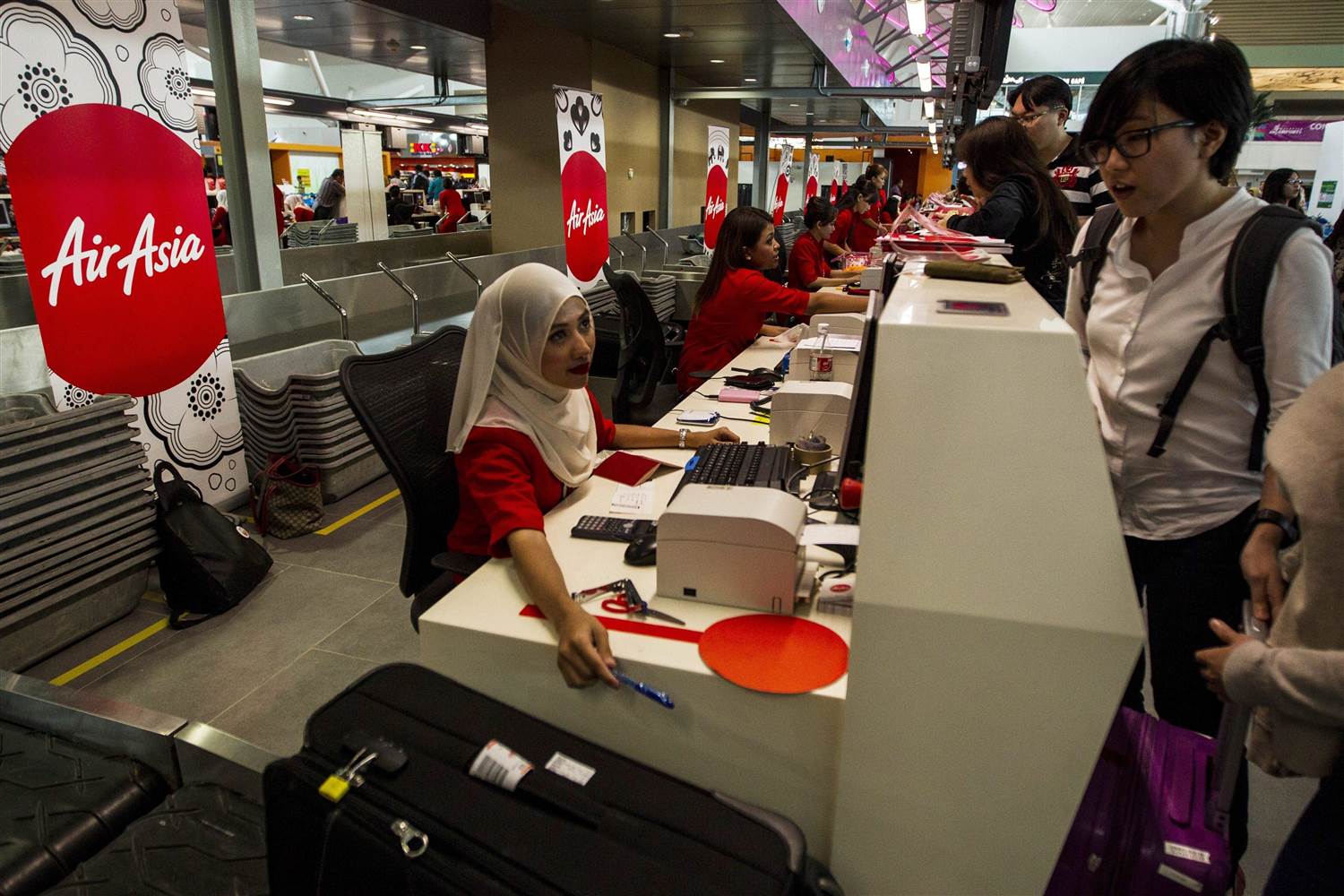
    AirAsia, Asia’s largest budget airline, saw net profit drop 29.8% to RM615.81 million or 18.4 sen a share in the first quarter ended March 31, 2017 (1QFY17) from RM877.79 million or 31.5 sen a share a year ago, mainly due to higher fuel costs as average fuel price rose 20% to US$67 (RM286.18) per barrel in 1QFY17 from US$56 per barrel in 1QFY16 and a strong US dollar.

    Staff costs also went up sharply by 27% year-on-year to RM363.5 million in 1QFY17, mainly due to a revised staff remuneration package that was introduced in 4QFY16. As a result, total net operating profits fell to RM267.1 million in 1QFY17 from RM337.7 million in 1QFY16. However, the airline remains positive about its prospects in 2017 and is optimistic that the 2017 results may surpass that of 2016, it said in a filing with Bursa Malaysia yesterday.

    For the remaining quarters of 2017, AirAsia said it remains optimistic as it continues to observe strong demand across most sectors coupled with a favourable fuel price and foreign exchange environment.It is projecting to achieve an average forecast load factor of 91% in 2QFY17 based on the existing forward booking trend. “The strong demand is expected to derive from the festive Hari Raya season, in conjuction with the midterm school holidays in India, as well as the expanded South Korea and China network from the Philippines,” it added.

    AirAsia’s quarterly revenue jumped 31% to RM2.23 billion in 1QFY17 from RM1.7 billion in 1QFY16 due to the consolidation of Indonesia AirAsia (IAA) and Philippines AirAsia (PAA) Group during the current quarter under review. AirAsia said the improved quarterly revenue growth was also derived from a 6% increase in total passengers carried on an additional 1% growth in seat capacity, as well as a strong seat load factor of 89% in 1QFY17 compared with 85% in 1QFY16. Despite of a slight reduction in the average fare of 2%, overall revenue per available seat kilometre improved 3% to 14.91 sen in 1QFY17 from 14.42 sen in 1QFY16. Its cost of available seat kilometre (CASK), however, rose 14% to 13.61 sen in 1QFY17 from 11.97 sen in 1QFY16, while non-fuel CASK increased 9% to 8.6 sen from 7.87 sen.

    In a separate statement yesterday, AirAsia group chief executive officer Tan Sri Tony Fernandes said following the completion of the capital injection exercise in January, the airline’s net gearing ratio stood at 1.22 times at the end of 1QFY17 compared with 1.33 times at the end of 4QFY16. “With the start of consolidated accounts combining our Malaysia, Indonesia and Philippine units, we are taking a major step to being recognised as one airline, not many. AirAsia as OneAirAsia, sharing a single cost structure, brings immense benefits in terms of economies of scale and building a dominant position in the markets we operate in. We hope to include Thai AirAsia in our consolidated accounts beginning the second quarter,” he said.

    He said the airline will add 29 new planes this year through a combination of finance and operating lease, bringing the total fleet to 201 aircraft by end-2017. “This is the most number of aircraft we have added in four years, demonstrating our confidence in the competitive environment in Asia.

    “In March this year, we signed a joint venture in Vietnam and later another in China in early May. Adding these two countries will give us air operator certificates in a total of eight Asian countries, and with that, unrivalled connectivity within the region,” he also said.

    The airline is also expected to achieve 10% further savings by end-2017 as it moves towards regional consolidation and streamlining group operations across the board. It also plans to grow its ancillary target per passenger from RM50 to RM60 this year.

    “In generating returns for our shareholders, we hope to monetise our non-core assets and distribute a special dividend every two years. We are currently in final negotiations and will materialise the sale of Asia Aviation Capital, our leasing arm, very soon. We continue to work toward the listing of PAA and IAA and our training centre — AirAsia Aviation Centre of Excellence,” said Fernandes.

  • Spar China Continues Strong Growth in 2017

    Spar China Continues Strong Growth in 2017

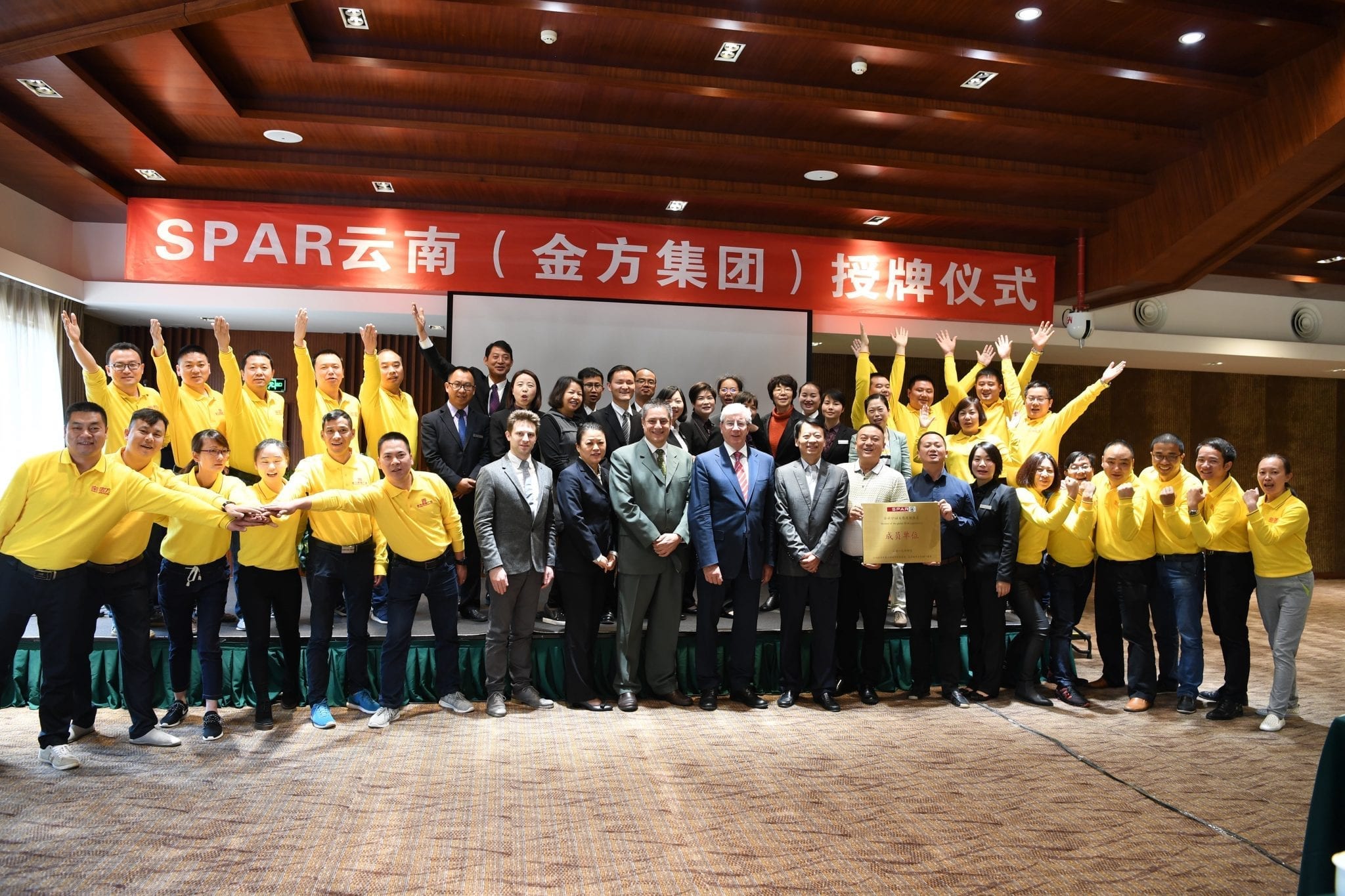
    PAR International (“SPAR”) and Yunnan Anning Jinfang Commercial Group (“Jinfang”) have announced a new partnership agreement authorising Jinfang to grow the SPAR Brand in Southeast China across Yunnan Province, Liu Pan Shui City, Bijie City, Buyi and Miao Autonomous Prefecture, and Anshun City in Guizhou Province.

    Jinfang will invest in converting 32 stores to the SPAR brand in the coming months, bringing together the best of SPAR’s global retail expertise and Jinfang’s deep understanding of the local customer. The 2,550 employees currently working in the chain’s hypermarkets, supermarkets and convenience stores will benefit from access to the retail training academy of SPAR China.

    The announcement marks an exceptional 12 months for SPAR in China. In 2016, sales grew by 6.7% to 14.5 Billion RMB, with SPAR China continuing its expansion in a maturing food retail sector. Store numbers increased by 14% to 395 and SPAR China added 43,918m² of selling area.

    In December, Jiajiayue Group, which was SPAR’s first Chinese retail partner, launched an initial public offering (IPO) on the Shanghai Stock Exchange. The fund raised from the IPO will be used to strengthen and develop the business further investing in technology and the supply chain infrastructure.

    Today, 14% of the total selling area of SPAR worldwide is in China and SPAR China has partners building the brand’s presence in Shandong, Guangdong, Shanxi & Inner Mongolia, Beijing, Sichuan, Henan, Zhangjiakou and now Yunnan.

    SPAR International’s growth in China has been driven by investment in a multi-channel supply chain, the development of hypermarkets, the launch of world-class convenience stores in Tier 2 and 3 urban centres and a strategic emphasis on fresh food through initiatives like the development of a new, state of the art bakery production facility. Ongoing developments in retailing via online channels including the popular WeChat and Weibo platforms in addition to web sales.

    SPAR is working closely with Jinfang on the first SPAR Supermarket design and an expert international logistics team from SPAR International and SPAR China are supporting Jinfang in the development of a modern warehouse.

    Speaking on the official announcement of the new partnership Tobias Wasmuht, Managing Director of SPAR International said:

    “Since entering into China in 2004, SPAR has worked closely with partners to accelerate the growth of their food retail business through our standardisation methods, latest store design, modern supply chain expertise and improved shopping experience. The strong growth figures demonstrate that the ‘Better Together’ strategy is delivering for our Partners. The partnership with Jinfang represents a further, exciting development in the growth of SPAR in China.”

    Mr Wang Peihuan, Chairman of SPAR China said:

    “Our new partnership with Jinfang is consistent with SPAR China’s strategic focus on accelerating expansion and growing presence. Together we unite the best of SPAR’s global retail expertise and Jinfang’s extensive and longstanding understanding of the local customer to grow SPAR presence in Southeast of China.”

    Mr. Li Jia, the Chairman of the board of Yunnan Jinfang Group said:

    “Jinfang has followed SPAR’s progress since SPAR entered into China in 2004, and has seen the great success achieved by SPAR China and its Partners. SPAR and Jinfang share key values in many areas. In order to serve customers in the Southeast of China better, we plan to bring high operation standards, efficient logistics and a modern supply chain to build diverse retail solutions.”

  • Vietnam plans to open ‘outstanding’ special economic zones

    Vietnam plans to open ‘outstanding’ special economic zones

    The country is becoming more selective in the kind of investment it seeks, giving greater priority to high-tech and green sectors. Vietnam plans to open three special economic zones that offer investors greater incentives and fewer restrictions than available to date in the country, the investment minister said.

    Foreign direct investment, largely in manufacturing, has been key to Vietnam’s growth. It hit a record of $15.8 billion last year and has risen 6 percent in the first five months of 2017 from a year earlier.

    The new economic zones will be in the north, center and south of the 1,650-km (1,000 mile) long country, Planning and Investment Minister Nguyen Chi Dung told in an interview on Tuesday.

    The ministry is drafting a law for the zones in northern Quang Ninh province, central Khanh Hoa province and southern Phu Quoc province. Approval from lawmakers is expected by the end of 2017.

    Dung said the zones would be free from local regulations to make them competitive internationally.

    “It will be a massive attraction to investment and investment will boom next year,” Dung said. “It will be outstanding in everything: free and favourable in every aspect.”

    Vietnam currently has 18 economic zones, offering incentives for investors from free tariffs in selected items to lower personal income tax or reduced rent and fees. There are another 325 state-supported industrial parks, which have fewer incentives.

    Broadly positive investors

    A survey by ANZ Research last year said investors were broadly positive about the industrial parks because of tax incentives and the ease of customs clearance. Occupancy in operating industrial parks is more than 70 percent.

    Vietnam’s government this week reiterated its annual economic growth target at 6.7 percent, despite a drop to a three-year low of 5.1 percent in the first quarter. The government blamed the low rate on drought, salination issues and a temporary drop in production for Samsung Electronics due to its Note 7 battery woes.

    Dung said the government was confident of meeting its 2017 growth target given factors including improved weather, solid loan growth, a rise in tourism and rising numbers of new businesses.

    He expected Vietnam to continue drawing at least $10 billion a year in foreign direct investment for each of the next five years, while adding it was becoming more selective in the kind of investment sought. High tech and clean sectors are now a greater priority than low-cost industries, he said.

    “It’s no longer about quantity but more about quality,” Dung said.

  • Sales at Korean duty-free shops inch up

    Sales at Korean duty-free shops inch up

    Despite concerns of economic retaliation from China, sales at duty-free stores in April rose slightly over last year. Korea Customs Service said revenue at local stores reached 1 trillion won ($8.9 billion) last month, a 0.3 percent increase year-on-year.

    Outside the airport, sales at city duty-free stores climbed 0.4 percent year-on-year in April to 501 million won. Two new duty-free shops opened during that period.

    The increase gap isn’t large, but the uplift is a positive surprise for operators that expected sales to retreat amid frozen relations with China after Korea deployed the U.S. antimissile system known as Thaad. Beijing halted group tours to Korea on March 15. At the time, most duty-free operators were expecting the consequent blow the following month.

    Their concern was partly correct: The number of Chinese tourists to Korea in March declined 40 percent year-on-year and April’s visits, although not yet tallied, are expected to have plummeted further.

    One possible explanation of the unexpected outcome is the increase of daigou, or personal shoppers that purchase commodities overseas and resell them to customers in mainland China. “The contributor that kept local duty-free operators’ sales afloat is individual shoppers and especially daigou,” said one industry source.

    This form of transaction is not confined to professional businessmen, but also young Chinese who are increasingly conducting business through Weibo, China’s version of Twitter, and mobile messenger WeChat.

    Chinese tourists who travel multiple times in Korea can easily get into the business by buying cosmetics from Korea and reselling them when they return home.

    The influence of daigou on the local duty-free scene isn’t new. “One individual Chinese tourist visiting Korea on a three-day group tour plan will spend $200 to $300 in duty-free stores; individual shoppers spend around $700 to $800. During the same period, daigou shoppers spend at least $2,000,” said a travel agent who works exclusively with Chinese tourists.

    The increase of daigou is partly due to the Chinese government’s decision to ban group tours to Korea.

    In fear of dropping sales, local duty-free operators and tour agencies strengthened marketing and promotion targeted at daigou. When group tours were at their peak, competition to find popular products was fiercer. But after their disappearance, daigou were able to shop in a more comfortable environment, easily obtaining high-premium goods that were frequently sold out in the past.

    However, a new problem emerged – as the importance of daigou rises, the commission they receive from duty-free stores is rising as well. Duty-free stores pay tour offices around 10 to 20 percent of sales earned from daigou. Tour offices receive this money and pay part of this fee to daigou.

    “The payback rate for daigou is relatively high because they normally purchase in large sums,” said a travel agent who specializes in Chinese clients. “There was a case where the tour agency received 22 percent and paid back 20 percent to daigou.”

    This commission rate is a major reason this form of transaction is increasing among Chinese tourists. The commissions duty-free stores paid agencies in return for bringing tourists were 967 billion won last year, accounting for 10.9 percent of annual sales, according to the Korea Customs Service.

  • Japanese department store sales recover but fashion falls

    Japanese department store sales recover but fashion falls

    It may only have been a 0.7% rise but an uplift in Japanese department store comparable sales during April was welcome nonetheless. It was the first increase in 14 months and reflected data from 229 stores based on ¥452.7bn worth of sales.

    The Japan Department Stores Association said the growth was boosted by foreign tourists as sales to international shoppers surged 22.9% to a record level of ¥22.1bn.

    And cosmetics were strong with their 25th consecutive monthly jump as they rose an impressive 15.2%. Jewellery and other luxury goods grew only 1.1% and that was on the back of higher prices. But as they hadn’t risen for at least the previous year, it was good news.

    Yet there had to be bad news too and that came on the fashion front. Clothing sales fell 1.2% for their 18th drop in a row, although steady demand for spring collections helped temper the drop after March had seen a 4.6% decline.

    Meanwhile, the Japan Chain Stores Association said supermarket sales rose 0.6% last month, aided by a slight recovery in clothing sales through those outlets. They may have only risen 0.2% but that was the first rise for nine months.

  • Singapore’s IMDA to focus on four frontier tech areas

    Singapore’s IMDA to focus on four frontier tech areas

    At the Infocomm Media Business Exchange 2017, Dr Yaccob Ibrahim, Minister for Communications and Information, said that Singapore’s Infocomm Media Development Authority (IMDA) has identified four frontier technology focus areas-AI and data science, cybersecurity, immersive media, and the IoT.

    1) AI and data science

    Initiatives include AI.SG, a new S$150 million ($108m) national program to boost Singapore’s AI capabilities, and the establishment of the Singapore Data Science Consortium. Under the Techskills Accelerator (TeSA) program, IMDA announced the first TeSA Fintech project with DBS Bank to develop more professionals with capabilities in agile development, DevOps, information security, and data analytics for the financial services sector.

    2) Cybersecurity

    Companies like Singtel, ST Electronics, Quann, Accel, and Deloitte have embarked on the Cybersecurity Associates and Technologists (CSAT) program to train more cybersecurity professionals for the industry. The government also established the National Cybersecurity R&D Programme in 2013, with funding of S$130 million ($94m) over five years, to develop R&D expertise and capabilities in cybersecurity.

    3) Immersive media

    Ibrahim spoke about the potential of virtual and augmented reality across various industries, and focused on how it can be used in education and training.

    IMDA has partnered with Beach House Pictures to pilot the use of VR in five primary schools. Through the pilot lessons, about 400 students learned about design, architecture, and high-tech farming. Beach House Pictures has also collaborated with local startup Hiverlab to develop a customized VR classroom application for teachers to guide students on VR experiences to different locations around Singapore.

    IMDA and Tan Tock Seng Hospital will be collaborating with SideFX Studios to use VR and mixed reality to augment clinical training. The collaboration will develop immersive simulations for basic surgical skills and complex airway management, which is critical in life-threatening emergencies.

    4) IoT and future communications infrastructure

    Enhancements are planned to the Nationwide Broadband Network, IoT networks, 5G mobile network and sensor networks, to enable businesses to leverage high-speed networks, real-time communications, and high accuracy location positioning.

    5G trials in Singapore have achieved throughputs of over 1Gbps with latency of less than 1ms. To encourage industry trials in 5G technology, the IMDA will waive frequency fees for 5G trials and conduct public consultations on the development of 5G in Singapore.

    “We need to develop strong digital industries in their own right, and catalyze their transformation of other industries to spur productivity and yield new synergies,” said Ibrahim. “Ultimately, we hope that all our efforts to prepare Singapore for the digital future will improve people’s lives.”

    Another priority for the IMDA is to ensure that citizens can continue to be employed amid rapid technological change. To help displaced PMETs, IMDA has been working with partners like Workforce Singapore, Singapore Computer Society, e2i, and NTUC on initiatives such as TeSA Integrated Career Services, programs and courses for upskilling and reskilling PMETs, and new skill upgrading pathways.

  • Omnichannel Essentials for Ecommerce Success in China

    Omnichannel Essentials for Ecommerce Success in China

    The “Amazon effect” has disrupted the entire retail industry by conditioning consumers to expect personalized, customer-centric service. As ecommerce gains market share, U.S. retailers are looking abroad for growth. Nordstrom, for instance, recently expanded to Canada and boosted revenue.

    Another hot market for foreign expansion is China, with nearly 1.4 billion consumers who are tech-savvy, increasingly affluent and ravenous for American products.  To delight Chinese shoppers, U.S. retailers can make it easy and convenient to shop anywhere and anytime. Retailers need a cross-border strategy supported by relevant omnichannel marketing to realize ecommerce success in China.

    In 2016, China’s cross-border ecommerce market reached $917 billion US, according to iMedia. Mobile shopping accounted for 56% of China’s 2016 online sales. On Singles Day or 11/11 – the world’s biggest online shopping event, created by Alibaba in China and held on November 11 – mobile accounted for an astounding 82% of total sales; experts expect this figure to rise in 2017.

    In rural China, online shopping is often consumers’ only option – especially for U.S. and foreign products. While China’s tier 1 cities, including Beijing and Shanghai, represent affluent markets, Tier 2 cities like Suzhou and Ningbo enjoy lower living costs, giving consumers more disposable income for overseas shopping.

    U.S. retailers can reduce risk and costs by entering China through cross-border ecommerce and prioritizing five omnichannel essentials. Here are 5 tips to help you create ecommerce success in the massive, growing Chinese market:

    A responsive, localized website 

    China’s multiscreen users – online shoppers who use a combination of desktop, smartphone and tablet – spend 17% more than their mobile-only peers, according to McKinsey. Effective omnichannel strategies include responsive web design to reach these engaged shoppers who also shop online in 29% more categories and interact 14% more with businesses through social networks.

    To maximize online conversion rates, retailers must also localize their marketing to suit Chinese consumers’ shopping expectations. A user-friendly, mobile website with easy navigation, full language support, integrated payment and multilingual search are a must for retailers entering China.

    Mobile payment

    China is the world’s largest market for both smartphones and mobile payments. iResearch Global reports the transaction volume of Chinese mobile payments reached $1.5 trillion US in 2015; experts expect it will reach $3.20 trillion US in 2017. Six in 10 Chinese Internet users have used mobile payment, including Alibaba’s Alipay, WeChat Pay and Union Pay. Integrating these mobile payment methods in ecommerce websites can help U.S. retailers entice China’s burgeoning middle class.

    WeChat

    Pervasive social media platform WeChat attracts 700 million users and gives retailers the ultimate multichannel gateway for shopper engagement. WeChat’s integrated online browser, messaging app and social media platform lets users access over 10 million internal apps. WeChat users are highly engaged, as 94% users log in every day, 61% use it more than 10 times a day and 36% log in more than 30 times a day, according to Chinese Micro News. Starbucks just announced WeChat Pay now accounts for 29% of the retailer’s total transactions in China, according to Inside Retail Asia.

    German online pharmacy Bodyguard Apotheke created a successful Black Friday WeChat promotion. A well-respected mother and baby care influencer published a WeChat post on suitable medicines for babies, which earned more than 26,000 views and 2,100 likes, boosting brand awareness.

    QR codes

    In China, QR Codes are ubiquitous. Shoppers can scan codes (on print marketing, product labels, packaging, shop windows and receipts) with their smartphone WeChat app and store the information on their phone. Consumers can even pay for purchases using a QR code. Mobile integration helps retailers personalize their marketing to boost engagement.

    Bodyguard Apotheke produced banners and postcards with an offer for shoppers who scanned a QR code and became WeChat fans. The retailer increased traffic from its WeChat account, which represented 19% of total campaign sales and an average basket value of $93 US.

    Incentivized brand activities 

    U.S. retailers can connect with shoppers through loyalty rewards programs and interactive online games. These activities allow retailers to gather consumer data related to their shopping behaviors, then personalize their marketing to encourage sales and loyalty.

    These recommendations can help U.S. retailers realize cross-border ecommerce success in China by reflecting local shopping behaviors and product trends through relevant omnichannel marketing. For sustainable growth, many U.S. retailers form strategic partnerships with local experts to minimize their financial and infrastructural investments, and conquer China’s legal, financial, regulatory, linguistic and cultural barriers. Ultimately, success in China involves building a trusted brand by making multichannel shopping easy, convenient and seamless.

  • Honda spreads its wings into Southeast Asia’s private jet market

    Honda spreads its wings into Southeast Asia’s private jet market

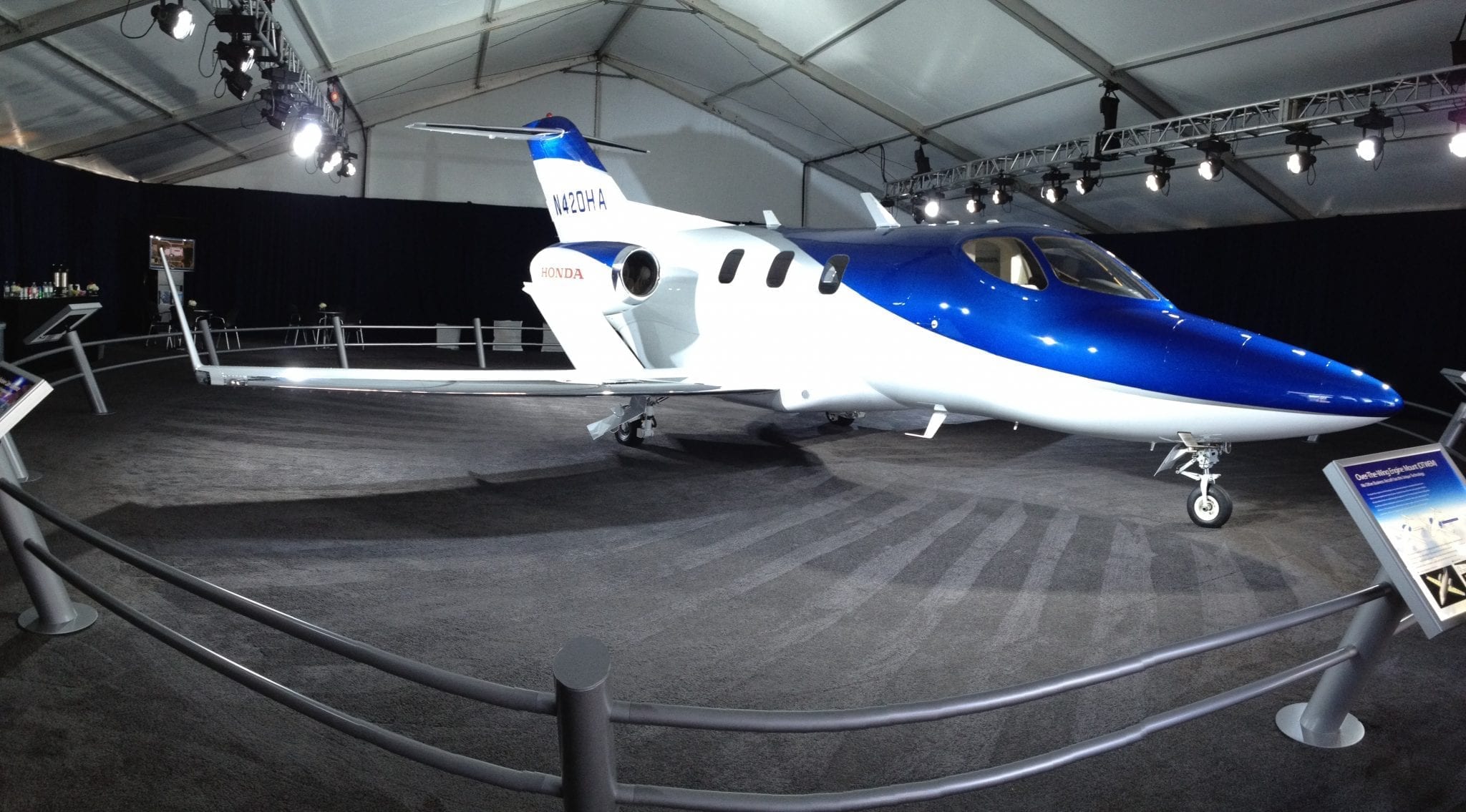
    With the fastest growing ‘super rich’ group in the world, Vietnam is going to be a prime target for the HondaJet. Honda Motor has announced plans to start selling its HondaJet private aircraft in several Southeast Asian markets to capitalize on the region’s economic growth.

    The Japanese automaker said on Monday that it has chosen Thai Aerospace Services (TAS) as its first-ever HondaJet dealer in Southeast Asia.

    “We see great potential for the HondaJet in Southeast Asia, one of the world’s fastest growing regions,” Honda Aircraft Company President and CEO Michimasa Fujino said in a company report.

    TAS will provide sales, service and support for HondaJet customers in Vietnam, Thailand, Cambodia, Laos, Malaysia, Myanmar and Singapore, said the report.

    The seven-passenger HondaJet aircraft first hit the market in December 2015, and orders have topped 100, according to Nikkei.

    The design places the engines above the wings, granting the plane more interior space. Other selling points include speed and fuel efficiency.

    Honda has dealerships in North America, Latin America and Europe, and the company had delivered 41 jets as of mid-April.

    Vietnam’s ultra-rich population is growing faster than any economy in the world, and is on track to continue leading the growth in the next decade.

    The Wealth Report by the U.K.’s independent real estate consultancy Knight Frank found there are 200 ultra high net worth individuals (UHNWI) in Vietnam, who are defined as people with investable assets of at least $30 million, excluding personal assets and property such as a primary residence, collectibles and consumer durables.

    In Vietnam, this super rich group grew by 320 percent between 2000 and 2016, the fastest in the world compared to India’s 290 percent and China’s 281 percent, the report said.

    The number is expected to continue rising to 540, or by 170 percent, by 2026, the highest growth rate in the world. Millionaires in Vietnam are expected to jump to 38,600 from 14,300 over the same period.

  • Security issues challenge the digital future

    Security issues challenge the digital future

    A panel discussion at CommunicAsia2017 titled “Diversifying Your Business Model Through Creative Partnerships” veered straight into the critical subject of security at the outset.

    Juniper Networks’ CTO Kireeti Kompella declared that security issues will “only going to get worse unless we do something about them.”

    Failure to develop effective security solutions will hold back the development of the upcoming 5G digital landscape before next generation networks can begin to deliver new services through creative collaboration, he said.

    “We all know about SDN (Software Defined Networks), but I talk about the Self-Driving Network or the Self-Defending Network,” said Kompella, describing a network in which security was embedded and automatic.

    He said the sheer scale of the IoT means that human intervention cannot effectively counter the growing number of security threats and intrusions.

    “Humans are going to lose if you don’t have Artificial Intelligence on your side,” he said.

    Beyond security, Ericsson’s Magnus Ewerbring, CTO, Asia-Pacific, named “integrity” in addition to security as one of the key issues for the industry in the IoT era. By this he means issues around trust, privacy, fraud and data protection.

    “IoT will be both consumer and industrial, and security is important, but integrity will also be key,” he said, adding that “traditional operators enjoy integrity, trust and faith” from their customers.

    The panel, comprising representatives from carriers, vendors, and analysts, then wrestled with ongoing challenges to the traditional carriers’ business models.

    Whether they are providers of “dumb pipe or smart pipe,” and while internet giants like Facebook are highly dependent on them, Facebook and other OTT players were not significant sources of revenue for carriers.

    Rohit Talwar, futurist speaker, Fast Future, told the conference that many carriers “like to find a reason not to innovate” and were too focused on “boxes.”

    “Facebook and Google don’t want boxes,” he said. “They want the people who create intellectual property. They are selling people who create IP.”

    Helen Wong, director of network product technology & strategy for Asia Pacific, Verizon, countered by saying that the new technologies of virtualization and cloud-based services-by their very nature-meant that carriers are finding partnerships which were “beyond boxes and vendors.”

    Mike van den Bergh, CMO, PCCW Global, said his company actively collaborates with new players in areas from tap-and-go payments to smart housing.

    “They all deliver revenue to us,” he said. “Everything in the cloud is part of wider partnerships to deliver next generation services.”

  • Hitachi aims to become leader of Thai elevator market by 2020

    Hitachi aims to become leader of Thai elevator market by 2020

    Hitachi’s elevator and escalator distributor in Thailand is projecting aggressive sales growth to restore its top position in the local market in the next three years.

    Michael Tang, vice president of Hitachi Elevator (Thailand) Co., who has taken on a new role as head of its sales and marketing unit, said the company aims to increase its market share to 25 percent in 2020 from the current 17 percent in pursuit of market leader Mitsubishi Electric Corp.

    Hitachi was the market leader before the Asian financial crisis in 1997, which caused sales to decrease, Tang said.

    To attain the goal, the company needs to achieve annual sales growth of 20 percent on average and is seeking to sell 1,000 units this year, up 18 percent from 850 units in 2016. Of the 2017 total, elevators are expected to account for 70 percent and escalators 30 percent.

    Thailand’s elevator and escalator market, totaling about 5,500 units last year, is expected to grow 3 to 5 percent this year thanks to business expansion in the real estate and retail industries as well as public utility development in the country.

    Demand for home elevators will grow significantly in the next one to two years due to the rapidly aging population in Thailand, Tang said.

    The company forecasts that demand from the private sector, especially department stores and hospitals, will increase as government spending on infrastructure projects will motivate them to invest more, boosting the sales ratio of that sector to 65 to 80 percent in 2020.

    Hitachi expanded the annual capacity of its Thai plant from 1,500 units to 2,500 units last year and opened a regional training center in the country early this year to train and educate engineers from other Asian countries as well.

    The Japanese company plans to continue selling Thai-built products in overseas markets, expecting to boost the Thai arm’s revenue from exports to 60 percent of the total in 2020 from 10 percent at present.

  • Malaysia’s AirAsia again tries to take off in Vietnam

    Malaysia’s AirAsia again tries to take off in Vietnam

    After failing three times, Malaysian discount air carrier AirAsia is once again trying to crack the growing, but well-protected, Vietnamese airline market

    Vietnam closely guards its airline market, dominated by state-run Vietnam Airlines and local discount carrier Vietjet Air, but growth potential is such that it is attracting yet another bid by AirAsia, its fourth since 2005.

    AirAsia’s latest strategy is to team with Thien Minh Group, a pioneering local travel agency founded in 1994 by Tran Trong Kien, the current chief executive officer. TMG, whose Buffalo Tours is one of the best known travel brands in the country, also operates hotels and a travel booking website. The company also began offering seaplane flights four years ago.

    AirAsia CEO Tony Fernandes is said to have first met TMG’s Kien in late 2015. The two have since explored ways to collaborate in Vietnam. Determined not to repeat AirAsia’s previous failed attempts, the two companies carefully studied strategic options as well as how to integrate the companies’ different corporate cultures, Kien said.

    The companies plan to jointly set up a low-cost carrier in Vietnam, with the first flight planned for spring 2018. Deploying medium-range passenger aircraft, such as the Airbus A320 and A321, the venture will target domestic and international routes not served by Vietnam Airlines or Vietjet Air.

    Kien said there are still niche routes where they see strong demand, such as direct flights between Tokyo and Nha Trang.

    Failed attempts

    AirAsia first attempted to enter the Vietnamese market in 2005 through a proposal to support Vietnam’s Pacific Airlines, predecessor to Jetstar Pacific Airlines, but lost to rival Qantas Airways. The next bid, in 2007, was a proposed joint venture with a state-owned shipbuilder that was rejected by the government. Its most recent deal, this time to acquire 30% of Vietjet Air in 2010, was signed by the two companies but again grounded by the government.

    Vietnam’s heavily protected airline market has so far resisted outside penetration by foreign newcomers.

    However, it still remains attractive to AirAisa, which is determined to grab a piece of the market owing to the large growth potential compared to other Southeast Asian countries, according to an executive at a Japanese airline company.