Category: General

Retail News Asia is committed to providing both local and global retailers with the latest General Retail news throughout the Asian market. This on a daily base.

  • Vietnam finishes third in Southeast Asia race for tourist dollars

    Vietnam finishes third in Southeast Asia race for tourist dollars

    Thailand is way ahead of the game, but Vietnam welcomed record tourism revenue in 2016. Tourists arrivals in Vietnam past the 10 million mark last year, and the $18 billion in revenue collected by the sector contributed around 7.5 percent to the country’s economy.

    According to tourism data, Vietnam fell far short of Southeast Asia’s most popular destination,Thailand, which received over 30 million international arrivals and bagged nearly $46 billion from tourists.

    The entire region, excluding Myanmar and Brunei, raked in an estimated $120 billion from tourism. However, the figure was just half that earned by the United States alone.

    On average, each visitor to the U.S. spent approximately $3,000, while in Asia, their spending was three times less.

    However, Vietnam made significant progress by rising eight places in a global tourism competitiveness index compiled by the World Economic Forum. It also said the country could take better advantage of this momentum by focusing more on sustainable environment policies.

    Tourists are mostly lured by Vietnam’s rich natural and cultural resources.

    By 2020, the sector is expected to contribute 10 percent to Vietnam’s gross domestic product and is set to welcome 17-20 million foreign visitors per year.

    By 2030, it is aiming to become the leading destination in Southeast Asia.

  • AOT concession revenues up by 6.49% across Thai airports

    AOT concession revenues up by 6.49% across Thai airports

    Non-aeronautical revenues accounted for 43% of the total generated by Airports of Thailand (AOT) within its HY1 fiscal year period, at the country’s 38 airports (October 2016 to March 2017).

    These include the most significant civil aviation airports of Suvarnabhumi and Don Mueang in Bangkok, plus AOT’s four regional airports handling international traffic, including Chiang Mai, Phuket, Hat Yai and Mae Fah Luang-Chiang Rai.

    Over the six-month period the two main airports of Suvarnabhumi and Don Mueang respectively handled 29.9m passengers (+4.36%) and 18.5m (+7.47%).

    Concession revenues for the six months, including those from King Power International Group (KPIG), came in at Bht27,277.86m (+6.49%) as net profits over the same period were recorded at Bht11,496.13m (+14.26%). At the same time, EBITDA was reported at Bht17,066.87m (+6.37%).

    In a statement, Airports of Thailand said: “The overall aviation industry of Thailand during October 2016 to March 2017 improved compared to the same period last year.

    Chinese Tourist Numbers Increase

    “The number of Chinese tourists who visited Thailand has recovered after an extreme decline around the end of the year 2016 as a consequence from the repressive measures against illegal tours by the government.

    “The recovery of Chinese tourist numbers resulted from an adaption of the entrepreneurs. The entrepreneurs offered high quality tour packages which attracted potential tourists to Thailand.

  • Cebu Pacific begins new routes from Clark, Cebu

    Cebu Pacific begins new routes from Clark, Cebu

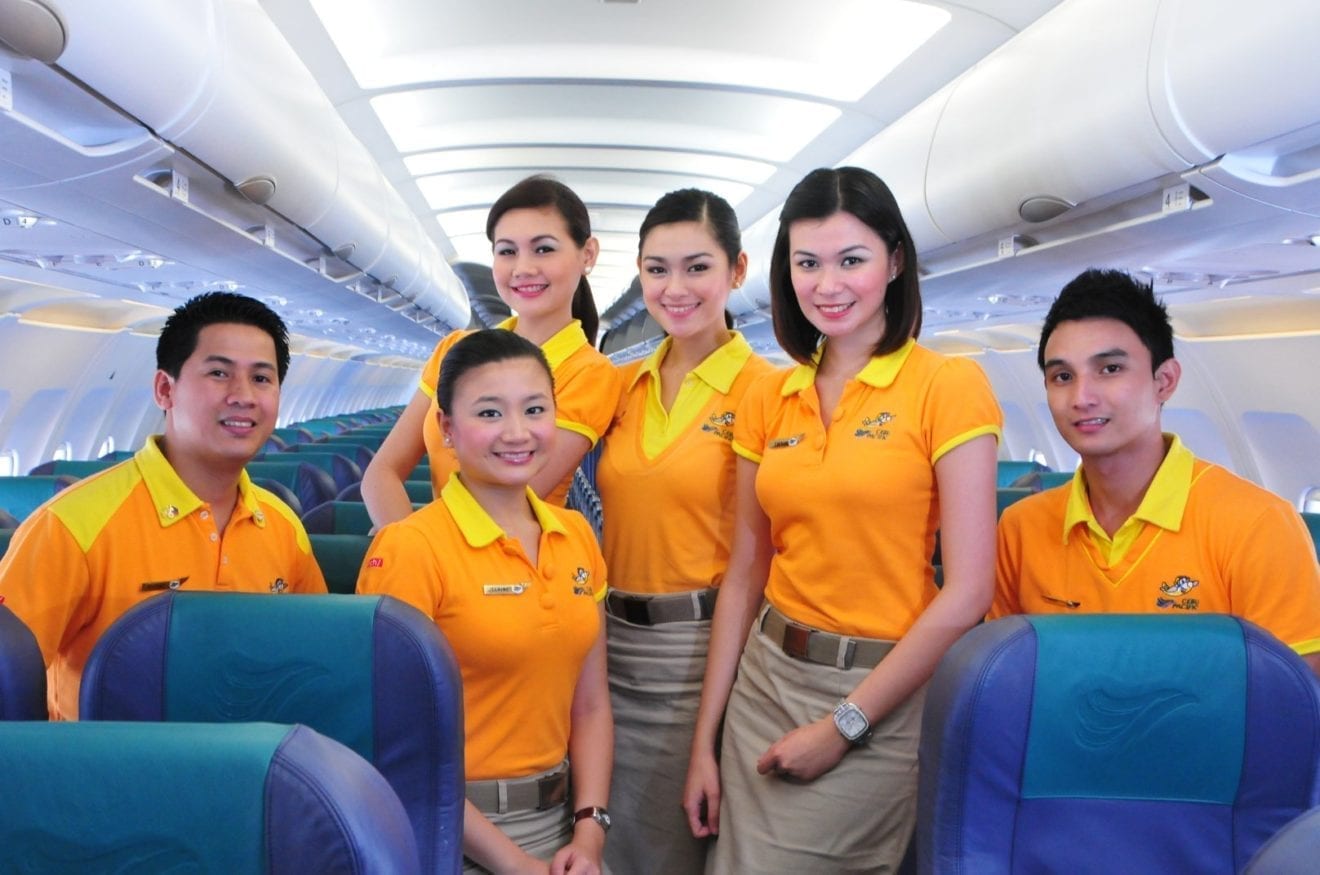
    Cebu Pacific expands its domestic network through its wholly-owned subsidiary, Cebgo, with the addition of four new routes from Clark and Cebu. On May 15, 2017, Cebgo started flying directly from its Clark hub to two of the world’ best islands, daily to and from Caticlan, Boracay, and three times weekly (Monday, Wednesday, and Friday) to and from Busuanga. Aside from these two routes, Cebgo will also be offering direct flights between Cebu and Busuanga thrice weekly (Monday, Wednesday, and Friday), and flights to and from the city of Cotabato four times weekly (Tuesday, Thursday, Saturday, and Sunday) starting tomorrow, May 16, 2017, The Cebu Pacific Air group expressed optimism that the additional domestic flights will benefit the people of Boracay, Palawan, and Cotabato in South as well as the residents outside Metro Manila.

    Cebu Pacific (CEB) officials stated earlier that traveling to such destinations will definitely be more convenient as the local carrier continue to link more islands in the archipelago. “CEB also believes that these new routes will be attracting both leisure and business travelers, boosting trade and tourism.” Along with this flight expansion, Cebu Pacific also extends the reach of its cargo services, further eliciting trade and investment in these destinations.

    CEB offers its lowest all-in one way year-round fare from Clark to Caticlan at P2,030, Clark to Busuanga at P2,306, Cebu to Busuanga at P2,778, and Cebu to Cotabato at P1,994. Aside from Cebu and Clark, CEB also operates flights out of four other strategically placed hubs in the Philippines — Manila, Davao, Kalibo, and Iloilo. The airline’s extensive network covers over 100 routes and 66 destinations, spanning Asia, Australia, the Middle East, and USA.

  • Discover the best of Cebu with AirAsia

    Discover the best of Cebu with AirAsia

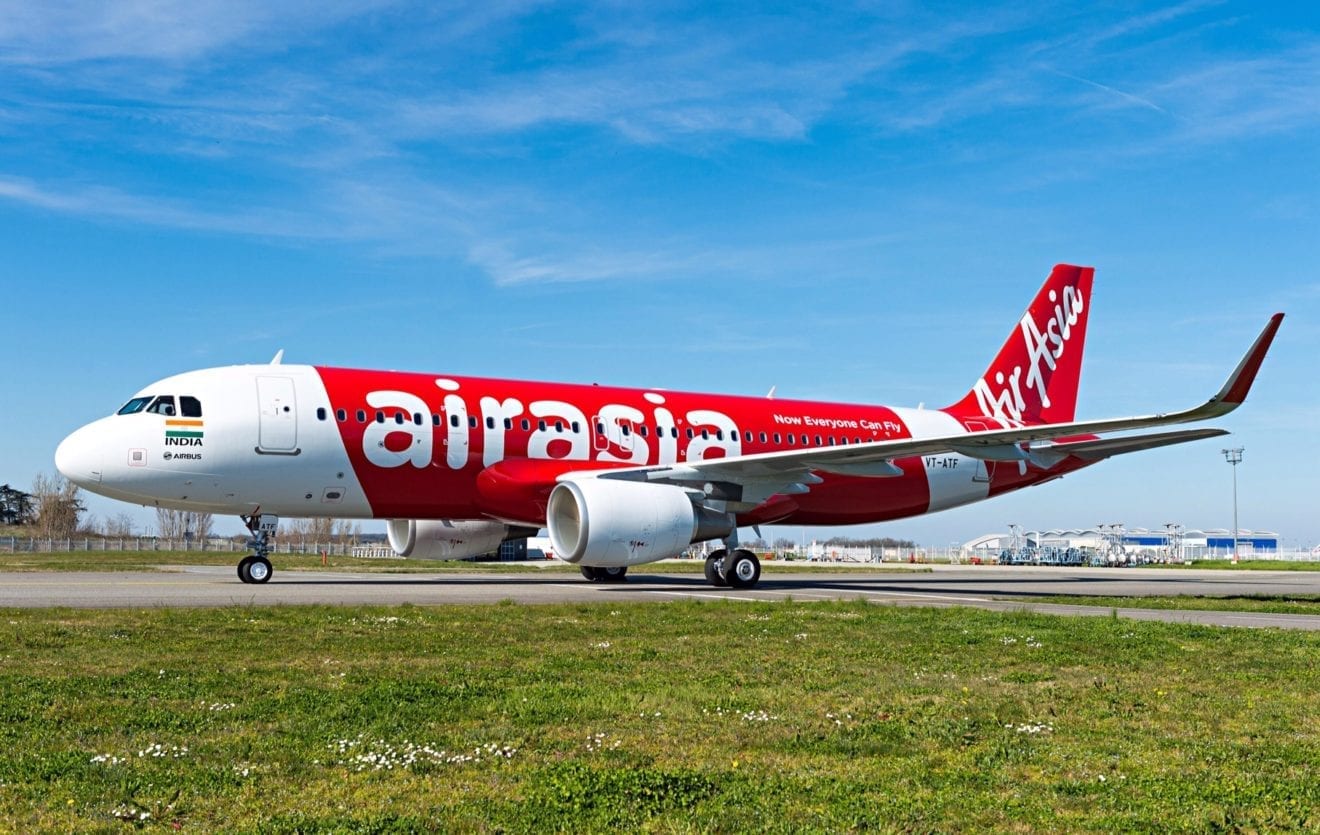
    Whether you are into mouthwatering dishes, breathtaking beaches or amazing historical sites, Cebu offers the best experience and AirAsia is making it easier and more affordable for you to fly now to the “Queen City of the South” from Davao with an all-in fare from as low as P499. AirAsia, voted the world’s best low cost carrier for eight consecutive years, flies twice daily to Cebu from Davao and five times daily from Manila. Cebu is the secondary hub for AirAsia after the airline launched in April several flights to/from Palawan and Boracay.

    International flights are also available from Cebu to Incheon/Seoul, Taipei, Singapore and Kuala Lumpur with fares now on sale at 50-percent off from May 17 until May 21, 2017, valid for travel from September 5, 2017 to February 8, 2018. AirAsia Philippines chief executive office Captain Dexter Comendador said, “We are a Filipino company but a regional and proudly Asean brand and part of the AirAsia Group delivering world-class service.

    As a Filipino low cost carrier, we feel strongly about supporting the growth and development of cities outside Metro Manila.” “Starting April 22, Cebuanos now have direct access to Boracay via Caticlan, Palawan, and Davao with our signature low fares.

    Foreign tourists arriving in Cebu can skip the crowded airport of Manila and fly straight to Cebu and to our country’s best island destinations. With our newest routes, AirAsia would like to provide the much-needed connections and tap into underserved market and grow it as there is definitely great tourism and business potential in Visayas and Mindanao.” Comendador added. AirAsia in the Philippines operates a fleet of 17 aircraft with domestic and international flights out of hubs in Manila, Cebu and Kalibo. The airline operates several flights to/from Manila, Davao, Cebu, Kalibo, Caticlan (Boracay), Tacloban, Tagbilaran (Bohol), Puerto Princesa (Palawan) and Clark in the Philippines with international flights to/from Shanghai, Taipei, Incheon (Seoul), Hong Kong, Macau, Kuala Lumpur, Kota Kinabalu, and Singapore (via Cebu only). AirAsia Philippines is part of the AirAsia Group that has been awarded by Skytrax as the World’s Best Low Cost Carrier for eight consecutive years since 2009.

  • AirAsia X dedicates aircraft to remember late COO

    AirAsia X dedicates aircraft to remember late COO

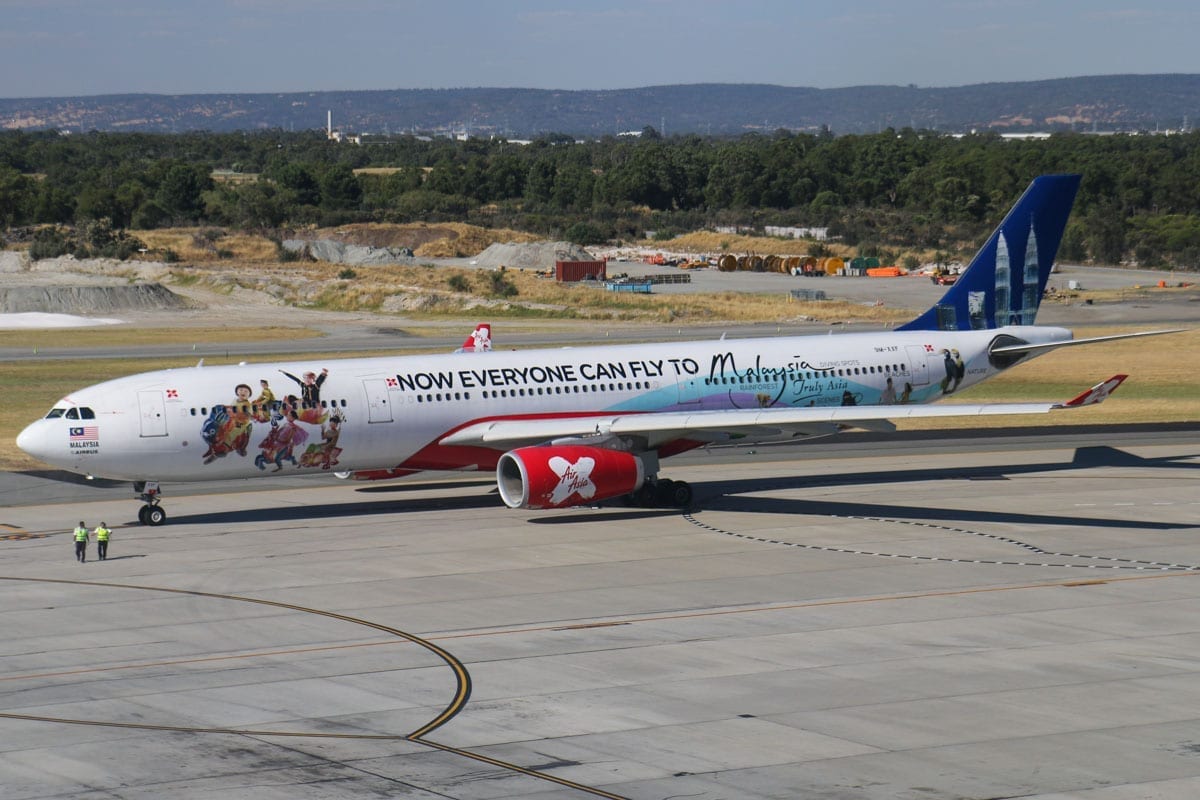
    AirAsia X has dedicated an aircraft to remember their late chief operating officer Anaz Ahmad Tajuddin, who passed away on Jan 13 from cancer.

    AirAsia group chief executive officer Tan Sri Tony Fernandes filmed two Facebook live videos of the sombre event held on Tuesday, unveiling the aircraft with Anaz’s smiling face on the fuselage together with the phrases “A truly passionate Allstar” and “Anaz the legend”.

    “We’re here to give tribute to our wonderful staff Anaz, who left us all too quickly,” said Fernandes in the video.

    Anaz was 43 when he passed away. Meanwhile, AirAsia X chief executive officer Ben Ismail said that the Airbus A330 aircraft was delivered about three weeks ago, and has since travelled to Japan, Australia and China.

    “We are celebrating Anaz being one of the most important men in AirAsia,” said Ben.

    “As you can see, I dedicated one of our aircrafts to him. We love him. I love him,” he added.

    AirAsia executive chairman Kamarudin Meranun said they have gathered to remember “our dear brother Anaz” who was a “very passionate Allstar”.

    “It’s happy because we still remember him but it’s also a sad affair,” said Kamarudin.

    AirAsia chief executive officer Aireen Omar also commended the artistic touch on the plane.

    “I will always remember Anaz,” said Aireen.

    Anaz’s family and other AirAsia staff were also present at the event.

  • 7-Eleven tests hand-scanning Biopay in Korea

    7-Eleven tests hand-scanning Biopay in Korea

    In conjunction with Lotte Card and Lotte Data Communication, 7-Eleven has launched its first smart convenience store equipped with a BioPay system at Lotte World Tower.

    BioPay is a payment method that allows consumers to make transactions by identifying themselves with a part of their body linked to a preassigned credit card. It is the first such store to be opened by 7-Eleven in the world, the company said. The HandPay system, in which individuals are recognized by their veins, was chosen over other types of BioPay — such as iris or fingerprint recognition — to maximize convenience, added the company.

    Customers place their purchases on a conveyor belt at an unmanned counter, where the items are then scanned 360 degrees to locate their barcodes. The prices are then tallied and appear on a screen. The system will be further improved through an artificial intelligence system that can identify products without barcodes.

    The store also has other high-tech features, including a refrigerator that automatically opens and shuts, electronic price tags, a smart CCTV system, and a Smart Safe Cigarette Vending Machine.

    Jung Seung-in, president of Korea Seven, said, “7-Eleven Signature, as a premium smart convenience store with a cutting-edge IT system suitable for the fourth industrial revolution, will be remembered as an innovative icon in Korea’s distribution industry.”

    Korea Seven is a joint venture by Lotte and 7-Eleven. The 7-Eleven Signature store will be open exclusively to employees of Lotte for the next one or two months as a pilot program before it opens to the public. The company also said that it would make efforts to extend the HandPay system to payment methods other than Lotte Card by the end of August.

    While the company refused to reveal specific mid- and long-term plans, the technology used in the 7-Eleven Signature store is likely to be expanded to other subsidiaries of Lotte in the future.

  • AirAsia and Terengganu join hands as the latter eyes 5.5 million tourist arrivals

    AirAsia and Terengganu join hands as the latter eyes 5.5 million tourist arrivals

    AirAsia and Terengganu state government has signed a memorandum of agreement (MOA) which will see both parties collaborate to promote local tourism in Terengganu. AirAsia will add in new route, allowing travellers to fly directly from Johor Bahru to Terengganu starting 22 June 2017.

    “Terengganu is ready to be known as a tourism state with efficient land and air accessibility, with good services, modern infrastructures and treasures of nature, culture and heritage. The additional Johor Bahru to Kuala Terengganu direct flights will definitely boost the arrival of tourists into Terengganu,” Terengganu chief minister, Ahmad Razif bin Abdul Rahman said.

    “With this collaboration, we will drive our marketing efforts to promote Terengganu as a must-visit destination in Malaysia. We are confident this will contribute significantly in achieving the state government’s target of 5.5 million tourist arrivals in Terengganu for this year,” Aziz Bakar, who sits on AirAsia Berhad’s board of directors added.

    In August last year, the airline’s Singapore unit has also collaborated with the Indonesian Ministry of Tourism on a marketing campaign to promote Indonesia in the city state. As part of the campaign, it showcased travel-related content on various mediums such as radio, Yahoo, Facebook and also brought two top Singapore YouTubers: Night Owls Cinematics and Lepak One Korner) on board.

  • Singapore Airlines trimming several flights from capital express service

    Singapore Airlines trimming several flights from capital express service

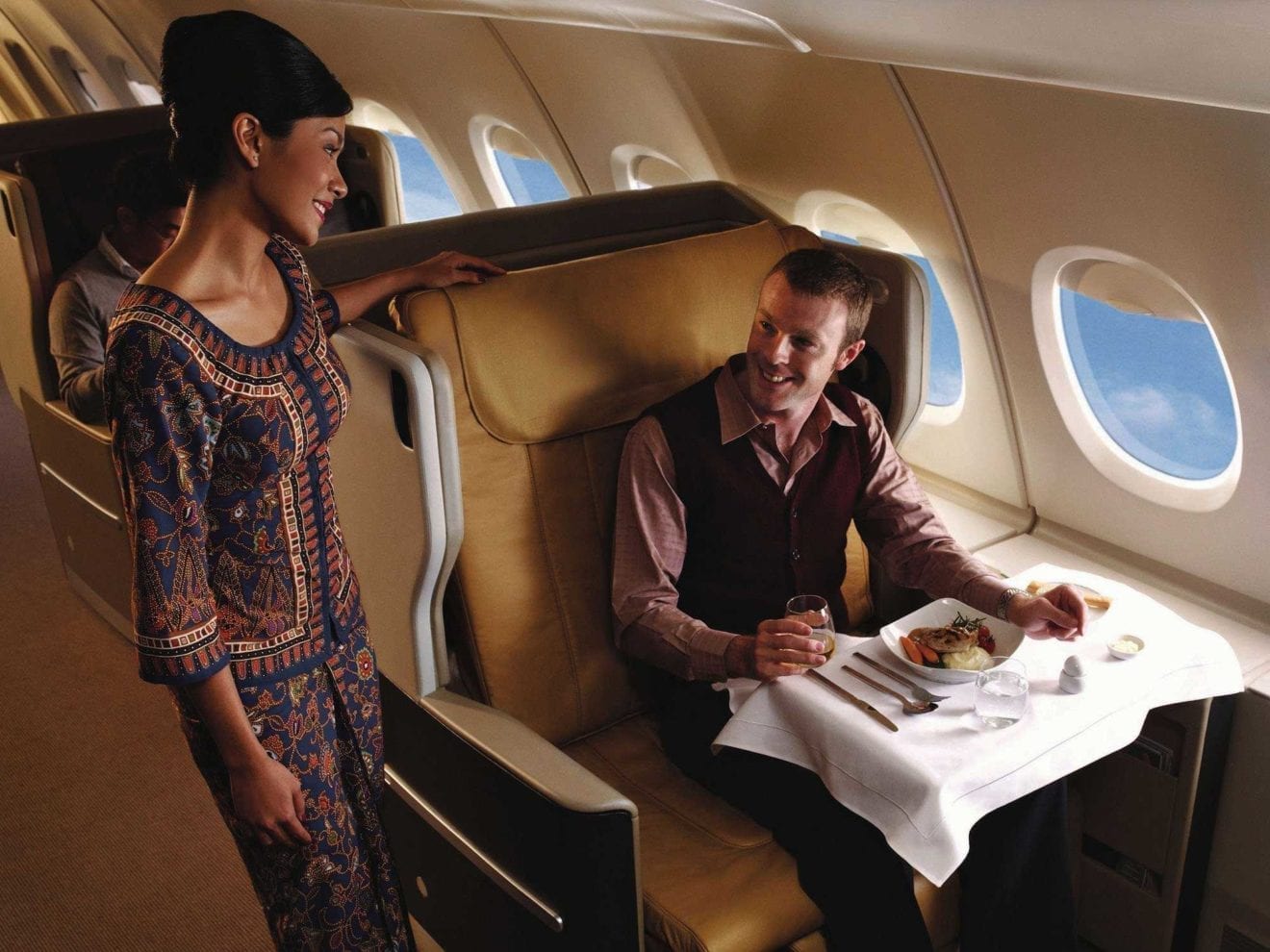
    Singapore Airlines is cancelling several flights from its capital connect services later this year, in response to low demand during the off season.

    Since September, Singapore has flown Boeing 777-200 to Wellington via Canberra four times a week, a service which aviation experts said appeared to be winning strong support.

    Wellington Airport has publicly linked the service to its case to extend its runway south into Cook Strait in a bid to enable direct, long haul services to the capital.

    But the airline is dropping three return flights over three months. The flights were due to land and take off from Wellington on August 14, September 5 and October 24.

    The cancelled flights appear to be equivalent to just over a 5 per cent cut in capacity over the August-October period.

    Simon Turcotte, Singapore Airlines general manager New Zealand, said the decision not to operate the flights was part of normal operations.

    “During the low season we regularly make ad hoc changes to our flight schedules to meet market demand and ensure we are optimising the performance of the route during the low season,” Turcotte said.

    “We will work with affected customers to re-accommodate their travel requirements.”

    Wellington Airport spokesman Greg Thomas said it was not unusual for airlines to change schedules when considering low and high season.

    “We are happy with the performance of the service and have received positive feedback on the vast improvement in connectivity that Singapore Airlines has provided to Asia and onwards to Europe.”

    Brent Thomas, commercial director for House of Travel, said it was not unusual for airlines to make changes to schedules between seasons.

    “Ultimately the airlines will decide where they can get the best use of their aircraft because these are expensive pieces of machinery and the airlines need to determine where they can get the best returns.”

    A slight change in frequency did not mean a service was in jeopardy, Thomas said, however because of the organisation involved and the potential disruption to customers, changes suggested demand was low.

    “These kind of decisions, where they adjust schedules, certainly aren’t taken lightly,” Thomas said.

    The Singapore Airlines service has been in the headlines, both for its improved connectivity to Asia, the fact that it is the first scheduled wide-bodied service from Wellington, and the support the airline received to bring it here.

    When the service was confirmed, Wellington’s then Deputy Mayor Justin Lester said the short time on the tarmac in Canberra meant the service would cut the time it took to get from central New Zealand to Asia by at least 90 minutes.

    In the following days documents emerged showing Wellington Regional Economic Development Agency could provide up to $800,000 a year in marketing support towards the service, for 10 years.

    Shortly after flights commenced, it emerged that Wellington City Council generated almost no paperwork in the decision to agree the subsidy, prompting calls from councillors to rein in chief executive Kevin Lavery’s delegated authority over spending.

  • China’s retail sales up 10.7 pct in April

    China’s retail sales up 10.7 pct in April

    China’s retail sales, a key indicator of consumption, grew 10.7 percent year on year in April, 0.2 percentage points slower than the March level, official data showed Monday.

    Total retail sales of consumer goods hit 2.73 trillion yuan (about 395.4 billion U.S. dollars) last month, according to the National Bureau of Statistics (NBS). It increased 0.79 percent month on month.

    In the first four months, total retail sales of consumer goods rose 10.2 percent year on year, 0.2 percentage points faster than the growth in the first quarter, according to Xing Zhihong, a spokesperson with the NBS.

    Consumption activities were relatively stronger in rural areas, with retail sales expanding 12.6 percent in April, outpacing urban areas, where retail sales climbed 10.4 percent year on year.

    Online spending was robust. From January to April, online retail sales surged 32 percent year on year to 1.92 trillion yuan.

    Xing said the April figure indicates continued expansion of domestic consumer demand, which was partly driven by consumption upgrades and new business patterns such as online sales.

    China is trying to shift its economy toward a growth model driven by consumer spending, innovation and services, while weaning it off reliance on exports and investment.

    China’s economy expanded at a 6.9-percent pace in the first quarter, accelerating from 6.8 percent in the previous quarter, and 77.2 percent of it was driven by consumption, 12.6 percentage points higher than the 2016 level, according to official data.

  • Demand for People Counting Systems Stirs up With Increasing Retail Stores

    Demand for People Counting Systems Stirs up With Increasing Retail Stores

    Globally, the increasing number of supermarkets, shopping malls, and retail stores is triggering the deployment of people counting systems. There is a strong need for retailers to monitor footfalls in order to remain competitive.
    Traffic to sales ratio can help retailers in accurately comparing stores on the basis of sales volume. A report by TMR Research, titled “People Counting System Market – Global Industry Analysis, Size, Share, Trends, Analysis, Growth, and Forecast 2017–2025,” offers a comprehensive study of the market. It provides a detailed analysis of the various parameters of the global people counting system market, including trends, opportunities, geographical segmentation, and competitive scenario, for the forecast period between 2017 and 2025.

    The availability of easy set-up and low-cost solutions is stoking the growth of the global people counting system market. The snowballing demand for people counting solutions in the transport sector is also contributing to the overall revenue generation of the market. Rapid technological advancements and robust growth of the retail sector, particularly in emerging countries, are likely to provide a significant push to the market.

    On the flip side, the expansion of the worldwide e-commerce industry and the growing popularity of online sales channel are challenging the growth of the brick and mortar commerce, which in turn is hampering the growth prospects of the market.

    Geographically, Asia Pacific will account for a large chunk in the revenue pie of the global market. The rising number of shopping malls, retail stores, and supermarkets are prompting global participants to invest in the region. Besides this, favorable government initiatives are promoting the presence of foreign retailers in India, which is also leading to the widening pool of retail stores in Asia Pacific. Countries such as Hong Kong, China, Japan, India, Malaysia, and Singapore will be the sites of high growth rate throughout the forecast horizon.

    Other developing regions such as Latin America and the Middle East and Africa are likely to witness similar growth conditions. The presence of infrastructure such as airports, train stations, and bus stations along with a substantial number of upcoming projects are boosting the adoption of people counting systems. The robust growth of the hospitality industry is also supporting the growth of the regions.

  • Cebu Pacific Q1 profit drops 68.2% to P1.28B

    Cebu Pacific Q1 profit drops 68.2% to P1.28B

    Low-cost carrier Cebu Pacific said its first quarter net income fell 68.2 percent to P1.28 billion from P4 billion a year ago due to increased expenses arising from higher fuel prices coupled with a weaker of Philippine peso.The airline told the stock exchange on Wednesday that its operating expenses swelled by 20.3 percent to P14.3 billion in the first quarter as the peso depreciation affected fuel, aircraft and engine lease, and repairs and maintenance expenses, and also contributed to the increase in international airport charges.

    However, it said revenues continued to grow by 4.7 percent to P16.86 billion, driven by increases in passenger and cargo volumes and ancillary revenue. Cebu Pacific operates a fleet of 59 aircraft and serves 62 domestic routes and 41 international routes with a total of 2,870 scheduled weekly flights from seven hubs in the Philippines.

  • Petron to start $20B oil refinery in early 2018

    Petron to start $20B oil refinery in early 2018

    Petron, the country’s biggest oil refiner and retailer, has partnered with two foreign firms to start building a new oil refinery worth $15 million to $20 billion by early 2018.

    This is the biggest investment in the Philippine history so far. Have you seen a plant that is worth that much?” Ramon Ang, president and chief executive officer of Petron, said in a media roundtable in Pasig City.

    Ang said the oil refinery will mainly produce petrochemicals, with a capacity of 250,000 barrels per day. “It will process petrochemical and by-products.”

    Right now, we have a target location and we are in the process of acquiring or doing a lease or a joint venture agreement with the land owners. A new oil refinery project with this size requires at least 2,000 hectares and a deep sea port,” Ang told reporters.

    The chief of Petron said he cannot reveal yet the location and the names of his partners as the project has yet to secure government approvals.

    We have to wait for ECC (environmental compliance certificate) and other government approvals. We may start early next year, once the partners agree on equity. Financing is huge, we have to process it in different countries,” Ang said in Filipino.

    He said the construction period for the greenfield project will take two to 3 years. Ang said his group is looking at 30% equity and 70% loan for the financing of the project.

    “World market potential for petrochemical is very very high, so we are gearing for that,” Ang said.

    Expansion in Malaysia, Philippines

    Other than its greenfield project, Ang said Petron plans to earmark a spending budget of another $2 billion to expand its plants in Bataan and Malaysia.

    He said Petron plans to spend at least $1.5 billion to expand the capacity of its oil refinery in Malaysia to 150,000 barrels a day from 88,000 barrels a day. Petron also plans to spend about $500 million to upgrade its refinery in Bataan.

    “Right now, Malaysian investment contributes about 25% of our revenue. It will only grow if we invest in the Malaysian refinery upgrade. Otherwise, it is just like buy and sell. So, the Malaysian refinery, we have to upgrade. At the moment, we are finalizing the study to do the upgrade,” Ang told reporters.

    He said the Malaysian market is promising, with about 25 million population, consuming around 600,000 barrels a day.

    Petron acquired in 2011 Esso Malaysia’s Port Dickson refinery and fuel retail network in Malaysia.

    Meanwhile, the Petron Bataan Refinery is the country’s largest integrated crude oil refinery and petrochemicals complex. Inaugurated in 1961 with a capacity of 25,000 barrels per day, it has grown to its current rated capacity of 180,000 barrels-per-day.

    “Bataan upgrade will start within the next two months. If you notice, during the time of the government, they already know how to do oil refinery upgrade… it is just that the investment is too big. For us, this is where we are strong at,” Ang said.

    Petron registered a net income of P5.6 billion in the first quarter of 2017, doubling the P2.8 billion it posted for the same period last year.

    Combined volumes from the Philippines and Malaysia were 3% higher at 26.2 million barrels. 

    Domestic retail segment volumes grew 6%, with LPG and lubricants growing 5% and 16%, respectively. 

    Petrochemical export volumes also more than doubled. Petron Malaysia’s commercial and lubcricants sectors also posted double-digit growth.

  • Hong Kong International issues latest F&B tender in Terminal 1

    Hong Kong International issues latest F&B tender in Terminal 1

    Airport Authority Hong Kong has issued a tender for a bar and restaurant concession in Terminal 1 airside at Hong Kong International.

    The 258sq m outlet is located on Level 7 in the East Hall departures area.

    The airport company said the tender represents “a unique business opportunity for Bar & Restaurant operators in this prestigious aviation hub in Asia”.

    The closing date for offers is 6 July. The latest F&B tender represents “a unique business opportunity” says Airport Authority Hong Kong

    Other current bid opportunities at HKIA include, as reported, the airport’s confectionery retail licence, where the submission deadline for the eight-store contract is 4 July.

    Separately, Airport Authority Hong Kong has called for offers for a baby essentials & kidswear concession in the T1 West Hall. At stake is a 74sq m unit, with bids due by 8 June.

  • Vietjet expands its international presence with new Hanoi – Yangon route

    Vietjet expands its international presence with new Hanoi – Yangon route

    Vietjet continues its international route extension program with the announcement of the launch of the Hanoi to Yangon (Myanmar) route, with tickets priced from only HKD70 (USD9). The new service, commencing August 31, 2017, is expected to meet the increasing travel demands of individuals, tourists and businessmen between Vietnam’s capital city and the Burmese tourism hub.

    The Hanoi – Yangon route is operated on a daily basis with flight time of 1 hour 55 minutes per leg. The Hanoi – Yangon flight departs at 12:05 and arrives at 13:30 (local time). The return flight takes off in Yangon at 14:30 and arrives in Hanoi at 16:55 (local time).

    The new route’s tickets are available for booking within the golden hours from 13:00 to 15:00 daily. Payment can be easily made with debit and credit cards of Visa, MasterCard, JCB, KCP and American Express.

    The capital city is the second destination to be connected with Yangon following the Ho Chi Minh City-Yangon service. With similar cultures, Vietnam and Myanmar are attracting investments for tourism and economic development. The new route is expected to meet the increasing travel demand of tourists and businessmen contributing to the development, integration and trade in the region. This is made possible with the introduction of Vietjet’s convenient flight schedules and amazing airfares.

  • Cyber attack not disrupting stock market at IDX

    Cyber attack not disrupting stock market at IDX

    WannaCry malware attack has not disrupted the countrys share market, Tito Sulistio, President Director, Indonesia Stock Exchange (IDX), stated here, Monday.

    “The stock authority performs a routine check two hours before opening at 9 a.m. I directly oversaw todays monitoring system; I hope the market is protected from any threats, including the virus (ransomware),” Sulistio said in Jakarta.

    Some 88 countries, including Indonesia, have adopted a multi-layered security system which was already being used by US-based Nasdaq stock market.

    “We have Nasdaqs JATS-NextG (Jakarta Automated Trading System Next Generation) in our security protocols,” Sulistio revealed, while adding that the stock authority would continue to protect the system from any upcoming threats.

    During a separate occasion, earlier, Adena T Friedman, Nasdaq President, remarked her agency had committed to support IDXs trading and monitoring systems.

    “We have been partnering with Indonesia Stock Market to provide technology application for improving supervision and trading activities,” Friedman affirmed.

    Concerning the malware threat, the Indonesian Internet Service Providers Association (APJII) had suggested several preventive acts to reduce the impact of ransomware WannaCry.

    As the malware has infected only Microsoft-based computers, users have been asked to update the system by downloading Security Update Patch MS-17-010.

    “If the users are not aware about system updates, they can disconnect from any internet wires (LAN), or Wifi, and download the security patch from a non-Microsoft computer.

    Rifan has also recommended that users back up their files in a separate flash drive (USB) or a portable hard disk, before updating the security system on the computer.

    He further revealed that WannaCry malware had attacked computers in some 200 countries, including Indonesia.

    The malware works by locking the computers internal system and encrypting the file, after which the users are asked to pay a “ransom” in exchange for their data.