Category: General

Retail News Asia is committed to providing both local and global retailers with the latest General Retail news throughout the Asian market. This on a daily base.

  • Thai Giant Rubber Maker’s Capacity in Indonesia Will be Raised by 60,000 Tons

    Thai Giant Rubber Maker’s Capacity in Indonesia Will be Raised by 60,000 Tons

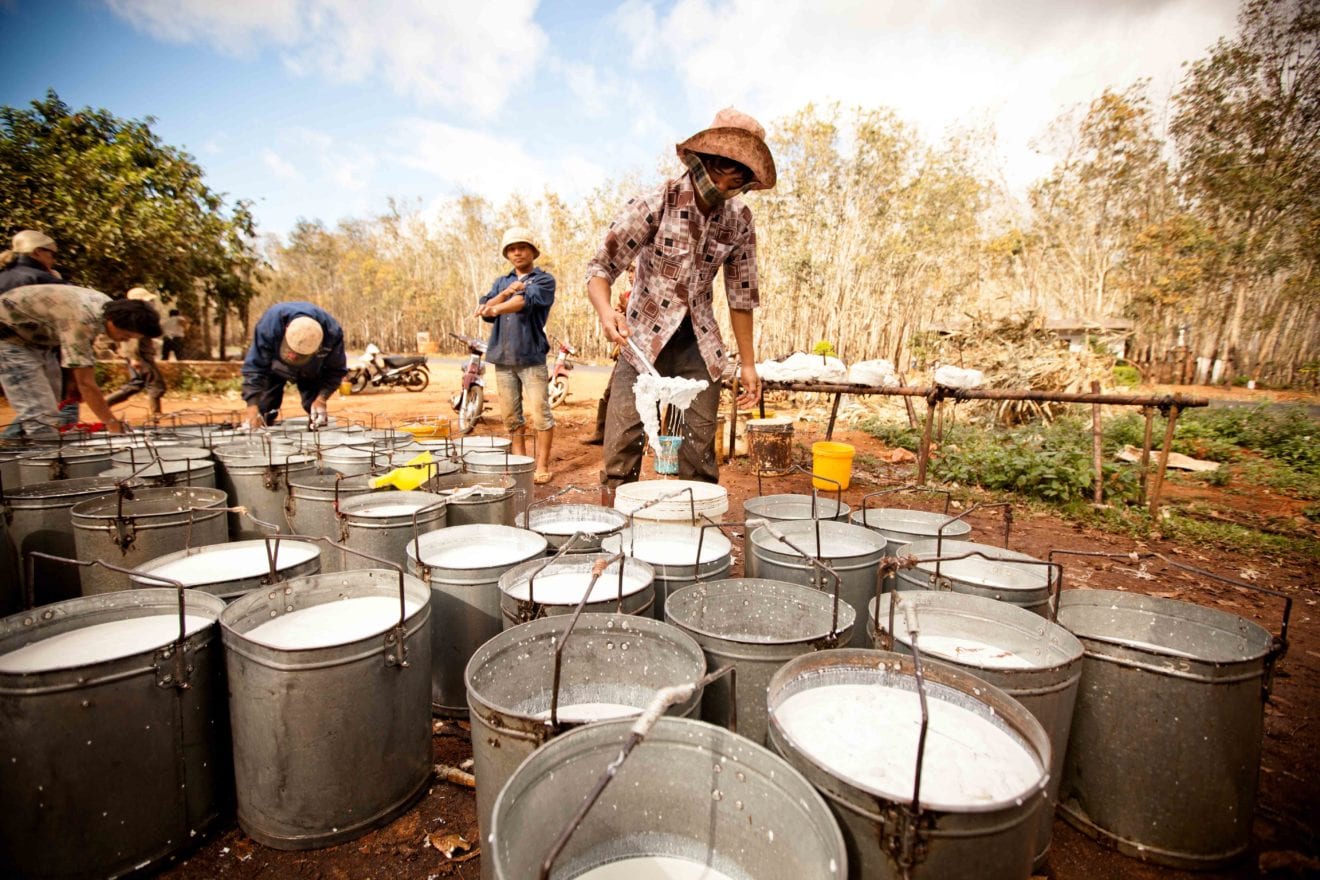
    Sri Trang Agro-Industry, the world’s largest producer of natural rubber, plans to increase annual capacity by 20% to 2.9 million tons by year-end to take advantage of a market recovery.

    The company accounts for about 30% of output in its home market of Thailand, the largest rubber-producing country. It aims to expand its global market share from 12% now to 20% in two to five years, said Veerasith Sinchareonkul, an executive director.

    Sri Trang will invest 2.5 billion baht to 3 billion baht ($72.1 million to $86.5 million) in new production lines, including new manufacturing facilities for sheet, block and liquid rubber in northeastern Thailand with annual capacity totaling 86,000 tons.

    Capacity at Indonesian facilities will be raised by 60,000 tons. The company also intends to step up output of medical gloves made from natural rubber, of which it is among the top five manufacturers worldwide.

    Sri Trang operates 35 plants and owns rubber plantations spanning 80 million sq. meters. Consolidated sales grew 26% on the year to 77.2 billion baht for the fiscal year ended Dec. 31. The company booked a net loss of more than 700 million baht, down from a 1.1 billion baht profit in fiscal 2015.

  • Philippine Airlines to increase capacity with new aircraft

    Philippine Airlines to increase capacity with new aircraft

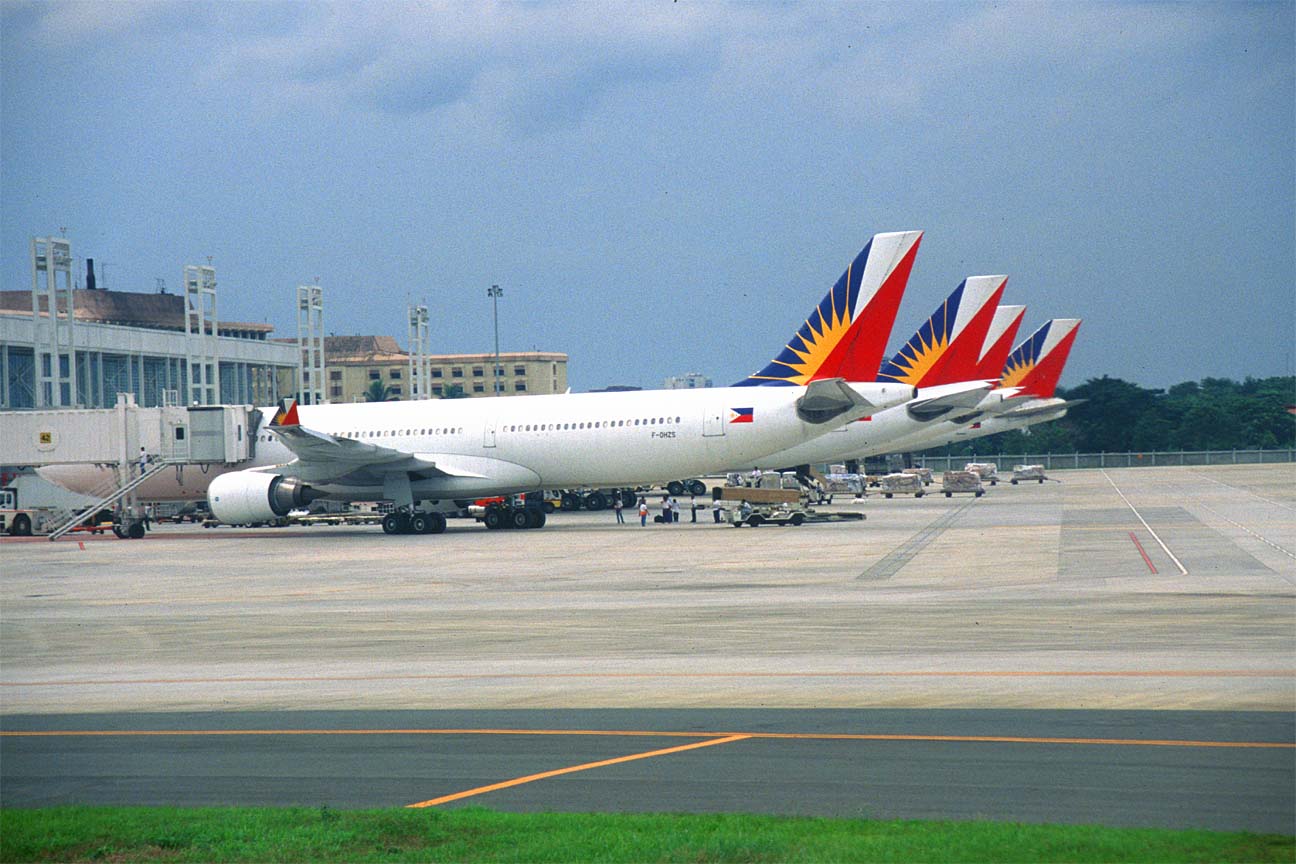
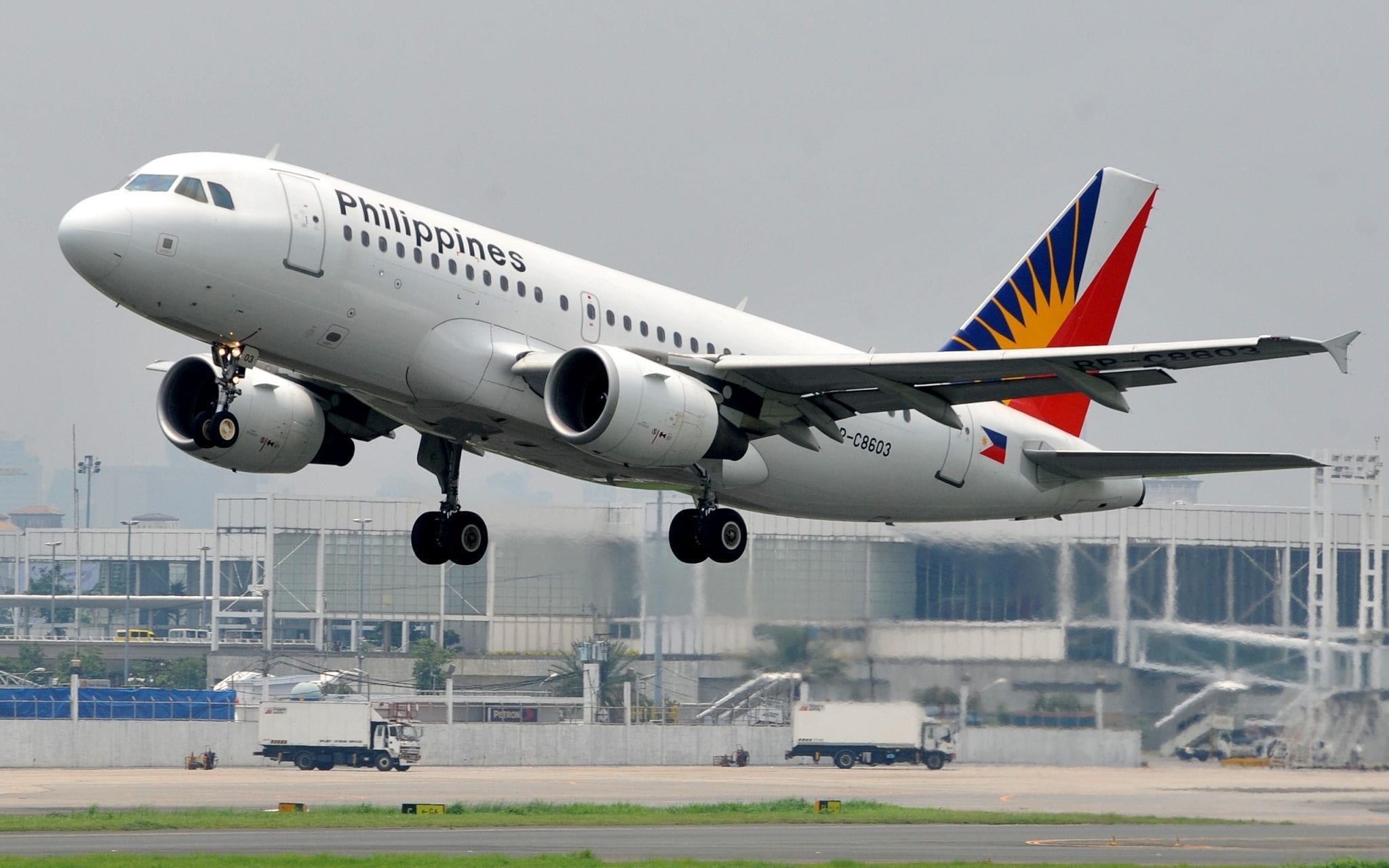
    Philippine Airlines is to increase capacity on its London to Manila route.

    The airline is replacing its 254-seat Airbus A340 to a 370-seat Boeing 777 from mid-December.

    It will also take delivery of six new Airbus A350-900s over the next two years, one of which will serve the London route.

    From June 8 the airline is also set to resume flights to Kuala Lumpur after a three year respite.

    More fam trips are planned for later in the year following the success of a mega-fam it held in March which saw 50 UK agents tour the Philippines in partnership with the Philippines Department of Tourism.

    Senior assistant VP and EMEA division manager Genaro Velasquez said UK passenger figures were up 38% in the first quarter compared to last year.

    As well as increasing passenger numbers with the new aircraft planned, he said the next step was to promote the airline as a carrier to Australia.

    The airline flies to multiple destinations in Australia, including Sydney, Melbourne and Brisbane, via Manila.

  • PAL suspends Cebu-Los Angeles service

    PAL suspends Cebu-Los Angeles service

    THE Philippine Airlines (PAL) announced Monday, that it will “temporarily suspend” its Cebu-Los Angeles service effective May 30. In its advisory, the airline company said “the suspension of the Cebu-Los Angeles service is being carried out as PAL rationalizes capacity on the route.”

    “PAL is seeking the kind understanding of affected passengers as the airline implements these operational adjustments,” it said. PAL said passengers with tickets of the Cebu-Los Angeles flights dated May 30 and onwards may re-route and/or rebook their flights to Cebu-Manila-Los Angeles flights.

    Those with Los Angeles-Cebu flights may re-route and/or rebok their flights to Los Angeles-Manila-Cebu. The company added that it can also refund the cost of tickets of those affected passengers. “Affected passengers are advised to avail themselves of any of these options within 30 days from original flight dates, with rebooking/refunding charges waived,” PAL said. It said it will “communicate with affected passengers via email notification and call-out.”

  • AirAsia Cambodia to debut soon

    AirAsia Cambodia to debut soon

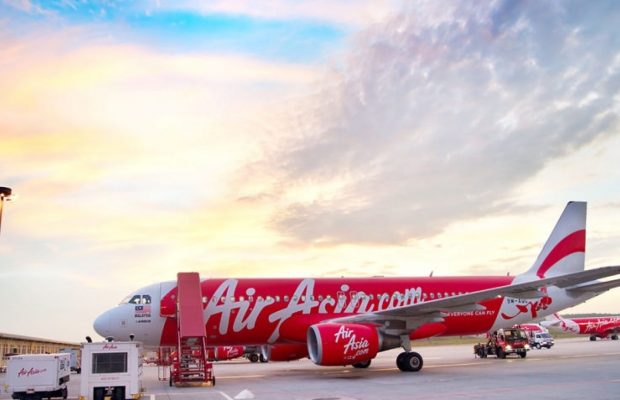
    Asia’s largest budget airline AirAsia, headquartered in Kuala Lumpur, plans to open a subsidiary company in Cambodia to handle an anticipated increase in the number of passengers travelling to Phnom Penh, Siem Reap and Sihanoukville from Malaysia.

    The subsidiary, said the Minister of Public Works and Transport Sun Chanthol yesterday, would be named AirAsia Cambodia.

    “The purpose of forming AirAsia Cambodia was brought up by AirAsia CEO Tony Fernandes in his meeting with Prime Minister Hun Sen last week at the sidelines of the World Economic Forum on Asean,” said Mr Chanthol.

    “Mr Fernandes told the prime minister that AirAsia Cambodia, as AirAsia’s new subsidiary company, would be needed to handle an increasing number of air travelers from Malaysia to Phnom Penh, Siem Reap and Sihanoukville,” he added.

    “The prime minister, in turn, replied that he was behind Mr Fernandes’s decision 100 percent.”

    Mr Chanthol said AirAsia’s decision to start a new subsidiary company in Cambodia reflected the aviation industry’s confidence in the country’s open skies policy.

    “Cambodia’s open skies policy promotes Asean connectivity and this in turn allows more goods to be transported and more people to travel to other countries,” he said.

    When asked by reporters when AirAsia Cambodia would start up in the country, Mr Chanthol said the proposal was now with the Council of Ministers for approval.

    The decision to form AirAsia Cambodia came after Mr Fernandes announced at a press conference on Thursday that his airline plans to launch a new service from Kuala Lumpur to Sihanoukville city.

    “There will be four AirAsia flights a week from Kuala Lumpur International Airport 2 to Sihanouk International Airport on the Airbus 320,” he said. The first flight is scheduled for August 9.

    Mr Fernandes said he recognised the potential of Cambodia’s international airports to handle an increased number of arrivals from overseas.

    “We think the Cambodian air travel market could be lucrative and the timing to expand our routes is perfect,” he said.

    AirAsia currently flies daily from Kuala Lumpur to Phnom Penh and Siem Reap.

    “We hope in time to come that people may come to Phnom Penh and then go to Sihanoukville,” Mr Fernandes said.

    “We are about to invest for the long term and see huge potential in these airports.

    “It is about connectivity and I think one of the most important aspects is for the people of Sihanoukville to have another option to fly.

    It is not just about tourism. We also hope small businesses can benefit by expanding their businesses into Asean.”

  • DFS, Estée Lauder launch beauty tutorial-inspired WeChat campaign

    DFS, Estée Lauder launch beauty tutorial-inspired WeChat campaign

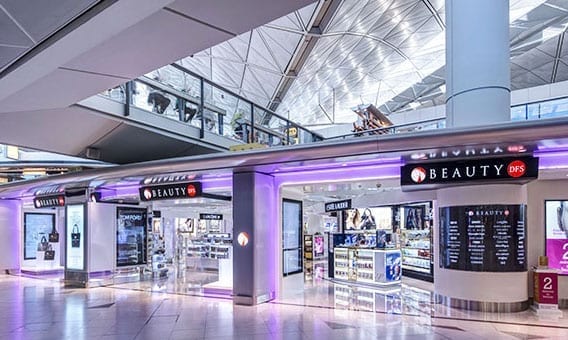
    LVMH-owned travel retailer DFS has teamed up with Estée Lauder to transform fans into influencers with an omnichannel initiative, the #BeautyAllNight campaign, which brings together in-store activations with digital touchpoints via Chinese messaging platform WeChat. Beauty marketers have embraced technology-enabled efforts to enhance traditional counter trials and experiences with great success.

    DFS and Estée Lauder were inspired by the popularity of online beauty tutorials. To bring the concept in-store DFS is leveraging the abilities of its WeChat to enhance consumer interaction with the #BeautyAllNight concept.

    The campaign follows three travelers visiting New York, Venice, Italy, and Hong Kong. The friends are shown unpacking, applying travel beauty essentials, and snapping selfies to share on social media. As a travel-based retailer, it is important for DFS to keep this authentic connection because consumers often come across its storefronts in airport terminals.

    In a digital beauty first, according to the brands, #BeautyAllNight uses WeChat’s facial recognition technology to apply a “staying in” or “going out” Estée Lauder beauty look on users’ faces. Once a look is selected, she can pick Estée Lauder products to virtually try on. Consumers can choose from the DFS-exclusive Love of Night set or Pure Color Love lipsticks. The completed virtual try-on selfie can be shared on WeChat Moments.

    “Today’s beauty shopper wants to see, test and share her next beauty look before even stepping into the store to purchase,” said Ariel Gentzbourger, senior vice president of beauty, fragrances and wellbeing at DFS, in a statement. “She crowdsources everything, from where she should stop to what are the must-have products, often trusting peer-to-peer recommendations above all else.

    “We’re proud to partner with Estée Lauder to harness the power of the social network and deliver this beauty digital first on WeChat with our #BeautyAllNight campaign,” she said. “We’re confident that through this innovative online approach we’ll drive awareness and engagement of these beauty essentials in-store with the growing millennial segment.”

    Aside from its digital efforts, DFS locations will hold dedicated #BeautyAllNight pop-ups at T Galleria by DFS locations in Hong Kong, Hawaii and Macau. Campaign activations will also be found at T Fondaco dei Tedeschi by DFS in Venice, Italy and DFS in Los Angeles.

    Estée Lauder’s exclusive Love of Night set, featuring its most popular skincare products from the Advanced Night Repair line, will be available at a 30 percent discount for the extent of the month-long campaign at DFS.

  • Tourism exec welcomes new Cebu Pacific routes in Clark

    Tourism exec welcomes new Cebu Pacific routes in Clark

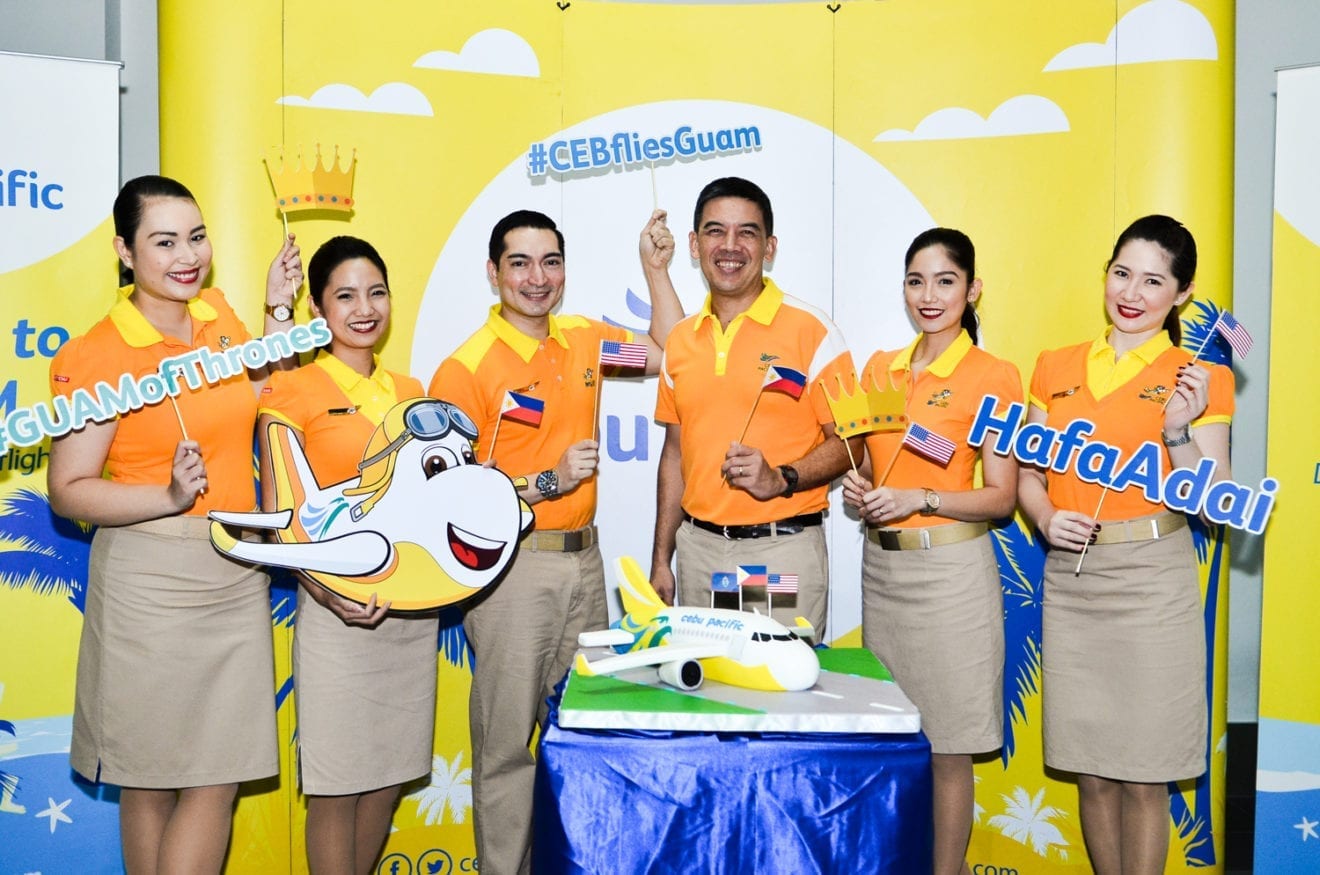
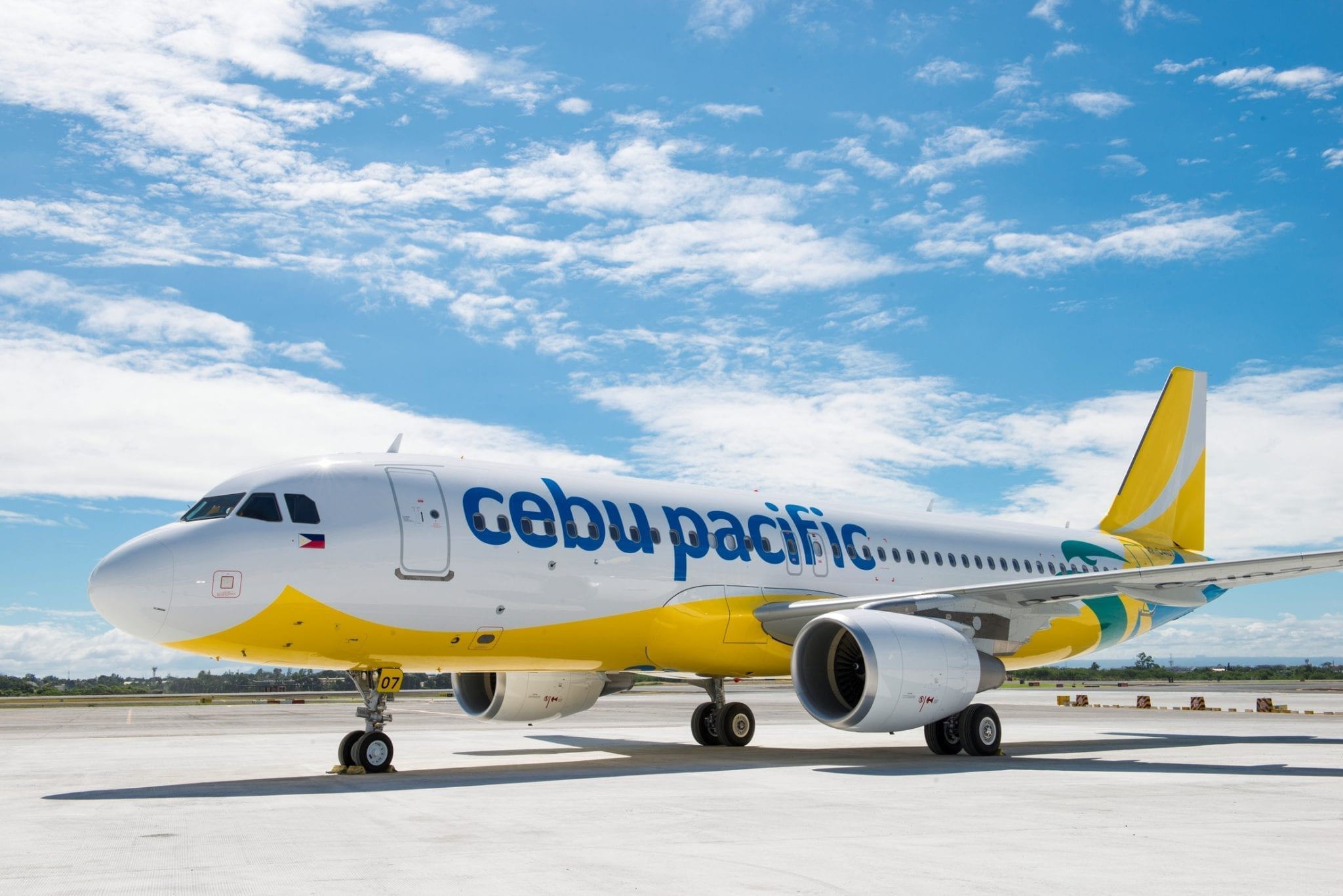
    The Department of Tourism (DOT) in Central Luzon welcomed the two new routes of Cebu Pacific which will commence on May 15. Ronnie Tiotuico, DOT-Central Luzon director, said the new routes will attract passengers from Central and Northern Luzon. “This is good for our tourism.

    People from Central and Northern Luzon will no longer have to travel to Metro Manila to get to their favorite destinations in Boracay and El Nido in Palawan,” Tiotuico said.

    Cebu Pacific set the new flights in line with its program to strengthen its domestic route network geared towards making inter-island travel more accessible to residents outside Metro Manila. Starting this May 15, Cebu Pacific’s wholly-owned subsidiary, Cebgo, will be flying daily between Clark and Caticlan (Boracay) and three times weekly on Monday, Wednesday, and Friday between Clark and Busuanga.

    “We believe that by opening these new routes, we are enabling more residents from Central and even North Luzon to travel to Palawan and Boracay — two of the world’s best islands, without having to make the trip to Metro Manila to catch their flights. Aside from boosting domestic tourism, our new routes will also enhance trade and investment as we also make available our cargo services,” Alexander Lao, Cebgo president and chief executive officer, said.

    Lao said that Cebu Pacific has remained true to its commitment of making air travel safe, affordable, reliable, and fun-filled for everyone. “Rest assured, we will continue expanding our network to enable even more of our kababayans to travel with our trademark lowest fares, not only within the Philippines, but also to international destinations,” added Lao. Cebu Pacific also operates flights out of four other strategically placed hubs in Manila, Davao, Kalibo, and Iloilo.

    The airline’s extensive network covers over 100 routes and 66 destinations, spanning Asia, Australia, the Middle East, and United States of America. F

  • AirAsia to launch new Chinese low cost carrier

    AirAsia to launch new Chinese low cost carrier

    AirAsia signed a joint venture agreement with China on Sunday to establish a low cost carrier (LCC), with a base in the east-central city of Zhengzhou. AirAsia (China) is a joint venture between AirAsia, Everbright Group and Henan Government Working Group, the airline said in a statement.

    AirAsia (China) will also invest in aviation infrastructure, including a dedicated LCC terminal at Zhengzhou airport and an aviation academy to train pilots, crew and engineers, as well as maintenance, repair and overhaul (MRO) facilities to service aircraft, the statement said.

    No further details of the LCC were provided.

    Malaysian Prime Minister Datuk Seri Najib Tun Razak, who is on a visit to China, witnessed the signing of the joint venture agreement.

    “This Chinese venture represents the final piece of the AirAsia puzzle,” said AirAsia Group CEO Tan Sri Tony Fernandes.

    “In just 16 years, we have successfully built a presence in Malaysia, Thailand, Indonesia, Philippines, India and Japan, with China closing the loop on all major territories in Asia Pacific.”

    AirAsia and AirAsia X currently fly to 15 destinations in China and the group is the largest foreign LCC operating into the country.

  • Japan’s FamilyMart may limit investment in Vietnam following losses

    Japan’s FamilyMart may limit investment in Vietnam following losses

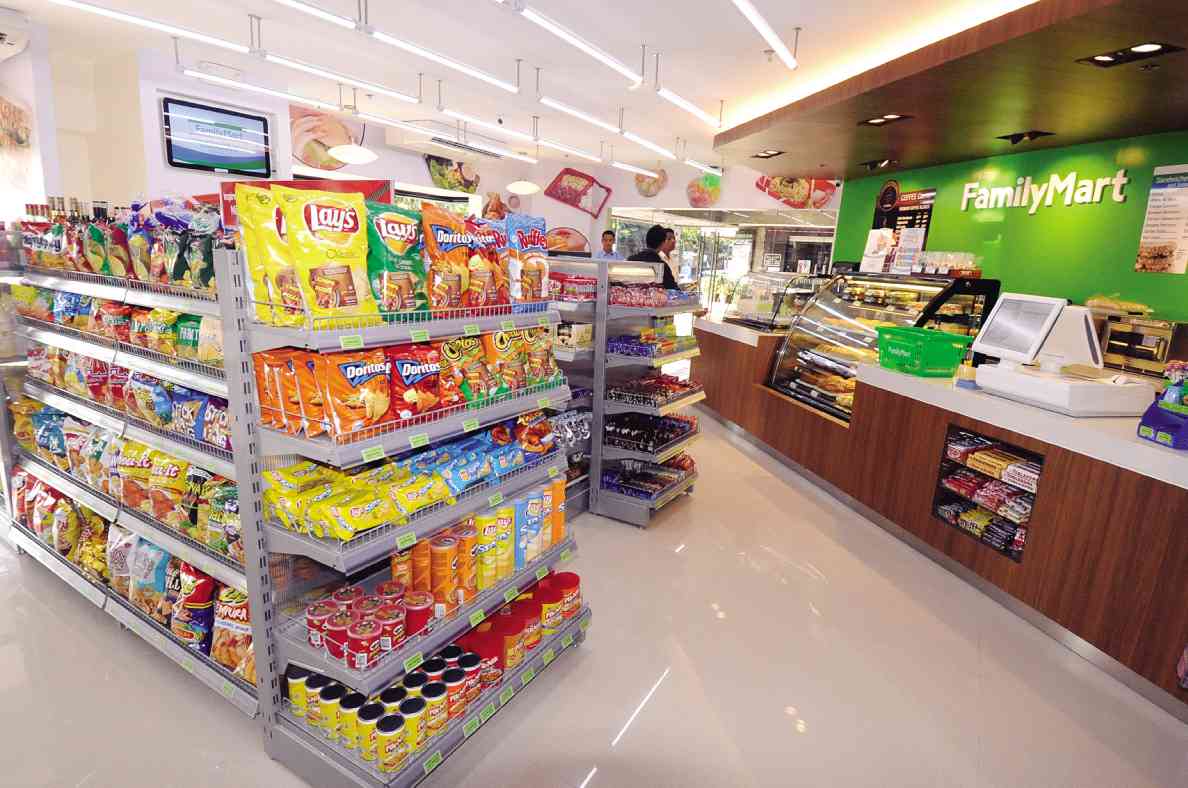
    ‘We cannot continue to pour in resources,’ its president says of business in the Southeast Asian market. Japan’s second largest convenience store chain FamilyMart plans to stay focused on domestic market as it reported losses in several Southeast Asian economies including Vietnam.

    Koji Takayanagi, the chain president, said the firm is reviewing loss-making businesses in Indonesia, Thailand and Vietnam. “If we can get them to rally we will, but we cannot continue to pour in resources,” as saying Tuesday.

    The Japanese franchise has forecast operating profit to grow by more than twice to 1,000 billion yen ($8.79 billion) in four years from 412 billion yen in the current fiscal year. But as the business is profitable in China and Taiwan, it is not doing well elsewhere.

    FamilyMart came to Vietnam in 2010 and had expected to open 300 stores in collaboration with local distributor Phu Thai Group.

    But the partnership ended in 2013, with the distributor taking over 42 FamilyMart stores and turning them into B’s Mart in collaboration with Thailand’s Beri Jucker Plc.

    The brand made a comeback in July 2013 and is now operating 130 stores in Ho Chi Minh City, the nearby resort town of Vung Tau and in Binh Duong Province, aiming to expand to 150 by the end of this year.

    Takayanagi said he finds it easier to achieve results at home, where worsening labor shortage is leaving convenience stores scrambling to find workers. “We know what to do,” he told, adding that the chain is ready to offer items with added value to serve its aging population.

    He also said his company is considering starting a new business with Hong Kong-based investment holding company CITIC Ltd. and Thailand’s largest private conglomerate Charoen Pokphand.

    Details are not revealed, but he said the companies are looking at a range of opportunities beyond convenience stores.

    The chain’s diversion comes as its rival Seven & i Holdings, which owns Japan’s largest convenience store chain 7-Eleven, keeps expanding overseas, most recently in the U.S.

    The first 7-Eleven store will open in Vietnam in February 2018, adding heat to the convenience store boom with entry and expansion from many local and foreign retailers in recent years.

    Vietnam’s retail market is listed in the top five in Southeast Asia and ranked 11th globally in terms of growth rate, based on the A.T. Kearny 2016 Global Retail Development Index.

    Vietnam’s trade ministry has projected the country’s retail market to hit $179 billion by 2020, a jump of 52 percent from last year, with foreign convenience store operators already holding a 70-percent market share.

    The sector has a lot room to grow in Vietnam, where more than half of a population of nearly 92 million are young and the annual average income expected to increase very fast, the ministry said.

  • Malaysia Airlines Extends Cooperation With AFI KLM E&M

    Malaysia Airlines Extends Cooperation With AFI KLM E&M

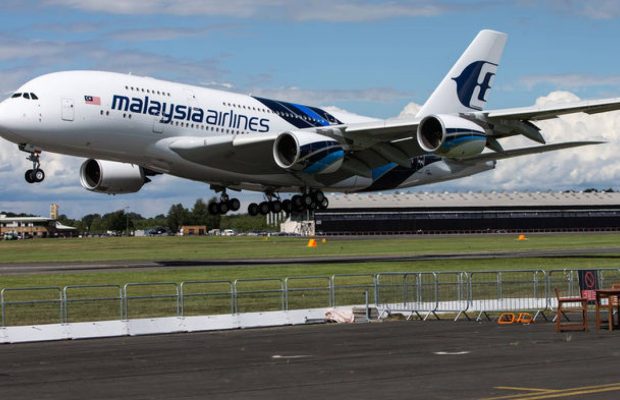
    Malaysia Airlines has decided to extend its long-running component support contract with AFI KLM E&M covering its fleet of Boeing Next-Generation 737-800 aircraft. The initial agreement was intended to cover 35 aircraft. The support provided by AFI KLM E&M today covers 54 aircraft and will involve a wider range of Part Numbers (P/N). The Malaysian Carrier has also extended the contract duration for the coming years.

    The component support solutions supplied to Malaysia Airlines are implemented via the Component Services Program (CSP) operated jointly by AFI KLM E&M and Boeing. Services include component repair and access to the local and main AFI KLM E&M spares pools located respectively in Kuala Lumpur and Amsterdam.
    The high quality of CSP, which combines the complementary expertise of an Airline MRO and the Airframer, along with the component availability solutions deployed in close proximity to the Malaysia Airlines facilities, have hitherto given the airline complete satisfaction.

    Paul Kear, Technical Director Malaysia Airlines, said: “The support implemented by AFI KLM E&M for our fleet of 737-800s stands out both for its service quality and its responsiveness. The Group has deployed tailored solutions, guaranteeing our operational continuity, so it was a logical decision to extend our cooperation.”

    Ton Dortmans, Executive Vice President KLM E&M, added: “We are delighted to see that Malaysia Airlines has maintained and even extended its trust in AFI KLM E&M services. This testifies to the quality of our services and foregrounds our ability to provide services backed by a global logistics network built around local facilities on our clients’ doorsteps.”

  • Video ads a menace to brand safety in Vietnam

    Video ads a menace to brand safety in Vietnam

    Regional rankings place Vietnam as the second-most at risk country from harmful content in Southeast Asia. Video advertisements in Vietnam, mostly on YouTube, are a serious threat to brand safety, and the second most dangerous in Southeast Asia after Indonesia, according to global technology and data company Integral Ad Science (IAS).

    Indonesia’s video ads were at the highest risk, with 15.3 percent of ad impressions flagged for appearing alongside content deemed unsafe, while its display ad risk was second highest in the region at 5 percent after Malaysia, citing IAS data on brand risk in the online environment during the second half of 2016.

    Following closely behind Indonesia for video brand safety risks was Vietnam, with 13.2 percent of video ads dubbed as a risk to brand safety, while its display ad risk was relatively low at 4.2 percent, the report said.

    Malaysia’s brand safety risk was the highest for display ads at 6.7 percent, while its brand safety risk for video ads was also relatively high at 7.1 percent.

    Thailand’s online environment posed the lowest threat to brand safety in Southeast Asia, with only 1.6 percent of display and 2.2 percent of video ads appearing on unsafe websites.

    Singapore had the second safest online environment after Thailand, with only 2.7 percent of its display ads and 4.6 percent of its video ads featuring in unsafe environments.

    In February, Vietnam’s Ministry of Information and Communications found more than 8,000 videos containing distorted historical facts about the country on YouTube. These videos featured advertisements for several major Vietnamese brands but the companies in question said they did not control where there ads appeared.

    The government subsequently called on all companies doing business in the country to stop advertising on YouTube, Facebook and other social media until they find a way to halt the publication of “toxic” anti-government information.

    “We withdrew our ads from YouTube as soon as we were being warned by the authorities. We do not want our brands to appear alongside toxic content,” Nguyen Tran Hung Long, senior media manager at Masan Group Corporation, told VnExpress.

    These warnings have reminded businesses to pay more attention to brand safety on the internet, said Vinamilk marketing manager Pham Minh Tien.

    Nearly 49 million people in Vietnam, or more than half of the country’s population, are online. A Nielsen survey released last September found that 92 percent of them watch online videos at least once a week, and 64 percent are daily viewers.

    YouTube and Facebook account for two-thirds of the digital media market share in Vietnam, according to Nguyen Khoa Hong Thanh, operations director at digital marketing agency Isobar Vietnam.

  • Malaysia Airlines closes Kuala Lumpur lounges for upgrades

    Malaysia Airlines closes Kuala Lumpur lounges for upgrades

    Malaysia Airlines is temporarily closing two of its home hub lounges in Kuala Lumpur as it completes extensive refurbishment works to breathe new life into the spaces.

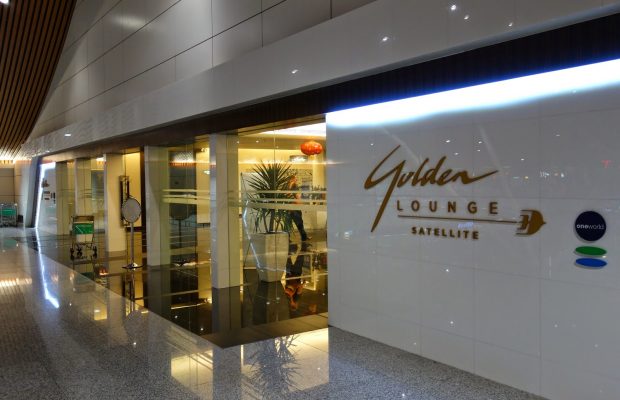
    MAS’ regional Golden Lounge in KLIA’s Main Terminal is up first – primarily used by passengers on shorter international flights such as to Singapore – closing its doors from May 12 until August 15 2017, with eligible passengers instead directed to the airport’s Satellite Terminal for lounge access.

    There, business class guests and Oneworld Sapphire/Emerald frequent flyers (including Qantas Gold and Platinum cardholders) can choose to visit either Malaysia Airlines’ international Golden Lounge (open 24 hours) or the Malaysia Airport CIP Lounge near gates 31-37 (open 6am-10am and then 6pm-10pm).

    Under Oneworld’s lounge access rules, a third option is also available in the Cathay Pacific First and Business Class Lounge: again found in the Satellite Terminal, which is accessible from the Main Terminal via Aerotrain.

    Malaysia Airlines’ domestic Golden Lounge will also be shuttered from June 2 until August 15 2017, but as these passengers cannot access the airport’s international departures area where the other lounges are located, a temporary lounge space will be created at gate B3.

    There, lounge-eligible travellers will find light refreshments available along with dedicated seating, wireless Internet, newspapers, magazines and flight information screens.

    Toilets, showers and prayer rooms won’t be offered within this temporary space, although the nearest restrooms can be found just outside the gate area, with the closest prayer room aside the Malaysia Airlines Gate A transfer desk.

    Refurbishments to these lounges were originally due for completion by “late 2016”, being approximately eight months behind schedule.

    Qantas partner Malaysia Airlines will reinvigorate its business class and first class airport lounges in Kuala Lumpur and at London’s Heathrow Airport over the coming year with an all-new design and premium amenities for business and high-end leisure travellers.

    Central to the Golden Lounge upgrades are new demonstration kitchens, where chefs will whip up Malaysian and international gourmet dishes while interacting with guests and customising meals to their personal tastes.

    Joining that is a “bistro service” in the business lounges and a revamped fine dining experience in the Kuala Lumpur first class lounge, with all locations also receiving faster wireless Internet and additional universal power sockets, allowing visitors to easily recharge their devices without an adaptor.

    Adopting a design created by internationally-renowned firm Duoz – the same company behind the Ritz-Carlton Kuala Lumpur and the Marriott Sydney Harbour at Circular Quay – guests will notice patches of greenery for a touch of colour throughout.

    “Delivering a holistic experience for our guests which starts from the lounge lies at the heart of the redesign,” said Malaysia Airlines’ CCO Paul Simmons.

    “We want the space to encapsulate the richness of travel with the airline, a luxurious contemporary Malaysian style that our guests will be able to experience when they enter any Malaysia Airlines Golden Lounge around the world,” Simmons added.

    Malaysia Airlines’ regional and domestic lounges at Kuala Lumpur will be first with the new design and amenities by late 2016, followed by the international business and first class lounges in the KLIA Satellite terminal and also the airline’s London Heathrow lounge in mid-2017.

    The carrier’s ambitious lounge overhaul follows the debut of all-new business class seats on Malaysia Airlines’ Airbus A330 flights between Australia and Kuala Lumpur, with the fully-flat seats fitted to all MH A330s by late September this year.

  • Sunway Reit Advocates For Clean Air

    Sunway Reit Advocates For Clean Air

    Sunway Real Estate Investment Trust (Sunway REIT or Trust), one of the largest retail-focused real estate investment trusts (REITs) in Malaysia, has embarked on a sustainability campaign, “Clean Air – A Smoke Free Environment Project” at Sunway REIT’s flagship asset, Sunway Pyramid Shopping Mall.

    As part of the effort, three local artists who have been internationally-recognised for their murals and installations – Kenji Chai, Caryn Koh and Louise Low – came together to support the campaign and create public awareness on smoking hazards. Each of them had put their imagination to work and created wall murals which uniquely expressed their hopes and wishes for cleaner air on three exterior walls around Sunway Pyramid.

    CEO of Sunway REIT, Dato’ Jeffrey Ng Tiong Lip, said, “We would like to encourage the public to come join us in this journey to make Sunway City Malaysia the first sustainable and smoke-free city by 2018 where all Sunway-owned premises within the township will be declared smoke-free. We hope that the beauty of these masterpieces will discourage smoking in those areas and inspire our community to help us clear the air of cigarette-smoke for the 200,000 people, including 40,000 students, who reside within the city,” he said.

    Sunway City has transformed from a tin-mining wasteland into Malaysia’s first fully-integrated green township as accredited by Green Building Index, and the nation’s first low-carbon city as awarded by the Malaysian Institute of Planners. Sunway City is the first smart sustainable city in Malaysia driven by a private corporation.

    In 2013, Sunway Group’s Founder and Chairman, Tan Sri Dr Jeffrey Cheah, roadmapped a five-year plan to culminate in 2018, where all Sunway-owned premises would be 100% smoke-free. Over the years, in the first and second phases of the roadmap, the Sunway Group have partnered up with various government agencies including the Ministry of Health and My Sihat as well as the World Health Organisation towards realising the vision of a smoke-free nation.

    To-date, Sunway City has gazetted six premises within the City, namely Monash University, Sunway University, Sunway Medical Centre, Sunway Resort Hotel and Spa, Sunway Pyramid Hotel and Sunway Pyramid Shopping Mall as smoke-free zones. Sunway City is working to gazette the Menara Sunway and The Pinnacle to be smoke-free as well.

    In support of the United Nations Sustainable Development Goal 11 : Sustainable Cities and Communities, Sunway City is intensifying its efforts through various initiatives which will set the blueprint for future smart cities in Malaysia and the ASEAN region.

    Sunway Group is committed to the United Nations 17 Sustainable Development Goals, and creates positive and long-term impact on its economy, environment and society through #sunwayforgood programmes. For more information, please follow Sunway Group’s Facebook page

    During the duration of the campaign, from 8 May 2017 to 30 June 2018, members of the public are also invited to sign up for the fully-sponsored Sunway REIT Smoking Cessation Programme which is supported by Sunway Medical Centre and Johnson and Johnson. Participants will receive free active behavioural counselling by Sunway Medical Centre’s professionals who are committed to bring participants through their smoking cessation journey. The pilot run of the project is open to 250 participants.

    For the first week of the campaign, 8 May 2017 to 14 May 2017, Sunway REIT will also be conducting various activities for the public at the LG2 Orange Avenue, Sunway Pyramid Shopping Mall. Shoppers can drop by for complimentary consultations for a smoking cessation programme and smokerlyzer tests. Consultation sessions will be held from 11.30 am – 2.30 pm from Monday to Friday and 11.30 am – 3.30 pm on Saturday and Sunday.

  • Hong Kong retail sales climb 3.1% in March

    Hong Kong retail sales climb 3.1% in March

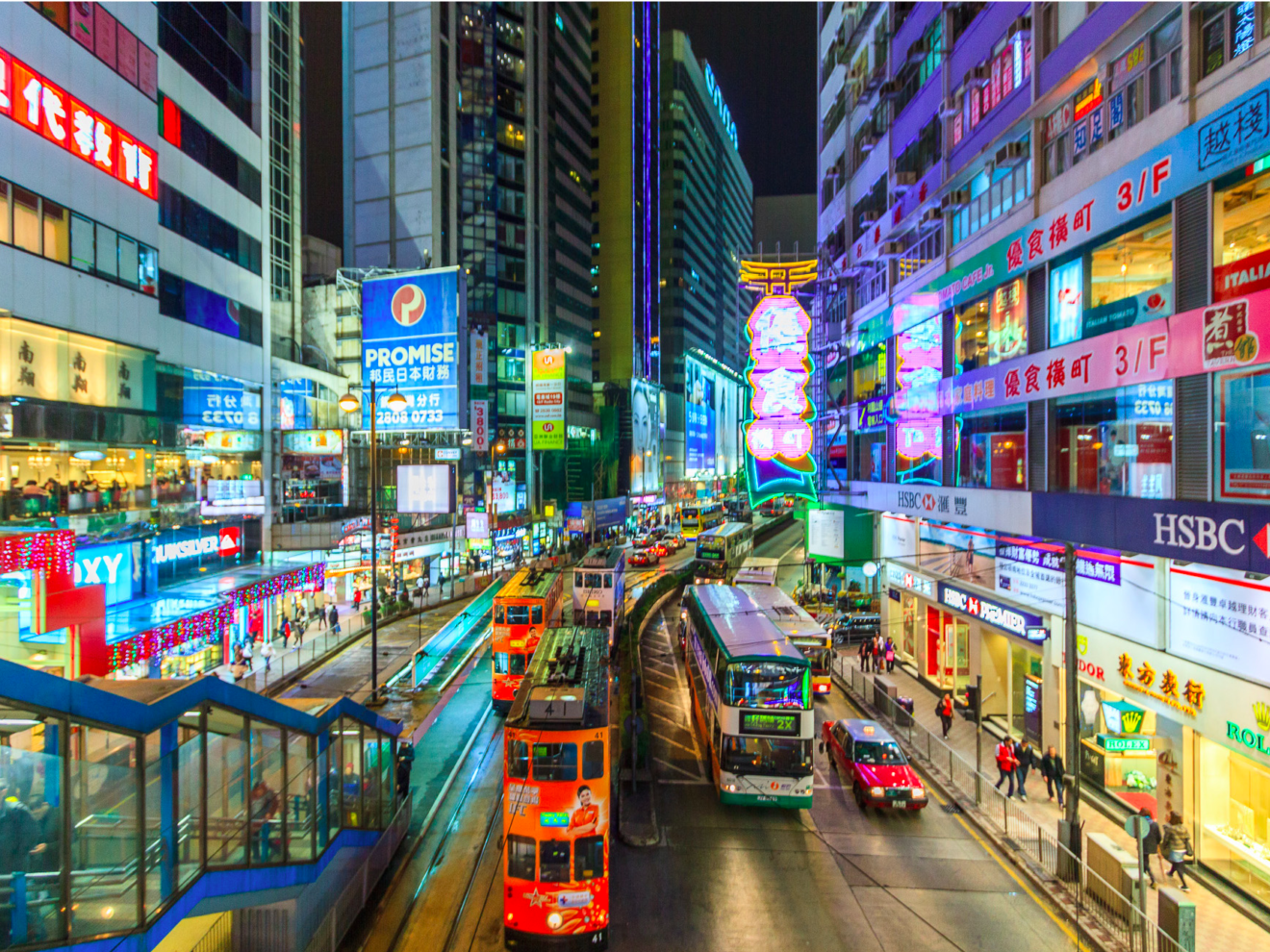
    Hong Kong’s retail rut is no more. For the month of March, Hong Kong retail sales lifted 3.1%, the first gain in two years, as visitors from mainland China returned to the city’s shopping regions.

    The 3.1% uptick in Hong Kong was a measure of total revenues, while retail sales in volume terms gained 2.7%, rising for the first time since July 2015 according to figures released by the Hong Kong government’s Census and Statistics Department (C&SD) on Monday.

    “Retail sales resumed moderate year-on-year growth in March,” said the government in a statement.

    “This reflected partly the continued recovery of visitor arrivals and partly the robust local consumption demand.”

    Local tourism surged 10.4% in March compared to the same month last year, pushed on by the return of mainland Chinese arrivals. It was the most growth recorded since February 2015.

    March’s return to growth follows a dire start to 2017 for local retailers. Hong Kong retail sales dived 5.7% in February, after January sales contracted just 1%, said the C&SD.

    In recent months, Hong Kong tourism has been hurt by an influx of Chinese tourists to Macau, the only Chinese territory where gambling is legal. The region is fast becoming a shopping hotspot too, with major retailers opening stores close to casinos and restaurants.

    This includes US lingerie heavyweight Victoria’s Secret, who bowed its assortment retail store in Macau this month.

  • Cebu Pacific passenger traffic slipped in Q1

    Cebu Pacific passenger traffic slipped in Q1

    The operator of budget airline Cebu Pacific Air saw passenger growth contract in the first quarter of 2017, partly on increased competition with domestic rivals.

    Cebu Air, which owns Cebu Pacific and Cebgo, announced its January to March 2017 operating statistics on Wednesday, showing that passenger traffic slid by 0.5 percent to 4.81 million passengers compared to the same period in 2016.

    Cebu Air said capacity, with a growth of 2.9 percent, rose faster than demand, causing seat load factor to slip 2.9 percentage points to 83.8 percent for the period.

    Since tycoon Lucio Tan resumed full control of rival Philippine Airlines in 2014, the flag carrier vowed to aggressively compete anew in the domestic arena.

    As a result, think tank CAPA-Center for Aviation said in a report early this year that Cebu Pacific ceded some domestic market share to PAL in 2016. However, CAPA noted these were mainly on “lower yielding and generally unprofitable point-to-point routes.” Separately, Philippines Air Asia noted higher passenger volume in 2016.

    Cebu Air also said passenger traffic for March 2017 alone was down 0.2 percent to 1.64 million passengers compared to the same period in 2016.

    Capacity during the period was up by 3.3 percent, while seat load factor was down 2.9 percentage points to 82.8 percent.

    Cebu Air disclosed earlier that full-year 2016 net income jumped 122.3 percent to P9.75 billion compared to the same period in 2015 on strong passenger volume and lower oil prices.

  • Australia’s retail slugout adds to worry over weak inflation

    Australia’s retail slugout adds to worry over weak inflation

    A fierce price war among retailers is threatening to keep a lid on improving inflation in Australia, compounding the problems of policymakers struggling to support still-weak domestic demand.

    An uptick in consumer inflation has lowered the chance of another rate cut this year, but competition from global retailers such as Amazon.com Inc is set to keep prices under pressure – good news for shoppers but worrying for the central bank.

    The country’s biggest retailers are suffering from a long spell of deflation that is unlikely to subside soon. Amazon and German supermarket chain Kaufland want to fortify their global presence Down Under and will join recent entrants such as H&M, Uniqlo and Aldi.

    The Reserve Bank of Australia (RBA) said on Friday that “heightened competitive pressures” in the retail sector were among key factors keeping inflation subdued.

    “The arrival of further new foreign retailers will be an important influence on final retail prices over the next few years,” the RBA said in its quarterly statement on monetary policy in which it expects underlying inflation may only fully return to its 2-3 percent target band by mid-2019.

    Worried about deflation risks, the RBA slashed rates twice last year to a record low 1.50 percent. It is widely expected to hold rates until mid-2018 but subdued consumer prices could become a trigger for a move lower, and push the Australian dollar weaker.

    “While consumers will benefit from lower prices, ongoing weakness in retail inflation is a key factor weighing on the broader inflation outlook,” said ANZ economist Jo Masters.

    There was some relief headline consumer prices rose in the first quarter, taking the annual pace to its fastest since 2014 at 2.1 percent. But five of 11 sectors – about 30 percent of the CPI basket – saw price falls. Prices for women’s clothing, for example, were at their cheapest on record.

    A study by Capital Economics shows price increase in what it classifies as ‘luxuries’ – clothing, alcohol and recreation – halved to 0.6 percent from 1.2 since the start of last year. Inflation in ‘essentials’ – food, electricity and insurance – accelerated to 3.4 percent from 1 percent.

    “In other words, it now costs much more to live, but not much more to have fun,” said economist Paul Dales, adding that this situation was hitting household spending on discretionary items. “It implies that consumption growth will be a little bit weaker.”

    Clothing and homeware prices have fallen due to cut-throat competition among major retailers, which only intensified with the arrival of foreign chains to Australia.

    While there are few details on how Amazon will position itself, the retail giant’s expected entry this year will worsen the pain of a retail industry that has been largely insulated by a housing boom and pick-up in global growth, analysts said.

    Jefferies expects Amazon to capture between A$3 billion to A$8 billion ($2.25-$6 billion) of sales in Australia – about 30 percent of current online retail sales.

    Australian retailers are already being forced to change their business models but four major firms going into voluntary administration in the first two months of the year highlights the deepening crisis.

    Not surprisingly, the sector has been shedding jobs, with more workers lost in the year to November 2016 than any other industry.

    “Foreign retailers are attracted by relatively high margins in Australia and will continue to enter the market as long as that additional margin is on offer,” said Masters of ANZ.

    So far, only 16 percent of the world’s top 250 retailers have a physical presence in Australia, according to Deloitte.