Category: General

Retail News Asia is committed to providing both local and global retailers with the latest General Retail news throughout the Asian market. This on a daily base.

  • New Guangzhou Baiyun Airport T2 duty free concession goes to tender

    New Guangzhou Baiyun Airport T2 duty free concession goes to tender

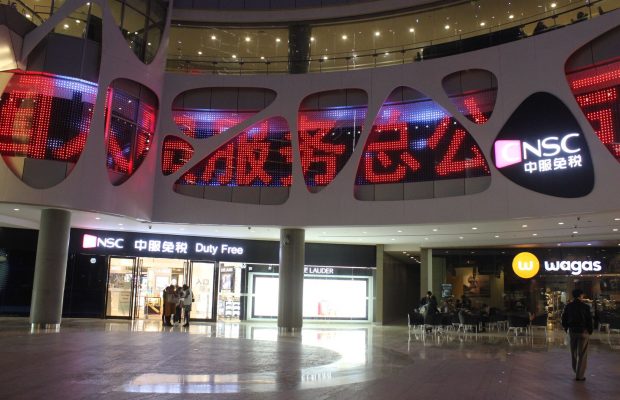
    A tender for the duty free concession at Guangzhou Baiyun Airport’s new Terminal 2, due to open in 2018, was issued this week.

    Guangzhou Baiyun International Airport is China’s third-busiest and the world’s 16th-busiest airport, with 59.78 million passengers in 2016, up +19.3% year-on-year. Of those, some 13.58 million were arriving and departing international passengers. By 2020 total traffic is projected to reach 80 million and by 2030 100 million. China Duty Free Group is the incumbent retailer at the existing airport facilities.

    The tender is being organised by GMG International Tendering Co. It covers 25 stores across the vast terminal, embracing some 3,544sq m of duty free space. While the tender has been divided into two bids, one winner can win the whole concession.

    At TFWA’s recent China’s Century conference, Guangzhou Baiyun International Airport Co President Qiu Jiachen painted a bold picture of the airport’s traffic and retail prospects, pledging a “complete commercial eco-system” once T2 is open

    The vast Chinese gateway is set to boom in coming years as passenger numbers surge and the new terminal eases capacity pressures.

    Qualifying bidders must fulfil a series of criteria, including having had established duty free business in Mainland China on a profitable basis for the past three years.

    Bid 1: 14 shops totalling 1,943sq m (first year); monthly guaranteed sales RMB15,860,000 (US$2.3 million); minimum concession fee 31%.

    Bid 2: 11 shops total 1,601sq m (first year); monthly guaranteed sales RMB13,070,000 (US$1.9 million); minimum concession fee 31%.

    Interested parties must register to bid between 2 and 8 May.

    CDFG’s new contract covers 300sq m of retail space at T1 before the T2 opening. Once open, T2 will offer 700sq m of space and T1 will be extended to 400sq m.

    Duty Free Expert Publisher Jason Cao commented: “This is the second duty free departure projects tender following on from Beijing Capital International Airport which is showing the future trend – i.e. more departure shops will adopt the bidding system for their duty free concessions.”

  • AirAsia to launch Bali-Mumbai route

    AirAsia to launch Bali-Mumbai route

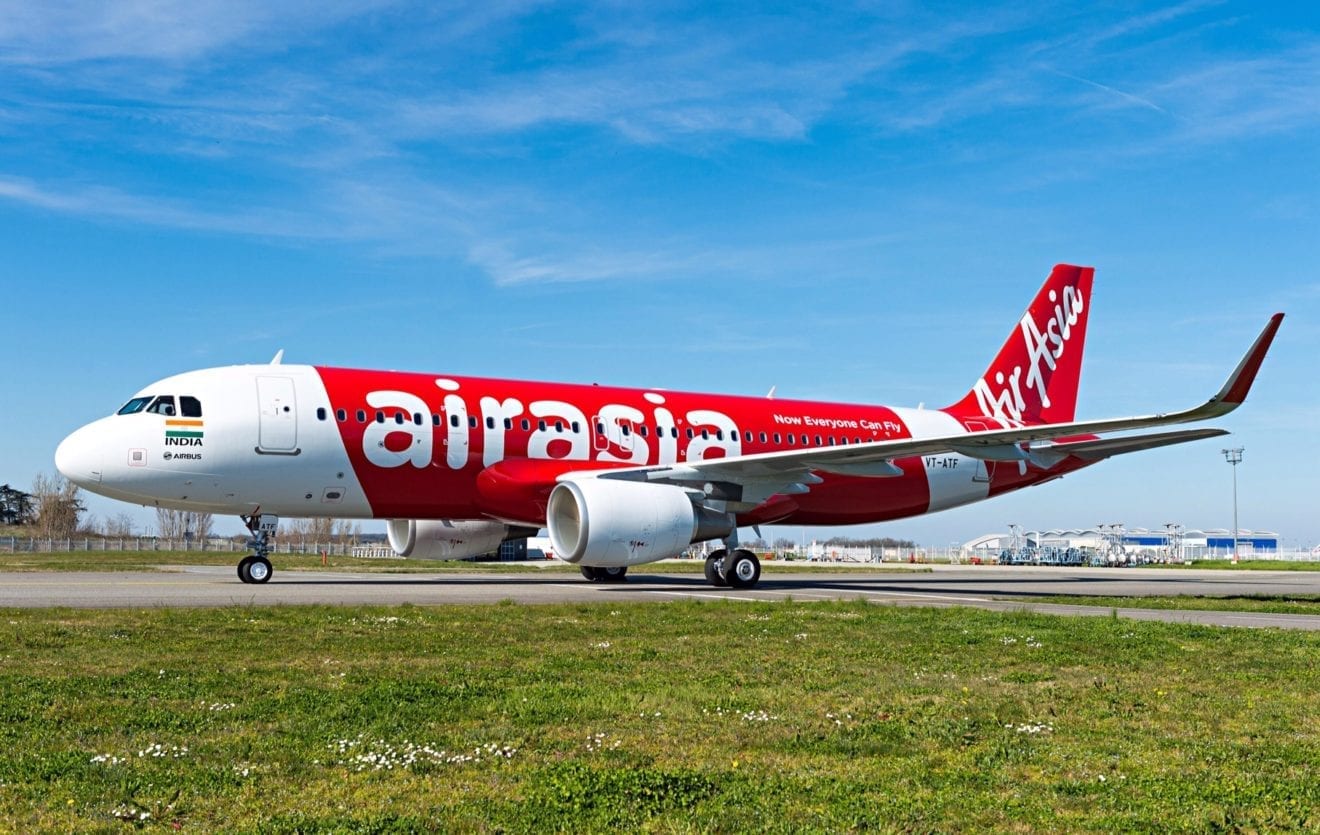
    AirAsia is launching a new route connecting Bali and Indian metropolis, Mumbai.

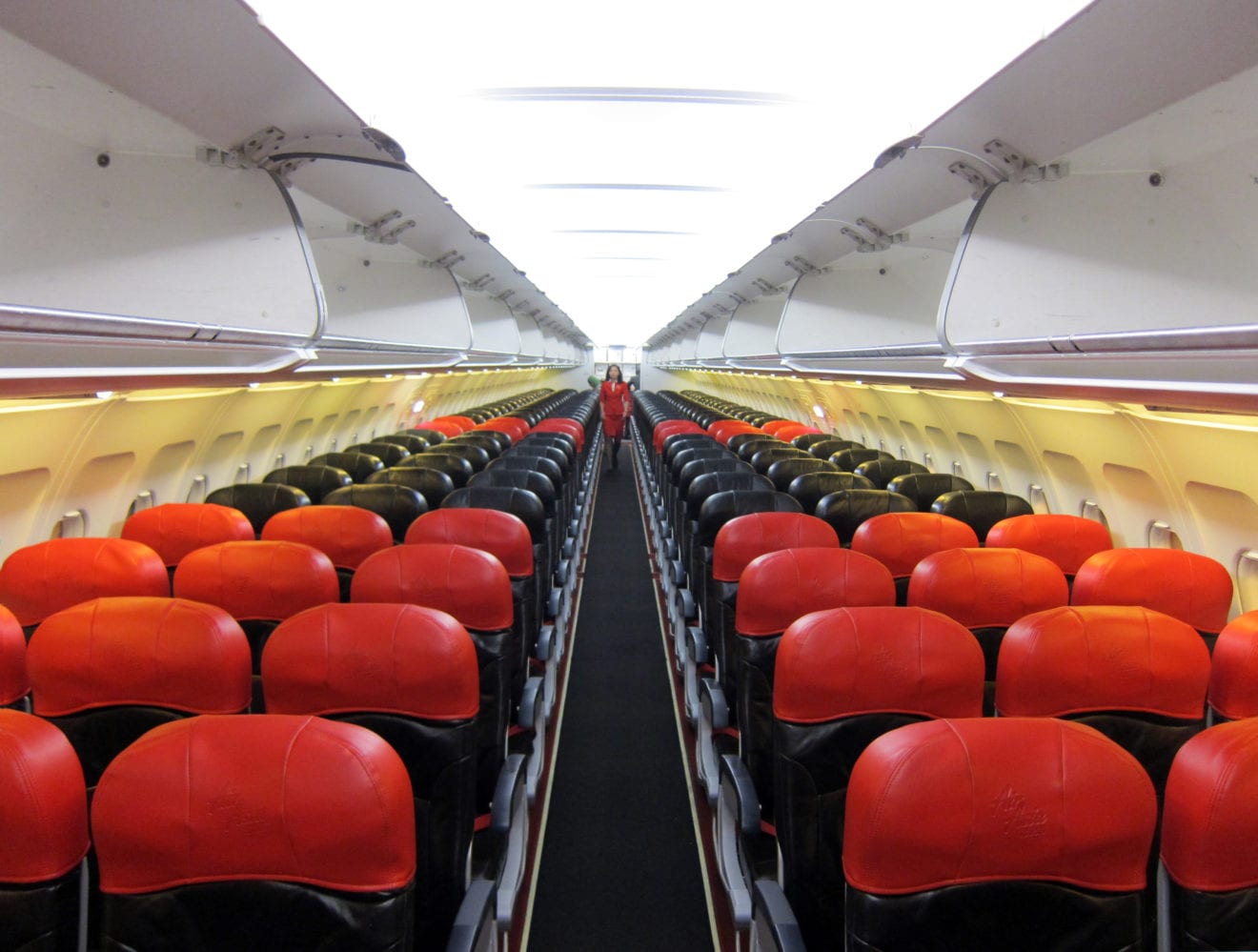
    The AirAsia X Indonesia service will kick off on May 19, operating seven times per week, using an Airbus A330-300 with 377 seats, 12 of which will be flatbed. Flights are already available for booking. 

    The route won’t be direct—there will be a stopover in KL, AirAsia’s hub, for 65 minutes.

    Dendy Kurniawan, AirAsia Group Chief Executive Officer (CEO) for Indonesia operations, says the Mumbai flight was added in response to an increasing demand amongst Indian tourists to holiday in Bali.

    The Indian and Chinese markets are two of the fastest growing, after all.

    The Mumbai service won’t be AirAsia’s only new route out of Indonesia. AirAsia Indonesia is also opening up a Jakarta to Macau flight starting August 7 later this year, beginning with three scheduled flights per week.

  • Indonesia-Denmark launch wind power map

    Indonesia-Denmark launch wind power map

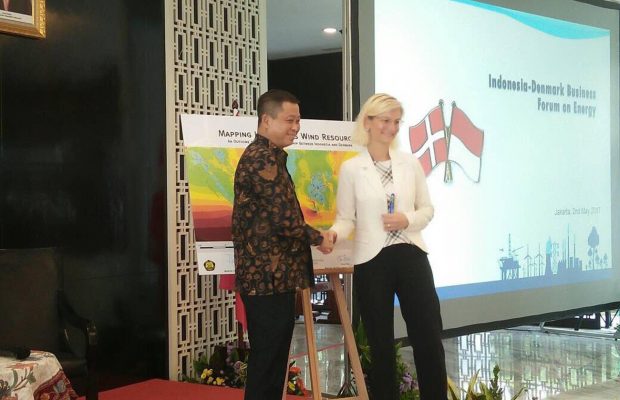
    The Energy and Mineral Resources Ministry and Denmark’s Development Cooperation Ministry launched on Tuesday a map pinpointing the wind power potential for electrification in Indonesia.

    Denmark Development Cooperation Minister Ulla Tørnæs said this was part of a six-month cooperative engagement between the two governments, during which they exchanged their experiences in developing renewable energy sources for electrification.

    “Today, we are launching a new wind map that shows the vast potential for utilizing wind in Indonesia,” Tørnæs said in her opening speech at the Energy and Mineral Resources Ministry in Central Jakarta on Tuesday.

    “A number of visits to Denmark by Indonesian officials over the past six months has deepened the discussion and insight into waste-to-energy solutions, the use of biomass and how to accommodate fluctuating markets.”

    The map displays the hot spots for wind power potential in Indonesia. It is expected to help the government and investors decide the best locations to develop wind turbines.

    The map was also launched alongside a book titled Integration of Wind Energy in Power Systems, which will serve as a guide for policymaking and the integration of electricity into state-owned electricity firm PLN’s existing system. The book was written based on Denmark’s experiences in wind power development.

  • More AirAsia flights take off from secondary hub

    More AirAsia flights take off from secondary hub

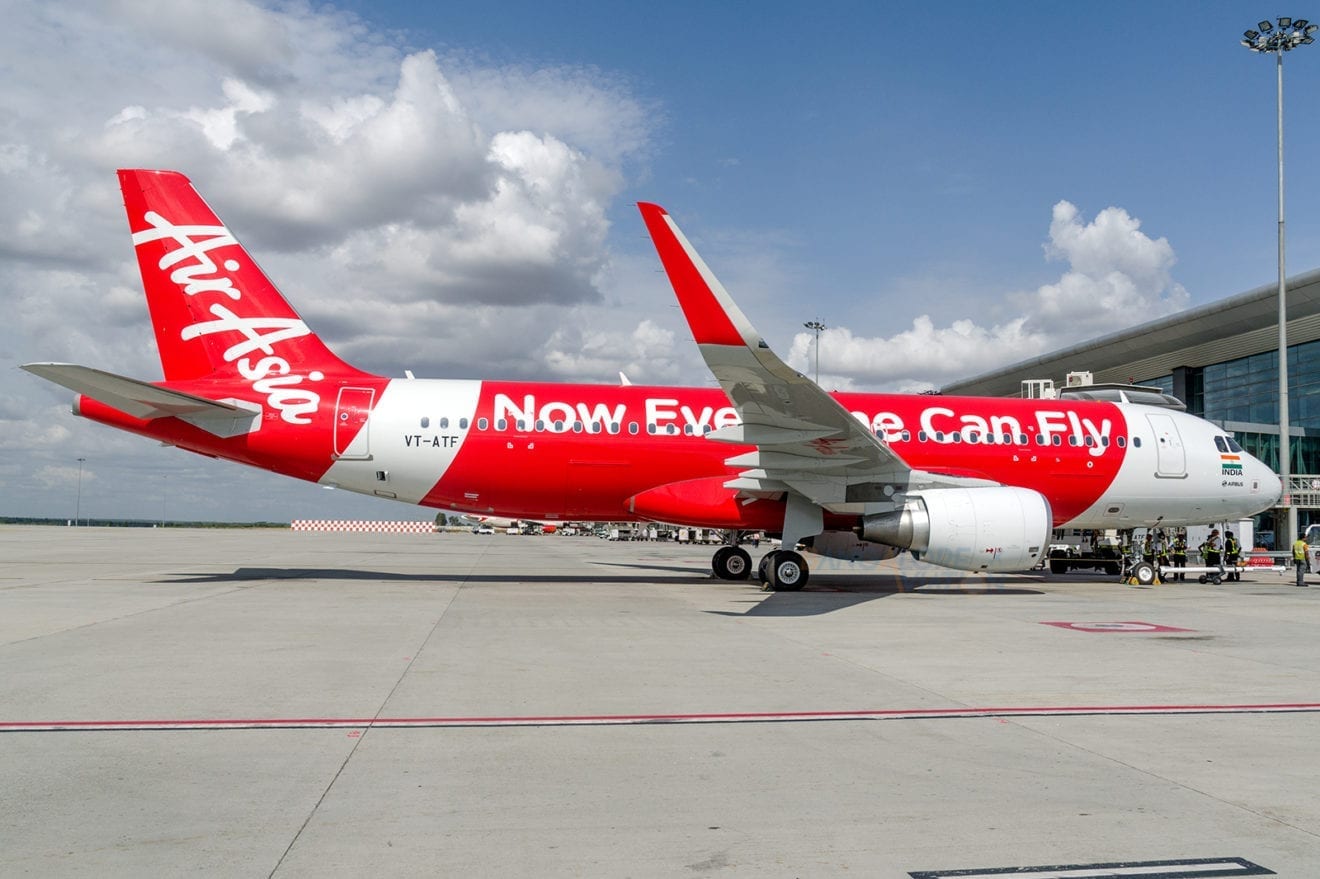
    AirAsia has unveiled more domestic routes from its secondary hubs in Malaysia as well as several new connections to China and India launching this year.

    The Malaysian LCC commenced a Kuala Lumpur-Bhubaneswar (India) flight on April 26, the first international airline to fly into the east Indian city and capital of Odisha, which Malaysian agents expect to spur FIT demand.

    “Prior to the opening of this route, travellers from Bhubaneswar and surrounding areas would have to take flights from Chennai, Mumbai or Kolkata to travel to Malaysia,” A Aruldas, managing director of Tourland Travel, said. “The new flights are also timely with Malaysia’s relaxation of the visa facility for Indian tourists.”

    Come August 9, AirAsia will begin a thrice-weekly service connecting Langkawi to Shenzhen for the first time and four-times weekly flights between Langkawi and Kuching that same day.

    Other new domestic routes include the inaugural Johor Bahru-Langkawi service launched since April 28, in addition to the upcoming Johor Bahru-Kuala Terengganu flights commencing June 22.

  • Indonesia records inflation of 0.09% in April

    Indonesia records inflation of 0.09% in April

    After seeing deflation a month earlier owing to the harvest season, the country recorded monthly inflation of 0.09 percent in April on account of increases in the prices of most commodities.

    Inflation in April brought annual inflation to 4.17 percent year-on-year (yoy), the Central Statistics Agency (BPS) announced on Tuesday.

    “I think inflation at 0.09 percent in April remained in line with what the government is trying to manage because there will be bigger challenges in May and June,” said BPS head Suhariyanto in a press conference.

    The agency warned prices of food commodities could increase in May due to rising demand during Ramadhan.

    In June, Suhariyanto said, prices would rise as an effect of the second hike of electricity rates for 900 volt-ampere (VA) capacity in May.

    “The electricity rate increase will occur in May, but the impact will only be seen in June because most customers of 900 VA are post-paid type rather than prepaid,” he said.

    The price increases in April occurred in administered prices, particularly electricity and fuel, as well as in a number of food commodities such as garlic, chicken, tomato and dogfruit.

    Meanwhile, price decreases in April were seen in major food commodities such as red and green chili, rice, sugar, beef and chicken eggs. (bbn)

  • International Flight Services Launched in Terminal 3, Soekarno Hatta

    International Flight Services Launched in Terminal 3, Soekarno Hatta

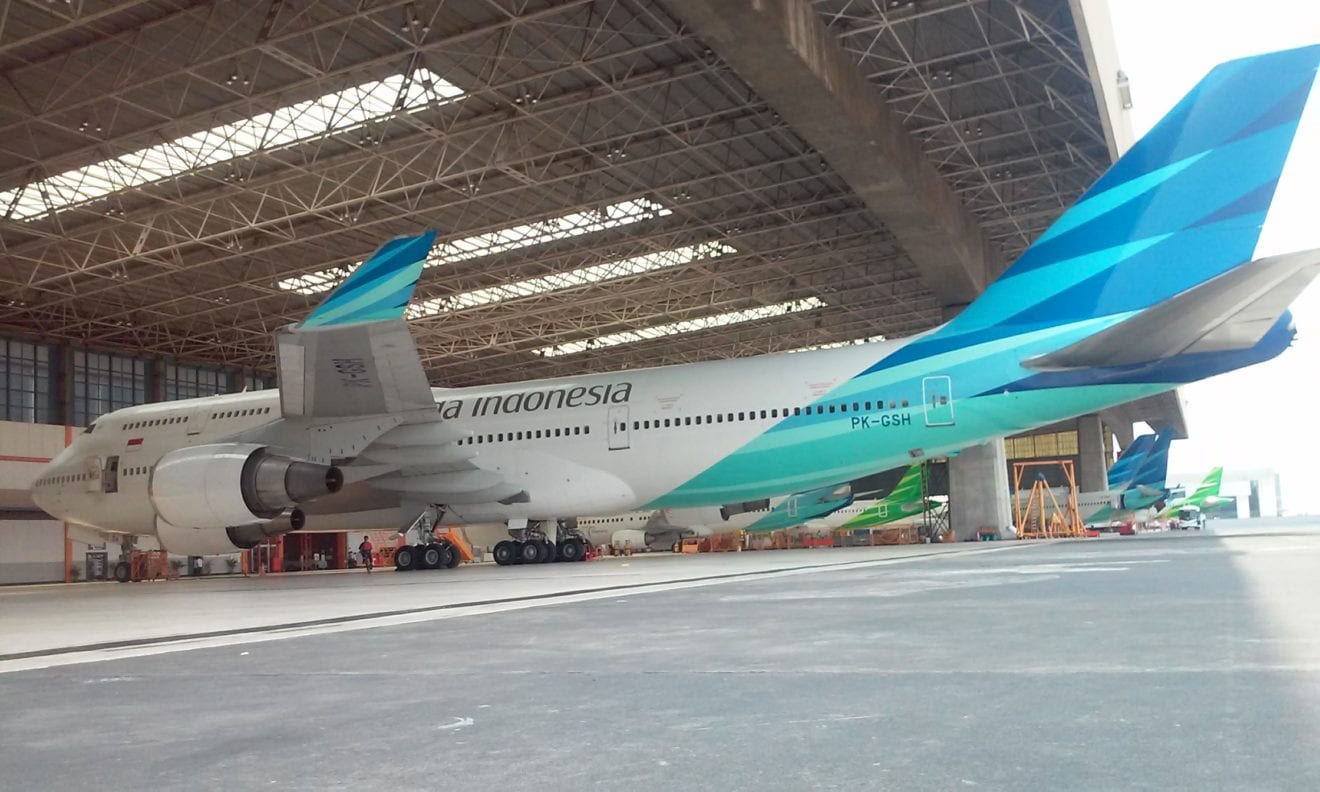
    President & CEO Garuda Indonesia Pahala N Mansury and President & CEO of Angkasa Pura II Muhammad Awaluddin inaugurated Garuda Indonesia international flight operations service at Terminal 3 of Soekarno-Hatta Airport, Tangerang on Monday (1/5) by releasing flight GA 820 route Jakarta – Kuala Lumpur and welcoming the arrival of flight GA 823 route Singapore – Jakarta.

    Flight GA 820 from Jakarta to Kuala Lumpur destination, departed at 08.35 Local Time, while the arrival of flight GA 823 route Singapore – Jakarta landed at 08.15 Local Time. Both direct flights were greeted and released by the President & CEO from Garuda Indonesia and AP II.

    President Director & CEO Garuda Indonesia Pahala N Mansury said the official operation of Garuda Indonesia international flight service at Terminal 3 of Soekarno-Hatta Airport marked the companies ongoing effort to enhance service excellence commitment and increase the convenience of all passengers in enjoying Garuda Indonesia flight service.

    “We would also like to extend our greatest appreciation and gratitude to Angkasa Pura II who successfully provided an international airport service with modern facilities which surely will further support the operational service services that we provide to all passengers.”

    “With the vision of Garuda Indonesia-based Indonesian hospitality service that is also aligned with Angkasa Pura II’s vision of making Soekarno-Hatta the best smart-connected airport in the region, Garuda is optimistic that the presence of this international Terminal 3 service will not only be a concrete step towards the development of competitive infrastructure and transportation services Global, but also a milestone for the development of national tourism aspects in the eyes of the world,” concluded Pahala.

    Meanwhile, President Director of Angkasa Pura II Muhammad Awaluddin expressed “We are grateful for the support of the public, Ministry of Transportation, especially the Directorate General for Air Transportation and other stakeholders at Soekarno-Hatta Airport so that on May 1, 2017, international route flights can be served through Terminal 3 Where this special first stage is operated by Garuda Indonesia,” he explained.

    “AP II is optimistic that the operation of international flights in Terminal 3 can further make Soekarno-Hatta Airport one of the supporters of tourism growth, in addition to the increase of Indonesia’s economy,” said Muhammad Awaluddin.

    On the other hand, Angkasa Pura II completes the operation of international flights in Terminal 3 with facilities supporting parking facilities that can accommodate about 1,200 private vehicles for regular parking. Then as a form of familiarization of the service users towards the building of International Terminal 3 parking, for seven days or starting from 1-7 May 2017 regular parking users will be free of vehicle parking fee.

    As for the parking of the vehicle, Angkasa Pura II also provides 2 parking garage area that is East Inap Parking and West Inap Parking located in the office area in the middle of the airport area where passengers who want to invite the vehicle can make reservations first through the smartphone application “Orangapark Parking” which can be downloaded through Google Play.

    In addition, on 1-7 May 2017 all tenants including food and beverages in the area of Terminal 3 International in cooperation with Angkasa Pura II will be granted an additional 10% discount to all airline passengers or airport visitors, excluding any existing discounts.

    In line with Garuda Indonesia’s international flight service to Terminal 3 of Soekarno-Hatta Airport, Garuda Indonesia is optimistic that it will further strengthen the 5-star service and increase the capacity of pre-light and post-flight services provided to all passengers.

    International flight services in Terminal 3, Garuda Indonesia will further expand the capacity of its pre-post flight service to all users of the service users. At Terminal 3 later, Garuda Indonesia will operate 26 check-in counters as well as a significant increase in executive lounge capacity with an area of 2,100 m2 comprising 350 seats for business class and 56 seats for first class.

  • Cebu Pacific issues travel advisory related to Asean summit

    Cebu Pacific issues travel advisory related to Asean summit

    In light of the 30th Asean Summit and Related Meetings which will be held in Manila from April 26 to 29, 2017, Cebu Pacific and Cebgo reminded all passengers flying out on these dates to plan their routes going to the Ninoy Aquino International Airport (NAIA). The carrier issued the advisory as several roads in Pasay City, especially those leading to NAIA Terminals 3 and 4, will be closed.

    Aside from this, the period from April 29 to May 1, 2017 is also Labor Day weekend. Malacañang, by virtue of Memorandum Circular 18 issued on April 21, suspended classes at all levels and work in the government and private sector on April 28, Friday, in line with the Philippines’ hosting of the Asean Summit. Passengers traveling to and from Manila from April 28-30, 2017 who wish to change their flight schedules may rebook their flights for free within 30 days. Guests flying out this weekend are advised to be at the airport early to process pre-departure requirements and avoid long lines at the check-in, security and immigration counters. Cebu Pacific’s domestic check-in counters are open three hours before the scheduled time of departure and four hours for international flights.

    All check-in counters will close 45 minutes before the scheduled time of flights, except those exiting the Middle East (one hour) and Shanghai (50 minutes). For international flights, web check-in is available from seven days up to four hours before scheduled flight departure. Those taking domestic flights can do web check-in up to one hour before their scheduled departure.

    Self Check-in Kiosks. Passengers at NAIA Terminals 3 and 4 and selected domestic airports can use these kiosks to check-in their flights eight hours up to one hour before the scheduled flight departure. Domestic web or mobile check-in guests with check-in luggage can drop these off at the bag drop counter at least 45 minutes before the flight, except those exiting the Middle East (one hour) and Shanghai (50 minutes).

    International web or mobile check-in guests still need to show up at check-in or bag drop counter at least one hour before the flight to present valid travel documents. For more information on the Asean 2017 calendar of events, traffic advisories and rerouting, visit https://www.asean2017.ph, or at the official Facebook page “Asean 2017” of the Asean 2017 Chairmanship in the Philippines.

  • Hong Kong Investor Expresses Investment Commitment to Jokowi

    Hong Kong Investor Expresses Investment Commitment to Jokowi

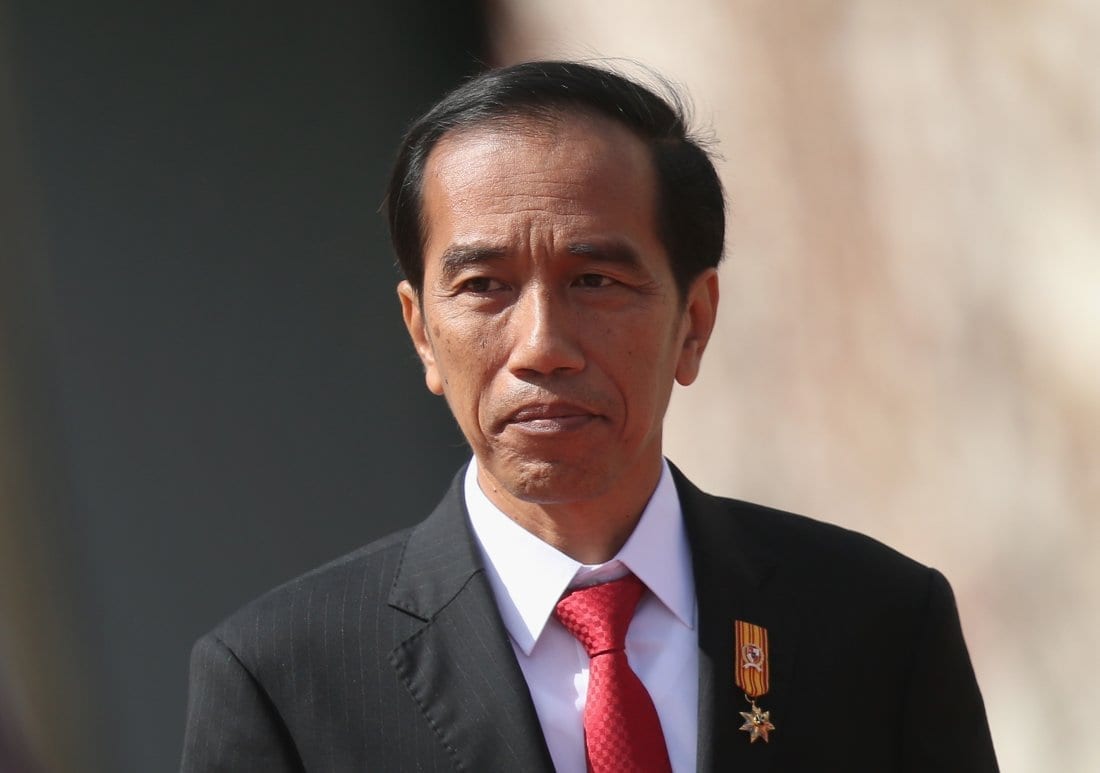
    During a meeting with President Joko Widodo or Jokowi at Conrad Hotel in Hong Kong, CK Hutchison Holdings Limited owner Li Ka-Shing expressed investment commitment in Indonesia.

    “CK Hutchison Holdings Limited is one of the largest companies listed in the Hong Kong Stock Exchange,” Foreign Minister Retno Marsudi said in a press release on Monday, May 1, 2017.

    CK Hutchison Holdings Limited is one of the largest container terminal operators in the world with a total investment of US$10 billion. Retno explained that the company views Indonesia as a country with a huge potential. Therefore, Li Ka-Shing expressed his commitment to increasing the company’s investment in Indonesia.

    “A commitment to increasing investment in Indonesia has been made,” Retno added.

    During the meeting, President Jokowi also elaborated a number Indonesian government plans to improve the economic growth.

    “Indonesia’s economic reform was one of the topics raised by President Jokowi,” Retno said. “President Jokowi also explained Indonesia’s infrastructure development plans.”

    In addition to Retno, attending the meeting were Trade Minister Enggartiasto Lukita, Cabinet Secretary Pramono Anung, and Investment Coordinating Board head Thomas Lembong.

  • Digitalisation tops agenda on opening day of Sea Asia 2017

    Digitalisation tops agenda on opening day of Sea Asia 2017

    Industry leaders kicked off discussions at the sixth edition of Sea Asia with a focus on digitalisation and the need for industry players to embrace this new reality in order to remain competitive in today’s market environment. In particular, industry leaders emphasised that there needs to be a change in mindset towards one that is more receptive to digital transformations in the industry.

    Taking place in Singapore until Thursday, 27 April, Sea Asia 2017 brings together leaders of the maritime and offshore industries to discuss, debate and analyse challenges and opportunities facing the sector.

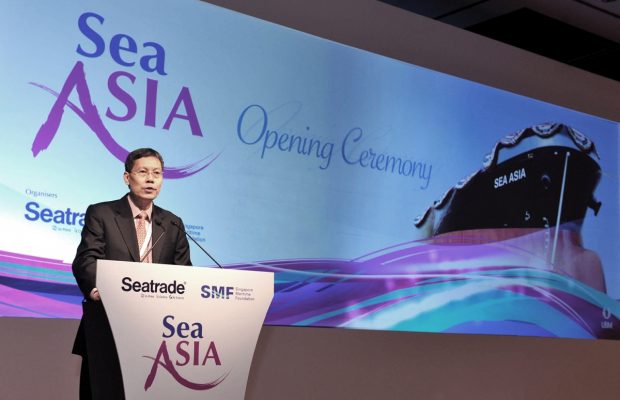
    Speaking at the opening ceremony, Coordinating Minister for Infrastructure and Minister for Transport, Khaw Boon Wan, said that with the advent of digitalisation in the industry, the Government is taking steps to help companies in Singapore develop capabilities to succeed in the future.

    For example, the Maritime and Port Authority of Singapore’s (MPA) enhanced Maritime Cluster Fund now provides more co-funding for companies that want to use technology to optimise their processes or transform their business models.

    Khaw also highlighted the importance of preparing the local workforce for transformations driven by digitalisation in the industry, adding that the jobs of tomorrow will be markedly different from today.

    “We have to ensure that our maritime manpower is equipped to handle transformation, and for some of them, to drive the transformation,” said Khaw.

    Experts on the panel of the Sea Asia Global Forum commented on the need to provide an enabling environment that allows for the maritime workforce to learn and be comfortable with the idea of digitalisation in the industry.

    “When it comes to digitalisation, the word to think about is not disruption, but transformation. There are many opportunities that come with the transformations that digitalisation brings to the industry and hence, we have to learn to change the way we’re thinking about it. The maritime industry needs to create an environment that allows for its people to experiment with new technologies and learn how to use them.

    “It’s all about changing people’s mindsets on digitalisation and making them confident that they can work with the changes,” said Piyush Gupta, CEO of DBS Group who was one of the panellists of the Sea Asia Global Forum.

    Despite this, industry leaders still recognise the ongoing need for a more human element in the industry.

    Oskar Levander, VP Innovation, Engineering & Technology – Marine, Rolls-Royce, said at ‘The Fourth Industrial Revolution: Threat or Opportunity?’ session: “Digitalisation is changing everything in the industry, from the way ships are run to how business models are shaped. With digitalisation, I believe there will eventually be remote and autonomous shipping; but this is not to say that all ships will be unmanned and that no crew is needed.”

    With expanded technology also comes added risk — another factor companies need to consider when adopting a more digital approach.

    Speaking at the same session, Michael Montoya, chief cybersecurity advisor, Microsoft Asia, said: “Companies must embrace technology… but as you expand your digital footprint, you do open yourself to risks in the form of cybersecurity. However, there are ways to protect yourself from that risk, and there are smart ways that you can implement that will allow you to continue on that maturity journey to put much better services and systems in place.”

    The industry leaders also highlighted the importance of coming together to discuss and analyse new trends such as digitalisation at a regional platform such as Sea Asia.

    Seatrade chairman Chris Hayman said: “Since the first event in 2007, Sea Asia has trebled in size and we are expecting more than 16,000 participants from around 80 countries for this year’s edition.

    “This event gives us all the opportunity to hear from the leaders of the industry in this region, and their counterparts from around the world,” he said.

  • AIS moves to enable VoLTE peering

    AIS moves to enable VoLTE peering

    Thailand’s AIS has deployed technology to enable it to offer VoLTE peering between the company and other operators in the region.

    AIS has extended its deployment of Metaswitch’s Perimeta session border controllers from its 3G to its 4G network.

    The operator has also deployed the Metaview Service Assurance Server (SAS) to support improved service delivery to its more than 40 million subscribers.

    SAS is designed to facilitate troubleshooting and remediation to resolve problems in service delivery and help ensure that SLAs are being met even in virtualized enivornments.

    “VoLTE peering offered by our own network and others will enable rapid proliferation of VoLTE services in the SEA region,” AIS CTO Kriengsak Wanichnatee commented.

    “Perimeta’s high performance, unsurpassed stability and seamless interoperability with third-party products made our decision to deploy it on our 4G VoLTE network extremely easy. This extension of Perimeta’s role in our network confirms that the platform gives us the confidence and capabilities to rapidly deploy new services and scale quickly as our subscriber base grows.”

  • AirAsia 1Q passengers top 15m

    AirAsia 1Q passengers top 15m

    AirAsia Bhd reported a 9% increase in the number of passengers carried at 15.23 million in the first quarter ended March 31, 2017 (1Q17) from 13.94 million a year earlier as the budget airline’s capacity and load factor rose.

    In a statement late yesterday, AirAsia said capacity rose 5% to 17.13 million seats from 16.29 million. The number of passengers carried and capacity translated into a higher load factor at 89% versus 86%, according to AirAsia.

    “In 1Q17, the group posted load factor of 89%, up three percentage points from the same period last year. The total number of passengers carried increased 9% year-on-year to 15.23 million, well ahead of the 5% increase in seat capacity.

    “At the end of the quarter under review, the group’s total fleet size stood at 176 aircraft (180 including two A320 aircraft novated from MAA (Malaysia AirAsia) to Asia Aviation Capital and subsequently leased to a third party airline and two A320 aircraft delivered to AirAsia Japan but yet to commence operations),” AirAsia said.

  • Singapore to help SMEs compete in the global marketplace

    Singapore to help SMEs compete in the global marketplace

    Finance Minister Heng Swee Keat’s Budget 2017 has placed a strong emphasis on helping businesses stay competitive and grow in an increasingly global marketplace.

    Helping Singapore SMEs Go Digital

    Mr Heng has emphasized the importance of digital capability as the Singapore economy continues to mature. He says it is essential that SMEs in particular embrace the digital age and adopt new and innovative digital solutions. Digital technology has the power to transform all businesses, but many SMEs lack the capability to use digital technology.
    The new Go Digital Programme is a government ‘leg up’ for SMEs and an exciting new addition to a series of strategies to strengthen small and medium-sized businesses in Singapore. More than $80 million will be made available from the government to fund these initiatives.

    Industry Digital Plans

    Industry Digital Plans will be provided by the government to help businesses use technology at each stage of their growth. Sectors targeted by the Go Digital Programme include retail, wholesale trade, food services, logistics, security and cleaning. Mr Heng indicated that he felt these sectors were the ones where digital technology could make the biggest difference to productivity levels.
    Network of SME Centres.

    Start-ups and SMEs can seek basic ICT help in person from SME centres, where advisors can offer help with everyday technology solutions. If businesses need more specialist advice, specialist advice will be made available from new SME Technology Hubs, which are being set up by IMDA and will complement existing SME Centres. SMEs can also seek advice and funding support for pilot ICT solutions already in place.
    Corporations have also been included in the Go Digital Programme. There is support available for them to help them adopt impactful and interoperable digital solutions.

    Cybersecurity Measures

    Mr Heng recognises that SMEs need to strengthen their data and cybersecurity, so the Cyber Security Agency of Singapore will be working with professional bodies to help increase cybersecurity and ensure business networks function smoothly.
    The Singapore government is also keen to promote innovation in technology, and will be creating Regulatory Sandboxes where rules and regulation is suspended, so companies can experiment with FinTech platforms like City Index and self-driving vehicles.

    Technology Innovation

    A Tech Access Initiative is designed to help small companies build prototype products. The Agency for Science, Technology and Research (A*STAR) will work with companies, providing access to its advanced machine tools so small businesses can prototype and test. SMEs will also have access to the Headstart programme so they can co-develop intellectual property licences.
    Most analysts and the majority of SMEs have welcomed the digital initiatives, as they say it fills a gap in the ecosystem, but some experts believe the measures don’t go far enough. However, these changes are definitely a step in the right direction, and with a strong network of SME centres in place throughout Singapore, thousands of small and medium-sized businesses now have access to help as they work to digitise their businesses.

  • Robots outgrowing factory roles in China

    Robots outgrowing factory roles in China

    While it has become common to see robots on factory assembly lines, in China the machines have already begun providing the elderly with care and helping raise children at daycare centres.

    At one of China’s largest daycare centres, in Sanhe, Hubei province, three white and round-bodied robots help give classes.

    The children, aged around four or five, each approach Keeko the robot, and speak to it, which then arranges what the children told it to musically narrate the story.

    At the centre, where the children can also learn kung-fu and calligraphy, the goal is to “combine tradition with modern advancements”, one of the professors, Gao Haiyan.

    Keeko also dances with the children, solves mathematical problems and supports artificial intelligence so that it can even understand in the future.

    “If everyone said negative things to it, Keeko would think they were correct, which would not be good for the kids, therefore we intervene a lot to make the lessons as positive as possible,” said Chen Xiaodong, official at Xiamen Zhitong, the firm that made Keeko.

    Keeko’s role in helping educate children contrasts to that of a robot known as A-Tai, which is 1200km away in the eastern city of Hangzhou.

    A-Tai is in charge of taking care of the elderly at an age care home with more than 1300 old people.

    It is slightly taller than Keeko, is equipped with two blue antennas and is capable of singing traditional Chinese opera, known to be popular among elderly Chinese people, can also make calls to residents’ relatives, and remind the residents to take their medicine.

    Its designer, Shen Jianchun, believes that someday his robots will replace the nurses at such institutions.

    Although China entered the realm of robot manufacturing later than other countries, it has quickly become the world leader, mainly through the Made in China 2025 campaign, which hopes to spur China to become the leader in all areas of technology production and development.

    In 2016, China installed 90,000 new robots – a third of all robots in the world – in factories, a 30 per cent increase from 2015.

  • Funan woos consumers with cutting edge showsuite ahead of 2019 opening

    Funan woos consumers with cutting edge showsuite ahead of 2019 opening

    The public can get a preview from this Sunday of what to expect when Funan mall opens its doors in the final quarter of 2019.

    Funan, an integrated development redeveloped from the former Funan DigitaLife Mall in the heart of Singapore’s Civic & Cultural District, has scored a retail sector-first with a one-of-a-kind experiential showsuite, landlord CapitaLand Mall Trust said at the launch of the suite yesterday.

    Located at the junction of High Street and Hill Street, the two-storey showsuite brings to life a new live-work-play paradigm with cutting-edge immersive virtual reality simulation technology.

    It incorporates design elements reflective of Funan’s centerpiece “Tree of Life”, a wood-and-steel structure extending from Basement 2 to Level 4 that will house a variety of open platforms and studios that promote new forms of retail, experimentation and social learning, CapitaLand Mall Trust said.

    The showsuite will open to the public daily from 11am to 9pm, from this Sunday, which coincides with this month’s edition of car-free Sunday SG in the Civic District.

    In conjunction with opening festivities, visitors can expect activities that include watercolouring and terrarium workshops, conversations with creative entrepreneurs, and an exclusive InstaMeet helmed by popular Instagrammer Yafiq Yusman, known for his unique perspective on architectural photography on the social media site.

    “Funan sets out to be an aspirational and experiential space that fosters collaboration among complementary partners, to spark inspiration and discovery for consumers.

    “And this commitment to break new ground has been carried through to the way Funan’s showsuite is designed — accessible, community-centric and experiential,” said Mr Wilson Tan, CEO of CapitaLand Mall Trust Management.

    With a project development expenditure of S$560 million, Funan will have a total gross floor area of 887,000 sq ft, including 500,000 sq ft for retail, 266,000 sq ft for offices and 121,000 sq ft for 279 apartment units.

    Funan has received commitments for about 25 per cent of its total retail net lettable area of 324,000 square feet, the landlord said.

    Local theatre company W!ld Rice’s 380-seat theatre spanning 18,000 sq ft will be Singapore’s first theatre venue within a commercial complex that is designed, managed and programmed by a theatre company.

    Some of the other key tenants at the new Funan include IT retailers Newstead Technologies and AddOn Systems, supermarket chain FairPrice Finest, cinema operator Golden Village, Kopitiam food court and rock climbing facility Climb Central.

    Well-known photography store TK Foto will have a dedicated test zone for drone filming.

    Funan, which will have one floor entirely dedicated to IT, aims to merge smart shopping technologies such as drive-through collection for products ordered online, a pick-up concierge and a basement storage facility for retailers.

    In a separate announcement yesterday, Challenger Technologies said it will open its flagship store at Bugis Junction Basement 1 this weekend. Challenger, the largest homegrown IT products and services provider in Singapore, had closed its 53,000 sq ft flagship megastore at Funan DigitaLife Mall in late 2015 after CapitaLand Mall Trust said it would redevelop the mall.

    The new 14,000 sq ft flagship brings the total number of Challenger stores in Singapore to 40. The flagship store offers a smart, interactive experience featuring 15 lifestyle concept zones backed by data analytics to guide shoppers in their purchases. The integrated retail space, with carefully curated merchandise, experiential areas and engaging displays, aims to draw shoppers in to explore and experience before making an informed purchase, Challenger said.

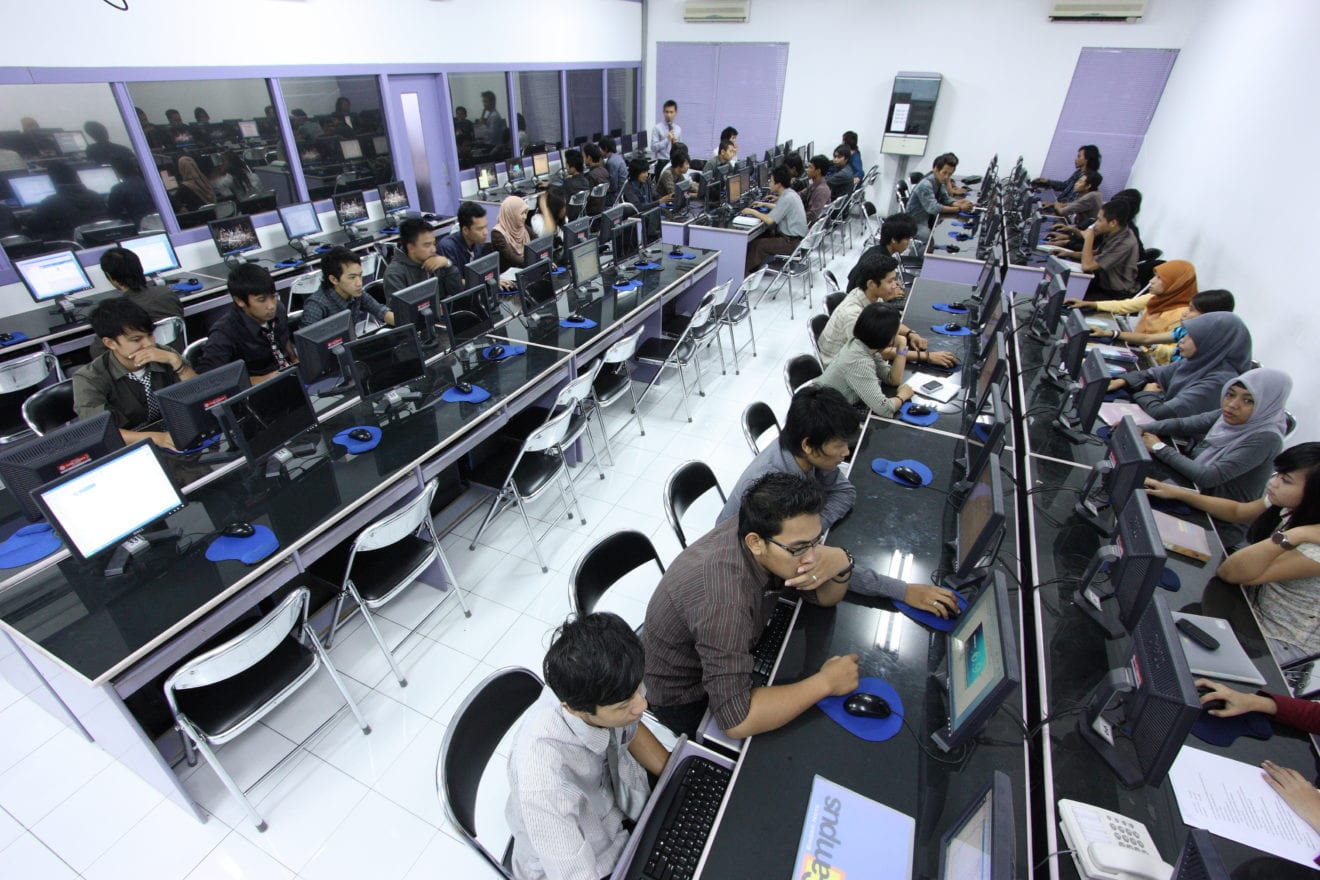
  • Growing Internet café lures Chinese company

    Growing Internet café lures Chinese company

    Chinese computer-peripherals firm Shenzhen Rapoo Technology (Rapoo) is penetrating the growing local Internet Café (iCafé) sector to secure a dominant position in the market.

    The iCafé business is a growing industry here, according to Rapoo Philippines Retail Sales Manager Lem Estiva.

    “A lot of well-known i Cafes, like The Net.Com (TNC) and WarGods, have started expanding and actually franchising,” Estiva told the BusinessMirror on the sidelines of the company’s gaming peripherals launching in early April. “So it’s really a growing business.”

    He said the growth prompted the firm to introduce its gaming peripherals in Manila. He added the series of gaming peripherals they brought into the local market are categorically divided for two types of markets: retail and iCafés.

    “We have entry-level gaming peripherals targetting basically the iCafés for that,” Estiva said. “Meanwhile, the midrange and high-end level —that would be for personal use—target the retail market.”

    A little late

    ESTIVA disclosed they tried to reach out to some of the big local iCafés, including TNC and Mineski Corp. for possible partnerships. However, Estiva said they were a little bit too late.

    “We’ve been communicating with them, I guess for the last several months,” he said.

    Estiva added there was discussion before at the possibility of Rapoo being an original equipment manufacturer for TNC.

    “We provide them the products and have them rebrand it,” Estiva said. “Apparently, we came in a little too late.” Estiva, however, said they are “very hopeful” they can “eventually find other partners”. The Rapoo executive said they are also planning to form their own local eSports team before the year ends.

    “That’s one of our plans this year. I have quite a number of [team] names in my head,” Estiva said. “But I’m keeping them a secret.”

    Since 2014 Rapoo has been signing with teams and athletes, mostly from China, in various eSports titles, including “League of Legends” and “Dota 2”.

    Estiva said some of the iCafé operators already have First-Person Shooter and Dota 2 teams.

    “Usually they discuss with sponsors during the last quarter of the year about partnerships,” he said. “And we just came in the second quarter of this year.” Estiva said he expects the sponsorship by Rapoo starts next year.

    Peripherals

    Rapoo, which has market capitalization of $1.1 billion, began selling in the Philippines a series of wireless mice and keyboards in 2013.

    Last month the company has brought into the country its gaming peripheral series under a subbrand called “VPRO”.

    It is selling two gaming headphone models, which costs P1,515 and P2,945 each. Rapoo has four models of mice to cater to Filipino gamers with prices ranging from P1,245 to P2,190. Three of the four models are for entry-level users that are designed for ambidextrous gamers.

    For its gaming keyboard series, Rapoo VPRO brought nine different models in the Philippine market with prices ranging at a low of P1,265 and P6,730.

    Different league

    ACCORDING to Estiva, the company has an edge against competitors because of its pricing structure. “There are competitors, but we are on a different league. Some of them would be very expensive and for a new brand in the local market, we must have something different to offer on the table,” he said.

    Estiva said Rapoo is “very comparable in terms of design and durability with a very popular [brand].”

    “But it’s competitor’s product expensive,” he said. “So we come up with something similar but with an affordable price.”

    Estiva said Rappoo offers customers a direct product replacement if the products bought were deemed defective within its one-year warranty period.

    Estiva said Rapoo has its own dedicated research and development (R&D) team to ensure their products are of high quality—a way to defy the common Filipino notion that China-made products are substandard ones.

    “That’s why we have an R&D team to check all the products, because we know the reputation [here] of made in China products,” he said. “And because we are competing with other brands who have been in the business for years, we are not going to grow, or worse, we are going to die if we don’t actually provide very good products to the public.”

    Estiva said Rapoo aims to have its brand to be known as “something that would live for a long life”.

    Top three

    AT present Rapoo has two authorized distributors of its products in the Philippines: Techtron Systems Corp. and Philteq Enterprise Inc., according to Estiva. He said a third distributor is currently out of the question, as it could affect the retail price of Rapoo products in the market.

    “Probably the two distributors are enough. Because in the case of Techtron, they handle pretty much the bigger types of resellers and then Philteq would handle the growing ones or those in the mobile business,” he said.

    “So, I think we have pretty much a good balance with those two distributors. Having three would probably create a price war with the resellers,” he added.

    Rapoo Regional Sales Director Johnson Zhang said Rapoo is top three in the Philippine market, traling behind Taiwan-based firm A4Tech Co. Ltd. and Swiss company Logitech International SA. “We are trying our best to get more market share in the market,” Zhang told the BusinessMirror.

    Rapoo Philippines Country Manager Aileen Chua said the company’s revenue from the local market grew by 30 percent in 2016 from 2015. However, Chua did not disclose the company’s top line in the previous fiscal year.

    Plans

    Even with a 30-percent growth, Chua said she sees Rapoo could still perform better in the country, as much of their sales operations are focused in Luzon, particularly in Metro Manila.

    “We feel that we have penetrated Metro Manila well. However for provincial [operations], we are kind of poor in that aspect, because we don’t have the dedicated manpower assigned in those areas of the Visayas and Mindanao,” she said. “Hopefully, this year we could put up some people there who can help us promote the brand.”

    Zhang said the Philippines stands out compared to other countries in the Asia-Pacific region where Rapoo distributes its products.

    “The Philippines is performing quite good compared to most of the countries [where Rapoo is]. It performed very well,” Zhang said. “I think it’s because we have a very strong local team, and because of our quality products and cost-effective performance.”

    Estiva added the Philippines is better than other countries where Rapoo distributes its products in terms of sales target, revenue and market visibility.

    Zhang said Rapoo is currently developing its first wireless mechanical keyboard to be at par with other competitors. He said the company plans to launch it by the end of the year.

    “A lot of other brands are developing wireless gaming [peripherals], so we are also developing the same.”

    Estiva added the firm also plans to introduce in the country its product line for unmanned aerial vehicles or commonly known as a “drone”. According to him, the company has already introduced its drone called “Xiro” in the world market.