Category: General

Retail News Asia is committed to providing both local and global retailers with the latest General Retail news throughout the Asian market. This on a daily base.

  • AirAsia, Tourism Malaysia team up to promote tourism

    AirAsia, Tourism Malaysia team up to promote tourism

    AirAsia and Tourism Malaysia are teaming up to attract tourists to Malaysia under a two-year agreement.

    In a statement, the low-cost airline said they would focus on developing activities to promote the country to all 10 Asean countries, China, Japan, South Korea, India, Sri Lanka, Bangladesh, Nepal, Maldives, Saudi Arabia, Iran, Australia and New Zealand.

    The agreement will include efforts in terms of brand advertising, promotional activities and campaigns; familiarisation trip for consumer, trade, media, travel agencies to Malaysia; synergy in planning between tourism development and air transportation to provide better connectivity; market intelligence sharing and assistance for developing the tourism sector; and joint roadshows between both parties to market Malaysia to trade partners.

    In conjunction with this partnership, AirAsia is offering a 5% special discount on top of all existing promotions exclusively for UnionPay cardholders.

    This discount is available for booking starting now until July 4, 2017, with travel period from May 5, 2017, to June 5 2018.

    AirAsia and Tourism Malaysia signed a memorandum of agreement (MOA) for the partnership on Wednesday in Shanghai.

    Tourism Malaysia was represented by its deputy director general (promotion) Datuk Seri Abdul Khani Daud and AirAsia Bhd by its head of commercial Spencer Lee.

    The signing ceremony was witnessed by Tourism and Culture Minister Datuk Seri Mohamed Nazri Abdul Aziz, who was in Shanghai to lead Malaysia’s participation at the inaugural ITB China travel trade fair at the Shanghai World Expo Exhibition and Convention Centre.

    “Connectivity is the heart of tourism, and this partnership between Tourism Malaysia and AirAsia will combine our marketing efforts, resulting in a stronger awareness and branding for Malaysia as a tourist destination,” Abdul Khani said.

    “We look forward to stronger customer demand and confidence in Malaysia as an ideal holiday destination.”

    Lee said AirAsia looked forward to work closely with Tourism Malaysia to provide travellers with better connectivity into and within Malaysia while allowing them to travel from one destination to another seamlessly.

    “Through this partnership, we aim to generate wide awareness and publicity on Malaysia as a preferred leisure and business destination, and boost the country’s tourist arrivals and receipts. This effort is in line with the national objectives, as seen through the newly implemented e-visa entry for China and India, making tourist entry into Malaysia easier and convenient,” he said.

    It has been reported that the Tourism and Culture Ministry faced financial constraints, with its advertising and promotion budget being slashed year after year over the last few years. The budget last year was RM167mil, down about 40% from 2012.

    In April, Parliament passed a bill to introduce a tourism tax, which is expected to provide a sustainable fund every year to develop the tourism industry.

  • Singaporeans feel ignored by retailers 40% of the time

    Singaporeans feel ignored by retailers 40% of the time

    Qualtrics conducted a recent survey of 1,700 shoppers including respondents from Singapore. Findings show that 40% of the time, shoppers in Singapore believe that feedback never reaches the relevant department or right employee that would be able to assist them, while online shoppers believe the same holds true 39% of the time.

    Singaporean shoppers see little distinction between the efficiency of feedback channels and believe that complaining via social media, surveys or directly to an employee has no significant impact to their feedback reaching the right people within the company.

    Despite that, Singaporeans still expect retailers to respond promptly to their questions and complaints especially on social media. When sharing feedback on an offline retailer’s social media page, 31% of shoppers expect a response on the same day, and 78% expect a response within a few days. For online retailers, 36% of shoppers expect a response on the same day and 74% expect a response within a few days.

    Creating a positive retail experience for shoppers is key to customer acquisition. With 61% of shoppers stating that their expectations of offline retailers are shaped by social media, friends and family referrals, retailers need to be able to live up to customers’ perceptions. When it comes to online retailers, 68% of shoppers indicated that their expectations are influenced by social media, friends and family referrals.

    The Qualtrics survey reveals that delivering an ideal brick-and-mortar experience lies in the availability of a wide selection of products and the least important is automatically emailed receipts. The most important element that makes for a stellar online shopping experience is easy-to-see product pictures and details while the least important factor is the ability to receive email support.

    Other data points reinforce the urgency for online retailers to listen to and act upon customer feedback:
    • 16% of shoppers expect retailers to respond to their email question or complaint same day while 22% of shoppers expect the same from online retailers
    • 28% of shoppers will drop a retailer without notice if they experience a major service failure while 29% of shoppers will do the same when it comes to an online retailer
    • 50% of shoppers like a retailer more than before if their problem is quickly resolved while 51% of shoppers would feel the same when it comes to an online retailer
    • 72% of shoppers blame a retailer if one of their employees provides unfriendly or unhelpful service while 68% of shoppers would blame an online retailer for the same incident

    “Companies are witnessing what we call an “experience gap” which refers to the gap between the experience that companies believe they are delivering and the experience their customers are actually receiving, said Bill McMurray, Managing Director for Asia-Pacific and Japan at Qualtrics. “The challenge for companies is to close this gap through the use of an experience management solution, which makes it easy to capture, gain insights and take actions from experience data. There are two sets of data: operational data “O data” and experience data “X data”. X data is the human-factor data, the beliefs, emotions and sentiments that tell you why things are happening and that help predict what will happen next. For too long organisations have only focused on collecting O data, and often fail by not leveraging their X data. To address the experience gap, shown in the survey results above, the retail industry must improve the level of customer experience they provide. When they are able to do this, they will satisfy and retain their customers, generate increased revenues and grow faster than their competitors.”

  • Decathlon will open first Australia store in October, plans 100 stores

    Decathlon will open first Australia store in October, plans 100 stores

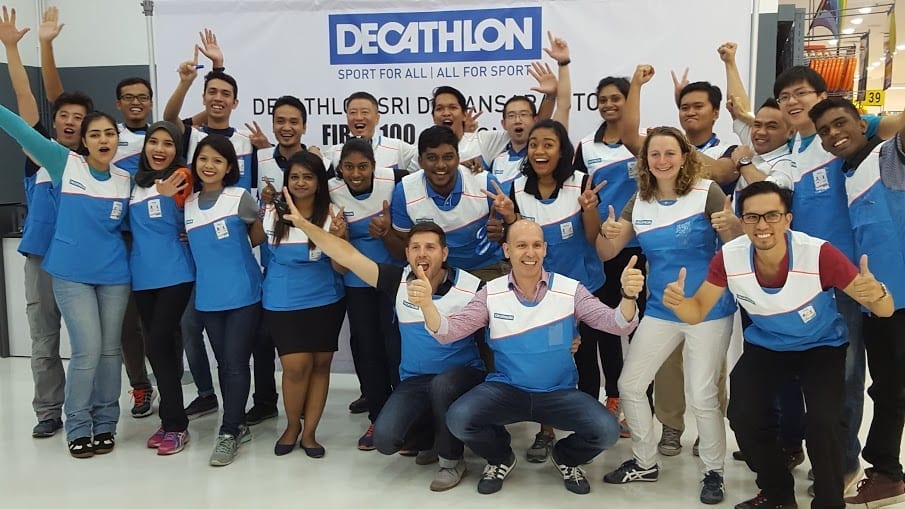
    Decathlon will open its first Australian store this October in Sydney, with plans to have 100 operating stores downunder in the next five to ten years.

    The sporting goods and apparel retailer will open its first Australian flagship store in Sydney. Located in the suburb of Tempe, the 3,800 square-metre space will be sat next to furniture giant Ikea. The lot is currently under construction, with plans to open this October, Decathlon executives told local media this week.

    According to an article published by Australian Financial Review on Tuesday, Decathlon Australia‘s chief executive Olivier Robinet confirmed that the French firm hopes to open between two and five stores a year for the next few years.

    Decathlon first entered the Australian market back in February 2016, with the launch of an Australia-dedicated website and e-commerce platform.

    The Australian sporting goods market is currently fed by locals Rebel Sport, Athletes Foot, and New Zealand outdoorwear firm Kathmandu, a market Decathlon wants to crack.

    In February 2017, Decathlon reported a 12% lift in revenues during 2016 (+4.4% on a like-for-like basis), reaching 10 billion euros, excluding taxes.

    Earlier in the year, it launched sub-brands Itiwit — a paddle-board line, and Subea — an underwater sports brand, to bolster its current sporting goods offering.

    A recent report published by corporate finance advisory firm Capitalmind pinned the global sporting goods market at $388 billion in 2015, up 5%. The report said Intersport, Decathlon and Foot Locker currently dominate the sporting goods distribution market worldwide.

  • Siam Piwat reinforces its position as ‘the Icon of Innovative lifestyle’ with another success

    Siam Piwat reinforces its position as ‘the Icon of Innovative lifestyle’ with another success

    Siam Piwat, owner and operator of the world-renowned retail destinations such as Siam Paragon, Siam Center, and Siam Discovery as well as main partner and owner of ICONSIAM, the iconic landmark of Thailand’s prosperity by the Chao Phraya River, has further cemented its position as ‘the Icon of Innovative lifestyle’ in the retail and real estate business after Thailand’s only hybrid retail store Siam Discovery – The Exploratorium has won the World Retail Award for Store Design of the Year — another testament to the company’s success in retail business expansion, ushering in new chapter in the history of Thailand’s retail industry by becoming the first and only corporate from Thailand to receive such accolade from this prestigious award show.

    In winning the World Retail Award for Store Design of the Year, Siam Discovery – The Exploratorium not only beat its world-class competitors but was also the only Asian mall to rank in the top ten for the Best Experience Initiative category.

    Chadatip Chutrakul, Chief Executive Officer of Siam Piwat Co., Ltd., stated, “After having launched our five-year policy and investment plan in 2014, Siam Piwat has consolidated its position as the ‘thought-leader’ and aims to incorporate ‘novel experiences that meet the customers’ needs’ in its every core business. We have invested in new businesses, especially retail businesses, and introduced new ideas to expand the success of the retailers and our business allies, so that we can always offer fresh and exciting experiences.

    Following the core investment plan, Siam Piwat has written a new phenomenal chapter in Thailand’s retail history by relaunching Siam Discovery as the country’s largest lifestyle specialty store. Siam Discovery – The Exploratorium is a conceptual twist on medium-size retail business by incorporating innovative ideas, a proof of Siam Piwat’s much-coveted success in making a difference in retail industry.

    “We understand that the life cycle of retail business has been shortened considerably: some product categories/ brands achieve huge popularity for only a limited period of time due to consumers’ continuous search for newness as well as the rise of e-commerce and online shopping. Siam Piwat puts each and every detail into consideration for each and every project. All the projects that have been developed during the past 3 years follow 4 key strategic rules to ensure long-term success: 1) To innovate and stay ahead of others  2) Being customer-centric  3) The Creation of Shared Values and 4) Building Partnerships,” added Chadatip.

    To Innovate and Stay Ahead of Others

    Creating innovations and offering different, exhilarating experience has been the core of Siam Piwat’s development projects. Each and every project comes with a new, unique modern lifestyle concept that belongs to a class of its own and at times, is the first of its kind in Thailand or even in the world.

    Being Customer-Centric

    Technology has brought a dramatic change in consumer behaviors, most notably higher competition as a result of fast connectivity and accessibility and long-term consumer behavior has become much more difficult to predict. Siam Piwat has readied our operation in preparation for those rapid changes and an understanding of consumer group and their diverse needs is essential for our business development.

    The Creation of Shared Values

    Siam Piwat has set a goal in creating brand value for not just Siam Piwat’s own business, but also brands and products of tenants and partners by revolutionizing the marketing plan. Transforming “shared values” into “commercial values” is the heart and soul of successful brand management, hence the utmost need to create bond and loyalty among customers by making it relevant to their fast-changing everyday life.

    Building Partnerships

    Siam Piwat believes that through partnership and collaboration with stakeholders, we will create a long-term engagement that leads to healthy growth of business. If we do it in the right way, it can bring about business sustainability.

  • Interpol op unveils thousands of C2 servers in Asean

    Interpol op unveils thousands of C2 servers in Asean

    Nearly 9,000 botnet command and control (C2) servers and hundreds of compromised websites – including government portals – were identified during a groundbreaking INTERPOL-led cybercrime operation involving public and private sectors across ASEAN.

    The operation was carried out from the INTERPOL Global Complex for Innovation (IGCI) in Singapore, the research and development facility of the world’s largest police organization.

    Cybercrime investigators from Indonesia, Malaysia, Myanmar, Philippines, Singapore, Thailand, and Vietnam gathered together at the IGCI to exchange information on specific cybercrime situations in their respective countries. An additional cyber intelligence report was contributed by China.

    Experts from Kaspersky Lab cooperated with the INTERPOL to share fresh cyberthreat discoveries and to formulate recommended actions along with six other private companies, namely Cyber Defense Institute, Booz Allen Hamilton, British Telecom, Fortinet, Palo Alto Networks, and Trend Micro.

    Being the only vendor able to detect the infection at the time, Kaspersky Lab provided the INTERPOL team with an exclusive report on a WordPress plugin vulnerability that has affected thousands of websites in the region, including those belonging to government agencies, universities, NGOs, and private businesses.

    The vulnerability allowed perpetrators to inject malicious codes to over 5,000 legitimate webpages around the globe and redirect the users to advertising pages of counterfeit goods. The vulnerability also allowed other types of malicious activity such as potentially unwanted programs (PUP) downloads, password brute-forcing, and proxy among others.

    Kaspersky Lab has also furnished the IGCI with an extensive list of 8,800 botnet C2 servers found to be active in ASEAN countries, as retrieved from the Kaspersky Security Network and Botnet C&C Threat Feed. Formed from the words “robot” and “network”, a botnet is a zombie network of thousands or millions of Internet-connected devices (such as PCs, smartphones, tablets, routers, smart toys, or other gadgets) that are hacked and infected with a special malware so that these could be controlled by a cybercriminal to deliver cyberattacks.

    The botnets data shared by Kaspersky Lab covered various malware families, specifically those targeting financial organizations, spreading ransomware, launching distributed-denial-of-service (DDoS) attacks, distributing spam, and enabling other criminal activities. Investigations into the C2 servers are currently ongoing.

    The operation’s findings also include the confirmation of nearly 270 websites infected with a malware code which exploited a vulnerability in the website design application. Among the victims of malware infection were several government websites which may have stored some personal data of its citizens.

    A number of phishing website operators were also discovered such as one with links to Nigeria. One cybercriminal based in Indonesia selling phishing kits via the Darknet had been ascertained to have posted tutorial videos on YouTube showing customers how to use the illegal software.

    According to IGCI Executive Director Noboru Nakatani, the operation was ideal as it demonstrated a highly effective and beneficial public-private partnership in the fight against cybercrime. “Sharing intelligence was the basis of the success of this operation, and such cooperation is vital for long term effectiveness in managing cooperation networks for both future operations and day-to-day activity in combating cybercrime,” said Nakatani.

  • Korean-themed mall opens in Bangkok

    Korean-themed mall opens in Bangkok

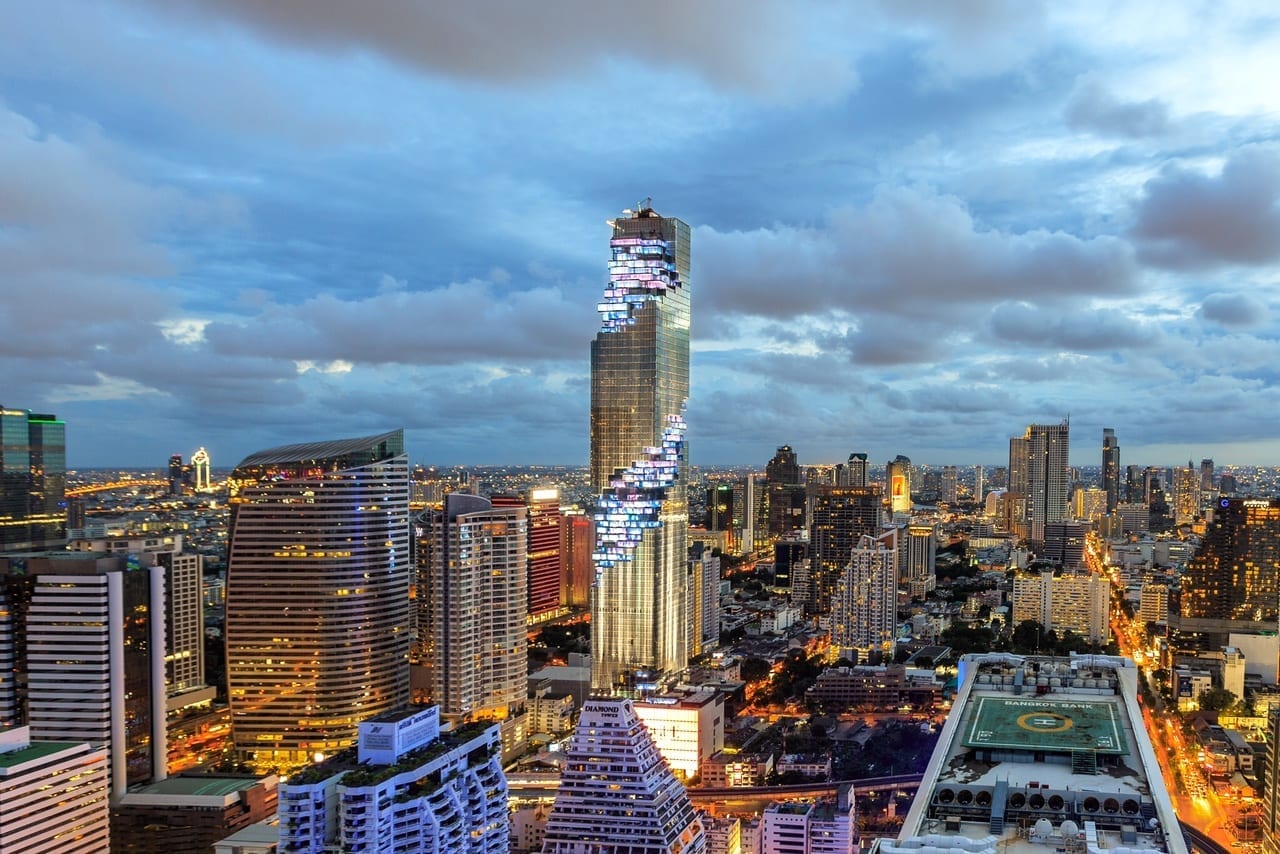
    Hoping to capitalise on growing regional interest in South Korean pop culture, a Thai company opened a $275-million Korean-themed shopping mall and entertainment complex in Bangkok on Monday.

    The 180,000 square metre (1.9 million square feet) building targets both Thai fans of K-Culture and foreign visitors. It hopes to get 10 million visitors a year and become a major attraction in what was the world’s most visited city last year.

    “A lot of Asian people are fans of Korea,” said Chayaditt Hutanuwatra, chairman of privately-owned SHOW D.C. Corp Ltd. “Thailand is the place where people can just fly in.”

    The mall has stores with clothing, cosmetics and restaurants from Korean brands and K-pop artists. It has statues and palm prints of Korean stars and plans to bring Korean performers in to the floor it has dedicated as a concert hall.

    South Korea’s Lotte Group is among the companies that will open a store there, the mall said.

    Around a third of the more than 34 million tourists forecast to visit Thailand this year are from China – where interest in K-Culture has been driven underground by a recent row over Seoul’s deployment of a missile defence system.

  • Muji opens first store in New Delhi

    Muji opens first store in New Delhi

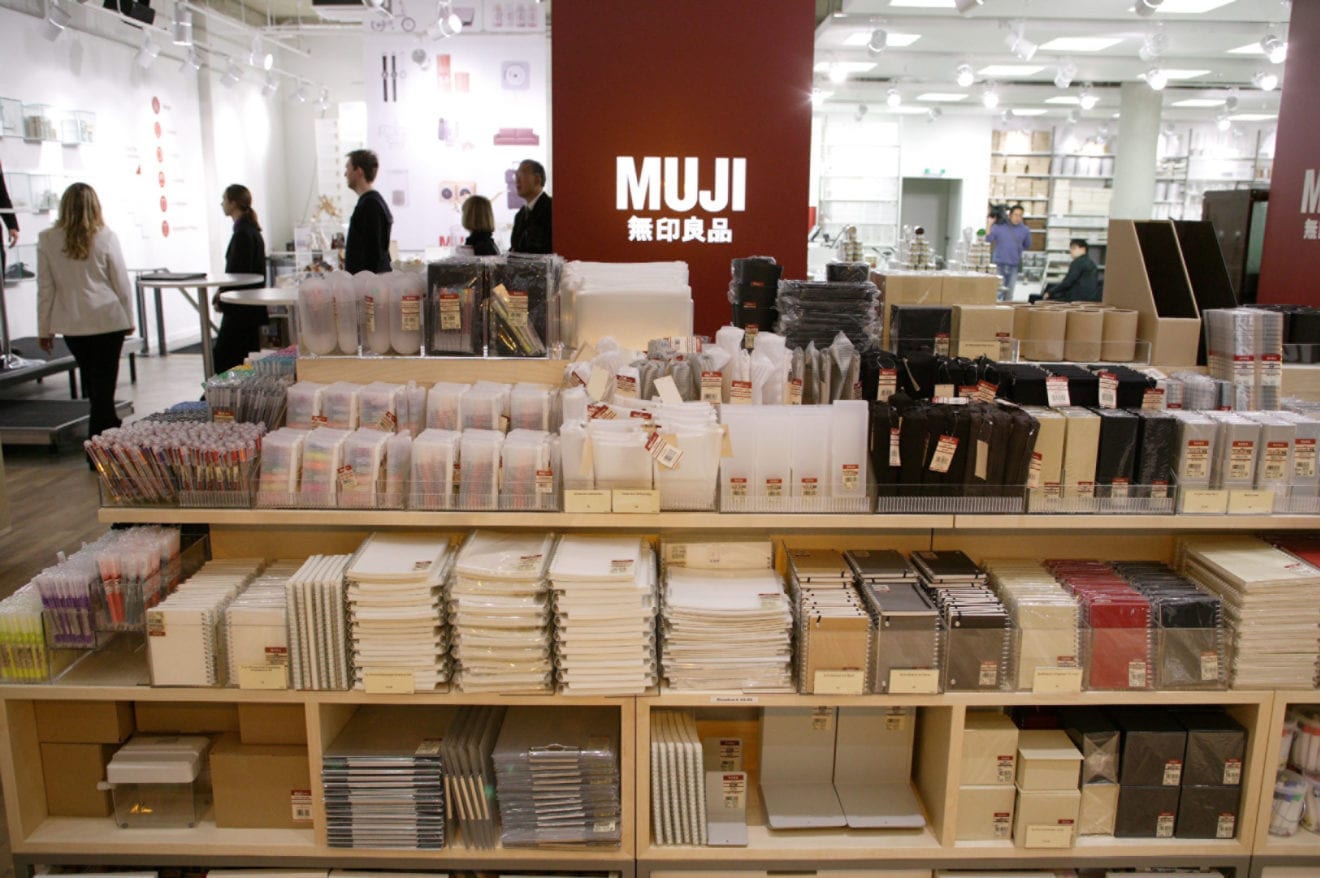
    Fashion and lifestyle retailer Muji has opened its debut store in New Delhi, as the Japanese firm looks to increase its retail footprint in India.

    Located in the Indian capital’s Select Citywalk mall, the maiden Muji store follows successful store openings in Bengalaru and Mumbai in 2016

    Satoru Matsuzaki, president of Ryohin Keikaku, Muji’s parent company, attended the New Delhi opening, and praised Muji’s success in India, after opening two hit stores in the nation back in August and September, respectively.

    “After a tremendous response in Bengaluru and Mumbai, we are very excited to begin a new chapter of our Indian story with the launch of this store,” said Matsuzaki.

    In April 2016, Ryohin Keikaku announced it had entered into a joint venture with Reliance Brands for the distribution of Muji in India. Ryohin Keikaku also announced that it had become the first-ever Japanese retailer to receive individual approval for Foreign Direct Investment from the Indian government’s Foreign Investment Promotion Board.

    However, India’s domestic regulations do not permit Reliance to open formats like Muji cafes locally.

    At the New Delhi opening, Reliance Brands, president and CEO, Darshan Mehta said: “Muji’s unparalleled brand offering, both in terms of use and price appeal, is sure to attract consumers across age groups and mind sets, making it the go-destination store.”

    Based in Tokyo, Ryohin Keikaku Co founded Muji in 1980. The Japanese brand offers an extensive range of furniture, homeware, stationery, electronics, travel goods, beauty products and apparel and maintains low price-points by cutting costs in its packaging and processing, adding to the appeal of its minimalist aesthetic.

    Today, Muji boasts more than 700 stores worldwide, 13 of which are in the US. It plans to increase its shop count to 800, mostly by opening stores outside of Japan. Muji has already said it plans an aggressive expansion in China, where it will add 72 stores in the next year.

    According to the company’s midterm business plan, revealed in April, overseas stores’ contribution to total sales is expected to rise to 42% in 2020, from 35% today.

    Earnings released at the same time showed strong momentum, with group net profit growing 18.9% on the year to 25.8 billion yen ($235 million), and sales rising 8.3% to 332.5 billion yen.

  • KAC to launch first nationwide duty free review

    KAC to launch first nationwide duty free review

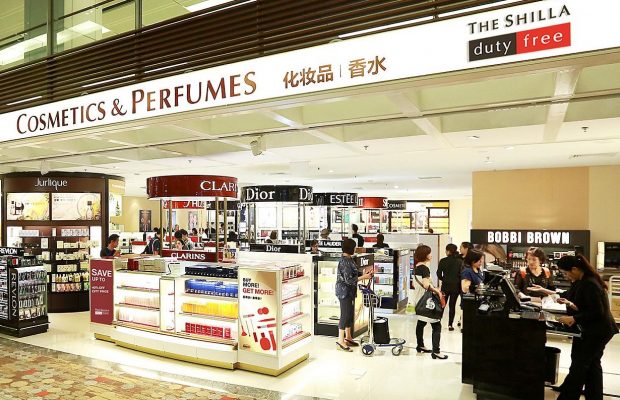
    State-run Korea Airports Corporation (KAC) is preparing to launch its first nationwide review of its airport duty free concession contracts and merchandise offer following two license awards last year.

    This is part of its long-term efforts to boost revenue from travel retail concession fees and other commercial activities, including restaurants and airport car park services.

    “This year we are looking at our new concession fee system,” reveals Kim Su Min, Korea Airports Corporation’s Commercial Facilities Team Assistant Manager, in an exclusive interview.

    “Sales are important to us and to the airport concession operators. We are bringing in a South Korean consultancy, Samil PWC, to review all our commercial contracts.

    IN-DEPTH PASSENGER SURVEY

    “Another company, Urban Property, is reviewing duty free merchandise in every one of our airport terminals.

    Duty-free-revenue-at-Gimhae-Airport-totalled-about-$140m-last-year.

    Duty free revenue at Gimhae Airport totalled about $140m last year.

    “We have a fixed annual rental fee and calculate the payment depending on the operator’s total annual sales.

    “The fixed rental is the MAG payment. If they exceed the agreed amount then they pay the higher concession fee rate.

    “Last year DufryThomasJulie at Busan Gimhae Airport and Kookmin at Muan Airport paid extra as they had good sales.”

    KAC’s review of airport commercial operations will include an in-depth survey of passenger attitudes as part of wider efforts to modernise and upgrade each airport’s public interface.

    WEBSITE MAKEOVER

    “Our strategy also includes the renovation of our websites – at the moment they only show the airport’s location information and contact telephone numbers,” Kim said.

    “We are thinking about providing more duty free shopping information including details about different brands and sales promotions.

    ‘This year we are doing a focus group survey to better understand our duty free customers.

    Jeju International is one of KAC’s best-performing airports for duty free sales.

    “Usually we just have regular passenger questionnaires, so it is the first time for us to do focus groups on all our international airports.”


  • Bosch store boosts Cebu’s top retail market status

    Bosch store boosts Cebu’s top retail market status

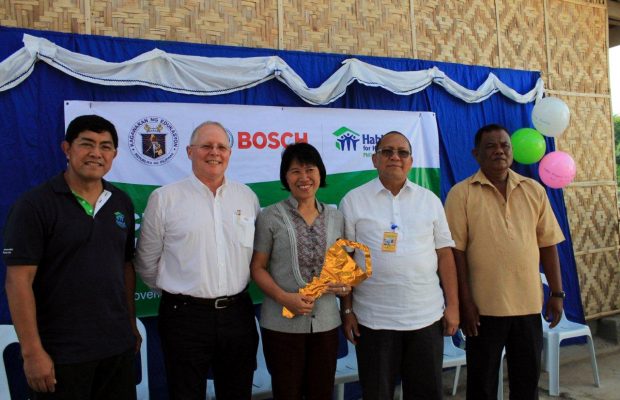
    The store opening of a high-end kitchen appliance brand in Cebu proves its position as a primary retail market for top-of-the line products.

    This also means that Cebu’s buying population has a discriminating taste for brands that last for longer period, said Efren Reyes, sales manager, kitchen and appliance division of Hafele Philippines Inc.

    “This signals our company’s confidence in the Cebuanos as the biggest market outside Metro Manila. Cebu is a primary market … it is a growing and booming metropolis with a population that has more disposable cash who are loyal to brands that offer superior quality,” said Reyes.

    Häfele Philippines is the exclusive distributor of Bosch products in the Philippines. It is a subsidiary of the German-based Häfele Group. Häfele has been in Cebu since 1995. The Bosch-Häfele store in Mandaue is the first Bosch retail store outside of Manila.

    Reyes said they hope to “cover the market” as Cebu progresses as the site of condominium developments.

    “We are going out there to make ourselves known because Bosch is currently known as the maker of power tools and spark plugs. Our presence here hopes to be the spark that will enliven your kitchen and your home,” he said during the press conference before the grand store opening last May 5 at the Design Center Cebu.


  • Garuda Indonesia Provides 45,000 Seats during Eid Holiday

    Garuda Indonesia Provides 45,000 Seats during Eid Holiday

    PT Garuda Indonesia provides extra 45,000 seats to serve people for 2017 Eid al-Fitr.

    “This year we offer extra seats to people or consumers who travel before Eid al-Fitr and after the celebration,” PT Garuda Indonesia President Director Pahala N. Mansyuri said in Bali on Saturday (6/5).

    He added that the extra seats offered before and after 2017 Eid al-Fitr increase 39 percent compared to the previous year.

    “We offer the extra seats eight days before and after the celebration starting from 18 June to 3 July 2017,” he added.

  • Facebook warns again on ad growth, shares dip from high

    Facebook warns again on ad growth, shares dip from high

    Facebook’s total revenue went up 49 percent to $8.03 billion. Facebook’s shares dipped from a record high on Wednesday after the world’s biggest online social network warned investors once again that its advertising revenue growth would likely come down from current high levels.

    The warning appeared to outweigh Facebook’s surging quarterly profit and revenue, fueled by growth in its mobile ad business, which is still not showing much sign of slowing down as the company nears the five-year anniversary of its initial public offering.

    Chief Executive Mark Zuckerberg said in a statement it was a “good start to 2017.”

    Facebook’s shares fell 2.7 percent in after-hours trading to $147.60. They had closed at an all-time high of $153.60 on Tuesday.

    Chief Financial Officer David Wehner said on a conference call after the earnings announcement that the company expects its ad revenue growth to come down significantly over the rest of 2017, repeating prior company warnings that it is hitting a limit in “ad load,” or the number of ads it can squeeze onto users’ pages before upsetting them.

    Facebook said quarterly profit rose 76.6 percent year-over year to $3.06 billion and total revenue went up 49 percent to $8.03 billion.

    The company caused some brief confusion on Wall Street by only issuing numbers conforming to Generally Accepted Accounting Principles (GAAP) without warning. Previously it also issued non-GAAP numbers, which it had said provided greater transparency and were closely watched by investors and analysts.

    The social media giant is expected to generate $31.94 billion in mobile ad revenue globally in 2017, up 42.1 percent from a year earlier, according to research firm eMarketer.

    That would give Facebook a 22.6 percent share of the worldwide mobile ad market, with archrival Google of Alphabet Inc projected to be the leader with a 35.1 percent share, according to eMarketer.

    Facebook continued its march toward the 2 billion user threshold, saying it had some 1.94 billion people using its service monthly as of March 31. That was up 17 percent from a year earlier.

    Analysts on average had expected monthly active users of 1.91 billion, according to financial data and analytics firm FactSet.

    Net income attributable to Facebook shareholders rose to $3.06 billion, or $1.04 per share, in the first quarter from $1.73 billion, or 60 cents per share, a year earlier.

    Mobile ad revenue accounted for about 85 percent of the company’s total advertising revenue of $7.86 billion in the first quarter ended March 31, compared with about 82 percent a year earlier.

    Analysts on average had expected total ad revenue of $7.68 billion, according to FactSet.

    Earlier in the day, Zuckerberg said the company would add 3,000 people over the next year to monitor and remove murders, suicides and other inappropriate material from its network, which have become a threat to Facebook’s valuable public image.

  • Walmart India wants 50 more stores

    Walmart India wants 50 more stores

    Supermarket giant Walmart is reportedly opening fifty more stores in India over the next three years, as the US retailer looks to expands its cash-and-carry segment and food retail arm.

    Walmart hopes to open nearly half of its 50 India stores in Uttar Pradesh and Uttarakhand, two of the country’s northern states, a company spokesperson told the Times of International.

    In addition, the cost-savvy retailer plans to open ten stores each in Maharashtra, Andhra Pradesh and Telangana, and two more stores in Lucknow. Other cities include Ghaziabad, Noida, Kanpur, Allahabad, Haridwar, Dehradun and Haldwani.

    With each store providing jobs for 2,000-2,500 persons, the company has the potential to create over 40,000 jobs in Uttar Pradesh and Uttarakhand, said the spokesperson.

    “Our commitment to the country is very deep and we are growing our footprints in India further by opening 50 more cash-and-carry stores in next few years across key focus states, including AP, Telangana, UP, Uttarakhand, Haryana, and Maharashtra,” said a Walmart India spokesperson.

    “Our development team is growing this store pipeline for last couple of years and we’re confident of continuing our contribution to the creation of thousands of skilled jobs, helpings kiranas, farmers & SME suppliers succeed through our cash & carry business.”

    Walmart India parted ways with Bharti in 2013, and had put its store expansion on hold. The news signals new opportunities for the retailer, especially in UP and Uttarakhand, where there is little competition Metro AG and Reliance, rivals chains which also operate the cash-and-carry format.

    Walmart is also awaiting clarity on the food retail guidelines. They want international food products rather than limiting themselves to domestically produced and manufactured food products, which is part of India’s guidelines.

    “As we’ve said earlier, allowing 100% FDI in food retail is a very progressive step, but having a certain percentage of non-food items in this policy will make it economically viable,” said the company’s spokesperson. food retail is a very progressive step, but having a certain percentage of non-food items in this policy will make it economically viable,” said the company’s spokesperson.

  • AirAsia to fly directly from Kuching to Pontianak

    AirAsia to fly directly from Kuching to Pontianak

    AirAsia will now fly to Pontianak, Indonesia, from Kuching with direct daily flights starting June 5.

    This marks AirAsia’s 10 route from Kuching and the airline’s second route from Malaysia into Pontianak.

    “We are excited to launch our second international flight from Kuching, which will further grow our connectivity between Malaysia and Indonesia for all our guests.

    “Pontianak offers a unique experience for travellers with it being one of the 12 cities that straddle the Equator,” said its head of commercial Spencer Lee in a statement.

    “We are confident this new route will contribute to the five million tourists target for Sarawak this year aside from boosting the local economy and trade sector,” he added.

    In celebration of the new route, travellers can look forward to all-in-fares from RM89 one-way, which are available from now until April 2, 2017 for the travel period from June 5 to Sept 30 this year.

    AirAsia BIG members who book during the promotion period can also earn two times AirAsia BIG points on the base fare.

    As the capital city of West Kalimantan, Indonesia, Pontianak is also known as Kota Khatulistiwa (Equator City) for being the only city in the world situated right on the Equator that divides the northern and southern hemispheres.

  • Vietjet continues to offer “zero-fare” tickets under “Free summer, Fly for free” campaign

    Vietjet continues to offer “zero-fare” tickets under “Free summer, Fly for free” campaign

    Vietjet announced the launch of another three-golden-day promotion as the exciting “Free summer, Fly for free” campaign has proven to be very popular among passengers. The campaign offers millions of promotional tickets priced from only HKD 0 within the golden hours 13:00 to 15:00 from May 9 to May 11, 2017 at www.vietjetair.com.

    The promotion applies for all international routes from Ho Chi Minh City to Hong Kong, Seoul (South Korea), Kaohsiung, Taipei, Taichung and Tainan (Taiwan), Singapore, Bangkok (Thailand), Kuala Lumpur (Malaysia) and Yangon (Myanmar); and from Hanoi to Seoul, Busan, Taipei, Bangkok, Singapore and Siem Reap (Cambodia) with travel time being within August 1, 2017 and December 31, 2017 (except public holidays). The “Free summer, Fly for FREE” campaign is being held from April 25 to June 15, 2017 and in celebration of the opening of the new Hanoi to Singapore and Siem Riep routes, a three-golden-day promotion was offered earlier.

    Especially, from now to June 4, 2017, participants of “Free summer – Fly for Free” game at www.freesummer.vietjetair.com will have the chances of winning a weekly award of 5 free return flights, each flight with 5 free tickets for a five-person group and a grand award of a free package tour to an optional destination.

    Also, all customers successfully booking tickets with instant payment within the golden hours from now to June 15, 2017 will also have the chances to join the lucky draw for the gifts of mobile phone’s top-up cards and air ticket promotion codes (*) at www.summerwin.vietjetair.com. Besides, the summer campaign will launch a series of activations including interactive games, amazing performances by Vietnamese and international celebrities, “Vietjet Bikini” challenge at some domestic airports and onboard Vietjet flights, which are expected to “heat up” the coming summer.

    With its high-quality services, special low-fare tickets and diverse ticket classes, Vietjet offers its passengers enjoyable flights with dynamic and friendly flight crew, comfy seats, amazing hot meals and special surprises from the airline’s inflight activities.

  • Singapore establishes data science consortium

    Singapore establishes data science consortium

    Singapore’s National Research Foundation (NRF) will set up the Singapore Data Science Consortium, a national partnership that aims to improve strengths in data science and analytics.

    The consortium includes the National University Singapore (NUS), the Nanyang Technological University (NTU), the Singapore Management University (SMU) and the Agency for Science, Technology and Research (A*STAR).

    The consortium will strengthen collaborative research between institutes of higher learning, research institutes and industry in data science R&D, with the aim of facilitating industry adoption of the latest data science and analytics technologies to address real-world challenges. It will also train Singapore’s pipeline of talents with data science capabilities.

    The consortium will help the industry to identify and shape their data science problem statements, match companies to potential R&D partners, and conduct industry engagement events and workshops, in order to facilitate adoption and commercialization of data science technologies.

    Companies in six sectors will be engaged – finance, healthcare, retail, manufacturing, logistics and transport. Through the consortium, companies will be able access the latest data science technologies and expertise from academia, access publicly-funded intellectual property to develop new products and services, or create solutions to existing market challenges.

    Data has been identified as a significant growth multiplier for Singapore. Regionally, more than 50% of Southeast Asia’s data centers are located in Singapore. The ability to analyze complex data and predict relationships will build on Singapore’s existing strengths, creating data-driven solutions that can improve the lives of citizens or build products and services for regional or global markets.

    “The Singapore Data Science Consortium will build stronger public-private R&D collaboration by bringing together the key stakeholders – public agencies, data scientists and companies – in the data science ecosystem to realize innovation from the knowledge generated by our research efforts,” NRF CEO professor Low Teck Seng said.

    “It is through this synergy that we create solutions that have direct relevance to meeting industry needs or in addressing our national challenges.”