Category: General

Retail News Asia is committed to providing both local and global retailers with the latest General Retail news throughout the Asian market. This on a daily base.

  • Cebu Pacific deploys bigger planes, opens new domestic routes

    Cebu Pacific deploys bigger planes, opens new domestic routes

    Cebu Pacific said Tuesday it would upgrade some domestic routes to larger aircraft, open new routes and add more flights to meet strong demand.

    The 180-seater Airbus A320 will replace the 78-seater turboprop ATR 72-600 for flights from Manila to Cauyan, Legazpi and Virac, the country’s largest airline said in a statement.

    The freed up ATR aircraft will be deployed to five new routes, which open late next month: Cebu-Masbate; Cagayan de Oro-Zamboanga; Davao-Dumaguete; Davao-Tacloban; and Cotabato-Zamboanga.

    The Gokongwei-owned airline said it would add 10 more flights weekly between Manila and Iloilo, 6 between manila and Bacolod, and 8 between Manila and Cagayan de Oro.

    Cebu Pacific is also shifting to the 436-seater Airbus A330 for its Cebu, Davao and Hong Kong routes by July 4.

  • Vietjet makes its debut at Hong Kong International Travel Expo with 5,000 free tickets

    Vietjet makes its debut at Hong Kong International Travel Expo with 5,000 free tickets

    The fast growing New-Age Carrier, Vietjet, will take part in the International Travel Expo (ITE) Hong Kong to be held at the Hong Kong Convention and Exhibition Centre from June 15 to 18, 2017.

    As a debutant of this star event of the Asia travel industry, Vietjet will turn out in full force with attractive and informative displays, special offers and promotion programs. The Vietjet Booth at G102 with the theme, “Free Summer, Fly for Free,” will spot the very attractive Vietjet Red and Yellow to welcome its visitors. They will be treated to interesting and interactive activities, from photo-taking opportunities with the popular Vietjet crew to mobile phone games with special prizes for the winners.

    The highlight of Vietjet’s presence in the ITE will be a feature performance on the Grand Stage at 2:00 pm on June 17 (Saturday), with a spectacular Flashmob Dance by a leading dance group Helki.Fam. There will also be a drama and game session on stage for visitors from the public.

    To celebrate Vietjet’s participation in the ITE, Vietjet also offers 5,000 promotional tickets priced only from HKD0 (excluding taxes & airport fees) within the golden hour 13h-15h during the ITE’s four-day time from June 15 to June 18, 2017 only at their website. The promotion applies for Ho Chi Minh City-Hong Kong route with flight time being from August 1 to December 31, 2017 (excluding national holidays).

    The recent Vietjet Summer Promotion, “Free Summer, Fly for Free,” held between April 25 and June 15, 2017, has proven to be very popular among travelers with the 1 million HKD0 tickets.

  • Weak peso to weaken consumer spending

    Weak peso to weaken consumer spending

    Household spending in the Philippines is expected to post a slower growth this year because of rising consumer prices and a weaker currency, Business Monitor International, a unit of Fitch Group, said in a report over the weekend.

    “In US dollar terms, household spending growth will experience a significant deceleration from 6 percent in 2016 to 0.8 percent in 2017 as we forecast the Philippine peso to depreciate against the US dollar over 2017,” BMI said.

    “With that said, household spending will grow at an annual average of 8 percent between 2017 and 2021, reaching $337 billion up from $232 billion in 2017,” it said.

    BMI expects essential spending to remain dominant over its forecast period and account for 74 percent of total household spending in 2017 and 75 percent by 2021.  Essential items include food, beverage, housing, clothing, utilities and basic services.

    Essential spending is expected to grow at an average annual rate of 9.5 percent between 2017 and 2021, with non-essential spending growing at an average rate of 8.4 percent over the same period.

    “As a result of low average incomes and a large rural population, essentials will continue to account for the majority of household spending in the medium term at least. Food and non-alcoholic drinks, housing and utilities and transport will continue to account for the majority of household retail spending, rising from 74 percent of total spending in 2017 to 75 percent by 2021,” it said.

    The increasing cost of housing and utilities will demand a greater portion of household income over the coming years. Albeit declining, the share of household spending on food and drink will remain the largest, forecast at 37.3 percent in 2021 (down from 38 percent in 2017), it said.

    “Non-essential spending is expected to continue to account for a roughly stable portion of total household retail spending over our forecast period. Real wages are steadily on the rise, however, which should boost spending in the non essentials sector over the long term, and will prompt consumers to upgrade to higher quality essentials,” BMI said.

    Household spending in the Philippines is dominated by spending on food and non-alcoholic drinks; housing and utilities and transport, which accounts for 69 percent of total spending. BMI expects spending patterns in the Philippines to remain fairly static over the medium term with the top three spending categories retaining their positions.

    “Housing and utilities will make the greatest gains over our forecast period, increasing by 1.15 percentage points as a proportion of total spending on the back of rising costs in this segment. Food and

    non-alcoholic drinks spending will experience the largest decline over this period, registering a decline 0.7 percent as a proportion of total household spending,” it said.

    “Food and non-alcoholic drinks account for the largest share of retail spending in the Philippines, at 38 percent of total household spending in 2017. We expect that the sub-sector will maintain its

    dominant role in the Philippines’s retail basket, as low household income levels in the country encourage subsistence-based spending,” it said.

    Households are forecast to spend P4.4 trillion on food and non-alcoholic drinks in 2017, while spending another P190 billion on alcoholic drinks and tobacco. BMI said over the medium term, food and drink will continue to dominate household spending, as overall income levels remain low.

  • Vietnam among top 6 most-attractive retail markets

    Vietnam among top 6 most-attractive retail markets

    Vietnam has been named among the Top 6 most-attractive retail markets in the world this year by A.T. Kearney in its Global Retail Development Index (GRDI), following India, China, Malaysia, Turkey, and the United Arab Emirates (UAE).

    It outstripped populous markets such as Indonesia (8th) and countries with good retail markets in recent years, such as Thailand (30th), Philippines (18th), Kazakhstan (16th), and Saudi Arabia (11th).

    This is evidence that Vietnam’s retail market is again attracting foreign investors, as it was outside of the Top 30 in 2002, then 6th in 2009, 14th in 2010, and 23rd in 2011, according to A.T. Kearney.

    The reason why Vietnam is in the Top 6 is that its investment laws are open and promote its attraction among foreign retailers.

    The government has permitted foreign retailers to own 100 per cent of capital in the country’s retail sector and has adopted priority policies to attract them.

    This is reflected in a 12.5 per cent increase in foreign investment in 2016. The recent free trade agreement (FTA) signed with the EU is expected to push investment even higher.

    Retail sales have also increased significantly in recent times, reaching $118 billion in 2016, up 10.2 per cent against 2015.

    “It’s a suitable time for Vietnam to boost up its economy, which is shifting towards private enterprise and high-value export items, and this is expected to increase incomes and consumption in the long term,” said Mr. Soon Ghee Chua, AT Kearney’s Southeast Asia chief.

    He also believes that government incentives, urban and middle-class population growth, a young population, and GDP growth expected at 6.6 per cent this year gives foreigners plenty of reason to be optimistic about Vietnam.

    E-commerce also contributes significantly to retail revenue in the country, which is expected to increase 22 per cent this year, and online discounts and promotions are boosting sales. AT Kearney notes, however, that businesses will have to be careful and have a long-term strategy to sustain this growth.

    Foreign retailers are expanding their business systems in the domestic market. According to A.T. Kearney, convenience stores and mini-marts are the fastest growing segments. Circle K and FamilyMart entered the market in 2009 and are expanding rapidly. FamilyMart expects to have more than 800 stores by 2020 and 7-Eleven will open its first store in Vietnam this month under a franchise agreement with Seven System Vietnam, and aims to open 1,000 stores over the next ten years.

    According to forecasts to 2020, modern retail channels will increase up to 45 per cent, the country will have about 1,200-1,300 supermarkets, the number of trade centers will also increase to over 300, and convenience stores will number in the thousands.

    The GRDI was first published in 2002, ranking 30 developing countries on their attractiveness for retail investment.

    It analyzes 25 factors related to macroeconomics and retail, to help retailers identify global strategies and identify emerging market investment opportunities. The study not only indicates the most attractive markets today but also potential markets in the future.

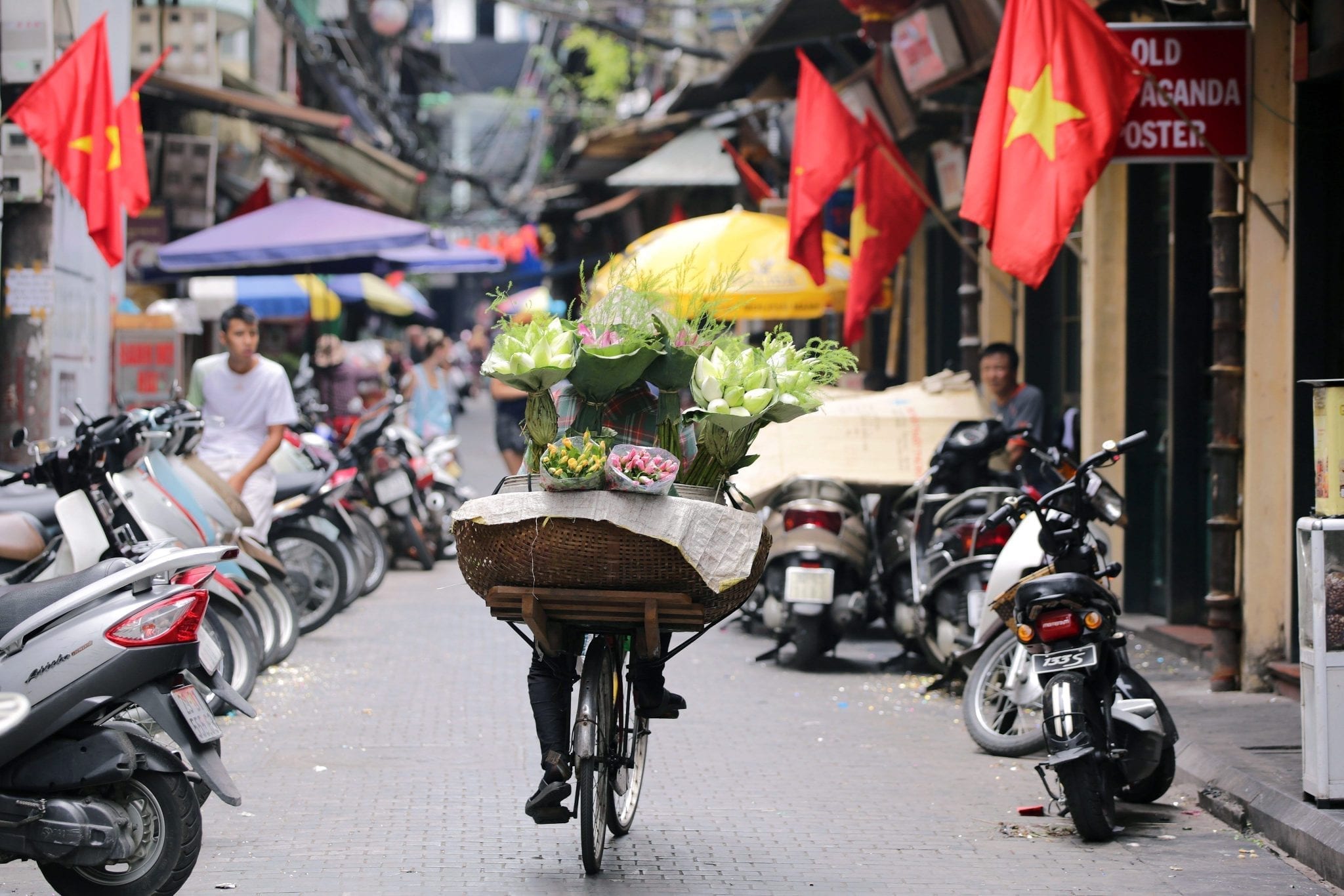
  • Hanoi shops employ topless men to lure customers

    Hanoi shops employ topless men to lure customers

    The trend started at a restaurant on Thai Ha Street. The images of young men without a shirt on and hot body made many curious and went to the restaurant to see for themselves.

    Tran Thai Linh, a local in Dong Da District, said she also went to the restaurant out of curiosity but then she was disappointed after discovering that the men only appeared for two minutes when the restaurant introduce new dishes.

    Linh said the restaurant definitely hit the nail on the head as everybody liked beautiful things. The images were shared by women are those who came to the restaurant at that moment.

    “I wasn’t there personally but it looked like both adults and children were at the restaurants while the topless waiters appeared. This may not be good for children as they are too young and people of different age groups also come here to eat and may find it offensive,” Linh said.

    After the images and the video clip were shared widely on the internet, many people commented that the PR stunt was crude and that they prefer waiters in ties and shirts.

    Nguyen Minh Hoang, head of the marketing department of the restaurants, said, “This is a private event to introduce new dishes. All 120 guests we invited are students and office workers age 18 to 35. However, some people who couldn’t attend gave their tickets to their relatives and acquaintances. That’s why there are elderly people and children.”

    Hoang said the restaurants couldn’t exactly tell the guests to leave then. He said such private event had been held in many countries before but the restaurant failed to predict the unexpected outcome.

    Not long after, another clip was quickly shared on Facebook, showing hairdressers in only trousers and ties serving customers. Many said they would ask their friends to go to the salon.

    Trinh Minh Hang from Quang Ninh Province said, “I needed my hair done and wanted to experience the service by those muscular and handsome men so I called the salon. However, they said the men were there for a special event and they only washed and dried your hair.”

    Kim Anh, an office worker in Thanh Tri District, said at first she wanted to try too but then was persuaded by her friends that it was not very appropriate.

    Hanoi Department of Culture, Sports and Tourism fined the Tran Anh Company which runs electronic goods stores VND40 million (USD1,920) fast year for employing promotional girls wearing bikinis to greet customers last year. The company claimed that they just co-operated with a partner to make a sex education video series, and it was not a marketing campaign.

    In 2012, VietJet Air was also fined VND20m for in-flight bikini show to celebrate its first flight between Ho Chi Minh City and Nha Trang.

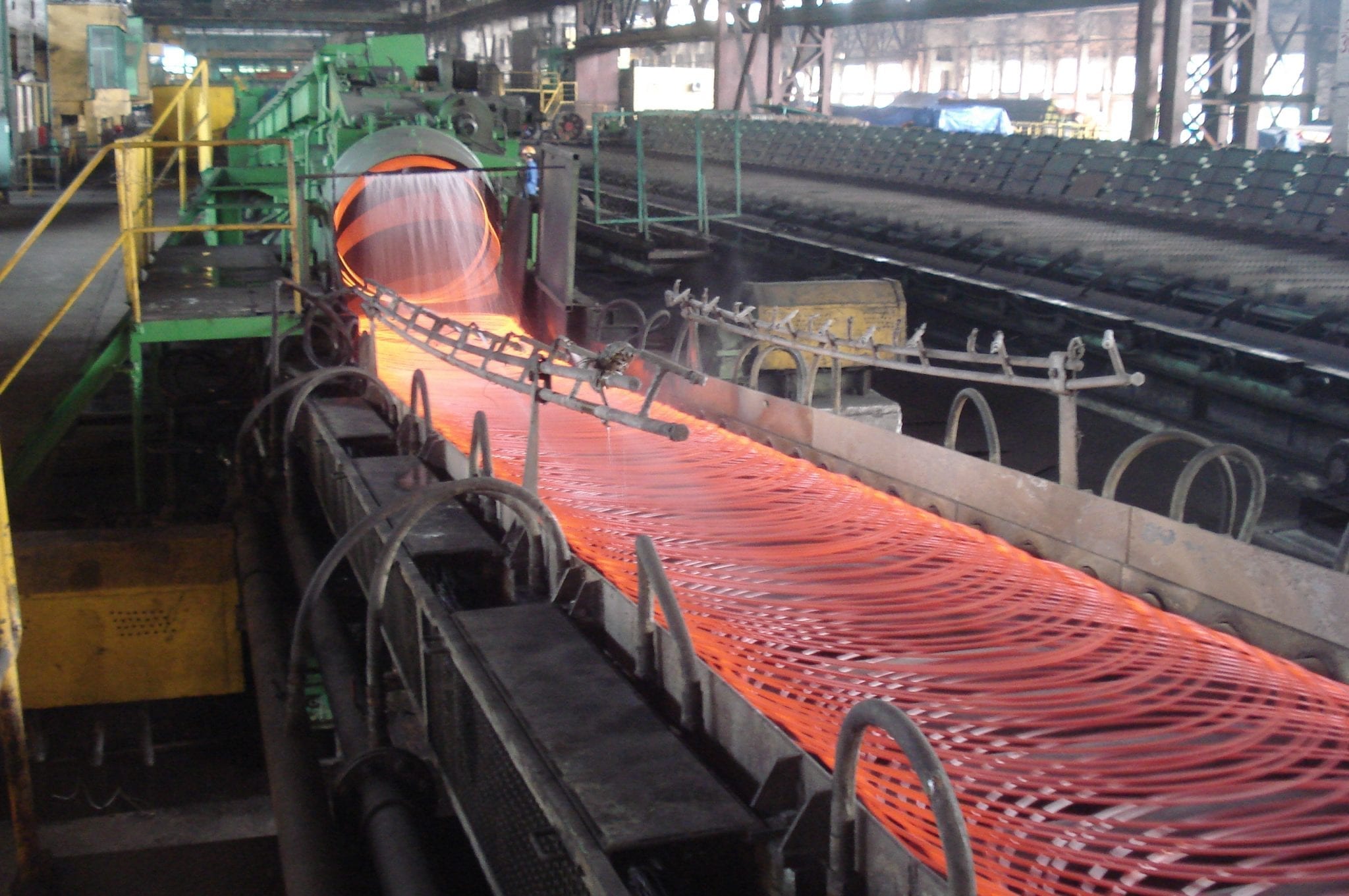
  • Vietnamese steel faces anti-dumping investigation in Australia

    Vietnamese steel faces anti-dumping investigation in Australia

    An Australian firm has accused Vietnamese manufacturers of manipulating market prices. Australia’s Anti-Dumping Commission (ADC) has initiated an anti-dumping investigation into steel rods imported from Indonesia, South Korea and Vietnam.

    The investigation was launched following a complaint lodged by OneSteel Manufacturing Pty Ltd, a manufacturer of steel coil in Australia.

    OneSteel said that that the goods are being exported to Australia at prices less than their normal value and that dumping has damaged the Australian industry through loss of sales, market share and profits.

    The products include hot rolled rods in coils that are not subject to export tax in Australia at present.

    OneSteel alleged that the dumping margin on products from Vietnam is at least 30.6 percent. The company said that the price of these products in Vietnam should not be used to calculate their global market value.

    Steel products from Indonesia, Taiwan and Turkey have also been subject to anti-dumping investigations in Australia, and both Indonesia and Turkey were slapped with anti-dumping taxes in 2015 for a year, while the same products from China were hit with a tariff in April 2016.

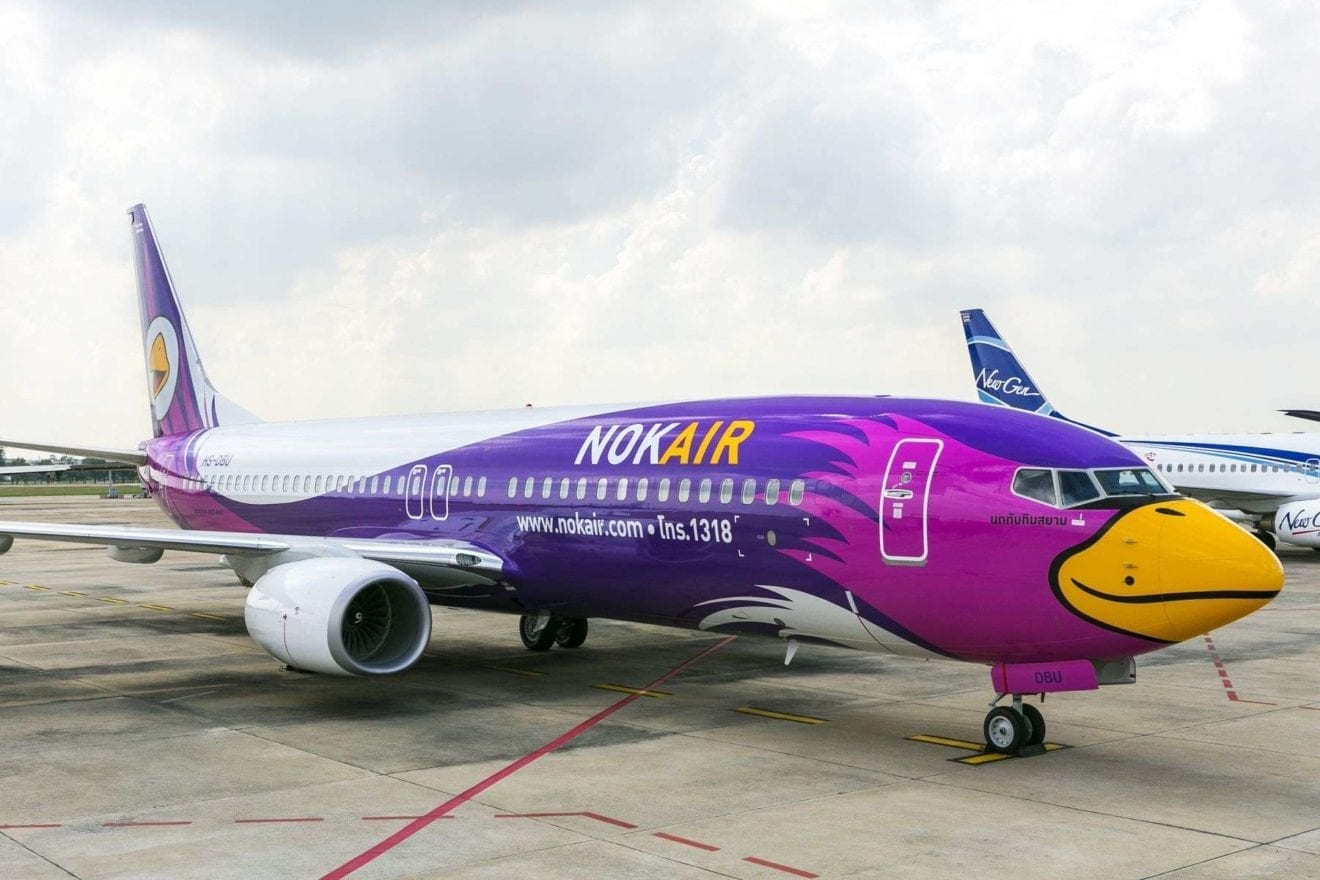
  • THAI will not increase capital in Nok Air

    THAI will not increase capital in Nok Air

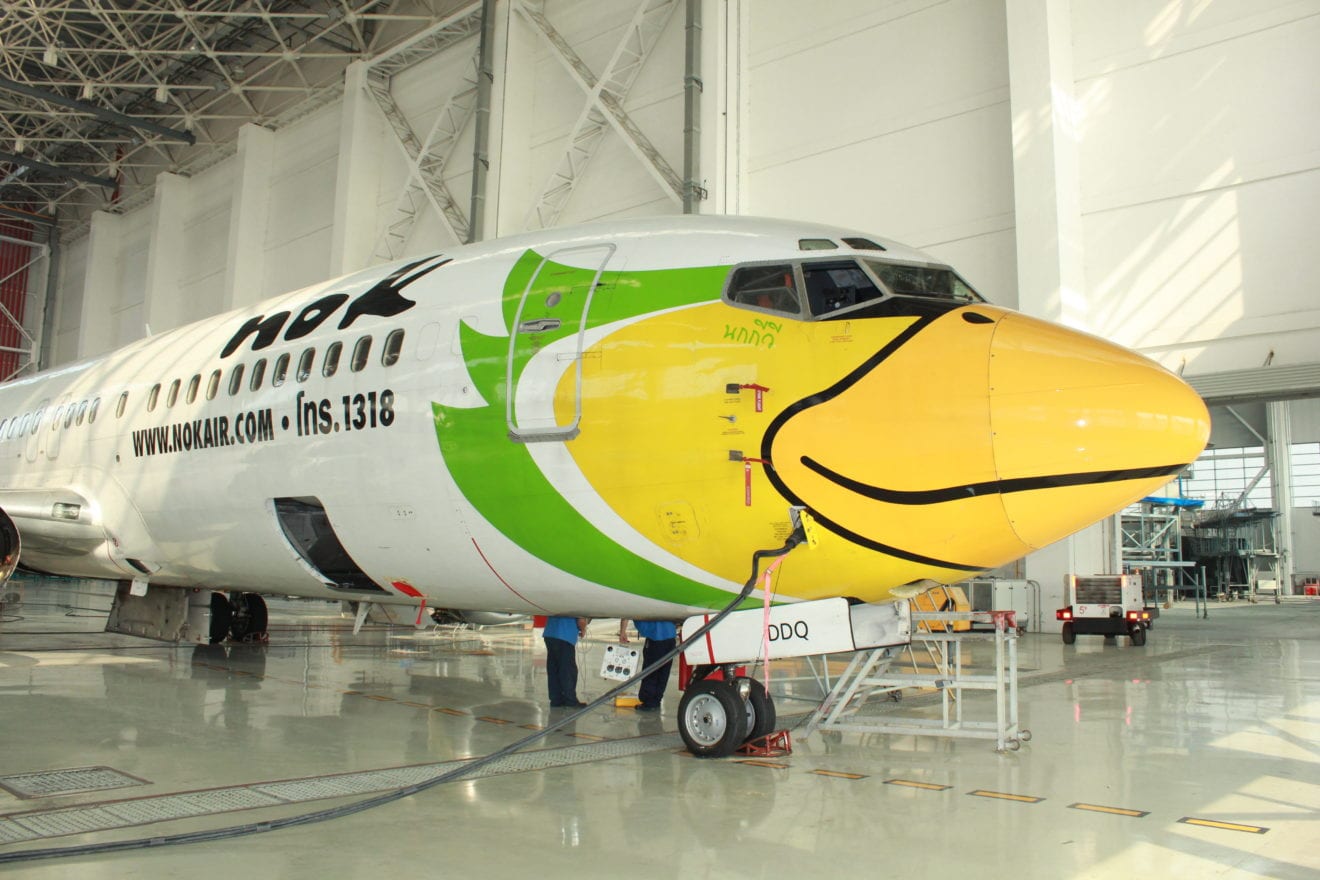
    Thai Airways International Public Company Limited (THAI) stated that THAI’s Board of Directors decided not to increase capital in Nok Air Public Company Limited (Nok Air), which lacks liquidity and needs additional funding to continue operations. Following the meeting on 12 April 2017, it was agreed that a Company representative would be sent to submit a vote on capital increase in Nok Air, which would open up opportunities for other shareholders to increase their shareholding. During this meeting, THAI’s Board of Directors did not yet decide whether or not to subscribe to new shares in Nok Air because a study had to be conducted on suitability and value prior to additional investment.
    On 21 May 2017, a THAI Board of Directors Meeting was held to consider subscription of new shares in Nok Air. THAI’s Board of Directors took consideration of the report prepared by the special task force that studied suitability and value for additional investment in Nok Air, given the Company’s current situation. With consideration to this factor, additional information, and opinions as well given that the transformation plan is still under implementation, THAI’s Board of Directors deemed that under the Company’s current situation it was not the right time to increase investment in Nok Air. Therefore, THAI’s Board of Directors concluded that the Company will not subscribe to new shares in Nok Air, regardless that the Company’s percentage of shares in Nok Air would eventually reduce.
    Even though there will be no subscription to new shares, the Company will continue to contribute as a shareholder and grant support for Nok Air’s eventual recovery and sustainable growth. A Company representative who is a member of Nok Air’s Board of Directors has been assigned by THAI’s Board of Directors to oversee and assist Nok Air through to successful completion of the transformation plan as soon as possible.
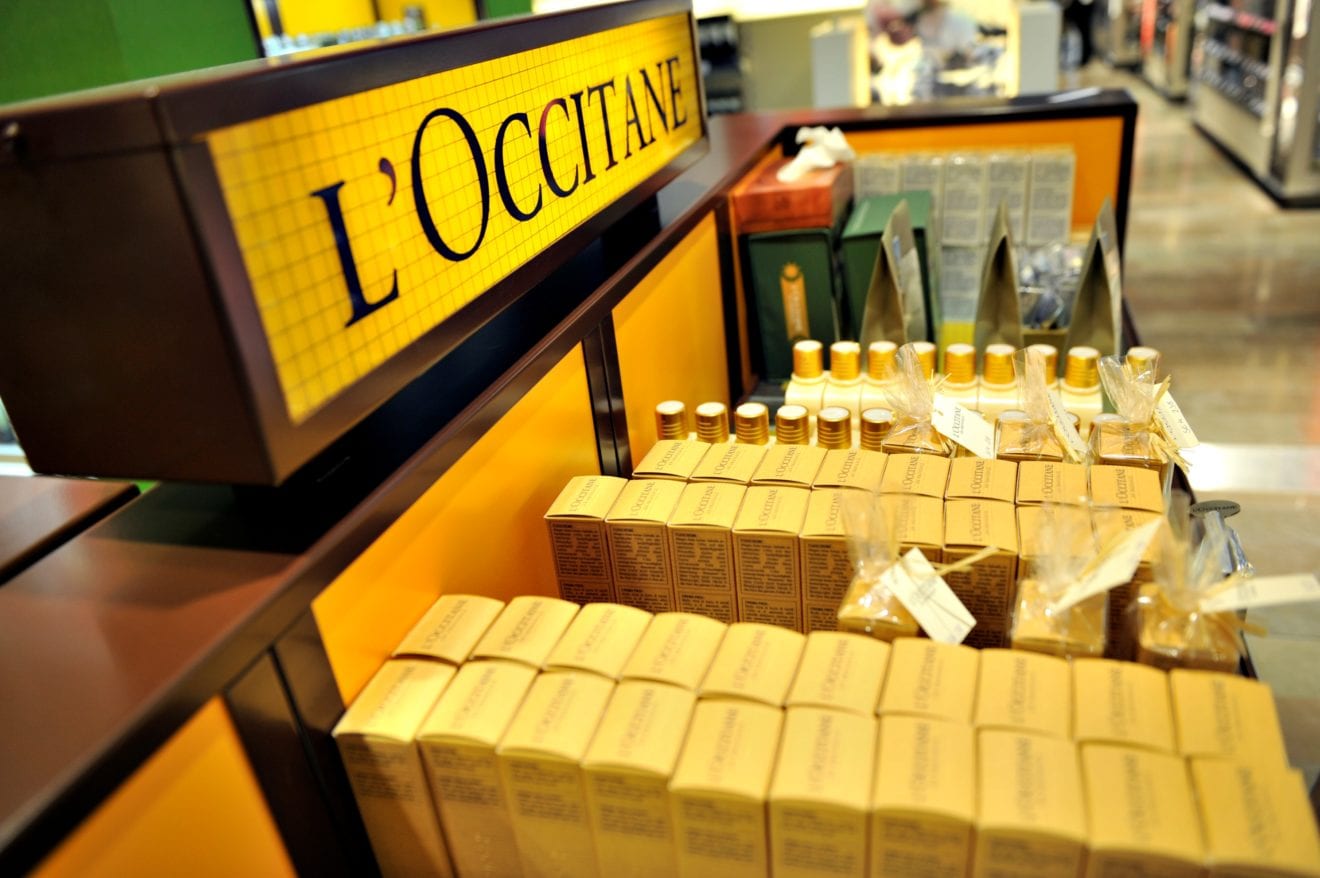
  • L’Occitane announces fiscal year 2017 annual results

    L’Occitane announces fiscal year 2017 annual results

    L’Occitane International, a global, natural ingredient-based cosmetics and well-being products company with true stories from Provence, France and around the world, today announces its annual results for the year ended 31 March 2017 (“FY2017”).

    The Group recorded net sales of €1,323.2 million for FY2017, an improvement of 1.7% at constant rates and 3.2% at actual rates compared to FY2016. The improvement in net sales was mostly attributable to the Group’s new stores and newly renovated stores, the good performance of its web channels and own E-commerce business, and double-digit growth in the Group’s emerging brands.

    Gross profit rose 3.9% to €1,102.4 million in FY2017, which was mainly attributable to more efficient supply chain management, better price and product mix and favourable FX effects. Gross profit margin expanded by 0.5 points to 83.3% in FY2017.

    The Group recorded an operating profit of €168.3 million for FY2017; an increase of 0.2% with operating profit margin decreasing 0.4 points to 12.7%, due mostly to continuous investments in R&D, brand awareness and emerging brands. Net profit rose by 16.6% to €132.4 million – the Group’s highest ever profit since its listing – reflecting the management’s ability to expand sales despite the challenging operating environment, the absence of a one-off, non-cash foreign currency loss that was recorded during last year, favourable FX effects and a lower effective tax rate.

    Sell-out sales accounted for 75.0% of the Group’s total sales in FY2017, amounting to €992.5 million, an increase of 1.3% at constant exchange rates. This growth was primarily driven by new stores and newly renovated stores, as well as the growth and development of the Group’s E-commerce channels, especially marketplaces. Under its selective omni-channel expansion strategy, the Group’s global own retail store network grew to a total of 1,514 stores during the year, while its E-commerce presence continued to expand.

    Sell-in sales accounted for 25.0% of the Group’s total sales in FY2017, amounting to €330.7 million, an increase of 3.1% at constant exchange rates. This growth was driven by dynamic growth in web partners, wholesale, distribution and B2B channels and in the emerging brands – L’Occitane au Brésil, Melvita and Erborian.

    Brazil and Japan registered the largest growth at actual rates, with sales growing 30.0% and 15.5% (due to the stronger Brazilian Real and Japanese Yen) respectively. Local currency sales in Brazil also grew by 18.4%, which was driven by both the L’Occitane en Provence and L’Occitane au Brésil brands. Sales in Japan benefited from a well-received TV advertising campaigns and improving sales growth in the Group’s own E-commerce business and web-partners.

    In terms of local currency sales, China was also stand out market for the Group in FY2017, with sales growing 11.0% compared to FY2016, as a result of accelerated growth at its physical and online stores (such as its flagship on TMall) and B2B, particularly in the last quarter of FY2017. Much of this great result was driven by a highly successful brand ambassador campaign that took place in the second half of the year.

    As part of its omni-channel sales strategy, the Group continued to significantly invest in its self-owned E-commerce websites, mobile sites, third-party marketplaces and social media platforms to drive traffic, conversion, sales and growth to its online platforms and physical stores. It also continued to push forward marketing initiatives and gifting strategies to safeguard its performance in markets with a more uncertain economic situation, including the United States, United Kingdom and other European countries.

    As part of its multi-brand strategy, the Group recently invested US$128 million in a 40% stake in LimeLight by Alcone, a fast-growing US-based natural skincare and personalized makeup company selling through “social commerce”, with the objective to develop its business model worldwide, and to speed up the Group’s expansion into the colour cosmetics sector. It will also seek to expand into other product streams to cater for a wider customer audience, including millennials.

    The Group’s balance sheet remained healthy during the year under review, with its net cash position amounting to €379.7 million as at 31 March 2017. L’Occitane is pleased to propose a final dividend of €0.0316 per share, representing a dividend pay-out ratio of 35.0% in FY2017.

  • Nok Scoot and Thai Airasia X receive AOC

    Nok Scoot and Thai Airasia X receive AOC

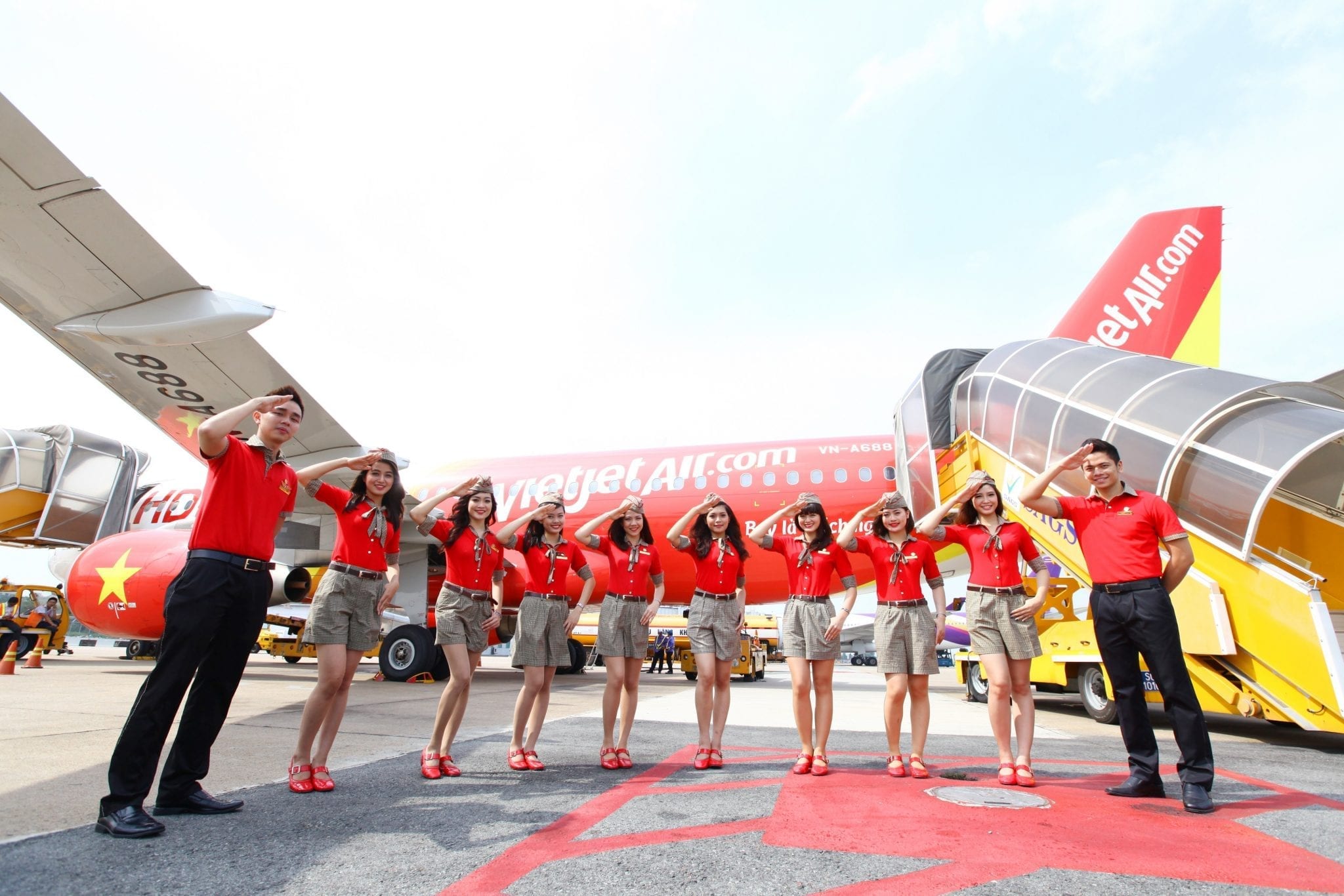
    Nok Scoot and Thai AirAsia X were yesterday announced to qualify for Air Operators Certificates (AOC) after both met the International Civil Aviation Organization (ICAO) standards.

    Both became the country’s 4th and 5th local airlines to be granted the AOCs.

    Nok Scoot and Thai AirAsia X are low cost international carriers operating in an extremely competitive field.

    Of all 5 local carriers that were granted AOCs, 77% are international carriers.

    The certificates were presented to executives of the two airlines by the Civil Aviation Authority of Thailand yesterday.

    CAAT director-general Chula Sukmanop said that the presentation of AOC certificates showed that the two airlines have security systems in place and their services met ICAO standards even though they are low-cost airlines.

    One final hurdle for Thailand is to petition the ICAO revoke its red-flagging of the local airline industry which should be successfully achieved by the end of this month, he said.

  • 7-Eleven heads to Okinawa to expand its reach in Asia

    7-Eleven heads to Okinawa to expand its reach in Asia

    Seven-Eleven Japan is finally setting up shop in Okinawa, the only Japanese prefecture where it has yet to open an outlet. The convenience store operator plans to use the southern island as a stepping stone for expanding sales of its in-house brand across Asia, where demand for Japanese food and snacks is growing.

    On Friday, Seven-Eleven Japan announced it will enter Okinawa in 2019 and open around 250 outlets there over the following five years, mainly in Naha, the capital.

    While the company is keen to boost domestic business, Okinawa’s proximity to foreign markets also proved an attractive draw for Japan’s largest convenience store operator. President Kazuyuki Furuya said the company plans to use the prefecture as a “transportation hub” for expanding sales of its Seven Premium brand.

    “Asia is full of attractive markets, including China,” Furuya added.

    Okinawa has traditionally not been an ideal location for the company’s so-called area-dominant strategy, which involves concentrating stores in specific areas to rapidly raise brand recognition and reduce transportation costs.

    The company also needed a factory within the prefecture to get food onto store shelves more efficiently. With prospective local partners lined up, however, the operator now plans to open a factory and distribution center as soon as possible.

    With local partners, rival convenience store operators FamilyMart and Lawson already have outlets in Okinawa — around 300 and 200, respectively. Seven-Eleven Japan will establish its first 100% subsidiary this year in the prefecture to better cater to local needs.

    Launched in 2007, the Seven Premium brand now has over 3,600 items, ranging from snacks and ready-made meals to fresh meat and vegetables. By fiscal 2019, the company plans to increase the number to 4,200 items, with a revenue target of 1.5 trillion yen ($13.6 billion), up 30% from fiscal 2016.

    Though the details are still being worked out, Seven-Eleven Japan plans to use a cargo hub in Okinawa operated by All Nippon Airways. Okinawa’s ideal location would allow more efficiently to deploy Seven Premium brand to Asian markets.

    Okinawa is closer than Tokyo to a number of major Asian cities: Taipei, Seoul, Bangkok and Singapore are all within five hours or so. This has allowed ANA Cargo’s air freight network to offer next-day parcel delivery from Japan to these cities. Products are first brought from around the country to Haneda Airport in Tokyo and then to Naha, which permits late-night air traffic and runs customs services around the clock.

    While these trials have has been limited to around 20 items, mostly snacks, Seven-Eleven Japan plans to roll out its Seven Premium brand at its first Vietnamese store in Ho Chi Minh, set to open on Thursday. The company aims to open 20 stores this year and 100 by 2019.

  • Government to establish electronic toll collection consortium

    Government to establish electronic toll collection consortium

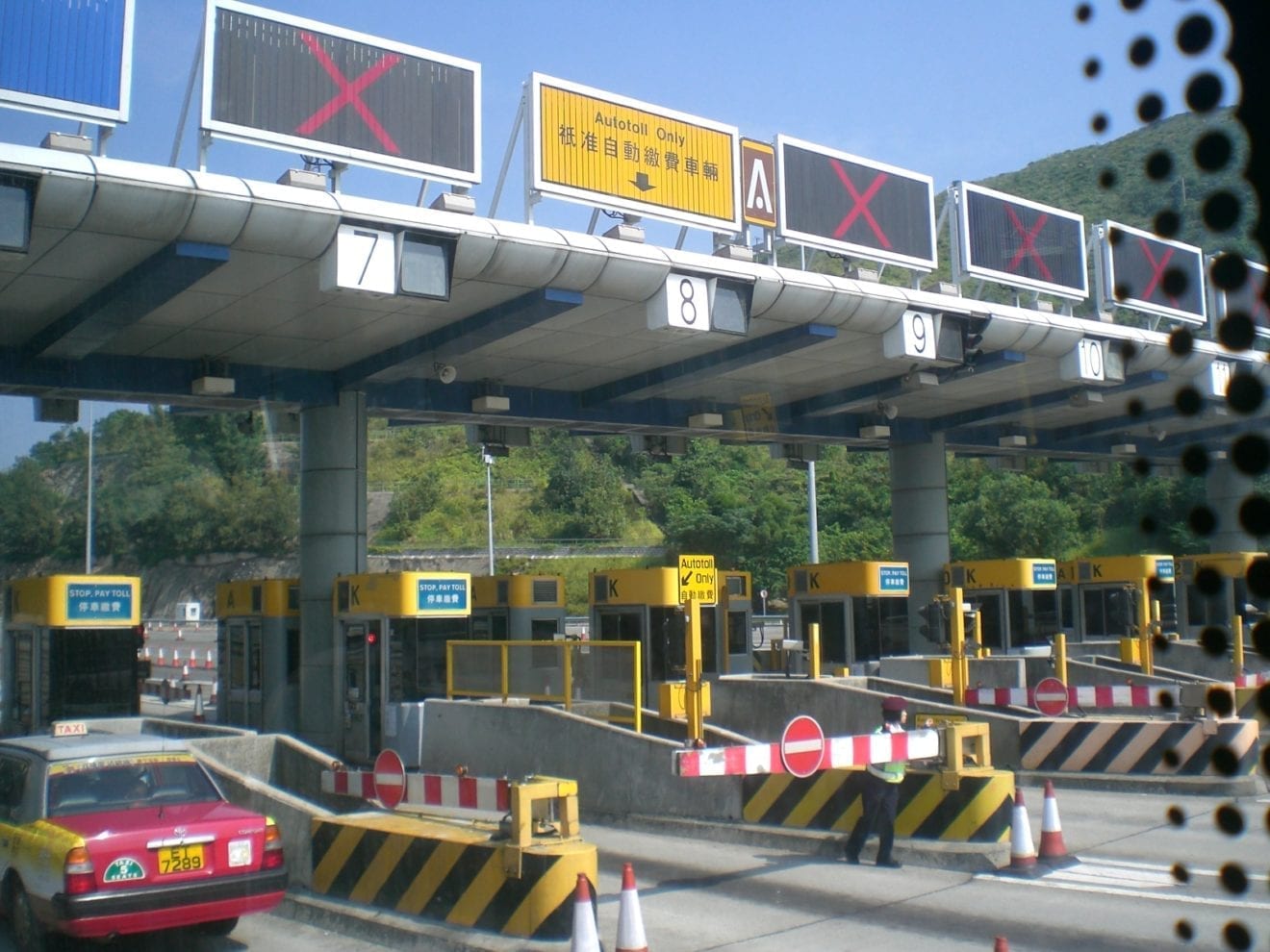
    The Public Works and Public Housing Ministry (PUPR), in cooperation with Bank Indonesia, will establish an electronic toll collection (ETC) consortium to set up a non-cash payment system on toll roads, which is targeted to operate thoroughly in Oct 2017.

    The shareholders of the consortium will consist of various stakeholders from bank companies, toll road enterprises, and switching companies.

    The consortiums role is to manage electronic payment facilities and infrastructure on toll roads, such as system and procurement of “reader,” data synchronization, and proportional profit sharing.

    “It will also play a major role in the integration of the toll road segments as well as in improving the business model and technical aspects of electronics,” BI Governor Agus Martowardojo told the press here on Wednesday.

    The establishment of the consortium is in line with governments target to change every payment in the toll roads using non-cash or electronic mechanism.

    BI has set a target to manage non-cash payment system in 35 toll roads in Oct 2017. Currently, only 25 percent of total payments in 35 toll roads in Indonesia are using non-cash payment.

    “Hence, this consortium is one of the required institutional aspects to be established,” Martowardojo noted.

    In addition to the institutionalization, electronicfication of all toll roads will also change the business model of various participating companies on the highways.

    Among some changes is the business commission that the bank must pay to the operator for the non-cash payment application of 0.3 percent, which will be replaced by a merchant discount rate (MDR) system. MDR will be implemented after the ETC consortium is officially established.

    To add incentives for banks to integrate, BI will also allow banks to charge additional commissions to customers when charging an electronic money balance used to pay for toll services. Such fee will be regulated in the revision of Bank Indonesia regulation concerning electronic money.

    Technically, BI and the PUPR Ministry divide the four stages of non-cash electronication including the electronification stage of the entire toll road in October 2017, the integration of the toll road system, the integration of toll roads and the establishment of the Electronic Toll Collection Consortium (ETC) as well as the implementation of Multi Lane Free Flow (MLFF), as a process of payment of tolls which not require the drivers to take a long stop.

  • Indonesia Eyeing Export Opportunities to Afghanistan

    Indonesia Eyeing Export Opportunities to Afghanistan

    Afghanistan has expressed interest to import Indonesian products. Indonesia and Afghanistan have already establish trade relations covering finished products albeit at a relatively small amount. Industry Minister Airlangga Hartarto said that the government has welcomed Afghanistan’s import proposal. The export will primarily include consumer goods.

    “Afghan President has come here, and now they said that they are interested in importing some commodities from Indonesia. Indonesia and Afghanistan trade volume is not quite significant yet,” Airlangga said yesterday after meeting Afghanistan Ambassador to Indonesia Roya Rahmani in Jakarta.

    Airlangga said that Afghanistan is one of Indonesia’s industrial product export destinations as the country imports almost 90 percent of its daily needs. Some products, according to Airlangga, have the potential to be exported to Afghanistan, such as textile, pharmaceutical, construction products, and food and beverages. Indonesian business delegates will be departing for Afghanistan in the near future.

    Data from the Industry Ministry show that electronics and its appliances make up the most of Indonesia’s industrial product exports to Afghanistan, reaching US$ 3.54 million last year.

    Other products with high export value are pharmaceutical, household products, cosmetics, mirror, tea and coffee, vegetable oil, rubber and chemicals. In 2016, Indonesia’s export to Afghanistan is valued at US$16.22 million.

    In the same period, imports from Afghanistan amounted to US$ 31.1 million, meaning that Indonesia posted a US$ 16.19 million surplus. Indonesia imported some commodities from the country such as processed fruit, electronics and steel products.

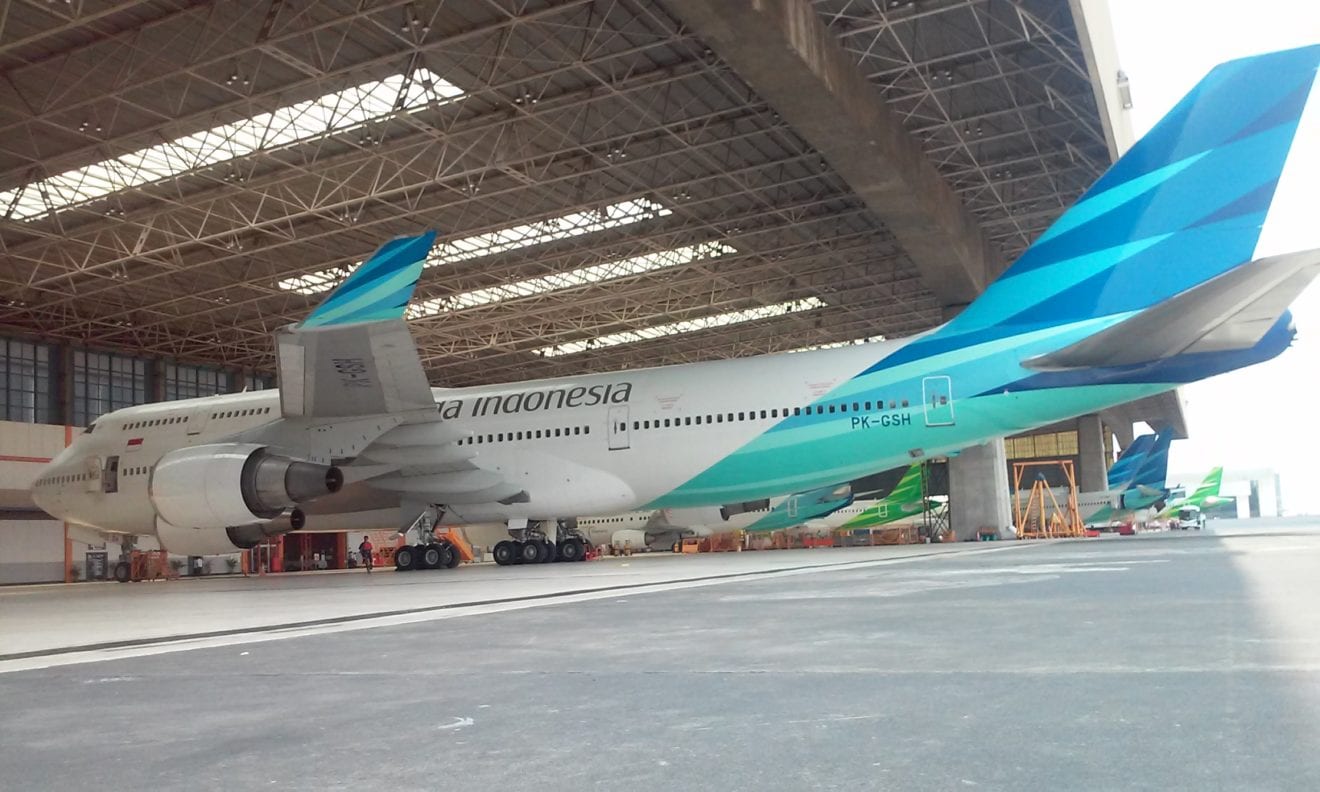
  • Garuda Indonesia soars above challenges, gears up for growth

    Garuda Indonesia soars above challenges, gears up for growth

    Ready to face their business growth that is riddled with challenges, Garuda Indonesia is optimistic that both its operational and financial performances will experience sustainable and positive growth in the next two years. This will be attributed to their business strategy, which is to focus on financial performance transition.

    Antara News quoted Garuda Indonesia President Director, Pahala N Mansury, saying that the airline would focus on performance improvement by taking 10 financial and business performance initiatives in a manner that would improve both operational and financial conditions.

    The 10 financial performance strategy initiatives are optimising usage of their fleet, lowering fleet cost, improving service related to departure and arrival time as well as reforming the service user income management services. “We are quite optimistic about achieving it in one or two years time,” he said.

    Pahala said the company is currently in a good position in term of operation and services to the public. However, the main challenge the company is facing is to find ways to improve its financial performance in a sustainable way to ensure business continuity.

    “We have identified that the phase of the business cycle that the group is undergoing is temporary. Infrastructure, human resources and products, and all business lines have a good platform to support the performance improvement,” Pahala said.

    He also lauded all sides for their input and attention into improving the group’s performance and business dynamics.

    Meanwhile, state shipping company PT Pelayaran Indonesia (Pelni) has paired up with Patra Jaya, a subsidiary of state-owned energy firm PT Pertamina, to introduce a cruise ship to boost the tourism industry.

    PT Pelni Kupang brand Head Adrian on Sunday said a memorandum of understanding was signed between the two parties, where the MoU entails the construction of a cruise ship to support the nation’s tourism industry in 10 tourists destination.

    The ten tourists destinations include Labuan Bajo and Riung, East Nusa Tenggara. The ship is currently being built in South Korea and is expected to be completed and sailing by 2018.

    Both Pelni and Pertamina had initially planned to purchase a cruise ship but the plan was halted following a regulation banning government agencies to purchase second-hand goods from abroad.

    Pelni currently operates both passenger and transport ships.

  • Incheon Airport expects US$2billion duty free sales again in 2017

    Incheon Airport expects US$2billion duty free sales again in 2017

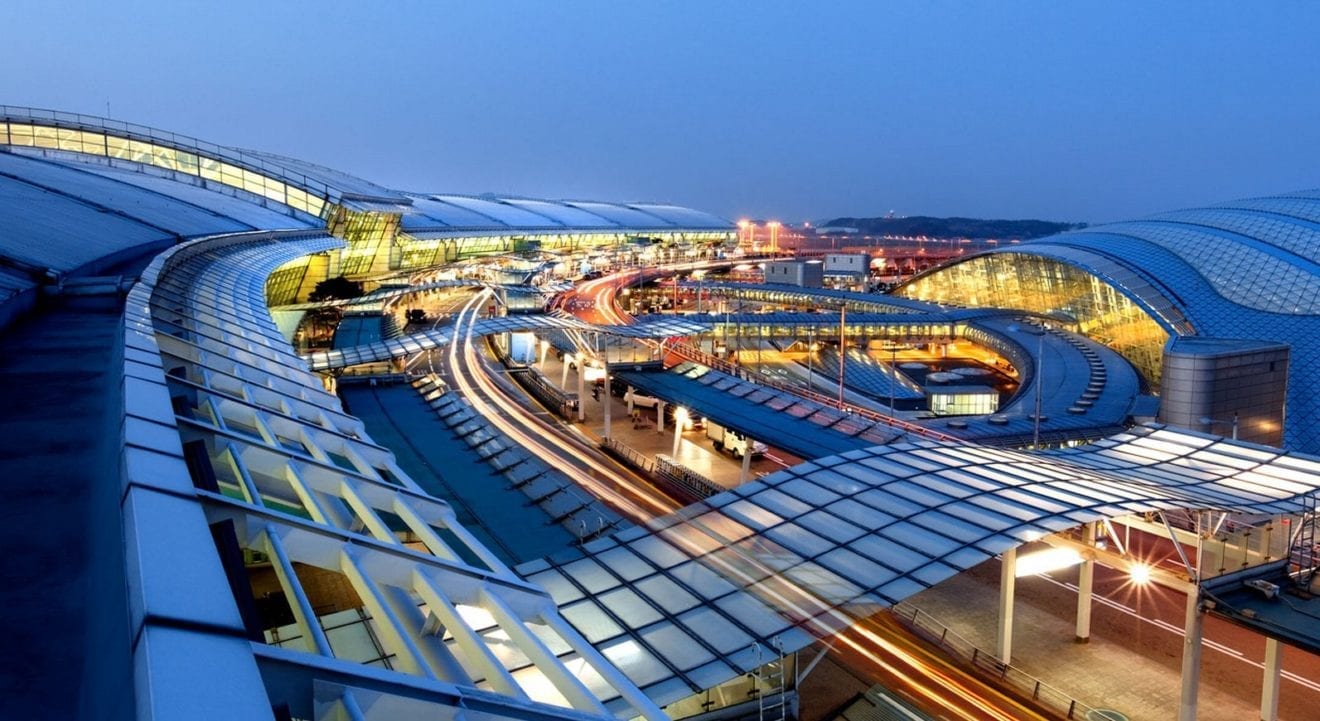
    Incheon International Airport says it expects annual duty free sales to reach US$2billion once again in 2017 following the complete remodelling of its 2,753square meter luxury boutique street, Airstar Avenue, at the central area of Terminal 1. Meanwhile the airport expects to open new T2 shops at the end of 2017 following a long and controversial tender process.

    The remodelled area which occupies approximately 16 percent of the airport’s duty free concession space (17,074 square meter), includes these 25 top luxury boutiques: Balenciaga, Bally, Bottega Veneta, Burberry, Bvlgari, Cartier, Celine, Coach, Fendi, Ferragamo, Gucci, Longchamp, Louis Vuitton, Marc Jacobs, Miu Miu, Montblanc, Moncler, Omega, Prada, Rolex, Saint Laurent, Tiffany, Tod’s, Tory Burch and Tumi.

    The Saint Laurent, Balenciaga and Moncler stores were the most recent additions to the revamped shopping street.

    Bum-Ho Kim, IIAC Executive Director of Commercial Marketing, made these comments: “We are pleased to announce the completion of the main terminal’s renovation. Last year, while the area was partially being revamped, the central boutique managed to deliver robust sales of US$224million.

    This sales amount covers approximately 11 percent of the total annual sales (US$2billion). As we have now completed the renewal process successfully, we are expecting to provide efficient customer experiences beyond passengers’ expectations, and aim to hit US$2billion sales once more.

    Turning to Terminal 2, he added: “Incheon Airport is currently putting its utmost efforts to successfully open duty free shops in Terminal 2, by the end of 2017. “Along with T1 duty free, we will do our best to create a place of which can deliver unforgettable, delightful airport shopping experiences and satisfaction for the passengers visiting our airport.”

    Lotte walked away with the L&T concession contract – awarded in May this year – and Shilla took P&C, while the terminal’s fashion tender was rebid.
    The three small and medium enterprise (SME) contracts will be operated by SM Duty Free (DF4), Entas Duty Free (DF5) and CityPlus (DF6), according to an announcement from the Korea Customs Service (KCS).

  • Jetstar Pacific leads in flight cancellations, delays

    Jetstar Pacific leads in flight cancellations, delays

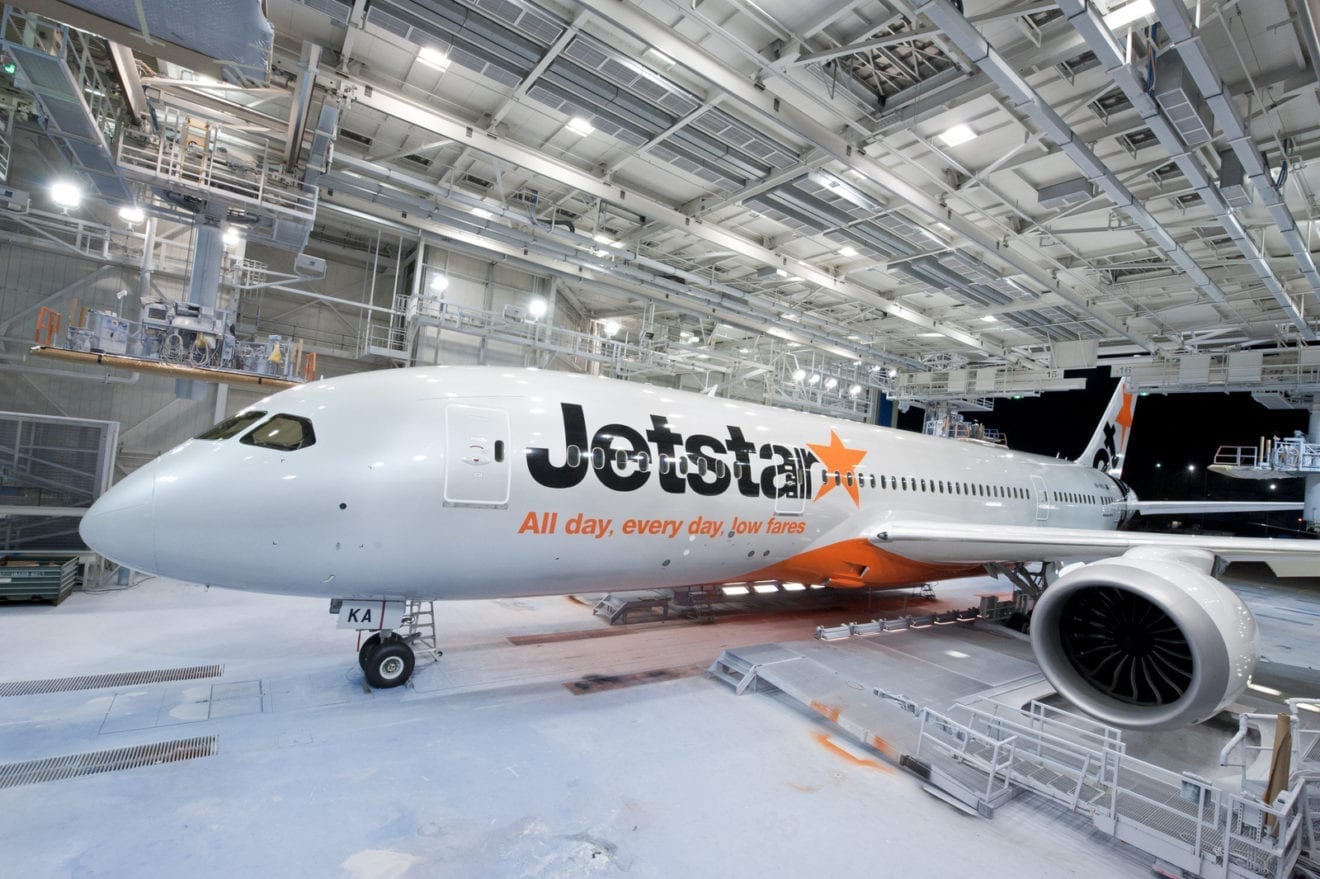
    Low-cost carrier Jetstar Pacific has cancelled and delayed about 15.4 percent of 568 flights it operated in a week, according to the latest report released by the Civil Aviation Authority of Vietnam (CAA).

    The CAA calculated the number of delays and cancelations in four Vietnamese carriers – Vietnam Airlines, VietJet Air, Jetstar Pacific and Vasco from May 31 to June 6.

    Jetstar Pacific was closely followed by national flag carrier Vietnam Airlines which delayed 380 flights and cancelled ten others, or approximately 15 percent, out of a total of 2,605 weekly flights.

    VietJet Air came third with 328 delays and four cancellations among 2,311 flights, or 14.4 percent.

    Vasco had no cancellation and only one delay out of 249 flights.

    There were 5,733 flights made available by the four airlines during the first week of June, of which 810 were delayed and cancelled, the CAA announced, adding that delays and cancellations accounted for 13.8 percent and 0.3 percent, respectively.

    Late arrival of planes before they take off again for return services was the main cause behind the problems, the CAA explained. Such a reason caused 69.1 percent of the delays and cancellations during the reviewed period.