Category: General

Retail News Asia is committed to providing both local and global retailers with the latest General Retail news throughout the Asian market. This on a daily base.

  • Acquisitions boost Robinsons Retail sales

    Acquisitions boost Robinsons Retail sales

    Newly acquired stores Savers Appliances and The Generics Pharmacy have given Robinsons Retail sales and profits a boost.

    Sales increased by 18.5 per cent from Php21.6 billion to Php25.6 billion in the second quarter of 2016, on the back of sustained high single-digit same-store sales growth (SSSG) and sales from stores acquired this year.

    For the first half of 2016, profit increased by 8.6 per cent to Php2.0 billion from Php1.9 billion last year.

    Net sales for the first half of 2016 reached Php48.3 billion, an increase of 16.9 per cent from Php41.6 billion last year. The robust blended SSSG of 9 per cent in the first quarter of 2016 was sustained in the second quarter brought about by the general bullish consumers sentiment on the back of successful and peaceful national elections, lower commodity prices and stable exchange and interest rates environment.

    The like-for-like sales in the second quarter were strong across all segments led by supermarkets at 8.9 per cent, department stores at 7.6 per cent, DIY at 8.3 per cent, specialty stores at 16.8 per cent, drugstores at 5.5 per cent and convenience stores at 2.9 per cent.

    From July 2015, Robinsons Retail added 128 stores to end at 1527 stores at the end of June 2016. GFA increased by 10.7 per cent year-on-year to approximately 998,000 sqm. Including The Generics Pharmacy’s franchised store portfolio of 1878 at end of June 2016, the store network hit 3405.

  • Retail sales up 0.9% on-year in June, boosted by vehicle sales

    Retail sales up 0.9% on-year in June, boosted by vehicle sales

    Retail sales in Singapore rose 0.9 per cent in June compared with the previous year, mainly due to a jump in sales of motor vehicles, the Department of Statistics (SingStat) said on Monday (Aug 15).

    However, excluding motor vehicles, retail sales dipped 3.0 per cent compared with the same period a year ago.

    On a month-on-month basis, retail sales were down 1.5 per cent in June. Excluding motor vehicles, retail sales dropped 3.7 per cent.

    The total retail sales value in Juune was estimated at S$3.6 billion, similar to a year ago.

    Retailers of motor vehicles recorded a sales increase of 17.1 per cent compared to the previous year, the highest increase of all sectors. The next best performing sector was furniture and household equipment, which saw a 5.8 per cent increase. The medical goods and toiletries sector also recorded an increase of 3.0 per cent.

    Other than the mini-marts and convenience stores section, which was unchanged, all other sectors were in the red.

    According to SingStat, the telecommunications apparatus and computers sector fell the most at 25.1 per cent, compared with the previous year. This was followed by petrol service stations, which fell 14.1 per cent, and recreational goods, which saw a 11.8 per cent dip.

    Sales of food and beverage services rose 0.4 per cent from the previous year. The total sales value of food and beverage services in June was estimated at S$649 million, higher than the S$646 million in June 2015.

    The Retail Sales Index and the Food and Beverage Services Index measure the short-term performance of retail and F&B service industries based on their sales records. The sales figures exclude taxes such as GST and COE.

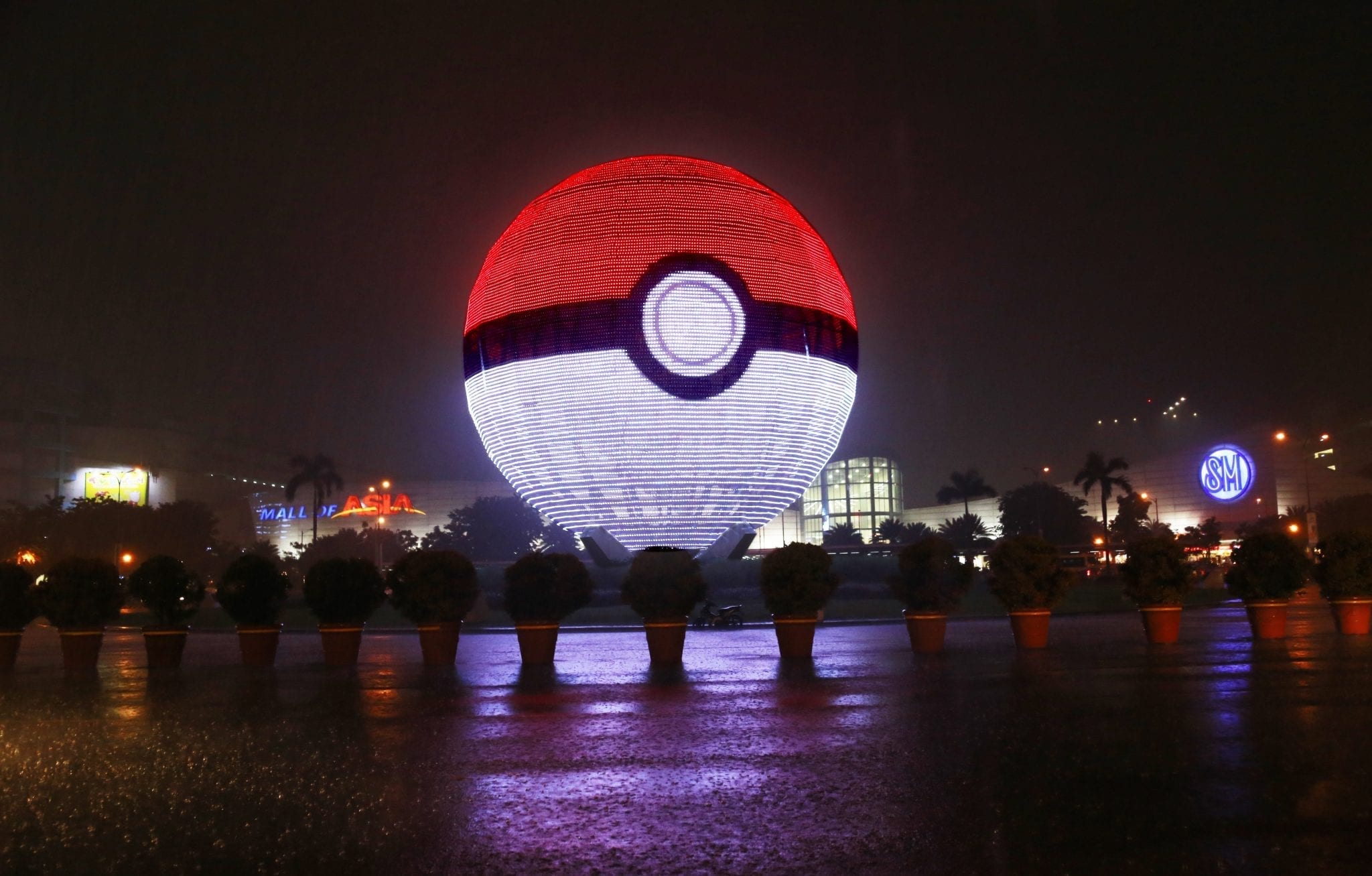
  • Metro Manila malls love Pokemon GO for bringing increased foot traffic

    Metro Manila malls love Pokemon GO for bringing increased foot traffic

    “A few days after the Philippine launch of Pokemon GO, mall operators reported a surge in foot traffic from people hooked on the augmented reality mobile phone-based game,” reports Doris Dumlao-Abadilla in Philippine Daily Inquirer.

    Maricris Bernardino, Ayala Malls head of marketing, said, “Since the launch of Pokemon Go in the Philippines, our parks and malls have filled with Pokemon hunters. Gamers continue to play and visit our malls despite the rains.” Several unique Pokemon monsters have reportedly been found in Ayala Malls’ gardens and parks.

    For his part, Harold Brian Geronimo, assistant vice president at Megaworld Corp, noted that Eastwood City’s daily average foot traffic “more than doubled” after the launch of Pokemon GO. Geronimo added that foot traffic was also higher than McKinley Hill, Burgos Circle, and Venice Piazza. This, he explained, led to an incease in dining sales.

    It’s the same case with SM Supermalls. In fact, last Fri night, Aug 12, SM hosted a nationwide Pokemon GO “lure party” across its 50 SM Supermalls and SMDC Properties.

    CNN Philippines reports that Robinsons Malls, Araneta Center, Bonifacio High Street, UP Ayalaland Technohub, Greenfield District Central Park, The Podium Mall, and Capitol Commons also hosted lure parties last Aug 12.

  • Circle K Hong Kong sales defy downturn

    Circle K Hong Kong sales defy downturn

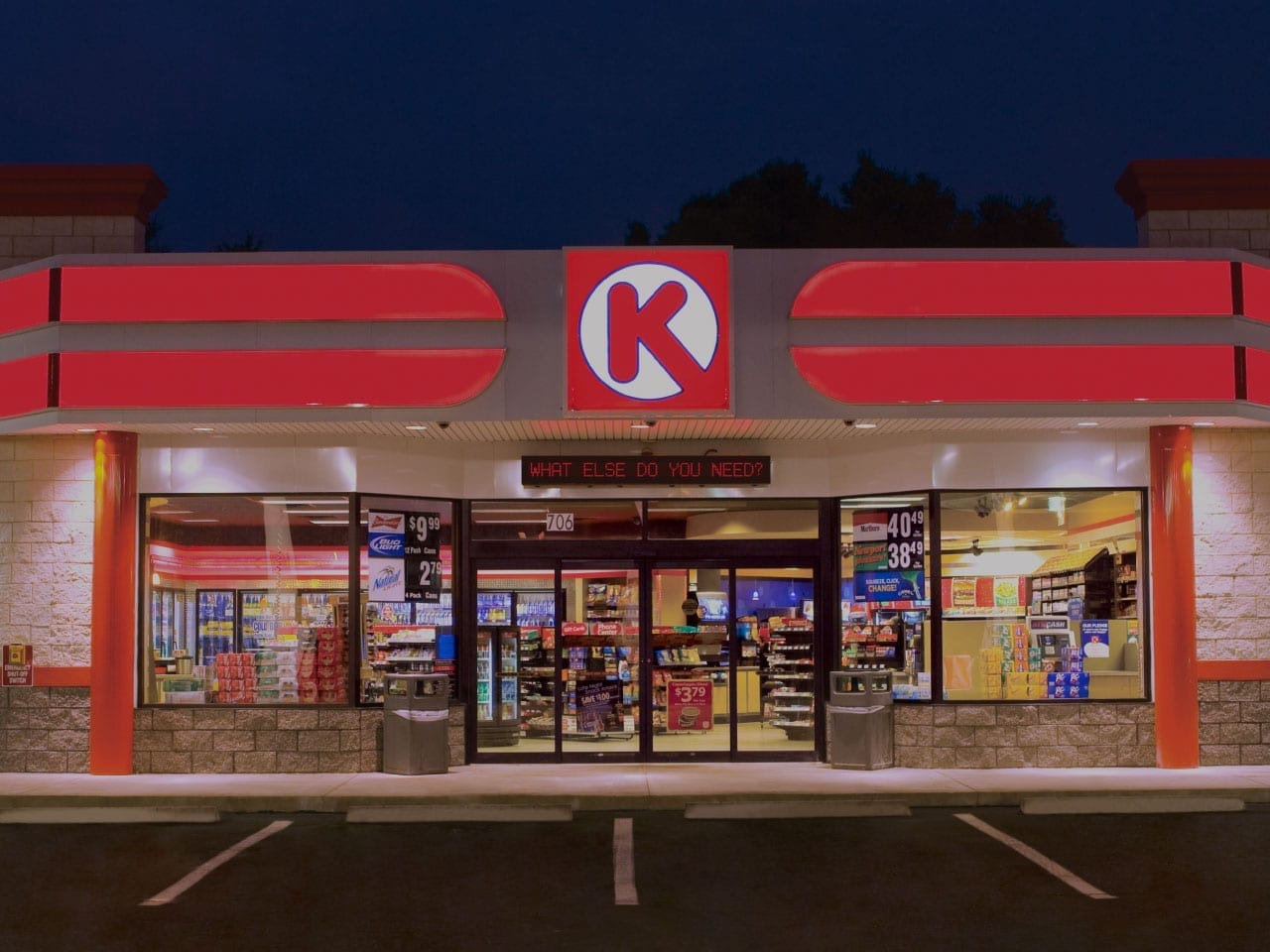
    Circle K Hong Kong sales rose 4.7 per cent in the first half of this year, defying the retail downturn.

    Parent Convenience Retail Asia has reported an overall turnover boost of 3.4 per cent to HK$2.339 billion. Same-store sales grew 5.2 per cent year on year in the six months to June 30.

    Turnover in the company’s Saint Honore bakery business decreased slightly, by 0.5 per cent to $496 million, with low-single-digit growth in comparable store sales in Hong Kong.

    Convenience Retail Asia has 324 Circle K stores in Hong Kong, 118 in Macau, Zhuhai and Guangzhou; and 94 Saint Honore stores in Hong Kong and 50 in Macau, Shenzhen and Guangzhou.  In the first half of this year, it opened six new Circle K stores in Hong Kong and closed 10 for a net decrease of four, and it opened seven new Saint Honore stores in Hong Kong and closed two for a net increase of five.

    The group’s net profit increased 68.4 per cent to HK$52 million for the six months, primarily due to the disposal of Circle K business in Guangzhou last year..

    “Despite weak retail market sentiment, convenience store and bakery operations achieved

    satisfactory comparable store sales growth in Hong Kong,” the company said in a stock exchange filing. “Core operating profit increased 7% on back of stabilised operating costs and improvement in Saint Honore operations.”

    With the stabilisation of the commercial property rental market, store expansion has become a key growth strategy for the Saint Honore chain.

    Convenience Retail Asia says during the second half of 2016, it will seek to grow profit at existing stores “by continuing to improve efficiency, reduce costs, and drive sales through innovative product development, marketing and category management”.

    “With the commercial rental market on the downswing, cautious store expansion will play a role in driving revenue across the convenience store and bakery businesses.

    “Although the business environment has been challenging, the group’s core operations remain

    strong and healthy, and it has a solid balance sheet with a good cash position. We will continue to monitor the market closely for merger and acquisition opportunities that can help us grow our business, at the same time as we strive for healthy organic growth.”

  • Indonesian airlines have been cleared to begin flying to the US

    Indonesian airlines have been cleared to begin flying to the US

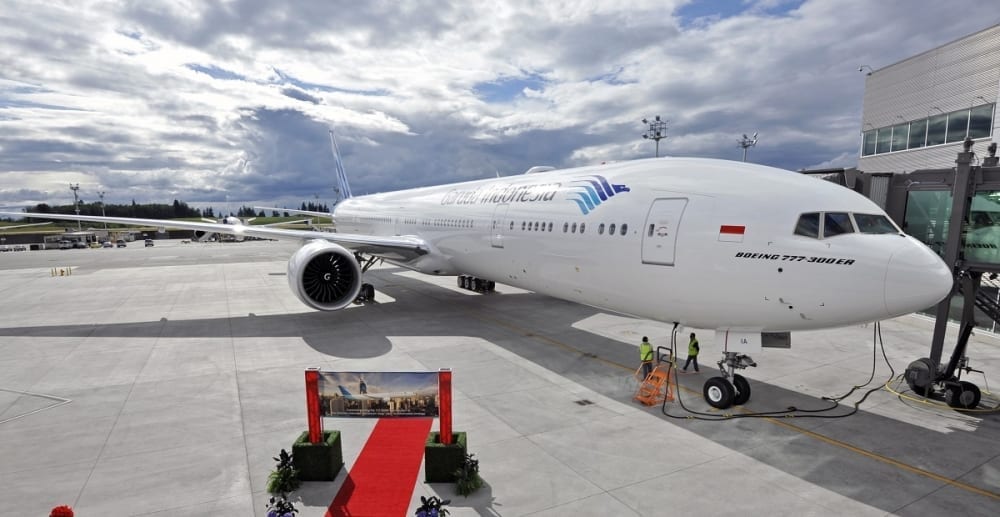
    Indonesian airlines have been cleared to begin flying to the US, after a safety review by regulators.

    The US Federal Aviation Administration (FAA) said Indonesia had been upgraded to “Category 1” – the top-tier air-safety rating – after nearly a decade.

    Indonesia’s fast-growing aviation market suffered several high-profile accidents and was downgraded in 2007.

    The European Union also recently lifted a ban on three Indonesian airlines.

    After a safety review in March, Indonesia now complies with International Civil Aviation Organization (ICAO) safety standards, the FAA said in a statement.

    “With the International Aviation Safety Assessment (IASA) Category 1 rating, Indonesian air carriers…can establish service to the United States and carry the code of US carriers,” the FAA said.

    The South-east Asian nation has had 13 fatal plane crashes in the past decade, according to Flightglobal data, higher than the global average.

  • Mainland China retail sales growth slows in July

    Mainland China retail sales growth slows in July

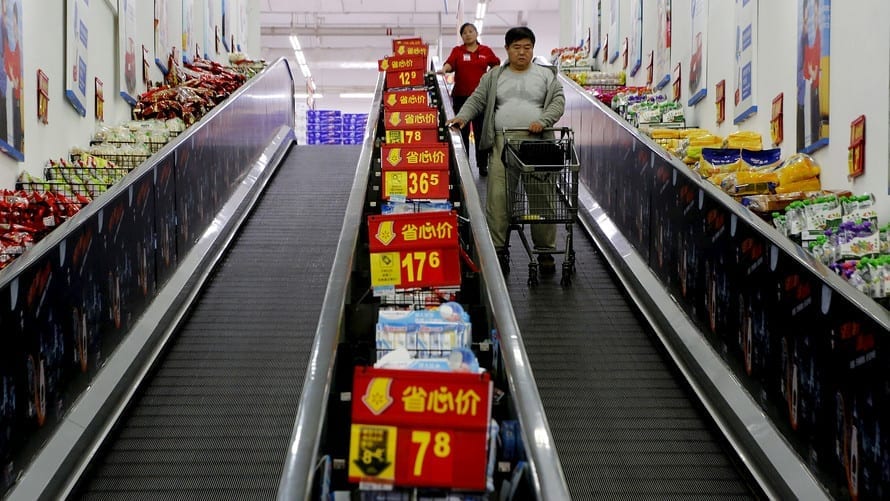
    Mainland China’s retail sales growth slowed sharply in July, statistics showed Friday, missing expectations in a disappointing sign for the world’s second-largest economy as the mainland China authorities look to consumer demand to push growth.

    Retail sales rose 10.2 percent in the month, the National Bureau of Statistics (NBS) said, a marked slowdown from June’s 10.6 percent increase and below the median forecast of 10.5 percent in a Bloomberg News poll of economists.

    Beijing is looking to retool the economy from a reliance on investment spending and exports to one driven more by consumer demand, but the transition is proving bumpy and gross domestic product growth is slowing.

    China is a key driver of the world economy but grew at its slowest rate in a quarter of a century last year, and has decelerated further since then.

    Industrial output in the Asian giant rose 6.0 percent in July over the year before, the NBS said, while fixed asset investment (FAI), a gauge of infrastructure spending, rose 8.1 percent in the first seven months of the year.

    Those figures also missed expectations of 6.2 percent and 8.9 percent respectively.

    Analysts were disappointed. Zhao Yang of Nomura called the figures an “across-the-board slowdown” that showed more weakness than expected. The investment figures were consistent with a deep contraction in imports that “points to sluggish domestic investment demand.”

    Looking ahead, factory output will face further downward pressures due to efforts to cut overcapacity, analysts with ANZ Research said in a note.

    Industrial production “may further dampen” this quarter, they added, as a result of flooding around the Yangtze River and suspended factory production in Zhejiang province, one of China’s most developed areas, due to a forthcoming G-20 summit in Hangzhou.

    Unswervingly Advance

    The NBS said in a statement China’s economy was “basically steady” in July but said that “serious disasters” from flooding and high temperatures in some parts of the country caused some indicators to slow.

    “However, overall economic development kept performing in a proper range with steady pace, as a result of stable employment and prices, deepened supply-side structural reform and accumulated new impetus,” it said.

    China should “unswervingly advance” supply-side structural reform and expand aggregate demand, it added.

    NBS spokesman Sheng Laiyun said it was “reasonable” for FAI growth to fall long-term as the economy shifts away from traditional heavy industries toward the service sector, which does not require as intensive investment.

    “The trend is good,” Sheng told a news conference. “Even though economic growth dropped slightly, the economy is stable and making steady progress, and the steady trend toward improvement has not changed.”

    Sheng acknowledged, however, that China faces “downward pressure” from weak global demand as Beijing carries out a marathon effort to nurture consumer-driven growth and reduce reliance on trade and investment.

  • Businesses latch on to Pokemon craze

    Businesses latch on to Pokemon craze

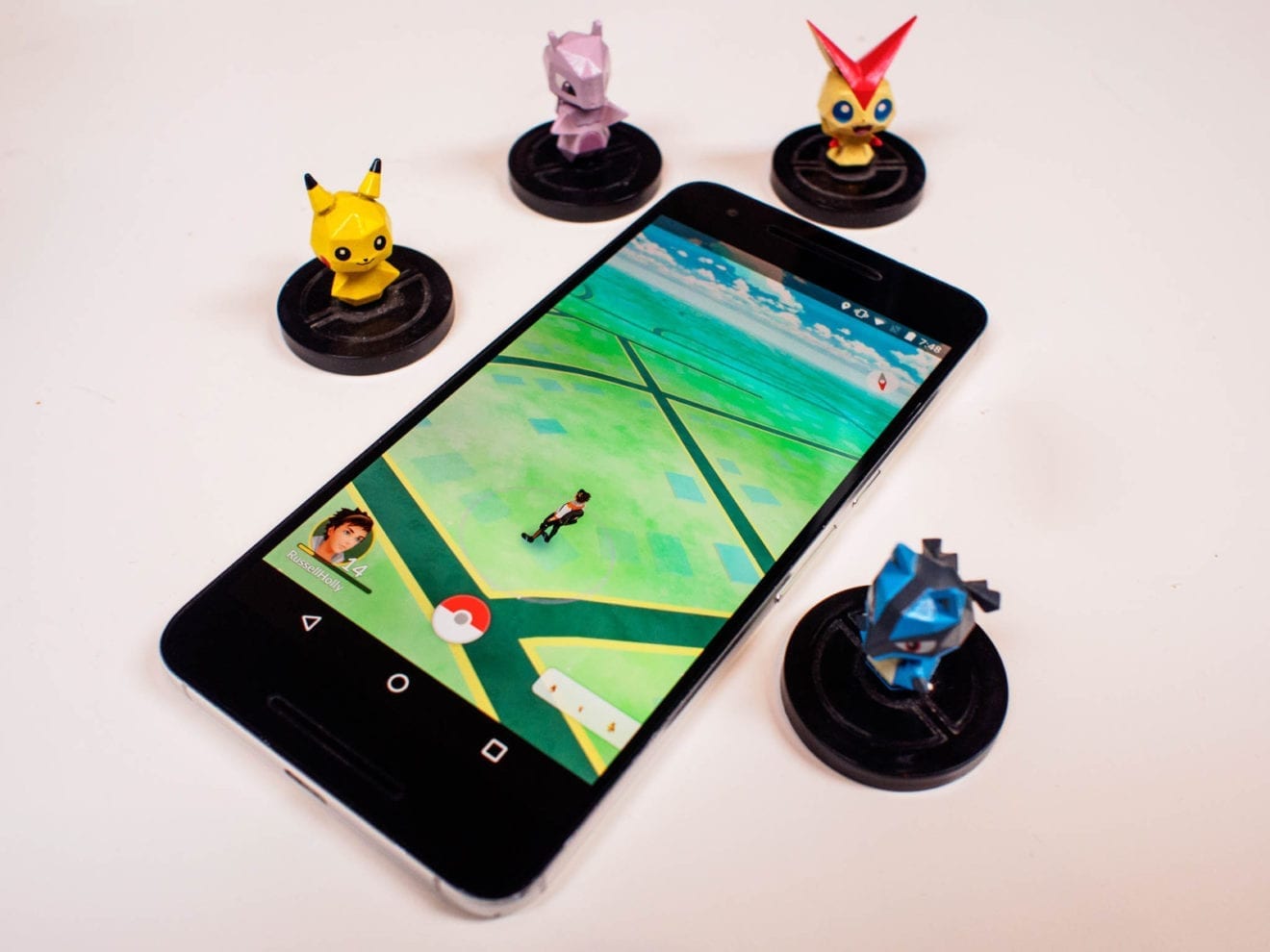
    IT has only been a week since the official release of Pokémon Go in Singapore, but amid the smokescreen of marketing puns and Poké-themed promotions, businesses across different sectors are already reporting an increase in business activity.

    Businesses are riding on the popularity of the augmented-reality game by dropping digital “lures” near their premises to attract Pokémon – and consequently, game fans (along with their smartphones and their wallets) to their locations, in search of digital critters to “catch”.

    It seems to be working, going by the experience of Ion Orchard, City Square Mall and Resorts World Sentosa (RWS), which have had more traffic of late; Wildlife Reserves Singapore, which runs Jurong Bird Park, River Safari, and the Singapore Zoo, joins the fray this weekend by scattering lures in the three parks.

    The key reason behind the success of Pokémon Go’s integration into businesses’ marketing models comes from the game’s augmented-reality aspect, through which the game’s software interacts with the elements of the real world; this is unlike most other games, in which the gaming activity is confined to the native gaming software.

    Businesses have been quick to bring customers into their stores in the real world by clever placement of “lure modules” – digital devices earned in the game app or bought through the game shop – near their establishments.

    Clement Goh, managing director of Equinix South Asia, said: “The game in itself has definitely blurred the lines between the virtual and physical world. Brick-and-mortar shops can leverage the game by using it as a marketing tool . . . to attract footfall.”

    Desmond Sim, head of CBRE Research for Singapore and South-east Asia, said using lures is a low-cost avenue for businesses to reach out to a targeted group of potential customers.

    “There are very low barriers to entry for this game. It does not cost players anything to start playing the game; for businesses, it doesn’t cost much to buy the lures to use at Pokéstops near their shops.

    It is basically cheap advertising for businesses.”

    Ion Orchard and City Square Mall, owned by CapitaLand Ltd and City Development Ltd respectively, have placed lures and launched promotions to attract Pokémon Go players to their premises.

    Ion Orchard’s marketing campaign, called Go@Ion Orchard, has been effective, said Chris Chong, chief executive of Orchard Turn Developments. “Based on the number of Go@Ion Orchard redemptions, we have witnessed healthy spending by shoppers who visited our mall to catch Pokémon.”

    CapitaLand launched an Instagram campaign called #PokemonSTAR, which combines the gaming phenomenon with its rewards programme, Capitastar. The campaign rewards players with points, which can be used to redeem CapitaLand vouchers.

    Teresa Teow, CapitaLand Mall Asia head of retail management in Singapore, said that even though it has been only a week since the game’s release, business activity has noticeably increased in its malls.

    “During #PokemonSTAR, the average daily signups for Capitastar increased 43 per cent compared to July. We have also seen a 33 per cent increase in followers for CapitaLand’s Instagram account, with about 2,000 posts garnered on #PokemonSTAR.”

    City Square Mall said it had a “healthy turn-out” of visitors to the mall when it released its lures on National Day.

    Aside from also planting lures, Resorts World Sentosa (RWS) offered a 10 per cent discount for admission to its S.E.A. Aquarium and Universal Studios Singapore for every five Pokémon caught within an hour on its premises.

    An RWS spokesman said Pokémon Go has generated “significant footfall”. “The lures we are releasing across the resort every day this week, including Universal Studios Singapore and SEA. Aquarium, brought about increased visitorship into the attractions.

    “Pokémon Go enthusiasts also took advantage of the promotions running until this Sunday, with many prolonging their stay on the resort and patronising our retail outlets and restaurants.”

    Wildlife Reserves Singapore will release more than 500 lures at the nearly 70 Pokéstops in the BirdPark, River Safari and the zoo, and offering prizes such as free annual membership and plush toys to visitors who catch eight unique Pokémon in the parks.

    One of the more creative marketing strategies out there was launched by dating app LunchClick, which has run a Pokémon-themed dating event at which singles form teams to try outdoing each other in catching the Pokémon with the highest number of combat points.

    LunchClick chief executive Violet Lim said the response to the event was “overwhelming” – its 50 available spaces were gone in three days; it has since opened more spaces to meet the demand.

    Local telcos Singtel, StarHub, and M1 have also placed lures at many Pokéstops to encourage gameplay, although they say they have not noticed a spike in data-usage among their customers; this is because Pokémon Go’s gameplay is not data-intensive.

    So instead of offering data at discounted prices, the telcos have instead opted for more conventional marketing techniques such as putting lures out to help players catch Pokémon.

    In spite of this, industry watchers cited by OCBC Investment Research Pte Ltd expect data usage to go up by 500MB per month, up from the normal monthly average of 3.3GB.

    Separately, these industry watchers also expect the current Pokémon Go trend to boost F&B sales and retail footfall, since many Pokéstops are around shopping malls and landmarks.

    There were, however, mixed reviews about the game’s overall effect on businesses in the long run.

    CBRE Research’s Mr Sim was optimistic: “The main effect is that the presence and visibility of these shops would increase. While not all Pokémon Go players would buy from these shops, more people will now know about the shop’s existence – this can only help businesses in the long run.”

    Srinivas Reddy, SMU’s professor of marketing, took a more neutral stance: “Because of the geocoding, some businesses are benefiting from the game – in terms of attracting people to their location. It is still unclear if they are able to convert them into purchasers.”

    Arvind Sethumadhavan, chief innovation officer for the Asia-Pacific for Dentsu Aegis Network, said Pokémon Go will have only a marginal impact on business due to the marketing campaigns being unsustainable – because they hinge on the continued popularity of the game.

    He, like Mr Sim, thinks the craze will fade away, like fads.

    Mr Sim said: “The litmus test of seeing whether this will last is in looking at how the game reinvents itself. After two to four weeks, when Pokémon Go players have ‘caught ’em all’, what incentive is there left for them to keep playing?”
  • Asian stocks mostly up despite weak economic news from China

    Asian stocks mostly up despite weak economic news from China

    Asian shares traded in positive territory Tuesday as gains in commodity stocks helped offset weakness overnight in U.S. markets.

    The Nikkei Stock Average NIK, +0.69% rose 0.2% with the S&P/ASX 200 XJO, +0.27% up 0.2% and Korea’s Kospi SEU, +0.62% up 0.3%. Hong Kong’s Hang Seng Index HSI,-0.28% was down 0.1% while the Shanghai Composite SHCOMP, +0.65% was flat.

    Traders sent U.S. oil prices up 2.9% to $43.02 a barrel following news that the Organization of the Petroleum Exporting Countries planned to hold informal talks in September that could lead to production cuts.

  • Metro Retail to invest P10 B to double network

    Metro Retail to invest P10 B to double network

    The Gaisano family’s Metro Retail Stores Group Inc. (MRSGI) is pouring in P10 billion to double the size of its network in the next five years.

    The plan is to increase the network to 800,000 square meters in terms of gross floor area.

    So far, the company has already secured about 40 percent of the target, which will open in the next two years.

    In the first half, MRSGI has added 30,000 sqm of GFA, bringing its store network to 49 covering 24 supermarkets, 13 hypermarkets and 12 department stores.

    The company reported a net income after tax of P262 million in the first six months of the year, up 24 percent year on year.

    MRSGI posted a 10-percent all-stores growth, fueled by the strong performance of the hypermarket segment. It registered same stores sales growth of five percent.

    Frank Gaisano, chairman and CEO of MRSGI, said the company would continue to cement its presence in the Visayas region by capitalizing on its existing locations and adding new stores in prime locations.

    “Despite challenging conditions, we are encouraged by our bottomline and same store sales growth led by our hypermarket format. This was achieved by our familiarity with the Visayas region and the markets that we serve,” Gaisano said.

    The company has partnered with property giant Ayala Land Inc. for the establishment of its stores in four new Ayala commercial developments.

    These comprise a department store and supermarket in Bacolod City, Negros Occidental; a supermarket in Iloilo City, a supermarket in Cebu City, and a department store and supermarket in Pasig City.

    MRSGI likewise entered into a lease agreement with a local government unit in Negros Oriental to set up its first store in the province.

    For its supply chain and logistics requirement, MRSGI inaugurated a distribution facility in Cebu with advanced storage and technology features.

    Gaisano remains optimistic about its growth prospects.

    “The continued development and growth in the country this year as well as the resilient OFW remittances and BPO industry are fueling domestic consumption. Aligned with this development, we are ahead of schedule in doubling our footprint by 2020, with more than 40 percent of this target already currently secured,” Gaisano said.

  • Rise of the machines: Vending machine culture comes to Singapore

    Rise of the machines: Vending machine culture comes to Singapore

    Bananas, live crabs, make-up and even guitar strings are just a few things that one can find in vending machines around the world.

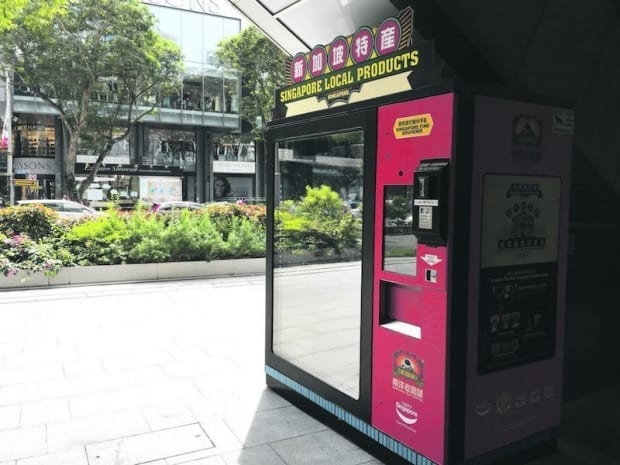
    While Singapore’s convenience culture is not quite there yet, the country is catching up. We now have the “first vending machine cafe”, launched yesterday at Blk 320C along Anchorvale Drive, which dishes out hot food such as Nasi Goreng Istimewa or Vegetarian Rice Noodle. There are even snacks such as cookies to go along with your meal, and there are tables and chairs where you can tuck into your vending machine meals in comfort.

    Meanwhile, independent bookstore BooksActually made the news when it started selling works from home-grown authors in vending machines in June. The machines have been a hit — three have been launched, and one machine located in the National Museum of Singapore has sold more than 100 books (as of July 11, 2016).

    Kenny Leck, BooksActually director and co-founder, said: “The book vending machines were done with marketing value and publicity in mind than sales. But we have been surprised by the sales generated by at least one of the machines, located at the National Museum of Singapore. It has done well enough for us to replenish stocks once every week.” Sales are a little slower at the machine at the Singapore Visitor Centre, but it still gets stocked every two weeks, he revealed.

    At 10 FairPrice outlets, consumers can find iCash machines, which accept cash on behalf of a cashier. The machine also dispenses change. The system was rolled out late last year, and is also available in 17 Cheers outlets. According to a FairPrice spokesman, you will see these machines in another 16 FairPrice and 13 more Cheers outlets by the end of this year.

    A vending machine that accepts your dirty laundry? Why, yes please. — TODAY pic

    A vending machine that accepts your dirty laundry? Why, yes please. — picLaundry services via the help of a machine are another automated service you will find at some FairPrice Finest outlets, such as at Marine Parade and UE Bizhub. There, you will see a dry-cleaning locker machine called My Laundry Box where you drop off your clothing and pick it up as soon as two working days later. You can even get curtains and stuffed toys cleaned.

    Vending culture

    Some say that Singapore is behind countries such as Japan, which for decades has been renowned for its vending machines (its first was reportedly a cigarette-dispensing machine, which debuted in 1888). Vending machines have certainly become a common sight, no matter where you are in the world. They spit out everything from the mundane (think headphones in many United States airports) to the unexpected such as condoms (Italy).

    Consumer experts say Singapore is moving that way. A Spring Singapore event was held last week for vending machine operators. There, exhibitors gathered to show new technology — such as machines with innovative robotic arms — and to be part of panel discussions.

    Head of SIM University’s School of Business, Allan Chia, explained that Singapore is lagging behind not because of our culture or technology. “The main issue is sales volume, which is linked to our small market size,” he said. SIM University has received research funding to study consumer usage on self-service technologies, particularly in the food and beverage sector.

    He notes that while unusual items have not taken off on a wide scale, there could be a market for more as the machines do fill a certain gap in the retail scene. A shop could be closed, for instance, but a vending machine could offer products at all hours — and without the need for a sales person.

    Ironically, some machines aid in human interaction. FairPrice’s iCash system was installed to optimise manpower, said its spokesman. But ultimately, the system has helped the stores’ checkout staff by allowing them to focus more wholly on the customer, rather than on handling cash.

  • NBTC sort of maybe bans Pokemon Go

    NBTC sort of maybe bans Pokemon Go

    Thailand’s National Broadcasting and Telecommunications Commission announced it would not ban Pokemon Go, then went straight ahead and asked Niantic for a de facto ban in practice anyway.

    NBTC Secretary General Takorn Tantasit held a press conference where he showed media the list of Pokemon-free zones he would demand from Niantic.

    This is the first time since Pokemon Go was launched that the NBTC correctly attributed Niantic to the hit game. All previous mentions by the telecoms regulator mis-credited Nintendo of Japan.

    The NBTC has ordered Niantic to, “remove Pokestops and not release Pokemon in the following areas: Dangerous areas – footpaths, railroads, railway, canal bank; religious places, temples, pagodas; schools and hospital; government and military buildings / properties; private places.”

    The NBTC also asked Niantic to ban all Pokemon in Thailand at night for safety reasons.

    It did not take long for social media to erupt in a storm of frustration and disbelief and point out the obvious that nobody in the NBTC had a clue how the game actually worked.

    Since Pokestops have a 40-meter radius (more for Pokemon themselves), banning Pokemon Go from the NBTC Secretary-General’s list would effectively be a total ban on Pokemon in Thailand except in royal palaces and the middle of safe, dry public parks.

    Nor did the NBTC’s letter mention Pokemon Gyms (where Pokemon battles are held).

    Adding to the confusion TrueMove has reiterated that it and it alone holds the rights to a forthcoming localized version of Pokemon Go and has already lined up 60 to 80 advertisers.

    True’s head of content Birathon Kasemsri told reporters that under Niantic’s contract with the Pokemon Company, Niantic would have to create a localized version of Pokemon Go exclusively for TrueMove.

    He said that True expected huge profits from advertising on everything from Pokeballs and items to clothing for the Pokemon Trainer avatars.

    Birathon said that the launch was still many months out as Niantic was still concentrating on the global launch of the game.

    Niantic did not respond to emails asking for clarification on the matter.

  • GMR Hyderabad Airport Adds ‘Parcos’ – the Multi-brand Fragrance Store

    GMR Hyderabad Airport Adds ‘Parcos’ – the Multi-brand Fragrance Store

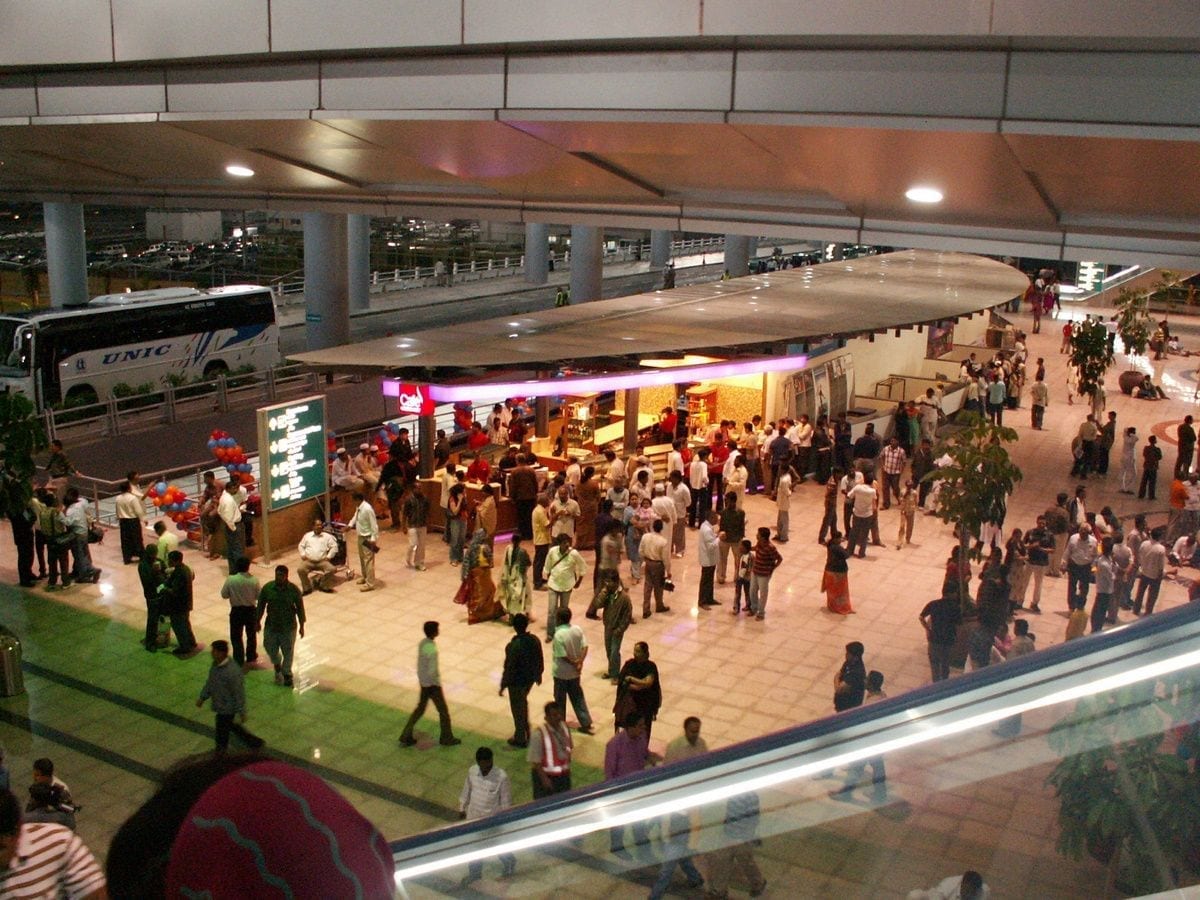
    GMR Hyderabad International Airport Ltd. (GHIAL) has added Parcos, a noted multi-brand Perfumes, Skin Care & Cosmetics retailer at the domestic terminal of Hyderabad Airport.

    Parcos is India’s leading fragrance store with a scintillating array of international brands in Travel Retail domain. Parcos presents quality service with fascinating range of beauty products, further augmented by the sheer luxury offered.

    With one-stop retail destination for fragrance, Parcos outlet is now available at domestic SHA of Hyderabad Airport. Anyone searching for their signature perfumes can find their destination here with some of the widest range of global perfume brands under one roof, viz. Ralph Lauren, Calvin Klein, Paco Rabbane, Davidoff, Gucci, Hugo Boss, Dolce & Gabbana, Carolina Herrera, Cartier, DKNY, Georgio Armani, Lacoste, Prada, Versace among many more.

    Focusing on young, contemporary, upwardly mobile customers, Parcos at Hyderabad Airport offers a high-end quality service and charming ambience with aesthetic and alluring display of perfumes. The store plans to conduct regular free makeover sessions for the passengers travelling out of Hyderabad

    Speaking about the addition of Parcos at Hyderabad Airport, Mr. SGK Kishore, CEO, GHIAL, said, “We welcome Parcos to Hyderabad Airport as a part of the overall retail offerings. We are confident that the noted international perfume brands available at Parcos will meet the demand of our diverse passenger profiles who travel through the airport.”

  • Sunway Malls to Activate Pokémon Go Lure Modules

    Sunway Malls to Activate Pokémon Go Lure Modules

    Starting tomorrow, Sunway Malls will be activating Pokémon Go lure modules at certain hours and at certain Poké stops for Pokémon Go fans. The participating malls from the Klang Valley are Sunway Pyramid, Sunway Putra Mall and Sunway Giza Mall. Sunway Carnival Mall in Penang will participate in the campaign as well.  

    The campaign will last for 2 weeks, and might extend if the response is good.

    “Since Pokémon Go was released on Saturday, some of our malls have seen some form of increase in footfall. Sunway Pyramid for example, have had an increase of 5% of shoppers as compared to the weekend before, Sunway Putra Mall has seen an increase of 12% whilst Sunway Giza Mall has seen an increase as well,” says Kevin Tan, Chief Operating Officer of Sunway Malls.

    All Sunway Malls will activate their lure modules campaign, with Sunway Pyramid taking the lead today itself. The lure hours and location will be shared with the public in the mall itself and in their social media sites.

    Sunway Pyramid will also run a Best Costume contest this coming Saturday, 8pm where the best dressed Pokémon Go costume can win surprise gifts from the mall. Retailers of the malls are spotted sporting their own rewards for Pokémon Go players.

    Ever since the introduction of GST (Goods & Service Tax) April last year, Malaysians were subsequently hit by the removal of petrol subsidy, sugar, inflation and drop in currency value. The retail and mall industry has been hit with lower consumer confidence, lower consumer spend and certainly lower footfall for certain malls. Hence, various malls in Malaysia are stepping up their game in attracting shoppers’ footfall.

    It is widely known that malls in general have high traffic during the festive period and school holidays, but the introduction of Pokémon Go has certainly spiked up the footfall for the non-peak season.

    While it’s still too early to determine if sales have increased for Sunway Malls following the higher footfall, the malls under the brand are amongst the first in Malaysia to jump into the trend.

    Sunway Pyramid’s Facebook fanpage was the first Malaysian mall facebook page to feature the various Pokémon shoppers and gamers can find in the mall and attracted high organic reach without advertisement spend. Sunway Carnival Mall followed suit with similar posts while Sunway Putra Mall and Sunway Giza featured guides in their fanpage.

    “As Pokémon Go is taking the world by storm, we hope Pokémon Go gamers take necessary safety precaution and be constantly aware of their surroundings. We wish no untoward accidents befall on them,” Kevin cautions.

    “We can’t control where the Pokémon would appear and if they would appear near railings, escalators, steps or at open air car park such as the roof top, we hope they would remain aware of their surroundings,” he said.

  • Convenience stores make inroads into North Korea

    Convenience stores make inroads into North Korea

    An increasing number of convenience stores, similar to those in South Korea, have been appearing in North Korea, especially in the border areas with China, a U.S.-based media report said Tuesday.

    Citing a Chinese source who frequently visits the North for trade, Radio Free Asia (RFA) said the number of 24-hour convenience stores have steadily increased in the border cities of Musan and Hoeryong, North Hamgyong Province.

    The Chinese source said that the convenience stores are small scale businesses that can be started with 20,000 Chinese yuan (US$3,000).

    According to the Chinese trader, the stores initially opened to sell leftover goods of Chinese traders in the North, but they have now transformed into the around-the-clock operations.

    The RFA said that the retail stores sell liquor, cigarettes, groceries and household items, such as nail clippers, adding that these stores are now spreading out to such large cities as Rason, Hamhung and even the capital city of Pyongyang.

    Related to the rise of convenience stores, a North Korean female defector who settled in South Korea last year said there are five such convenience stores in Musan County alone.

    The woman said these stores pay some 300 yuan to the North Korean state organizations per month. They also give bribes to security officials.

  • Heat Wave Boosts Retail Sales

    Heat Wave Boosts Retail Sales

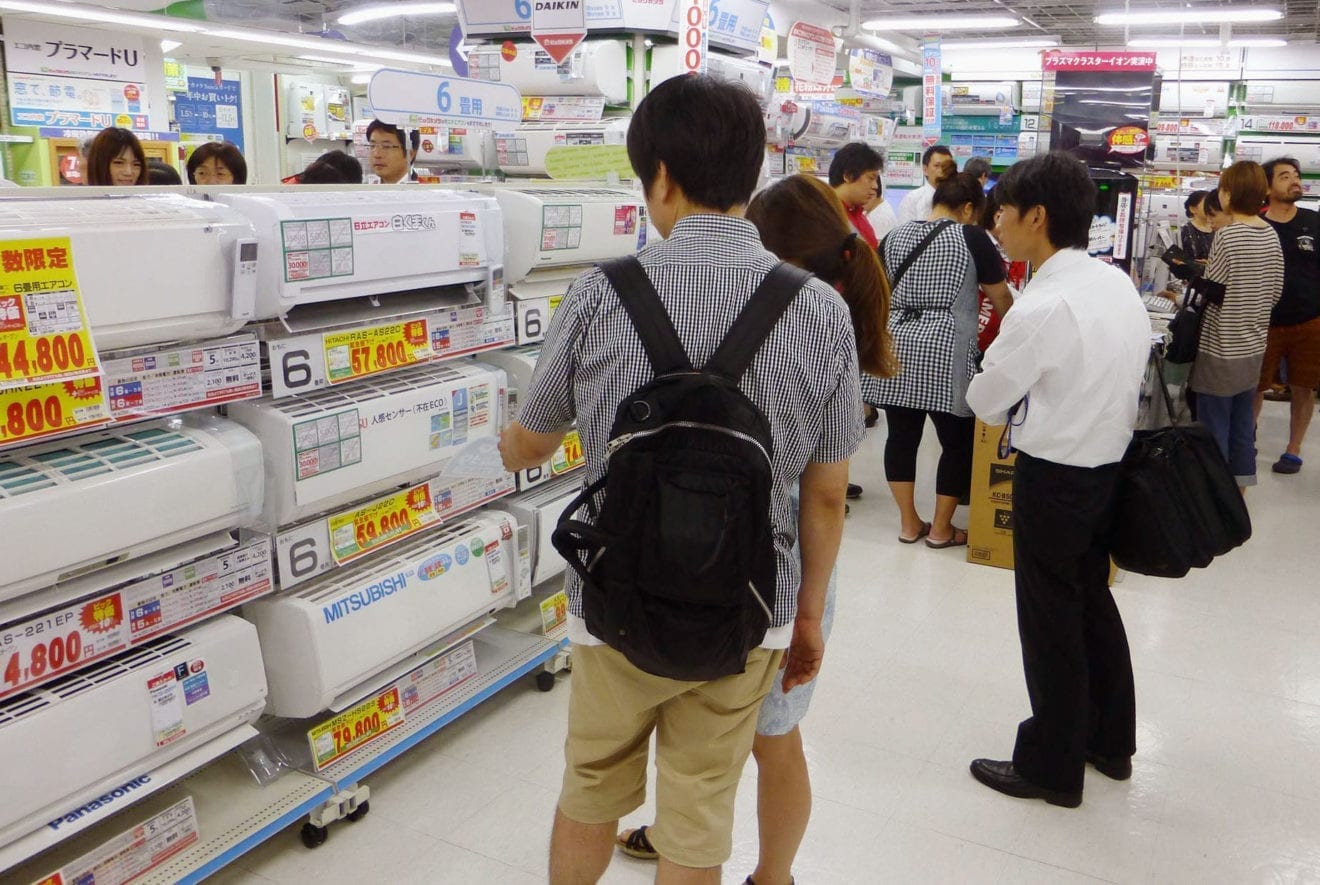
    A prolonged heat wave in South Korea is boosting sales of local retailers, cafes, hotels and theaters as people flock to those air-conditioned places to get relief, industry sources said Tuesday.

    The entire country has been hit by the scorching weather for the past two weeks, with daytime highs soaring above 35 degrees in Seoul and most other regions and the mercury staying above 25 C even at night.

    According to Lotte Department Store, its same-store sales climbed 4.1 percent between July 25 and Sunday from the corresponding period a year earlier.

    Sales of consumer electronics products rose by the highest rate of 24.5 percent, with those at food courts expanding 14.1 percent.

    “Sales of air conditioners and electric fans recorded a strong on-year increase, leading the overall gain in shipments of home appliances,” a Lotte Department Store official said.

    Discount giant E-Mart estimated its July sales have gone up 8 percent from the same month a year ago. In the first seven days of this month, sales of air conditioners soared 53 percent on-year with peaches and other fruits also chalking up brisk sales.

    The heat wave also comes as a boon to Seoul’s luxury hotels with swimming pools as an increasing number of people spend their summer vacations there instead of going to the beach or other places.

    Lotte Hotel Seoul, one of the country’s best luxury hotels, said sales of its “summer package” doubled between July 25 and Sunday from the same period a year earlier. The Plaza Hotel Seoul also posted a 40 percent surge in sales of its summer package.

    In addition, coffee shops and cinemas have enjoyed booming trade for the past several weeks as more people visited them to seek relief from the searing heat, according to the sources. “More people are expected to flock to air-conditioned places to cool off as the heat wave is forecast to last for some time,” an industry official said.

    The Korea Meteorological Administration forecast the heat wave gripping the country is likely to continue till mid-August with daytime highs hovering around 35 C.