Category: General

Retail News Asia is committed to providing both local and global retailers with the latest General Retail news throughout the Asian market. This on a daily base.

  • Indonesia Desperately Needs Young Farmers

    Indonesia Desperately Needs Young Farmers

    Oxfam Indonesia’s economic justice program director Dini Widiastuti said that the number of households working in the agriculture sector decreased by 5 million in the period of 2003-2013.

    “The decreasing number of farmers will have impacts on the domestic food availability,” Dini said in Jakarta on Thursday, August 11, 2016.

    Dini added that another issue faced by the country was related to farmers’ age and productivity. Data collected during the 2013 agriculture census revealed that the farmers’ age structure was dominated by elderly with low education levels. The data showed that 60.8 percent of farmers were above 45 years old, and 73.97 percent of them were elementary school graduates with poor access to technology.

    The data was in line with the Agribusiness Cost Structure Survey (SOUT) results for food crops in 2016. The survey revealed that the majority of food crops farmers (96.45 percent) were above 30 years.

    The People’s Coalition for Food Sovereignty (KRKP) released a report in 2016 that showed an alarming finding that 50 percent of rice farmers and 73 percent of horticulture farmers would not want their children to follow their steps. Children of the farmers also expressed their reluctance to be farmers.

    “Young generation’s lack of interest in the agriculture sector was caused by a perception that being farmers is not rewarding,” AgriProFocus Indonesia’s Country Network Coordinator Tina Napitupulu said.

    Such a condition had caused a significant drop in the number of workers in the agriculture sector by 3.15 million people in the period of 2010-2014.

    KRPK coordinator Said Abdullah revealed that 65 percent of current farmers were above 45 years old. Said admitted that there was insufficient access to agriculture information for young generations.

  • Indonesian capital’s airport opens $560 million terminal

    Indonesian capital’s airport opens $560 million terminal

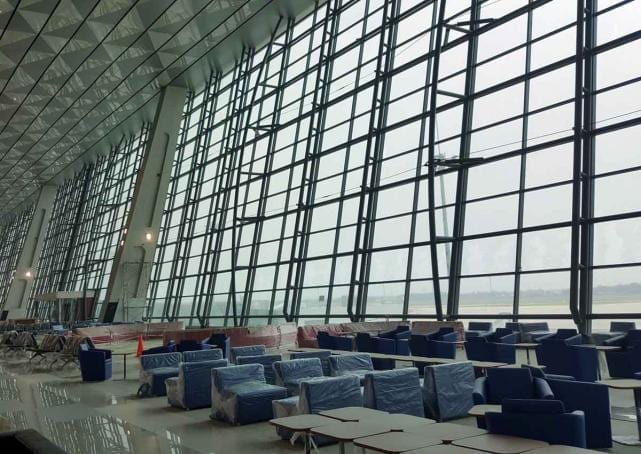
    The Indonesian capital’s airport opened a new terminal Tuesday after years of operating at far above its passenger capacity.

    Domestic flights for national carrier Garuda began operating in the morning from Soekarno-Hatta airport’s steel and glass $560 million Terminal 3. Its international flights will shift to the new terminal next month.

    Other airlines will gradually move their flights to the terminal and the airport company plans to start refurbishing two old terminals, built in 1984 and 1992, later this year.

    Indonesia, an archipelago of more than 250 million people, is one of world’s fastest growing air travel markets.

    But many international airlines bypass the capital Jakarta in favor of modern, high-capacity airports at Bangkok, Singapore or Kuala Lumpur for their Southeast Asian stopovers.

    The airport operator and government hopes the new terminal, and a third runway that is under development, will change that.

    Budi Karya Sumadi, Indonesia’s transport minister and former president of the airport company, said “this terminal was built to change the image of the capital Jakarta.”

    Soekarno-Hatta airport will be able to handle 62 million passengers a year once the renovated terminals are fully operational again in early 2018. The airport handled about 54 million passengers last year, making it the 18th busiest in the world, according to Airports Council International.

    An electric train from the airport to the city is slated for completion in early 2017.

  • Hawaiki launches marine route survey for trans-Pacific cable

    Hawaiki launches marine route survey for trans-Pacific cable

    Hawaiki Cable and subsea cable provider TE SubCom have launched a marine route survey for the planned cable linking Australia and New Zealand with Hawaii and the mainland US.

    Construction of the 14,000km cable system is currently scheduled for completion in mid-2018. As well as the main route, the system will have options to expand to several South Pacific islands.

    Once complete, the Hawaiki Cable will deliver more than 30Tbps of capacity, making it the highest cross-sectional capacity link between the US and Australia/New Zealand.

    Hawaiki has already signed on AWS, Vodafone, REANZ and American Samoa Telecom as anchor customers for the new carrier-neutral cable system.

    “Each stage of this groundbreaking project is important, but after very carefully planning our trans-pacific route and conducting an extensive survey of each landing site, we are extremely pleased to launch the marine route survey, which will give us data necessary to safely and properly deploy the system in the coming months,” Hawaiki CEO Remi Galasso said.

    “The team is doing a great job; we are on time and on budget. We are confident that with our trusted supplier, TE SubCom, our cable will be delivered as planned in mid-2018, less than two years from now.”

  • Exhibition industry contributes $6.8 billion to Hong Kong’s economy

    Exhibition industry contributes $6.8 billion to Hong Kong’s economy

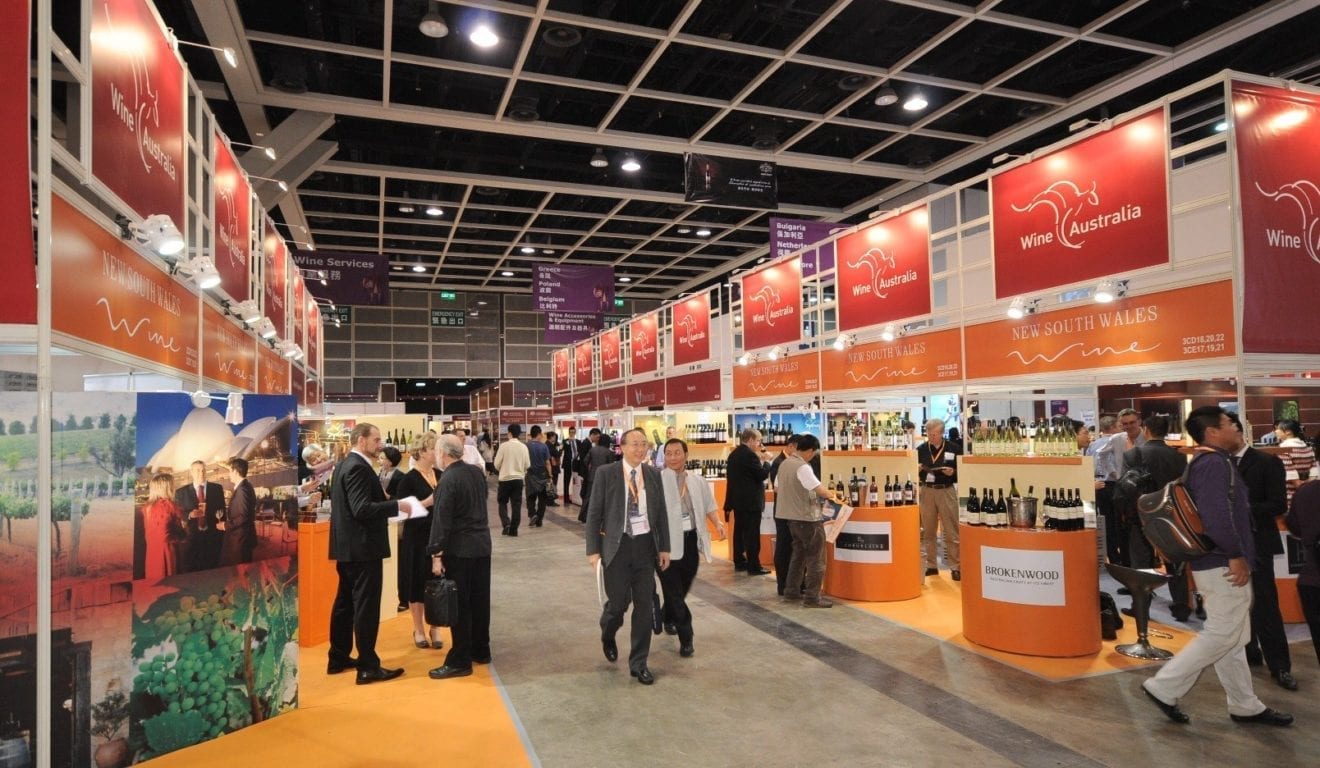
    Findings from the latest Economic Impact Study on the contribution of Hong Kong’s exhibition industry to the economy in 2014, released today, contained encouraging news for the industry and for Hong Kong. Overall, the study reveals that the exhibition industry contributed an impressive HK$52.9 billion (US$6.8 billion) directly and indirectly to Hong Kong’s economy in terms of expenditure, equivalent to 2.3% of the city’s total GDP for the calendar year 2014. This represents strong positive growth by comparison with the figures from the previous Economic Impact Study, covering 2012.

    At HK$52.9 billion (US$6.8 billion), the expenditure effects of the exhibition industry in 2014 were up by 29% from 2012, at a CAGR of 13.9%. A significant part of this was contributed by the direct spending of international exhibitors and exhibition visitors, who according to the study tend to spend 61% more per visit than the average overnight tourist visitor to Hong Kong, with their spending focused in the retail, hotel and F&B sectors.

    The Study, commissioned by the Hong Kong Exhibition & Convention Industry Association (HKECIA), also shows that apart from direct economic benefits in terms of expenditure, the exhibition industry also provided equivalent of around 83,500 full-time jobs in the exhibition industry and other service and supporting sectors including hotel, F&B, retail, stand design and construction, and logistics and freight forwarding.

    In 2014, the fiscal benefits (i.e. benefits arising from various government taxes associated with exhibition activities and participants) contributed by the exhibition industry amounted to HK$2.1 billion (US$269.9 million).

    Commenting on the findings, Chairman of the HKECIA, Mr Stuart Bailey said, “We welcome this Study and the results because, once again, it highlights just how important our industry is for Hong Kong. The study shows in great detail the many ways in which exhibitions fuel Hong Kong’s wider economy – for example by spinning off economic benefits and extensive workforce to supporting industries, and attracting high-spending international business visitors to the city. The Study also reveals that overseas exhibition exhibitors and visitors continue to spend more than international overnight tourists. We should put efforts in making them visit the exhibitions in Hong Kong regularly.”

    Mr Bailey continued, “To continue providing Hong Kong with benefits at this level, our exhibition industry needs to remain attractive, efficient and competitive. We must continually be looking for ways of differentiating ourselves from regional competitors, in terms of things like providing premium exhibition space, ample capacity, and exceptional value-added services. I hope our policymakers will take the findings of this Study into account as they plan for the infrastructure and facilities that Hong Kong needs in the years to come.”

    This is the sixth in a series of Economic Impact Studies, which have been carried out biennially since 2004. It was once again conducted by KPMG Advisory (Hong Kong) Limited, a respected independent research consultancy.

    KEY FINDINGS OF THE ECONOMIC IMPACT STUDY 2014:

    Economic impact of Hong Kong’s exhibition industry in 2014 and 2012

    Area Benefits (2014) Benefits (2012) Compound Annual Growth Rate (CAGR)

    Expenditure effects HK$52.9 billion
    (US$6.8 billion) HK$40.8 billion (US$5.2 billion) 13.9%

    Fiscal impact HK$2.1 billion
    (US$269.9 million) HK$1.4 billion
    (US$179.9 million) 20%

    Employment 83,500 FTE 69,600 FTE 9.6%

    Expenditure effects continue to grow due to growing visitor number and expenditure

    Hong Kong’s exhibition industry contributed expenditure effects of around HK$52.9 billion (US$6.8 billion) to the Hong Kong economy in 2014, up by 29% from 2012, representing a CAGR of 13.9%. This was equivalent to 2.3% of Hong Kong’s GDP, up from 2.0% in 2012.

    – HK$52.9 billion (US$6.8 billion) – up by 29% from 2012, representing a CAGR of 13.9%.

    – Direct expenditure covers expenditure by Visitor Personal (exhibition visitors) and Business Related (exhibition organisers and exhibitors) and amounts to HK$26.5 billion (US$3.4 billion).

    – Visitor expenditure remains the largest expenditure segment at HK$16.1 billion (US$2.1 billion) in 2014, representing a CAGR of 22.0% from 2012. It is because of a significant increase in the number of visitors from outside Hong Kong in 2014 and an increase of the average spending by visitors.

    – Visitor personal expenditure spilt between international and domestic spending is around 93% to 7% (the spilt was 92% to 8% in 2012).

    – Retail, hotel and F&B sectors were the largest recipients of director visitor expenditure, accounting for 67% of the total visitor personal expenditure.

    – Business-related (exhibition organisers and exhibitors) expenditure amounts to HK$10.4 billion (US$1.3 billion) in 2014.

    Fiscal impact grows with increased visitor and business spending
    The tax take enjoyed by the Hong Kong Government in 2014 as a result of exhibition activities is estimated at around HK$2.1 billion (US$269.9 million), based on the total expenditure effects of HK$52.9 billion (US$6.8 billion).

    Derived from three taxes:

    – Profits tax: HK$961 million (US$123.5 million)
    – Salary tax: HK$1.0 billion (US$128.5 million)
    – Airport tax: HK$88 million (US$11.3 million)

    Equivalent of 83,500 full time jobs provided by the exhibition industry

    Full-Time Equivalent (FTE) employment amounted to around 83,500 in 2014, representing a CAGR of 6.5%, up from 69,600 in 2012.

    – Around 3,400 FTEs, or 4%, were directly employed by exhibition organisers and venues.

    – Remaining 96%, or 80,100 FTE jobs was provided across various supporting sectors. Amongst this group, around 57% of the FTE jobs created came from retail, hotel and F&B. Other supporting industries such as international transport, stand contractors, advertising and others accounted for the remaining 43%.

    International exhibition visitors and exhibitors contributed more than overnight tourists

    The report showed that international exhibition visitors and exhibitors spent on average 61% more than overnight tourists.

    – International exhibition visitors spent an average HK$12,776 (US$1,642) per visit; international exhibitors spent an average HK$12,829 (US$1,649) per visit; compared to overnight tourists spent an average of HK$7,960 (US$1,023) per visit.

  • Time Warner signs up for Hulu joint venture

    Time Warner signs up for Hulu joint venture

    Time Warner will become a 10% owner of Hulu, joining The Walt Disney Company, 21st Century Fox, and Comcast in the joint venture.

    Turner’s entertainment, sports, news and kids networks including TNT, TBS, CNN, Cartoon Network, Adult Swim, truTV, Boomerang and Turner Classic Movies will be available live and on-demand on Hulu’s new live-streaming service, which is slated to launch early next year.

    With no set-up costs or installation, Hulu’s new service will offer an intuitive and personalized interface, and instant access to live and on-demand content, across hundreds of living room and mobile devices.

    Hulu will continue its current offering of ad-supported and ad-free subscription video on demand products to complement both traditional pay TV packages as well as the new streaming service.

    Also, the company said it remained focused on acquiring iconic and award-winning programming like Empire, Homeland, Seinfeld, Curious George, South Park and Fear The Walking Dead, as well as creating original programming that builds upon its success with shows such as The Mindy Project, The Path, Difficult People, 11.22.63 and the Golden Globe-nominated Casual.

    “Our investment in Hulu underscores Time Warner’s commitment to supporting and developing new platforms for the delivery of high-quality content and great consumer experiences to audiences around the globe,” said Jeff Bewkes, chairman and CEO of Time Warner.

  • Vietnam retail sales growth slows

    Vietnam retail sales growth slows

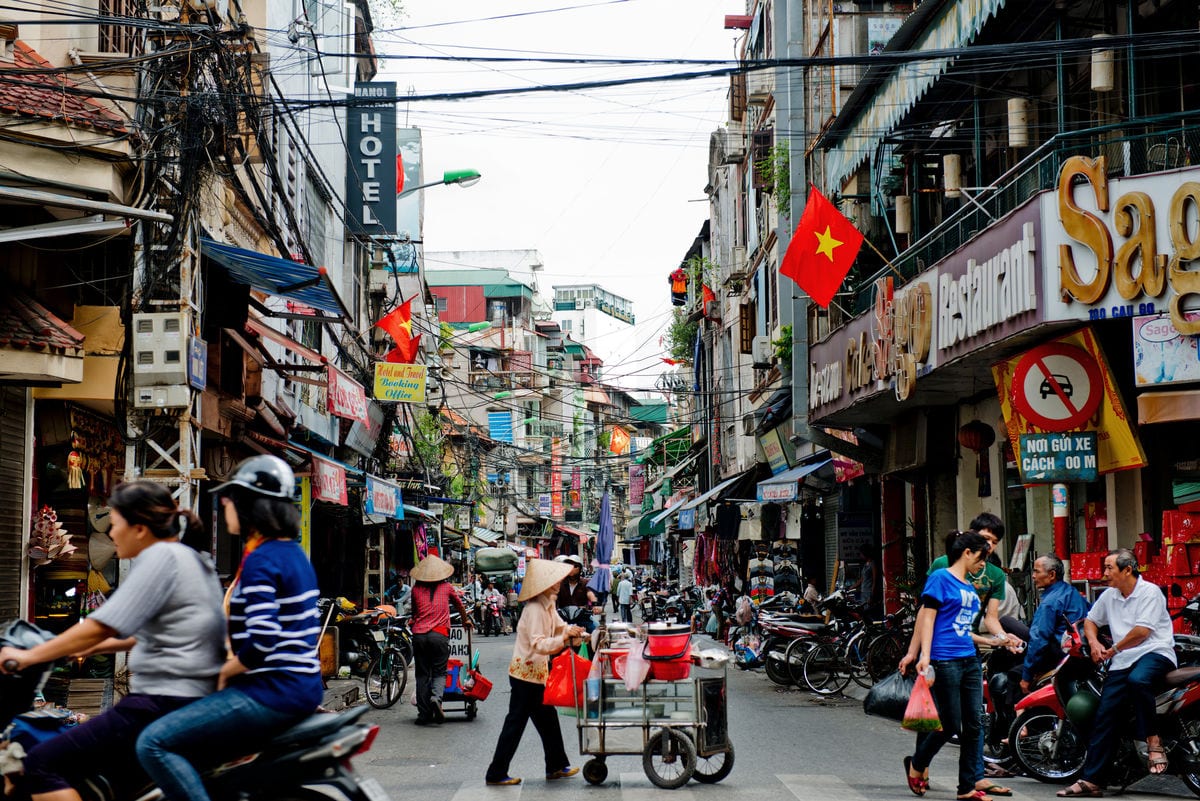
    The growth rate of Vietnam retail sales is slowing, according to official data.

    The Vietnam General Statistics Office says retail trade and services revenue for the first half of 2016 was US$89.6 billion, 9.4 per cent higher than last year.

    But the rate of Vietnam retail sales growth is generally slower than that of the same period last year once inflation is excluded. The net increase would be 7.4 per cent compared to 8.3 per cent last year.

    Also, according to the records, retailing during the first quarter of 2016 was 7.9 per cent lower than last year; 8.3 per cent lower than for the first four months, and 7.8 per cent in the first five months.

    Analysts suggest a reason for the slowing growth could be linked to slowing accommodation bookings and tourist spending, which totalled US$11 billion (up 7.5 per cent). The decline was most evident in some Central provinces, and likely related to the mass death of fish in Nghe An and Ha Tinh.

    Retail sales of goods, on the other hand, were US$68.23 billion (76 per cent of total sales) and were 9.7 per cent higher than the period of January to July of last year.

    Food, household appliances and garments saw positive increases with 12.9 per cent, 10 per cent, and 12 per cent respectively.

    GSO director Nguyen Bich Lam said consumer concerns about food safety and environmental pollution partly affected the retail growth in accommodation and catering. Locals tended to have home-cooked meals and became more careful in spending their money on tourism services.

  • AirAsia Stops Bandung-Pekanbaru Route

    AirAsia Stops Bandung-Pekanbaru Route

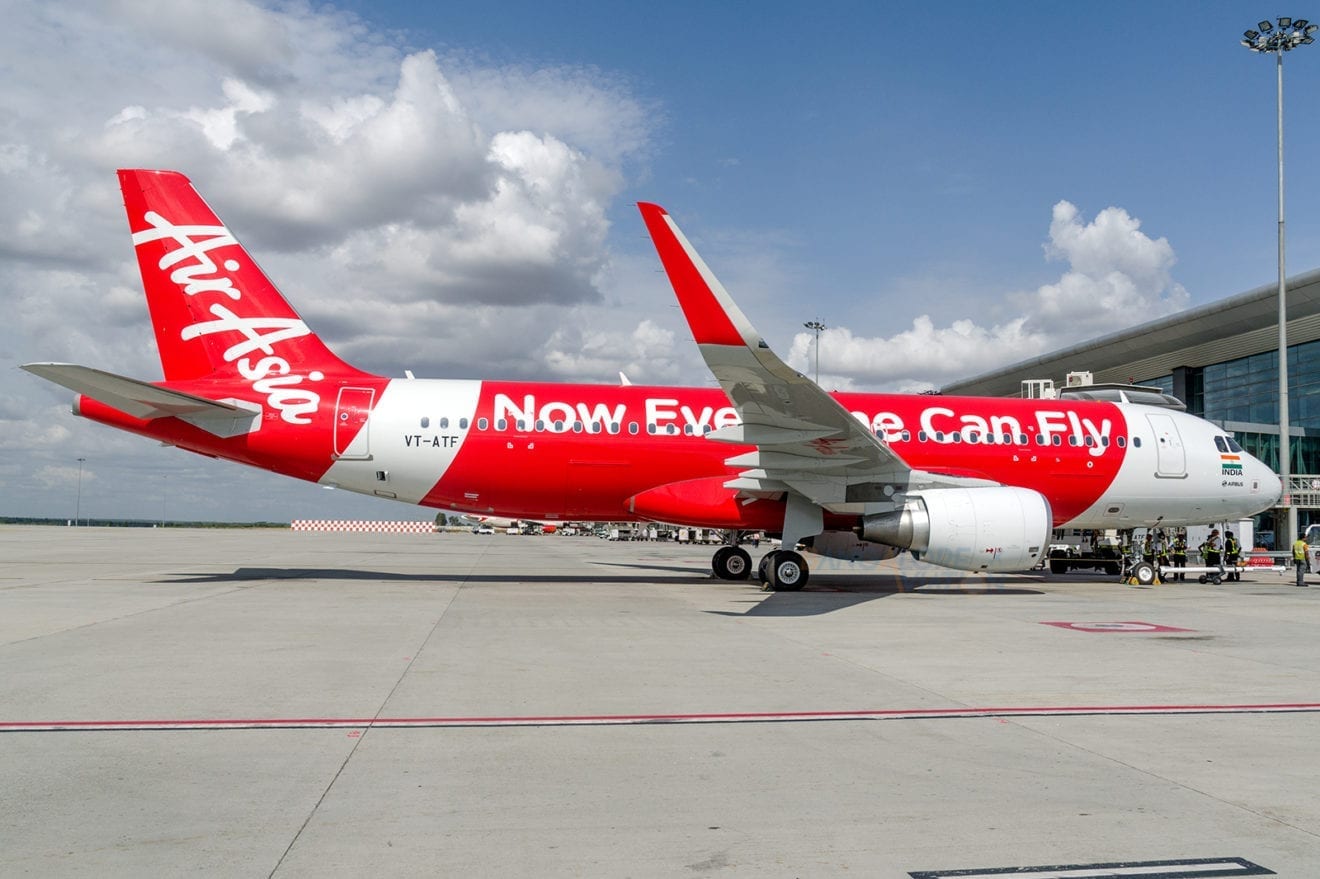
    AirAsia Indonesia has stopped its Bandung-Pekanbaru flight route starting on August 1, 2016, as a part of a network reconstruction effort.

    The official information has been conveyed to all the affected passengers via email.

    As the compensation, the company has informed the customers who have booked tickets for the route after July 30, that they can select one of the options offered by AirAsia as follows:

    1. Reschedule to Bandung-Pekanbaru (roundtrip) departing before August 1, 2016, without additional charges and subject to seat availability.

    2. Credit shell deposit in AirAsia worth the paid ticket/product price that can be used to purchase ticket or other AirAsia products. Credit shell is valid for six months (180 days) since the issuance date.

    3. Full refund worth of ticket/product that have been paid, in accordance with the payment mechanism.

    For further information and assistance, customers can contact: AirAsia Indonesia call center at 0804 1 333/ +6221 2927 0999, online form at www.airasia.com/id/en/e-form.page, AirAsia live chat (available via Ask AirAsia), and AirAsia Customer Service Center available in the airport.

    Passengers are advised to always update their email address and active mobile phone number (included with the country code) on their membership profile on AirAsia website to receive the latest information on flights.

  • Indonesian growth beats forecasts

    Indonesian growth beats forecasts

    Indonesia’s second-quarter economic growth beat analysts’ expectations amid President Joko Widodo’s efforts to spur an economy struggling in the wake of a slowdown in China and low commodity prices.

    Gross domestic product increased 5.18 per cent from a year earlier, compared with a revised 4.91 per cent in the first three months, the statistics bureau said in Jakarta on Friday. That exceeded the 5 per cent median estimate in a Bloomberg survey of 24 economists.

    Widodo, known as Jokowi, oversaw a 36 per cent surge in government spending from the previous quarter as he seeks to lift growth from the slowest level since 2009. The president has embarked on an ambitious infrastructure program and launched a tax amnesty aimed at luring back billions of dollars of undeclared income back to Indonesia. The central bank has cut its benchmark rate by a percentage point this year in an attempt to revive lending.

    “The outlook for Indonesia’s economy has improved in recent months, raising hopes that the economy could be on the cusp of a sustained recovery,” said Gareth Leather, senior Asia economist at Capital Economics Ltd. in London. “In particular, the passage of a number of reforms including steps to open up more industries to foreign investment as well as tax incentives to encourage more labour-intensive industries to set up in Indonesia has helped boost sentiment.”

    Market reaction

    The Jakarta Composite Index extended gains after the figures were released, rising 1 per cent as of 9:57am in the city. The rupiah strengthened 0.1 per cent to 13,120 a dollar, according to prices from local banks. Indonesian sovereign bonds advanced, pushing the 10-year yield down two basis points to 6.89 per cent, Inter Dealer Market Association prices show.

    While the data exceeded economists’ expectations and the outlook has improved, the result still remained “considerably below” the 5.8 per cent average over the past decade, said Leather.

    On a quarterly basis, the economy grew 4.02 per cent from the previous three months.

    Government spending rose 6.28 per cent from a year earlier, while exports declined 2.73 per cent. Investment was up 5.06 per cent year-on-year while household consumption, which makes up more than half of the economy, rose 5.04 per cent.

    “They can really pause now for a while to see what impact of the fiscal decisions as well as the cuts they’ve announced so far are having,” said Charu Chanana, an economist with Forecast Pte Ltd. in Singapore “I think this buys them some time to hold on for now but easing still remains on the table.”

    The second quarter growth figures come after the central bank left rates on hold in July despite saying there was room for further easing if needed.

  • Lion Air Pilots to Sue Management

    Lion Air Pilots to Sue Management

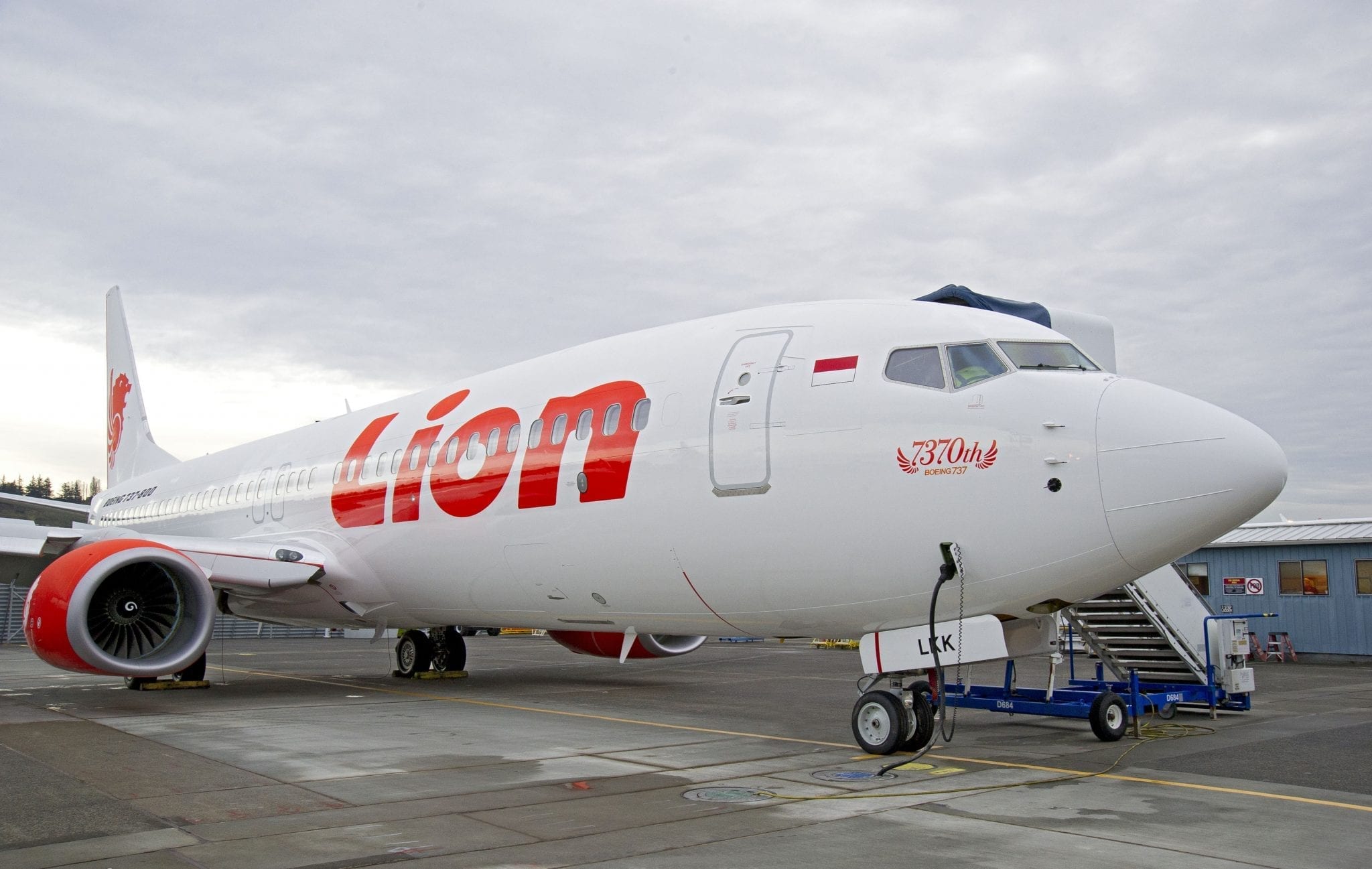
    Labor Union-Pilot Association of Lion Group (Serikat Pekerja Asosiasi Pilot Lion Air / SPAPLG) is planning to file a lawsuit against the management Indonesia’s low-cost airline Lion Air.

    SPAPLG Chief Eki Adriansjah said the move is made following the alleged union busting by the company’s management.

    “We will file a lawsuit against the management because of the union busting it has committed,” Eki said in Jakarta on Sunday (7/8).

    It is planned that lawsuit will be filed to the National Police’s Criminal Investigation Deparment on Tuesday next week, Eki said.

    He added that management also violates Law Number 21 of 2000 on Labor Union and said that SP-APLG had been formally registered at Tangerang Manpower Agency with the registration number 558.4/2529-HI/2016.

    Lion Air, however, does not recogzine the Union.

    On Wednesday (3/8), Lion Air President Director Edward Sirait annouced that the company does not recogzine the union labor within the company.

    Edward also said the pilots who claimed to become members of the union are ‘troublesome pilots who often make mistakes’.  Edward even called those pilots ‘swindlers’.

    The use of the company’s name without permits, he added, is an act of ‘forgery and fraud’.

    “They often violate regulations of the management; they don’t work according the schedules and they are now undergoing a training,” Edward said.

    Eki further said that the management’s rejection to the union has caused anxiety and surprises among the pilots.

    According to him, the establishment of a labor union does not need an approval from the company’s management but only needs a written notification to Lion Air management.

    “We sent a written notification to Lion Air management on a letter dated June 3, 2016,” he said.

  • AirAsia may launch sale of leasing arm, valued at RM4b

    AirAsia may launch sale of leasing arm, valued at RM4b

    AirAsia Bhd, Asia’s biggest budget airline, will kick off the sale of its leasing unit this month, seeking to cut debt with a deal that could value the business at about US$1bil (RM4.04bil), people familiar with the matter told Reuters.

    A successful deal would help group CEO Tan Sri Tony Fernandes, one of Asia’s best-known entrepreneurs, to bolster AirAsia’s finances and spur growth.

    At an overall valuation of US$1bil, the sale would be significant for a carrier with a market value of US$2bil (RM2.08bil).

    AirAsia is looking to sell a majority stake in the leasing unit, Asia Aviation Capital (AAC) but is also open to a full sale, sources said, adding that the final valuation could change depending on talks with potential buyers.

    They said AirAsia was considering paying a special dividend from the proceeds. The people declined to be identified because the discussions were confidential. AirAsia declined to comment.

    The carrier planned to tap potential suitors including the leasing units of China’s HNA Group, China Merchants Bank, and the aviation leasing company backed by Hong Kong billionaire Li Ka-shing for the sale, the people familiar with the matter said.

    China Merchants Bank, HNA Group and Li’s Cheung Kong Infrastructure Holdings Ltd did not respond requests for comments.

    Fernandes, who built up AirAsia into multi-billion dollar business from a two-plane operation in 2002, is cashing in on a booming leasing sector after AirAsia ordered hundreds of Airbus planes at bargain prices in recent years and emerged as one of Airbus’ biggest customers.

    AirAsia responded to a critical research report last year by Hong Kong-based GMT Research saying it stood by its accounts.

    “This is a landmark transaction if Tony manages to pull it off,” said Shukor Yusof, founder of Malaysian aviation consultancy Endau Analytics, adding that AirAsia could use the funds to invest in its businesses in India, Indonesia and Japan.

    Sources said AirAsia was expected to approach about a dozen suitors including infrastructure and pension funds to bid for the leasing company.

    “Aircraft are good US-dollar denominated, cross-border assets to own,” said Shukor.

    AirAsia has a fleet of some 170 jets operating across Thailand, the Philippines, India, Indonesia and Malaysia and competes with the likes of Indonesia’s Lion Group, Singapore Airlines, Qantas Airways, Malaysian Airlines and some of their budget affiliates.

    Deal making is picking up in the US$228bil global plane leasing sector, with Asian lessors grabbing a bigger share, buoyed by the growth in China.

    “This is a way to unlock the value of the aircraft orders while also managing AirAsia’s balance sheet,” said one person familiar with the matter.

    In a regulatory filing in May, AirAsia said it had received preliminary interest for AAC.

    AirAsia has hired Credit Suisse, BNP Paribas and RHB Bank to handle AAC’s sale and expected to complete it by early next year, the people familiar with the matter said.

    BNP Paribas and RHB Bank declined to comment, while Credit Suisse did not respond to Reuters requests for comments.

    Though AAC has only 55 planes, primarily leased to AirAsia affiliates outside Malaysia, it expects to get more aircraft from the airline and lease them to other airlines. — Reuters

  • Retail giants seek to cash in on hallyu

    Retail giants seek to cash in on hallyu

    The leading retailers in Korea are seeking to cash in on the global popularity of hallyu by sealing strategic tie-ups with entertainment companies to sell exclusive merchandise.

    Products bearing the images of popular K-pop artists and actors have largely been available only online. However, the success of a small store at Lotte Department Store’s Young Plaza in Myeong-dong, Seoul, appears to have caught the fancy of the retailer.

    The store dedicated to K-pop stars saw sales grow fivefold this year, half of which were accounted for by Chinese customers.

    This has prompted Lotte to join hands with YG Entertainment — home to some of the biggest K-pop acts such as Psy, Big Bang and 2NE1, as well as actors and actresses — to open a larger store on Aug. 12 where fans can now touch and try the goods before they pull out their credit cards.

    Big Bang.

    Lotte will offer officially endorsed celebrities goods available in over 100 categories, ranging from the mandatory clothing and stuffed toys to scented candles and cosmetics.

    Earlier in March, Korea’s top retail chain E-mart teamed up with SM Entertainment to introduce its private brand products bearing the name and face of its artists such as EXO Sonjjajang and Shiny Sparkling Water.

    Meanwhile, the two entertainment giants are also tapping into the restaurant business. SM is running tapas restaurant SMT Seoul in Cheongdam-dong, while YG opened YG Republique in Myeong-dong and Yeouido.

    By the end of this year, both will expand out of the country: SM will branch out into Tokyo and Los Angeles while YG will branch out in LA and Bangkok.


  • Expansion brings some cash for VinMart

    Expansion brings some cash for VinMart

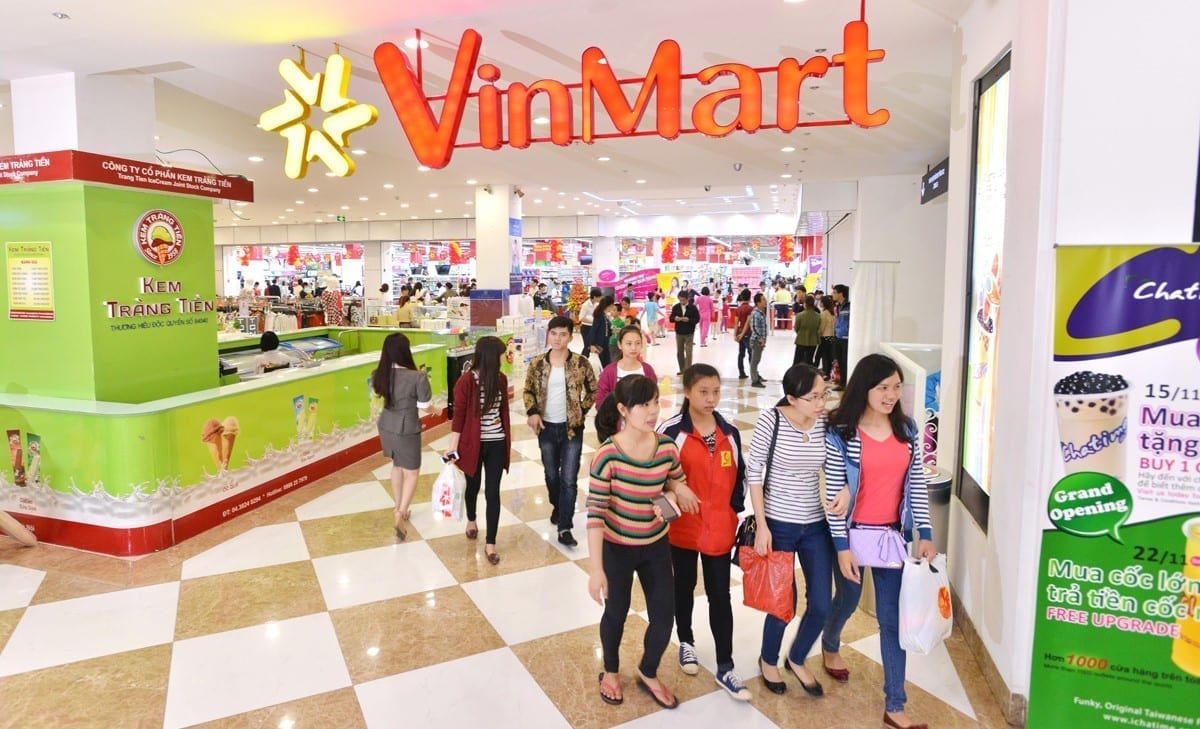
    Vietnamese supermarket chain VinMart has tripled its revenue in the second quarter of this year.

    Parent VinGroup says the group achieved VND2,465 billion (US$110.6 million) in sales of its supermarkets and convenience stores, a 226 per cent increase compared to the same period last year.

    One of the reasons for VinMart’s growth is the group’s strategy to bring its convenience stores VinMart+ to “every corner of Vietnam”, making it a part of consumers’ daily shopping routines.

    Up until July, after almost two years of operation, VinMart has 50 supermarkets and 830 convenience stores nationwide, which means the company has been opening three supermarkets a month and 46 c-stores.

    A standout of VinMart+ is the fresh food, distributed by green brand VinEco. The products are exclusive greenhouse vegetables, grown using Israeli technology.

    With this self-supply and self-control strategy, VinGroup has been creating a strong competitive strength in the market.

    Besides VinMart, its other divisions contributed to VinGroup’s profit in the quarter of VND 2,926 billion ($131.2 million): VinHomes, Vincom Retail, Vinpearl Land, Vinschool, Vinmec, and VinPro.

  • Scion of Metro store family facing drugs charges

    Scion of Metro store family facing drugs charges

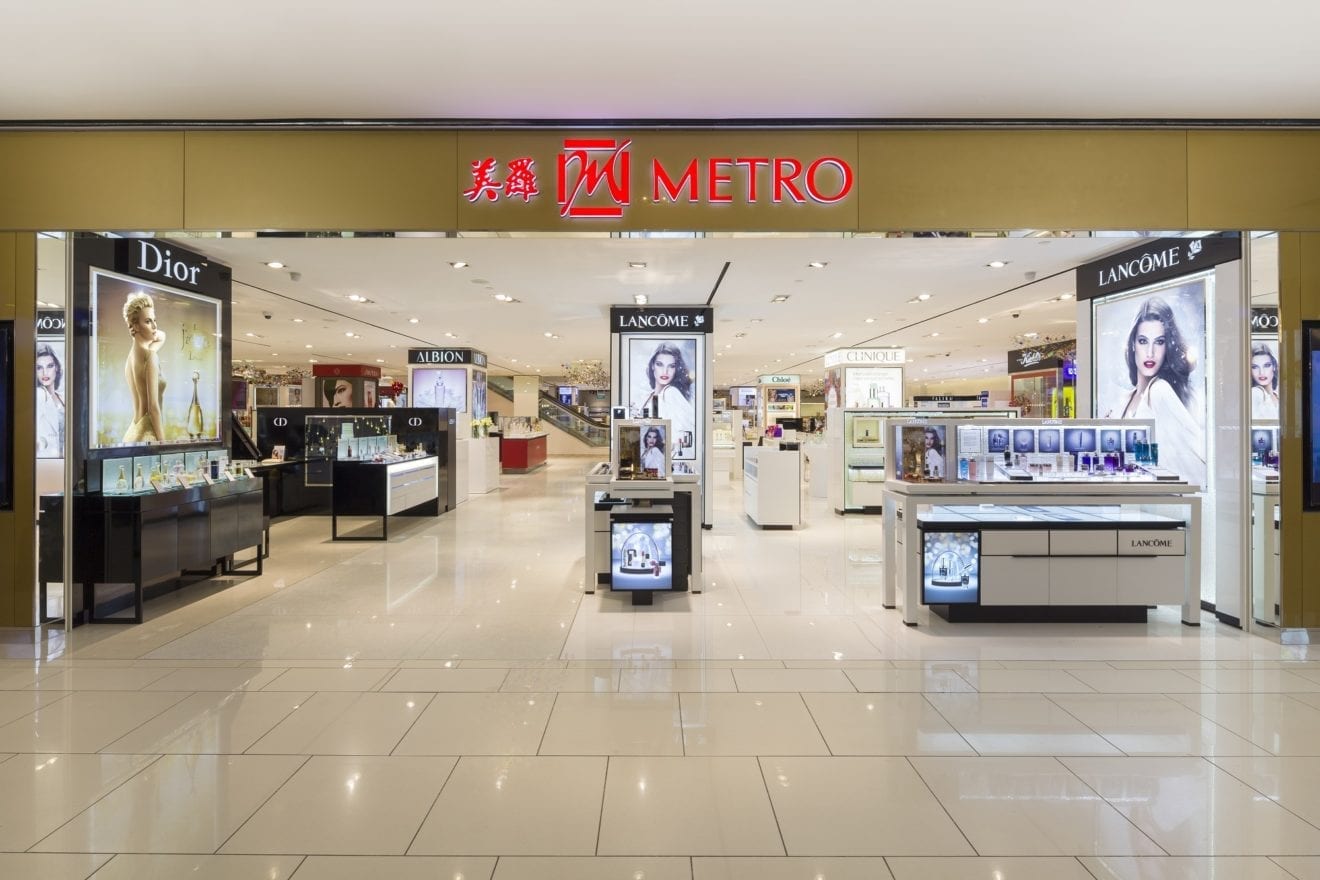
    A member of the family which founded Singapore’s iconic Metro department stores, Ong Jenn, is facing more than half a dozen charges related to the possession, consumption and trafficking of cannabis – which is a Class A controlled drug.

    Ong Jenn

    According to court documents obtained, the alleged offences happened in October 2014.

    For the amount of cannabis Ong has been accused of trafficking, he faces between five and 20 years’ jail and five to 15 strokes of the cane for each charge. For the possession and consumption of a controlled drug, the 41-year-old could be jailed for up to 10 years and/or fined up to S$20,000 per charge. His case has been scheduled for a pre-trial conference on Aug 19.

    Court documents detail how on or before Oct 30, 2014, Ong allegedly conspired with Mohamad Ismail Abdul Majid to traffic cannabis. On that date at about 4.20pm, along Jurong Port Road near bus stop B05, Mohamad Ismail was in possession of one block of “not less than 92.68 grams of… cannabis” and another block containing “385.1 grams of fragmented vegetable matter which was analysed and found to be cannabis mixture”.

    The charges allege that Mohamad Ismail had the two blocks so they could be delivered to Ong.

    At about 1.20pm the next day, in a car parked at Ngee Ann City, Ong was found in possession of a vaporiser, which is an inhalation device. According to the charge sheets, he allegedly intended to use the vaporiser to consume a Class A drug. Ong is also accused of consuming “11-nor-delta-9-tetrahydrocannabinol-9-carboxylic acid”, which is a component of marijuana.

    Authorities found Ong allegedly in possession of one block of cannabis weighing 75.32 grams and one block of cannabis mixture weighing 284.7 grams at a home in Bishopsgate at 2.10pm. He is accused of having these for the purpose of trafficking.

    Ong is represented by a team from law firm WongPartnership, including Senior Counsel Tan Chee Meng. Ong’s lawyers declined to comment as proceedings are ongoing.

    According to his LinkedIn profile, from 2003 until August this year Ong was a Business Development Manager at Metro Holdings, whose core businesses are retail, property development and investment. The retail interests include three Metro stores in Singapore. He’s also the founder of Tompang, a peer-to-peer retail platform operator.

    Metro’s latest annual report lists Ong as a “substantial shareholder” in Metro Holdings as at Jun 13. Ong is the son of the late Jopie Ong Hie Koan, who helmed Metro from 1973 until his death in February this year.

  • Another bad month for Hong Kong retail sales

    Another bad month for Hong Kong retail sales

    Hong Kong retail sales slumped 8.9 per cent year-on-year by value in June to HK$33.7 billion.

    That’s marginally higher than May’s fall of 8.3 per cent, but a slower rate than the 10.1 per cent of the first six months of this year. It marks the 16th consecutive month of year-on-year decline.

    A spokesperson from the Census and Statistics Department said the fact sales were still notably lower than the year-ago level, reflected the fall in visitor spending and more cautious consumer sentiment amid subpar economic conditions.

    “Nevertheless, on a seasonally adjusted basis, retail sales improved moderately in the second quarter compared to the first quarter.”

    The HKRMA said in a statement that most of its member companies anticipate the downward trend to continue, but slow in the remainder of 2016, “taking into account a lower base recorded in the second half of 2015”.

    While sales of consumer durable goods posted the biggest decline – 37.2 per cent – the larger jewellery, watches and valuable gifts category caused much of the damage, falling 20.4 per cent. Department store sales were down 10.5 per cent, electrical goods and cameras by 25.7 per cent and optical shops by 5.5 per cent. The decline in apparel sales appears to be largely over with the category down just 0.6 per cent.

    Supermarket sales rose 1.9 per cent, food,liquor and tobacco sales by 2.9 per cent and cosmetics and medicines by 5 per cent.

    “Looking ahead, the near-term retail sales performance will still depend on the performance of inbound tourism as well as the extent to which consumer sentiment will be affected by the lingering uncertainties about the economic outlook,” said the C&SD spokesman.

  • Indonesia capital’s airport to open new terminal next week

    Indonesia capital’s airport to open new terminal next week

    Air passenger numbers are soaring in Indonesia, the world’s biggest archipelago nation, as a growing middle class increasingly chooses to fly but ageing infrastructure is struggling to keep up.

    The main airport serving the Indonesian capital Jakarta will next week open a new terminal to ease the burden on the country’s busiest aviation hub, the airport operator said Wednesday.

    The $380 million terminal at Soekarno-Hatta International Airport, which will start operations at about midnight Monday, will have a capacity of 25 million passengers a year once fully operational, said state-owned airport operator Angkasa Pura II.

    The other terminals are currently handling a total of about 60 million passengers a year, way over their capacity.

    The new Terminal 3 will start off handling only flights operated by Indonesian flag carrier Garuda, and it is hoped it will be fully operational by March next year.

    “This will be the biggest terminal in Indonesia,” Angkasa Pura II chief executive Djoko Murjatmodjo told AFP.

    It will eventually be connected to central Jakarta, about 30 kilometres (18 miles) away, by a rail link. There is currently no rail line between the airport and city centre, leaving passengers facing monster traffic jams to get into Jakarta at busy times.

    The terminal’s opening has been delayed for more than a month after the government ordered alterations following the discovery that an important part of the airport was not visible from the air traffic control tower.

    As well as ageing infrastructure, the Indonesian aviation sector also faces problems with safety and has suffered a string of deadly crashes in recent years.