Category: General

Retail News Asia is committed to providing both local and global retailers with the latest General Retail news throughout the Asian market. This on a daily base.

  • Singapore firms capitalise on opportunity in China market

    Singapore firms capitalise on opportunity in China market

    China’s economic growth may have been at its weakest rate in a quarter of a century last year, but some Singaporean firms with operations there are finding pockets of opportunity as the world’s No 2 economy matures from one based on industry to one fuelled by consumption.

    Among them, warehouse operator Global Logistic Properties (GLP) yesterday reported a 64 per cent rise in third-quarter net profit to US$184 million (S$257.4 million), helped by a strong performance from its China operations, while CapitaLand Retail China Trust (CRCT) — the first China shopping mall real estate investment trust in Singapore — said its distributable income for the quarter ended December rose 6.5 per cent to S$21.8 million, highlighting China’s growing urban population and rising retail sales.

    Singapore-headquartered GLP, which operates warehouses in China, Japan, Brazil and the United States, said its China earnings were up 50 per cent on higher asset values, growth in rent, new leases and renewed lease contracts.

    Analysts expect the company to continue to benefit from demand for logistics facilities due to booming e-commerce, as well as the Chinese government’s attempts to guide its economy to a more sustainable path led by domestic consumption.

    “Within China, the domestic economy is being stoked by increasing urbanisation. There are geographies within the country that are growing well above the national average, particularly in Tier 2 and Tier 3 cities,” said Barclays senior regional economist Leong Wai Ho. “Logistics is one area of growth there. Logistics hubs have moved westwards. There’s been continuous investment in the sector itself,” he added.

    China’s growth has been steadily falling for the past half-decade as Beijing attempts to wean the economy away from exports and infrastructure investment and towards domestic consumption and services. The economy grew 6.9 per cent last year, its slowest expansion in 25 years.

    Chinese equities are slumping, too — the Shanghai Composite Index is down about 21.5 per cent this year. The yuan has weakened steadily since Beijing devalued the currency in August.

    The country on Wednesday announced an economic growth target of 6.5 per cent to 7 per cent this year.

    But the Chinese stock-market swings and capital outflows do not reflect trends in the economy, which is still expanding well amid efforts to rebalance growth, according to the head of the European Bank for Reconstruction and Development (EBRD).

    “The stock market issue, the currency issue in China, is a bit divorced actually from economic issues,” the EBRD’s president, Suma Chakrabarti, told Bloomberg in an interview on Monday. While the advance in China’s gross domestic product has slowed, 6.5 per cent “growth in the world’s second-biggest economy is pretty good actually for the rest of us”.


  • Jakarta Economy Slows Down in 2015

    Jakarta Economy Slows Down in 2015

    Data from the Central Bureau Statistics (BPS) of Jakarta revealed that the Jakarta economy grew by 5.88 percent, slower than in the previous year at 5.91 percent. The economic growth was measured based on the regional gross domestic product (GDP).

    “The regional GDP per capita in Jakarta last year reached Rp194.87 million or US$14,570,” BPS Jakarta head Syech Suhaimi said on Friday, February 5, 2016.

    From the production, Suhaimi explained, the highest growth was achieved by the financial services sector at 10.72 percent. From the spending, the household consumption gained the highest growth by 5.04 percent.

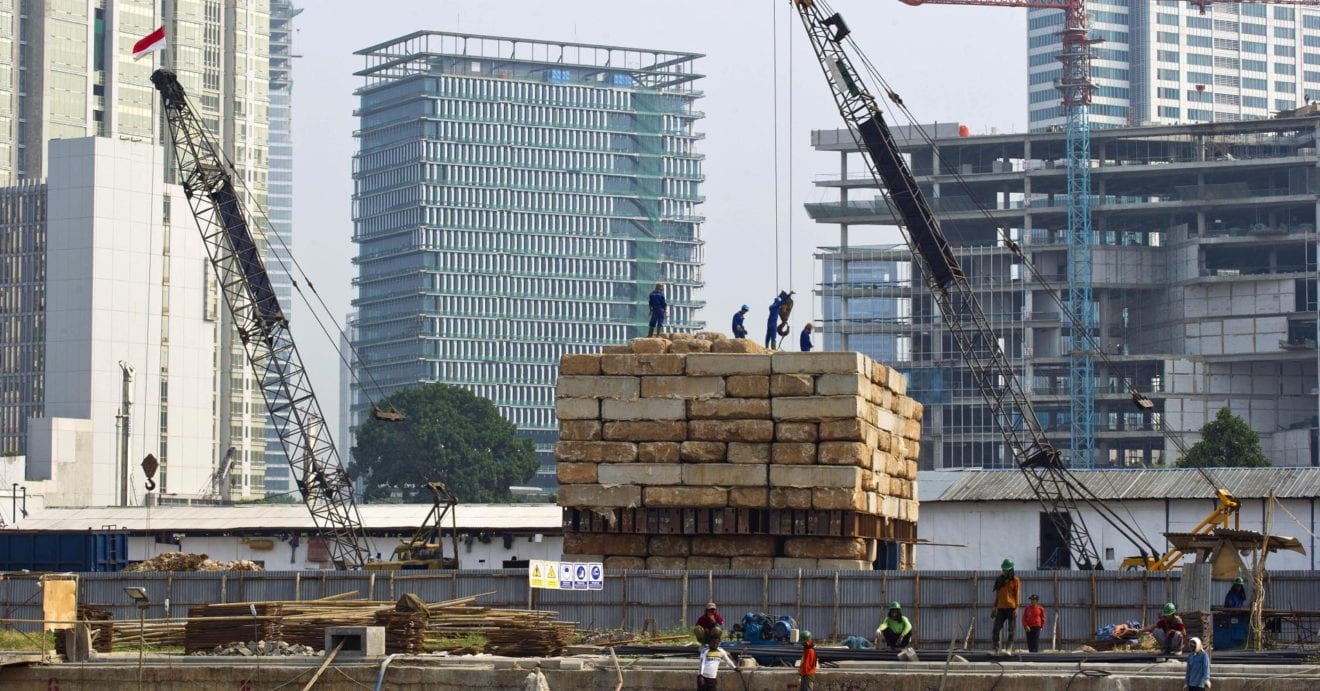
    The Jakarta economy structure is currently dominated by three sectors, namely car and motorcycle reparations (16.65 percent), the processing industry (13.84 percent), and construction (13.16 percent).

    The Capital’s economic growth had been slowing down over the last three years. In 2013, the Jakarta economy grew by 6.07 percent, and dropped to 5.91 percent in 2014.

    “The trend continues to decrease. Since 2011, the government and the business community have been watching this trend,” he said.

  • Amber Road and USFIA Facilitate Educational Seminar in Hong Kong

    Amber Road and USFIA Facilitate Educational Seminar in Hong Kong

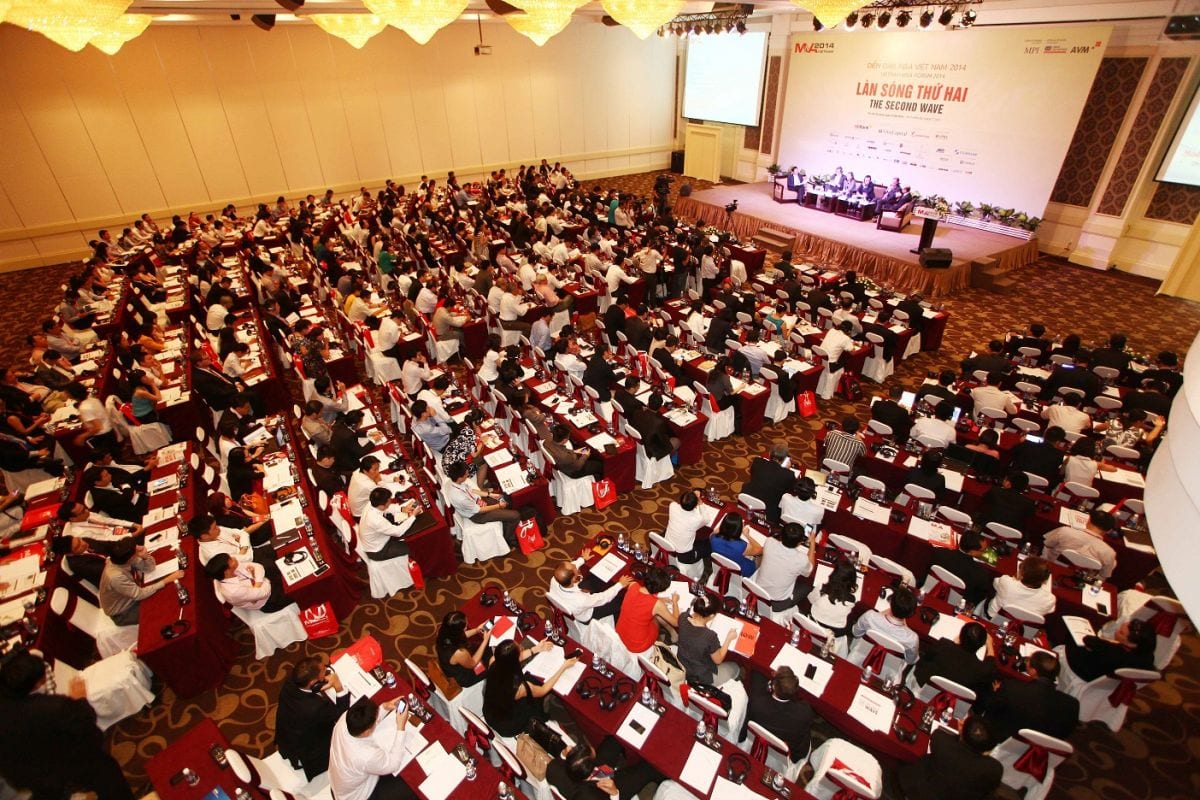
    Supply chain leaders and service providers will convene again on March 1, 2016 in Hong Kong to provide major brands, manufacturers, retailers, agents and suppliers insight into the challenges and strategies to prepare for increased globalization of supplier bases and retail channels – spurred by many factors including preferential trade agreements.

    “We chose Hong Kong as the location for this event again this year because of its prominence as Asia’s major sourcing hub,” said Thomas Ng, General Manager, Supply Chain Solutions for Amber Road.

    This year’s keynote speaker is Therese Randazzo, U.S. Customs and Border Protection Attaché, Hong Kong. Ms. Randazzo will share her deep customs and trade expertise with the attendees, but also focus in her presentation on the progress of the ACE Single Window initiative for US customs entry.

    Amber Road and US Fashion Industry Association have teamed to deliver a full-day agenda with six panel discussions that address global trade policy, product testing regulations, China customs, social compliance and supply chain visibility. Each panel will include speakers from industry organizations along with of the industry’s leading service providers and consulting firms. Along with the support of USFIA, PwC Worldtrade Management Services (Shanghai), Worldwide Responsible Accredited Production (WRAP), APL Logistics, Asia Inspection, and Amber Road are sponsoring this educational forum.

    The event is open to any retailer, brand, manufacturer or supplier working in the compliance, global trade, logistics, sourcing, commercialization and management team for a cost of $1,600/HKD and lunch will be provided.

    Amber Road is offering limited discounts and free passes to its customers and its close connections in the industry.

  • Slower sales for Chinese New Year goodies, Chinatown retailers say

    Slower sales for Chinese New Year goodies, Chinatown retailers say

    Food takes centrestage during Chinese New Year, like most festive celebrations. But in the lead up to the occasion this year, retailers selling festive goodies say business is more lacklustre compared to 2015.

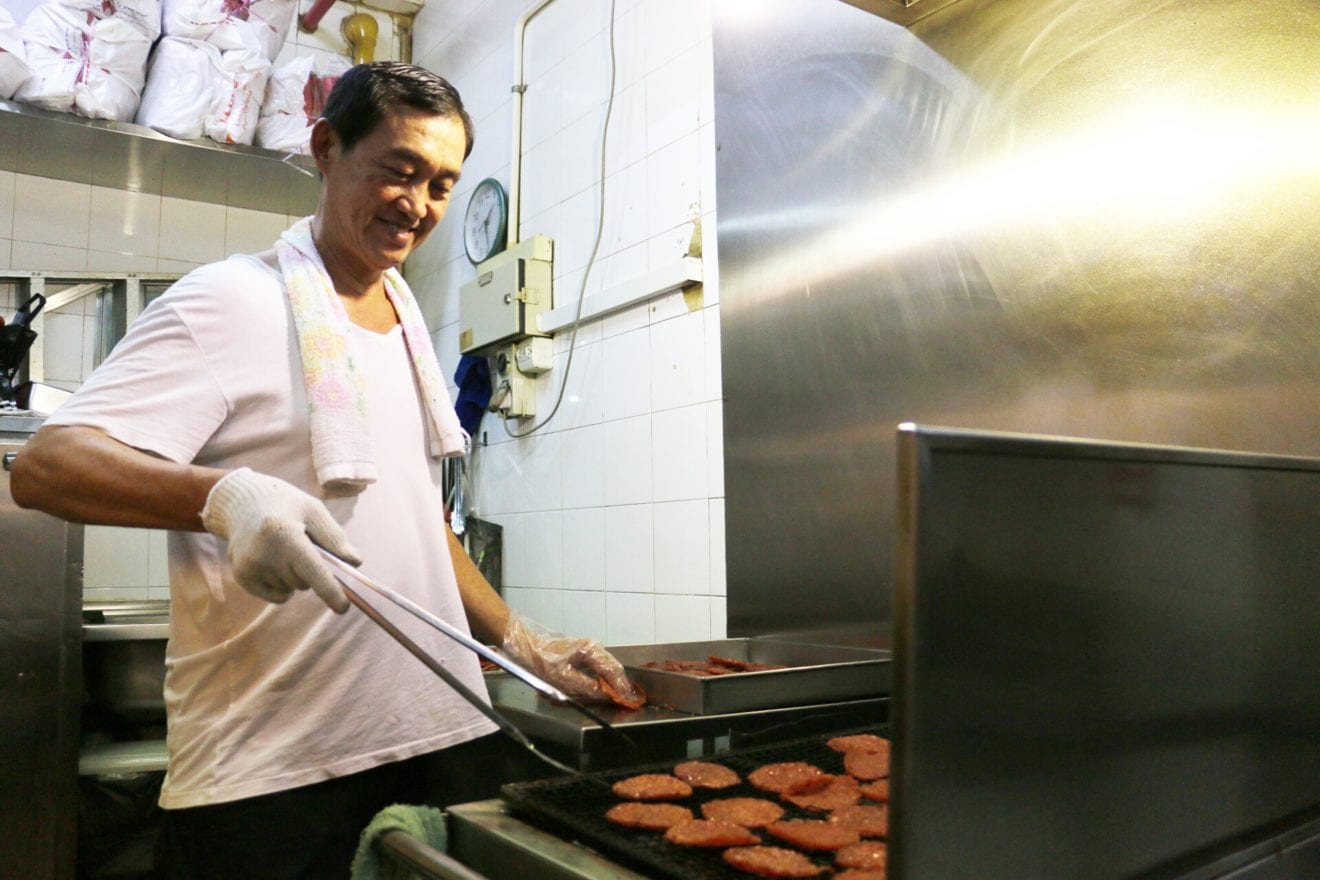
    Family-run bak kwa (sliced barbecued pork) stall Bee Kim Heng has seen festive retail sales drop by 10 to 20 per cent compared to last year. Based at People’s Park Food Centre, Bee Kim Heng – which is run by Mr Teo Ah Thin, 81 – has been in operation for almost 50 years.

    “We suspect it’s the economy, it’s because of the retrenchments that are going around in the market,” said Mr Damien Teo, who helps his father out during busy periods like Chinese New Year.

    Mr Teo, who is in his 30s, added: “A lot of our business is very dependent on regular customers. Some of the regular customers, for example – in the year before, they’d buy 3kg, maybe 5kg. This year, some of them have cut down in terms of the quantity they buy. They just want to save up a bit, I guess.”

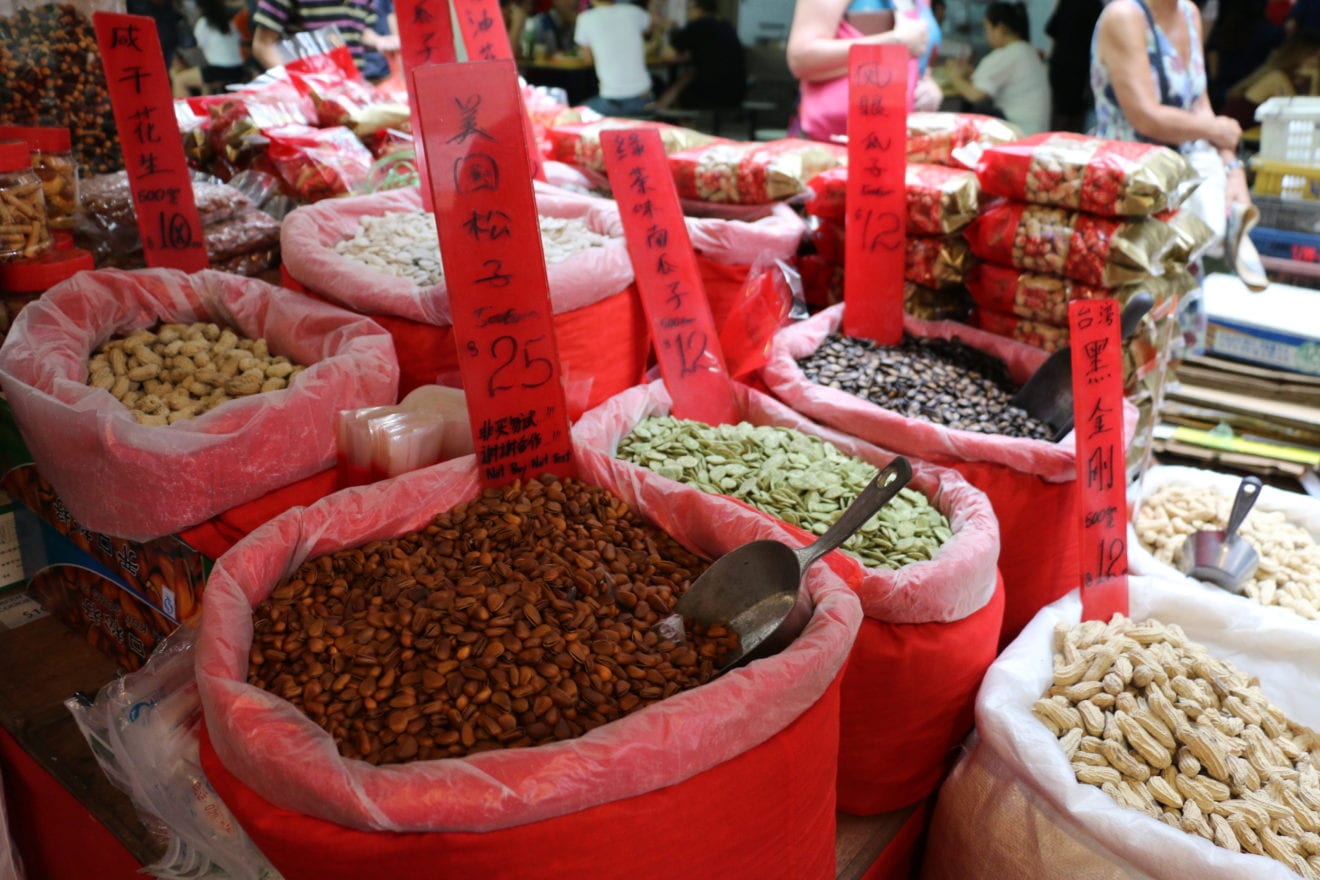
    Similarly, fruit and nut supplier Tian Ran has experienced a 30 per cent drop in sales for the festive period. “A lot of people of browsing and tasting, but fewer are buying. I think it’s due to the bad economic situation,” said a Tian Ran employee, who only wanted to be known as Mr Fang.

    Mr Fang has been selling peanuts and melon seeds – traditional Chinese New Year snacks – for the past eight years. While this year’s takings are poorer than last year, the 40 year-old said he feels things are not as bad as in the aftermath of the 2008 global financial crisis.

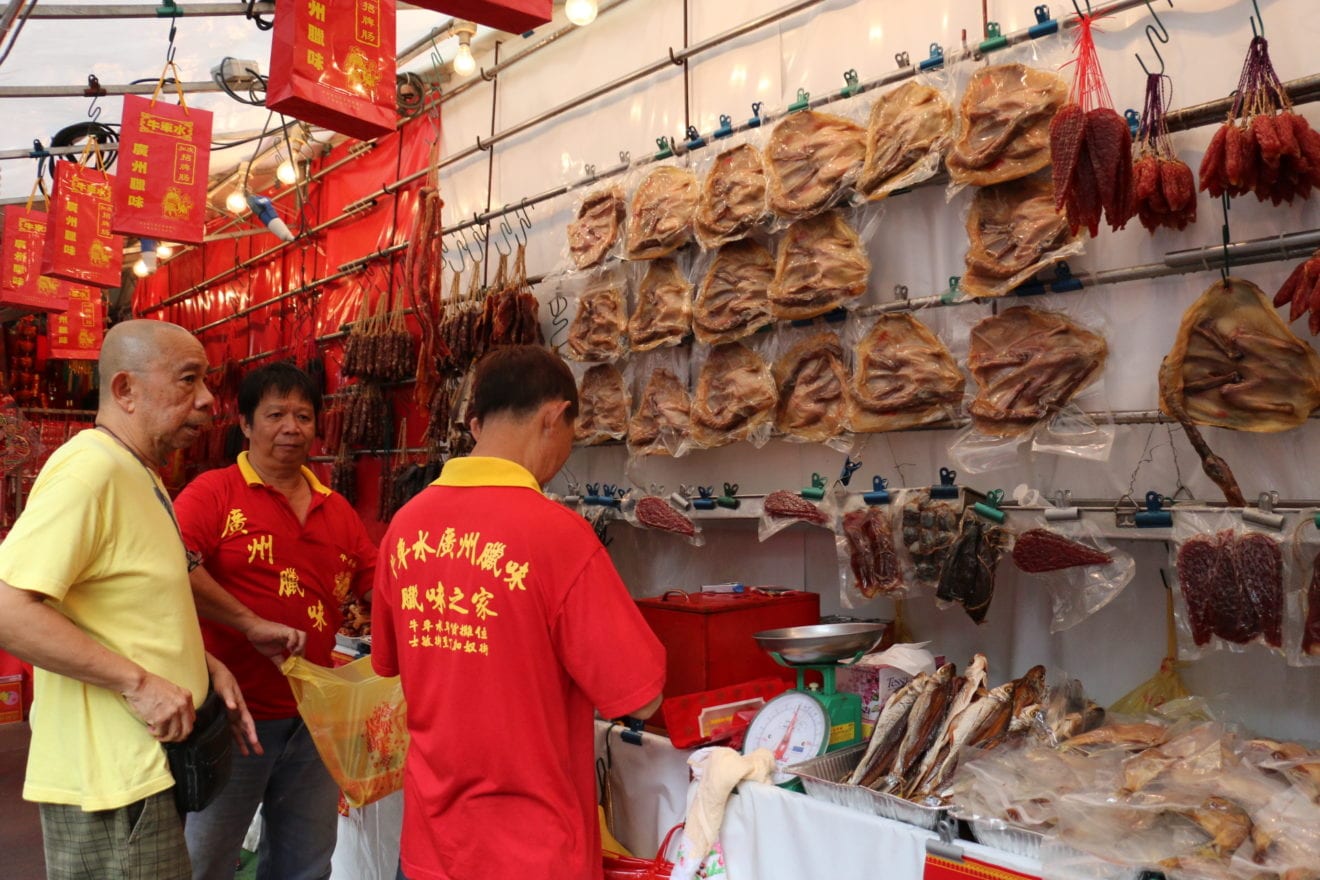
    Less than a few hundred metres away, in the annual Chinatown Festive Street Bazaar, employees running a temporary waxed meat stall also opined that buying sentiment is poor.

    “We’re mainly in distribution, but we have set up a stall at this bazaar for many years. This year, sales are down about 30 per cent,” said a stall employee, who only gave his name as Mr Liang.

    The 56-year-old who been in the business for 30 years, believes that caused shoppers have held back due to the rainy weather, and a poorer economic climate.

    A MIXED PICTURE, OVERALL?

    Outside of the Chinatown area – the epicentre of Chinese New Year shopping – other consumer businesses appear to be faring a little better.

    For example, Paradise Group, which will have over 20 restaurants in operation on the first and second day of the Chinese New Year period, told Channel NewsAsia these restaurants are already 80 to 90 per cent booked for the first day.

    Hotel Fort Canning also expects to “sell-out for the season”, as it caters to both foreign visitors and local staycationers. In an email reply, a hotel spokesperson said: “Demand for our rooms are typically higher during this extended period of festivities and the hotel usually runs at full capacity.”

    Meanwhile, online travel agency ZUJI has recorded a 17 per cent year-on-year increase in staycation hotel bookings during the Chinese New Year period, with an average spend of S$190 to S$220 per night.

    “We’re also seeing more 4-star hotels being booked on ZUJI this year, as compared to last year which had an almost even split of both 4 and 5-stars bookings. This could possibly be due to Singapore travellers being more budget conscious,” said Ms Chua Hui Wan, CEO of ZUJI Singapore.

  • Chinese shoppers in South Korea shun luxury for local brands

    Chinese shoppers in South Korea shun luxury for local brands

    Chinese visitors to South Korea are buying less from global luxury mainstays like Louis Vuitton and Chanel in favor of cheaper homegrown brands, as young, independent travelers make up a bigger share of tourists.

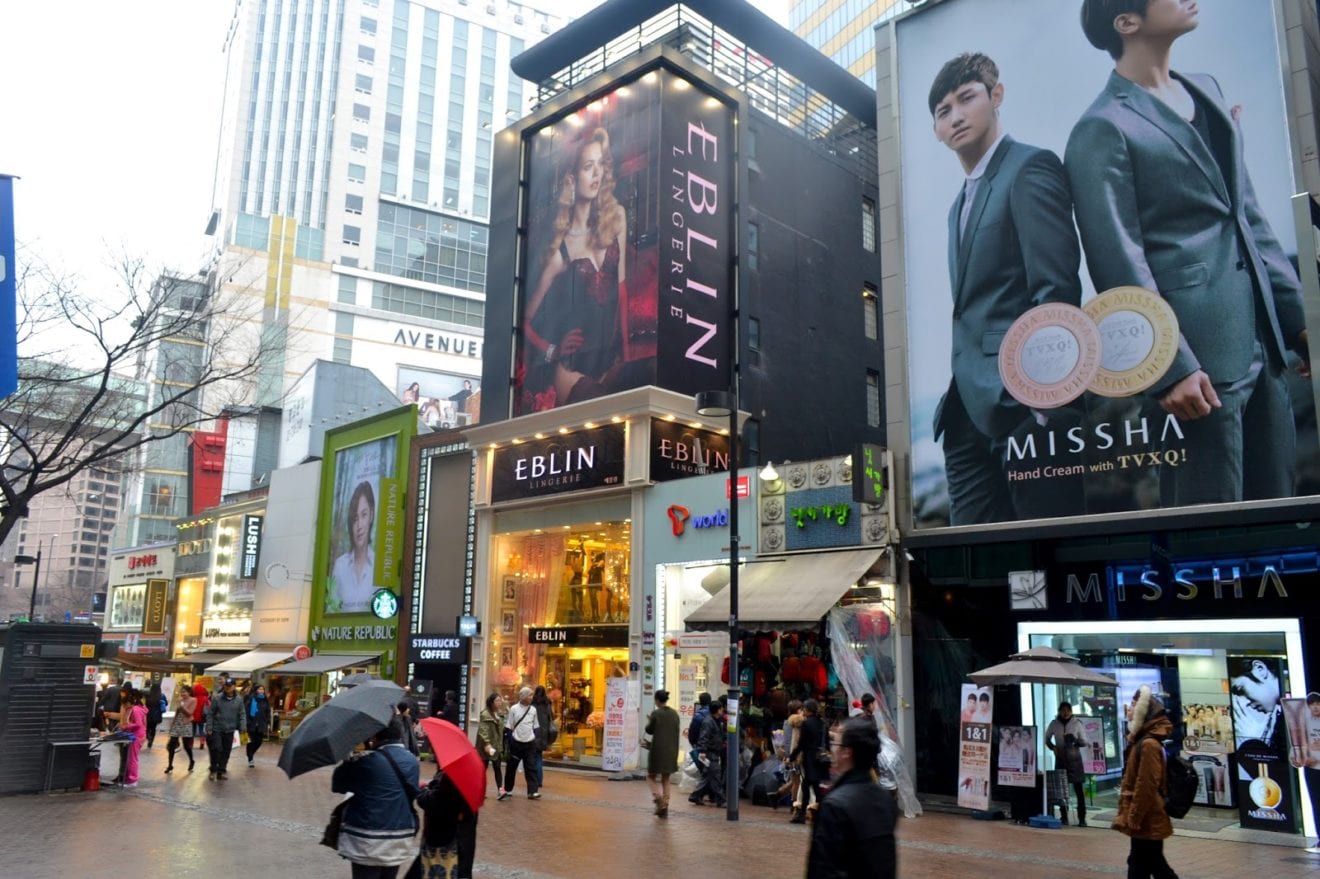
    Lured by the “Korean Wave” of culture exports, from soap operas and K-pop music to food and fashion, price-conscious younger Chinese visitors are seeking a more authentic and less expensive shopping experience.

    South Korea trails only Thailand as an overseas destination for Chinese travelers, whose heavy retail spending has helped make South Korea the world’s largest duty free shopping market.

    The emphasis on value will put further pressure on global luxury retailers already grappling with slowing sales in China after years of skyrocketing growth, as a government crackdown on graft and lavish spending bites.

    “You can buy those big brands everywhere, and it is actually cheaper to buy those brands in other countries compared to the prices in South Korea,” said 21-year-old Zhu Xin, who was shopping at the Stylenanda store in Hongdae, a Seoul neighborhood popular with young adults.

    “Now that we are here, we should buy local brands,” she said.

    Average prices on best-selling items from global luxury brands in South Korea are cheaper than they are in mainland China, but still cost more than in Europe, Singapore and Dubai, according to HSBC data.

    At downtown Seoul duty free shops run by Hotel Lotte’s, Lotte Duty Free and the Samsung Group’s Hotel Shilla, LG Household & Healthcare’s Whoo and Amorepacific’s Sulwhasoo cosmetics were the top-selling brands in 2015, overtaking Louis Vuitton, Chanel and Richemont’s Cartier, store data shows.

    “This doesn’t necessarily imply that luxury retailers have to launch cheaper stuff but it does necessarily imply that they have to be more relevant at every price point,” said Erwan Rambourg, an analyst at HSBC in Hong Kong.

    The number of Chinese tourists to South Korea dipped 2.3 percent in 2015 to about 6 million due to the deadly Middle East Respiratory Syndrome (MERS) outbreak. However, brokerage CLSA says Chinese inbound traffic growth rebounded from September and should jump by 28 percent in 2016. The South Korean government expects a record 8 million Chinese visitors this year.

    NEW GENERATION

    Chinese tourists to South Korea are getting younger: the share of those in their 20s and 30s rose to 46.1 percent last year, from 40.9 percent in 2013, according to the government-run Korea Culture and Tourism Institute.

    While older Chinese tourists typically travel in groups where they are ferried between shops catering to them, Chinese millennials tend to be better-informed about what they want, travel independently and spend less on shopping.

    “I use my mobile phone to research what products to buy in South Korea,” said 20-year-old Chinese tourist Liu Yuting. “Many Chinese girls like South Korean products, because most of them are cheap and cute.”

    At Lotte Department Stores, a chain owned by Lotte Shopping Co Ltd, average spending per Chinese visitor fell to 500,000 won ($412) in 2015 from 900,000 won in 2013, although the surge in overall visitors made up the difference, an official with the chain said.

    “Whereas past generations blindly purchased luxury goods, the younger generations have a more price-conscious consumption pattern,” KB Investment & Securities analyst Yang Ji-hye said.

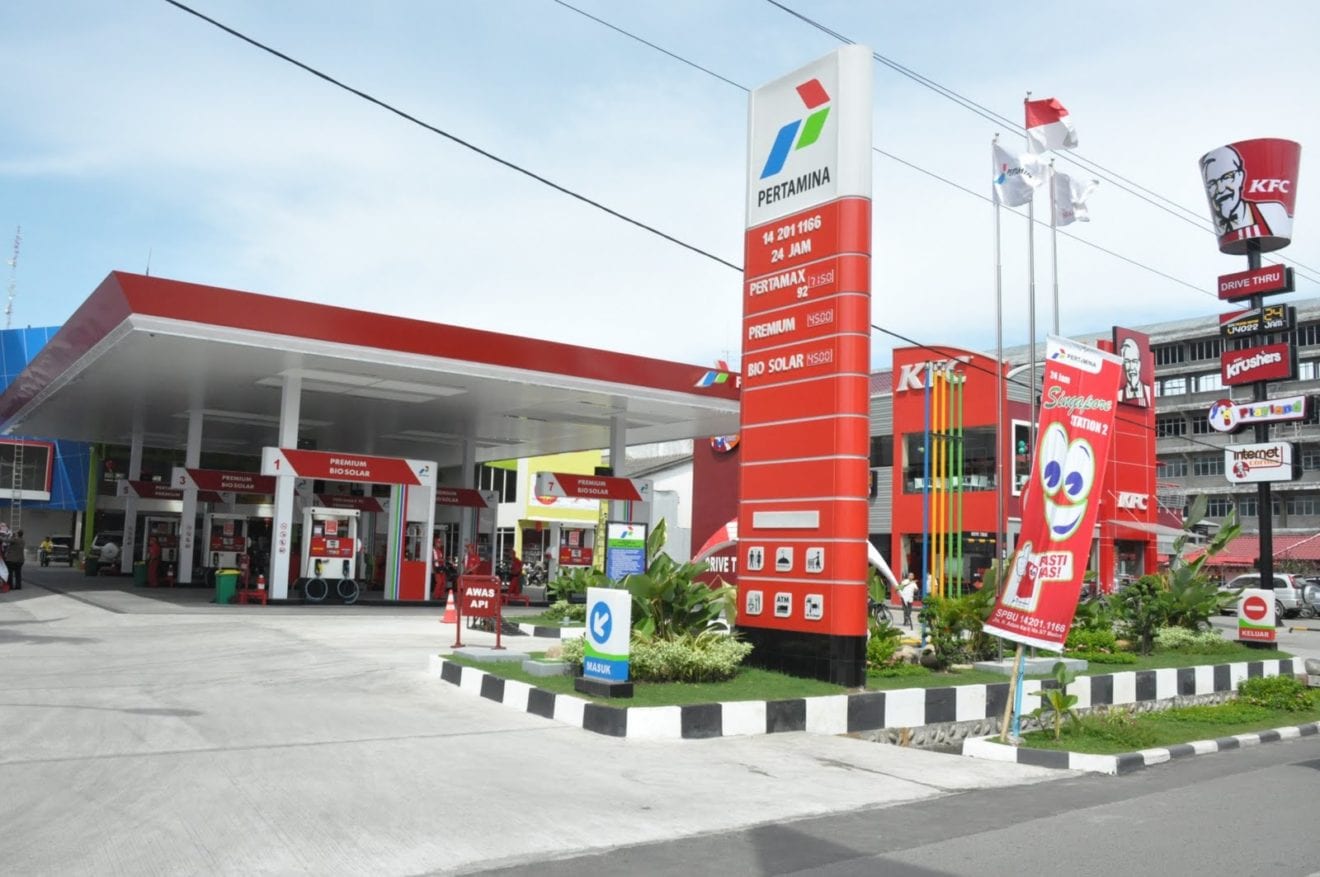
  • Pertamina Woos Myanmar Retail Fuel Business

    Pertamina Woos Myanmar Retail Fuel Business

    Under the bidding proposal, Pertamina and MPPE would establish a joint venture to sell co-branded oil fuels.

    Pertamina would operate 18 fuel depots and 12 fuel stations across the Mekong country through the joint venture, Ahmad said.

    “We would invest $33 million for the project,” he said, adding that the deal would also open an opportunity for Pertamina to sell fuel to other independent fuel stations across Myanmar.

    Pertamina is also considering an offer from a Cambodia firm to sell fuel in the country. In Cambodia, Pertamina could sell its fuel under Pertamina brands and operate its own fuel station, but it could not have a fuel depot, Ahmad said.

    The state energy company have been trying to expand its downstream business abroad, in particular in the Southeast Asian countries.

    “Our targets is the developing countries because it’s easier to secure permits there compared to the more developed countries,” Ahmad said.

    Rini Soemarno, the State-Owned Enterprise Minister, said earlier that she targeted Pertamina to branch out to at least one of the Mekong countries by 2018.

    Pertamina has Pertamina International Timor, a joint venture with 4-Consortio Timor Progresso, to sell oil fuel, lubricants and liquefied petroleum gas in Timor Leste.

    The state energy company virtually controls Indonesia’s retail oil fuel market, thanks to its vast distribution network across the archipelago. That despite the government has opened the sector to foreign firms like Dutch’s Shell, Malaysia’s Petronas and French’s Total for more than a decade.

  • Airport Authority Hong Kong opens Midfield Concourse retail outlets

    Airport Authority Hong Kong opens Midfield Concourse retail outlets

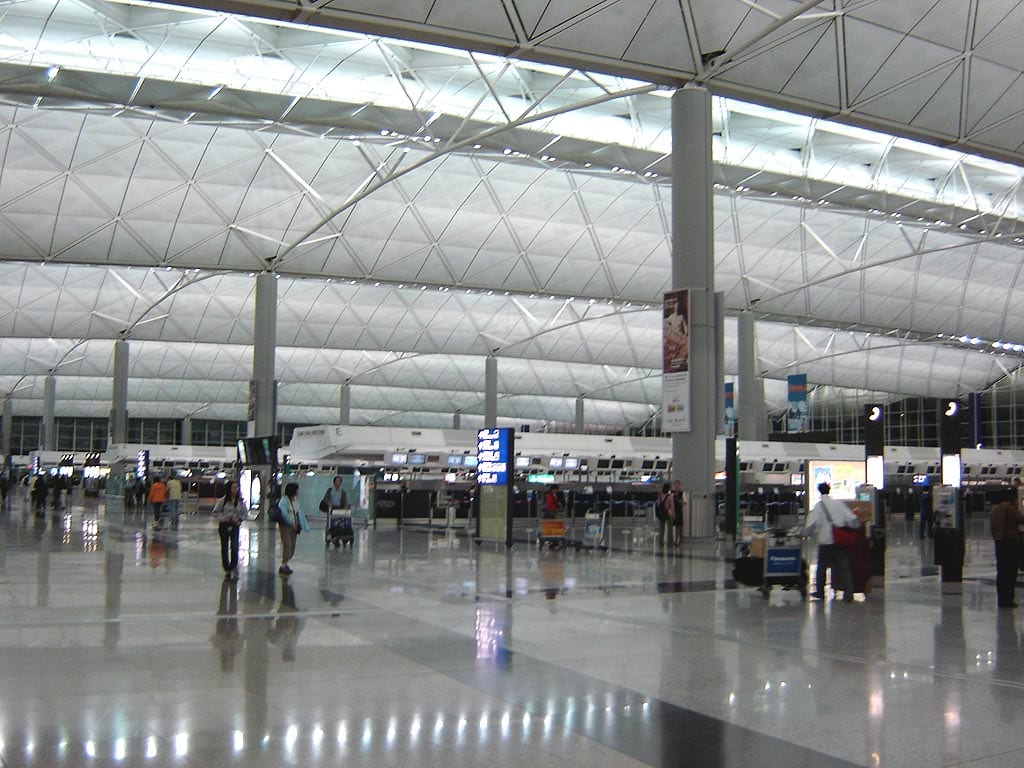
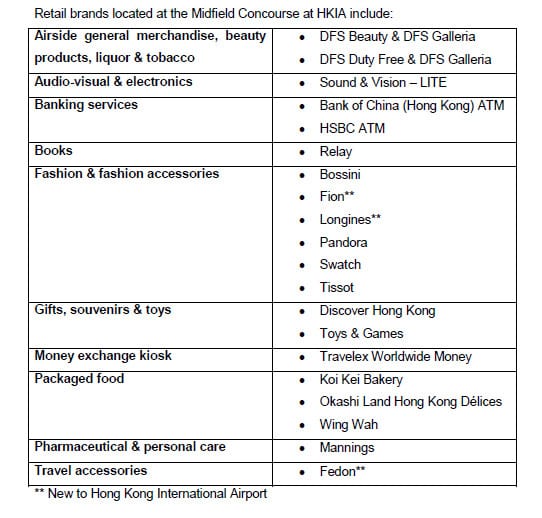
    Airport Authority Hong Kong (AAHK) has welcomed nine newly-opened retail shops and a café to the recently-inaugurated Midfield Concourse at Hong Kong International airport. In addition to the new shops outposts there are also outposts and a money-exchange kiosk.

    Positioned as a one-stop shopping destination, the Midfield Concourse offers a range of products and services catering to travellers’ needs. Travellers can find liquor and tobacco; beauty products; fashion and fashion accessories; audio-visual and electronics; packaged food; gifts, souvenirs and toys; and pharmaceutical and personal care items in the 105,000 sq m concourse.

    Soon to be opened are eight retail and three catering outlets. DFS Group will introduce a new multi-category store concept. These new DFS outlets at the Midfield Concourse will offer an abundance of brands for better shopping convenience, according to AAHK. The catering outlets will offer café and casual-dining options to departing passengers who have limited time before boarding. The Midfield Concourse also marks fast-food company MX’s first entry to HKIA.

    “The Midfield Concourse will be able to serve an additional 10 million annual passengers in order to meet the increasing passenger volume at HKIA,” said Airport Authority Hong Kong executive commercial director Cissy Chan. “We are proud to offer extended retail and catering options throughout the concourse, which will let the passengers have a pleasant and enjoyable last-minute shopping and dining experience.”

    Photo of

  • Vietnam’s retail sector to see M&A frenzy riding on free trade pacts

    Vietnam’s retail sector to see M&A frenzy riding on free trade pacts

    The sector has turned attractive due to the free trade pacts the country has reached, as part of WTO, according to a government report.

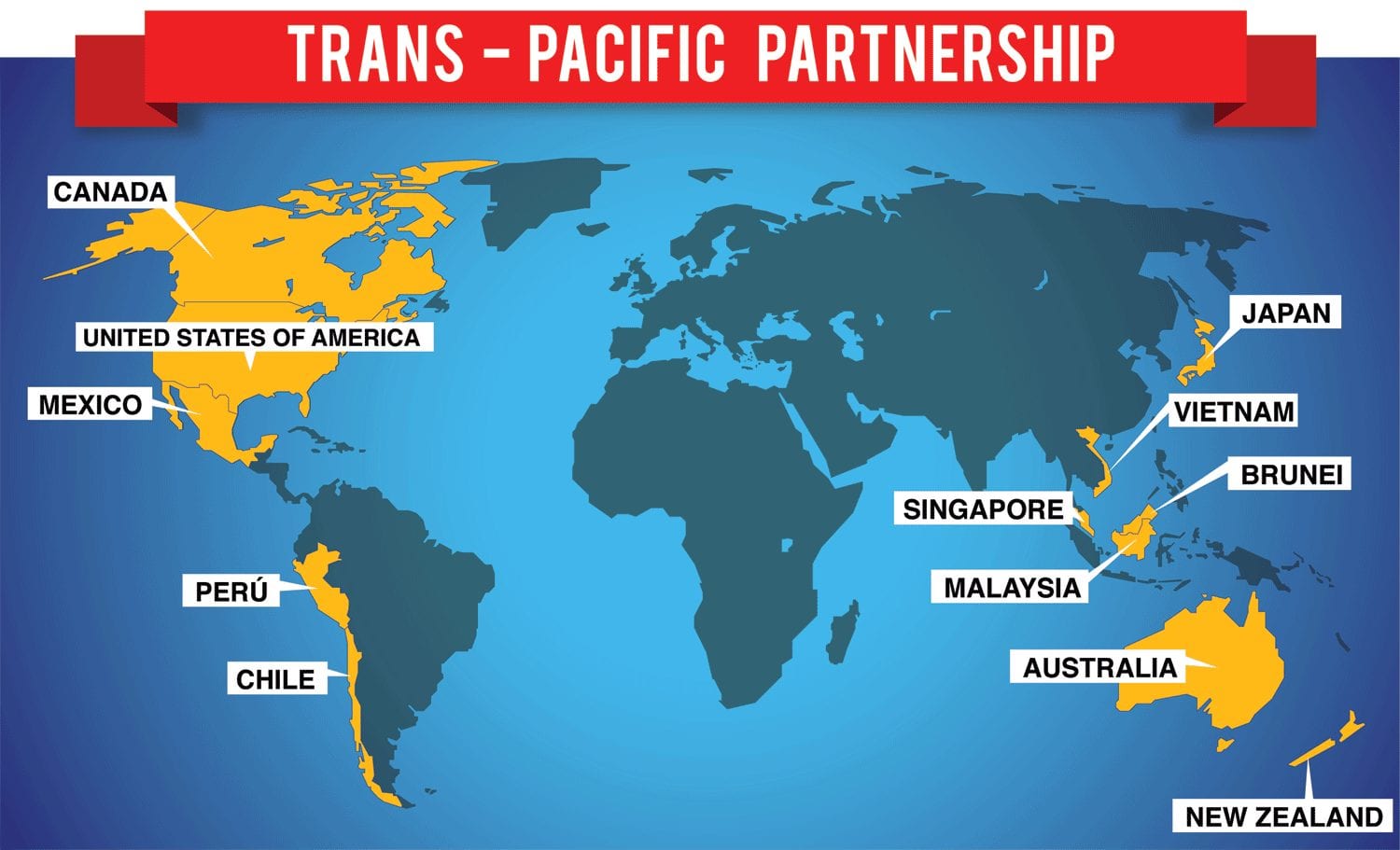
    When Vietnam negotiated to join the WTO, it committed to let investors establish 100 per cent foreign-owned retail businesses from January 2015. In addition, the report attributed the increasing number of retail M&A deals to deeper integration of the country through the Trans-Pacific Partnership (TPP) and the ASEAN Economic Community (AEC), which will see tax exemption for thousands of commodities delivered into each member state.

    “Systematic retail chains account for only 25 per cent of the total market share, while it is 33 per cent in the Philippines, 34 per cent in Thailand, 51 per cent in China, 60 per cent in Malaysia and as much as 90 per cent in Singapore,” the report cited.

    The government expects that with the free flow of goods, human and capital resources within the region, Vietnam’s retail market will become more competitive.

    It projects that the market share will touch 45 per cent by 2020, proving Vietnam to be fertile ground for retail investment.

    Thai retailers are probably the most aggressive in building their presence in Vietnam. Central Group made a debut in 2015 with the acquisition of a 49 per cent stake in electronics stores Nguyen Kim, then later in the year, Berli Jucker, whose parent TCC Holding paid for Metro Cash&Carry in Vietnam, announced its keenness to acquire Big C supermarket operations of French player Groupe Casino. Other interested bidders are Singapore’s Dairy Farm and South Korea’s Lotte Shopping.

    “Both of the two new potential investors are financially strong,” said the report, “Dairy Farm is the second largest retailer in Singapore and Hong Kong, owning popular brands of Cold Storage, Guardian, Wellcome Giant and Hero.” Its revenue hit $13 billion in 2014.

    Meanwhile, Lotte Shopping is South Korea’s biggest retailer with $23 billion turnover in the same year.

    According to the report, Japanese retailing firm AEON, which acquired local peers Fivimart and Citimart last year, is also keen on the deal.

    This year might also be strategic for Japan’s 7-Eleven, as the chain is planning to open its first stores in Vietnam in April 2017.

    “Not only foreign retail giants use M&A deals to enter the market, Vingroup has also, through the M&A route, forayed into the retail industry,” the report said.

    The country’s largest homegrown retailer, Vingroup took over Vinatexmart and Maximark in 2015.

  • Waitrose café replaces China cups and plates with paper crockery

    Waitrose café replaces China cups and plates with paper crockery

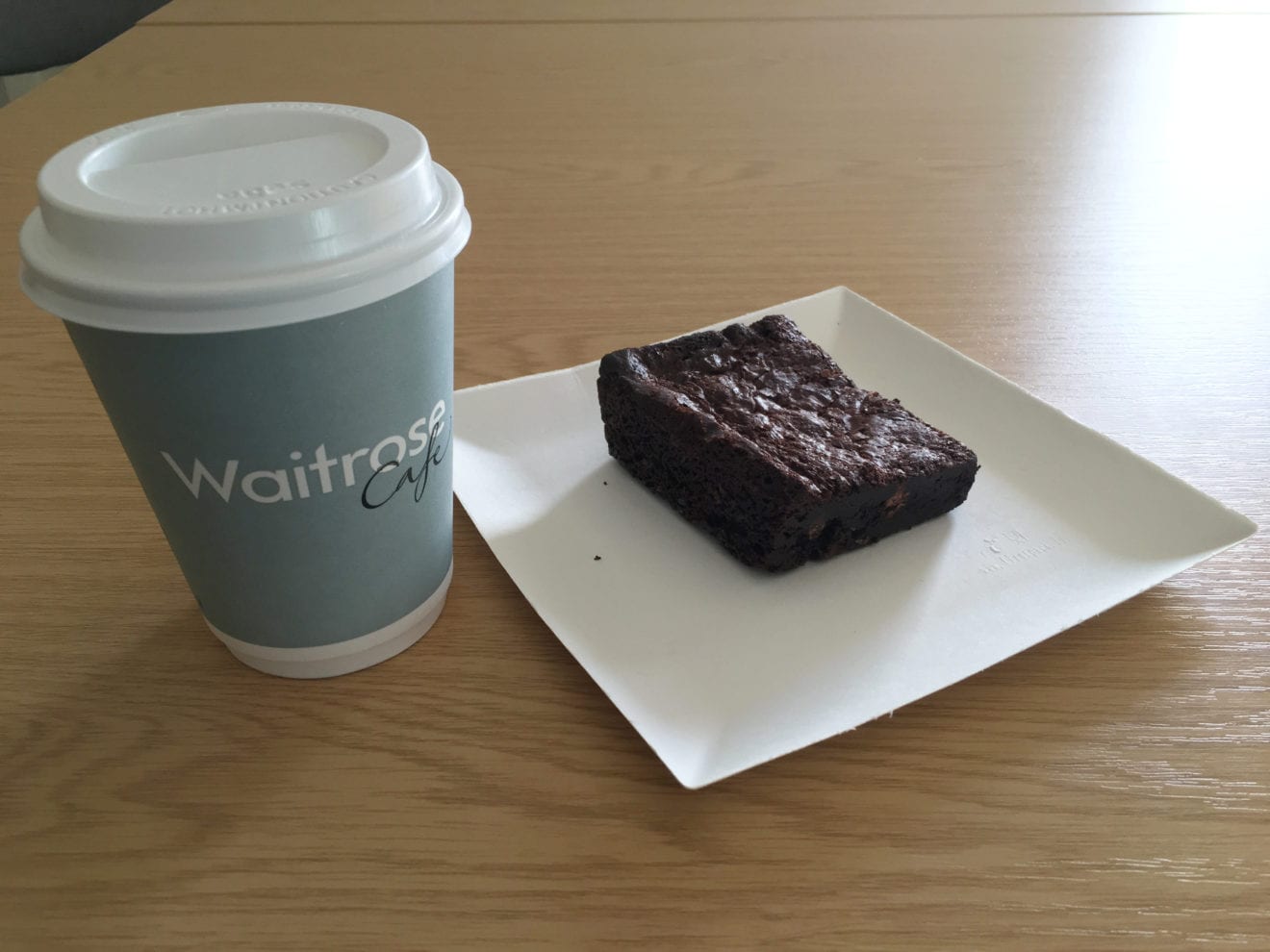
    Waitrose customers have furious to boycott a store over its plan to ditch china plates and replace them with paper crockery. Clients of a branch of the general store in Chichester, West Sussex, have apparently complained to administration in what has been named the most middle class row ever.

    As though that wasn’t sufficiently horrifying, the branch additionally picked to swap out its couches for wooden seats.

    The issues all started when the bistro moved from inside the Waitrose grocery store to the adjacent building, which previously housed a Costa espresso.

    Because of reasons of convenience, the café started to serve its hot beverages in paper glasses and replaced its “shocking” couches with simple to-clean plastic seats.

    A cafe staff part said that a dishwasher would need to be introduced at the new site before china mugs could be used.

    A Waitrose representative said: ‘The criticism of our clients is importent to us and the remarks we have gotten will shape any future arrangement.’

  • Will *Scape 2.0 be youth haven at last?

    Will *Scape 2.0 be youth haven at last?

    *Scape, a youth hangout which opened next to Orchard Cineleisure just six years ago, has been given a $2.5 million makeover.

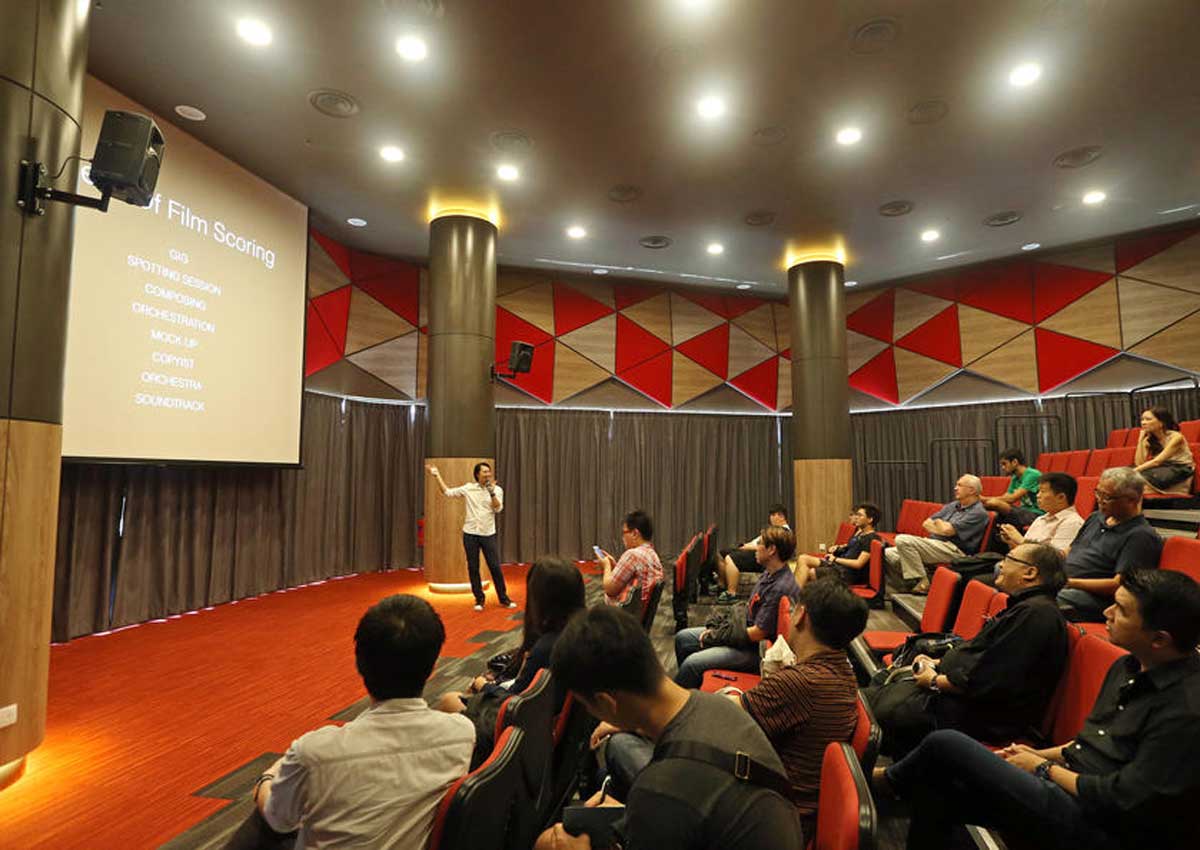
    After completing the revamp late last year, it now offers facilities such as a 100-seater indoor gallery to host film screenings, recitals and talks. It also has an outdoor stage with seating areas for music and other performances, and a walkway to showcase street performances and wall art.

    A new hub where media groups can gather to hotdesk or run events is also ready. The Singapore Film Society and media community group Project Unsung Heroes have started using the space.

    Events slated for this month include open mike sessions at the outdoor bandstand this Saturday, and an interactive play that explores mental disorders at the media hub the following weekend.

    Plans for the makeover of the five-storey hub and outdoor space, which also houses shops and restaurants, were first announced in 2014 by the Ministry of Culture, Community and Youth (MCCY).

    “*Scape, conceived by youth 10 years ago and opened in 2010, is a popular youth hangout,” said then MCCY Minister Lawrence Wong of the hub run by a non-profit organisation of the same name. “But the youth landscape has evolved over the years and we need to keep up with the changes,” he added.

    While *Scape has seen footfall pick up by 8 to 10 per cent a year, its average monthly footfall of 492,000 is lower than that at other malls, which can be over a million.

    *Scape also offers affordable retail spaces to encourage young entrepreneurs. And interest groups also use the space for sports, performing and visual arts, and projects.

    The mall has 70 youth start-ups, 73 institutional and commercial tenants and seven interest groups.

    While *Scape’s focus has been on developing young people in areas such as music, media and dance, its executive director, Christopher Pragasam, said last year it plans to move towards providing them with more platforms for volunteerism.

    For instance, it has a workshop this month to help youth understand the strengths of different communities and use these resources to create projects for social good.

    Some observers say it has had limited success because of its lack of focus. “It suffers from an identity crisis and is trying to do everything at once, from retail to entrepreneurship to arts and media to community service,” said Mr Delane Lim, chief executive of Agape Group Holdings, a youth training and development consultancy.

    He said spaces elsewhere, such as the Youth Square in Hong Kong and Youth Hub in South Africa, are more of a hit because they are commercially run by youth entrepreneurs: “They do get government funding but when they run the place themselves, they bring in fresh ideas and have more say in shaping the space for their peers.”

    *Scape is overseen by MCCY and its team reports to a board of directors made up of government representatives and leaders from the private and public sectors. There was a change in some board members in October last year.

    Ms Elim Chew, founder of fashion chain 77th Street and a former director on the board, said: “With the new board and expertise, I am sure they will bring in even more relevant programmes.”

    Student Magdalene Low, 18, who hangs out at *Scape with her friends once a week during school holidays, said: “There is some good food there but the shops are not very attractive… It offers the space dancers need to practise but, overall, with all the new shopping malls next door, it’s becoming dull and needs to keep up.”

  • Garuda Indonesia to set up new company for non-core units

    Garuda Indonesia to set up new company for non-core units

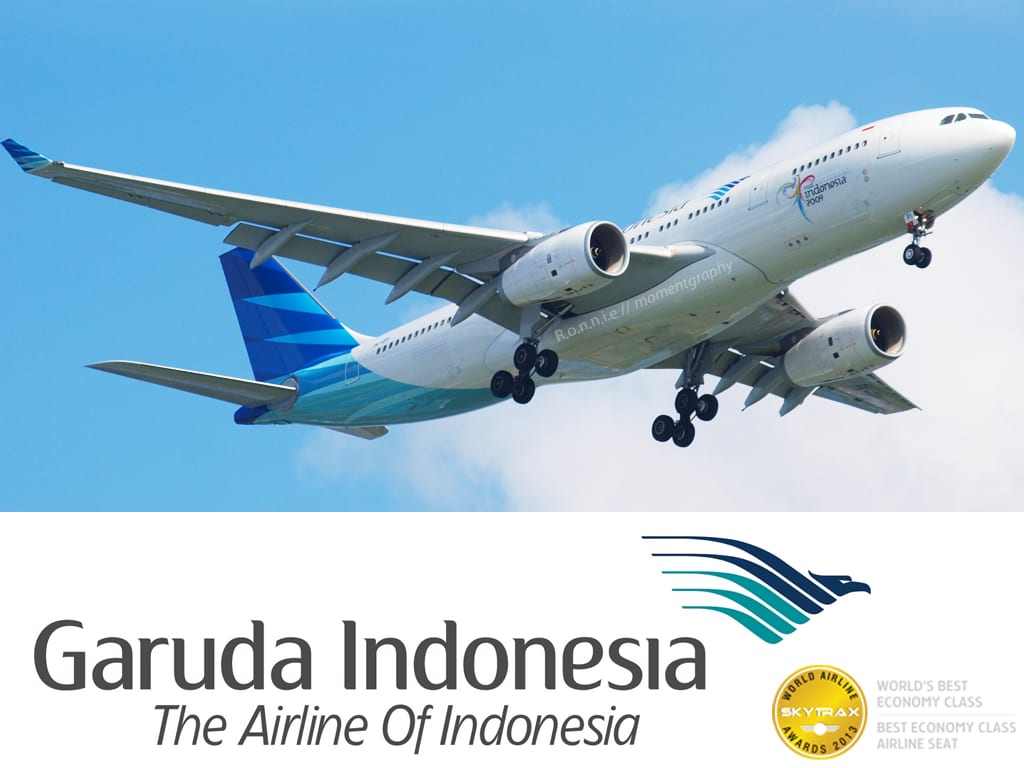
    Garuda Indonesia (GA, Jakarta Soekarno-Hatta) is planning to establish a new holding company to contain subsidiaries that do not contribute to its core business.

    Airline president Arif Wibowo told the Asia Nikkei newspaper that the plan has already secured shareholder approval – including that from the Ministry of Transportation – with a proposal set to be submitted to the Ministry of State Enterprises in the middle of the year.

    “We hope this will increase the company’s leverage, as each business unit will have clearer management and they can develop more specific focuses,” he said.

    Garuda currently operates five subsidiaries including: budget carrier Citilink (QG, Surabaya); PT Aero Wisata which deals with travel, hotel, transportation and catering services; PT Abacus Distribution Systems Indonesia which handles GDS services; PT Garuda Maintenance Facility Aero Asia (GMFAA) which deals with aircraft MRO; and PT Aero Systems Indonesia which is an IT solutions provider.

  • Starwood Hotels & Resorts to Debut Ultra-Luxury St. Regis Brand in Jakarta

    Starwood Hotels & Resorts to Debut Ultra-Luxury St. Regis Brand in Jakarta

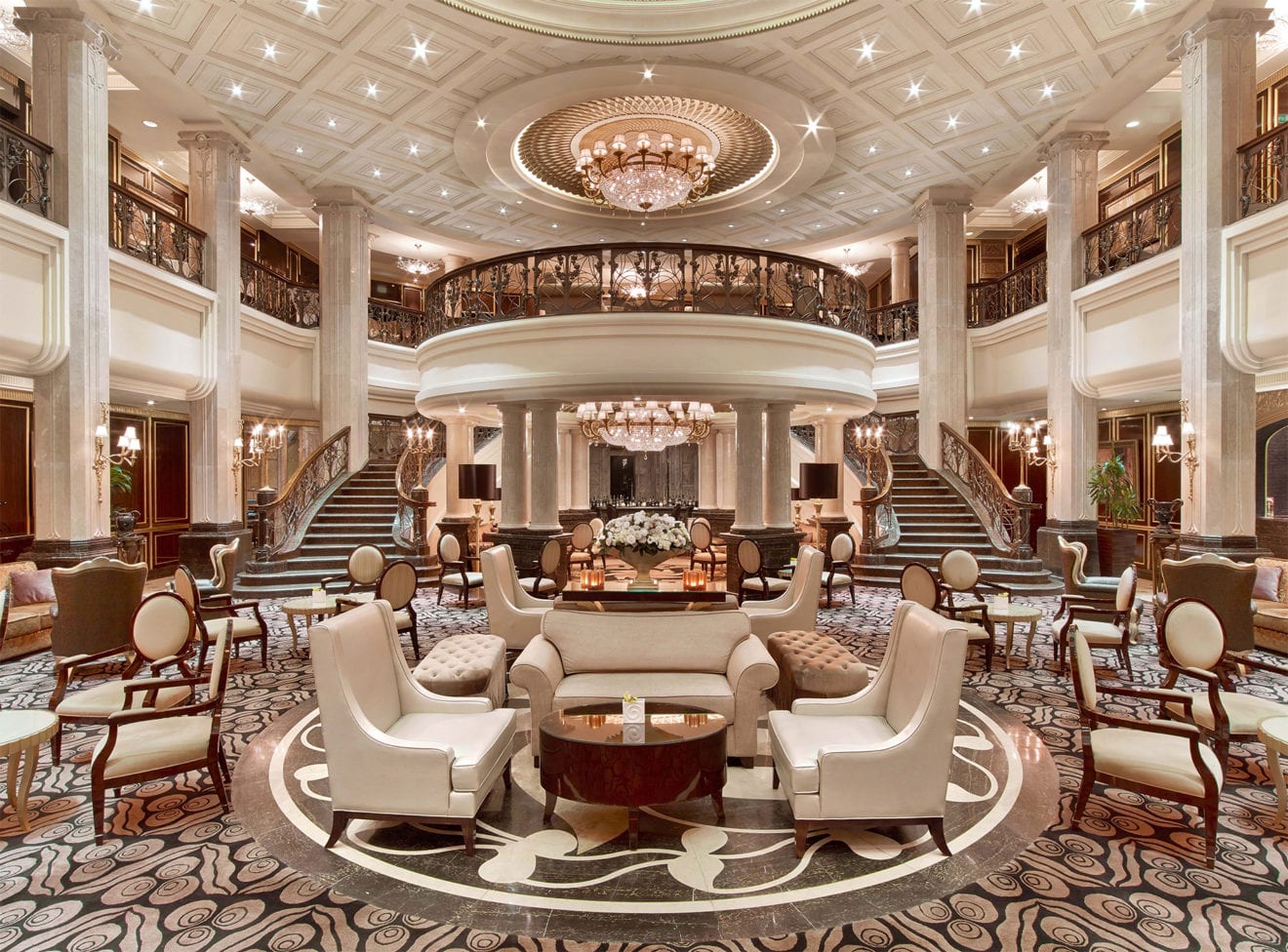
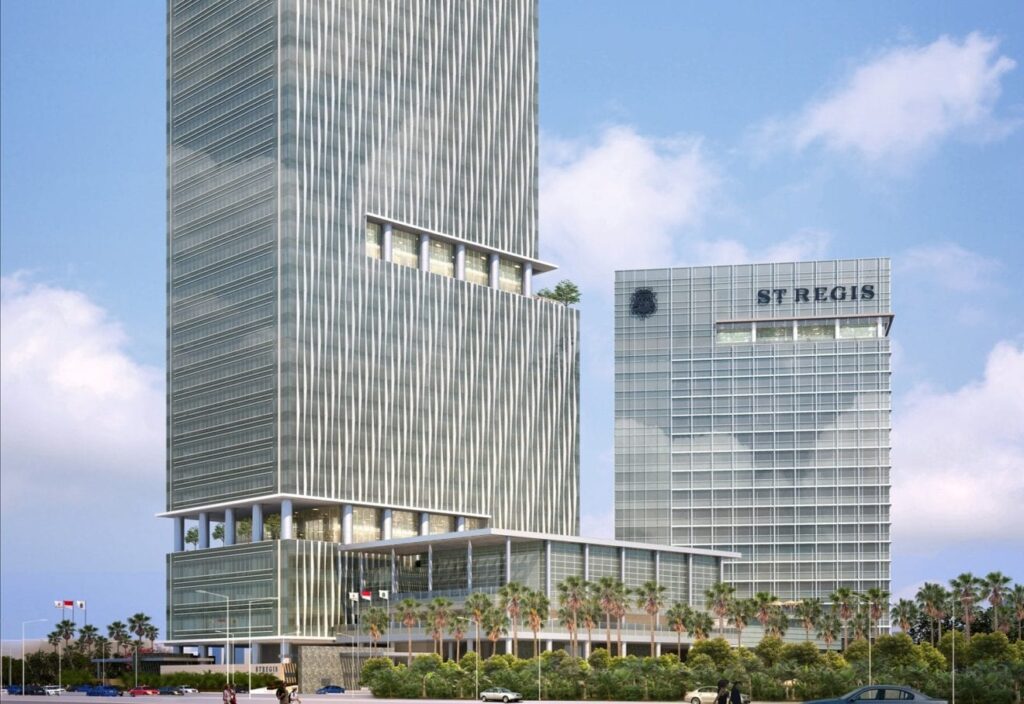
    Starwood Hotels & Resorts Worldwide announced today that the company has reached a management agreement with Rajawali Property Group to open The St. Regis Jakarta and The Residences at The St. Regis Jakarta. Centrally located on Jalan H.R. Rasuna Said, Kuninganin in South Jakarta, the hotel and residences will be part of a new mixed-use development, which will also feature a commercial office tower that will serve as the headquarters of Rajawali Property Group. Slated to open in 2019, The St. Regis Jakarta and The Residences at The St. Regis Jakarta are poised to become the premium address for well-heeled travelers and residents.

    “The St. Regis Jakarta and The Residences at The St. Regis Jakarta are a great testament to the growing wealth and appetite for luxury in Indonesia’s capital,” said Stephen Ho, President, Starwood Hotels & Resorts Asia Pacific. “We are delighted to foster our relationship with Rajawali Property Group by bringing the St. Regis brand’s bespoke service, contemporary design and refined elegance to the ever-bustling city of Jakarta.”

    Shirley Tan, CEO of Rajawali Property Group, added, “Jakarta currently features some upscale residences that are located above or next to hotels, but few offer the heights of refinement tied to the St. Regis name. Today’s signing with Starwood is part of Rajawali’s greater residential strategy to develop a collection of truly branded residences with unique ownership privileges in Southeast Asia, including The Residences at The St. Regis Langkawi in 2016 and The Residences at The St. Regis Jakarta in 2019.”

    The St. Regis Jakarta will offer 280 luxuriously-appointed guestrooms and suites, all bearing elements of the brand’s rich heritage infused with modern inspiration. The hotel will feature four distinctive restaurants, including an all-day dining venue, a fine dining restaurant, The Deli, and the signature St. Regis bar. For meetings and events, the hotel will offer expansive function space that spans 3,600 square meters. Guests will also be able to indulge in world-class leisure facilities, including a spa with six treatment rooms, a fitness center and a swimming pool. To further enhance the guest experience, The St. Regis Jakarta will provide signature St. Regis Butler Service, offering guests 24-hour anticipatory service that customizes each stay to specific needs, tastes and preferences, allowing guests to savor the rarest luxuries of all time.

    153053019

    Following the success of the residences at St. Regis hotels in Singapore and Bangkok, and the soon-to-open St. Regis Kuala Lumpur, The Residences at The St. Regis Jakarta will set new standards for luxury living in Jakarta. Located in a separate tower adjacent to the hotel, the 164 branded residences will offer homeowners and investors refined luxury and privacy, with each home expressing a sense of intimacy, grandeur and panoramic views of the vast city skyline.

    The Residences at The St. Regis Jakarta will feature three types of apartments: a 3-bedroom Sky Residence occupying 355 to 373 square meters; the Sky Villa, a 750 square meter, 4-bedroom unit; and the Sky Palace, featuring over 1,250 square meters. Residents will enjoy exclusive concierge service, a multi-function room and wine room, private garden pool, private dining and library lounge, fitness center and dedicated car parking space. Residence owners will also be able to enjoy the renowned St. Regis services at their doorstep, including St. Regis Butler Service, as well as access the hotel’s fitness and dining facilities.

    “Starwood is pleased to expand its portfolio of St. Regis residences in Asia Pacific, as we see strong continued growth opportunities in this area,” said Rajit Sukumaran, Senior Vice President, Acquisition & Development, Starwood Hotels & Resorts, Asia Pacific. “The Residences at The St. Regis Jakarta will cater to the lifestyle needs of the increasingly affluent and appeal to luxury property investors, while remaining deeply rooted in St. Regis’ distinctive legacy of uncompromising elegance and the ability to provide the finest experiences imaginable.”

    st-regis-jakarta-indonesia-landscape

    The announcement further strengthens the partnership between Starwood and Rajawali Property Group, which currently owns eight Starwood properties, with a total of more than 1,500 rooms throughout Malaysia and Indonesia. This distinguished portfolio includes The St. Regis Bali Resort and the all-suite St. Regis Langkawi Resort. The latter is on track to open in April 2016, as part of an integrated complex comprising The Westin Langkawi Resort & Spa and the ultra-modern Langkawi International Convention Centre (LICC), both owned by Rajawali Property Group.

    Starwood currently operates 18 hotels in Indonesia, five of which are located in Jakarta. The company is accelerating its growth in the country and is on track to open 13 additional hotels in the next three years. In addition to The St. Regis Jakarta, Starwood’s pipeline also includes Aloft hotels in Kebon Jeruk and Wahid Haysyim, The Westin Jakarta and W Jakarta.

  • Indonesia studying Trans-Pacific Partnership Agreement

    Indonesia studying Trans-Pacific Partnership Agreement

    Indonesia is studying 6,000 pages of the Trans-Pacific Partnership Agreement to see possible impacts on domestic industries if it finally decides to join it.

    “There are 30 sub-sectors involved in the 6,000 page agreement that have to be studied one by one,” Director General of Resilience and International Industrial Access Development of the Ministry of Industry, Achmad Sigit Deiwahjono, said here Thursday.

    The focus of the study was not put on the policy of domestic content (TKDN) which is not allowed in the agreement, he said.

    The government hoped the TKDN would not be abolished if Indonesia later joins the TPP, he said.

    He would negotiate so that the TKDN would remain, but the portion would be divided for the interest of the TPP, he said.

    “Indonesia wishes it (TKDN) would be exempted, for example, by allowing the TKDN to some value of the project,” he said.

    He did not know when the study would be finished, and he also did not know if Indonesia would finally join it or not, Sigit said.

    “We will still study it. It is not yet finished,” he added.

  • Indonesia’s growth in 2015 slows for fifth consecutive year

    Indonesia’s growth in 2015 slows for fifth consecutive year

    Growth in South East Asia’s largest economy, Indonesia, has come in at 4.76% for 2015, marking the fifth consecutive yearly decline. Weaker commodity prices and consumer spending, together with a slowdown in its key trading partner, China, has hurt growth. Towards the end of last year, however, the economy expanded by just over 5%, boosted by government spending. President Joko Widodo had promised to lift annual growth to 7% on average.

    However, the country has seen an average of just under 6% growth over the past decade and analysts have said growth is unlikely to improve for some time.

    “The fourth quarter data is a positive surprise,” economist Tony Nash told.

    “But unfortunately the uptick will likely be short lived. We expect deterioration in the first quarter and it’ll be tough to regain growth momentum before 2017,” he added.

    Mr Widodo made his promise to raise growth when his five-year term began in 2014, but he has faced problems boosting government spending and has seen several large infrastructure projects delayed.

    A $5.5bn high-speed railway project, funded by China, was signed last year and is scheduled to be up and running by 2019.

    But the project has faced widespread objections from transport experts and its long-term viability has been questioned.

    Mr Widodo has also faced international condemnation for the country’s man-made forest fires, which have caused serious economic and environmental damage.

    In December, the World Bank said Indonesia’s forest fires last year had likely cost the country more than twice the amount spent on reconstruction efforts after the 2004 Aceh tsunami.

    In its quarterly report, the bank said the fires had cost some 221tn Indonesian rupiah ($15.72bn; £10.5bn).

    It added that regional and global costs would be much higher.

  • Malaysia, Indonesia & Thailand to shore up rubber price

    Malaysia, Indonesia & Thailand to shore up rubber price

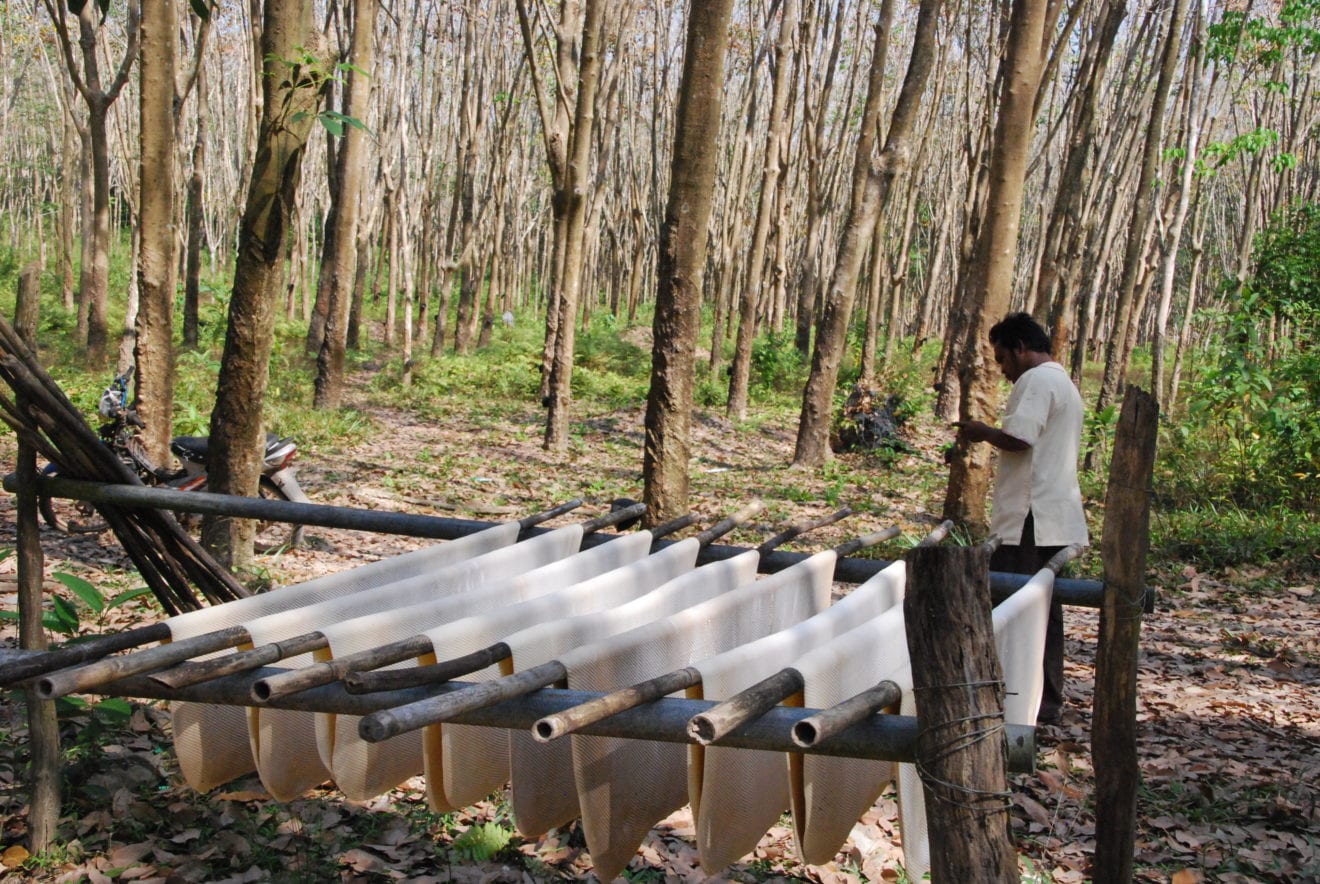
    Asia’s top rubber producers have agreed to cut exports by 615,000 tonnes for six months from March, moving to lift prices that have tumbled to their lowest since the global financial crisis amid excess supply.

    Benchmark rubber futures in Singapore and Japan rallied 2-3% on the news. The benchmarks sank in January to their lowest levels since end-2008 to early 2009.

    Thailand, Indonesia and Malaysia, which produce nearly 70% of the world’s natural rubber, said in a joint statement that the move was to address a decline in rubber prices which has had “a direct effect on the income of rubber smallholders in our three countries.”

    Thailand will cut exports by 324,000 tonnes, Indonesia by 238,740 tonnes and Malaysia by 52,260 tonnes, according to a statement from the International Tripartite Rubber Council (ITRC), which groups the three producers.

    The total cuts account for nearly 6% of global natural rubber output.

    “The three countries’ ministers believe that cutting exports and boosting domestic use of rubber will drive up prices and fix the price slump, making prices fair for rubber farmers,” Thailand’s agriculture ministry said in a statement.

    Previous efforts by major rubber producers to cut exports or output have only had a fleeting impact on prices amid a slowdown in top rubber importer China. In 2014, the ITRC members also agreed to cut exports to curb excess supply.

    Before that, they collectively cut shipments by 300,000 tonnes in 2012-13, or roughly 3% of 2012 global output. The intervention only briefly supported prices and Indonesia called for the pact to be discontinued.

    Besides cutting exports, the three countries today also agreed to increase domestic consumption of rubber – including for road and railway construction.

    “We are optimistic with joint implementation of these measures, rubber price will recover and continue to be fair and remunerative to all smallholders and other stakeholders in the natural rubber industry,” the ITRC said in the statement.

    Thailand, the world’s top rubber producer and exporter, will cut its rubber exports by 50% starting March, said the Rubber Authority of Thailand.

    “The three countries will cooperate in cutting exports by 615,000 tonnes from March to August,” said Chao Songarvut, acting director of the Rubber Authority of Thailand, adding that the move was to drive up prices.