Category: General

Retail News Asia is committed to providing both local and global retailers with the latest General Retail news throughout the Asian market. This on a daily base.

  • Alfamart Set to Open Up To 120 Shops in Philippines

    Alfamart Set to Open Up To 120 Shops in Philippines

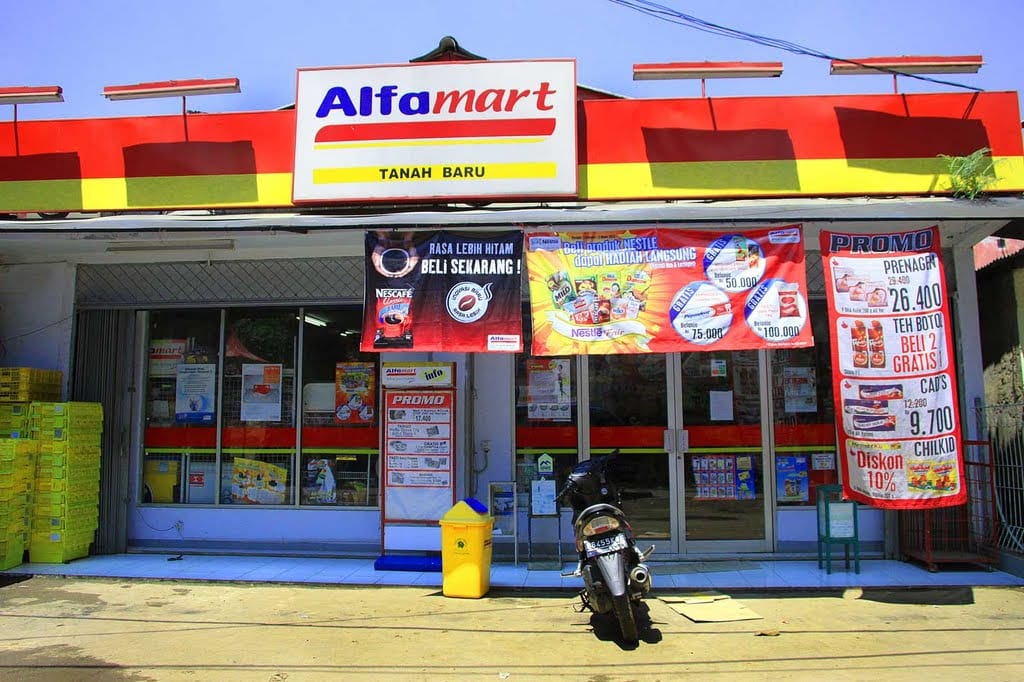
     Sumber Alfaria Trijaya, the operator of the Alfamart comfort retailer chain, plans to open between 100 and 120 new shops within the Philippines via its subsidiary Alfamart Retail Asia, as a part of the corporate’s regional enlargement plan.

    The corporate has estimated the brand new shops will value Rp 50 billion ($three.eight million) and has secured a mortgage from banks within the Philippines to fund the funding.

    The corporate’s Philippines shops are operated as a part of a three way partnership between Alfamart Retail Asia and native retailer SM Retail Grocery store. Alfamart Retail Asia has 35 % fairness within the enterprise.

    Presently the enterprise operates 44 shops.

    Sumber Alfaria Trijaya plans to open 1,200 shops in Indonesia this yr, and has set apart Rp 2 trillion from its inner money fund for the enlargement. The retailer had 10,086 shops in Indonesia on the finish of March, together with 2,958 franchise shops.

  • Walmart launches Hypermarket O2O platform “Walmart To Go” in China

    Walmart launches Hypermarket O2O platform “Walmart To Go” in China

    Walmart launched its hypermarket O2O platform “Walmart To Go” within the Chinese language metropolis of Shenzhen on Tuesday. The platform consists of the newly launched “Walmart” cellular purchasing APP, To Go Service Centre, in shops for self-pickup and a number of on-line & offline e-payment choices.

    Walmart will pilot “Walmart To Go” in Shenzhen (besides Yantian and Dapeng) and supply high quality e-commerce expertise to clients with its community of 23 shops. “Walmart To Go” can be adjusted and upgraded based on clients’ feedbacks and steadily increase its service nationwide.

    By looking for key phrase “Walmart” in each iOS and Android APP shops, clients can simply obtain the APP onto their telephones. Presently the APP presents greater than 10,000 gadgets, with 1000 recent/dairy/frozen SKUs in addition to merchandise overlaying grocery, well being and wonder merchandise and family chemical compounds. Extra gadgets bought in bodily shops can be added to the APP steadily.

    “Walmart To Go” is aimed to offer high quality purchasing expertise to clients. From ordering on the APP, choosing merchandise from the shelf, to residence supply or in retailer self-pick-up, clients will expertise a considerate service by Walmart devoted groups.

    “‘Walmart To Go’ is a vital milestone as it’s an enhancement and extension to our brick and mortar enterprise. We’re uniquely positioned to combine bodily and digital retail seamlessly. Walmart needs to be an actual O2O firm. We’ll proceed to innovate each on-line and offline to satisfy the altering calls for of our clients, and would be the most trusted omni-channel retailer in China,” Sean Clarke, President and CEO of Walmart China spoke on the “Walmart To Go” launch ceremony.

    To offer one of the best supply providers to Chinese language shoppers, Walmart leveraged its expertise within the US, UK, and different comparably more experienced E-Commerce markets. Each bodily retailer acts as an unbiased customer support and operation centre with a devoted group of Walmart employees liable for APP orders. These educated specialists will cowl the order preparation course of from product choosing, packaging, to delivering or handing the merchandise to clients in retailer. For recent meals that require a sure storage temperature, the Walmart supply staff will use particular insulated luggage to ensure the identical off-the-shelf freshness a buyer expects in a Walmart retailer.

    In the meantime, Walmart works with logistics firm to construct supply group solely liable for Walmart orders.

    If clients select home-delivery providers and full an order earlier than 11 am, the merchandise might be delivered on the identical day. Supply charge might be freed from cost if the acquisition is over CNY188. Clients may also determine to select up their order in any retailer they need. The assigned retailer will put together the gadgets inside about four hours in accordance with buyer choice of the pick-up time. After clients obtain the reminder message on their cell phone, they might go to the “To Go Centre” to select up the order by order quantity.

    Merchandise bought on the APP are the identical as those bought in bodily shops. APP customers additionally take pleasure in the identical worth and after gross sales providers as in bodily shops. Walmart’s 100 % Fear Free Recent Assure additionally applies on APP. If APP customers usually are not glad with the recent merchandise they purchased, they might refund inside 14 days of buy.

    Walmart APP offers versatile cost choices for patrons reminiscent of Union Pay, Alipay and E present playing cards. Walmart bodily shops may even have particular e-payment checkouts to simply accept Alipay and different cellular cost strategies. The retail big stated it should add extra e-payments within the shops and on the APP sooner or later to offer extra handy cost providers.

  • MAP Expects Slower Gross sales, to Spin Off Attire Division

    MAP Expects Slower Gross sales, to Spin Off Attire Division

    Mitra Adiperkasa, or MAP, a life-style retailer that holds the licenses for Starbucks, Burger King and Zara in Indonesia, forecasts slower gross sales progress this yr, citing climbing prices and the nation’s financial slowdown.

    Fetty Kwartati, company secretary at MAP, stated that the corporate focused gross sales to develop between 13 % and 15 % this yr. That may be a steep stoop in comparison with final yr’s gross sales that grew 22 % to Rp 11.eight trillion ($895 million).

    “We’re conscious that the state of affairs can be difficult this yr so we’re setting this objective from the very starting,” Fetty stated on Monday. “Hopefully, issues will flip for the higher within the second half of the yr.”

    Revenue for retailers like MAP has declined resulting from Indonesia’s slowing financial system, which grew at its weakest tempo in 5 years at four.7 % within the first quarter, coupled with a weak foreign money that has pushed up the price of import.

    Internet revenue at MAP fell 78 % to Rp 10 billion between January and March from Rp 78 billion final yr, as larger prices reduce the corporate’s year-on-year revenue margin to zero.three % from 1.5 % final yr.

    Beneath such circumstances, the native retailer is setting a extra “prudent” enlargement plan, setting apart as much as Rp 500 billion in capital spending this yr — 17 % decrease than final yr’s Rp 600 billion — stated Virendra Prakash Sharma, vice chairman director at MAP.

    “So far as the enlargement plan goes this yr, we’re going to be very prudent. We’re going to be very selective on the subject of enlargement,” Sharma stated.

    A lot of the spending will go in the direction of the corporate’s plan to confide in 45 new Starbucks branches this yr, he added.

    The retail may also be spinning off its active-lifestyle enterprise division, Mitra Aktif Adiperkasa, this yr in hopes to “unlock the brand new division’s potential,” Sharma stated. The corporate goals to listing Mitra Aktif Adiperkasa on the Indonesia Inventory Change inside the subsequent 4 to 5 years, he stated.

    Beneath Mitra Aktif Adiperkasa, the retailer will consolidate the corporate’s lively attire division with its socks division Putra Agung Lestari and garment enterprise Mitra Garindo Perkasa, working as a lot as 878 retail branches underneath the corporate, the vice chairman director stated.

    The transfer follows Mitra Adiperkasa’s stake sale on two of its meals and drinks manufacturers — Domino’s Pizza and Burger King — final yr.

    The agency bought 51 % of its stake in Domino’s Pizza, in addition to 39.four % of Burger King, to Everstone Capital, a Singapore-based personal fairness agency, final yr.

    MAP will promote one other 11.6 % of Burger King to Everstone Capital later this yr, leaving the native retailer with a 49 % stake on the fast-food model, in accordance with Sharma.

    MAP holds the license to over 150 worldwide manufacturers  — together with Sogo, Zara and Krispy Kreme — with a complete of 1,879 retail outlets throughout 65 cities in Indonesia as of April.

  • 50% tariff reduce to spice up consumption

    50% tariff reduce to spice up consumption

    China will minimize import tariffs by about 50 % for some shopper items in June to spice up home consumption.

    Tariffs for imported skin-care merchandise will probably be slashed from 5 % to 2 %, diapers from 7.5 % to 2 %, leather-based boots from 24 % to 12 %, and woolen fits from 17.5 % to 10 %, the Ministry of Finance stated in a press release yesterday.

    Tariffs for fur clothes, cashmere jumpers and sneakers have additionally been halved to between 7 and 12 %.

    “Chinese language shoppers are very taken with shopping for clothes, footwear, cosmetics and diapers from abroad,” the ministry stated. “Decrease tariffs for such merchandise will assist increase imports, improve home consumption, and meet numerous wants of shoppers.”

    The State Council, China’s Cupboard, determined in late April to chop import tariffs because the nation seeks to spice up home consumption as extra rich Chinese language vacationers store overseas.

    However Zhang Junwei, a researcher with the Improvement Analysis Middle of the State Council, famous that slicing import tariffs alone might solely have restricted impact in bringing consumption house because the tariffs comprise a small half within the remaining costs of merchandise.

    Worth-added tax, consumption tax, distribution prices and the model’s pricing technique play a larger position in costs of imported items, specialists stated.

    China has up to now minimize import tariffs for some toddler meals, drugs and digital camera lens.

  • Consumer confidence dips in Q1: Nielsen

    Consumer confidence in the first quarter dipped one point from a quarter ago with sentiment about employment and personal finance both lowered, a latest study shows.

    The Chinese Consumer Confidence index stood at 106 in the first quarter this year, down from that of 111 points in the same period a year ago, Nielsen China said in a research report today.

    Despite dip in sentiment about employment and personal finance, the willingness to spend showed an overall increase of 2 points to 44 percent.

    “Chinese consumers’ willingness to spend is seeing a recovery especially in lower tier cities and the increasing disposable income, the low inflation level as well as the booming e-commerce development all suggest huge growth potential for consumer spending,” Oliver Rust, Managing Director of Nielsen China, said in a statement.

    Following a historic high of 118 points in the fourth quarter last year, consumer confidence index in first tier cities dropped five points to 113 points this quarter, and Nielsen suggested these are just normal fluctuations.

    The survey covers a total of 3,500 respondents in China. Consumer confidence levels above and below a baseline of 100 indicates degrees of optimism and pessimism, respectively.

    The immediate spending intention in the following 12-month period jumped 8 points to 50 percent among tier four cities’ consumers, as these smaller cities are leading the momentum of overall consumer goods growth in China.

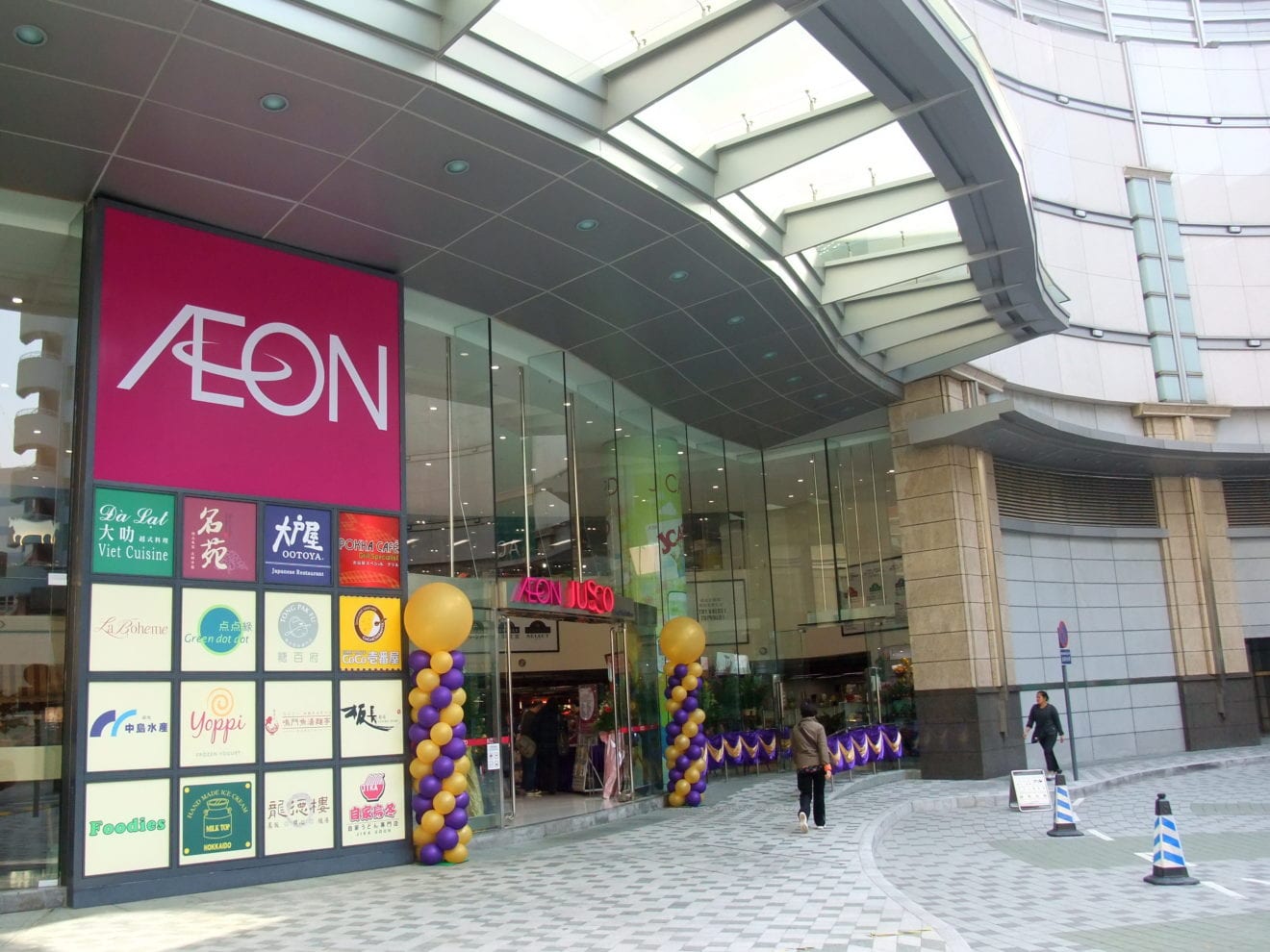
  • Aeon posts 1Q profit growth, sees challenging year

    Aeon posts 1Q profit growth, sees challenging year

    Aeon chairman Datuk Abdullah Mohd Yusof said nevertheless, the group remains confident in meeting the challenges head-on.

    “After consumers get used to the changes in the new tax system, they will start shopping again, especially in the upcoming festive periods,” he told reporters after the group’s annual general meeting yesterday.

    After enjoying four consecutive years of steady growth, Aeon saw its net profit for the financial year ended December 31, 2014 (FY14) drop 7.9% to RM212.71 million from RM230.96 million in FY13.

    However, its net profit rebounded for the first quarter ended March 31, 2015 (1QFY15), growing 5.4% to RM49.4 million or 3.52 sen a share from RM46.88 million or 3.34 sen a share a year ago. Revenue was up by 17.1% to RM1.11 billion from RM945.51 million in 1QFY14.

    Abdullah blamed the net profit decline in FY14 on the rising cost of living and operation costs, as well as an increase in its capital expenditure (capex) for expansion.

    “The [implementation of the] minimum wage also caused [the] costs to go up. The cost of doing business has risen. We have also been accelerating our expansion to have a bigger market share,” said Aeon managing director Nur Qamarina Chew Abdullah.

    Aeon has set aside RM700 million as capex for FY15, an increase from about RM670 million last financial year.

    Abdullah said the budget had been earmarked for the development of upcoming Aeon malls, namely in Shah Alam, Selangor and Klebang, Melaka, which are slated to open in 4Q15.

    The group will also open malls in Kota Baru, Kelantan by 2Q16, and Kuching, Sarawak in 2Q17.

    The overall occupancy rate of its malls currently stands at 93%, a number that Abdullah said is a “fairly good” average.

    Yesterday, Aeon shares closed 0.96% higher at RM3.16, with some 1.77 million shares traded. It closed with a market capitalisation of RM4.39 billion.

  • Matahari Putra Prima to Distribute Rp194b in Dividends

    Matahari Putra Prima to Distribute Rp194b in Dividends

    Shareholders of Indonesia’s largest trendy retailer for fast-moving shopper items Matahari Putra Prima permitted in its annual common shareholders assembly a plan to distribute Rp 193.9 billion ($14.7 million) in dividends, which characterize 35 % of the corporate’s 2014 internet earnings of Rp 554 billion.

    Buyers of MPP, a Jakarta Globe affiliate by means of the Lippo Group, will obtain a dividend cost of Rp 36 for each share they maintain in a date which might be introduced later.

    “We’re happy to announce the money dividend of Rp 193.9 billion to our valued shareholders. This demonstrates the corporate’s on­going dedication to extend shareholder worth in ­line with the corporate’s goal to turn into the main FMCF trendy retailer in Indonesia,” MPP president director Benjamin Mailool stated in a press launch on Monday.

    Mailool added that the corporate will proceed its aggressive enlargement this yr by opening at the very least 10 new Hypermart retailers and additional develop its Foodmart and Boston Well being & Magnificence enterprise models.

    “Our dedication to buyer satisfaction is concentrated on additional improvement of the Hypermart format to continued enchancment of the client purchasing expertise and ensures we proceed to seize market share to safe the primary place within the multi-­format fast-moving shopper items phase,” he added.

    Buyers additionally welcomed John Riady and Niel Nielson to the board of commissioners and accepted the administrators studies on the corporate’s achievements and monetary outcomes for the 2014 fiscal yr.

    “We want to welcome John Riady and Niel Nielson who at the moment are the brand new members of BOC. These management modifications proceed to strengthen our boards to help the aggressive enlargement plans for 2015 and past,” Mailool stated.

    MPP posted a robust revenue progress final yr, because of strong gross sales and enhancing store-level productiveness.

    MPP lately introduced that its internet revenue grew 24.5 % to Rp 554 billion final yr. Eliminating one-time good points in 2014, internet revenue elevated 58.2 % to Rp 625.9 billion.

    In 2014, MPP grew with the widest retailer community of 107 hypermarkets, 21 supermarkets, 102 well being and wonder retailers, and 37 comfort shops working in additional than 60 cities and  29 provinces throughout Indonesia.

    It has launched the newest idea of Hypermart Era 7 (G7) in North Lippo Karawaci, on the outskirts of Jakarta. The occasion was adopted by the opening of a second G7 retailer in Batam in April.

  • Retailers in China have to adapt to thrive within the “new regular”

    Conventional retailers and shopper items corporations want to vary the enterprise methods shortly within the realities of a “new normaI” in China. Worldwide shopper companies, particularly, have to be extra versatile and complicated with their offline and on-line propositions to be aggressive, in line with a brand new report by OC&C Technique Consultants.

    The New Regular: Time to cease making excuses and adapt as an alternativeunits out a roadmap for retail companies responding to the change in progress dynamic in China. The report reveals that offline targeted companies who used to see the retail progress of nearer 13-14 % earlier than at the moment are seeing nearer to 7-Eight % if they’re nationally distributed and even as little as Three-Four % if they’re extremely targeted on tier one and two cities. Equally, these companies which might be under-exposed to well-performing areas of the market, reminiscent of on-line and decrease tier cities, have seen their progress charges halved up to now two years.

    A number of the largest offline operators reminiscent of grocers, malls and electrical shops, have skilled particularly troublesome occasions as they’ve been depending on additional area to drive progress. Many overseas shopper items corporations additionally suffered because of the emergence of home on-line gamers with their very own shops hosted by Tmall, inflicting many shoppers to shift away from established, worldwide manufacturers as they transfer on-line.

    “There’s nonetheless loads of progress to be present in China, nevertheless corporations must be nimble to profit from it. Accepting this new regular actuality, understanding the right way to faucet into these areas of market progress, after which planning and investing appropriately for the longer term will put retail and shopper items companies on a stronger footing,” says Richard McKenzie, Companion, OC&C Technique Consultants.

    Regardless of considerations over slower, and even destructive progress for some retailers, China continues to increase far faster than most different world markets. With ranges of private disposable revenue remaining excessive and shopper confidence nonetheless robust, the fast problem for retailers and shopper items corporations is to turn out to be profitable on-line, because it now accounts for over half of retail market progress.

    There are 4 key actions that shopper companies in China have to be contemplating as a part of coping with this modification in progress dynamic:

    1. Be practical about underlying market and price range appropriately: So as to carry out like the general market, multi-nationals particularly have to undertake a extra balanced strategy that provides applicable consideration to the expansion pillars of on-line and decrease tier cities.

    2. Offline is way from lifeless however does deserve much less focus: Though nonetheless the most important channel for many retailers, an excessive amount of of a spotlight might maintain again the enterprise for embracing the quicker shifting on-line market.

    Three. Look to decrease tier cities: Extra engaging than ever as a supply of progress, companies want to make sure they’ve entry to those shoppers in decrease tier cities, though the size of alternative might be very totally different for every enterprise and any strategy will must be tailor-made.

    Four. Constructing the correct proposition for progress in every channel: The expansion and pricing dynamics of every channel are radically totally different and must be assessed individually, relative to each a enterprise’s personal efficiency and people of its rivals.

  • Metro AG to open imported items retailer in FTZ

    Metro AG to open imported items retailer in FTZ

    German retailer group Metro AG is planning to open an imported items specialty retailer inside Shanghai’s Free Commerce Zone by the top of this yr to seize a slice of the booming imported items market.

    Metro AG stated it expects e-commerce transaction might make up as a lot as 10 % of its general revenue in China inside one or two years.

    “We’ll shift our focus to enlargement from opening new shops to renovating present ones to raised go well with e-commerce consumers. For the web enterprise, we additionally hope to focus on extra company shoppers with a view to assure our revenue margin,” president of Metro Money & Carry China Jeroen de Groot informed a press briefing right now.

    It’s nonetheless discussing the small print with the Shanghai FTZ authorities relating to the availability chain and stock administration amenities.

    The corporate at present unveiled a modern format of its on-line buying website that permits consumers to select their close by department for simpler supply and a real-time reflection of merchandise in inventory.

    Tao Yuan, basic supervisor of Metro Money & Cary’s e-commerce unit, stated supply for particular person consumers might be dealt with by native courier agency SF Categorical and Zhaijisong Categorical Supply.

    By the top of this yr, it hopes to cowl altogether 80 Metro retailers in China in 56 cities. At present it’s obtainable to shoppers in 21 cities.

  • Shopper confidence in Vietnam up in 1Q

    Shopper confidence in Vietnam up in 1Q

    The buyer confidence index in Viet Nam elevated by six factors to 112 factors over the past quarter, in response to Nielsen’s reort for the primary quarter of 2015 launched on Might 20.

    This was the third third consecutive improve and the nation’s highest rating since 2010, making Viet Nam the sixth optimistic nation on the planet.

    The report confirmed a continued development in the direction of saving cash by 86 per cent of interviewees over the previous yr. Greater than half (56 per cent) stated that they had reduce spending as a result of they believed the nation was in financial recession.

    Greater than 60 per cent stated they minimize spending on new garments and tried to economise on electrical energy and fuel use, and 57 per cent skimped on leisure.

    Vietnamese at the moment are among the many world’s greatest savers. Seventy eight per cent put their spare cash into financial savings, the report stated. Nevertheless, 44 per cent have been nonetheless able to pay for holidays and 40 per cent needed to spend on hi-tech devices.

    Well being was the most important concern for Vietnamese, not the state of the financial system or job safety, in response to the report. One in each 5 have been nervous about their well being, whereas 15 per cent have been involved concerning the financial system and solely 16 per cent anxious about job safety.

    The quarterly report confirmed shoppers in Southeast Asian have been probably the most optimistic. Three out of 5 nations with the very best shopper confidence scores have been Indonesia with 123 factors, the Philippines with 115 factors and Thailand with 114 factors

  • Skechers to donate more than 62,000 pairs of BOBS shoes

    Skechers to donate more than 62,000 pairs of BOBS shoes

    Skechers USA Inc. will donate more than 62,000 pairs of BOBS shoes to support children affected by the devastating 7.8-magnitude earthquake in Nepal through charitable footwear donation program, the footwear maker said on Thursday.

    The donation will add to the company’s 11 million-pairs distributed to children in need worldwide since the BOBS charitable program launched in 2011.

    Working with donation partners K.I.D.S./Fashion Delivers and Soles4Souls, more than 62,000 pairs of BOBS from SKECHERS donation shoes will be transported to Nepal to aid victims of the April 25 earthquake.

    Working with donation partners K.I.D.S./Fashion Delivers and Soles4Souls, the first delivery of more than 36,000 pairs is scheduled to arrive for May distribution. As more rubble is cleared and transitional housing is established for victims of the earthquake, an additional container of 26,000-plus pairs of BOBS will arrive in Nepal for distribution in August.

    “BOBS was created as an ongoing program to help children in need around the world, but when a natural disaster strikes we need to step up even more to help families affected by these tragedies,” began SKECHERS president Michael Greenberg. “With reports of more than 300,000 homes destroyed, 16,000 people injured and thousands of lives lost, we need to do our part to help the people of Nepal rebuild. The need for food, water and shelter is critical, but shoes to protect a child’s feet can offer a feeling of comfort and safety in the midst of a chaotic disaster zone. We are happy to work with our charitable partners K.I.D.S./Fashion Delivers and Soles4Souls to transport BOBS shoes into Nepal, and we hope this donation will help thousands of children in need.”

    The BOBS donation in Nepal is Skechers’s latest contribution to help families affected by disaster. In addition to Typhoon Haiyan relief in the Philippines, the company’s previous donations have provided footwear for survivors of Hurricane Sandy in New York in 2012 and victims of the devastating Haiti earthquake in 2010. BOBS also regularly donates its product to more than 30 countries worldwide, from communities in need in the United States to families around the globe.

  • China duty cuts details released

    China’s mainland government will halve duties on imported clothing, accessories, skincare products and nappies from Monday June 1.

    The China duty cuts were first flagged early this month as Beijing’s lawmakers sought a way to revive flagging retail sales growth and encourage locals to spend more at home rather abroad.

    The cuts are aimed at incentivising travellers to purchase luxury goods from local retailers rather than abroad, and discourage cross-border trading, especially through Hong Kong.

    The duty cuts average 50 per cent and will go a long way towards addressing an imbalance where mainlanders can pay as much as 40 per cent premium on foreign made goods due to import duties and other taxes.

    While the biggest impact of the duty cuts will be on luxury goods, Hong Kong’s border traders and cosmetics and personal care chains will take a significant hit. The mainland government has already clamped down on cross-border runs, limiting mainlanders to one trip a week to Hong Kong. That has reduced sales of nappies, cosmetics and infant milk formula in Hong Kong, for resale in Shenzhen and beyond.

    Hong Kong General Chamber of Pharmacy committee member Cheung Tak-wing told the South China Morning Post that local pharmacies had seen sales drop by one-fifth in April year-on-year. Drugstores in the northern district were hardest hit by the loss of bulk buyers from across the border.

  • Walmart reduces Li & Fung reliance

    Walmart reduces Li & Fung reliance

    Walmart, the world’s largest retailer, says it can take in-house a few of the inventory sourcing it has beforehand contracted out to Li & Fung subsidiary Direct Sourcing Group.

    It expects by dealing with its personal sourcing, it should scale back prices in its provide chain.

    Wal-Mart stated in a press release: “We have now made a enterprise choice to switch sure sourcing features for Wal-Mart in-house, and as such will work collaboratively with DSG to make sure a clean transition over the subsequent a number of months.”

    DSG retains the enterprise of sourcing merchandise for Walmart’s Sam’s Membership operation, which has 648 shops within the US.

    The US firm has partnered with Li & Fung for nearly 5 years. On the time the contract was introduced in 2010 the 2 corporations estimated the sourced merchandise can be value round US$2 billion a yr. They stated they might type a three way partnership, Direct Sourcing Group.

    However two years later Walmart backed out of that plan, deciding to not take up its shares however to retain Li & Fung as a sourcing provider.

    The Hong Kong firm has declined to touch upon the information, first damaged within the Wall Road Journalnewspaper and subsequently reported by Reuters.

    Reuters quoted a analysis word by UBS analyst Spencer Leung, saying Walmart’s transfer was unlikely to have vital monetary influence on Li & Fung, however “will almost certainly set off different main retailers to evaluation their sourcing preparations (with Li & Fung)”.

    Trend model Kate Spade earlier this month stated it had taken sourcing of equipment in-house, however would proceed to make use of Li & Fung for sourcing clothes provides and different providers.


  • Montblanc ’s new India companion

    Montblanc ’s new India companion

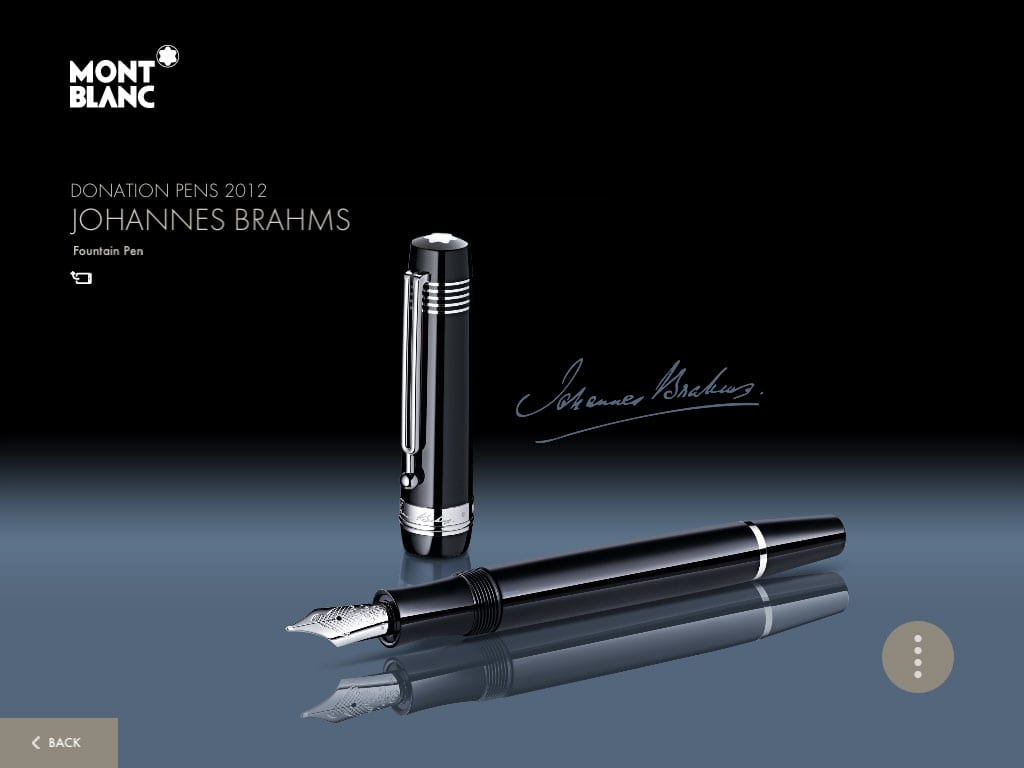
    German luxurious pen model Montblanc and Indian three way partnership companion Tata Group, have acquired authorities approval for his or her single model retail enterprise in India.

    India’s Overseas Funding Promotion Board (FIPB) on Monday authorised the 51:49 three way partnership, to be managed by Tata subsidiary Titan Co, with the german firm’s Dutch subsidiary to carry the stability.

    The brand new partnership will supersede the present distribution settlement with retired cricketer Dilip Doshi, who launched the model there 20 years in the past and retailed it by means of 17 boutiques, most in luxurious motels.

    Titan says it’s going to take over the shop community, however Doshi is planning authorized motion towards Titan and Montblanc, referring to the phrases by which his distributorship was annulled.

  • ​Disney opens its largest store in Shanghai

    ​Disney opens its largest store in Shanghai

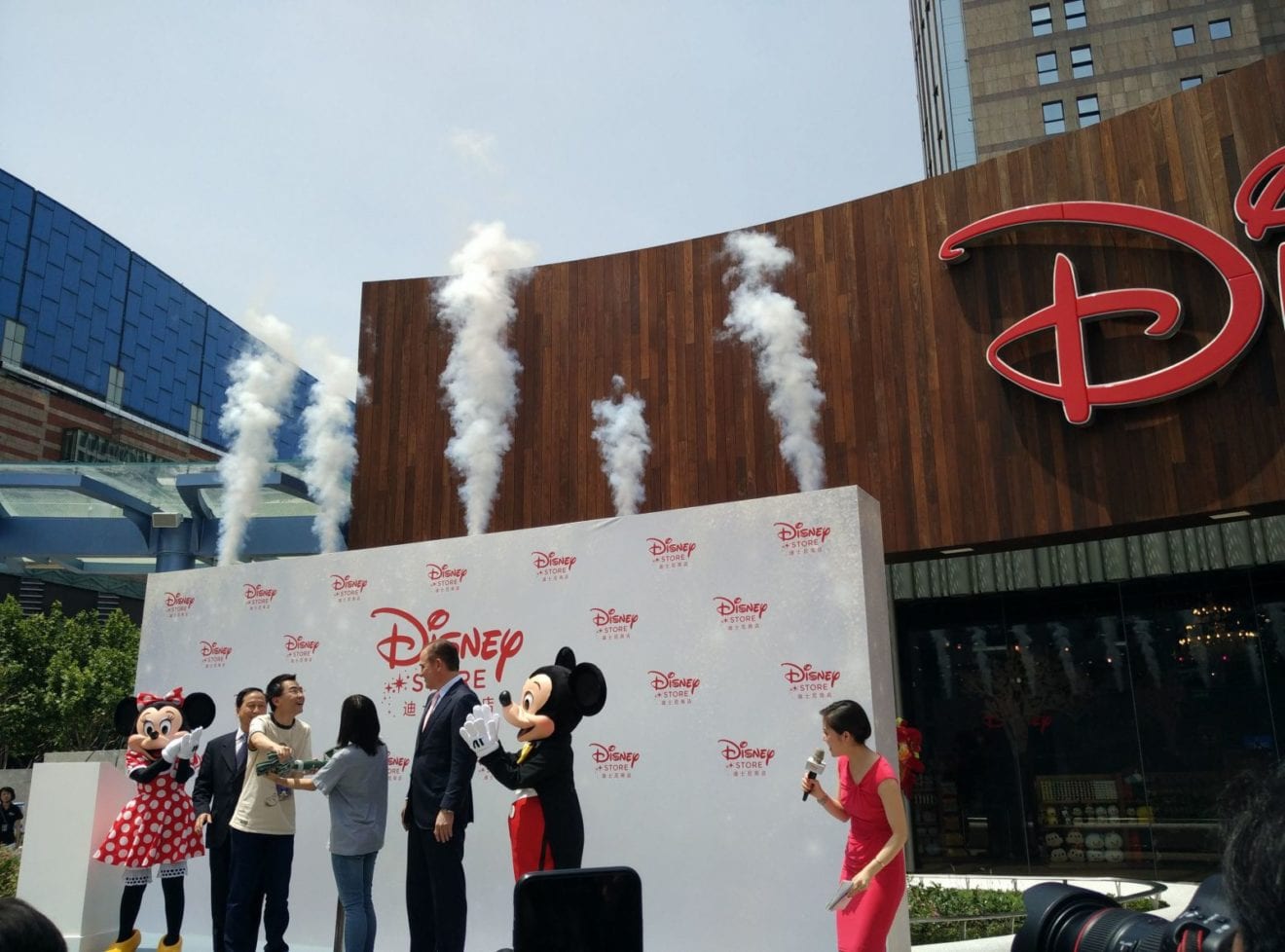
    The Walt Disney Co. has opened its first Disney Store in China, a 9,257-square-feet store in Shanghai that is the company’s largest retail store in the world.

    The new store, opened May 20, comes as Disney strives to tap into China’s growing middle class. The store is in Shanghai’s Pudong district, where Disney plans to open a $5.5 billion theme park next year.

    Disney said an estimated 40 million tourists visit Pudong’s Lujiazui shopping area, where the store is located.

    “We couldn’t be more delighted to open our first Disney Store in China, in Shanghai,” Paul Candland, Disney’s Asia-Pacific region president, said in a statement. “Disney Store plays a critical role in how millions around the world experience our brand and allows kids, young adults and families to have a uniquely fun and immersive experience while shopping for their favorite Disney, Pixar, Marvel and Star Wars products.”

    The new Shanghai store showcases a 19-foot castle at the heart of the store, featuring an hourly musical and projection show, and a Marvel-themed area with hand-sculpted statues of superheroes. Its exterior includes a landscaped plaza and Mickey Mouse-shaped roof sculpted with 8,000 LED lights visible from key tourism points such as the Pearl Tower.