Category: General

Retail News Asia is committed to providing both local and global retailers with the latest General Retail news throughout the Asian market. This on a daily base.

  • Nuance India unveils new duty-free idea

    Nuance India unveils new duty-free idea

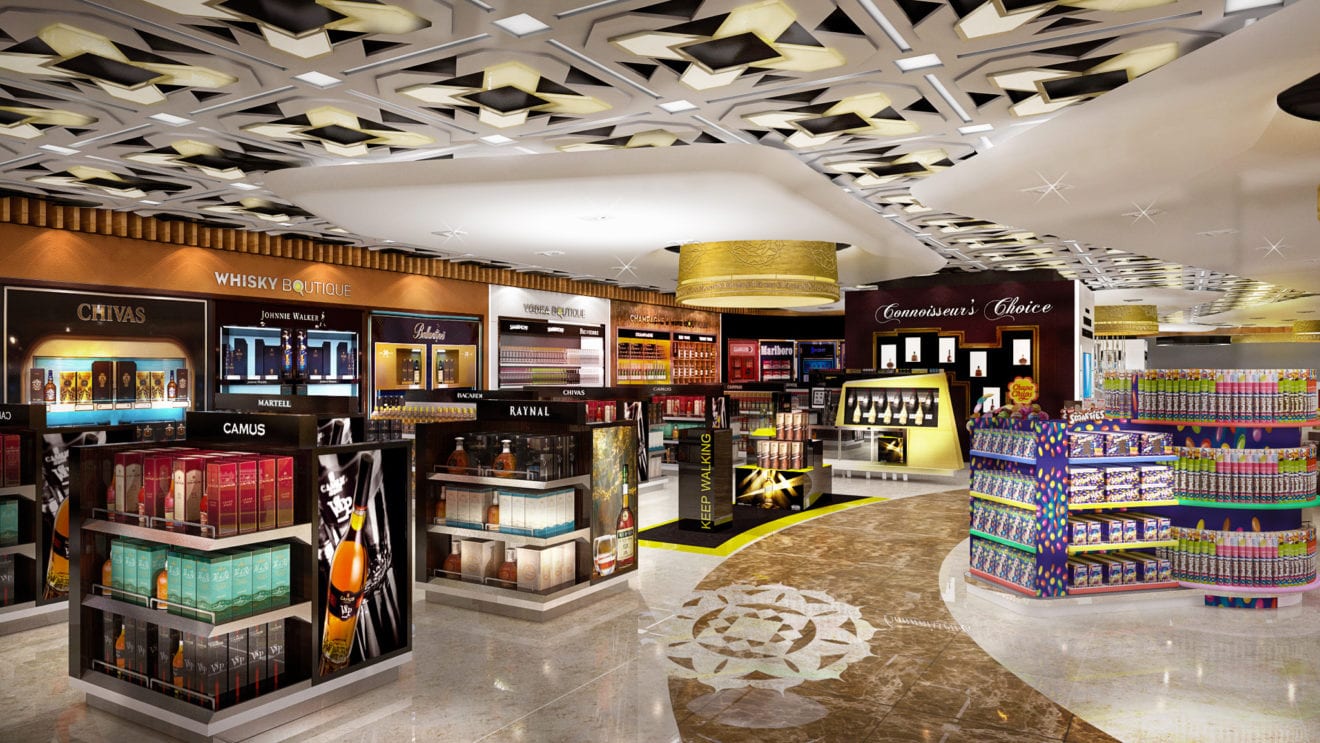
    Travellers flying out of Kempegowda Worldwide Airport in Bengaluru, India might be handled to a stroll of nostalgia and wealthy South Indian custom in Nuance’s new Obligation Free Retailer on the departure lounge.

    Nuance India has opened a 900 sqm purchasing expertise which it says – aside from providing the perfect worldwide merchandise and the perfect costs – will showcase Bengaluru’s opulent heritage and tradition.

    “We consider journey is all about new experiences and airports are a touch-point for the travellers to work together with the area,” stated G V Sanjay Reddy, MD of Bengaluru Worldwide Airport.

    “Our try is to make it possible for each business area on the airport supplies a way of place and embodies the native tradition, heritage and aesthetics. The Nuance group has carried out justice to our imaginative and prescient and developed the brand new Obligation Free expertise to fulfil a memorable buying expertise to our passengers.”

    Anirban Dutta Chowdhury, nation head of Nuance India, stated the brand new purchasing expertise “represents the town and showcases an eclectic mix of conventional values coupled with world class design.”

    That design consists of unique Chettinnad pillars from Kalaikudi, kolam-inspired patterns and jhumka-influenced lighting.

    “Our purpose was to make a retailer based mostly on our international Obligation Free Retailer idea, that might be anyplace on the planet, however is proud to be at KIAB and we really feel we now have been capable of ship that to the discerning Bengaluru traveller.

    “The brand new retailer will supply a world boutique-style atmosphere, with a mix of know-how together with an intimate and welcoming environment, which can elevate the buying expertise of the travellers to the subsequent degree.”

    The shop shares perfumes, cosmetics, liquors, confectionaries, electronics and extra and can later introduce trend and equipment.

    “The target is just not solely to offer a singular and unique buying expertise but in addition to supply unmatched offers. Bengaluru Obligation Free has launched a Merely Cheaper Pricing Technique, with assured financial savings in comparison with different regional worldwide airports,” Chowdhury stated.

    Your complete product vary can also be obtainable on-line. Passengers can merely e-book on the firm’swebsite and gather their purchases from the airport retailer.

  • Aditya Birla makes extra with Complete

    Aditya Birla makes extra with Complete

    Aditya Birla Retail, which owns almost 500 Extra-branded supermarkets and hypermarkets throughout India, is to purchase the rival superstore enterprise Jubilant Agri and Shopper Merchandise.

    The deal will add 4 Complete Superstore hypermarkets to its community, together with model, warehouse and provide chain amenities.

    “The acquisition of Complete is an effective strategic match for ABRL when it comes to its retailer places and catchment areas,” stated Pranab Barua, enterprise director, attire & retail enterprise, of Aditya Birla Group.

    According to the accepted transaction, ABRL will purchase in an all money deal, the leasehold rights for the hypermarkets in Bangalore together with movable and immovable belongings, a warehouse, an workplace premise, working capital, logos, mental property and different rights.

    The Complete Superstore enterprise has an combination retail footprint of 280,000 sqft.

    The transaction is topic to the approval of shareholders of JACL and Jubilant Industries, together with mandatory regulatory approvals.

    Aditya Birla Retail’s Extra boasts the second largest grocery store community in India with a complete flooring area of two million sqft throughout India.

    The corporate posted gross sales of Rs 25,110,000,000 (US$391 million) final monetary yr.

  • Korea retail gross sales decline continues

    Korea retail gross sales decline continues

    Retail gross sales at South Korea’s division and low cost shops fell once more in March – nevertheless it wasn’t all dangerous information.

    Regardless of a wholesome improve in luxurious spending, as reported final month, and thesurprise revelation that on-line gross sales now exceed bricks and mortar retailer gross sales, revised knowledge from Korea’s Commerce Ministry exhibits shoppers are holding again from shopping for spring clothes as a result of lingering chilly climate.

    Mixed Korea retail gross sales final month at malls run by Hyundai Division Retailer, Lotte Buying and Shinsegae Co declined 5.7 per cent in March year-on-year.

    This was barely revised down from a 5.four per cent fall estimated by the finance ministry early in April and in comparison with a 6.6 per cent rise in February.

    Every month the ministry collects gross sales knowledge from all three teams to function an ongoing development indicator.

    The ministry stated division retailer gross sales are beneath strain from growing competitors from on-line distributors and outlet malls.

    The identical knowledge confirmed annual gross sales at low cost shops fell 6.5 per cent in March from a yr in the past – higher than the 7.four per cent decline estimated earlier.

    Clothes gross sales at division and low cost shops dropped 7.1 per cent and 10.6 per cent respectively, in annual phrases, a mirrored image of the local weather.

    Different authorities figures recommend complete retail spending in Korea was down simply zero.6 per cent month-on-month in March. However these figures embrace motorcar and gasoline gross sales. Personal consumption rose zero.6 per cent over the primary quarter of 2015.

  • Cities stunt China retail gross sales progress

    Cities stunt China retail gross sales progress

    China retail gross sales progress is strongest in rural areas, with city space progress persevering with to say no.

    China’s Nationwide Bureau of Statistics introduced Wednesday that retail gross sales general grew 10 per cent in April, year-on-year, to 2.24 trillion yuan, or US$366 billion.

    The official determine dissatisfied economists who had been forecasting a 10.5 per cent rise. Progress measured within the first 4 months of the calendar yr was 10.four per cent.

    A lot of the injury seems to be being accomplished in city areas.

    Yr-on-year progress in rural areas was 11.four per cent in April and 11.5 per cent for the 4 months.

    However in city China, April progress was simply 9.eight per cent, and 10.2 per cent for the complete yr up to now.

    Different financial indicators, nevertheless, have been solely barely extra encouraging. Industrial output rose 5.9 per cent in April, in contrast with 5.6 per cent in March. Economists had projected six per cent.

    Fastened asset funding grew 12 per cent over the primary 4 months, under predictions of 13.5 per cent.

  • Watsons Thailand to open 50 new shops

    Watsons Thailand to open 50 new shops

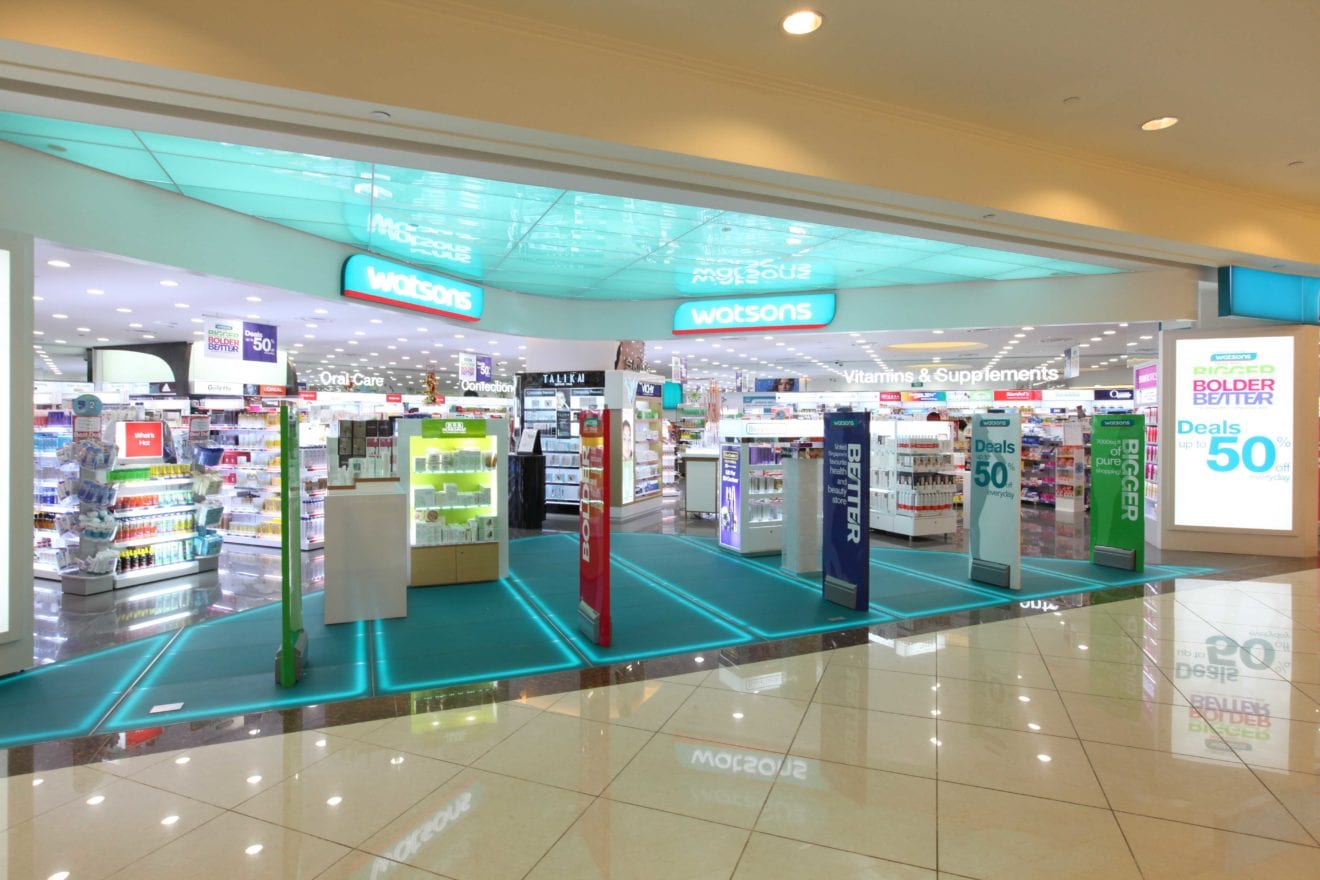
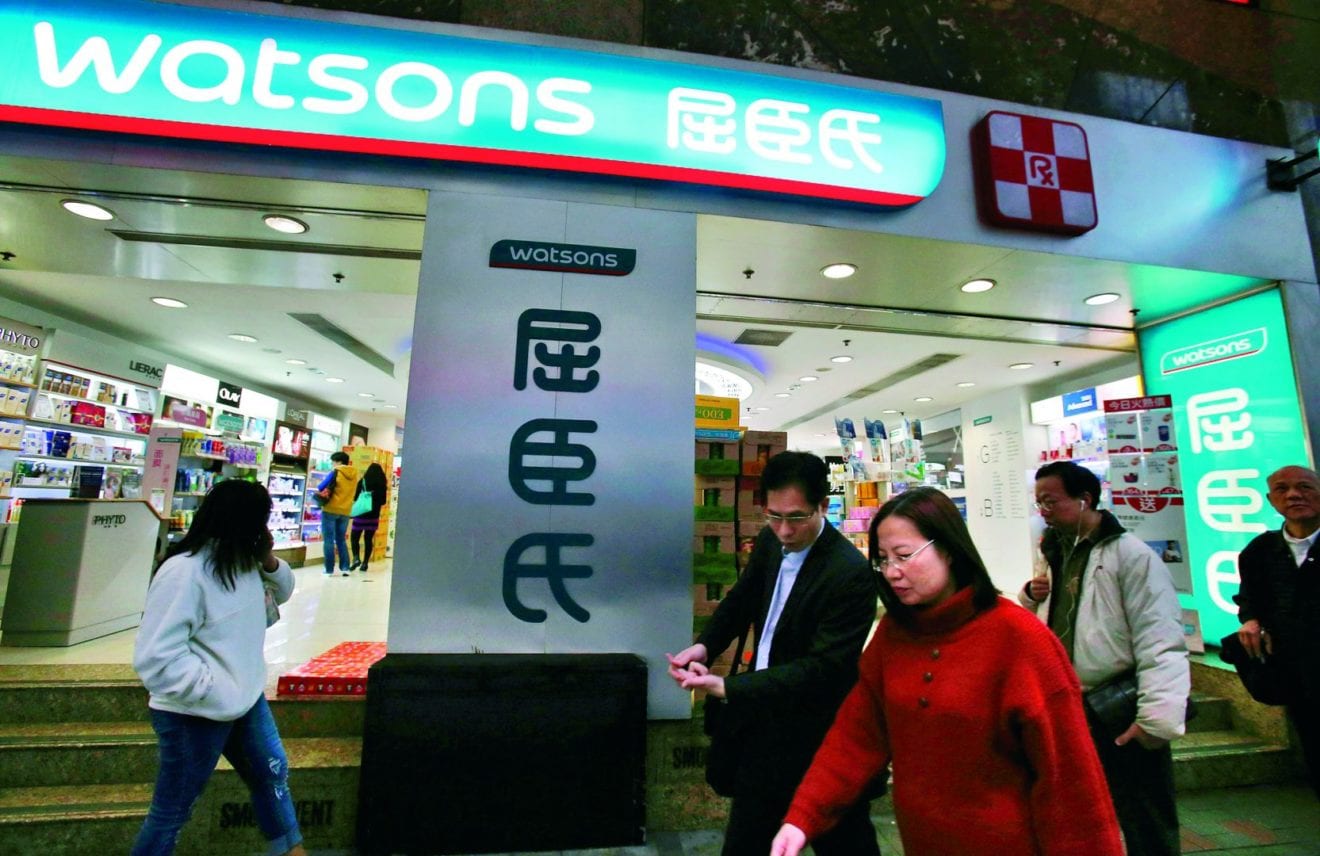
    Central Watson, operator of the Watsons Thailand community, says it can open 50 extra shops by the top of this yr.

    The enlargement will take its community to 381, growing its dominance over rival Boots which on final rely had simply 230 shops.

    MD Rod Routley informed a briefing that the enlargement will value 400 million baht, round US$12 million, which represents a 15 per cent improve within the firm’s capital expenditure this calendar yr.

    Apart from the brand new openings, the corporate plans to renovate many present shops and broaden its promotional exercise to lure new clients.

    “Thailand is among the quickest rising markets when it comes to retailer enlargement within the Asean area,” Routley stated.

    Watsons Thailand is a three way partnership between the highly effective Thai Central Group and Hong Kong based mostly AS Watson, the model’s mother or father.

    This week, Watsons Thailand opened a web-based retailer providing about 1000 inventory models, together with some out there solely on-line and never in shops.

    A number of the new Watsons shops will comply with a brand new, bigger format unveiled in Siam Sq. in February. At 500 sqm, the shop is significantly bigger than the model’s earlier flagship and may show an expanded product vary.

  • Philippines’ Emperador Says Seeks to Buy Cognac Firm From Japan’s Suntory

    Philippines’ Emperador Says Seeks to Buy Cognac Firm From Japan’s Suntory

    Philippine liquor firm Emperador said on Monday it has submitted a bid to buy French cognac maker Louis Royer from Japan’s Suntory Holdings, and could go to the debt market to fund the deal.

    The acquisition is unlikely to cost Emperador more than last year’s $700 million deal to buy the Whyte & Mackay whisky unit of India’s United Spirits, company director and spokesman Kingson Sian said.

    Sian declined to disclose Emperador’s offer citing a confidentiality agreement, and said he was not aware who the other bidders for Louis Royer were.

    “After the first round, there may be a second round … There may be a shortlist first, so it’s too early to say,” Sian said when asked when the bidding results were likely to be released.

    Suntory declined to comment on Emperador’s offer. “It is a company policy that Suntory does not make any comment on such reports,” a spokeswoman in Japan said.

    Suntory, one of Japan’s oldest companies, is looking to sell off its smaller assets to consolidate its portfolio and finance its acquisitions, Sian said.

    Suntory bought U.S. drinks firm Beam in a deal last year valued at about $15.7 billion. It was the third-biggest acquisition by a Japanese company.

    Emperador, mainly a brandy producer with a market value of $4 billion, bought Whyte & Mackay last year as part of a long-term strategy to expand its product portfolio and global reach.

    Shortly after its purchase of Whyte & Mackay, Emperador joined the Philippines’ benchmark stock index.

    “We want to continue the momentum and sustain the strong growth going forward,” Sian told reporters after the company’s annual stockholders’ meeting.

    “We’re going to hit all the major markets – China, Taiwan, Korea, Southeast Asia, Hong Kong – for our signature products,” Sian said.

  • Garuda Shareholders Give All-Clear for $500m Global Sukuk Sale, Appoint New Director

    Garuda Shareholders Give All-Clear for $500m Global Sukuk Sale, Appoint New Director

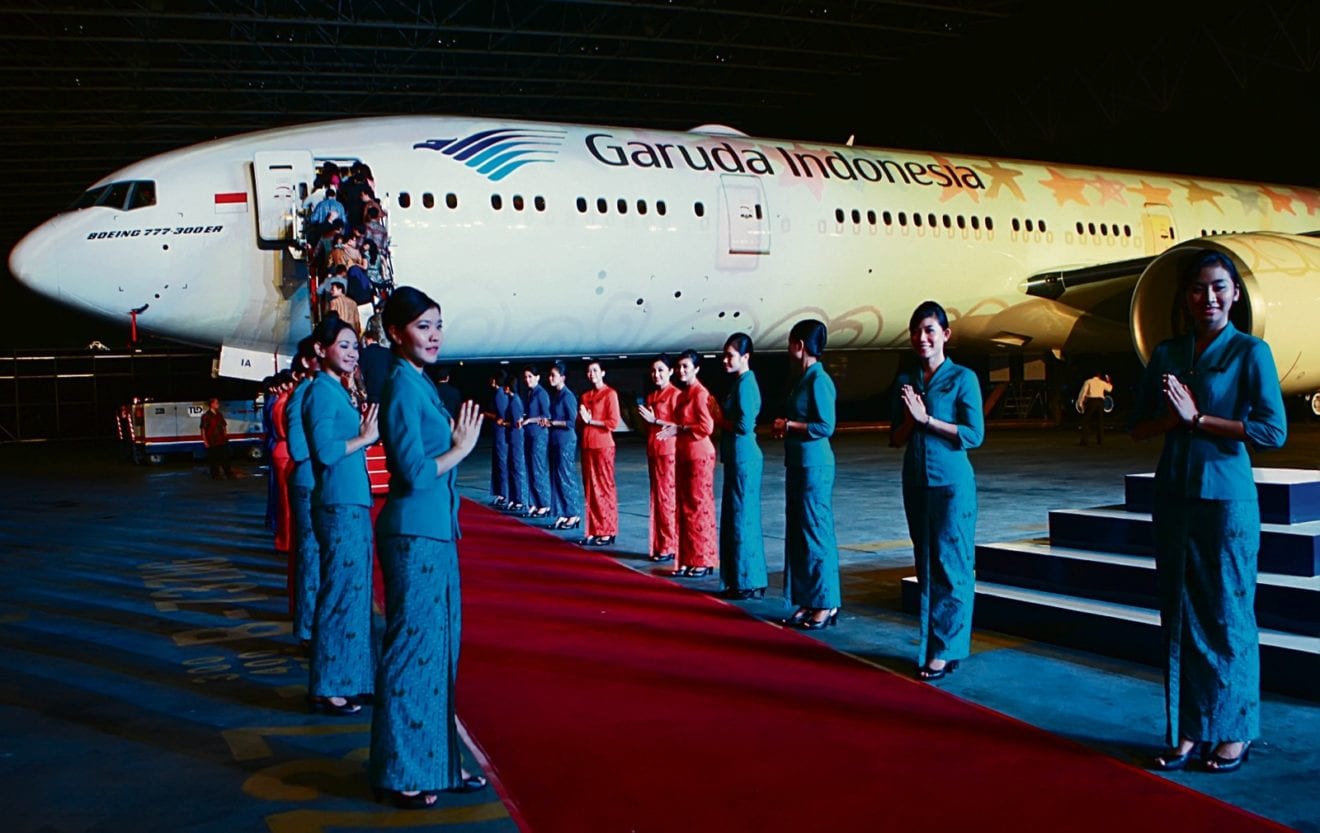
    An extraordinary general meeting of shareholders of Indonesian flag carrier Garuda Indonesia approved the company’s management plan to sell up to $500 million in global sukuk, or Islamic-compliant bonds.

    A prospectus published in Investor Daily on Monday showed that the meeting, which took place on Friday, approved the airline’s plan to sell a maximum $500 million in global sukuk to help finance general corporate programs.

    No other details were available about the bond sale, which represents Garuda’s first global sukuk.

    The airline said in a statement in February that it had signed $400 million om bridge financing with two Middle Eastern banks  — the National Bank of Abu Dhabi and Dubai Islamic Bank — while awaiting “momentum” to issue the sukuk.

    Garuda is also seeking to restructure its long-term debt, which stood at $965 million as of the end of last year, partly by using proceeds from a sukuk sale.

    Last Friday’s meeting also approved the appointment of Nicodemus Panarung Lampe as the company’s new director of services.

    M. Arif Wibowo, the Garuda president director, said the new position was introduced as the airline seeks to maintain service quality, as reported by Antara.

    The airline has since December last year been designated a five-star carrier by Skytrax, which reviews and ranks airlines and airports, joining the likes of better-known carriers such as Cathay Pacific, Singapore Airlines and All Nippon Airways.


  • Disney China to open international flagship

    Disney China to open international flagship

    US leisure icon Walt Disney will open the world’s largest Disney retail retailer in China subsequent week.

    The 5000 sqm Disney Retailer Lujiazui is described as a “state-of-the-art” retail area that includes Disney merchandise.. However only one fifth of the area – 1000sqm – will show merchandise on the market, with the remaining created as an outside plaza and a Disney expertise.

    Disney China government VP and MD Stanley Cheung, who signed the contract for the shop again in 2013 stated the model needed to mix the retail idea with “storytelling, enjoyable and innovation”. He promised a vacation spot which would offer households with a singular leisure vacation spot “that includes its best-loved tales and characters”.

    Households and youngsters will be capable of work together with characters from Disney, Star Wars, Marvel and Pixar.

    “The flagship Disney retailer will function the most important and most numerous assortment of Disney merchandise by native and worldwide designers,” stated Cheung.

    In the meantime, Shanghai’s new Disney Resort is underneath development with a gap date scheduled for the primary half of 2016.

  • Watsons Taiwan eyes 600 shops

    Watsons Taiwan eyes 600 shops

    Taiwan’s largest cosmetics and medicines retailer, Watson’s Private Care Shops, has opened its 500th retailer.

    And the chain says one other 100 are deliberate for opening inside the subsequent two years.

    The 500th retailer, that includes what Watsons Taiwan describes as a brand new era design, opened within the Taipei suburb of Ximending.

    “We have now improved our retailer segmentation technique to satisfy demand from clients in several areas,” MD Toby Anderson stated throughout a press convention to mark the opening.

    Apart from increasing the Taiwan retailer community, Hong Kong-headquarted Watsons is refurbishing and upgarding its present community with 100 shops revamped final yr and an extra 100 renovations deliberate for 2015.

    Watsons operates cosmetics shops in 12 nations and territories in Asia and Europe nevertheless it sees Taiwan a testbed for innovation.

    “Taiwan has a mature retail market with refined shopper conduct, which makes it a fantastic place for innovation,” Anderson stated.

    That’s why the corporate is trialling a brand new Era Y idea retailer in Taiwan, with skincare and cosmetics aimed toward style aware youthful consumers. After the preliminary success of a trial retailer in Taiwan, two Era Y shops at the moment are deliberate for trial in Shanghai later this yr.

    The corporate can also be constructing a robust on-line presence in Taiwan with 6 million registered customers and greater than 650,000 downloads of its cellular purchasing app.

  • Retail boosts SM Investments bottom line

    Retail boosts SM Investments bottom line

    SM Investments Corporation says its retail operations delivered solid 6.5 per cent growth in the first three months of 2015.

    Retail accounts for just 19 per cent of the diversified corporate’s business, with banking accounting for 41 per cent and property 40 per cent. The company delivered its first quarter results this week, reporting an 8.1 per cent increase in net income to P6.7 billion (US$150 million).

    “We are focused on expanding all our core businesses given the favorable economic outlook. Our expansion plans are geared towards meeting the needs of under-served customers across the country and to positioning ourselves to compete effectively in each of our growing markets,” SM president Harley T. Sy said in a statement to the Philippine Stock Exchange.

    SM Retail’s turnover in the quarter was P44.9 billion ($1 billion) and its profit rose 6.5 per cent to P1.3 billion ($29.1 million).

    The company opened 10 new stores in the quarter in the provinces of Luzon, Visayas and Mindanao. As at March 31, it operated 279 stores: 50 SM Stores, 40 SM Supermarkets, 43 SM Hypermarkets, 120 Savemores and 26 WalterMart stores.

    Property division SM Prime Holdings, which owns shopping centres amongst other assets, recorded P16.7 billion ($374 million) in revenue, up nine percent quarter-on-quarter. Its net income soared 176 per cent to P12.6 billion ($282.3 million), including an extraordinary gain of P7.4 billion ($165.8 million).

    SM Corp says its retail and commercial revenue grew 10 per cent to P9.4 billion ($210.6 million).

  • Late to the Party, Global Banks Try to Muscle Into India’s Start-Up Boom

    Late to the Party, Global Banks Try to Muscle Into India’s Start-Up Boom

    Global investment banks are scrambling to get a piece of the action from India’s booming technology start-ups, having missed out on the initial flurry of dealmaking to their better-connected but much smaller domestic rivals.

    Banks including Goldman Sachs Group Inc, Citigroup and Morgan Stanley are looking to hire more bankers in India and are now regularly attending “bake-offs” to pitch for advisory roles on deals, according to several banking industry sources.

    Foreign money has been pouring into India’s fast-growing e-commerce sector, with investors ranging from Japan’s Softbank Corp to Singapore’s Temasek Holdings and GIC Private Ltd piling in.

    Many large global investment banks have stayed away from work in the emerging sector though due to the relatively small deal sizes.

    Now they are stepping up efforts to build relationships while the companies are still young — learning lessons from China where many of them are struggling to compete with small boutique banks as Internet deals pick up speed.

    “Several of these companies will be large IPO candidates in the next 12 to 24 months, so the big banks have to start positioning themselves for this,” said Harish HV, a partner in India at advisory firm Grant Thornton.

    The number of venture funding deals for technology start-ups in India in the first quarter of 2015 was the highest in nine quarters and exceeded the number of such deals in China, according to data from CB Insights. The total value of investments in India topped $1 billion for the third straight quarter.

    Local rivals

    To compete with local rivals like Avendus Capital and Kotak Mahindra Capital, foreign banks are now pitching for relatively small deals at start-ups, hopeful they will eventually lead to more lucrative work, banking sources said.

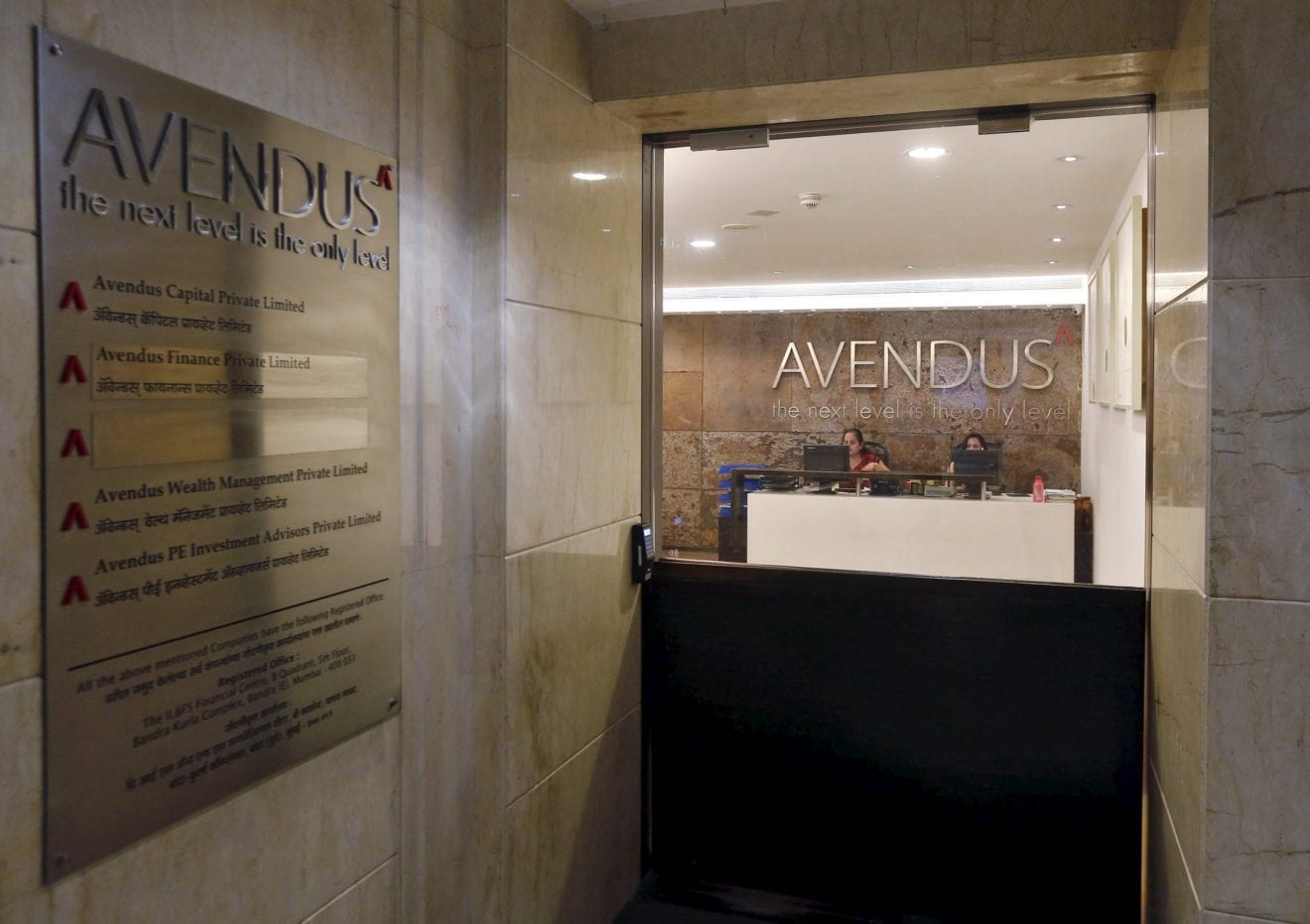
    Avendus, which focussed on the tech sector before the deal momentum picked up, ranks fourth in the advisory league table for announced technology deals in India so far this year. That’s ahead of bigger global rivals including Credit Suisse, Bank of America Merrill Lynch and JPMorgan, according to Thomson Reuters data.

    While Credit Suisse topped the fee income table with $7.7 million in India technology advisory fees in 2014, Avendus ranked second with $3.7 million from seven deals, according to data from Thomson Reuters/Freeman Consulting Co.

    “We first looked at the sector and said ‘okay the sector is going to be sizeable. Who are the leading companies in this?’” said Aashish Bhinde, head of Avendus’s digital and technology practice.

    “Global investment banks were completely missing from the scene.”

    Now foreign investment banks are starting to make inroads. Jefferies’ India arm advised home shopping firm Naaptol.com to raise about $20 million last month from Japan’s Mitsui & Co Ltd and some existing investors.

    Citigroup Inc, which advised Indian online payment services provider One97 Communications in raising funds from Alibaba Group affiliate Ant Financial Services in February, is “very focused” on the internet space in India, said Madhur Deora, its managing director for investment banking in India.

    Morgan Stanley and Goldman Sachs did not respond to requests for comments on their work with Indian technology start-ups.

    Western-style fee

    While India has fewer Internet users than China, online sales could rise to over $100 billion in 2020 from $2.9 billion in 2013, making it the fastest-growing market globally, according to a Morgan Stanley research report.

    This has led to global banks vying to offer services like loan financing to online retailers like Flipkart and Snapdeal, hoping this could help them secure mandates on any future IPOs, sources said.

    “Fees on these IPOs would be much more Western style than the commoditised deals in India,” said an M&A banker with a large foreign bank, also one of the advisers on Chinese e-commerce giant Alibaba Group Holding’s record $25 billion IPO last year.

    For large IPOs, Indian tech companies would need the marketing muscles of big foreign banks. But the local banks have likely cemented strong enough relationships that their foreign rivals can not push them out entirely.

    “I would be surprised if any investment bank out there is not rapidly building up their digital and tech practice given the pace and momentum with which the transactions are happening, which is good for the industry,” said Bhinde of Avendus.

  • Tourists drag down Hong Kong retail sales

    Tourists drag down Hong Kong retail sales

    Official Hong Kong retail sales figures for March show a 2.9 per cent year-on-year fall, blamed on shrinking in-bound tourist numbers.

    According to data released by the Census and Statistics Department the fall follows a two per cent drop in January and February combined.

    A government spokesman blamed the sluggish sales on a slowdown in inbound tourism.

    “Most types of retail outlets recorded year-on-year declines in sales… Retail outlets selling certain consumer durable goods saw some notable increases in sales, mainly helped by the launch of certain smartphone models,” the spokesman said.

    Weakened tourism is likely to continue to constrain growth, he said, “although the stable labour market conditions should still render support to local consumer sentiment”.

  • China’s JD.com posts 62 pct rise in quarterly revenue

    China’s JD.com posts 62 pct rise in quarterly revenue

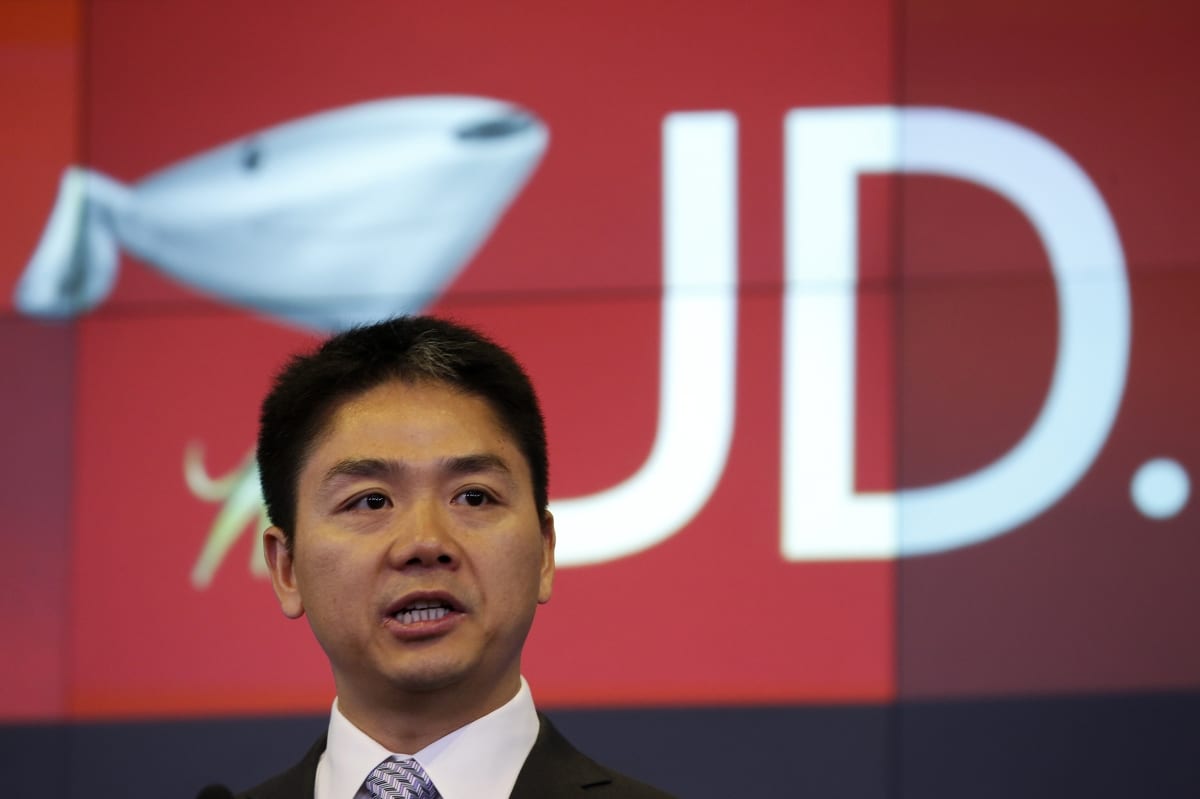
    JD.com Inc, China’s No.2 e-commerce company, reported a 62 percent rise in quarterly revenue, topping analysts’ expectation as the number of active customer accounts across its sites nearly doubled from a year earlier.

    First-quarter revenue of 36.6 billion yuan ($5.90 billion) exceeded analysts’ estimate of 35.65 billion yuan, according to Thomson Reuters I/B/E/S.

    Gross merchandise volume (GMV), or the total value of goods sold on JD.com, nearly doubled to 87.8 billion yuan ($14.14 billion) in the quarter ended March, with roughly 42 percent of all fulfilled orders coming from mobile devices, the company said.

    Excluding certain items, losses widened to 2 cents per American depositary share, from 1 cent, as it spent heavily to broaden its inventory and on marketing.

    The Beijing-based company’s business, like bigger U.S. peer Amazon.com Inc’s, is built on selling products it purchases through its own logistics network. Alibaba Group Holding Ltd, on the other hand, has grown its business quickly by connecting sellers to buyers rather than stocking its own merchandise.

    The difference in business models has allowed JD.com to market itself as a purveyor of authentic goods, while its larger rival has wrestled with occasional, high-profile controversies over fake products.

    When JD.com announced in April that it would sell and warehouse clothes from Japanese giant Uniqlo, the e-tailer touted the deal as an example of its growing ability to offer customers mainstream labels and authentic clothes.

    JD.com last month launched its JD Worldwide cross-border online shopping platform, a challenger to Alibaba’s Tmall Global service.

    It also announced on Friday its participation in a $500 million investment in Tuniu Corp.

    The company’s U.S.-listed shares have risen close to 60 percent since its IPO last May.

    ($1 = 6.2089 Chinese yuan renminbi)

  • Japan’s convenience stores catering more to elderly as demographics shift

    Japan’s convenience stores catering more to elderly as demographics shift

    The nation’s convenience stores are changing with the times, shedding their image as places for young shoppers keen on fast food, concert tickets and comic books, and increasingly catering to older clientele.

    As the population grays and people live longer, the small, near-ubiquitous stores are revising their offerings to suit the tastes and needs of seniors by introducing home delivery, healthy bento boxed meals and a one-stop shop where pharmacies share floor space.

    Some are setting up elderly care support counters, and in a stab at becoming social meeting spots, are offering seating and even karaoke boxes.

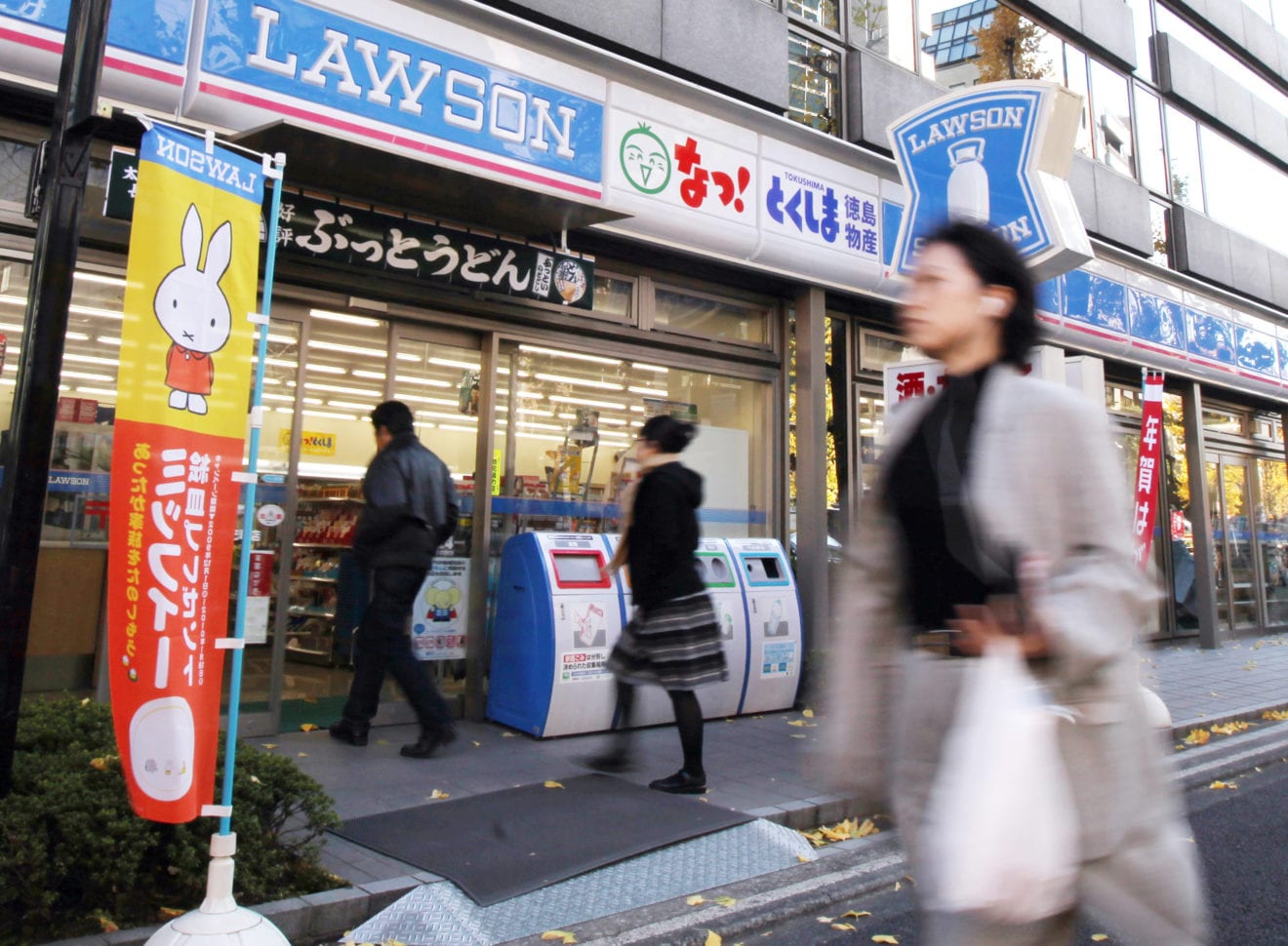
    In a move symbolizing the change, second-ranking Lawson Inc. on April 3 opened its first outlet with a nursing care consultation desk in Kawaguchi, Saitama Prefecture. The outlet will have managers and advisers available for consultation all day, every day of the week. The company plans to launch another one in the prefecture by summer.

    In fiscal 1989, people aged 29 and younger at 7-Eleven convenience stores accounted for 63 percent of daily customers. That declined to about 29 percent in fiscal 2013, according to recent statistics from Seven & i Holdings Co.

    Customers 50 or older, who previously represented only 9 percent of all customers, rose to 30 percent in the same period, representing the age bracket with the largest share, according to the statistics.

    FamilyMart Co. says people 50 and older account for about 30 percent of its customers, too.

    Convenience stores specifically targeting the elderly are changing the image of the sector as a testing ground for marketing to teenagers. And while the Lawson outlet may be an extreme example and experimental in nature, others in the industry, while not going that far, have quietly shifted their marketing tack in recent years to focus further on seniors.

    Operators are increasingly changing their food lineups to appeal to older shoppers. They seek, for example, quality, known-to-be-safe products, including higher-end foodstuffs, rather than the cheap, filling bento meals preferred by young shoppers.

    A notable change is their bento and other ready-to eat foods offered under their respective house brands, where the companies are competing with each other to offer healthy ingredients and those that are either locally sourced or from a renowned region.

    Leading the way in this area is Seven-Eleven Japan Co., the top industry player with more than 17,000 outlets and sales totaling ¥4.82 trillion for the year ended in February. The Seven & i Holdings subsidiary’s Seven Premium product lineup generated ¥800 billion in revenue that year, featuring foods consumed at home.

    While its self-service coffee and doughnuts, fried chicken and other fast food offerings remain a key sales driver, the shift is slowly underway. The company aims to boost sales of the products to ¥1 trillion this year.

    Masayuki Kubota, chief strategist at Rakuten Securities Economic Research Institute, said the main focus of convenience stores is not the elderly per se, but the overall shift from young to older shoppers, which is reflected in the food on offer.

    “Until maybe a decade ago, the image of convenience stores was of a place where young people away from home could pick up food of their preference, like fast food restaurants,” said Kubota.

    “At that point, strategies targeting males in their 20s was important. . . . But now female customers in their 40s and 50s are increasing.”

    More conspicuous changes toward a higher customer age range, too, are underway. The top three players — including third-ranking FamilyMart and Lawson — all have introduced home delivery services, stocking meals and cooking ingredients aimed at meeting the demands of health- and quality-conscious seniors who prefer to eat at home.

    The services also target orders for daily necessities ranging from toilet paper and detergent to light bulbs.

    FamilyMart acquired Senior Life Create Co. and launched a home delivery service in December 2012, taking advantage of the latter’s Takuhai Cook 123 bento meal delivery for aged residents. The service is offered in seven districts, including two in Tokyo.

    “A key area that convenience store operators like us need to address is how to close the so-called ‘last mile,’ ” to reach out to residents at home, said Shinsuke Otsuki, manager of FamilyMart’s corporate planning division.

    A Seven-Eleven Japan spokesman said the company’s Seven Meal delivery service is the result of “trying to offer a broad range of services to meet the needs of an aging society.” Of the service, which is offered at some 13,200 outlets nationwide, about 60 percent of the users are over 60, he said.

    Because of the nature of the shift, taking place slowly as customer profiles change to higher age ranges, the changes in marketing remain inconspicuous, at least for now.

    But examples abound. FamilyMart’s Otsuki said the increase in larger bathrooms with grab rails at its outlets are targeted at older customers in general, not only the disabled.

    The company has also set eat-in areas as a standard feature for new outlets — floor space permitting — providing a place for the elderly to gather to chat, especially in rural areas where there are few such facilities.

    FamilyMart is experimenting with over 30 combination outlets that share space with drug stores through a tie-up with Saitama Prefecture-based Drug Ace and Osaka’s Higuchi Yakkyoku drug store chains.

    “We’ve even opened a combination store with a karaoke box in the Kamata district” of Tokyo, said Otsuki. “This may prove a senior-targeting outlet because many senior customers come here in the daytime to practice singing.”

    “I think convenience stores will continue to change as the nation’s demography changes, rather than under management initiatives,” said Rakuten’s Kubota.

    “Currently, food is the main merchandise, but the customer profile is changing to a higher age group, and so I would think demand for food will decline and they may begin to sell more products other than food.”

    He added, convenience stores’ main offerings may shift from goods to services, “because in an economic structural change, there’s the tendency for services to increase. Convenience stores in the future could be centered on services rather than goods.”

  • China’s Alibaba names Daniel Zhang new CEO

    China’s Alibaba names Daniel Zhang new CEO

    China’s e-commerce giant Alibaba Group on Thursday named Daniel Zhang, currently Chief Operating Officer, CEO of the group, effective on 10 May 2015.

    Current CEO Jonathan Lu will remain on the board of directors of Alibaba Group as Vice Chairman. He will work with Daniel to ensure a successful transition in the coming months.

    “In this capacity Jonathan will play an important role in developing future leaders of Alibaba Group. This role is especially important as Alibaba Group continues to build the necessary talent to enable the company to grow and thrive in a rapidly changing environment,” the Chinese largest e-commerce company said in a statement.

    Daniel Zhang has been with the company for eight years and has held top management positions across the organization. He is also one of the founding members of the Alibaba Partnership. Zhang has been Alibaba’s chief operating officer since September 2013. In his role as COO, he oversaw the operations of all Alibaba Group businesses in China and internationally.

    Zhang first joined the company as Chief Financial Officer of Taobao Marketplace in August 2007. In 2008, he was appointed Chief Operating Officer of Taobao Marketplace and general manager of Taobao Mall.

    Under his leadership, Taobao Mall rapidly became one of Alibaba’s most important businesses and was highly recognized by consumers and brands in China and around the world. In 2011, he was named president when it first became an independent business unit, Tmall.com, which has become one of world’s largest online B2C platforms. Zhang was also a key architect of the 11 November Shopping Festival, and led it to become the world’s largest online shopping event.