Category: General

Retail News Asia is committed to providing both local and global retailers with the latest General Retail news throughout the Asian market. This on a daily base.

  • Banque Pour Le Commerce Exterieur Lao Public to launch BCEL-JCB Credit Card in Laos

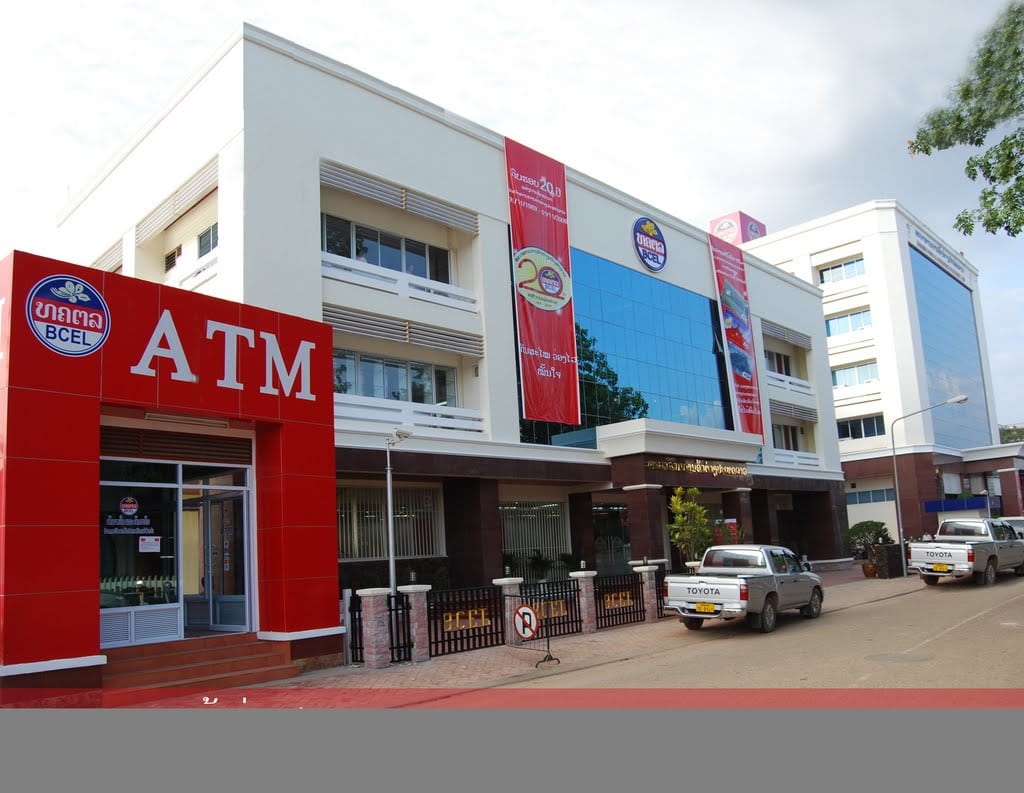
    Banque Pour Le Commerce Exterieur Lao Public to launch BCEL-JCB Credit Card in Laos

    Banque Pour Le Commerce Exterieur Lao Public (BCEL) and JCB International Co., Ltd. (JCBI), the international operations subsidiary of JCB Co., Ltd., have announced to launch BCEL-JCB Credit Card in Lao People’s Democratic Republic (Laos).

    BCEL-JCB Credit Card can be used at about 29 million POS using JCB acceptance network and there are many more privileges that BCEL-JCB Credit Cardmembers will enjoy at more than 100 merchants in Laos, and also can have advantage and special offers at around 2,300 JCB merchants worldwide as well as the exclusive JCB Plaza Lounges located in popular destinations including Singapore, Hong Kong and Paris.

    BCEL is one of the leading commercial banks in Laos established in 1975. BCEL continued to grow and strengthen gradually in various fields including the size of assets, deposits, loans and the number of clients. The bank has 19 branches, 65 service units (outlets), and 11 foreign exchangers nationwide. JCB cards are today issued in 19 countries with about 90 million cardmembers and accepted at about 29 million merchants in 190 countries and territories around the world. JCBI and BCEL have had a partnership since 2013 for merchant acquiring to expand JCB card acceptance. With this launch, BCEL is the second bank to issue JCB cards in Laos.

    Phansana KHOUNNOUVONG – Deputy Managing Director of BCEL stated, “This project of BCEL-JCB Cards has the objective to widen the choices of products that can offer our customers with efficiency and convenience in terms of smarter payment in their daily lives, which will also come with reduction in cash transaction and with higher security. The primary target customers include those who are interested or desire to hold a credit card. We believe that this product will help widen our customer base and secure our position as the leader in credit card product in Lao market in long term. BCEL are always aware of the quality and high profile of JCB which is also accepted internationally. And it is our privilege to partner with JCBI in this project which results from our agreement on June 23 2014.”

    Kimihisa Imada, Deputy President of JCBI said: “The start of issuing with BCEL, the leading bank in Laos, will be a great opportunity for JCB card business in Laos. In JCB’s global expansion strategy, our current focus is the Mekong region because of its growing economy and the potential growth of the card payment market. Laos is located in the center of the region and shares borders with all of the other Mekong countries. The card market in Laos has great potential and I believe this market will rapidly expand in the next few years. With the cooperation of BCEL we would like to accelerate the card market, showing the people in Laos the advantages and benefits of using the BCEL-JCB card.”

    Banque Pour Le Commerce Exterieur Lao Public (BCEL) was established in 1975, by that time the bank operated as a specialized branch of former State Bank (The Bank of Laos), especially the monopolized implementation of international banking services for Lao government. In 1989, BCEL transformed into the fully commercial bank and continued to grow and strengthen gradually in various fields including the size of assets, deposits, loans and the number of clients. By October 2014, the bank has 19 branches, 65 service units (outlets), and 11 foreign exchangers nationwide and the bank also having a banking relationship with more than 30 high-profile banks worldwide. At present, BCEL has successfully become a strengthened public bank and leading bank in Lao P.D.R, the bank has set its new strategies from 2012 to become an advanced bank and to develop its service system to reach international standard. BCEL has won many awards from overseas: namely, in 2011, the Bank of the Year, Lao PDR, from The Banker Magazine, in 2012 won the Lao Domestic Technology and Operation Bank of the Year, Asian Banking and Finance Magazine, in 2013 won Most Innovative Retail Bank Laos; and global Banking & Finance Review Award 2013, in 2014, Laos Domestic Cash Management Bank of the year, Laos Domestic Technology and Operation Bank of the Year, Domestic Retail Bank of the Year-Laos, and Online Banking Innovative of the Year-Laos, from The Asian Banking and Finance Magazine.

    JCB is a major global payment brand and a leading credit card issuer and acquirer in Japan. JCB launched its card business in Japan in 1961 and began expanding worldwide in 1981. Its acceptance network includes about 29 million merchants and over a million cash advance locations in 190 countries and territories. JCB cards are now issued in 19 countries and territories, with about 90 million cardmembers. As part of its international growth strategy, JCB has formed alliances with more than 350 leading banks and financial institutions globally to increase merchant coverage and cardmember base. As a comprehensive payment solution provider, JCB commits to provide responsive and high-quality service and products to all customers worldwide. For more information, visit: www.jcbcorporate.com/english
     

  • Coaching, CTV for Sim Lim Sq.

    Coaching, CTV for Sim Lim Sq.

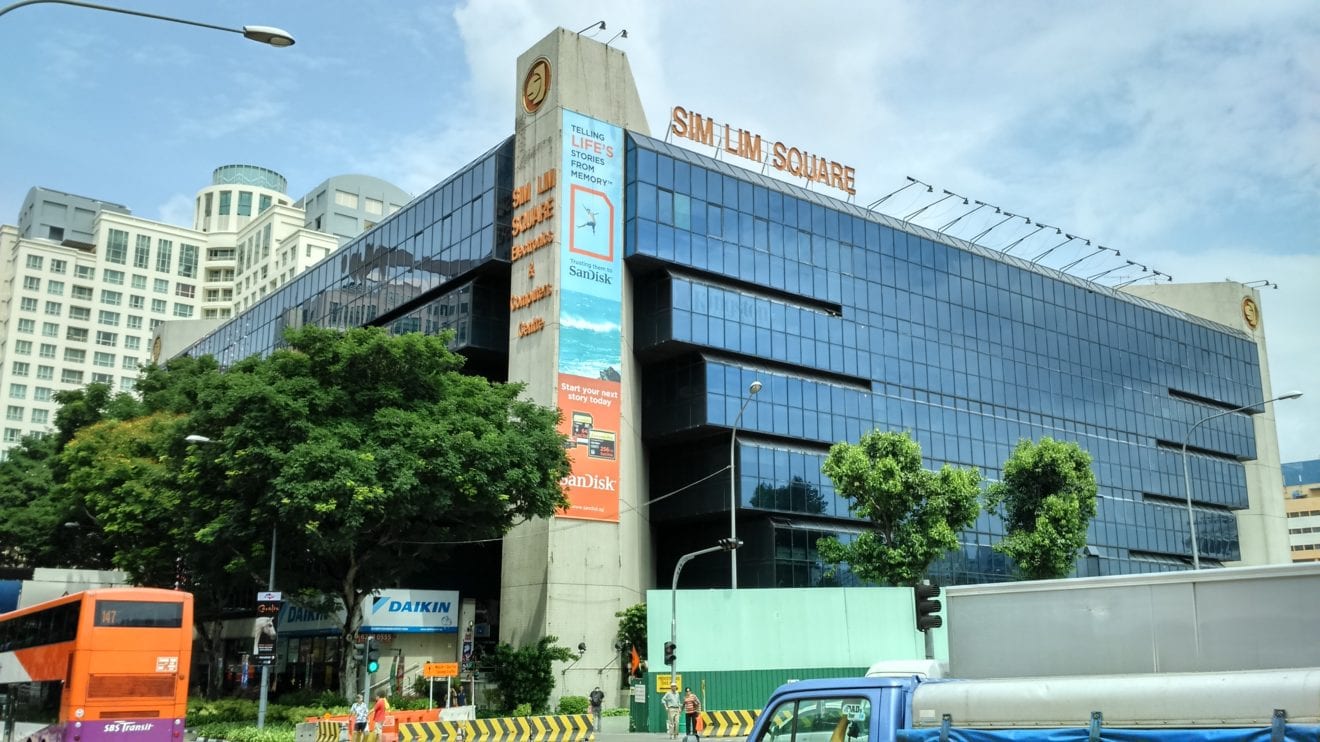
    Sim Lim Sq., Singapore’s infamous electronics mall the place overseas vacationers have been ripped off in dodgy cell phone offers, appears to have turned a nook.

    The Shoppers Affiliation of Singapore (Case) says it has acquired solely 12 complaints towards the mall’s electronics retailers within the first 4 months of this yr – about one third the quantity it fielded throughout the identical interval final yr.

    Final November the mall acquired international information and social media publicity after a Vietnamese vacationer was left in tears after spending his life financial savings to purchase his girlfriend an iPhone – which with an pointless ‘guarantee’ payment he was required to pay ended up costing him 3 times the worth of the identical telephone in Ho Chi Minh Metropolis.

    That retailer shut up store and deserted the mall – together with a number of others ‘outed’ by Case and native information media for comparable unconscionable conduct and since then the mall’s administration has labored onerous to enhance its popularity.

    On the core of the development is an accreditation program recognising dependable and reliable retailers. To realize accreditation, tenants should attend a subsidised coaching program run by Nanyang Polytechnic’s Singapore Institute of Retail Research. The coaching will give employees expertise in coping with clients in addition to finer factors of shopper legal guidelines.

    That follows information of the introduction of CCTV cameras and recording units in entrance of outlets topic to 3 or extra complaints to Case or the Singapore Tourism Board, together with stickers warning would-be clients to be cautious of the shops.

    A mall administration spokesman informed The Straits Occasions newspaper: “Our council members instructed this and it received unanimous approval throughout our annual assembly final month.”

    Case president Lim Biow Chuan, Central Singapore District mayor Denise Phua and Singapore commerce and business minister Teo Ser Luck met at Sim Lim Sq. on Friday for a walkabout of the centre and discussions with mall administration about progress on cleansing up the centre’s picture.

  • Carrefour Taiwan, China open shops

    Carrefour Taiwan, China open shops

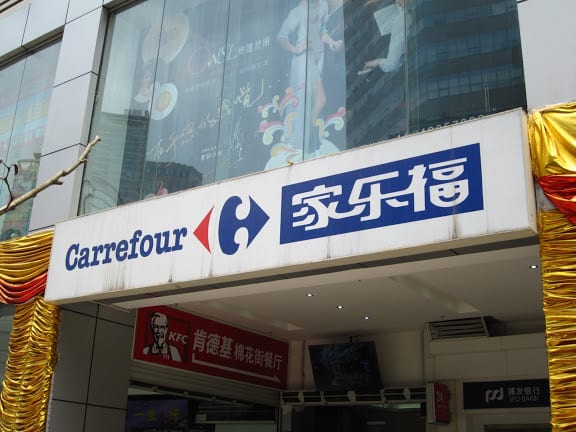
    French hypermarket operator Carrefour has additional prolonged its footprint in Taiwan and China, with three new shops opening their doorways in current weeks.

    Carrefour Taiwan has opened its 73rd retailer – the Xi Ke retailer in Hsi Chih science park. The only degree retailer has a complete 6864 sqm gross sales space and stands above the Taiwan Railway Xi Ke station by means of which 70,000 commuters move day-after-day.

    Within the Xi Ke retailer, Carrefour makes use of digital units to supply product info and work together with clients. A video wall on the entrance attracts clients in from the exterior mall.

    Carrefour Taiwan additionally launched the primary ‘Pure and Healthful’ merchandising space in its grocery part to supply extra HOPE (Wholesome, Natural, Premium and Eco-Nature) merchandise whereas selling traceability, natural options and high quality recent strains.

    Different retailer options embrace  a sports activities space the place clients can truly shoot basketball hoops and check health or biking gear.

    Carrefour China lately opened two new hypermarkets.

    The primary retailer to be opened within the north-east of China. With a gross sales space of greater than 7000 sqm, it has 22 checkouts and parking for 750 automobiles. This hypermarket anchors a purchasing centre of 25 shops.

    The second retailer – Hefei Mingbang Retailer – has a 7761 sqm gross sales space, 22 check-outs and parking for 780 automobiles. It’s situated in a big buying centre made up of 48 shops.

  • ‘Fantastic start’ to Malaysia tax refund scheme

    ‘Fantastic start’ to Malaysia tax refund scheme

    Retail tax refund specialist Global Blue says the first month of the electronic Tax Refund Scheme in Malaysia has got off to a “fantastic start”.

    With the introduction of a six per cent GST on April 1, Malaysia’s government launched a refund scheme for tourists, in line with other Asian economies.

    Nigel Dasler, Global Blue’s head of commercial for South Asia, said the introduction was a “great collaborative effort” with more than 1000 merchants affiliated by April 30.

    However more than 4000 more are still awaiting approval via the Customs Approval portal.

    “It’s is very encouraging to note that the average spend per traveller is over EUR700, making Malaysia one of the highest average spend countries within Global Blue. This, coupled with the strong merchant pipeline and transaction growth validates our decision to enter Malaysia. Malaysia is shaping up to be a strong pillar for our Asia Pacific ambitions and I look forward to its continued development.”

    Gareth Costello (eTFS Programme Implementation Manager), added that local Customs management and officers have fully recognised the benefits of eTFS with over 8000 transactions digitally validated in the first 30 days of production.

    “Our success in Malaysia is due to an exceptionally committed local and international team, which continues to dedicate itself to completing all deliverables and managing a solid handover to operations.”

    Azraf Bin Mohamed Tahir (head of commercial, Malaysia), noted that “it has been an exhilarating experience to see the team working hard and cooperating with colleagues from several continents, succeeding to launch a nationwide project so successfully and on schedule.”


  • Asian cities top rankings for global brands

    Asian cities top rankings for global brands

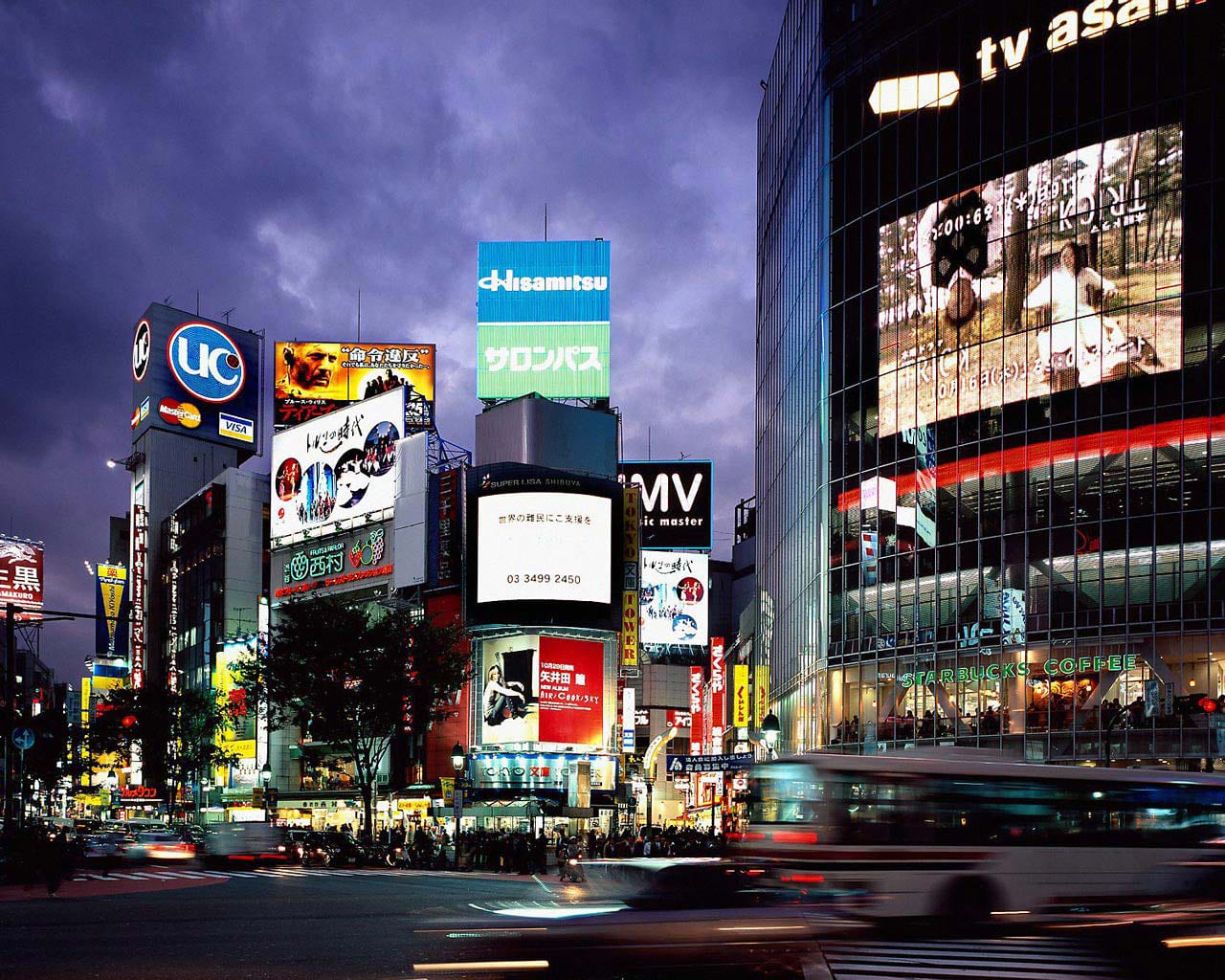
    Tokyo is the world’s hottest market for retail expansion, attracting 63 new global brands last year as leasing momentum in core areas remained strong.

    In a list dominated by Asia and Middle East cities, Singapore ranked second with 58 new entrants, outshining Hong Kong which tied for fifth with Dubai (45 each) in the CBRE Group’s report How Global is the Business of Retail?

    Singapore’s new entrant count was double the number of 2013 – with entrants largely in the food and beverage sector, with apparel and accessories chains a little further behind.

    While Hong Kong finished fifth equal with Dubai on the list, it was still a respectable showing given CBRE surveyed 164 cities in 50 countries. In between Singapore and Hong Kong came Abu Dhabi and Taipei.

    For foreign retailers entering Singapore for the first time, the Shoppes at Marina Bay Sands ranked as their top choice f destination, largely due to the steady flow of affluent customers streaming to and fro the connected casino facilities.

    Globally, mid-range fashion retailers are the most active category looking at new market expansion, accounting for 21 per cent of activity, just a little more than luxury brands at 21 per cent.

    In Asia, luxury and business fashion retailers drove 24 per cent of the region’s business expansion, followed by coffee and restaurant retailers at 22 per cent.

    Meanwhile, the report found that the primary expansion targets for America’s retailers are Asia (41 per cent) Europe (33 per cent), and the Middle East and Africa (12 per cent).

  • Transit tasks to rework international cities

    Transit tasks to rework international cities

    A collection of things are converging to create international alternatives for Transit Oriented Developments (TODs) which might be metropolis altering in scale based on a brand new report from CBRE.

    Transit oriented improvement includes larger density, combined use tasks which might be adjoining to, or built-in with, public transport hubs. These tasks are sometimes master-planned to create interfaces with transport providers and have the power to revitalize underutilized precincts whereas bringing vital financial and social advantages to the broader group.

    CBRE’s report examines a variety of profitable TOD tasks across the globe, together with the Hong Kong Station redevelopment, Perth Metropolis Hyperlink in Western Australia, the King’s Cross regeneration challenge in London;,Transbay Transit Centre in San Francisco and One North Precinct in Singapore.

    The report highlights a variety of things which are creating alternatives for TOD tasks, together with growing charges of urbanisation, declining productiveness linked to elevated journey occasions, a rising authorities concentrate on public transport/decentralisation and higher sophistication in venture and infrastructure funding.

    Key findings embrace the essential position that authorities our bodies play in profitable TOD outcomes, the attraction these developments have for each residents and the enterprise group, and the alternatives inherent in a lot of these tasks.

    Henry Chin, Hong Kong-based head of analysis, Asia Pacific, with CBRE, stated TOD tasks have the capability to deal with most of the challenges dealing with main cities in developed economies because of a speedy improve in urbanisation.

    “A profitable TOD will obtain a considerable shift from personal automobiles to public transport, whereas enhancing livability and native employment alternatives.”

    CBRE’s report highlights that authorities imaginative and prescient and sponsorship is essential in facilitating TOD tasks given the position that public transport performs in addressing the long run sustainability of main cities – particularly points corresponding to visitors congestion, journey occasions, housing affordability and air pollution.

    Chin added: “Whereas TOD tasks are extra complicated than typical brownfield or greenfield mixed-use tasks, the advantages clearly warrant the trouble in addressing the challenges. Authorities facilitation is crucial and may take numerous types, together with the supply and rezoning of applicable websites, offering improvement certainty, immediately funding transport infrastructure and coordinating points with the related authorities. “

    The power to draw enterprise occupiers is one other key component of a profitable TOD venture, therefore the essential want for linkages to public transport.

    “Companies are requiring work environments which each appeal to and retain staff. The mixed-use nature of TODs creates activated precincts with retail and leisure providers for workers. TOD places additionally scale back enterprise demand for automotive parking, which in flip reduces challenge development prices and leasing prices for occupants,” Chin stated.

    Nevertheless, CBRE’s report spotlight that incentives can also be required to draw tenants, as illustrated by the long run tax incentive schemes and rental subsidies provided in Singapore to facilitate the One North Precinct.

    One other discovering is that TODs in established markets inside inside and center ring suburbs have a larger probability of success.

    Chin concluded: “Going ahead, TODs may have a dramatic influence on shaping cites, in Asia and at a worldwide degree, as governments give attention to crucial public transport infrastructure initiatives.”

  • Robinsons Philippines profit surges

    Robinsons Philippines profit surges

    Robinsons Retail Holdings says its net income rose 39.1 per cent to P781 million (US$17.5 million) in the first quarter of 2015.

    Robinsons Philippines runs a raft of retail businesses split into six operating divisions: Robinsons Supermarket, Robinsons Easymart and Robinsons Selections; department stores; DIY stores under the Handyman Do it Best, True Value and the new big box hardware brand AM Builders’ Depot; Ministop convenience stores; South Star Drug and Manson Drug stores; and specialty stores selling appliances and consumer electronics.

    It has 1356 stores – 211 more than at the end of March 2014.

    In its quarterly trading disclosure the company says its core net earnings grew by 10.1 per cent to P584 million ($13.1 million) in the three months to March 31.

    “I am pleased with our results of the first quarter of 2015, particularly our same store sales growth performance. Nonetheless, we remain vigilant as competition continues to intensify on all fronts,” RRHI president Robina Gokongwei-Pe said in the statement.

    “We are optimistic with the recent opening of True Home, a segment of True Value focusing on furnishings at Robinsons Magnolia, and also excited about the scheduled launch of our first Costa Coffee in the middle of this year as well as the opening of our second Robinsons Selections, the premium format of our supermarket segment, at the Fort.”

    Combined net sales grew 13.1 per cent to P19.72 billion ($442.8 million), largely due to contributions from new stores and a solid same-stores growth of 3.4 per cent.

  • Japan retail sales rebound

    Japan retail sales rebound

    Reported sales from Japanese department stores suggest a significant improvement in spending in April.

    Japan retail sales, based on department stores data, lept 13.7 per cent on a same store basis compared with the same month in 2014.

    The Japan Department Stores Association said a major part of the reason for the increase is that Japanese consumers restrained their spending last year following the increase of the national sales tax to eight per cent.

    Official figures for Japan retail sales in March showed a plunge of nearly 10 per cent, year-on-year. But when that data was released last month, analysts cautioned that in March 2014, sales were artificially high as Japanese brought forward spending to avoid a sales tax increase that took effect on April 1.

    That decrease was the worst March fall since 1998.

    This year, however, tourism is proving a boon to at least some of Japan’s retailers. Foreign tourists are spending more: their purcashes more than trebled for the third month in a row, the most popular items being cosmetics and luxury watches.

  • CIMB Thai Bank branching out into Laos

    CIMB Thai Bank branching out into Laos

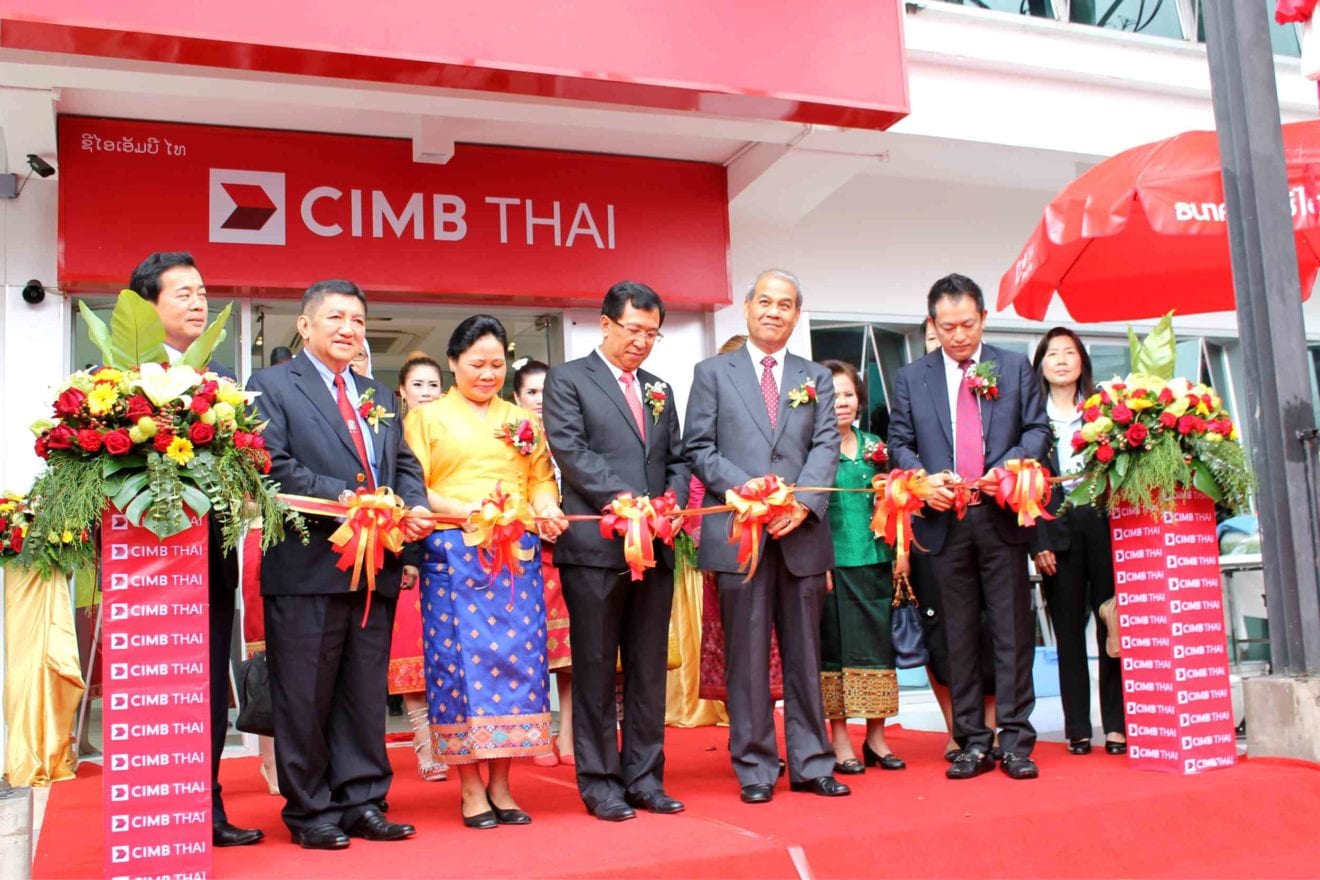
    CIMB Thai Bank will open its first overseas branch in Vientiane in the third quarter of the year to service trade and other business activities between Thailand and Laos.

    The new branch forms part of Malaysia-owned CIMB Group’s retail banking initiatives this year, Subhak Siwaraksa, president and chief executive officer of the Thai unit, said yesterday.

    After the upgrade of the retail banking platform system last year, CIMB Thai’s domestic performance is expected to show significant improvement.

    Subhak said CIMB Group wanted to see a rising return on equity from CIMB Thai, the target being a top-3 ranking in the Thai banking industry by 2015 with a return on equity of 16-18 per cent, against 10-13 per cent at present.He added that the ROE target would be challenging as the bank had to use its capital carefully because of Basel III requirements. It will, therefore, emphasise fee-based income from retail banking through to wholesale banking.

    Chief financial officer Narongchai Wongthanavimok said the Vientiane branch would have the capability to serve retail clients and offer cross-border products to corporate clients in Thailand and Laos.

    CIMB Group acknowledges that the Laos market should fall under CIMB Thai’s remit because of the tight relationship between the two countries and expanding bilateral trade value.

    According to the Lao PDR Trade Portal, in the first 10 months of last year, the value of bilateral trade was US$4 billion (Bt120 billion), representing a year-on-year rise of more than 30 per cent.

    The two governments have jointly set an annual trade target of $5.77 billion by 2015.

    Narongchai said that under Laotian law, the registered capital required for a bank branch was $12.5 million.

    However, given the unclear legal framework in Laos concerning consumer lending, CIMB Thai’s branch will focus on providing financial services to corporate customers and on wealth management, rather than on consumer loans, he said.

    The bank will not lend to Lao customers if they have no collateral base in Thailand, he said, adding that this would help reduce the risk from doing banking business in Laos.

    The bank will target Thai customers who have activities in Laos, as well as Laotian companies conducting business in Thailand, which are mostly small or medium-sized enterprises.

    Wealth management

    As well as their domestic operations, many Laotian companies have activities in border provinces in Thailand. As these companies are generally affluent customers, wealth management and deposits will be the priorities for CIMB Thai at the outset of offering financial services in the neighbouring country.

    “We can service three currencies for deposits: baht, kip and US dollars. Moreover, the branches in border provinces such as Nong Khai and Udon Thani will help support activities and transactions in Vientiane as well,” said the CFO.

    The Vientiane branch will have 10 staff, two or three of whom will be Thais, including the manager.

    CIMB Thai expects the branch to break even by 2016.

    Savannakhet and Pakse are other interesting locations for expanding the Laos network because of the potential opportunities they offer in terms of tourism and trading, Narongchai said.

    If the bank were to open more than three branches, the establishment of a local subsidiary would be a feasible option, he said.

    The registered capital required for setting up a commercial banking subsidiary in Laos is $30 million. – See more at: https://www.nationmultimedia.com/business/CIMB-Thai-Bank-branching-out-into-Laos-30201241.html#sthash.vYhTcDjX.dpuf

  • India’s retail market to hit US$1.2 trillion

    India’s retail market to hit US$1.2 trillion

    New analysis predicts the Indian retail market will hit US$1.2 trillion by 2020 and $2.1 trillion simply 5 years later.

    This yr, Indian retail gross sales are projected to realize simply $550 billion.

    The astonishing progress projection comes from business organisation the Confederation of Indian Business (CII) which additionally says the retail business will generate between 10 and 12 million jobs over the subsequent decade.

    The report, titled The Indian Retail Medley, was launched collectively by CII and Wazir Advisors at a Delhi retail business convention organised by the CII, dubbed ‘Decoding the Way forward for Retail’.

    “The organised retail in India is predicted to develop seven- fold and on-line retail 26-fold,” the report stated, however stating that despute such big progress, ‘unorganised retail’ will proceed to dominate the Indian retail panorama.

    “CII & Wazir are sure the sector will get a transformational push with an aggressive collaboration between the organised, unorganised and on-line retail progress, pushed by India’s demographics with large younger and tech savvy inhabitants (500 million are aged under 25 years).”

    Rising incomes and ranges of shopper demand, growing urbanisation, attitudinal shifts and – above all – an outstanding and steady rise in web penetration throughout the nation thanks partially to the federal government’s  dedication to digitisation, may even gasoline progress, the report stated.

    “It’s estimated there can be 550 million internet customers in India by 2018, as additionally the face of the Web consumer will change dramatically, with greater penetration to the tune of 210 million in rural areas.

    “The web retail would offer an outstanding platform to the unorganised retail to succeed in out to the shoppers throughout markets in tier three and tier 4 cities”, the report stated.

    Adesh Gupta, chairman of the CII Retail 2015 and promoter with Liberty Group. stated the time “is completely opportune to Make in India for Retail in India.

    “Our nation is among the quickest rising and most dynamic retail markets on the planet. We should produce and promote in India”

    However Gupta warned of “a dire want” to strengthen the nation’s provide chain administration, indentify shoppers’ wants, developed expert, educated manpower and streamlinethe  taxation system.

    India is predicted to grow to be the world’s quickest rising eCommerce market on the again of strong funding exercise within the sector and the speedy improve in web customers. It’s anticipated that India’s e-commerce market will develop from US$2.9 billion in 2013 to over US$100 billion by 2020.

    “There’s sufficient demand and the problem might be easy methods to attain the shoppers, each from connectivity and logistics perspective,” stated Gupta.

    “On-line retail can attain tier 4 to 6 areas a lot better than offline giving it a much bigger benefit. Collaboration between each organised and unorganised retail corporations could possibly be the actual recreation changer.”

    Shreekant Somany, chairman or CII NR, stated eCommerce’s share of Indian retail is rising steadily.

    “Clients have an ever growing selection of merchandise on the lowest charges. eCommerce might be creating the most important disruption within the retail business and this development will proceed within the years to return.

    “Virtually every thing is bought on the web now and which means just about all the retail business faces the problem of both being part of e-commerce or taking it head on. Partnering is one of the simplest ways out,” stated Somany.

    Mukesh Mathur, government director with Oracle India stated it’s crucial retailers benefit from eCommerce, which can allow them to spend much less cash on actual property whereas reaching extra clients in tier two and tier three cities

    “However, the long run outlook for the business stays to be constructive on the again of rising incomes, beneficial demographics, the entry of overseas gamers and growing urbanisation”, stated Mathur.

    However Harminder Sahni, MD of Wazir Advisors described the profitability of shops as “a serious concern nowadays”.

    “The businesses ought to consider opening worthwhile shops, with thrust on hiring educated manpower. Each on-line and offline should work collectively.”

  • Ever Glory Worldwide gross sales slip

    Ever Glory Worldwide gross sales slip

    Nasdaq-listed style retailer Ever-Glory Worldwide says first quarter gross sales slid 7.7 per cent.

    The Nanjing-based enterprise reported complete gross sales within the three months to March 31 of US$97.9 million, in contrast with $106 million within the first quarter of final yr.

    It says same-store gross sales in its community of 1206 retail shops slipped 2.9 per cent, however wholesale gross sales to different retailers carrying its strains fell 15.6 per cent. The corporate’s retailer community grew by 230 retailers year-on-year.

    Wholesale gross sales fell most importantly in Germany, France and different European markets, in Japan and the US. However progress within the UK and mainland China made up for a few of the lower.

    Complete gross revenue for the quarter elevated 18.7 per cent to $30.6 million, in comparison with $25.eight million final yr. Complete gross margin elevated 700 foundation factors to 31.three per cent in comparison with 24.three per cent final yr.

    Ever-Glory was the primary Chinese language attire Firm listed on the NYSE in July 2008 earlier than  transferring to Nasdaq on December 31 final yr. It provides attire to ladies underneath its personal manufacturers La go go, Velwin and Sea To Sky in China and describes itself as a number one international attire provide chain answer supplier with a concentrate on middle-to-high finish informal put on, outerwear, and sportswear manufacturers.

  • GIC takes Seoul mall stake

    GIC takes Seoul mall stake

    Singapore funding firm GIC has partnered with the Canada Pension Plan Funding Board to purchase the D-Dice Retail Mall in Seoul, South Korea from Daesung Industries.

    The 2 buyers has paid US$263 million for the mall.

    GIC and CPPIB will every personal an equal half share in D-Dice, a 4 yr previous centre described as a top quality property in a chief location. D-Dice is situated subsequent to Sindorim Station, a serious transportation hub connecting Seoul with Incheon and different main metropolitan cities close to Seoul.

    The mall can be rebranded as Hyundai Division retailer and might be operated by Hyundai, one of many prime retail operators in South Korea. Working alongside GIC and CPPIB, Hyundai will reposition the D-Dice Retail Mall to raised serve the Korean retail market’s anticipated regular progress over the long run.

    Loh Wai Keong, MD & co-head Asia, with GIC Actual Property stated the funding displays GIC’s confidence within the long-term progress of Korean home demand and is in keeping with GIC’s technique of buying high-quality, centrally-located belongings with upside potential.

    “As a long-term worth investor, our pursuits are aligned with CPPIB and we sit up for partnering them on this acquisition.”

    Jimmy Phua, MD, head of actual property investments Asia, with CPPIB stated the D-Dice Retail Mall is a main retail asset situated in a rising and prosperous space.

    “By way of this funding, we’re happy to realize publicity to one of many largest retail markets in Asia, working alongside skilled and aligned companions.”

  • 7-Eleven Philippines gross sales soar

    7-Eleven Philippines gross sales soar

    Philippine Seven Company, the native licensee of 7-Eleven Comfort Shops, has reported a 12.9 per cent progress in internet revenue for the primary quarter of 2015.

    The corporate says the rise is the results of improved working margin and its aggressive 7-Eleven Philippines retailer enlargement program throughout the nation.

    The community of firm owned and franchised shops’ gross sales rose by 24.2 per cent from P4.four billion (US$98.9 million) within the first quarter to 2014 P5.5 billion (US$123.6 million) within the newest quarter. First quarter internet revenue reached P112.9 million ($2.5 million).

    On the finish of the quarter, PSC had constructed its community to 1341 shops – a rise of 292 year-on-year.

    The corporate stated the speed of earnings progress was slower than top-line progress because of the elevated spending attributed to increasing the logistics infrastructure of the corporate. PSC has been constructing the capability of its distribution middle to help its enlargement within the totally different elements of the nation, together with the islands within the Visayas and in DavaoCity.

    Jose Victor Paterno, president and CEO, stated PSC has taken steps to guard and broaden its management in mild of elevated competitors, recognising that rewards for market share are particularly robust within the comfort retailer sector.

    “This includes not solely an elevated tempo of enlargement in areas contested by competitors, however strategic entry into new territories. The latter could also be unprofitable for the primary few years because of the excessive fastened prices of logistics, however we consider will later be rewarded with robust first mover benefits,” he stated.

    “Final yr we entered Panay and constructed on our entry into Negros and Cebu the years prior. This yr we will probably be getting into Mindanao by way of Davao and Cagayan de Oro.”

    For 2015, the corporate might be growing its capital expenditures price range by greater than 50 per cent to help its accelerated retailer enlargement technique.

    Philippine Seven Company operates the most important comfort retailer community within the nation. It acquired from Southland Company (now Seven Eleven Inc.) of Dallas, Texas the license to function 7-Eleven Philippines shops in December 1982 and listed on the Philippine Inventory Trade in February, 1998.

  • Singapore retail gross sales slide three.2 per cent

    Singapore retail gross sales slide three.2 per cent

    Singapore retail gross sales in March slumped three.2 per cent after the distortionary impact of motorcar gross sales is faraway from the info.

    Whereas the official figures present a seasonally-adjusted 1.1 per cent enchancment in March 2015 over the earlier month, knowledge from Statistics Singapore exhibits automotive gross sales soared 37 per cent over February and 40 per cent March on March.

    There was an similar three.2 per cent general decline year-on-year for March after automobiles have been eliminated.

    Seasonally adjusted gross sales of meals & beverage providers decreased 5.2 per cent in March 2015 over February and by 1.7 per cent in contrast with March 2014.

    After seasonal adjustment, retail gross sales of automobiles, mini-marts & comfort shops and meals & drinks elevated between 12.9 per cent and 37.1 per cent in March 2015 in comparison with the earlier month (Desk 1). Retail gross sales of petrol service stations and leisure items additionally rose four.9 per cent and 1.1 per cent respectively.

    Then again, retail gross sales of optical items & books, sporting attire & footwear, telecommunications equipment & computer systems, furnishings & family gear, supermarkets, watches & jewelry and medical items & toiletries decreased between 2.four per cent and 10.four per cent in March 2015 in comparison with February 2015.

  • Personal label saving Korean retailers

    Personal label saving Korean retailers

    As South Korea’s giant retailers are affected by damaging progress, personal manufacturers (PB), or personal labels (PL) are providing a ray of sunshine to Korean retailers.

    Gross sales of personal branded items have elevated 20 to 30 per cent within the first quarter in comparison with the identical interval final yr.

    PB items are often 20 to 30 per cent cheaper than different model items, and as they’re turning into more and more widespread, extra clients are constructing belief in sure manufacturers.

    Gross sales of Residence Plus PB items within the first quarter elevated 21 per cent, whereas gross sales of all items mixed solely elevated zero.9 per cent. PB merchandise now account for 28.four per cent of Residence Plus merchandise.

    Gross sales of PL items additionally elevated 15.four perc ent at E-Mart, whose administration report their  1.1 per cent gross sales improve within the first quarter – the primary year-on-year constructive progress price in 13 quarters – was because of the reputation of PB items.

    Gross sales of PB items on the CU comfort chain additionally elevated 7.6 per cent for the primary quarter in 2013, 9.1 per cent in 2014 and 22.eight per cent for a similar interval this yr. Gross sales of such items at 7-Eleven elevated a record-high 34.eight per cent.

    A person with information of Lotte Mart’s operations stated that though there was some distrust in personal manufacturers up to now, nowadays they’re among the many best items, as they’re produced by well-known producers.

    CU stated that it will give attention to creating private hygiene PB items sooner or later, because it has been solely creating snack PB items up to now.

    House Plus additionally stated that it will improve PB manufacturing, saying that as greater than 90 per cent of PB producers are SMEs, the present growth might additionally end in a constructive synergy impact on them.