Category: General

Retail News Asia is committed to providing both local and global retailers with the latest General Retail news throughout the Asian market. This on a daily base.

  • Wood export likely to hit $14.5B in 2023

    Wood export likely to hit $14.5B in 2023

    Vietnam’s wood export is likely to hit about $14.5 billion this year, lower than the yearly target of $17 billion, said Vice Chairman of the Handicraft and Wood Industry Association of Ho Chi Minh City (HAWA) Nguyen Chanh Phuong.

    The figure could reach roughly $6 billion between now and the year’s end.

    Since early this year, wood and wooden furniture export has been dull, with a shortage of orders common in most businesses. In the past eight months, the export turnover neared $8.3 billion, down around 26% annually, Phuong told a local press conference on September 13.

    Since May this year, the Vietnamese firms have been importing a significant amount of raw wood materials which rise by 5-10% per month. This is a sign that they are actively preparing for end-of-year orders, he added.

    Citing data from the International Trade Centre (ITC), Phuong revealed that the Vietnamese wood enterprises are also importing a substantial amount of machinery and equipment, totaling approximately $240 million, mostly from China, Europe, the Republic of Korea and Japan, among others.

  • Siam Piwat unveils US$28 million plan to attract visitors to Thailand

    Siam Piwat unveils US$28 million plan to attract visitors to Thailand

    Siam Piwat Co Ltd, has unveiled a four-pillar strategy it says will help boost its strengths as Thailand’s leading real estate and retail developer and maintain its leadership as a developer of global destinations, as part of its move to underpin the government’s plan to draw overseas visitors back in the post-pandemic era.

    As the owner and operator of world-renowned retail destinations including Siam Paragon, Siam Center, and Siam Discovery – and a joint venture partner of IconSiam and Siam Premium Outlets Bangkok – the company is well placed to support the government’s new tourism promotion policy.

    The company will invest more than 1 billion THB (US$28 million) during the fourth quarter to help the government achieve its target of 30 million overseas visitor arrivals into Thailand – and plans to double that investment next calendar year.

    “Siam Piwat is the leading developer of global destinations that have not only served as tourist magnets and solidified Thailand’s position as the top destination among global visitors for a long time, but are also highly successful and widely recognised in the global real estate industry,” said Chadatip Chutrakul, CEO of Siam Piwat Group.

    “Siam Piwat is prepared to move forward at full throttle. We are confident that the government will be able to transform our tourism sector into a formidable asset and create phenomena that will firmly establish Thailand as a premier destination on the map for travellers from all over the world,” she concluded.

    Siam Piwat’s four strategic pillars comprise world-class shopping leadership and leadership in luxury retail; hosting world-class events and MICE leadership; elevating Thai art and establishing Bangkok as a global art hub; and introducing Thailand’s soft power to the global stage.

    During the first eight months of this year, Siam Piwat’s shopping malls combined welcomed 14 million visitors, representing a 46 per cent increase over last year. Those visitors spent an average of 8500THB (US$238) each. The company also hosts the most affluent customer base in Thailand.

    As it works to help realise the country’s inbound tourism targets, Siam Piwat has developed four-pillar strategies of its own, in concert with the government’s.

    Leadership in creating extraordinary shopping experiences and strengthening its dominance in the luxury retail segment: Siam Piwat will join forces with luxury brands, tenants, and business partners to open 20 new shops of luxury brands during the fourth quarter – many of them making their Thai debut. The company will launch pop-up stores and world-class events in collaboration with more than 40 brands between now and the end of next year. All the leading luxury brands at Siam Paragon and IconSiam are preparing to expand their store spaces to become the regionally largest flagships.

    Leadership in world-class events and global MICE: Siam Piwat is working with state agencies, the Thailand Convention and Exhibition Bureau (TCEB) and the private sector to attract business travellers and high-spending tourists from across the world. The Royal Paragon Hall on the fifth floor of Siam Paragon and True Icon Hall on the seventh floor of IconSiam have this year hosted about 40 major events, while bookings are already at 70 per cent for next year. Siam Piwat will work within a global ecosystem of partners across businesses including airlines, hospitality, tourism and restaurants, to accommodate diverse event formats, and support Thailand in becoming the leading international MICE destination in Southeast Asia. In addition, Siam Piwat is currently in talks with a world-class event organiser to jointly invest and build a new convention centre in Bangkok.

    Leadership in promoting Thai art and establishing Bangkok as a global art hub: Siam Piwat has been a pioneer in supporting and hosting Thai artists for more than 15 years. It was the first company to publicly exhibit the works of Thai artists in shopping centres and has enhanced the role of Thai artists in supporting quality tourism. The company plans to work with the government and state agencies to establish Bangkok as Southeast Asia’s art hub to exhibit global art pieces, such as Art Basel and Frieze, in order to attract global artists to Thailand and create an opportunity for Thai artists to showcase their art alongside their global peers.

    In 2026, Siam Piwat plans to open the 8000sqm River Museum on the eighth floor of IconSiam. As Thailand’s first international-grade museum it will be able to showcase global masterpieces at the same level as leading museums in Europe and North America. This is part of a strategy to attract public art industry figures as well as collectors of artworks from around the world. In doing so, Siam Piwat hopes to attract a new category of affluent travellers that will help strengthen Thai tourism in the long term.

    Leadership in introducing Thailand’s soft power to the global stage: Over the past decade, Siam Piwat has developed a platform of opportunities to promote Thailand’s soft power and bring together the best of the best that Thailand has to offer from across industries including food, film, fashion and design. In addition, Siam Piwat has created SookSiam, bringing together more than 6000 independent SME businesses from across all 77 of Thailand’s provinces to showcase the many forms of Thai identity. SookSiam attracts at least 70,000 visitors daily and is widely shared by visitors on social media channels worldwide. Siam Piwat has also worked to develop Thai brands through its retail business, including IconCraft, ODS and Ecotopia – which have successfully helped businesses expand overseas. The company will continue working with Thailand’s Ministry of Commerce and Ministry of Interior and world-class partners to elevate Thailand’s soft power and draw global recognition.

    “Siam Piwat is ready to join hands with all parties to promote the tourism and hospitality industry, establish Thailand’s position as the top global destination, and support the government’s policy to bolster the tourism industry,” said Chadatip. “This will play a vital role in driving the Thai economy, stimulating economic activities, generating income, and creating employment for many people.”

    Siam Piwat says the tourism industry is vital to the nation, attracting many international visitors. The presence of those visitors yields far-reaching benefits, not only to tourism

  • The Files by Google app is about to become smarter

    The Files by Google app is about to become smarter

    Google is reportedly working on a new feature for its Android Files app called Smart Search, which will automatically identify and highlight important documents. This could make it easier for users to find the files they need, such as contracts, tax documents, or medical records.
    Smart Search, not to be confused with Smart Storage which helps you save space on your device by deleting media that has already been backed up to Google Photos, is meant for files in the Documents folder of the Files app. It will use machine learning to identify important documents based on a variety of factors, including their content, file type, and creation date. Once a document has been identified as important, it will be highlighted in the Files app so that users can easily find it

    This was originally found and reported by @AssembleDebug on X, who was able to enable the feature via a flag. While testing, the leaker found that the feature will automatically and periodically scan and index your documents and images using something akin to OCR (Optical Character Recognition) to identify text within those files. Additionally, as the name implies, search will be available to find the related text and document in which it is contained.

    In addition to highlighting important documents, Smart Search can also suggest related documents. For example, if a user opens a contract, Smart Search might suggest other contracts that the user has saved. This could help users to stay organized and find the documents they need more quickly.
    Smart Search is still in development, but it is believed that it will be released in a future update to the Files app. It is a new and innovative feature that could make the Files app even more useful, especially when an important detail in a document is needed right away.
  • WhatsApp officially launches its Channels feature globally

    WhatsApp officially launches its Channels feature globally

    WhatsApp announced today via its official blog the launch of its new Channels feature in over 150 countries as well as the addition of thousands of new channels. WhatsApp Channels have been in the works since earlier this year as a way to give users a private outlet to receive updates from organizations, sports teams, artists, and notable figures.

    Channels are different from the regular chats you are used to on WhatsApp, as they are separate and whoever you choose to follow is not visible to others, hence their focus on privacy. WhatsApp users have the option to browse through various channels and decide to track those that interest them.
    Through the feedback received from those that were privy to using this feature in one of the ten countries were it was originally being tested, the company worked to add the below updates to the Channels feature just in time for the global release:
    • An enhanced directory that makes it easier to find channels to follow, filtered by country.
    • Reactions, so you can give feedback on Updates using emojis.
    • Editing, so admins can make changes to their Updates for up to 30 days.
    • Forwarding, so you can share Updates with others and they can easily find the channel.

    WhatsApp also promises that more features will continue to be added as the Channels features grows and expands, and that these features will be based directly on user feedback. One of them will be the ability for anyone to create a channel, similar to the way this same feature currently works on Instagram.

    The WhatsApp Channels rollout appears to be staged at the moment in the latest version of the app. Once available, Channels that you can follow can be found in the new “Updates” tab, including the official WhatsApp Channel which you can follow to stay up to date on any new additions to the app.
    However, if you still don’t have the feature and don’t want to keep checking to see when it’s available for your account, you can click on the WhatsApp Channel link — or any channel link for that matter — and you should get a popup within the application with an option to be notified when it’s ready.
  • Vietjet signs $550m funding deal for aircraft order

    Vietjet signs $550m funding deal for aircraft order

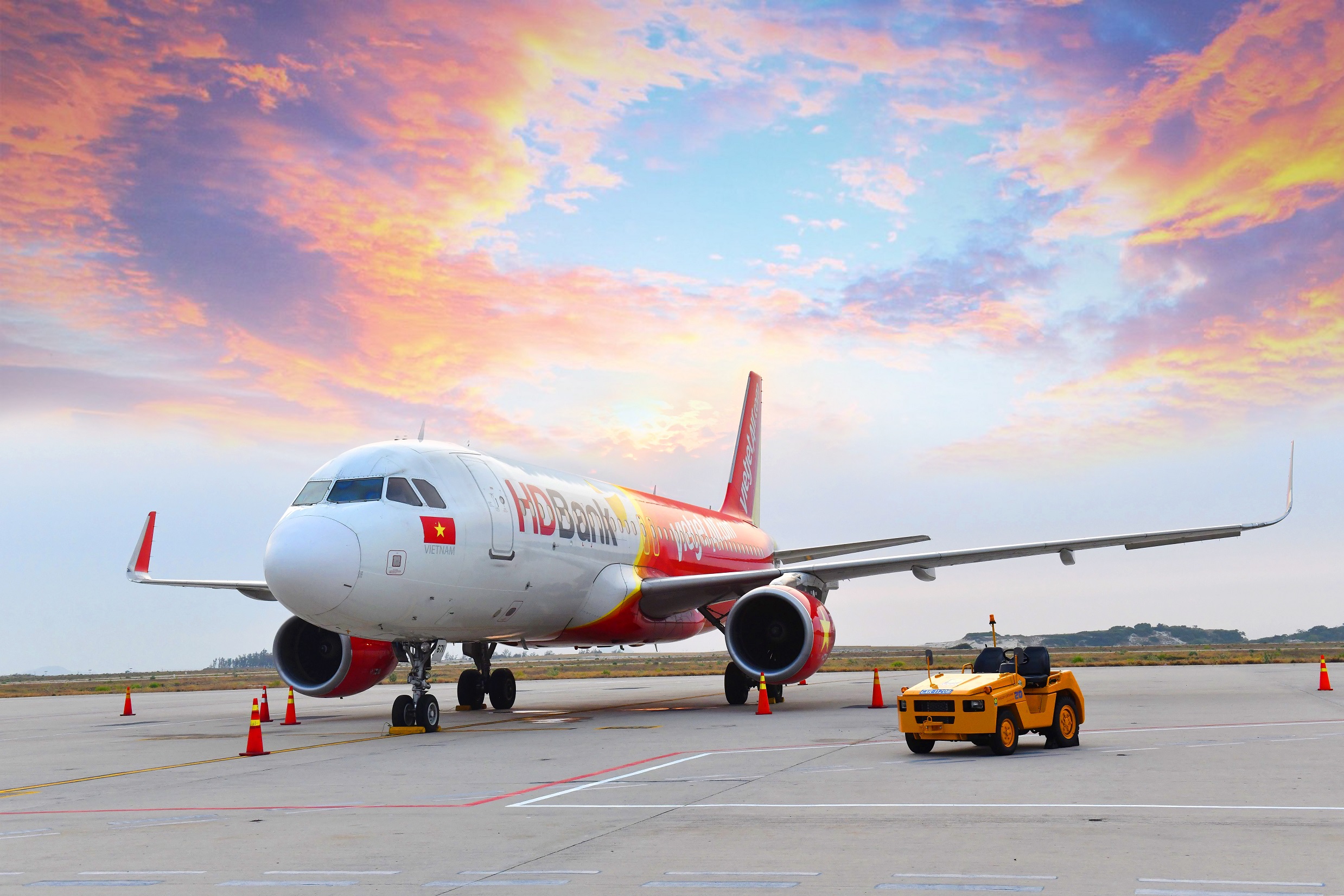
    Vietjet and Carlyle Group, a US-based financial firm, have signed an aircraft financing agreement worth US$550 million during the official visit of the US President Joe Biden to Vietnam.

    The agreement will see Carlyle Aviation Partners, a subsidiary of the Carlyle Group, finance the 200-aircraft order announced earlier between Vietjet and Boeing. The order is considered one of the largest commercial contracts to date and one that contributes greatly to the trade balance between Vietnam and the United States.

    This order, which is worth over US$25 billion, will be implemented in five years with the first delivery of 12 aircraft scheduled for 2024. The first batch of 737 Max will be delivered to Bangkok-based affiliate Thai Vietjet.

    “Carlyle Aviation Partners has been a long-term strategic partner of Vietjet,” said Robert Korn -Co-Founder & President of Carlyle Aviation Partners. “We are pleased to accompany and witness Vietjet’s aggressive growth over the last decade. The airline has offered passengers reasonable fares and convenient travel options; thus contributing positively to the aviation and tourism development; also fostering investment between Vietnam and the international community.”

    Founded in 2002 with headquarters in Miami, Carlyle Aviation Partners is in the business of global aircraft finance and leasing. It currently manages a fleet of 396 aircraft in 59 countries and is owned by Carlyle Group, which manages US$385 billion in total assets.

  • Vietjet partners 2023 Sydney Marathon

    Vietjet partners 2023 Sydney Marathon

    Vietjet has become the air transport partner for the Sydney Marathon, and is offering free tickets to the event.

    The Sydney Marathon takes place from September 14 to 17 in the Australian city, and will feature many activities for athletes, locals and tourists.

    The runners will pass through famous landmarks like Milsons Point, the Sydney Harbor Bridge, Centennial Park, the Royal Botanic Gardens, the Sydney Opera House…

    The race is expected to attract more than 40,000 runners from more than 75 countries.

    It will also raise funds for charities supporting children and people with disabilities.

    To mark the occasion, Vietjet is selling tickets for zero dong (excluding taxes and fees) to Australia on Wednesday, Thursday and Friday every week from now until March 31, 2024, on its website and app.

    According to the airline, besides the 2023 Sydney Marathon, it is also collaborating with other global cultural and sporting events, demonstrating its desire to bring new values by spreading the message of humanity and sporting spirit to hundreds of millions of customers and people in Vietnam and elsewhere.

    With an extensive flight network and flexible flight times, Vietjet offers many options to international passengers with its new routes from HCMC to Jakarta (Indonesia), Kochi and Tiruchirappalli (India), and other destinations and leading entertainment destinations in the region in Australia, Japan, Korea, Taiwan (China), Hong Kong (China), Singapore, Thailand…

    Flight tickets come with Sky Care travel insurance. All flights are supported by experienced crew and fresh, hot food.

  • Future of Google Search will depend on who wins this antitrust battle

    Future of Google Search will depend on who wins this antitrust battle

    Something related to the tech world is supposed to take place later today. But it isn’t the event that you’re thinking about. Sure, Apple will be unveiling the iPhone 15 line later today, along with the Apple Watch Series 9 and the second-generation Apple Watch Ultra. But in a Washington D.C. federal courthouse, prosecutors will be putting on a case starting Tuesday that will run for 10 weeks in an attempt to prove that Google’s search business is a monopoly.
    During the 10 weeks, both sides will be testifying before U.S. District Judge Amit Mehta. We expect Alphabet CEO Sundar Pichai to appear in the witness box, and court documents show that Apple executive Eddy Cue might also be called to testify. The trial’s first phase will end in November, and after more documents are filed, Judge Mehta will make a ruling, although this is not expected to occur until early next year.
    If the judge rules against Google, another trial will be held, and this will be the penalty phase, where it is determined what penalties Google will be forced to comply with. As noted by the AP, Google has come a long way since Sun Microsystems co-founder Andy Bechtolsheim became Google’s first investor 25 years ago. Bechtolsheim gave Google co-founder Larry Page a $100,000 check, allowing Page and Sergey Brin to start Google in a Silicon Valley garage.

    Google parent Alphabet is now worth $1.7 trillion and generates $224 billion in ad revenue led by its search engine. While Google says that it is the top search engine in the world with a 90% share because it is the best search engine and beats out competitors like Bing and Duck Duck Go fair and square, the DOJ wants to bring up deals that Google has with companies like Apple. Google pays Apple a huge sum to be the default search engine on the iPhone and Safari. It also points out that Google pays Mozilla and Samsung as the default search engines on Firefox and Galaxy devices, respectively.

    Google doesn’t mind shelling out this kind of money because it makes more than it pays as millions of iPhone, Safari,Galaxy and Firefox users use Google Search allowing Google to charge big bucks to advertisers to reach these consumers. Google also demands that phone manufacturers who want to use the Google Mobile Services version of Android for their handsets use Google Search as their default search engine. All the data that Google collects from its search engine allows it to prevent Bing and Duck Duck Go from obtaining information that could improve their search results.

    Google says that consumers can easily switch their default search engine to another search provider. It also says that it faces competition from Bing’s use of AI although Google has also started adding AI-based results to its search results. Google also says that it has never stopped looking to improve its search capabilities, which explains why “Google it” has become such an iconic phrase and the company has become synonymous with search.

    In 2019 Google was fined billions of dollars by the EC for restricting Android users to selecting Google as their default search engine and Chrome as their default browser. To comply with the EU, Google showed two screens to Android users the first time they opened the Google Play Store app following an update that was about to be disseminated. The screens allowed these Android users to choose a default search engine and default browser from a list that included four Google Search competitors and four Google Chrome competitors.
  • Vietnam Airlines to buy 50 Boeing 737 Max jets

    Vietnam Airlines to buy 50 Boeing 737 Max jets

    Vietnam Airlines is set to sign a US$10-billion deal with U.S. aviation giant Boeing to buy 50 737 Max narrow-body aircraft.

    The signing is set for Monday during U.S. President Joe Biden’s state visit to Vietnam, an anonymous source told VnExpress.

    The deal is part of Vietnam Airlines’ plan to renew its fleet, in which many aircraft are over 10 years old.

    Four years ago the state-owned carrier received approval from the Civil Aviation Authority of Vietnam to buy 50 narrow-body aircraft from Boeing or its European competitor, Airbus.

    Vietnam Airlines and other carriers in the country do not currently use any Boeing narrow-body aircraft.

    Vietnam Airlines’ 90-jet fleet is made up of the narrow-body Airbus A321 and wide-body Boeing 783 Dreamliner.

    The Boeing 737 Max can carry between 210 and 230 passengers and has a range of around 3,000 kilometers.

    Budget airline Vietjet signed a deal with Boeing in 2016 to buy 100 737 Max aircraft during former U.S. President Barrack Obama’s visit.

    It then signed a similar deal in 2018.

    Industry insiders say buying new jets is not easy now since Boeing and Airbus have full orders booked for until 2030.

  • Sorbent undergoes brand refresh across all media

    Sorbent undergoes brand refresh across all media

    Australian tissue brand Sorbent has undergone a brand refresh across all product lines, packaging, and communications.

    The brand said it needed to “pivot” from a commodity product to a branded experience that reflected its Australian heritage and offered a unique attitude and point of view that would resonate across all mediums.

    Daniel Coleman, the head of marketing at Sorbent, said after talking to consumers, it was clear that Sorbent packaging needed a refresh.

    “The update will breathe new life into our range, and we look forward to seeing it roll out onto shelves and into Australia’s bathrooms.”

    The new brand system celebrates the company’s “proud history” with the introduction of a new character asset – ‘Sunny’ the Cockatoo.

    The design also boasts revitalized colour systems along with a portfolio architecture system that enhances product and benefits navigation.

    The company partnered with The Edison Agency to develop its brand identity strategy, design system, and portfolio architecture strategy to rejuvenate its portfolio.

  • Google Maps now allows users to find their favorite places faster using emojis

    Google Maps now allows users to find their favorite places faster using emojis

    With the Google Maps app, you can tap the Saved tab on the bottom of the screen to create lists of places where you want to go or your favorite places. Just the other day Google posted on its Google Maps’ X account that thanks to a new update to the app “you can customize your saved places with emojis to help you find your fav spots faster.” The emoji are the same ones available in messages so you can use a food emoji, a sports emoji, or any emoji you wish to symbolize a place that you’ve saved.

    To add an emoji, open Google Maps and press the Saved tab at the bottom of the screen. This won’t work with the default lists that come with Google Maps such as “Want to go,” “Favorites,” “Travel plans,” “Labeled,” and “Starred places.” You’ll have to create your own list or edit an existing one you created. In a video shared by Google on X, a new list named “Fav Coffee Spots” is created. Select an emoji for the list, which in this case is a cup of coffee, and add a description. Now, add the spots you want to add to the list.

    Once you’ve filled out the list, when you see one of these spots on Google Maps and are close to the location, you’ll see the name of the place with the chosen emoji next to it. If you zoom out on the map, you’ll see only the emoji. We assume that Google made this change because, unlike a pin stuck in a map, an emoji can convey more information to the user. Using emojis, you’ll be able to quickly determine if a certain spot on a map is one of your favorite coffee houses, a favorite ice cream parlor, or a burger joint you visit often without having to tap on the location.

    With so many emojis to choose from, the user can use them to find his/her favorite spots faster on Google Maps.
  • WhatsApp HD video support starts rolling out to everyone

    WhatsApp HD video support starts rolling out to everyone

    Meta’s Mark Zuckerberg teased last month the imminent arrival of one of WhatsApp’s most requested features, the ability to share HD videos. Although some Android and iOS users got the feature last month, the global rollout has only just begun.

    Today, WhatsApp officially confirmed that it had started to roll out HD video support on its messaging app. With this addition, WhatsApp users can finally send both photos and videos in high-definition format, although the feature needs some refinement.

    For example, no toggle would allow you to set WhatsApp to send all pictures and videos you want to share in HD format by default. You have to select this option every time you share a media file with one of your contacts, which is a bit annoying, but it’s better than not having the feature at all.

    If you’ve been sharing videos until now, you’ll notice that the resolution has been upgraded from 476 x 848 to 718 x 1280 pixels. Yes, you still can’t share videos in their original resolution, which more often than not is higher than 720p. Still, this is a considerable upgrade over the previous quality, especially since the size of an HD video is almost doubled.

    Meanwhile, WhatsApp is currently testing multi-account support, but we won’t know when it drops until it’s already here. However, if you’re running a beta version of the app, you’re probably already using it on your Android phone.

  • Singapore’s Crazy Rich Money Launderers

    Singapore’s Crazy Rich Money Launderers

    If anyone thought that Credit Suisse’s collapse would prove fatal to the Swiss finance hub should take a look at what is going on in the city-state right now.

    Singapore and its financial hub have been in the throngs of an unbelievably large money laundering scandal since the middle of August. It relates to billions of dollars in criminal proceeds that Chinese businesspeople shamelessly used to flaunt a flagrant lifestyle with luxury cars and property by using and washing cryptocurrencies.

    This all happened over the course of a few years until ten suspects were arrested by authorities last month, some of whom had been previously listed as wanted in China.

    The case is beginning to make larger waves this week. It is coming to light that more people are involved than previously thought while the volume of money laundered is reaching almost $1.5 billion. Most of the proceeds are from illegal gambling junkets in Asia that were reinvested in any luxury imaginable.

    A line of banks has been involved including Singapore’s domestic institutions DBS, OCBC, and UOB. Internationally, Citi and Deutsche Bank have been caught up in it as well and all are working closely with authorities in the city-state. At this point, all remain innocent until proven otherwise. Other banks, including the Swiss, are working to figure out internally whether the case involves a selected number of people or whether this is a large-scale scheme that could involve them as well, as a number of them have indicated.

    It is actually remarkable that all of this didn’t happen much earlier given Singapore’s reputation of having the strongest rules worldwide when it comes to the prevention of money laundering and other financial crime. Ostensibly, there is a big gap between what the authorities indicate and reality. This is also not something that has just come up now.

    Singapore was heavily involved in the large-scale 1MDB scandal when billions of funds were siphoned out of the Malaysian government development fund called 1Malaysia Development Berhad (1MDB, image above) through a number of banks –including Swiss ones. That case led to the factual end of the large Ticino-based Banca della Svizzera Italiana (BSI) and Falcon Private Bank in Switzerland.

    If that was enough, Singapore has also been in the middle of other nefarious schemes, including that of Germany’s Wirecard debacle as well as the criminal activities of commodities trader Hin Leong Trading.

    All this indicates that these are not isolated instances and finance professionals in Singapore are now in agreement that the finance hub has become a victim of its own success.

    Much of this is linked with efforts in recent years to be highly attractive to foreign investors, assets, and high-net-worth individuals with their family offices. Even though this was all done in parallel with more stringent AML rules, it still created an ideal environment for Chinese VIPs, institutions, and money to make their way here.

    That led to a massive influx of individuals, particularly following the pandemic and the introduction of a more stringent compliance regulatory framework in China. This has led to massive price inflation that is proving even more problematic for its citizens, particularly regarding the levels of property rents.

    That put the city-state on a risky path that is starting to have consequences and is beginning to hurt its reputation. Many wealthy individuals who have moved here in recent years fear that the case will damage Singapore’s reputation.

    The scale of the current scandal is incomparable. Authorities have confiscated more than 100 properties worth well over $500 million. Other impounded assets include Bentleys and Rolls Royces, whiskey collections, Hermes handbags, and Patek Philippe watches.

    Most of the money is allegedly from illegal gambling rackets in the Philippines and China. Authorities are accusing one of those arrested of buying an apartment in 2019 on Orchard Road, one of the city’s main shopping streets, for over $15 million. It was a so-called good-class bungalow or a two-floor 1,400 sq.m villa in one of the best areas in a highly built-up urban area in what is an extremely densely populated city.

    Another favorite spot for those who were recently arrested was Sentosa. Seven properties have been frozen on the quasi island-condominium complex for the high net worth, which is also a tourist spot with a golf course and several amusement parks, including Universal Studios. It also has a large marina where you can see any number of luxury yachts berthed, some of them from Caribbean tax havens.

    The scandal poses numerous problems for Singapore. The government is intent on keeping the different ethnicities in the city-state in harmony and this doesn’t help. Shameless displays of wealth and privilege, particularly if they are linked with crime, could easily breed resentment. On the other hand, the case could also raise suspicions about other high-net-worth families that have settled down here in recent years.

    It is likely a coincidence that the internationally renowned head of the Monetary Authority of Singapore (MAS), Ravi Menon, announced his decision to retire at the end of 2023 this week. At the same time, the affair sheds a dark light on a body that had been trying to be the global poster child when it came to fighting financial crime.

    Given that, it is somewhat surprising that Menon, who has served in a public capacity for 36 years and was elected for another two-year term just seven months ago, is throwing in the towel now.

    There are many indications that Singapore will be dealing with the case for an extended period of time. Further developments could continue to erode the city’s attractiveness and reputation. Dubai is likely to be a clear beneficiary of that, as it has been experiencing a boom since the start of the Ukraine war given that it does not uphold the current Western sanctions regime against Russia.

    This means that it is an ideal time for Switzerland to focus on developing its financial sector with a certain confidence, particularly given the collapse of Credit Suisse earlier this year and the subsequent creation of a new, stronger UBS.


  • 7-Eleven opens its first store in Laos

    7-Eleven opens its first store in Laos

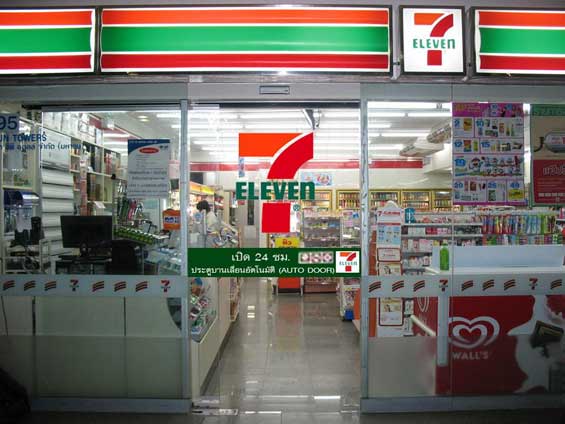
    In a press release, CP ALL Laos, a master franchisee of 7-Eleven International, which is a joint venture between 7-Eleven, Inc. and Seven-Eleven Japan, opened its first 7-Eleven store in Laos. The store is located in the capital city of Vientiane.

    “CP ALL Laos is excited to serve the community of Vientiane as it experiences significant economic growth and surge in tourism following the opening of the Laos-China Railway high-speed train,” according to the release.

    The store features 7-Eleven’s signature retail model and serves a variety of internationally-popular products and beverages–including bean-to-cup coffee and Slurpee and Big Gulp drinks. Customers can enjoy hamburgers, toasted sandwiches and freshly baked bread. CP ALL Laos is looking into opportunities to offer Laotian meals.

    “With its thriving economy and growing population, Laos offers an excellent environment for 7‑Eleven’s first retail venture in the region,” said 7-Eleven International Co-CEOs Shin Abe and Ken Wakabayashi. “Our entrance into the country brings Laotian customers a one-stop-shop solution with quality fresh food and convenience needs, via a store format not currently prevalent in the market. The store opening in Laos marks the 20th country and region for 7-Eleven. We are excited to continue providing citizens and tourists with world-class convenience.”

    Meanwhile, in China’s Guangdong province, WeChat Pay announced that its palm payment service is now available at over 1,500 7-Eleven convenience stores. Currently, users wanting to use the payment method can activate it on WeChat’s digital payment devices in offline 7-Eleven stores. Once activated, users will be able to pay by simply placing their palms above a palm-reading device in the participating stores.

    Panera Bread began testing Amazon’s palm-scanning technology in two locations earlier this year. The identification technology, dubbed Amazon One, is already used in dozens of Amazon-owned Whole Foods locations, Amazon Go stores and some stadiums and arenas.

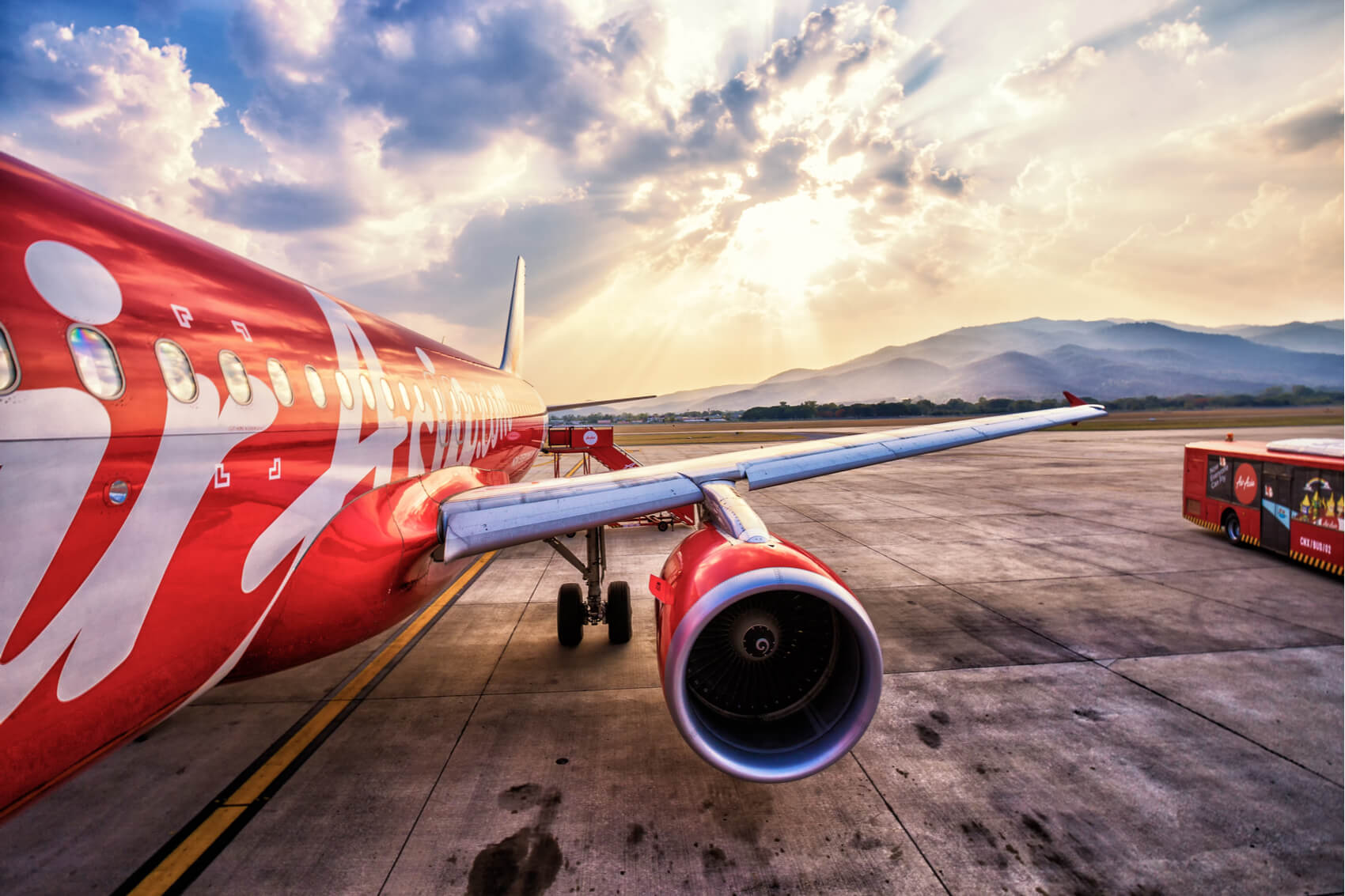
  • AirAsia resumes direct flights to Kota Kinabalu from Hangzhou

    AirAsia resumes direct flights to Kota Kinabalu from Hangzhou

    AirAsia celebrated yet another direct international flight into Kota Kinabalu this week, from Hangzhou China, marking the first flight for this route by the airline after a 3 year-long hiatus.

    AirAsia has now restored its direct international flight from Hangzhou, China, to Kota Kinabalu, Malaysia, for the first time in three years.

    This service restoration becomes the latest development in the carrier’s progressive network renewal, and has been made amid continued pent-up demand.

    The renewed service, operating with a thrice-weekly frequency throughout September 2023, is set to provide AirAsia guests with increased travel options.

    Whether you are an adventure seeker or a culture enthusiast, this route is your gateway to discovering the hidden gems of both Hangzhou and Kota Kinabalu.

    Recognizing the growing demand for this connectivity, AirAsia will further enhance the frequency to seven times weekly from October 2023 to March 2024, ensuring more convenience and ease for guests traveling between these two vibrant cities during the peak travel period.

    To celebrate this significant milestone, passengers aboard flight AK1575 from Hangzhou to Kota Kinabalu were given a heartfelt welcome by AirAsia’s dedicated team and Pn Noredah Othman, CEO of Sabah Tourism Board.

    The surprise and delight of the guests was palpable, setting the tone for an unforgettable journey ahead.

    AirAsia Malaysia CEO, Riad Asmat, expressed his excitement about the resumption of the Kota Kinabalu to Hangzhou route, emphasizing the airline’s commitment to contributing to Sabah’s flourishing tourism industry.

    He stated, “We’ve always strived to uphold our commitment to contribute to Sabah’s booming tourism industry through our expanding network of flights in Asia and beyond, and this new route is a clear testament to that.”

    “Sabah and China are two of our key markets, and we’re confident that our vast connectivity will enable affordable travel for our trusted guests as we continue to grow our fleet and network to cater to growing demand.”

    Coinciding with the resumption of this popular route, AirAsia is extending a limited-time promotional offer for travelers. AirAsia guests can now enjoy an incredible 20% discount on all seats and all flights to various destinations.

    This special offer is valid for bookings made between September 4th and September 10th, 2023, with travel dates available from October 11th, 2023, to March 31st, 2024. Don’t miss this fantastic opportunity to explore the world at unbeatable prices.

    Kota Kinabalu stands as AirAsia’s second-largest hub, boasting connections to 9 domestic and 10 international destinations, with a remarkable 268 weekly frequencies – and the list continues to grow.

    AirAsia Malaysia (AK) currently operates 20 routes to/from Greater China, providing over 156 weekly flights from Kuala Lumpur to various Chinese cities.

    Additionally, AirAsia X Malaysia (D7) operates five routes to/from China, with over 30 flights weekly from Kuala Lumpur to Chengdu (Tianfu), Beijing (Daxing), Shanghai, Hangzhou, and Taipei.

  • Facebook is removing the dedicated news tab in some countries

    Facebook is removing the dedicated news tab in some countries

    Facebook is making many changes to how it operates in the EU due to the local regulatory entities. Besides taking into consideration paid versions of Facebook and Instagram in Europe, Meta is also removing the new tab in some countries later this year.

    Meta announced today that it will discontinue the Facebook News dedicated tab in the UK, France, and Germany in early December. The move seems to be an attempt to cut costs and focus instead on the products that bring the company a steady flow of income.

    According to Meta, news makes up less than 3 percent of what people around the world see in their Facebook feed, which basically means that news discovery is a very small part of the experience offered by the social network for the majority of its users.

    The company also said that it must focus its time and resources “on things people tell us they want to see more on the platform, including short-form video.” Meta acknowledged that people don’t come to Facebook for news and political content but to connect with people and discover new opportunities and interests.

    While we’ll be deprecating Facebook News in these countries, we will honor our obligations under all existing Facebook News deals with publishers in the UK, France, and Germany until they expire. However, to ensure that we continue to invest in those products and services that drive user engagement, we will not enter into new commercial deals for news content on Facebook News in these countries.

    Even though Facebook users in the UK, France, and Germany will lose access to the Facebook News dedicated tab, but they will still be able to view links to news articles on Facebook.

    Additionally, Facebook confirmed that European news publishers will continue to have access to their accounts and pages, where they can post links to their stories and direct people to their websites.