Category: Living

Retail News Asia is committed to providing both local and global retailers with the latest Living news throughout the Asian market. This on a daily base.

  • 2 Vietnamese men jailed for smuggling songbirds

    2 Vietnamese men jailed for smuggling songbirds

    Businessman To Quoc Viet, 38, and his half-brother, Thai Anh Quoc, 48, who is jobless, were also jailed for four months each for animal cruelty. The sentences for animal cruelty will run concurrently with the sentences for smuggling. Their sentences were backdated to Dec 15.

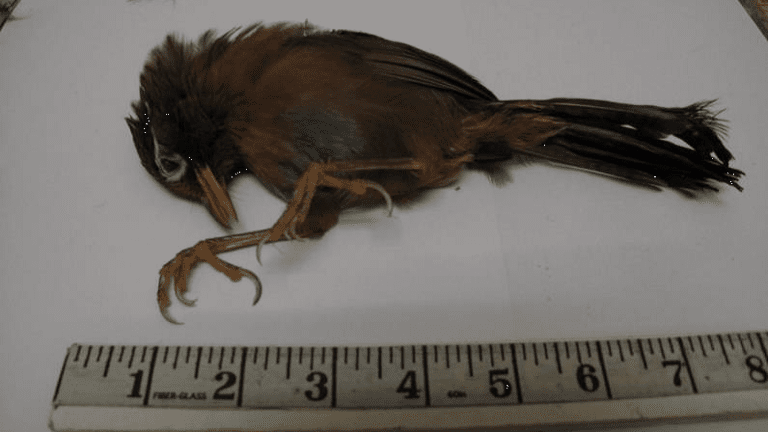
    The men pleaded guilty to importing 12 Chinese hwamei, a protected species under the Convention on International Trade in Endangered Species of Wild Fauna and Flora (Cites), from Ho Chi Minh City, Vietnam, without a permit on Dec 9.

    They also subjected the birds to unnecessary pain or suffering. The birds had been confined for about 12 hours in plastic containers without food or water.

    One died and another had to be euthanised after testing positive for avian influenza strain H3N8.

    Immigration and Checkpoints Authority (ICA) officers found the birds in plastic containers measuring 21cm by 6.5cm by 6.5cm in the men’s luggage at Changi Airport.
    Investigations showed that in Vietnam on Dec 7, To Quoc Viet’s brother “Huy”, a pet-shop owner, instructed him to prepare to go to Singapore, as a potential buyer wanted him to deliver the birds to Singapore. To Quoc Viet was promised a reward of $200.

    The next evening, Huy sent someone to deliver the flight tickets and two pieces of luggage, each containing six live birds in plastic boxes, to the two men. The duo packed their personal belongings into the bags.

    Agri-Food and Veterinary Authority (AVA) prosecutor Yap Teck Chuan said the birds were housed in a cramped manner with hardly any space for them to move.

    In a joint statement, AVA and ICA said the Government has zero tolerance for the use of Singapore as a conduit to smuggle endangered species. Animals that are smuggled into Singapore may introduce exotic diseases into the country.

    Singapore is one of the few countries in the region free from bird flu, and AVA maintains this status through strict import regulations and enforcement. “The ICA and AVA would like to remind travellers not to bring animals, birds and insects into Singapore without a proper permit,” the statement added.

  • Beauty brands add colour to dull retail scene

    Beauty brands add colour to dull retail scene

    Amid a soft retail scene, one segment has been bucking the trend: beauty products. In fact, beauty brands are growing their bricks- and-mortar presence here in and around Orchard Road.

    At least three international brands are expanding beyond department stores and multi-label beauty chain Sephora to establish standalone stores.

    French company Nars Cosmetics will open its first boutique in Ngee Ann City later this month, a spokesman told. The company’s products are currently available at Sephora, Tangs at Tang Plaza and Robinsons Orchard.

    The move follows double-digit year-on-year growth through its current channels, said the spokesman, and the standalone store will facilitate a multi-channel business model, including e-commerce.

    American brand Urban Decay, previously available only at Sephora, launched its first boutique in VivoCity in 2015 – also its first in the region. It now has stores in Bugis Junction and a flagship outlet in Ngee Ann City which opened last month. It said sales were “outperforming the market”.

    Sales of colour cosmetics here are expected to grow annually to reach more than this amount by 2020, up from an estimated $230.5 million for last year, according to Euromonitor International.

    Meanwhile, MAC Cosmetics, which has 12 stores in Singapore, opened its 1,980 sq ft flagship outlet in ION Orchard last month.

    American brand NYX Professional Makeup opened its first two boutiques in October and November in Bugis Junction and Plaza Singapura, with plans to open more.

    Sales of NYX products at Sephora outlets have more than doubled between 2015 and 2016, but standalone stores allow the company to showcase more products, said marketing manager Jerraine Lim.

    Ms Esther Ho, assistant director at Nanyang Polytechnic’s School of Business Management, said that challenging economic times create opportunities for brands as malls compete to fill the spaces vacated by other retailers.

    Vacancies for retail properties rose to 8.4 per cent at the end of the third quarter of last year – the highest level since the first quarter of 2011, according to data from the Urban Redevelopment Authority.

    “Rentals could be sufficiently depressed to attract new tenants such as Nars into the shopping malls,” said Ms Ho.

    Sales of colour cosmetics in Singapore are expected to grow annually to reach more than $278 million by 2020, up from an estimated $230.5 million for 2016, according to market research firm Euromonitor International.

    This comes even as retail sales, excluding motor vehicles, have fallen every month since February last year, with the latest government data estimating a fall of 0.3 per cent in October over the same period in 2015.

    Still, retail experts said cosmetics sales may be getting a boost as consumers trade big-ticket purchases for “small luxury” items such as expensive lipstick.

    Said Singapore Polytechnic senior retail lecturer Sarah Lim: “Shopping is psychological; the more you buy, the better you feel.”

    Cosmetics stores have an advantage as consumers like to try out products on their skin, while social media influencers help to boost sales by building hype, she added.

    Apart from touting a wider selection of products and exclusive collections, the new boutiques have also incorporated experiential elements.

    Nars’ store will feature a virtual try-on function and photo booth, while NYX’s two stores have interactive beauty bars for customers to follow make-up tutorials. Social media content is also integrated in NYX’s and Urban Decay’s stores.

    “Cosmetics stores are doing well in creating an experience for shoppers; other retailers should take note,” said Ms Lim.

    Healthcare worker Erin Baker, who spends up to $300 a month on cosmetics, said she is excited that more brands are opening boutiques here. “I like going into the store and trying on make-up, and boutiques have a nicer atmosphere and more personal and attentive service,” said the 27-year-old.

  • China’s diesel demand likely to rise ahead of Lunar New Year

    China’s diesel demand likely to rise ahead of Lunar New Year

    China’s diesel demand is likely to pick up pace ahead of the Lunar New Year as traders stock up barrels ahead of the festivities and as construction activity picks up in some areas, four trade sources said on Thursday.

    Implied diesel demand in October in China, the world’s second-largest oil user, rose to 3.4 million barrels per day, up 6.4 percent from September and 1.3 percent higher than the same time last year, according to Reuters calculations using official data.

    That is the highest level since at least March this year with implied diesel demand rising in only three months so far this year, the data showed.

    Demand for diesel in November to December is expected to be even higher, traders said.

    “China is having many policies to boost the economy now, so demand will pick up a bit, but by how much is a question,” said a source with a state-owned refiner.

    China’s economy looks set to hit its 6.5 percent to 7 percent growth target as increased government spending and increasing housing demand spur a construction boom.

    Diesel is used to power trucks for industry and for construction.

    First-quarter Chinese diesel demand may rise by 75,000 bpd from the year ago period, based on the industrial recovery, consultants JBC Energy said in a note on Thursday.

    Demand is also picking up ahead of the Lunar New Year period as traders start to stockpile the fuel and as winter consumption of the fuel has increased for heating and back-up power generation, a second source with a state-owned refiner said.

    “China has also been increasing the retail prices, so demand from traders is picking up as they start to fill up tanks,” the source added. China will raise retail diesel prices by 95 yuan ($13.66) per tonne from Thursday, its third increase since Nov. 30.

    China’s diesel stocks at the end of November fell to a record low after refineries tempered production while they upgraded facilities to produce higher-quality fuels in order to meet stricter emissions limits that the country is introducing from Jan. 1.

    Regulations introduced in September that imposed stronger penalties and ramped up inspections to prevent trucks being overloaded with goods also boosted demand for diesel, traders said.

    “The trucks have to make more trips, so this consumes more diesel,” a shipping source said.

  • Petrol, diesel prices go up in January

    Petrol, diesel prices go up in January

    As expected, retail fuel prices will see an increase across the board as of midnight. For January, RON95 petrol will be priced at RM2.10 per litre, marking an increase of 20 sen compared to December retail price. RON97 petrol will be priced at RM2.40 per litre, up by 15 sen.

    The same applies to diesel and Euro 5 diesel, which are priced at RM2.05 per litre and RM2.15 per litre respectively – an increase of 20 sen for both. These new fuel prices were confirmed by Petrol Dealers Association of Malaysia president Datuk Khairul Annuar Abdul Aziz. “Prices are in line with global petrol prices. However, the diesel prices which exceeded the RM2 mark will be a concern for the business community,” he told.

    The country’s petrol and diesel prices have been placed on a managed float system from Dec 1, 2014 following the removal of fuel subsidies. Yesterday, Finance Ministry Strategic Communications director Datuk Lokman Noor Adam reportedly said that the retail prices of RON95 and diesel would go up in Jan due to an increase in the price of crude oil in the world market.

    He said the retail price of RON95 and diesel were set according to the average prices of fuel in the world market for a month, as well as being influenced by the ringgit’s movement against US dollar.

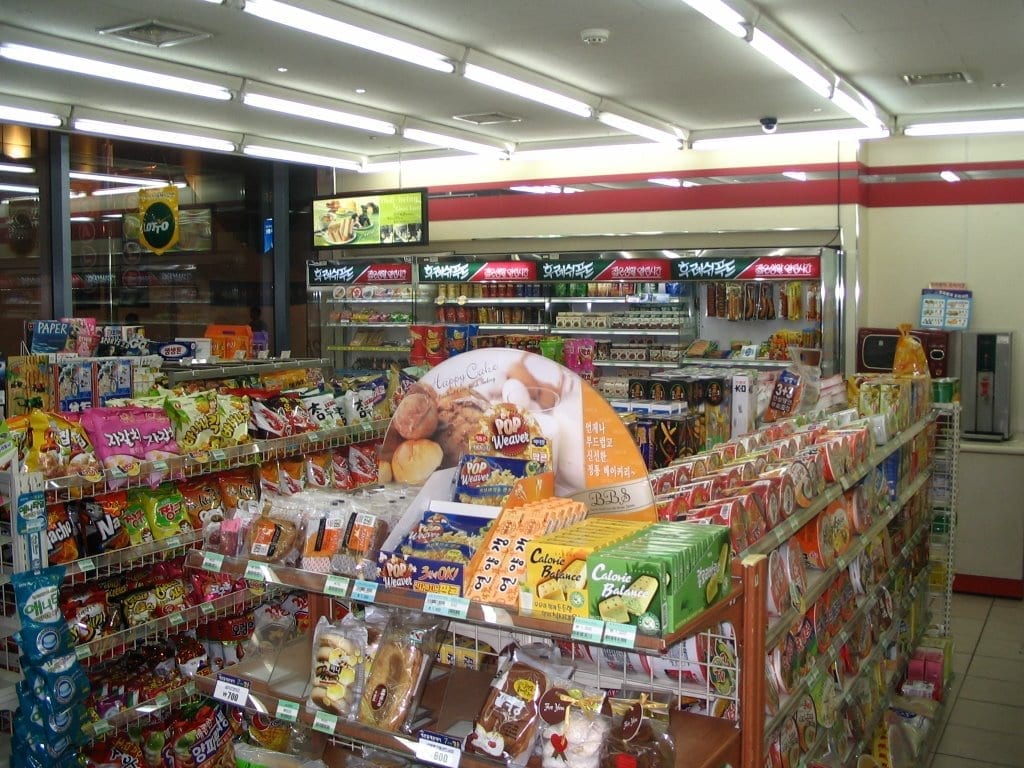
  • South Korea c-store launches own parcel service

    South Korea c-store launches own parcel service

    South Korean convenience store chain CU has launched BGF Post, a c-store-specific parcel delivery service unit. A Korean Economic Daily article reported that BGF Post has been set up to distinguish CU’s parcel service from other convenience store chains’.

    CU previously operated CVS Net, a joint parcel service with GS25 convenience stores. As it independently operates the new subsidiary, GS25 plans to run CVS Net on its own, says the report.

    The company will also explore new business opportunities through BGF Post amid increasing number of convenience store parcel delivery users.

    CU is a subsidiary of BGF Retail and has more than 8,000 convenience stores in the country.

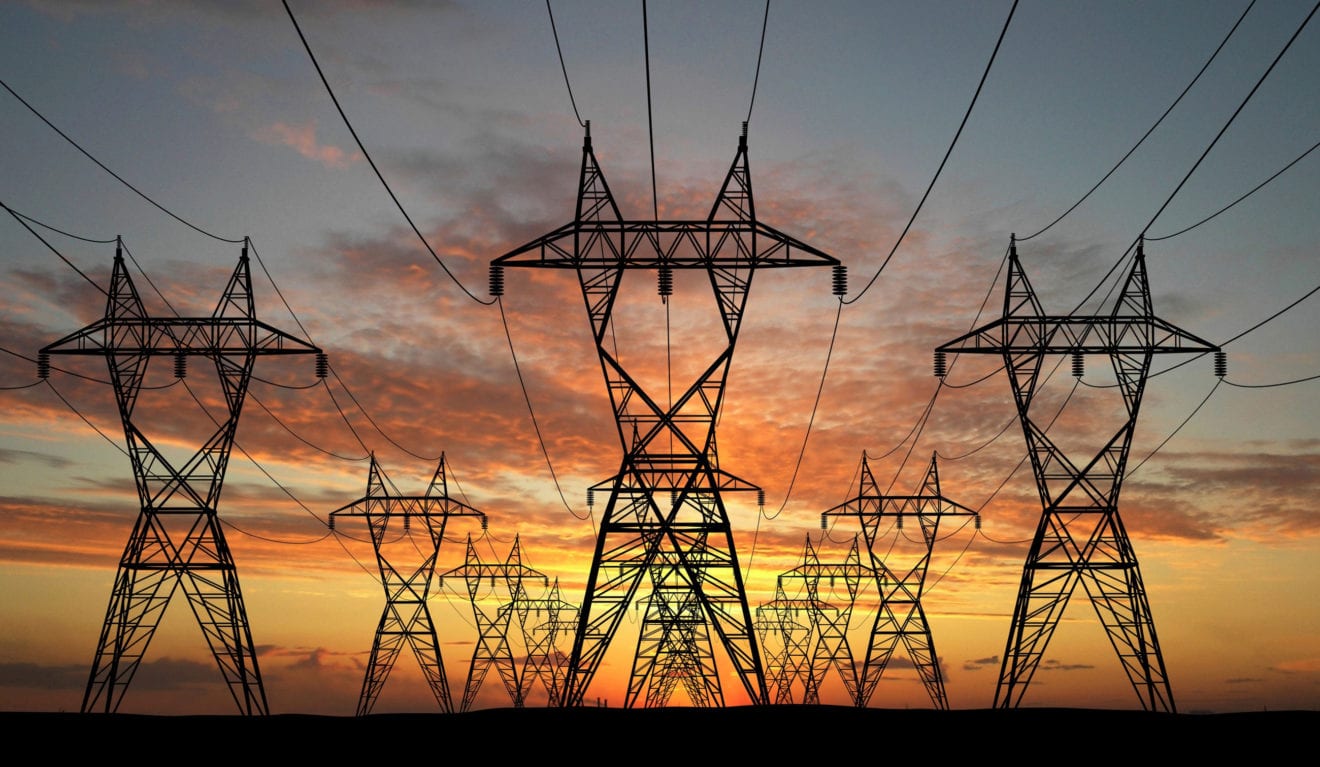
  • President says high electricity prices due to unnecessary costs

    President says high electricity prices due to unnecessary costs

    President Joko Widodo (Jokowi) revealed on Tuesday that the price of electricity in Indonesia was higher compared to other countries because power companies were saddled with unnecessary costs.

    “Our electricity is expensive because players are burdened by too many unnecessary costs,” the president said when inaugurating a geothermal power plant (PLTP) in Tomposo, Minahasa, on Tuesday.

    He was inaugurating Lahendong PLTP, Unit 5 and 6 and Ulubelu PLTP, Unit 3, which is located in Lampung.

    Jokowi said the price of electricity was also high because there were too many brokers involved in one project. “There are too many people who become brokers,” he said.

    He said that in many countries the price of electricity was lower and electricity management was efficient.

    “Why can they do that while we cannot? There must be something wrong,” the president stressed.

    He also expressed concern over the fact that many districts/municipal cities in the country still often face power outages.

    Electricity concerns competitive edge; it has to meet the peoples and industrial needs so that it should not be more expensive than in other countries, he stated.

    “In Serawak, Malaysia, the price of a hydro power plants (PLTPs) electricity is only two cents while in Indonesia it is seven cents.

    “Electricity from a solar power plant in the United Arab Emirates is only 2.9 cents while in Indonesia it is 14 cents although we are rich in abundant water resources and rivers,” he said.

    He said if large rivers such as the Mahakam, the Musi, and the Bengawan Solo can be utilized to produce electricity, which could be offered at 2 cents, then Indonesias competitiveness will rise.

    “Why are there middlemen between state-owned enterprises? Why should there be middlemen between the private company and the state-owned electricity firm PLN? What are they for? Our country needs efficiency in all sectors or else it will be left behind in the competition era,” Jokowi noted.

  • Bape’s Baby Milo opens Japan, Hong Kong pop ups

    Bape’s Baby Milo opens Japan, Hong Kong pop ups

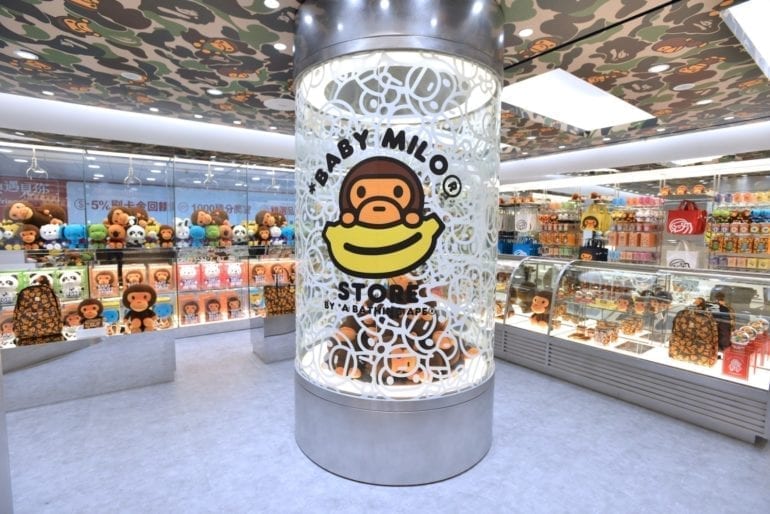
    Baby Milo has opened a pair of pop-up locations in Tokyo this week, as well as a Hong Kong location over the weekend.

    Parent brand A Bathing Bape has begun opening Baby Milo stores across Japan (Harajuku and Shibuya), Hong Kong and China this past weekend, signalling the Japanese novelty brand’s latest push into major Asian capitals.

    Baby Milo has purposefully built a fully interactive shopping experience, an extension of the ‘retailtainment’ phenomenon sweeping Asia this year.

    The Baby Milo label features plush animal characters centred on the namesake character Milo — a time-traveling monkey who loves to dance and eat bananas, and his friends Alii the Giraffe, Hippo, Baby Doppy, PD, Core the Koala and Elephant Eleph.

    Largely an accessories pop-up, key items on sale include key rings, bags, wallets, small goods, and other assorted accessories.

    The pop-up boutique will also offer up a bevy of soft goods and lifestyle items, alongside some limited-edition seasonal releases such as two Baby Milo Christmas snowglobes.

    The Hong Kong store is decked out with two giant claw arcade games at the entrance and iconic Bape camo, Ape heads and Baby Milos all over the ceiling.

    Baby Milo has stores located in New Town Plaza in Shatin, the I.T flagship store as well as Times Square located in Causeway Bay.

  • Ikea Centres to increase megamalls in China

    Ikea Centres to increase megamalls in China

    Centres China, Ikea Group’s megamalls unit that entered the country in 2009, is firming up plans to replicate its success in three Chinese cities across the country.

    Beginning 2020, it will open one megamall per year.

    Typically, a megamall is a shopping mall with an Ikea store, and the future ones may also have apartments, hotel or offices.

    The megamalls developed by Ikea Centres China are also known as Livat shopping centers.

    In China, its megamalls are located in Beijing, Wuxi in Jiangsu province and Wuhan in Hubei province. They involved investment of 10 billion yuan ($1.44 billion).

    Ding Hui, president of Ikea Centres China, said the three centers have been like tests, and produced encouraging results. Hence, Ikea has decided to expand across China.

    New shopping centers may come up in major cities such as Beijing, Shanghai, Shenzhen and Guangzhou, as well as in second-tier cities such as Chongqing, Xi’an, Wuhan, Hangzhou, Nanjing and Qingdao.

    The fourth in the country, which will entail an investment of about 4 billion yuan, will be a commercial complex in Changsha of Hunan province, Central China, according to Ding.

    “It’ll have a shopping mall, Ikea store, apartments, a hotel as well as offices. It will be the first of its kind as other centers don’t house apartments, hotel or offices,” Ding said.

    The Wuxi center, the first Livat venture in the Chinese mainland, opened in June 2014. According to Ding, over the past two fiscal years, it saw a 32 percent growth in revenue and 27 percent growth in guest flow to 14.1 million.

    The three shopping centers registered 52.6 million visits in Ikea’s fiscal year between September 2015 and August 2016. Combined sales were up 36 percent at 7 billion yuan.

    “Through the last year’s budget, Ikea Centres China funneled 25 billion yuan into the development of shopping centers. This will continue until 2025, to ensure one new project comes up per year from 2020,” said Ding.

    “Land deals and project sales can no longer generate sustainable profits. So, the competition between shopping malls will become even fiercer in the foreseeable future. This will be a good opportunity for companies such as Ikea Centres China,” said Ding.

    Furniture giant Ikea’s malls foray signifies how iconic companies are diversifying for long-term sustainability.

    The Nikkei Asian Review recently reported that railway and hospitality group Odakyu Electric Railway is joining forces with the operator of Muji stores to open a hotel next year in China.

    “In the past few years, Chinese conglomerates diversified successfully in China. Now, international brands like Ikea and Muji are trying to do the same for better localization,” said Chen Sheng, president of the China Real Estate Data Academy.

    Livat shopping centers in China will house companies and brands like Ikea Retail, Auchan Hypermarket, Suning Electronics, Jinyi Cinema, Decathlon, Zara, Mango, H&M, C&A, Gap, Uniqlo. Besides, there will be food and beverage facilities, and entertainment areas for children.

    “Ikea Centres China is in talks with leading international hotel brands, including Marriot, InterContinental and Hilton for the hotel space,” said Ding.

    According to him, the hotels will be of three-star variety, but will provide four-star hotel experience to customers like middle-income families and business travelers.

    Tastefully done up flats complete in all respects will target young working professionals and newly-weds.

    Offices will offer shared spaces like pantry, meeting rooms and conference chambers to tenant companies.

  • Birde flu force cull of 22 million poultry pieces

    Birde flu force cull of 22 million poultry pieces

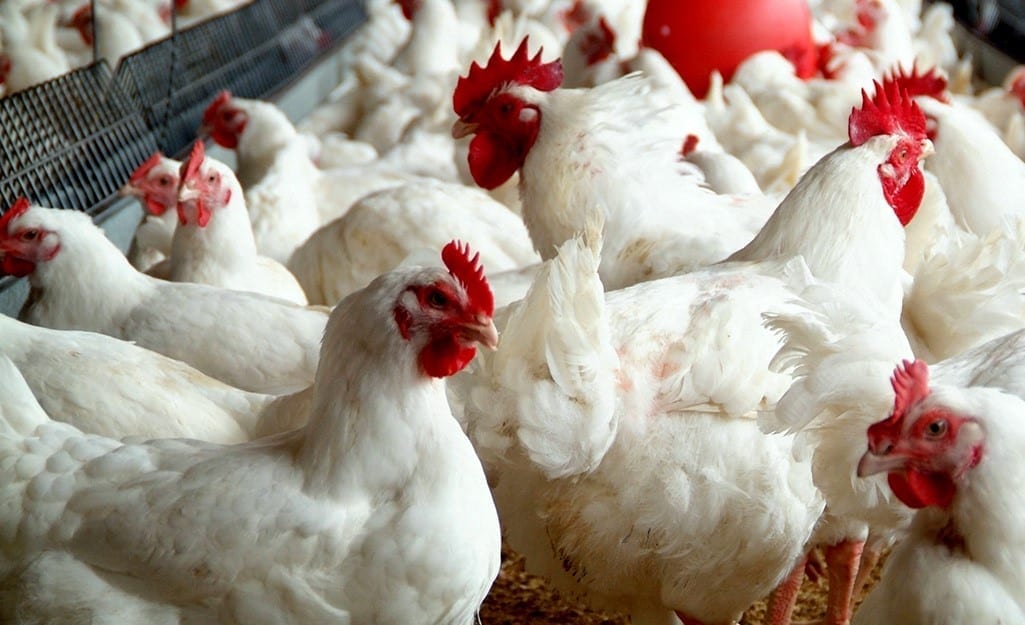
    South Korean authorities have culled more than 22.5 million poultry this winter, according to an official, as part of intense efforts to contain its worst bird flu epidemic in recent history that has affected farms across the country.

    The total number slaughtered since November 18 accounts for about 15 percent of the country’s poultry stock. The first outbreak was reported at a chicken farm in Haenam, about 420km south of the capital Seoul.

    Authorities also plan to kill an additional 2.97 million chickens and ducks across the country in coming days, reported on Saturday.

    “Korea has suffered from several bird flu outbreaks since 2003. I can tell you this year is the worst year ever,” Oh Se-ul, chairman of the Korea Poultry Association said.

    The outbreak – the first in nearly seven months – was caused by the highly pathogenic H5N6 strain of bird flu, a new type of virus that was first detected in South Korea.

    Previous cases

    In 2014 South Korea had culled 14 million birds amid a bird flu outbreak.

    As of the end of March this year, the country had killed more than 156 million chickens and more than 9.5 million ducks, according to government data.

    Because most of the birds culled since last month are egg-laying hens, the consequential shortage in eggs has caused their prices to rise sharply.

    In South Korea, the average retail price for 30 eggs has risen nearly 25 percent to $5.68 since November 18 – the highest in more than three years, according to state-run Korea Agro-Fisheries & Food Trade Corp.

    According to data from the institution, it is the highest month-on-month increase in egg prices in nearly a decade. Besides the price increases, some stores are restricting egg purchases.

    To ease the shortage, South Korea’s agriculture ministry is seeking to import egg-laying chickens and eggs from the US, Spain and New Zealand.

    Analysts say the egg shortage is expected to last at least one year as it could take up to two years for egg and poultry industry to raise baby chickens and rebuild flocks.

    Yoon Se-young, a farmer in Seoul said that he was worried because the government has not yet announced any plans to compensate farmers who had to cull their poultry.

    “It has been a month since I had to kill all my chickens and bury them. However, I have never heard of any clear explanation on how the government will compensate for my loss,” he said.

    Jeong In-Hwa, a member of South Korea’s Parliamentary Agriculture Committee said that as the issue of President Park Geun-hye’s impeachment takes the spotlight, the media has failed to highlight the bird flu epidemic.

    “As President Park’s impeachment becomes the most important national issue, protesters at candlelight rallies are dominating the headlines,” he said.

    “Because of that, the avian flu isn’t getting much attention.”

    Japan and China tackle outbreak

    Japan and China have also taken serious measures to control the bird flu outbreak that spread across northeast Asia.

    Japan launched a new chicken cull on a southern island, days after gassing hundreds of thousands of birds about 2,400km to the north.

    Tackling Japan’s sixth outbreak since end-November, Kyushu authorities said they will gas just over 120,000 chickens after the H5 virus was detected on a farm.

    The outbreak in Japan’s Miyazaki prefecture follows the gassing of more than 200,000 chickens at a farm in the northern island of Hokkaido last weekend and brings the country’s cull this season to nearly a million chickens and ducks.

    The cases in Japan – outbreaks before Miyazaki were all confirmed as H5N6 bird flu – are the first in nearly two years, with the bird cull now standing at its highest in six years.

    In China, chickens are being fed more vitamins and vaccines while farmers also ramp up henhouse sterilisation in an effort to protect their flocks.

    As part of its protection drive, China now has bans in place on poultry imports from more than 60 countries, including South Korea and Japan as well as parts of Europe now also experiencing a bird flu outbreak.

    The last major outbreak in mainland China in 2013 killed 36 people and caused about $6.5bn in losses to the agriculture sector.

    According to the website of China’s agriculture ministry, delegations from Japan, South Korea and China gathered in Beijing last week for a symposium on preventing and controlling bird flu and other diseases in East Asia.

  • Foreign tourist arrivals in Bali reach 4.07 mln

    Foreign tourist arrivals in Bali reach 4.07 mln

    The tourist resort province of Bali, which had received 4.07 million foreign tourist arrivals up to October, is expected to have attracted more than 4.4 million more tourists by the end of the year.

    “Foreign tourist arrivals account for 40 percent of the national target of about 15 million tourists,” said the Head of the Bali Provincial Tourism Office, A.A. Yuniartha Gede Putra, here on Friday.

    He added that the foreign tourist arrivals in Bali are expected to go up to 5.5 million in 2017.

    Putra said foreign tourists in Bali mainly came from ten countries, namely Australia, China, Japan, Britain, France, India, Malaysia, the United States, Germany and South Korea.

    “Given the uniqueness of Balinese art and culture, it attracts tourists from various countries around the world,” Putra noted.

    He noted that he promoted the region in various countries to lure more travelers to Bali. The Ministry of Tourism also made similar efforts.

    Besides, steps were taken to improve cultural tourism as Bali has a regional identity.

    He urged everyone to ensure that the local tourism department works well so that tourists in Bali feel safe and comfortable as they enjoy their holidays.

    Referring to Australian governments travel advisory, tourism observer Putu Gede Perma claimed it will not affect tourist visits to Bali.

    “Based on our observations and the results of the academic studies on the impact of this travel advisory, we have deduced that the advisory did not have any impact on the number of Australian tourists visiting Bali,” Putu Gede Perma informed here on Thursday.

    Australian tourists were of the view that bomb attacks can happen anywhere in the world and were not unique to Bali, he stated.

    “They will not delay or cancel their planned trips to Bali,” remarked Gede.

    Gede, who is also an academician at the Ganesha Education University, hoped that Australian tourists would not blindly follow their governments recommendation.

    “We found that Australian tourists had continued to come to Bali, irrespective of how serious the advisory was,” he recalled, adding that the situation was unlike what had happened more than a decade ago when Bali was crippled by bomb attacks.

    “Yes, it did affect tourism. After the Bali 1 and Bali 2 bombings, a travel advisory had significantly reduced the influx of Australian tourists,” he conceded.

    He called upon the police and military officers to remain alert to terror threats, particularly after the arrest of terrorists in South Tangerang, Banten, by the polices anti-terror squad, Densus 88, on Wednesday (Dec 21).

    “Bali will always remain a target. Security officers and the people should, therefore, continue to maintain security and order. We should be watchful of suspicious visitors,” the tourism observer stressed.

  • Tourism Investment Grow 23 Percent

    Tourism Investment Grow 23 Percent

    Tourism Minister Arief Yahya said that investment realization in tourism sector during January to September 2016 reached US$1,094 billion (Rp14.7 trillion), a 23 percent increase year-on-year. “The highest [percentage of] investment was made in star hotel development,” Arief said yesterday as quoted from the Tourism Ministry website.

    Tourism investment realization comprised of foreign investment (PMA) of US$594.59 million and domestic investment (PMDN) of US$139.06 million. Foreign investment in star hotel development made up 56 percent of total investment. The rest consisted of management consulting (27 percent) and restaurant (7 percent). Domestic investment comprised star hotel development (65 percent), water tourism (21 percent) and amusement parks (4 percent). Some 51 percent were Singapore-based investors.

    On tourist arrivals, Arief said that the number of foreign tourist arrivals from January to October 2016 was 9,403,641 or grew 9.54 percent year-on-year. He expects that until late December, the target of 12 million foreign tourist arrivals will be exceeded, with an estimated 1.3 million arrivals in November and 1.5 million arrivals in December. “I’m optimistic that it will be surpassed as the said months are the peak periods,” he said.

    To attract tourists in 2017, Arief will roll out three priority programs: digital tourism, homestay and air connectivity. According to him, digital tourism is a strategy to win global markets, particularly that of 26 countries. Digital tourism program will kick off with the launch of ITX (Indonesia Tourism Exchange), which will bring together travel agencies, accommodation operators and attractions to facilitate transactions.

    Earlier, President Joko Widodo had instructed his subordinates to bring in up to Rp670 trillion worth of investment. According to Jokowi, investment proposals in tourism sector can help the government to achieve the target. “We must simply establish the product support, positioning, packaging and promotion.”

    The Investment Coordinating Board (BKPM) chairman Thomas Lembong said that several Chinese investors are interested to develop national tourism industry. He named Fosun International and HNA Group as prospective investors. Fosun International is a company actively investing in tourism and fashion industries. The HNA Group is China’s first airline company.

  • Tencent China streams reality show thru LiveU

    Tencent China streams reality show thru LiveU

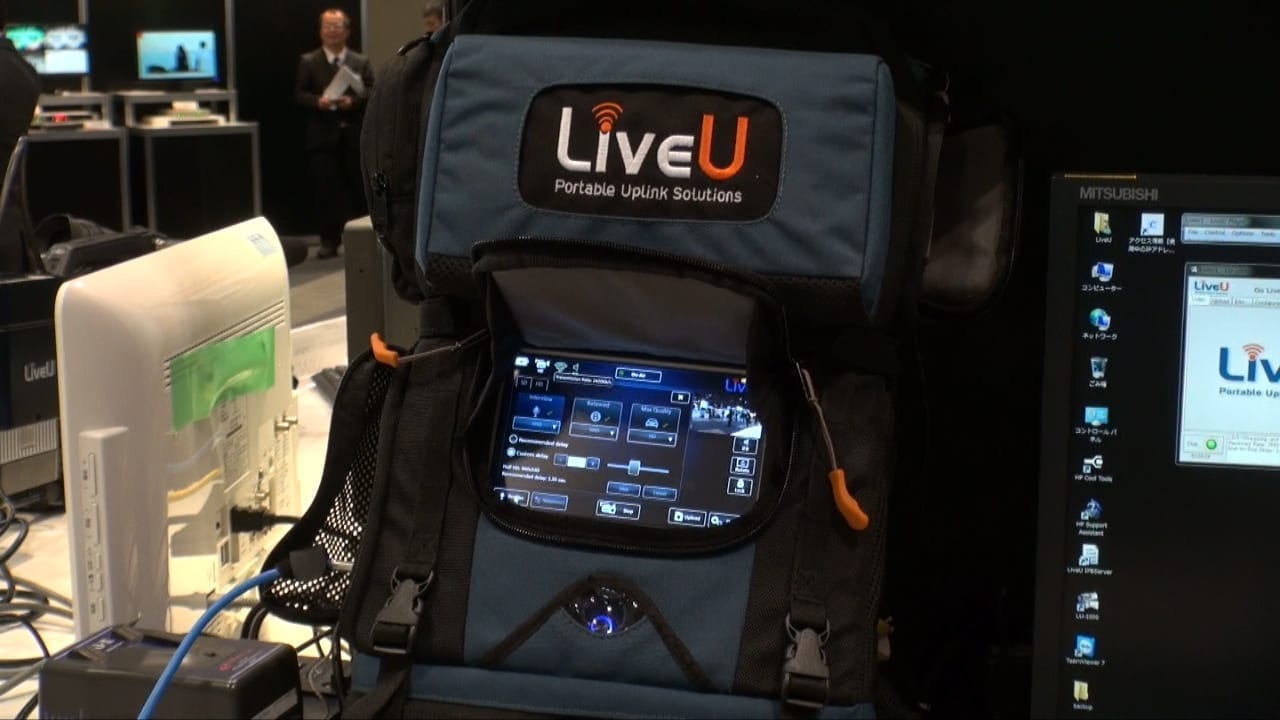
    Tencent is using LiveU’s portable transmission technology to stream live its new reality series called “See where you are going.”

    The live online program follows Olympic champions, movie stars and random guests in six cities around China (Suzhou, Hangzhou, Beijing, Tianjin, Qingdao and Shenzhen) as they perform various tasks.

    Tencent has deployed 10 LU200s, LiveU’s ultra-small transmission units, for the live production. Separate camera crews live stream the different stars in the different locations and viewers can choose one of six different video rooms to watch the video live on any device. At the end of each program, Tencent posts an edited version combining all the different clips online.

    The LiveU units and support are provided by LiveU’s local partner Guanhua Glory with additional support provided by Oneband Systems, an additional LiveU partner.

    Zhao Dongwei, Tencent transmission technology head, said that with the multi-camera chasing of stars, and multi-screen viewing, the show represents a new type of program in China.

    “Involving 6-10 hours per day of live streaming, it was important for us to choose a small, lightweight unit, which could deliver high quality and reliable live video over a long time in multiple locations,” said Zhao. “The LU200 surpassed our expectations, offering a highly cost-effective live transmission solution.”

  • 2nd anniversary for IKEA Korea and how it grows

    2nd anniversary for IKEA Korea and how it grows

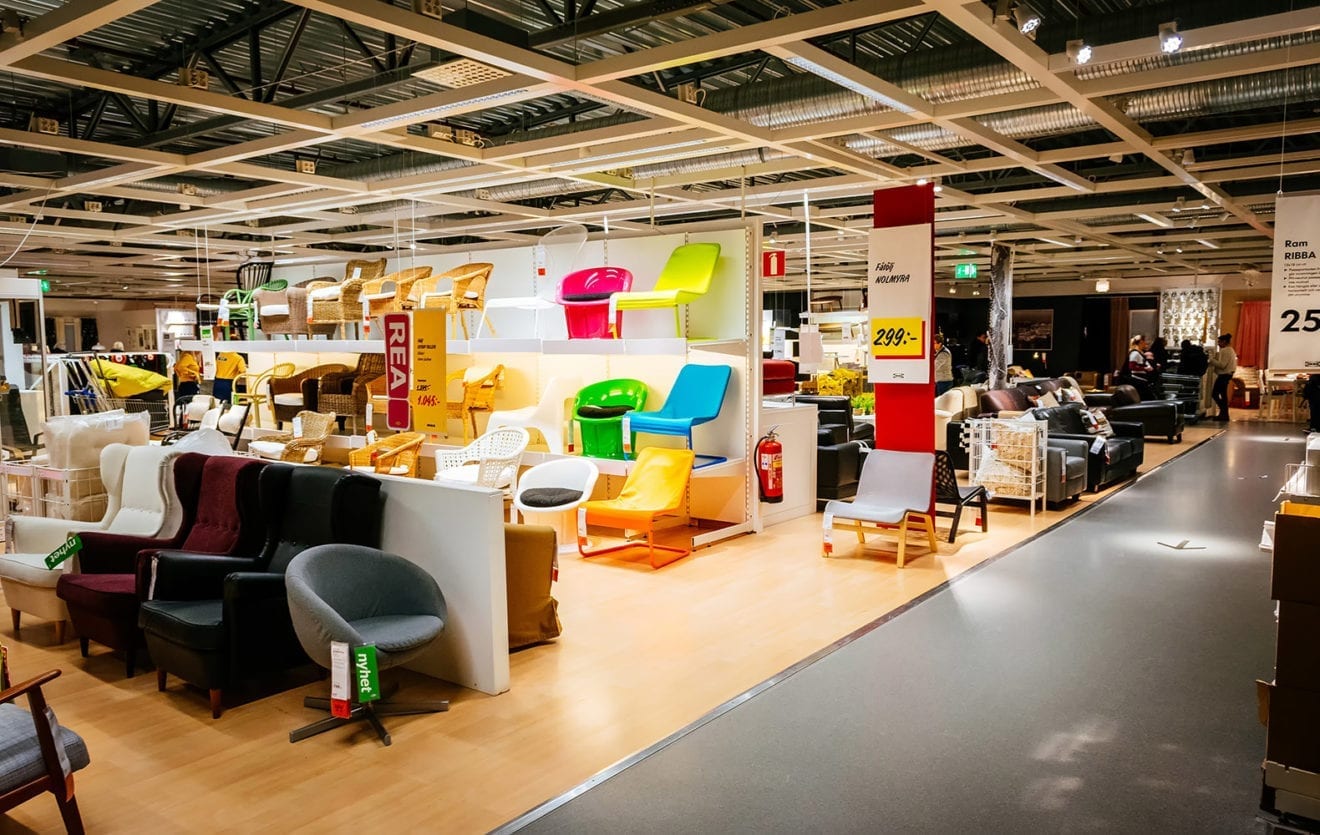
    December 18 will mark the second anniversary of Ikea Korea’s launch.

    According to Ikea’s Swedish head office, its Korean operations have been a success so far. Annual turnover for the 2016 fiscal year to August 2016 was 345 billion won (US$292.3 million), while this year’s sales from January to August, saw a 17 per cent year-on-year increase.

    Although the furniture giant was faced with a few setbacks, namely the controversial recall of its Malm dresser that was blamed in the deaths of at least six children (although none in Korea), Ikea has successfully established itself as a key player in the local market.

    “We’ve made fast progress since the launch of our first outlet here in Gwangmyeong on December 18, 2014,” a spokesman said.

    Ikea’s arrival brought about some positive changes too, particularly for medium to higher-priced furniture businesses.

    The store helped reignite consumer interest in what had been a stagnant Korean furniture market, helping to revitalise the industry, and considering the fact that Ikea targets consumers mainly with budget-friendly items, existing key players selling mid-priced or premium products didn’t have to compete so much with the Swedish giant.

    In fact, local furniture makers Hanssem and Iloom both saw positive growth, with sales for Hanssem, in particular, increasing by roughly 10 per cent as of the third quarter of 2016 to over $1.16 billion, compared to the first three quarters in 2015.

    “The target consumer group for Hanssem, which provides assembled furniture, differs from that of Ikea,” said a Hanssem spokesman, who admitted the company “did benefit a great deal from Ikea’s launch.”

    The Korean retail furniture market was worth $4.24 billion in 2015, a 7 per cent increase from the previous year, and the biggest jump since 2006. The unprecedented growth was viewed as exceptional by industry watchers, who pointed out that the industry appeared to reach its maturity after the 1990s.

    However, Ikea was bad news for furniture merchants at local markets and smaller businesses, who have now lost their biggest competitive advantage – low pricing.

    Over the past five years, the number of furniture companies operating in Korea – the majority of which are smaller enterprises – dropped by almost half, from 21,000 in February 2011 to 13,000 in February 2016.

    Retailers selling kitchen utensils and soft furnishings were also affected by Ikea’s entry, especially for stores in Gwangmyeong, 55 per cent of which said they experienced negative growth since December 2014.

    “There needs to be a way for smaller businesses to coexist alongside bigger players like Ikea and Hanssem,” said an industry official.

    “Given that non-branded furniture businesses make up about 70 per cent of the total Korean industry, small retailers are more than capable of making decent profits. But it seems necessary to implement some kind of official measures in order to help them differentiate themselves and  to better target consumers.”

    Ikea plans to establish five more outlets across the country by 2020, investing 1.2 trillion won ($1 billion).

  • Pop-ups as a warm up for IKEA India

    Pop-ups as a warm up for IKEA India

    Ikea India is launching its pop-up store format Hej Homes in cities where it plans to open brand stores.

    The local branch of the Swedish home furnishings and furniture retailer plans to have 50 of the outlets by 2025, with a typical Hej House store being between 4000 and 7000 sqft (650 sqm), housing a cafe and usually in malls.

    The idea of the stores is to give consumers a taste of the Ikea brand, says country marketing manager Ulf Smedberg.

    The first pop-up will be unveiled in Hyderabad, where construction has started on the brand’s first store. Its second store is expected to be in Navi Mumbai, with plans to start 25 Ikea stores by 2025. Also launching in the first phase will be stores in Bengaluru, Delhi and Mumbai.

    Smedberg says the retailer will be introducing catalogues as part of its branding strategy.

  • Swarovski nail salons returning to DFS Group stores

    Swarovski nail salons returning to DFS Group stores

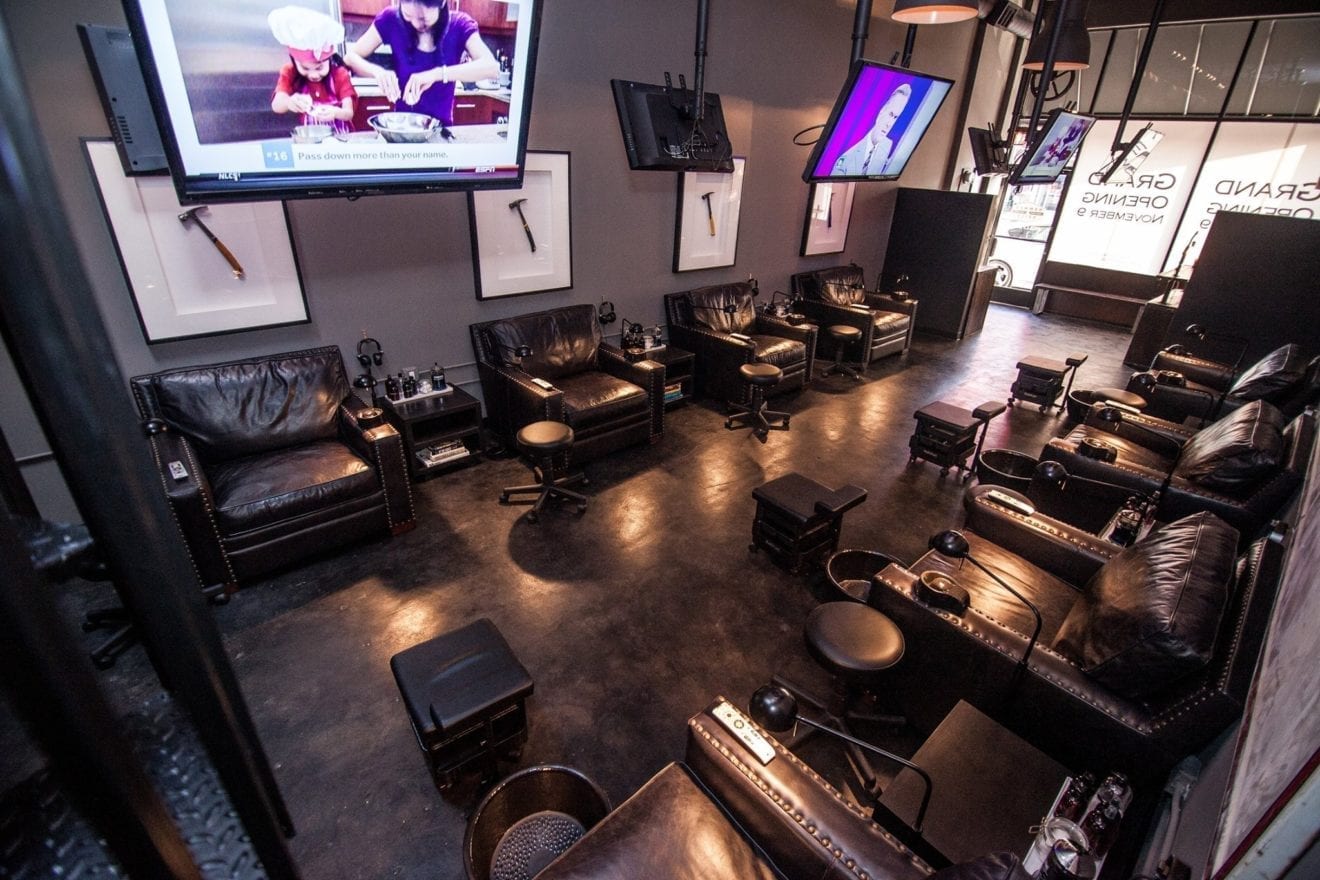
    This Christmas Swarovski is offering a nail treatment service to shoppers at DFS Group stores. The jewellery brand is returning to the T Galleria by DFS stores to offer its nail service for free to shoppers who have spent a certain amount.

    The service, which is available on select dates across December, will take place in T Galleria by DFS stores in Canton Road, Hong Kong, City of Dreams and Shoppes at Four Seasons in Macau.  The pop-up nail salons will offer the Swarovski “sparkling nail service” along with a Star Ornament crystal for shoppers.

    Director of Travel Retail Asia Pacific at Swarovski, Karen Tse, said: “Female shoppers at Swarovski have traditionally taken a more subtle approach by opting for our classic crystal jewelry and iconic pieces. However, over the past year, we’ve observed the trend in Travel Retail shifting towards a desire for customization and personal styling.

    “Our customers now want to create their own style so as to express their identity in a bold new way, and seeking a sales assistant’s advice has become an important step in the purchasing process.  We’re thrilled that our partnership with T Galleria by DFS has empowered them to fulfill this aspiration.”

    Swarovski is set to unveil a new fall/winter 2016 collection from brand ambassador Karlie Kloss, which features stars and icicle motifs.