Category: Research

Retail News Asia is committed to providing both local and global retailers with the latest Research throughout the Asian market. This on a daily base.

  • Mobiles, internet vital to refugees’ security

    Mobiles, internet vital to refugees’ security

    Access to a mobile phone and the internet are as vital as food, water, or shelter to refugees and critical to maintaining their safety and security, according to UN research.

    A study conducted by the United Nations High Commissioner for Refugees (UNHCR) and Accenture also showed that refugees see a connected device as a lifeline and a critical tool for self-empowerment.

    The report, “Connecting refugees: How internet and mobile connectivity can improve refugee well-being and transform humanitarian action,” is based on research undertaken in 44 countries on four continents.

    “In the world we live in today, internet connectivity and smartphones can become a lifeline for refugees, providing an essential means for them to give and receive vital information, communicate with separated family members, gain access to essential services, and reconnect to the local, national and global communities around them,” said Filippo Grandi, United Nations High Commissioner for Refugees.

    “Most importantly, connectivity can help broaden the opportunities for refugees to improve their own lives and pursue a vision of a future that would otherwise be denied to them.”

    Affordability, however, is often a barrier to connectivity. Refugees living in urban areas tend to have similar access to mobile networks as other urban populations, but for refugees in rural locations the picture is very different, with only one in six refugees located in areas with 3G access, and one in five rural refugees having no mobile coverage at all – significantly lower than for the population at large.

    This effectively prevents many refugees from participating in the cultural, educational, and economic activity that connectivity affords.

    The report recommends additional investments in three main areas, which together form the basis of a new UNHCR Global Strategy for Connectivity for Refugees – increasing the availability of mobile networks, improving affordability, and providing access to training, digital content, and services.

    The report likewise identifies a number of strategic interventions to help ensure connectivity, ranging from partnering with Mobile Network Operators (MNOs) and other technology/communications companies to improve infrastructure, making targeted investments in infrastructure, and enabling an environment and system for digital service delivery.

    “Especially critical to this effort will be the engagement of the private sector, especially technology companies, and mobile network operators,” said Dan London, group chief executive of Accenture’s Health & Public Service business.

  • There are still 3.9b people not using the internet

    There are still 3.9b people not using the internet

    There are 3.9 billion people in the world that are still not using the internet today, with six nations  including China and India accounting for 55% of the total global population still offline.

    These are among the findings of the 2016 edition of The State of Broadband report released recently by the UN Broadband Commission for Sustainable Development.

    The four other nations with the most unconnected people were Indonesia, Pakistan, Bangladesh, and Nigeria.

    The report suggests that targeted efforts in just a few key markets could help enormously in redressing the gaping ‘digital divide’ between those who are online and those still offline.

    “There is a large body of economic evidence for the role of affordable broadband connectivity as a vital enabler of economic growth, social inclusion, and environmental protection,” said ITU secretary-general Houlin Zhao, who serves as co-vice chair of the commission with UNESCO director-general Irina Bokova.

    The Commission argues that if today’s near-universal basic mobile phone access could be converted to high-speed mobile broadband access, mobile phones could serve as a major accelerator of development, driving rapid progress towards the UN Sustainable Development Goals.

    The broadband report is optimistic about the potential of mobile broadband, with 165 countries now having deployed ‘4G’ high-speed mobile networks.

    “Broadband technologies can be powerful development multipliers,” Bokova added, “but this requires combined investments in access and in skills and in education. This is about opening new paths to create and share knowledge. It is about enhancing freedom of expression and about widening learning opportunities, especially for girls and women. This is about developing content that is relevant, local and multilingual.”

    The report confirms that progress in the 48 UN-designated Least Developed Countries has been encouraging, with the Commission’s target of 15% of the LDC population online expected to be reached by the end of this year.

    This year’s figures show that, once again, the top ten developing countries for household internet penetration are all located in Asia or the Middle East. The Republic of Korea continues to have the world’s highest household Internet penetration, with 98.8% of homes connected; Qatar (96%) and United Arab Emirates (95%) rank second and third, respectively.

  • Advantages Of EPOS

    Advantages Of EPOS

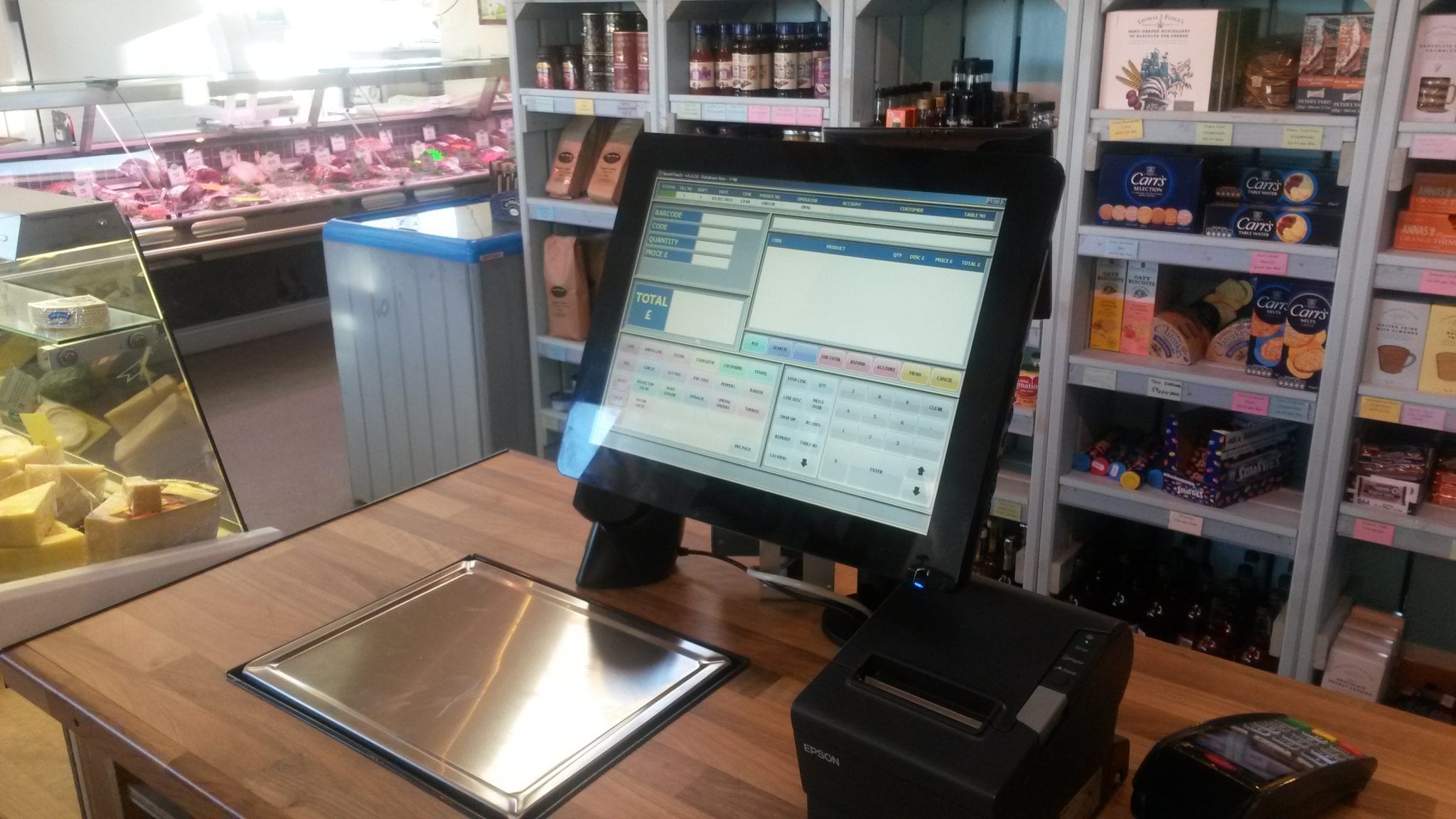
    There are very many advantages associated with the use of an EPOS system in your business. Some new vendors or business owners may be wondering the necessity of buying a more expensive hardware instead of choosing a cheaper version like a simple cash till.

    However, they need to know that the EPOS system is integrated and can control, organize, and analyze the various business reports. It can work on tasks such as backend reporting, cash transactions, inventory control and staff monitoring.

    Compared to cash tills, EPOS have additional features such as the integration of all the features in a single system that makes life easier for the merchant.

    A sophisticated EPOS system can make it possible for you to get reports about the best-performing staff, best-selling items, best performing sales channels and peak sales times which will help you optimize your business flow easily.

    The 5 Major Benefits of EPOS

    1. Financial Accuracy

    One of the major benefits of EPOS systems is the fact that it increases the financial accuracy when charging your customers. Normally, businesses depend on the competence of the staff to properly calculate the business sales transactions.

    However, this can lead to omissions and mistakes. The customer may end up being overcharged reducing the chances of them ever coming back.

    At times they may be undercharged leading to losses. An EPOS system can help reduce the possibility of such staff errors hence making sure that there is consistency in the business pricing and charging structure.

    1. Accountability

    Electronic point of sale systems allow the business to monitor and record staff activity accurately. As an employer, you can benefit by being able to pinpoint the specific staff member responsible for specific transactions.

    For example, employers can easily identify the employees with the strongest sales figures which will encourage a spirit of competition within the business. It can also be easy to identify those employees with poor sales figures or employees with unusual sales activities including unusually high levels of voided transactions.

    1. Speed and efficiency

    The EPOS systems can greatly improve the speed and efficiency of transactions. This will appeal to customers helping your employees focus on offering services to more clients. There will be an improved customer experience which makes the customer come back again and again. These systems don’t have to be expensive and are easy to maintain, just look at this piece on HHT repair.

    1. Stock Management

    Modern EPOS systems can also be used to manage stock. Businesses are able to review their current levels of stock quickly and identify areas where a greater level of stock is required easily. The automated EPOS system can help save a noticeable amount of time when compared to the traditional, manual stocktaking operations.

    1. Reporting

    EPOS systems also have the ability to produce a wide range of business performance reports. These reports range from fundamental analysis of the profit margins on a daily or annual basis to the identification of products or services which are top sellers in a company’s range.

    Such kind of information can help provide a business with a useful picture of their overall performance and have an impact on the marketing campaigns. For instance, it enables you to apply discounts to those items that are not popular at specific times in the year.

  • Congestion-free traffic drives growth of e-payment system

    Congestion-free traffic drives growth of e-payment system

    Electronic payment system for transportation market segments and key trends 2016-2026 by Future Market Insights (FMI), provider of syndicated research reports, custom research reports, and consulting services.

    Electronic payment System (EPS) is useful for paperless monetary transaction. It brought a revolution in business process with less paper work, less time consumption, low labor cost as compared to traditional manual process business.

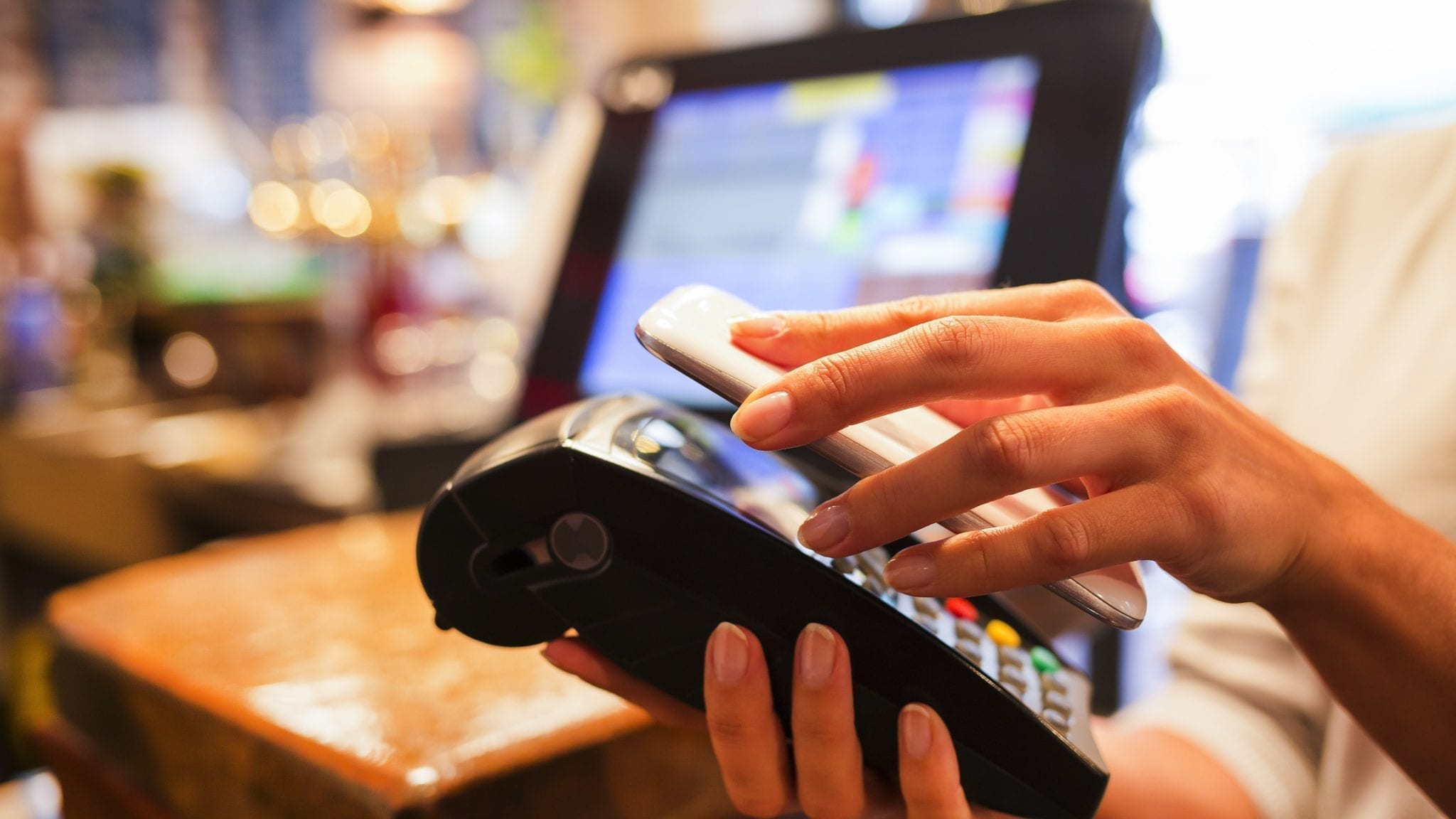
    There are various modes of electronic payments such as debit card, credit card, e-wallet, smart card, EFT and others. From last a few years electronic payment has also been used by transportation agencies for the collection of parking fees, highway tolls, transit fares & others.

    Electronic payment in transportation is done with the help of cards or transponders carried by user which directly communicates with devices maintained by transportation agencies for the conduction of transaction and also to track the records.

    Its use gives rise to so many advantages as electronic toll collection supports the collection of toll fare automatically by reading the data of registered vehicle from electronic transponder and driver does not need to slow down the car or stop for the payment hence it gives relief from traffic congestion and also save time of the commuters. 

    Market Dynamics

    The key trend responsible for the growth of global electronic payment system for transportation is the growing demand of electronic payment system for transportation from developed and developing region because of the advantages provided over the traditional manual system.

    The key growth drivers are congestion free traffic, with implementation on highway or Broadway, traffic jam or congestion reduces. Cashless travel facility is another advantage.

    On the other hand there are also some factors which are hindering the growth, those restraints are high installation cost of the systems & slower growth of these systems in underdeveloped regions.

    Segmentation

    Segmentation is done on the basis of system, technology & geography. On the basis of system, it is segmented as electronic toll collection (a system designed for automated collection of toll from moving as well as stopped vehicle through wireless system), electronic transit ticketing (payment is done by a smart card for a trip on transit vehicle), and regional multimodal electronic payment system (Here all mode of transportation is done by single payment system).

    On the basis of technology, it is segmented as contactless payment system technologies, near field communication, using smart phones.

    Geographically, it is segmented into seven regions which are ; North America, Latin America, Western Europe, Eastern Europe, Japan, Asia Pacific Excluding Japan (APEJ), and Middle East and Africa (MEA). Among all the regions North America is the highest contributor in term of revenue in global electronic payment system for transportation market followed by Asia Pacific & it is expected that in near future, Asia Pacific is going to lead this market.

    Key Players

    Xerox Corporation, Cubic Transportation Systems, Transcore, LP, Siemens AG, Thales Group and others are leading the global ETC market. Electronic Transit Ticketing market is covered strongly by Cubic Transportation Systems, Global Mass Transit, Snapper Services Ltd, EOS UPTRADE, Scheidt & Bachmann. On the other hand, Electronic Payment System market is been covered by LTK Engineering Services, Longbow Technologies Sdn. Bhd., Kapsch Trafficom AG & others.

  • Healthcare SCM market worth US$2.22 billion by 2021

    Healthcare SCM market worth US$2.22 billion by 2021

    A market research report Healthcare Supply Chain Management Market by Component (Software (Inventory (Order and Warehouse Management), Purchasing (Supplier, Strategic Sourcing)), Hardware (Barcode, RFID)), Delivery Mode (On-premise, Cloud) and End User – Global Forecast to 2021″, published by MarketsandMarkets, studies the global market during the forecast period of 2016 to 2021. This market is expected to reach USD 2.22 Billion by 2021 from USD 1.45 Billion in 2016, at a CAGR of 8.9%.

    This market is expected to reach US$2.22 Billion by 2021 from US$1.45 Billion in 2016, at a CAGR of 8.9%.

    Factors such as the Unique Device Identification (UDI) initiative by the FDA, rising adoption of cloud-based solutions, increasing pressure faced by hospitals to improve operational efficiency and profitability, and compliance of the G1 system standards in various countries are driving the growth.

    Moreover, the superior supply chain performance, mobile-based solutions, and counterfeiting of drugs in the pharmaceutical industry are expected to offer significant growth opportunities for players. On the other hand, the high price of the healthcare supply chain management (SCM) software and fragmented end-user market are expected to restrain the growth of this market.

    In this report, the market is segmented on the basis of component, delivery mode, end user, and region.

    Based on applications, the market is segmented into bariatric surgery, gynecological surgery, general surgery, urological On the basis of component; the global Healthcare Supply Chain Management Market is broadly segmented into software and hardware. The software segment is estimated to account for the largest share in 2016, while the software segment is projected to grow at the highest CAGR in the forecast period.

    Based on delivery mode, the market is segmented into web-based, on-premise, and cloud-based delivery modes. The web-based segment is estimated to account for the largest share of the global Healthcare Supply Chain Management Market in 2016. Web-based models help to reduce operational and administrative expenses. This advantage is contributing to the large share of this segment.

    Based on end user, the market is broadly segmented into manufacturers, providers, and distributors. The manufacturers segment is estimated to account for the largest share of the global Healthcare Supply Chain Management Market in 2016. The providers segment is projected to grow at the highest CAGR.

    Geographically, the Healthcare Supply Chain Management Market is divided into North America, Europe,Asia-Pacific, and the Rest of the World (RoW). In 2016, North America is estimated to account for the largest share of the Healthcare Supply Chain Management Market, followed by Europe, Asia-Pacific, and the RoW (rest of the world). The North American market is also projected to grow at the highest CAGR and serve as a revenue pocket for companies offering healthcare supply chain management solutions.

    Prominent players in the global Healthcare Supply Chain Management Market are SAP SE (Germany), Oracle Corporation (U.S.), Infor Inc. (U.S.), Global Healthcare Exchange (GHX) (U.S.), McKesson Corporation (U.S.), TECSYS Inc. (Canada), Jump Technologies, Inc. (U.S.), and LogiTag Systems Ltd. (Israel).

  • Consumers unaware of the power of smart homes

    Consumers unaware of the power of smart homes

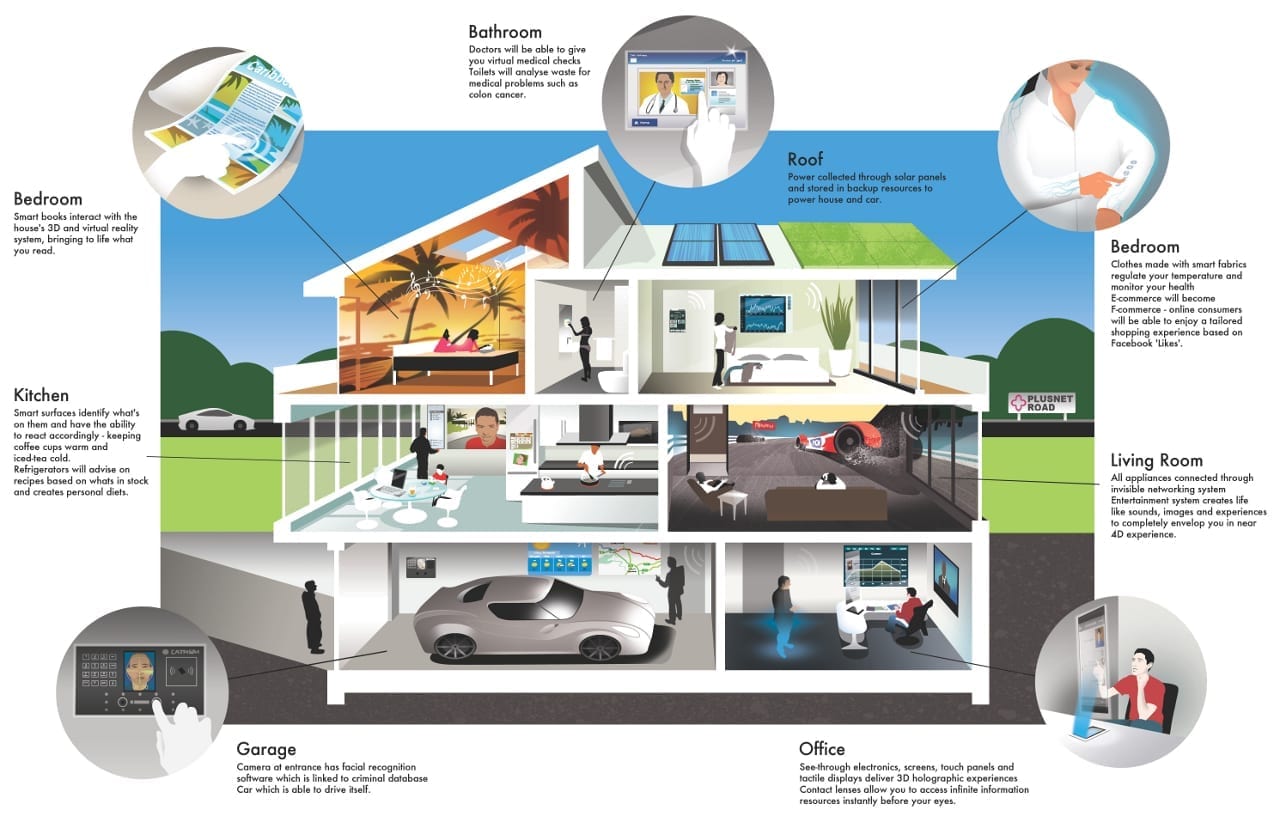
    An intelligently connected home can do more today than most consumers consider possible, according to a survey by Bosch.

    Bosch has conducted a survey on the topic of smart homes together with Twitter in Germany, France, Great Britain, Austria, Spain and the United States.

    While two thirds of the respondents know that the smart home can turn the lights off automatically when they leave the house, only 22% can imagine that the oven can already suggest the perfect recipes.

    By country comparison, Twitter users from France are most confident of what smart home technology can do compared to the British, the Americans and the Austrians, for example. Germans and Spaniards, on the other hand, consider much of what is already possible today to be a vision for the future.

    “It is particularly striking that especially the 25 to 34-year olds come closest to the reality with their assessments,” Bosch said. The fact that awareness of the possibilities decreases with age is not as surprising as the fact that many digital natives do not know what functions are possible today.

    Especially for the 16 to 24 year-olds who don’t even know a world without the internet, networking at home is still surprisingly unknown. The reason for this could be the lack of relevance that home topics have for this age group.

    Furthermore, only 50% of the surveyed are aware that today’s smart home systems are interoperable, meaning that different devices can communicate with each other, even independent of the manufacturers.

    Respondents were even more convinced by the potential for saving energy, when the heating switches off automatically as soon as the windows are opened, for example.

    The Spanish, French and English, in particular, seem to be very interested in saving money. Between 71% and 75% considered saving energy a convincing argument in the survey.

    While this was also the most popular answer the Germans surveyed gave, they come in last place here by country comparison with 59% of the mentions.

    “This is quite surprising because the Germans are normally known for their environmental consciousness,” said Bosch. “Presumably more financial than ecological aspects make energy saving possibilities so interesting in countries like Spain, France and England, however.”

  • Airport Authority Hong Kong creates new tender structure for anchor concessions

    Airport Authority Hong Kong creates new tender structure for anchor concessions

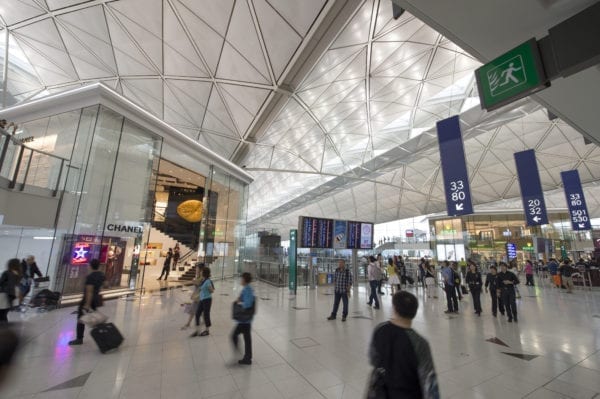
    Airport Authority Hong Kong (AAHK) will restructure its core category airside retail concessions in advance of a series of major tenders beginning late October or early November, The Moodie Davitt Report can reveal.

    There are currently three anchor concessions – liquor & tobacco, airside general merchandise, and perfumes & cosmetics, all held by DFS.

    As detailed by The Moodie Davitt Report in July, AAHK pledged earlier this year to refine the category and contract mix, promising “significant changes” to the concession structure to drive spending and improve the consumer experience at Hong Kong International Airport (HKIA).

    Since July, AAHK has been talking to potential retailers and conducting intensive consumer research with its passengers regarding the anchor licences. As a result, it has fine-tuned the contract packages.

    LIQUOR & TOBACCO AND PERFUMES & COSMETICS EXTENDED – BUT NO AIRSIDE GENERAL MERCHANDISE CONCESSION

    The core liquor & tobacco and perfumes & cosmetics concessions will be continued – but with important refinements. To spice up the traditional liquor & tobacco offering, AAHK plans to allow the new concessionaire flexibility to include other products. These include liquor & tobacco-related accessories, such as wineglasses and decanters, as well as upmarket gourmet items, for example fine teas and coffees. That concept proved highly popular with passengers during AAHK’s qualitative surveys.

    HKIA L and T

    The liquor & tobacco concession will be increased substantially both in terms of space and range, with the addition of liquor-related accessories and gourmet items

    To make the perfumes & cosmetics offer more attractive, AAHK plans to create a beauty and accessories “one-stop shopping destination”. That will involve combining perfumes & cosmetics with fashion accessories – the latter including sunglasses, fashion watches, small leathergoods, handbags and others. Those categories are currently sold through the airside general merchandise concession.

    HK P & C

    The perfumes & cosmetics concession will be extended to become a “beauty and accessories one-stop shopping destination”

    AAHK believes that the high penetration rate driven by beauty products can enhance the cross-selling potential of the two categories combined. Consumer feedback also strongly suggested that the categories are complementary.

    Critically, AAHK has decided to discontinue the airside general merchandise concession. The authority believes that given the airport’s extremely strong line-up of speciality stores and mono-brand boutiques, there is no need for the airside general merchandise concession. Instead it will allocate the best-selling general merchandise categories to the other packages.

    DEDICATED CONFECTIONERY CONCESSION

    In another key change, AAHK has opted to create a dedicated confectionery licence. Confectionery is a high-demand item at HKIA and the authority believes this justifies a separate concession covering multiple units across the terminal.

    hkia conf

    Confectionery, a big in-demand category, will enjoy its own dedicated concession

    The distribution and location of the stores will also see some important changes. For example, AAHK plans to remove the current small gate store units near the boarding gates. Because of the size constraints, the liquor & tobacco and perfumes & cosmetics assortments in them is limited. The units will be turned over to other retail purposes, deemed as better serving passengers’ needs.

    Simultaneously AAHK will increase the retail space in the East Hall – the shopping epicentre of the airport. Liquor & tobacco space there will increase by around +40%, while the addition of the fashion accessory categories will result in a huge +70% increase in the area dedicated to the extended beauty concession. More importantly, AAHK hopes that the additional floor space will allow the chosen retailers to introduce a wider product assortment.

    MORE DIVERSITY OF PRODUCTS; GREATER CONSUMER ENGAGEMENT

    In its consumer surveys, AAHK was told by many passengers that besides the big, upmarket European and US beauty brands they also wanted to see more variety – including the upcoming Korean and Japanese skincare names, most of them mid-price to premium price-points. In liquor & tobacco, consumers told AAHK they wanted to see more new and rare products.

    With the enhanced store sizes, AAHK will be asking its retailers to create greater customer engagement (for example, more wine tastings), which it deems as increasingly important to bricks and mortar stores. The enhanced space will also encourage greater flexibility, experimentation, rarity and excitement, it believes.

    TIME-LINE COUNTDOWN

    AAHK will begin the tender process with the liquor & tobacco and perfumes & cosmetics bids in late October or early November, with results being announced in March or April next year. Confectionery will be tendered in late 2016 or early 2017.

    The targeted changeover of concessions is set for the fourth quarter of 2017.

    NOTE TO AIRPORT OPERATORS: The Moodie Davitt Report is the industry’s most popular channel for launching commercial proposals and for publishing the results. If you wish to promote an Expression of Interest, Request for Proposals or full tender process for any sector of airport revenues, simply e-mail Martin Moodie at [email protected].

    We have a variety of options that will ensure you reach the widest, most high-quality concessionaire/retailer/operator base in the industry – globally and immediately.

    Similarly The Moodie Davitt Report is the only international business intelligence service and industry media to cover all airport consumer services, revenue generating and otherwise. We embrace all airport non-aeronautical revenues, including property, passenger lounges, car parking, hotels, hospital and other medical facilities, the Internet, advertising and related revenue streams.

  • SEA e-commerce revenue to pass $25b by 2020

    SEA e-commerce revenue to pass $25b by 2020

    Southeast Asian e-commerce revenues are likely to exceed $25 billion by 2020, Frost & Sullivan has predicted.

    This is more than double the $11 billion revenue in 2015, which the analyst firm said was achieved despite many setbacks as acquisitions, market exits and retailers’ struggles with profitability.

    New research, however, shows that growth will continue as the industry evolves.

    In 2015, Malaysia and Thailand were the largest e-commerce markets in Southeast Asia in 2015, generating revenues of $2.3 billion and $2.1 billion, respectively.

    Frost & Sullivan’s study, however, noted that both of these markets are expected to be eclipsed by emerging economies in Southeast Asia, including Vietnam and Indonesia.

    Meanwhile, total revenues from business-to-consumer (B2C) e-commerce in the six largest Southeast Asian countries – Indonesia, Malaysia, the Philippines, Singapore, Thailand and Vietnam – are projected to increase at a compound annual growth rate (CAGR) of 17.7%.

    “Despite being relatively young, the e-commerce market in Southeast Asia is developing quickly, thanks to the astounding rate of digital adoption in the region,” said Cris Duy Tran, lead consultant in e-commerce and digital transformation, at Frost & Sullivan Asia-Pacific.

    He said though that with fewer players in the market, e-commerce firms are beginning to compete beyond price points and logistics and moving into new areas such as Online-to-Offline (O2O) e-commerce and loyalty programs.

    Meanwhile, services such as Carousell, Tokopedia, and Shopee are aggressively pursuing a ‘mobile first’ strategy, and Frost & Sullivan expects to see more sector-specific services in areas such as travel, food delivery, and luxury goods.

    Challenges, however, remain such as low credit card ownership that stands at less than 7% in all Southeast Asia markets (except for Singapore and Malaysia).

    In some countries, more than 50% of the population does not have bank accounts, making payment the biggest challenge for e-commerce companies in the region. Logistics is another issue hampering e-commerce growth, especially in areas with complex geographies such as Indonesia and the Philippines.

    “The region is well-positioned for more M&A activities during the forecast period, and we expect to see more exciting market developments in the near future,” concluded Tran.

  • Indonesia to overtake Brazil and Mexico as 4th largest smartphone market in 2020

    Indonesia to overtake Brazil and Mexico as 4th largest smartphone market in 2020

    Global prospects for wearable electronics continue to be strong with retail value sales projected to grow by 138% to become a US$45 billion dollar industry in 2021, remaining the worlds second best-selling product behind smartphone

    Euromonitor International’s new data released Tuesday on the global consumer electronics industry also said new products like smart wearables and wireless speakers and innovations like Ultra HD and convertible laptops resonate with the shift in consumer preferences.

    These products command higher retail selling prices, helping boost profit margins of manufacturers and retailers, says Head of Consumer Electronics at Euromonitor International, Wee Teck Loo.

    While wearable electronics demand is growing, Emerging markets like India and Indonesia provide plenty of untapped opportunity for smartphones due to the huge pool of feature phone upgrades.

    Indonesia is projected to overtake Brazil and Mexico as the fourth largest smartphone market reaching almost $1 billion dollar sales in 2020, adds Loo.

    The top-10 smartphone markets in 2021 are projected to be: 1. China 2. India 3. US 4. Indonesia 5. Brazil 6. Russia 7. Mexico 8. Japan 9. Philippines 10. United Kingdom

  • Mobile and Internet Usage Propels Southeast Asia’s Retail Ecommerce Sector

    Mobile and Internet Usage Propels Southeast Asia’s Retail Ecommerce Sector

    Southeast Asia has all the ingredients for a promising ecommerce market—rising internet and mobile penetration, a growing middle class with greater discretionary spending, and an increasing supply of digital platforms. Still, many challenges continue to hamper ecommerce growth in the region, as explored in a new report, “Ad Fraud in the US: How More Sophisticated Methods Are Hurting Mobile, Video and Performance Measurement”

    Retail sales in the six largest economies in Southeast Asia—Indonesia, Malaysia, Philippines, Singapore, Thailand and Vietnam—will total $786.45 billion this year, representing 3.6% of worldwide sales. Indonesia, the most populated country in Southeast Asia, will also have the largest retail market, with $245.86 billion in sales. Thailand and Vietnam will follow, at roughly $190 billion and $161 billion, respectively.

    Retail potential in Southeast Asia is determined in large part by population size and purchasing power. Collectively, these six nations benefit from having a population of over 561 million people as of 2016, according to estimates from the US Census Bureau. And that number will continue to expand, growing to nearly 583 million people in 2020, adding about 21.7 million new consumers over the next four years.

    Robust economic growth in these markets is giving way to rising incomes and expanding middle classes. Data from the International Monetary Fund (IMF) shows that total GDP rose from $1.824 trillion in 2010 to $2.462 trillion in 2016. These figures, which account for inflation, are forecast to rise even further, topping $3.346 trillion by 2020.

    Southeast Asia is also experiencing a boom in urbanization, which will also help drive further retail expansion across the region. Generally, retail players focus on urban areas because they have the greatest opportunity (i.e., large population sizes) and favorable conditions for development—such as developed transportation systems, supply chains and technology. Several of the most densely populated cities in Southeast Asia are also the ones growing quickly in population size and retail infrastructure.

    Additionally, rapid ecommerce growth continues to increase in Southeast Asia. eMarketer estimates that the digital retail market—including retail products ordered online via mobile—will reach $14.04 billion in 2016, up from $10.50 billion in 2015, an increase of 33.6% year over year

    Nonetheless, ecommerce’s contribution to retail sales in Southeast Asia is still relatively small. In the six countries tracked by eMarketer, digital retail sales will make up 1.8% of total retail sales in 2016, with the lowest ecommerce share in the Philippines (0.9%) and the highest in Singapore (4.5%). These figures stand in sharp contrast to the more developed ecommerce markets in China and South Korea, where digital retail will represent 18.4% and 12.1%, respectively.

    Southeast Asia is on the cusp of an ecommerce boom, as fast-growing mobile and internet usage propels consumer spending. There are over 262 million internet users residing in these six markets. And many of these consumers are mobile-first internet users, or people who primarily access the web through their mobile phones. eMarketer estimates that about 177 million people—or 67.5% of internet users—will own and use a smartphone in 2016.

  • Video to account for 75% of 4G traffic by 2020

    Video to account for 75% of 4G traffic by 2020

    By 2020, mobile video usage will have increased to about 75% of total 4G traffic, from 15% in 2016, according to Huawei and Ovum.

    A paper from the companies predicts that 4K UHD video, social media video, mobile video, VR/AR applications, 5G/FTTx network penetration will be among the driving forces of increased video usage.

    Also contributing will be the latest IT technology trends, including cloud computing, bid data and Telco OS.

    Enterprise video is also becoming a major factor of this growing video trend. On top of existing incumbent provided video services such as training, meetings with clients and remote medical services, a series of new video conferencing tools is being broadly deployed in various industries.

    Video conferencing is quickly shaping the strategic infrastructure business of telcos. Major players are exploring new ways to implement successful strategies for enterprise video, striving to be the leaders in the field amidst the video business transformation opportunities.

    Important steps to success

    Since big video has already been identified as a strategic imperative, the paper points out that IPTV, SVOD and the broad application of video services will influence how telcos build their big video business strategies. Three important steps to success are:

    First, telcos will need to fully capitalize on the opportunities offered by targeted bundled services: identify individual, family and enterprise groups as the three major markets into which telcos should provide target-oriented and innovative bundled services, such as aggregated online or mobile video services and TV entertainment offerings.

    Second, telcos should strive to ensure customer loyalty and retention by exploring new video business monetization models from simply paying for services to paying for a differentiated, high-quality video user experience.

    Third, yet as important, telcos should attempt to drive integration across the entire video industry ecosystem to maximize the market opportunities for all participants in the video distribution value chain.

  • Silver consumers driving convenience push

    Silver consumers driving convenience push

    Look for more, but smaller, neighborhood stores, an increase in local delivery trucks and changing store layouts as retailers accommodate aging populations, says The Silver Series IV: Retail Reconfiguration for Seniors.

    The report is the latest in a series of analyses from Fung Global Retail & Technology on the impact of the growing 65-and-over population  – silver consumers – on global economies, industries and retail.

    With smaller households and appetites, seniors shop more frequently, but make smaller purchases, favoring the convenience store sector, the report says. The trend is already being seen in Europe, where large-format retailers such as Tesco and Carrefour are opening smaller stores. While this has yet to take place in the US, ignoring this population segment is unwise, as silvers are growing in number and driving a disproportionate amount of consumer spending.

    “The era of the silver generation has arrived,” writes Deborah Weinswig, MD of Fung Global Retail & Technology.

    The global population silver consumers – aged 65 and older – will account for over one-third of population growth through 2035, according to the United Nations, and will comprise more than 20 per cent of the population overall in Japan, South Korea, Western Europe, North America and China. These households tend to be wealthier, and in the US, senior households spend well above the national average on household supplies and books, though less on apparel and footwear, which could be due to limited choice.

    Long thought to be the province of the young and tech savvy, eCommerce also is a growth market for seniors, who will enjoy or require the convenience of home delivery.

    Not all stores and product manufacturers are accommodating silvers’ changing needs. Seniors can find large-format stores and regional malls overwhelming, and product packaging may need to be redesigned in order to make it easier for seniors to read and open, Weinswig notes.

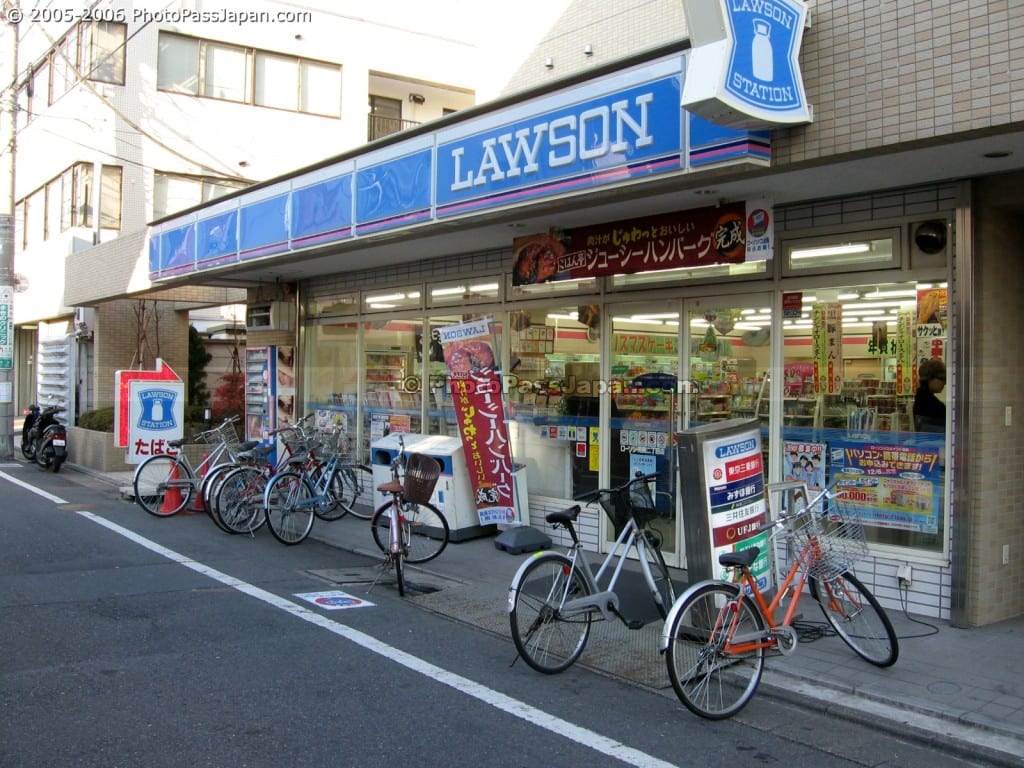
    But some retailers around the globe are adapting. Japan’s Lawson convenience store chain has renovated units in areas with a high concentration of silvers, widening aisles, lowering shelves and stocking more products that appeal to older shoppers. The 7-Eleven chain in Japan offers a meal delivery service to seniors, while the Aeon Mall offers medical facilities, leisure activities, a concierge and other services for its senior shoppers. Supermarket chains in Germany and Austria have widened aisles, provided customised shopping carts and added nonskid flooring, while in the US, drugstores CVS and Walgreens are adapting store layouts to minimise high- and low-shelving, and have carpeted floors in some stores and even added magnifying lenses to shelves so shoppers can read labels with small print more easily.

    “It is no coincidence that Japan, which is well ahead of most countries in terms of the aging of its population, has a major convenience store sector,” Weinswig writes. “We are now seeing other markets follow Japan in a convenience boom: in France and the UK, for instance, major retailers are pushing into the format as the segment outpaces the wider grocery market.”

    The full report can be found here.

  • 5G connections tipped to reach 690m by 2025

    5G connections tipped to reach 690m by 2025

    There will be around 690 million 5G connections by 2025, five years after the standard is expected to be approved, Strategy Analytics predicts.

    The research firm expects 5G to account for 7% of mobile connections by this time, driven by early adopters in the US, South Korea and Japan.

    China has also laid out a 2020 5G launch plan, Strategy Analytics notes, which will help accelerate adoption.

    Operators including NTT DoCoMo, SK Telecom, Verizon and AT&T are leading the charge

    Commercial 5G handset sales are meanwhile expected to exceed 300 million by 2025, according to Strategy Analytics director Ken Hyers.

    “While the first commercial 5G handsets will appear in small numbers in 2020 in South Korea and Japan, from 2021 more countries including the US, UK, Sweden, UAE and China will see their own launches,” he said.

    “By 2022 tens of millions of 5G handsets will be sold, and as a proportion of total handset sales will reach low single digit percentages.”

    The first trial 5G handsets expected to emerge in 2018 are expected to have issues including short battery life, no 4G handover or unstable connectivity, Strategy Analytics said. But these teething problems are expected to have been largely resolved once commercial handsets reach the market.

  • Cybercriminals use insiders to attack telcos

    Cybercriminals use insiders to attack telcos

    Cybercriminals are using insiders to gain access to telecommunications networks and subscriber data, recruiting disaffected employees through underground channels or blackmailing staff using compromising information gathered from open sources.

    This is among the findings of a Kaspersky Lab intelligence report into security threats facing the telecommunications industry.

    Telecommunications providers are a top target for cyber-attacks. They operate and manage the world’s networks, voice and data transmissions and store vast amounts of sensitive data. This makes them highly attractive to cybercriminals in search of financial gain, as well as nation-state sponsored actors launching targeted attacks, and even competitors.

    To achieve their goals, cybercriminals often use insiders as part of their malicious ‘toolset’ to help them breach the perimeter of a telecommunications company and perpetrate their crimes.

    New research by Kaspersky Lab and B2B International reveals that 28% of all cyber-attacks and 38% of targeted attacks now involve malicious activity by insiders. The intelligence report examines popular ways of involving insiders in telecoms-related criminal schemes and gives examples of the things insiders are used for.

    Compromising employees

    According to the Kaspersky Lab researchers, attackers engage or entrap telecoms employees in the following ways:

    • Using publicly available or previously stolen data sources to find compromising information on employees of the company who they intend to hack. They then blackmail targeted individuals – forcing them to hand over their corporate credentials, provide information on internal systems or distribute spear-phishing attacks on their behalf.
    • Recruiting willing insiders through underground message boards or through the services of “black recruiters”. These insiders are paid for their services and can also be asked to identify co-workers who could be engaged through blackmail.

    The blackmailing approach has grown in popularity following online data breaches such as the Ashley Madison leak, as these provide attackers with material they can use to threaten or embarrass individuals. In fact, data-leak related extortion has now become so widespread that the FBI issued a Public Service Announcement on June 1, warning consumers of the risk and its potential impact.

    The insiders most in demand

    According to the Kaspersky Lab researchers, if an attack on a cellular service provider is planned, criminals will seek out employees who can provide fast track access to subscriber and company data or SIM card duplication/illegal reissuing. If the target is an internet service provider, the attackers will try to identify those who can enable network mapping and man-in-the-middle attacks.

    However, insider threats can take all forms. The Kaspersky Lab researchers noted two non-typical examples, one of which involved a rogue telecoms employee leaking 70 million prison inmate calls, many of which breached client-attorney privilege. In another example, an SMS center support engineer was spotted on a popular DarkNet forum advertising their ability to intercept messages containing OTP (One-Time Passwords) for the two-step authentication required to login to customer accounts at a popular fintech company.

    “The human factor is often the weakest link in corporate IT security,” Kaspersky Lab security expert Denis Gorchakov said.

    “Technology alone is rarely enough to completely protect the organization in world where attackers don’t hesitate to exploit insider vulnerability. Companies can start by looking at themselves the way an attacker would. If vacancies carrying your company name or some of your data start appearing on underground message boards, then somebody somewhere has you in their sights. And the sooner you know about it, the better you can prepare.”

  • Analytics shift to predictive, prescriptive

    Analytics shift to predictive, prescriptive

    While the value of historical and descriptive analytics persists, the balance has been tipped towards more predictive and prescriptive analytics, according to a new report from Machina Research.

    For many decades, enterprises have solidly built their knowledge, strategic insights and processes around well-established approaches to data management and analytics.

    Terms such as ETL (extract-transform-load), data warehouses, data-marts and business intelligence became solid ground on which to build strategic and business approaches and decisions.

    With millions of connected devices providing real-time data about the physical world as it is, data management and analytics processes have been inundated with new requirements and opportunities.

    Machina Research said business and strategic decisions are being augmented with highly operational and predictive/prescriptive analytics, shifting the ground from “look at what happened” to “what may happen” and how best to address those potential scenarios.

    “One of the more significant developments as part of, and in parallel to, developments in IoT, is the approach of two different ‘waves’ in data management—Big Data and Fast Data,” said Emil Berthelsen, principal analyst at Machina Research.

    “Both are characterized by scale and speed, and the combination or aggregation of these two waves have led to significant changes and new requirements on data management technologies,” said Berthelsen.

    He said the landscape of IoT data and analytics is certainly evolving and will include a new age of machine learning, augmented insights and managed autonomy, as well as a new set of enabling technologies and data governance tools.