Category: Research

Retail News Asia is committed to providing both local and global retailers with the latest Research throughout the Asian market. This on a daily base.

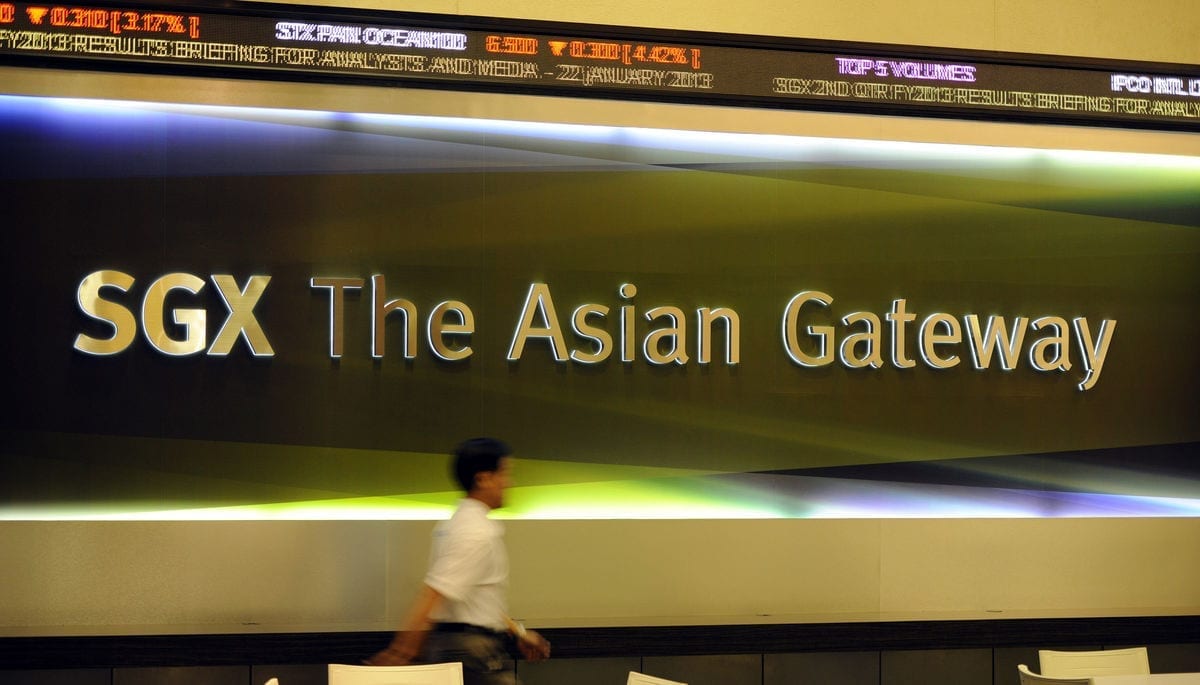
  • SGX announces independent research paper on retail sector

    SGX announces independent research paper on retail sector

    The Singapore Exchange (SGX) has launched an independent research report. The research paper covers the retail sector in four Asean countries, namely Singapore, Indonesia, Malaysia and Thailand.

    Titled “Asean Retail: Overview, Trends and Outlook, with a focus on SGX-listed Companies”, the report evaluates the growth potential for ASEAN’s retail industry in response to rising middle-class consumers, increasing spending power and rising e-commerce sales.

    The report is segmented into six retail subsectors and for each, covers an in-depth analysis of the key sector drivers and an overview of the SGX-listed companies that are in these sectors.

    There are currently 43 retail companies listed on the SGX, with a market capitalisation of $30 billion.

    According to the report, retail sales in Thailand, Singapore, Malaysia, and Indonesia are projected to collectively reach US$1 trillion ($1.3 trillion) by 2018. Asean consumers also have higher purchasing power propelled by fast-growing incomes while the e-commerce space has expanded, offering new opportunities for retailers.

    “Despite headwinds facing the retail sector recently, we recognise the need to keep investors informed of the sector’s longer-term growth outlook in ASEAN, which continues to be backed by strong demographic and macroeconomic fundamentals. The emergence of e-commerce also presents an exciting growth opportunity for the sector,” says Simon Lim, SGX Head of Equity Capital Market (Sectors).

    To download a copy of the research report, go to sgx.com/retailcluster.

  • SMEs switch to online for branding, expansion

    SMEs switch to online for branding, expansion

    Indonesian small and medium enterprises (SMEs) are taking advantage of the unique methods of engagement that online services offer them and potential customers.

    The owner of Jakarta-based desserts maker PUYO Desserts, Adrian Agus, owes much of his brand’s success to intensive online campaigns through various social media and messaging apps.

    By connecting directly with his customers through these platforms, Adrian has been able to find a quick way for his colorful home-made puddings to capture the public eye.

    Shortly after he started the business in 2013, Adrian found that social media greatly helped his marketing operations at little cost. In the beginning, PUYO’s marketing campaigns mostly centered on Instagram where it slowly gained traction and attracted loyal followers.

    “Social media campaigns have been very effective for the business. Right now, we’re holding a lot of competitions on Instagram,” he told The Jakarta Post on Thursday, elaborating on the creative engagement that Instagram offers between customer and vendor.

    Gradually, PUYO has branched out to Twitter and LINE to help sell its products, with the use of these services’ operational tools such as LINE’s LINE@ service, which enables the user to send mass messages to all customers that follow its LINE account.

    Japanese-based LINE Corporation itself describes the Line@ feature in its messaging app as “the same as broadcast messaging”. The company, however, says that the idea is more specifically aimed at nurturing businesses.

    Currently, PUYO has over 59,600 followers on its Instagram account and has evolved from being a home-based business in 2013 to having 22 outlets across Greater Jakarta.

    Meanwhile, the social apps behind these successes are increasingly aware of their role in the small business sector.

    Apps such as LINE, KakaoTalk, WeChat or WhatsApp have had their purposes extended beyond the simple text message, with some apps gradually rolling out new features that help small businesses thrive or become more efficient.

    LINE Indonesia’s head of marketing Galuh Chandrakirana explained that the rollouts of the company’s newer features such as Line for PC, Line Group Call and Line Today would help small businesses in making their operations more mobile, as mobility is becoming more emphasized in today’s business world, with SMEs able to benefit from these services through trimming their costs.

    “Features such as Line for PC, which can be opened from desktops, are not geared necessarily for SMEs but it serves to help them cut communications costs. However, we do plan to roll out a feature which is specifically designed to help that sector in the next month or two,” she elaborated.

    Currently, LINE has recorded over 1 million downloads in Indonesia comprising small businesses including online shops, offline retailers, specific communities and bloggers. Up to 40 percent of that figure is active businesses who utilize LINE in their practices.

    Indonesia has the highest number of SMEs in Southeast Asia, with over 50 million operating nationwide, however, only 1 percent of these are officially “connected” online.

    Last month, the government announced its cooperation with online SME promotion service Nurbaya Initiatives to explore new ways of encouraging SMEs to tap into the digital era’s potential.

    Collaborating with state-owned postal company PT Pos Indonesia, Nurbaya is targeting to bring 2 million SMEs online within the next two years. The company will assign a facilitator to provide each participating SME with advice on online promotion, including the setting up of online stores and payment platforms.

    Nurbaya will also assign a relationship manager to every online shop, allowing clients to focus on production. “By our collaboration with the postal service, SMEs will have help in terms of logistics and quality control,” Nurbaya’s CEO Andy Sjarif said.

  • Hong Kong travelers remain glued to their smartphones

    Hong Kong travelers remain glued to their smartphones

    An overwhelming 95% of Hong Kong travelers use social media during their trip, with many spending hours per day glued to their devices, a survey from Hotels.com indicates.

    The survey suggests that while on vacation Hong Kong smartphone owners are likely to spend 59% more time on their devices than on a sunbed.

    More than one in ten (11%) even spend more than five hours a day with their smartphones in their hands.

    Social media tops the list of app categories used by traveling, followed by mapping, travel, public transport and messaging.

    Around 42% of Hong Kong respondents to the survey admit to uploading photos over social media just to make friends jealous.

    Another motivation for the heavy social media use involves a fear of missing out, with nearly half (46%) saying they comment on friends’ posts just so they don’t miss out on anything while they are away.

    Desire to stay connected also informs travelers’ choice of accommodation, with 40% of respondents indicating they will only select a hotel if it offers free Wi-Fi.

    “Our study shows that some travellers, especially millennials, spend more time looking at their screens than enjoying the sun or the sights,” Hotels.com regional MD for greater China, emerging SEA and India commented.

    “However, most Hong Kong travellers are actually using their device to search for local sights or attractions, food only comes second and information on public transit is third.

  • First-ever Myanmar Study Highlights Factors for Brand Success & Future Game Changers

    In a nascent marketplace where local brands hold their own against foreign competitors, Apple has emerged as the most differentiated brand whereas local telecom player MPT ranks as the most loved. Brands like mobile provider Telenor have also earned recognition for innovation, despite being a recent market entrant.

    Myanmar’s rapid transformation also means businesses need to ready themselves for game-changing scenarios propelled by technology and infrastructure advancements. Myanmar is set to become the first country in the world to go straight to smartphone as part of its “leapfrog” development. Key changes affecting marketing and brands include the rise from almost zero mobile penetration to nearly 50% in just a couple of years. Technology will likely direct a new generation of digital growth, from retail to banking to social communications.

    The Spotlight on Myanmar findings are based on everyday buying decisions such as coffee, soft drinks as well as long-term purchase decisions around mobile service and handset sectors. Research shows that the most effective messages come from brands that put their products and benefits front and centre. Key differentiators behind the strongest brands are those that project idealism, desirability and a sense of adventure.

    BrandZ research in Myanmar includes 1,660 consumer interviews and covers 42 key international and regional brands that are already building a sense of meaningful difference in Myanmar, based on either their global profile or their local activity. Findings show that:

    • Apple is the most differentiated brand in Myanmar followed by Coca-Cola and Samsung. Apple indexed 232, where the average brand indexes at 100.
    • Mobile network Telenor is the most innovative brand in the survey, indexing 125, with rivals MPT and Ooredoo coming second and third respectively.
    • MPT is the most loved brand in the survey, indexing 129, nine points ahead of Samsung and 11 points ahead of Telenor and Huawei.
    • Samsung’s brand proposition scored the highest at129, ahead of Apple on 125 and MPT on 118.
    • Huawei scored highest on brand power -a brand’s ability to boost sales or gain market share due to consumers’ predisposition to choose this brand over another – indexing 436, significantly higher than its global average score of 81. Huawei performs better in Myanmar than it does in its home market, China, on this measure.

    “There are huge opportunities for international brands to be successful in Myanmar, if they get their cultural message right and understand the diversity of the country, particularly in the border areas. Our teams have identified comparisons with the India of 30 years ago and indeed some aspects of rural India today. Also valid are comparisons with Indonesia, which also has a large population that lives off the land as well as a huge range of different climatic regions,” said David Roth, CEO at The Store, EMEA and Asia.

    The report also highlighted a number of key trends that will change how brands and agencies should approach this market, now and in the next few years, including:

    • Rapid improvement in infrastructure. It has taken just three years to build a national mobile network; other changes including the arrival of greater electrification and improved transportation links will happen much faster than would be expected in many markets.
    • e-tailing is coming. Despite the current poor retail infrastructure, the rapid growth in e-commerce in other developing markets acts as an indicator that the speed will be similar in Myanmar.
    • The world’s first mobile-only market. Consumers are increasingly looking to mobile for both information and entertainment. While TV is important, brands need to consider Myanmar as not just a mobile-first environment but also a mobile only market.
    • Sell the effect, not the spec. Consumers are new to choice in Myanmar so they will navigate the new landscape differently. Brands need to focus on how the product will meet their needs and make it easier to compare functions and prices.
    • Appreciate the diversity of Myanmar. This is not a homogenous nation. Although 88% of the urban population is Buddhist, there is a huge range of ethnic, climatic and cultural variety, which will be particularly critical in the personal care sector.

    “BrandZ’s first research in Myanmar will help international and regional marketers understand the challenge of building strong brands in this new market. Experience in other fast emerging markets shows that first mover advantage and the loyalty it engenders in consumers can last for decades. Myanmar is a long-term commitment but one that will pay off for the brands that get it right,” said Doreen Wang, Head of BrandZ, from Millward Brown.

  • Culture shift needed to maximize benefits of analytics

    Culture shift needed to maximize benefits of analytics

    While big data analytics is on every communications service provider’s (CSP) radar, investment levels are relatively minor for most organizations, with many barely scratching the surface, according to Pyramid Research.

    The company’s latest report states that the return on investment from telco analytics is far behind that of online companies like Amazon, Google and Facebook.

    Among those CSPs with more mature implementations, however, the focus has evolved from how to use technology to extract and manage the data, to how to effectively apply big data and real-time analytics to enhance the user experience, optimize investments and add value to third-party partners.

    Pyramid Research said operators who are able to make BDA work for them will be at a significant advantage over their competitors in a market environment characterized by diminished variations between operators and the services they offer.

    The extent to which BDA implementations are successful will be a significant factor in determining the market’s winners and losers, the company said.

    “Our industry survey demonstrates that one of the most challenging aspects of the telco BDA implementations is the need for a significant shift in the structure and culture of the organization,” said Ozgur Aytar, director of research at Pyramid Research.

    “To maximize the BDA opportunity, telcos should put into place the correct leadership structure, break down barriers to data access and create a collaborative environment where people from different parts of the organization can work together for mutual benefit,” said Aytar.  “It is important to recognize that BDA is not primarily a technological investment but a major organizational restructuring.”

  • More than 1 in 4 cloud apps are high risk

    More than 1 in 4 cloud apps are high risk

    More than a quarter (27%) of third-party apps can be classified as high risk, according to research from CloudLock Cyberlab.

    Analysis conducted across 10 million users, 1 billion files, and nearly 160,000 unique applications found that cybercriminals can exploit weaknesses in high-risk apps to gain programmatic access to corporate platforms impersonating end users. 

    The shadow IT dilemma is meanwhile only becoming more challenging as usage is increasing exponentially year over year, the company said.

    The past three years saw nearly a 30 times increase in the number of apps detected, from 5,500 to nearly 160,000. Each application instance represents a backdoor through which hackers can infiltrate and externalize sensitive corporate assets.

    CloudLock Cyberlab said an organization may embrace its employees’ “shadow” exploration of innovative technology solutions and sanction a subset of these apps as Productivity IT, but it’s essential to closely monitor the connected third-party apps and identify cloud native malware in real time.

    Security conscious enterprises recognize the high risk associated with connected third-party apps and take immediate action. While apps can be banned for any number of reasons, including concerns around productivity, a clear majority are banned because of the security vulnerabilities they introduce. 

    The key recommendation is to reduce cloud app risk by establishing an acceptable use policy, with which organizations can significantly reduce the application risk level organization-wide. Automating whitelisting or banning of potentially risky applications is an effective strategy. 

    “The shift to the cloud creates a new, virtual security perimeter that includes third-party apps granted access to corporate systems,” said Ayse Kaya Firat, CloudLock director of customer insights and analytics.

    “Today, most employees leverage a wide variety of apps to get their jobs done efficiently, unwittingly exposing corporate data and systems to malware and the possibility of data theft.”

  • Cloud computing can help firms cut costs

    Cloud computing can help firms cut costs

    With the rise of cloud computing in business practices worldwide, Microsoft is encouraging Indonesian industries and businesses to take advantage of this technology in their day-to-day operations, mainly due to the cost-cutting advantages that it offers.

    Microsoft Indonesia’s national technology officer Tony Seno Hartono explained that by using public cloud services, such as the ones Microsoft offers through its Azure service, Indonesia’s businesses could significantly increase their operational efficiency, by 25 to 50 percent.

    This is due to the fact that cloud services provide many streamlined features such as server management, data storage and even the electricity to keep the data-storing servers alive. “It can help businesses decrease their operational costs, because using cloud services is basically like outsourcing. Microsoft has a huge data center, capable of storing data and managing it for you. Why not utilize our services?” he said on Monday.

    Microsoft, he continued, is in talks with an unspecified telecom operator to build a data center in Indonesia, but says the negotiations are still ongoing. Indonesian users of Azure currently have their data stored in Microsoft’s data centers abroad, such as in Singapore and the US.

    Adding to the virtues of cloud computing, Tony elaborated that the local creative industry could also harness the benefits of Microsoft’s multiple data centers for creating works of art. One example is in the animation industry, where higher quality animations require massive amounts of time and data to be rendered.

    During the making of James Cameron’s blockbuster film Avatar, Cameron collaborated with Microsoft to render the CGI animations using their public cloud services, thus saving the film production time and costs.

    Tony said that if Cameron had not utilized Microsoft’s multiple data centers, the animations from Avatar would have taken many years to render properly due to the film’s scale and size.

    Within the film industry in Indonesia, many have expressed interest in using Microsoft servers but none have used them so far, because the industry still remains small, and large-scale animation jobs in Indonesia tend to be taken to foreign animation studios to be worked on, Tony added.

    From the perspective of Winastwan Gora, chief operating officer of tech education start-up Kelase, the usage of Azure cloud services has benefitted his company’s operations and has helped cut costs.

    Kelase signed up for Microsoft’s BizSpark service, for three years of Azure usage with a usage cost limit of US$150 per month. The move guaranteed them space on Microsoft’s data centers abroad for storing and processing their information.

    “By utilizing the Azure cloud, we were able to improve our communications and marketing efforts and also, our analytical and source control mechanisms became easier to carry out compared with other means. In other words, it’s now easier for the company to be run digitally,” Gora said.

  • Digital content revenues to exceed $180b by 2017

    Digital content revenues to exceed $180b by 2017

    A new study from Juniper Research has found that consumer spend on digital content will reach $180 billion next year, up nearly 30% on last year’s figure of $140 billion. The research indicates that revenue growth will primarily be driven by continued migration to streaming video services, with broadcasters and telco operators increasingly deploying their own on-demand and IPTV offerings to compete with OTT players.

    According to the study – Digital Content Business Models: OTT & Operator Strategies 2016-2021 – telcos also recognize the pressing need to invest in attractive, original content to compete with shows developed by Netflix and Amazon. It cited the example of Spain’s Telefónica, which is to produce 8 to 10 TV series per annum from 2017. Both BT and AT&T have indicated that they might commission original drama or entertainment in the near future.

    Meanwhile, several telcos have partnered with OTTs to offer consumers bundled ‘zero-rated’ content that does not impact monthly data allowances. The study shows that more operators might consider enhancing the relationship through the acquisition of a strategic stake in the content provider, as with TeliaSonera’s investment in Spotify.

    The research also highlighted Twitter’s recent acquisition of the online rights for the USA’s NFL as the first move by an OTT player into the sporting arena, and said that other players could follow suit. However, according to research author Windsor Holden: “The spiraling cost of most premium sporting rights means that bidders for exclusive live rights for must now pay several hundred million dollars per season. With most streamed audiences well under a million, this is likely to deter online-only players in the short and medium term.”

  • Asian mPOS use booming

    Asian mPOS use booming

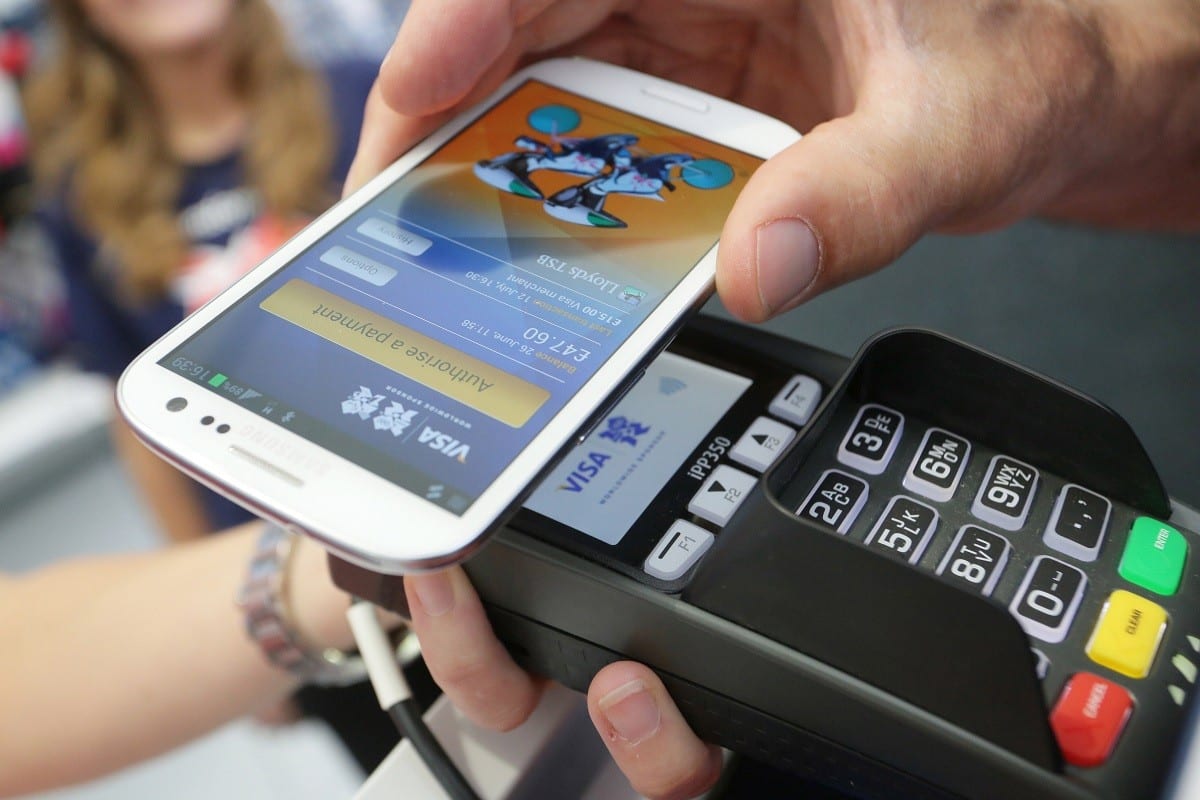
    The fast-growing population of smartphones and tablets are driving an Asian mPOS boom.

    Mobile point-of sale (POS) terminals will take on a significant role in businesses, handling 40 per cent of all retail transaction value by 2021, up from an expected 12 per cent in 2016, finds Juniper Research.

    The company says mPOS is enabling smaller merchants in emerging markets, particularly across India, Southeast Asia and Latin America, to accept card payments and grow their businesses.

    With larger retailers adopting mPOS in retail sales, Juniper forecasts the use of mPOS systems to account for more than one in three POS terminals by 2021

    “We are seeing several vendors tailor their software to the needs of specific industries, integrating mPOS capabilities as part of broader cloud-based business software,” said James Moar, research author.

    “These additional services can then make use of the sales data directly to manage inventory, monitor staff performance and other functions, which can all add more value to a business and justify a higher margin.”

  • IP traffic set to nearly triple over next five years

    IP traffic set to nearly triple over next five years

    Global IP traffic is on track to nearly triple over the next five years as more than a billion new internet users come online, according to Cisco’s latest Visual Networking Index.

    IP traffic is forecast to grow at a CAGR of 22% over the period of 2015 to 2020 to reach 194.4 exabytes per month, Cisco said

    APAC will account for more than a third of global IP traffic in 2020, the study predicts. Total traffic in the region is expected to grow at a 22% CAGR to 67.8 exabytes per month.

    By 2020, the company predicts that there will be around 4.1 billion internet users worldwide, up from 3 billion in 2015. Smartphone traffic accounted for 47% of total global IP traffic in 2015, and is expected to grow to account for a wide majority (71%) by 2020.

    Due in part to the rapid growth of the IoT, global IP networks are expected to support up to 10 billion new devices and connections over the five-year forecast period, bringing the total up to 26.3 billion, or 3.4 devices and connections per capita.

    Internet video will continue to dominate traffic, accounting for 79% of global internet traffic by 2020, up from 63% in 2015. Global networks will relay the equivalent of one million video minutes per second, Cisco predicts. HD and ultra HD video will make up 82% of internet video traffic.

  • 9 in 10 telcos go Hadoop to fight revenue fraud

    9 in 10 telcos go Hadoop to fight revenue fraud

    Telecoms revenue fraud is a primary driver for increased Apache Hadoop adoption, according to a recent poll of telco and enterprise users by Cloudera and Argyle Data.

    Communication service providers lose around $38 billion to fraud every year.

    Conducted during a recent webinar to introduce Cloudera and Argyle Data’s joint fraud prevention platform, the survey indicated that over 90% of attending organizations already use or intend to use Hadoop for fraud prevention.

    About one-third (34%) of attendees said they already have Hadoop in place and may use the platform in their fraud prevention efforts.

    “Fraud prevention is a textbook use case for Hadoop-based analytics because the ROI is immediately visible,” said Vijay Raja, solutions marketing manager at Cloudera. “Real-time machine learning relies on large amounts of data to detect sophisticated revenue threats, making Cloudera the ideal platform on which to run Argyle Data’s threat analytics.”

    The platform enables mobile operators to reduce loss by detecting previously undiscoverable revenue threats, promising to deliver up to 350% improvement over rules-based offerings. The platform uses a native Hadoop architecture, combined with real-time data ingestion, analytics, and machine learning.

    “Unsupervised machine learning delivers everything telco fraud analysts need to be efficient at and deliver immediate ROI,” said Arshak Navruzyan, vice president of product management at Argyle Data.  “The Cloudera-Argyle Data solution interoperates seamlessly with all participants in the Hadoop cluster.

  • The smartphone boon and bane

    The smartphone boon and bane

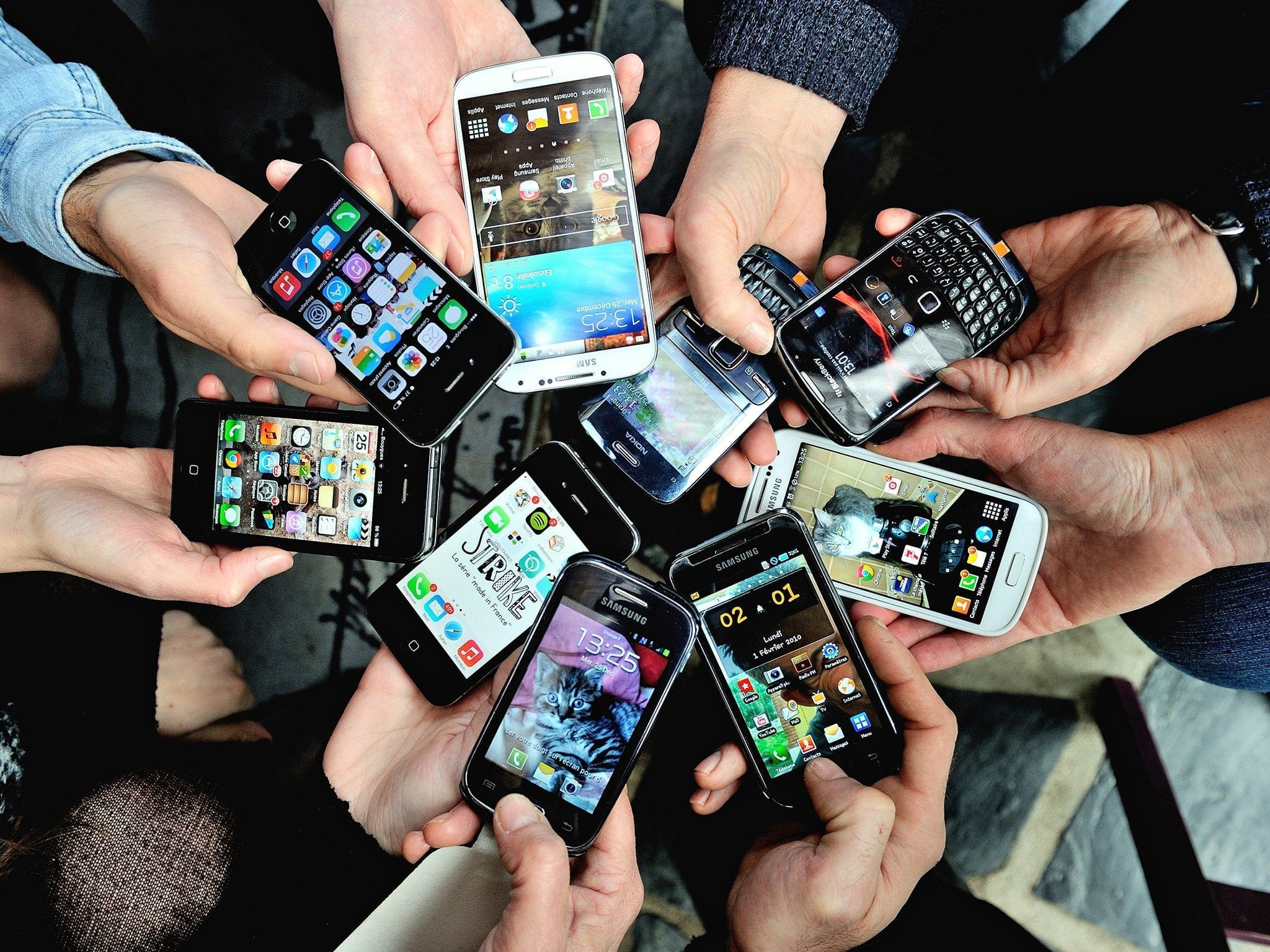
    Feature phones are on their last days, if not their last breath. Consumers’ massive shift in preference for smartphones have decimated feature phone sales.

    The upward mobility of smartphones contrasted with the downward spiral of feature phones has been an intriguing trend to observe. After all, it was only a decade ago when feature phones were enjoying its peak in popularity.

    The upheaval of the mobile industry arrived when Steve Jobs introduced the iPhone to the world in 2007. Steve Ballmer, Microsoft’s chief executive back then, claimed it was the most expensive phone in the world.

    Nowadays, feature phones are not ubiquitous anymore as new players from China, led by Xiaomi, continue to enter the market. These new upstarts not only produce smartphones with industry standard software and applications, but also price them very affordably.

    Asia-Pacific smartphone prices are predicted to drop to an average of $215, making it the region with the lowest price. APAC will be the region with the largest increase in smartphone usage from 2013 to 2019 with approximately 2 billion new smartphone users, where Singapore ranks the highest globally in smartphone users penetration.

    According to a recent survey, 90% of respondents in Singapore say they have access to smartphones. Factors which help facilitate this rapid adoption are fast connectivity and the availability of real-time information access at users’ fingertips.

    As smartphones become increasingly affordable, businesses become more complex specifically the IT infrastructure. Apart from individual and personal use, businesses also encourage employees to use their own devices for work with initiatives such as “bring your own device” (BYOD).

    Enterprises have gained a significant advantage with the modern development of mobile, but these positives also come with new challenges.

    When it comes to devices for businesses, applications play a big role. More and more enterprises are deploying business applications on smartphones and adopting cloud-based business models.

    This enables increased mobility and productivity, making businesses more efficient than ever. Unfortunately, now with various applications installed on smartphones and critical data being so easily accessible, businesses are more prone to virtual threats.

    In 2014, 16 million mobile devices have been contaminated by scams, and hackers are increasingly targeting mobile applications. It has been said that mobile apps are considered “low-hanging fruit” since it is rather fast and easy to exploit the vulnerability of apps as apps exist in an unregulated ecosystem.

    In Singapore alone, mobile security threats have affected 70% of companies. The majority of organizations saying “yes” to employees using their mobile phones for business without giving proper education on BYOD policies also contributed to this number. This trend will cease any time soon as the hackers are expected to continue focusing on mobile devices.

    Given the changes of this behavior and the advancement of technology on smartphones, organizations and governments will need to be able to serve this increasing number of mobile customers and employees while delivering applications and services seamlessly and securely.

    Businesses have always demanded agility and availability without worrying about the security of critical data. That mindset must shift — application security needs to be a top priority for businesses.

    With the rise of smartphones and mobile devices usage for business, the risk of enterprises’ critical data is increasing as well. Business flexibility provided by smartphones comes with a greater responsibility that requires enterprises to step up to secure and manage the applications to keep preforming.

    This generation will see the end of “dumb” phones, and the next might even see them in museums. With such rapid changes in the technology scene, it will be no surprise if the next big thing comes faster than the shift of feature phones to smartphones.

    Asia Pacific holds the biggest stake for smartphones companies, and any respectable industry player must look to the East whenever there is a shift in the mobile telecom enterprise industry.

  • In-flight connectivity wants to be free

    In-flight connectivity wants to be free

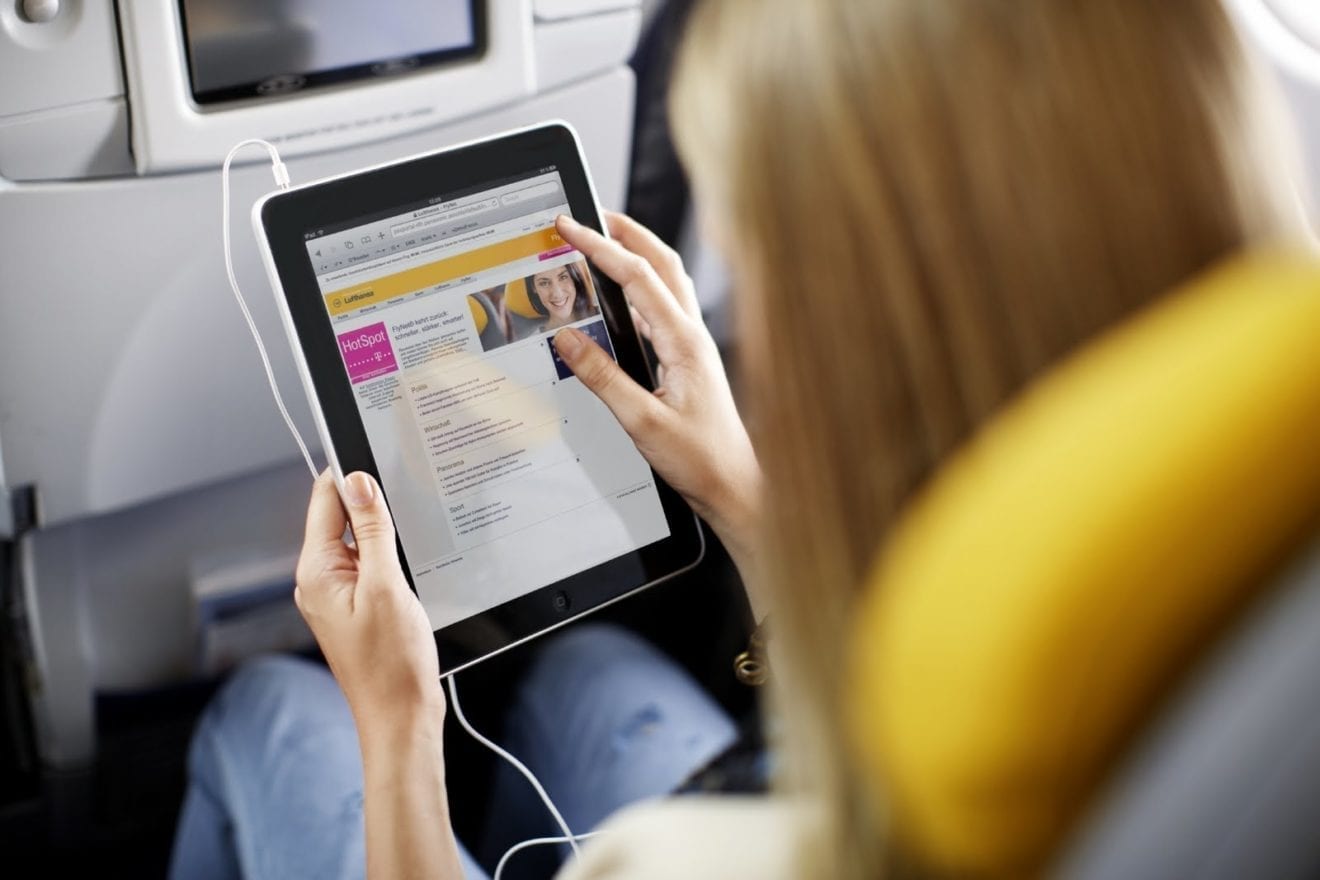
    In-flight connectivity (IFC) is in high demand from consumers, but depending on where you are in the value chain, it won’t be easy to monetize that demand, especially when many passengers expect it to be free.

    “Right now the satellite operators are the ones making the profit on in-flight connectivity,” says Todd Hill, senior director of GCS Satellite Services at Panasonic.

    Part of the problem has to do with the cost of aircraft antennas, which are hard to install, “although the technology is improving.” Hill says.

    The other issue is the cost of the actually connectivity itself. While HTS satellites and Ka-band are touted for their ability to bring the cost per megabit down, the problem is that Ka-band isn’t an all-purpose solution that will be available everywhere.

    “We’re building a global network, so one size is not going to fit all,” Hill says. “Ka-band doesn’t fit every need. HTS can bring the cost down, but you also get these spikes in supply whenever a new gigabit satellite goes up that affects pricing.”

    Erwin Hudson, VP/GM at ViaSat, says that everyone in the IFC value chain – satellite players, the service providers and the airlines – can make money, but that for the airlines, it’s as much about value creation as literally earning money from in-flight broadband. “For example, enhancing customer satisfaction – there’s great value there for the airlines.”

    Which is as well, because if airlines have learned anything about IFC, it’s that customers generally aren’t willing to pay for it, especially as they become accustomed to Wi-Fi as a complimentary service in hotels, airports and coffee shops.

    “Customers do expect this for free, which is to say they expect it to be included in the ticket price, and that’s the way we’d rather see it go,” Hudson says. “There are different business models out there, such as pay-as-you-go, freemium or free, and we’ll see all three in play. But when you charge money for it, your take-up rate is around 10% to 15%, whereas when it’s free the take-up rate is as high as 100% or even 105%, because we count devices, not people, and many people have more than one device. So we think free is where it’s ultimately going to go.”

    Hudson adds that IFC is a segmented market – commercial airlines, private jets, military/government, etc – with different requirements and business models for each, “so there’s a substantial opportunity there.”

  • Singapore to lead the way in tropical data centers

    Singapore to lead the way in tropical data centers

    Launching the Infocomm Media Business Exchange’s Ministerial Forum on ICT on Monday ahead of the official kickoff of CommunicAsia2016, Singapore Minister for Communications and Information Dr Yaacob Ibrahim (pictured) spoke of the progress that the country had made in becoming the world’s first Smart Nation – to include the world’s first data centers designed specifically for tropical climates.

    Dr Ibrahim explained how he has partnered with industry and academia to launch testbeds for green data centers and is now looking at whether it is possible to design and operate data centers at temperature and humidity levels that are double the current norm.

    The tests for these so-called Tropical Data Centers (TDCs) will target an ambient temperature of 38 degrees Celsius and humidity exceeding 90%. The trial will test how data servers react under various “live” situations, such as peak surges or transferring of data, and in diverse conditions, such as with no temperature or humidity controls. TDCs could reduce energy consumption by data centers by up to 40%.

    This would not only expand the geographical limitations of locating data centers, but also cut back on existing energy requirements of the running of such centers – all of which is part of the Singapore Smart Nation Vision.

    Data centers accounted for 7% of Singapore’s total energy demand in 2012 and is projected to reach 12% by 2030.

    On the cyber security front, Dr. Ibrahim said that Singapore has signed a number of bilateral agreements with France, the UK and India in the area of cyber security. It is also supporting the annual ASEAN computer emergency response team incident drill exercises.

    Earlier, the Cyber Security Agency of Singapore successfully completed a multi-sector exercise a few months ago to strengthen the ability of agencies to cooperate in handling cyber attacks. In October, Singapore will hold its inaugural International Cyber Week, which will also see the unveiling of the country’s national cybersecurity strategy document by the Prime Minister.

    Dr Ibrahim also stated that Singapore will complete its switchover to digital TV by the end of 2017, freeing up spectrum for mobile and mobile broadband services, and will be one of the first countries in the world to impose minimum standards for 4G QoS.

  • Singapore e-commerce market to exceed S$7b in 2025

    Singapore e-commerce market to exceed S$7b in 2025

    The e-commerce market in Singapore is expected to be worth US$5.4 billion (S$7.46 billion) by 2025, according to a report by Temasek and Google released on Tuesday (May 24).

    This is larger than the casino industry in 2015, which was valued at about US$4 billion.

    The report found that Singapore’s e-commerce market was valued at US$1 billion in 2015, with online shopping making up 2.1 per cent of retail sales – the highest proportion of all Southeast Asian countries surveyed.

    Come 2025, Singapore’s e-commerce market is expected to make up 6.7 per cent of all retail sales, behind Indonesia’s 8 per cent, the report stated.

    Southeast Asian e-commerce markets in 2015 and projected figures for 2025. (Chart: Google, Temasek)

    Countries covered in the report included Indonesia, Vietnam, the Philippines, Thailand, Malaysia and Singapore.

    The report also highlighted the growth of ride-sharing services such as Grab and Uber. It noted that in 2015, the Singapore market was valued at US$800 million, tying with Indonesia. Overall, the region’s ride-sharing market was worth US$2.5 billion in 2015, with the figure expected to exceed US$13 billion by 2025.

    Ride-sharing market in 2015 and projected figures for 2025. (Chart: Google, Temasek)

    It added that Singapore will continue to record the highest fare per trip, three times that of the average fare in Southeast Asia.

    The report, which also looked at the venture capital and startup landscape in Southeast Asia, also found that as of 2015, Singapore is the most active country with 37 per cent of deal quantity and 72 per cent of deal value. Activity was mainly driven by two startups – Grab and Property Guru, which recorded investments of about US$350 million and US$130 million, respectively.

    It found that Southeast Asia is the world’s fastest growing Internet region, with an existing Internet user base of 260 million. This is expected to grow to 480 million users by 2020. Consequently, the Internet economy in Southeast Asia is expected to exceed US$200 billion by 2025, driven mostly by the growth of the e-commerce market, followed by online media and online travel, the report said.

    Driving growth are three factors unique to the region: A young population, with 70 per cent under the age of 40, a lack of big-box retail, as well as a rapidly growing middle-class, the report said.