Category: Telecom

Retail News Asia is committed to providing both local and global retailers with the latest Telecom & Telco news throughout the Asian market. This on a daily base.

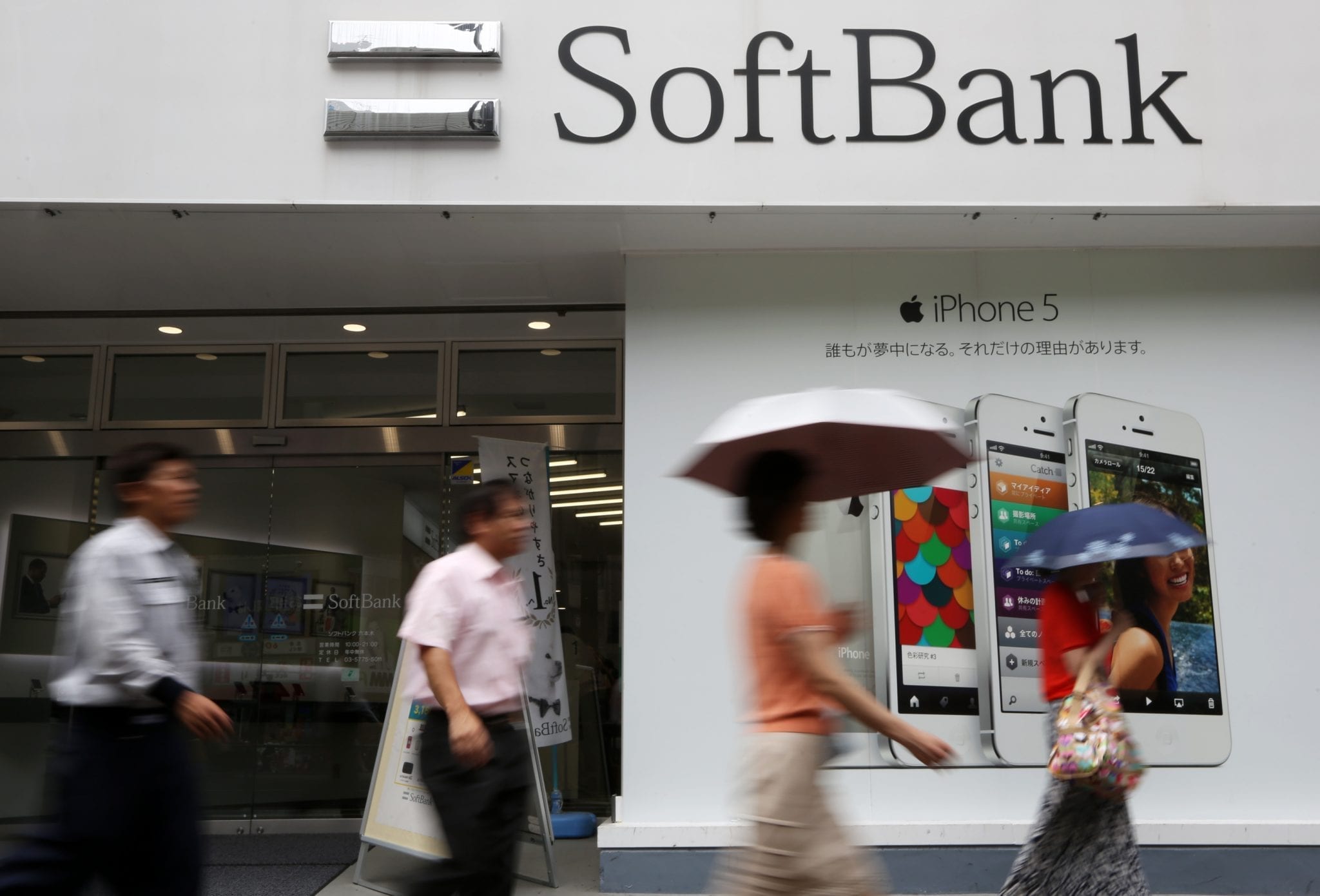
  • SoftBank developing Twin Access mobile service

    SoftBank developing Twin Access mobile service

    Japan’s SoftBank is developing a new Twin Access mobile network service for enterprises using equipment from NEC.

    The Twin Access service provides two simultaneous mobile network connections to maintain a state of constant, active connectivity between NEC line terminal equipment and devices employing virtualization technology.

    It uses the packet copy capsuled (PCC) technology jointly developed by SoftBank and NEC to offer improved transmission quality with higher packet arrival rates than conventional single mobile line systems.

    SoftBank VP for networks Takenori Kobayashi said the service is designed to be used as an alternative to fixed broadband networks.

    “Because of its high quality of service, Twin Access can be used at locations where optical fiber lines are not provided, or as an alternative to metal-wired lines such as DSL or digital access,” he said.

    “In addition, by utilizing the unique features of mobile networks, such as their freedom from cable installations, Twin Access makes it possible to build flexible, economical, short-term networks; such as temporary networks for use at construction sites and event venues.”

    SoftBank and NEC plan to conduct field trials of the technology ahead of the full-scale commercial launch of Twin Access by October. SoftBank aims to deploy the new service in Japan as part of the access lineup for its Smart VPN service.

  • StarHub 1H17 profit falls 21%

    StarHub 1H17 profit falls 21%

    Singapore’s StarHub has reported a 21% slump in net profit for the first half of the year to S$85.7 million ($63.1 million), as  result of declining revenue and margins.

    Service revenue for the six-month period fell 2% year-on-year to S$1.08 billion due to lower mobile, broadband and pay TV service revenues.

    Total mobile revenue fell 1% to S$599 million despite an increase in postpaid and prepaid customers of 21,000 and 33,000 respectively.

    Broadband revenue fell 1% over the same period to S$107 million, but enterprise fixed revenue was up 2% to S$198 million, with enterprise data and internet services revenue up 5% to S$176 million.

    StartHub also reported a decline in ebitda margin to 31.6% from 34.2% a year earlier.

    “In the quarter, we announced our acquisition of Accel to enhance our enterprise-grade cyber security offerings. This acquisition dovetails perfectly with our strategy to grow our enterprise business and demonstrates our push for inorganic growth,” StarHub CEO Tan Tong Hai said.

    “In the consumer space, we are happy to see continual improvements in customer satisfaction levels… We remain focused on addressing our customers’ digital lifestyle needs by offering them relevant products and services to enjoy a better StarHub experience.”

    For the full year, StarHub is currently projecting flat service revenue and a group ebitda margin of between 26% to 28% of service revenue. The company expects capex payments to be around 13% of total revenue.

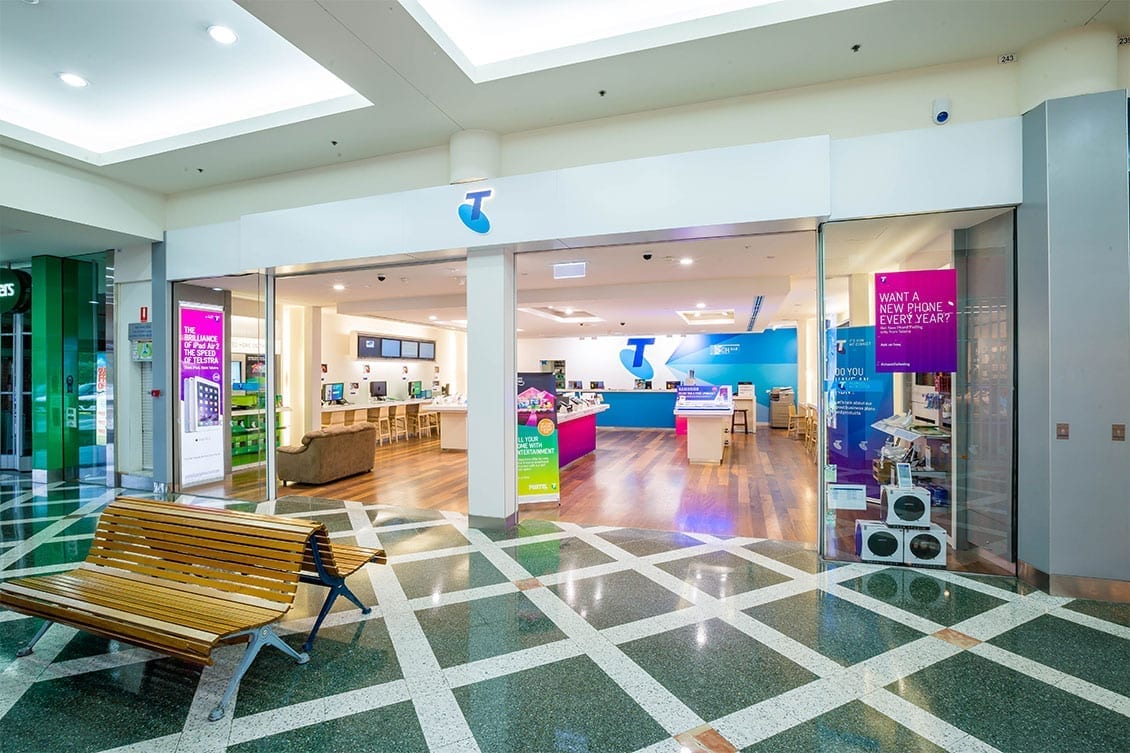
  • Telstra’s 4G population coverage hits 99%

    Telstra’s 4G population coverage hits 99%

    Australia’s Telstra has revealed that its 4G network now covers 99% of the nation’s geographically dispersed population.

    Following upgrades in regional areas of Western Australia, Victoria, Queensland and South Australia, the company’s 4G network now offers coverage across more than 1.4 million square kilometers, Telstra COO Robyn Denholm said in a blog post.

    Telstra is meanwhile upgrading its transmission network to help meet projected traffic demand. Denholm said only 20% of the projected capacity Telstra will require by 2020 existed at the start of the year.

    To achieve this Telstra is deploying optical transport technology across its transmission network, starting with an upgrade to the cable connecting the island state of Tasmania to the mainland across the Bass Strait. The upgrade will increase the capacity on each of the two cables from 400Gbps to 1Tbps.

    “Importantly, the next generation optical transport technology offers huge upside for supporting growth. With future system deployments we anticipate we can scale up to 100Tbps or more,” Denholm said.

    “We will now be progressively upgrading our optical transport capability around Australia, with Victoria, New South Wales and South Australia the next in line to benefit from from inter-capital upgrades.”

    Finally, Telstra has activated LTE Cat M1 across its 4GX (LTE-Advanced) network footprint, and plans to deploy range extension capability that will take the footprint of the IoT network to more than 3 million square kilometers.

    The company has also commenced testing of software that supports NB-IoT and expects to introduce this capability later this year.

  • Viettel launches 4G in East Timor

    Viettel launches 4G in East Timor

    Vietnam’s Viettel has launched 4G services in East Timor through its subsidiary in the market Telemor.

    The launch in East Timor marks the Viettel group’s sixth 4G launch outside Vietnam, and follows launches in Burundi, Cambodia, Haiti, Laos, and Peru.

    Viettel first entered East Timor in 2013, investing $15 million to deploy a mobile network covering 95% of the population within a year. The company was able to achieve profitability within ix months, generating $17 million in revenue and $4 million in profit in its first year.

    The company has now captured a roughly 47% share of the market, making it the incumbent operator in the market, ahead of competitors Timor Telecom and Telkomcel.

    According to the report, Viettel increased its revenue in East Timor by 29% year-on-year during the first half of 2017 and attracted 42% more new subscribers than anticipated.

  • Singapore consumers need mobile data

    Singapore consumers need mobile data

    Half of Singapore consumers would only be able to only last one day without using mobile data, according to a survey commissioned by MVNO Circles.Life

    The survey of over 900 respondents also discovered that many Singapore consumers are data deprived, with 2 in 3 saying that they need at least 6GB of mobile data per month to not worry about busting their mobile data limits. The industry average is between 3.5GB to 4GB of mobile data usage a month.

    “Findings of the survey are consistent with our internal market research, where we have discovered that consumers in Singapore needed more data, but did not have affordable access to it,” commented Rameez Ansar, co-founder and director of Circles.Life.

    “After we launched our 20GB for S$20 data Data Plus option in March, we saw a huge spike in the data usage of our subscribers to the current average of 8GB per month, more than double of the current industry usage. Singapore consumers are hungry for more mobile data and we expect that demand to grow as a nation.”

    The Circles.Life Annual Mobile Data Usage Survey 2017 was conducted by survey research firm, Survey Sampling International (SSI) of Singaporeans between 16 to 54 years old.

    The survey also revealed that many users were frustrated with their current mobile data limits and 9 in 10 felt frustrated when they reached their month data limits.

    In addition, 1 in 2 Singapore consumers have exceeded their monthly mobile data limits at least once in the last six months and of these, 24% exceeded their mobile data limits by at least 3GB.

    Survey respondents indicated that their most frequently used mobile app used each day was Whatsapp, followed by Facebook and YouTube. Dating apps were the least frequently used mobile apps.

    In conjunction with National Day 2017, Circles.Life is offering a free upgrade to its no-contract mobile plan for new subscribers. New subscribers joining in August will enjoy the 20GB for S$20 Data Plus option for free for the month of August.

  • SoftBank taps Cisco to optimize mobile IP core

    SoftBank taps Cisco to optimize mobile IP core

    Japan’s SoftBank has contracted Cisco to optimize network operations in its next-generation mobile IP core network.

    SoftBank will adopt Cisco high-density 100GE routing and segment routing technology to help meet demand for greater mobile traffic capacity and enable faster and more flexible provisioning of new services.

    Traffic demand is forecast to increase at a rate of 50% per year, prompting SoftBank to upgrade its core routers to a Cisco solution capable of housing 576 100GE ports.

    New capabilities in the system will also allow SoftBank to reduce fault recovery time and improve functions for ensuring service continuity in the event of a fault.

    Segment routing is aimed at simplifying network architectures and enabling the provision of advanced network services without increasing the burden on operations. The architecture has been designed to seek the balance between distributed intelligence and centralized optimization.

    “SoftBank keeps focusing on improving service quality and enhancing the reliability and agility of network while reducing costs,” SoftBank SVP Keiichi Makizono said.

    “Cisco’s advanced network technologies and support have allowed us to establish the next-generation mobile IP core network platform that meets the bandwidth demand. We expect Cisco’s continued support and cooperation for providing services that lead the Japanese market.”

  • Just 15% of Hong Kong firms back up data on public cloud

    Just 15% of Hong Kong firms back up data on public cloud

    More than 50% of Hong Kong companies are concerned about their data being at risk in case of a ransomware attack, but only a few are currently using public cloud data backup services that could help mitigate the impact of such malware infections, research indicates.

    “Only 15% of enterprise respondents said they are using data backup on public cloud although there is a high level of awareness for this type of service,” said Professor John Bacon-Shone, associate dean of the Faculty of Social Sciences and Director of the Social Sciences Research Centre at the University of Hong Kong (HKUSSRC).

    He was citing a key finding in the Ransomware and Cloud Readiness survey presented yesterday by HKUSSRC and BSA The Software Alliance.

    The survey was conducted in two phases – a baseline survey from March 28 and April 24 before the WannaCry ransomware outbreak and a follow-up survey from June 29 and July 12 in the aftermath of WannaCry.

    Corporate respondents came from major vertical industries, such as manufacturing, construction, real estate; import/export trade; retail; accommodation and food services; information and communication; and finance and insurance to name a few.

    Security issues dampen adoption

    Bacon-Shone said over 50% of respondents have cited security issues as the primary reason for not using data backup services powered by public cloud.

    “The top three security issues cited were confidentiality considerations, safety concerns and no confidence in security,” he added.

    According to the survey, over a third of Hong Kong companies are backing up data more than three times a week. However, more than 75% of them have adopted a non-cloud option for their primary data backup, despite widespread awareness of the availability data backup services on public cloud. What’s more, nearly 80% have said they are unlikely to consider data backup on the public cloud in the future.

    “Recognition of the importance of having data backup is critical, but taking concrete steps to perform offsite secure backup which may include public cloud backup is a different story,” said Bacon-Shone.

    He noted that local regulation has long required data users to safeguard personal data from unauthorized or accidental access, processing, erasure, loss or use.

    “The new EU law on data protection – the General Data Protection Regulation – is due to become enforceable in May 2018. This will include much stronger sanctions (of up to 4% of global annual turnover or €20 million, whichever is greater) and requires a risk-based accountability.

    “This is why there is an essential need for companies to implement offsite secure backup, which may include public cloud backup, but will require careful choice of trustworthy providers of backup services,” he added.

    Conduct due diligence

    Tarun Sawney, senior director of APAC at BSA, said that companies should conduct due diligence before choosing a cloud service provider to deliver data backup services.

    “When considering the choice of trustworthy providers of cloud services, companies should carefully consider the quality of service offered, particularly in relation to the four key pillars – privacy, security, compliance and transparency,” he said, adding that they should check whether these providers are compliant with international and national standards such as ISO 27018, ISO 27017 and ISO 27001.

    Meanwhile, he noted that the survey findings showed companies in Hong Kong currently lack an understanding of what the cloud has to offer in enhancing their overall cybersecurity defense strategy.

    “There is a staggering gap between the level of awareness and the actual efforts local enterprises undertake in protecting themselves against future cyberattacks. Experts have said that having more than one way of backing up is probably the way to go. And public cloud data backup offers a very cost-efficient option for business,” Sawney said.

  • MPT launches FTTH in Yangon

    MPT launches FTTH in Yangon

    Myanmar’s MPT has announced the launch of FTTH services in parts of the nation’s largest city Yangon.

    The new service offers speeds of 5Mbps for 69,000 kyat ($50.64) per month, or 10Mbps for 109,000 kyat per month.

    The operator is offering the service on a 12 month contract and charging an installation fee of 150,000 kyat, rising to 200,000 kyat after a promotional period ends.

    MPT has deployed the services in parts of downtown Yangon, and plans to expand the rollout to other areas of Yangon and to Mandalay early next year and to other major cities across the nation throughout that year.

    “We are pleased to offer customers a truly enriching internet experience in their homes at greater value,” MPT chief commercial officer Reizo Umeda said.

    “The new fiber-based service will provide fast and reliable connectivity to online services, from web browsing, social media, streaming videos, gaming as well as those that require higher bandwidth capacity for connecting multiple devices simultaneously. Also as thanks to our valued customers, we are launching this service with an attractive introductory installation price, which we hope residents will take advantage of.”

    MPT entered a partnership with Japan’s KDDI and Sumitomo for both its fixed and mobile operations as part of the 2014 liberalization of Myanmar’s telecoms sector.

  • Vietnam’s 4G population coverage hits 95%

    Vietnam’s 4G population coverage hits 95%

    Vietnam’s 4G networks now cover 95% of the nation’s population, attendees to the 4G LTE 2017 International Conference learned.

    The conference, organized by the Vietnam Internet Association and IDG Vietnam, was told that around 43,000 4G base stations have now been deployed nationwide.

    Vietnam issued 4G licenses in the 1800-MHz and 2600-MHz band last year. There are now four 4G licensees in Vietnam – Viettel, Vinaphone, MobiFone, and Gmobile – with the first three of these having launched services.

    Speaking at the event, deputy minister for information and communications Pham Hong Hai called on operators to launch 4G network to create opportunities for explosive growth in 4G services.

    He said the arrival of the 4G era in Vietnam will also create opportunities in fields including the IoT and smart cities.

  • New Zealands’s ComCom to review $2b mobile market

    New Zealands’s ComCom to review $2b mobile market

    New Zealand’s Commerce Commission has agreed to launch a review of the nation’s NZ$2.7 billion ($2 billion) mobile market in the coming year.

    The competition regulator has been asked by New Zealand telecommunications commissioner Simon Bridges to evaluate why there are relatively few MVNOs in the market.

    Bridges has encouraged the regulator to investigate whether competition in New Zealand’s mobile sector is working effectively.

    According to the report, the commission is currently considering the scope of the review, which will be determined in consultation with operators.

    While New Zealand has three mobile operators – Spark, Vodafone New Zealand and 2degrees – MVNOs form a less important part of the mobile ecosystem than in other markets, Bridges argued.

    But mobile operators have questioned the need for a review, stating that competition is already working effectively.

    The commission already conducts annual benchmarking of prices and services in the mobile market against international averages.

    The most recent report found that prices for bundled voice, SMS and data packages are below the average from other OECD countries, but data-only offerings are comparably expensive.

  • IoT and transformation driving ITOM investment

    IoT and transformation driving ITOM investment

    The growth of digital business and the IoT will drive large investment in IT operations management (ITOM) through 2020, Gartner has predicted.

    Organizations are moving towards ITOM open-source software (OSS), and a primary driver of this transition is the promise of a lower total cost of ownership, the research firm said.

    “While acceptance of OSS ITOM is increasing, traditional closed-source ITOM software still has the biggest budget allocation today. Moreover, complexity and governance issues that face users of OSS ITOM tools cannot be ignored. In fact, these issues open up opportunities for ITOM vendors. Even vendors that are late to market with ITOM functionality can compete in this area,” Gartner research director Laurie Wurster said.

    Gartner believes many enterprises will turn to managed ITOM or ITOM as a service (ITOMaaS) enabled by open-source technologies and provided by a third party. With OSS, vendors can provide more cost-effective and readily available ITOM functions in a scaled manner through the cloud.

    Through 2020, public cloud and managed services are expected to be leveraged more often forITOM tools, which will drive growth of the subscription business model for both cloud and on-premises ITOM.

    However, on-premises deployments will still be the most common delivery method. This imposes multiple challenges to incumbent ITOM vendors. First, those vendors that do not offer a cloud delivery model will face continuous cannibalization from ITOM vendors that can deliver ITOM through both cloud and on-premises.

    Second, platform vendors, such as Microsoft Azure and Amazon Web Services (AWS), are providing some native ITOM functionalities on their public clouds. Customers that are running workloads solely on these platforms may prefer these native features. There are also “hybrid” requirements for ITOM tools that can seamlessly manage both cloud and on-premises environments.

  • Huawei consumer revenue grows 36.2% in 1H17

    Huawei consumer revenue grows 36.2% in 1H17

    Huawei has reported a 36.2% increase in revenue from its consumer business for the first six months of the year on the back of strong smartphone sales.

    Sales revenue increased to 105.4 billion yuan, with smartphone shipments up 20.6% year-on-year to 73 million. IDC estimates that Huawei’s share of the global smartphone market grew to 9.8% during the first quarter.

    In Greater China meanwhile, Huawei grew its shipments by 24% year-on-year to claim 22.1% of the global market, while Canalys recently estimated that the company maintained its lead in the market for the second straight quarter in Q2.

    Huawei also reported growth in APAC markets including Thailand, Malaysia, Japan and South Korea for the period.

    Huawei is accelerating its sales strategy in light of its growing brand presence, revealing plans to increase its global retail network to 56,000 stores worldwide by the end of the year, up from 35,000 in May 2016.

    ABI Research director David McQueen said Huawei’s results “document a company that is outperforming the smartphone market, showing solid growth in shipments and healthy development in its revenues.”

    He said Huawei aims to break 10% global market share for the full year, consolidating its position as the world’s third largest smartphone vendor after Samsung and Apple.

    “The company has managed to achieve this continued growth through a focus on providing advanced, innovative products at the high-end, with its P and Mate series of smartphones to the fore with shipments for the two growing 100% year-on-year,” McQueen said.

    “This high-end mix in its portfolio has also helped drive up average selling prices by 28% year-on-year, and the provision of a premium design and experience has worked to strengthen its brand image and awareness in the consumer market. It is this premium brand image that the company needs to foster as a central tenant if it is to continue with this success as it allows it to command higher prices and create much needed profit in a highly competitive marketplace.”

  • NTT Com launches data network services in India

    NTT Com launches data network services in India

    Japan’s NTT Communications has launched international data network services in India as part of a push to expand its presence in the market.

    The services are being provided through NTT Com’s Indian affiliate NTT Communications India Network Services (NTTCINS).

    NTT Com has also commenced construction of two new data centers in Mumbai and Bangalore through managed hosting and cloud service provider subsidiary Netmagic.

    The $160 million investment will add nearly 500,000 square feet of gross floor space, nearly doubling the company’s data center floorspace footprint in India

    NTT Com likewise acquired a VNO ILD network license in March and has been providing its Arcstar Universal One cloud-based network services as it international network services in partnership with local carriers, using these carriers’ network resources while adding value-added services such as NFV.

    “India has been a key strategic market for us with the accelerating shift of IT services from traditional enterprise data centres into the cloud-based services,” NTT Com President and CEO Tetsuya Shoji said.

    “For the past few years, our business in India has consistently grown over 35% annually. With further expansion of data center foot print and addition of international data network services to our service portfolio, we aim to meet the growing market needs for mobility, e-commerce, IoT, cloud and big data.”

  • Emerging Asia leads global smartphone sales growth

    Emerging Asia leads global smartphone sales growth

    Global smartphone demand increased 4% year-on-year during the second quarter to 347 million units, marking the strongest second quarter on record, according to GfK.

    Emerging Asia led the demand growth with a 13% year-on-year increase, followed by Central and Eastern Europe at 11% and Latin America at 10%, the market research company said. Market value grew 9% year-on-year, due to rising average sales price.

    “The record demand for smartphones in the second quarter this year shows that, despite saturation in some markets, the desire to own a smartphone is a worldwide phenomenon,” GfK global director of telecom research Arndt Polifke said.

    “How that manifests itself differs widely by region. Manufacturers are maximizing all their creativity to ensure their latest devices are irresistible – and to increase ASP as a result. Elsewhere, macroeconomic factors and consumer confidence are having an impact, but operators and retailers are employing localized tactics to ensure the smartphone remains the connected device of choice.”

    Yotaro Noguchi, product lead in GfK’s trends and forecasting division, added that “consumers are willing to pay more for their smartphone as they seek a better user experience. Despite the market reaching high penetration levels, GfK forecasts smartphone demand will continue to see year-on-year growth even in 2018, as innovation from smartphone vendors keeps replacement cycles from lengthening.”

    Mainland China: The market plateaus

    In mainland China, smartphone demand plateaued in 2Q17 at 110.1 million units, showing no change year-on-year. This moderation of growth in demand for smartphones was caused primarily by saturation in the market.

    But as in other regions, higher-priced new products are pushing up market value. GfK forecasts smartphone demand in mainland China to total 461 million units in 2017, an increase of 2% year-on-year. The growth in value terms (USD) is expected to be considerably higher, at 11% year-on-year.

    Developed Asia: South Korea drags down the region

    Overall smartphone demand in the region totaled 16.1 million units in 2Q17, down 3% year-on-year. Declining demand in South Korea, which saw impressive growth last year, offset the increased demand in both Japan (up 12% year-on-year) and Australia (up 9% year-on-year). GfK expects the region to experience a slight improvement in demand in the second half of 2017, finishing the full year down 1%. That will equate to 73.1 million units.

    Emerging Asia: Anticipating the strongest regional growth in 2017

    Smartphone demand in the region totaled 56.7 million units, up 13% year-on-year. Bangladesh and Malaysia powered most of this growth. In Bangladesh, smartphone demand grew by a strong 40% year-on-year. Malaysia is maintaining a steady recovery from its 2015 slump, and here demand in 2Q17 grew by 31% year-on-year.

    Smartphone demand in India also remained resilient in 2Q17, having leveled out slightly to 14% year-on-year. GfK expects the recently announced Goods and Services Tax (GST) will have no impact on smartphone demand in the country. GfK forecasts overall smartphone demand in the region will total 234 million units in 2017, an increase of 11% year-on-year. This represents the strongest growth across all regions for the year.

  • Nokia narrows Q2 loss despite rough network market

    Nokia narrows Q2 loss despite rough network market

    Weeks after Ericsson reported a swing to a second quarter loss, Nokia has turned in results that also reflect the challenges facing the telecoms equipment market.

    Nokia reported a net loss for the quarter of €423 million ($494.2 million), but this was a significant improvement on the €726 million loss recorded during the same quarter year earlier.

    Net sales grew 1% to €5.62 billion, but sales from Nokia’s networks business fell 5% to €4.97 billion, with “ultra-broadband” sales down 8% to €2.16 billion. Global services sales were flat at €1.44 billion, and IP networks sales were down 4% at €1.36 billion.

    By contrast, Nokia Technologies sales – which include revenue from handset patent licensing agreements – surged 90% to €369 million due to the patent licensing and collaboration agreement with Apple reached in May.

    In a statement, Nokia CEO Rajeev Suri warned that the company expects its “primary addressable market with communication service providers to be slightly more challenging in 2017 than earlier forecast,” projecting a decline in the market of between 3-5%.

    “Despite these headwinds, I believe Nokia’s disciplined operating model puts us in a strong position to succeed in conditions of all kinds and continue to deliver solid shareholder value. In addition, we are seeing catalysts in the United States, China and Japan that point to an acceleration of 5G and the commencement of meaningful roll-outs in 2019.”

    Earlier this month, Ericsson reported a swing to a 1 billion kronor ($120.4 million) loss for the second quarter, with net sales down 8% to 49.9 billion kronor. CEO Börje Ekholm pledged to accelerate the vendor’s