Category: Telecom

Retail News Asia is committed to providing both local and global retailers with the latest Telecom & Telco news throughout the Asian market. This on a daily base.

  • 3 Hong Kong launches new global roaming packages

    3 Hong Kong launches new global roaming packages

    3 Hong Kong, the mobile arm of Hutchison Telecommunications Hong Kong Holdings (HTHKH), has launched today a new data roaming service, called Roam-in-Command, providing discounted data roaming plans for mobile subscribers traveling 21 countries in three continents.

    3 HK’s new Roam-in-Command service comes with four packages. Each pack provides customers with up to 14 days discounted data roaming service in six European countries and 10 countries throughout Asia Pacific. One package combines the US and Canada, while another pack targets travelers to three Greater China destinations – mainland China, Taiwan and Macau.

    The service offers four 200MB (at HK$78) or 1GB (HK$198) options  to serve customers roaming in Europe, Asia Pacific, the US, Canada and Greater China.

    Customers can also get an extra 1GB roaming data capacity if they subscribe to the 1GB service during the promotional period, from tomorrow to 30 September.

    Kenny Koo, 3 Hong Kong’s director of roaming and service development, said the company is drawing on its advantage of close ties with the 3 Group, NTT Docomo, the Conexus Mobile Alliance and Vodafone to tailor “value-for-money” roaming packages that offer extensive overseas coverage.

    “The upshot is our customers can wave goodbye to the hassle of changing SIM cards or carrying Wi-Fi devices just to stay connected with friends and family while abroad,” the executive said at a media briefing Thursday.

    The new service launch comes at a time when Hong Kong mobile carriers are seeing decline in roaming revenues, thanks to increasing competition from OTT messaging applications like Whatsapp, Line and Wechat.

    Hutchison Telecom reported HK$3.9 billion of mobile service revenue in 2016, down 3.9% from a year earlier, largely due to the decline in roaming revenue – which slumped 13% from HK$831 million in 2015 to HK$722 million last year. The company will report its 2017 interim financial results next week.

    Koo said the data roaming market is changing rapidly, and that he expects that the new service, together with other data roaming plans currently offered by the company, will help drive roaming traffic.
  • Huawei to help drive Singapore’s digital economy push

    Huawei to help drive Singapore’s digital economy push

    Huawei has entered a strategic partnership with Singapore’s Infocomm Media Development Authority (IMDA) to accelerate the nation’s digital economy thrust.

    The company has likewise entered agreements with Keppel Data Centres, and Ascent Solutions also related to Singapore’s digital economy future for a Smart Nation.

    The partnerships aim to enhance industry collaboration, enable local companies to scale globally, empower the workforce with skills relevant for the digital economy as well as equipping companies with the technology and knowledge to build strong digital capabilities in a sustainable manner.

    Huawei, IMDA, and Keppel Data Centres will focus on a two-year strategic collaboration to explore the technical feasibility of a first-of-its-kind high-rise green data center building.

    Huawei and IMDA will also collaborate to accelerate the growth of local SMEs by leveraging Huawei’s technical expertise and facilities, go-to-market opportunities and global business network.

    Further, Huawei will support Ascent Solutions as its technology enabler, allowing the local company to tap Huawei’s global business network and explore overseas opportunities.

    In addition, IMDA and Huawei will jointly promote deeper talent and capability building among local ICT students.

    This initiative will include 45 overseas training stints and internship opportunities for students to explore new capabilities in technology areas critical to the future such as the IoT, 5G, and cybersecurity.

  • Airtel accuses Jio of engineering monopoly

    Airtel accuses Jio of engineering monopoly

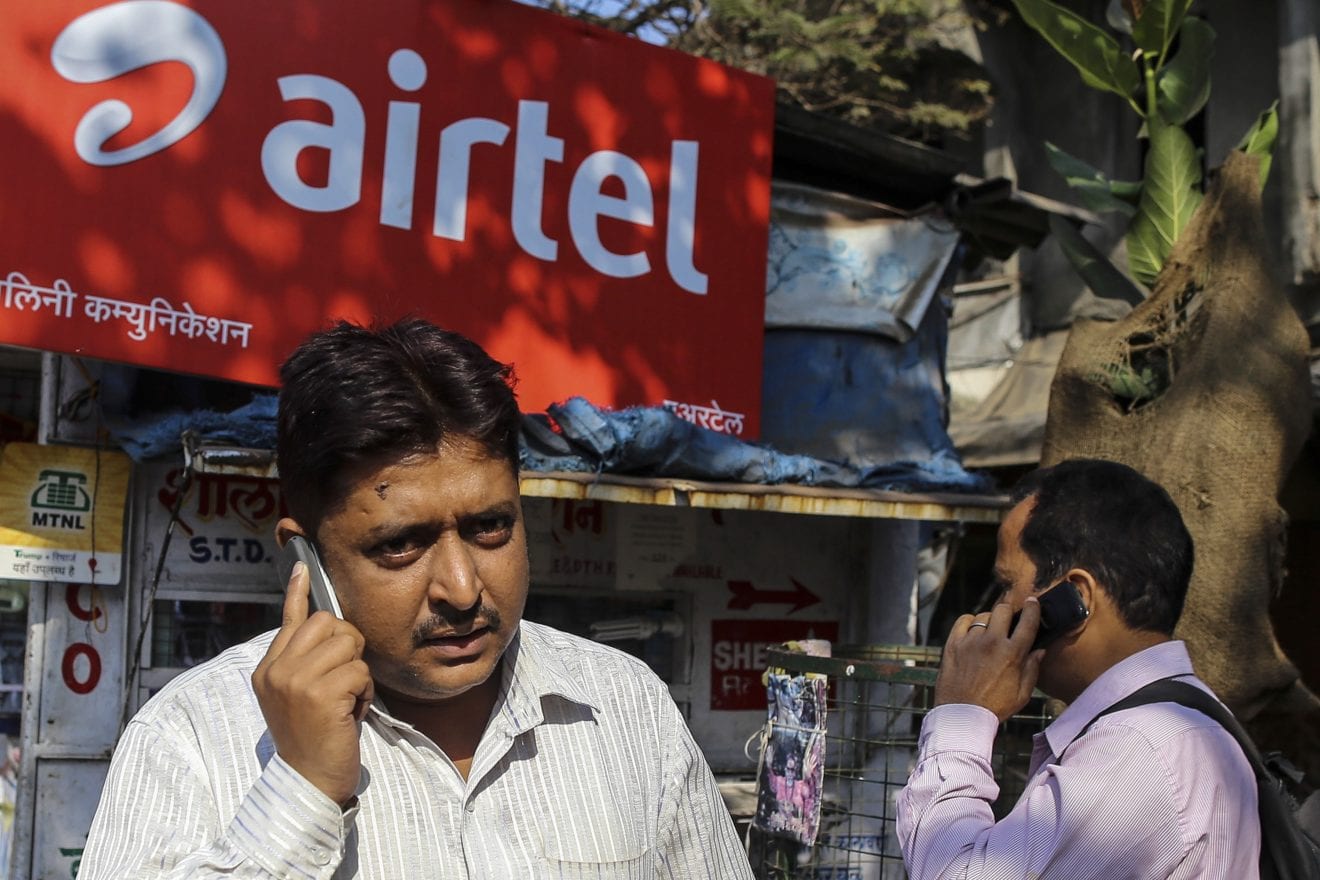
    India’s largest operator by subscribers Bharti Airtel has accused disruptive new market entrant Reliance Jio Infocomm of attempting to distort competition and create a monopoly with its proposal to scrap the current interconnect usage charge (IUC).

    At an industry consultation held by telecoms regulator Trai to discuss the future direction of India’s planned new national telecoms policy, Jio called for the current 0.14 rupee IUC to be abolished and replaced with a “bill and keep” regime.

    But the proposal was strongly opposed by incumbent operators including Airtel, with the operator’s chief regulatory officer accusing Jio of attempting to “build its business by getting a free ride on the highways built by Airtel and other operators.”

    He said Jio appears to be attempting to engineer a monopoly situation by unduly burdening the existing operators.

    While Jio accused Airtel of earning excess revenue from the current IUC, Airtel has insisted it is in fact losing 5.5 billion rupees ($85.4 million) per month interconnecting the large volume of calls coming from Jio’s network.

    Jio burst on to the scene last year with a cutthroat promotional offer involving providing free services for a six month period to customers porting to its network. The company now charges for data but plans to keep voice calls free in perpetuity.

    Some Indian MPs, consumer activists and Reliance Jio partner Reliance Communications have also called for the IUC to be scrapped, whereas top operators Airtel, Vodafone India and Idea Cellular want the charge to be raised.

  • Viettel’s overseas pre-tax profit hits US$41.2 million

    Viettel’s overseas pre-tax profit hits US$41.2 million

    Military-run telecom group Viettel, one of Vietnam’s three largest mobile service providers, recorded a pre-tax profit of VND1 trillion (US$41.2 million) from its overseas investments in the first half of 2017, a 156 percent year-on-year increase, according to Viettel’s latest report.

    The report, which reviews the business results of Viettel’s overseas investments in nine markets, showed that in H1, Viettel’s revenue rose by 25 percent compared to the same period last year, to VND14 trillion ($600 million). Particularly, revenue in Peru posted the highest growth rate of 82 percent, following by Burundi at 38 percent, East Timor at 29 percent and Haiti at 15 percent.

    The positive results came from revenue generated by mobile phone telecommunication services, especially new services such as 4G, e-wallet and large information technology projects for governments and businesses.

    The projects include the line connecting East Timor, Laos population management system, transmission channel for the Mozambique Ministry of Home Affairs and Ministry of Higher Education, Science and Technology, and a tax payment system for Burundi.

    Viettel also received positive signs from Lao market, with its Unitel brand maintaining its leading position with four million subscribers. Its Telemor brand in East Timor has been granted a new frequency to expand its network, thus bringing in a revenue of several million US dollars.

    The favorable exchange rate in Viettel’s overseas markets also contributed towards good business results.

    The achievements are expected to be a pre-condition for a higher growth rate for the group this year. Viettel has targeted a strong growth rate of 35 percent, with around 50 million subscribers, in 2017. Revenue from overseas investment has been set at VND32 trillion ($1.4 billion) and its growth rate at 29 percent this year.

    The group plans to complete building network infrastructure in its tenth market, Myanmar, this year, as well as create modern broadband infrastructure for 4G in these markets.

    Viettel currently has operations in 9 overseas markets including Laos, Cambodia, East Timor, Cameroon, Haiti, Mozambique, Burundi, Peru, and Tanzania, with operations in Myanmar expected to begin in the first quarter of next year.

    Viettel earned VND226.5 trillion in revenue in 2016, equal to 100 percent of its annual plan, while pre-tax profit was VND43.2 trillion, or 101 percent of its annual plan.  The military-run company had 7.4 million new subscribers as at the end of 2016, bringing its total to 90 million.

  • M1 1H profit falls 17.6%

    M1 1H profit falls 17.6%

    Singapore’s M1 has reported a 17.6% slump in net profit for the first half of the year to S$68.8 million ($50.3 million) as a result of flat revenue and higher depreciation and interest expenses.

    Service revenue stayed at $406.2 million despite a 22.3% year-on-year increase in fixed service revenue to S$61.2 million.

    Mobile revenue by contrast fell 2.9% to S$317.1 million, and international call services revenue declined 9.6% to S$28 million.

    M1’s total customer base grew 4.5% during the six-month period to 2.2 million, including 176,000 fiber customers.

    On the mobile front, postpaid customers grew 3.7% to 1.3 million with prepaid customers up 2.5% to 777,000. But the shutdown of the operator’s 2G network during Singapore’s 2G switch-off led to a slight decline in total mobile customers to 2.04 million.

    M1 also announced an increase in average postpaid smartphone data usage to 3.9GB per month, up from 3.3GB a year ago. Mobile data’s contribution to total service revenue meanwhile increased 1.5 percentage points to 55.5%.

    Based on the first-half results and the current economic outlook, M1 said it is forecasting an overall decline in net profit for the full year, but CEO Karen Kooi said the company is positioned for long term growth.

    “M1 is well positioned to capture new opportunities presented by the digital economy. We have been investing in NB-IoT network and digital solutions, and expanded our offerings to include managed infrastructure services, cyber security, business solutions and analytics,” she said.

    “This would enable us to better serve our customers and generate new revenue streams for future growth.”

  • Hawaiki commissions cable landing station in New Zealand

    Hawaiki commissions cable landing station in New Zealand

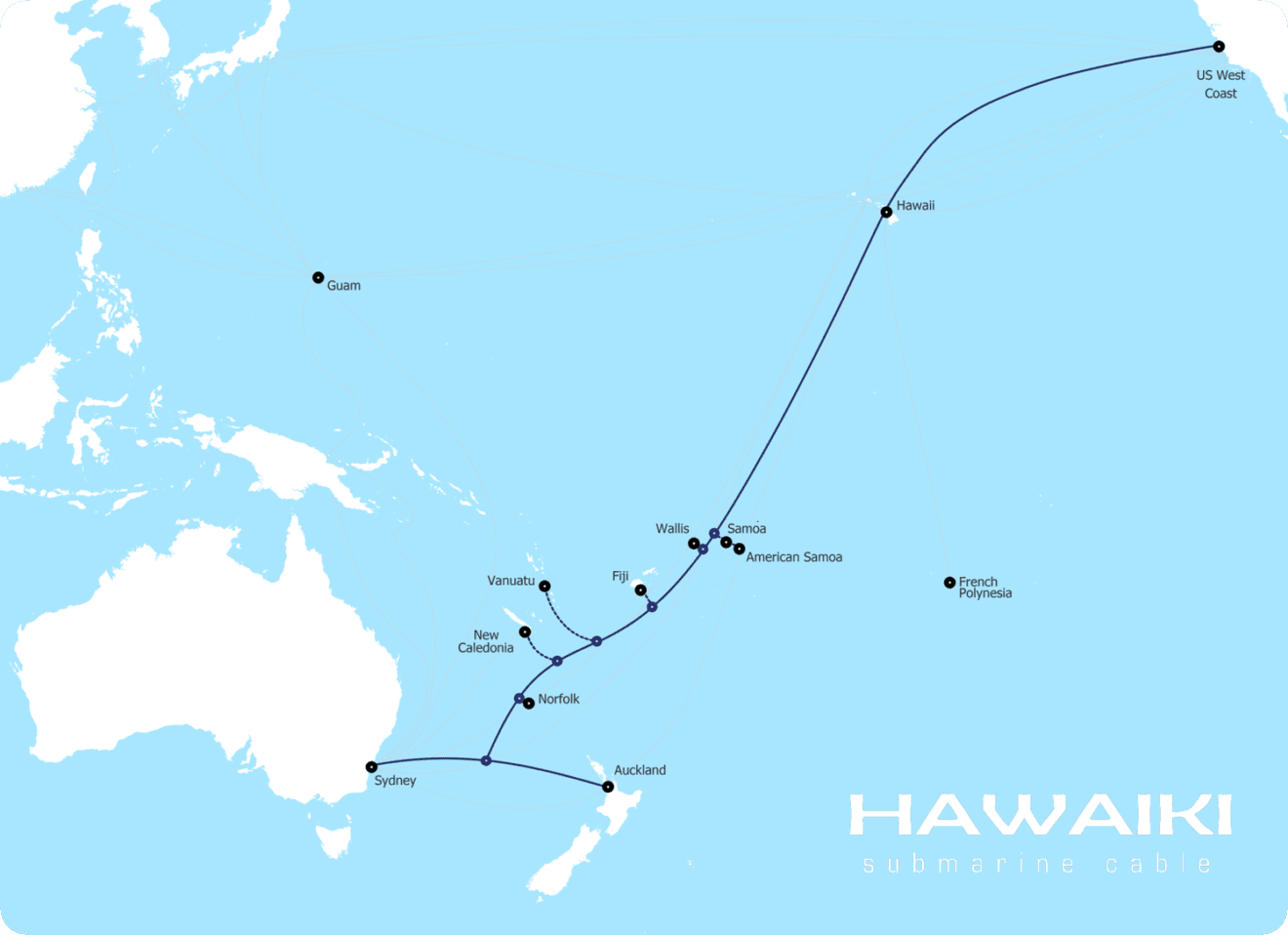
    Hawaiki Submarine Cable, the company building a subsea cable between Australia, New Zealand, Hawaii and the mainland US, has commissioned the construction of the New Zealand cable landing station.

    New Zealand electrical engineering and construction company McKay has been commissioned to construct a landing station at Mangawhai Heads on New Zealand’s North Island.

    The multi-million dollar contract covers the complete civil, building and electrical work, including standby generation and uninterruptible power supply systems.

    “This contract represents a key step forward for Hawaiki system deployment in New Zealand,” Hawaiki CEO Remi Galasso said.

    “We are proud to participate to the economic development of the Northland region and are confident that McKay will deliver this critical piece of infrastructure in the most efficient and timely manner.”

    The Hawaiki cable is scheduled to be ready for service by June next year. As well as the main route, the cable will have options to branch to several islands in the South Pacific, including Fiji, Tonga, New Caledonia and American Samoa.

    The cable will have a design capacity of 42Tbps, making it the highest cross-sectional capacity link between Australia, New Zealand and the US.

    In May, Hawaiki announced that manufacturing of the 14,000km cable is nearing completion.

  • SoftBank forms joint venture with WeWork

    SoftBank forms joint venture with WeWork

    Japan’s SoftBank has forged a joint venture with WeWork Companies to bring WeWork’s novel workspace as a service offering to Japan.

    The two companies will each own 50% of the joint venture, which will operate under the name of WeWork Japan.

    By entering Japan, WeWork will expand its global community and connect its more than 130,000 members to the innovative and growing Japanese market.

    “WeWork is disrupting preconceived notions of work styles and opening up myriad opportunities for the next generation of creators around the world by taking a scientific approach that fully utilizes the latest technologies,” said Masayoshi Son, chairman and CEO of SoftBank Group.

    WeWork, a platform for creators, has created an extensive global network of shared workspaces. The company provides an entirely new way to work by offering flexible space, services, and a connected community network to creators, entrepreneurs, small and medium businesses, and multinational companies.

    WeWork’s “space as a service” solution enables companies of all sizes to enter and exit markets opportunistically, grow and shrink office footprints according to their needs, and pursue new business lines and ideas in a way that best suits their particular needs.

    In offering its services in Japan, WeWork hopes to build connections between non-Japanese members of WeWork’s global network and the creators and businesses that drive the world’s third largest economy.

    WeWork has diversified its product offering to better accommodate the needs of enterprise companies, and more than 10% of Fortune 500 companies are members with WeWork.

    WeWork plans to launch its first location in Tokyo in early 2018. To oversee this launch and scale its Japanese operations, WeWork has appointed Chris Hill to serve as the CEO of WeWork Japan.

  • ZTE unveils NB-IoT based intelligent energy management system

    ZTE unveils NB-IoT based intelligent energy management system

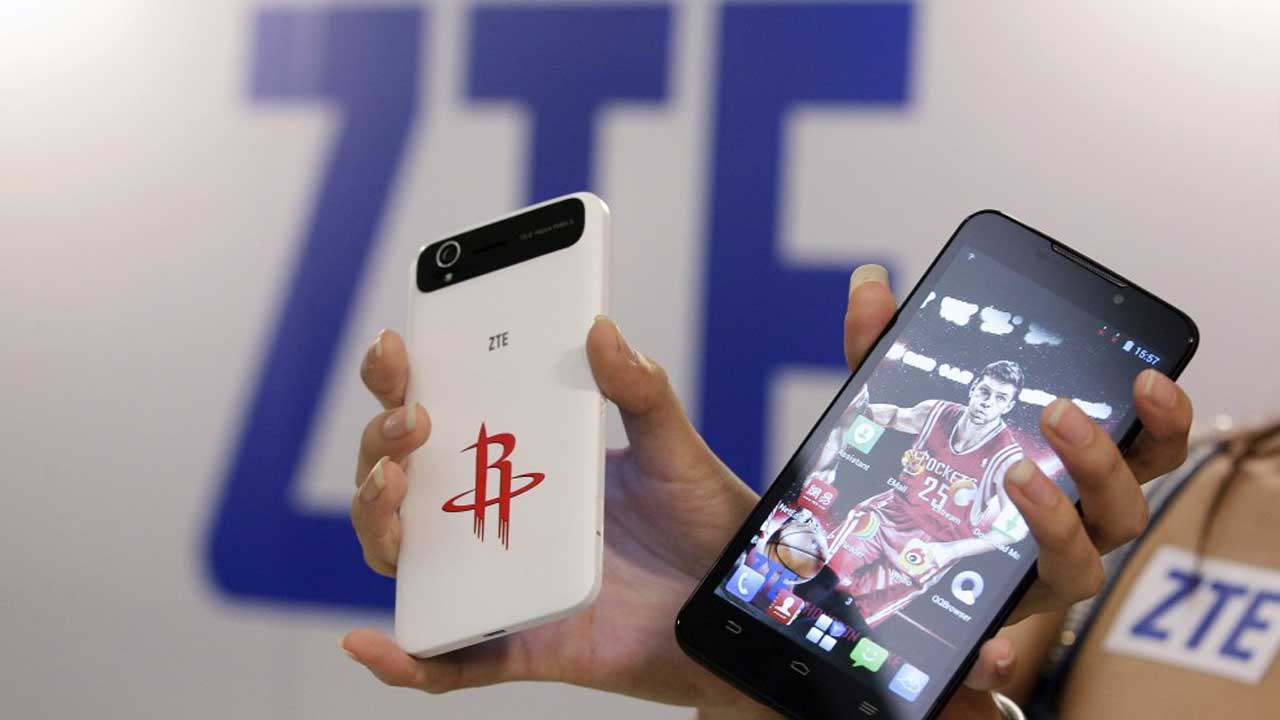
    ZTE has released an intelligent energy management system designed to operate over Narrowband IoT (NB-IoT) network, which has been installed as a pilot project in Zhangjiang Intelligent Park.

    The system leverages IoT technologies for energy-saving and emission reduction management.

    For technology enterprises, laboratory equipment accounts for a high percentage of electricity consumption to ensure efficient operations. However, equipment often remains idle outside of office hours.

    With ZTE’s NB-IoT Intelligent Energy Management System, enterprises can leverage its energy-saving control function to effectively reduce energy consumption during research and production.

    With the use of NB-IoT technologies, this system comes with lower investment costs and higher rate of returns, featuring wider coverage, shorter construction lead time and ease of operations, ZTE said.

    A built-in chip module developed by ZTE also makes remote control and strategy customization feasible, enabling users and enterprise management to easily implement personalized management for each device, and minimize energy consumption.

  • Cisco Jasper launches multi-tier IoT platform

    Cisco Jasper launches multi-tier IoT platform

    Cisco Jasper has unveiled “Control Center,” a new expanded model to bring the benefits of its IoT connectivity platform to a broader audience.

    Control Center 7.0 addresses business’ needs for greater flexibility with a new multi-tiered IoT platform that gives companies various options to meet their specific needs, regardless of their stage of IoT implementation.

    This new platform is also paired with a new set of premium services that address previously unmet needs in the industry related to IoT monetization and security.

    “What we’ve learned from enabling IoT success for our 11,000 customers is that companies have different needs at different stages of their IoT journey,” said Jahangir Mohammed, general manager of IoT at Cisco.

    “We’re introducing the biggest evolution of our Control Center IoT platform ever, providing a flexible model and new premium services that help meet the needs of customers at any phase,” said Mohammed.

    With Control Center 7.0, Cisco Jasper is introducing a unique approach to IoT solutions unmatched in the industry, giving customers and service provider partners the flexibility to select and customize the capabilities and services that are right for their deployment, while also providing an easy path for growth as their IoT businesses scale.

    AT&T, a Cisco Jasper service provider, is integrating these additional capabilities to meet IoT needs for a broad range of industries. The platform will be called AT&T Control Center-Advanced, and will be paired with additional premium services.

  • Ericsson swings to $120.4m Q2 loss

    Ericsson swings to $120.4m Q2 loss

    Ericsson has revealed plans to accelerate its turnaround strategy after swinging to a 1 billion kronor ($120.4 million) loss in the second quarter.

    Net sales for the quarter fell 8% to 49.9 billion kronor, or 13% adjusted for constant currency. Ericsson also reported a 1.2 billion operating loss, of a slim 300 million kronor profit excluding restructuring charges.

    Ericsson’s operating margin fell to 10%, with networks operating margin reaching 7%, due to the rough economic environment for the telecoms sector. Ericsson warns it expects a high single digit percentage decline in the RAN equipment market for the full year.

    “We are not satisfied with our underlying performance with continued declining sales and increasing losses in the quarter. Execution of our focused business strategy is gaining traction. However, in light of current market conditions, we are accelerating the planned actions to reduce costs,” Ericsson CEO Börje Ekholm said.

    “The decline in the networks result in the quarter was mainly caused by lower software sales, driven by two key factors; unusually strong software sales in the second quarter last year and cautious mobile broadband investment levels.”

    He said the vendor will continue to explore performance improvements in the segment by pursuing cost reductions and continuing the ramp-up of its Ericsson Radio System product. The company has also started to increase R&D investments in networks to safeguard its market position in the future.

    Ericsson is considered a bellwether for the telecoms sector, so the results serve as something of an indication for the health of the equipment market.

  • The most promising 5G operators named

    The most promising 5G operators named

    Although 5G is still a few years from becoming a reality, Juniper Research has identified five mobile carriers as the “most promising 5G mobile network operators” – namely SK Telecom, NTT Docomo, KT Corp, China Mobile and AT&T Mobility.

    South Korean mobile carrier SK Telekom ranked No 1 for the extent of 5G trials over the past 24 months in the fields of millimetre wave spectrum, MIMO (Massive Input, Massive Output) transmission and network slicing.

    The ranking process included analysis of time in development, breadth and value of partnerships and progression of 5G network testing, Juniper Research says in its new report.

    Additionally, the research firm forecasts that 5G operator-billed service revenues will reach $269 billion by 2025, rising from $851 million in 2019 – achieving 161% CAGR (compound annual growth rate) over the first seven years of 5G services.

    Two thirds (66%) of all the revenues will come from North America and Far East & China by 2025.

    Meanwhile, as 5G spectrum auctions and infrastructure build-out costs would necessitate a diverse range of strategies to maximize operator return on investment, this need is compounded by the ongoing fall of average revenues per connection.

    As such, adoption of software-based network solutions will lower investment costs, enabling operators to begin realizing a return on investment as early as 2024, Juniper predicts.

    The research firm also emphasizes the importance of these technological solutions in addressing varying 5G use cases.

    “Network virtualization will become increasingly prominent as operators aim to lower expenditures,” notes research author Sam Barker. “Adoption of the technology is critical to the wide-ranging demands of future 5G networks.”

    Juniper says the research is based on the latest market data and takes into account the accelerated status of current operator and vendor developments, with network launches expected to occur during 2019, a year earlier than originally anticipated.

  • Global telecoms revenues to grow 2% in 2017

    Global telecoms revenues to grow 2% in 2017

    Worldwide IT spending is expected to increase by 4.5% in 2017 in constant currency terms, a significant improvement on last year’s growth of 2.5%, according to IDC.

    The latest addition of the research firm’s  Worldwide Black Book forecasts that total IT spending this year will reach $2.1 trillion and is forecast to increase by another 4% in 2018 as positive momentum continues into next year.

    Including telecom services, which will increase by just over 2% in constant currency terms this year, the overall ICT market will reach $3.5 trillion in 2017.

    Growth is being driven by stronger upgrade cycles for infrastructure and mobile devices.

    APeJ will post the strongest regional growth in IT spending this year, IDC predicts, with the company projecting an 8% increase in constant currency terms.

    China and India are both expected to post overall IT spending growth of 10% in constant currency terms this year, although China is likely to see a moderating pace of growth in the next few years as the economy begins to slow.

    The strongest growth this year will come from infrastructure hardware, enterprise software, and mobile devices. With cloud service providers expected to accelerate their datacenter investments in order to keep pace with growing demand for cloud services, total server spending will increase by 4% this year and 5% in 2018.

    Smartphone sales will improve compared to 2016

    Last year saw a significant slowdown in the smartphone market, as increasing maturity and price competition affected many markets. Stronger growth is expected in the second half of 2017, as premium vendors launch significant new products while smartphone penetration and value continues to grow steadily in key emerging markets including China.

    Overall smartphone spending will increase by 7% this year to $439 billion, a big improvement on last year’s 1% growth.

    “Cloud and mobile are still the big drivers for IT spending, despite the attention devoted to new technologies like augmented reality, artificial intelligence, and robotics,” IDC VP for customer insights and analysis Stephen Minton said.

    “New technologies will drive a larger share of market growth in the next 5-10 years, but the short term will also see a resurgence of growth in markets tied to 3rd Platform opportunities, including cloud services, mobility and big data.”

  • Davao gains first Globe Telecom Gen3 store

    Davao gains first Globe Telecom Gen3 store

    Globe Telecom has opened its first Gen3 store for Davao City, at Gaisano Mall of Davao.

    It is described as “a new retail experience” by Irra Zarina Escandor, who owns GMI Global Ventures, the first Gen3 store owner in Davao City.

    Gmall Globe Gen3 store retail manager Ace Cabana says customers will experience lifestyle vignettes designed to catch attention. There will not be any queues as a tablet will be used to help customers.

    Cabana says the topography of the store is reconfigurable and interactive. Globe products and services will be showcased within different zones featuring video-on-demand providers, music providers, plan packages and gadgets.

    Designed by Tim Kobe, founder/CEO of Eight and designer of Apple Stores and Nike pop-ups, the Gen3 stores were first launched simultaneously in Mindanao’s Limketkai Mall in Cagayan de Oro City, and at SM North Edsa in Quezon City.

  • South Korea leads APeJ by IoT readiness

    South Korea leads APeJ by IoT readiness

    South Korea, Singapore, New Zealand and Australia are the most IoT prepared countries for the IoT, according to IDC.

    The research firm’s Asia Pacific (excluding Japan) IoT Readiness Index  ranked 13 APeJ nations (mix of developed and developing) across 13 critical parameters such as economic stability, technology spends, innovation potential, etc. as articulated in the global G20 study.

    While globally United States, South Korea and United Kingdom led this model, in the region the top three countries are South Korea, Singapore and New Zealand respectively. These have the most efficiencies for nationwide IoT adoption across all criteria.

    APeJ comprises a significant portion of spend in the IDC IoT Spending guide. The regional economies provide a rich diversity and quality of overall economic stature, business readiness, and technological preparedness along with different levels of efficiencies that loT solutions can create.

    “Countries are keen to demonstrate their relative digital competitiveness, and as such are looking to The Internet of Things as one of those initiatives,” IDC associate vice president for the IoT in APeJ Hugh Ujhazy said.

    “Knowing where a country stands in the IoT index will help global and local IT vendors know what opportunities lie ahead of them as they line up their strategies at federal, local, and enterprise levels.”

  • Globe commences Massive MIMO rollout

    Globe commences Massive MIMO rollout

    The Philippines’ Globe Telecom has commenced the commercial deployment of massive multiple input multiple output (MIMO) technology to improve the mobile connectivity experience in dense urban areas.

    The commercial deployment follows initial testing of the technology in the Makati financial district of Metro Manila. The testing demonstrated the ability of the technology to improve capacity up to six times compared to a regular site.

    Globe’s initial rollout will cover 150 cell sites, mostly in Southern Luzon and Northern Luzon, according to Joel Agustin, SVP for program governance at the operator’s Network Technical Group.

    “The use of massive MIMO technology is an important component of our goal to stay ahead of the demand curve for data capacity in densely populated and high-foot traffic areas,”  he said.

    Globe this month also became the first operator in the world to activate massive MIMO using two-carrier aggregation, the company said.

    The deployment makes use of Globe’s 2.6-GHz spectrum holdings. Globe acquired additional 2.6-GHz spectrum from last year’s joint purchase of San Miguel’s telecoms assets with rival PLDT.