Category: Telecom

Retail News Asia is committed to providing both local and global retailers with the latest Telecom & Telco news throughout the Asian market. This on a daily base.

  • Equinix deploys Facebook-designed optical switches

    Equinix deploys Facebook-designed optical switches

    Equinix is collaborating with Facebook and the Telecom Infra Project (TIP) to deploy and test Voyager, the Facebook-designed packet optical switches, inside two of its IBX data centers.

    As part of the TIP “Open Optical Packet Transport” project group, Equinix is working closely with Facebook to field-test this next-generation packet optical networking technology.

    Voyager is the first step in Facebook and Equinix’s goal of developing the next-generation network ecosystem for hardware and software.

    Equinix said it will continue to work with Facebook and other vendors to include TIP-based hardware and software in their architectures as they deploy inside Equinix and develop the TIP ecosystem.

    By working as part of TIP, Equinix is helping to define the deployment, operational and support models for the new disaggregated and virtual networking infrastructure.

    Initial testing of the Voyager open packet-optical switch took place in Equinix’s SV3 and SV8 IBX data centers in Silicon Valley. Voyager is a combination of compute, switch, router and DWDM transport technologies. Preliminary results showed zero packet loss and significant overall cost savings due to this disaggregated hardware and software networking model.

    “This emerging world of disaggregated optical networking will need a physical aggregation point where all the hardware and software can come together,” Equinix CTO Ihab Tarazi said.

    Facebook director of engineering Hans-Juergen Schmidtkeat added that the Voyager ecosystem will serve as a first ever white box for switching, routing and DWDM in the wide area networks to exemplify a new way of open collaboration and innovation and has been contributed to the TIP community.

  • Apple to invest $1b in SoftBank tech fund

    Apple to invest $1b in SoftBank tech fund

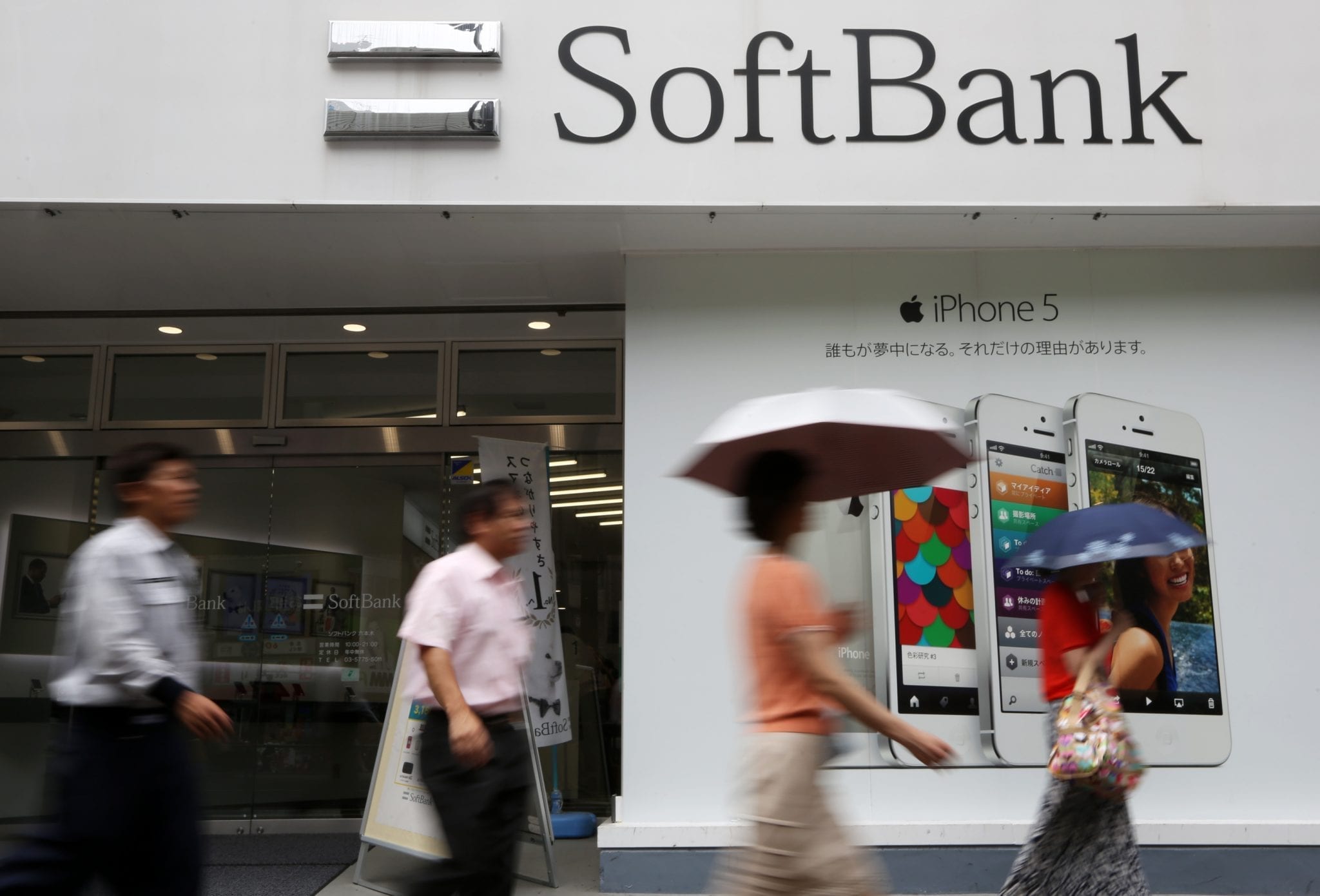
    Apple has revealed plans to invest $1 billion in Japanese telecom behemoth SoftBank’s $100 billion technology venture capital fund.

    Apple will join a list of investors that are also expected to include Foxconn Technology Group and Oracle chairman Larry Ellison. Companies including Qualcomm have already committed to the fund.

    The $100 billion SoftBank Vision Fund will invest in strategic technology areas such as the IoT and AI as part of efforts by SoftBank CEO Masayoshi Son to help the company capitalize on emerging opportunities.

    The report quotes a market analyst as stating that that the investment could be aimed at helping Apple’s core smartphone business stay competitive as the IoT market expands, and could also reflect the company’s increasing interest in partnering with other companies for growth.

    Apple does not have a track record of investing in venture capital funds, but the company has been changing its investment strategy recently to reflect evolving market dynamics.

    This change in strategy and growing interest in partnerships was reflected by the company’s $1 billion investment in China’s home-grown Uber alternative Didi Chuxing last year.

  • Nokia, Vodafone trial cloud-based RAN

    Nokia, Vodafone trial cloud-based RAN

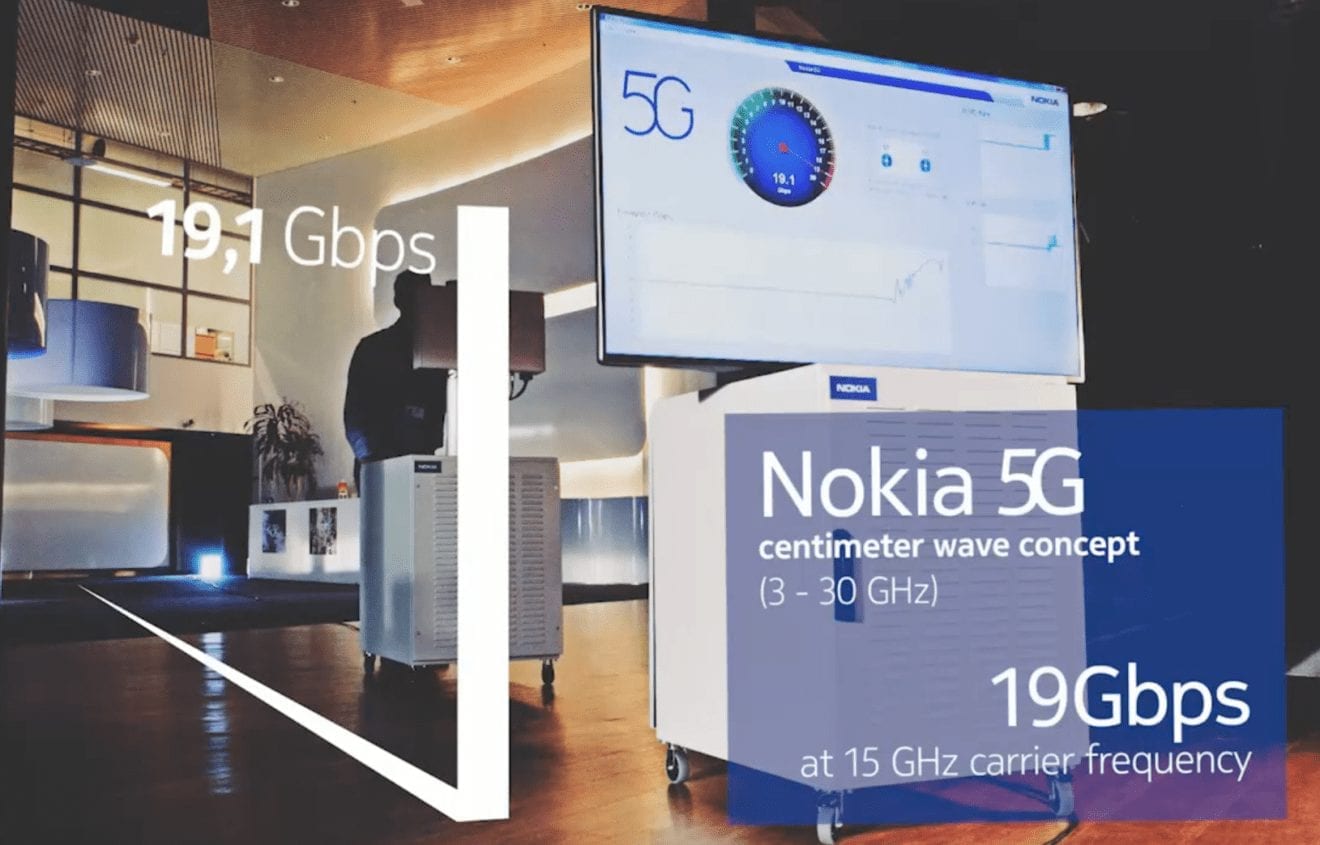
    Vodafone has teamed up with Nokia to trial cloud-based radio access network (RAN) technology to see how it will stack up for the transition from 4G to 5G networks.

    During the trial, which occurred at the operator’s testing facility in Italy, Vodafone used Nokia’s AirScale Cloud RAN running on its AirFrame network functions virtualization (NFV) infrastructure.

    By combining cloud RAN with NFV, Vodafone was able to split baseband processing functionality between real-time and non-real-time functions allowing for time-critical functions to be performed close to the edge of the network.

    Non-time critical functions were then centralized and virtualized in the NFV infrastructure platform at the end of the RAN. Ethernet-based fronthaul was used to provide connectivity to the virtualized functions.

    The trial looked at peak data rates as well as download and upload speeds during a variety of different scenarios on the macro network using high-powered macrocells.

    According to Vodafone, the test demonstrated that a cloud RAN-based architecture can provide the same level of service as a conventional LTE network. In addition, the cloud RAN met the operator’s criteria for throughput, capacity, and resiliency while also providing additional flexibility and scalability.

    Santiago Tenorio, head of networks, Vodafone Group, said: “Working with Nokia on this trial we have seen how the application of Cloud RAN architecture can help the network react to changing demands quickly. It speeds up the delivery of services and will help with the transition to 5G.”

  • Taiwan’s NCC urges 2G users to upgrade by June

    Taiwan’s NCC urges 2G users to upgrade by June

    Taiwan’s National Communications Commission has launched a new awareness campaign urging the nation’s remaining 2G subscribers to migrate to 3G or 4G before the 2G licenses expire on June 30.

    The regulator has produced two TV commercials to spread awareness of the advantages of 4G and the necessity of migrating.

    As of November there were around 430,000 remaining 2G subscribers, with 290,000 of these being Chunghwa Telecom customers and the remainder divided between Taiwan Mobile and Far EastTone.

    While all Taiwan’s 2G licenses are set to expire on June 30, triggering the sunsetting of the technology, the regulator has decided to provide a six-month grace period after this date. This will allow any remaining 2G hold-outs to migrate to the newer standards before losing services.

    The three operators are meanwhile offering low-price options to entice 2G users to upgrade.

    Chunghwa Telecom, for example, is offering a special rate of NT$88 ($2.73) per month for customers upgrading from 2G to 4G, which includes 1.5GB of data, 30 minutes of intra-network calls and 5 minutes of cross-network calls.

  • Nepal Telecom launches 4G services

    Nepal Telecom launches 4G services

    State-owned operator Nepal Telecom has launched 4G services over the 1800-MHz band in the Kathmandu and Pokhara areas. The operator has upgraded 308 base stations in the Kathmandu area and 25 in Pokhara to support 4G services.

    Currently Nepal Telecom is only able to provide 4G using 5 MHz of 1800-MHz spectrum, limiting peak data speeds to 32.4Mbps. But the operator has asked regulator NTA for another 5 MHz, which will allow a speed increase to 100 Mbps.

    According to the report, the company is currently providing 4G data services at 3G rates – a base rate of 1 rupee ($0.0091) per megabyte – but plans to reduce the tariff shortly.

    The network is at present only available for Nepal Telecom’s GSM postpaid customers. The operator is also yet to make a deal with Apple to allow the use of iOS devices on its 4G network

    Nepal Telecom secured a 4G operating license in October, after the NTA approved the operator’s 4G application the previous month. The operator plans to progressively roll out 4G nationwide.

  • Airtel close to deal to buy Telenor India

    Airtel close to deal to buy Telenor India

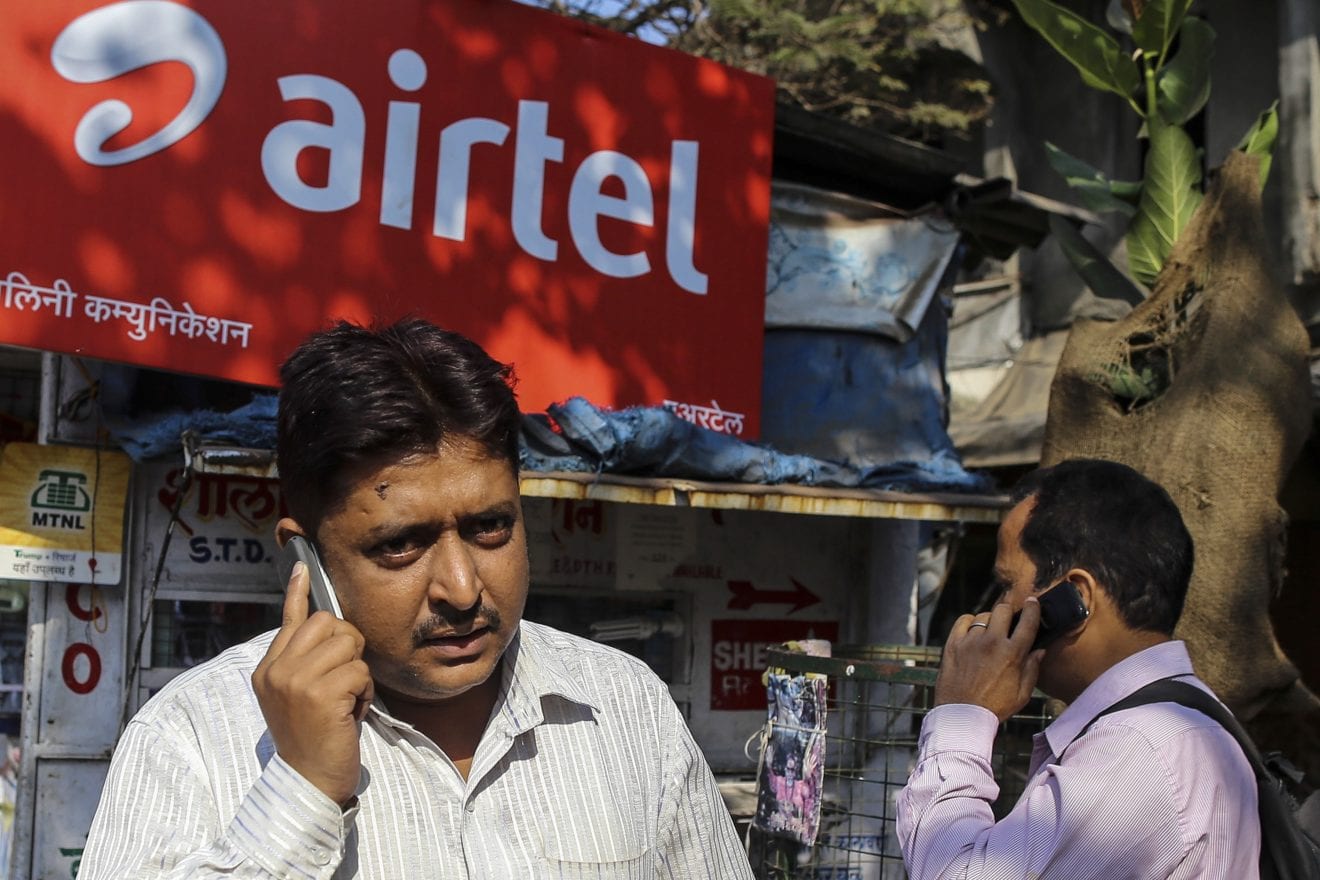
    Bharti Airtel is reportedly in advanced negotiations to buy out Telenor’s Indian operations through a debt acquisition deal. Airtel is planning to take on debt of around 15 billion rupees ($219.6 million) from Telenor by way of payment for the purchase.

    Russian telecoms group Telenor is seeking to exit the Indian market through the deal. According to the source, third-ranked Idea baulked at a deal because the operator did not want to take on additional debt, and had offered equity instead. Telenor had also approached various other operators including Vodafone but had been unable to clinch an agreement.

    While Airtel is reluctant to increase its existing $12.23 billion debt burden, the operator was lured in  by Telenor’s 4G spectrum holdings in seven of India’s 22 telecoms circles.

    The acquisition won’t cover all Telenor’s Indian debts, and the company will have to cover the remainder, the report states.

    Telenor has been considering exiting the Indian market for some time. The operator’s efforts to establish a competitive foothold in the market were dealt a serious blow by the cancellation of its 2G licenses in 2012 as part of a supreme court decision revoking 122 licenses issued under a former telecoms minister’s regime. Telenor India never fully recovered from this setback despite purchasing new licenses in seven circles.

  • Submarine internet link completed

    Submarine internet link completed

    The Asia Pacific Gateway (APG) submarine fiber optic cable line has been put into operation after four years under construction.

    The APG, funded by VNPT, Viettel, FPT and CMC, aims to boost Vietnamese Internet speed.

    The operation of the network aims to reduce dependence on the Asia-America Gateway (AAG) as the AAG faced incidents three times last year, which affected not only individual users but also enterprises.

    The APG boasts a capacity of 54 Tbps, the highest of any network in Asia. With a total length of approximately 10,400km, the cable line connects mainland China, Hong Kong, Taiwan, Japan, the Republic of Korea, Malaysia, Singapore, Thailand and Việt Nam.

    Initiated in 2009, the APG is a partnership between Chunghwa Telecom (Taiwan-China), China Telecom (China), China Unicom (China), KT Corporation (RoK), NTT Communications (Japan), PLDT (the Philippines), Telekom Malaysia (Malaysia) and VNPT (Việt Nam).

    Viettel has also been investing in an Asia Africa Euro-1 (AAE-1) cable system, connecting countries in Asia, Africa and Europe. The cable line is expected to operate this year.

  • Huawei expects to report growth slowdown for 2016

    Huawei expects to report growth slowdown for 2016

    Huawei has revealed it expects to report a 32% revenue growth for 2016 to 520 billion yuan – a slowdown compared to the 35% growth recorded in 2015, but still a solid performance in a tight market.

    In a new year message, rotating CEO Eric Xu attributed the slower growth to the “flock of black swans – both political and economic” that swept across the globe during the year.

    This year is expected to bring even greater political and economic uncertainties and continued impact from the transformation of the ICT industry, he said. As a result, Huawei plans to take a series of measures to address the critical issues it could be facing.

    These measures will include business transformation and organizational restructuring efforts to position Huawei to better serve carrier customers.

    “Moving forward, we will work to enable carriers’ networks to support more connections; help them position video as a basic service and achieve business success; lead the transformation of their IT systems towards cloud architecture; and assist them in building digital operations that deliver a real-time, on-demand, all-online, do-it-yourself, and social (ROADS) user experience,” Xu said.

    “Where we stand now, Huawei must maintain a global view and adopt a wider perspective of the industry as we help carriers to transform and thrive with more revenue streams. This is a clear strategic decision for us in this new era.”

    The vendor will also strive for greater operational efficiency, develop a contingency plan to deal with financial crises and develop an oversight and accountability system for the company’s consumer business, among numerous other changes.

    “We are in an era of change, and change is opportunity. We must have strategic confidence and enhance our ability to adapt. Don’t cling to what has worked or what we’ve gained previously. Past success is not a reliable indicator of the future, and a long list of accomplishments might end up nothing more than an epitaph,” Xu concluded.

    “Moving forward, we need to hone our skills, step up to the plate, and aim for the stars. As long as we remain practical and stay focused, we will definitely be able to seize the opportunities before us and become an enabler of the intelligent world.”

  • Viettel gives users free SIM before 4G launch

    Viettel gives users free SIM before 4G launch

    Viettel Telecom will provide free 4G SIM cards to its users ahead of the launch of its 4G network in the first quarter of 2017.

    From January 1 to March 1, customers can visit Viettel’s shops, supermarkets and postal offices nationwide to swap their current SIMs for 4G SIMs.

    Viettel said its infrastructure is in place for the launch of 4G services, which will allow its users to watch HD videos, do video streaming and download and upload quickly. The 4G service will be compatible with all types of mobile phones in the market.

    In Hà Nội and HCM City and other key cities, customers will be able to enjoy the 4G service as soon as Viettel completes installing its base transceiver stations.

    “We invested in equipment and started installing infrastructure to widen the 4G coverage area as soon as we got the licence. Viettel expects a mobile internet boom in Việt Nam and 4G to become hugely popular,” said Hoàng Sơn, Viettel Telecom’s General Director.

    Viettel is the only network provider in Việt Nam that has successfully launched 4G across different markets in the world, such as in Burundi, Laos, Haiti and Peru.

  • Viettel pioneers free roaming in Cambodia, Laos, Vietnam

    Viettel pioneers free roaming in Cambodia, Laos, Vietnam

    Vietnam’s state-owned telecom Viettel will eliminate overseas roaming charges between its operators in Vietnam, Laos, and Cambodia from January 2017.

    “Users of Metfone in Cambodia, Unitel in Laos and Viettel in Vietnam will be charged at the local mobile fee when they make cross-border calls to each other,” said Nguyen Manh Hung, Viettel’s managing director, who regards the three countries as an economic and cultural bloc.

    Discussions about free roaming services started years ago in Australia, Europe, and New Zealand, but without bearing fruit. Free roaming within the Association of Southeast Asian Nations has also been discussed by regional ministers since 2013.

    Viettel has well-established infrastructure in the three countries, and is the first telecom to launch such a service within a regional economic bloc, promising cheaper cross-border rates for calls and data.

    In a statement released on Thursday, Viettel said it expected its individual operators to lose some revenue initially with the reduced charges, but provided no figures. The figure could be 2% according to one Europe model in 2013. Viettel expects users to become more active when they travel if they can continue paying domestic rates.

    Military-run Viettel posted revenue of $9.7 billion in 2015 with 13% year-on-year growth, and profits up 8% to $2 billion.

    As of September 2016, Viettel had 90 million customers, of which 26 million were in nine overseas markets: Burundi, Cambodia, Cameroon, Haiti, Laos, Mozambique, Peru, Tanzania, and Timor Leste. Viettel has targeted 25 countries by 2020.

    Cambodia and Laos were Viettel’s first foreign ventures, and remain its most profitable. By August, Unitel in Laos had $1 billion in accumulated revenue over seven years and aggregate profit of $300 million. Unitel has a brand value of $132 million, making it one of the 30 most valuable in the region and top in Laos, according to a report by UK-based Brand Finance in April. The company currently has more than 2.5 million customers. It accounts for 47% of Laos’s mobile market and 35% of the broadband market.

    Metfone in Cambodia has a brand value of $94 million and is the leading mobile service provider in the country with 5.5 million customers and 37% market share. It recorded $256 million in revenue last year.

    Viettel already operates in East Timor, and is about to launch in Myanmar with a $1.5 billion commitment and two local partnerships. It is also believed to be negotiating its entry into Indonesia.

  • China Mobile 4G sub reaches 510m in November

    China Mobile 4G sub reaches 510m in November

    China Mobile, the country’s largest mobile carrier, said its 4G subscriber base reached almost 510 million in November. This represents more than 30% of the world’s total 4G subscribers.

    Compared to a net increase of 16.6 million 4G users in October, China Mobile added over 12.5 million TD-LTE subscribers only last month, its slowest monthly growth this year.

    By comparison, China Unicom added over 5 million 4G customers in November, taking its 4G LTE subscribers base to 99 million. Smallest rival China Telecom added 4.3 million 4G users in November, bringing the total 4G subscriber base to 117.3 million. The operator added 58.84 million 4G customers in the last 11 months.

    Together the three Chinese mobile carriers had over 720 million 4G subscribers in November.

    In a separate announcement, China Mobile has signed a letter of intent with Vodafone, Ericsson and Lenovo to cooperate on the development of IoT.

    China Mobile will connect its IoT connection management platform with Ericsson’s DCP platform and Vodafone’s IoT platform to provide its enterprise customers with a unified global network access, portal experience and Service Level Agreements (SLAs).

    This will help drive China Mobile’s overseas market expansion and enhance the company’s service capabilities, the operator said.

    The partnership with Lenovo will see the Chinese PC maker launch a range of notebooks with built-in 4GLTE modules to offer customers with China Mobile’s high-speed 4G mobile internet services.

    China Mobile said there are currently almost 100 million devices connected to the operator’s IoT platform and the number is expected to double to 200 million by the end of 2017.

  • Nokia expands litigation against Apple to 9 more countries

    Nokia expands litigation against Apple to 9 more countries

    Nokia said Thursday it has increased the number of patent suits launched against Apple from 32 to 40, spread across 11 countries in US, parts of Asia and Europe.

    The move comes a day after Nokia revealing it was suing Apple for a number of patent infringements in the US and Germany, covering display, user interface, software, antenna, chipsets, video coding and other technologies used in devices such as the iPhone.

    On Wednesday, Nokia filed lawsuits in three German courts and two lawsuits in a US court in Texas.

    Nokia claimed Apple agreed to license some of its patents in 2011, but declined subsequent offers made by Nokia to license others of its technologies used by Apple products.

    “After several years of negotiations trying to reach agreement to cover Apple’s use of these patents, we are now taking action to defend our rights,” said Ilkka Rahnasto, head of patent business at Nokia.

    Nokia’s move comes a day after Apple filed on Tuesday an antitrust lawsuit against Acacia Research Corp and Conversant Intellectual Property Management, accusing them of colluding with Nokia to extract and extort exorbitant revenues unfairly from Apple.

    The lawsuits now extend to Finland (3 patents), UK (3 patents), Italy (4 patents), Sweden (3 patents), Spain (1 patent), The Netherlands (3 patents), France (1 patent), Hong Kong (1 patent) and Japan (2 patents), Nokia revealed on Thursday.

    In addition, Nokia has filed a complaint against Apple with the US International Trade Commission, which has the power to block the importation of products to the US if they are found to infringe patents. The USITC complaint covers eight patents.

  • StarHub launches services over APG submarine cable

    StarHub launches services over APG submarine cable

    Singapore operator StarHub has announced the launch of services over the new Asia-Pacific Gateway (APG) submarine cable network, which connects nine countries in the region.

    The APG is a 10,900 kilometre cable network system with capacity exceeding 54Tbps, the highest of any similar network in Asia.

    It has connection points in Mainland China, Hong Kong, Japan, Korea, Malaysia, Singapore, Taiwan, Thailand and Vietnam.

    There are three landing points in China – Shanhgai Nanhui, Chongming and Hong Kong – operated by major Chinese providers.

    “Singapore is China’s largest foreign investor. To serve Singapore enterprises expanding to China, we are pleased to provide them with a new international connectivity on APG, catering for the growing economic activities between China and Southeast Asia,” Benjamin Tan, vice president of international business at StarHub, said in a media release.

    StarHub has partnered with operators in each country to provide services for its enterprise customers requiring international connectivity to any of these overseas markets.

    APG also enhances StarHub’s international connectivity by providing traffic routing diversity to submarine cable systems such as Asia-Pacific Cable Network 2 (APCN2), Asia Submarine-cable Express (ASE) and Asia-America Gateway (AAG).

    This will provide Singapore based enterprises more options to connect to other parts of Asia Pacific as well as minimise impact of any service disruption resulting from submarine cable damage, which can be caused by accidents or natural disasters.

  • Nokia sues Apple for patent infringements in US and Germany

    Nokia sues Apple for patent infringements in US and Germany

    Nokia said on Wednesday it has filed a number of complaints against Apple in Germany and the US, accusing the iPhone maker of infringing on Nokia patents.

    Nokia’s lawsuits cover 32 patents on technologies such as display, user interface, software, antenna, chipsets and video coding. These lawsuits stem from a disagreement between Apple and Nokia over licensing fees for Nokia Technology.

    “Since agreeing a license covering some patents from the Nokia Technologies portfolio in 2011, Apple has declined subsequent offers made by Nokia to license other of its patented inventions which are used by many of Apple’s products,” the company said in a statement.

    The Finnish telecoms equipment firm said it had negotiated for “several years” with Apple but is now “taking action.”

    “Through our sustained investment in research and development, Nokia has created or contributed to many of the fundamental technologies used in today’s mobile devices, including Apple products,” said Ilkka Rahnasto, head of patent business at Nokia.

    “After several years of negotiations trying to reach agreement to cover Apple’s use of these patents, we are now taking action to defend our rights.”

    Nokia has filed the lawsuits in courts in Dusseldorf, Mannheim and Munich in Germany and the US District Court for the Eastern District of Texas, and “is in the process of filing further actions in other jurisdictions”, it said.

    Nokia’s move comes a day after Apple filed an antitrust lawsuit against Acacia Research Corp and Conversant Intellectual Property Management, accusing them of colluding with Nokia to extract and extort exorbitant revenues unfairly from Apple.

  • Mega-Clouds Drive Shift to Mega-Data Centers in Singapore

    Mega-Clouds Drive Shift to Mega-Data Centers in Singapore

    While Singapore has for years been the default data center location for US and European companies wanting to serve clients in Asia, the rise of the mega-clouds is changing market dynamics there as it has done in other major data center markets around the world.

    Companies like Microsoft and Google have built their own data centers in Singapore and leased capacity from data center providers there. Social networks LinkedIn (now owned by Microsoft) and Facebook occupy leased data center space on the island. There’s also demand from Asian mega-clouds, such as Alibaba.

    As they do elsewhere around the world – in places like Northern Virginia, Dallas, Chicago, and Dublin – these companies are generally after big multi-megawatt data center leases, driving more demand for wholesale data center services in Singapore than there has been historically.

    That’s according to recent data on the Singapore data center market from Structure Research, which says the market profile has shifted to “one that is increasingly geared to wholesale deployments.” Most of the 150 or so megawatts of new data center capacity that would be coming online in 2016 and 2017 was being built for wholesale deals, Jabez Tan, research director at Structure, told us in an interview.

    As Tan notes in an article for Data Center Knowledge that also ran this week, the trend toward wholesale can be observed in all major Asia-Pacific markets.

    The Singapore data center market has been growing steadily over the last several years, but the analysts’ data shows its next phase of growth is being driven primarily by wholesale data center demand from cloud giants, pushing providers to build data centers at massive scale. That 150-plus megawatts would be delivered across only eight data centers.

    Structure expects the Singapore market to generate $811 million in revenue in 2016 and grow 9 percent in 2017. The research firm projects the market will reach $1.6 billion in size by 2020, growing at a compound annual rate of 9 percent.

    In addition to being one of Asia’s primary commercial and financial hubs, Singapore is a hub for international connectivity, with landing stations for submarine cables linking it to major Asia-Pacific markets in India, China, Japan, and Australia, as well as the numerous emerging markets in the region, such as Thailand, Vietnam, Indonesia, and Singapore’s next-door neighbor Malaysia. In short, if you want network access to virtually all Asia-Pacific markets from one place, that place is Singapore. The city-state’s robust infrastructure, political stability, and a business-friendly government also help.

    There are 45 data center providers in Singapore as of 2016, with 53 unique operational data centers, according to Structure. Together, their critical power capacity is 240MW. The two top providers in the market are local telco Singtel and the Redwood City, California-based colocation giant Equinix. The two companies have a combined share of 55 percent in the Singapore data center market. Other top providers are Digital Realty Trust, Keppel Data Centers, Global Switch, and NTT Communications.

    Not all demand for data center capacity in Singapore is coming from cloud giants of course. There are plenty of examples of smaller companies, such as system integrators and other IT service providers from China and elsewhere overseas, taking data center space in Singapore to serve clients throughout AsiaPacific.

    Some of the recent examples include Retarus, a Munich-based messaging service provider, which announced a new data center in Singapore last month. The company lists Adidas, Bayer, Sony, and Honda as its clients. Another one is Fpweb.net, a St. Louis, Missouri-based managed cloud and security services firm, which announced a data center in Singapore earlier this month, promising it would reduce latency for its clients in Southeast Asia.

    While data center providers building in Singapore are mostly after the lucrative multi-megawatt cloud deals, they generally don’t pigeonhole themselves into being strictly wholesale or strictly retail providers. A company may prefer wholesale deals but it will sign retail colocation deals as well, Tan said. It goes the other way too. Equinix, for example, a company that specializes in retail colocation inside its network-rich facilities, has done some wholesale deals in Singapore, he said. Equinix usually makes the exception if a major strategic customer wants a wholesale deployment.

    Tan was not confident there would be enough demand for all the new wholesale capacity coming online in the 2016-2017 timeframe. Lots of empty facilities and only so many deals to go around usually means pricing for wholesale data center space will come down. “It’s pretty aggressive in terms of chasing after deals in Singapore,” he said.