Category: Telecom

Retail News Asia is committed to providing both local and global retailers with the latest Telecom & Telco news throughout the Asian market. This on a daily base.

  • ITU Telecom World Awards 2016 winners announced

    ITU Telecom World Awards 2016 winners announced

    ITU today announced the winners of its prestigious ITU Telecom World Awards, which recognize excellence and innovation in ICT solutions with social impact. The Awards were announced by ITU Secretary-General Houlin Zhao at a buzzing ceremony in the presence of H.E. Air Chief Marshal Prajin Juntong, Deputy Prime Minister and Acting Minister of Digital Economy and Society, Air Chief Marshal Thares Punsri, Chairman NBTC and ITU elected officials at the close of ITU Telecom World 2016. 

    “It is tremendously exciting to see so many ideas, innovations and so much talent and creativity all in one place,” Zhao said. “I hope that winning our Award and having their innovative solutions recognized by global experts will help these talented innovators grow and scale up their businesses, contributing fresh ideas and vision to our digital economy. I wish them every success.” 

    “We are making education accessible to all children around the world,” said Alex Masika, head of business development at BRCK, the maker of rugged wireless and mobile wifi devices in Kenya and the winner of Telecom World 2016’s Global SME Award. “I am happy that the impact we are making has been recognized.”   

    Winners, who took turns pitching their innovations during the event, were selected by an expert jury. ITU Telecom World Awards were open to all exhibitors and sponsors at ITU Telecom World in Bangkok. The awards were presented in three different categories: 

    • The Global SME Award, recognising the most promising innovative solution from an SME.
    • Thematic Awards – open to SMEs and large corporations — for the most promising innovative solutions with social impact in eEducation, eHealth, eGovernment and disaster prevention/communications.
    • Host Country SME Award for the best solution chosen by Thailand.

     Recognition of Excellence Certificates were presented for the best innovative exhibitor within each National Pavilion.

    The ITU Telecom World 2016 Award winners and finalists are:

    • Global SME Award Winner: BRCK, Kenya, represented by Alex Masika 
    • Global SME Award Finalist: gnúbila (be|ys group), France, represented by David Manset
    • Global SME Award Finalist: ulalaLAB, Korea, represented by Sophia Park       
    • Thematic Award Winner eHealth: Neofect, Korea, represented by Kyuhee Lee
    • Thematic Award Winner eEducation: Academic Bridge, Rwanda, represented by Mariam M. Muganga
    • Thematic Award Winner eGovernment: Nile Center for Technology Research – E15 Project, Sudan, represented by Elwaleed Bashir Ahmed
    • Thematic Award Winner Disaster Recovery/Prevention: MasterCard, USA, represented by Umar Hashmi
    • Host Country Award Winner Finalist: ServisHero Co.,Ltd, Thailand, represented by Khun Noppol Toochinda
    • Host Country Award Winner Finalist: Anywhere 2 go Co.,Ltd.(Claim Di), Thailand      
    • Host Country Award Winner: PRO-toys Co., Ltd., Thailand, represented by Boonchai Wongbawornkiat


    Recognition of Excellence Certificates:

    • Bangabandhu Satellite Launching Project, Bangladesh, represented by H.E. Begum Tarana Halim, Minster for Posts & Telecommunications
    • 3D Factory Co.,Ltd., Korea, represented by Sang Hyun Park
    • Academic Bridge, Rwanda, represented by Mariam M. Muganga
    • BESTCOMP GROUP, Azerbaijan, represented by Najafova
    • Bisa, Ghana, represented by Dennis Addo
    • BRCK, Kenya, represented by Alex Masika
    • Fedironics Intelligent Metering Company, Nigeria, represented by Emmanuel Ifediora Ugochukwu
    • Ministry of Transport, Thailand
    • Protonics, Zimbabwe, represented by Chingore
    • NexTech, Japan, represented by Kento Takahashi
    • Potevio Company Limited, China, Luo Lin
    • Telecommunications Infrastructure Company, Iran, represented by Susan Ayerman 

    The ITU Telecom World Awards will continue to play an integral part at future ITU Telecom events, supporting innovative ICT solutions with social impact. For more information on ITU Telecom World 2016 click here.

    ITU Telecom World heads next to Busan, Republic of Korea, where it will take place from 25-28 September, 2017.

  • ITU Telecom World 2016 highlights importance of collaboration across ICT ecosystem

    ITU Telecom World 2016 highlights importance of collaboration across ICT ecosystem

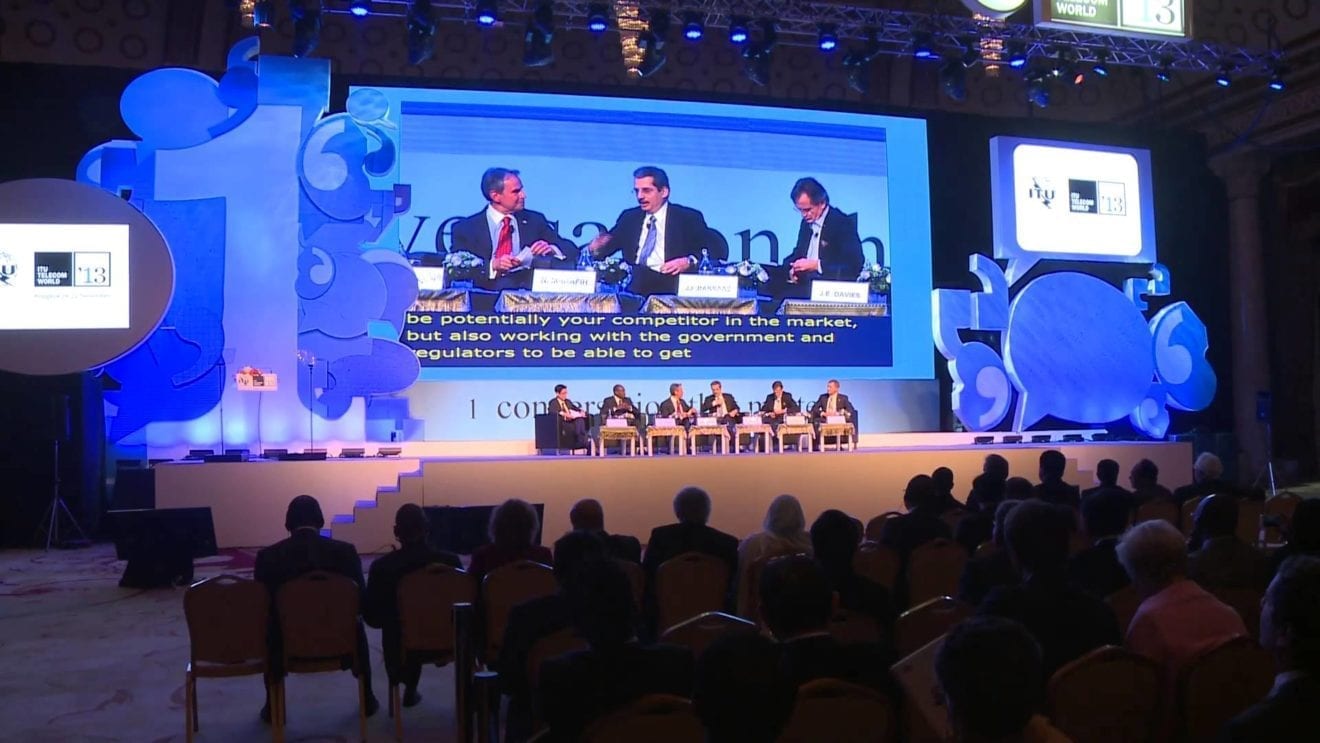
    ITU Telecom World 2016 wrapped up proceedings today at IMPACT Convention and Exhibition Center, Bangkok, following an action-packed programme of showcasing, debate, networking and Awards. 

    The event, which was formally opened in the presence of H.R.H Princess Maha Chakri Sirindhorn, Kingdom of Thailand and  General Chan-o-cha Prayut, Prime Minister, Kingdom of Thailand included big names, countries and SMEs from around the world and welcomed over 8,800 participants.  

    Among the high-level guests in attendance were: H.R.H. Tapouto’a Ulukalala, the Crown Prince of Tonga; Xavier Bettel, Prime Minister of Luxemburg; Charlot Salwai Tabimasmas, Prime Minister of Vanuatu; Debretsion Gebremichael Deputy Prime Minister of Ethiopia; and Mukhisa Kituyi, Secretary General of UNCTAD.  

    Some 250 Exhibitors, including 107 exhibiting tech-SMEs and 60 partners and sponsors took part in the event. Over 330 leaders from 90 countries joined the debates, including top-level representatives from Hungary and the Republic of Korea – past and future ITU Telecom World host countries. 

    “From its high-level Forum debates to the activities on the show floor, ITU Telecom World has successfully moved towards becoming the truly inclusive international platform connecting tech-SMEs with global governments and industry leaders,” said ITU Secretary-General, Houlin Zhao. “The dialogues, showcases, networking and other activities I have joined this week have given all our community and stakeholders – be they senior government officials, international organizations, leading corporate players or SMEs – the chance to examine issues vital to accelerating ICT innovation, and explore the many ways in which ICTs can help meet the SDGs.” 

    “Thailand is pleased to be the host of the very successful ITU Telecom World 2016,” said Air Chief Marshal Prajin Juntong, Deputy Prime Minister and Acting Minister of Digital Economy and Society. “I have received positive feedback from Thai participants that the event has been extremely useful in showcasing Thailand’s thriving digital economy and society and, importantly, demonstrating innovations and entrepreneurship which are key drivers for national development today. The event and speakers have provided many lessons and case studies on how the government’s forward looking and inclusive digital economy policies are being turned into action by the private sector including SMEs and start-ups.” 

    The Exhibition featured the types of technology driving our digital economy, from 5G and cloud computing to smart devices, smart city solutions and national broadband plans, as well as investment and partnership opportunities from around the world. 

    Reflecting the significance of ICT across key verticals, ITU welcomed new vertical sectors to the event, such as MasterCard, Honda or Toyota, joining debates in sessions such as the Connected Car or Cashless Future. 

    Leadership Summit & Forum debates 

    162 speakers from 55 countries took part in plenaries, panel debates, workshops, high-level roundtables and networking sessions in the Forum and at the Leadership Summit. Speakers spanned heads of state and governments from across the globe, leaders from the ICT industry and key verticals, SMEs, entrepreneurs and innovators to international organizations and academia. They provided truly global perspectives and viewpoints from developed and developing countries alike. 

    Discussions launched with the Leadership Summit, on 14 November, which brought highly influential participants together to share views and explore why working together is so important for growing the digital economy. Forum sessions delved into an exciting set of topics such as AI, how ICTs can meet the UN’s Sustainable development goals (SDGs), the connected car, digital financial inclusion and fiscal incentives and taxation in the industry. 

    Other debate highlights included the B2G and B2B dialogues, which brought together tech-SMEs and large companies for an open exchange; the Ministerial Roundtable on the crucial role of governments in advancing digital economy; Economic and Industry Roundtable, bringing together global ICT consulting firms, R&D entities, regional and international organizations; and the Asia Pacific Exchange on Broadband Regulation and Policy (co-hosted with Huawei).  

    The event showcased sponsored sessions on topics spanning 5G, reaching the next billion, digital financial services, towards a digital Nigeria and enabling third network services for the digital economy. Key players included Huawei, KT, Japan’s MIAC, GTI, China Mobile and TDIA, Intel, MasterCard, GSMA/GSA, Nigeria and MEF.  

    Panel lunches hosted by the Smart Africa Alliance and CITRA, helped facilitate networking and discussion, along with high profile networking occasions, such as the Leaders Lunch, sponsored by Huawei, or Korea night sponsored by ITU Telecom World 2017 host, Republic of Korea’s MSIP. Networking breaks sponsored by Rohde & Schwarz and URCA of the Bahamas helped ensure conversation continued between Forum sessions. 

    Global Platform 

    As the international platform connecting ICT SMEs with corporations and governments, it was no surprise that high-level participants used the opportunities and influential audience that the event offered to conclude many important agreements between business and business (B2B), business and governments (B2G) and business and governments to UN, as well as launching new reports.  

    ITU Telecom World Award 

    The Event Closing and ITU Telecom World Awards Ceremony brought ITU Telecom World 2016 to a close on the final day of the event and also saw the much-awaited announcement of the winners of the ITU Telecom World Awards. During the week of the event, finalists pitched their ideas and innovations to judges and a global audience. In keeping with ITU Telecom World’s focus on SMEs and their role within the broader ICT ecosystem, these Awards recognized excellence and innovation in ICT solutions with social impact from SMEs and corporations alike. The winning entries included: 

    • Global SME Award: BRK, Kenya
    • Host Country SME Award: ServisHero, Kingdom of Thailand
    • Thematic Award (eGovernment): Nile Center for Technology Research (NCTR)
    • Thematic Award (eHealth): Neofect, Republic of Korea
    • Thematic Award (eEducation): Academic Bridge, Rwanda
    • Thematic Award (Disaster Prevention/Recovery Communications): MasterCard, United States 
    • ITU co-hosted events  
    • The event also welcomed perspectives from across ITU and its membership and partners, who used the international platform which the event provides in order to hold a series of important co-hosted events. A series of closed meetings took place a day before the official opening. These were the advisory boards meetings of the Smart Sustainable Development Model Initiative (SSDM) and m-Powering Development Initiative, 7th Private Sector Chief Regulatory Officers (CRO) meeting, 8th Chief Technology Officers (CTO) Meeting.  
    • For the first time this year, the event proposed an extensive program engaging with academia in the global debate. Activities included the ITU Secretary General Academia Consultation, 2nd Brainstorming Meeting of Impact Study on ICT4SDGs, ITU Kaleidoscope Academic Conference 2016, World Standards Cooperation Academic Roundtable, organized in cooperation with International Organization for Standardization (ISO) and the International Electrotechnical Commission (IEC).  
    • Important side-events working on technical standards included the 4th APT and ITU Conformance and Interoperability (C&I) event – IPTV Testing, Third ITU Test Event on Compatibility of Mobile Phones and Vehicle Hands-Free Terminals, and showcasing of the implementation of recommendation ITU-T X.1255 promoting interoperability of heterogeneous systems via digital labelling. A strong gender equality agenda focused events, such as EQUALS: the Inaugural Meeting of the Global Partnership for Gender Equality in the Digital Age, Mentorship Sessions: Promoting Women’s Digital Entrepreneurship, and the Gender Equality and Mainstreaming in Technology (GEM-TECH) Awards, a joint ITU/UN Women prize recognizing outstanding efforts in using the power of information and communication technology (ICT) to empower women and girls was conferred during a prestigious ceremony at Telecom World. 

    Event Baton passes to Republic of Korea 

    For 2017, ITU Telecom World will head to Busan, Republic of Korea, focussing on the creative digital economy and fostering SME growth. Telecom World 2017 will take place from 25-28 September. ITU warmly invites Member States, regulators, and heads of international organizations, global media, digital experts and visionaries, leading ICT corporations and cutting-edge tech-SMEs from the region and across the globe to save the date and prepare to join us at the event. 

    Key Telecom World 2016 Statistics

    • Over 8,800 Participants
    • 250 exhibitors, including 107 exhibiting SMEs, 60 partners and sponsors from 37 countries
    • 162 speakers from 55 countries in the Leadership Summit and Forum
    • 338 Leaders from 95 countries, split between public and private sectors
    • 7 Agreements/Contracts signed during the period of ITU Telecom World 2016 between Governments, Regulatory Bodies and Private Entities.
    • 235 accredited media attended from 17 countries
  • Globe Telecom to secure controlling stake in Taodharma

    Globe Telecom to secure controlling stake in Taodharma

    “Accordingly, the change of our stake in Taodharma shall be reflected in the pertinent regulatory reports,” Globe Telecom said in its statement. Taodharma does buying, selling, distributing, marketing all kinds of goods, including mobile communication devices and accessories.

    It is also engaged in establishing, operating and maintaining retail stores in the Philippines that sell telecommunications or internet-related services, gadgets and devices.

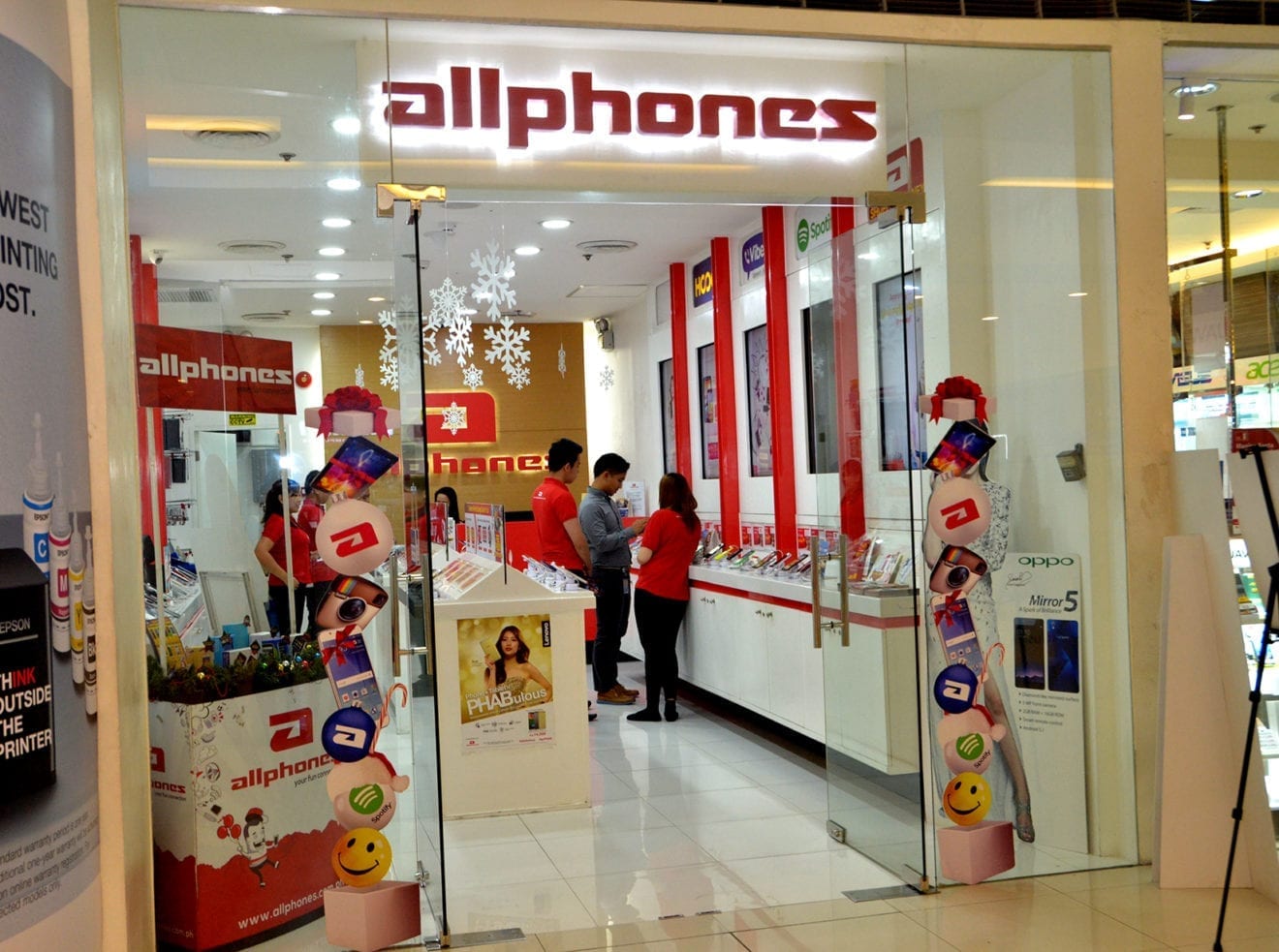
    Globe Telecom partnered with Allphones Australia, and Taodharma’s parent firm Tao Corp in 2014 to boost its postpaid customer base by expanding its sales distribution channels. This gave birth to Allphones Philippines, a national reseller of mobile phone solutions across multiple carriers.

    Tao Corp is a community of companies in the Philippines focused on supply-chain services related to health & wellness, distribution and marketing, resources, and financial services.

    Allphones claims to be the largest specialist multi-carrier mobile telecommunications retailer in Australia having over 170 retail outlets. Australia Philippines currently has 46 retail outlets.

  • Qlik and Esri Singapore join forces to redefine visual analytics

    Qlik and Esri Singapore join forces to redefine visual analytics

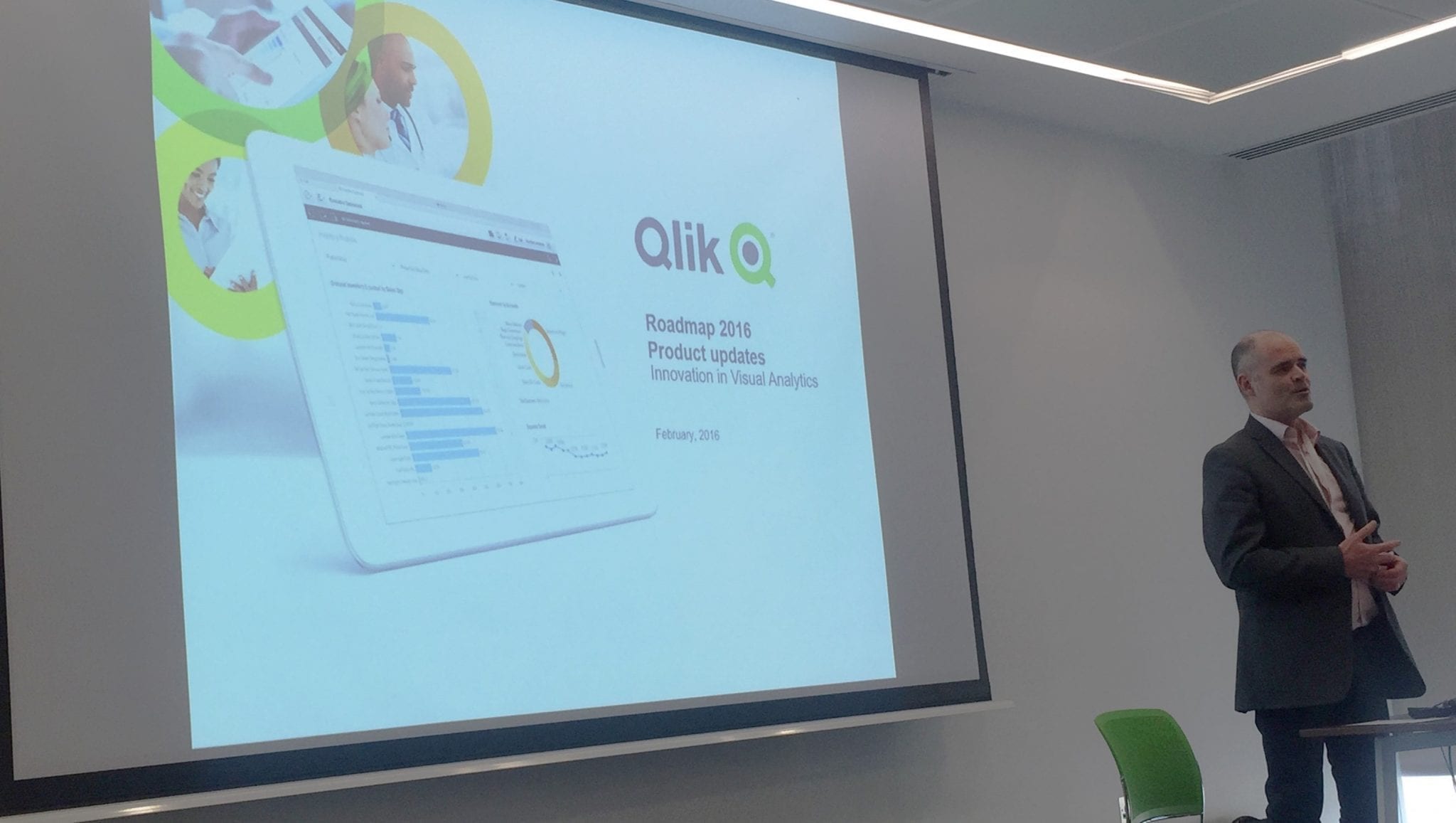
    Qlik, a leader in visual analytics, today announced its technology partnership with Esri Singapore, the country’s leading Geographic Information System (GIS) technology provider.

    The collaboration will see Esri Singapore and Qlik working together to educate industries on the benefits of synergising geographic and spatial analytics.

    Smart mapping: making intelligent decisions with geographic information

    Esri’s ArcGIS Online is a collaborative, cloud-based technology platform that allows users to easily create, share and access content rich maps, applications and data. The technology collects location information contained within an organisation’s data and translates static data into useful, intelligent maps. Different locations have unique characteristics, and organisations need to identify, qualify and understand the connections between people, places and events. When mapping analytics is combined with a powerful visual analytics platform, organisations can add a new dimension to the practice of analysing information by translating complex datasets into the universal language of smart maps.

    Additionally, by integrating location information with data in real-time, businesses can unearth relationships, patterns and trends that would otherwise remain hidden. Esri’s ArcGIS Online maps are compatible with both QlikView and Qlik Sense. The Qlik Sense extension is available on Qlik Branch – a collaborative workspace and open exchange that provides customers, developers and partners simplified access to the open and powerful APIs of Qlik solutions. “More than 80 per cent of our business data is location related. From understanding your customer information and their behaviours to managing chronic illness, pandemic patterns, and even business impact due to accessibility of transport networks – location essentially links different sets of business information together to provide executives with better informed decision making.

    Through our partnership with Qlik, we aim to help organisations understand the value of letting users see their data in new and provoking ways, allowing them to develop actionable plans to address real-world challenges, said Thomas Pramotedham, Chief Executive Officer, Esri Singapore. “From retail sales performance to urban planning, being able to seamlessly merge intelligent mapping with visual analytics is critical to smart, data-driven decision-making. Qlik is proud to partner with Esri Singapore to promote the benefits of combining mapping technology and visual analytics for organisations to drive better decision making. We look forward to pursuing more innovative projects together in the future,” said CK Tan, Product Marketing, Qlik Asia Pacific.

  • Singapore ranks 2nd in global connectedness

    Singapore ranks 2nd in global connectedness

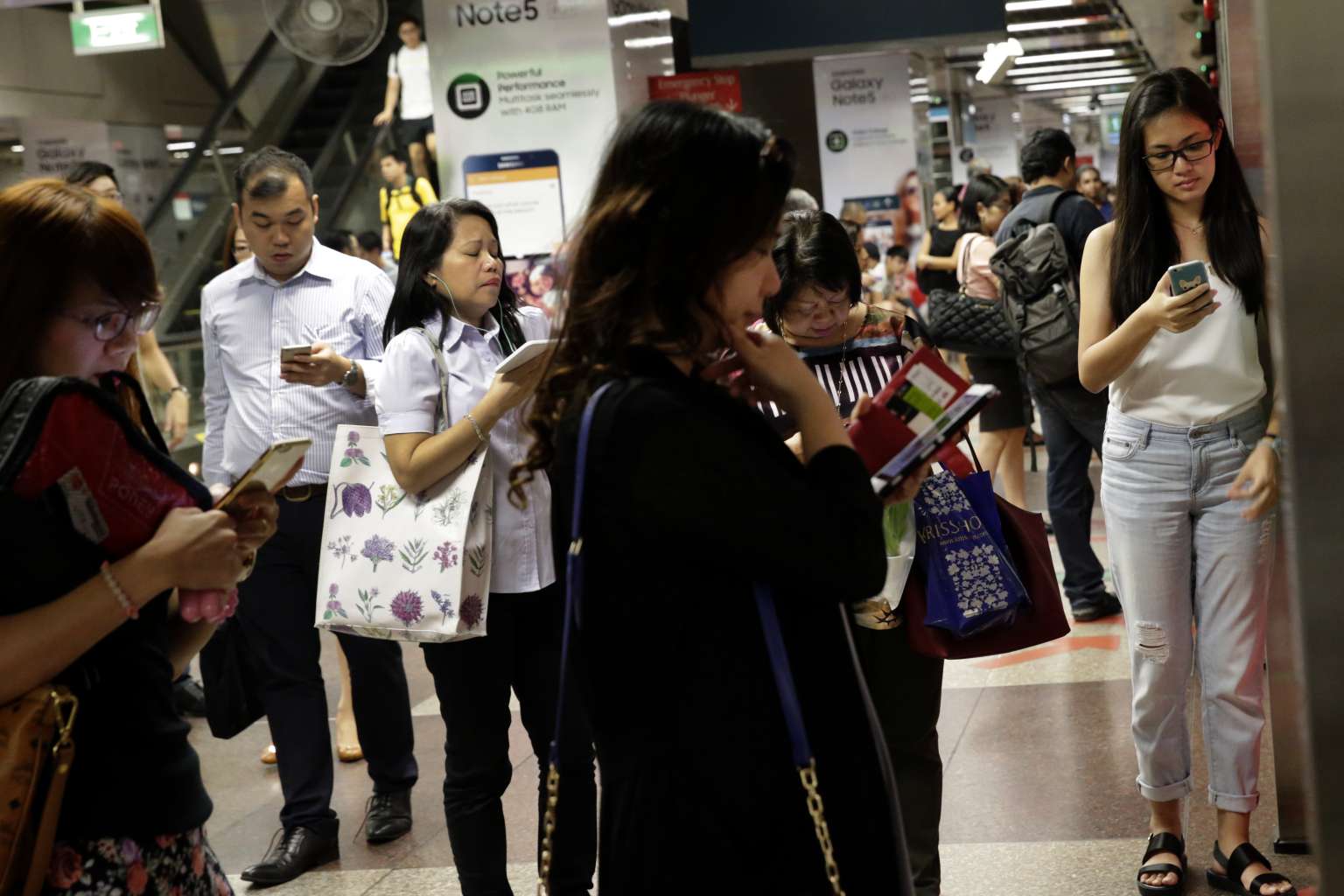
    Singapore is the world’s most connected and globalized country, according to DHL’s Global Connectedness Index (GCI).

    All but two of the top 10 most globalized countries in the world are located in Europe, with Singapore and the United Arab Emirates as the exceptions.

    The 2016 edition of the report shows that global connectedness, measured by cross-border flows of trade, capital, information and people, surpassed its 2007 pre-crisis peak during 2014.

    In 2015, globalization’s post-crisis expansion slowed, but the data indicate that it did not go into reverse. Currently available evidence — still preliminary in some areas — suggests that the world was about 8% more connected in 2015 than in 2005.

    North America is the second most globally connected region and leads on the capital and information pillars, with the United States as the most connected country in the Americas. Overall the US is ranked 27th out of the 140 countries measured by the GCI.

    North America had the largest gain in overall global connectedness during the past two years,

    followed by South & Central America & the Caribbean. Countries in South & Central Asia and Sub-Saharan Africa suffered a drop in their average levels of global connectedness.

    Suriname, Jamaica and Fiji were the biggest gainers in terms of rank changes from 2013 to 2015, moving up 23 (112th to 89th), 22 (107th to 85th) and 20 (94th to 74th) places respectively.

    Suriname’s rise was driven by a substantial broadening of its international interactions, whereas Jamaica and Fiji increased on both the depth and breadth dimensions of their global connectedness.

    Nigeria, Togo and Nicaragua experienced the largest decreases in terms of overall rank, dropping 28 (67th to 95th), 21 (72nd to 93rd) and 19 (71st to 90th) places respectively.

  • Telenor launches mobile wallet in Malaysia

    Telenor launches mobile wallet in Malaysia

    Telenor Group has launched a new mobile wallet service in Malaysia targeted at the underbanked segments of the market.

    The service is has been built based on the Malaysian money services business Prabhu, which Telenor acquired in May.

    The service has been rebranded Valyou, Telenor’s mobile wallet brand. While Telenor was forced to shut down its Valyou service in its home market of Norway last year due to lower than expected demand, the service will live on in Malaysia.

    Valyou supports cross-border international mobile remittance including money transfers to seven countries as well as over-the-counter remittance at local retailers. It is open to subscribers from any mobile operator and supports all smartphone types.

    Valyou is currently available as and Android app and will soon be coming to iOS.

    “Malaysia ranges among the regional frontrunners when it comes to digital payments, and we are happy to expand Telenor’s financial services footprint with Valyou,” Telenor SVP and head of financial services Tine Wollebekk said.

    “Our ambition is to explore end to end digital remittance to all relevant corridors, including both Telenor’s own financial services markets – such as Pakistan, Bangladesh or Myanmar – but also to other countries that are important for the local migrant community.”

  • Vodafone India boosts 1H revenue by 5.9%

    Vodafone India boosts 1H revenue by 5.9%

    Vodafone India has reported solid revenue growth for the first half of its financial year despite parent company Vodafone’s decision to take a €5 billion ($5.36 billion) writedown of its Indian operations.

    Service revenue for the first half increased 5.9% to 225.79 billion rupees ($3.32 billion), with mobile data revenue up 18.8% to 46.17 billion rupees.

    The operator crossed the 200 million customer milestone during the period, with a 6.7% year on year growth in subscribers to 200.7 million. Vodafone India is the market’s second largest by subscribers after Bharti Airtel.

    Vodafone’s network in India meanwhile grew to around 140,000 cell sites, with a little over half of these being 3G or 4G sites.

    The operator had a revenue market share for the quarter of 22.5% during the first quarter, up 0.6 percentage points year-on-year. But the company reported a service revenue ARPU during the second quarter of just 186 rupees, reflecting the tight competition in the market.

    With the entry into the Indian market of Reliance Jio Infocomm, these competitive pressures are only getting worse.

    In light of this, Vodafone Group has written down the value of its Indian business by €5 billion as the company braces for an expected significant revenue impact.

  • DoCoMo achieves 11.29Gbps in 5G trial

    DoCoMo achieves 11.29Gbps in 5G trial

    NTT DoCoMo and Huawei have achieved a peak speed of 11.29Gbps during a 5G large-scale field trial in the 4.5-GHz band.

    The companies tested a 3GPP 5G New Radio compliant numerology and frame structure using macro cell coverage in a real-world scenario in Yokohama’s busy Minato Mirai 21 commercial district.

    The trial also achieved a sub-0.5ms one way user plane latency. The macro cell was made up of one base station compatible with the 4.5-GHz band and 200 MHz bandwidth, as well as 64 transceivers and 23 user equipment devices.

    According to the test, 11.29Gbps of user throughput was achieved in 24 layers, with each UE receiving two layers. Peak spectrum efficiency reached 79.82bps/Hz/cell.

    “Our success in 5G large-scale field trial in the 4.5 GHz band has brought the whole industry one step closer to 5G commercialization by 2020,” commented Takehiro Nakamura, DoCoMo’s VP and 5G Laboratory managing director.

    “DoCoMo and Huawei have been expanding their collaboration on 5G from R&D to international spectrum harmonization initiatives for 5G since December 2014. Together with Huawei, we will continue to promote 5G both from technical and ecosystem perspective.”

  • MyRepublic, TPG to bid for Singapore mobile license

    MyRepublic, TPG to bid for Singapore mobile license

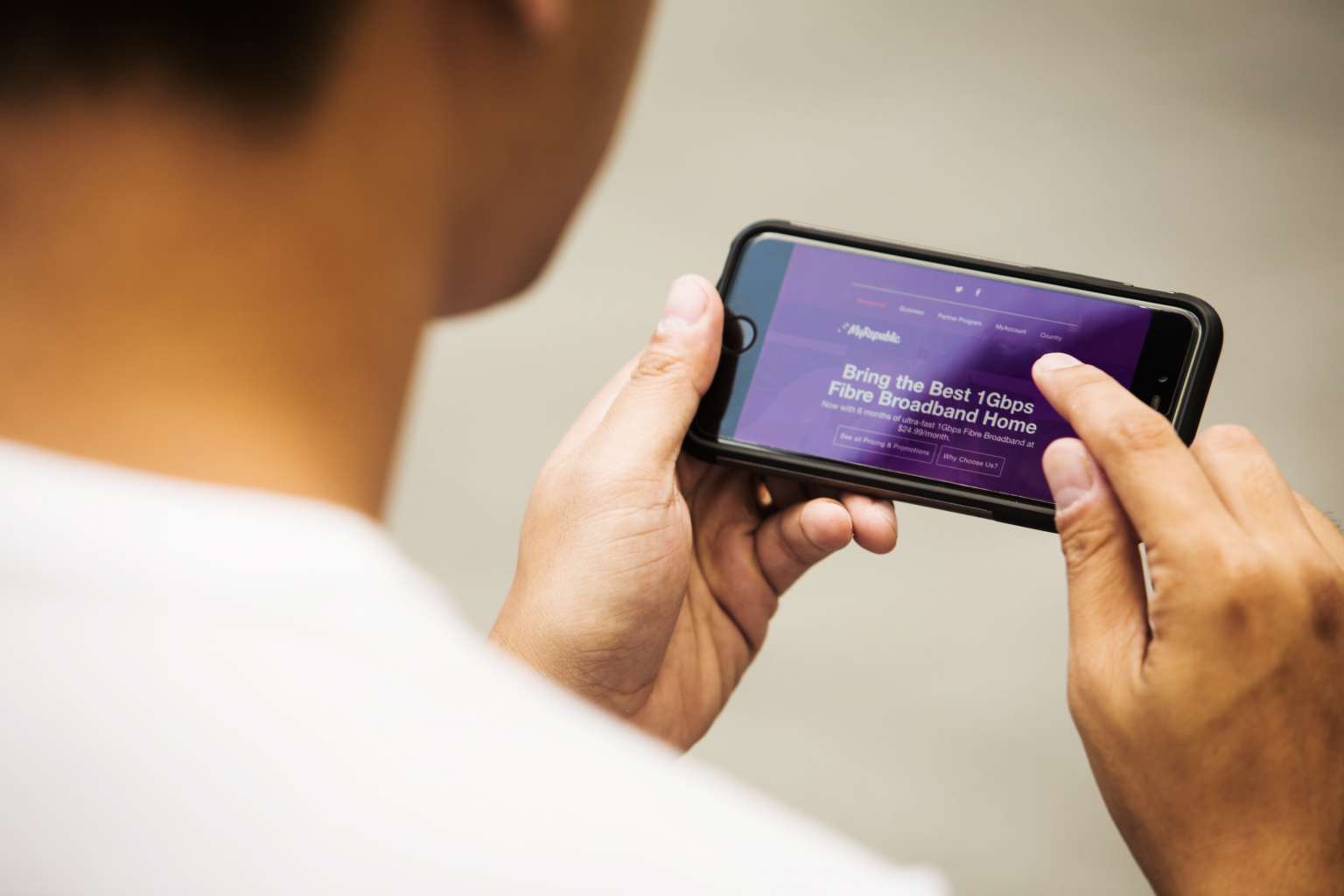
    Singapore’s Infocomm and Media Development Authority has pre-qualified ISP MyRepublic and Australian telecoms group TPG Telecom to participate in an auction for a fourth mobile license.

    MyRepublic and TPG will bid for a 60-MHz lot of spectrum in the 900-MHz and 2.3-GHz bands, in an auction expected to be complete by the end of the year.

    A third applicant for the auction, airYotta, has been disqualified for failing to meet the required pre-qualification criteria.

    The auction will be followed by a general spectrum auction open to existing mobile operators M1, Singtel and StarHub, as well as the winner of the new entrant auction. This second auction is expected to commence in the first quarter of next year.

    MyRepublic is a fiber-based ISP with a solid presence in Singapore, and a growing regional reach. The company recently arranged to launch broadband services with speeds of up to 100Mbps in Australia over the national broadband network (NBN), and also has operations in New Zealand and Indonesia.

    TPG Telecom is Australia’s second largest fixed line ISP and largest MVNO. The company has been steadily expanding through acquisitions and organic growth.

    Singapore MVNO Circles.Life has announced it “ welcomes IMDA’s on-going efforts to support competition in the telco space.”

    Circles.Life entered this year as a digital telco and has been aiming to disrupt the market with innovative offers for data-savvy customers, and looks forward to further disruption if a new entrant arrives in the market, the company said in a statement.

  • PCCW Global connects to Djibouti Data Center

    PCCW Global connects to Djibouti Data Center

    PCCW Global, the international operating division of Richard Li-owned HKT, has selected Djibouti Data Center (DDC) to facilitate network expansion and the provision of colocation and undersea fiber cable access services in East Africa.

    The Djibouti Data Center has been built to Tier III data center standards and serves as a major meeting point for undersea fiber cable systems including the new Asia-Africa-Europe-1 (AAE-1) submarine cable designed to connect Asia, the Middle East, Africa and Europe.

    The AAE-1 system, of which PCCW Global is a founder consortium member, will employ 100Gbps technology, with a capacity of more than 40 terabits to provide customers with low-latency and direct connectivity around the world.

    The 25,000km-long submarine cable is expected to be ready for service by early 2017, connecting Djibouti with Hong Kong, Vietnam, Cambodia, Malaysia, Singapore, Thailand, Myanmar, India, Pakistan, Oman, UAE, Qatar, Yemen, Saudi Arabia, Egypt, Greece, Italy and France.

    “The addition of AAE-1 to PCCW Global’s existing undersea fiber cable assets in the region will enable us to provide even more robust services, along with lower latency and increased diversity, boosting services levels for our customers,” said Jordick Wong, senior vice president of product and vendor management at PCCW Global.

    Wong said the partnership with DDC is an important element of its wider pan-African development and expansion plans.

    It enables PCCW Global to establish cross-connect and colocation facilities directly adjacent to Djibouti Telecom’s cable landing stations. In addition to supporting AAE-1 in the near future, the DDC provides access to fiber-cable systems such as EIG, EASSy, Aden-Djibouti, and Ethiopia-Djibouti, Wong added.

  • 3HK to offer a year’s free OTT video subscription

    3HK to offer a year’s free OTT video subscription

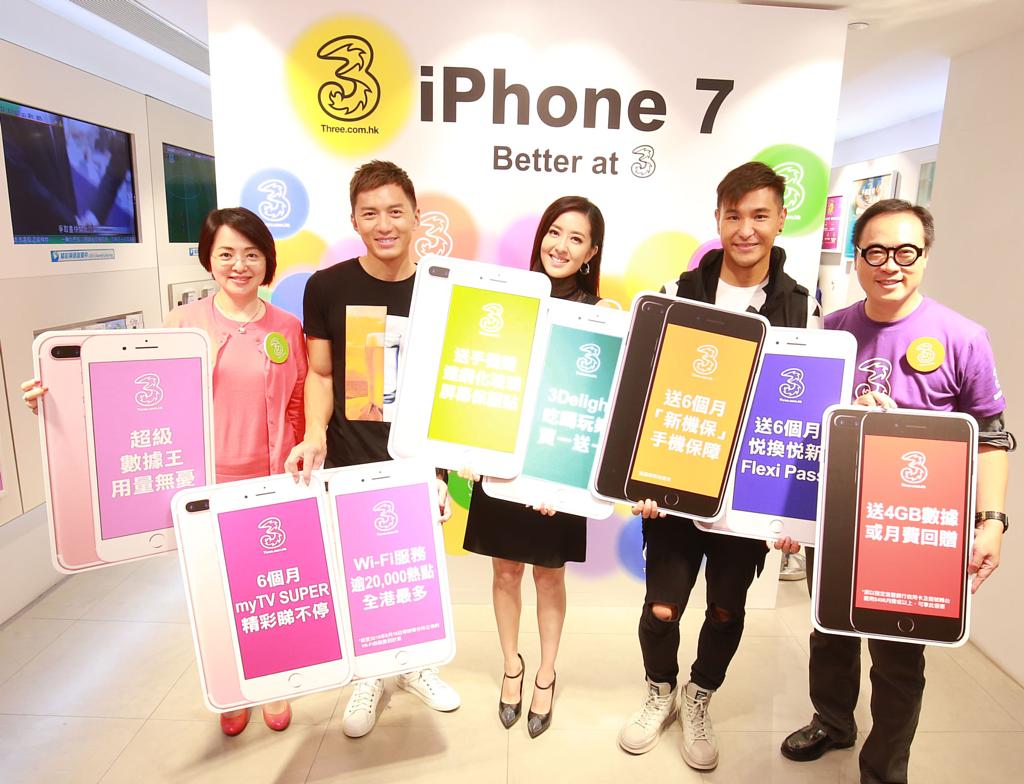
    Hutchison Telecommunications Hong Kong Holding’s mobile division 3 Hong Kong is offering a year’s free subscription to its premium subscription TV and VOD service to all new and existing 4G users.

    The mobile version of the myTV SUPER and TVB Premium subscription VOD service will be made available free of charge. A 12-month subscription has a usual price of HK$380 ($49).

    The operator has also launched the TVB Data Pack subscription service, offering 1GB, 3GB or 6GB of data for HK$20, HK$50 or HK$80 respectively.

    HTHKH COO Jennifer Tan said the company has introduced the offer to help usher Hong Kong into the 4.5G era after converging its FDD and TDD networks.
    “Our smooth and stable network, together with abundant bandwidth from our 4.5G network, provides the capacity needed to build an OTT service platform, so we are now ready to carry all kinds of dynamic mobile apps,” she said.

    “myTV SUPER has become one of the most popular OTT offerings following inception earlier this year – and we are delighted to offer 12 months’ service free of charge to all 3 Hong Kong’s 4G users to help celebrate launch of our 4.5G network.”

    Broadcaster TVB has been expanding the reach of its myTV SUPER subscription TV service. Earlier this month, the broadcaser expended its relationship with fixed line operator HKBN to cover the delivery of more myTV SUPER set top boxes for the company’s fixed line customers.

  • Vodafone India to launch 4G in 8 more circles

    Vodafone India to launch 4G in 8 more circles

    Vodafone India has revealed plans to roll out 4G services in eight additional telecoms circles by March 2017, giving it a 4G presence in 17 of India’s 22 service areas.

    The operator aims to deploy 4G in 2,400 additional towns over the next four months, in the circles of of Maharashtra and Goa, Odisha, Punjab, Rajasthan, Tamil Nadu, Uttar Pradesh West, Assam and North East.

    Vodafone’s SuperNet 4G service already covers nine circles – Mumbai, Delhi and NCR, Kolkata, Karnataka, Kerala, Haryana, Gujarat, Uttar Pradesh East and West Bengal.

    Vodafone was the biggest winner of India’s recent $9.8 billion spectrum auction, securing 2x 82.6MHz of FDD and 200MHz of TDD spectrum across the 1800-MHz, 2100-MHz and 2500-MHz bands. The auction gave the company 4G capability in 17 of India’s 22 telecoms circles.

    Now the company plans to leverage this spectrum to expand its 4G network. This will allow Vodafone to better compete against disruptive new pan-India 4G operator Reliance Jio Infocomm, which has been shaking up the market with its mobile data focused approach. Jio’s unlimited voice and SMS plans threaten to further cut into existing Indian mobile operators’ low margins.

  • DoCoMo to trial 5G self-driving vehicle monitoring

    DoCoMo to trial 5G self-driving vehicle monitoring

    Japanese operator NTT DoCoMo and mobile portal and online service provider DeNA Co have teamed up to trial a 5G communications system for remote monitoring of autonomous vehicles.

    The trial will involve connecting a vehicle and a remote center via a 5G network capable of data rates beyond 10Gbps.

    For the initial trial, high-resolution video images captured with HD cameras mounted on the vehicle will be transferred to the monitoring center in real time, to allow the center to check for any driving irregularities and assist passengers when needed.

    The trial will be demonstrated at the DoCoMo R&D Open House 2017, which will take place at the DoCoMo R&D Center in the Yokosuka Research Park near Yokohama on November 17-18.

    For the event, DeNA’s Robot Shuttle driverless bus will be used to showcase the transmission of live video from a connected vehicle via a demonstration 5G network.

    The collaboration is combining DoCoMo’s 5G technologies and DeNA’s experience building services for connected vehicles. DoCoMo is closely involved in the development of LTE and 5G systems for vehicle-to-everything communications.

  • PLDT profit falls 20% in 9M16

    PLDT profit falls 20% in 9M16

    The Philippines’ PLDT has reported a 20% drop in net income for the first nine months of the year to 21.7 billion pesos ($442 million) due to higher capex costs and declining revenues.

    Revenue fell 2% year-on-year to 125.4 billion pesos, but remained stable when excluding the impact of international and national long distance as well as interconnection costs.

    Fixed line revenues grew 7% to 46.8 billion pesos, driven by demand for data and broadband, which grew to account for 59% of fixed line revenues.

    But wireless revenues shrank 8% to 71 billion pesos, despite a 22% increase in wireless data and digital platform revenues. SMS and cellular domestic revenues by contrast declined 15%, and international voice revenues were 24% lower.

    PLDT’s consumer wireless business reported a 5% decrease in subscribers due to aggressive unlimited voice and SMS offers from the competition, the company said.

    PLDT has set aside 48 billion towards a network improvement program covering both fixed and mobile networks, and made major improvements in the coverage and capacity of mobile unit Smart’s mobile network during the nine-month period.

    Based on the operator’s results thus far, PLDT has reduced its projected full year ebitda by 4 billion pesos to 60 billion pesos. The company is accordingly projecting a consolidated core net income of 28 billion pesos.

    “We are making this adjustment, anticipating that while data and broadband will keep posting steady growth, toll, cellular voice and SMS revenues will, however, continue to wane,” PLDT chairman Manuel Pangilinan said.

  • Verimatrix boosts access to subscriber intelligence

    Verimatrix boosts access to subscriber intelligence

    Verimatrix has made available its quick-start evaluation program for Verspective Operator Analytics, which promises to help operators better understand how to securely and rapidly collate data from various sources in video services and demonstrate the benefits of actionable analytics across multiple departments in their organization.

    Through the availability of this program, service providers have the opportunity to expand their analytics capabilities with more census-based data sources and complement traditional network monitoring analytics to get a comprehensive view of subscriber intelligence and network performance.

    Implemented in the cloud, the Verspective Operator Analytics evaluation program consists of a pre-configured, software-based analytics platform that can quickly integrate with an operator’s key sources of operational and consumption data, including VOD, CDN or client device sources. Service providers also receive a set of report templates that help analyze data and determine return on investment (ROI) potential.

    “We have recognized the need to provide a secure entry point that service providers can use to adopt a centralized analytics approach that ties together insights from operations, product development and marketing,” said Steve Oetegenn, president of Verimatrix.

    “The Verspective Operator Analytics evaluation program provides that point of entry, plus the confidence knowing that data is both secure and compliant with appropriate privacy regulations,” said Oetegenn.