Category: Telecom

Retail News Asia is committed to providing both local and global retailers with the latest Telecom & Telco news throughout the Asian market. This on a daily base.

  • Microsoft opens IoT innovation center in Taiwan

    Microsoft opens IoT innovation center in Taiwan

    Microsoft has opened its first IoT Innovation Center for the APAC region in Taiwan.

    The center aims to offer cross-discipline technology transfer, strategic alliances, business model transformation and innovation opportunities. Taiwan was chosen because of its renowned high-tech and hardware manufacturing sectors.

    The center will act as a link between regional IoT partners and the world, covering R&D project integration, technology development, and international collaboration.

    As IoT solutions will need to be tested, verified, and improved via actual clients’ projects, the Innovation Center will also include an IoT Community Lab that provides partners with IoT technology training, professional consultation, and three IoT Scenario Labs, delivering tailor-made services, such as technology development, architecture design, and business consultation.

    “The Microsoft IoT Innovation Center in Taiwan is our starting point for capturing the booming IoT opportunity in Asia,” Microsoft Cloud Enterprise GM Chris Phillips said during the Microsoft IoT Expo held in Taiwan.

    “We aim to do this by accelerating the collaboration between Taiwan-based companies and global partners. We are already collaborating with close to 50 companies at the Innovation Center and based on the initial interest, we expect to have many more join us before the end of the year.”

    Microsoft’s regional ecosystem consists of 370 partners from Taiwan, Singapore, Hong Kong, Thailand, Malaysia, Australia, Philippines, India, Japan, Korea and China and encompasses industries including manufacturing, healthcare, transportation and retail.

    The company has been investing in growing the IoT ecosystem in Asia. About 50% of all companies that are Microsoft Azure Certified for IoT exist within the region.

    Since the signing of a memorandum of understanding (MOU) on IoT with the Ministry of Economic Affairs (MOEA) in Taiwan last October, Microsoft has actively promoted several IoT related industry and talent development programs. For example, the first DevDays Asia took place in Taiwan last April with presentations from over 10 scientists and architects.
  • CAT to cut network leasing rates by 10%

    CAT to cut network leasing rates by 10%

    Thai state-owned operator CAT Telecom will cut its wholesale 850-MHz network leasing prices by 10% to help the companies using the network under an MVNO model improve profit margins.

    CAT plans to implement the price cuts by the end of the year, citing comments from president Col Sanpachai Huvanandana.

    Several MVNOs had asked CAT to lower its rates to help reduce operating costs and help MVNOs struggling to compete stay above water.

    But Sanpachai insisted that the rates are not too high, and that it is instead competitive pressures and low ARPUs that are leaving MVNOs finding it difficult to compete.

    CAT currently has five companies providing 3G services on the operator’s 850-MHz network – TrueMove subsidiary Real Move, Samart i-Mobile, Penguin operating unit the White Space, 168 Communication and Data CDMA.

    According to the report, Samart i-Mobile recently returned 300,000 mobile numbers to save rates on numbering fees after determining that the company can not profitably provide services due to a high network leasing cost. Thai mobile operators pay a fee of 1 baht ($0.029) per month per mobile number.

  • SmarTone signs pre-5G partnership with Ericsson

    SmarTone signs pre-5G partnership with Ericsson

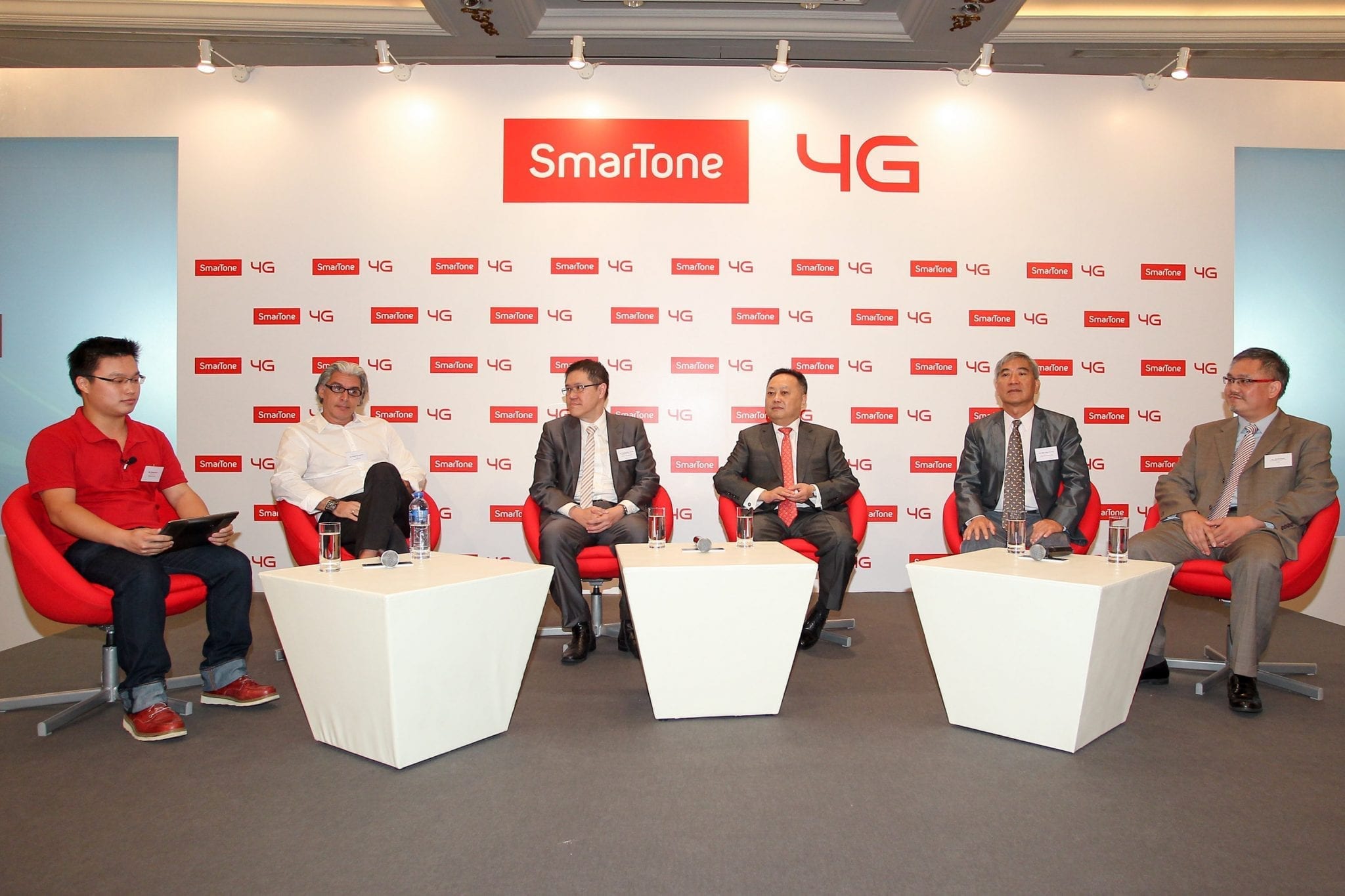
    Hong Kong’s SmarTone has contracted Ericsson as its sole supplier for core and RAN equipment over the next five years, as part of a partnership aimed at paving the way for 5G deployment.

    The companies plan to conduct early trials and pilot deployments of key pre-5G technologies from this quarter.

    Ericsson will help SmarTone upgrade and expand its network infrastructure and refarm more spectrum for LTE, and will deploy NFV and SDN technologies to improve network performance and efficiency.

    The companies have been working to introduce technologies including LTE-Advanced and LTE-Advanced Pro to the SmarTone network.

    “SmarTone is pleased to extend our strategic partnership with Ericsson to pave the way for 5G in Hong Kong,” SmarTone CTO Stephen Chau said.

    “[We] will continue to invest in spectrum and pre-5G technologies within the next few years to provide a superior customer experience and to evolve our network into an advanced, dynamic and cloud-based network architecture.”

    He said the deployment will help the company capture future business opportunities from new types of applications including VR and M2M applications such as the IoT.

    SmarTone was established in 1992 and publicly listed in 1996. The company provides voice, mobile and fixed broadband services in Hong Kong and Macau.

  • CenturyLink to sell data centers for $2.15b

    CenturyLink to sell data centers for $2.15b

    US-based global operator CenturyLink has arranged to sell its data centers and colocation business to a consortium led by BC Partners and Medina for $2.15 billion.

    CenturyLink plans to use the net proceeds from this sale to partly fund its acquisition of Level 3 Communications announced last week

    Under terms of the agreement, the consortium will assume ownership of CenturyLink’s portfolio of 57 data centers at closing. The data center portfolio includes approximately 195 megawatts of power across 2.6 million square feet of raised floor capacity.

    Post-sale, the company will continue to focus on offering customers a wide range of IT services and solutions, including network, managed hosting and cloud.

    Though it will no longer own the data centers, CenturyLink will continue to offer colocation services as part of its product portfolio through its commercial relationships to be entered into at closing with the BC Partners/Medina-led consortium.

    “After conducting a thorough review process, we are pleased to have reached an agreement with BC Partners,”  CenturyLink CEO Glen F. Post III said.

    “We believe this transaction will benefit customers, employees and investors. Both CenturyLink and BC Partners have a strong customer focus and are committed to ensuring a seamless transition of the customers and their colocation environments.”

  • HKBN expands OTT video tie-up with TVB

    HKBN expands OTT video tie-up with TVB

    HKBN has expanded its relationship with broadcaster TVB covering the delivery of TVB’s myTV SUPER set-top box service.

    The operator has ordered an additional 450,000 set top boxes from TVB to meet customer demand, and has raised its target for the number of set-top boxes to be installed by the end of 2019 to 850,000.

    HKBN first launched myTV SUPER set-top boxes for its residential broadband customers in April, and has so far signed up 250,000 customers to the service. Adoption has been faster than expected – HKBN had an initial sales target of 400,000 set-top boxes within the first 18 months.

    The expanded agreement also covers collaboration on market opportunities outside of Hong Kong, using TVB’s new OTT service TVB Anywhere. The service will allow users to buy VOD titles as a gift and send them to recipients around the world.

    HKBN is also using its expertise to introduce TVB to overseas operator partners. The first phase of the international expansion is commencing in Canada.

    “Throughout the past seven months, the launch of our broadband and myTV SUPER service bundles has been extremely successful. Mindful of this, we’re determined to step up our strategic cooperation,” HKBN CEO William Yeung said.

    “Not only will we continue to bring amazing entertainment content to the homes and mobile devices of HKBN customers in Hong Kong, but we will also extend our partnership to the overseas markets, creating a stronger alliance so that more customers can benefit.”

  • India’s BSNL seeks 700-MHz spectrum

    India’s BSNL seeks 700-MHz spectrum

    Indian state-owned operator BSNL has approached the nation’s telecoms ministry seeking a portion of the 700-MHz spectrum that was left unsold during the recent major spectrum auction.

    The operator has proposed that a 5 MHz block in the 700-MHz band be assigned to the operator through an equity route.

    Under the proposal, in lieu of payment, the government’s paid-up equity in BSNL would increase by the value of the spectrum.

    BSNL officials told the news agency that the 700-MHz band, when combined with the company’s existing 2500-MHz holdings, would put the operator in a position to roll out 4G services across India.

    With India’s telecom market transitioning towards 4G, this would allow BSNL to compete against private sector incumbents as well as newcomer Reliance Jio Infocomm.

    The 700-MHz spectrum put up for sale during India’s recent $9.8 billion spectrum auction went completely unsold – despite the attractiveness of the band for mobile operators – due to a high reserve price. Operators had already accrued substantial debts during previous auctions, and shied away from both the 700-MHz and 900-MHz bands.

  • Bangladesh’s CityCell has spectrum reinstated

    Bangladesh’s CityCell has spectrum reinstated

    Cash-strapped Bangladeshi operator CityCell has resumed operations after having its spectrum temporarily reinstated by a Supreme Court ruling.

    The Bangladesh Telecommunication Regulatory Commission (BTRC) revoked CityCell’s spectrum last month for failing to pay its spectrum renewal, license and associated fees.

    But the court has asked the government to restore CityCell’s spectrum and allow it to continue operations for the time being.

    If CityCell fails to pay 1 billion taka ($12.7 million) to BTRC by November 19, the regulator will have the authority to revoke the spectrum again, the court order states.

    CityCell has been operating since 1993 but has a low market share and revenue base. The company earned just 1.39 billion taka in revenue during the 2014-15 financial year. The BTRC has calculated that CityCell owes 4.77 billion taka in unpaid fees.

    The operator is 44.5% owned by Singtel, 37.9% owned by Pacific Motors and 17.5% owned by Far East Telecom.

  • DoCoMo to phase out i-mode handset shipments

    DoCoMo to phase out i-mode handset shipments

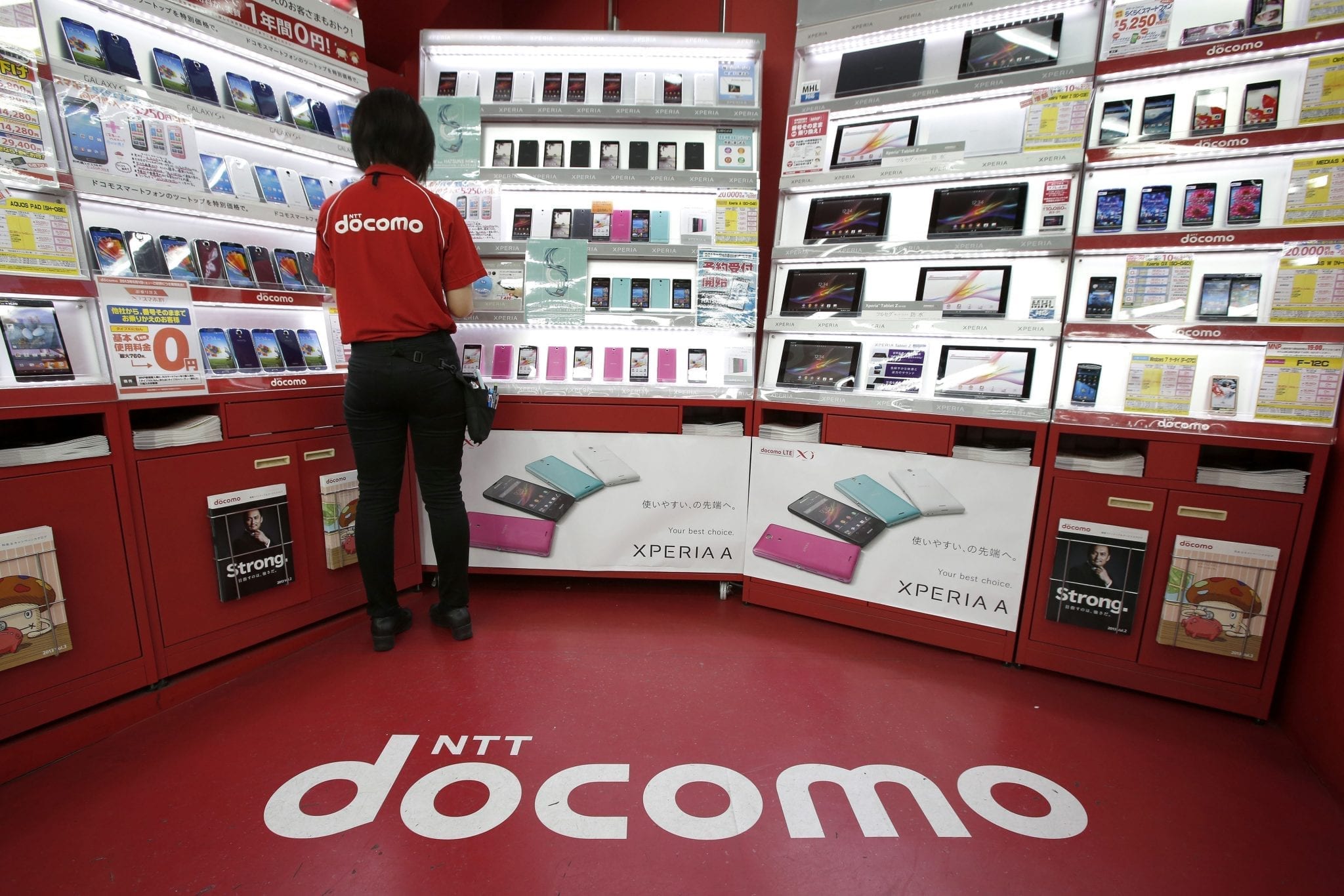
    Japan’s NTT DoCoMo will end shipments of most feature phones compatible with its home-grown i-mode mobile internet standard by the end of the year.

    With the exception of some models such as devices for elderly users, production of phones with access to the i-mode service will cease this year.

    Of the six i-mode models currently available for general consumers DoCoMo plans to end shipments of five and stop selling the models as soon as existing stock runs dry.

    But DoCoMo plans to continue operating its i-mode email service for existing users.

    Production of i-mode handsets has been becoming more and more difficult due to supply chain issues – the parts and raw materials are becoming harder to find as the industry has almost entirely turned its focus to smartphones, the report notes.

    DoCoMo introduced the i-mode service in 1999, and the standard was partly responsible for the strong growth of Japan’s mobile market.

    At its peak nearly 50 million subscribers were using phones compatible with the service. This has fallen to 17.4 million this year – but this still accounts for around 30% of the operator’s subscriber base.

    Unlike true mobile broadband, i-mode can only deliver services that have been converted to use the technology over gateways, placing it at a significant disadvantage compared to smartphones using web browsers.

  • New Zealand cellcos to blacklist Note7’s next week

    New Zealand cellcos to blacklist Note7’s next week

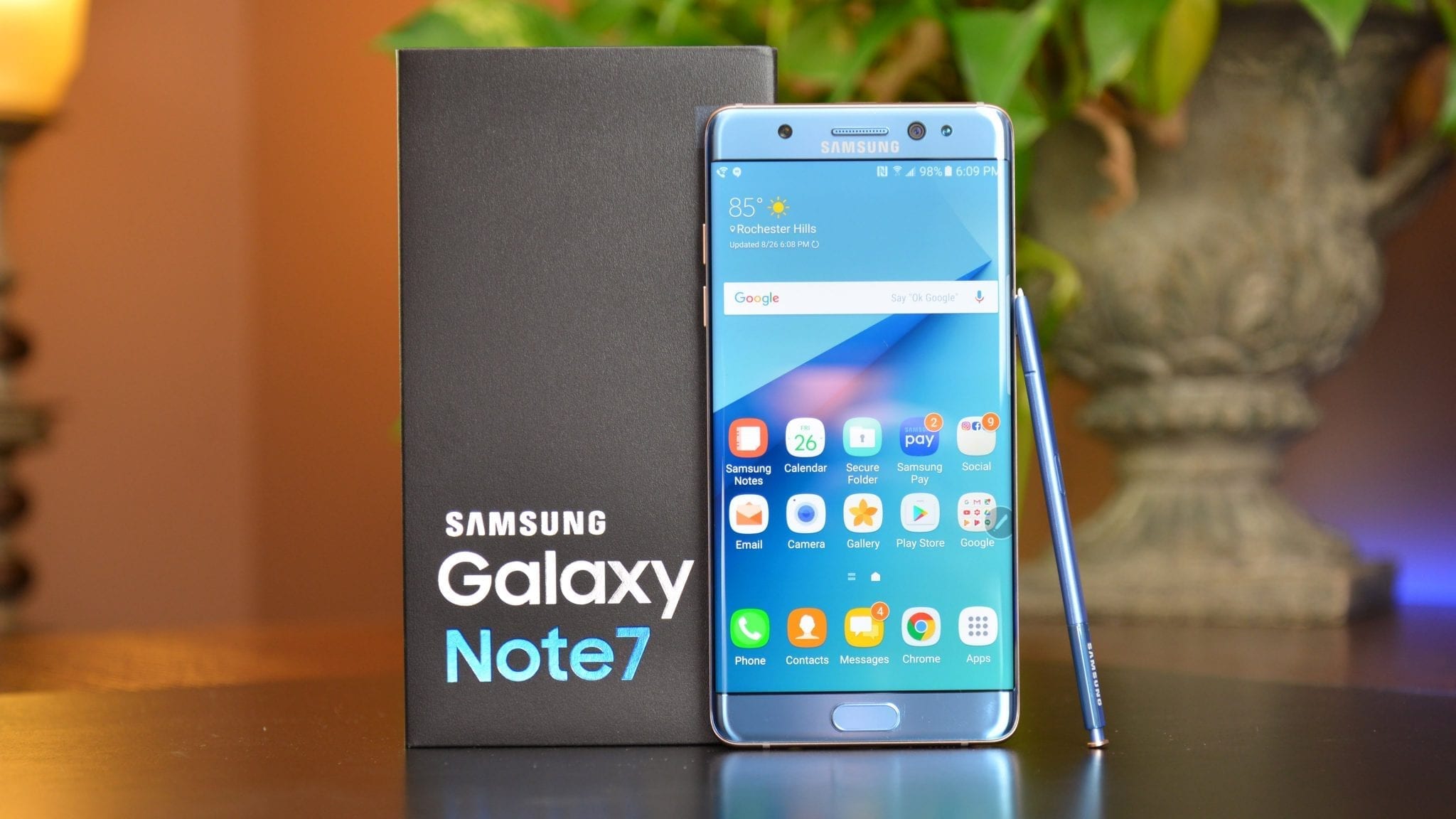
    New Zealand’s mobile operators have hammered a nail into the coffin of Samsung’s discontinued Galaxy Note7 smartphones, arranging to blacklist use of the device across all of their mobile networks.

    Industry body the New Zealand Telecommunications Forum (TCF) is working with Samsung to cut off access to Note7 owners from November 18.

    After this date, the devices will not be able to be used across any New Zealand mobile network, although Wi-Fi services will still be available.

    TCF CEO Geoff Thorn said the blacklisting represents an additional safety measure by the nation’s mobile operators.

    “Numerous attempts by all providers have been made to contact owners and ask them to bring the phones in for replacement or refund, this action should further aid the return of the remaining handsets,” he said.

    The blacklisting marks and attempt by operators to coerce the hold-outs to take advantage of the global recall of the device and be refunded or swap their handsets with a Galaxy S7 or S7 Edge.

    Samsung permanently ended production of Note7 smartphones last month after reports that even some devices that had been replaced in the September recallhad suffered from the same overheating battery problem that led to a handful of devices exploding. Airlines worldwide had already banned in-flight use of the devices.

  • VinaPhone launches Vietnam’s first 4G services

    VinaPhone launches Vietnam’s first 4G services

    Vietnam’s VinaPhone has become the market’s first operator to launch 4G services, commencing with a deployment providing full coverage of Phu Quoc Island.

    The VNPT mobile subsidiary has deployed 100 4G base stations to provide total coverage of the island.

    The operator plans to rapidly deploy 4G services in 2017, installing 21,000 base stations nationwide.

    Pricing will be set at the same or in some cases lower rates than 3G services. The company will use the network for services including mobile TV and cloud video conferencing.

    VinaPhone began commercial 4G trials in January, and was awarded a commercial license in the 1800-MHz band last month, along with MobiFone and Viettel.

    Viettel has separately revealed plans to launch its own 4G services in the first quarter of next year. The operator is ready to deploy services nationwide following extensive testing in the province of Vung Tau.

    According to the report, Viettel plans to differentiate by focusing on nationwide expansion, in contrast to deploying in major cities first. The company took a similar approach during it 2G rollout around a decade earlier.

  • Unicom trials ADVA’s G.metro technology

    Unicom trials ADVA’s G.metro technology

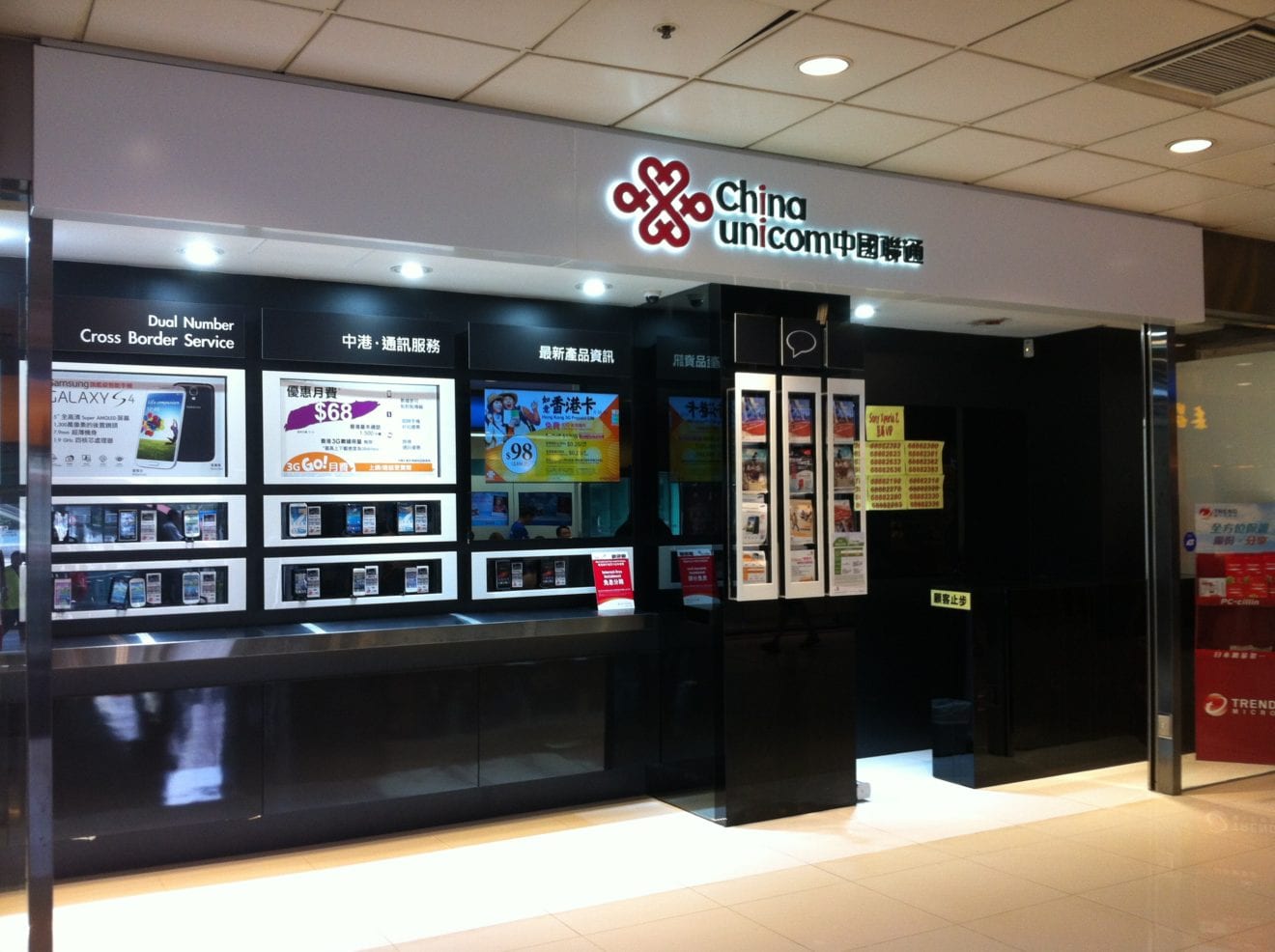
    China Unicom has completed a field trial of ADVA Optical Networking’s prototype G.metro (WDM-PON) technology in a fronthaul network.

    The operator demonstrated the use of a prototype technology involving using a single bidirectional fiber link between head-end and tail-end equipment during a lab demonstration in Beijing.

    The prototype uses autonomous transponders to help reduce the costs and complexity involved in metro access network applications.

    “Due to booming demand for mobile data, it’s become essential that we find innovative ways to increase capacity. Converged metro-access networks are key to this, but so are reducing complexity and improving operational efficiency,” China Unicom network technology research institute director Guangquan Wang commented.

    “During the trial, the prototype was installed in one of our central offices in Tianjin to replace the transmission link of one of our working LTE stations. The results showed that the new technology integrated seamlessly with our current wireless equipment and had no impact on services whatsoever.”

    G.metro directly distributes DWDM wavelengths to remote radio units, base stations, desktops or end users, enabling up to 40 DWDM wavelength channels with a 100GHz grid. Each channel is able to transmit data at 10Gbps over a 20km fiber distance without optical amplification.

  • VMware, AWS to launch joint hybrid cloud service

    VMware, AWS to launch joint hybrid cloud service

    VMware and AWS have teamed up to provide an integrated hybrid offering that promises to give customers the full software-defined data center (SDDC) experience.

    VMware Cloud on AWS will enable customers to run applications across VMware vSphere-based private, public, and hybrid cloud environments.

    To be available in mid-2017, the service will be delivered, sold, and supported by VMware as an on-demand, elastically scalable service. VMware Cloud on AWS will allow VMware customers to use their existing VMware software and tools to leverage AWS’s global footprint and breadth of services, including storage, databases, analytics and more.

    VMware Cloud on AWS is powered by VMware Cloud Foundation, a unified SDDC platform that integrates VMware vSphere, VMware Virtual SAN and NSX virtualization technologies, and will provide access to the full range of AWS services.

    This new service will run on next-generation, elastic, bare metal AWS infrastructure.

    Pat Gelsinger, CEO of VMware, said the new service will make it easier for customers to preserve their investment in existing applications and processes while taking advantage of the global footprint, advanced capabilities, and scale of the AWS public cloud.

    “Our customers continue to ask us to make it easier for them to run their existing datacenter investments alongside AWS,” said Andy Jassy, CEO of AWS.

    “Most enterprises are already virtualized using VMware, and now with VMware Cloud on AWS, for the first time, it will be easy for customers to operate a consistent and seamless hybrid IT environment using their existing VMware tools on AWS, and without having to purchase custom hardware, rewrite their applications, or modify their operating model.”

  • Singapore’s MyRepublic launches in Australia

    Singapore’s MyRepublic launches in Australia

    Singapore-based ISP MyRepublic will launch in the Australian market later this month over the national broadband network (NBN), as part of the company’s ongoing regional expansion.

    MyRepublic will launch an unlimited data service at the fastest NBN speeds available in that area at the single price of A$59.99 ($46.10) per month.

    Unlimited data plans are still relatively rare in the Australian market due to a lack of competitive fixed-line infrastructure, even as the NBN wholesale network is progressively deployed.

    MyRepublic Australia managing director Nicolas Demos said the company plans to differentiate by offering the best speeds possible with unlimited allocations.

    “It is time to educate Australians on the value of quicker speeds without the restrictions of data caps,” he said.

    “Australia has the 48th fastest average internet connection speed in the world. Over 80% of Australian customers on the NBN are currently running on speeds similar to ADSL technology. We will deliver customers the best speed they can get – at their location – with our unlimited plan offer with local support at a fair price.”

    MyRepublic was founded in 2011 and was the first company is Singapore to offer 1Gbps broadand services for under S$50 ($36) per month. The company has been pursuing regional expansion, and has so far also launched services in New Zealand and Indonesia. At home, the company is vying to become Singapore’s fourth mobile operator.

  • M1 equips first building with fiber under FRS

    M1 equips first building with fiber under FRS

    Singapore’s M1 has been selected as the Fibre Ready Scheme (FRS) partner for property developer Ascendas-Singbridge, and has completed the first commercial fiber upgrade installation under the deal.

    The companies have equipped seven-storey integrated business park Ascent with fiber, making the Singapore Science Park facility the first FRS-enabled building.

    M1 and Ascendas-Singbridge plan to install and enhance fiber infrastructure at 70 commercial deals by 2018 as part of the alliance.

    “M1 was the first to launch commercial fiber broadband service in 2010, and we are pleased to build on that effort to partner Ascendas-Singbridge to install and upgrade the fiber infrastructure across its commercial buildings island-wide,” M1 chief corporate solutions and sales officer Willis Sim said.

    “This will enable even more corporates to rapidly enjoy M1’s innovative, competitively priced, and highly effective business connectivity service and corporate solutions such as cyber security and unified communications.”

    The FRS is an initiative of the Infocomm Media Development Authority (IMDA) as part of an S$200 million fund to help owners of commercial buildings enhance the location’s telecoms infrastructure. It involves offering a one-time subsidy to defray the costs of an upgrade.

    “With the addition of Ascendas-Singbridge’s 70 buildings, close to 200 buildings have applied for FRS to date,” IMDA assistant CEO Khoong Hock Yun said.

    “We strongly encourage more commercial building developers and owners to leverage on the FRS to enhance and future-proof its buildings’ fiber infrastructure before the program and funding ends in March 2018.”

    strongly encourage more commercial building developers and owners to leverage on the FRS to enhance and future-proof its buildings’ fibre infrastructure before the programme and funding ends in March 2018,”

  • Ciena aims to usher in age of self-driving network

    Ciena aims to usher in age of self-driving network

    Ciena has unveiled WaveLogic Ai, a programmable coherent modem that aims to serve as a  foundational enabling technology for a self-driving network.

    WaveLogic Ai sets new performance benchmarks designed to improve transport network economics and flexibility across a broad set of network applications.

    In metro and DCI applications, it drives 400G single carrier transmission with power and density metrics. In regional and long-haul networks, WaveLogic Ai establishes 200G and 300G as the new reference line rates for backbone transmission, doubling capacity and dramatically lowering cost per bit. In submarine networks, it provides maximum capacity with ultimate reach at distances up to 14,000 kilometers.

    WaveLogic Ai offers enhanced intelligence for new levels of visibility into the network that enables autonomous decisions to further improve network performance.

    Through open interfaces, it monitors and gathers critical networking data, including embedded real-time link measurements, to make intelligent capacity decisions in real time. For instance, WaveLogic Ai helps determine the optimal capacity for any path across the network and can tune to different capacity levels from 100G to 400G in 50G increments.

    WaveLogic Ai uses an advanced 400G-optimized technology engine with a higher baud rate to drive twice the capacity per channel, three times the distance at the equivalent capacity, and four times the service density at less than half the power. This scalability supports 400GE and flexible client services to best match service throughput to flexible line capacity.

    WaveLogic Ai is designed to calculate and then make available massive amounts of optical networking performance data through open interfaces that can be mined to build on-demand, programmable networks.

    To better match capacity to system margin, WaveLogic Ai provides unprecedented tweakability via open software interfaces that help drive automated and intelligent decisions to reduce operational expense and avoid manual errors.

    WaveLogic Ai provides access to real-time link monitoring information, thereby giving operators new levels of network visibility and the ability to accurately engineer the network for optimal capacity and maximum efficiency.

    The company says WaveLogic Ai will be available in the second quarter of 2017.