Category: Telecom

Retail News Asia is committed to providing both local and global retailers with the latest Telecom & Telco news throughout the Asian market. This on a daily base.

  • Global telcos eye stake in Vietnam’s Mobifone

    Global telcos eye stake in Vietnam’s Mobifone

    A number of international telecoms operators have reportedly expressed an interest in participating in the privatization of Vietnamese state-owned operator Mobifone.

    Companies including Norway’s Telenor, Sweden’s Comviq and Australia’s Telstra have shown interest in acquiring stakes in the company.

    Mobifone has an estimated brand value of $539 million. Plans for the privatization of the company have been in consideration since 2005 but the process has been repeatedly delayed.

    Now the government is pushing to complete the process in 2016-2017 as part of a push to hasten the privatization of state-owned enterprises.

    Australia’s Telstra could be a key partner for the operator. Telstra had previously been involved in the Vietnamese market as part of a partnership with Viet Nam Post and Communications, but exited the market in 2003. Now the operator is looking to return to the market by participating in the privatization of Vietnam’s telecom enterprises.

    Comviq is meanwhile a former partner to Mobifone and so it also has history in the market, while Telenor has been aggressively pursuing Asian expansion.

  • PCCW’s Viu debuts in Indonesia

    PCCW’s Viu debuts in Indonesia

    Vuclip, a PCCW Media company launched in Indonesia the over-the-top (OTT) video-on-demand (VOD) service Viu, which has already rolled out in Malaysia, India, Hong Kong and Singapore.

    To amplify its efforts to deliver throughout Indonesia, Vuclip has entered into strategic partnerships with IndiHome Fiber, Telkomsel and Samsung.

    These partnerships enable Viu subscribers to experience content that is delivered “at the fastest speeds, through the most reliable networks, on a variety of devices, at the most competitive rates available.”

    For IndiHome Fiber-to-the-Home (FTH) subscribers, Viu content will be delivered through Telkom’s bundled speed plans on the FTH network.

    Telkomsel and Vuclip have strategically partnered for Indonesians to enjoy Viu content through Telkomsel broadband networks, and special bundled data package pricing for consumers.

    Through Viu’s exclusive device partnership with Samsung, Samsung Galaxy users with select smartphones and tablets can access all Viu content when they activate the “Viu partner offer” via their Samsung Galaxy devices.

    “Mobile devices have driven internet growth in Indonesia. The number of Samsung Galaxy users who enjoy video streaming has also shown significant growth,” said Denny Galant, head of product marketing at Samsung Electronics Indonesia.

    Through our partnership, our Samsung Galaxy users with selected Samsung Galaxy models will be pampered with the latest Asian serials and other unlimited contents for 12 months,” said Galant.

  • Voot picks Ooyala to deliver ads

    Voot picks Ooyala to deliver ads

    Ooyala is now the ad delivery provider for Voot, a new over-the-top (OTT) service from Viacom18, a joint venture between Viacom and the Network18 Group.

    The company is using Ooyala Pulse to manage and deliver video ad campaigns across its new mobile app and desktop experience.

    By moving its entire video library, including content from COLORS, MTV and Nickelodeon, to its new OTT service, Viacom18 now has a unified digital destination for the 100-million-plus viewers currently on its traditional channels.

    Voot is now the exclusive online destination for the network’s content, with a more personalized and engaging experience. It will also have the largest library of premium kids content in India along with a wide range of original series and films that Voot will create.

    With Ooyala Pulse, Viacom18 has a single platform to sell, manage and deliver ad campaigns across its entire inventory.

    Voot can use Ooyala Pulse to tailor ad campaigns with granular functionality, supporting all industry-standard ad formats as well as ad placements. With forecasting analytics pre-built into Ooyala Pulse, the customer can see in real-time the current status of all ad campaigns, adjusting details as needed to ensure goals are met.

    “As OTT offerings gain traction in India, it’s vital that content providers keep personalization in mind, tailoring services to their viewers, while maintaining a clear monetization strategy,” said Keith Budge, Ooyala VP and general manager of Asia Pacific.

  • Telenor launches digital health service in Bangladesh

    Telenor launches digital health service in Bangladesh

    Telenor Health, the digital health unit of the Telenor Group, has introduced a digital health service in Bangladesh.

    The company’s first digital offering, Tonic, is a mobile-based integrated digital service that includes: Tonic Jibon (life), the first Bengali-language services that provides free science-backed information on how to build a healthier and happier life; Tonic Daktar (doctor), which enables members to access medical advice on basic health topics via phone 24 hours a day; Tonic Discounts, which offers exclusive discounts up to 40% on key services at more than 50 popular hospitals across Bangladesh; and Tonic Cash, which provides members compensation if they have been hospitalized for three consecutive nights or more, paid directly to a member’s mobile banking wallet.

    Telenor said the service is being offered in the first phase exclusively to its 57 million Grameenphone customers.

    Bangladesh Health Minister Mohammad Nasim and State Minister of Posts & Telecommunication Tarana Halim attended the official launch in Dhaka.

    “Harnessing technology in order to address basic health challenges is an area of growing interest for Telenor, especially in countries like Bangladesh,” said Sigve Brekke, President and CEO of Telenor Group.

    Telenor has been present in the country since 1997 and now serves more than 185 million customers across Asia. The company established Telenor Health to scale Tonic and other digital health services to other markets upon success in Bangladesh.

  • SmarTone launches cyber security suite

    SmarTone launches cyber security suite

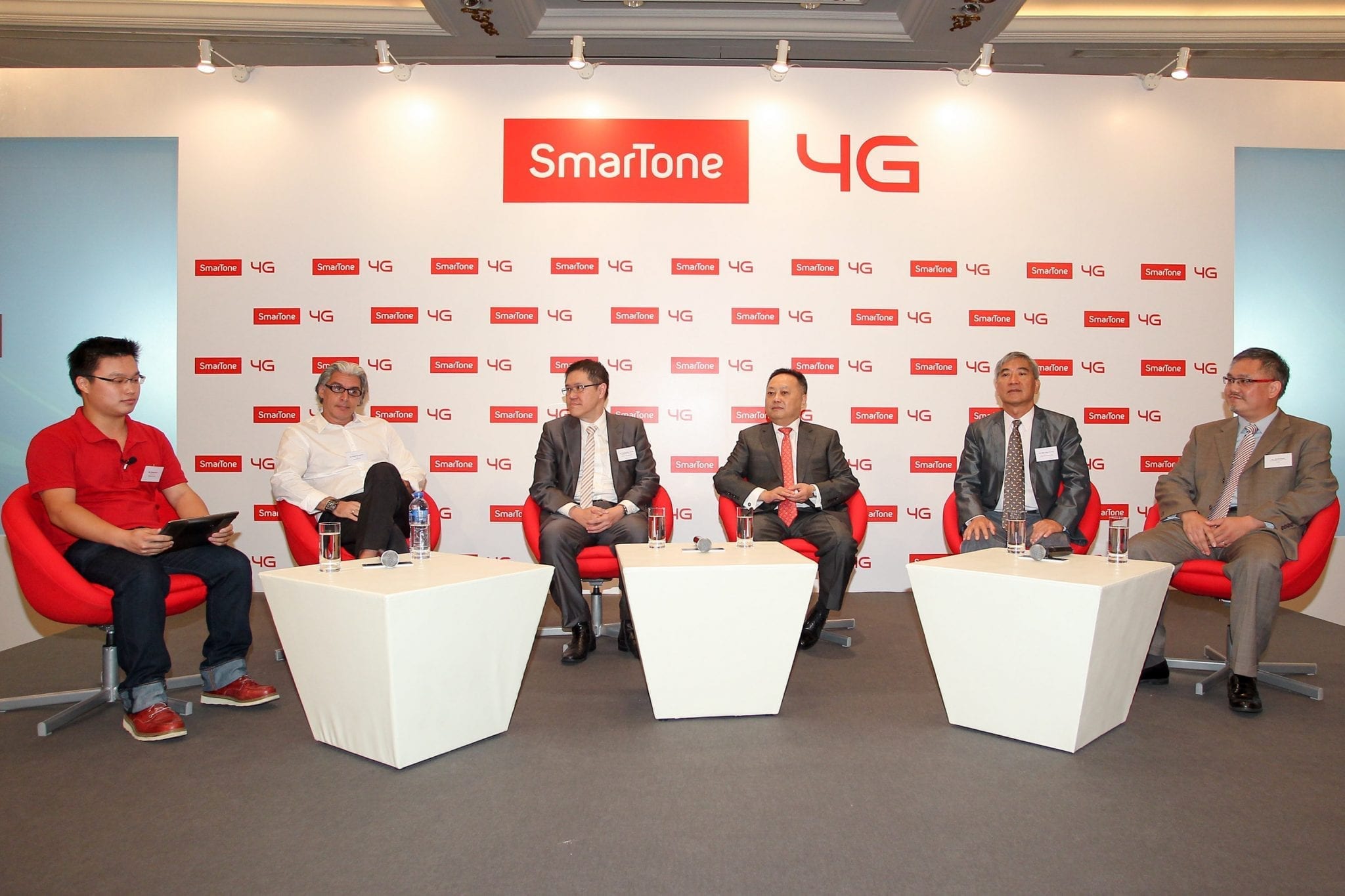
    Hong Kong operator SmarTone has launched ST Protect, an anti-cyberattack software with on-device AI and a Machine Learning behavioral engine designed to protect smartphones from known and even unknown threats.

    Cyberattacks have rocketed in recent years. In Hong Kong, there was an 86% increase in the number of security issues related to mobile devices in 2015 compared to the previous year. Globally, more than 87% of the top mobile apps have been hacked.

    Stephen Chau, SmarTone’s interim CEO, said the new product is design to help their customers to “actively combat” mobile security threats.

    “Recently we have observed the increasing trend of mobile threats and cyberattacks around the world as well as in Hong Kong, with WiFi attacks, viruses and malware continuing to become more prevalent,” he noted. “In many cases, these mobile security issues could lead to severe consequences for smartphone users – from financial loss to the exposure of their private data or personal communications to the public, and even ID theft. There is a pressing need for smartphone users to protect their phones.”

    ST Protect is powered by Zimperium, a US-based security and technology company that has invented the world’s first mobile AI intrusion prevention system. It provides continuous and real-time protection to smartphones against the following mobile threats.

    WiFi attacks and hacking, especially Man-in-the-middle (MITM) attacks, no matter whether users are in Hong Kong or overseas: ST Protect alerts users to immediately terminate unsafe WiFi connections if threats are found.

    ST Protect detects and stops abnormal app activities with patented behavioral analytics, and ensures apps only access permitted information. It also offers protection for known and unknown threats and even zero-day attacks. It also alerts users when their smartphone is under attack.

  • M1 launches carrier billing for BES12

    M1 launches carrier billing for BES12

    Singapore’s M1 has become the first operator in Southeast Asia to offer BlackBerry’s BES12 Cloud bundled with new or renewed business mobile plans.

    The operator is the first in the region to take advantage of BlackBerry’s Enhanced SIM-Based Licensing, which offers multi-OS support from a single console, including for personal and company-issued devices.

    The platform supports remote provisioning of corporate applications and the setting of usage rights over the portal.

    M1 will also offer upgrade options including more advanced EMM features, billed via a monthly subscription model using carrier billing.

    “M1 is pleased to be the first in Southeast Asia to bring the benefits of BES12 to customers with easy deployment through Cloud,” the company’s chief product development and corporate solutions officer Willis Sim said.

    “This partnership with BlackBerry simplifies the way customers buy and use mobility, driving efficiencies and ultimately helps businesses enhance the way they service their own customers.”

    Operators including Vodafone India, Taiwan’s Chunghwa Telecom, Malaysia’s Maxis and Celcom Axiata agreed to support carrier billing for BES12 last year.

  • Illegal OTT boxes are the new P2P piracy

    Illegal OTT boxes are the new P2P piracy

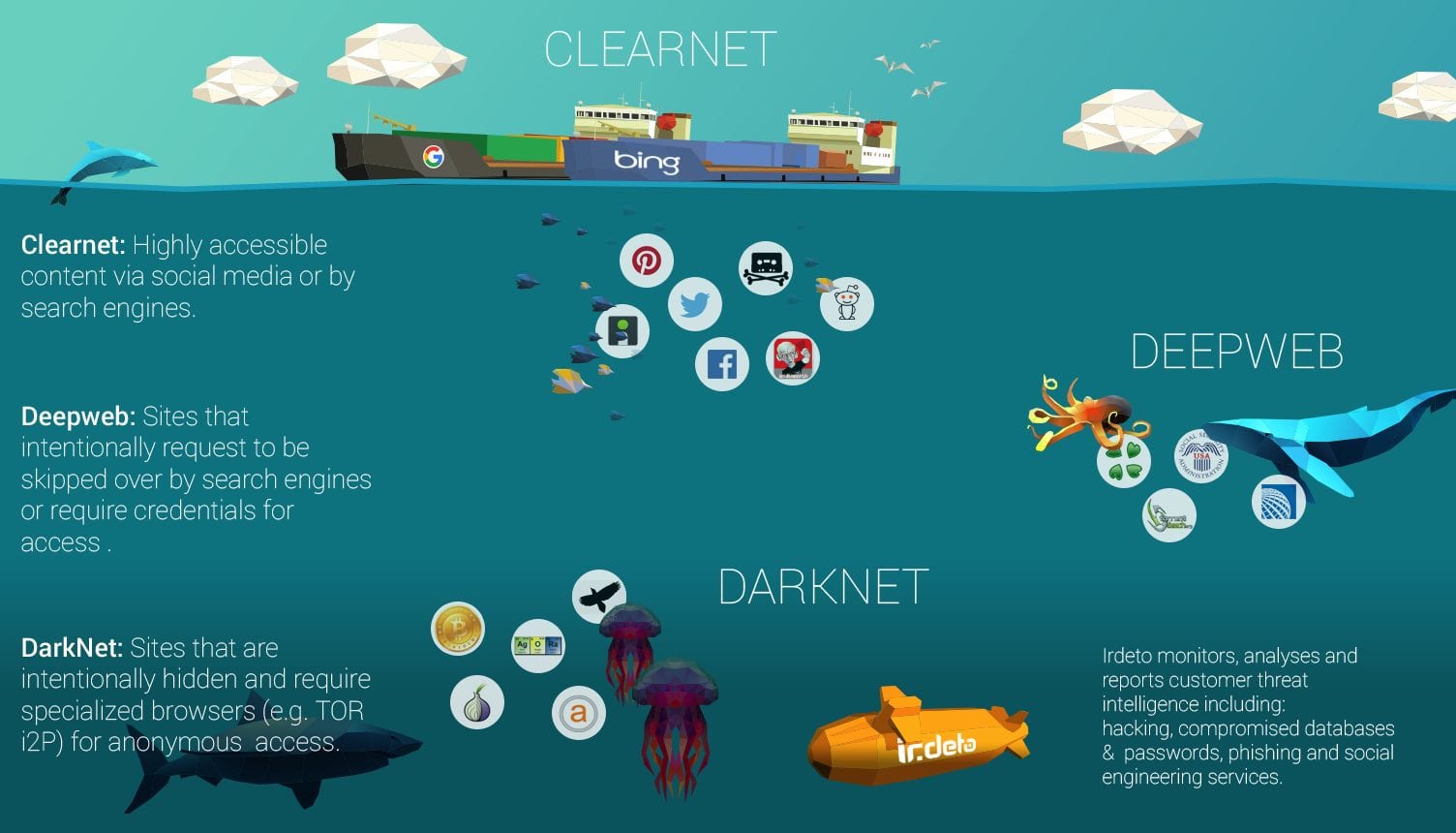
    Online video piracy is alive and well in 2016, but the threat landscape has shifted from straight conditional access (CA) technology and P2P file-sharing to illegal OTT set-top-boxes (STBs) that connect users to sites that look like professional OTT service providers with fancy EPGs, but are in fact hosting stolen content.

    “So these new-age pirates are no longer hacking the CA on the STB, they are selling their own STBs and delivering illegal content through them,” says Bengt Jonsson, VP of Asia-Pacific at Irdeto.

    Combating that involves some tried-and-true techniques like watermarking so stolen content can be identified. But that’s just the start, says Jonsson.

    “You also need a monitoring service to go and find stolen content on these sites and identify it,” he says. “And you need a takedown service where you go to the ISPs and tell them, ‘We represent this customer, this is their content and it’s pirated,’. And you have to monitor for compliance.”

    Irdeto supplies all of these services, and also has agreements with major e-commerce sites like Alibaba and eBay under which they will remove illegal OTT STBs from the site when Irdeto identifies them.

    However, says Jonsson, this kind of piracy is a global problem that requires cooperation from both the pay-TV operators (as well as industry organizations like CASBAA) and regulators who police copyright infringement.

    A challenge to the latter is jurisdictional issues – for example, what do you do when content produced in Australia is being pirated for an OTT box sold in Ukraine?

    “We start by using watermarking and fingerprinting to trace the source of the content, and from there we can locate the subscriber and block them and see where the traffic is going,” says Roger Harvey, Irdeto’s ANZ managing director. “So we can determine both where the pirate site is and where they got the content from.”

    The rest is up to legislation frameworks in each country to not only combat piracy, but keep up with changing delivery models such as the shift from linear pay-TV to multiscreen OTT.

    Interestingly, the ability to track and monitor stolen content also gives Irdeto’s customers valuable data on how popular certain content is and where.

    “We have what’s called a heat map, where our customers can see what content is being consumed in what area, legally or illegally, which shows demand for it,” Jonsson says. “An effective way to combat online piracy is to deliver a legal alternative, so with this, data content owners can see what viewers want so much that they’re willing to pirate it if it’s not available.”

    Last week, Irdeto partnered with Taiwan-based ALi Corp, which will integrate Irdeto’s security solutions on its latest generation chipset offerings for STBs.


  • $25 smartphones + one year unlimited browsing = profit!

    $25 smartphones + one year unlimited browsing = profit!

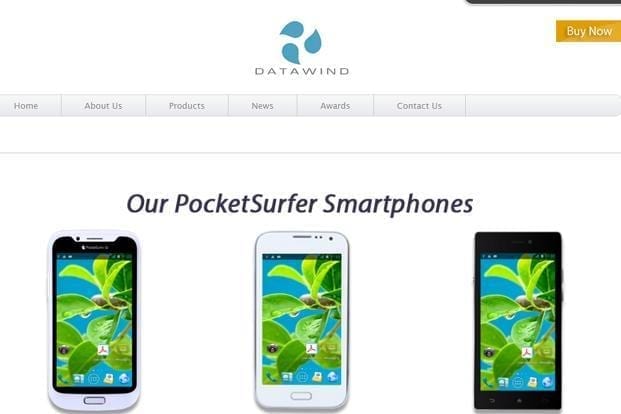
    Ontario-based Datawind offers entry-level smartphones and tablets starting at $25 – including one year of unlimited web browsing. The service has launched in India and is in talks to expand to countries in Southeast Asia and Africa.

    Suneet Singh Tuli, CEO of Datawind, said that a large market segment is still not exposed to mobile data. Of Indonesia’s 250 million people, 50 million have no mobile phones, and 100 million handsets 2G feature phones.

    To achieve rock-bottom prices, the Datawind phones are designed to be “good enough” using last-generation ARM Cortex A7 1.2 GHz dual-core CPUs and 512MB of RAM. Tuli said that the system-on-a-chip costs $2.50 today compared to $15 just a couple of years ago. Yet this budget chipset packs more power than the 2nd generation Apple iPad.

    Datawind compresses web pages on a server before being delivered to the device. A typical 2MB CNN page is compressed to 70KB.

    Unlike Facebook’s Free Basics curated selection, the entire internet is available for users to browse. Nor does Datawind engage in ad-injection or substitution.

    The company partners with telcos to buy data wholesale. In India they started with Reliance and Telenor and are adding more partners. While one year of unlimited web browsing is included, once they’ve had a taste of smartphones, many users choose to add-on voice packages or data packages for video streaming – this is how Datawind can negotiate to buy data at such low rates.

    For the telco this is about customer acquisition, not ARPU.

    “While we are not yet overall profitable, we are EBITDA profitable,” said Tuli. “We are not selling at a loss. For it to be sustainable it has to make commercial sense.”

    In India, Datawind claims 34% overall market share and 74% for the under-$100 segment.

  • gen-E launches OpsCenter InfiniView BI platform

    gen-E launches OpsCenter InfiniView BI platform

    gen-E launched its business intelligence platform OpsCenter InfiniView, which “goes deeper and broader than current advanced analytics software” by combining and analyzing data across an entire business and comparing it against thousands of industry best practice KPIs.

    The automated results and recommendations are presented via a real-time dashboard view to help leaders make better decisions, improve efficiency, and gain full insight into the health and performance of their business.

    OpsCenter InfiniView analyzes aggregated data and adds context to the data streams on how it impacts each other. This provides a top-down business perspective on what is happening in the environment and the reasons behind it to see how and what needs to be done to adjust the KPI.

    “Though advanced analytics has certainly accelerated digital transformation initiatives of some companies, current market solutions stop at providing visual representations of data, leaving much of the heavy lifting of analysis to department heads and business leaders,” said Marc Hayden, gen-E CEO. “OpsCenter InfiniView provides decision making support through actual insights – it’s more intelligent business analytics.”

  • Intel India debuts three digital literacy projects

    Intel India debuts three digital literacy projects

    In a bid to bridge the digital divide in India, Intel has launched three projects to accelerate digital literacy at the grassroots level.

    Intel India aims to reach out to the population in rural areas, upskill citizens in tier two cities and beyond and encourage innovation at the local level.

    The chip manufacturing company will partner with state governments and the central government to set up 100 digital learning centers at Common Service Centres (CSCs) in rural areas. The company will work with state governments that are active on the Digital India program.

    “We are thrilled to see the progress made through our collaboration with the government of India on various initiatives like ‘Digital India’ that are bringing technology and innovation mainstream in India,” Robby Swinnen, General Manager, Intel Corporation (Asia-Pacific & Japan) said in a statement.

    Building on the momentum of its “Ek Kadam Unnati Ki Aur” initiative to accelerate access to technology in non-urban India, Intel India e-launched its latest “Unnati Kendra at Common Service Centre” (UK at CSC) in Karnal, the first in Haryana. The ‘UK at CSC’ will serve as the common access digital learning centers for people of the state.

    Intel India is working with the government to open a network of up to 100 ‘UK at CSC’ facilities across 10 states this year, with 10 such facilities already set up in the state of Telangana. The “Digital Unnati” website, set up in collaboration with the CSC e-Governance Services India Ltd, will enable Village Level Entrepreneurs (VLEs) to learn how to assemble a PC online and upskill their technology know-how.

    In addition, the Intel and Government of India’s Department of Science & Technology (DST) Innovate for Digital India Challenge will be launched later on in the year. The challenge supports local innovation and entrepreneurship and is a nationwide competition inviting technology solutions to solve real problems faced by citizens.

    “Intel India is fully committed to achieving the realization of a truly Digital India and has been supporting this vision by fostering innovation and upskilling of the non-urban population,” sums up Debjani Ghosh, vice president, sales and marketing and director, Intel South Asia.

  • ClearStory jazzes up data wrangling solution

    ClearStory jazzes up data wrangling solution

    ClearStory Data has updated its Spark-based Data Inference and Intelligent Data Harmonization capabilities through further machine-based discovery and scoring of data sources and their contents.

    This is meant to drive fine-tuned recommendations to users who otherwise struggle in wrestling data and combining disparate sources to answer new questions.

    This innovation computes and keeps track of alternate and even richer data blending and harmonization strategies so users can quickly identify and pick the data sources and elements that serve to accurately and quickly answer business questions.

    The benefit to organizations is up to 20 times faster data discovery when determining the optimal overlap between large, disparate data sets and the ability to scale data discovery and preparation across more data complex sources and more users.

    ClearStory provides the speed and flexibility that businesses need to ask and answer questions quickly based on data that is constantly evolving and in flux.

    ClearStory’s business-optimized usability, coupled with an intelligent, machine-based approach to discovering and combining data even on large, complex sources, ensures a fast, consistent and simple experience so anyone can be self-sufficient in combining data and answering questions.

    ClearStory Data’s new capabilities are offered as a core part of the ClearStory solution and customers can experience it starting in two weeks as part of their standard offering.

  • New Zealand’s Woosh Wireless enters administration

    New Zealand’s Woosh Wireless enters administration

    New Zealand wireless broadband provider Woosh Wireless has entered voluntary administration after burning through more than NZ$100 million ($67.7 million) in cash since it was founded.

    The operator has appointed local advisory and investment firm KordaMentha as administrators for the proceedings. The first meeting of creditors will be held early next month.

    Woosh was founded in 1999 and bought out by California-based Craig Wireless for $5 million in 2011.

    The company sold its fixed line network to rival Slingshot last year, and sold one of its three spectrum blocks – a 70 MHz lot of 2300-MHz spectrum – to Spark New Zealand for NZ$9 million in April.

    A KordaMentha partner said the company will be mindful of customers who rely on Woosh Wireless for their broadband services, particularly in remote areas in rural parts of Southland, where there is a strong concentration of subscribers.

  • San Miguel selling telco assets to PLDT & Globe

    San Miguel selling telco assets to PLDT & Globe

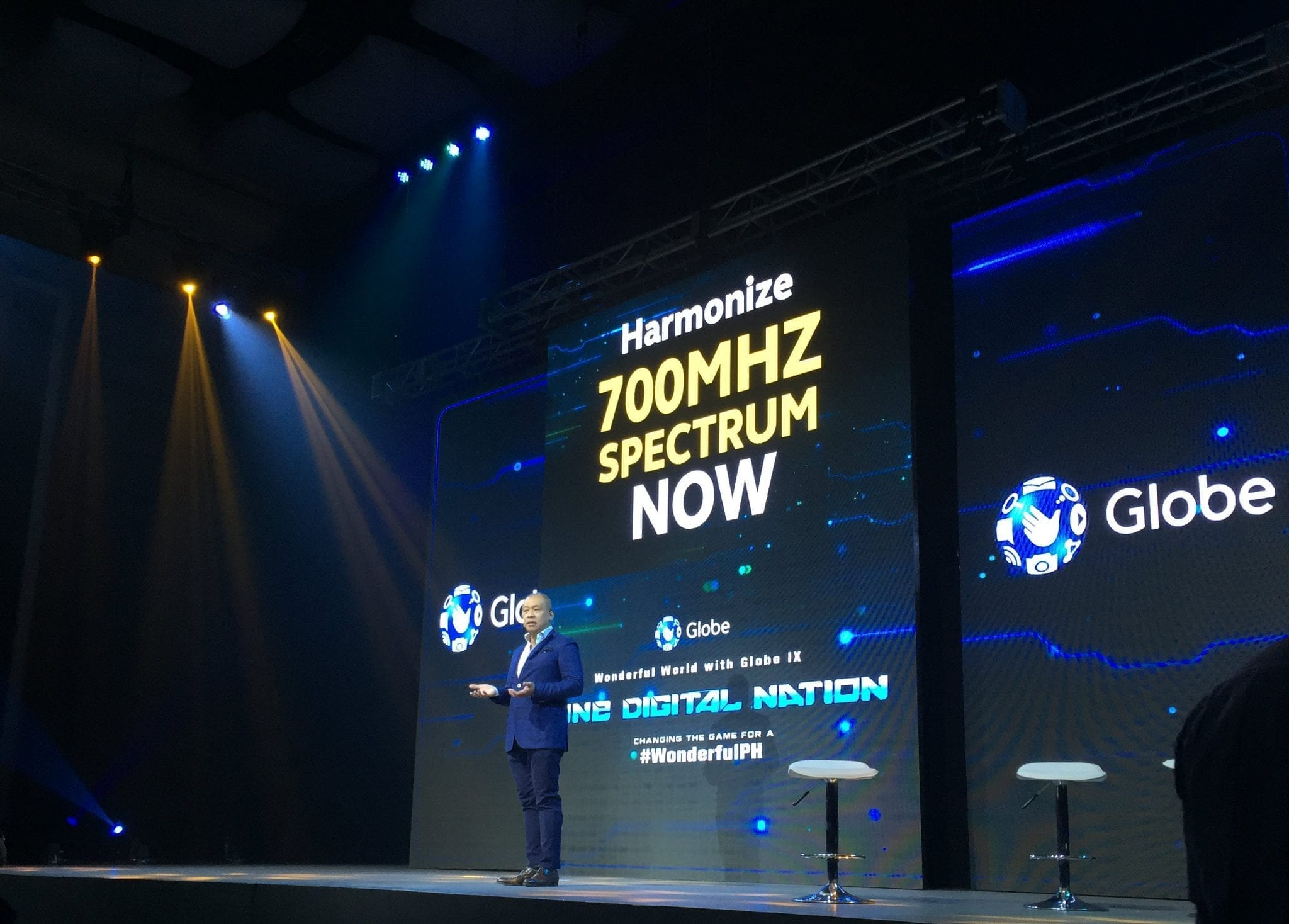
    Philippine conglomerate San Miguel corporation is selling its telecom business to incumbent operators PLDT and Globe following the collapse of its JV negotiations with Telstra.

    Under the agreement, San Miguel will sell its telecom unit Vega Telecom for 69.1 billion pesos ($1.48 billion) inclusive of 17.02 billion pesos worth of liabilities. PLDT and Globe will each acquire half of the business.

    Vega Telecom owns controlling stakes in multiple telecom-related units. These are BellTel, Eastern Telecommunications, Cobaltpoint Telecommunication (formerly Extelcom), Tori Spectrum Telecommunication (formerly Wi-Tribe) and Hi-Frequency Telecommunication.

    The acquisition will finally grant PLDT and Globe access to radio spectrum in the coveted 700-MHz band, which San Miguel currently holds a monopoly on.

    PLDT and Globe have been petitioning the government for years for access to this spectrum, but the regulator had so far declined to act to recall the spectrum.

    In addition to the 700-MHz spectrum the acquisition also covers frequencies in the 900-MHz and 1800-MHz bands, PLDT said in a stock market filing.

    But as part of the deal, PLDT and Globe have agreed to relinquish part of the 700-MHz, as well as 850-MHz, 2500-MHz and 3500-MHz bands to regulator NTC to allow the potential entry of a third operator into the market.

    “This transaction offers a breakthrough opportunity, not only for the companies involved but also for the industry and the country. This will enable existing operators to provide significantly improved Internet and data services to the public and to our customers in the shortest possible time,” PLDT CEO Manuel V Pangilinan said in a statement.

    “ At the same time, it leaves the door open for new entrants into the industry. Taken together, thiswill enable the industry to better support the country’s development efforts – especially significant with the onset of a new government.”

  • Airtel Digital TV powers HD offerings with Harmonic solution

    Airtel Digital TV powers HD offerings with Harmonic solution

    Airtel Digital TV has deployed a compression headend solution from Harmonic in an effort to substantially improve the HD viewing experience for its customers.

    The high-density, scalable and HEVC-upgradeable video infrastructure solutions from Harmonic is expected to help Airtel Digital TV increase bandwidth efficiencies and significantly improve video quality while lowering operating expenses.

    The deployment is also expected to enable Airtel Digital TV to expand its DTH HD portfolio to over 50 premium channels, making it one of the largest HD offerings in India today.

    “Harmonic’s compression solution allows Airtel Digital TV to deliver superior video quality at low bit rates while adapting to next-generation video compression standards such as HEVC,” said Dan Taylor, general manager in India at Harmonic.

    “Our video infrastructure solutions help customers like Airtel Digital TV reduce OPEX and drive new business growth by simplifying the launch of additional HD channels,” said Taylor.

    At the heart of the headend solution is Harmonic’s Electra X2 advanced media processor, which promises high-quality, low-bandwidth MPEG-2 and MPEG-4 encoding of SD and HD video content for live DTH services.

    The Electra X2 media processors support a wide range of video formats and codecs for satellite delivery, including HEVC, simplifying operations and future upgrades for Bharti Airtel.

    At Airtel Digital TV, the Electra X2 media processors will be integrated with Harmonic’s ProStream 9100 stream processor and ProView 7100 integrated receiver-decoder (IRD), and controlled by Harmonic’s NMX video network management solution.

  • Cignal TV deploys Actus monitoring platform in the Philippines

    Cignal TV deploys Actus monitoring platform in the Philippines

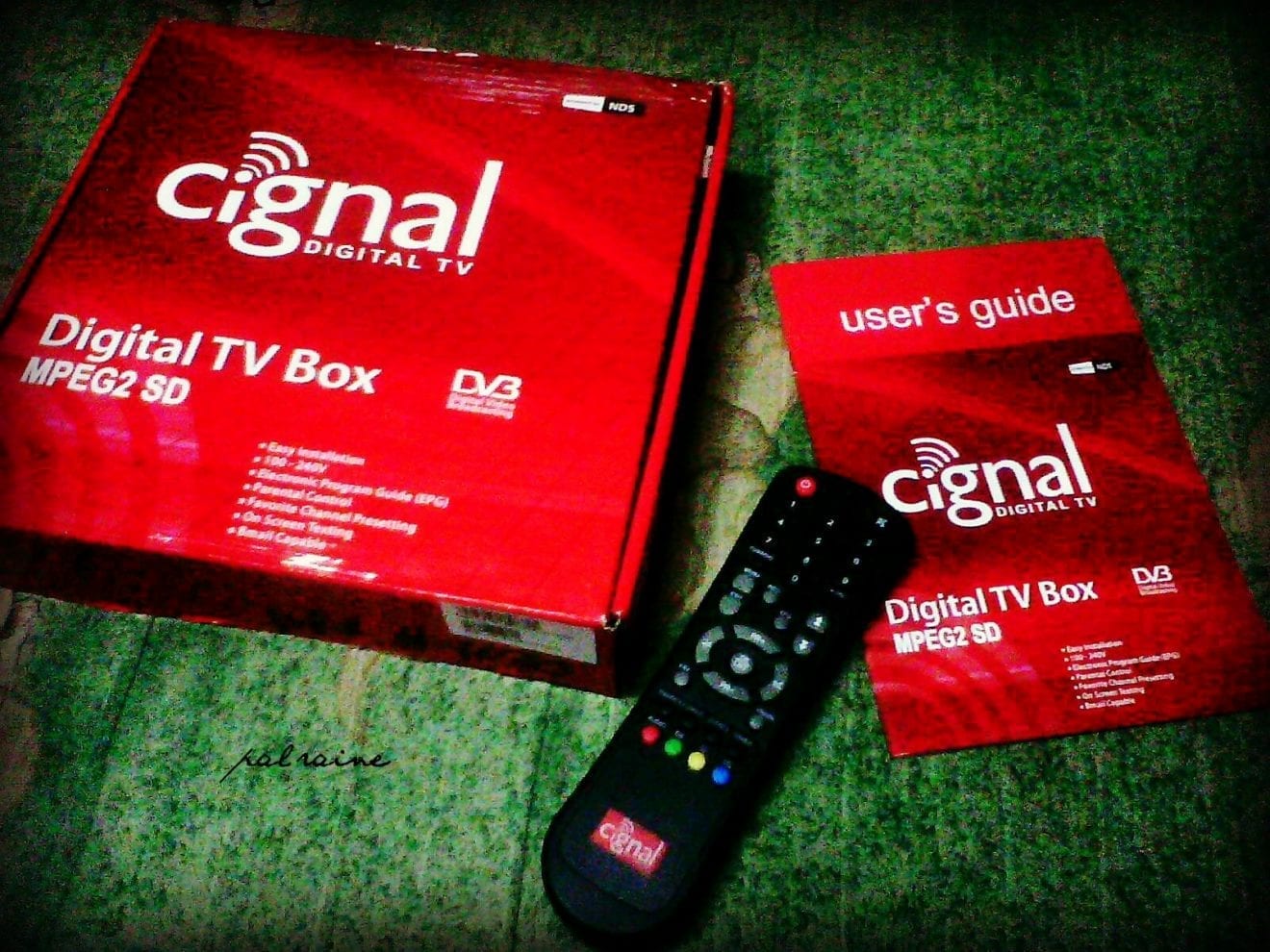
    Cignal TV in the Philippines has deployed Actus broadcast monitoring and media intelligent platform for TOA recording of MCR TV channels.

    Actus provides Cignal TV a broadcast recording solution as well as a system to support the marketing requirements. The recorded TV contents are available for simultaneous users, for clips viewing, clips creation and quality assurance.

    “With Actus recording and logging system, time consuming processes became immediate and efficient for all concerned teams,” said Gilbert D. Tan, TOC supervisor of Cignal TV. “The recorded contents are readily available 24×7 for review, clip creation and can be exported immediately when needed by our Channels and Marketing Team.”

    Actus View enables users with permissions to easily access recorded content with a user-friendly interface using web browsers. This aims to build trust and confidence with advertisers that Cignal TV is only delivering competitive and high-quality broadcast contents to its viewers.

    “Actus View is not only a reliable and cost-effective solution for recording TV channels, but also provides other integrated added values such as exporting clips, competitive monitoring and more,” said Raphael Renous, Actus CTO.

    Cignal TV awarded TechTwist the contract to deploy the Actus View solution for broadcast recording and media monitoring. The Actus team worked closely with TechTwist to design a winning workflow.