Category: Telecom

Retail News Asia is committed to providing both local and global retailers with the latest Telecom & Telco news throughout the Asian market. This on a daily base.

  • Facebook, Microsoft team for mid-Atlantic cable

    Facebook, Microsoft team for mid-Atlantic cable

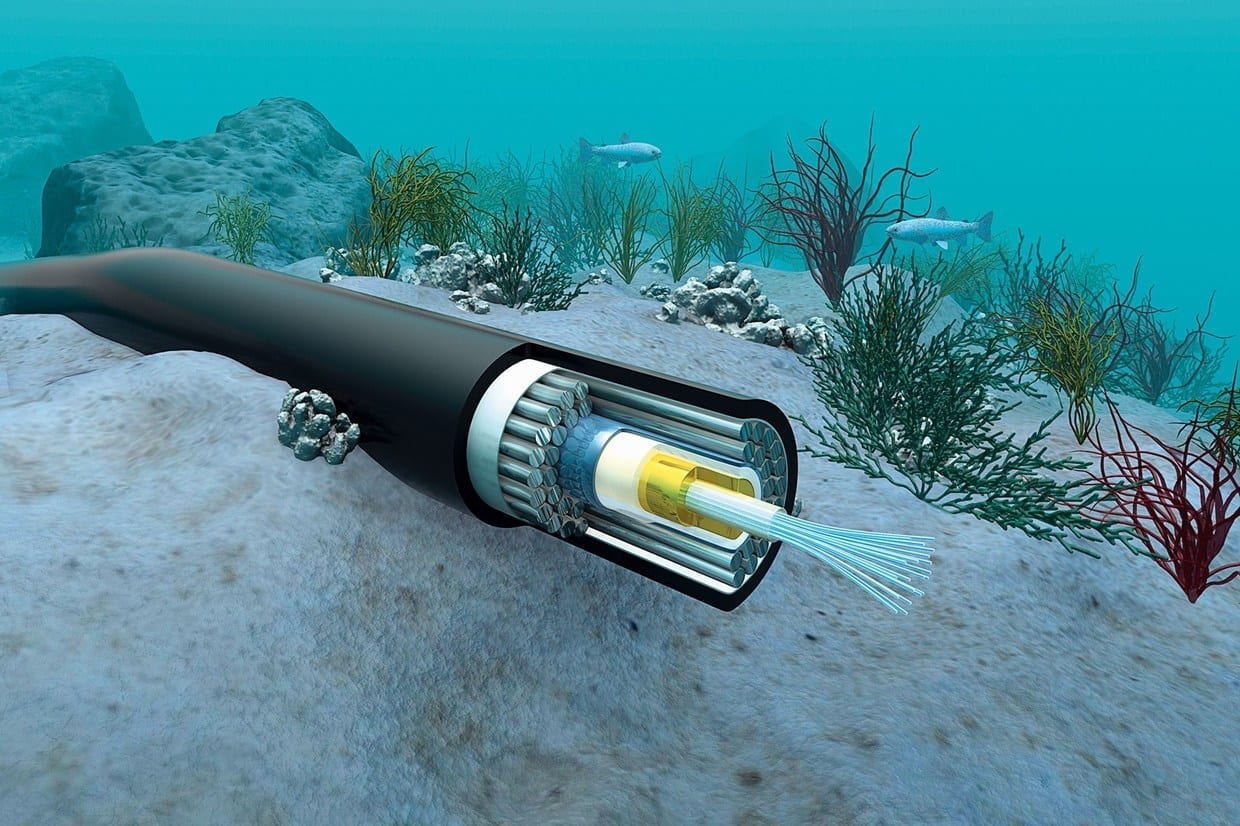
    On what do Facebook and Microsoft agree? Apparently, on the need for a new transatlantic cable between Spain and Virginia in the US. The MAREA cable system was announced yesterday, with the software and social networking giants working with Telefonica’s Telxius subsidiary to make it happen.

    MAREA will supposedly feature 8 fiber pairs and have an initial theoretical capacity of a whopping 160Tbps. It will stretch 6,600km and land in Bilbao in northern Spain and in Virginia Beach. That route takes a less popular southern route to Europe a bit north of the one taken by the aging Columbus system.

    The Virginia Beach landing can be better understood if one recalls that Telefonica’s BRUSA cable hooking up North and South America will also be landing there.

    Just last week we learned that Telefonica has already bought a 3.5 acre site there for a 20,000 square foot building for its cable landing station and data center there. In addition, fiber operators like SummitIG and Lumos Networks have been adding fiber infrastructure throughout southern and central Virginia that will surely help with the backhaul.

    Telxius will operate and manage the cable system itself. Telefonica launched Telxius as its infrastructure arm earlier this year, shifting ownership of towers, subsea cable systems, and other assets into it.

    They hope to monetize those assets in the wake of the blocking of the sale of O2 in the UK, and supposedly this week added several banks to prepare for a $4 billion to $5 billion IPO. That could happen as soon as July.

    This past year has seen the most submarine activity ever from the content guys, and they are increasingly taking the lead on new cable systems they feel are needed to meet their own bandwidth demand.

    Construction of the MAREA cable system is expected to begin in August and finish in October of 2017, although I’m sure they’ll have to time the actual cable laying operations around the Atlantic hurricane season.

  • Myanmar taps Intelsat for satellite backhaul

    Myanmar taps Intelsat for satellite backhaul

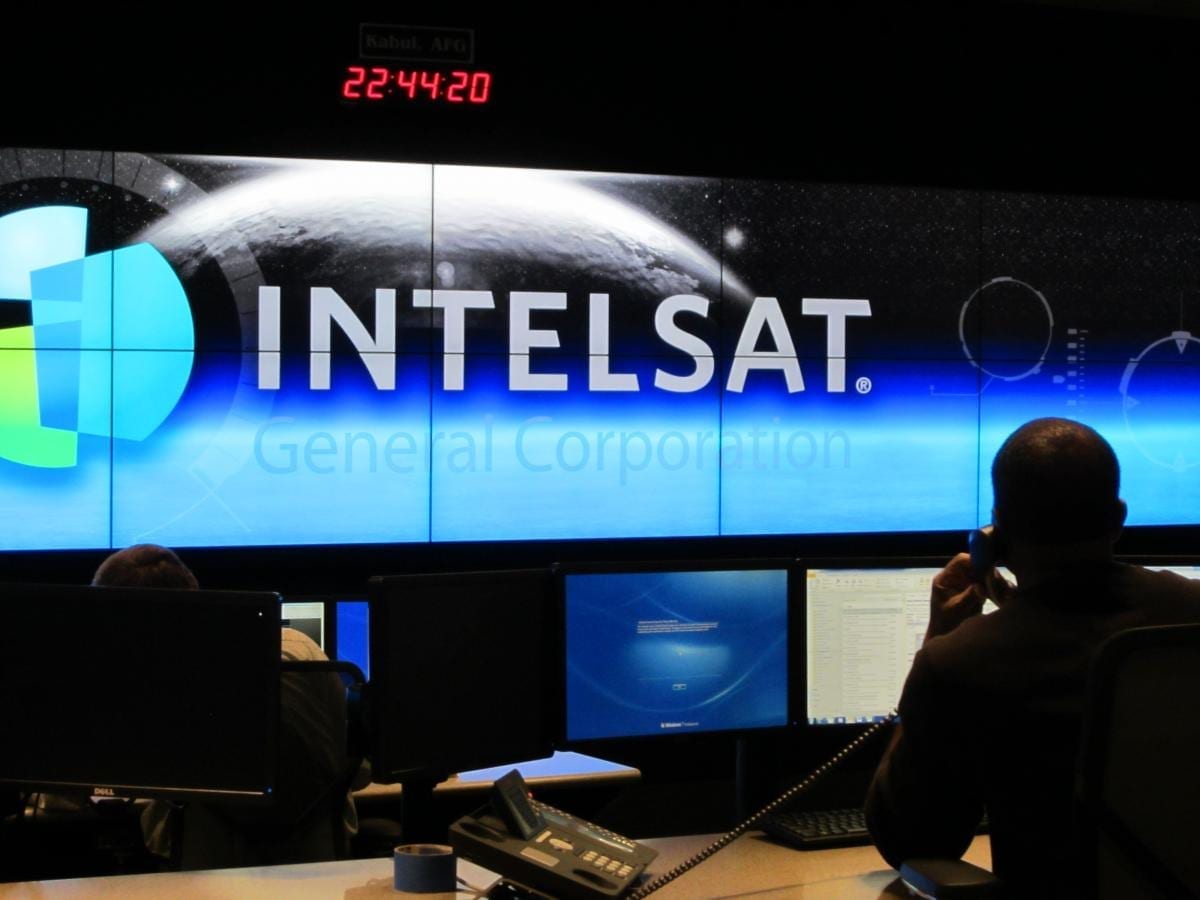
    Myanmar’s Ministry of Transport and Communications has arranged to use two Intelsat satellites to improve wireless broadband connectivity for the nation and expand broadband access for businesses.

    The multi-year, multi-transponder agreement will allow the government to significantly enhance its own network and help mobile operators achieve their 2G and 3G deployment goals, the parties said in a statement.

    This will hasten the expansion of high-speed wireless broadband connectivity for businesses and communities nationwide.

    Under the agreement, the ministry will use C-band satellite services over the Intelsat 902 craft for VSAT network and cellular backhaul services, and move to the higher-power services on the recently-announced Intelsat 39 satellite by 2018.

    “Over the past few years, Myanmar has made significant strides in expanding access to faster and more reliable broadband connectivity throughout the country,” the ministry’s permanent secretary Khin Maung Thet said.

    “With the help of Intelsat’s Globalized Network, we will leverage their satellite solutions to extend 2G and 3G communications services beyond urban centers and ensure that all of our citizens have access to higher bandwidth, superior quality and more affordable mobile broadband connectivity.”

    Intelsat CEO Stephen Spengler added that the satellite services “will help enrich the lives of the communities [the government] serves by improving medical and educational access, providing a lifeline during times of crisis and enabling Myanmar to foster strong relationships within and outside of the country.”

  • Huawei validates key 5G technologies

    Huawei validates key 5G technologies

    Huawei has announced it has completed the first stage of key 5G technology tests as part of a series of 5G field trials organized by the IMT-2020 5G Promotion Group.

    The vendor completed outdoor macro-cell tests in Chengdu, China consisting of a number of key 5G enabling technologies and an integrated 5G air interface.

    As part of the trial, Huawei evaluated three foundational technologies – filtered orthogonal frequency division multiplexing (F-OFDM), sparse code multiple access (SCMA) and polar code – the air interface technology.

    Results show that F-OFDM was able to improve system throughput by 10%, SCMA was able to increase uplink connections by 300% and downlink system throughput by up to 80%, and polar code provided coding gain of between 0.5dB and 2dB compared to the code used in LTE systems.

    Huawei said results of the test demonstrate that the new 5G air interface technology can improve spectral efficiency and meet the ITU-R’s diverse service requirements for the standard.

    The IMT-2020 5G Promotion Group was launched by the China Academy of Information and Communication Technology to encourage joint efforts to promote 5G field trials and evaluations among the global mobile industry.

    Earlier this year the group announced a three-phase 5G trial plan spanning from 2016 to 2018.

  • Google may get approval to test Loon in India

    Google may get approval to test Loon in India

    Google is reportedly in discussions with the Indian government to test its Project Loon in the nation through a four-day pilot program.

    The company is likely to secure approval for the test in Andhra Pradesh or Maharashtra. State-owned operator BSNL is co-ordinating with Google on the project, providing space, spectrum coordination and equipment testing, according to the report.

    The companies are evaluating the use of either the 700-MHz or 2500-MHz bands for the pilot, and the latter seems the more likely choice as it would not require the approval of the Department of Telecom. BSNL has 20 MHz of spectrum in the 2500-MHz band across 14 of India’s 22 telecom circles.

    Project Loon is a Google “moon shot” aimed at providing internet connectivity via a network of high-altitude helium balloons circling the globe.

    Trials of the technology are also being conducted in the US, Australia, Brazil, Indonesia, New Zealand and Sri Lanka. The technology is being developed with a particular focus on improving connectivity in emerging nations

  • Telstra invests in security company vArmour

    Telstra invests in security company vArmour

    Australian operator Telstra has formed a partnership with – and made an investment in – data center and cloud security company vArmour.

    Under the agreement, investment arm Telstra Ventures has participated in vArmour’s recent $41 million Series D funding round.

    Telstra will also add vArmour’s security offerings to its portfolio of enterprise services. In the long term, the operator said it will also be able to develop security consulting and managed services for its customers.

    The vArmour platform is designed to give organizations application-layer control over their networks to help stave off, detect and respond to cyber threats.

    Jeremy Howe, Telstra’s director of IP Data and Security Solutions, commented that the acquisition is aimed at addressing its enterprise customers’ evolving security demands.

    “We see a growing demand among enterprise customers for solutions that help them secure their data in a private, public and hybrid cloud mix. One of the main concerns companies have in embracing cloud services is data control and security,” he said.

    “vArmour’s distributed security software addresses the problem of traffic blindspots inside data centers. This helps businesses protect themselves from one of the critical emerging threats in the security environment, in addition to the benefits of having greater visibility of what is going on with your data.”

  • M1 will launch Apple Pay in Singapore

    M1 will launch Apple Pay in Singapore

    The operator will allow its customers to use the mobile payment service to make purchases at M1 Shop outlets and branches.

    Apple has meanwhile revealed it has extended the reach of Apple Pay to include holders of credit and debit cards issued by five banks in the country – DBS Bank, OCBC Bank, POSB Bank, United Overseas Bank (UOB) and Standard Chartered Bank.

    The five banks combined account for more than 80% of credit and debit cards issued in the country.

    Apple Pay, which launched last month in Singapore, was previously only available to holders of credit cards issued by American Express in the nation.

    The service is currently available in six markets – Australia, Canada, China, United States, United Kingdom and Singapore, with planned launches for Hong Kong and Spain this year.

    The service can be used on Apple’s iPhone SE, iPhone 6s, iPhone 6s Plus, iPhone6, iPhone 6 Plus and Apple Watch devices for payments at physical retail outlets.

    Banks are likely hoping Apple Pay transactions will increase adoption of contactless payments and eat into a chunk of the small payments pie currently dominated by cash transactions.

    OCBC Bank Singapore is offering its credit and debit card customers a 3% rebate for Apple Pay transactions island-wide in the first month of activation, with a cap of up to S$15 ($11).

    UOB is meanwhile aiming to lift the S$100 transaction limit for contactless payments at all its POS terminals island by the end of next year. The limit has been removed from 2,000 of the bank’s 10,000 terminals so far.

    Figures from a recent MasterCard study have revealed an appetite for digital wallets among consumers in the Asia Pacific, with 19.5% using such wallets, a two-fold increase from two years ago.

  • Axiata Q1 profit falls 37% on rising costs

    Axiata Q1 profit falls 37% on rising costs

    Malaysia-based Axiata Group has reported a 37% slump in net profit for the first quarter ending in March, due in part to higher capex, financing and depreciation costs.

    Net profit fell to 368 million ringgit ($90.1 million) despite a 5.4% year-on-year increase in revenue to 5 billion ringgit.

    Axiata’s domestic subsidiary Celcom Axiata had what the company called a “challenging quarter,” with revenue declining 13.4% year-on-year.

    As a result of new regulations, Celcom had to temporarily suspend almost all value added services during the quarter due to customer complaints, resulting in VAS revenue falling by 19.8%. Celcom’s normalized profit fell 22.3%.

    But Indonesia’s XL Axiata had a strong first quarter, with net profit more than doubling and revenue growing 2.5% as a result of the strong performance of the Axis brand, acquired in 2014.

    Axiata Group also reported a steady performance in its emerging markets segment of Sri Lanka, Bangladesh and Cambodia. But the contributions from regional associates Idea Cellular in India nd M1 in Singapore both declined.

    “The first quarter showed mixed results with XL, Dialog and Smart performing exceptionally well while Celcom’s performance impacted the Group’s results,” Axiata Group CEO Dato’ Sri Jamaludin Ibrahim said.

    “However, I am pleased to note there are many positive signs; Celcom has been aggressively rolling out more LTE sites and a number of competitive and exciting data products and services over the last two months. I am confident with these initiatives in place, Celcom will be back on track to finish the year respectably.”

  • Globe trials use of TV white space for broadband

    Globe trials use of TV white space for broadband

    The Philippines’ Globe Telecom has become the first operator in the nation to pilot using TV white space frequency for mobile broadband.

    The operator is collaborating with the ICT office of the Department of Science and Technology to trial use of the spectrum for broadband service delivery in multiple areas of the Philippines.

    Globe senior vice president for network technologies strategy Emmanuel Estrada said building additional cell sites to meet demand has proven to be a major challenge, with construction of a single site typically involving around 25 permits and at least 8 months of lead time.

    “We hope that making use of available spectrum would enhance bandwidth capacities and allow our network to transmit enormous amount of data at faster speeds,” he said.

    Estrada added that TV white space technology is also expected to help Globe roll out broadband to rural areas with low population density, where it is not economically viable to used fixed broadband technology.

    TV white spaces are the unused frequencies between UHF and VHF broadcast TV channels, located in the range of 54-MHz to 806-MHz. The long range and strong signal penetration of these frequencies make them well suited to telecoms services.

  • Thailand’s AIS launches prepaid broadband

    Thailand’s AIS launches prepaid broadband

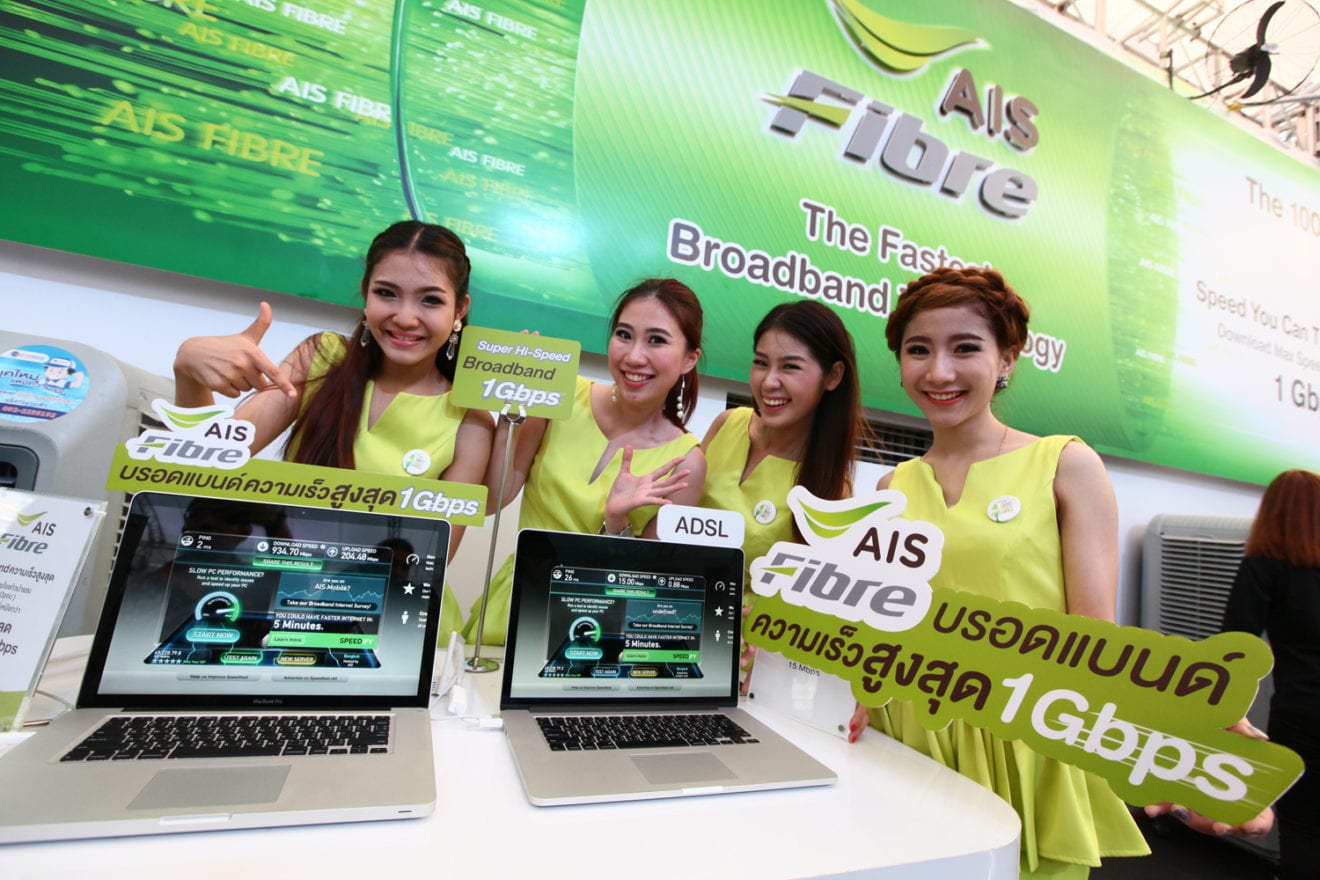
    Thailand’s AIS has launched the nation’s first prepaid fixed broadband service, introducing a 15Mbps speed plan for a 500 baht ($14) monthly top-up fee.

    AIS has set a target of becoming Thailand’s second largest broadband player by 2019, citing comments from a senior executive at the company.

    The operator launched commercial fixed broadband services in April last year and had 450,000 subscribers as of December. AIS plans to increase this to 1 million by 2018 and 2 million by 2019.

    In order to achieve its growth ambitions AIS has allocated 7 billion baht to extend its fiber network to cover 24 provinces this year, and a further 10 billion baht to expand this to 40 provinces in 2017.

    Meanwhile rival Jasmine International, whose subsidiary Triple T Broadband operates landline broadband services under the 3BB brand – has retaliated by slashing the price of its 50Mbps plans to 700 baht per month, from 2,500 baht.

  • Ooredoo Myanmar launches 4G services

    Ooredoo Myanmar launches 4G services

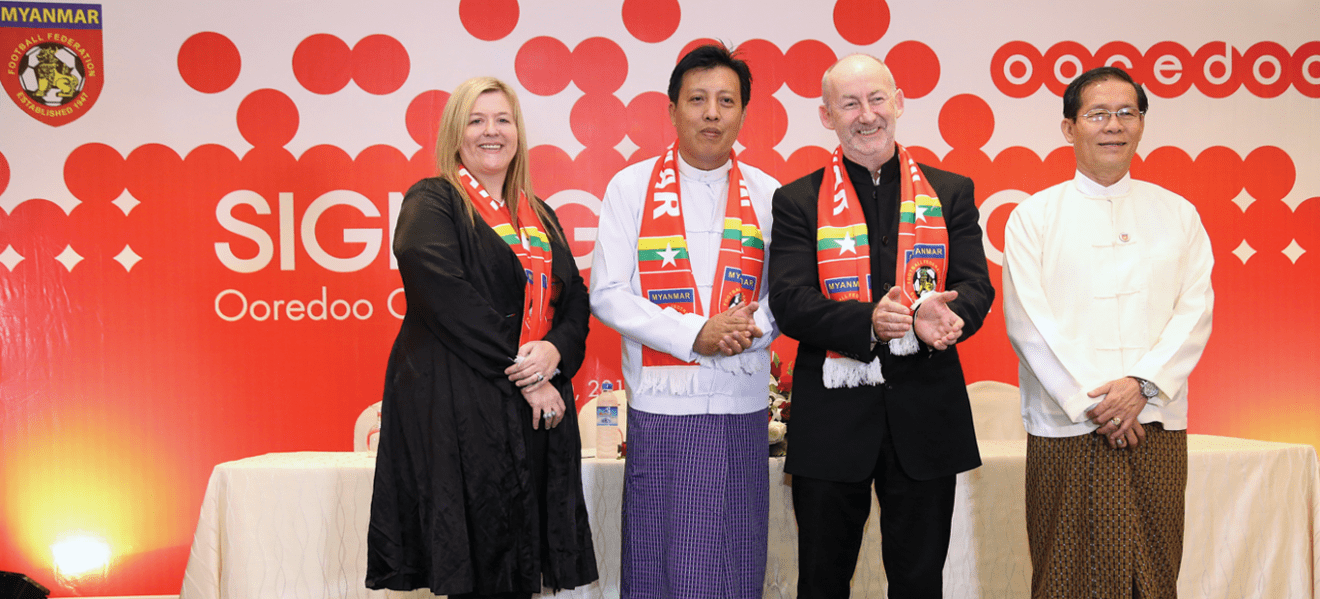
    Ooredoo Myanmar has become the nation’s first operator to launch 4G services as part of a staged rollout.

    The operator has introduced 4G in parts of Yangon, NayPyiTaw and Mandalay, according to an FAQ on the company’s website.

    The company plans to cover half of Yangon’s townships, around 90% of NayPyiTaw’s townhips and all of Mandalay with the service.

    Over the next couple of months, Ooredoo Myanmar plans to upgrade around a quarter of its more than 3800 cell sites to 4G.

    But further rollouts will require more spectrum and cell sites, according to CEO Rene Maza. Ooredoo Myanmar plans to continue to expand its 4G network as it acquires these assets.

    Myanmar’s new Ministry of Transport and Communications recently revealed plans to auction 2600-MHz spectrum as part of its 100-day plan.

    Ooredoo Myanmar is offering 4G services at the same price as its existing 3G offerings.

    The operator’s main rival Telenor Myanmar is also gearing up to launch 4G services following successful tests in Yangon, Mandalay, Myawaddy and Muse.

  • Singapore government to spend $2b on ICT this fiscal

    Singapore government to spend $2b on ICT this fiscal

    Singapore’s soon-to-be-formed Government Technology Agency (GovTech) will continue to partner the ICT industry and invest in technologies such as data analytics, ICT infrastructure, and platform-as-a-service to develop citizen-centric services.

    GovTech, which will be established at the end of this year, will replace the Infocomm Development Agency of Singapore (IDA) and aim to lead technological transformation in government.

    The agency is expected to continue to partner the industry to co-create such digital solutions and will be calling for a projected S$2.82 billion ($2.04 billion) of ICT tenders across fiscal year 2016.

    These ICT tenders will comprise mainly infrastructure and ICT security bulk contracts due to some multi-year contracts ending in FY16, as well as contracts relating to agency-specific systems. Last year, SMEs accounted for more than half of the total contracted value of ICT tenders.

    One key focus for government procurement this year will be to enhance ICT infrastructure to better support the data and digital services needs of a Digital Government in a Smart Nation.

    For example, increased data center virtualization will allow the government to modernize its hosting of ICT applications and ensure faster time to production for new digital services.

    Wi-Fi will be extended to more areas within government schools to support smart learning. The government will also continue to invest in its cybersecurity efforts, with a bulk tender for IT security services to be called in this fiscal year.

    “We want to empower Singapore with possibilities through technology. To do that, investment in infrastructure is necessary so that innovative citizen-centric services can be built and enhanced on a strong foundation,” IDA managing director Jacqueline Poh said.

    “There will be opportunities abound for the government and industry to collaborate and build a smart nation together.”

  • Nokia could cut up to 15,000 jobs

    Nokia could cut up to 15,000 jobs

    Nokia could cut as many as 15,000 jobs worldwide as part of the cost-cutting program associated with its merger with Alcatel-Lucent, union officials estimate.

    A Nokia union steward as stating that based on the information received so far, the union estimates that the job cuts are likely to be around 10,000 to 15,000 jobs.

    This would represent as much as 14% of Nokia’s current global workforce of 104,000.

    So far Nokia has revealed plans to cut around 1,000 jobs in its home market of Finland, 1,400 positions in Germany and 400 in France. But Nokia has also agreed to create 500 R&D jobs in France as part of its compromise to win French government support for the Alcatel-Lucent takeover.

    A Nokia spokesperson declined to confirm or deny the figure to Reuters or give any updates on its negotiations with employee representatives. The company is conducting these negotiations in around 30 countries.

    The cost cutting program has the aim of cutting operating costs by around €900 million ($1 billion) by 2018 by reducing the overlaps between Nokia and the former Alcatel-Lucent.

    The program is also aimed at responding to the ongoing slowdown in the network infrastructure market. Nokia is forecasting a decline in network sales for the current financial year.

  • Globe urges govt to establish Department of ICT

    Globe urges govt to establish Department of ICT

    The Philippines’ Globe Telecom is encouraging the government to establish a new Department of ICT to help improve the state of local internet services and the nation’s digital readiness.

    Globe general counsel Froilan Castelo urged outgoing president Benigno Aquino to sign the bill that would create the new department before he leaves office next month.

    “The Philippines is in urgent need of an agency that will drive the country’s ICT development and help steer the country to realize its full potential as a digital economy where homes, businesses and individuals have access to fast and reliable data connectivity,” Castelo said.

    “We are hopeful that enhancing ICT development in the country by creating the DICT would enable more business organizations to work more efficiently, maximize productivity and contribute to sustaining the country’s economic growth.”

    Castelo said a policy framework for ICT development is sorely needed to help develop the nation’s internet infrastructure.

    Globe, for example, has faced regulatory hurdles inhibiting it from building more cell sites as part of its latest nationwide infrastructure program.

    The proposed bill would abolish the Information and Communications Technology Office, National Computer Center, National Computer Institute, Telecommunications Office, National Telecommunications Training Institute and all communications units of the current Department of Transportation and Communications.

    The functions of these departments would instead be taken up by the new DICT, which would also take responsibility for telecom regulator NTC, the National Privacy Commission and the Cybercrime Investigation and Coordination Center.

  • Telstra hit with two more outages

    Telstra hit with two more outages

    Australian operator Telstra has been hit with two more network outages in the span of three days, weeks after committing to invest to improve its network resilience.

    On Friday, Telstra confirmed it was aware of an unplanned service disruption affecting NBN voice and data as well as ADSL customers.

    Telstra said the issue its engineers have identified is “extremely complex, but in simple terms there was a fault with the device that manages the interaction between our network and all of the different types of customer modems.”

    While the bulk of restoration efforts occurred two and a half hours after the company announced the incident, it took until late Sunday afternoon to resolve residual issues and fully restore services.

    But on Sunday customers were reporting another outage affecting Telstra’s mobile and broadband networks in Sydney, Melbourne,Brisbane and Perth.

    Some customers reporting issues may still have been affected by the residual problems from the Friday outage, the report states. But the mobile outage, which affected data services for some customers, appears unrelated.

    Telstra has been struggling with a spate of network outages over the past few months. The operator recently committed A$50 million ($36.2 million) towards addressing the issue by installing new monitoring equipment and improving its capacity to handle numerous simultaneous re-registrations.

  • Reliance Jio said to close in on iPhone deal

    Reliance Jio said to close in on iPhone deal

    India’s Reliance Jio Infocomm is reportedly on the verge of securing a long-term partnership with Apple covering the supply of VoLTE iPhones for the operator’s upcoming 4G network.

    Executives from Reliance Jio parent Reliance Industries and Apple recently reached an in-principle agreement at a meeting in Mumbai, citing senior executives aware of the meeting.

    The prospective deal would reportedly see Apple supplying “a couple of million” iPhones with VoLTE support that will work on the operator’s network. Reliance plans to sell bundled iPhones through its sales and distribution network covering 120,000 retailers and e-commerce companies.

    Reliance Jio also plans to adopt the enterprise retail offerings developed by Apple and IBM for its retail network, to help improve the customer experience.

    Apple CEO Tim Cook has given in-principle agreement to such a partnership with Reliance Jio, the report states.

    Cook is said to have also used the meeting to make a pitch for Reliance Jio to adopt Apple Pay in Reliance Retail stores, and the company has agreed to evaluate the possibility of such a deployment.

    Reliance Jio recently revealed it had exceeded 500,000 LTE users despite only so far launching services for its employees and those of its partners and vendors. The operator’s long-awaited public launch is expected for later this year.