Category: Telecom

Retail News Asia is committed to providing both local and global retailers with the latest Telecom & Telco news throughout the Asian market. This on a daily base.

  • Taiwan overtakes Singapore in broadband speed

    Taiwan overtakes Singapore in broadband speed

    The global average in terms of broadband speed is 11.03Mbps since May 2019, compared to it being 9.14 at the same time last year. The data from this new research was gathered by a US-based open-source project called Measurement Lab (M-Lab).

    “With average broadband speeds rising by 20.65% in the last year the global picture looks rosy. But the truth is faster countries are the ones lifting the average, pulling away at speed and leaving the slowest to stagnate. Last year, we measured the slowest five countries at 88 times slower than the five fastest. This year they are 125 times slower,” commented Dan Howdle, consumer telecoms analyst at Cable.co.uk, with regards to the M-Lab research.

    The top 15 in the league tables of 2019 comprise of all European and Asian countries, with the US being number 16 on the list.

    Some of the European countries that made it to the top 15 were Belgium, the Netherlands, Denmark, Norway, Sweden and Switzerland. As for Asian countries, it included Japan and Singapore.

    The league table showed that downloading a movie in HD of around 5GB in size takes 8 minutes and 2 seconds on average in Taiwan while it took 30 hours in Yemen, which was the last-placed country in the league table.

    M-Lab is led by a variety of teams based at Code for Science and Society, Google Princeton University’s PlanetLab, New America’s Open Technology Institute among others.

    “Average speed rankings by country are.. a great starting point for deeper research and statistical analysis of the state of broadband using M-Lab’s global broadband measurement datasets,” said Chris Ritzo, M-Lab’s programme management and community lead.

    The research carried out 276 million speed tests, all on 70 million IP addresses.

  • Ooredoo Myanmar’s digital library program encourages digital literacy among citizens

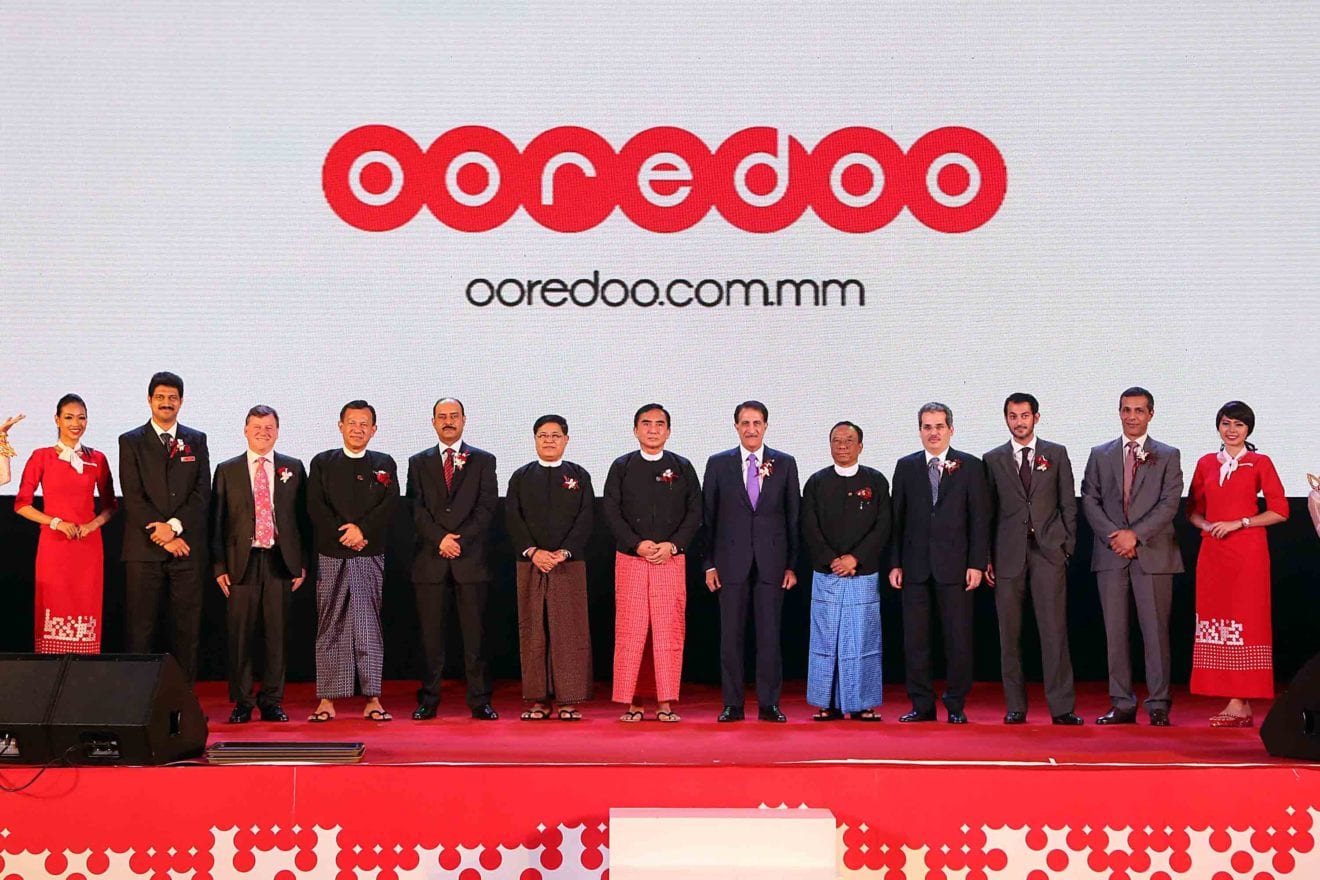
    Ooredoo Myanmar’s digital library program encourages digital literacy among citizens

    These figures are a direct result of Ooredoo Myanmar providing internet connectivity to 150 libraries since December 2018 and its latest contribution of 166 laptops. Within the last 6 months (December 2018 – June 2019), Ooredoo’s support for digital libraries have brought significant impact to local communities.

    As of June, the program outcome revealed that Ooredoo’s digital libraries were used by 43% of its visitors to access news and look up learning opportunities. Among the visitors, 39% sought to improve their technical skills and 18% of people did job searches and applied for jobs during their visit.

    The libraries have attracted and motivated more than 63,000 people to visit and improve their digital literacy skills. Over 4,200 people who visited participated in training workshops to learn how to use the internet and improve their digital skills.

    U Tint Naing Htut, Head of Corporate Communications of Ooredoo Myanmar said, ”During the past six months, the number of first-time users has more than doubled in comparison to the last 5 years. This demonstrates that people are trying to catch up with the digital age. Our efforts are on the right track and are enabling people’s digital literacy through connectivity to the internet at digital libraries across the country. People in these communities now have greater access to information online and opportunities to learn digital skills through which they can gain knowledge and expand their horizon.”

    Ooredoo Myanmar and Myanmar Book Aids and Preservation Foundation (MBAPF) began this joint initiative in September 2014 to transform public libraries into digital community centers. Since the beginning of the program, Ooredoo has donated 539 tablets, 166 laptops and provided internet connectivity for 150 libraries across Myanmar, valued over USD 560,000. The program is proving to be a success, with over 300,000 people across rural and peri-urban areas in Myanmar having access to digital devices, 200,000 first-time internet users, and over 200,000 people having received training on how to use the internet, contributing to the building of digital literacy skills among Myanmar citizens.

  • ZTE, Ooredoo Myanmar alliance to display multiple 5G use cases

    ZTE, Ooredoo Myanmar alliance to display multiple 5G use cases

    This standard specifies the technical requirements of centralized control of shared air-conditioners, setting a benchmark for the centralized control operation of the shared economy in the home appliance industry. It is another breakthrough in the wake of the joint release of the industry’s first shared air-conditioning technology standard based on NB-IoT in September 2018 by ZTE, China Telecom Shanghai Research Institute, Haier AC and other partners.

    ZTE, China Telecom and Haier AC carried out a comprehensive evaluation and pre-commercial verification of the shared air-conditioner centralized control model at University of Shanghai For Science and Technology. China Telecom and ZTE provided indoor and outdoor wireless network coverage to ensure stable and reliable signal quality, data transmission, and service applications in the centralized control area. The centralized control based on NB-IoT wireless network can effectively address the problems of traditional centralized control, such as difficult engineering, complex cabling, and overwhelming maintenance.

    With the release of the shared home appliance industry standard, the NB-IoT network can realize the centralized control of temperature, mode and switch of the shared air conditioners, hence the wide application in campus, apartment and hotel scenarios.

    ZTE has always been exploring continuous innovations in the field of IoT. Based on its self-developed IoT platform and its leading edge in the 5G field, ZTE has created a series of end-to-end 5G+ integrated industry solutions in various fields, including 5G+ Smart Campus, 5G+ Industrial Park, 5G+ Smart Water Control, 5G+XR Cloud Coordination, 5G+ Cloud Education, 5G+ Smart Stadium, Smart Home, and Internet of Vehicles. By integrating the cutting-edge technologies, such as big data and AI, with the IoT, ZTE is committed to promoting the incubation and deployment of innovative IoT solutions.

    “We have been exploring the opportunities in each industry with our industry partners to create values by virtue of our experience and capabilities in the ICT field,” said Mr. Yin Gang, vice president of ZTE Corporation. “We’re happy to join hands and connect closely to build a bright future together.”

    ZTE is a provider of advanced telecommunications systems, mobile devices, and enterprise technology solutions to consumers, carriers, companies and public sector customers. As part of ZTE’s strategy, the company is committed to providing customers with integrated end-to-end innovations to deliver excellence and value as the telecommunications and information technology sectors converge. Listed in the stock exchanges of Hong Kong and Shenzhen (H share stock code: 0763.HK / A share stock code: 000063.SZ), ZTE sells its products and services in more than 160 countries.

    To date, ZTE has obtained 25 commercial 5G contracts in major 5G markets such as Europe, Asia Pacific, MEA (Middle East and Africa), etc. ZTE commits 10 percent of its annual revenue to research and development and has leadership roles in international standard-setting organizations.

  • Myanmar faces Internet blackout

    Myanmar faces Internet blackout

    On Friday, the country’s Ministry of Transport and Communications (MoTC) urged all telecom operators to suspend the use of internet data in around nine townships across the restive area of Rakhine and its neighboring Chin State.

    Telenor Myanmar said in a statement, “As a basis for its request, the MoTC has referenced disturbances of the peace an internet services to coordinate illegal activities.”

    The order was made under the Telecommunications Law which hut all telecom operators for a period of time which was not specified.

    The army is currently fighting ethnic Rakhine rebels who are searching for greater autonomy within their own region. The Rakhine area is home to many Buddhists who are also fighting on their homeland’s border with the northern Chin state.

    The Rakhine have accused the Myanmar army for committing several abuses against them.

    Many civilians of the region were killed in shellings and crossfires, even whilst they were seeking refuge in monasteries.

    “We have no internet at all. We use the internet to share information through (messaging app) viber,” said Kyaw Soe Moe, head of Inn Din village.

    The internet blackout has also impacted local authorities in the region.

    “We have to use the phone, SMS and fax to report back to our headquarters. Fighting is still ongoing here every day,” said a police officer.

  • Axiata eyeing new partnerships just two weeks after Telenor deal ends

    Axiata eyeing new partnerships just two weeks after Telenor deal ends

    Two weeks after the abrupt cancellation of the mega-merger proposal between Axiata Group Bhd and Telenor, President and CEO of Axiata Group Jamaludin Ibrahim has made it clear that the company would begin focusing on forming partnerships with competitor markets, namely those within Indonesia and Malaysia, in the next three to five years.

    Axiata is one of Asia’s leading telecommunications conglomerates and Malaysia’s largest wireless carrier, serving over 300 million customers from India to Cambodia, so it’s no surprise that the company is still looking to pursue other mergers as a major operating strategy.

    “Consolidation is key to future-proof us in the medium term given the challenges in the industry,” Jamaludin said. “The cancellation of the merger does not deter us from looking at other possibilities.”

    Although he did not reveal who these potential partners may be, it was reported that Axiata and CK Hutchison had already organised informal discussions about a joint venture for their businesses in Indonesia.

    Earlier in the month, Axiata had abandoned talks with Telenor to merge their Asian operations and create an entity that could have seen them generate over $13 billion in sales alone, due to complexities related to the deal.

    The company is currently refocusing its business target and operational efficiency. “We believe that profit and cash aren’t good enough because the industry is slowing down,” Jamaludin said.

  • ZTE launches industry’s first 5G NB-IoT-based joint home appliances standard

    ZTE launches industry’s first 5G NB-IoT-based joint home appliances standard

    ZTE, a major international provider of telecommunications, enterprise and consumer technology solutions for the Mobile Internet, together with China Telecom and Haier AC, has today released the industry’s first 5G NB-IoT-based shared air-conditioner centralized control standard.

    This standard specifies the technical requirements of centralized control of shared air-conditioner, setting a benchmark for the centralized control operation of the shared economy in the home appliance industry. It is another breakthrough in the wake of the joint release of the industry’s first shared air-conditioning technology standard based on NB-IoT in September 2018 by ZTE, China Telecom Shanghai Research Institute, Haier AC and other partners.ZTE, China Telecom and Haier AC carried out a comprehensive evaluation and pre-commercial verification of the shared air-conditioner centralized control model at University of Shanghai For Science and Technology. China Telecom and ZTE provided indoor and outdoor wireless network coverage to ensure stable and reliable signal quality, data transmission, and service applications in the centralized control area. The centralized control based on NB-IoT wireless network can effectively address the problems of traditional centralized control, such as difficult engineering, complex cabling, and overwhelming maintenance.

    With the release of the shared home appliance industry standard, the NB-IoT network can realize the centralized control of temperature, mode and switch of the shared air conditioners, hence the wide application in campus, apartment and hotel scenarios.

    ZTE has always been exploring continuous innovations in the field of IoT. Based on its self-developed IoT platform and its leading edge in the 5G field, ZTE has created a series of end-to-end 5G+ integrated industry solutions in various fields, including 5G+ Smart Campus, 5G+ Industrial Park, 5G+ Smart Water Control, 5G+XR Cloud Coordination, 5G+ Cloud Education, 5G+ Smart Stadium, Smart Home, and Internet of Vehicles. By integrating the cutting-edge technologies, such as big data and AI, with the IoT, ZTE is committed to promoting the incubation and deployment of innovative IoT solutions.

    “We have been exploring the opportunities in each industry with our industry partners to create values by virtue of our experience and capabilities in the ICT field,” said Mr. Yin Gang, vice president of ZTE Corporation. “We’re happy to join hands and connect closely to build a bright future together.”

    ZTE is a provider of advanced telecommunications systems, mobile devices, and enterprise technology solutions to consumers, carriers, companies and public sector customers. As part of ZTE’s strategy, the company is committed to providing customers with integrated end-to-end innovations to deliver excellence and value as the telecommunications and information technology sectors converge. Listed in the stock exchanges of Hong Kong and Shenzhen (H share stock code: 0763.HK / A share stock code: 000063.SZ), ZTE sells its products and services in more than 160 countries.

    To date, ZTE has obtained 25 commercial 5G contracts in major 5G markets such as Europe, Asia Pacific, MEA (Middle East and Africa), etc. ZTE commits 10 per cent of its annual revenue to research and d

  • Singtel Dashes Ahead of Grab In Survey On Deposits

    Singtel Dashes Ahead of Grab In Survey On Deposits

    A greater percentage of respondents expressed willingness to park money with Singtel compared to Grab, a survey conducted by CGS-CIMB finds. In a recent survey conducted by local brokerage CGS-CIMB, participants were given a scenario whereby they were offered a slight premium (another 30 basis points) to market rates at new digital banks. In this case, 45 percent of the respondents were willing to place fixed deposits with Singtel compared to just 33 percent for Grab. Only two choices were provided to survey respondents.

    We noted a clear difference in the trust levels accorded to Singtel and Grab, based on their willingness to use these entities as a depository institution given an identical set of circumstances, said CGS-CIMB analyst Andrea Choong in the report.

    Singtel and Grab, which operate digital wallets Singtel Dash and Grab Pay respectively, have expressed interests in applying for Singapore’s digital banking licenses. This prompted the local broker to do a survey of preferences.  The brokerage surveyed 139 respondents from various industries, with a larger proportion of them from the finance industry. Those aged between 30 and 50 years made up three-quarters of the sample pool.

    Testing for depositors’ sensitivities to interest rates with an additional 50 basis premium over the rates offered by the digital banks above, 55 percent of those who were previously unwilling to place fixed deposits with Singtel would now in this case, compared to just 40 percent for Grab, the brokerage said.

    CGS-CIMB estimates that 4 to 11 percent of deposits from the domestic banking unit is at risk of being taken by the upcoming new digital banks in Singapore. However, the brokerage acknowledged that this simulation does not take into account «retaliatory measures» by incumbent banks and the effects of further Fed rate cuts.

    The brokerage surveyed 139 respondents from various industries, with a larger proportion of them from the finance industry. Those aged between 30 and 50 years made up 75 percent of the sample pool.

    The fight for deposits is essential for digital banks, as they need cheap retail deposits to move towards profitability. The Monetary Authority of Singapore, in setting out the guidelines for digital banks here, had made it clear that digital bank applicants cannot engage in predatory pricing behavior, and must show a path towards profitability in their five-year financial projections.

    Currently, DBS, OCBC and UOB’s Singdollar deposits account for 24 percent, 17 percent and 20 percent of total deposits in the domestic banking unit – the unit that mainly accounts for Singdollar deposits.

  • Vodafone, Spark and 2degrees to provide rural broadband in New Zealand

    Vodafone, Spark and 2degrees to provide rural broadband in New Zealand

    Vodafone, Spark and 2degrees have joined forces in an effort to deliver broadband and mobile services to twenty rural areas across New Zealand.

    “Keeping Kiwis connected is a top priority for Vodafone, and we’re thrilled to be working alongside Spark, 2degrees and the Government to bring connectivity to rural New Zealand, which is the powerhouse of our economy,” said Vodafone New Zealand’s chief executive, Jason Paris.

    He added, “For this sector to remain competitive they need fast broadband and mobile coverage- not just in offices, but on farms, in schools and on the roads. This once in a generation opportunity for all three mobile network operators to provide both competitive ultra-fast broadband and world-class 4G mobile infrastructure will not only deliver the connectivity for rural New Zealand, but also the safety of Kiwis living in those remote areas.”

    There are also plans to introduce this technology for connectivity to at least 500 more sites in rural New Zealand. They will be given access to high-speed wireless broadband as well as high-quality mobile coverage.

    Jolie Hodson, CEO of Spark, stated, “The connectivity is much needed to bridge the digital divide for rural communities and help the rural sector remain competitive. Bringing together the investment from Spark, Vodafone and 2degrees along with the Government’s RBI2 funding has been the key to providing service into more challenging and remote areas of New Zealand.”

    Under the Rural Broadband Initiative 2 and the Mobile Black Spot fund, the government of New Zealand (through Crown Infrastructure Partner) has granted the RCG permission to become the infrastructure provider. The RCG project aims to deliver mobile and broadband coverage to around 38,000 rural households and businesses.

    Paul Mathewson, CCO of Spark, said, “We’re proud as an industry to be able to collaborate and work together where it makes sense – and our RCG partnership with Spark and Vodafone is the perfect example.

    “Connecting Kiwis with their loved ones or the people they do business with is at the heart of what drives us at 2degrees, and we’re thrilled that fast connectivity is going to reach the furthest and most remote corners of New Zealand.”

  • 5G Asia 2019: Collaboration is the key for 5G

    5G Asia 2019: Collaboration is the key for 5G

    The 5G Asia event held in Singapore brought together the industry’s best and brightest names to discuss the invaluable influence that the 5G phenomenon is having all over Asia and across multiple enterprises.

    Pamela Clark Dickson, the practice leader for digital communications and social networking at Ovum, kick-started day 1 with an analytical introduction about the global state of play for 5G and what is to be expected from it in the next 24 months. She described the 5G network as “huge, fast and complex” and that “telcos would need to collaborate” in order to get 5G into the market.

    This was followed by number of other keynotes from industry leaders and even a panel discussion on “Defining the killer 5G app in Asia” where some of the most influential figures in telecoms converged to exchange views about the prospect and widespread influence of a 5G driven telecommunications sector.

    During the panel, the Executive Vice President and CEO of TM One Ir. Ts. Azizi Hadi took the opportunity to introduce the company’s 10 transformative smart solutions, which was launched in August, to drive Malaysia’s commitment towards industrial innovation and growth.

    5G Asia was held between the 10th and 12th of September in Marina Bay Sands and it is one of Asia’s largest events focusing on the expansion of 5G technology in the region. Some of the topics that were explored during the event were 5G deployment choices, the journey to cloud-native, edge computing and revenue generation for companies using 5G, just to name a few.

  • Viettel Global reports profit surge

    Viettel Global reports profit surge

    Telecom giant Viettel Global Investment JSC has made VND1.17 trillion ($50.5 million) in pre-tax profits after reporting a loss last year. Viettel Global, which covers overseas investments by military-run Viettel Group, had made a VND15.77 billion ($681,000) loss in the same period last year, according to the company’s audited consolidated financial statements.

    Revenues in the first six months reached VND7.9 trillion ($341 million), down 1.5 percent year-on-year, but a sharp decrease in the cost of sales improved profits, the company’s management board said.

    In the first half of the year, the company focused more on its core business of telecommunications, raised its average revenue per user (ARPU) and cut down the sale of equipment with low-profit margins. This raised the company’s operating profit margin (excluding financial income) to 35.3 percent from 26.4 percent in the same period last year.

    Revenue in Southeast Asia, especially driven by growth in the Cambodian market, accounted for 53 percent of Viettel Global’s revenue in the first six months, followed by Africa with 33 percent and South America with 14 percent.

    Viettel Global was established in 2006 to spread Viettel Group’s presence in foreign markets. It currently operates in ten markets, namely Cambodia, Laos, Timor Leste, Mozambique, Burundi, Haiti, Peru, Cameroon Tanzania and entered Myanmar last year.

    Viettel Global said it has plans to enter new markets, mainly in ASEAN.

    Viettel Global is one of the largest enterprises on Vietnam’s Unlisted Public Companies Market (UPCoM) in terms of both asset size and market capitalization. As of June 30, the company’s total assets were VND59 trillion ($2.54 billion), of which equity accounted for VND25 trillion ($1.08 billion).

  • First 5G network broadcasts in Vietnam

    First 5G network broadcasts in Vietnam

    Telecom giant Viettel broadcast its first 5G network Saturday from its network of 5G base stations in Ho Chi Minh City.

    “The official broadcast of 5G in Ho Chi Minh City is an important milestone in Viettel’s strategy to make Vietnam one of the first countries in the world to commercialize 5G services,” Viettel deputy director Tao Duc Thang said in a statement.

    The 10 stations will be used by Viettel, the nation’s largest telecom firm, to comprehensively check and assess its 5G service before launching it commercially next year.

    Military-run Viettel installed the first 5G station in Hanoi early this year and made the first 5G phone call in May. It was the first firm in the country to receive permission to trial 5G services in January, followed by MobiFone.

    Last November, Information and Communication Minister Nguyen Manh Hung said at a conference that Vietnam should test 5G in 2019 and ensure nationwide coverage by 2020.

    “Vietnam should be one of the first countries to launch the network, at least in Hanoi and HCMC,” he had said. The country had been one of the last in Southeast Asia to roll out 4G services.

    5G is said to offer speeds 100 times faster than 4G, primarily used for smartphones and other similar devices. 5G is also expected to support new applications like remote medical procedures and autonomous driving.

  • Google Fi announces its first Unlimited Plan

    Google Fi announces its first Unlimited Plan

    Google Fi is getting its first Unlimited Plan, which should offer subscribers everything in unlimited quantities. Well, that’s not how it really works in the United States, at least when it comes to data.

    Since the carrier’s launch in 2015, only one plan was available for customers, the Fi Flexible plan. Starting today, Fi is adding a second plan, a Google Fi Unlimited Plan. It will be available for $70 for a single line, but the more people you’re sharing it with, the less it will cost. So, for two lines, the Unlimited Plan is priced at $60, while three lines cost just $50 per line. Finally, if you add between four and six lines, you’ll be paying $45 per individual user (taxes excluded)

    Google Fi’s Unlimited Plan offers 22GB of unthrottled data per line, after which your data speed will be limited. Also, Google mentions that it “may optimize video streaming quality to 480p to extend customers access to high-speed data before they hit 22GB.”

    Besides data, you’ll get unlimited calls and texts, including international calls. Google says that the plan covers free international calls from the US to 50 countries and territories, as well as unlimited data and texting abroad in 200 destinations at no extra charge.

    To make things even more appealing, the Unlimited Plan comes with a Google One membership with 100GB of cloud storage and extra benefits such as expert support across Google, discounts on Google products, and much more.

  • How 5G will revolutionize our retail industry as a great enabler

    How 5G will revolutionize our retail industry as a great enabler

    Mobile communication is about to experience its greatest revolution in the 12 years since Apple invented the smartphone. This time, however, it is not handsets that will drive the change, rather the network technology we have come to know as 5G. 5G technology offers data speeds 20-times faster than existing 4G long-term evolution (LTE) networks, promotes mass adoption of Internet of Things (IoT) by enhancing information exchange across different appliances, and better supports artificial intelligence (AI), virtual reality (VR) and augmented reality (AR) thanks to the low latency. In some cases, 5G will offer speeds 100-times faster.

    South Korea became the first country in the world to launch fully-fledged 5G commercial services in April. By June of this year, 5G subscribers in the country had surpassed the 1 million mark, encouraged by aggressive network promotional campaigns, along with Samsung’s new 5G-enabled Galaxy S10 smartphone. Next year, networks will be established in Australia, Japan, Hong Kong, and Singapore, initially in dense city environs before moving into smaller population centers. The worldwide rollout is inevitable. An Apple executive has confirmed that some of its next-generation iPhones scheduled for release next year will be 5G enabled.

    “The next chapter of IoT is just beginning,” wrote Carrie MacGillivray, vice-president for IoT and mobility at research house IDC, in a recent report. “We see a shift from digitally enabling the physical to automating and augmenting the human experience with a connected world.” Not surprisingly, that massive increase in speed and response time is delighting gamers, news services, and entertainment broadcasters: graphics or video imagery will be able to be streamed seamlessly in high definition.

    But are retailers ready? How many even understand the potential of the new-generation technology which is set to change our daily lives, let alone are making plans to ride the wave. To imagine the impact 5G will have on retail business, think of every single function of a retail store that becomes digital: the in-store AR experience, the product(s) presented to customers through Omni-channels, the seamless payment gateways, and the logistics required to fulfill customers’ order. Now think of them functioning at 20 times the current speed. That’s 20 times the data transfer rate. Now think of it happening at 100 times the current speed. That is 5G.

    Massive benefits for retailers

    Retailers will discover massive benefits using 5G. To customers, at the start of the process when consumers are researching and purchasing products during the delivery process, the incorporation of 5G and other technologies will, without doubt, uplift their experience. Despite the frustration faced by the early adopters of VR and AR technologies, both consumers and marketers, because of the latency, dropouts and limitations on the imagery definition; the arrival of 5G will eventually enable a seamless, free-moving experience outside a fixed, usually indoor environment.

    The high network speeds will allow a vastly more complex level of engagement between retailers and shoppers. It will allow high-quality imagery, seamless streaming 3D video and personalized product matching, including previews of how a product will look alongside a previous purchase; or for homewares or furniture, for example, inside a living space or office.

    5G also brings transparency. Put simply, faster data means it will soon be easier for your customers to compare your offer with those of your competitors. There won’t be secrets anymore on pricing, product specification, determining suitability for purpose, and more importantly, a store’s credibility – making the reviews from customers after checking out the shopping basket all the more important.

    Price, once a bedrock of customer decision, is being overtaken by value as a leading consideration. Consumers who connect through 5G devices will be able to access as much information as they want online faster than ever before: that includes price comparison sites, product review blog posts, unboxing videos by KOLs. Such content has been available in the past, and more are coming along with the rise of micro-influencers, which has accelerated since 2017. “The advent of 5G is going to be a make-or-break moment for retailers,” says Corey Pierson, co-founder, and CEO of US advanced customer analytics consultancy Custora. “And those that can effectively leverage the data at their disposal only stand to gain.”

    Research by Mintel found consumers lack trust in the online shopping process, a major barrier to online shopping; not just trust in data protection issues, but also the high chance of buying counterfeit products – more than 70 percent of them are sold online, and whether an unbranded product is true to the online description is sometimes also questionable.

    Improved consumer confidence and trust will remove a pain point for shoppers, potentially reducing return rates as well. But to make the most of this opportunity, retailers will have to embrace technologies like AR, VR, chatbots, and video streaming to replicate the in-store shopping experience for customers in a digital environment.

    A synonym of agility

    5G will be a synonym of agility, allowing changes of actions and vast amounts of information to be transmittable in an instant. An order could be canceled while the product is en route to the recipient: warehousing management tools could simultaneously update the inventory records and if there is another order waiting, redirect the product to another customer, sending all relevant details to the delivery driver in a heartbeat.

    With connectivity everywhere, technology like autonomous vehicles that are currently in limited testing in several countries such as Singapore and the US, will soon be commonplace in the major cities worldwide.

    On the other hand, imagine customers being able to see their shipments in real-time via AR through their smartphones, a service more than just the tracking of location thanks to the improved IoT; and logistics companies being able to increase the automation of sorting and delivery of packages, resulting in higher accuracy and speed to reaching the customers. 5G is a key to realizing the future of e-commerce fulfillment.

    5G is an enabler

    As new 5G networks are rolled out in more and more cities, it is imperative that companies embrace technologies based on 5G connectivity to remain competitive and responsive to consumer needs. As more and more consumers purchase and experience 5G devices, their expectations will rise: they will demand the brands and suppliers they deal with are keeping up with them, whether selling products, providing services such as delivery or providing content.

    5G is as much a cornerstone of customer engagement and connectivity in the next decade as smartphones and social media were in the last.

    But it is critical to remember that 5G is an enabler, not a solution in itself.
  • 2021’s Snapdragon 875 will reportedly be produced by TSMC using its 5nm process

    2021’s Snapdragon 875 will reportedly be produced by TSMC using its 5nm process

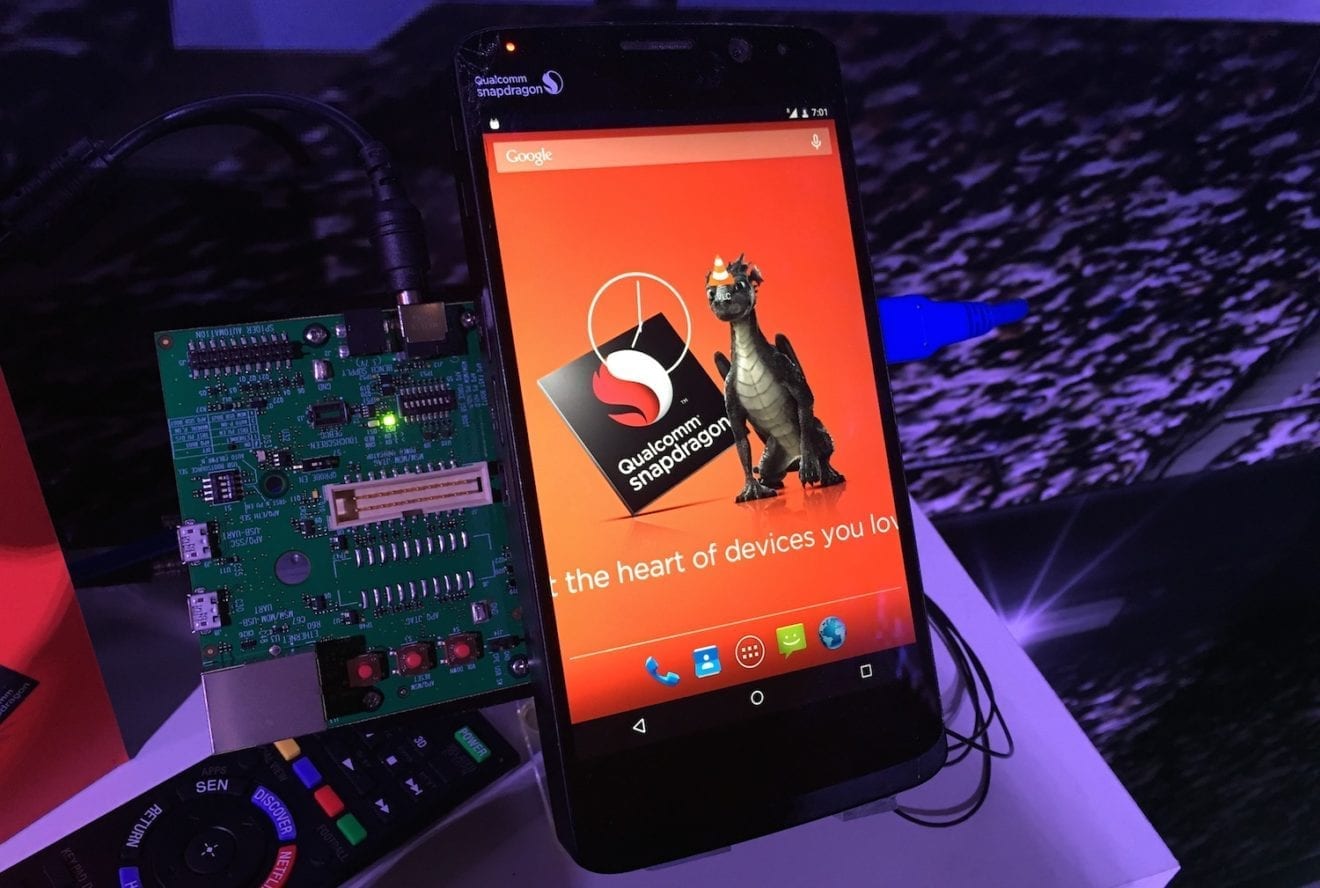
    he Qualcomm Snapdragon 865 is expected to be the chip designer’s next top-of-the-line mobile chipset designed for 2020’s high-end handsets. For those unaware, Qualcomm designs its chips but doesn’t own the facilities to manufacture them. For the last two years, it has turned to the world’s largest independent foundry, Taiwan Semiconductor Manufacturing Company (TSMC), to manufacture the Snapdragon 845 and 855 chipsets. Before that, Samsung made the Snapdragon 820 and 835 SoCs.
    Qualcomm is returning to Samsung to produce the Snapdragon 865. The South Korean tech giant will produce the chip using its 7nm EUV process. The 7nm figure relates to the number of transistors that are shoehorned into a chip. The lower that number, the higher the number of transistors that can fit inside a chip; the more transistors in a chip, the more powerful and energy-efficient it is. Moore’s Law, an observation made by Intel co-founder Gordon Moore back in 1965, calls for the number of transistors in integrated circuits (like chips) to double every other year. To show you how far we’ve come, the Texas Instruments OMAP 3430 chip that powered the Motorola DROID back in 2009 was built using the 65nm process!
    The EUV part of 7nm EUV stands for extreme-ultraviolet lithography. This is a technology that uses ultraviolet beams to more precisely mark up the silicon wafers used to create chips with patterns. These patterns determine where the transistors will be placed inside a chip, and when short wave-length beams (like the ones used with EUV) are used to etch these patterns on a wafer, more transistors can be stuffed inside it. Using EUV is expected to provide a performance bump of 20% to 30% and a 30% to 50% improvement in energy consumption for the Snapdragon 865. Those are not numbers to take lightly. The Snapdragon 865 Mobile Platform will probably debut on the Samsung Galaxy S11, which most likely will be unveiled around February 24th when the 2020 MWC show in Barcelona kicks off. The chip was recently spotted on the Geekbench benchmarking site where it produced a multi-core score of 12,496. That compares to the score of 10,946 produced by the Snapdragon 855+ Mobile Platform. The latter is an overclocked version of the Snapdragon 855.
    While 2020’s Snapdragon 865 will be made by Samsung, the report reveals that there will be two different versions of the chipset codenamed Kona and Huracan. Both will support LPDDX5 memory chips (RAM) and the UFS 3.0 flash memory. However, one of them will be integrated with a 5G modem chip and the other one won’t. Last week, Huwaei released a teaser for its upcoming Kirin 990 SoC that will be unveiled on September 6th. The component, expected to power the manufacturer’s next high-end Mate 30 phone line and the foldable Mate X, will also have an integrated 5G modem chip. This removes the need for a separate component and should also lead to improved battery life on devices that employ these chipsets.
    Sina.com says that for 2021’s Snapdragon 875 Mobile Platform, Qualcomm will once again call on TSMC to produce the component. The report adds that the Snapdragon 875 chipset will be manufactured using TSMC’s 5nm process. If that is indeed the case, the chip will sport 171.3 million transistors per square millimeter. Thus, the component should be more powerful and energy-efficient than its predecessor.
    So will Moore’s Law continue to be valid? Last year Samsung revealed a roadmap leading to 3nm production by 2022 and TSMC is also looking for ways to stuff more transistors inside chips. The latter is examining ways to change the packaging of chips and is also looking at stacking transistors vertically instead of side-by-side.
  • Google shuts down service that helped carriers provide better coverage

    Google shuts down service that helped carriers provide better coverage

    Google has shut down a service that was aimed at helping carriers around the world improve their coverage, by providing them with aggregated data from Android devices. The closure comes at a time of heightened concerns about data privacy across the industry.

    Google’s Mobile Network Insights service was launched in 2017 as a free tool for wireless providers around the world that allowed them to see weak spots in their network coverage. The service was “essentially a map showing carriers signal strengths and connection speeds they were delivering in each area.”

    Thee data shared by Google were aggregated and anonymized, meaning that carriers didn’t get information about individual users, but it was still a valuable tool for providers, as they could see stats about the performance of their network in different regions. The platform also displayed stats relating to competitor services, which were not identified by name.

    The data for Google’s Mobile Network Insights was sourced from devices running Android, which totals to about 75% of the world’s smartphones, but was limited only to users who had “Location History Sharing” and usage and diagnostics enabled on their Google accounts. Despite this, Google opted to discontinue the service in April, without citing any formal reasoning behind the decision. Carriers around the world were simply notified of the closure.

    A Google spokeswoman has confirmed for Reuters that the service is now, indeed, discontinued and that changing “product priorities” was the main driving factor behind the decision. However, people with knowledge of the decision claim that Google’s move was motivated by “concerns about data privacy,” and possibly to avoid further scrutiny from lawmakers.