Category: Telecom

Retail News Asia is committed to providing both local and global retailers with the latest Telecom & Telco news throughout the Asian market. This on a daily base.

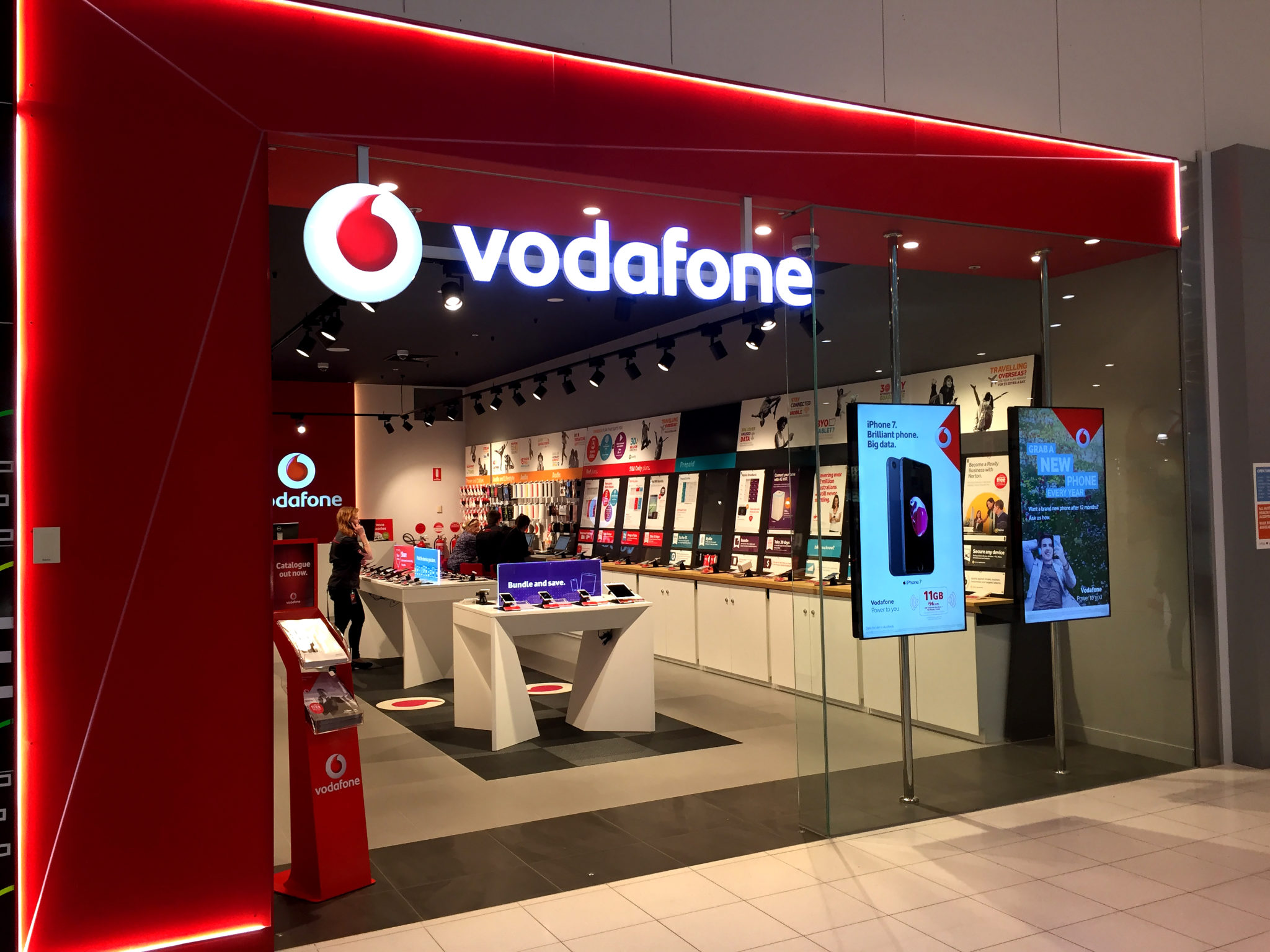
  • Vodafone named ‘national retailer of the year’

    Vodafone named ‘national retailer of the year’

    Vodafone was crowned ‘national retailer of the year’ at the Australian Retailers’ Association’s annual awards in Melbourne on Thursday.

    The telecommunications company said it had made significant improvements to its business and customer experience since a low point a few years ago by making common sense decisions and backing its people.

    This was a fitting result, given this year’s theme, ‘Retail Morphosis’, which is all about how retailers adapt to change in order to succeed.

    “Although the retail landscape will continue to be disrupted by emerging technology and international competitors, it is truly gratifying to see the industry filled with hardworking retailers who continue to power retail through innovation and adaption,” Russell Zimmerman, executive director of the ARA, said.

    Retailers including Petstock, Bakers Delight, Birdsnest, Coles Group and Biome were recognised for their achievements in innovation, marketing, customer experience and more. The winners in all 12 categories are listed below.

    The awards took place at Myer Mural Hall on Thursday morning, and featured fashion parade capturing the history of Australian retail from the 1920s to the 1990s, with outfits curated by Myer and hair and make-up created by Chiseled Hair.

    Consumer futurist Amanda Stevens delivered a keynote speech on what the latest consumer research insights reveal about the opportunities for growth in the sector, and host Steve Plarre, CEO of Ferguson Plarre Bakehouses, entertained the audience with a rendition of ‘Uptown Funk’.

  • Telenor Pakistan gets ready to bring 5G to Pakistan

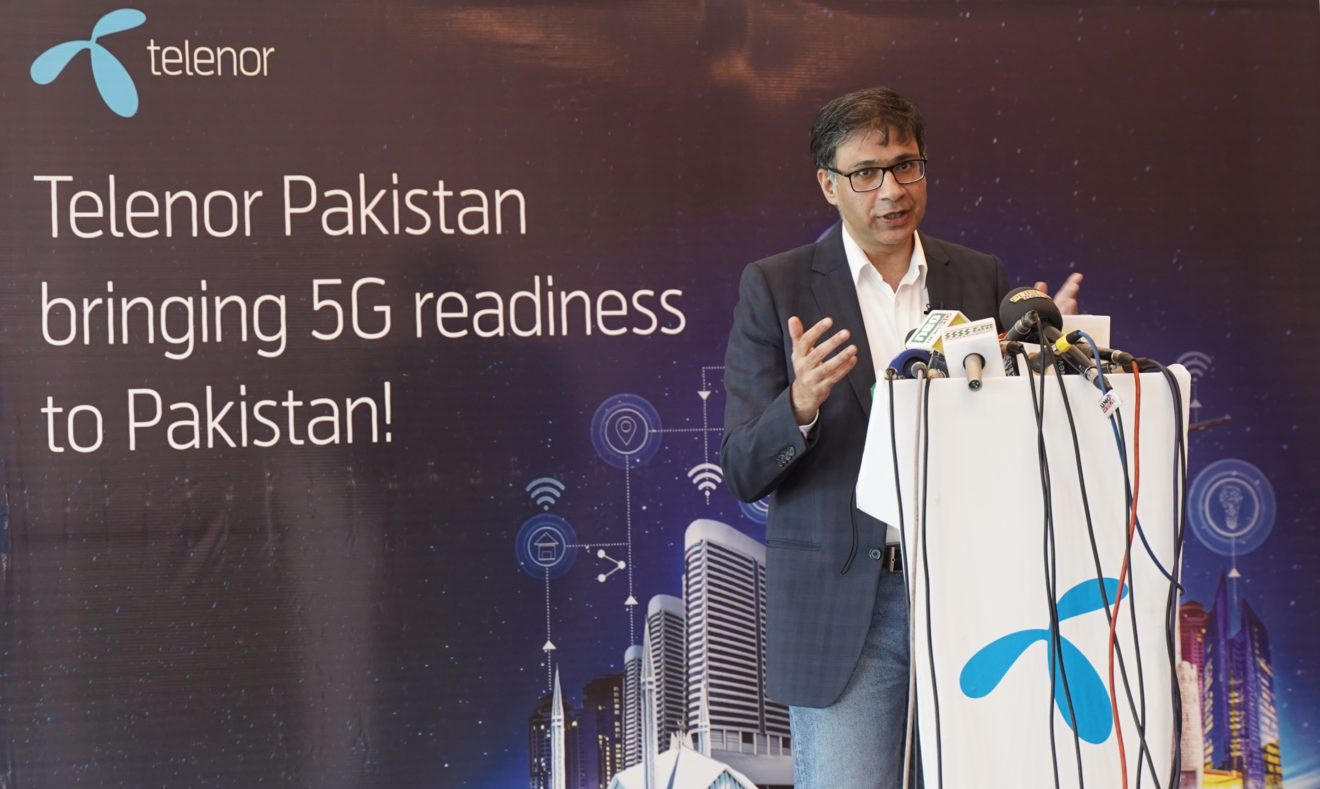
    Telenor Pakistan gets ready to bring 5G to Pakistan

    Taking another stride towards network transformation and digitalization, Telenor Pakistan and its network partners have geared up to make the network 5G ready to pass on the benefits of this transformative technology to the people of Pakistan in the coming years.

    5G is the fifth-generation cellular network technology that offers faster data transfer speeds and enables advanced solutions such as smart homes, smart cities, autonomous driving, automated emergency services, remote medical diagnosis, smart manufacturing, cloud gaming, and enhanced content & media experiences to name a few.

    The development cements and once again demonstrates Telenor Pakistan’s position as the frontrunner of innovation and digital transformation in the country. Today, the company has the country’s first and only 4.5G network and takes the lead with such industry-first initiatives as IoT, Cloud Services, and overall digital ecosystem development comprising innovative solutions for gaming, entertainment, and 3G/4G devices portfolio, etc.

    Telenor Pakistan took the first step towards 5G enablement last year by beginning the evolution of its network core from legacy architecture to state-of-the-art virtualized hybrid core, taking the lead towards 5G readiness. The latest development takes Telenor Pakistan one step closer to the successful launch of end-to-end 5G trials to demonstrate the potential of futuristic technologies and solutions for socioeconomic advancement.

    “As Pakistan gears up for future technologies that will be integrated into governance, businesses and people’s lives, the role of 5G becomes imperative,” said Irfan Wahab Khan, Chief Executive Officer Telenor Pakistan and Head of Telenor Emerging Asia Cluster, while sharing his thoughts on the development. “With this latest step towards digitalization and network transformation, Telenor Pakistan is opening up new possibilities for millions of Pakistanis who will be the actual winners in the development. We look forward to continued government support as a digitalization partner for adequate spectrum allocation for adoption and penetration of 5G over the next few years.”

    “Staying devoted to our vision of empowering the people, we have made use of innovative technologies to bring them newer and better opportunities,” said Bilal Kazmi, Chief Marketing Officer, Telenor Pakistan while speaking to the media at Telenor Pakistan Headquarters. “We are happy to further our goals of communications innovation and digitalization across sectors, which is exactly what this development aims for. We will continue to play our part to leverage technology as the greatest equalizer and enhance the ecosystem that we set out to build years ago through network transformation and expansion, data solutions, content services and introduction of affordable devices.”

    Telenor Pakistan, driven by its vision of empowering societies, continues to take groundbreaking initiatives to lead Pakistan towards a digital economy. Connectivity and data being the enablers that empower people, the company believes that connecting people to what matters most to them is truly realized only if it continues to innovate and impact millions of lives.

  • AT&T launches 5G service in New York City

    AT&T launches 5G service in New York City

    After Sprint and Verizon, it’s AT&T’s turn to bring 5G to another US city. The carrier has just announced that starting today, customers in New York City will be able to use its 5G service if they own a compatible device.

    However, AT&T’s 5G network won’t cover the entire city and it will be available in limited areas initially. Sadly, unlike other US carriers, AT&T wouldn’t list areas in New York City where customers will be able to access its so-called 5G+ network.

    For the time being, select customers in NYC can access AT&T’s 5G+ network using the Samsung Galaxy S10 5G on the carrier’s AT&T Business Unlimited Preferred plan. As such, the AT&T 5G service is only for business customers, at list initially.

    NYC is the 21st city in the US with AT&T 5G, but the carrier announced plans to offer nationwide 5G in the first half of 2020, so there’s more to come.

  • Huawei Battling for Chinese consumers

    Huawei Battling for Chinese consumers

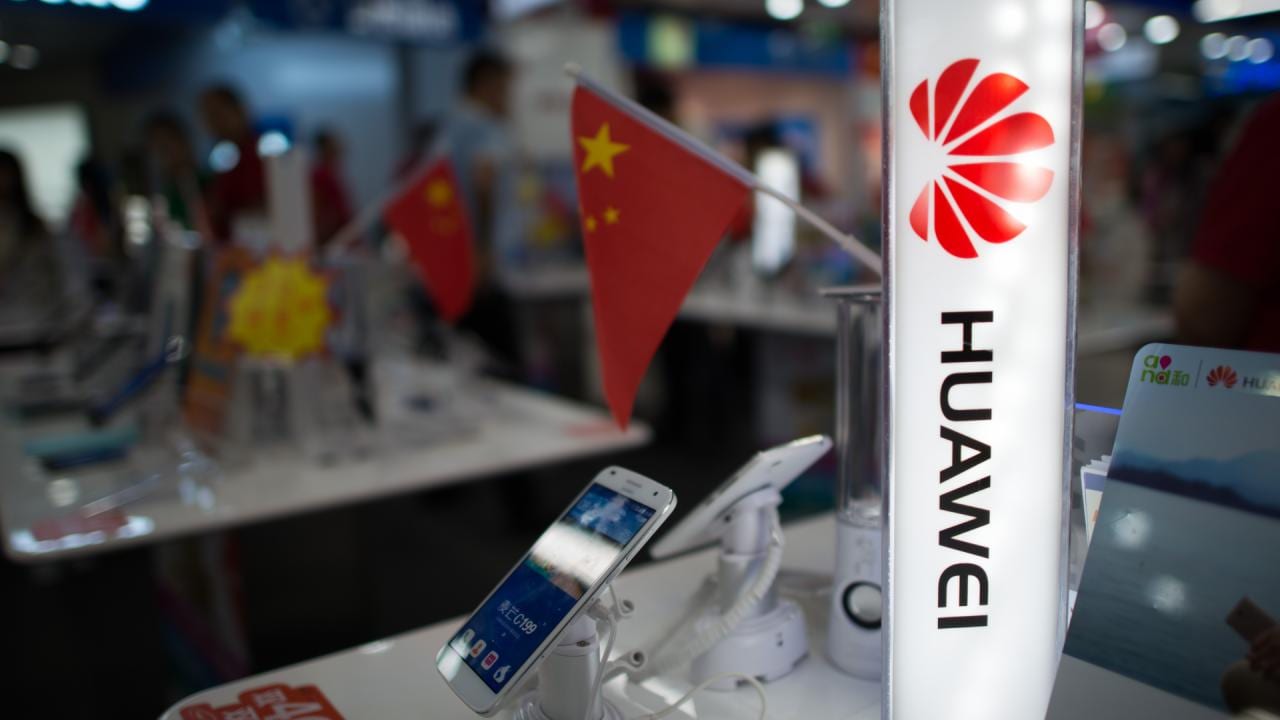
    When 23-year-old Chinese student Aaron Huang started his hunt for an Android replacement for his Apple iPhone in April this year, it was clear which brand was trying hardest to win him over.

    Promotional campaigns by Huawei Technologies and from local retailers supporting the brand were everywhere, said Huang, adding he was influenced by domestic media coverage that portrayed the US as unfairly targeting the Chinese tech giant in its trade war.

    “I felt like I should choose Huawei,” he said.

    The advertising blitz and grassroots patriotism have proven to be a potent mix, amplifying the brand’s existing broad appeal in its home market – a market it is increasingly dependent on as Washington’s ban on sales of US components and software to Huawei hammers overseas demand.

    Second-quarter China smartphone shipments for Huawei surged by a nearly a third from the same period a year earlier, with its market share rocketing 10.6 percentage points to a record 38 percent, according to research firm Canalys. Shipments for domestic rivals and Apple plummeted.

    Huawei has lifted its China sales target for its consumer business group, said a company source, who was not authorised to speak on the matter and declined to be identified.

    Within Huawei, employees refer to current strategies as ‘Battle Mode’ and it has stepped up the opening of new stores including Experience Centers in the style of Apple shops, other company sources said. One Experience Center near its South China headquarters opened last month while a bigger one in Shenzhen’s tech district of Nanshan will open next month.

    Analysts say Huawei has also been transferring unsold smartphone stock from other regions to China and even offering some rare discounting in its home and overseas markets as it seeks to offset sales declines in Europe and the US.

    Huawei declined to comment on its strategies for marketing and managing inventories, or its China sales target. It reiterated an earlier statement that it was not trying to trade on patriotic fervor.

    Lotteries and bullfrogs

    Sales promotions have included interest-free installment payment plans and lotteries for its premium P30 and Mate series. Analysts add that products from its three brands – Huawei, Nova, and Honor – outnumber those from rivals in every market segment.

    Firms like Chinese electronics retailer Gome and small businesses have been eager to lend a hand, linking Huawei phones with patriotic support.

    Fang Xia, a 38-year-old restaurant owner in Shanghai, said she was motivated by recent coverage of Huawei’s dispute with the US to offer her customers a special deal.

    “Tables that have four or more people with Huawei smartphones will get one free plate of Emperor Bullfrog,” proclaims an advertisement for her restaurant’s signature 88 yuan ($12.50) deep-fried frog dish.

    Huawei’s overseas smartphone sales tumbled 28 percent in the second quarter from the previous quarter, Canalys data showed, but the full impact of the ban is not yet known.

    Warning that Huawei products could be a vehicle for Chinese espionage, the Trump administration now requires that US corporations which conduct business with Huawei gain a special license to do so. US government responses to requests for those licenses could come this week, US Commerce Secretary Wilbur Ross said last Tuesday.

    In other measures to counter the ban which could strip its access to Google’s Android, Huawei is accelerating efforts to develop its own operating system called Hongmeng. It is looking to roll out a low-end smartphone equipped with Hongmeng in the fourth quarter, state-media outlet Global Times reported on Sunday.

    Huawei declined to comment. It has previously said Hongmeng is designed for internet-of-things products and it prefers Android for its smartphones.

    Even before the US ban, Huawei had been making big strides in China, moving upmarket into the $500-800 price range and luring customers away from the likes of Apple with improved camera quality.

    “In any segment, it has several options for consumers, that is more than any other brand has to offer,” said Canalys analyst Mo Jia, describing Huawei’s strategy as one of “bombardment”.

    Rivals are hurting. Xiaomi saw its second-quarter China shipments tumble 20 per cent from the same period a year earlier, Vivo’s slid 19 per cent while Oppo’s dropped 18 per cent. Apple’s shipments fell 14 per cent, and analysts and Chinese consumers say the US firm could be hit further amid an intensifying US-China trade war.

    Xiaomi, Apple, Oppo and Vivo declined to comment.

    While Huawei has managed a huge boost in its home market, analysts said China sales may not always stay unscathed as it could struggle to replace US components and software.

    “Without the original supply chain, we may see its speed of development start to slow down,” said James Yan, research director at Counterpoint Research.
  • Comcast tweaks Xfinity Mobile data plans

    Comcast tweaks Xfinity Mobile data plans

    Comcast announced earlier today a handful of changes to its Xfinity Mobile data plans. The most important is the addition of a $20 fee per month for subscribers who want to stream HD video with an unlimited data plan. The move isn’t a surprise since Comcast revealed plans to introduce such a fee last year when it capped video resolution on unlimited plans to 480p.

    To stream HD video with an unlimited plan, you’ll have to buy an HD Pass, which costs $20 month. The new pass will upgrade to HD video resolution on Unlimited lines (720p on phone and 1080p on tablets) and allow subscribers to access faster speeds when the network is congested.

    Also, the announcement contains information about new Xfinity Mobile customers who will be able to customize the new data options and features. The new “By the Gig Shared Data” plans will allow users to pay per gigabyte and select a minimum amount of cellular data each month shared across all lines on an account.

    Xfinity Mobile offers 1GB for $12, 3GB for $30, and 10GB for $60. With the addition of the “by the gig” plans, the 480p video resolution cap has been completely removed, as video will stream in HD if you choose any of the option mentioned above.

    Last but not least, Xfinity Mobile introduces a $10 per month per line pass, which offers customers unlimited calls to Mexico and Canada.

  • Huawei promo video explains why mobile gamers can’t wait for 5G

    Huawei promo video explains why mobile gamers can’t wait for 5G

    What is the first thing that comes to mind when you think about 5G? Most likely you think about the faster download speeds that have peaked thus far at over 2Gbps (according to AT&T). With these data speeds, users will be able to download an HD movie in seconds instead of minutes. New businesses and industries will spring up to take advantage of the speed of the new networks similar to how 4G LTE connectivity enabled the creation of the ride-sharing industry; the latter now has two billion-dollar companies in Uber and Lyft.

    Another advantage of 5G, one that you don’t hear about often, is low latency. Latency measures the time it takes you to get a response to information that you send. For example, if you’re playing a game and shoot the opponent, latency measures the lag between the time you fire the blast and the time you know whether you’ve succeeded in hitting your target. So 5G is obviously positive for those playing mobile games in the cloud.

    Today, Huawei released a promo video for its Mate 20 X 5G that not only shows the huge difference in speed between 4G LTE and 5G, it also mentions the reduction in latency. In fact, the clip claims that game players won’t experience any lag at all when this phone runs on a 5G network.

    The Mate 20 X 5G features a 7.2-inch AMOLED display sporting a 1080 x 2244 resolution. Huawei’s Kirin 980 SoC is under the hood and the device employs Huawei’s own Baloong 5000 5G modem chip. A triple camera setup is in the back (40MP primary + 8MP telephoto with a 3x optical zoom + 20MP Ultra-wide) and a 24MP selfie snapper is in the front. A 4200mAh battery keeps the lights on, and the handset supports the Huawei M-Pen.

    No, you’re not going to see this phone sold in the U.S., but the video does point out a reason why mobile game players in the states should be looking forward to getting 5G up and running in their city.

  • JD takes stake in Beijing Digital Telecom

    JD takes stake in Beijing Digital Telecom

    Chinese online retail platform JD is acquiring 9 percent of Beijing Digital Telecom.

    The consumer electronics retailer, which operates from around 3000 physical stores throughout China selling predominantly phones and computers, will expand JD’s offline presence within the market, including lower-tier cities.

    The transaction value has not been disclosed, as it falls below the amount that requires public notification under US Securities and Exchanges Commission regulations.

    At the same time, Beijing Digital Telecom is entering a joint venture with a network-technologies developer and provider Suqian Jiashi, which is wholly owned by JD. The firm is investing RMB191 million (US$28.5 million) for a 49 percent stake, while Suqian Jiashi is putting in RMB 204 million ($29.6 million).

  • Singtel Makes Foray Into Insurance Market

    Singtel Makes Foray Into Insurance Market

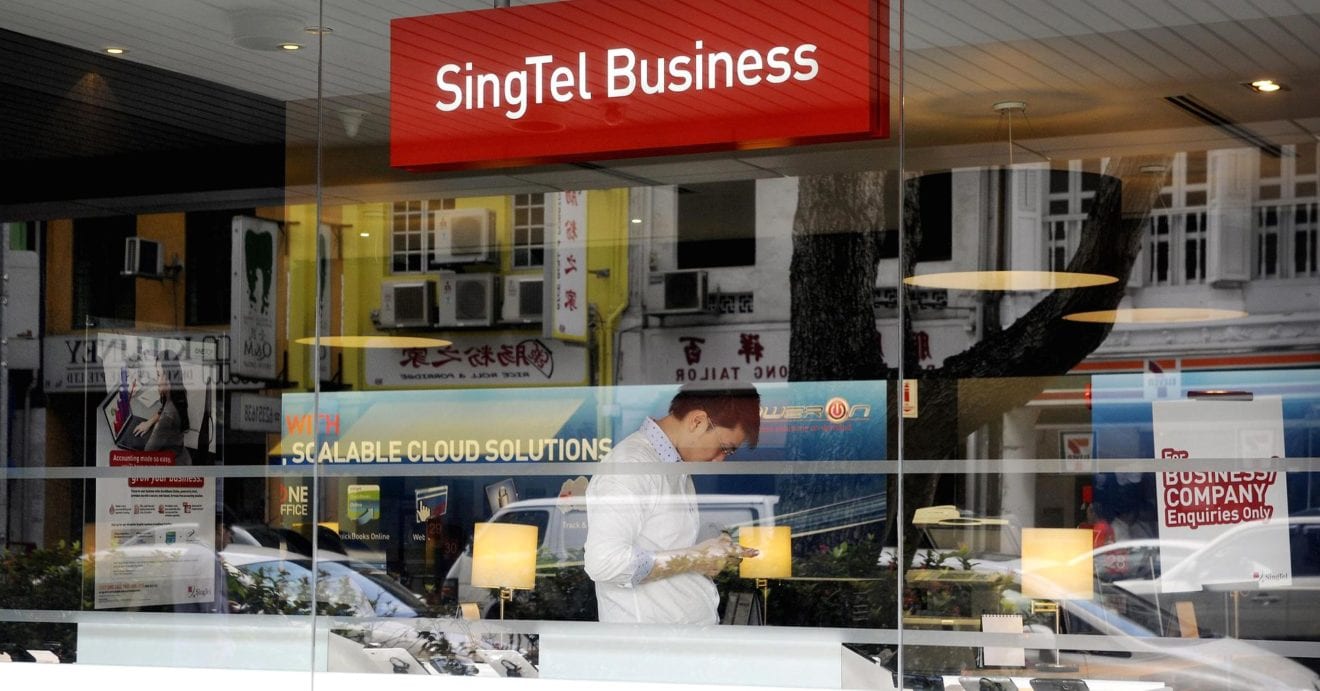
    Singtel announced its first foray into the insurance market on Thursday, introducing Singapore’s first prepaid data plan and Dash mobile remittance service that comes with personal insurance cover.

    Singapore’s dominant telco provider will be offering customers of its prepaid data plan and users of Dash mobile remittance service insurance cover that is provided by NTUC Income (Income), with premiums paid for by Singtel.

    As many of our prepaid and Dash mobile remittance customers are the sole breadwinners in their families, income stability and protection from financial loss are among their topmost concerns. By working with Income to remove price barriers and simplify the sign-up process, we want to make insurance accessible for all, enabling our customers to protect their loved ones, by simply topping up their data or remitting money back home, said Yuen Kuan Moon, CEO of Consumer Singapore at Singtel in a media statement.

    Prepaid customers who purchase a 30-day 50MB Protect data plan worth S$2 or do a S$20 prepaid top-up will be entitled to an insurance policy that provides coverage for 30 days. The coverage provides a range of benefits, including lump-sum payouts in the event of loss of employment due to hospitalization, as well as permanent disability and accidental death.

    The plan also offers daily cash benefits for each day of hospitalization and a one-off get-well benefit, together with mobile data to ensure that the beneficiary can stay connected with his or her loved ones, according to Singtel’s web page. Dash customers who remit at least S$100 will qualify for Free 30-Day Dash Protect, an insurance policy that offers lump-sum payouts in the event of permanent disability and accidental death – a first in the remittance market.

    Currently, the Singapore telco company provides mobile connectivity to more than 60 percent of foreign workers in Singapore, including S Pass workers (mid-level skilled staff), foreign domestic workers and migrant workers which number about 1.171 million in Singapore. Dash mobile remittance volumes have been growing steadily, doubling in the quarter ended June 2019 from a year ago.

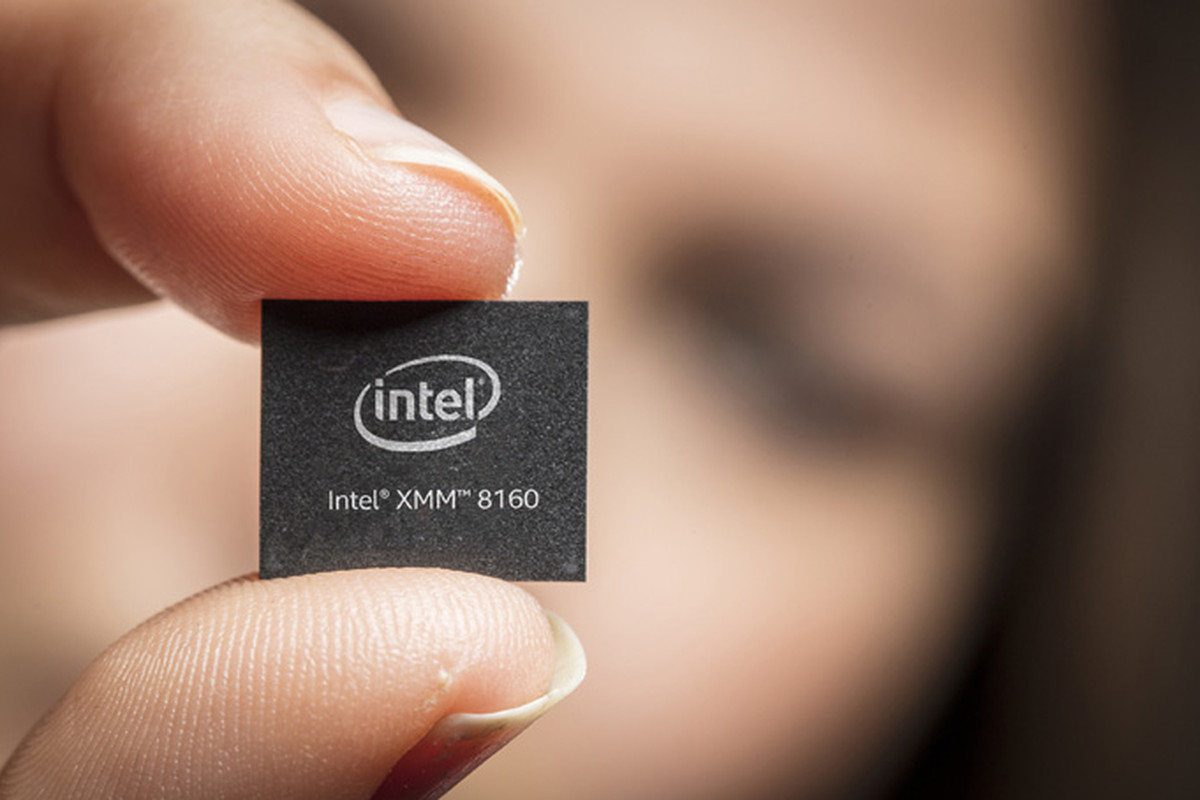
  • Apple reportedly is close to buying Intel’s modem chip business

    Apple reportedly is close to buying Intel’s modem chip business

    By April of this year, Apple was desperate. It was embroiled in a fight with Qualcomm that was playing out in numerous lawsuits including one that was taking place in San Diego with billions of dollars at stake. With Qualcomm apparently unwilling to sell it 5G modem chips, Apple was relying on Intel, the company that supplied it with the 4G LTE modem chips used on the 2018 iPhones. But there were questions about whether Intel could deliver a 5G modem chip in time for Apple to release a 5G iPhone by 2020.

    On April 7th, Intel said that it would be able to supply Apple with its 5G modem chip in time for the first 5G iPhone to be launched next year. But just nine days later, while closing arguments were taking place during the trial in San Diego, a blockbuster announcement was made; Apple agreed to pay Qualcomm an undisclosed amount (believed to be $4.5 billion) and in return Qualcomm gave Apple a six-year license (with an option for two additional years) and a multi-year chip supply agreement. All lawsuits were dropped. Intel could see which way the wind was blowing and later that same day, the chipmaker announced that it was quitting the 5G smartphone modem business. And last month, the rumors started about Apple buying Intel’s smartphone modem business. Such an acquisition, if completed, would help Apple achieve its goal of producing its own modem chips.

    The talks between Apple and Intel have heated up to the point where they are now classified as “advanced.” The deal, said to be valued at $1 billion or more, could be announced as soon as next week. This would be a big transaction for Apple as the company usually makes small purchases. For example, in 2012 Apple bought biometrics firm AuthenTec for $356 million and Touch ID debuted a year later on the iPhone 5s. In 2015, Apple paid a reported $20 million for imaging firm LinX. The acquisition helped Apple immediately step up its camera game.  The most money that Apple has ever shelled out to buy another company was the $3 billion it spent to buy Beats Audio in 2014. While most of these deals had almost immediate payoffs for Apple, even with Intel’s smartphone modem chip business, it might not be until 2022 or 2023 before Apple is able to be self-sufficient in this area.

    Apple has been hiring engineers, including some from Intel, and plans on opening an office in San Diego with 1,200 employees. If a deal is reached, Intel will be getting rid of a business that has been losing $1 billion a year. And while it will no longer be producing chips for smartphones, it will still work on 5G based components for other devices. Meanwhile, Apple is looking to move in-house as much of the iPhone’s supply chain as possible. Last year it spent $600 million to purchase facilities and engineers from Dialog Semiconductors so that it could start producing internally the battery-management chips that it had been buying from Dialog in the past.

    While Apple appears to have this deal locked up, when Intel first announced that it was exiting the business, it received indications of interest from other companies. Should Apple and Intel fail to come to an agreement, another buyer could step in to take Apple’s place. Meanwhile, investors rightly regard this as potentially bad news for Qualcomm. When the story broke after the 4 pm EDT close of the NYSE, Qualcomm’s shares dropped 1.8% to $74.55.

    If Apple ends up buying Intel’s smartphone modem chip business, it can easily afford it. After accounting for debt, Apple had $113 billion of cash available as of March 30th when its fiscal second-quarter came to an end.

  • Verizon launches its fifth 5G device in its fifth 5G market

    Verizon launches its fifth 5G device in its fifth 5G market

    Verizon is taking another small step today towards a nationwide 5G coverage dream that continues to seem so annoyingly distant by expanding the list of cities embracing the next standard in mobile connectivity to five. As expected, St. Paul, Minnesota is joining Denver, Chicago, Minneapolis, and Providence, but fret not, as this sluggish rollout is about to substantially speed up.

    Big Red is not giving up on its rather ambitious goal of spreading the 5G love to “more than” 30 cities by the end of the year, although some of those locations remain under wraps and there are no words on future release dates. It’s also important to highlight Verizon’s “true” 5G Ultra Wideband network is only accessible in certain parts of the five aforementioned cities for the time being.

    As far as St. Paul is concerned, the new ultra-low latency and insanely high download speeds are available in “parts” of Downtown, Lowertown, and West Seventh neighborhoods “around” landmarks including the Minnesota Children’s Museum, the Minnesota Museum of American Art, the Fitzgerald Theater, Cathedral Hill Park, and the Alexander Ramsey House. That doesn’t exactly sound impressive, but it’s a start.

    Besides, the nation’s largest wireless service provider promises your 5G device will be able to seamlessly switch to 4G LTE connectivity where a 5G signal is out of reach. Speaking of devices, the Inseego 5G MiFi M1000 hotspot is exclusively available for Verizon subscribers starting today at an outright price of $650.

    This is the fifth 5G-enabled gadget released by Verizon, targeting both businesses and everyday consumers. The ultra-advanced hotspot allows up to 15 devices to connect simultaneously, supporting “near real-time” virtual reality and augmented reality experiences, as well as 4K and 8K video streaming with “near real-time downloads and virtually no buffering delays.”

    If $650 feels a little rich for your blood, you can get that price point down to $499.99 with a two-year contract or pay $27.08 a month for two years. Don’t forget you also need to pay a little something extra on your monthly plan to actually get 5G access.

  • Judge’s ruling is bad for Qualcomm

    Judge’s ruling is bad for Qualcomm

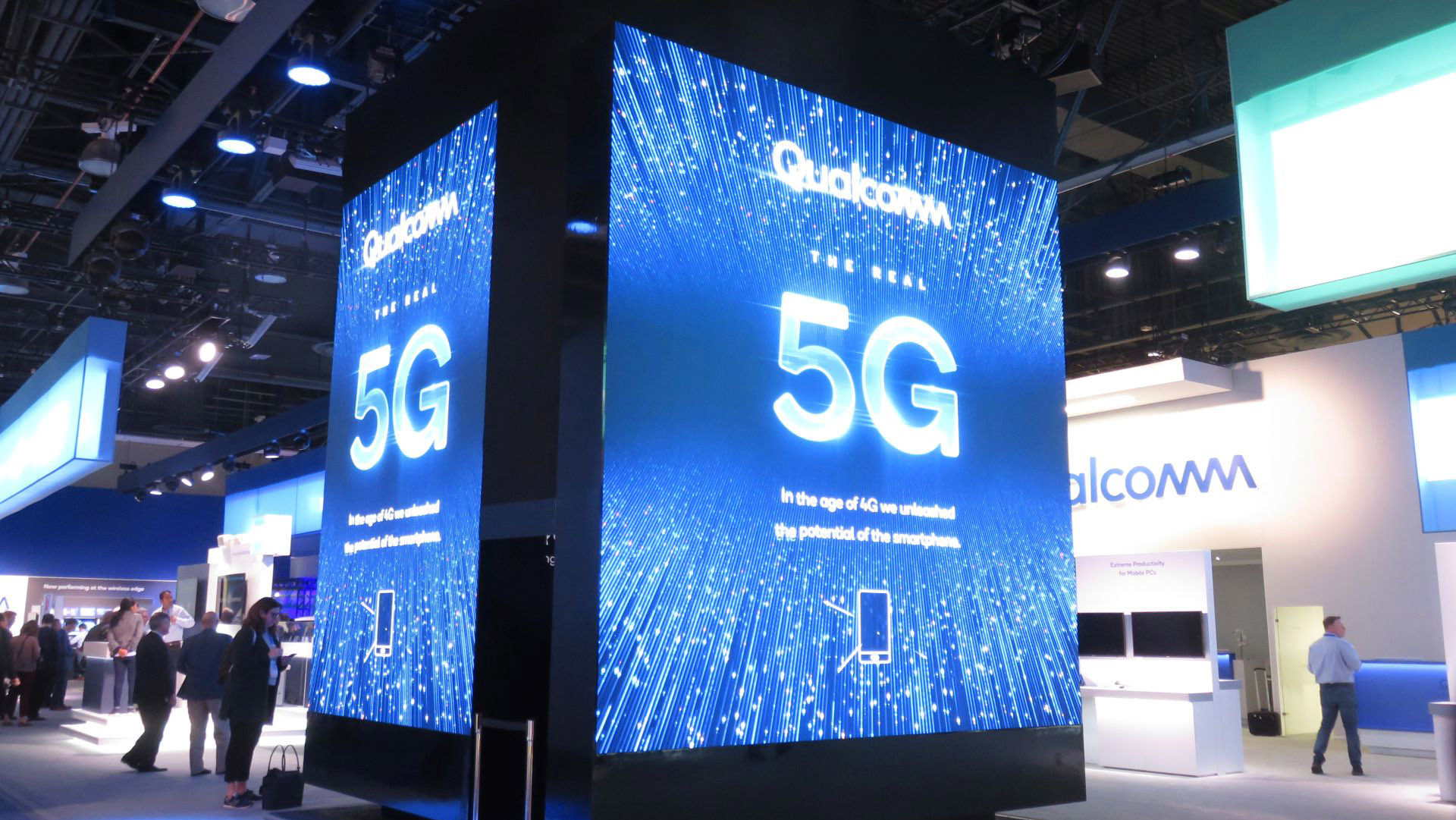
    Back in May, Judge Lucy Koh ruled that Qualcomm’s business practices are anti-competitive. The judge, already known for presiding over the iconic Apple v. Samsung patent trial sat through the FTC v. Qualcomm non-jury trial held earlier this year. Judge Koh found that the chipmaker’s business practices violated antitrust laws. These included Qualcomm’s “no license, no chips” policy and its failure to license standard-essential patents to competitors at a fair, reasonable and non-discriminatory (FRAND) manner. These are patents that companies need to license so that their products can meet technical standards. Qualcomm was also called out by Judge Koh for charging royalties based on the retail price of a phone instead of just the cost of its chips.

    Of course, Qualcomm says that it will appeal the decision since it requires the company to renegotiate its contracts and licensing agreements with manufacturers. Qualcomm is also complaining that all of these negotiations can make it difficult for it to complete talks with phone producers who want to purchase Qualcomm’s 5G modem chips. And the ruling would force the company to work out deals with its rivals over licensing of its standard-essential patents.

    Qualcomm also is seeking a stay of the decision until it exhausts the appeals process. This way it doesn’t have to go through the whole exhaustive renegotiation process and then reverse the new deals if it wins on appeal. Even though that might make sense to some, Judge Koh has denied Qualcomm’s request. A spokesman for the chipmaker says that it will immediately request a stay from the 9th U.S. Circuit Court of Appeals.

    The FTC v. Qualcomm trial was held in January and featured testimony from employees of several phone manufacturers. Many testified about Qualcomm’s onerous terms for licensing its IP and how it bases the royalties it charges manufacturers on the entire retail price tag of a phone. So instead of paying a percentage of a $20-$40 part for each unit sold, phone manufacturers were charged a percentage of retail prices amounting to $400 and up for each phone rung up with a Qualcomm part. This is the difference between the chipmaker receiving dollars per phone or pennies per phone.

    One of those who took the stand was Apple supply chain executive Tony Blevins. At the time, Apple and Qualcomm were not on speaking terms and both companies had filed multiple suits against each other. But that all changed in April after closing arguments were heard in a trial that pitted Apple against Qualcomm. A settlement was announced that resulted in Apple paying Qualcomm an undisclosed amount (believed to be as much as $4.5 billion) and in return, Apple received a licensing agreement for six years (with a two-year option) and a multi-year chip supply agreement. In addition, both sides dropped all lawsuits filed against each other.

    One phone manufacturer happy with Tuesday’s decision is LG. It doesn’t want to see Koh’s decision stayed because it is currently negotiating a licensing and chip supply deal with Qualcomm and is worried that it might be forced to sign another “unfair” deal with the company. And needless to say, the FTC was also against a ruling that would stay the decision.

    Unless the decision has stayed, LG and other phone manufacturers will probably be working out new deals with Qualcomm while the appeals process goes on. It could take more than a year before a final decision is rendered by an appellate court. Wall Street weighed in with its decision and in after-hours trading on Wednesday (the market closed regular trading early for the July 4th holiday), the stock dropped by $2.49 or 3.25% to $76.63.

  • Huawei opens flagship store outside of China

    Huawei opens flagship store outside of China

    Chinese tech firm Huawei has launched its largest international flagship store in Madrid.

    The new centrally located 1100sqm store showcases the company’s 5G and AI technologies as well as its range of smartphones and computers. More than 1000 people attended the launch.

    Huawei recently cooperated with Vodafone Espana to roll out the first commercial 5G service in Spain, which is now offering 5G roaming in four European countries. Huawei has already provided equipment for Britain’s new 5G network.

    The Chinese firm has already won 50 5G contracts around the world, but is at the centre of controversy in the US and Australia, among other markets, over allegations its systems can be used by Chinese government agencies to spy on users.

  • Apple decision forces Intel to auction its smartphone modem patents

    Apple decision forces Intel to auction its smartphone modem patents

    Intel confirmed plans to exit the smartphone business a few months ago, but news about the auction of its smartphone modem assets emerged only today. The announcement follows Apple’s decision to buy 5G smartphone modems from Qualcomm rather than Intel.

    Although the US company said it will continue to produce 4G smartphone modems and honor all orders, it will no longer invest in 5G modem product line following the announcement. Instead, Intel will shift focus on its 5G network business, which is expected to grow in the coming years

    According to a new report from IAM, Intel has decided to auction all its IP relating to cellular wireless connectivity. There are no less than 8,500 patents that Intel is now looking to sell in order to recover some of the resources it invested. The report also mentions that Intel is launching this auction separate to its efforts to sell the smartphone modem division, hoping that a potential buyer for both will appear.

    Intel’s inability to meet Apple’s deadlines proved to be fatal for the business in the end, as the Cupertino-based company decided to make sure it’s got enough 5G modems in 2020. Left without the main client for its smartphone modem division, Intel is forced to cut its losses and refocus on those businesses that apparently bring much more money.

  • Docomo Pacific set to launch first VoLTE services for Guam and the CNMI

    Docomo Pacific set to launch first VoLTE services for Guam and the CNMI

    As part of the rollout of the next generation of wireless technology, DOCOMO PACIFIC is preparing to launch the first VoLTE services in Guam and the CNMI.

    VoLTE or Voice over Long-Term Evolution allows customers to place a phone call over your LTE connection instead of the traditional voice network, resulting in high-definition (HD) Voice services providing clearer audio quality.

    VoLTE lets you experience HD Voice calls with minimal background noise, making it much easier and clearer for both people on a call to hear one another. The mixture of voice and data to make calls will produce faster call setup times and quicker connections. Additionally, VoLTE services are less power-intensive than calls being made over a 3G connection, resulting in better battery life.

    VoLTE allows the efficient use of network resources, helping to lower operational costs. With the use of VoLTE, voice traffic is routed over the 4G LTE network used to transmit data, freeing up spectrum for the 5G technology that DOCOMO PACIFIC will launch soon.

    On June 19th, DOCOMO PACIFIC engineers made the first commercial VoLTE call on Guam and the following day they made the first VoLTE call to Saipan. The commercial launch of VoLTE services will begin to roll-out in July 2019 for VoLTE capable devices on DOCOMO PACIFIC’s network. VoLTE services will be an added value to our existing services and will not come at any additional cost.

    “DOCOMO PACIFIC is excited to be the first to bring another innovative service that improves the voice quality of calls for our customers in the Marianas. VoLTE is the future of voice communications and we can’t wait for our customers to have a higher quality experience while talking with family and friends. As we prepare to launch 5G technology soon, VoLTE is another step in our journey to be the technology leader and bring the best and fastest services to our customers,” DOCOMO PACIFIC President and CEO Roderick Boss said.

    In March 2019, NTT DOCOMO was the first to bring 5G to Guam with the opening of the DOCOMO 5G Open Lab Guam. The 5G Open Lab allows worldwide partners including businesses on Guam to test the first 5G environment and co-create practical solutions using 5G.

  • China is reportedly behind huge hack of global cell networks

    China is reportedly behind huge hack of global cell networks

    Security research firm Cybereason reports that over the last seven years, hackers have been able to break into more than 10 cellular networks worldwide to gather information on calls made by at least 20 targeted individuals. The data obtained from this operation included the dates that calls were made, the times they were connected, the locations of the callers and more. The attack, dubbed Operation Soft Cell, has been active since 2012 and was spotted by Cybereason earlier this year.
    While the goal of the hackers was to obtain call detail records (CDR), other information obtained from this operation included usernames and passwords. According to the report, “the attackers worked in waves-abandoning one thread of attack when it was detected and stopped, only to return months later with new tools and techniques.” Cybereason says that it is very certain that this operation is a state-sponsored attack and is affiliated with China. The methods and tools used lead the security researcher to name APT10 as the so-called threat actor. This group reportedly works with Chinese Ministry of State Security (MSS).
    So why would the MSS go to all the trouble of hacking into 10 global cell networks? As Cybereason points out, when a nation runs an operation like this, it is not about the money. It is often done to steal intellectual property or obtain information about some of the carriers’ subscribers. The data that was stolen allowed the hackers to get call records that provided the destination, and duration of a call, information on the device used to make the call, the version number of the phone and its vendor, and the physical location where the call was made. With that data, the MSS (assuming that they were behind this) was able to learn who the individuals they were targeting had been talking to, the devices they were using to make such calls and where these people were traveling to. The security research company says that this is the type of information used to gather dirt on politicians and to track law enforcement.