Category: Telecom

Retail News Asia is committed to providing both local and global retailers with the latest Telecom & Telco news throughout the Asian market. This on a daily base.

  • Vietnam is fastest growing market for m-payments

    Vietnam is fastest growing market for m-payments

    Vietnam has seen the highest growth in mobile payments in the past year, according to the Global Consumer Insights Survey 2019 conducted by PwC.

    The survey, which covered more than 21,000 respondents from 27 territories, showed that the percentage of consumers using these services in Vietnam increased to 61%, up from 37% in 2018. The 24 percentage point increase was also the largest in the six Southeast Asian countries that took part in the survey.

    In Singapore, mobile payments climbed 12 percentage points from 34% in 2018 to 46% in 2019. Since the government began encouraging digital payments in late 2017, the latest results indicate a payoff in the efforts by the government and other mobile payments players.

    The rest of Southeast Asia also saw increases in mobile payments with Thailand up 19 percentage points to 67%, Malaysia up 17 percentage points to 40%, and Philippines up 14 percentage points to 45%, respectively. Indonesia reflected the slowest increase in the usage of mobile payments at just 9 percentage points to 47%.

    In the Middle East, which was the second fastest growing in mobile payments adoption globally after Vietnam, the percentage increased by 20 percentage points to 45%. China remains unchanged at 86%. Across all territories, 34% of consumers paid for purchases using mobile payments, up from 24% a year earlier.

    Buying through social media

    According to the survey, consumers in Asia are more socially engaged online than those in Europe and the Americas. Respondents in Thailand, Indonesia and Vietnam led the pack globally in making purchases directly through social media posts on platforms like Instagram and Facebook, with 50%, 49% and 48% of survey respondents indicating they do so, respectively.

    Globally, only 21% of respondents made purchases directly through social media. Among product and service categories, the survey found that social media is most likely to affect purchasing decisions related to fashion.

    Charles Loh, Southeast Asia Consumer and Industrial Products Consulting Leader, PwC, said: “Social media platforms are already mature in Southeast Asia. The trend in online shopping, moving forward, is the consolidation of e-commerce players with fewer big players providing that gateway. There seems to be a consolidator present in every market.”

    Voice technology

    In the survey, 9% of global consumers said they use voice technology to shop online weekly or more frequently. As shopping by voice continues to catch on, companies should be thinking beyond mobile to consider how voice technology in homes, cars, and elsewhere will affect customer experience. The bar for brand leadership will continue to shift as organizations launch increasingly consumer-friendly technologies.

    Charles Loh, Southeast Asia Consumer and Industrial Products Consulting Leader, PwC, said:

    “Voice technology is widely used in instant messaging communication platforms. It’s only a matter of time that we see adoption here in Southeast Asia”

    Shirish Jain, payments director, Strategy, said: “Asia remains the powerhouse in leading the customer shift to mobile payments with the report reflecting eight Asian nations in the top 10, and six are in Southeast Asia, as the results show. Vietnam, with its relatively low penetration in 2018, has registered the highest growth as mobile platforms demonstrate a significant increase in convenience over traditional means of commerce.

    “This contrasts with Singapore that also shows strong gains. However, the sophisticated and established traditional ecosystem, as well as abundant and potentially confusing number of choices in mobile payments can also slow down adoption.

    “This finding highlights a timely confluence of four principal factors: stages of economic growth cycles driving affluence and disposable income; the availability of platforms that address local demographic needs including support for cash-on-delivery; the lower cost for retailers and providers; and a marked increase in convenience.”

  • SoftBank may invest in Reliance Jio

    SoftBank may invest in Reliance Jio

    Japan’s SoftBank is reportedly in talks to invest up to $3 billion in fast-growing Indian operator Reliance Jio Infocomm.

    SoftBank’s Vision Fund is involved in due diligence on the prospect of the purchase of a stake in Jio  that could be worth $2 billion to $3 billion, unnamed sources told.

    The SoftBank Vision fund has raised $100 billion as part of plans to invest in fast-growing scalable technology companies with transformative potential. Former Deusche Bank executive Rajeev Misra has been appointed to lead the vision fund.

    Neither Softbank nor Jio would comment publicly for the report, so the potential for a deal remains unconfirmed for now.

  • Singtel signs cross-promotion deal with GOJEK

    Singtel signs cross-promotion deal with GOJEK

    Singtel has inked a new partnership with ride hailing company GOJEK aimed at cross-marketing their offerings and providing perks to users and drivers.

    Under the agreement, Singtel will offer GOJEK drivers who subscribe to its Combo mobile plans data-free usage while using GOJEK, as well as a 20% discount on their subscription costs and a complementary caller ID service.

    Meanwhile new and existing customers of Singtel’s digital focused GOMO plan will receive ride hailing credits worth S$5 ($3.67), and all Singtel customers will be offered other ride hailing perks.

    “With this partnership with GOJEK, we are taking our business and customer relationships to the next level, beyond just providing traditional carriage and connectivity,” Singtel CEO consumer Singapore Yuen Kuan Moon said.

    “While our customers have come to expect reliable and comprehensive mobile coverage from us, they are always looking for more value and this we can extend in the form of perks and privileges that come from mutually-beneficial partnerships.”

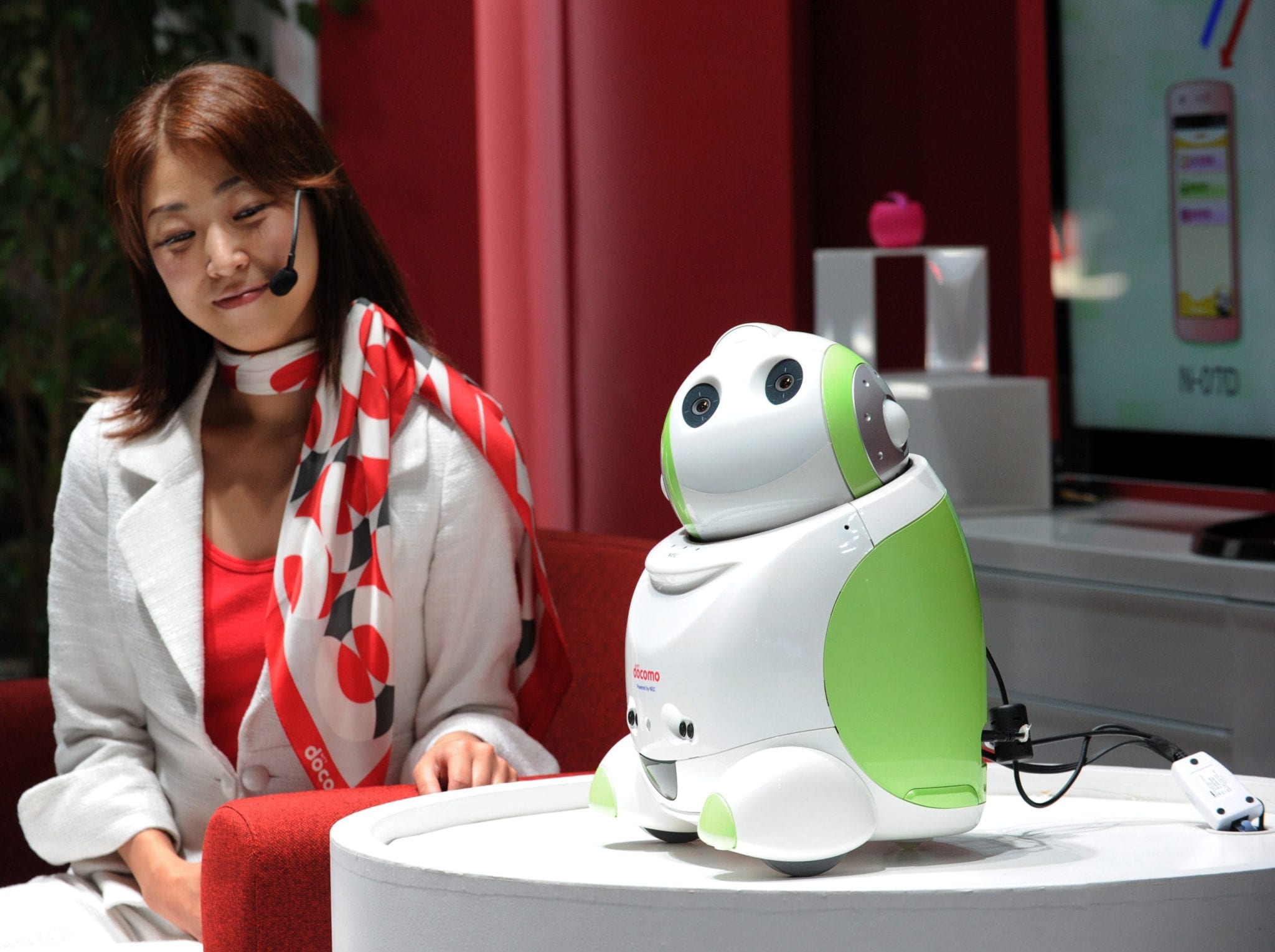
  • Docomo, Itochu Logistics test IoT for delivery-fleet management in US

    Docomo, Itochu Logistics test IoT for delivery-fleet management in US

    Japan’s NTT Docomo and Itochu Logistics are planning to trial an IoT solution for delivery fleet management in the US.

    The solution uses devices compatible with low-power, wide-area LTE-M technology to track the status of outsourced trucks in their fleets.

    The trial will begin in the United States on May 1, 2019.

    According to the companies, the solution involves placing hand-held, battery- or solar-powered devices in trucks to collect data, such as truck locations and frequency of sudden braking, which will be sent through an LTE network to a dedicated website.

    The solution can also provide temperature, humidity, brightness, etc. data depending on delivery needs, as well as notify customers via email when the trucks approach their destinations.Itochu Logistics USA expects to save time using the solution compared to the conventional method of manually phoning drivers to confirm their locations and estimated delivery times.

    The solution will be tested for its effectiveness in supporting the management and safety of truck fleets at Itochu Logistics USA’s delivery-trick network and logistics system.

    “While most delivery trucks are equipped with GPS devices, the location data typically is available to the owner but not to logistics/transport companies that retain the trucks on an outsourced basis,” the companies said.

    “The solution’s easily deployed LTE-M devices, however, will give logistics/transport companies dedicated access to location and other useful information about trucks operating temporarily in their fleets.”

    The trial is part of the Globiot global-IoT initiative that Docomo launched on July 2, 2018.

    The Japanese mobile giant said it expects the solution will be marketed widely throughout US, Japan, and Asia.

  • XL Axiata upgrading fiber network for 5G era

    XL Axiata upgrading fiber network for 5G era

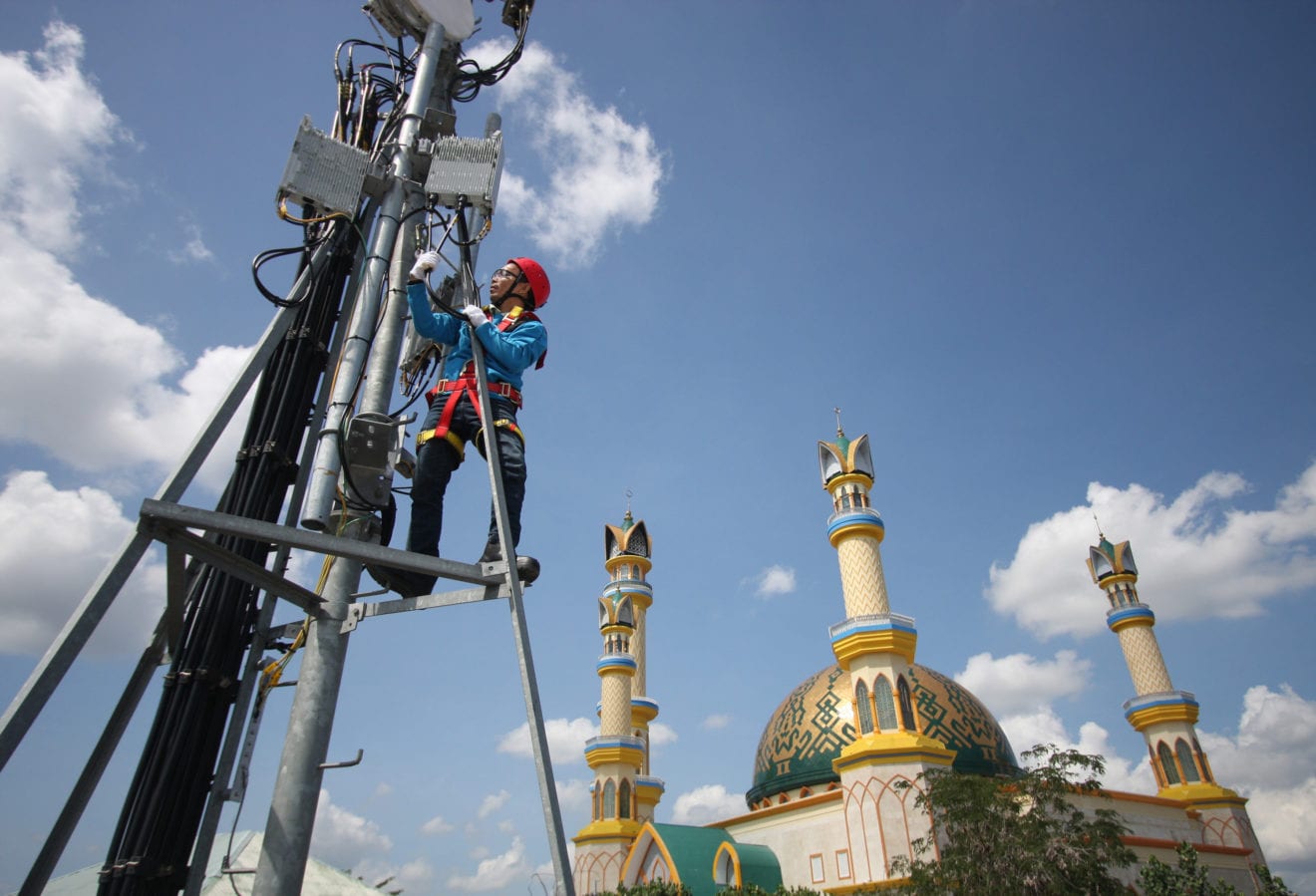
    Indonesia’s XL Axiata has engaged Infinera to modernize both its South Sumatra terrestrial network and its Singapore-to-Jakarta subsea network for the 5G era.

    Under the agreement, Infinera will provide its XTC platform for the South Sumatra terrestrial network and the  Jakarta-Bangka-Batam-Singapore (B2JS) cable.

    The XTC platform is powered by Infinera’s Infinite Capacity Engine solution, which is designed to provide scalable multi-terabit optical super-channel capacity for distances from metro to subsea.

    XL Axiata CTO Yessie Dianty Yosetya said this additional capacity will allow XL Axiata to prepare its network for the arrival of 5G in Indonesia.

    “As one of Southeast Asia’s largest economies, modernizing the network in Indonesia to ensure 5G-readiness is a priority,” she said.

    “Our partnership with Infinera and Lintas Teknologi has been critical to help us achieve this milestone. Further, the performance of Infinera’s ICE4 solution for this subsea and terrestrial network upgrade enables the delivery of cloud-scale capacity that is simple and operationally efficient, with the benefit of intelligent OTN switching that accelerates our ability to deliver services faster.”

    XL Axiata’s transport infrastructure spans over 45,000km of fiber, while its mobile services cover 94% of Indonesia’s population. The company is a subsidiary of Malaysia-based Axiata Group.

  • Unilever and Telenor Pakistan partner to enhance digital inclusion in Pakistan

    Unilever and Telenor Pakistan partner to enhance digital inclusion in Pakistan

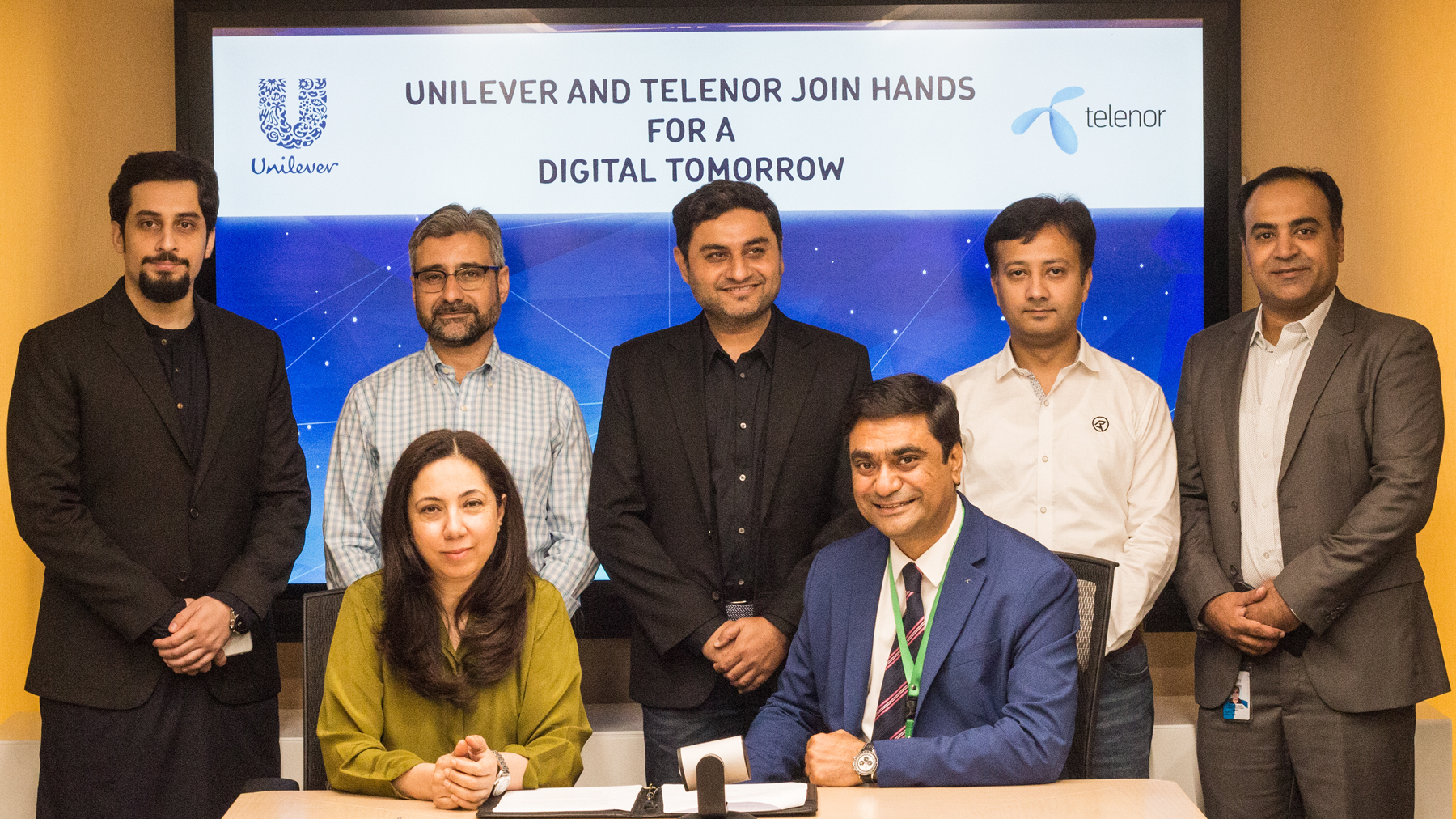
    Unilever has joined hands with Telenor Pakistan to enable digital and financial inclusion in Pakistan through mainstream access to  digitalized retail services, digital financial solutions, digital products and skill enhancement across Pakistan.

    Through this collaboration, both companies will integrate their expertise in the telecom and consumer goods industries to build a digitally inclusive ecosystem. This partnership aims to reimagine how business should be run, harnessing the power of technology and big data to bring convenience and security for retailers and create seamlessly integrated shopping experience for consumers. Together, the two companies aim to introduce cashless payment models, transform small and medium retailers access to financial capital, identify and generate livelihood and elevate standard of living in less accessible and remote areas. As socially responsible organizations, both Unilever and Telenor Pakistan have also committed to building a platform to bring differently abled workforce into mainstream roles and to promote a more diverse and inclusive workforce.

    Shazia Syed, Chairperson & CEO, Unilever Pakistan, highlighted, “The merger of our expertise promises a highly disruptive and scalable approach for the accelerated digitization of Pakistan. In line with the government’s vision for a more digital economy, we aim to empower all those who are part of our value chain, including distributors, sellers, consumers and ultimately the larger communities that we work in.”

    Irfan Wahab Khan, Head of Emerging Asia & CEO Telenor Pakistan, added, “As country’s leading digital services provider, Telenor Pakistan is fully geared to impact and transform various sectors of economy and empower the masses. Through our partnerships with Unilever, we aim to bring together our respective strategic advantages to lay the ground for a digitally and socially inclusive Pakistan, which is in line with our purpose of connecting people to what matters most to them.  We believe in the value of collaborative business models which is instrumental for the rapid adoption of innovative technologies and a faster shift towards a digitally-enabled national infrastructure to cater to those needs.

    Amir Paracha, Vice President Customer Development, Unilever Pakistan, concluded: “Our goal is to create smarter end-to-end digitally enabled retail ecosystem that has the potential to reshape the way businesses operate within the country. The success of this collaboration could propel Pakistan at par with global standards with regards to digital adoption.

    Sardar Abubakr, Chief Digital and Strategy Officer, Telenor Pakistan added “In today’s age, there is a need to look outside our traditional lens when we think of partnerships – real disruption for customer benefit often takes place when like-minded yet different industries come together and leverage unique skill sets and competencies for empowering society – which is precisely Telenor and Unilever’s aim with this partnership’.


  • Qualcomm support China Unicom’s 5G announcement

    Qualcomm support China Unicom’s 5G announcement

    U.S. based chip designer Qualcomm announced on Monday that it supports the introduction of  China Unicom’s 5G services in the largest smartphone market in the world. Qualcomm’s latest and greatest Snapdragon 855 Mobile Platform and Snapdragon X50 5G modem chip were used on 5G phones from manufacturers like (in alphabetical order) nubia, OnePlus, Oppo, Vivo, Xiaomi and ZTE. Devices from these companies were part of Monday’s event. China Unicom said that it is the first Chinese carrier to announce that it will offer 5G wireless service to consumers in the country.

    Starting tomorrow and running through April 25th, Qualcomm, China Unicom and the aforementioned phone manufacturers plan on showing live demonstrations of 5G at the 2019 China Unicom Partner Conference in Shanghai. These demonstrations will show OTA connections made using China Unicom’s 5G network and devices powered by Qualcomm’s 5G solutions. Consumers in China hope that 5G phones and service will be made available later this year. Those attending the conference will get to see HD video streaming, cloud gaming, web browsing and realtime sharing of data between devices and the cloud all over a 5G network.

    “For the past decades, our technology has been a foundation for the wireless evolution. It takes many years of R&D, specification, prototyping, testing, trials and product development to bring a new generation of mobile technology to China and the world. Like previous generations, 5G is the result of more than a decade of collaborative efforts by Qualcomm Technologies and our ecosystem partners, with the mission of preparing the mobile industry for 5G rollout starting this year. We’re excited for Chinese consumers to experience 5G’s truly transformative wireless experience in 2019.”-,” said Frank Meng, Chairman, Qualcomm China.

    5G data speeds run up to 10 times faster than 4G LTE speeds. The next generation of wireless connectivity is expected to lead to the launch of new services and businesses world wide in the same way that 4G LTE networks gave rise to new businesses. For example, the ride sharing industry was born thanks to the replacement of 3G data with faster 4G LTE service. The creation of this industry helped birth multi-billion dollar companies like Uber and Lyft.

  • FCC may ban China Mobile from US market

    FCC may ban China Mobile from US market

    The chairman of the US FCC has urged the agency to reject China Mobile’s applications to provide telecom services in the US market on national security grounds, in the latest salvo in the telecom trade war between China and the US.

    Federal Communications chairman Ajit Pai has released a statement urging his fellow FCC executives to vote for an order that would deny China Mobile’s application during the scheduled vote at its May Open Meeting.

    “Safeguarding our communications networks is critical to our national security. After reviewing the evidence in this proceeding, including the input provided by other federal agencies, it is clear that China Mobile’s application to provide telecommunications services in our country raises substantial and serious national security and law enforcement risks,” Pai’s statement reads.

    “Therefore, I do not believe that approving it would be in the public interest. I hope that my colleagues will join me in voting to reject China Mobile’s application. ”

    The draft order proposed by Pai would stipulate that China Mobile has not demonstrated that its application is in the public interest, but more importantly it would assert that “China Mobile is vulnerable to exploitation, influence, and control by the Chinese government.”

    China Mobile first applied back in September 2011 for a license to provide facilities based and resale telecommunications services between the US and overseas destinations.

    After a long review of the application, agencies within the US government’s Executive Branch recommended in July 2018 that China Mobile deny that application, citing “substantial national security and law enforcement risks that cannot be resolved through a voluntary mitigation agreement.”

    The proposed objection comes the month after Chinese vendor Huawei revealed it was taking the US government to court over an order banning federal agencies from buying its products due to national security fears.

  • HKBN cleared to merge with WTT

    HKBN cleared to merge with WTT

    HKBN has secured approval from the Communications Authority to complete its acquisition of WTT Holding after making new commitments to the regulator.

    HKBN and WTT revealed plans in August last year to merger through an all stock deal valuing WTT at HK$10.5 billion.

    But the Communications Authority subsequently announced that it had identified a number of competition issues that could arise under the merger, and warned it may conduct a formal investigation into the merger.

    These issues included concerns that competing operators could face difficulty accessing buildings that are not exclusively for residential use where both companies already have equipment in order to compete with the combined company.

    The authority also raised concern that downstream rivals may become locked into wholesale agreements with the combined company, making them captive customers.

    To address these concerns, HKBN and WTT made additional commitments in January, and subsequently revised them in response to feedback from the regulator.

    Under the revised commitments, the combined company has agreed to facilitate access to any elements of its in-building communications systems in relevant buildings that will be required for rivals to serve non-residential customers.

    The merged company would also agree to provide wholesale services on existing or no less favorable terms to downstream rivals for three years after the date of the revised commitments rather than two.

    With these commitments, the authority said it is satisfied that its competition concerns have been effectively addressed, and now does not intend to commence an investigation into the deal.

    HKBN said the company is now on track to complete the acquisition by the end of the month. The company has appointed two new directors that will represent the new major shareholders it will be acquiring through the transaction. Zubin Iraini will represent TPG Capital Asia, and Teck Kong will represent MBK Partners.

    Meanwhile HKBN has selected current HKBN Enterprise Solutions COO Billy Yeung to assume the dual role of CEO of HKBN Enterprise Solutions and CEO of WTT and lead the integration of the companies.

    Current WTT CEO Vincent Ma will retire from the role immediately upon completion of the transaction.

  • SK Telecom unveils AI smart speaker

    SK Telecom unveils AI smart speaker

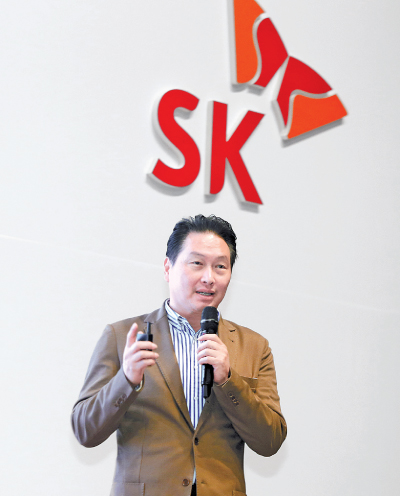
    SK Telecom has revealed plans to launch a new AI voice activated digital assistant named NUGU Nemo.

    NUGU Nemo is an AI speaker with a 7-inch display that contains a range of free video and learning content for children.

    This includes Pinkfong from SmartStudy, which comes with a range of video and audio content as well as games aimed at helping kids learn Korean, English and mathematics.

    The device uses video recognition technology to protect children’s’ eyesight by advising them to move back from the screen if they move within 15cm of it.

    For adults, the device displays information on its screen including stock information, real-time foreign exchange rates and a Korean-English dictionary to enhance user experience.

    The device will be priced at 199,000 won ($175) and be available to preorders from April 23, SK Telecom said.

  • US DOJ likely to reject T-Mobile and Sprint merger

    US DOJ likely to reject T-Mobile and Sprint merger

    One year after US operators T-Mobile and Sprint finally finished the preliminaries and announced a merger, the proposed deal is under fire. Few ever thought the deal would get through regulators unscathed, but now we’re finally getting to the details.

    DOJ has told the two carriers that it is ‘unlikely’ to approve the deal as currently structured, or at least people at the DOJ involved in the approval did, as this doesn’t appear to be a formal thing. The news adds to a growing list of regulatory objections from the states and from the FCC.

    T-Mobile CEO John Legere is disputing the reports, and there is certainly sufficient motivation to adjust the deal enough to push it through. However, there is enough doubt right now that the markets didn’t take it well and sent the stock of both companies falling.

    Perhaps like AT&T did for the Time Warner deal they will at some point take things to the courts.

  • Intel pulls out of 5G smartphone modem market

    Intel pulls out of 5G smartphone modem market

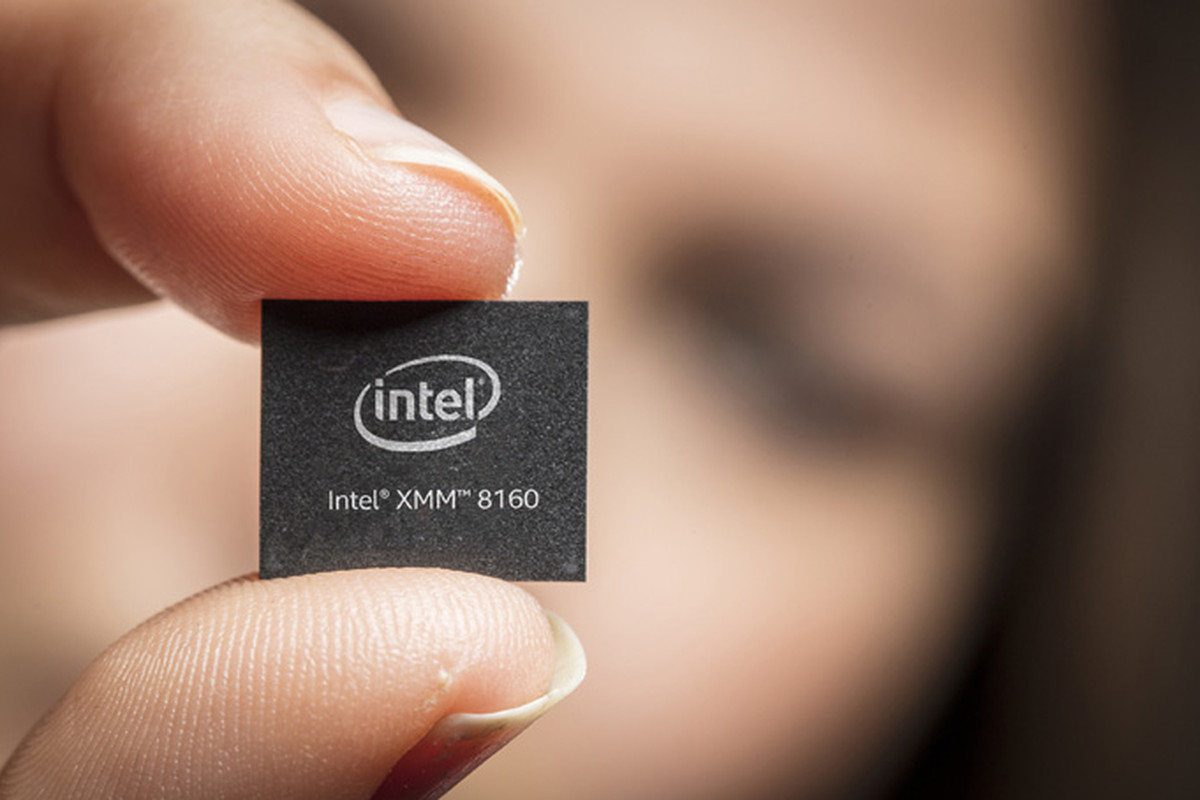
    Intel has announced plans to exit the 5G smartphone modem business hours after Apple announced it was settling its legal battles with Qualcomm over modem patent licensing.

    Apple and Qualcomm announced they have reached an agreement whereby Apple will sign a six year patent licensing deal and agree to buy Qualcomm chipsets, in return for ceasing all litigation.

    Apple had ceased using Qualcomm chips for its smartphones and replaced them with Intel chipsets after accusing Qualcomm of using its patents to maintain a monopoly on the modem chip market, and Qualcomm countered by accusing Apple of violating its patents.

    But with Apple seemingly throwing in the towel, Intel announced it no longer expects to launch 5G modem products for smartphones.

    The company pledged to continue to meet current customer commitments for its existing 4G smartphone modem product line, and said it still intends to invest in its 5G network infrastructure business and assess opportunities for 4G and 5G modems for PCs, IoT devices and other data-centric devices.

    “We are very excited about the opportunity in 5G and the ‘cloudification’ of the network, but in the smartphone modem business it has become apparent that there is no clear path to profitability and positive returns,” Intel CEO Bob Swan said.

    “5G continues to be a strategic priority across Intel, and our team has developed a valuable portfolio of wireless products and intellectual property. We are assessing our options to realize the value we have created, including the opportunities in a wide variety of data-centric platforms and devices in a 5G world.”

  • China Mobile Hong Kong moves 5G innovation center

    China Mobile Hong Kong moves 5G innovation center

    China Mobile Hong Kong has relocated its 5G innovation center – known as the Hong Kong Open Lab – to Hong Kong Science Park.

    The relocation is aimed at accelerating the development of Hong Kong’s 5G ecosystem and catering to the needs of local business partners.

    China Mobile first founded its 5G innovation center in Kwai Chung in 2016, and opened the center in March last year.

    The new Hong Kong open lab will provide a larger space to allow the company to develop a 5G network environment and larger co-working space for local partners to trial 5G network applications and conuct 5G research and development.

    China Mobile will also use the relocated lab to continue its 5G+ Project aimed at complementing Hong Kong’s existing 4G networks with 5G infrastructure, and to promote the adoption of various applications for 5G technology.

    To mark the relocation, China Mobile Hong Kong showcased various 5G applications including an autonomous vehicle, an intelligent robot controlled over 5G in real time, drone technology, and live streaming of high-resolution photos and video.

    “We are very excited for the expansion and relocation of the China Mobile 5G Innovation Centre and Hong Kong Open Lab to the Hong Kong Science Park, and for the opportunity to join the local innovation and technology ecosystem in there to further develop 5G mobile service applications and carry out the 5G+ Project,” China Mobile Hong Kong director and CEO Sean Lee said.

    “We will continue to complement the existing 4G network with 5G infrastructure, to promote 5G technologies along with new communication technologies — for example, Artificial Intelligence (AI), Internet of Things (IoT), Cloud, Big Data and Edge Computing — to develop comprehensive 5G ecosystems in accomplishing the digitalization of lives for Hong Kong citizens and to enter the new era of 5G together.”

  • Vietnam telcos ready to pilot mobile money

    Vietnam telcos ready to pilot mobile money

    Vietnamese operators MobiFone, VNPT and Viettel have all submitted proposals to participate in pilot mobile money services.

    Vietnam’s prime minister Nguyen Xuan Phuc has directed the telecommunications ministry and the State Bank of Vietnam to develop a project that will allow operators to pilot mobile money services not linked to customers’ bank accounts.

    The three operators have submitted applications to launch mobile money services that will allow customers to transfer money using mobile phones, including Vietnam’s unbanked population.

    According to the report, the operators believe they have the capital, infrastructure and user base necessary to launch mobile money services and contribute to the development of non-cash payment in Vietnam.

    The market could represent a promising avenue for expansion for the operators – Vietnam’s fintech market is set to reach $8 billion in 2020, with digital payment solutions accounting for around 89% of the market. Meanwhile only around 40% of the population have bank accounts, but mobile penetration is well above 100%.

  • First 5G smart hotel launched in China

    First 5G smart hotel launched in China

    InterContinental Shenzhen, Shenzhen Telecom Engineering and Huawei have signed a strategic cooperation agreement to create the world’s first 5G smart hotel.

    By introducing the hotel industry’s first end-to-end 5G network with integrated terminals and cloud applications, the project will enable InterContinental Shenzhen to provide guests with an innovative luxury experience and open the door for digital transformation of entire hotel industry through 5G technology.

    Shenzhen Telecom is deploying Huawei’s 5G network equipment in the InterContinental Shenzhen to achieve continuous indoor and outdoor 5G coverage, which will serve as the platform for a new generation of hotel services.

    Guests will experience 5G hotel applications through 5G smartphones and customer-premises equipment (CPE) terminals, including 5G welcome robots, 5G cloud computing terminals, 5G cloud games and 5G cloud virtual reality (VR) rowing machines.

    For the project’s kick-off ceremony, Shenzhen Telecom and Huawei jointly deployed a 5G Digital Indoor System on the hotel’s first floor and in the presidential suites.

    In the hotel lobby, guests can access the 5G network through CPEs or their smartphones to experience high speed 5G downloads and uploads. Service efficiency is improved with 5G intelligent robots that provide services including guest information, destination guidance, and delivery.

    The presidential suites covered by the new network provide guests with 5G hotel services such as cloud VR rowing machines, cloud games and 4K movies.

    Dr. Peter Zhou, chief marketing officer of Huawei Wireless Solution, said: “5G is here – from the 4K ultra high-definition live broadcast of CCTV’s Spring Festival Gala early this year to today’s 5G entertainment and business transformation of the InterContinental Shenzhen’s presidential suites, 5G technology has penetrated into different industries.”