Tag: airasia

  • Philippines AirAsia to develop more regional Filipino hubs

    Philippines AirAsia to develop more regional Filipino hubs

    Philippines AirAsia will skirt future growth at Manila Ninoy Aquino Int’ldue to serious capacity constraints and instead will focus its development at regional hubs in Clark, Cebu, Kalibo, Puerto Princesa, and Panglao, an airport set to replace Tagbilaran by the end of 2018, CEO Dexter M. Comendador has told the Business Mirror.

    “These will be opened up as hubs because we are lacking space in Manila, and in the next 10 years, we should have 70 planes. So we need to distribute the planes to the countryside. It will spread; then development will follow,” Comendador has said.

    The Filipino unit of AirAsia Group currently operates 399 weekly departures, 38% of all its flights, out of the capital airport in the country. Cebu, its second-largest base, is served with 160 weekly departures. However, these proportions may soon change.

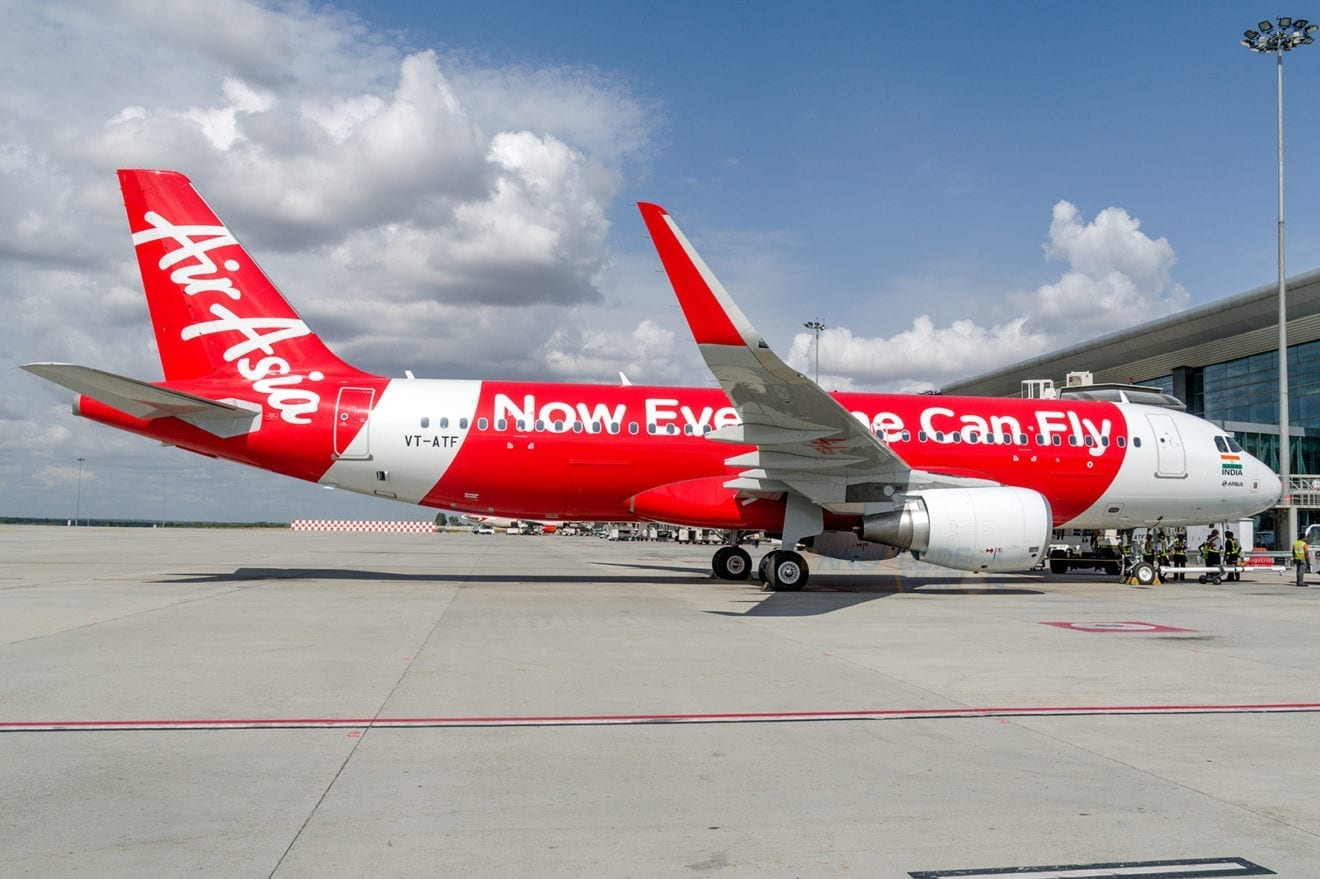
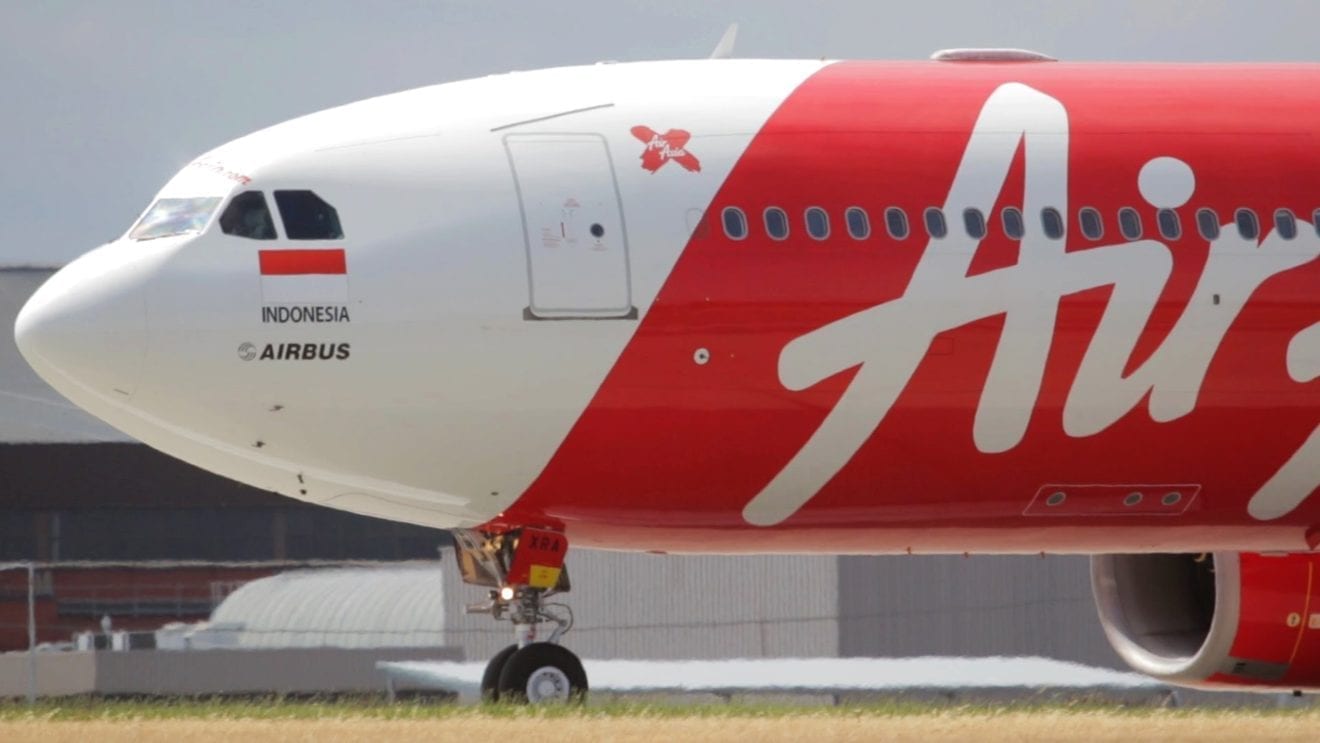
    According to the ch-aviation fleets module, Philippines AirAsia currently operates twenty-one A320 aircraft. It is set to receive around fifty more A320 Family jets, possibly including A320neo, in the next 10 years.

    In line with a government directive, Philippine Airlines (PR, Manila Ninoy Aquino Int’l) has also announced that it, too, will focus on regional airports as the capital gateway lacks space for growth.

    Comendador has also reaffirmed Philippines AirAsia’s plan to launch an Initial Public Offering (IPO) in the fourth quarter of 2018. Philippines AirAsia intends to raise around USD200 million and float up to 30% of its shares.

  • Touristly rebrands to Vidi one year after selling 50% stake to AirAsia

    Touristly rebrands to Vidi one year after selling 50% stake to AirAsia

    Malaysian online travel start-up, Touristly has rebranded to Vidi. The move follows the evolution of the company from a traditional trip planner to a visual discovery platform as it looks to captures the tours and activities in Asia Pacific and beyond.

    Taken from the Latin word “to see”, Vidi also reflects the travel agent’s mission to help  travellers see the world by discovering and booking the best things to do while on holiday.

    “Our mission from day one was to give travellers the missing link in how they plan their holidays. This rebranding marks a new chapter in our journey as we move towards making travel discovery more engaging, fun and visual,” Aaron Sarma, founder and CEO of the company said. In addition, the company also unveiled a new mobile app coming in line with the rebranding in the coming weeks.

    Last year, AirAsia ​acquired a 50% stake in Touristly through an asset injection and loan deal valued at RM11.5 million. AirAsia Group CEO, Tony Fernandes will serve as chairman of the board for Touristly upon completion of the acquisition. The transaction ​will see AirAsia inject the digital platform of its Travel 3Sixty inflight magazine, valued at RM6.5 million, into Touristly via AirAsia Investments.

    The digital platform comprises the online brand for the Travel 3Sixty inflight magazine, touchpoints on the website and online advertising assets, which will allow the startup to reach AirAsia’s 60 million guests annually. Touristly, which will operate under the Travel 3Sixty brand following this deal, will also gain access to offline advertising assets, including the physical version of the inflight magazine, overhead cabins and seat trays on AirAsia aircraft.

  • Eash Sundaram of JetBlue top choice for AirAsia India CEO

    Eash Sundaram of JetBlue top choice for AirAsia India CEO

    Eash Sundaram, chief technology officer of American airline JetBlue , has emerged a s a top contender for the corner room at at AirAsia India. Amar Abrol resigned on Wednesday as chief executive officer (CE0) of AirAsia India, a joint venture between the Tata’s and Malaysia’s AirAsia. Sundaram’s association with the Tata group is not new. He has closely worked with Tata Consultancy Services (TCS) on JetBlue’s digital initiatives earlier. A source said the Tata group was keen on hiring Sundaram for his international aviation experience at a time when AirAsia India was planning to fly abroad within a few months. “Sundaram’s hardcore aviation background is unlike that of the previous two CEOs (Abrol and Mittu Chandilya), the source added.

    The appointment of the new CEO has to be vetted by the boards of AirAsia India as well as Tata Sons. Tatas hold a majority stake in the airline.While the official reason given for Abrol’s resignation was his wish to spend more time with family in Malaysia, sources suggest that the Tata group had reservations over his way of functioning.

    “Tatas were not happy because the airline was losing money despite being a low-cost carrier,” said a person aware of the development. According to the Article of Association, Tata Sons has the right to appoint CEO of the company. So far, both CEOs of the airline were appointed by Tony Fernandes, group head of AirAsia. If Sundaram is appointed, it would indicate Tatas’ growing involvement with the operation of AirAsia India.

    Tata Sons and AirAsia India refused to comment on specific queries regarding reasons for Abrol’s resignation or any detail about his successor. While the airline managed to increase its fleet size and launch new routes, it could not break even. During inception of the airline, Fernandes had said the airline would break even in 12 months. According to numbers of 2016-17, the airline clocked a loss Rs 1.4 billion. It earned Rs 2.90 from flying one seat for one kilometer, against IndiGo’s Rs 3.40.

    Problems aggravated middle of last year after five senior executives raised objections regarding Abrol’s way of functioning. I R Srinivas (head of human resources) Navdeep Lamba (head of security), Vidhu Nair (head of ancillary and cargo), Nantha Kumar (head of engineering), and G Sampath (director of engineering) ultimately resigned but not before ensuring an enquiry into the matter. Abrol was backed by the AirAsia promoter Fernandes. Abrol, in his previous role, was CEO of Tune Money — a Fernandes-owned financial services company.

    Due to the growing tension, Tatas refused to invest money in the form of equity if things did not change. According to regulatory filings, the promoters invested Rs 1 billion only in March, 18 months after the last round of funding. In this period, Tata Sons invested more than Rs 6 billion in its other airline venture Vistara. In the past too, there have been differences among the AirAsia India board members over the choice of senior level executives, a former official said.

    Exchange of emails shows that in 2015, Bharat Vasani, then chief legal counsel of Tata Sons and a former director at the AirAsia India board, raised objections to the selection of at least two senior executives. The objection was on the ground that executives were being hired without sufficient corporate experience. “Tatas will now put a man with sufficient global experience in aviation to handle things at AirAsia. Hope things turn around,” another source said.

  • AirAsia takes flight with AFF Suzuki Cup 2018 as official supporter

    AirAsia takes flight with AFF Suzuki Cup 2018 as official supporter

    AirAsia has partnered with AFF Suzuki Cup 2018 to become the official supporter of the football competition for the first time. Its sponsorship comes at a time when the tournament will undergo changes to its format, in a bid to drive greater fan engagement and offer players with more exposure in their home countries.

    Among the list of sponsors and supporters include title sponsor Suzuki, official sponsors Men’s Biore and Yanmar, as well as regional supporter Grand Sport. According to AirAsia’s group CEO Tony Fernandes, football is the people’s game and AirAsia is the people’s airline. “We look forward to supporting the sport in ASEAN in a meaningful way and hope one day soon, we will have an ASEAN club championship to raise the game here further,” Fernandes said.

    His Royal Highness Sultan Haji Ahmad Shah, president of the ASEAN Football Federation, said With AirAsia’s support, it is confident that this year’s AFF Suzuki Cup will be one of the “most successful” and engaging for fans across the region.

    “We are proud to partner such a strong and established brand like AirAsia whose reputation as an innovative, value-driven, and high-performing carrier dovetails with Southeast Asia’s crown jewel football tournament,” he added. A+M has reached out to AirAsia for additional details.

    This comes after the ASEAN Football Federation recently unveiled a new visual identity for the competition, which contains four colour schemes – magenta (depicting passion and energy), cyan (represents a fresh beginning), green (the vibrancy of a football pitch) as well as blue (topography of the region). AFF’s long-term commercial partner, Lagardère Sports, managed the overall process of creating the new tournament visuals.

  • AirAsia India CEO steps down

    AirAsia India CEO steps down

    AirAsia India Managing Director and Chief Executive Officer (CEO) Amar Abrol is stepping down after being in his current job for almost two years, and will move back to Malaysia to be based at the group’s head office.

    Abrol “had expressed his desire to return to Malaysia to be closer to his family. The Board of AirAsia India would like to thank him for his contributions and will work closely with him to ensure a smooth transition,” AirAsia India said in a statement.

    Before joining as the CEO of AirAsia India, a joint-venture between AirAsia Bhd and India’s Tata Sons conglomerate, Abrol was the CEO of financial products start-up Tune Money.

    He had replaced Mittu Chandilya, who was handpicked by Air Asia Group chief Tan Sri Tony Fernandes in 2013 to head AirAsia India.

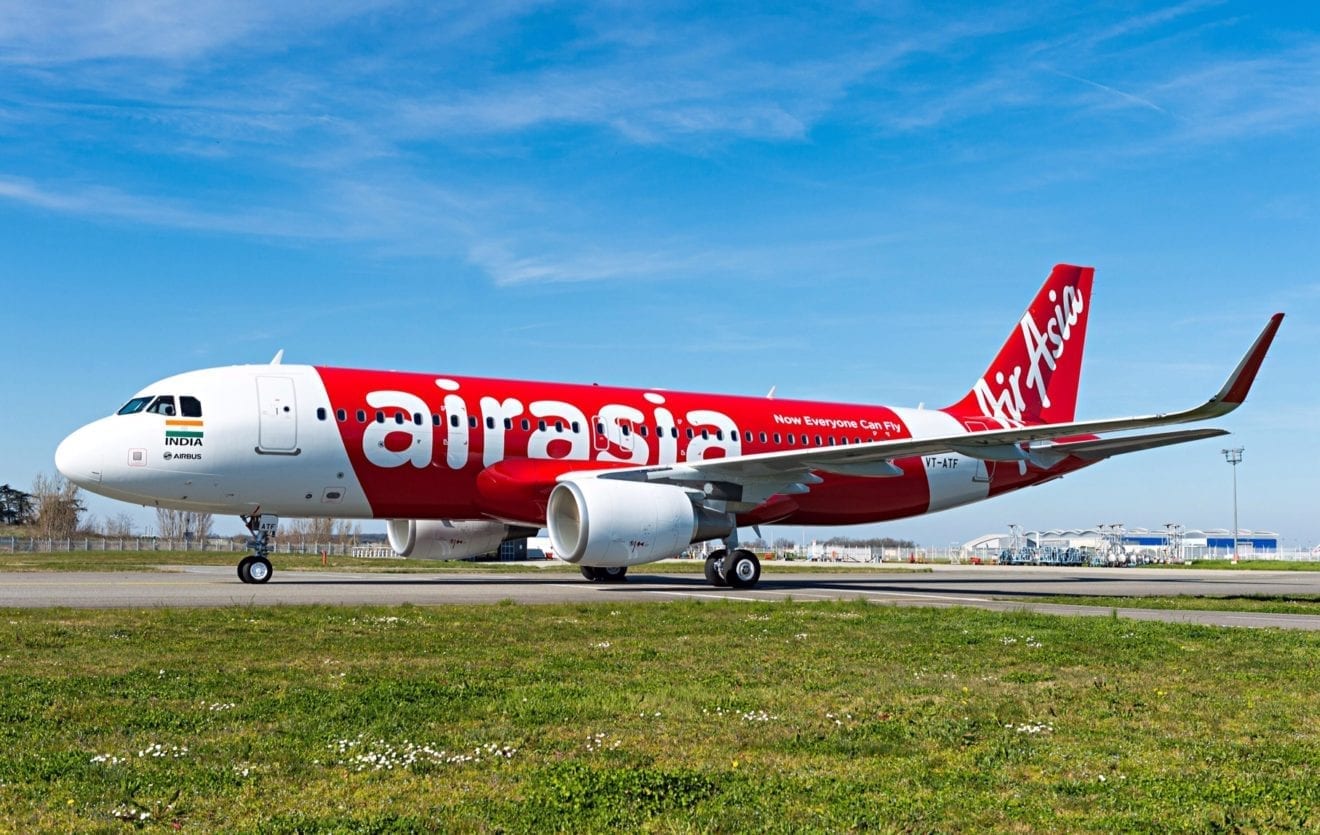
    AirAsia India, which started operations in mid-2014, has a fleet of 18 aircraft and serves 19 destinations in India.

    The airline carried more than 1.46 million passengers between January and March this year and recorded a load factor or 83 per cent.

    The budget carrier competes with IndiGo, SpiceJet and GoAir in India’s growing air travel market.

  • New lighter AirAsia seats to help save the environment

    New lighter AirAsia seats to help save the environment

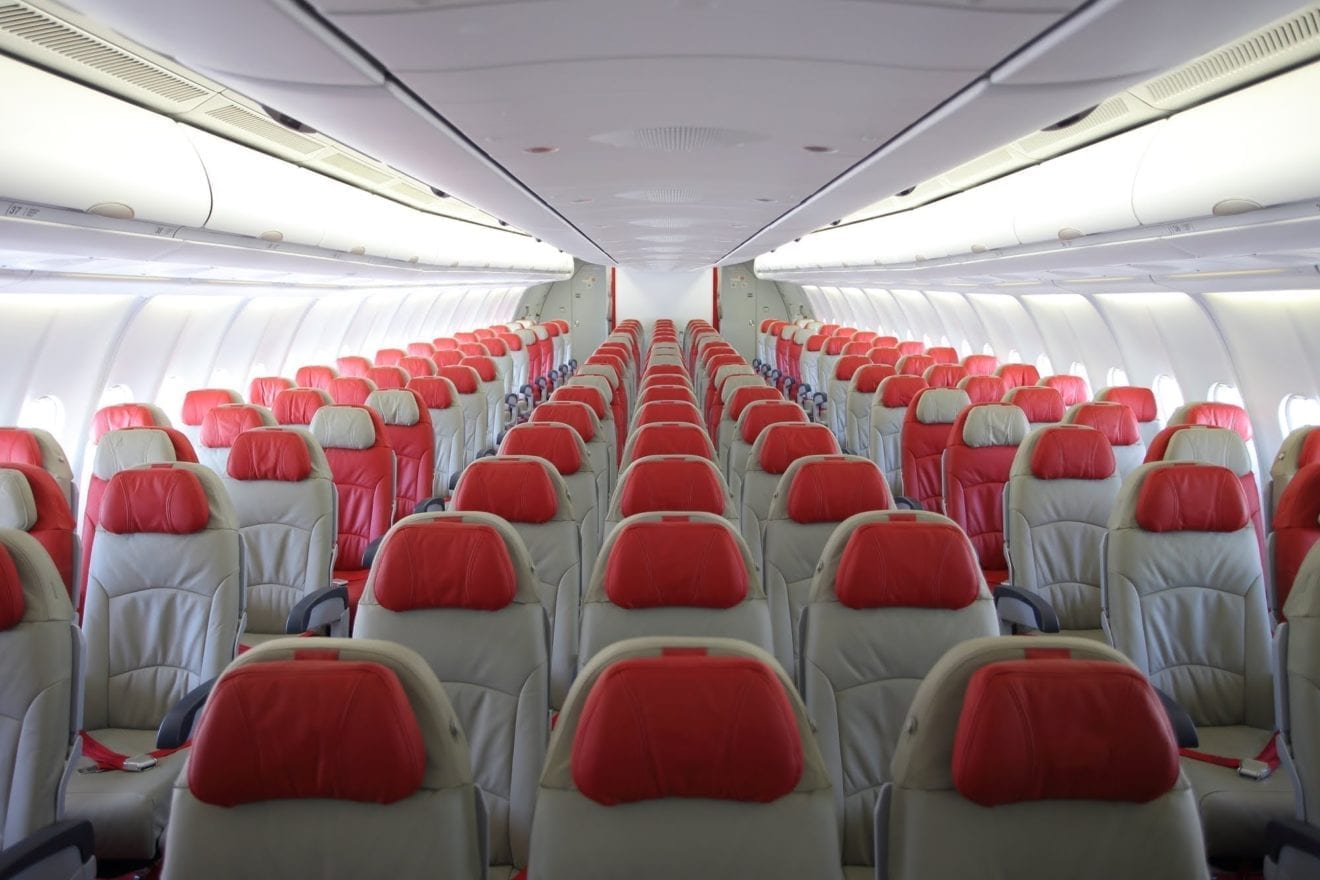
    Flying on AirAsia is getting greener with the introduction of its new Formula One-inspired seats. AirAsia is the first carrier to use the Mirus Hawk seats, which will be installed in existing Airbus A320 aircraft and incoming A320neo aircraft.

    The Economy Class seat is lighter and is expected to help AirAsia reduce fuel consumption by more than 70,000 litres and lower carbon dioxide emissions by 200 tonnes per aircraft per year.

    Environmental factors were taken into consideration for the design, according to AirAsia Group chief executive officer and AirAsia X co-group chief executive Tan Sri Tony Fernandes.

    “Not only is this premium seat more comfortable and boasts more legroom but it also weighs less, which is good for our guests, our bottom line and the environment as well,” he said.

    The new seat comes in the wake of Etihad Airways’ recent announcement of eliminating around 195,000 tonnes of carbon dioxide emissions last year, thanks to a wide range of fuel-saving initiatives across its network.

    Following a number of improvements aimed at enhancing operational efficiencies, Etihad Airways was able to reduce the amount of fuel consumed by its aircraft by over 62,000 tonnes of fuel.

    AirAsia’s new seat is made from carbon fibre, aluminium and genuine leather upholstery. It is ergonomically optimised for comfort, passenger living space and style.

    Along with the announcement of the new seat, Tony added that more innovations are on the way to cater to passengers. These include a personal electronic device holder and high power 2A USB port to charge devices.

    All Hawk seats are assembled in Norfolk, Britain and draw on Formula One engineering expertise.

  • AirAsia X starts new route to Amritsar

    AirAsia X starts new route to Amritsar

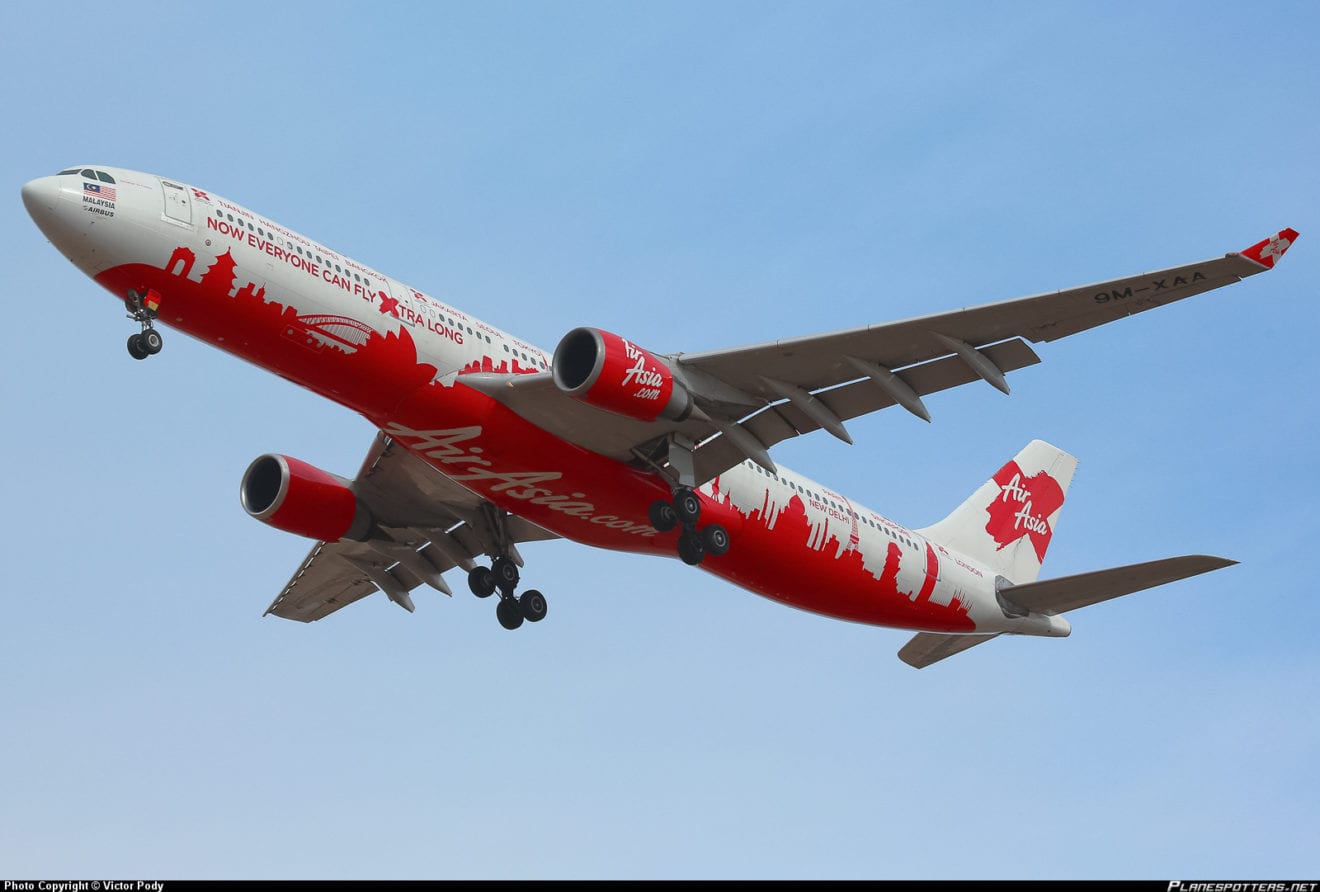
    AirAsia X has announced the opening of a new direct route from Kuala Lumpur to Amritsar as part of its expansion plan in India this year.

    Starting from Aug 16, 2018, the low-cost carrier will operate four weekly return services between Kuala Lumpur and Amritsar in northern India on Tuesday, Thursday, Saturday and Sunday.

    This route has the potential of an annual capacity of 156,832 seats between Kuala Lumpur and Amritsar.

    Amritsar is the third destination in India for AirAsia X and the 21st destination in India for AirAsia Group.

    “Many Sikhs and Punjabis have been asking us to fly direct to Amritsar, home to the world famous Golden Temple, and we are pleased to be able to offer this direct service to this holy city,” said AirAsia X chief executive officer Benyamin Ismail in a statement on Tuesday (May 1).

    He added that this new route offers them the possibility of expanding into Europe and North America.

    Punjab Minister of Tourism and Cultural Affairs Navjot Singh Sidhu said having AirAsia X flying directly to Amritsar is important to Punjabis all over the world, adding that it is a preferred destination not only for the Punjabi diaspora but also for many foreign tourists.

    “We welcome AirAsia X to Amritsar, and we are happy that Punjabi diaspora and foreign tourists from destinations within the wide network of AirAsia including Australia and New Zealand will be able to travel to Amritsar and Punjab,” he added.

    To mark the opening of the new route, AirAsia X is offering promotional all-in fares from as low as RM199 one-way for the economy seat, and RM699 one-way for Premium Flatbed seats from May 2 until May 13 for the travel period between Aug 16 and Oct 27.

  • AirAsia Philippines to fly Clark-Taipei from July

    AirAsia Philippines is launching its Clark-Taiwan flights on July 12, 2018, the Clark International Airport Corp. (CIAC) this week announced.

    AirAsia will have thrice weekly flights from Clark International Airport (International Code: CRK) to the Taiwan Taoyuan International Airport, which serves the capital Taipei and northern Taiwan.

    “This new development is an opportunity to explore the beauty of both the Philippines and Taiwan and will benefit travelers, tourists, OFWs and their families,” remarked CIAC president and chief executive officer Alexander Cauguiran.

    “The Taipei flights are also advantageous to numerous Taiwanese locators and other business travelers based in Clark and Subic,” he added.

    AirAsia also services domestic routes such as Kalibo, Caticlan, Puerto Princesa, Iloilo, Tacloban and Davao via Clark airport.

    At present, CRK is serving 158 international and 323 domestic flights making it one of the busiest airports in the country today.

    The airport also serves more than 7,000 passengers daily since President Rodrigo Duterte designated it to become an alternative to Manila’s overcrowded airport.

    “There’s definitely a surge at Clark airport in terms of the number of flights, destinations and passenger volume, along with the improvements of its facilities,” he confirmed.

    The CIAC registered 8,736 passengers last April 23, the highest recorded number of travelers in a day that passed through Clark in the history of CIAC since 1995.

    AirAsia Philippines CEO Captain Dexter Comendador said, “We are here to provide only the best service possible and massive connectivity across Asean, Asia and, beyond.”

    AirAsia has a special promo fare of P990 One Way All-In fare for the Clark-Taipei flights.  Air Asia will start On-Line Booking Period by May 6, 2018 and Travel Period on July 12, 2018 to October 27, 2018.

  • AirAsia X’s 1Q passenger traffic up 13%

    AirAsia X’s 1Q passenger traffic up 13%

    AirAsia X Bhd (AAX) carried 13% more passengers to 1.59 million in the first quarter of 2018 (1Q18) from 1.4 million a year ago on the back of increased capacity as the airline catered to increased travel demand arising from the festive seasons and school holidays during the period.

    In a statement today, AAX said its capacity for 1Q18 increased 14% year-on-year (y-o-y), while passenger load factor remained static at 84%. Its available seat per kilometer and revenue passenger kilometres grew 10% and 9% respectively.

    “In the month of February, AAX Malaysia rotated some capacity from Australia to the Asian market, while we continue to build our brand in Australia.

    “The airline also increased its flight frequencies to Hangzhou and Taipei, further strengthening the North Asia market. AAX Malaysia began flying to Maldives and Jaipur in February,” it added.

    The fleet size of AAX Malaysia stood at 22 Airbus A330s as at end-March 2018.

    On the associates, AAX said its Thai unit carried 19% more passengers to 503,259 in 1Q18 from 423,404 passengers in 1Q17. Passenger load factor was unchanged at 94%.

    “No additional aircraft was added into AAX Thailand during the quarter under review. Hence, its fleet size at the end of March 2018 remained at six aircraft,” it added.

    AAX Indonesia, meanwhile, carried 124,874 passengers in 1Q18, up more than 100% y-o-y, and posted a load factor of 72%.

    AAX Indonesia’s fleet size stood at two aircraft, bringing AAX Group’s total fleet to 30 A330s.

    AAX shares closed 0.5 sen or 1.33% higher at 38 sen today, with 7.62 million shares done, bringing it a market capitalisation of RM1.57 billion.

  • Philippines AirAsia adds capital connection

    Philippines AirAsia adds capital connection

    Philippines AirAsia launched a new link between Manila (MNL) and Bangkok Don Mueang (DMK) on 22 April. The 2,200-kilometre connection will link the capital cities of the Philippines and Thailand with daily flights operated by A320s. There is no direct competition, but schedules show that multiple carriers (including Philippine Airlines and Thai Airways) will operate a combined 46 weekly flights from Manila to Bangkok Suvarnabhumi during the week commencing 24 April. “AirAsia is a product of Asean (Association of Southeast Asian Nations) and we are so proud to be part of this region we call home,” said Dexter Comendador, CEO Philippines AirAsia.

    “We are the only airline that carries “I love Asean” painted on our aircraft including the ASEAN logo. AirAsia loves Asean is a commitment to help bridge communities and economies as we move toward even greater integration and mutual understanding.” Kajorndet Apichartrakul, Director, Tourism Authority of Thailand, said: “We want to bring people across the Asean region closer together and further expand our Asean footprint to serve more and more communities. We have 100% load for this inaugural flight and we hope to do more inter-Asean routes to serve every Filipino traveller’s needs and enable them to connect, do business and build socio-economic ties with neighbouring economies.”

  • AirAsia looks at Tinder to find travel lovers

    AirAsia looks at Tinder to find travel lovers

    Low-cost airline AirAsia is hoping New Zealanders will swipe right and fall in love with Malaysia.

    The Kuala Lumpur-based airline is launching the “Meet Malaysia” campaign on Tuesday.

    Anyone who chooses to match with the destination will go into the draw to win a trip to Malaysia for two people and tickets to the Borneo Jazz Festival or Rainforest World Music Festival.

    The campaign, which the airline has described as “cheeky”, is aimed at attracting those who may want to try something new. Something that may be common on Tinder, but perhaps not for an airline.

    AirAsia hopes the campaign will attract potential travellers on the app who were thinking about spending time in places like Indonesia, Thailand or Vietnam that could be swept off their feet by the Malaysian experience.

    AirAsia operates seven flights per week from Auckland to Kuala Lumpur with connections to 15 cities in Malaysia.

  • AirAsia ties up with Sarawak Tourism Board to boost visitors

    AirAsia ties up with Sarawak Tourism Board to boost visitors

    AirAsia has partnered with Sarawak Tourism Board (STB) as one of the airline partners for the upcoming Borneo Jazz Festival (BJF) and Rainforest World Music Festival (RWMF). These festivals would be held in Miri from 11 to 13 May 2018 and Kuching from 13 to 15 July 2018 respectively.

    In a statement to A+M, AirAsia’s spokesperson said that the partnership is in line with the airline’s continuous effort to boost visitors to Sarawak. In addition, a regional contest over ten countries will be held via its social media platform to further drive awareness for the BJF and promote Miri as a tourist destination.

    The airline will also be reaching out to all 23 countries it is operating in, to promote not just the festivals, but also the diverse cultural identities, traditions and eco-tourism attributes in Sarawak.

    “We are pleased to partner with Sarawak Tourism Board as one of the airline partners for the both internationally-acclaimed festivals while further strengthening our commitment in East Malaysia. We hope this partnership will encourage more visitors to the beautiful state,” Spencer Lee, head of commercial, AirAsia Malaysia added.

    “The Sarawak Tourism Board is excited to partner with AirAsia, whose many flights to and throughout Sarawak have bolstered our tourism industry greatly, making it easier for tourists to be able to traverse the length of Sarawak at ease, moving from one grand attraction to another. This is evident during festival seasons as well,” Mary Wan Mering, acting chief executive officer of Sarawak Tourism Board said.

    The airline also plans to promote Sarawak as a whole to the world through its robust connectivity in and out of Sarawak. Currently, AirAsia operates more than five direct routes and over 26 fly-through connections to Miri. Meanwhile, the airline also operates more than 12 direct route and over 41 fly-though connections to Kuching. These connections include countries such as Australia, Japan, New Zealand and China among others.

  • AirAsia rides on big data analytics

    AirAsia rides on big data analytics

    The airline that made flying more affordable for Malaysians since 2001 is now looking to up its game by using big data analytics to mine data on 80 million unique passengers at its disposal, to personalise and anticipate travelling patterns for marketing purposes.

    “We have a database of about 80 million unique individuals. We know where they like to fly to, or when they like to fly during the year, or how many holidays they take maybe during the year.

    “Now, the marketing side has already started employing data analytics there, to actually start targeting certain portions of passengers on specific dates or specific periods of the year that they go on holiday,” AirAsia Bhd CEO Riad Asmat told last week.

    “We can be more specific and will go further, not now but at one point, where maybe we can offer you as an individual, your preferred destination on the right date … and say we will give you a nice package at a discounted rate and all that,” he added.

    On data protection, Riad gave an assurance that the data trove is one of its most important assets which, as a “very responsible organisation”, the company is very protective of at all times and use responsibly.

    “We don’t share our information with any other parties but ourselves. If you notice what we are doing is we bring expertise inhouse. We employ people and bring in expertise,” he explained.

    Riad said while the airline is utilising its current resources, it is also on a continuous lookout for expertise and new technology.

    Besides marketing and ticket purchases, digitalisation has enabled AirAsia to improve operational efficiency, through the use of data in features such as live reporting and operations review from the previous day, made available to the team on a daily basis.

    This, according to Riad, enables the team to identify and tackle challenges and come up with preventive measures.

    “The airline bit is the traditional bit but it will be 100 times enhanced with digitalisation,” he quipped.

  • AirAsia Planning Cryptocurrency-Based Rewards Program

    AirAsia Planning Cryptocurrency-Based Rewards Program

    Malaysian low-cost airline AirAsia is launching a cryptocurrency-based rewards program.

    AirAsia chief executive Tony Fernandes told that its frequent-flyer rewards program is being converted into a cryptocurrency platform called BigCoin. The move is part of a broader effort to improve the airline’s digital services and move the company toward a cashless system.

    In the Nikkei article published Thursday, Fernandes described a system in which customers could buy seats, in-flight meals, seat upgrades and other services using BigCoin, in addition to existing fiat currency options.

    Most notably, he told Nikkei Asian Review that he sees AirAsia launching an initial coin offering (ICO) at some point. While Fernandes did not provide a firm timeline, the article says the token could be offered within the next three to six months.

    No details have been released yet on whether AirAsia is developing its own blockchain or utilizing an existing platform.

    Other airlines have looking at blockchain as a possible rewards program model in recent months.

    Singapore Airlines announced last month that it was planning to launch a private blockchain for its own frequent-flyer program, thought it did not specifically state it would be developing its own cryptocurrency.

    However, Singapore Airlines did note it had successfully concluded a proof-of-concept trial with KPMG and Microsoft, and a fuller implementation of the system could see the airline working with merchants to enable customers to spend their miles at various stores or restaurants.

  • AirAsia to step up flights within Sabah and Sarawak

    AirAsia to step up flights within Sabah and Sarawak

    Low-cost carrier AirAsia Bhd sees room for expanding its domestic operations, which contribute about 40% to its revenue currently, with intercity flights within Sabah and Sarawak.

    The airline’s CEO Riad Asmat (pix), who recently took over the reins of the Malaysian unit, told SunBiz in an exclusive interview that the airline has a strong foothold in Sabah and Sarawak, but there are areas where it could “still serve”.

    He said its domestic market share ranges between 50% and 60% depending on the state it operates in.

    According to international aviation research entity Centre of Asia Pacific Aviation (CAPA), AirAsia’s share in the domestic market has significantly increased “over the past six months, benefiting from capacity reductions by both of its competitors at Kuala Lumpur International Airport (KLIA)”.

    “AirAsia’s share of the domestic traffic at KLIA is now 66%, compared to 55% a year ago. KLIA accounts for 65% of total domestic traffic in Malaysia, which increased by 4% in 2017, to 25 million,” CAPA said.

    Domestic flights account for 31% of the flight breakdown based on the number of routes and international 69%. AirAsia Malaysia’s total number of routes stands at 114.

    “So we are working with authorities and state governments to see how we can get more rights to fly internally within the state … that is work in progress,” Riad, who marked his 100th day in office last week, said.

    “We have also committed ourselves to aircraft that we are likely to put into Sabah and Sarawak and that is to increase our frequency, again because the current ones will serve a certain expectation … what we have learnt and what we have studied now is that there are still a lot more passengers who want our services,” he explained.

    AirAsia, which has hubs in state capitals Kuching and Kota Kinabalu, its busiest routes, will look into timings, putting in the right aircraft and rescheduling flights once it obtains approvals for the routes, which Riad declined to reveal.

    According to the Malaysian Aviation Commission, airports which can accommodate passenger jets in Sabah are Kota Kinabalu International Airport, Sandakan Airport, Tawau Airport and Labuan Airport while in Sarawak, it is the likes of Kuching International Airport, Sibu Airport, Bintulu Airport and Miri Airport.

    Statistics provided by the commission showed Kota Kinabalu-Tawau as the busiest transcity route in Sabah while Kuching-Miri was the busiest for Sarawak. The least busiest are Kota Kinabalu–Lahad Datu and Miri–Sibu respectively.

    Malaysia Airports Holdings Bhd noted that passenger traffic from Kota Kinabalu to Tawau rose to 630,864 in 2017 from 586,570 in 2016, while Tawau to Kota Kinabalu rose to 630,949 from 586,567.

    As for Sarawak, Miri to Kuching increased to 546,235 from 543,295, and Kuching to Miri to 549,646 from 546,351.

    The route with the highest increase in passenger traffic is Bintulu-Kuching which saw a passenger traffic growth of 50,859, to 343,081 from 292,222.

    The airline has also been strategising its asset and resources utilisation, by releasing capacity from certain segments and increasing flights to routes with good pickup in terms of load factor and better earnings potential.
    Terengganu is one of the routes to have seen an increase in flights, to 24 weekly flights from 21 previously.

    On whether there are any untapped markets, Riad said the group is constantly on the lookout for new destinations.