Alibaba has bought Pakistani e-commerce firm Daraz, as the Chinese tech giant looks to increase its presence in South Asia.
Financial details of the transaction, which was announced on Tuesday, were undisclosed.
Daraz, founded in 2012, is backed by European tech incubator Rocket Internet. It operates in Bangladesh, Myanmar, Sri Lanka and Nepal as well as Pakistan.
The deal marks another foray for billionaire entrepreneur Jack Ma’s Alibaba into the South Asian market. The e-commerce titan invested in India’s popular payment app Paytm in 2015.
“Together with Daraz, we can now empower entrepreneurs to better serve consumers in the region through our technology and expertise,” Alibaba CEO Daniel Zhang said in a statement Tuesday.
Daraz will continue to operate under the same brand, Rocket Internet said in a statement.
Alibaba Group has acquired south Asian e-commerce platform Daraz for an undisclosed sum.
This will make Daraz Group’s platform a wholly owned unit of the Chinese e-commerce provider, which also runs the Taobao and Tmall platforms.
“Together with Daraz, we can empower entrepreneurs to better serve consumers in the region through our technology and expertise,” says Alibaba CEO Daniel Zhang.
Founded in 2012, Darez has grown throughout Pakistan, Bangladesh, Sri Lanka, Myanmar and Nepal. It has 30,000 sellers and 500 brands on its platform, with 2 million products available to its 5 million customers. Its product offerings range across consumer electronics, household goods, beauty, fashion, sports equipment and groceries. It also offers multiple payment options, including COD.
Daraz Co-CEO Jonathan Doerr says its acquisition by Alibaba will help drive further growth in its key markets, home to 460 million people, 60 per of which are 35 years and younger.
Daraz will continue to run under its brand name after the transaction.
Alibaba Group on Friday reported soaring revenue figures for the quarter ended March 31 and the 2018 fiscal year driven by strong growth in its core commerce business and strategic investments in New Retail.
Total revenue for the quarter increased 61 per cent year-on-year to US$9.9 billion, with core commerce revenue increasing 62 per cent year-on-year to US$8.2 billion and cloud computing revenue increasing 103 per cent year-on-year to $699 million.
Revenue from digital media and entertainment increased 34 per cent year-on-year to US$840 million and revenue from other initiatives increased 8 per cent year-on-year to US$158 million.
Income from operations was US$1.5 billion. Adjusted EBITDA increased 11 per cent year-on-year to US$2.7 billion, while adjusted EBITDA for the core commerce segment increased 19 per cent year-on-year to US$3.5 billion.
“Alibaba Group had an excellent quarter and fiscal year, driven by robust growth in our core commerce business and investments we have made over the past several years in longer-term growth initiatives,” said Alibaba Group’s chief executive Daniel Zhang.
“With the continuing roll out of our New Retail strategy, our e-commerce platform is developing into the leading retail infrastructure of China. During the past year we also doubled down on technology development, cloud computing, logistics, digital entertainment and local services so that we are in a position to capture consumption growth in China and other emerging markets,” he said.
Highest growth rate since IPO
Alibaba ended the 2018 fiscal year with US$39.9 billion in revenue, a 58 per cent increase over the previous year. US$34.1 billion of that came from the company’s core commerce business, including its Taobao and Tmall e-commerce platforms. This represents a 60 per cent year-on-year increase in core commerce revenue, the highest revenue growth rate since the company’s IPO.
Revenue growth in core commerce was largely driven by Alibaba’s investments in content and technology to personalise its retail marketplaces, its marketplace expansion through organic growth and acquisitions and its strategic shift to New Retail to capture consumer wallet share through online-offline integrations.
H&M, Marni and Yonex established flagship stores on Tmall in the quarter, joining the more than 150,000 brands that sell through the platform, 18,000 of which are international brands from 74 countries selling into China through Tmall Global.
Tmall’s newly established Luxury Pavilion now counts close to 50 brands, including Burberry, Dom Perignon, Tod’s, Zenith, La Mer, Maserati and Guerlain.
Alibaba saw record transaction volumes in the 2018 fiscal year, with US$768 billion worth of goods purchased through its retail marketplaces, a 28 per cent over the previous year. This represents an acceleration compared to the 22 per cent increase in gross merchandise value it posted in the 2017 fiscal year.
The company ended the fiscal year with 552 million and 617 million mobile active customers.
Alibaba’s chief financial officer, Maggie Wu, said the company expects to maintain this high level of growth in the year ahead.
“Looking ahead to fiscal 2019, we expect overall revenue growth above 60 per cen, reflecting our confidence in our core business as well as positive momentum in new businesses. We expect our new growth initiatives will drive long-term, sustainable value for our customers and partners and increase our total addressable market,” she said.
Alibaba Cloud and Hong Kong IT service provider Automated Systems Limited (ASL) have entered a strategic partnership aimed at facilitating the development of the cloud market in Hong Kong and Macau.
Under the collaboration, both companies will collaborate on areas including go-to-market, solution creation, and cloud security services.
The companies will also invest to create joint teams that will offer innovative cloud solutions and services for businesses in the two markets.
Alibaba Cloud will contribute security solutions and services for ASL’s Security Operation Center Plus offering. The two companies will also establish a joint solution lab working on new offerings for the healthcare, property, financial services and other industries.
Meanwhile Alibaba Cloud will provide ASL with support to create a technical team to handle presales, solutions architecture and solution delivery, and ASL will acquire cloud talent through the Alibaba Cloud Associate and Alibaba Cloud Professional certification programs.
“We are excited to work closely with Alibaba Cloud, the leading digital transformation expert in the world,” ASL executive director and CEO Wang Yeou said.
“The partnership will further our mutual vision of fostering the development of the cloud market in Hong Kong and Macau. In the age of cloud computing and digital transformation, this partnership will build and strengthen ASL’s brand and position as a leading and industry-specific cloud service provider in Hong Kong and Macau.”
E-commerce powerhouse, Alibaba Group, has given Aussie consumers a glimpse of its ‘New Retail’ strategy via pop-up launches in Australia this week.
Set in an apartment style store space at Westfield Chatswood in Sydney’s north, Alibaba’s first Aussie pop-up featured technologies that the e-commerce giant thinks are the future of online and offline shopping.
With the location only operating for less than a week – ahead of another temporary location launching later this week at QV Melbourne – Alibaba is using the stores to demonstrate where it thinks the retail industry is headed.
“We’re driving this new retail strategy in China where we believe payments, entertainment, online and offline are going to merge into one seamless experience for the consumer,” said James Hudson, Alibaba Group director of corporate affairs and marketing, on a walk-through tour of the pop-up. “It is extraordinary how fast this is happening in China.”
Alibaba is also using the pop-ups to show various CTOs and technology teams from local retailers the ways in which it is pushing away the “either-or” retail equation, in favour of a model that melds both in-shop and online experiences.
The store features augmented reality, AI mirrors and virtual, cloud-enabled shelf technologies. All products in the pop-up have QR codes that are scanned using the app from Alibaba’s subsidiary shopping website,Taobao, which is immediately linked to its online merchandise.
Hudson said the ‘cloud shelf’ enables retailers to showcase a whole range of products that they wouldn’t be able to stock in their store otherwise. Geotag technology on products also allows consumers to scan and find out more information or buy products.
Using video recognition, consumers can also have product recommendations supplied by staring into digital screens that find products based on a customer’s mood.
Raymond Ma, head of ASEAN and ANZ for Alibaba Cloud said while the cloud supports all infrastructure requirements, the most important aspect is the big data analysis that AI offers.
Entertainment, according to Hudson, is also a major component of New Retail.
“We want to drive consumers to want to visit offline stores because it gives them more choice and allows retailers to do a whole range of different merchandising solutions.”
With the majority of Alibaba shoppers falling under the age of 30, the pop-up incorporates a gaming element – with consumers able to play online games to accrue points for shopping discounts or win coupons.
Only Chinese migrants or those with a Chinese bank account are able to shop at the locations.
More partnerships, not store fronts in Oz
Hudson said there are no plans for Alibaba to roll-out store fronts in Australia, with the company instead focusing on building partnerships with local retailers.
Alipay is also on the rise locally, with 8,000 retailers now accepting Alipay – the company’s payments platform – from Chinese consumers.
While online sales penetration in China the highest in the world, brick-and-mortar retail still accounts for more than 80 percent of total retail sales.
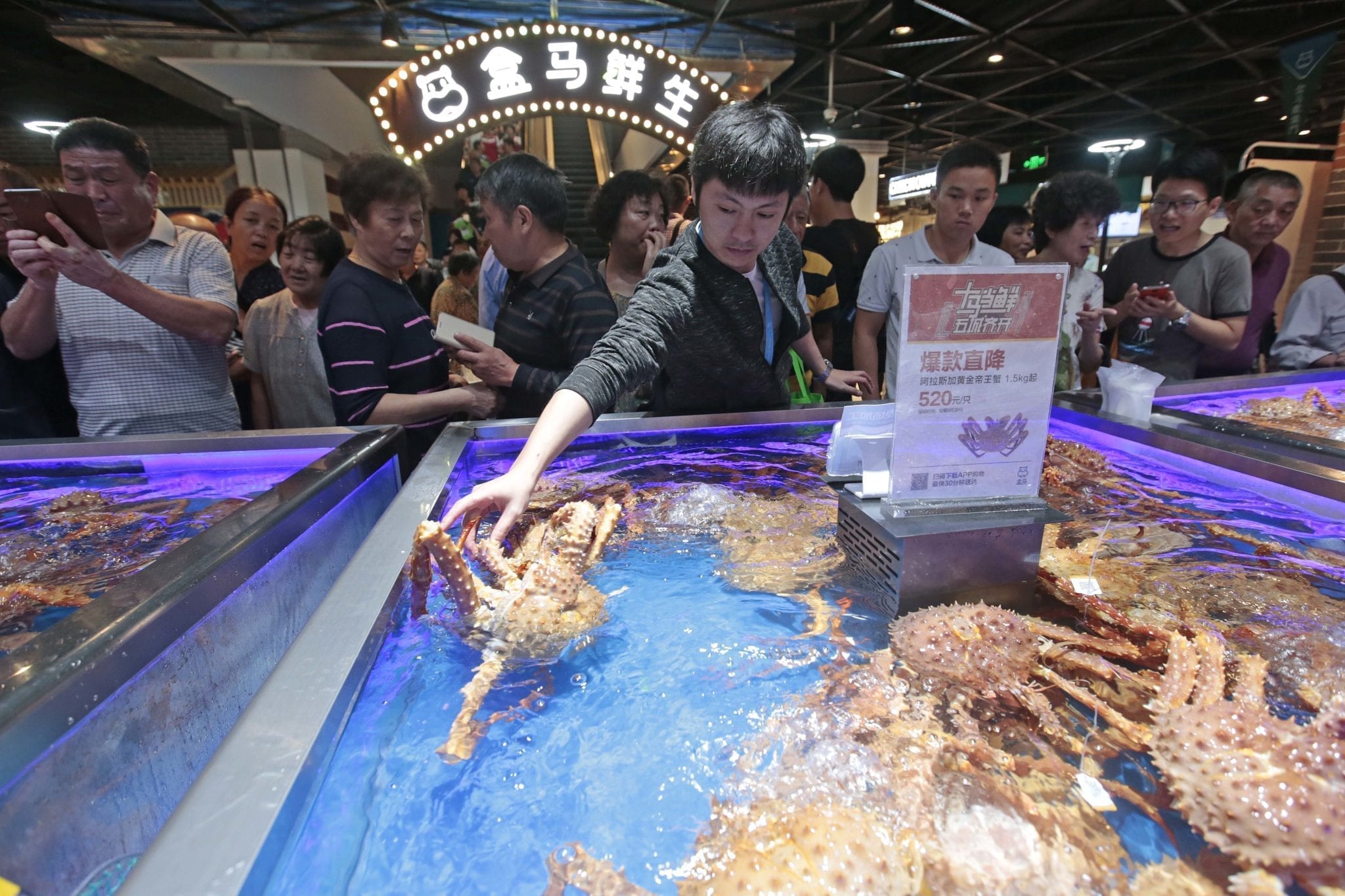
Alibaba’s Hema supermarkets have also continued to roll-out in China, with 38 opened in 18 months and 100 more to open over the next year.
The supermarkets sell groceries, fruits, vegetables and fresh seafood. Consumers are able to take fresh products, including seafood, raw or cooked, or have it prepared to eat in-store.
For consumers who live within three kilometres of the market, Hema supermarkets deliver goods within 30 minutes. Each store serves as its own warehouse and logistics centre that collects, fulfils and delivers customer orders as fast as they come in, online or offline.
Other initiatives that Alibaba is rolling out include auto vending machines, with the first launched in partnership with Ford in the southern city of Guangzhou.
The Ford auto vending machine lets customers browse makes and models inside their app, choose one they want to test drive, pick it up from an unmanned vending machine and drive it for up to three days, before making an appointment to visit a dealer when they’re ready to buy.
China’s Alibaba Group will partner with the Thai government to build a smart digital trading hub in Thailand while also working to develop its capabilities in e-commerce, digital logistics, tourism and training.
Alibaba says it will work with Thailand on everything from boosting efficiencies in trade to educating Thai entrepreneurs and SMEs in digital commerce. The partnership will give Thailand access to technologies and processes that can help advance its economy, while Alibaba gains a stronger foothold in an important market in Southeast Asia.
Local news media has valued Alibaba’s Thai investment commitments at THB11 billion (US$352 million).
The smart digital hub, in Thailand’s Eastern Economic Corridor, will use technologies from Alibaba and its logistics platform Cainiao Network to streamline trade between Thailand and China and other markets, including digitising the customs process.
At the same time, Alibaba and the Thai government say they will develop educational initiatives for SMEs and entrepreneurs to learn best practices for e-commerce. Included are courses co-developed by Alibaba Business School and Thailand’s Ministries of Industry and Commerce, as well as training centered on the digital economy at Alibaba Business School in Hangzhou.
Under the deal, Thailand also gains greater access to China’s consumer market. Thai products such as fragrant rice, durian and other tropical fruits are in demand in China.
In a related move, a flagship store has been launched on Alibaba’s Tmall platform to sell Thai rice, the country’s main export.
Alibaba’s online travel platform Fliggy is part of the arrangement because of Thailand’s popularity as a destination for Chinese tourists. Fliggy and the Tourism Authority of Thailand will work to develop smart and digital services for those visitors, including online tour guides and electronic ticketing systems.
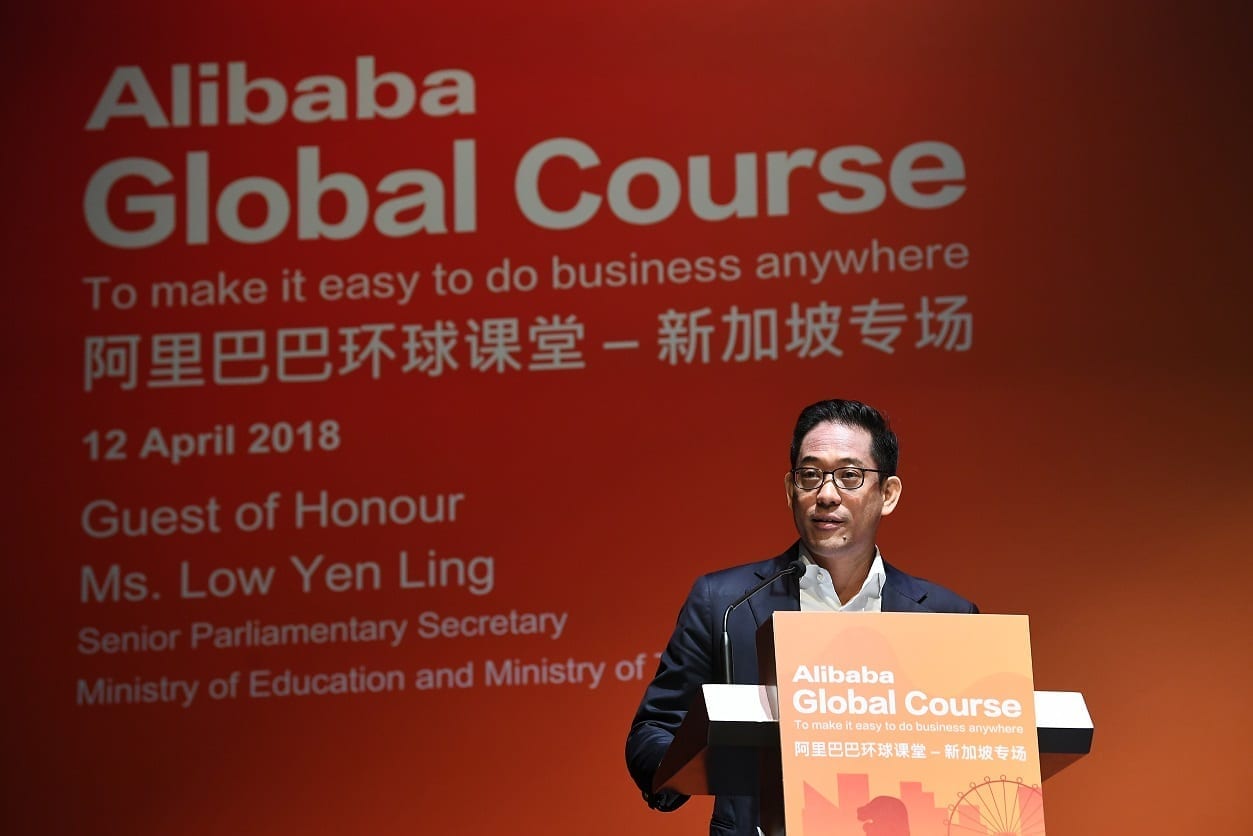
Alibaba Group continues its mission to enable global business transformation in the digital age with the expansion of the Alibaba Global Course (AGC) to Singapore for the first time. Singapore is the first stop of the global AGC calendar for 2018, with additional events planned for India, Australia, the United States, Mexico and in Europe later in the year.
The opening ceremony today was graced by Ms. Low Yen Ling, Senior Parliamentary Secretary, Ministry of Education and Ministry of Trade and Industry, in the presence of more than 2,000 attendees representing 600 SMEs and leading international companies.
The AGC is a series of public lectures that aims to enhance the capabilities of merchants around the world through a better understanding of e-commerce and related trends. In Singapore, the AGC is offered by Alibaba Business School and organised by Taobao University in partnership with Nanyang Polytechnic’s Singapore Institute of Retail Studies (NYP-SIRS), SkillsFuture Singapore, National Trades Union Congress and StarHub. The Singapore leg of the AGC is the latest in a series of initiatives by Alibaba Group to empower local businesses and entrepreneurs to digitise and diversify their operations for the future.
Helping SMEs to be Future-Ready
“Our mission is to make it easy to do business anywhere and Singapore is integral towards realising this vision. We are delighted to be able to bring the Alibaba Global Course to Singapore for the first time and to share our key learnings from more than 18 years’ experience of reshaping the way people shop and conduct business,” said Brian Wong, Vice President of Alibaba Group, who shed light on Alibaba’s globalisation initiatives at the opening ceremony today.
“SMEs form the majority of Singapore’s businesses and they are key to the city-state’s quest to be the hub of the future digital economy. We hope to continue partnering with local stakeholders and companies in this journey and navigate the exciting opportunities ahead together,” continued Wong.
During the intensive one-day session, participants heard from leading minds from Taobao University and the Alibaba network, including the region’s foremost made-to-measure interior furniture design brand Suofeiya, China’s leading department store chain Intime Retail and enterprise data aggregator CBNData.
Among other topics, the speakers shared best practices on innovating customer experience with AI and machine learning and on bringing the concept of “New Retail” to life, as well as insights into the next frontier in digital lifestyle and cross-border purchases by Chinese consumers and the opportunities for SMEs here.
Taobao University and SIRS Extend Partnership
During the AGC, Taobao University and NYP-SIRS also announced the extension of a partnership first signed in 2016, which has in the past two years rolled out a host of e-commerce training programmes from Taobao University to Singapore retailers.
The 30-month renewal is geared towards beefing up the digital capability of local businesses and equipping them with knowledge of the latest industry developments. Under this agreement, Singapore-based businesses will also be able to access courses via a customised online learning platform developed by Taobao University for the first time. SMEs here can look forward to a more holistic learning experience with curated online courses tailored to the local business landscape and considerations, on top of other modules jointly offered by Taobao University and NYP-SIRS.
“The maturity of businesses and the strong talent pool in Singapore means our training efforts here so far have been very well received,” said Lewis Lew, Vice President of Training College at Taobao University. “From opening up new business opportunities to improving productivity and operational capabilities by exploring consumer insights and new business models, we are confident that our initiatives will continue to complement the Singapore government’s goal for businesses here to be future-ready in a new era of competition and disruption.”
Megan Ong, Director of NYP-SIRS, said: “NYP-SIRS was the first training provider in Singapore to partner Taobao University in 2016. Many of our participants thrived in their retail business after attending the cross-border e-commerce training programmes. NYP-SIRS is committed to continue working closely with local retailers to enable them to be future-ready. With the extension of this partnership with Taobao University, we look forward to continuing our effort to equip the local retail industry with the necessary skills and knowledge to successfully tap into the vast e-commerce global market.”
Alibaba’s Hema supermarkets have launched 24-hour delivery services in a move to bolster the brand’s “New Retail” services.
Initially the round-the-clock service is limited to the 25 Hema stores in Beijing and Shanghai. Consumers who live within 3km of a Hema store will be able to shop via the mobile app and order items for delivery between 10pm and 7am, when the bricks-and-mortar store is closed.
Most items in store can be delivered with the exception of some fresh produce. Cooked meals will be available for delivery until 1am.
“We found that New Retail doesn’t only merge online with offline, but also connects day and night,” says Hema chief executive Hou Yi. “There are definitely consumer demands that are specific to night time.”
More than 80 million Taobao and T-mall users visit the sites between midnight and 4am, says Alibaba.
Meanwhile, Alibaba has taken full ownership of the Ele.me online delivery service.
Alibaba is in talks with the Thai government to set up a logistics centre in the country as part of its aggressive expansion into the Southeast Asia region, bringing the company a step closer to fulfilling founder and executive chairman Jack Ma Yun’s dream of empowering small companies to trade globally.
According to a report on Monday, Thailand’s Industry Minister Uttama Savanayana said that Alibaba plans to set up the logistics centre in Chachoengsao, one of the three provinces the government hopes to develop into a leading economic zone in the region as part of its flagship Eastern Economic Corridor scheme.
The plans for a Thailand-based logistics centre is Alibaba’s latest move in Southeast Asia’s burgeoning e-commerce landscape, following a recent US$2 billion additional investment into e-commerce firm Lazada and last year’s joint establishment of an electronic trading hub with the Malaysian government.
Southeast Asia boasts more than 370 million internet users as of January 2018, according to a recent “Digital in 2018 in Southeast Asia” report by We Are Social and Hootsuite. With the majority of its internet users going online with their mobile devices, as well as a growing middle class population eager to spend money online, Southeast Asia represents a lucrative region for e-commerce companies.
Alibaba wants to use Thailand as a logistics base for e-commerce not just to link small and medium enterprises from Thailand, but also Cambodia, Laos, Myanmar and Vietnam to the global market, Uttama said.
Calls made to Thailand’s Industry Ministry went unanswered.
When reached, an Alibaba spokesperson said that the company is firmly established in Southeast Asia and understands the needs of local businesses and consumers.
“Our focus for the region is to drive partnerships with merchants, offering them access to new customers and markets, enabling SMEs as drivers of economic growth and foster hassle-free trade and e-commerce across borders,” the spokesperson said, without elaborating on its Thailand plans.
In March last year, Alibaba made the first move in linking Southeast Asia e-commerce trade with the rest of the world by setting up a trading and logistics hub in cooperation with the Malaysian government, as part of an electronic world trade platform that is expected to become a modern version of the ancient Silk Road trade route.
The Malaysian “e-hub” comprises a regional logistics centre and an accompanying electronic platform that will help facilitate cross-border trade for SMEs.
Alibaba’s additional injection of US$2 billion into Lazada last week also takes its total investment into the Singapore-based e-commerce platform to US$4 billion, as it seeks to carve out market share and compete with regional rivals such as Sea’s Shopee and Singapore-based Zalora. Alibaba also appointed Lucy Peng, executive chairman of its financial affiliate Ant Financial, as new chief executive of Lazada.
In Singapore, Alibaba has also set up a joint research institute in conjunction with Singapore’s Nanyang Technological University to develop artificial intelligence technologies that can help tackle issues from ageing societies to urban transport.
Alibaba has bought the Chinese food delivery business Ele.me for US$9.5 billion.
The new deal will enable Alibaba to take over its daily operations and network of delivery drivers. Ele.me is China’s largest online delivery and services platforms.
Alibaba, which already held a 43 per cent stake in the delivery business, hopes the move will bolster its offline retail infrastructure, furthering founder Jack Ma’s New Retail ambitions.
Alibaba Group CEO Daniel Zhang said the move into online food delivery will create more value for China’s 1.3 billion consumers.
“Ele.me can leverage Alibaba’s infrastructure in commerce and find new synergies with Alibaba’s diverse businesses to add further momentum to the New Retail initiative,” Zhang said.
Alibaba said in a statement it flagged an expansion of Eli.Me’s product horizons beyond its traditional food-focused base, with possible synergies with Alibaba’s existing local services platform Koubei. It also said it will give Eli.me access to its extensive product offering under the New Retail strategy.
“This acquisition shows that we have built Ele.me into one of China’s most valuable internet businesses. Our customers, merchants and partners will benefit from our further integration into the Alibaba family. We share the same strategic vision that New Retail has a bright future and being part of Alibaba’s ecosystem will take Ele.me’s growth to a new level,” Ele.Me founder Zhang Xuhao said.
The food delivery Ele.me founder will take the position as chairman of the business post-acquisition and will also be appointed as a special adviser to Alibaba’s CEO on its New Retail strategy. Alibaba vice president Wang Lei, a company veteran of 15 years, will become the CEO of Ele.me.
A shift by brands to a New Retail model is imperative to remain relevant and competitive in China, according to a joint report from AliResearch and Bain & Co.
The report, the most complete to date, offers a look at the blueprint for how companies and brands can seamlessly meld their online and offline channels, providing a better customer experience and making their own operations more efficient.
It notes the challenge laid out by Alibaba Group CEO Daniel Zhang in a letter to investors, whereby companies need to tap big data analytics to redefine the core of retail – consumers, merchandise and stores – as well as the ties among them, to upgrade formats and create new retail occasions. And it cites a list of brands, including Mondelez, Friso, Estee Lauder and Bestseller, as “leading the charge to shape tomorrow’s retailing.”
A fundamental change in thinking by companies and brands needs to happen with respect to the customer, viewing them “in the role of co-producers,” the report said. More than just identifying target consumers and their needs, more-comprehensive and dynamic profiles allow brands to find “ways to stimulate consumer needs, identifying look-alike consumers and turning consumers into brand ambassadors who effectively co-create the brand.”
At the same time, products morph from mere commodities to becoming part of the consumption process and consumer experience. In the world of New Retail, products and delivery are inspired by consumer data and they’re highly personalized. Moreover, with a fully integrated, omnichannel experience, it’s no longer about simply spending time in an online or offline store. It’s about consumers shopping while enjoying content or spending time on social networks, the report said.
“The best brands are determining how to integrate products with the overall experience of not only shopping, but learning about a product, using it and recommending it,” the report said.
In all, the report highlights six steps “winning brands” are taking “to reshape the future and make the most of New Retail.” They are:
Identifying new governance principals for a customer-centric model
Developing new flexibility and efficiency in R&D and supply chains
Reimagining marketing and consumer management
Modernising route-to-market and retail formats
Transforming the organisation and operating model for digital
Investing in new technology development.
The 24-page report covers each step in detail and offers case studies of the above-mentioned and other brands in their quest to reimagine and redefine their business through New Retail.
While the report’s focus is on China, it telescopes outward and concludes that the changes Jack Ma predicted when he coined the “New Retail” term in 2016 “are arriving so swiftly and dramatically that each month seems to bring with it a big, new preview of what retailing will look like everywhere, as China sets a pace for the rest of the world.”
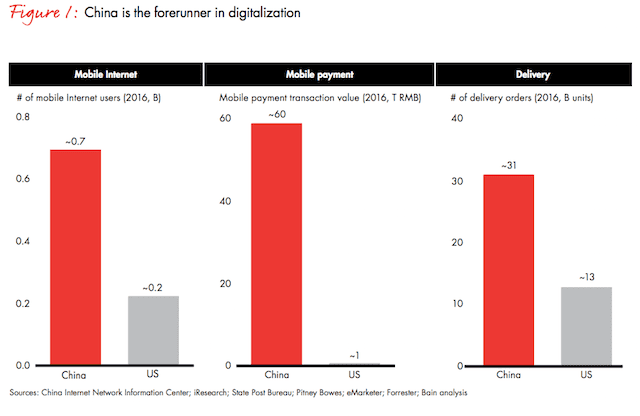
New Retail in China has already taken hold in numerous sectors, transforming small, disparate shops and businesses into “order-and-delivery stations for e-commerce.” Food-delivery platform Meituan, for example, fulfills more than 18 million orders a day. And China is well ahead of other countries, such as the US, with 60 times more mobile payments.
“Wherever retailing is headed, China is already there,” the report said. “For brands hoping to sell in China, survival means moving equally fast to capture this future ahead of competitors, both incumbents and digitally savvy upstarts. It will not be enough merely to keep up. Brands will be required to get ahead and help shape the vast changes, even as they completely overhaul the rules of engagement.”
That means adopting a big-data-based approach to business, along with a new type of customer-centric experience that involves much-higher levels of engagement and personalisation than ever before. Businesses, themselves, need to erase any existing cross-unit barriers, investing in the technology and process redesign to make that happen, as well as changing their mindset.
The results for brands that get it right are both clear and gratifying. Citing a case study from Mondelez, the report delves into what happened when the cookie company focused on customisation for Tmall’s Super Brand Day 2017. Its goal was to make Oreos more popular among teenagers.
To do so, Mondelez partnered with third-party vendors and Tmall to create, launch and market a music box that played tunes when an Oreo cookie was placed on a turntable-like device. Taking a bite of the cookie and putting it back on the turntable changed the tune. Consumers could record their own voices on the music box and decorate it, customising it by scanning a QR code. Relying on a flexible supply chain, Mondelez brought the music box to market in just seven days, rather than a more-traditional two to three months.
“It has been a New Retail success story,” the report said. “The singing biscuits generated 80 times more sales on Mondelez’s site than normal, with 90 per cent of the purchases made by new consumers.”
Brands need to act now to adapt to a New Retail reality, though the changes they make to their operating models and the introduction of new capabilities won’t necessarily bear fruit right away.
“New Retail is a work in progress that will require brands to constantly refine and reinvent themselves for new occasions, new formats and the steady flow of new ideas that will define retailing tomorrow,” the report concluded.
You can read the full AliResearch/Bain report here.
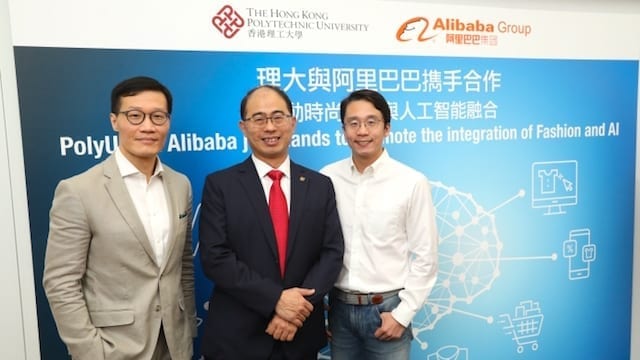
Students from Hong Kong’s PolyU have partnered with Alibaba Group’s Vision and Beauty Team to develop AI technology for fashion retailers.
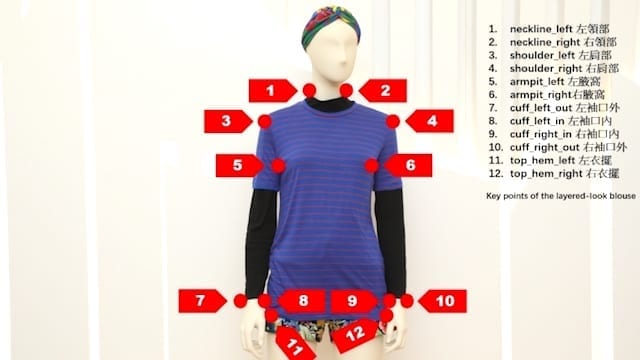
The students, from the Institute of Textiles and Clothing (ITC) of The Hong Kong Polytechnic University, have created the first-of-its-kind “FashionAI Dataset” for systematic analysis and labelling of fashion images based on “fashion attributes” (fashion characteristics) and “key points” of an apparel.
PolyU explains that by integrating fashion knowledge and machine learning formulation, the establishment of the dataset will enable machines to better understand fashion, “bringing a new horizon to the fashion retail industry through the application of AI”.
“Transforming fashion knowledge into determination of fashion related attributes and fashion item categorisation of the fashion image database is a very complicated and challenging task, while it is the most fundamental task in deep learning applications,” explains Calvin Wong, Cheng Yik Hung professor in fashion and associate Head of ITC.
“ITC is pleased to collaborate with Alibaba to address the needs of fashion retailers and consumers.”
Menglei Jia, senior staff engineer with Alibaba’s Vision and Beauty team, believes there is huge potential for AI applications in the fashion industry.
“In order for AI to understand fashion, which could be very subjective, we need to turn fashion knowledge and experience into language that machine can understand. We hope to work with academics and the industry alike to explore the wider applications of AI in scenarios including fashion mix-and-match, assisting design and shopping guide, with the aim to bring new values to the fashion industry.
“The traditional fashion sector should embrace the new retail practice, and we hope FashionAI can be a bridge that connects AI with fashion.”
Challenges presented by data on fashion image
Current fashion image searching technology used on online platforms is based on the whole fashion image to search the exact or other similar images. However if a customer is interested in some particular fashion attributes of a fashion image and wants to search other fashion items with these attributes, the current searching technology cannot meet the needs of the customer. This greatly limits the potential development and applications for offering more customised shopping experience, PolyU explains.
From an AI research perspective, this limitation of the current image searching technology is caused by the absence of available fashion image dataset constructed with both fashion professional knowledge and fulfils the requirement of deep learning, ie: the current technology is unable to train a machine to accurately understand and recognise the fashion attributes of each fashion image.
Addressing the needs of fashion retailers
Fostering the application of AI in the fashion industry, a PolyU research team led by Professor Wong, worked closely with Alibaba to develop “FashionAI Dataset” to solve two fundamental problems of the deep learning algorithm: “apparel key points detection” and “attribute recognition”.
Key points (e.g. neckline, cuff, waistline) and fashion attributes (e.g. sleeve length, collar type, skirt style) build the foundation for machine learning in understanding fashion images. The establishment of key points and fashion attribute database enables the computer to effectively and efficiently understand the fashion image which is fundamental for deep learning and recognition algorithms.
The accuracy of key points detection is determined by several factors such as the dimension and shape of the apparel, distance and angle of shooting, or even how the apparel is displayed or the model is posing in a photo. These factors can lead to poor key points detection and result in an inaccurate analysis of fashion images by the computer. Accurate key points detection can therefore improve the performance of deep learning algorithms.
Fashion attributes are the basic design elements of an apparel, and their combination determines the product category and styles of a fashion item. With the wide variety of fashion attributes, attribute recognition is a complicated process. A systemic classification of fashion attributes is essential to accurately label fashion attributes, facilitating research on deep learning and algorithm design for fashion image searching, navigating tagging and mix-and-match ideas, etc.
The Dataset can greatly facilitate understanding fashion images and related algorithm design, and developing machine learning. It would help improve the accuracy of online fashion image searching, enhance effectiveness of cross-selling and up-selling, create innovative buying experience and facilitate customisation of online shopping platforms.
Global challenge
PolyU and Alibaba will host two world-first events – the AIFT Conference and FashionAI Global Challenge – with the aim of bringing a new horizon to the fashion retail industry through the application of AI and encouraging knowledge exchange among practitioners.
The AIFT Conference, to be held from July 3-6 at PolyU, is a first-of-its-kind academic conference to bring together researchers, engineers and practitioners to share their insights on the most updated development and applications of AI and fashion.
This event will become an annual activity for academic exchange and networking with like-minded individuals who are redefining the world of AI and fashion, and advancing AI research in fashion and textile.
The FashionAI Challenge invites worldwide AI researchers and developers to solve two imminent issues on the application of AI in fashion with over 400,000 images with high-quality annotations from Alibaba ecommerce platforms. The competition offers a prize pool of RMB 1.34 million. The FashionAI Global Challenge 2018 runs from now until April and is open to the public.
To help Southeast Asian entrepreneurs ride the e-commerce boom, Lazada has rolled out measures to make doing business online easier, faster and more financially rewarding.
Already in effect, the moves benefit new sellers and about 135,000 merchants already on Lazada’s platform.
One of the highlights is Seller Rewards, a powerful framework that recognises sellers for outstanding performance. The higher the ratings, the more rewards or benefits the seller enjoys such as:
● Higher visibility of products when users search and browse the site
● Access to shipping services and price subsidies extended by Lazada
● Access to promotional campaigns spearheaded by Lazada
● Access to preferred sellers programs; or premium seller program in Malaysia and Seller Prioritas program in Indonesia.
Customers can rate sellers based on how they apply best practices to deliver a positive customer experience, such as quality checks on products sold, using recommended packing materials to avoid damage, and preventing purchase cancellations through third-party negligence.
As another plus, sellers will no longer be financially penalised for policy breaches. However, errant sellers may be delisted by Lazada.
Instead of three to four days for anyone to start their business on Lazada, the process can now be completed in mere minutes. The simplified sign-up form requires registrants to provide just their email address, telephone number and address. They can start logging up sales 15 minutes after creating an account.
Lazada group chief operations officer Aimone Ripa di Meana says the seller-friendly initiatives are part of the company’s efforts to empower entrepreneurs to grow their business online. “By incentivising sellers and giving them more leeway to sell efficiently and effectively, we want to ensure Lazada’s marketplace is the best place for sellers to reach out to more consumers.”
Launched in 2012, Lazada is present in Indonesia, Malaysia, the Philippines, Singapore, Thailand and Vietnam. It helps more than 135,000 local and international sellers as well as 3000 brands serving 560 million consumers. Lazada Group is majority owned by Alibaba Group Holding.
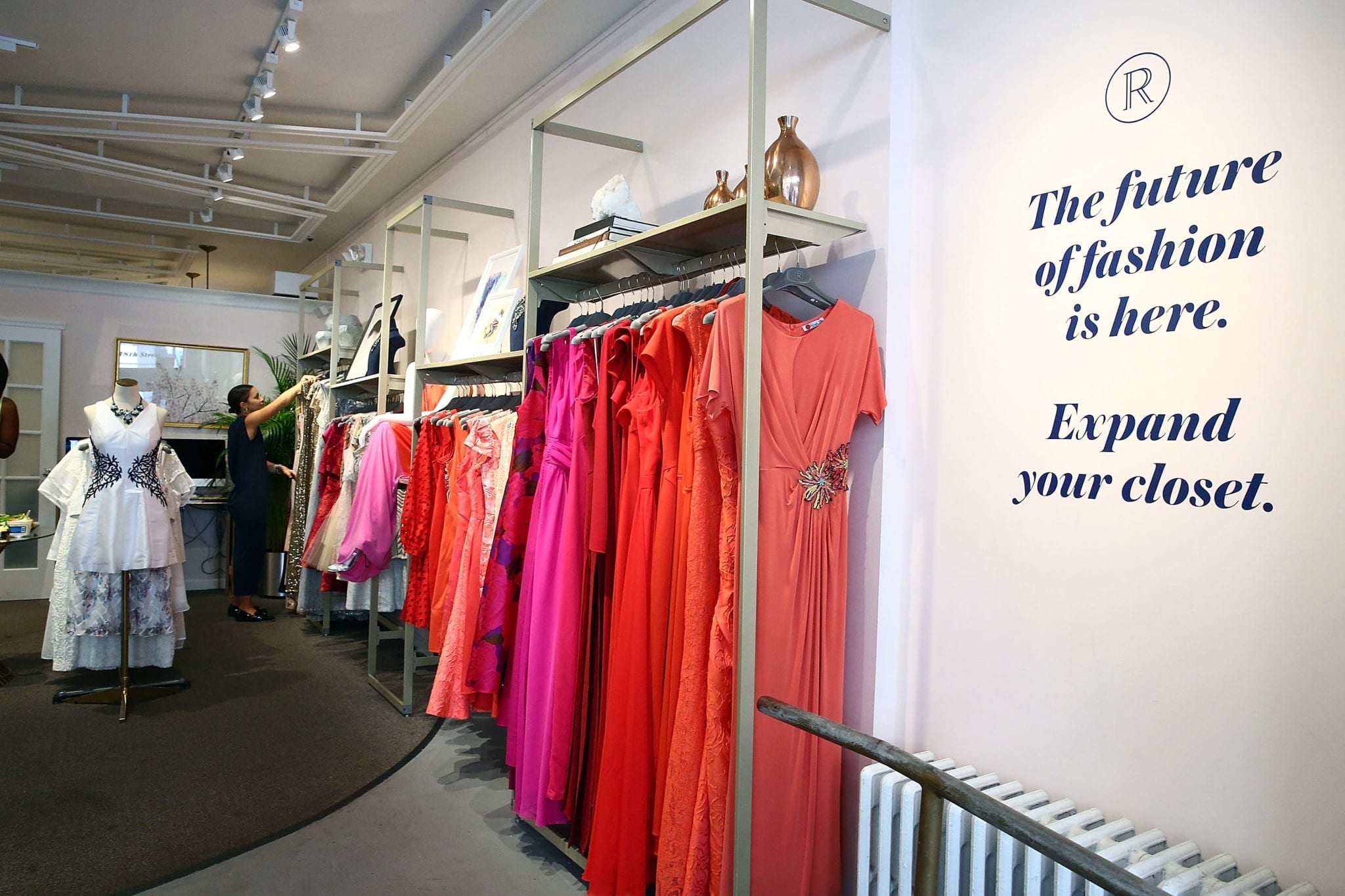
An Alibaba affiliate has invested US$21 million in online fashion rental service Rent the Runway.
Rent the Runway CEO Jennifer Hyman says that over time the company has built a great relationship with the team at Blue Pool Capital, an asset-management firm established by Alibaba founders Jack Ma and Joe Tsai.
The funding values Rent the Runway at nearly $800 million. In December 2016, it closed a $60 million series-E funding round led by Fidelity Management and Research Company.
“Launched in 2009, Rent the Runway seemed to struggle a few years ago amid the complex logistics as a renter of high- to mid-fashion apparel,”
As the company evolved, it has also tested the limits of its own revolutionary premise – that people will begin to think of their wardrobes as existing ‘in the cloud’, making them virtually infinite.
“It is a step beyond the original concept of renting special-occasion dresses and shoes – the Cinderella approach – to renting casual wear and office wear on a routine basis.”
The stance is a direct challenge to fast fashion, which relies on inexpensive ownership and a closet’s high turnover.
Tmall will this year work with top beauty brands such as Estee Lauder and Lancome to help them surpass RMB 1 billion (US$157.9 million) in annual sales on the platform.
The increased focus on the beauty sector will also see Tmall deliver an updated suite of New Retail solutions so that all merchants can better serve Chinese consumers, the Alibaba Group-owned B2C shopping site says.
Tmall plans to partner closely with about 10 beauty brands in particular, also including SK-II and Olay, to help them break that sales threshold. New Retail initiatives include a new “try-before-you-buy” feature, where users pay a 10 per cent deposit to test a product with the promise of a simpler and faster refund process.
“Our partnership with brands will cover every corner from online to offline,” Tmall president Jet Jing said. “We will be consistently involved in daily operations ranging from product innovation, brand building, channel management, supply chain to customer operations.”
Tmall Supermarket would also expand its one-hour delivery service to more customers, as faster service is also a part of New Retail, Jing said. However, the biggest changes won’t come until the 11.11 Global Shopping Festival, which is typically when Alibaba rolls out its New Retail initiatives.
The initiatives were announced during the Tmall Beauty Awards in Shanghai, where more than 1000 beauty professionals, from both international and home-grown brands, gathered for the annual event. This year, Estee Lauder, SK-II, Giorgio Armani Beauty and Givenchy each took away a “Super Brands Award,” for their outstanding performance in brand influence, marketing creativity and consumer engagement. Newcomer Givenchy on March 1 broke the single-day sales record, selling more than 58,000 lipsticks and generating over RMB 16 million – all in the first 12 hours of the day.
Since launching in 2015, the awards largely have spotlighted New Retail-driven innovations. Featured technology at this year’s awards included the “Cloud Shelf” and the latest iteration of the augmented reality-powered “Magic Mirror,” which allows users to virtually try on new hairstyles, lipstick, eyeshadow and blush. Tmall said it would partner with with French cosmetics company L’Oreal to install Magic Mirrors in 50 of the beauty giant’s physical stores in China.
Tmall hosts more than 3000 beauty brands on its platform, according to a report released by Tmall and Chinese research firm CBNData last year. Some of the newest entrants include LVMH-owned Givenchy, L’Oreal’s Giorgio Armani Beauty and Estee Lauder’s Darphin.
“After two years of very successful acceleration in China, we felt this is the right timing to join Tmall to push artistry and premium-ness of the brand,” said Andrea Yann, GM of the China market at Giorgio Armani Beauty. “Our plan is really to understand from [Alibaba’s] database what are the main beauty concerns of Chinese women to solve their beauty issues, be very personalised still being [seen as] very artistry and premium.”
Andrea Yann, GM of the China market at Giorgio Armani Beauty, speaks on stage.
Younger more focused on beauty
According to a report released by Tmall and market research consultancy Kantar, what they want is a more elaborate skincare regimen. Thirty-five per cent of respondents said they have added more steps to their beauty routines, and therefore are spending more on skincare products and cosmetics. Tmall attributed 53 per cent of the sales of beauty products on Tmall to consumers making more purchases per person.
Beauty consumers in China – the world’s largest and fastest-growing beauty market at $22 billion – are also becoming younger than ever, the report noted. In 2017, users born after 1990 made up over 40 per cent of shoppers on Tmall Global, the site’s cross-border e-commerce channel, overtaking those born in the 1980s as the main consumption force on Tmall Global, the site’s cross-border e-commerce channel.
Consumers born after 1990 like to try new products from new brands and less familiar origin countries, the report said.
Embracing the new
“In China, there’s more willingness to try new products at a faster rate than what you would see in different markets,” said Danielle Bailey, head of Asia Pacific research at digital agency L2.
“It’s not that [Chinese beauty consumers] are less loyal, but their desire to explore is much higher,” she said. “This makes it more challenging for brands to sell to the market, but also creates new opportunities.”
Tmall’s latest report also showed momentum for homegrown brands, particularly for skincare, where they accounted for 56 per cent of sales last year – up from 54 per cent in 2016. However, foreign brands still dominate the cosmetics category with 56 per cent of total makeup sales.
Chinese brands are trying to boost their profiles by launching new prestige product lines or creating new products within an existing line, said Bailey. “It will be interesting to see if local brands can successfully transition to that space. It’s still a bit unclear because Western brands tend to be associated with better quality,” she added.
From a product development standpoint, the pace of innovation in Asia has forced brands in the West to shrink development timelines to stay relevant, said Bailey. Where Western companies may take two years to release a product,” he said, “in Korea, some brands are launching new product every three months.”
Time-to-market is indeed very important for beauty brands, said Ye Guohui, GM of Tmall’s new retail division.
“Conducting market research alone can be very time-consuming, taking up to over a year,” he said. “But brands in China can leverage Alibaba’s data capacities to really shorten that timeline, and accelerate product development.”