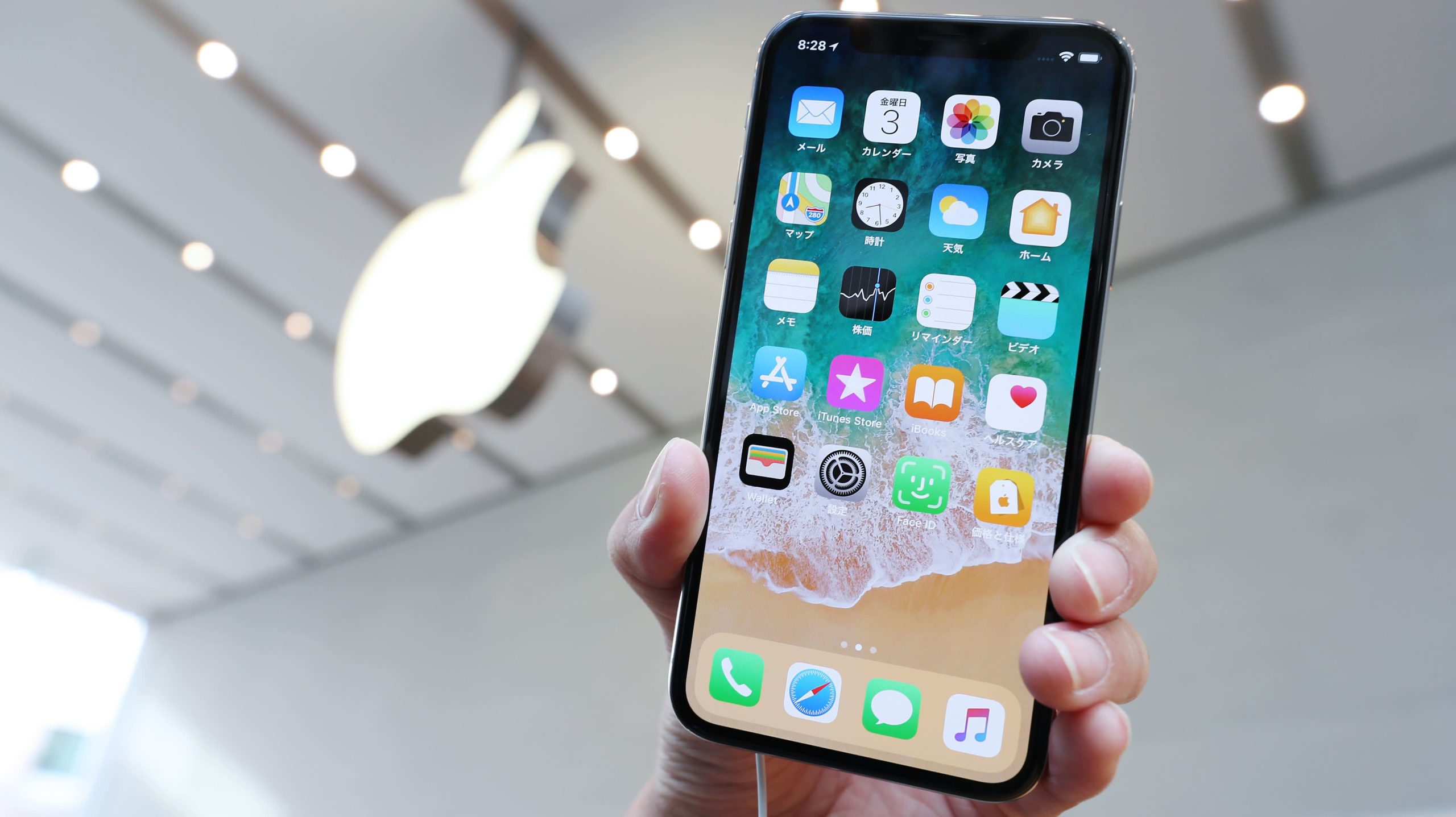
Tag: apple

  • Did Siri affected Biden or Trump with some votes?

    Did Siri affected Biden or Trump with some votes?

    Over the years we have knocked Apple for its failure to make Siri as good and accurate a digital helper as Google Assistant is. Siri has been known to make the occasional blunder. For example, let’s say that last weekend you had forgotten when Election Day was. So you turned to  Siri. iPhone users were told by their virtual assistant that Election Day was scheduled for November 8th. The problem with that answer is that it is wrong. Very wrong. Election Day was November 3rd  so if you were relying on Siri’s response to remind you when to visit your polling place, you would have arrived five days too late missing your opportunity to vote for president.

    This is not the first time that the iPhone told users the wrong information about time and date. For years, the idea of Daylight Saving Time continued to elude the grasp of iOS. One year, instead of moving iPhone clocks ahead an hour, it moved the clocks back an hour instead which really helped iPhone users get their day off to a very poor start.

    The interesting part of Siri’s most recent screw up is that November 8th was the date of the last U.S. presidential election back in 2016. On the other hand, November 8th 2022 will be when the U.S. holds its next major election, the mid-terms. Either way, Siri’s response was wrong and we wouldn’t vote for either one.

    While only the most clueless would have ended up missing election day because of Siri’s response, well, such clueless people do exist. Luckily, the number of those who listened to Siri was probably not large enough for its faux pas to impact the election results.

    So here’s a word to the wise. If you ask Siri for the date of an upcoming event that you must attend, it might behoove you to confirm the answer with another source even if that goes against the reason for Siri’s existence in the first place. Like any digital assistant, Siri is only as good as the data bank it gets its information from.

  • Apple Music update brings some iOS 14 features to Android devices

    Apple Music update brings some iOS 14 features to Android devices

    Apple briefly tested some iOS 14 features for its Music app for Android devices last month, but they were only available for those able to access the beta version of the app. Starting this week, just about all the important changes that were spotted last month are now making it to the stable version of the Apple Music app.

    If you’re using Apple’s music streaming service on an Android phone, here is what you’ll get in the latest update. First off, the update adds Listen Now, a new section that replaces the For You tab, a brand-new search experience, which involves relocating the search icon to the bottom bar, and, finally, an enhanced playback experience.

    Under the “enhanced playback experience” tag, you can include important new features like Autoplay, Crossfade, as well as the possibility to share on Instagram, Facebook, and Snapchat Stories. All of these new features are now available to all Apple Music users on Android devices.

    Besides the most obvious stuff, Apple mentions that the update also improved the app’s performance, which means a lot of under-the-hood changes were made too. To get the most out of your Apple Music app, you can download the latest update right now via the Google Play Store.

  • Apple’s environmentally-motivated decision is boosting sales of its new wireless earphones

    Apple’s environmentally-motivated decision is boosting sales of its new wireless earphones

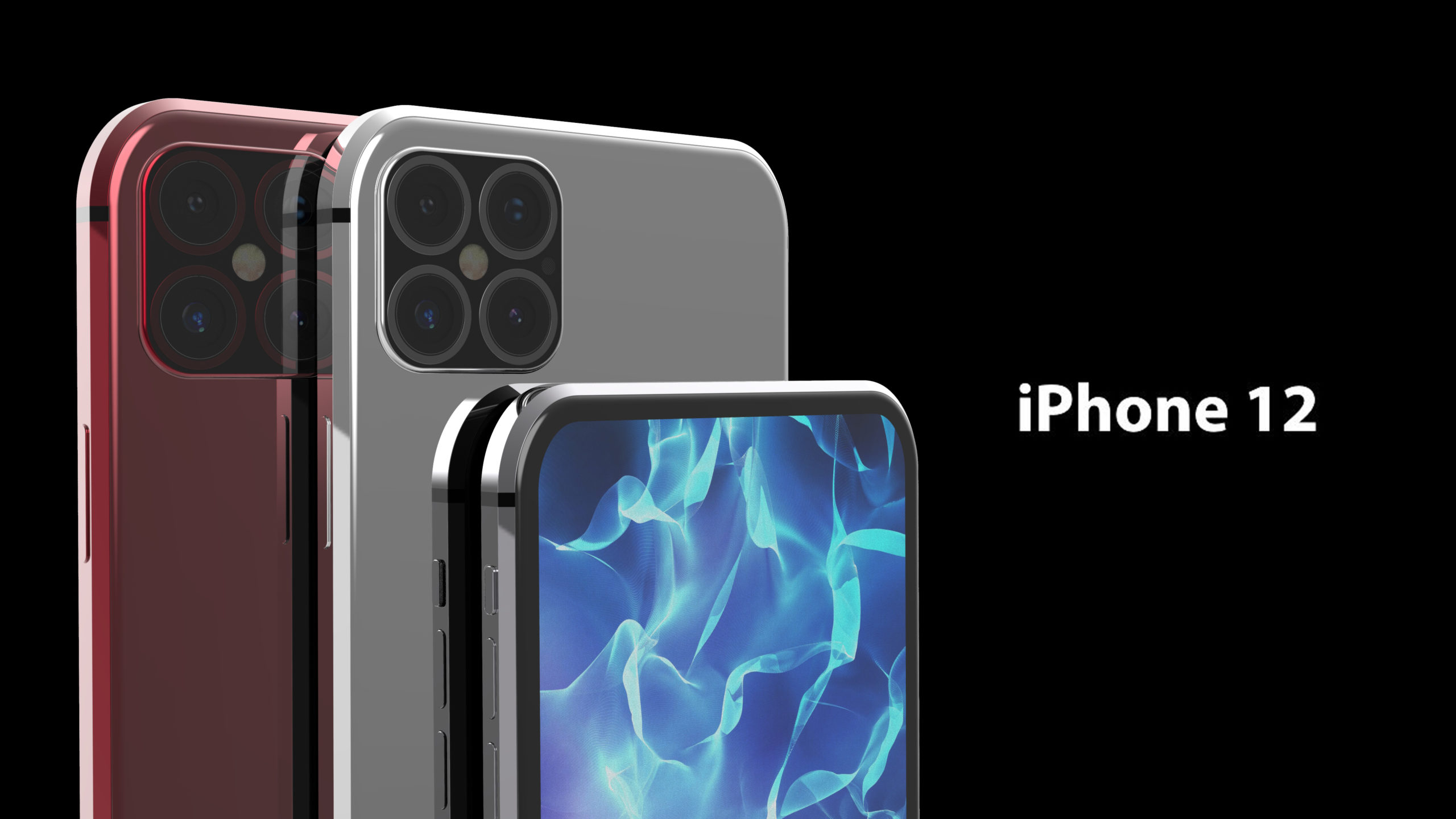
    The new iPhone 12 series, as well as older models that Apple continues to sell, don’t come with a power adapter or EarPods. Apple claims it took this step to cut down on environmental waste. Although rivals like Samsung, Xiaomi, and OnePlus have mocked the company for removing these accessories, a new precedent may have been set. Apple is already benefiting from the removal of the EarPods from the iPhone 12 retail box.

    Beats, which is owned by Apple, announced the new neckband-style $49.99 Beats Flex on October 13, the same day the iPhone 12 series was revealed. The release of the neck-mounted headphones was also perfectly timed – they went on sale on October 23, which is when the iPhone 12 and iPhone 12 Pro hit the shelves.

    According to supply chain insiders, the Beats Flex is off to a good start, and the sales momentum is expected to continue well into the first half of the next year.

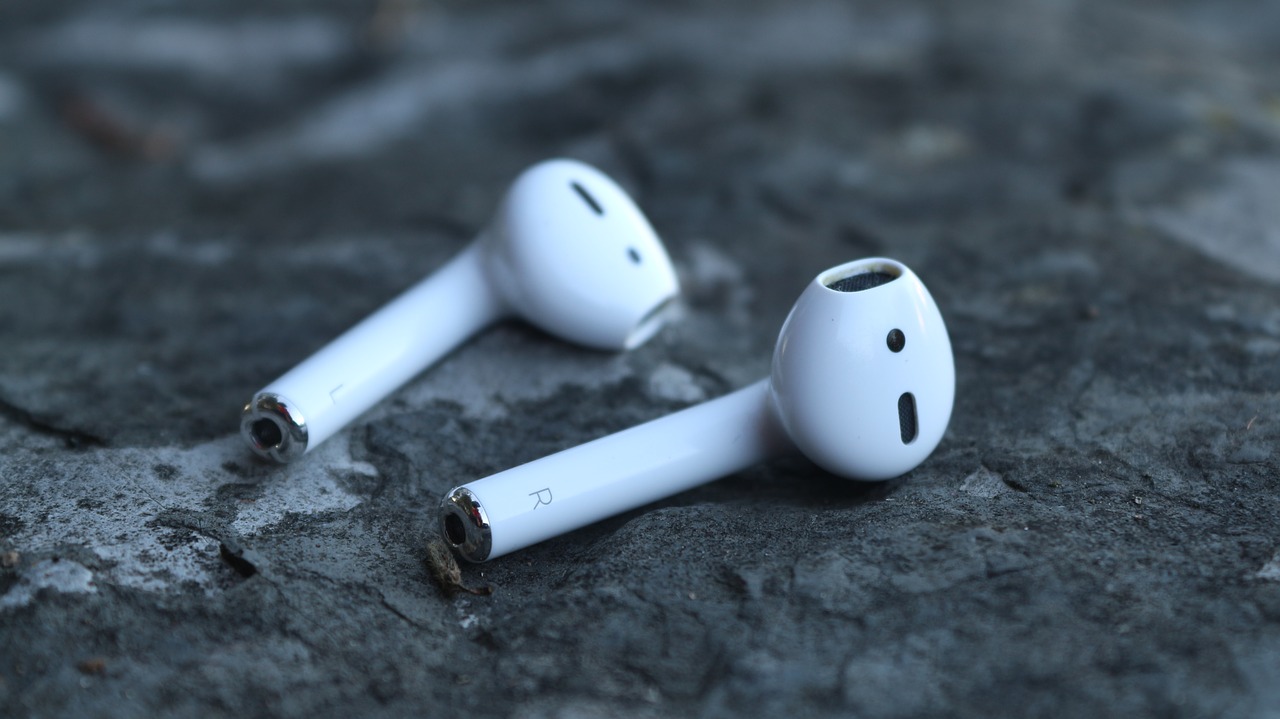
    The report also claims that the AirPods, which had 35 percent of the True Wireless Earphones (TWS) market in the second quarter of 2020 per research firm Counterpoint, continue to do well.

    Usually, TWS sales peak in the third quarter, before edging down in the fourth quarter. The case is different this year, as demand remains strong, probably because many people continue working from home.

    Supply-side sources also believe that other vendors will also stop bundling headphones with their new smartphones. Needless to say, this would further boost wireless earphone shipments.

    According to a forecast by research firm Canalys, TWS sales will grow 29 percent in 2020.

  • Apple is giving away three free months of Arcade with the purchase of a 5G iPhone 12 handset

    Apple is giving away three free months of Arcade with the purchase of a 5G iPhone 12 handset

    Last year, Apple awarded those purchasing a new iPhone or another Apple product 12-free months of Apple TV+. And while that freebie continues to this day, starting on October 22nd anyone purchasing a new iPhone, iPad, Mac, iPod touch, or Apple TV gets three free months of Apple Arcade. With Arcade, subscribers get to play ad-free games and there are no in-app purchases. And you can start a game on your iPad and take it on the road with your iPhone seamlessly. In fact, you can switch among the aforementioned list of five Apple products and keep your place in a game that you’re currently playing.

    You can also download games to play regardless of whether you are online or offline. And if you’re a parent. you can use Screen Time to make sure that your kids aren’t spending the whole day playing games. After a one month free trial, Arcade costs $4.99 a month. So if you do buy a new Apple device, including one of the new iPhone 12 models, you are getting a bonus worth $14.97.

    Keep in mind that if you don’t cancel the free trial before it expires, you will be billed $4.99 a month. If you happen to enjoy more than one of Apple’s subscription services, you might want to sign up for Apple One. For $14.95 a month you save $6 per month on an Individual Apple One subscription which includes Apple Music, TV+, Arcade, and 50GB of iCloud storage. For $19.95 a month, the Family subscription of Apple One (which saves $8 per month) includes everything in the individual plan except with support for six subscribers and 200GB of iCloud storage. The Premier subscription is priced at $29.95 per month and saves subscribers $25 a month. It comes with Apple Music, TV+, Arcade, 2TB of iCloud storage, News+, and Fitness+ (which starts later this year). Apple One will launch later this year.

    While Apple is handing out nearly $15 in free Arcade subscriptions to those purchasing a device from the 5G iPhone 12 series, it is taking the charging adapter and the wired earpods out of the box. While the company spins this as a move to help cut carbon emissions, some see it as a move by Apple to save money and force customers to buy a new charging brick.

    Apple this fiscal year will hit the $50 billion revenue goal it has for its Services unit right on time. And it hopes to keep this part of its business surging by giving device buyers a little taste of some of the Services it is offering. The tech giant is hoping that its customers enjoy TV+ and Arcade so much over the trial period that they decide to subscribe once the trial period is over.

  • VinSmart produces smartphones for US mobile service provider

    VinSmart produces smartphones for US mobile service provider

    VinSmart, a subsidiary of Vietnam’s largest listed company Vingroup, has received a contract manufacturing order for two million smartphones from a major U.S. carrier.

    Le Thi Thu Thuy, general director of VinSmart, without identifying the U.S. company, said Thursday at a press conference that the first consignment was sent a month ago. The phones carry the American service provider’s logo.

    “This is an important step in understanding the U.S. market… before taking Vsmart phones there in future,” Thuy said.

    The U.S. company has such stringent standards that despite having a team in Vietnam to supervise the VinSmart factory 24/7, it still thoroughly inspects the phones once they reach the U.S.

    The contract is for four models, all of them supporting 4G.

    A confidentiality agreement prohibits VinSmart from disclosing the name of its partner.

    VinSmart has a plant for manufacturing 125 million phones, IoT devices, and other smart devices per year at the Hoa Lac Hi-Tech Park in Hanoi.

    The brand is currently sold in three countries, Russia, Myanmar, and Spain, but the company expects to sell its Aris 5G in the U.S. by next year.

    VinSmart had a 16.7 percent market share in the first quarter and surpassed Apple to become the third-largest smartphone brand in Vietnam behind Samsung and China’s Oppo.

  • Apple TV+ free trials are being extended through February 2021

    Apple TV+ free trials are being extended through February 2021

    Buyers of the iPhone, iPad, Mac, and Apple TV have been entitled to a free year of Apple TV+ since September 2019. The service itself launched in early November, so those trials are now weeks away from ending.

    However, in an unexpected move, Apple has offered an extension to early adopters.

    Apple has announced that it will be extending early Apple TV+ trials through February 2021. If the trial period starting between November 1, 2019 and January 31, 2020 customers will be receiving the extension.

    Users of the service that were paid during those initial months, on the other hand, will be credited for the same amount. That credit is attached to each person’s Apple ID and can be used to pay for Apple services, in the App Stores, or in the iTunes Store.

    Those of you planning to sign up to the Apple One services bundle later this year won’t have to worry either as the credit will still be issued. Again, it can be used to pay for Apple services or other items.

    These account credits will be applied automatically, meaning customers won’t have to do anything. Apple should send out emails to eligible customers over the coming days notifying them of the change.

    Unfortunately, anybody that signed up for Apple TV+ after February 2020 won’t be entitled to an extension of any kind.

  • Apple AirPods Pro Lite release date, price, features

    Apple AirPods Pro Lite release date, price, features

    The AirPods Pro Lite are rumored to be an upcoming model of truly wireless headphones by Apple. They are expected to be more capable than the regular AirPods, but slightly cheaper than the premium AirPods Pro.

    The original AirPods (late 2016) were among the first truly wireless earphones. They boosted the interest in this fledgling category of tech products and established themselves as undisputed leaders. In early 2019, Apple followed with an upgraded version which added a number of things such as wireless charging, “Hey Siri” and slightly better battery life. In late 2019, Apple released a higher-tier variant called AirPods Pro. The AirPods Pro have been a runaway success – they came at a significantly higher price but introduced an improved design, dramatically better sound quality and active noise cancellation.

    Now, the word is Apple is working on a product that is supposed to slide between the AirPods and the AirPods Pro. The rumor mill is referring to that product as the AirPods Pro Lite, but that is by no means its official name.

    So, when will AirPods Pro Lite come out? We wish we knew! And sadly, it’s not like we’re drowning in leaks right now.

    But we can take a look at the next probable dates when Apple could announce the mysterious earbuds. Naturally, what comes to mind first is Apple’s September event – the company’s flagship event where it always reveals its big iPhone releases. This isn’t at all unlikely, as the original AirPods were unveiled at precisely such an event. So, this year, we might see the new AirPods Pro Lite launch alongside the iPhone 12 series.

    Alternatively, the AirPods Pro got their own “online” release in November last year, which was after the big iPhone event had long finished. So the possibility of Apple launching the new AirPods Pro Lite at any time later this year is also quite real. No single release window currently has any real backing, though. Hopefully, we get more AirPods Pro Lite leaks soon that would narrow the options a bit.

    Ah, this is the other money question: how much are the AirPods Pro Lite going to cost! The only lead we have in terms of pricing is that the Pro Lite are supposed to be positioned between the AirPods and AirPods Pro.

    The basic AirPods cost $159.The same AirPods but with a wireless charging case come in at $199. The premium AirPods Pro cost $249.

    Now, that obviously doesn’t leave much room for the Pro Lite to slot in, does it? The way things stand right now, we can’t really see how the rumored model could squeeze itself into the line-up. That said, the TWS (true wireless stereo) market is beginning to saturate, and, as usual, Apple is starting to feel some pressure from the more affordable segments. With that in mind, Apple might want to push the price of the regular AirPods a bit lower to fend of the players in the low-$100 space.

    A fairly conservative possibility would be to have the AirPods at $149, and then the AirPods Pro Lite at $199, and the Pro at $249. That would make for a nice, even distribution across the TWS price spectrum. But this, of course, is pure speculation. Regardless, the $200 mark is roughly the area we expect Apple to position the Pro Lite in, if the model ever comes to light.

    At this point, there is absolutely no information with regards to the eventual AirPods Pro Lite specs. There is some debate going on around the tech community what the middle-of-the-road earbuds should be like, and while some see active noise cancellation as a must-have feature, we believe it might as well not be present.

    ANC is fairly taxing and makes for a great premium differentiator. On the other hand, the AirPods Pro also brings a superb audio quality enhancement over the regular AirPods. With this in mind, it wouldn’t surprise us if the mythical AirPods Pro Lite keep the same design as the AirPods Pro, and deliver the same superb audio quality, but lose the active noise cancellation. This doesn’t seem so unthinkable if you consider the rubber-tip design of the Pro (and possibly the Pro Lite), which is among the best when it comes to the rubber material, the fit and the comfort. Thus, Apple could easily market the Pro Lite as having passive noise cancellation, and call it a day.

    Aside from all that, as we said, if we can trust that the nickname Pro Lite describes the rumored model accurately enough, we’d expect it to keep the same physical design and audio quality. Also, there will surely be Hey Siri support, as well as the same degree of water-resistance.
  • Spotify’s newest feature finally puts it on par with Apple Music

    Spotify’s newest feature finally puts it on par with Apple Music

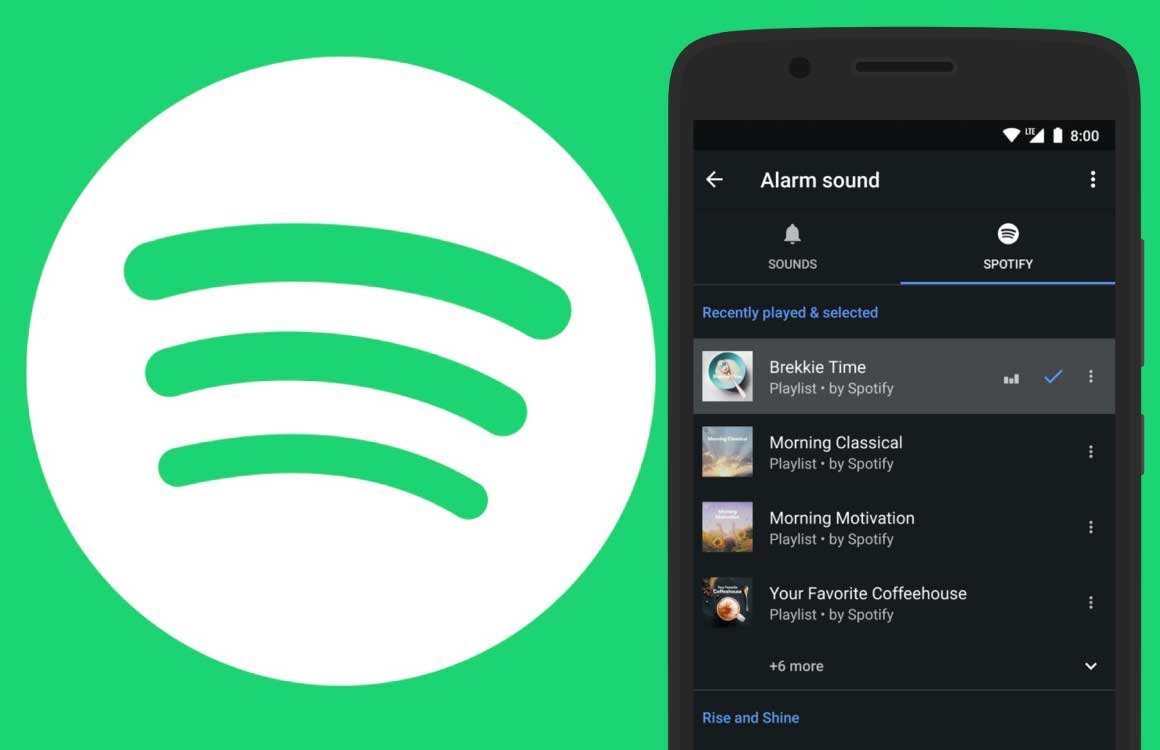
    Spotify is the leading music streaming service and the company is continuously trying to improve its platform. Today, it has rolled out a useful new feature to Android and iOS users around the world.

    The feature hasn’t been given an official name but it essentially upgrades in-app search with support for lyrics. Once enabled, Spotify users can search for a song by typing in some of the lyrics.

    That comes in handy when you don’t know the name of the song or artist. It should also reduce the dependence on third-party apps such as SoundHound and Shazam, the latter of which is owned by Apple.

    Speaking of the Tim Cook-led company, this new search feature finally puts Spotify on par with arch-rival Apple Music, which has supported the in-app lyric search for a couple of years now.

    The news comes less than a week after Spotify updated its Collaborative Playlists feature to make it easier to add friends and family members while also introducing user avatars in the playlist header and alongside each song of the episode.
  • Apple sues recycling firm seeking $22.7 million for theft of over 100,000 iPhones

    Apple sues recycling firm seeking $22.7 million for theft of over 100,000 iPhones

    Apple is back at its home away from home; in court, we mean. The tech giant is suing a Canadian recycling firm called Geep Canada alleging that the firm stole 100,000 Apple devices including iPhones, iPads, and Apple Watches. Apple has been using the firm since 2014 to strip down these devices and recycle them.

    The interesting thing is that Geep Canada doesn’t deny that the devices in question were stolen. But in a countersuit filed by the firm, it claims that three rogue employees were responsible for the thefts which reportedly occurred without the company’s knowledge. Apple says that the three so-called “rogue employees” are actually members of Geep Canada’s senior management.

    The filing that Apple submitted to the court says that between January 2015 and December 2017, the company shipped 531,966 iPhones, 25,673 iPads, and 19,277 Apple Watches to Geep Canada. When Apple visited the recycler’s warehouse to perform an audit, it discovered that some of its devices were being stored separately from devices from other companies. When Apple discovered that there were no security cameras monitoring that gear, the company decided to check the serial numbers of all of the devices it sent to Geep Canada. What it discovered was that 18% of the devices it had sent to Geep to be stripped for parts, a total of 103,845 phones, tablets, and watches, were active on networks belonging to wireless providers. Apple notes that the actual number of stolen devices is higher since the non-cellular iPad and Apple Watch models wouldn’t show up on the carriers’ lists.

    Apple’s lawsuit shows that “At least 11,766 pounds of Apple devices left Geep’s premises without being destroyed – a fact that Geep itself confirmed.” The manufacturer is seeking $22.7 million from Geep Canada. Since someone was able to sell the devices in question, you might wonder why Apple just didn’t decide to sell them itself. But the tech giant told The Verge that “Products sent for recycling are no longer adequate to sell to consumers and if they are rebuilt with counterfeit parts they could cause serious safety issues, including electrical or battery defects.” Selling these devices when they are no longer safe or good to use can not only harm consumers, doing so can also harm Apple’s reputation if these products can’t perform up to par. Apple filed the suit in January 2020 although the thefts were discovered in 2017-2018. Since Apple confronted Geep Canada, it has stopped working with the company.

    At the beginning of this year, we told you that Apple is looking to recycle all of the parts used on its devices and become a closed-loop manufacturer. Apple also relies on robots like Daisy that can strip and keep the parts of 200 iPhone units an hour. But not everyone believes that Apple is best served by recycling old products. Consider Kyle Wiens, the founder of device repair company iFixit. He would prefer that Apple repair older iPhones rather than strip them down and recycle the parts.

    Daisy the robot can disassemble an iPhone (think of it doing the opposite of what Foxconn’s assembly line does) using a blast of freezing cold air weighing in at -176 degrees Fahrenheit. Apple removes and keeps screws and modules and sends some parts to recycling firms tp extract the minerals. Cobalt is removed from the batteries inside these older devices and is used on new batteries. Once Daisy removes an iPhone’s display, sensors, screws, logic boards, and the wireless charging coil, all that is left is an aluminum chassis. The aluminum is reused on newer devices while the solder used to mount components on new devices is produced from 100% recycled tin.

  • Google Maps’ coolest new feature becomes more useful to Android and iOS users

    Google Maps’ coolest new feature becomes more useful to Android and iOS users

    Last year, Google Maps tested a beta version of what it calls AR Live Mode that uses augmented reality to layer the Maps UI over a real-time image from your phone’s front-facing camera. The result is the navigation for those-perhaps yourself-who enjoy getting around by walking around a city. The mode points out landmarks, how far they are from you, and how to get there. For example, if you’re walking through the Big Apple and happen to find yourself in Midtown Manhattan, you might see some information in AR Live Mode directing you to the Empire State Building.

    Google posted a blog today in which it says that the landmarks highlighted in Live View include well-known places, like local parks and tourist attractions. Besides the Empire State Building in New York, other noteworthy places include the Pantheon in Rome. 25 cities worldwide will soon have their Landmarks available to be viewed using Live View. Those cities include Amsterdam, Bangkok, Barcelona, Berlin, Budapest, Dubai, Florence, Istanbul, Kuala Lumpur, Kyoto, London, Los Angeles, Madrid, Milan, Munich, New York, Osaka, Paris, Prague, Rome, San Francisco, Sydney, Tokyo, and Vienna.

    Live View can be accessed by tapping on the button of the same name when looking up a place on Google Maps. It now can be used on the transit tab if part of your journey includes walking. Google points out that this is useful when you exit a transit station but don’t know which way to go once out of the station.

    Google also announced today that the Live View feature that previously was added to Location Sharing for Pixel users will soon be available to all Android and iOS users worldwide. Google explained this in today’s blog by noting that if a friend has chosen to share their location, you can tap on his icon and then on Live View to see where and how far away he is. Overlaid arrows and other directions make it easy to figure out how to get to where your friend is.

    Lastly, in Live View, using Machine Learning and Google’s understanding of the world’s topography, Google can more accurately place a destination pin. In the accompanying images, you can see how much closer Lombard Street in San Francisco appears when using Live View.

  • Apple set to add Vietnamese to Siri

    Apple set to add Vietnamese to Siri

    Apple has placed an advertisement for a Vietnamese language specialist for its virtual assistant Siri team.

    According to the LinkedIn job post, the person will be based at Ang Mo Kio in Singapore. The 15 key qualifications applicants require include reading, writing, and comprehension skills in both English and Vietnamese, understanding verbal nuances in Vietnamese, and having an understanding of the Asia-Pacific region and cultural variations where the language is spoken.

    Analysts said the company might be seeking to develop Siri in the Vietnamese market. It currently supports 37 languages, but not Vietnamese.

    According to MacRumors forum, an aggregator of Apple-related rumors and reports on the web, Apple is also looking for Ukrainian, Hungarian, Slovak, Czech, Croatian, Greek, Flemish, Romanian, Polish, and Indonesian language specialists.

    If successful, it is possible these languages will be added to Siri in the iOS 15 update. Apple has gone on a hiring spree in Vietnam since the beginning of this year including from senior roles like regional operations.

  • Apple supplier Pegatron to invest $1 bln in Vietnam

    Apple supplier Pegatron to invest $1 bln in Vietnam

    Pegatron, a supplier for Apple, Microsoft, and Sony, plans to invest $1 billion in an electronics manufacturing plant in northern Vietnam. The Taiwanese company will invest $19 million in the first phase at the Dinh Vu Industrial Zone in Hai Phong City to produce computing, communications, and consumer electronics, according to a recent report by the Ministry of Planning and Investment submitted to Prime Minister Nguyen Xuan Phuc.

    It has received licenses for this and is seeking licenses for the $481-million second phase.

    The two phases will create 22,500 direct jobs and contribute around VND100 billion ($4.3 million) annually to the government’s coffers.

    Pegatron would invest another $500 million in the plant in 2026-2027.

    It seeks to move its research and development center from China to Vietnam at a suitable time.

    The ministry said it is working with another Taiwanese company, Universal Global Technology, which produces smartphones and earbuds parts for Lenovo and Sony, to set up a manufacturing plant in Vietnam.

    The company, a subsidiary of semiconductor maker ASE Technology Holding, is considering investing $400 million in two phases.

    These are among major companies seeking to shift production facilities from China to Vietnam as they seek to diversify their supply chains following the huge disruptions caused by the Covid-19 pandemic and trade tensions between China and the U.S.

    Apple has begun making its wireless earbuds AirPods Pro in Vietnam, and its contract manufacturer Foxconn said in June that Vietnam was its largest manufacturing hub in Southeast Asia.

    Fifteen Japanese companies, most producers of medical equipment and electronic components, registered in July to move their production from China to Vietnam under a Japanese government-funded scheme.

  • Apple India opening online store early next week

    Apple India opening online store early next week

    Apple India will open its online store in India on September 23, representing the tech giant’s first formal step into direct retailing in the world’s second-most populous country.

    In a statement, the US company said the online Apple Store would offer a full product range and ship nationwide along with finance and a level of customer support similar to that offered in physical Apple stores elsewhere in the world.

    “We’re proud to be expanding in India and want to do all we can to support our customers and their communities,” said Deirdre O’Brien, Apple’s senior vice president of Retail + People. “We know our users are relying on technology to stay connected, engage in learning, and tap into their creativity, and by bringing the Apple Store online to India, we are offering our customers the very best of Apple at this important time.”

    Besides selling products, the store will offer customers technical support and training in using and setting up Apple products, in either English or Hindi.

    The company said all online orders will be shipped via a contactless delivery process to preserve the health of staff during the Covid-19 pandemic.

    While Apple has been selling products through retail partners and distributors in India for more than 20 years, it has long wanted to launch a direct-to-consumer presence there. Until recently it was hamstrung by foreign investment laws in the state which require a minimum proportion of locally sourced components in products sold in overseas-owned retail networks. The company has steadily increased its manufacturing in India and now claims to support almost 900,000 jobs nationwide.

    The company continues to plan the opening of its first physical store in the country, most likely in Mumbai, with CEO Tim Cook promising in February it would open next year.

    Apple has an App Design and Development Accelerator in Bengaluru which supports thousands of local developers.

  • Apple’s patent application could fix a major problem with Siri

    Apple’s patent application could fix a major problem with Siri

    Some Apple iPhone users find themselves struggling with Siri. Besides some of the usual things that we’ve brought up in the past, such as Siri’s inability to understand the questions we’ve asked her, or the incorrect answers that she comes up with (especially when they are related to an inquiry about Apple devices-a category that she should know about), Siri also has a habit of activating accidentally. Last year, we told you that these accidental activations were more likely to occur on the Apple Watch and the HomePod smart speaker.

    According to a new patent application that Apple filed with the U.S. Patent and Trademark Office, the company is working on technology that will keep accidental Siri activations to a minimum. The patent application, titled “Attention Aware Virtual Assistant Dismissal,” uses criteria to determine how interested you are in receiving a response from the digital assistant. To do this, Siri could use cameras to check your gaze when calling out for the digital assistant.

    For example, if you’re looking exactly at your iPhone when calling out for Siri, the iPhone will realize that you did indeed mean to activate the digital assistant by using the “Hey Siri” hotword. At the same time, it increases the odds that you did mean to say “Hey Siri” and not “Tom and Jerry,” or “Very Hairy.” Some claim that the sound of a zipper opening causes Siri to accidentally open, but we’re not sure that the technology expressed in the patent application can determine the motive of a zipper.

    Besides staring at the phone when activating Siri, the length of the stare also plays a part in determining whether an iPhone user really wants help from Siri. For example, let’s say that you’re staring at your phone, execute the “Hey Siri” hotword, and then get distracted by someone before you give Siri a question or task to do. If the iPhone can determine that your intention was indeed to give your digital assistant a task, Siri could be told by the system not to deactivate so that you can give the assistant the task you want her to handle.

    Besides being annoying, accidental Siri activations can also negatively affect the battery running an iPhone. Siri will be more efficient if it deactivates when the user is not engaged with it, if it doesn’t deactivate while being used, or if a task has to be repeated because Siri was accidentally deactivated. Apple notes that by using Siri more quickly and efficiently, power usage is reduced and battery life is improved.

    Apple expressed this in the patent by saying, “Determining, based on data obtained using one or more sensors of the electronic device, whether one or more criteria representing expressed user disinterest are satisfied (and/or whether one or more criteria representing expressed user engagement are satisfied) allows determination of whether a user is engaged with a virtual assistant session. Knowing whether a user is engaged allows intelligent decision making about whether to deactivate the virtual assistant session.

    For example, if the user is not engaged, a device can deactivate the virtual assistant session to save battery and processing power. As another example, if the user is engaged, the device can forgo deactivating the virtual assistant session so the user can continue interacting with the virtual assistant session (and so the virtual assistant session does not deactivate while the user is still interacting with it). In this manner, the user-device interface is made more efficient which additionally, reduces power usage and improves the battery life of the device by enabling the user to use the device more quickly and efficiently.”

    Some will say that Siri has many more issues to work on. In iOS 14, Siri will take up much less of the screen when employed by a user and the assistant will be able to send voice messages. If the patent is approved, at least one annoying and inefficient tendency of Safari could be ended.

  • Google Maps returns to the Apple Watch

    Google Maps returns to the Apple Watch

    Back in 2017, Google Maps no longer worked with the Apple Watch. The reason why Google pulled it from the Apple Watch reportedly had something to do with the app’s limited capabilities on the watch compared to the iPhone app. At the time that Google made this announcement, it promised that Maps would return to the Apple Watch. And that apparently is what is happening. After a new update, Google Maps is once again available for Apple Watch wearers providing them with directions and the estimated time of arrival.

    Users cannot input a new destination directly on the watch and Google directs wearers to enter a location using the phone app and then moving to Apple Watch. Using Google Maps on Apple Watch will allow those walking, driving, taking public transportation, or riding a bicycle from point “A” to point “B” to receive step-by-step directions and show the Estimated Time of Arrival. The primary screen on the Apple Watch shows the user’s current trip with travel times to other destinations such as work and home. Icons show when a turn needs to be made and also identify the current mode of transportation being used. Haptics help users know when they need to make a turn and there is a complication on the Apple Watch that shows the Google Maps icon and opens the app.

    Live Google Maps are not available on the Apple Watch (although live Apple Maps are). Version 5.5.2 of Google Maps is available for the Apple Watch through the App Store.