Tag: apple

  • Apple waives interest for Apple Card users amid COVID-19 pandemic

    Apple waives interest for Apple Card users amid COVID-19 pandemic

    Other than the very obvious health concerns caused by COVID-19, the ongoing pandemic is also causing much economic trouble. Apple introduced a customer assistance program for Apple Card users to help offset financial concerns.

    Many Apple Card users on Reddit have reportedly received an email about the new customer assistance program. Under this program, cardholders can skip their March payments without any additional interest.

    Apple hasn’t explicitly stated any eligibility requirements, so it looks like all Apple Card holders are eligible. They can enroll in this program in at least two ways: firstly, Apple evidently provides a direct link in their email announcing the program, which can be used to enroll.

    The other method is just as simple, with cardholders able to enroll through text by iMessaging the Apple Card Support line the following text: “I would like to enroll in the Customer Assistance Program”. The support number can be found in Apple’s support page for the credit card.

    Clearly, Apple is taking the COVID-19 outbreak very seriously, closing all Apple Stores outside of China for the time being as well as regulating App Store entries related to the virus. This latest offer is a kind gesture to its customers during a difficult time.

  • Apple closing all stores worldwide outside China

    Apple closing all stores worldwide outside China

    Apple has closed all its stores outside of Greater China in response to the coronavirus outbreak.

    According to a company statement, all of Apple’s retail stores outside China will be closed until March 27 however, its online store and “Apple store” app remain open.

    Apple CEO Tim Cook said the company’s experiences while trading in China earlier this year drove the decision.

    “One of those lessons is that the most effective way to minimize risk of the virus’s transmission is to reduce density and maximize social distance,” the company said in the statement.

    Apple said in all its offices outside Greater China, it is moving to a “flexible work arrangement”, which means team members will work remotely if their job allows. All hourly workers will continue to be paid “in alignment with business-as-usual operations”.

    Apple shut down all its stores in Mainland China in early February when the country was heavily affected by the outbreak. Recently, it has progressively reopened stores and all 42 outlets in Mainland China have now resumed normal business.

  • Patent applications reveal how Apple Glasses will charge

    Patent applications reveal how Apple Glasses will charge

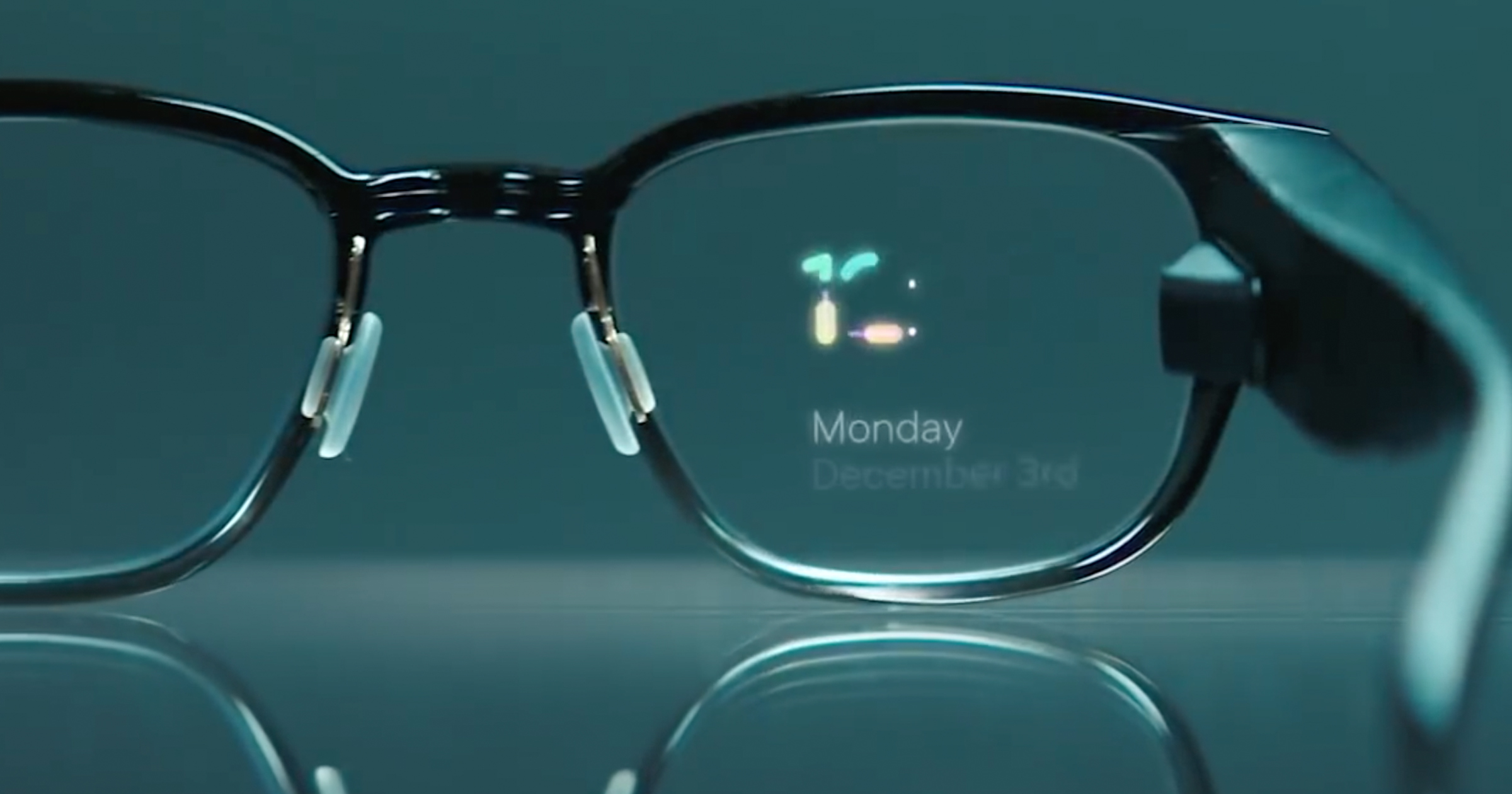
    A new series of patent applications filed by Apple with the U.S. Patent and Trademark Office (USPTO) reveals some of the features that Apple might include with its upcoming AR or mixed reality (augmented and virtual reality) headset. While some analysts had called for this device to launch as soon as this year, it is more likely that the device will see the light of day in 2022 or 2023.

    The first of the patent applications published today is simply called “Display System.” The patent envisions the use of coils placed inside the headband of the Glasses that go around the back of the wearer’s head. A power storage device would be placed near the display and between uses, the headset would be placed in a dock that aligns with the coils to wirelessly charge the device. The headset band could use magnets to help align the coils with the charger. Another possibility is the use of a stand that the headset could hang on. The part of the Apple Glasses that contains the coils connects with the part of the stand that allows the inductive charging to take place.

    Since different people have different face shapes and sizes, Apple applied for another Apple Glasses related patent. Titled “Electronic Device with Adjustable Support Structures,” this reveals an adjustable structure that rests against a user’s forehead with second and third portions that rest against the user’s cheeks or temples. The adjustable structures can use telescopic layers of material, inflatable structures, posts with adjustable lengths, or elastic material that expands or retracts depending on the shape and size of the wearer’s face. A cable system could be used so that if the user adjusts the device to better fit his forehead, the cable tightens around both temples.

    Another patent application titled “Electronic Device With A Display Attached to a Lens Element” suggests that Apple could attach lens elements to the headset’s display by using a layer of optically clear adhesive or the lens element may be formed from gel that directly contacts the display. Attaching the lens directly to the display could help prevent dust and dirt from blurring images. Most VR headsets include lenses that can be found between the user’s eye and the display. The patent would help Apple align these lenses with the headset’s display. “Ultimate Sensor” is another patent application filed by Apple that discusses a system that transmits pulses and measures any echo coming from that pulse. If a sensor on the headset detects the presence of an object, a second pulse is sent out to help identify it. The technology could be used in combination with a camera to show the headset wearer a view of the real-world to prevent accidents.

    Apple has kept mum about its Apple Glasses although it is known that CEO Tim Cook loves AR. He has said in the past that “I regard it (AR) as a big idea like the smartphone. The smartphone is for everyone, we don’t have to think the iPhone is about a certain demographic, or country or vertical market: it’s for everyone. I think AR is that big, it’s huge. I get excited because of the things that could be done that could improve a lot of lives. And be entertaining.”

    Last September, hidden code discovered in iOS 13 revealed that Apple’s upcoming headset has a code name of T288 and is known as “Garta.” It reportedly will use the “reality Operating System (rOS)” and an app called “”STARTester” will recreate on an iPhone display exactly what the Apple Glasses wearer is seeing on his headset. A 5nm chip long has been rumored to be used on Apple Glasses and the very first chip that meets this standard will soon roll off of TSMC’s assembly line.

  • Apple cuts seating for customers in half in US retail stores to battle coronavirus spread

    Apple cuts seating for customers in half in US retail stores to battle coronavirus spread

    After the first COVID-19 positive test of an Apple employee in Cork, Ireland, yesterday, the company is implementing extra measures in US retail stores in order to battle the spread of the virus. Last week, Apple employees were encouraged to stay at home if possible, and two days ago, Apple gave the green light for unlimited sick leave to any worker with coronavirus-like symptoms. Extra sanitization units are in place, and demo devices are disinfected more frequently.

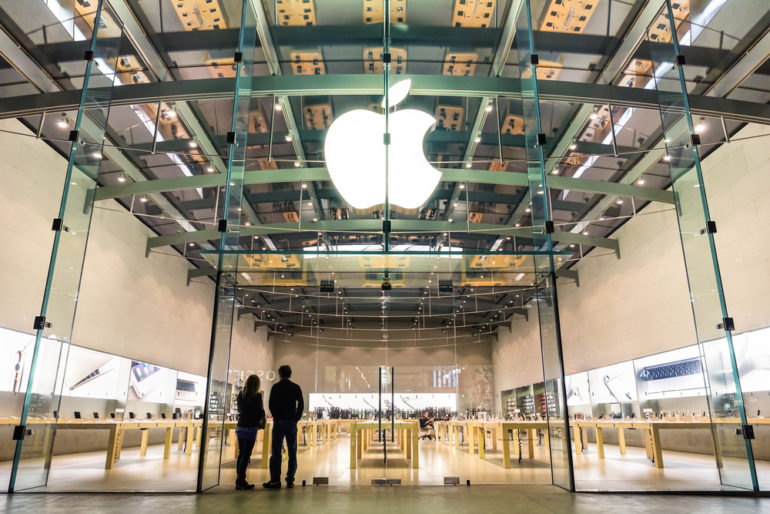
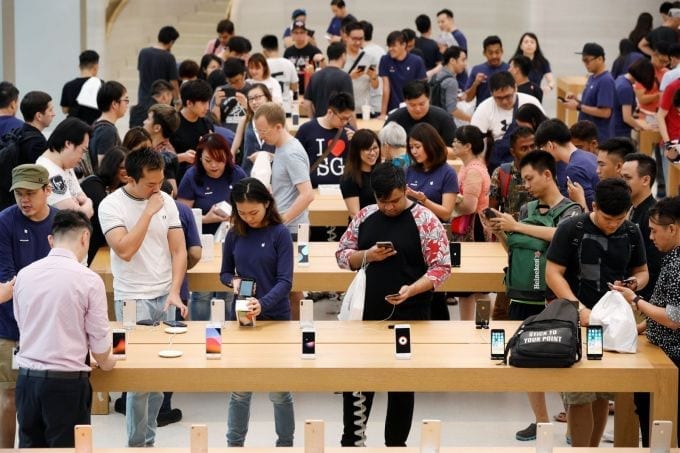
    You won’t be able to loiter much in Apple retail stores now, as new measures include cutting seating places for customers by half. The company also advised its employees to keep a distance of at least one meter (3 feet) from each other as well as from clients. As of now, there’s no information on working hours of US Apple stores being reduced, but the situation is evolving constantly.

    Apple closed temporarily all 49 stores in China and reopened 29 of them with additional crowd-control measures like temperature checks for the customers and reduced working hours. Some of the company’s stores in Italy have also been closed for the weekends after a government order from the President of the Council of Ministers of the country.

    There are a total of 1,050 confirmed cases of coronavirus in the US at the moment with 29 deaths. If the situation deteriorates, Apple could start bringing some of the more drastic measures to its local stores – including limiting working hours and more thorough customer checks.

  • Apple might soon let you unsend iMessages

    Apple might soon let you unsend iMessages

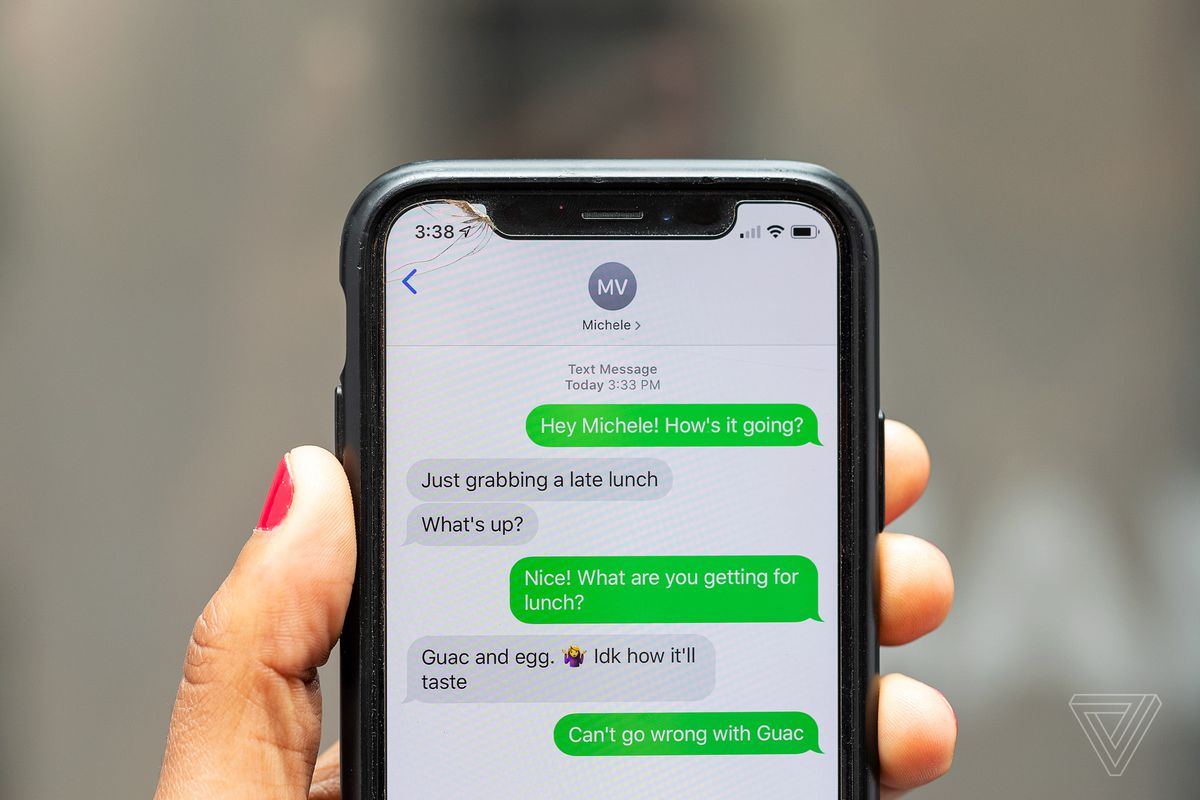
    According to rumors, Apple is testing a bunch of useful iMessage features that could potentially make it to iOS 14. One of those will reportedly let you retract already sent messages, with some fine print visible to both the sender and the recipient indicating that a message has been retracted from the conversation thread.

    How is that different from simply deleting a message you’ve sent over iMessage? Simple – that one deletes it just for you and for none of the recipients. Retracting, however, essentially allows you to “unsend” the message, deleting it from both your and the recipient’s respective chat threads. A godsend feature that could potentially save you from for those times when your brain tricks you into sending gibberish or… the most embarrassing of situations. Oops!

    Another new iMessage that’s allegedly in the testing face will let you tag or mention specific contacts in a Slack-like manner by using the @ sign. Upon typing that one with your keyboard, your iPhone will suggest a list of contacts for you to choose from and mention. The tagged individual will reportedly be alerted even if they disabled alerts for the specific chat thread, which more often than not applies to group conversations.

    But that’s not all: it seems iMessage could score even more features. In particular, a “/me” command is reportedly being tested. It would allow you to share custom status updates inside the chat thread, which is similar to what Skype and Slack allow you to do. There would also be typing indicators for group chats, which is becoming a common trope of most messaging clients, especially ones with desktop clients. You will seemingly be able to mark the last message in a conversation as “unread” even after opening it.

    All of these point out that Apple is very likely preparing to improve the Messages app with a slew of features that will make it a direct competitor to Slack and Skype, two predominantly work-oriented messaging services. Most of these will most likely make it to the Mac version of Messages as well, allowing Apple to take on Slack and Skype on the desktop as well.

    When will these features be released, if at all? Supposedly, at the next WWDC developer summit, provided that it doesn’t get canceled due to the coronavirus outbreak that’s sweeping around. And that one could be the least of Apple’s problems right now.

    However, evidence of cross-platform support is still nowhere to be seen, but let’s be honest – it might never happen.

  • Uncertainty looms over WWDC 2020 as Santa Clara bans mass gatherings

    Uncertainty looms over WWDC 2020 as Santa Clara bans mass gatherings

    Apple might suffer yet another blow after the Public Health Department in Santa Clara issued a ban on mass gatherings in the County for at least three weeks, effective March 9. The culprit is again the coronavirus, with 43 confirmed cases in the area until now and one death, leading to the ban.

    WWDC is one of the biggest events on Apple’s calendar, gathering thousands of developers in San Jose, California, every June. The company announces the exact dates of the event in late April but with the ban in place, we might have to wait a bit longer. It’s worth noting, that in the worst-case scenario of the event being canceled, the expected announcements of iOS 14, iPadOS 14, macOS 10.16, watchOS 7 and tvOS 14 will probably happen in one form or another.

    The COVID-19 outbreak has already lead  the cancelation of many international events and forced companies to opt for online product announcements in order to avoid the spread of the disease and protect their employees. The 2020 Mobile World Congress in Barcelona was among the first victims: after major companies withdrew from the event, the GSMA canceled the conference altogether. Facebook, Microsoft, and Google have scrubbed the live parts of their conferences as well, choosing to live-stream the important stuff instead.

    In the past few years, Apple has transformed the WWDC event from one happening almost behind closed doors to a full-blown live conference with one-on-one sessions between developers and engineers, with key announcements streamed live on the internet. The Santa Clara ban explicitly forbids any gathering of 1000 or more people, which limits Apple’s options concerning the WWDC organization. The company remains silent on the matter, and it’s still not clear if the event will take place at all.

    Apple has some space left for maneuvering and can use Apple Park’s studios to live stream the session part of the event, while the keynote might still be held live at the Steve Jobs Theater if the proper health checks are in place for all the attendees. The Lab sessions will be a hard gig to replicate, with online Q&A sessions maybe the next best thing. Apple is already suffering financial losses from the coronavirus outbreak after 42 retail stores in China closed doors, contributing to a serious plunge in iPhone sales in the country.

  • Apple promised first Apple India store next year

    Apple promised first Apple India store next year

    Apple CEO Tim Cook says the first Apple India store is on track to open next year.

    Cook made the announcement in response to a question at the firm’s annual shareholder meeting. The company’s plans for the region have been anticipated for some time, following the relaxation of government regulations affecting foreign retailers, easing the requirements of local sourcing and scrapping a law making it mandatory for brands to open physical stores before launching online.

    Apple has already taken steps to manufacture products in India, partnering with Taiwanese company Wistron to make the iPhone 6S and 7 models there.

    In May last year, the company said it was shortlisting sites for the first Apple India store in the commercial hub of Mumbai.

    “India is a very important market in the long term,” said Apple CEO Tim Cook in a statement earlier last year. “It’s a challenging market in the short term, but we’re learning a lot. We plan on going in there with sort of all of our might.”

    Rushabh Doshi, an analyst at global research firm Canalys said last year that having its own flagship stores might be just what Apple needs to reinforce its premium image.

    “A store just before the next launch will be the perfect timing for Apple to restart its Indian growth story.”

  • Apple Thailand store set to open

    Apple Thailand store set to open

    Photos have been leaked on Twitter, offering a preview of Apple Thailand’s second store

    Located in front of Central World, the construction space was recently revealed after being boarded up and closed off to the public for more than a year.  The store’s glass walls are temporarily covered.

    The architectural plans of the second store were also leaked, featuring the interior layout.

    On the ground floors, tables are set up in a circle while shelves are placed along the walls.

    A winding staircase is located at the center, leading to the second floor where a big screen is installed for the Forum area.

    Apple Thailand’s first store was opened last November at the IconSiam shopping center in Bangkok.

  • Apple China reopens stores slowly

    Apple China reopens stores slowly

    Apple China has reopened 10 more stores in China, as the business begins to return to normal despite the ongoing coronavirus outbreak.

    The 10 reopened outlets, which are located in Shanghai, Chengdu, Dalian, Guangzhou and Qingdao Vientiane City, will operate with limited business hours, according to stores’ websites.

    It is not yet clear whether or not the 10 Apple China stores will apply the same measures to prevent coronavirus transmission as five stores in Beijing which reopened last week with protection, including temperature checks of customers upon entry

    Meanwhile, Apple warned of global iPhone supply shortages earlier this week, and said it would be unlikely to meet quarterly revenue targets while its Chinese factories remained shut.

    “Work is starting to resume around the country, but we are experiencing a slower return to normal conditions than we had anticipated,” the company said in a statement. “As a result, we do not expect to meet the revenue guidance we provided for the March quarter.”

    Although the iPhone manufacturing partners outside Hubei have resumed production, “they are ramping up more slowly than we had anticipated”.

    Meanwhile, archrival – Samsung – has launched its latest smartphone in Vietnam, saying its factories in the country are running at full capacity during the coronavirus epidemic.

    Nguyen Tri Thong, corporate marketing director at local smartphone unit Samsung Vina Electronics, told the Nikkei Asian Review that Samsung’s new products have been available for delivery as the company has a clear production schedule.

    “The outbreak of the coronavirus did create challenges to many businesses globally. However, we have been mobilizing our backup plans in order to maintain our position,” Thong said. “We don’t see any serious issues in our supply chain at the moment,” he said without giving further details.

  • Apple’s chip supplier sees strong demand for 5G phones

    Apple’s chip supplier sees strong demand for 5G phones

    Despite the current coronavirus pandemic, trade wars, and uncertain economic times ahead, the world’s largest independent foundry sees strong growth in the near future. Taiwan Semiconductor Manufacturing Company (TSMC) is sinking billions more into its chip manufacturing business. Last week, the firm’s board of directors announced that it was going to budget $6.74 billion to build more fabrication facilities and increase its production capacity.
    Last month, the company said that it planned on spending between $14 billion and $15 billion for capital expenditures this year up from the $10 billion-$11 billion it spent last year. The 2020 spending includes $2.5 billion for its 5nm process chips and $1.5 billion for its 7nm chips. Let’s back up a bit. What TSMC does is manufacture chips for companies that design their own components but don’t have the facilities to actually produce them. That includes some of your giant tech companies like Apple, Qualcomm, Huawei, and others. Last week, TSMC said that the coronavirus has not led to any reduction in orders from its customers.
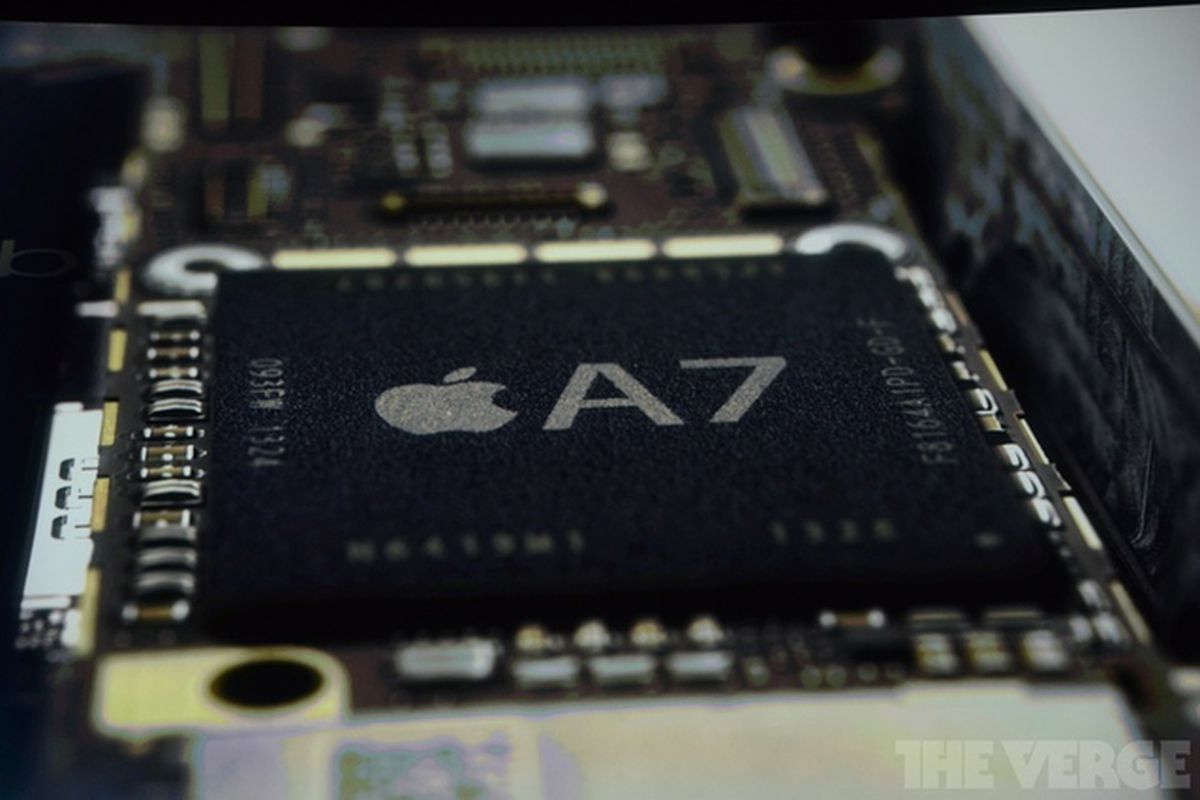
    The process node refers to the number of transistors that can fit into a dense area like the inside of an integrated circuit. The lower the number, the larger the number of transistors inside a chip. That is important because as more transistors are placed inside an IC, the more powerful and energy-efficient it is. For example, Apple’s current A13 Bionic SoC containing 8.5 billion transistors is manufactured using TSMC’s enhanced 7nm process.
    Starting in the middle of this year, the company will begin producing 5nm chips and the Apple A14 Bionic will reportedly be packed with 15 billion transistors making it more powerful and energy-efficient than the A13 Bionic. This means that Apple could have a huge performance lead over most Android phones when it releases the 2020 iPhone models later this year. That’s because the Qualcomm Snapdragon 865 Mobile Platform, the chip that will power most flagship Android phones in 2020, is manufactured by TSMC using its 7nm process node. The only Android phones that could match the 2020 iPhone’s performance this year could be the Huawei Mate 40 line. That’s because Huawei’s 5nm flagship chipset is due to roll off of TSMC’s assembly line later this year.
    Speaking of the A13 Bionic, Apple recently said to increase the production of the chip due to higher than expected demand for the iPhone 11 series. Additionally, the upcoming iPhone 9, due to be introduced next month, will employ the A13 Bionic chip. Reliable TF International analyst Ming-Chi Kuo believes that Apple could sell as many as 30 million iPhone 9 units this year and each one will be powered by the A13 Bionic chip. With a price rumored to start at $399 and up, the iPhone 9 will look just like the iPhone 8 but will sport the more powerful chip and include a 50% hike in memory from 2GB to 3GB of RAM.
    As for the A14 Bionic, TSMC sees strong demand for the new 5G iPhone models that will be powered by this SoC. The latest rumor has Apple releasing four iPhone models this year including the iPhone 12 (5.4-inch screen, dual cameras), iPhone 12 Plus (6.1-inch screen, dual cameras), iPhone 12 Pro (6.1-inch screen, triple cameras) and the iPhone 12 Pro Max (6.7-inch screen, triple cameras). All four will be equipped with the TSMC built Snapdragon X55 5G modem chip which supports both sub-6GHz and mmWave 5G spectrum. That means the new iPhones will be compatible with the 5G signals disseminated by all four major U.S. wireless carriers.
    Last year, the semiconductor industry had its worst year since the dot com collapse of 2001 with revenue declining 12% on an annual basis to $412 billion. But TSMC’s decision to throw billions into new production facilities indicates that at least one of the industry’s leading firms is confident that the business is turning around.
  • Indian Apple reseller Aptronix expands footprint

    Indian Apple reseller Aptronix expands footprint

    Indian Apple reseller Aptronix has launched six new stores in Tamil Nadu and Kerala.

    The firm has opened four locations in Chennai and one each in Coimbatore and Kochi.

    “With these six stores across Chennai,” said company founder Sutinder Singh, “Aptronix will be the largest partner of Apple in Chennai and India. As the largest premium reseller partner of Apple, we are committed to our growth plans and are steadily expanding our path across cities.”

    “We provide easy access for our customers by catering to their diverse Apple product requirements,” said Aptronix director Meghna Singh.

    “Our premium centres will strengthen and boost retail and service networks across the country.”

  • Apple takes a shot in the dark with its latest iPhone ad

    Apple takes a shot in the dark with its latest iPhone ad

    Apple also developed Deep Fusion which is similar to the Pixel’s HDR+. When a photo is snapped on the iPhone, nine different exposures are created including four short exposures, four standard exposures, and one long exposure. Three standard shots are combined with one long-exposure to create a “synthetic long-exposure” which is then combined with the sharpest of the four short-exposure images.
    Once that occurs, it takes just one second for the neural engine on the A13 Bionic chipset to select the best pixels to use from four different processing steps. The result is a sharper photograph with less-noise. Deep Fusion is used with most telephoto shots and when using the primary wide camera in medium to low light environments. The iPhone 11 series represents Apple’s entry into computational photography which Google had a head start on with the Pixel line.
    Remember when iPhone users were called “wall huggers” by Samsung? A commercial produced for the Galaxy S5 back in 2014 took place at an airport where iPhone users were all sitting on “stained carpeting” charging the battery in their phones. The Galaxy S5 not only had a replaceable battery, but it also featured Ultra Power saving mode that turned off all non-essential features and turned the screen to grayscale. Those days are now long gone, especially with the new batteries that Apple included with the iPhone 11 models. Ironically, based on our tests, the Apple iPhone 11 Pro Max provides 56% longer battery life than the Galaxy Note 10+.
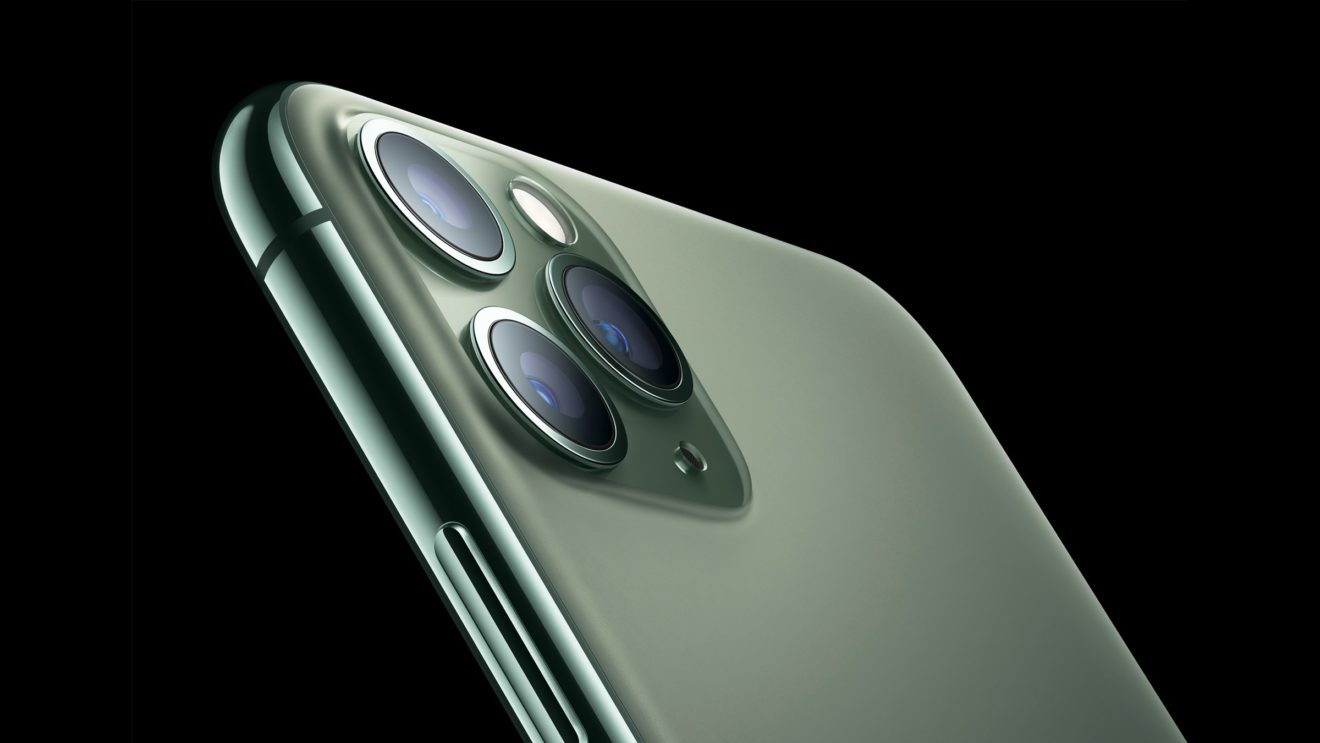
    And you might recall that a 2017 ad from Samsung for the Galaxy Note 8  chronicled how a lifelong iPhone user ended up switching to the Galaxy Note 8. It’s the old story: boy meets girl and starts a relationship with her. We assume that they were compatible in most areas although she always had a Samsung phone. In one scene from that ad, both of their phones end up falling off a dock and into the water. Her phone was fine because of the IP68 rating on the Galaxy S7; his iPhone ended up in a bowl of white rice because it didn’t have official water protection back then. But now, Apple has enhanced the water protection on the iPhone 11 models. The iPhone 11 can be submerged to a depth of 2 meters (6.5 feet) for as long as 30 minutes while the “Pro” models can be submerged to a depth of 4 meters (13.12 feet) for as long as 30 minutes. The Galaxy Note 10+ can be submerged to a depth of 5 feet for up to half an hour.
    The 2019 iPhone models are also protected from splashes caused by soda, beer, coffee, tea, and juice. Just rinse it off with tap water and dry. Keep in mind that Apple, like all other phone manufacturers, still will not cover water damage with the iPhone’s warranty. Apple does note that “Liquid damage is not covered under warranty, but you might have rights under consumer law.”
    You’ll probably see the new ad for Night Mode plastered all over your television set this coming week.
  • Apple and Levi’s closing China store

    Apple and Levi’s closing China store

    Apple and Levi’s joined the growing list of international retailers shuttering stores in Mainland China as the infection rate and death toll from the coronavirus continued to grow over the weekend.

    Elsewhere, in South Korea, duty-free stores have closed and throughout Asia retailers have introduced policies for dealing with the virus aimed at protecting staff and customers.

    Apple says all of its 42 stores in Mainland China will remain closed until February 9, although customers will be able to continue to buy products on its online store.

    “Out of an abundance of caution and based on the latest advice from leading health experts, we’re closing all our corporate offices, stores and contact centers in Mainland China through February 9,” Apple said in a statement sent to CNN Business. “We will continue to closely monitor the situation and we look forward to reopening our stores as soon as possible.”

    Levi’s, meanwhile, has closed about half of its stores in the market, although China accounts for just 3 percent of its global revenue compared with 15 percent for Apple.

    Apple and Levi’s are not the only chains to have announced large-scale store closes on the mainland. Starbucks has closed more than 2000, KFC, Pizza Hut and Haidilao Hot Pot have closed stores in the worst-affected Hubei province and Ikea has closed all of its stores there.

    Shilla’s shutdown

    In Seoul, The Shilla Duty-Free closed its giant downtown store adjacent to its five-star hotel after it was confirmed a Chinese national infected with coronavirus visited the store twice in January.

    The company said it has already been rolling out disinfection operations to prevent possible contamination.

    Rival operator Lotte Duty-Free closed its Jeju Island store late Sunday after it was confirmed an infected person shopped there last month.

    “We just started banning new customers entering the shop and asking the customers to leave the outlet,” a company official told a local news outlet.

    “We will announce the date of the reopening after discussing the matter with health authorities and the Jeju provincial government officials.”

    E-Mart also closed one of its stores in Bucheon, near Seoul, after a similar confirmation of a visit by an infected patient.

    Hong Kong supermarkets see spike

    A spokesperson for Hong Kong-headquartered Dairy Farm International told Inside Retail Asia that, like other supermarket chains, its stores have experienced a spike in demand for fresh produce, along with household cleaning and hygiene products, as a result of the coronavirus.

    “In areas of high demand, we are working around the clock to restock as quickly as we can and will continue to do our best to serve the people of Hong Kong through our stores and online,” said the company, which operates the Wellcome grocery-store network.

    All of Dairy Farm’s stores in Hong Kong, including Ikeas, are operating as normal, however, the company has reinforced its sanitization and hygiene protocols.

    “In this challenging environment we remain focused on taking care of our customers and our team members, who we’ve offered flexible working arrangements to, where appropriate,” the spokesperson said.
  • Apple launches redesigned Maps app for users in the US

    Apple launches redesigned Maps app for users in the US

    Apple has just announced that Maps users in the United States now have access to a redesigned app that integrates a lot of social elements, but also important under-the-hood improvements. Apple’s new Maps app is faster and more accurate thanks to the many new features introduced by iOS 13 not long ago.

    In an attempt to compete with Google Maps, Apple’s own navigation app promises to offer extensive views of roads, buildings, parks, airports, and malls. Also, Maps now includes support for popular apps like Photos, Messages, Calendar, Weather and more.

    An important addition to the app is the new interactive street-level imagery with high-res, 3D photography that you can see above. This feature lets people from anywhere in the world virtually visit many US cities, including New York City, San Francisco, Los Angeles, Las Vegas, and Houston.

    As far as the social aspect goes, Maps now includes a new feature called Collections where users can share lists of their favorite restaurants, as well as places and locations they wish to visit. Furthermore, Maps lets commuters or users who frequently visit a certain location to add it to Favorites so that they bring it up on the screen with just one tap.

    It’s also worth noting that the app now includes indoor maps for airports and malls, along with an option to send an ETA to family or friends. More importantly, Apple Maps offers real-time information about transit schedules, live departure times, arrival times and so on. For the time being, real-time transit is not available in all US cities, but it’s up and running in San Franciso Bay Area, Washington D.C., New York, Los Angeles, and Miami.

    Apple says it will continue to improve Maps and that the newly redesigned app will be rolled out to customers in Europe in the coming months, so expect more news about it very soon.

  • Apple signs multiple year supply agreements with a major chipmaker

    Apple signs multiple year supply agreements with a major chipmaker

    A filing made by Broadcom with the SEC revealed that Apple has signed two multi-year deals with chipmaker Broadcom that are separate from current agreements with the latter that supply Apple with radio frequency components and modules. Altogether, Apple’s business could generate $15 billion in revenue for Broadcom. In December, Broadcom said that business from Apple represented 25% of its gross in 2018 and 20% last year. In 2019, Apple and Broadcom settled a patent suit which led the two firms to sign a 2019 “statement of work” (SOW) and the just-announced 2020 SOW.
    According to the SEC filing, the parts being purchased by Apple will be used in new products over a three and a half year period. While the SEC 8-K submission did not specify exactly which components Broadcom will supply to Apple, the chipmaker’s Bluetooth and Wi-Fi chips and its Avago branded RF front-end chip are all found inside Apple’s iPhone 11 series.
    With Apple looking to launch 5G enabled iPhone models later this year, it is quite possible that the deals with Broadcom may supply it with 5G components. One analyst, Patrick Moorhead from Moor Insights, says that it is also possible that the deals announced today are for parts related to 4G LTE connectivity. Broadcom is one of Apple’s largest American parts suppliers with J.P. Morgan computing in 2018 that each iPhone contained $10 worth of Broadcom components.
    Broadcom investors fell over each other throwing money at the stock today. During the regular trading session, the shares rose $6.77 or 2.16% to close at $319.65. In after-hours trading, after the news broke, Broadcom soared another $8.33 or 2.61% to
    You might recall that in November 2017, Broadcom offered to buy chipmaker Qualcomm; among other things, the firm designs the Snapdragon line of wireless chipsets and wireless modems. The merger proposal was rejected by Qualcomm and Broadcom then rose the price it was willing to pay for the San Diego based company. But Qualcomm said it still wouldn’t be interested unless the price was hiked to $160 billion.
    Eventually, President Donald Trump put the kibosh on the takeover talk by claiming that a Broadcom acquisition of Qualcomm would put national security at risk. Trump signed an executive order immediately blocking the merger from moving forward. This came about after a March 2018 letter from the U.S. Treasury’s Committee on Foreign Investment in the United States (CFIUS) was sent to two Broadcom lawyers. The letter pointed out that since Broadcom was headquartered in a foreign country, Qualcomm’s assets could be exploited by “third party foreign entities.”
    Looking to keep the deal alive, Broadcom moved up its previous plans to establish itself as a U.S. company registered in Delaware. But before this could ever happen, Trump put the blocked the deal. At the time, an official statement from the president read, “There is credible evidence that leads me to believe that Broadcom Limited, a limited company organized under the laws of Singapore (Broadcom)…through exercising control of Qualcomm Incorporated (Qualcomm), a Delaware corporation, might take action that threatens to impair the national security of the United States.”
    As with many things wireless these days, the scare over national security revolves around the next generation of wireless connectivity, 5G. Qualcomm’s 5G modem chips will be found in the vast majority of 5G handsets in the states and the Trump administration was concerned, like it is with Huawei, about a foreign country gaining access to private information from U.S. citizens and corporations.
    While the president prevented Broadcom from purchasing Qualcomm, it is interesting that nothing is done to prevent Apple from using the company’s components for its 5G phones.