Tag: apple

  • Three of the biggest smartphone manufacturers unite to bring an AirDrop alternative to Android

    Three of the biggest smartphone manufacturers unite to bring an AirDrop alternative to Android

    Something people unfamiliar with iPhones are often surprised to learn is that iOS doesn’t have a “share via Bluetooth” option. Instead, Apple users rely on the company’s proprietary AirDrop feature to send files between each other but if an Android device gets involved, the options are email or an app.

    AirDrop uses a combination of Bluetooth and Wi-Fi to establish a fast and secure connection directly between two Apple devices which makes it very convenient. So far, there’s no such feature that works universally on all Android phones although some manufacturers have their own solutions. Well, that might change soon.

    Oppo, Vivo and Xiaomi announced in a press release that they’re forming the “Peer-to-Peer Transmission Alliance” in order to “provide users with an unparalleled file transfer experience.” The new file transfer system doesn’t have a name yet, but it will also use Bluetooth for pairing and WiFi P2P (peer-to-peer) for the data transfer.

    Despite relying on WiFi, the system won’t disconnect users from their WiFi networks and can be used simultaneously without interfering with other activities. The new system promises an average transfer speed of 20MB/s with maximum speeds potentially much higher depending on the devices involved.

    The three manufacturers are selling hundreds of millions of devices each year which will make a compelling case for other brands to join the alliance. Oppo owns the Realme and OnePlus brands, so we’ll likely see the new system on their new devices as well, while Xiaomi will surely add it to its Redmi phones. If Huawei and Samsung are convinced to join (less likely due to their large market shares) the system will encompass a very large percentage of Android devices and the remaining manufacturers will be smart to follow.

    Hopefully, what we’re seeing today is the laying of the foundation for an Android-wide file transfer system suitable for the needs of consumers today and in the future. The first smartphones with the new system will be available in February this year, according to the press release, with more to follow as the companies bring new phones to the market.

  • The first Snapdragon 865 benchmarks are out, here’s how it compares to Apple’s A13

    The first Snapdragon 865 benchmarks are out, here’s how it compares to Apple’s A13

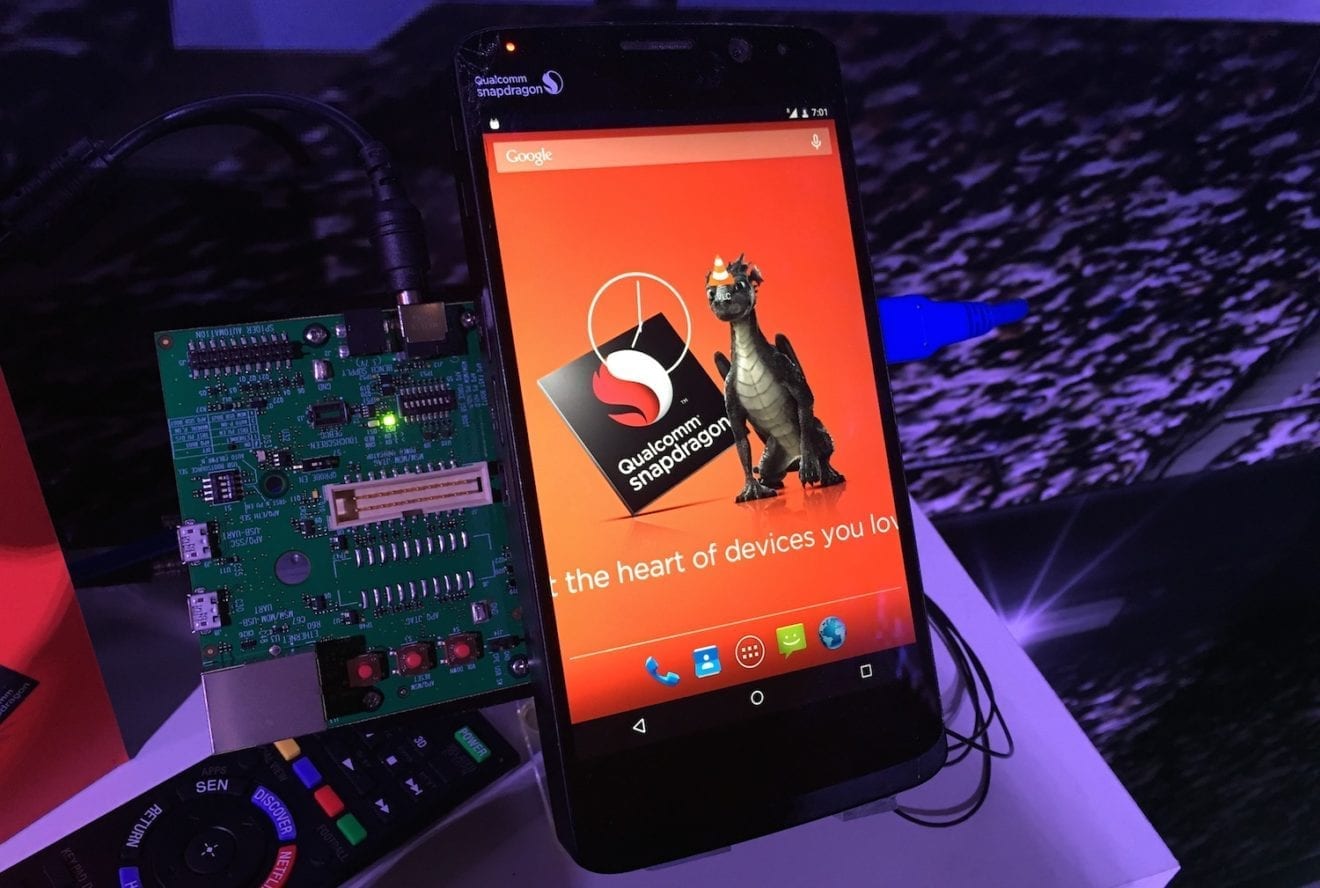
    Just two weeks ago, Qualcomm officially announced the Snapdragon 865 chipset, which is set to power most of next year’s premium Android handsets. While the 865 will bring widespread 5G support, improved battery efficiency, and more powerful AI processing, the first reported benchmarks give us a glimpse of how much of a raw speed boost the new Snapdragon will offer.

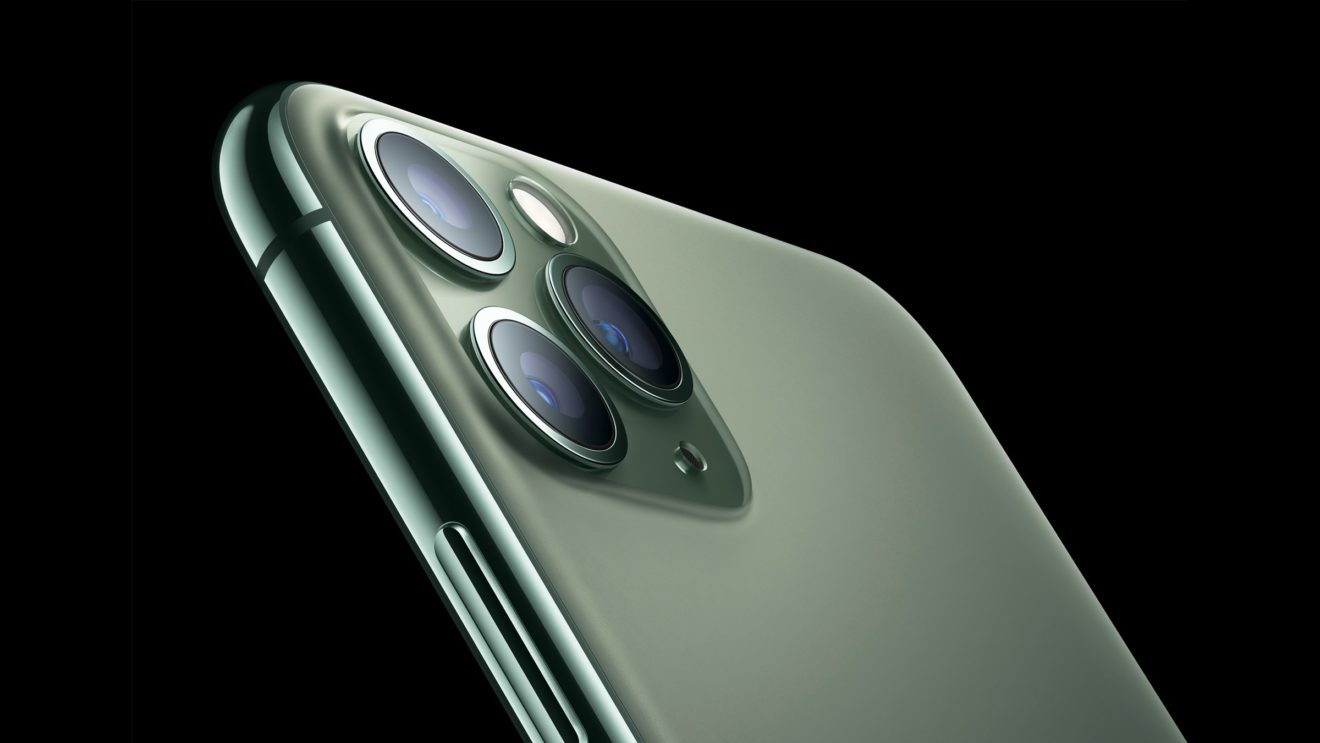
    The Qualcomm’s reference device for the Snapdragon 865 scores an impressive 3445 on the Geekbench 3 multi-core benchmark in performance mode, boasting neck-and-neck performance with the A13 Bionic-powered iPhone 11 Pro. On the other hand, the latest Snapdragon thus offers a significant boost over this year’s Snapdragon 855, which powers most current flagships and scores around 2500-3000.

    Of course, one other way the Snapdragon 865 offers a marked boost over this year’s chipsets is with its increased focus on AI, including support for a new neural core processor. In AImark, an artificial intelligence-based benchmark, the Qualcomm reference device scored a sky-high 108,650, completely blasting the iPhone 11 Pro’s 59,330 out of the water.

    What does this mean? Well, first things first- the Snapdragon 865 is not so game-changing that it somehow makes all current chips obsolete. With the exception of some niche tests, it performs roughly similar to its peers, like Apple’s A13 Bionic, Samsung’s Exynos 990, or Huawei’s Kirin 990. So in everyday usage, you might not notice that the Snapdragon is markedly faster than any other 2020 flagship.

    On the other hand, Apple’s house-made chipsets have historically always been at the top of the hill, and this is the first time a Snapdragon rival has come close to having it beat- let alone actually outperforming it in a major benchmark. That means iPhones and Androids are more neck-and-neck than ever before.

    But the Snapdragon 865 is next year’s chip, while the iPhone 11 is here already, you say? That’s true, but consider this- the Snapdragon 855 is already a year old, while the A13 was only announced three months ago. Apple’s A13 will power the latest iPhones for the majority of 2020, just as the Snapdragon 865 will do on the Android side of things.

    In any case, it’s important to appreciate that all flagships across manufacturers and operating systems are becoming more and more advanced- they’ll need all the extra oomph they can get to power 5G connectivity and all the extra consumption that’ll bring with it. In all honesty, we still can’t know for sure if the Snapdragon 865 is the be-all, end-all chipset of 2020, but we do know that it’ll give Apple a run for its money. The playing field is level now- let the games begin.

  • Apple Japan opens its first store in Kawasaki

    Apple Japan opens its first store in Kawasaki

    Apple Japan has opened its 10th store – in Kawasaki.

    The new single-story outlet in Lazona Kawasaki Plaza features the brand’s distinctive all-glass front as well as a large video wall, a forum, and avenue shelving.

    The venue will be used as a family learning hub via the store’s Today at Apple educational sessions, using products in store for educational purposes in AR, coding, photography and music-making, amongst others.

    The Kawasaki venue is differentiated from other more spectacular Apple Japan stores for being more community-focused.

  • Apple Card holders can buy an iPhone and make 24 monthly interest-free payments

    Apple Card holders can buy an iPhone and make 24 monthly interest-free payments

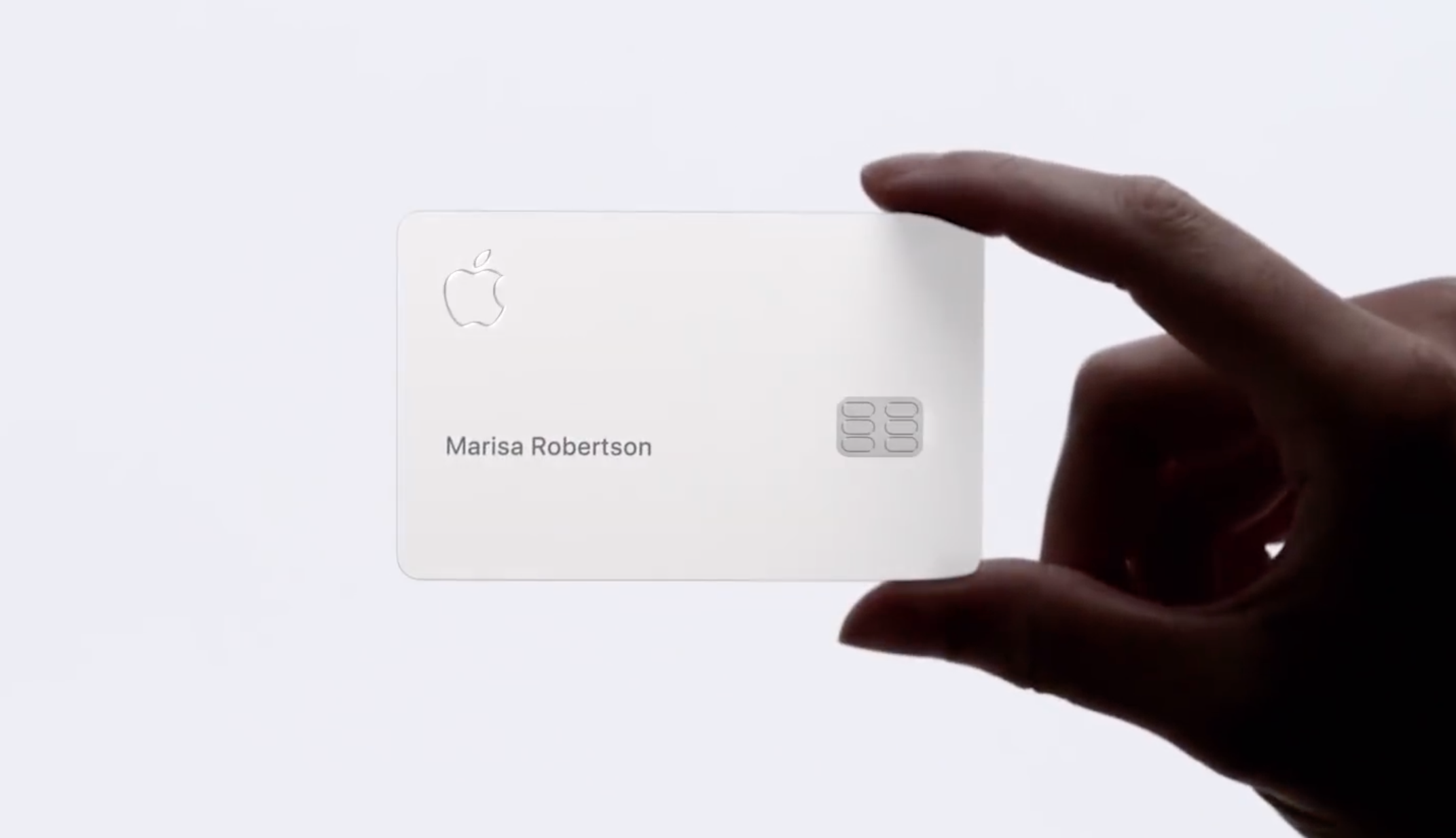
    Sure, Apple iPhone buyers can purchase an iPhone from their carrier and pay it off interest-free by making 24-monthly payments. Starting tomorrow, that option will be available to Apple Cardholders purchasing a new iPhone from the Apple Store. The monthly amount owed for the phone will be added to each month’s minimum amount due for 24 months. Cardholders using the Apple Card to make purchases at the Apple Store will receive a 6% cashback bonus until the end of this year. That is twice the usual 3% that they get back on Apple Store purchases made with the card.

    Apple CEO Tim Cook, after Apple reported its fiscal fourth-quarter results in October, announced that the company was going to allow Apple Cardholders to pay for iPhone purchases monthly. At the time, Cook said, “One of the things we are doing is trying to make it simpler and simpler for people to get on these sort of monthly financing kind of things. That’s a part of what we announced with the Apple Card earlier in the call and so we are cognizant that there are lots of users out there that want sort of a recurring payment like that.”

    The company does offer the iPhone Upgrade Program, which includes 24 interest-free monthly payments for an iPhone bundled with the AppleCare+ extended warranty. After 12 monthly payments, the iPhone being paid off can be exchanged for the latest model and the payments continue. For example, those signed up for the upgrade program are paying $54.08 monthly for the 64GB iPhone 11 Pro Max.
    Apple posted a message about installment payments inside the Wallet app on Monday that read “Installments are not subject to interest like other purchases made with Apple Card. If you pay more toward your installment balance, you may reduce the overall number of payments, but are still scheduled to pay your installment payment the following month.” The tech firm introduced the Apple Card in March and launched it in August. The card is the result of a partnership between Apple and securities firm Goldman Sachs. In addition to receiving 3% back on purchases of Apple products using the card (as we pointed out earlier, until the end of the year this is doubled to 6% for Apple Store purchases), users get a 1% cash back bonus on purchases while Apple Pay transactions give users back 2% of the amount charged. These cashback payments are computed and added to the user’s account daily. And there are no fees for Apple Cardholders; Apple does not collect late fees, annual fees, or over-the-limit fees.
    Apple iPhone users can apply for the card through the Wallet app or from the Apple Card site. And once they are approved, the card can be used immediately using Apple Pay and the Wallet app. While those approved can use the card immediately, a physical titanium card is subsequently mailed to the account holder. And while most credit card companies clap their hands together in glee and drool when customers pay the minimum amount due each month, Apple will show users how much interest they can expect to pay overtime based on the amount they are paying each month. This might give cardholders the incentive to pay down more of their balance each billing cycle.
    With the Wallet app, users can see their account as it stands right at that moment. And if a subscriber spots a charge that he or she doesn’t remember, tapping on it will show the location where the transaction took place on a map.
    So if you have an Apple Card, starting tomorrow, you can purchase a new iPhone from the Apple Store and make 24 monthly installment payments interest-free; there’s no additional application required to finance the purchase of an iPhone using the card.
  • Apple drops iOS 13.3, iPadOS 13.3, tvOS 13.3 and more

    Apple drops iOS 13.3, iPadOS 13.3, tvOS 13.3 and more

    Today is a day of operating system updates for Apple as the company dropped iOS 13.3, iPad OS 13.3, HomePod 13.3, tvOS 13.3 and watchOS 6.1.1. The update to iOS 13.3 for the iPhone and iPad OS 13.3 for, well, you know, adds Communication Limits support in Screen Time. The latter measures how long you use your phone or tablet, what apps you use the most, and allows parents to limit their children’s use of certain apps.

    With the new feature, users can decide who they can communicate with and when they can communicate with them during “Downtime.” This is a setting on Screen Time that when enabled, prevents the user from opening certain apps, receiving notifications and getting phone calls during certain time periods except for apps and callers that are selected as “Always Allowed.” By default, Downtime, when enabled, will run from 10 pm to 7 am local time. With the new Communication Limits, parents can prevent their kids from calling, texting or using FaceTime with anyone else but them after a certain time of day.

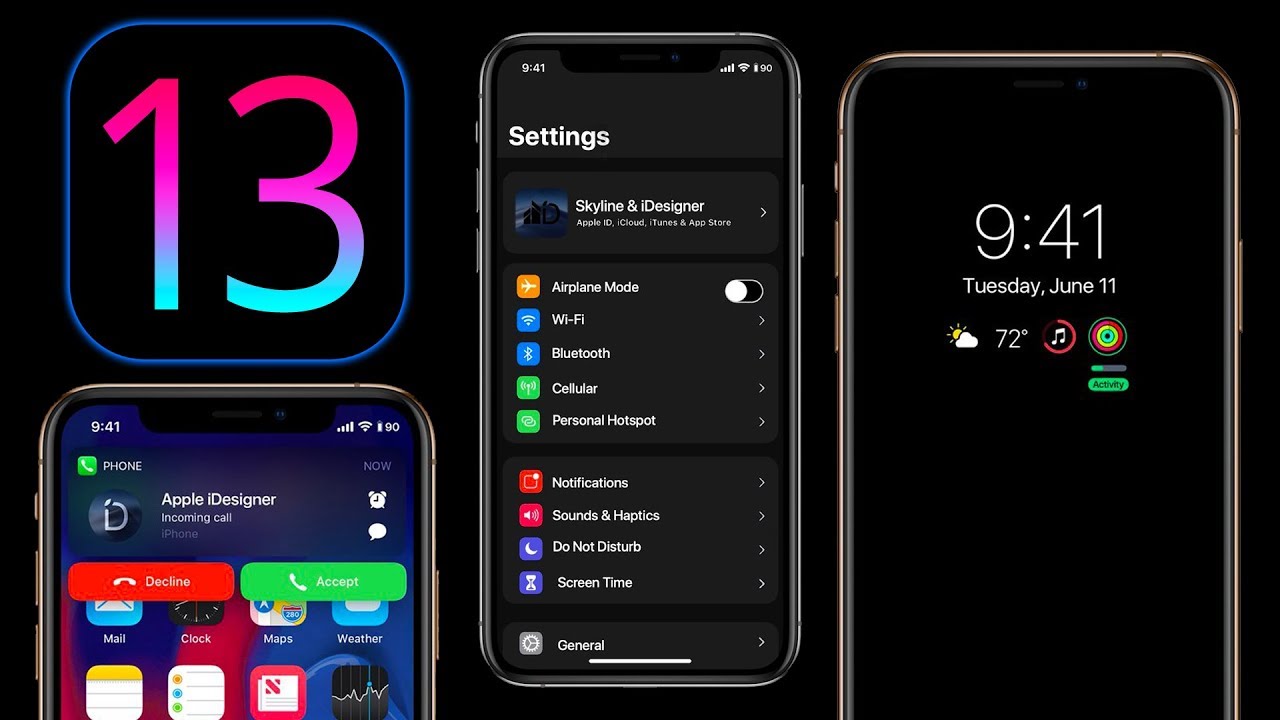
    With the update, Apple answered complaints from users about Memoji and Animoji stickers. The stickers were showing up alongside the emoji keyboard and users went into a conniption. But after installing iOS or iPad OS 13.3, users can disable this feature by going to Settings > General > Keyboard > Emoji.  In Apple News+, stories from The Wall Street Journal and other newspapers now have a new layout and stories can be liked or disliked with a tap. In Canada, articles in the Stocks app are now available in both English and French. Top stories can now have a “Breaking” or “Developing” label to users find the latest and most important content.

    Several bug fixes and improvements are part of the new update. When trimming a video in Photos, users will be able to create a new video clip. Bugs have been exterminated that prevented a message from being deleted in Gmail and prevented new messages from loading in Mail. With the update, screenshots shouldn’t look blurry any more when disseminated via Messages, and if you cropped or used Markup on a screenshot, it will save with the changes that were made. Missed call badges should now disappear, and Voice Memo recordings can now be shared with other audio apps. In addition, Apple says that the update addresses an issue that made some wireless chargers charge more slowly than expected. It also corrects an issue that had the Cellular Data setting incorrectly show as being “off,” and one that prevented users from turning off Dark Mode when Smart Invert was enabled. The update also takes care of an issue that caused incorrect characters to show up in Messages and duplicate sent messages in Exchange accounts.

    In tvOS 13.3, Apple gives users the option to bring back the “Up Next” queue in the Top Shelf app. Apple had changed this to show clips of previews and trailers called “What to Watch.” This is found in the Home Screen section and after updating to tvOS 13.3 users can go to Settings > Apps > TV to make the change. Apple is also disseminating watchOS 6.1.1 for Apple Watch users. There are no new features in the update, but it does contain some bug fixes and performance improvements.

    And HomePod OS 13.3 has also been released.  With the update, Apple’s smart speaker will do better at recognizing the voice profile of family members. It also will allow family members to enable or disable personal requests and fixes an issue that could prevent music playback from resuming on a stereo pair after a phone call.

  • Here’s how to watch Apple’s first Music Awards winner show live

    Here’s how to watch Apple’s first Music Awards winner show live

    After issuing a plethora of new hardware this year, starting from new iPads and finishing with the AirPods Pro, Apple is reserving a stage today entirely for its new adventures in content and media. Multimedia.

    It took on cable and Netflix with the upcoming Apple TV channels and TV+ subscription streamer. Game streaming and distribution platforms like Steam or Google’s upcoming Stadia will face the casual but formidable Arcade undertaking. News aggregators and standalone publishers now have another potentially huge platform to consider – News+.In one fell swoop, Apple wiggled its way right smack in the center of the news and entertainment industry, moving swiftly from a hardware to a content creation focal point. None of these newfangled Apple services can take on the established players on its own just yet, but Apple is catching up quickly.

    It just announced… its Music Awards today, “a celebration of the best and boldest musicians of 2019 and the enormous impact they have had on global culture this year.” According to Oliver Schusser, Apple’s vice president of Apple Music and International Content:

    The Apple Music Awards are designed to recognize the passion, energy and creativity of the world’s favorite artists,” said Oliver Schusser, Apple’s vice president of Apple Music and International Content. “The musically diverse group of inaugural winners have sparked deep social conversation, influenced culture and inspired our customers around the world. We couldn’t be more excited to celebrate them.

    Who won? Well, Billie Eilish is Artist of the Year, of course, and the “WHEN WE FALL ASLEEP, WHERE DO WE GO?” is Apple Music’s Album of the Year with over a billion streams. Billie, together with her brother Finneas, also got the Songwriter of the Year award from Apple.

    Lizzo is a Breakthrough Artist of the Year, while for Song of the Year Apple pegged the “Old Town Road” hit by Lil Nas X that became the most streamed song on Apple Music. The physical award itself? We are glad you asked about this raging minimalism, here it is:

    Each award features Apple’s custom silicon wafer suspended between a polished sheet of glass and a machined and anodized aluminum body. The wafers start as a perfect 12-inch disc of silicon with nanometer-level flatness. Copper layers are deposited and patterned by ultraviolet lithography to create connections between billions of transistors. The result of this multi-month process, before it is sliced into hundreds of individual chips, is stunning and distinctive. In a symbolic gesture, the same chips which power the devices that put the world’s music at your fingertips sit at the very heart of the Apple Music Awards.

    In addition, Apple will be streaming live its signature Music Awards event with a “bespoke performance from Billie Eilish at the Steve Jobs Theater at Apple Park.” We can’t wait to see the spectacle that Apple has made out of its first award show, and you can tune in on December 4 at at 6:30 p.m. Pacific | 3:30pm Eastern for the staged festivities.

  • New Apple Music subscribers receiving six months of service for free

    New Apple Music subscribers receiving six months of service for free

    Apple is trying to make Shazam, its rather new acquisition, more popular among audiophiles and music lovers in general. The Cupertino-based company now offers a six-month trial to all new Apple Music subscribers, but the redeeming procedure goes through the Shazam app.

    From now until Cyber Monday, if you’ve never been subscribed to Apple Music you’ll be getting six months of service for free. If you for some reason dropped your subscription, you’re still eligible for the deal, it’s just that you’ll receive three months of free Apple Music instead of six when you resubscribe.

    To redeem the Black Friday offer, you’ll need to download the Shazam app on your iOS device via the App Store. Then, simply open the Shazam app, head to Library and a pop up with the Limited Time offer should appear in the column of Recent Shazams.

    According to Apple, the Apple Music promo offer is available until December 2 only for iOS users in the following countries: Canada, USA, and the UK .

  • Apple patents technology for AR audio headphones

    Apple patents technology for AR audio headphones

    Imagine listening to a conference call on a headset and knowing the position of everyone in the room just by listening to the sound. Apple apparently is planning on developing AR audio headphones and has just received a patent covering related technology from the U.S. Patent and Trademark Office. Called Intelligent augmented audio conference calling using headphones, the patent mentions how augmented reality headsets take metadata generated from audio signals and “associates each of the audio signals with a spatial position in a virtual representation of the conference call.”

    As Apple explained in the patent documentation “Multiparty conference calls often have callers participating from different locations which may be all over the world. In situations without video feedback, it is especially difficult to identify a speaker. Often, when callers can’t be identified or heard, interaction during such conference calls may be awkward. Embodiments discussed herein aim to provide a more intuitive, clear teleconference experience.” If a conference call is made up of callers from different locations, a virtual room is created and a position in the room is assigned to each person as they join the call. If the listener on a conference call turns his head toward someone in the virtual conference room, the audio will adjust to match how it would have sounded had the listener really been in the room.

    In the patent, Apple mentions something it calls “the ‘Cocktail Party’ mechanism in the listener’s brain.” The company explains that this is “a key psychoacoustic process enabling an improved sound source segregation.” Apple continues by mentioning the advantages to the listener and says, “It is therefore advantageously possible to more easily identify individual talkers and to increase speech intelligibility, without the need for visual cues or the need for a caller to state a name before talking during the conference call. Furthermore, it is advantageously possible to provide a virtual audio environment that is more natural sounding as compared to conventional technologies.” The company believes that knowing who is speaking and where that person is in a room makes it easier to participate in such a call. It will also help the listener understand what is being said during an audio-only conference call. And even if a listener cannot recognize the voice of the person talking, he still can tell who it is based on the speaker’s position in the room.

    In one scenario mentioned in the patent documentation, Apple envisions that a caller being assigned to a position in a virtual conference room is placed in a group that could be made up of family members or based on the geographic location of the caller or even the strength of the caller’s signal. In a situation where there are two different and separate groups, one might be “placed” to the left of the listener while callers from the other group are “placed” to the right of the listener.

    It’s an intriguing technology that if commercialized, could help Apple sell a ton of AR headphones to corporations. And there might even be some use for the technology by consumers listening to podcasts, streaming radio (including audio-based news apps) and more. This technology could eventually be used with video games. Or, as Apple points out on all of its patents, the patented technology might never see the light of day. Not that Apple isn’t high on AR; it is. Earlier this month we told you that the company reportedly plans on offering a mixed reality headset in 2022 with the long-awaited AR glasses to appear the following year.

    The patent was originally filed back in June 2017 and was previously published last December before being awarded to Apple.

  • Apple Music gains new Replay feature

    Apple Music gains new Replay feature

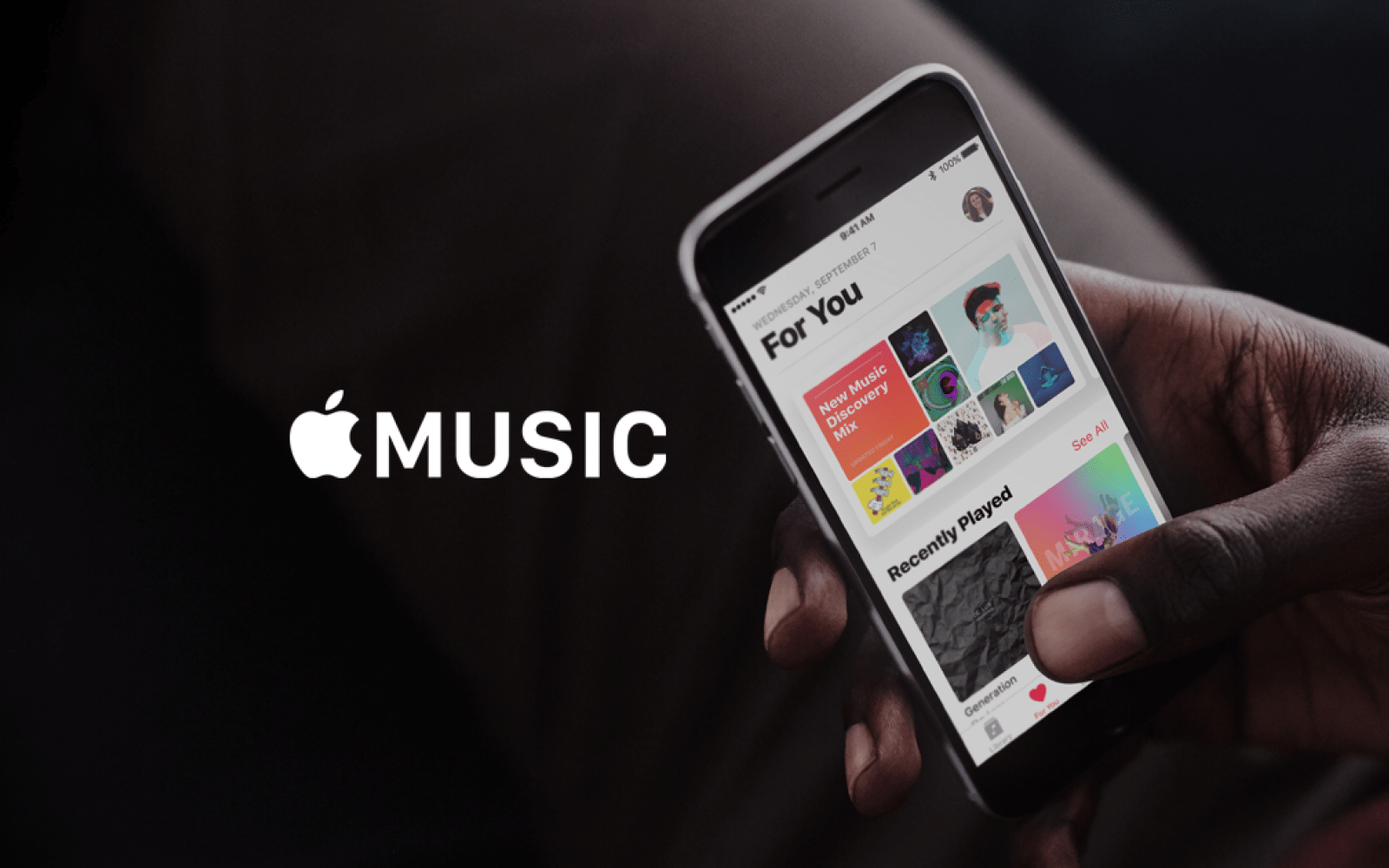
    Apple is bringing a new feature to its music streaming service in the hopes to bring Apple Music on par with Spotify and other similar services. The new feature is called Replay and lets Apple Music users check out their favorite music from 2019.

    Simply put, Apple Music subscribers will get a playlist of the most played songs from 2019, as well as playlists for every year they’ve been subscribed to the service, retroactively. All songs alongside playlists can be added to the Apple Music Library to allow users to stream them anytime they want.

    More importantly, Apple Music Replay can be shared with others or posted to social media. Unlike Spotify’s Wrapped feature that’s basically an annual retrospective. Apple Music Replay will continue to be updated throughout the year.

    According to Apple, the playlist and all data insights are updated on Sundays to reflect subscribers’ latest listening activity. Think of Apple Music Replay as a compilation of favorites, which changes throughout the year, not just at the end.

    The new feature is now available from the Apple Music app across all platforms, including via the web, so give it a spin until the beginning of the next year when it will become a blank slate waiting to be filled with your favorite music.

  • Two variations of Dark theme are reportedly being developed for the iOS version of WhatsApp

    Two variations of Dark theme are reportedly being developed for the iOS version of WhatsApp

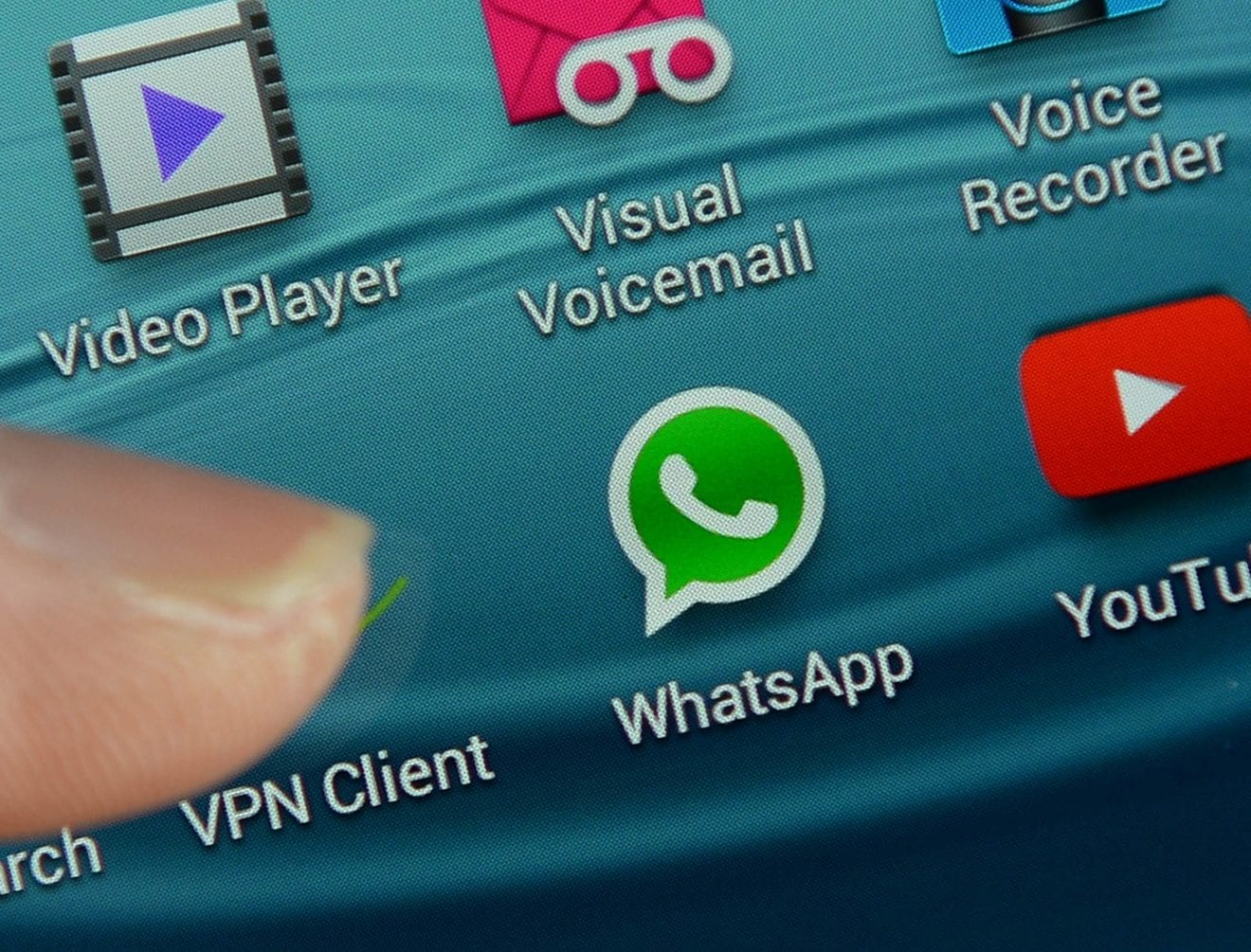
    Whether you’re using Android or iOS, Dark theme is all the rage these days. Both Android 10 and iOS 13 feature system-wide Dark theme settings and more and more apps are including such an option. Why? for a couple of reasons, really. At night, or in a darkened room, the usual white background (with black text) can strain the user’s eyes and annoy innocent bystanders. In Dark theme, the black or gray background with white text isn’t as offensive to one’s eyes.

    Besides saving your eyesight, there is another reason to toggle on Dark theme; for phones sporting an AMOLED display, using Dark theme can save some battery life. That’s because OLED panels create the color black by turning off all pixels in the appropriate area of the screen; pixels that are turned off do not draw energy from the battery. But keep in mind that to save battery life, the version of Dark theme used by an app must have a black background, not a dark gray one.

    Now you might recall that back in March, the beta version of WhatsApp for Android received a Dark theme feature, but only on the settings page. Because this configuration used a version of Dark theme with a gray background, those testing it did not score any additional battery life. And in fact, Android users with the public version of WhatsApp have yet to receive the feature at this point in time. As for iOS users who employ WhatsApp, they could end up with one of two different versions of Dark theme according to WABetaInfo.com. For those of you unfamiliar with WhatsApp, it is one of the most popular messaging apps in the world and is owned by Facebook.

    It seems that when Apple released the system-wide Dark theme for iOS 13, WhatsApp’s developers went back to the drawing board and came up with a new version of Dark theme from scratch. WABetaInfo.com says that two different configurations are being developed. One uses a dark black background while the second configuration uses a lighter gray. The first variant would seem to offer the best battery life savings. Both versions have the same configuration for Dark bubbles.

    While it isn’t clear which one will be found on the iOS version of WhatsApp, the first configuration is the one that Facebook has decided to use for Instagram. The report does speculate that the app itself might choose from the two options depending on the settings of the iOS device that has the app installed.

    Apparently, the Dark theme feature for WhatsApp is still being developed so it might be sometime before iOS and Android users get the opportunity to try it out on the public version of the respective apps.

  • iPhone 11 orders double that of iPhone X in Vietnam

    iPhone 11 orders double that of iPhone X in Vietnam

    Orders for iPhone 11 models soar to twice that of iPhone X last year, with more customers preferring authorized resellers for post-sale services. As of October 31, data from electronics chain FPT showed that customers have put down deposits for 12,300 iPhone 11 models, 2.5 times that of iPhone XR, XS and XS Max last year.

    In major chain Mobile World, customers have put down a deposit for 6,000 new iPhone 11 models, three times that of iPhone X last year. Another chain, CellphoneS, received 2,500 orders with deposits, twice that of last year.

    The iPhone 11 was officially released in Vietnam on Friday via authorized resellers. FPT said it could deliver up to 5,000 devices on Friday alone. Industry insiders say official iPhone 11 orders have reached a new peak in Vietnam, with the total number of these three major chains already surpassing 20,000 devices, higher than in previous years.

    Many Vietnamese are used to buying iPhones via unofficial channels, mostly hand-carried on overseas flights. There is a change in this trend, with the increase in official channel orders showing customers care more about post-sales services such as the one-year warranty from Apple. Data from the chains also show that iPhone 11 Pro Max is the most favored model, accounting for half of all orders, followed by iPhone 11. Only 10 percent of buyers ordered the iPhone 11 Pro.

    At authorized resellers, the iPhone 11 is priced from VND22 million ($951), the iPhone 11 Pro, VND31 million ($1,340) and the iPhone 11 Pro Max, VND38 million ($1,643). Apple’s market share in Vietnam fell to 5.6 percent in September, its lowest level this year, with buyers apparently waiting for the new iPhone 11 models, according to a report by market research firm GfK.

  • Apple market share plunges to year’s lowest level in Vietnam

    Apple market share plunges to year’s lowest level in Vietnam

    Apple’s market share fell to 5.6 percent in September, its lowest level this year, with buyers apparently waiting for its next product.

    This kept its iPhone in fourth place, behind Xiaomi, which had a 10.7 percent share, according to a report by market research firm GfK.

    Samsung remained on top (40.7 percent) followed by Oppo (24 percent). Vivo was in fifth place (5.4 percent), selling 1.07 million phones.

    Xiaomi, which held fourth place in June, saw consistent growth since then to climb into third place in July, where it has remained.

    This was the third straight month of fall in market share for Apple, which was down 1.6 percentage points from June and 2.4 percentage points from January.

    Industry insiders said the Vietnamese tendency to wait for the upcoming iPhone model, set to be released in early November, is the reason for the falling sales, besides intense competition from Samsung and Oppo with their new products and promotions.

    On Wednesday major smartphone seller Mobile World said 10,689 people have put down deposits of VND1 million ($43.25) to prebook the iPhone 11, iPhone 11 Pro or iPhone 11 Pro Max.

    Another smartphone retailer, FPT Shop, has received 16,390 bookings.

    The two authorized Apple resellers are scheduled to deliver the phones on November 11.

    In the first nine months, Samsung and Oppo had market shares of 39.6 percent and 28.7 percent respectively followed by Apple (7 percent) and Xiaomi (5.9 percent), according to the report.

    A report released in January by We Are Social, a social media marketing and advertising agency, said around 75 million people in Vietnam, or almost 80 percent of its population, use smartphones.

  • Apple updates HomePod with important new features

    Apple updates HomePod with important new features

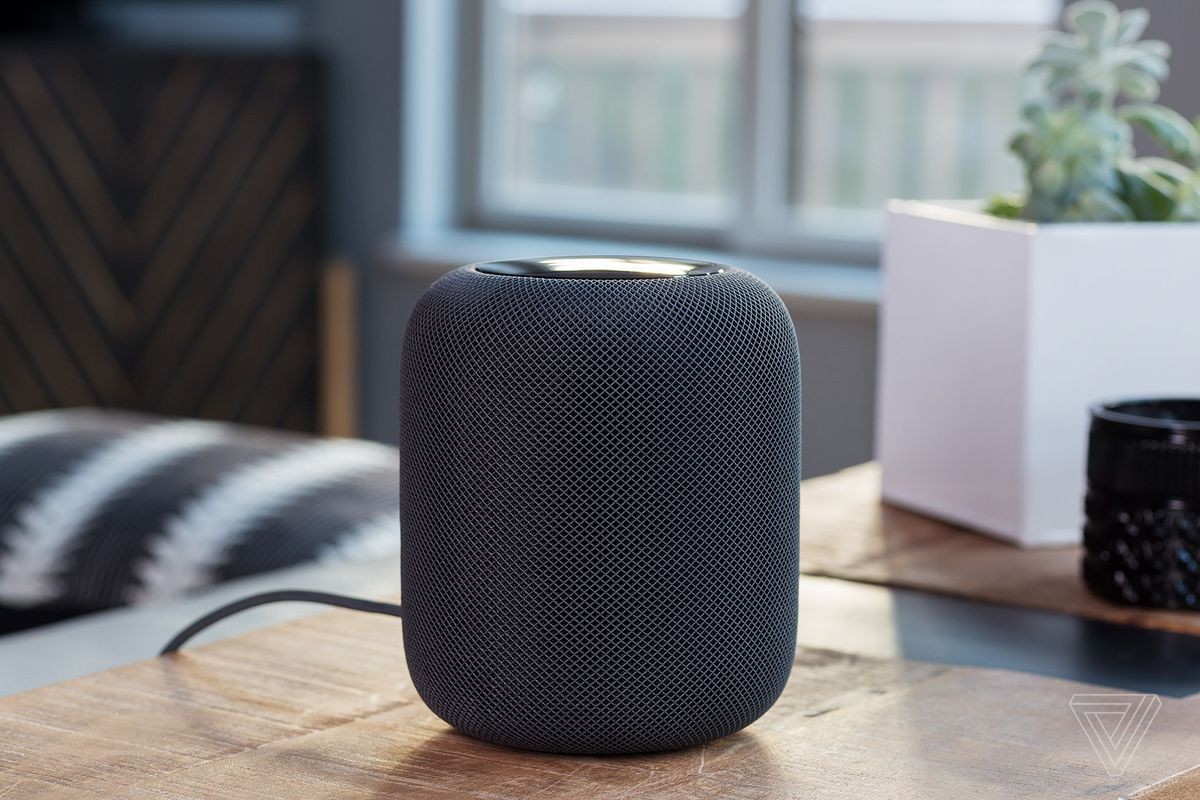
    Until Apple releases a HomePod Mini, we’re stuck with the regular one that comes at a higher price. Those who already cave in to Apple and bought one will be happy to know a new software update is now rolling out to all HomePod units out there.

    The update brings a handful of new features and improvements such as the ability for Apple’s smart speaker to recognize the voices of different family members (up to six) so that it can provide a tailored experience for everyone.

    With the new handoff feature, HomePod users will be able to switch between the smart speaker and the iPhone much easier. The only thing you must do is keep your iPhone closer to the HomePod until a notification pops up on your display.

    Also, after the latest update, you will be able to add music to your HomeKit scenes. Finally, the update introduces Ambient Sounds that should allow you to play relaxing high-quality soundtracks before you go to sleep. You can also set sleep timers to fall asleep to music or Ambient Sounds.

  • Apple AR glasses launch in 2020 reiterated as more details emerge

    Apple AR glasses launch in 2020 reiterated as more details emerge

    Apple is betting heavily on augmented reality is the next big thing and a new report by Bloomberg suggests the public could soon see the results of years of development.

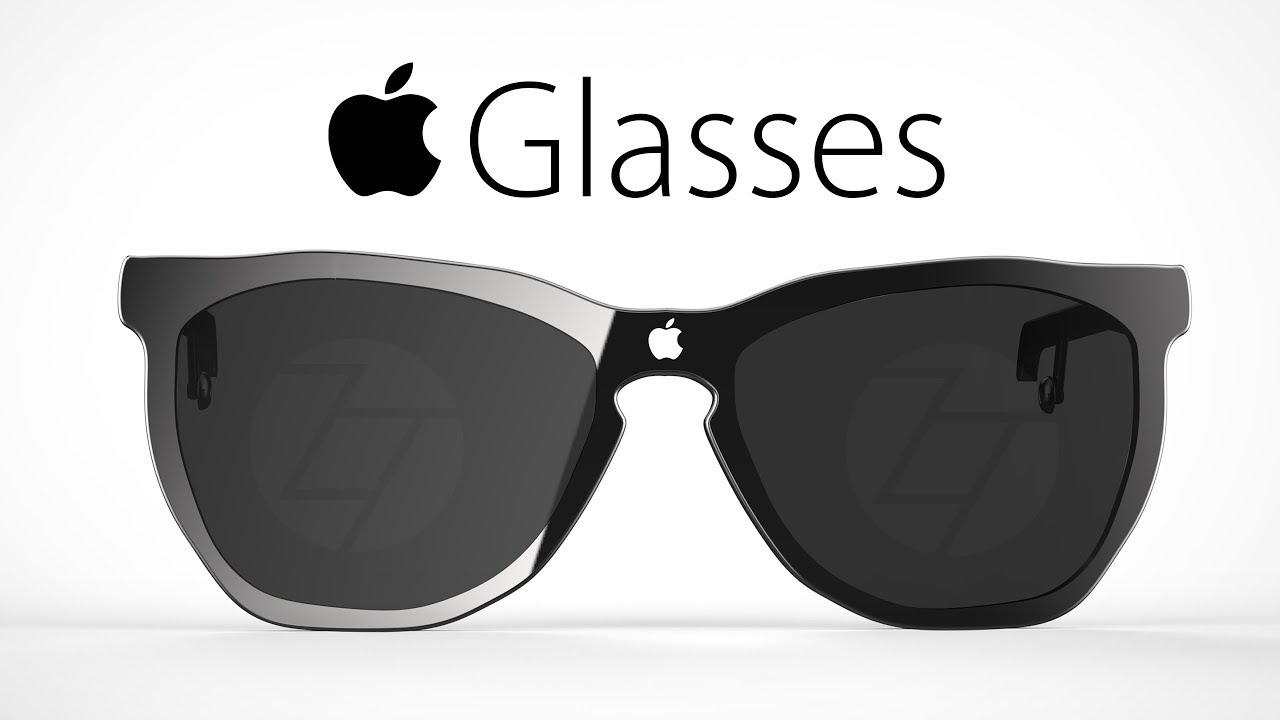
    According to Mark Gurman, Apple is targeting next year for the release of its highly anticipated AR glasses. These will reportedly feature a pair of holographic displays and synchronize with the user’s iPhone to display useful information such as text, emails, or the weather. Rumors also suggest Apple Maps integration will be supported in addition to multiple games. The latter means Apple Arcade subscribers may be able to play a range of AR-backed titles while wearing the glasses.

    Apple is said to be hiring experts in both graphics and game development to ensure a range of titles are available at launch. This should help position the glasses as the instant leader in the category and hopefully replicate the long-term success of the Apple Watch. Speaking of which, Apple is reportedly considering a dedicated App Store for its AR glasses similar to the one that was recently launched for its smartwatch. From here, owners of the glasses will be able to download the range of compatible games in addition to a long list of other apps

    Like Gurman, analyst Ming-Chi Kuo believes Apple’s AR glasses will arrive next year, although he goes one step further by predicting a release halfway through 2020. This means the official announcement may happen in early 2020, perhaps alongside the iPhone SE 2 and iPad Pro (2020).

    Long-term, Apple hopes its AR glasses will eventually replace the iPhone, but in the meantime, it’ll focus on pushing its AR technologies through its other devices. Specifically, the next-gen iPad Pro is reportedly going to include a dedicated 3D sensor for AR content while next year’s iPhone 12 Pro series is expected to follow suit in September with the same sensor.

  • Samsung China’s first flagship opens, in front of Apple store

    Samsung China’s first flagship opens, in front of Apple store

    Samsung China has opened its first flagship experience store in the market – and it is right opposite its archrival.

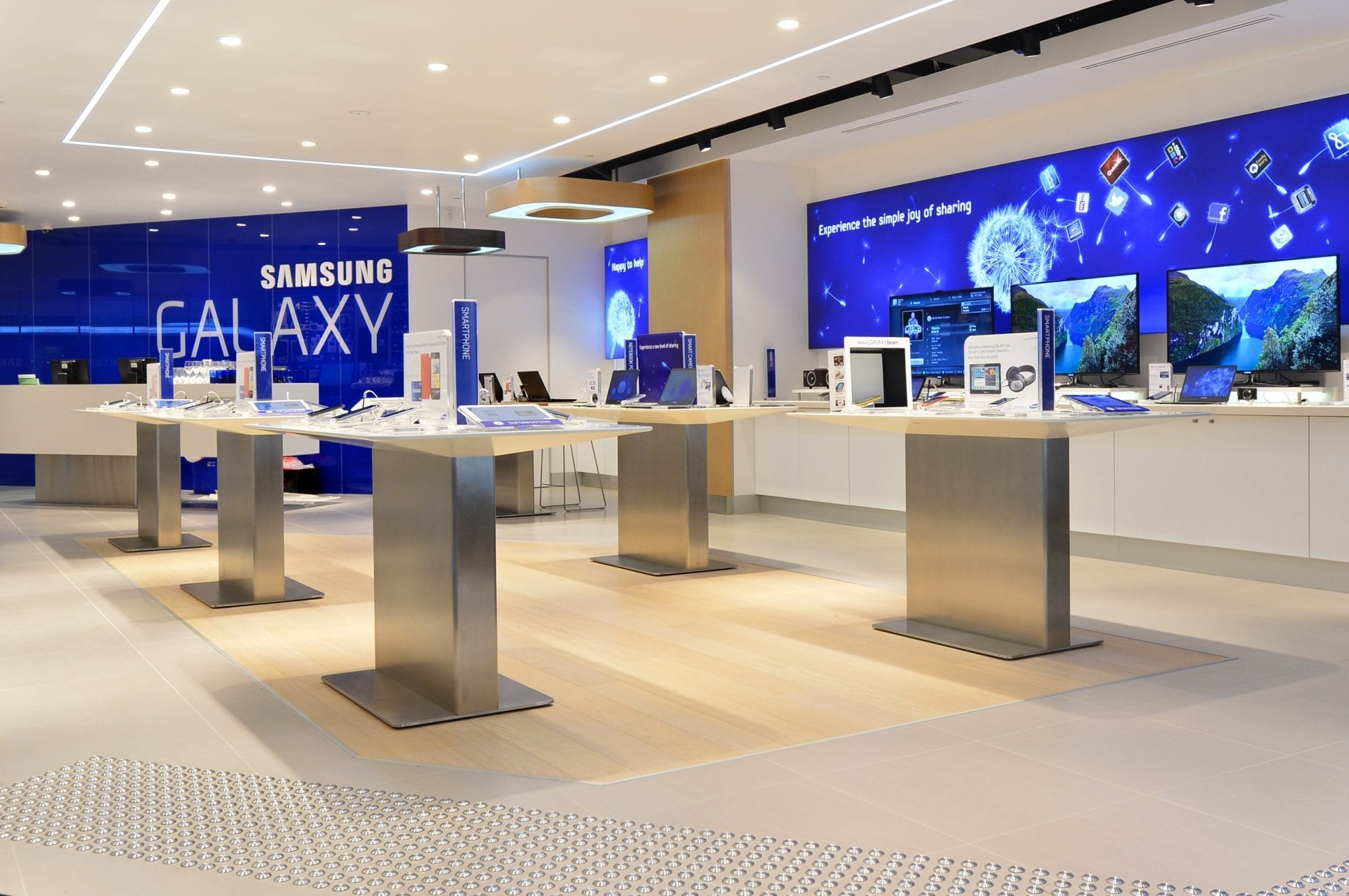
    The almost 1000sqm Shanghai store is the brand’s largest in Asia, and stands opposite Apple’s Nanjing East Road store. The store has two sections and stocks Samsung’s full range of mobiles as well as featuring a 5G experience zone for customers to participate in large-scale cloud games and watch HD video broadcasts.

    Samsung has recently readjusted its strategy in the territory, shifting all mobile device manufacturing to India and China. The experience store is the latest development in the new strategy.