Tag: apple

  • Apple Japan opens its largest store today

    Apple Japan opens its largest store today

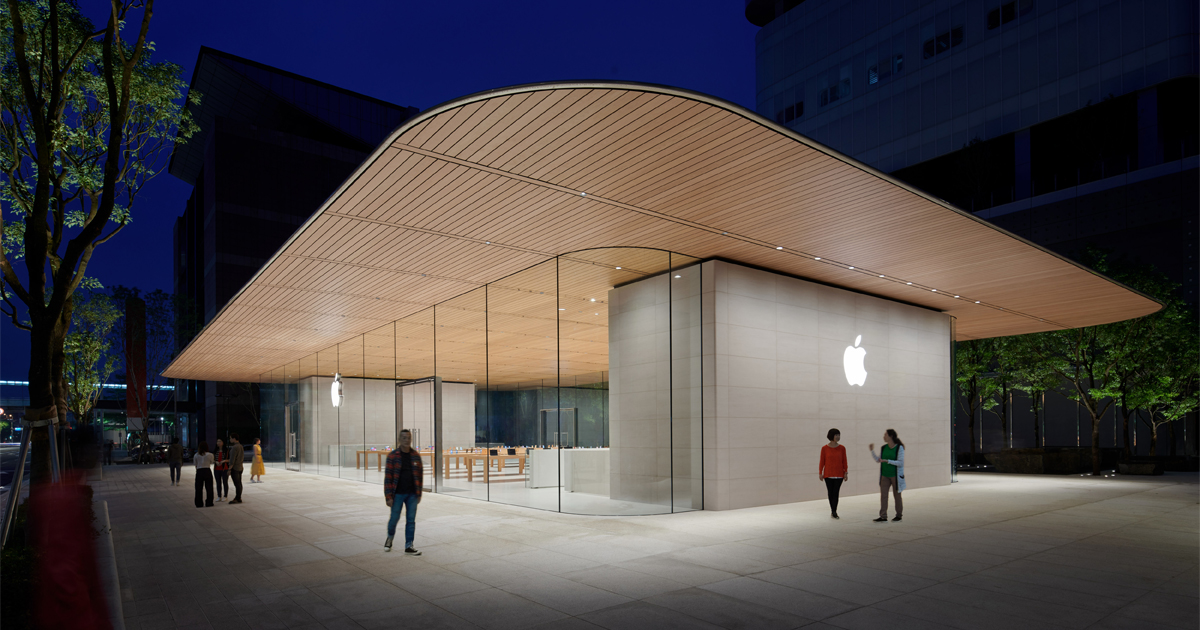
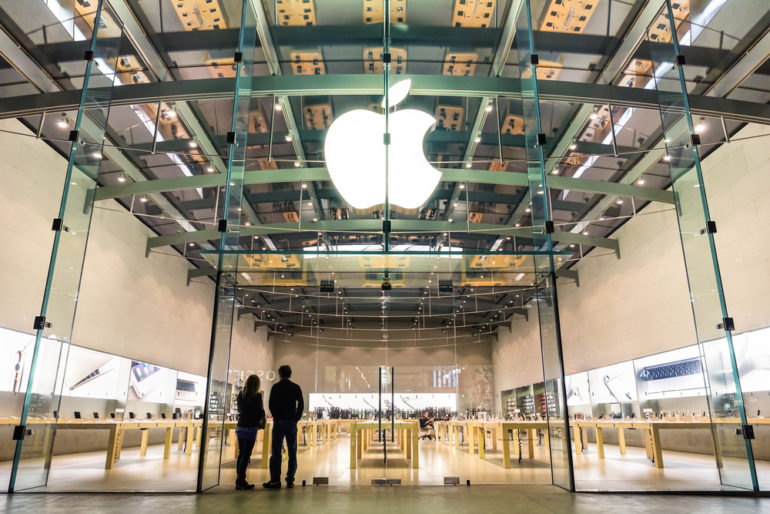
    Apple Japan has opened its largest flagship store this month in Marunouchi, Tokyo.

    The new stores was designed by Foster + Partners, one of several architecture practices commissioned to build the tech giant’s retail stores around the world. Foster + Partners also recently completed the revamp of the Fifth Avenue ‘cube store’ in New York City.

    A Foster + Partners spokesperson said the company wanted the Apple Japan store to embody “an honesty of materiality”.

    Located adjacent to the busy Tokyo Station, Apple’s fifth store in Tokyo features a facade featuring two-storey glass display windows framed with aluminium and with 3-dimensional, rounded corners.

    Inside, locally sourced bamboo was planted to create a vibrant greenery atmosphere.

    “The opening of Apple Marunouchi marks a significant moment in Apple’s long relationship with Japan,” said Deirdre O’Brien, senior VP of retail and people at Apple.

    “We wanted to create a restrained presence amid the bustle of Tokyo,” said Stefan Behling, head of studio at Foster + Partners. “The beautifully crafted aluminium vitrines (display windows) define the boundary of the store and Apple’s presence, offering everyone walking by a glimpse into the store. The structural grid gives the entire volume a certain rhythm, while the calm interior is enhanced by the bamboo that lines the perimeter.”

    Later this month Apple Japan will also relocate its Apple Fukuoka to a new and expanded location and complete the remodelling of Apple Omotesando.

  • Apple Music massive update adds dark mode

    Apple Music massive update adds dark mode

    Apple Music beta experimented with a couple of new features that were made available to testers not long ago. Starting today, all those features added to the beta app are available to everyone who uses the Apple Music app on their Android phones.

    First and foremost, Apple Music now has a brand new dark mode, specially designed for low-light environments. It should be easy on the eyes and save some of your phone’s battery at the same time, so we strongly suggest using it whenever possible.

    The next major improvement is Chromecast support, a new change that lets Apple Music users stream their favorite music to their TV or connected speakers. Two other new features have been implemented in this update: live lyrics and access to live radio stations.

    The first allows Apple Music users to listen to their favorite music with perfectly timed lyrics, while the second new feature listed above will give them access to more than 100,000 broadcast radio stations from around the world.

    All the new features and improvements mentioned above are available in the latest version of Apple Music for Android, which you can download now via Google Play Store.

  • Apple TV getting tvOS 13 update

    Apple TV getting tvOS 13 update

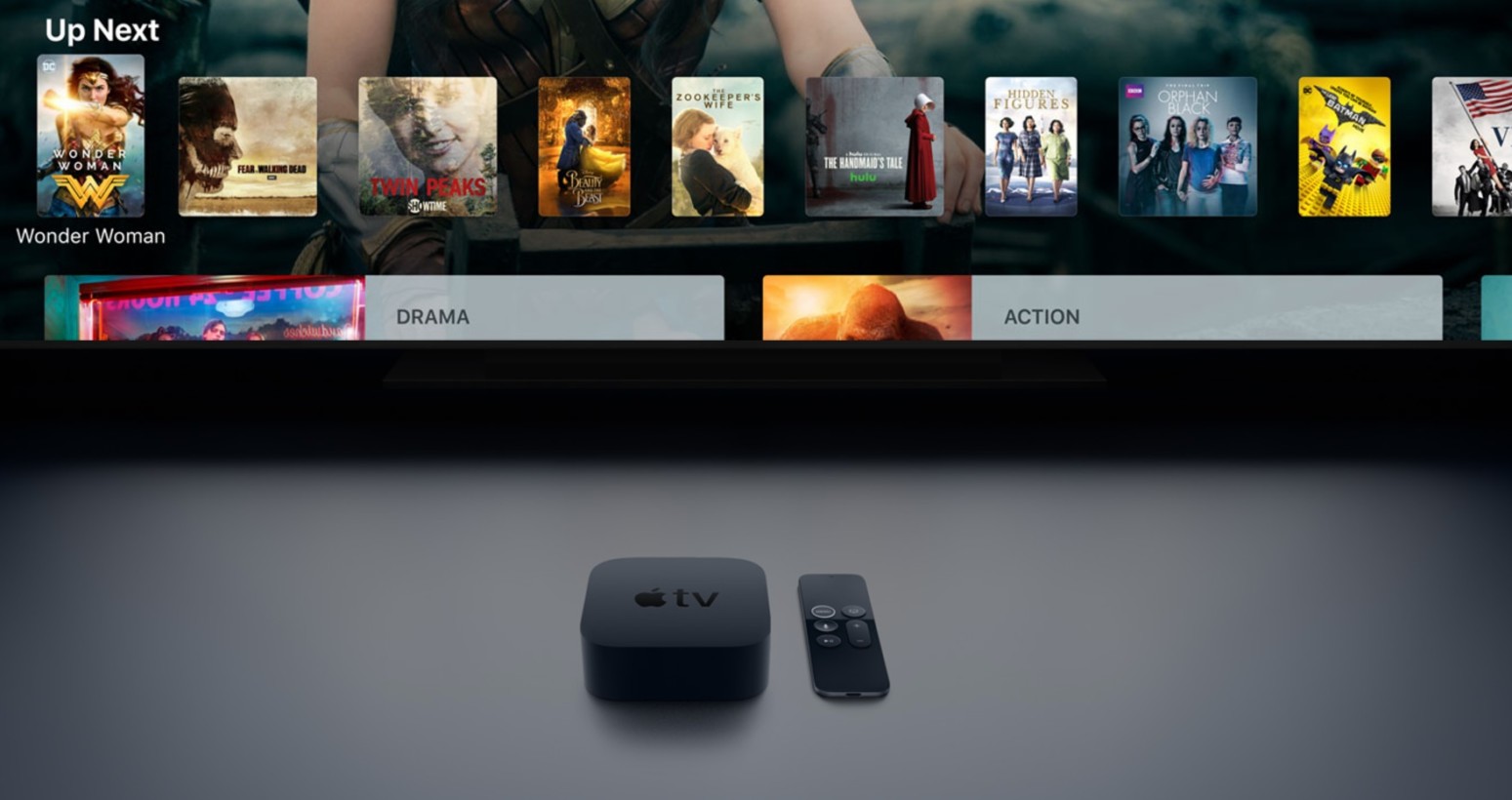
    It’s not just iPhone users that are getting something new this week, but Apple TV owners as well. The new tvOS 13 is now rolling out to Apple TVs around the world, so prepare to check out a handful of nifty new features and improvements, especially if you like to play games.

    One of the most important changes included in the update, multi-user support lets Apple TV owners create multiple profiles that can be customized to provide layouts and recommendations that are relevant for each person using these profiles.

    Moreover, a new home screen is now available for Apple TV users, which accommodates full-screen video previews, a picture-in-picture feature, and a Control Center. Now, as far as the gaming improvements go, tvOS 13 brings Apple Arcade support, but it will also allow the use of Sony’s PlayStation 4 and Microsoft’s Xbox One controllers.

    Also, the Cupertino-based company added Sign in with Apple support, which lets you sign in with your Apple ID rather than requiring to create a username and password. Last but not least, the update adds some under the sea screensavers that were made in partnership with BBC National History Unit.

  • One new Apple HomePod feature is coming this month

    One new Apple HomePod feature is coming this month

    Apple had three new iPhones, a refreshed iPad, and an upgraded Watch to showcase at its big Cupertino event earlier this week, but one product that wasn’t even mentioned in passing during a keynote that ran for nearly two hours is the company’s first (and still only) smart speaker. Unveiled in 2017 and commercially released at the beginning of 2018, the HomePod has pretty much been left in a limbo of late from both a hardware upgrade and software update standpoint.

    With no news or rumors of a sequel or spin-off on the horizon, hardcore Apple fans had hoped to at least get an ETA for a few long-overdue features promised all the way back in June. Unfortunately, the company continues to keep things as vague as always, updating the HomePod’s official product webpage with descriptions of the multi-user support and handoff functionality, which are still due to come at some point “later this fall.”

    You probably shouldn’t expect them to roll out in the next month or so, as radio streaming is apparently ready to go live on September 30. That means you’ll be able to tune in to a whopping 100,000 live, local, and global radio stations starting in a couple of weeks just by asking Siri.

    Interestingly, there’s also an all-new feature planned for a HomePod debut “later this fall”, which will allow you to relax by playing soothing pre-loaded “Ambient Sounds” like ocean waves, forest birds, rainstorms, and “more.” Meanwhile, in case you’re not familiar with the multi-user functionality Apple’s competition has pretty much always offered, that’s going to enable a “personalized experience” for “each person in the family”… eventually. In other words, different HomePod users will be able to keep their personal music preferences, messages, reminders, lists, and calendars separate.

    Finally, with the handoff feature, the Siri-powered smart speaker will seamlessly take calls, songs, and podcasts over from your iPhone or iPad simply by holding the two devices close to one another.

  • Apple unveils cheaper iPhones to combat market decline

    Apple unveils cheaper iPhones to combat market decline

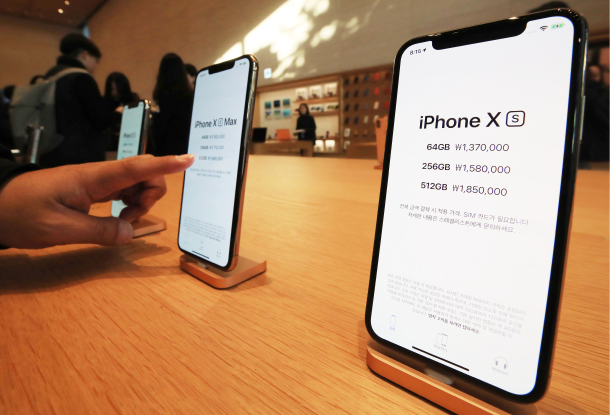
    Apple this week unveiled a cheaper generation of smartphones after several consecutive quarters of declining iPhone sales.

    So far this fiscal year, iPhone sales have fallen 15 per cent in Apple’s first quarter, a further 17 per cent in its second quarter and 12 per cent in its third quarter.

    The cheapest version of the new iPhone 11 model starts at $1199 – below the retail price of its predecessor, the iPhone X, which at full price sells for almost $1500. Customers can trade in their old model phone at Apple stores to receive a discounted price of $849.

    Apple is also launching a ‘pro’ version of the phone with extra features, which starts at $1749, or $1899 for the ‘pro max’ version with a larger screen.

    While the pro and pro max phones are geared toward high-end buyers, the comparably cheap iPhone 11 could go some way toward converting customers who have postponed purchasing a new phone for the past year or two.

    Australian retailers have been feeling the sting of falling consumer spending, as shoppers become more selective about how they spend their money, and are scrutinising high-cost, low-margin products that fail to move.

    Myer stopped selling Apple phones in May as part of its shift towards profitable sales.

    “Myer has made it clear that it will not chase unprofitable sales, and has made this decision as we could not reach acceptable commercial terms that were in the best interest of the company and shareholders,” a Myer spokesman told SMH at the time.

    “This decision is also about ensuring space in our stores is utilised in the most productive and effective way for the company.”

    Apple earlier this year said slowing sales of its flagship phones were largely due to economic weakness in some emerging markets, noticeably Greater China.

    According to Apple chief executive Tim Cook, while the retailer anticipated challenges, it didn’t foresee the magnitude of economic deceleration seen in these markets, and experienced lesser sales even in larger markets.

    “While Greater China and other emerging markets accounted for the vast majority of the year-over-year iPhone revenue decline, in some developed markets iPhone upgrades were also not as strong as we thought they we would be,” Cook said.

    “While macroeconomic challenges in some markets were a key contributor to this trend, we believe there are other factors broadly impacting our iPhone performance, including consumers adapting to a world with fewer carrier subsidies, US dollar strength-related price increases, and some customers taking advantage of significantly reduced pricing for iPhone battery replacements.”

    Apple also announced revisions of its iPad and Apple Watch products, alongside the announcement that its TV streaming service, Apple TV+, will be available November 1st.

    Apple’s stock price rose 1.1 per cent after the announcements to US$216.7 per share.

  • Apple makes a change to App Store search results to keep the feds away

    Apple makes a change to App Store search results to keep the feds away

    With Attorneys general from 48 states, the District of Columbia and Puerto Rico filing an antitrust suit today against Google, Apple might be getting a little nervous. The company is under fire for not allowing iPhone owners to sideload apps from outside of the App Store. This is one of the major complaints made by music streamer Spotify to the EU Competition Committee, which is currently investigating the claim. Android users can, if they wish, sideload apps from outside the Google Play Store.

    In May, the U.S. Supreme Court ruled that a class-action suit against Apple could proceed. By a 5-4 decision, the Court said that iPhone and iPad users purchase apps in the App Store directly from Apple and that the company is not acting as an intermediary as it claims. The plaintiffs argue that the 30% cut that Apple takes on revenue generated by app sales, subscriptions, and in-app purchases leads them to pay higher prices since they are forced to make these transactions inside the App Store.

    All of this extra scrutiny has led Apple to make a major change to App Store search results. Citing data from app analytics firm Sensor Tower, the Times says that Apple’s own apps recently ranked first for 700 search terms and some searches showed 14 Apple apps before an app from a rival developer appeared. Two Apple executives, when presented with the data, admitted that the App Store search results were loaded with Apple’s own apps. And this was the case even when the company’s own apps were less popular than the titles from other developers. But the two executives now say that Apple has adjusted the algorithms so that its own apps don’t appear so often at the top of App Store search results. These algorithms, which no company will ever explain in detail, play the biggest part in determining search results and thus, which apps get installed by consumers.

    The two Apple executives that spoke with the newspaper were Senior Vice Presidents Phil Schiller and Eddy Cue; the former is in charge of the App Store while the latter oversees many of Apple’s own apps. The two defended the company by denying that Apple had ever changed the search results to benefit its own apps over those offered by competitors. Instead, they said that the company’s apps generally get higher placement in search results because of their popularity and because the rather generic-sounding names of these apps more closely resemble the search terms being used by consumers.

    Armed with years of data, back in September 2013, searching for “music” in the App Store would usually result in music streamer Spotify showing up first with another streaming app, Pandora, number seven. After Apple launched Apple Music in 2016, searching for “music” in the App Store came back with the company’s own streaming app on top, Spotify knocked down to fourth, and Pandora down to eighth. By February 2018, the search for “music” in the App Store resulted in a list that had six Apple titles on top (Apple Music, Garage Bands, Music Memos, iTunes Remote, Logic Remote, and iTunes Store) with Spotify eighth. And by the end of last year, eight Apple apps appeared at the top of the results list when “music” was the subject being searched for. Two of those apps (iMovie and Clips) had nothing to do with music and Spotify was down to number 23.

    But this isn’t the end of the story. Shortly after Spotify complained to the EU in March, Apple had adjusted the algorithms and a search for “music” in the App Store had iTunes on top with Apple Music second. No other Apple apps were in the top 10 and Spotify was back to fourth with YouTube Music fifth, SoundCloud seventh and Pandora eighth. Meanwhile, Apple won’t admit that there ever was a problem that needed correcting. “It’s not corrected,” said Schiller. “It’s improved,” said Cue.

  • Apple’s taking a conservative approach to 2019 iPhone production orders

    Apple’s taking a conservative approach to 2019 iPhone production orders

    The iPhone 11 series is just one week away and analysts from Cowen and Rosenblatt Securities believe Apple is adopting a pretty conservative approach this year when it comes to orders.

    The overall number of units ordered this year from Apple’s assembly partners isn’t thought to be much higher than what was requested twelve months earlier. Specifically, Cowen’s source suggests Apple is planning to manufacture a total of 65 million units for the fourth quarter of 2019 which is considered “flat” year-over-year. This figure consists of 47 million iPhone 11 units and 18 million combined units of older models such as the iPhone XS and iPhone 8.
    Looking at the entire second half of 2019 in terms of manufacturing volume, it’s believed Apple has ordered 79 million iPhone 11 units which is actually down 7% from the 85 million iPhone XS & XR units it ordered last year. Cowen believes the lower production rate is an attempt to better handle excess inventories as Apple heads into 2020.
    From what can be gathered, Apple’s biggest focus right now in terms of production seems to be successfully serving the North American market before mid-December when tariffs on Chinese imports are set to be applied. According to Rosenblatt, the California-based company is yet to make any changes to iPhone 11 Pro and iPhone 11 Pro Max manufacturing levels because it’s “already been aggressive enough to build inventory for the North American market.” However, Apple reportedly sped up production for the iPhone 11 (R) in August because of anticipated higher sales.
    Once December passes both new and old iPhone models imported from China will automatically be subject to the new 15% import tariff. The impact of this should be split between Apple and its supply chain partners although the “rapid depreciation” of China’s currency that’s gradually lowering manufacturing costs should help offset the added cost for Apple slightly. Nevertheless, it’s still expected to impact the company’s bottom line and may result in weaker Chinese iPhone sales as local customers retaliate.
    Consumers in the US aren’t presently expected to see any price increases but the threat certainly exists. This could lead to a sudden spike in demand by consumers attempting to avoid the tariffs which may result in a “stronger than seasonally normal” quarter for Apple, according to Rosenblatt.
    The iPhone 11 (R), iPhone 11 Pro, and iPhone 11 Pro Max or whatever Apple chooses to call them will all be announced next Tuesday, September 10. Last year Apple opted for a staggered release wherein the iPhone XS Max series arrived in September and the cheaper iPhone XR followed in October but this year all smartphones are expected to launch simultaneously on Friday, September 20. To ensure an early delivery, Apple should open up pre-orders a week earlier on Friday, September 13.
    When it comes to pricing the 2019 iPhone lineup is rumored to be no different to last year’s. The cheaper iPhone 11 will apparently stick to the $749 price tag while the premium iPhone 11 Pro looks set to land at $999. The iPhone XS Max’s replacement, on the other hand, should retail at $1,099. The standard models should feature 128GB of storage although 256GB and 512GB variants that retail at higher prices are to be expected too.
    Finally, in regards to colors, the iPhone 11 will reportedly be sold in black, white, red, yellow, green, and lavender. The iPhone 11 Pro and Pro Max, on the other hand, may launch in Gold, Space Gray, Silver, and a new dark green shade.
  • Apple plans three flagships and own online store in India

    Apple plans three flagships and own online store in India

    Apple India reportedly plans to open three brick-and-mortar outlets as well as an online store as it finally enters the world’s second-most-populous market.

    The US-headquartered tech company’s plans coincide with a further relaxation of government regulations affecting foreign retailers, easing the requirements of local sourcing and scrapping a law making it mandatory for brands to open physical stores before launching online.

    Apple has already taken steps to manufacture products in India, partnering with Taiwanese company Wistron to make the iPhone 6S and 7 models there.

    India’s population is growing at such a fast rate it will overtake China as the world’s most-populous nation within only a few years. Its rapidly growing middle class is making it an attractive destination for mobile phone brands as well as many large global retailers. But their ambitions have until recently been tempered by a raft of government laws protecting local ‘ma-and-pa’ retailers and Indian brands.

    According to sources privy to Apple’s submissions to Indian regulatory authorities, first reported by The Press Trust of India, Apple has confirmed its plans to open a physical store network of its own. It already operates single-brand stores in partnership with local partners but the new ones are likely to be of a scale of flagship Apple stores in major international cities

    As yet, there is no official word where the First Apple India store will open, but multiple sources are confident it will be in Mumbai.

    Brands wanting to develop their own retail networks in India must commit to manufacturing some products within the country. Several years ago, this may have been considered an encumbrance, but with the mounting Sino-US trade war, manufacturers reliant on Chinese factories are looking for alternative low-cost manufacturing bases. Indian government officials are keen to work with brands to help them relocate.

  • Apple’s rumored mixed-reality headset could use gloves as a controller

    Apple’s rumored mixed-reality headset could use gloves as a controller

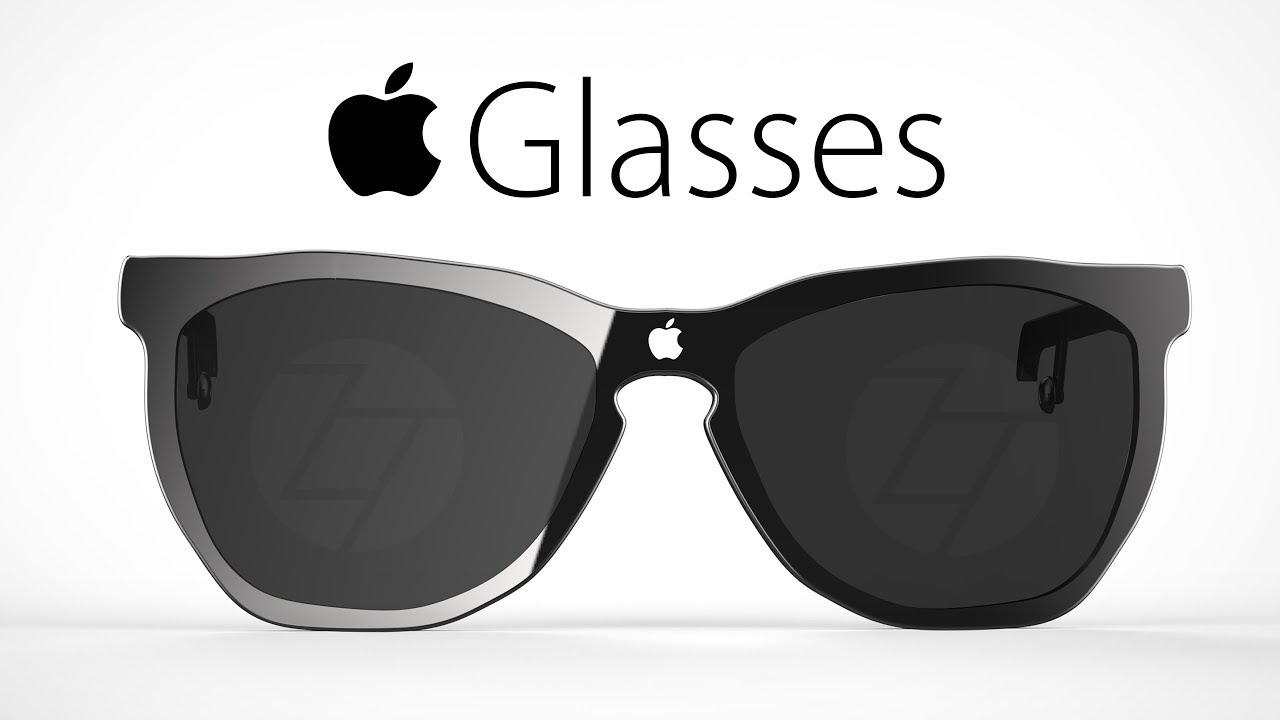
    By now, many of you know that Apple’s next big thing is NOT going to be the HomePod. Actually, for a few years now, analysts have been expecting Apple to introduce AR glasses as soon as 2020-2021. There have been two schools of thought here; one is that this will be a standalone device while others, including reliable TF International analyst Ming-Chi Kuo, expect your iPhone to carry the brains of the headset. Kuo, in fact, says that production on the Apple Glasses will start no later than the second quarter of next year.

    A couple of patent applications filed by Apple reveals a pair of features that the company is apparently working on for the headset which has been dubbed Apple Glasses. The patent applications were submitted with the U.S. Patent and Trademark Office (USPTO) in February. The first one, titled Scanning Mirror Display Devices, discusses the technology that uses lasers and mirrors to project images directly into the eyes of the person wearing the glasses in lieu of a display. This could be done in a way to support Augmented Reality (AR) by allowing the images to be overlayed over a real-world view. The patent application says that this technology might be used to replace “overly complex, bulky, and uncomfortable to wear” head-mounted displays.

    The second patent application, Magnetic Sensor Based Proximity Sensing, uses magnetic sensing technology to detect the position of a user wearing a special glove on his or her hand. This could be used to control VR or AR features on the Apple Glasses through the use of hand gestures. A person wearing the headset would also don the gloves which have special material on the fingertips.

    Last month, a report stated that Apple had decided to terminate the Apple Glasses project, but that might not have been the case based on subsequent reports. In fact, just 10 days after that story made the rounds, a huge leak revealed that the tech giant was working on a mixed-reality headset supporting both AR and VR. The glasses will supposedly offer 8K resolution of  7680×4320 for each eye. The device has a codename of T288, according to this leak, and uses a newly developed operating system called rOS for reality Operating System. A 5nm chip will reportedly power the glasses and TSMC is expected to start producing components using this process starting next year.

    The same report said that Apple’s headset would also include eyebrow and jaw sensors to determine the expression being made by the user, hand sensors (which might include the technology found in the second patent that we discussed in this article), sensors to track the eyes and left and right cameras. Many of these features were also discovered in a patent that Apple filed with the USPTO this past March.

    Back in June of 2017, analyst Gene Munster, now with Loup Ventures, said that the Apple Glasses would end up being bigger than the iPhone. At the time, Munster said, “In 10 years we expect the iPhone will be around, but be a much smaller part of Apple’s business as Apple Glasses slowly gains market adoption.” The analyst originally expected the glasses to launch in 2020, but changed that forecast to December 2021 back in May. Munster forecasts that 10 million Apple Glasses will be rung up during the device’s first year on the market.

  • The success of the iPhone keeps Apple from moving production out of China

    The success of the iPhone keeps Apple from moving production out of China

    With U.S. President Donald Trump willing to tax U.S. companies and consumers into a recession, Google apparently is ready to move the production of its Pixel handsets and smart speakers out of China and into Vietnam and Thailand respectively. Apple has yet to announce a move away from China although reports earlier this year indicated that it was looking to shift 30% of its manufacturing out of the country. And yes, Vietnam is one of the regions that many believe will end up home to some of Apple’s manufacturing facilities-eventually. But this won’t happen overnight; finding a trusted supply chain and trained workers take time.

    Apple does have an incentive to move its production out of China; starting on December 15th, the iPhone will be included in a group of products from China that will be taxed at 15% when imported into the states. Originally, the tariff was supposed to start on September 1st, but President Trump didn’t want the Christmas holiday season marred by slower growth due to the tariffs. However, the Apple Watch and the AirPods face a 15% tax starting on September 1st.

    Apple could decide to eat all or some of the tax or pass all or some of it on to consumers in the form of higher prices. Considering that 13.8% fewer iPhones were sold to consumers globally during the second quarter (year-over-year), Apple might decide to absorb the additional costs for now.

    While Apple does produce a small number of iPhones in India, this was originally done to escape an Indian import tax that might have made it hard for consumers in the country to buy an iPhone; while it is the second-largest smartphone market in the world, India is a developing country after all. But what is frightening to consumers worried about higher iPhone prices is that the tech giant is becoming more reliant on its manufacturing facilities in China. According to Reuters, Apple has added far more factories inside the country than out of it. It’s main contract manufacturer Foxconn has expanded from 19 Chinese factories in 2015 to 29 this year. And Pegatron, another company paid by Apple to assemble its products, has gone from 8 plants in the country to 12 over the same time period.

    And supply chain data calculated by Reuters shows that Apple is pretty much still committed to China. 44.9% of Apple’s suppliers were in China back in 2015, a figure that has actually risen to 47.6% this year.

    “The vast majority of our products are kind of made everywhere. There is a significant level of content in the United States, and a lot from Japan to Korea to China and the European Union also contributes a fair amount. … I think that will carry the day in the future as well.”-Tim Cook, CEO, Apple

    If you’re wondering why Google can easily shift Pixel production from China to Vietnam and Apple can’t, it is a matter of scale. Even after doubling the number of Pixel handsets to be assembled this year, Google is building only 8 to 10 million phones in 2019 which is a drop in the bucket compared to the number of iPhones that Apple churns out in the course of a year. So Apple needs a larger supply chain with companies that it can trust to deliver in the quantity and quality it needs for the iPhone. But the company might have no choice but to keep iPhone production in China. According to Dave Evans, CEO of San Francisco supply chain firm Fictiv, there are only a few places outside of China that can produce 600,000 phones a day. In other words, the success of the iPhone is what is keeping Apple in China despite the tariffs.

  • Apple sold 13.8% fewer iPhones during the second quarter

    Apple sold 13.8% fewer iPhones during the second quarter

    The global smartphone market continued to languish during the second quarter according to the latest report from Gartner. 367.9 million units were sold to end-users during the three month period from April through June, down 1.7% from the 374.3 million units rung up during the same period last year. The analytical firm’s senior research director Anshul Gupta notes that high-end models have experienced a harsher slow down in demand than low and mid-range handsets. To generate upgrades, Gupta says that manufacturers are trying things like bezel-less displays, multi-camera setups in back and front and larger capacity batteries.

    Samsung remains King of the smartphone world after selling 75.11 million handsets during the quarter. The company’s market share rose year-over-year from 19.3% to 20.4%. Huawei’s sell-through of 58.06 million phones gave it a 15.8% slice of the global smartphone pie. The company had hoped to be on top of this list by the fourth quarter, but its placement on the U.S. Entity List makes that a long shot. Huawei is not allowed to access its U.S. supply chain, although U.S. suppliers have a second 90-day window to help the company service its existing customers and update certain smartphone models. Despite the ban, Huawei sold 16.5% more units during the period, compared to the same quarter last year.

    Gartner’s data shows Apple selling 38.52 million iPhones during the quarter, down 13.9% from the 44.72 million units it sold during last year’s second quarter. The company no longer reveals this data during its quarterly earnings report but does release a breakdown of revenue. For the calendar second quarter (Apple’s fiscal third-quarter), iPhone revenue declined 12% and represented less than 50% of the company’s total revenue for the first time since 2012. According to Gartner, the iPhone accounted for 10.5% of smartphone sales during the three-month period.

    If Apple continues to struggle with iPhone sales, it will soon be surpassed by Xiaomi. The latter sold 33.19 million phones globally from April through June, representing 9% of the market. Oppo finished fifth after selling 28.11 million phones in the quarter, giving it 7.6% of the smartphone market.

    “Strong demand for Samsung’s new Galaxy A series smartphones and the revamp of its entire entry-level and mid-range smartphone range helped this positive performance. Demand for Samsung’s flagship Galaxy S10 started to weaken during the quarter, however, indicating that achieving growth in 2019 as a whole will be a challenge…too few incremental benefits are preventing existing iPhone users from replacing their smartphones”-Anshul Gupta, senior research director, Gartner

    The struggling smartphone industry is a worldwide phenomenon. Gartner points out that of the top five smartphone markets in the world, only China and Brazil showed growth on an annual basis. China remains the top market in the world for connected handsets with sales of 101 million units during the quarter, a small gain of 0.5% Sales in the country benefitted from lower prices as vendors looked to get rid of their inventories of 4G LTE phones with more 5G models made available. The 10.8 million smartphones sold in Brazil from April through June was 1.8% more than the number rung up in the country during the same time period last year. In India, the world’s second largest smartphone market, 35.7 million phones were sold during the quarter. That was a 2.3% decline on an annual basis as fewer consumers in the country decided to upgrade from a feature phone to a smartphone.

    Gartner says that smartphone sales will remain weak for the rest of the year and that a total of 1.5 billion handsets will be sold to end-users during 2019.

  • Apple report details iPhone Pro, AirPods 3, iPad upgrades, much more

    Apple report details iPhone Pro, AirPods 3, iPad upgrades, much more

    Apple is readying an onslaught of hardware products that’ll be announced over the next few months. The first of these will seemingly arrive in less than three weeks and today a new report by Bloomberg has detailed the company’s plans.

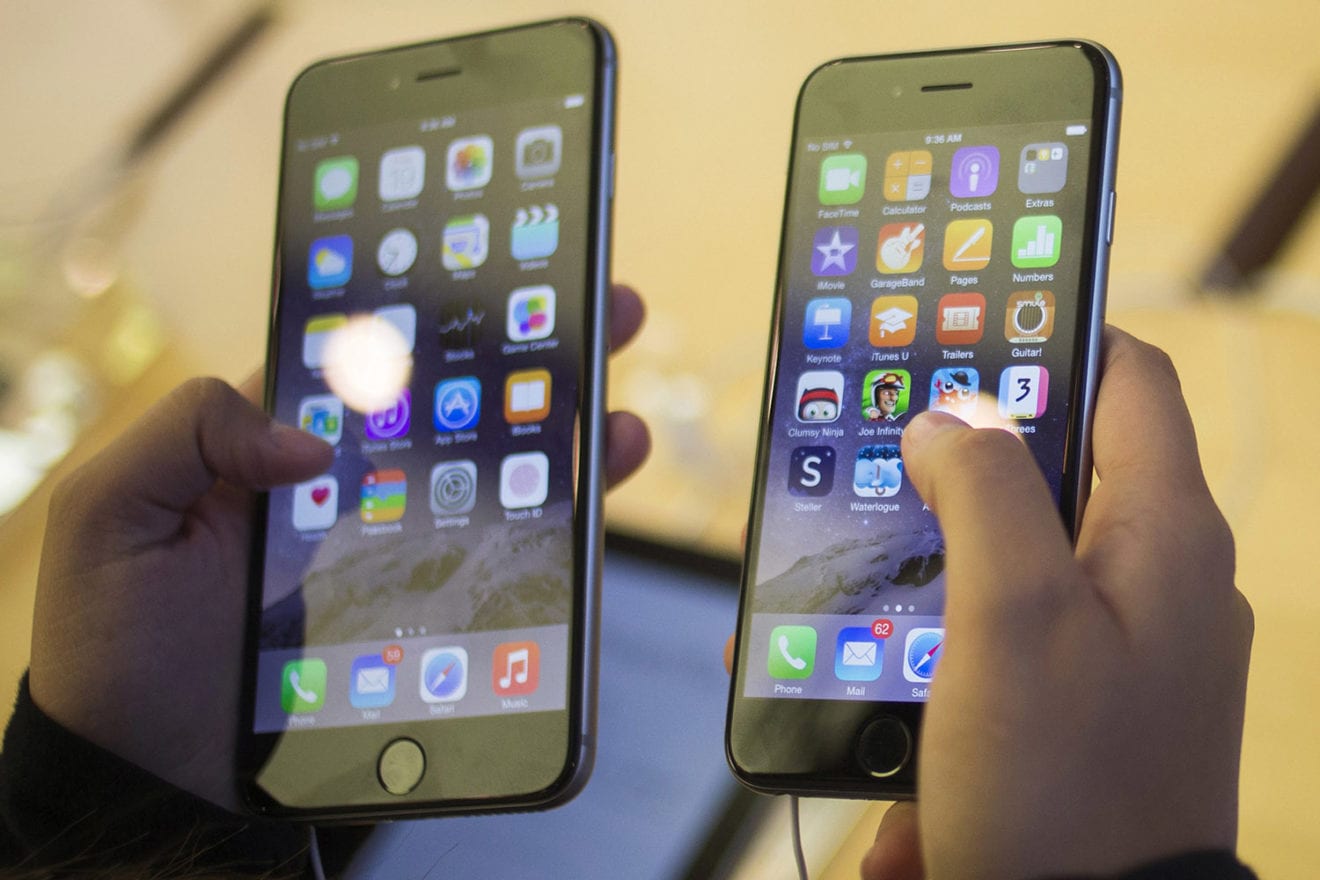
    According to people familiar with the situation, Apple is preparing to announce three new iPhone models at an event next month. The lineup will reportedly include two ‘Pro’ models that’ll succeed last year’s iPhone XS series and a cheaper iPhone XR replacement which could be branded as ‘iPhone 11’ or simply ‘iPhone.’

    This year’s premium models, as previous reports have indicated, will include a triple-camera system on the back that consists of a primary sensor, a telephoto camera, and an ultra-wide-angle alternative which grants access to a 120º field of view. The setup will capture three images simultaneously before stitching them together with the help of artificial intelligence to create a better photo that doesn’t cut out any important details.

    Apple’s next-gen photographic system will take higher resolution pictures that can rival “some traditional cameras.” Improvements in “very low-light environments” are to be expected too in addition to drastically upgraded video recording capabilities. According to sources, the Cupertino-based company has developed a feature that allows video to be retouched while being recorded. Users should also be able to apply effects, alter colors, reframe, and crop.

    The non-Pro iPhone 11 won’t be receiving a third wide-angle camera like its premium siblings but it should still inherit some important upgrades. Specifically, the smartphone’s expected to include a dual-camera system that’ll boast a 2x telephoto zoom camera and ultimately support an enhanced portrait mode.

    All 2019 iPhones are set to include Apple’s yet-to-be-announced A13 processor paired with a new co-processor chip known internally as “matrix” or “AMX.” This will handle certain math-heavy tasks and may result in an improved augmented reality experienced. Speaking of which, Apple is readying new 3D cameras for its 2020 iPhone series that’ll take this to the next level.

    Almost one year after Huawei first introduced the feature and around six months after Samsung announced its alternative, Apple has reportedly created its own reverse wireless charging system that’ll be present on this year’s ‘Pro’ models. The feature will let users power-up their AirPods by placing them on the iPhone’s rear. It should also work with the Apple Watch and other Qi-ready products.

    This year’s premium models will be identical from the front to the iPhone XS and XS Max that they replace but some important changes have apparently been made. According to today’s report, a new multi-angle Face ID system that works even when the devices are flat on a table will be present. Additionally, Apple has reportedly enhanced water resistance dramatically. So much so that users should be able to submerge the new iPhones for far longer than 30 minutes.

    Other changes will reportedly include a new “shatter-resistance” technology and a matte finish on the rear with some colors. Also worth pointing out is the presence of updated OLED displays which will ditch the 3D Touch system in favor of more advanced Haptic Touch.

    Corroborating previous information, Bloomberg believes Apple will announce a new 10.2-inch entry-level iPad that’ll replace the existing 9.7-inch model. Exact details are yet to be revealed but a reduction in the thickness of bezels is to be expected alongside significant internal upgrades and potentially a dual-camera system on the rear.

    In addition to this, the California-based company is reportedly preparing some upgrades to its iPad Pro series. The devices will look identical to the existing models from the front but should boast an iPhone Pro-like triple-camera system on the rear. Additionally, internal upgrades that’ll likely involve the addition of Apple’s A13X chip are to be expected.

    The Apple Watch has been upgraded on an annual basis for several years now and 2019 looks set to be no different. But after introducing some rather drastic changes twelve months ago, it seems the company is preparing only minimal changes for this year’s update.

    Bloomberg says Apple will be focusing primarily on the added features that watchOS 6 introduces and some new case finishes which should include ceramic and titanium model. Some internal upgrades are possible but concrete info is yet to emerge.

    While on the topic of wearables, it seems a pair of premium AirPods is currently in the works. The version will be more expensive than the current $159 pair but should include new features such as water resistance and noise cancellation. Apple was initially planning a launch alongside this year’s iPhones but the introduction has now been pushed back until next year.

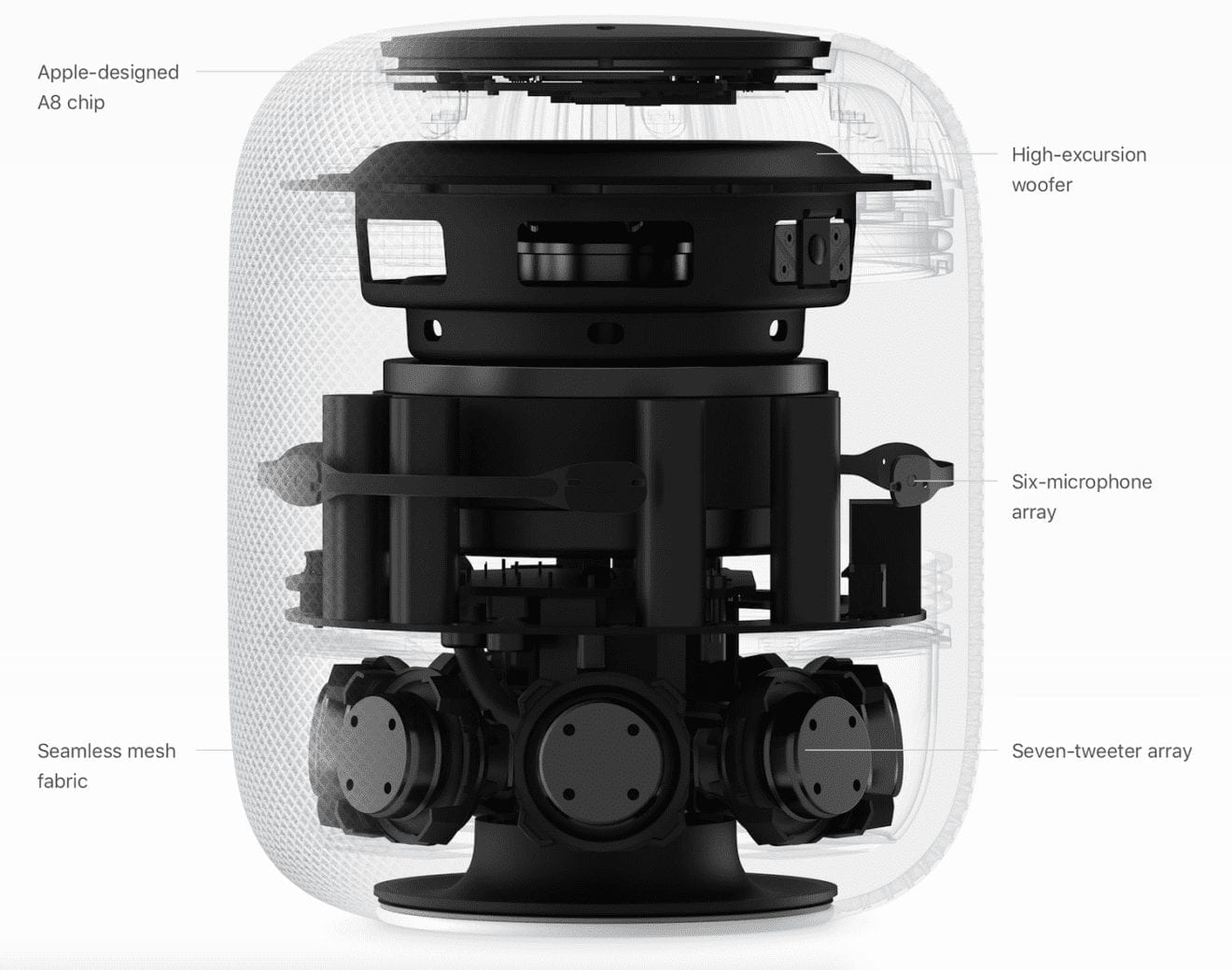
    Completing Apple’s lineup of products is HomePod. The original continues to sell pretty poorly across the globe due to its high $300 price and it seems the company is planning to address this issue with a cheaper model that’ll have just two tweeters instead of the current model’s seven.
  • Microsoft approaches former Siri chief from Apple

    Microsoft approaches former Siri chief from Apple

    Bill Stasior, longtime head of Apple’s Siri team, has left the company to join Microsoft’s AI division. After nearly a decade at Apple, Stasior will step into the shoes of a corporate vice president at Microsoft later this month. At his new job, the former Siri chief will lead an artificial intelligence group.

    Last year, Apple poached Google’s former head of search and AI, John Giannandrea. The served as further indication of Apple’s woes with Siri, which beat the competition to the AI assistant race, but was relegated to a firm third place behind Google Assistant and Amazon Alexa.

    Stasior’s reasons for leaving Apple aren’t clear at this point, but Giannandrea’s hiring is a likely guess. Since his hiring last summer, Giannandrea became very involved with the development of Siri and was eventually promoted to a senior vice president, reporting directly to Apple CEO Tim Cook.

    Although Stasior was in charge of Apple’s Siri team since the assistant’s initial launch, he won’t be working on Cortana at Microsoft. The company behind Windows is lagging far behind the competition, as far as AI assistants are concerned, with Cortana being a distant fourth to Google’s, Amazon’s, and Apple’s offerings. However, Stasior’s talents apparently won’t be used to better Cortana, but rather in Microsoft’s broader AI efforts. The Information reports that people familiar with the matter have said that the former Siri chief will head a special AI group at Microsoft

  • Apple’s healthcare unit needs to see a doctor

    Apple’s healthcare unit needs to see a doctor

    Earlier this year, Apple CEO Tim Cook said healthcare would be “Apple’s greatest contribution to mankind.” It appears that Apple is having problems with this unit after a number of members have left the team. Citing eight sources said to be familiar with the situation, CNBC says that there is tension in the company’s healthcare division and the group is essentially without direction after a series of changes at the top of the unit.

    The report says that while some employees have done well, others feel stifled and closed in, unable to get the team to work on their ideas. Part of the problem is getting the unit to agree on a direction to take. Half of the eight sources say that employees wanted Apple to take on some of the larger problems that the healthcare system faces today such as medical devices, telemedicine, health payments and the treatments of chronic disease. Apple, notes the report, has instead focused on creating features for its devices that focus on wellness and prevention for healthy people. The latter end of the healthcare industry is considered to be less risky and less regulated. Despite the issues inside the group, all eight sources agreed that healthcare remains a “strategic priority” for the company.

    Apple’s healthcare features are found mainly on the Apple Watch. The heart rate monitor has saved a number of lives, and the Series 4 model added an electrocardiogram (ECG) sensor that looks for abnormal heartbeats. The latter has also been a lifesaver and other watches, like the Samsung Galaxy Watch Active 2, also is equipped with an ECG feature. We do have to point out that it will remain disabled on the Galaxy Watch Active 2 until it receives FDA approval, expected sometime during the first half of next year. Apple’s Chief Operating Officer Jeff Williams is in charge of the healthcare team, and reportedly it was his idea to add sensors and algorithms to the Apple Watch once it became apparent that the device would not be a big seller as a fashion accessory.

    The company is reportedly working on a way for diabetics to measure their blood glucose levels using the Apple Watch, without having to draw blood. Currently, diabetics who depend on insulin prick themselves to draw a small drop of blood that is tested on a glucometer. This is a huge market because a new test strip is required for each test and insulin-dependent diabetics need to test themselves three or more times a day. If Apple can develop such a technology, it could take Apple’s healthcare initiative and the Apple Watch into uncharted territory. The Apple Watch happens to be the world’s top-selling smartwatch and anchors a wearables unit that saw revenue for the fiscal third quarter soar from $3.73 billion in 2018 to $5.53 billion this year. That was a 48.3% year-over-year gain.

    Earlier this year, Apple sent out a survey to check on the morale of employees in its healthcare unit. When the survey indicated that employees were not happy, Williams spoke with a number of employees to let them know that he was still committed to the business. But the executive also wears many hats at Apple and as COO he is responsible for overseeing Apple’s operations and its vast supply chain. Thus, the healthcare group might not have his full attention at times.

    Some of the sources say that Apple needs to be less secretive with its work in the $3.5 trillion healthcare industry. The company is traditionally tight-lipped about its projects, but that doesn’t fly in the world of medicine where clinical studies and published research play a big role.

  • Information hidden in app reveals how much Apple will charge for Arcade

    Information hidden in app reveals how much Apple will charge for Arcade

    Back in March, Apple introduced Apple Arcade. This service will allow subscribers to pay a monthly fee for unlimited gameplay. There will be over 100 new titles that will be available, all exclusive to the app. Apple could release a launch date and pricing for Arcade on September 10th; that is when the company’s fall event is expected to be held according to a screenshot found on the most recent iOS 13 beta. But it appears that we might already know the pricing. The latter discovered information inside one of the APIs used by the App Store app that apparently reveals how much Arcade will cost (an API, or Application programming interface, is used to help two applications communicate with each other).

    According to the information discovered by 9to5Mac, Apple will charge $4.99 a month for the service after a one-month free trial. All members in a Family Sharing account will have access to the games inside the Arcade app, and since subscribers are paying for the service, there will be no in-app purchases offered. Arcade subscribers can start a game on an iPhone, iPad, Mac or Apple TV and switch devices without missing a beat.

    Apple Arcade will join Apple Music, Apple News+ and Apple TV+ as features that bring in recurring revenue to Apple. It’s all part of the company’s plan to take advantage of the 900 million+ iPhones active around the world while lessening its reliance on new iPhone sales, which peaked in 2015. The services unit, which includes the aforementioned subscription-based features, the App Store, Apple Pay, AppleCare, iCloud and more, is Apple’s second-largest in terms of revenue and is it’s most profitable. Apple is targeting $50 billion in services revenue for next year, which would double the $25 billion the unit grossed in 2016. During its most recent earnings announcement covering the fiscal third quarter (April through June), the firm took in a record $11.5 billion in revenue for the division, up 12.7% from the $10.2 billion it took in during the same quarter in 2018.

    Apple has been using its employees to test Arcade and get some feedback before it is released for public use. This past weekend, we told you that after a one-month free trial, the company is asking employees for 49 cents a month to test early builds of some of the games. This early access program will end once iOS 13 is officially launched.

    Banking firm HSBC expects Arcade to garner as many as 29 million subscribers by 2024, raking in $4.5 billion. However, that estimate is based on a monthly subscription rate of $12.99 a month; that would seem to be too steep a price hike over a short period of time if Apple does indeed debut the service at $4.99 a month. So HSBC’s analysts are going to have to go back and rework the estimate.

    Some of the titles that you should expect to find when Apple Aracade launches include:

    • Hot Lava
    • Oceanhorn 2: Knights of the Lost Realm
    • Beyond a Steel Sky
    • Sonic Racing (yes, starring “that” Sonic)
    • LEGO Brawls (yes, starring those LEGO)
    • No Way Home
    • Yaga

    These are games that you won’t find elsewhere. And by offering you a free trial period, Apple is looking to get you hooked on the service. It is the same approach that the company takes with Apple Music. And if Apple does price Arcade at $4.99 a month, it might seem like a bargain to those who were expecting it to be priced at $9.99 a month or more. The failure or success of Arcade will go a long way toward determining whether Apple hits its goal of $50 billion in services revenue next year.