Tag: apple

  • Apple Music trial may shrink from three months to just one

    Apple Music trial may shrink from three months to just one

    One way for music streaming services to expand their subscribers base is through trials. Offering their services for free for a limited is a great way to convince potential subscribers whether or not a service suits their needs.

    Apple is one of the not so many companies that offer a generous 3-month trial to those who want to try out its music streaming service. However, the situation might change.

    A new banner published on Apple’s page for accessories offers a one month free trial of Apple Music instead of the standard three-month free trial. It doesn’t look like this is a mistake, but it’s possible that Apple will start offering 1-month trials in addition to the usual 3-month trials.

    If you click on the banner, you will get the prompt for a three-month free trial in iTunes, so that’s encouraging. Also, Apple hasn’t yet officialized the move on the Apple Music website, so it remains to be seen whether or not this a mistake or the company plans to change the duration of its Apple Music trial.

  • Apple AirPlay 2 and HomeKit support arrives for LG

    Apple AirPlay 2 and HomeKit support arrives for LG

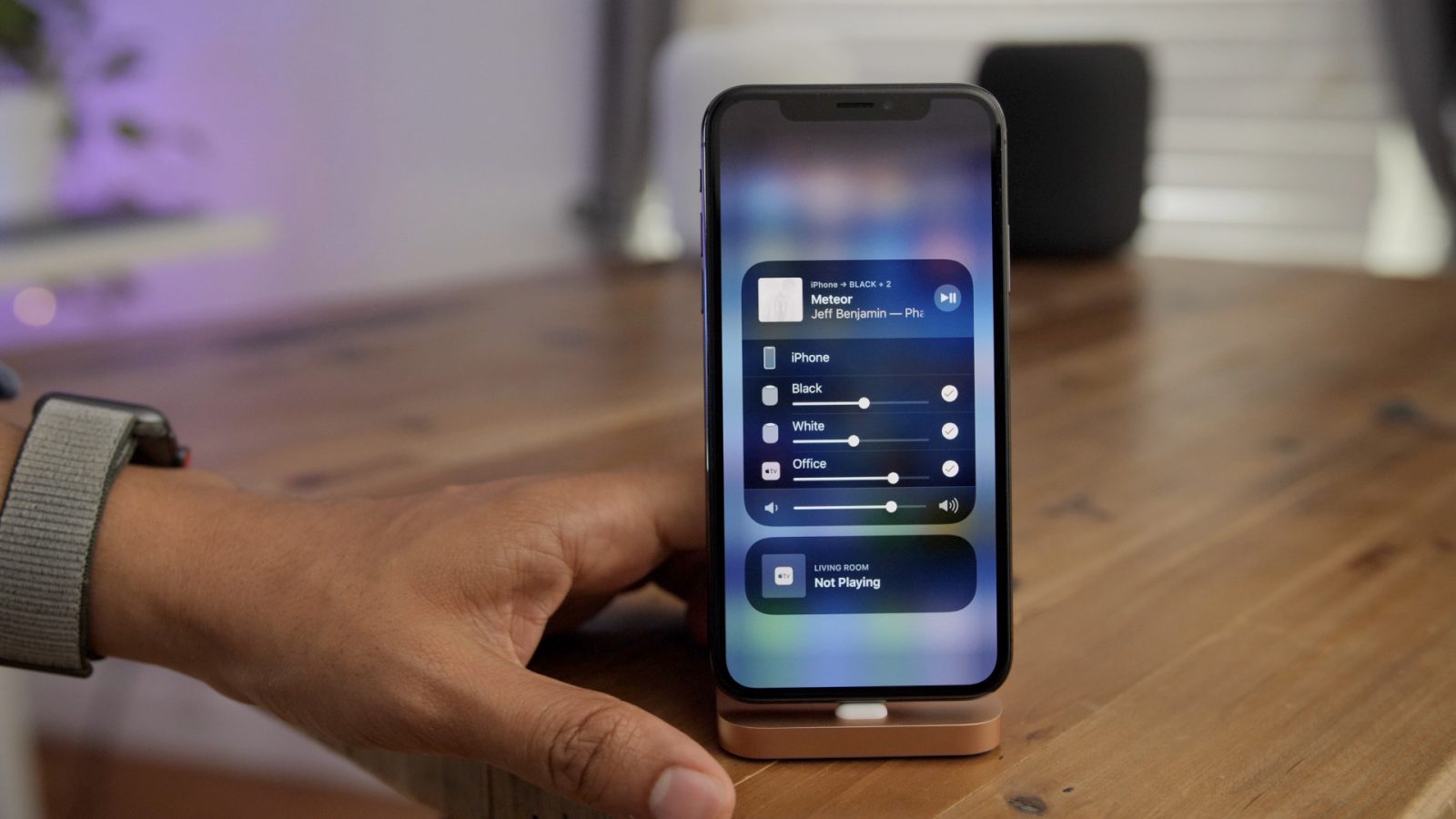
    Two months after Samsung announced that many of its smart TVs are getting AirPlay 2 support, LG made the same move. If you own one of the newest LG smart TVs, you’ll be happy to know that AirPlay 2 support is now available for you.

    Alongside AirPlay 2, LG announced that HomeKit is now supported on its smart TVs as well. Both new features will be available through a firmware update for 2019 LG OLED TVs, NanoCell TVs and UHS TVs with ThinQ AI capability.

    If you don’t know what’s AirPlay 2, here is a quick rundown of what you’ll be able to do with it if you have a compatible LG smart TV in your home. First off, you can stream content, including Dolby Vision titles, from iPhone, iPad, and Mac directly to your TV set.

    Secondly, you’ll be able to stream your favorite movies and TV shows from the Apple TV app and other video apps, as well as photos, directly on your LG AI TV. Apple Podcasts, Apple Music and music from your library or other streaming services are also playable through your LG AI TV and other speakers compatible with AirPlay 2, all in sync.

    On the other hand, HomeKit lets users control their smart home with the Home app or via Siri on their Apple devices. Simply install the Home app on your LG AI TV, and you’ll be able to access basic TV functions such as power, volume, and source. Your compatible LG TV can also be added to scenes or automation along with other HomeKit accessories.

    According to LG, Apple AirPlay 2 and HomeKit support will be rolled out to LG OLED and NanoCell TVs in more than 140 countries starting this week, with the update continuing over the weeks to follow.

  • Apple spends $1 billion to buy most of Intel’s smartphone modem chip business

    Apple spends $1 billion to buy most of Intel’s smartphone modem chip business

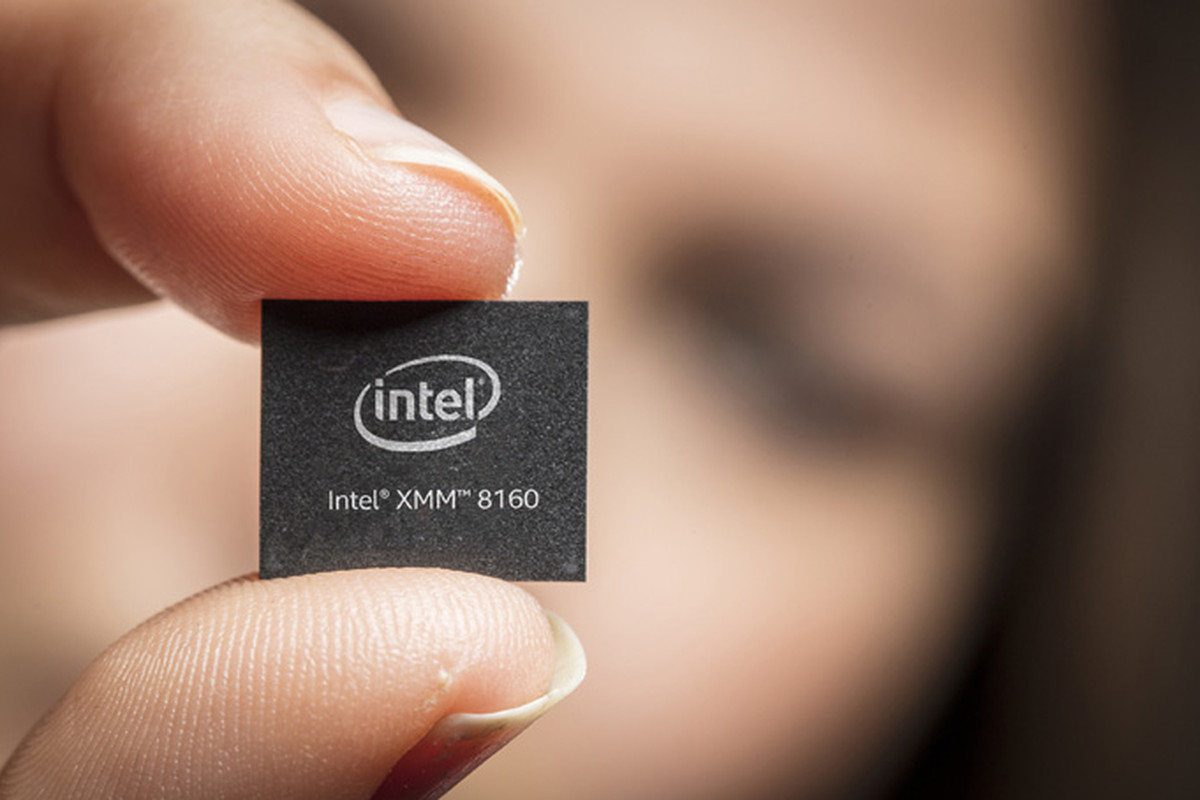
    Apple announced that it has agreed to purchase the majority of Intel’s smartphone modem chip business in a transaction that is being valued at $1 billion. Besides the patents, equipment, and leases that will move from the chipmaker to Apple, 2,200 Intel employees will now work for the iPhone manufacturer. The deal is expected to close in the fourth quarter and goes a long way toward helping Apple design and manufacture its own modem chips. Intel will still have the right to produce modem chips for PCs, IoT and self-driving cars.

    The 2018 iPhones all exclusively use Intel’s 4G LTE modem chips and Intel was originally slated to deliver a 5G modem chip to Apple in time for use with the 2020 iPhones. But a settlement between Apple and Qualcomm announced last April allowed both companies to bury the hatchet and end a feud that had kept Apple from sourcing Qualcomm’s 5G modem chips. Apple paid an undisclosed amount of money to Qualcomm, rumored to be $4.5 billion, in exchange for a six-year licensing pact (with an option for two additional years) and a multi-year chip supply agreement. So starting next year we should see a Qualcomm 5G modem chip inside the iPhone models that support the next generation of wireless connectivity. Based on the early rumors, that would be the 5.4-inch iPhone 12 and 6.7-inch iPhone 12 Max.

    Even though Intel said that it would ship its 5G modem chip in time for use inside the 2020 iPhones, it appeared that Apple didn’t fully trust Intel’s design. In February, there was talk about Apple designing its own 5G modem chip and it shifted around personnel in an effort to get the ball rolling on this project. All that Apple seemingly needed was a reliable supplier to get it from 2020 to 2022 or 2023 when the first Apple-designed 5G modem chip could start rolling off the assembly lines. That might have been the impetus behind Apple’s settlement with Qualcomm.
    But with the purchase of the majority of Intel’s smartphone modem chip business, Apple will soon be able to control its own destiny in terms of obtaining this key component. The 2019 iPhones will continue to use Intel’s 4G LTE modem chips; these units will ship before Apple and Intel close on the transaction.
    The bottom line is that even with this purchase, there is still a good chance that Apple relies on Qualcomm to supply it with 5G modem chips for the next few years. But this deal has to make the brass in Cupertino feel relieved. Things were looking desperate at times for Apple. Back in January, during the FTC v. Qualcomm trial, Apple supply chain executive Tony Blevins admitted that the company had talks with Samsung and MediaTek about working out a supply agreement for 5G modem chips.
    The $1 billion price paid by Apple makes this deal one of the most expensive purchases in Apple’s history. The most amount of money that Apple has paid to buy a company is the $3 billion it shelled out for Beats Audio back in 2014.
  • Apple’s Tim Cook has a clear replacement

    Apple’s Tim Cook has a clear replacement

    August 24th marks eight years since Steve Jobs stepped down as CEO of Apple and Tim Cook assumed the position’s full responsibilities. The company has since more than doubled its market value and sold products to millions of customers across the globe. But with growth now slowing, Bloomberg suggests a clear successor to Tim Cook has begun emerging, even though the latter is unlikely to step down anytime soon Chief Design Officer Jony Ive was often considered to be the most important person at Apple after Tim Cook. But following the announcement last month that he was departing the company to start up.

    a design studio, this position appears to have been filled by Chief Operating Officer Jeff Williams who is currently seen as the perfect Tim Cook replacement. Speaking on the condition of anonymity, many current and former colleagues described Williams as a “modest, disciplined, demanding leader in the current CEO’s style.” Since taking over the role of COO – a title once held by Tim Cook – he has prioritized operational efficiency and worked closely with suppliers across the globe. Williams has also adopted a more hands-on role when it comes to product development and schedules weekly reviews for future products to track progress and brief CEO Cook of developments. These meetings are officially called New Product Reviews but some employees now call them “Jeff Reviews.”

    The COO, just like Cook, is very good at watching and listing to other employees. He has built up the reputation of being soft-spoken but when required, Williams isn’t afraid of asking sharp questions or insisting on further improvements until Apple’s standards are met. This is especially the case when it comes to the design teams. Williams “comes from the operations side, and the metrics being applied there often have very little meaning in design.” Because of this, he isn’t always as understanding when things aren’t up to scratch, although colleagues say he doesn’t quite have the temper of Steve Jobs. Back when Apple was developing AirPods, the executive purposely continued wearing wired EarPods until he was happy with the fit of their wireless counterparts to get his point across rather than creating a storm inside the company.

    Williams currently overseers Apple’s entire supply chain, fitness and health research and app development, AppleCare customer support, and the development of all hardware products including the next-gen iPhones. Before taking over as COO, however, Williams primary focus was the first Apple Watch which quickly became his biggest test at the company. Mere months before the original’s release in April 2015, some employees testing the wearable began reporting allergic reactions to the type of nickel Apple had used. This is a common issue in the watch industry but Williams chose to scrap the thousands of devices that had already been produced in favor of restarting production from scratch with a different metal.

    Around this time, the now-COO also had to deal with another issue regarding the company’s Taptic Engine. The feature, which was a priority for Williams and allowed the Watch to vibrate more quietly than the counterpart used inside phones, was prone to corrosion which ultimately led to long-term failure. Instead of shipping the wearables, Williams decided to gift the affected models to employees and fix the issue ahead of release.

    The move led to delays and made the Apple Watch difficult to find shortly after launch. Nevertheless, it avoided potentially defective units hitting shelves and was ultimately the right move for consumers.

    Over the past few years, Apple has completely transformed the way it operates with the help of Tim Cook. Product design used to be the priority but the company’s operations team now appears to be running the show and influencing every other department. According to a former senior Apple executive, Jeff Williams is “the closest thing at the company to Tim Cook, and you’ll get more of that. If you think Cook is doing a good job, then it’s a good choice.” Another person who knows him said, “Jeff is 95% operations and 5% product.”

    This strategy has worked incredibly well for the company over the past few years but, with growth slowing, many now wonder if it’s sustainable. Michael Gartenberg, a former Apple marketing executive, believes “one doesn’t necessarily need a visionary as CEO of Apple as long as there’s a visionary in the company that the CEO can work with. had Jony Ive. The question is, with Ive gone, who is the visionary at the company that can guide the next big thing?”
  • Apple reportedly is close to buying Intel’s modem chip business

    Apple reportedly is close to buying Intel’s modem chip business

    By April of this year, Apple was desperate. It was embroiled in a fight with Qualcomm that was playing out in numerous lawsuits including one that was taking place in San Diego with billions of dollars at stake. With Qualcomm apparently unwilling to sell it 5G modem chips, Apple was relying on Intel, the company that supplied it with the 4G LTE modem chips used on the 2018 iPhones. But there were questions about whether Intel could deliver a 5G modem chip in time for Apple to release a 5G iPhone by 2020.

    On April 7th, Intel said that it would be able to supply Apple with its 5G modem chip in time for the first 5G iPhone to be launched next year. But just nine days later, while closing arguments were taking place during the trial in San Diego, a blockbuster announcement was made; Apple agreed to pay Qualcomm an undisclosed amount (believed to be $4.5 billion) and in return Qualcomm gave Apple a six-year license (with an option for two additional years) and a multi-year chip supply agreement. All lawsuits were dropped. Intel could see which way the wind was blowing and later that same day, the chipmaker announced that it was quitting the 5G smartphone modem business. And last month, the rumors started about Apple buying Intel’s smartphone modem business. Such an acquisition, if completed, would help Apple achieve its goal of producing its own modem chips.

    The talks between Apple and Intel have heated up to the point where they are now classified as “advanced.” The deal, said to be valued at $1 billion or more, could be announced as soon as next week. This would be a big transaction for Apple as the company usually makes small purchases. For example, in 2012 Apple bought biometrics firm AuthenTec for $356 million and Touch ID debuted a year later on the iPhone 5s. In 2015, Apple paid a reported $20 million for imaging firm LinX. The acquisition helped Apple immediately step up its camera game.  The most money that Apple has ever shelled out to buy another company was the $3 billion it spent to buy Beats Audio in 2014. While most of these deals had almost immediate payoffs for Apple, even with Intel’s smartphone modem chip business, it might not be until 2022 or 2023 before Apple is able to be self-sufficient in this area.

    Apple has been hiring engineers, including some from Intel, and plans on opening an office in San Diego with 1,200 employees. If a deal is reached, Intel will be getting rid of a business that has been losing $1 billion a year. And while it will no longer be producing chips for smartphones, it will still work on 5G based components for other devices. Meanwhile, Apple is looking to move in-house as much of the iPhone’s supply chain as possible. Last year it spent $600 million to purchase facilities and engineers from Dialog Semiconductors so that it could start producing internally the battery-management chips that it had been buying from Dialog in the past.

    While Apple appears to have this deal locked up, when Intel first announced that it was exiting the business, it received indications of interest from other companies. Should Apple and Intel fail to come to an agreement, another buyer could step in to take Apple’s place. Meanwhile, investors rightly regard this as potentially bad news for Qualcomm. When the story broke after the 4 pm EDT close of the NYSE, Qualcomm’s shares dropped 1.8% to $74.55.

    If Apple ends up buying Intel’s smartphone modem chip business, it can easily afford it. After accounting for debt, Apple had $113 billion of cash available as of March 30th when its fiscal second-quarter came to an end.

  • Apple is working hard to avoid iPhone 12 leaks next year

    Apple is working hard to avoid iPhone 12 leaks next year

    Some companies embrace leaks completely while others use them as a marketing tool. Apple, on the other hand, belongs to a separate group of entities which absolutely hates leaks and ultimately takes them very seriously. Now, according to a report by The Information, the Silicon Valley-based brand is ready to move its leak prevention measures to the next level.

    Although Apple has always taken leaks very seriously, things took a drastic turn six years ago in the summer of 2013. Just months before the iPhone 5c’s official debut, thousands of shells for the smartphone were stolen out of a Chinese factory by an employee. The latter was helped by a security guard who helped him avoid security cameras while he drove a large truck out of the building.

    The incident apparently forced Apple to buy back a whopping 19,000 stolen iPhone 5c enclosures in a bid to avoid a stream of leaks. This wasn’t enough, however, as the components soon appeared online and revealed the smartphone’s design in the process.

    As a direct result of it all, Apple created the New Product Security Team soon after. Referred to more commonly as NPS, the team of people monitors security at Apple’s global suppliers and ultimately tries to put a stop to leaks, something it has done pretty successfully. In 2014, the company reported 387 stolen iPhone enclosures but this number quickly dropped to 57 the following year and then to just four in 2016. In one instance, NPS uncovered an attempt by factory employees to build a tunnel and smuggle out components.

    In recent years, more leaks have originated from inside Apple’s Cupertino headquarters than from international suppliers. This has allowed the company to reduce the size of its NPS team slightly and instead subcontract some of the work to others. Nevertheless, Apple is now facing an entirely different issue.

    As Apple and other companies have gradually gained more control over physical component leaks, electronic leaks have become noticeably more frequent. Schematics and CAD-based render often provide a glimpse at upcoming smartphones months ahead of their debut, but things undoubtedly reached a new peak for Apple this year.

    Just four months after the iPhone XS was released and a whopping eight months ahead of the next iPhone’s announcement, tipster Steve Hemmerstoffer got his hands on files which showcased both the iPhone 11 and a separate prototype. The flagship’s design is yet to be confirmed officially but the leak is undoubtedly one of Apple’s biggest and most premature yet.

    In light of this, Apple has now shifted resources to preventing digital leaks. It has a team inside its headquarters leading the efforts but has also set out a number of guidelines for suppliers which it refines whenever necessary. For example, physically separate computer networks must be operated by suppliers at all times. Additionally, CAD files are present within a secure, additional network which is present within the first. Apple also watermarks all files to discourage screenshots. Other measures include the ban of all public email services and third-party cloud services such as Google Enterprise and Dropbox.

    In the event that a leak was to occur, the supplier responsible for it must reimburse the company to the tune of $25 million and cover any costs related to the investigation. Because of this, certain suppliers have introduced upgraded security equipment including facial recognition cameras, new security cameras, and extra security guards. Interestingly enough, though, Foxconn’s current contract with Apple means it can’t be fined.

  • New app blocks spam calls to your Apple iPhone

    Considering that 50% of the calls you receive on your smartphone this year could be from spammers trying to scam you, would you pay $3.99 a month to make the insanity stop? That’s how much a new app called Firewall charges to block spammers and scammers without these calls even reaching your voice mail. And the app provides users with an unlimited supply of fake numbers to trick spammer’s Caller ID if you decide to return a call.
    The Firewall website offers a two-week free trial for iOS users (an Android version is being prepped and you can arrange to be notified via email when it is ready). It uses the whitelist approach, which it says is the only way to guarantee that 100% of unwanted calls are blocked. Users will prepare the list of numbers that are allowed to go through, including the numbers on their contacts list.
    Subscribers forward their phone number to Firewall. When they receive an incoming call, Firewall determines whether it should go through to their phone or go to Firewall’s own voice mail feature. This determination is based on a member’s whitelist and Firewall’s multiple databases of known phone numbers used by spammers. If a call goes to Firewall’s voice mail, users get to read a transcription of the message left by the unknown caller just in case they want to call them back. If the subscriber does decide to return a call, Firewall will give them a fake number that will show up on the other party’s screen. And if members don’t want future calls from a particular number to be screened, that number can be easily added to their whitelist. If a subscriber is expecting an important call, Firewall can be paused for 10, 30 or 60 minutes with the tap of a button.
    Google gives Pixel, Moto G7, and Motorola One users the option of using the Call Screen feature. When a call comes in from an unknown number, those with these Android handsets can have Google Assistant answer a call while they read a transcription of the conversation in real time on the phone (or adjust the volume to hear the conversation between the Assistant and the caller). Users can join in the call at any time. And iOS 13 will be adding a new “Silence unknown callers” toggle that when enabled, will only ring through calls from numbers in iPhone users’ contacts list, email and Messages apps. For many smartphone owners, these features might be enough to help them combat spam calls without having to make monthly payments. But for those who want,/need the extra protection of using Firewall’s databases, fake numbers and voice mailbox, the service is now available.
    Firewall works with all four major U.S. carriers. But members do need to be mindful of the possibility that they will end up screening legitimate calls from companies not on their whitelist.
  • Apple Singapore to open in Jewel Changi

    Apple Singapore to open in Jewel Changi

    Apple Singapore is set to open its second store – at Jewel Changi on July 13.

    No other information, including the size of the store, was released. However, the company revealed that visitors can expect some brand new programming developed exclusively for the Jewel store, including a Magic of Jewel Changi Airport Photo Walk.

    This pathway will be around 500 meters and will allow attendees to explore Jewel’s attractions, such as its modern architecture, indoor gardens and its 40m waterfall.

    Attendees will learn how to take photos or videos of these attractions using an iPhone or iPad.

    A third Apple Singapore store will open at Marina Bay Sands, most likely late this year.

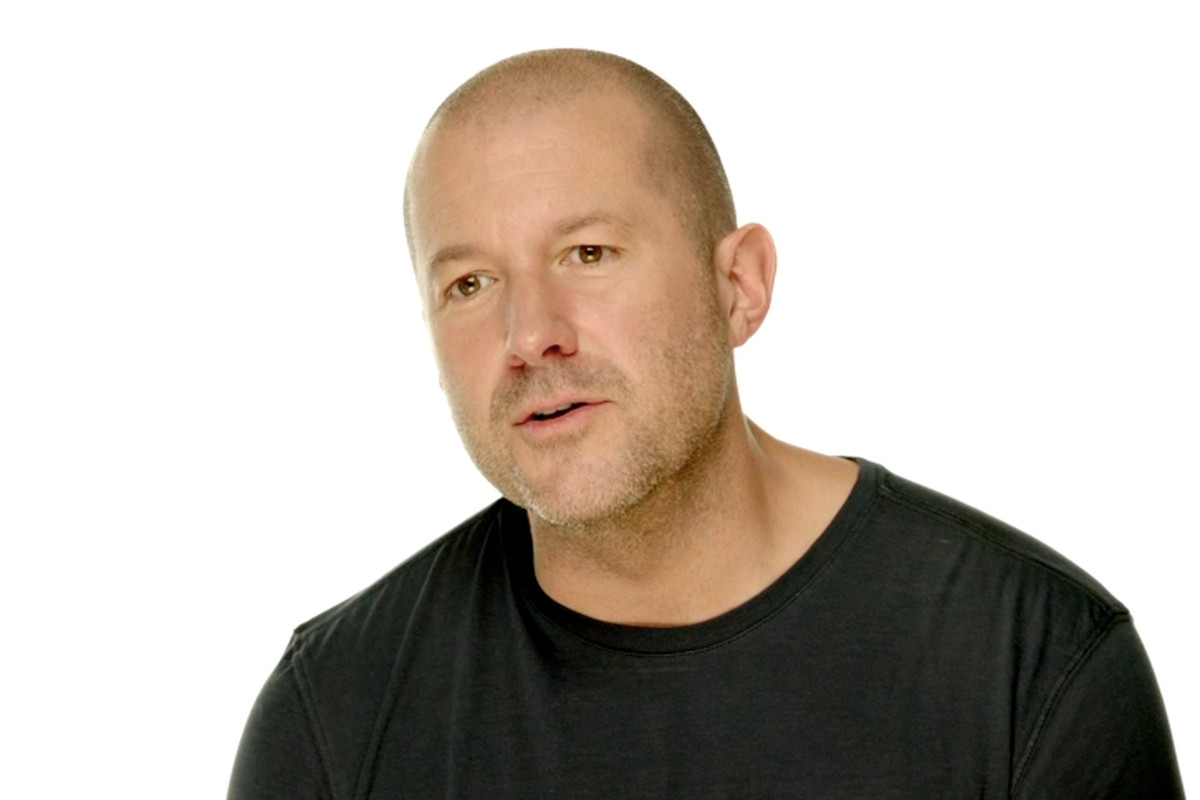
  • Jony Ive left Apple

    Jony Ive left Apple

    It is absolutely the end of an era at Apple. The company announced that it’s chief design officer, Sir Jony Ive, is leaving the company. The man responsible for the design of many iconic devices including the iPhone and the iPad is forming an independent design company. And yes, Apple will be one of its major clients. In addition to creating the look and finish of many Apple products, Ive’s distinctive British accent could be heard narrating most of Apple’s new product videos during the iPhone era.

    Ive first came to Apple in 1992, working as a member of the company’s industrial design group. One of his first assignments was to work on the design of the second generation Newton personal digital assistant (PDA) and the MessagePad. In 1997, Apple co-founder Steve Jobs returned to Apple and Ive was promoted to senior vice president of industrial design. He and Jobs combined on an amazing run of successful new products that might never be topped. It started with the all-in-one Apple iMac G3 released in 1998. With a brightly colored translucent case, the design stood out in a sea of dull desktop PCs. In 2002, a whole new design was used on the iMac G4. Keeping with the all-in-one theme, the screen was attached to an adjustable arm with the motherboard and hard drive placed inside the dome-shaped base. The success of these two products helped revive Apple.

    Ive also had a big hand in the design of the Apple iPod, which was first released in 2001. Apple’s mp3 player was a massive success and combined with the iTunes platform, Apple sold hundreds of millions of units. And then came the iPhone, followed by the iPad and the Apple Watch. By the time Apple’s tablet was released, Ive had more power than anyone at Apple outside of Steve Jobs. With that power came a huge paycheck estimated to be as high as $30 million by 2011, with an additional $25 million stock bonus.

    Following the fiasco that was the launch of Apple Maps in 2012, the company removed software chief Scott Forstall and Ive took on new responsibilities as the Senior Vice President of Design (no “Industrial in the title). The man who designed hardware for Apple was put in charge of designing iOS 7. After giving up control of the design team in 2015 so that he could work on Apple’s new campus, the executive regained that control two years later. That same year, Apple unveiled the iPhone X with a completely new design. The device featured thinner bezels, an edge-to-edge-screen and Face ID (replacing Touch ID). The design chief said that the phone was the closest he had come to his original goal of creating a phone that was all screen.

    The company is not immediately planning on naming a new chief design officer. Instead, Apple said that design team leaders Evans Hankey, vice president of Industrial Design, and Alan Dye, vice president of Human Interface Design, will report to Chief Operating Officer Jeff Williams.

  • Apple offers tool for diabetics that integrates with its Health app

    Apple offers tool for diabetics that integrates with its Health app

    Apple has long been rumored to be working on a way for the Apple Watch to noninvasively monitor the blood glucose levels of its users. This reading is used by diabetics to determine how much insulin they need to take before eating and usually requires a finger stick to draw blood. Such a feature for Apple’s wearable could be years away. The company has been working on becoming a major presence in the health care industry, and CEO Tim Cook says that health care will be Apple’s “greatest contribution to mankind.” With that in mind, some Apple Stores have begun to sell a blood glucose reader (called a glucometer) that syncs with the iPhone, the Apple Watch and the Apple Health app.

    The One Drop glucometer, priced at $69.95, features an iPhone app and a separate Apple Watch app. The meter itself takes the data from the blood drawn by the diabetic and sends it to the One Drop app where it is integrated with Apple’s Health app. The latter will allow diabetics to see their blood glucose data and associated analytics. There is also a subscription service that delivers test strips to users of the device. Each test requires the insertion of one strip into the glucometer.

    “I believe that Apple’s perspective on consumerized, data-driven self-care is where the industry is going to be pulled to, versus the expensive, bureaucratic, not-data driven current healthcare system. Our ability to align ourselves with that, and help drive that story, is what we see as the benefit of working with Apple.”-Jeff Dachis, CEO One Drop. The One Drop app also comes with the option of purchasing additional coaching to help users manage their diabetes. Those purchasing the One Drop glucometer will receive one free year of coaching from a certified diabetes educator. And unlike most glucometers, One Drop looks like an expensive consumer electronic device. One Drop CEO, Jeff Dachis, said that the product was created to “create a sense of love and delight” when using the product. “We share a design philosophy (with Apple)” Dachis said. “We want our products and services to be beautiful so people like them. You don’t hear the word ‘beautiful’ often in the healthcare space.”

    Perhaps someday the Apple Watch will instantly give blood glucose readings to diabetics by tapping on the screen. But until then, a device like the One Drop glucometer can be purchased and used along with the Apple Health app to help diabetics better control their disease. There are also a number of iOS apps that will track blood glucose readings, but none come with the actual glucometer required to produce those readings.

    Apple’s health initiative currently revolves around its smartwatch. The Apple Watch Series 4 offers a heart rate monitor and an electrocardiogram (ECG) sensor. The latter looks for an abnormal heart rate that could be a sign of Atrial fibrillation or AFib. This condition can lead to blood clots, strokes, and death. The watch also has a fall detector that is automatically enabled for owners of the device aged 65 or older. If the owner of the watch falls, the watch senses this, taps the user’s wrist and sounds an alarm. The user can then use the watch to contact emergency services or dismiss the alarm. If the watch determines that the user is not moving after about a minute, it will call 911 itself and send a message to the watch owner’s emergency contacts; that message indicates that the user has suffered a hard fall and includes the location of the injured party. These features have already saved the lives of several Apple Watch wearers.

  • Apple Music grows to over 60 million monthly users worldwide

    Apple Music grows to over 60 million monthly users worldwide

    Apple Music and Spotify continue to compete for world domination, as both music streaming services claim they have many millions of subscribers. Up until now, Spotify was the supreme ruler with more than 100 million subscribers worldwide reported two months ago.

    Before that, Apple said it has amassed 56 million subscribers by December 2018. Six months later, the number didn’t increase as much as one would expect. French media (via Music Business Worldwide) reports Apple’s SVP of Services, Eddy Cue said the music platform exceeded 60 million users.

    We’re referring to them as users since Apple confirmed the number includes free trialists, so we’re not yet sure how many are actually paying for the service, although we do know they should probably be at least 56 million as Apple pointed out six months ago.

    With the latest improvements to its Music platform added in the latest iOS 13 version, such as time-synced lyrics, Apple hopes to bring even more subscribers under its umbrella in the coming months. It remains to be seen whether or not the pace at which Apple Music is adding new subscribers each month is too slow to beat Spotify for the world’s largest music streaming service title.

    It’s also worth mentioning that Apple Music has more subscribers in the US than Spotify and that the latter announced it reached more than 200 million monthly users back in April.

  • Apple decision forces Intel to auction its smartphone modem patents

    Apple decision forces Intel to auction its smartphone modem patents

    Intel confirmed plans to exit the smartphone business a few months ago, but news about the auction of its smartphone modem assets emerged only today. The announcement follows Apple’s decision to buy 5G smartphone modems from Qualcomm rather than Intel.

    Although the US company said it will continue to produce 4G smartphone modems and honor all orders, it will no longer invest in 5G modem product line following the announcement. Instead, Intel will shift focus on its 5G network business, which is expected to grow in the coming years

    According to a new report from IAM, Intel has decided to auction all its IP relating to cellular wireless connectivity. There are no less than 8,500 patents that Intel is now looking to sell in order to recover some of the resources it invested. The report also mentions that Intel is launching this auction separate to its efforts to sell the smartphone modem division, hoping that a potential buyer for both will appear.

    Intel’s inability to meet Apple’s deadlines proved to be fatal for the business in the end, as the Cupertino-based company decided to make sure it’s got enough 5G modems in 2020. Left without the main client for its smartphone modem division, Intel is forced to cut its losses and refocus on those businesses that apparently bring much more money.

  • Apple Buys Self-Driving Car Startup Drive.ai

    Apple Buys Self-Driving Car Startup Drive.ai

    Apple Inc on Tuesday confirmed that it has acquired self-driving shuttle firm Drive.ai.

    Technology news website The Information reported earlier this month that the iPhone maker was considering acquiring the firm as a move to bring aboard some of its engineering talent to boost Apple’s own self-driving efforts.

    One of hundreds of startups pursuing autonomous vehicles, Drive.ai had been running a small fleet of test shuttles in Texas, The Information reported. But the startup told California regulators that it plans to lay off 90 people in a permanent closure. The San Francisco Chronicle earlier reported the closure.

    In Silicon Valley, it is common for larger companies to acquire struggling startups primarily to hire their engineers, a move known in the industry as an “acqui-hire.”

    Apple is vying against rivals such as Alphabet Inc’s Waymo to develop self-driving vehicles. In the past year, Apple has revamped its efforts, bringing former Tesla Inc engineering chief Doug Field to oversee the operation, which includes more than 5,000 workers.

    Apple is also working on key components such as sensors in addition to holding talks with potential suppliers.

  • Apple and Google are the top two most valuable brands in wireless tech

    Apple and Google are the top two most valuable brands in wireless tech

    Quick. Name the most valuable brand name in the world. Apple? nope. Google? That answer is so 2018. According to the 2019 BrandZ Top 100 Most Valuable Global Brands rankings computed by WPP and Kantar, Amazon is the most valuable brand with a value of $315 billion. Since the report considers Amazon to be a retailer, Apple is the leader among tech brands just edging out Google with valuations of $309.5 billion and $309 billion respectively. Google was the most valuable overall brand last year.

    Besides Apple and Google, other wireless giants in the top ten include Microsoft (#4, valued at $251.2 billion), Facebook (#6, $159 billion), and AT&T (#10, $108 billion). The value of Microsoft’s brand rose 25% from last year while more modest gains were seen for Apple (+3%) and Google (+2%). The value of brands in the tech sector rose 4% on an annual basis while telecom providers saw their brands increase by 1%.

    Looking at the remaining names on the list, those with a connection to the wireless industry include Verizon (#11), Xfinity (#20), T-Mobile (#25), China Mobile (#27),  Intel (#36), Samsung (#38), YouTube (#39), Instagram (#44), Adobe (#45), Huawei (#47), Vodafone (#49), LinkedIn (#58), Xiaomi (#74) and HP (#93).

    Xiaomi made the Top 100 for the first time at number 74. The brand is estimated to be worth $19.8 billion. Among the fastest rising brands, Instagram led everyone with a 95% year-over-year increase that took the valuation of the Instagram name to $28.2 billion. Adobe (+57% to $27.9 billion) and LinkedIn (+46% to $22.8 billion) also were among the brands having the largest increase in value from 2018 to 2019.

  • Apple will continue to dominate fast-growing smartwatch market

    Apple will continue to dominate fast-growing smartwatch market

    While the global smartphone market remains stagnant as groundbreaking foldable designs need more time to “stabilize” and 5G deployment is still too slow to make a difference, smartwatch sales continue to grow at an impressive pace around the world, pushing the entire wearable device industry forward.

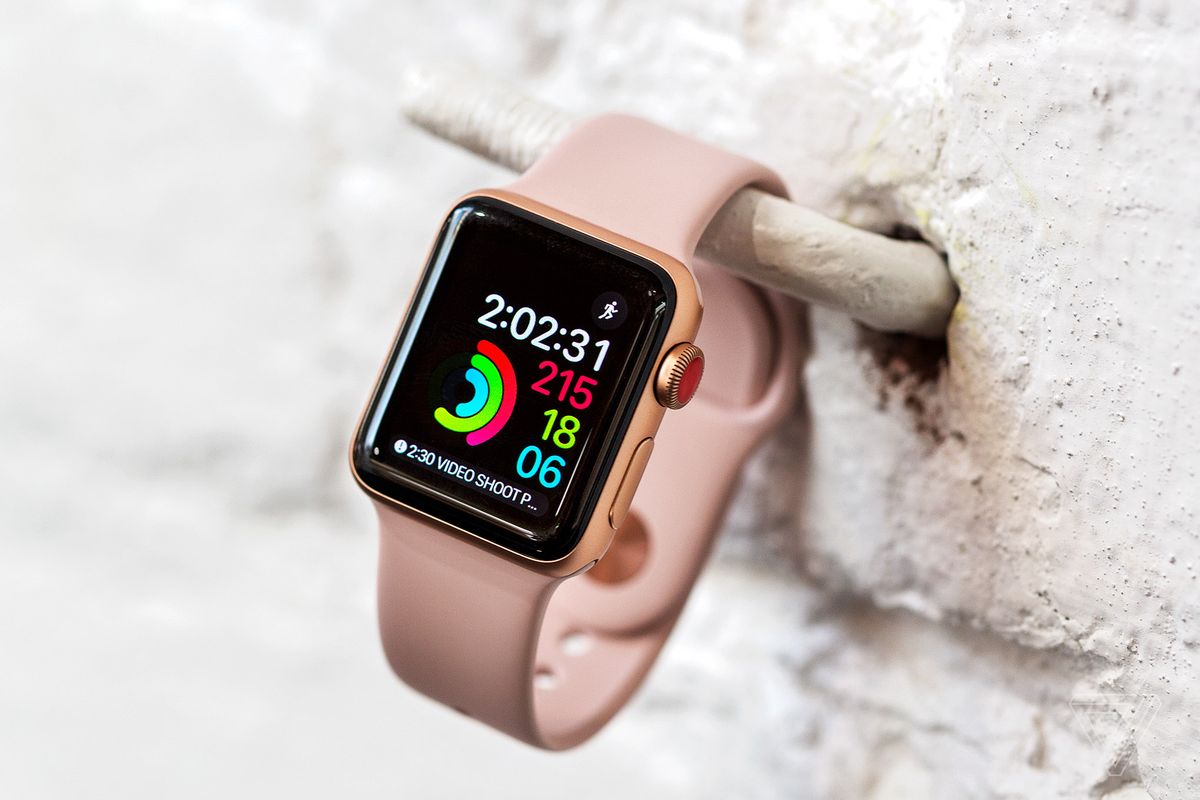
    It should come as no surprise that Apple is projected to stay in the lead of the smartwatch market until at least 2023, well ahead of a pack of rivals with no standout performer in sight. The International Data Corporation (IDC) expects the Cupertino-based tech giant to rack up a 25.9 percent slice of a 131.6 million unit pie in four years, with the former number actually representing a major decline from the company’s latest estimated 35.8 percent share.

    But that’s mainly because significantly more smartwatches are forecasted to be shipped worldwide in the next few years than right now. Specifically, that 131.6 million score would surge from 91.8 million units in 2019, marking a compound annual growth rate (CAGR) of 9.4 percent. And believe it or not, a different category of the wearable industry is expected to thrive at an even faster pace.

    We’re talking about earwear, aka ear-worn devices, aka AirPods and other headphones endowed with smart features. A whopping 105 million of these bad boys could be sold worldwide in 2023, up from “only” 72 million units this year, making up 34.8 percent of the overall wearable market, up from 32.3

    What’s perhaps more interesting to keep an eye on is how smartwatches and ear-worn devices will expand and evolve their feature sets and capabilities. According to the IDC, more than half of the former group will support standalone cellular connectivity in 2023 to break free from smartphones, while the latter category should focus more on allowing consumers to “cope with hearing loss” and other similarly life-improving use cases in addition to just tracking health info and interacting with a voice assistant.

    Finally, it sounds like wristband sales have largely plateaued, with this year’s 54.2 million units merely expected to rise to 55 million in 2023. Shipments will especially decline in North America and Western Europe, where the vast majority of activity tracker owners are likely to upgrade to smartwatches.