Tag: apple

  • Apple Pay focussing on wider NFC adoption

    Apple Pay focussing on wider NFC adoption

    Apple has been trying to replace your wallet with your iPhone for years now. Despite the relatively wide adoption of Apple Pay (at least in the States), however, it’s still not abundant enough to make you think twice about leaving your wallet at home. One of the main reasons for that is that Apple, in its typical fashion, has restrained the things developers can use the available hardware and software for. But it seems that might be changing very soon.

    Apple recently announced changes coming to the way NFC can be used on its iPhones in combination with Apple Pay during a conference for electronic transactions. Called Transact, the conference was held in Las Vegas in late April and was host to a rare Apple presentation that’s not during one of the company’s own events.

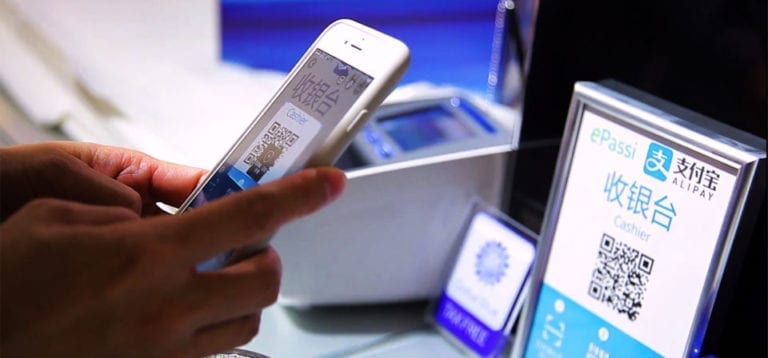
    Apple is looking to make it easier for businesses to integrate NFC payments into the Apple Pay ecosystem. To do that, it is going to allow its Core NFC framework to work with multiple NFC formats. Currently, Apple only supports one format called NFC Data Exchange Format. Three new formats are expected to be added with the release of iOS 13. These changes, among many others, will likely become official during Apple’s Worldwide Developers Conference 2019 that starts on June 3.

    But NFC formats don’t matter to users, they care about what that means for the way they use their devices. There will be some noticeable improvements in that area if Apple’s plans come to fruition. The company’s goal is to make paying for almost everything as easy and convenient as possible. Let’s take a look at what’s its vision.One example given at the presentation was the so-called micro-mobility, which is a fancy term for all the scooter-renting services like Bird and Lime. Right now, each of those comes with its own app that you can use not only to locate a scooter but mostly to pay for your time using it. Needing an app and an account adds friction, as experts call it, which reduces the number of people that use the service. Apple is working in cooperation with some of these companies to remove that extra step. In the future, tapping on the NFC chip of the scooter will allow you to rent it straight from Apple Pay. This will not only make it easier for non-frequent users to rent scooters but will also improve security, as you’re not sharing payment information with yet another entity.

    And then there are parking meters. The ones that allow mobile payments come with their own app as well. Similar to the scooter approach, Apple aims to cut out the unnecessary step of installing and logging into various apps (companies still get their money, after all) by handling everything within Apple Pay. The same technology can be applied to almost anything, from vending machines to public transport and all sorts of venues that you need to pay to get into.

    But NFC is not only useful for payments, but it can also carry all sorts of information. A few companies are already partnering with Apple to streamline the sign-up process for their loyalty programs by using NFC instead of paper forms people need to fill out.

    Once the ball starts rolling, we’ll likely see more and more businesses joining Apple’s initiative. This move will strengthen its ecosystem and tie down iPhone users to the brand even more than they already are. Hopefully, it will also nudge Google to put more effort into its own Google Pay.
  • Steam Link launches on iOS and Apple TV

    Steam Link launches on iOS and Apple TV

    Due to violating many of App Store’s guidelines, Valve’s Steam Link app was rejected by Apple last year, so Android users were the only ones to be able to bring desktop gaming to their smartphones and tablets.

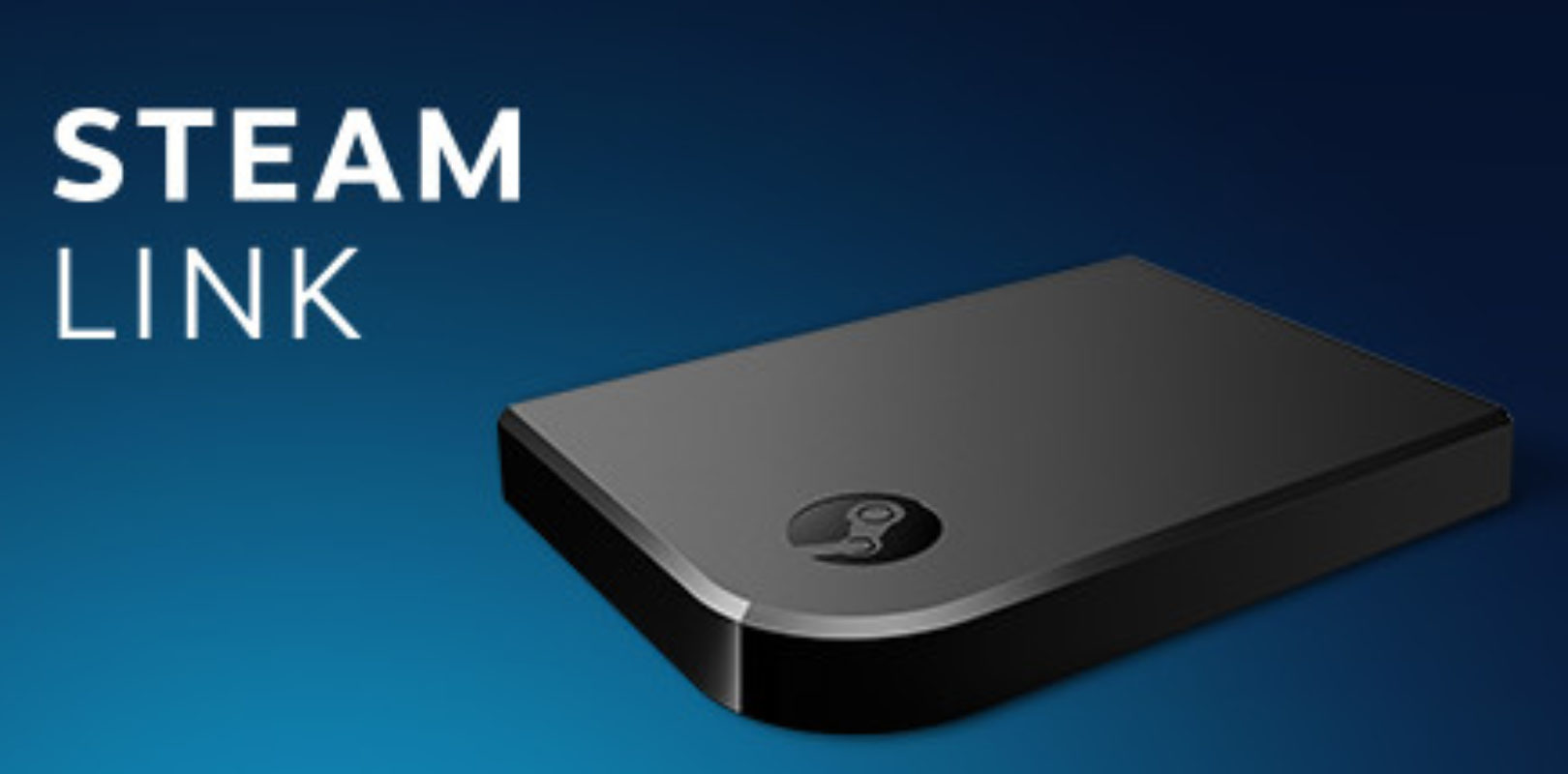
    Well, it looks like Apple and Valve managed to address all the issues so that gamers could enjoy their library of games on iPhone, iPad, and Apple TV. Steam Link for iOS is now available for download via App Store and enables Steam users to play their games on their mobile devices while connected to their computers.

    You just need to pair an MFI or Steam controller to your device, connect to a computer running Steam on the same local network, and you should be ready to play any game from your Steam library.

    Now, it’s worth mentioning that Steam Link requires an iPhone or iPad running iOS 10 or higher, a computer running Steam (Windows, Mac, or Linux). According to Valve, for best performance, you need to connect your computer using Ethernet to your 5GHz Wi-Fi router, then connect your iOS device to the same 5GHz band of your Wi-Fi network. Also, make sure that you’re not too far away from your router when playing games.

  • Apple TV and AirPlay 2 are now available on Samsung smart TVs

    Apple TV and AirPlay 2 are now available on Samsung smart TVs

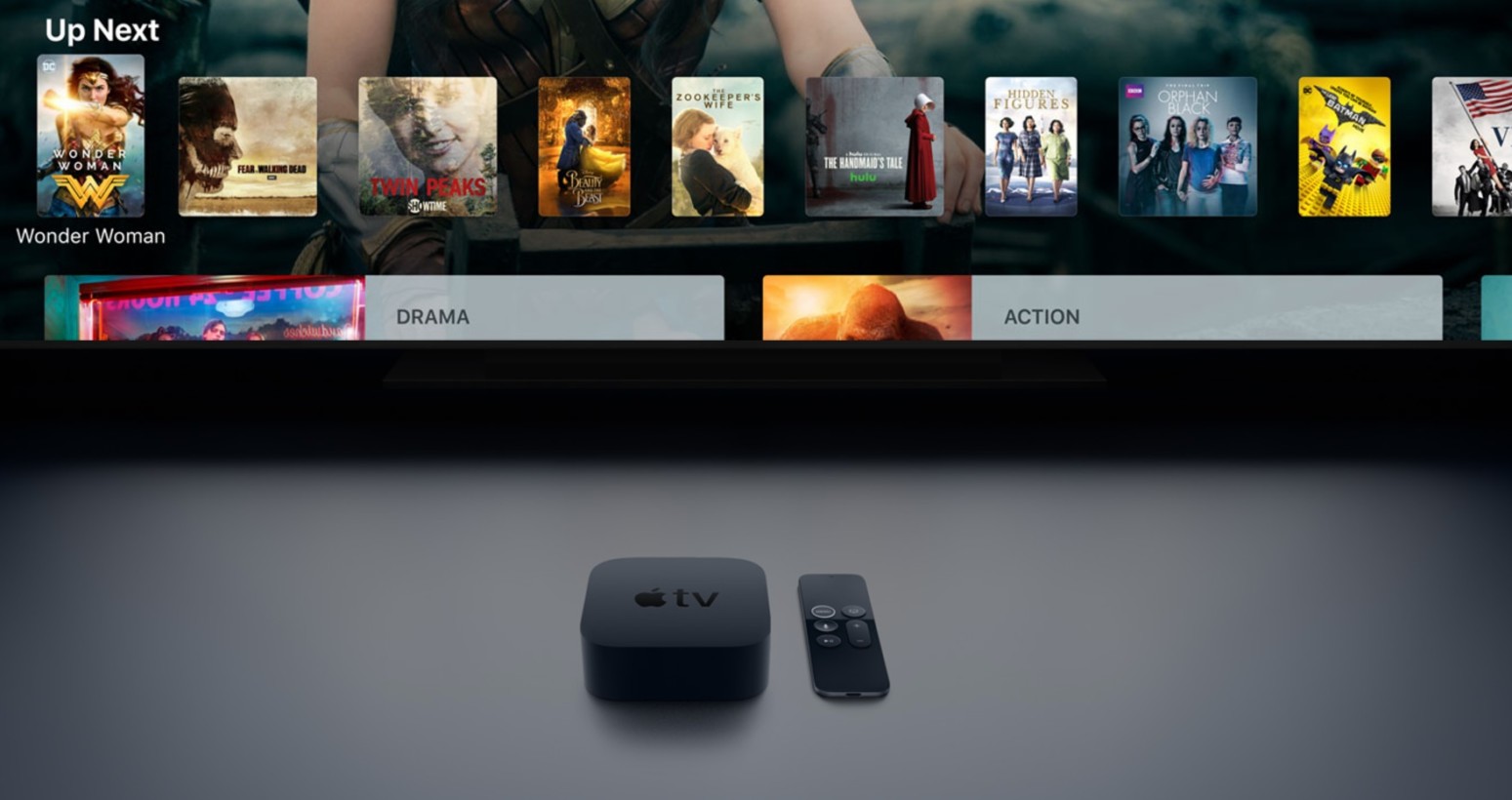
    Earlier this year, news broke that Apple would bring the Apple TV app to all Samsung smart TV models from 2018 and 2019. Today, alongside the redesign of the Apple TV app, support for it and AirPlay 2 is going live on Samsung’s smart TVs, turning the South Korean tech giant into the first TV manufacturer to natively support Apple’s services without a set-top box.

    In order to gain access to Apple TV and AirPlay 2, Samsung Smart TV owners will have to install a new firmware update that enables the services. Users in Australia have already started receiving the update, though there’s no official schedule for when the update will be rolled out in other regions.

    Starting this year, all new Samsung smart TVs should have AirPlay 2 and Apple TV integration out of the box, meaning that the app will be compatible with Samsung’s TV search function, Bixby Voice, and the Universal Guide feature, which surfaces shows and movies based on your interests and preferences. The update also enables casting content from iPhones and iPads to Samsung TVs via AirPlay 2.

    The redesigned Apple TV app now features a Channels tab, where users can find their favorite content from various networks and streaming services, as well as a curated section, where content will be surfaced on a per-user basis, depending on interests.

    If Apple TV is available in your country, and you own a Samsung smart TV model from the last year, keep an eye out for the firmware update. If you’d like to manually check for an update, go to Settings > Support > Software Update on your TV and select “Check for updates.”

  • Apple India shortlists first flagship store Presence

    Apple India shortlists first flagship store Presence

    Tech retailer Apple may be close to opening its first retail outlet in India. People familiar with the plans said Apple India will decide within weeks on a premium location in Mumbai from a shortlist it is examining now. The hardware manufacturer has previously been unable to open in the territory due to regulations governing local sourcing, which prompted Apple to shift some manufacturing to India. The move will also result in the removal of the 20 percent tariff currently placed on iPhones because they are imported.

    While local preferences are for cheaper Chinese handsets, India still represents a vast potential market for Apple as it loses ground in China.

    “India is a very important market in the long term,” said Apple CEO Tim Cook. “It’s a challenging market in the short term, but we’re learning a lot. We plan on going in there with sort of all of our might.”

    With India currently being the fastest-growing smartphone market in the world, Apple has placed greater emphasis on gaining market traction there in recent years. A new country chief was named last November after previous efforts yielded disappointing results. The firm now commands an estimated 1 percent of the country’s smartphone market.

    “Its own retail store might be just what Apple requires to reinforce its premium image,” said Rushabh Doshi, an analyst at global research firm Canalys. “A store just before the next launch will be the perfect timing for Apple to restart its Indian growth story.”

  • Apple looks to open its first store in India

    Apple looks to open its first store in India

    India is a great place for certain phone manufacturers to sell their products, and for others, it is a contradiction that is hard to figure out. With approximately 1.4 billion people in the country, it is the second largest smartphone market in the world after China. But with a per capita income in the country of $1,670 as of 2016, the consumers in the country usually favor lower priced handsets. That explains the success that Xiaomi, with its value for money policy, has had in the country.

    Apple’s business in India has been driven by demand for lower-priced models like the discontinued iPhone SE. To avoid a 20% tariff on imported phones, Apple had manufactured the iPhone SE in India and still produces older devices such as the iPhone 6s and iPhone 7 in the country.  Starting this year, it will also manufacture some of its high-end handsets in the region. Contract manufacturer Foxconn is said to be running quality tests of the iPhone XR in India with mass production of the device expected to start soon.

    More than ever, Apple is looking toward India to generate sales in light of the troubles the company has had over the last year selling iPhones in China. But business now is not booming. Research firm Canalys recently reported that during the first quarter of 2019, iPhone shipments in India declined by 75% year-over-year leaving the firm with just 1% of the country’s smartphone market. But Apple CEO Tim Cook is optimistic. He said during last week’s earnings call that “We have made some adjustments in India and we’ve seen preliminarily some better results there.”

    To help generate sales in India, Apple is planning to open its very first retail store in the market. Expanding the local production of iPhone models in the country is expected to help pave the way for government approval of India’s first Apple Store. The green light could come at the end of this month or early next month when a new government takes over in the country. Canalys analyst Rushabh Doshi says that opening a store before the launch of the 2019 iPhone models later this year will help Apple “restart its Indian growth story.” Doshi says that Apple is caught in a bind in India. On one hand, it wants to lower its prices in order to compete with the likes of Xiaomi and Vivo, but it also wants to maintain its “premium” image.

    “India is a very important market in the long term. It’s a challenging market in the short term, but we’re learning a lot. We plan on going in there with sort of all of our might.”-Tim Cook, CEO, Apple

    Still, last month Apple cut the price of the “more affordable” iPhone XR in the country by 17,000 rupees (equivalent to $244 USD). That phone is now priced in India for 59,000 rupees ($846 at current exchange rates).

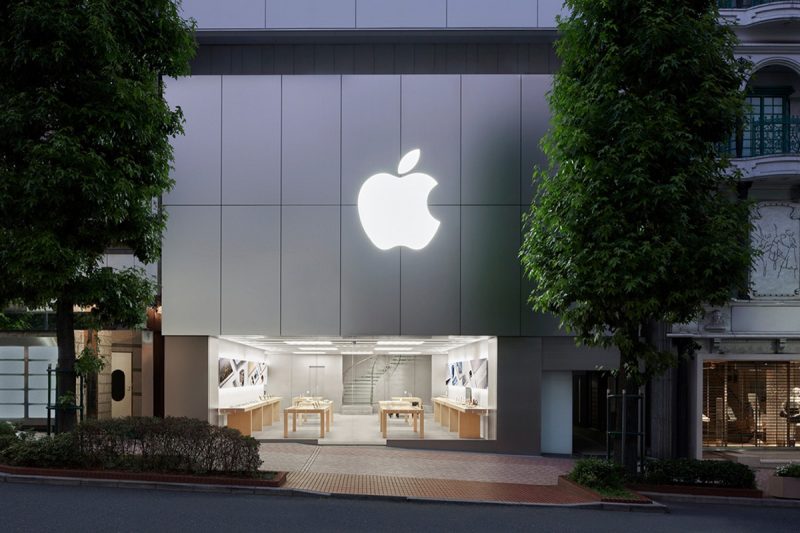
    Apple is apparently planning to open its first Apple Store in India at one of several upscale locations in Mumbai, according to anonymous sources cited in the report. Apple will decide on the exact location in the next few weeks. No matter which location it selects, the Indian Apple Store will be in a prestigious area of the country comparable with Apple’s Fifth Avenue store in New York City, the Regent Street location in London and the store on the Champs-Elysees in Paris. This might be part of the game plan designed to keep promoting the iPhone as a premium device in India. But again, for Apple to succeed in the country, it will have to be mindful of its pricing.

  • Qualcomm shows how important Apple’s business is

    Qualcomm shows how important Apple’s business is

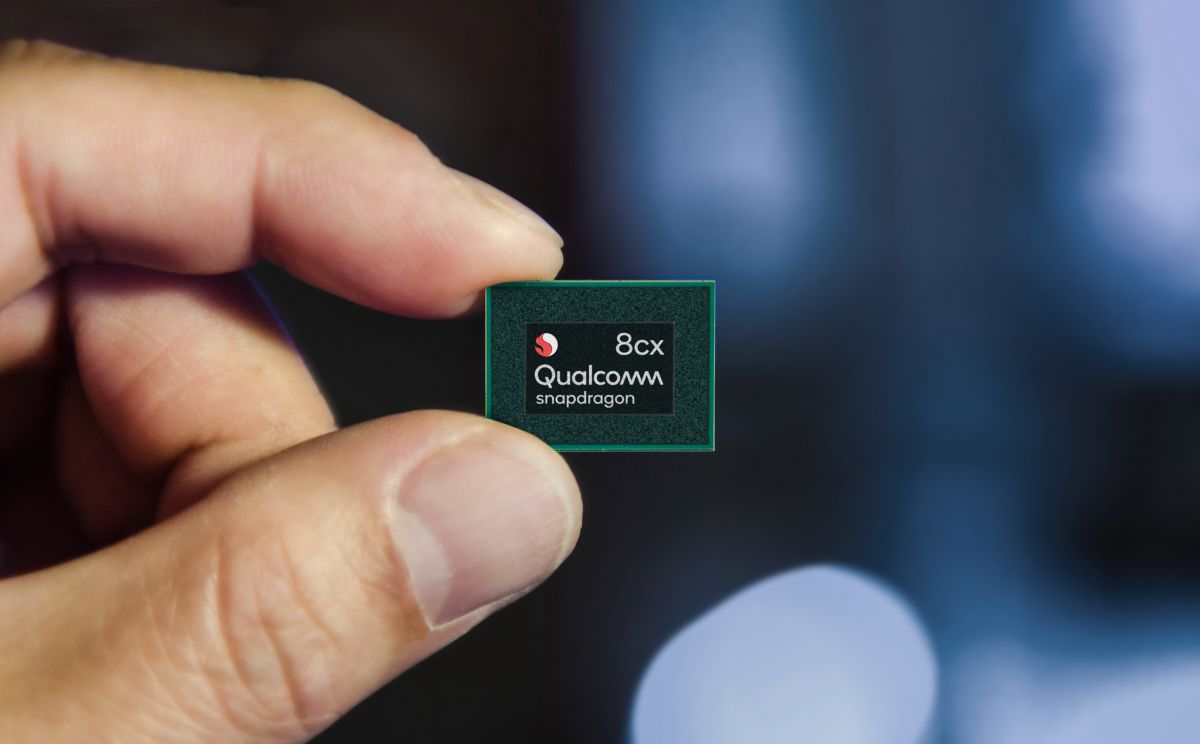
    Last month, just as Apple and Qualcomm were into the opening statements of their billion-dollar trial in San Diego, surprising news was released. Behind the scenes, Apple and Qualcomm had been negotiating a settlement and both companies finally shook hands on a deal. Apple paid the chip maker an undisclosed amount of money; in return, Apple received a 6-year licensing agreement (with a two-year option) and a multi-year chip supply deal.

    It was no secret that Apple was getting desperate for a company to supply it with 5G modem chips for the iPhone. Apple wasn’t totally convinced that Intel, whose 4G LTE modem chips are exclusively used on the 2018 iPhones, could deliver the 5G component in time. In fact, during the FTC v. Qualcomm non-jury trial in January, Apple supply chain executive Tony Blevins testified that the firm had spoken with Samsung and MediaTek about sourcing their 5G modem chips. And even though Intel said early last month that it would ship its chips starting in the second half of this year, Apple still felt compelled to shake hands with Qualcomm. Hours after the agreement was announced, Intel said that it was leaving the mobile 5G modem chip business.

    According to one analyst, Apple will pay Qualcomm as much as $9 for each iPhone it sells with a 5G Qualcomm modem chip. The terms of the settlement obviously benefit Qualcomm greatly, and the company has decided to reward its executives including CEO Steve Mollenkopf. The executive received a bonus consisting of 40,794 shares of Qualcomm stock. The shares are currently valued at over $3.5 million. Not that Mollenkopf was underpaid; last year he took home $20 million according to data from FactSet.

    Other Qualcomm executives received bonuses too, thanks to the settlement with Apple. Company president Cristiano Amon scored $2.14 million in Qualcomm stock and Chief Technical Officer James Thompson was given $1.65 million in company shares. Other beneficiaries included General Counsel Donald Rosenberg and interim CFO David Wise. The pair received $1.22 million and $254,000, respectively. Wise pointed out that other Qualcomm employees will receive higher bonuses too, thanks to the settlement. Investors also have benefited from the deal with Apple (assuming that they weren’t short the stock). The day before it was announced, Qualcomm’s shares closed at $57.18. Yesterday, the stock closed at $85.84, which means that it has soared 50% over the last three weeks.

    The bonuses and the stock surge are both an indication of how important Apple’s business is for Qualcomm. Apple only used Qualcomm’s modem chips on the iPhone from 2011-2015. As a result, Apple demanded and received a $1 billion incentive payment from the chip maker annually. But Apple CEO Tim Cook was upset that Qualcomm was receiving five times more in royalties than it was paying all of its other suppliers combined. Qualcomm’s royalty payments were based on the retail price of the iPhone, and that didn’t make Cook very happy either.

    Apple ended up testifying against Qualcomm at a hearing held by the South Korea Fair Trade Commission. That angered Qualcomm, as did a statement from Apple that it would have to add a second modem chip supplier due to “Qualcomm’s exclusionary conduct.” At the same time, Qualcomm learned that Apple was planning on using Intel modem chips on the iPhone 7 and it stopped sending Apple those $1 billion checks. In return, Apple told its contract manufacturers like Foxconn and Pegatron to stop paying royalties to Qualcomm. Apple sued Qualcomm in January 2017 leading to a number of suits filed by both companies against each other. All of those suits have been withdrawn by Apple and Qualcomm as part of the settlement.

    Now that Apple and Qualcomm are on speaking terms, a 5G iPhone seems a sure bet for 2020.

  • iPhone sales declined in every part of the World

    iPhone sales declined in every part of the World

    As Apple confirmed in its two most recent earnings calls, iPhone sales have been consistently down year-on-year since October. The Cupertino giant blamed this primarily on weak demand in China, but recent SEC filings show this isn’t the full story.

    Apple’s recent Form 10-Q filing with the SEC (US Securities and Exchange Commission) contains a detailed breakdown of performance over the past six months by both product category and geographical region.

    iPhone sales, as mentioned above, have been down for the past six months. The Greater China region which includes China, Hong Kong, and Taiwan has undoubtedly impacted Apple’s total shipments the most, but in actual fact, the company has been experiencing “lower iPhone unit sales in all the reportable geographical segments” since October. This has resulted in year-on-year revenue declines for all regions except the Americas (North and South America), with Greater China being the most affected followed by Europe and Japan.

    In almost every geographical segment, Apple’s lower iPhone shipments were partially offset by improved performance in other product categories. For example, in Europe, the company’s Services and Wearables businesses grew significantly, while over in Japan Services and iPad were key. In the Americas, however, strong Services and Wearables performance managed to entirely offset weak iPhone shipments and push year-on-year growth to a decent 4%.

    Taking a look at the company’s performance over the past three months rather than six, it seems as though Apple’s efforts in certain regions are finally beginning to pay off. Other markets, however, seem to be in decline.

    As mentioned by Apple in its recent earnings call, the company noticed improved demand in Greater China towards the end of the quarter. It didn’t elaborate on the matter, but it seems to have translated into slightly better financial results for the brand as, for the three months ending March 31st, the year-on-year sales decline was 22%. This is still pretty major, but it represents an improvement over the -25% average Apple has experienced in the region since October.

    Another region that has improved in Japan. Over the past six months, Apple’s sales have dropped an average of 2%, but throughout the first three months of 2019 sales were actually up 1%. Similarly, the Americas continued to experience growth throughout the past quarter.

    Moving on to Europe and the Rest of Asia Pacific, these two geographical segments didn’t fare as well. Since October, Apple has experienced an average revenue decline in these regions of 4% and 2% respectively. But during the first quarter of the year, these numbers nosedived to 6% and 9% due primarily to even lower iPhone demand.

    Regarding Apple’s performance throughout the rest of 2019, the Cupertino giant now appears confident that it can improve the situation in Greater China and ultimately slow down its year-on-year decline. Nevertheless, it’s still forecasting a drop for this current quarter and, with business in Europe and the Rest of Asia Pacific seemingly struggling, it’ll remain to be seen how Apple handles the situation.

    Towards the end of 2019, Apple’s next-gen iPhones should provide a decent boost to demand. However, analyst Ming-Chi Kuo recently predicted almost no growth. Instead, Kuo expects iPhone sales to pick up towards the end of 2020 as a result of the first 5G models which should feature modems from both Samsung and Qualcomm.

  • Apple faces a fineof $26.6 billion in antitrust probe

    Apple faces a fineof $26.6 billion in antitrust probe

    The Financial Times reports today that complaints made by music streamer Spotify against Apple will be investigated by the EU competition commission. The issue is the 30% cut of revenue that Apple charges apps in the App Store for using its payment system. Spotify calls this the “Apple Tax” and complains that it gives rival streamer Apple Music an unfair advantage. The complaint was originally lodged in March. While Apple takes 30% from Spotify and other music subscription services, it doesn’t charge other apps like Uber.

    If the EU rules in favor of Spotify, it can force Apple to change its business practices on the continent and fine Apple up to 10% of the company’s global revenue. In Apple’s case, the fine could total as much as $26.6 billion. Most likely, Apple and the EU competition committee will work out a settlement with the company promising to lower or end the so-called “Apple Tax.”

    Both Apple Music and Spotify have similar monthly subscription rates, with both charging $9.99 a month for an individual subscription, $14.99 a month for families with up to six members, and $4.99 a month for verified students. However, because of Apple’s 30% cut, in the App Store Spotify charges $12.99 a month for individuals, $16.99 a month for families and $7.99 a month for verified students. Unlike Apple, Spotify does have a free tier of service that is ad-supported, although it doesn’t allow users to download music or select individual songs.

    Just last week, Spotify announced that it grew the number of its paying Premium tier subscribers by 32% year-over-year during the first quarter. The company now has 100 million paying subscribers and 117 million who use the free ad-supported service. At last count, Apple Music had 56 million paying subscribers worldwide. However, in the states, it is Apple Music on top-barely. Just recently, the Wall Street Journal said that in the U.S., Apple Music has 28 million paying subscribers compared to 26 million for Spotify.

    A lawyer at Clifford Chance that helped Spotify file its complaint, Thomas Vinje, said that there are other music streamers that agree with Spotify’s position. However, Vinje says that these other companies are “too afraid to take on Apple.” Back in March, Apple responded to the charges by pointing out that Spotify used the App Store to grow its business over the years without making any contributions to it in return.

    “After using the App Store for years to dramatically grow their business, Spotify seeks to keep all the benefits of the App Store ecosystem — including the substantial revenue that they draw from the App Store’s customers — without making any contributions to that marketplace. At the same time, they distribute the music you love while making ever-smaller contributions to the artists, musicians, and songwriters who create it — even going so far as to take these creators to court.
    Spotify has every right to determine their own business model, but we feel an obligation to respond when Spotify wraps its financial motivations in misleading rhetoric about who we are, what we’ve built and what we do to support independent developers, musicians, songwriters and creators of all stripes.”-Apple

    Apple has been fined before by the EU’s competition commission. In 2017, commissioner Margrethe Vestager ruled that Apple had to pay 13 billion Euros ($14.6 billion USD) in back taxes. The commission found that a tax deal Apple had with Ireland was actually considered to be illegal state-aid from the country.

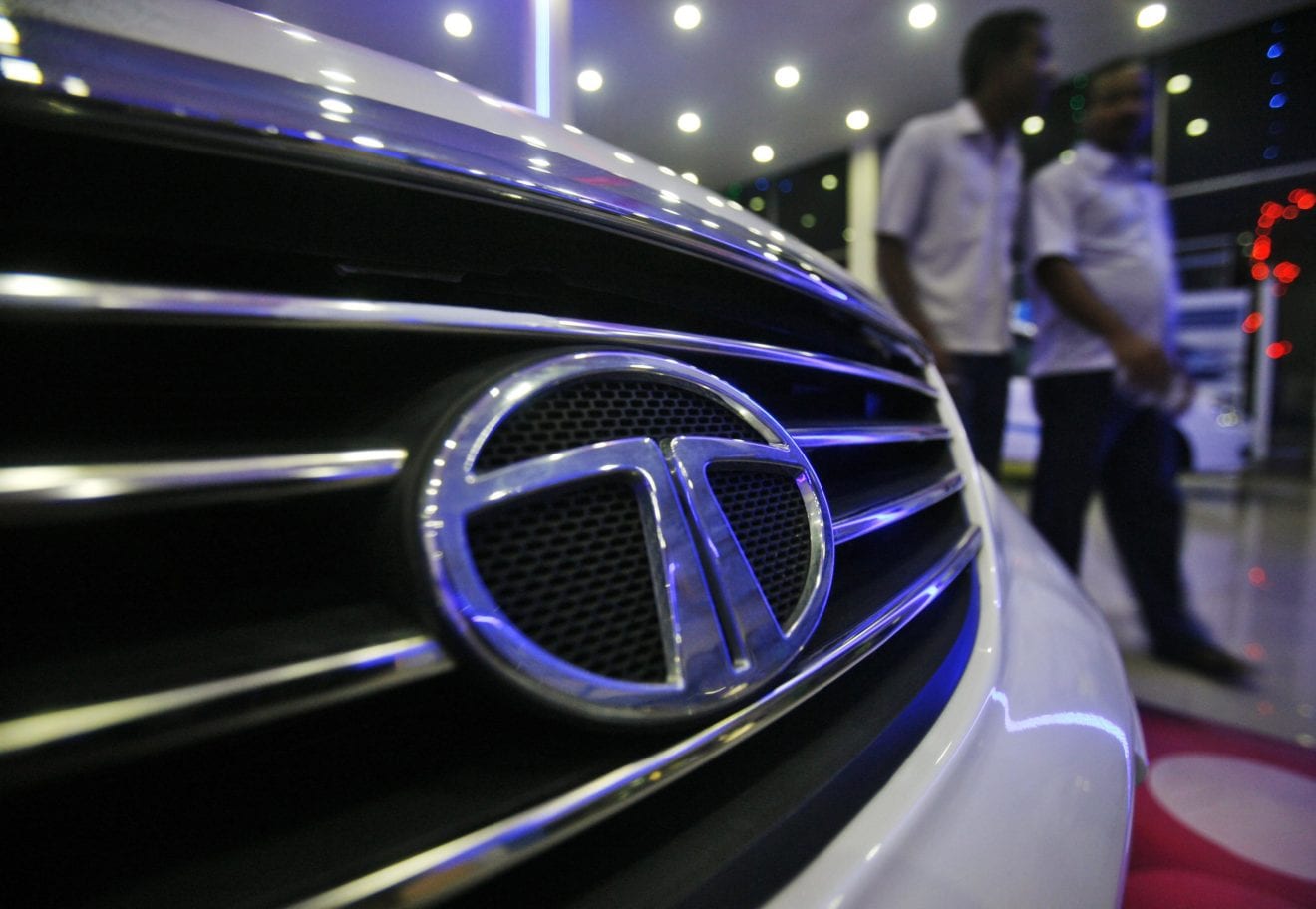
  • Tata Harrier Updated With Apple CarPlay Compatibility

    Tata Harrier Updated With Apple CarPlay Compatibility

    It is likely that the first batch of Tata Harriers already sold will be able to get the connectivity system with a software update. There are no changes to the infotainment system on the SUV that continues to be offered with the 8.8-inch floating touchscreen display and has been developed by JBL. The infotainment system is offered on the XZ or higher trims.

    More recently, Tata announced that the Tiago and Tigor XZ+ variants now come with Apple CarPlay as well, having been updated with the larger 7-inch touchscreen infotainment system previously. Like the Harrier, the top variants of the Tiago and the Tigor were only offered with Android Auto on the XZ+ trim.

    Apart from the feature addition, expect no major changes on the Tata Harrier. The SUV is powered by the Fiat sourced 2.0-litre diesel motor tuned for 138 bhp and 350 Nm of peak torque. The motor is paired with a 6-speed manual transmission. A 7-speed version of the Harrier is due for launch later in the year and was revealed as the Tata Buzzard. The new offering could see an automatic transmission being introduced on the SUV.

  • Apple shares Down Since Long

    Apple shares Down Since Long

    Apple reported that it barely topped Wall Street estimates for iPhone and Services revenue during its fiscal second quarter, which ran from January through March. The company took in $31.05 billion from sales of its smartphones during the quarter, barely topping the $31.03 billion that Wall Street expected. Since the end of the fiscal fourth quarter, Apple has stopped revealing how many iPhone units were sold during the period. The revenue figure is a 17% decline from the same quarter last year.

    While iPhone sales have been struggling, Apple has been focusing on its Services business, which includes AppleCare, iTunes, the App Store, Apple Music, Apple News+, Apple TV+ and Apple Arcade (starting this fall). Apple has had a goal of reaching $50 billion in Services revenue, which would double the $25 billion it took in during fiscal 2016. For the fiscal second quarter of 2019, Apple generated $11.45 billion from the Services unit, its second largest and most profitable division. That not only topped the $11.37 billion that Wall Street was looking for, but it was also a 16% boost from the $9.85 billion that the Services unit brought in a year ago. By adding more subscription services such as Apple News+ and Apple TV+, the company is looking to take advantage of an installed base that is now numbered at 1.4 billion devices. Apple had 390 million paid subscriptions during the three months.

    During the quarter, Apple garnered $4.87 billion in iPad revenue. That was a healthy and surprising 22% improvement from the $4 billion that the tablets brought in during the fiscal second quarter of 2018, and beat analysts estimate of $4.21 billion in sales. It also was the highest growth rate for the device in six years. The Wearables unit, which includes the Apple Watch and the AirPods wireless Bluetooth earphones, had $5.13 billion in revenue for the three month period. Last year, the division grossed $3.94 billion. That works out to a strong 30% year-over-year growth rate for the unit and easily topped the $4.79 billion that Wall Street was looking for.

    “Our March quarter results show the continued strength of our installed base of over 1.4 billion active devices, as we set an all-time record for Services, and the strong momentum of our Wearables, Home and Accessories category, which set a new March quarter record. We delivered our strongest iPad growth in six years, and we are as excited as ever about our pipeline of innovative hardware, software, and services. We’re looking forward to sharing more with developers and customers at Apple’s 30th annual Worldwide Developers Conference in June.”-Tim Cook, CEO, Apple

    With the problems that Apple has had in China, where it had to cut iPhone prices at the wholesale and retail levels, sales in the country declined from $13.02 billion to $10.22 billion. Sales rose slightly in the Americas and Japan while declining in Europe and Asia (minus China).

    Overall, Apple earned $58.02 billion in the quarter, down more than $3 billion from the same quarter last year. While net income declined to $11.56 billion from $13.82 billion year-over-year, the $2.46 earnings per share figure topped Wall Street consensus forecasts by a dime.

    Investors ate up the report, along with the news that the company raised its quarterly dividend by 5% to 77 cents a share. While Apple closed the regular trading day at $200.67 a share, down 1.9%, after the report was released the stock rose 4.8% or $9.61 to $210.28 a share. At that price, Apple is worth $987 billion and is closing in on a trillion dollar valuation for the second time.

  • Global smartphone sales still in freefall

    Global smartphone sales still in freefall

    The global smartphone market remains in “freefall”, having experienced its sixth consecutive quarter of declining shipments during the first quarter, according to Canalys.

    Total unit shipments fell 6.8% year-on-year to 313.9 million during the quarter, the lowest result in nearly five years, the research firm said.

    Apple was the hardest hit of the big smartphone vendors, with iPhone shipments dropping 23.2% year-on-year to 40.2 million units, which marked the largest single quarter decline in the history of the iPhone.

    But market leader Samsung also experienced a 10% decline in shipments to 71.5 million.

    By contrast, Huawei had a strong performance during the quarter, with shipments growing 50.2% during the first quarter to 59.1 million.

    Huawei has publicly set its sights on overtaking Samsung as the world’s top smartphone vendor by unit shipments by 2020, but it will not be an easy battle, the research firm said, with its chance of success hinging on its ability to take customers in the low to midrange price bands.

  • Tata Tiago & Tigor Updated With Apple CarPlay

    Tata Tiago & Tigor Updated With Apple CarPlay

    Tata Motors top-selling Tiago hatchback and its sibling Tigor have been updated with a touchscreen system on the range-topping XZ+ variants. The Tata Tiago XZ+ is priced from ₹ 5.71 lakh, while the Tata Tigor XZ+ has been priced at Rs 6.75 lakh (all prices, ex-showroom Delhi). As a result, the new system is not only better in terms of use but also gets the much awaited Apple CarPlay compatibility feature. The Tata Tiago XZ+ variant was launched last year with the new 7-inch touchscreen infotainment system but only offered Android Auto connectivity. The new compatibility option will allow iPhone users to connect their smartphone with the car that makes for distraction-free driving.

    Interestingly, existing owners of the Tiago and the Tata Tigor XZ+ variants can update their existing infotainment systems to access Apple CarPlay. Owners will have to head to a Tata Motors service centre to for a software update. In addition to the touchscreen system, the Tata  Tigor and the Tiago XZ+ variants come with new headlamp styling, and diamond cut alloy wheels.

    Apart from the feature additions, the Tata Tigor and the Tiago continue to use the same mechanicals. Power comes from the 1.2-litre three-cylinder Revotron petrol engine that belts out 83 bhp and 114 Nm of peak torque. The 1.05-litre three-cylinder Revotorq motor is tuned for 69 bhp and 140 Nm of peak torque. Both engines are paired with a 5-speed gearbox, while an AMT unit is optional.

    With the new system updated across the Tiago and Tigor family, only the performance-friendly JTP versions are yet to get the feature. The Tata Harrier too will get the update in a few weeks.The Tata Tiago is quite the seller and locks horns against a number of offerings including the Maruti Suzuki Wagon R, Hyundai Santro, and the likes, while the Tata Tigor takes on the Ford Aspire, Maruti Suzuki Dzire, Hyundai Xcent among other sub 4-metre sedans.

  • Apple to open Beats Powerbeats Pro Orders

    Apple to open Beats Powerbeats Pro Orders

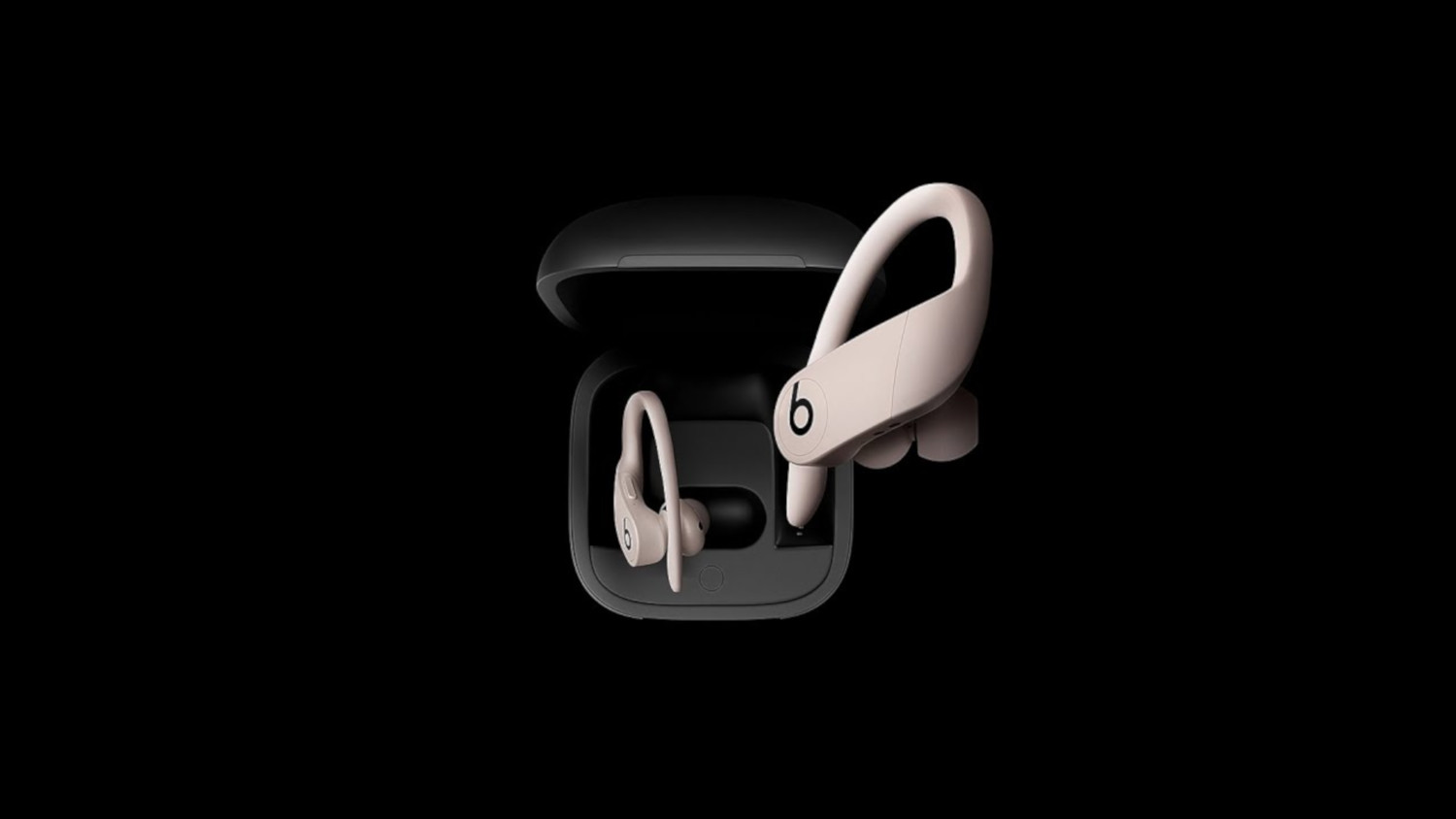
    Unveiled early this month, the Beats Powerbeats Pro earphones will make their debut on the market in May. However, Apple didn’t say when exactly customers will be able to purchase the earphones, but it did confirm they will be available for $250.

    The Powerbeats Pro will be up for pre-order in the United States and Canada starting May 3 for the price mentioned above. Also, those who want to wait get the earphones directly from the stores will be able to do so beginning May 10.

    Apple also announced that only the Powerbeats Pro in Black will be available for purchase in May, while the Ivory, Moss and Navy will go on sale “this summer.” Of course, price and specs remain the same for all color options.

    Speaking of specs, the Powerbeats Pro are equipped with the same Apple H1 chipset that comes inside the AirPods 2 and offers up to 9 hours of battery life (charge 5 minutes for up to 1.5 hours of battery life). They’re sweat and water resistant, and feature full “Hey Siri” support on iOS devices, as well as voice capability with the push of a button.

    The earphones come with charging case and a lightning to USB-A charging cable. You’ll also notice that the earphones feature volume and track controls on each earbud so you can play both sides on just one at a time.

  • Microsoft does something Unexpected

    Microsoft does something Unexpected

    You didn’t have to be a techie, a fan boy or wealthy investor to enjoy the two-horse race last year between Apple and Amazon. Both companies were neck and neck in a race to be the first publicly traded U.S. firm to reach a trillion dollar valuation. Last August 2nd, Apple hit the milestone first, followed by Amazon almost exactly one month later. And that’s why it was such a surprise when Microsoft finished 2018 as the most valuable public company in the U.S.

    Even though Microsoft finished on top as last year ended, it was the beneficiary of a sharp market correction that took Apple and Amazon down 32% and 27% from their 2018 highs, respectively. But the software giant had never actually joined Apple and Amazon in the trillion dollar club; that is, until today. A positive earnings report released by the gang in Redmond after the market closed last night has propelled the stock sharply higher. This morning, Microsoft’s shares reached a high of $131.37 and at that point, the company was worth $1.007 trillion dollars.

    Microsoft investors have taken some profits, allowing the stock to drift back to $129.64 as we write this. That takes the company under the $1 trillion mark but doesn’t remove the accomplishment from the history books. Meanwhile, Apple and Amazon’s shares have recovered enough from last winter’s drubbing to make another run at a $1 trillion valuation. Apple, which reports earnings next week, is currently worth close to $975 billion. Amazon reports earnings later today and is currently worth $944 billion.

    While some might say that Microsoft has failed miserably in the mobile industry with Windows Mobile and Windows Phone, others might point out the success it has had with the Surface Pro high-end tablets. And more importantly for Microsoft, it owns a slew of Android-related patents that bring in a huge sum of money every year.

  • First 5G Apple iPad Pro won’t arrive Soon

    First 5G Apple iPad Pro won’t arrive Soon

    Most of the talk about Apple and 5G revolves around the iPhone. Now that the settlement with Qualcomm has apparently resulted in a multi-year deal that supplies Apple with 5G modem chips (neither side has discussed this officially), we can expect Apple to launch a 5G iPhone by next year. But what about the Apple iPad? After all, the Wi-Fi + Cellular version of the iOS-powered tablet can connect to a wireless carrier’s 4G LTE network.

    The answer to that question comes from TF International’s reliable Apple analyst Ming-Chi Kuo as cited by the Economic Daily News. According to his report, Kuo expects to see the first 5G iPad shipped no earlier than 2021. Meanwhile, the analyst says that two new iPad Pro models will be in mass production during the fourth quarter of this year to the first quarter of 2020. The units will have the same 11-inch and 12.9-inch screen sizes that the current model’s sport, but will not offer support for 5G connectivity.

    Besides adding 5G modem chips to the iPad Pro in 2021 or later, Kuo expects Apple to employ an LCP (liquid crystal polymer) soft board at the same time. This will reduce signal loss and improve networking performance. Kuo says that because the iPad Pro is used as a business productivity tool and for entertainment, the slate needs to offer better connectivity than the iPhone. The new soft board will allow Apple to attach the iPad Pro’s antennas to the motherboard, improving the user experience of the device. The report adds that Murata will be one of the companies supplying Apple with the LCP soft board. The firm already supplies soft boards to Apple for the iPhone.

    The most recent versions of the iPad Pro, launched late last year, featured a big change in the design of the tablet. Gone was the home button and Touch ID, replaced with a TrueDepth Camera and Face ID (which works regardless of how the tablet is being held). The bezels are thinner resulting in an edge-to-edge Liquid Retina (LCD) display. Using magnets, the second generation Apple Pencil can stick to the side of the tablet and charge up at the same time. Measuring only 5.9mm high, the latest iPad Pro models are sleek and thin.

    As we passed along to you the other day, there are rumors that Apple will add mouse and trackpad support for the iPad Pro with iOS 13. This could help some see the iPad Pro as a legitimate laptop replacement (Apple notes that the iPad Pro is faster than 92% of “portable PCs”). Apple’s high-end tablet line competes with Microsoft’s Surface Pro in the premium tablet niche, but the latter has the advantage of running on Windows 10 and supporting the wireless Surface Mobile Mouse that connects via Bluetooth.

    It is interesting that in the discussions about 5G, the tablet market has been overlooked. The next generation of wireless connectivity will bring data speeds as fast as 10 times that achieved on 4G LTE networks. With the faster speeds, movies that take minutes to download now will load in seconds. It also will bring about new innovations, services, and businesses that we can’t even imagine right now. For example, when 4G LTE service became widespread, it led to the creation of the ride-sharing industry and the two multi-billion dollar companies that are leaders in the industry (Uber and Lyft). 5G networks will also help cars drive by themselves as the Internet of Things becomes the Internet of Many More Things.