Tag: apple

  • Apple’s iPhone XR was the best-selling iPhone in Q2

    Apple’s iPhone XR was the best-selling iPhone in Q2

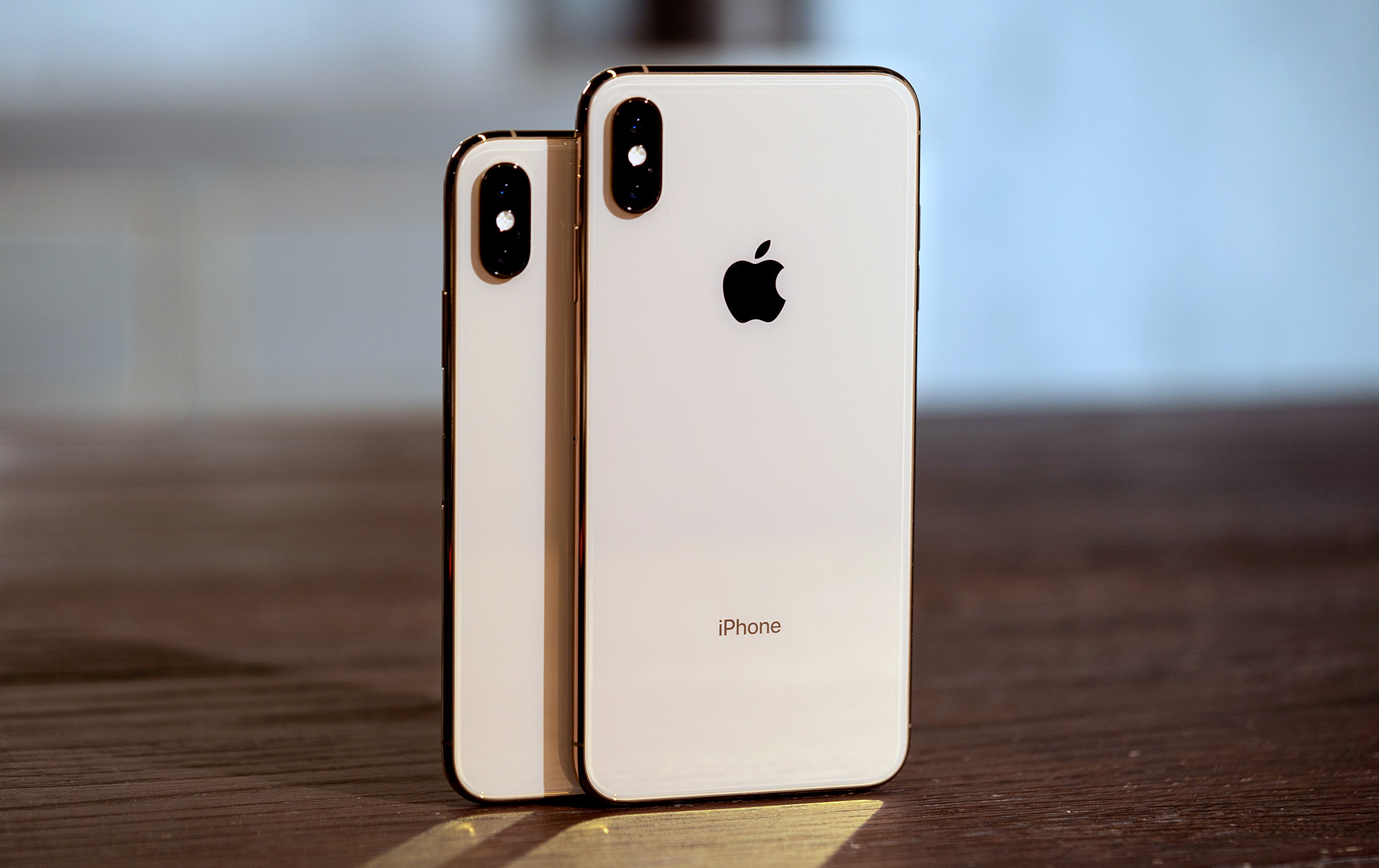
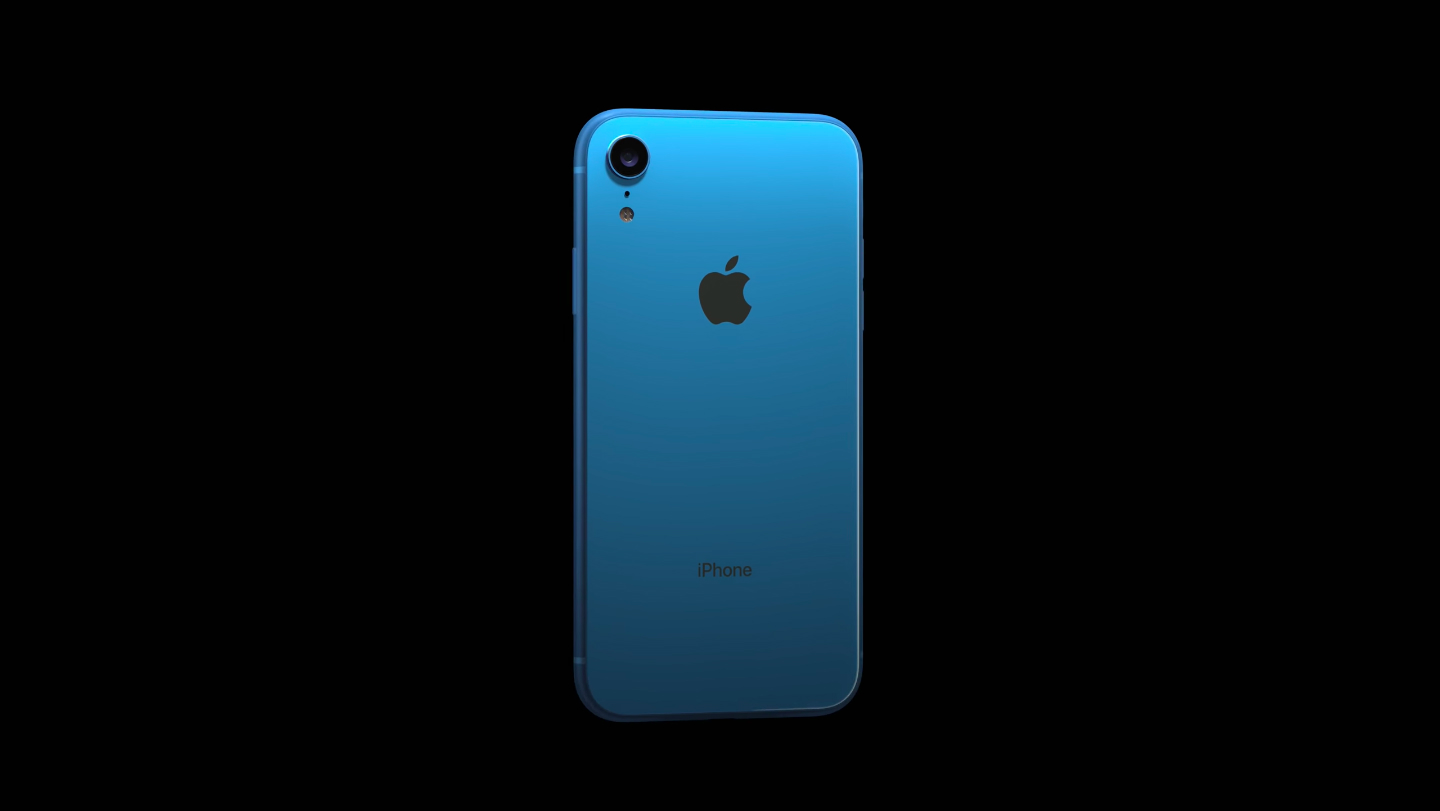
    Although iPhone sales haven’t been living up to Apple’s expectations lately, a recent CIRP report revealed that iPhones were the best-selling devices in the US throughout the first quarter of 2019. And now a new report has revealed which model was the most popular. For the second quarter running, the iPhone XR was the best-selling individual iPhone model in the United States. It accounted for 38% of all US iPhone sales throughout the recent quarter and outsold both the iPhone XS and iPhone XS Max combined by a factor of almost 2:1 – the iPhone XS series accounted for just 21% of sales.

    The remaining 41% of sales were distributed between the iPhone 8 and iPhone 7 lineups. The iPhone 8 Plus and iPhone 7 were the most popular among these, while the iPhone 8 followed closely behind. The iPhone 7 Plus was the least popular by a significant margin, but still managed to sell in numbers that are comparable to those of the iPhone XS.

    During the fourth quarter of 2018, the sales of higher storage tiers are understood to have boosted Apple’s average selling price (ASP) to new heights. But as interest in these devices declined and the iPhone XR became the dominant device, CIRP believes the ASP of iPhones dropped to around $800 last quarter.

    Looking at the second quarter of 2019, the iPhone XR is expected to continue dominating. However, iPhone sales as a whole could lose some ground to Samsung who recently launched the Galaxy S10, Galaxy S10+, and Galaxy S10e.

    During the first quarter the two brands were neck and neck – Apple held a 36% market share while Samsung accounted for 34% of sales – but during this current quarter iPhone sales are set to continue declining while Samsung should finally feel the full effect of the Galaxy S10’s popularity.

    Although Samsung is yet to release official sales figures, its latest flagship smartphones are reportedly outselling last year’s Galaxy S9 lineup by a small margin. Apparently, Galaxy S10 and Galaxy S10+ sales are on par with those of the Galaxy S9 and Galaxy S9+, while the smaller Galaxy S10e is essentially providing a nice boost to Samsung’s total unit sales.

    According to estimates, the Galaxy S10 trio will ship a combined total of 10 million units by the end of this quarter on a global scale. It’s unclear, however what percentage of these will be from the US.

    Continuing into the third quarter of the year, it seems likely that Samsung will continue to dominate the smartphone market. iPhone sales should continue to drop, while Galaxy S10 sales will have lost steam too. However, the South Korean brand is rumored to be preparing a Galaxy Note 10 and Galaxy Note 10 Pro that’ll help boost its performance significantly.

    As for the final quarter of the year, Samsung is expected to return its crown to Apple once again. The latter should release its latest iPhones towards the very end of the third quarter in September, with the full effect of sales being noticeable during the final three months of the year.

    This year, rumors suggest Apple’s iPhone XS and XS Max replacements will adopt triple-camera setups, smaller notches, reverse wireless charging, and a number of other features. The iPhone XR’s successor, on the other hand, should benefit from two rear cameras, Apple’s next-gen processor, and potentially an upgraded screen.

    All three smartphones should ship with iOS 13 straight out of the box. This will introduce a dedicated Dark Mode and a number of other features which are detailed in this article.
  • Google launches its health-tracking app for Iphone Users

    Google launches its health-tracking app for Iphone Users

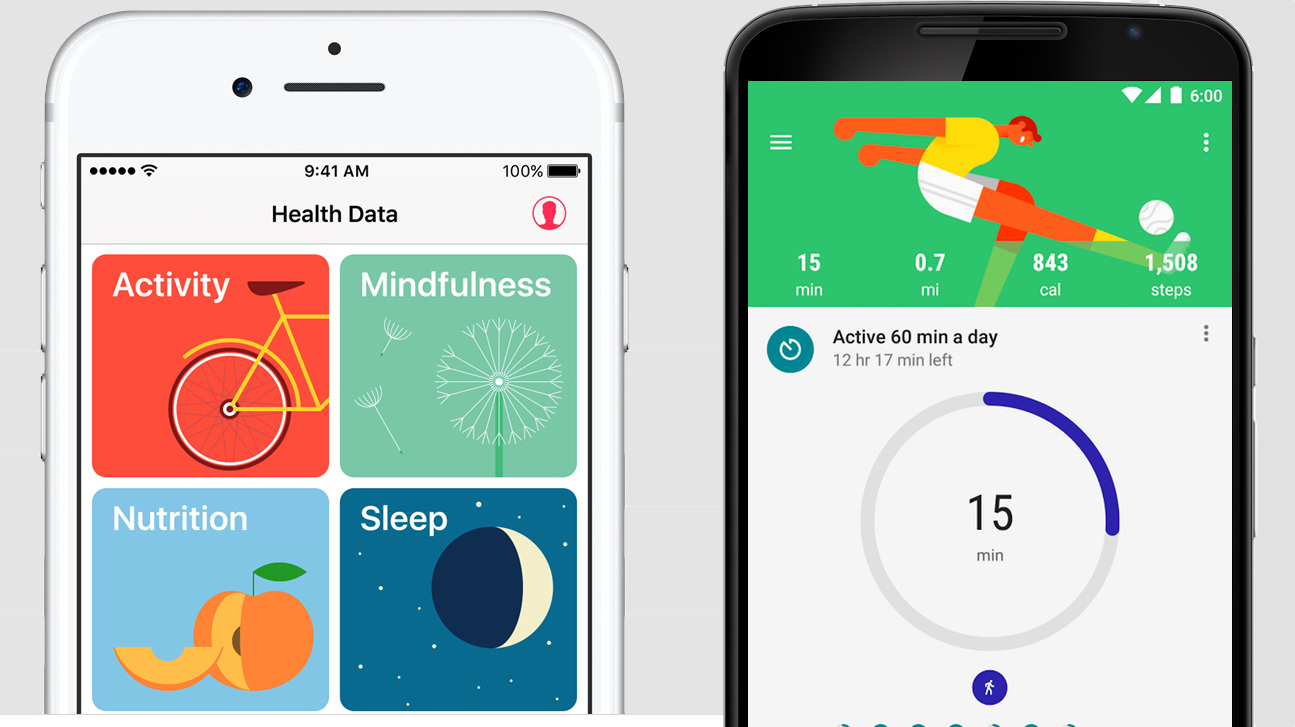
    Google Fit, the health-tracking app that made its debut on Android four years ago, has now been released on iOS. The app has gone through multiple overhauls since its launch back in 2014, but the last major update released last year made it extremely simply to use.

    Starting today, iOS users will be able to track their Heart Points and Move Minutes, the best way to build smarter, healthier habits throughout the day. Google Fit awards users so-called Move Minutes and Heart Points the more they move and the more intensely they move. Based on the scores, you’ll be closer to reach the recommended amount of weekly physical activity and reap the health benefits.

    It’s purely motivational, but very helpful if you’re trying to exercise but don’t find the courage to do it regularly. More importantly, Google Fit allows users to track their progress throughout the day using various apps.

    For example, app connected to Apple Health, such as Sleep Cycle, Nike Run Club and Headspace, can be synced with Google Fit to offer a more holistic view of your health. You’ll also be able to see how many Heart Points and Move Minutes you earn through other activities.

    Moreover, if own an Apple Watch as well, Google Fit will keep track of all your workout sessions too. Just don’t forget to check the app’s journal to see what you need to do to sleep better and get more active. You can download Google Fit for iOS right now via the App Store.

  • Apple AirPods 3 likely to arrive later this Year

    Apple AirPods 3 likely to arrive later this Year

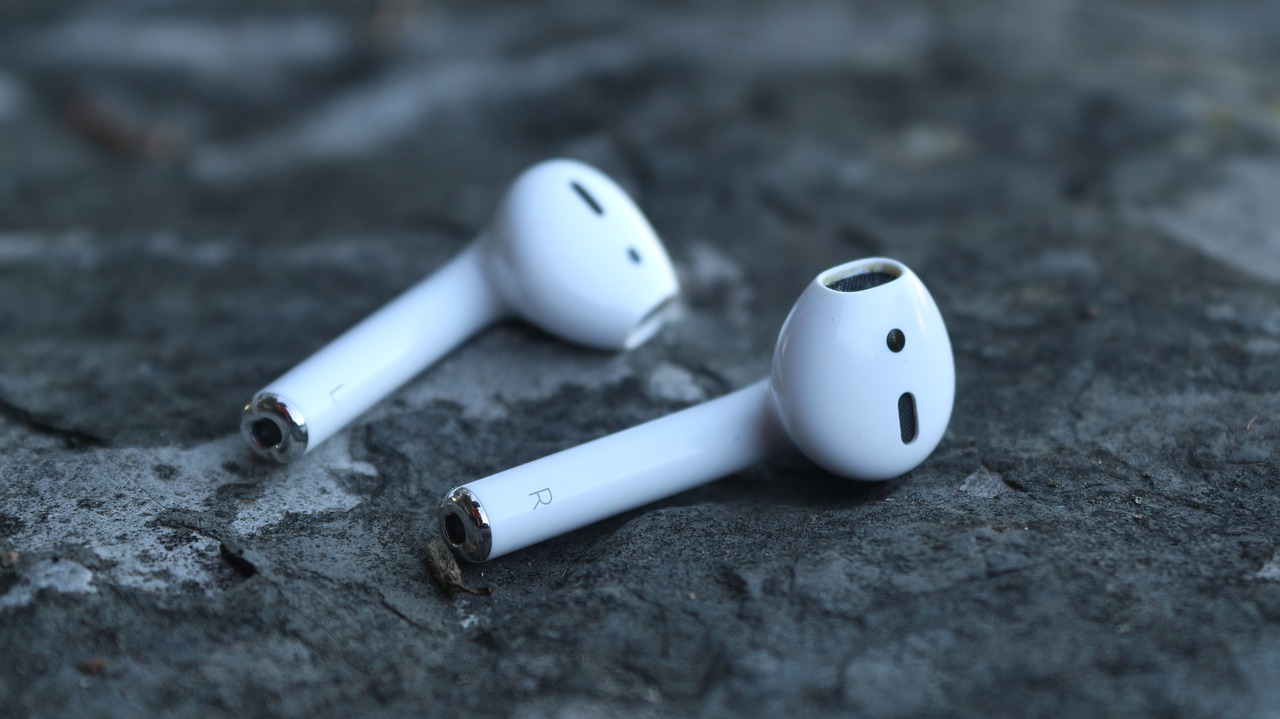
    Five weeks ago, Apple announced a new pair of AirPods. The update was largely welcomed, but it was far from the big upgrade many were hoping for.  According to industry sources, the next-generation AirPods will be manufactured jointly by Taiwan-based Inventec and Chinese company Luxshare Precision. These two aren’t exactly household names but they are the companies in charge of producing the current-gen AirPods.

    In regards to actual features, the details provided by the report are minimal. However, it’s suggested that the primary new feature will be built-in noise cancelation.

    Tipster Steve Hemmerstoffer, for example, accurately predicted back in February that Apple’s AirPods release in March would center around the wireless charging case. The upcoming fall release, on the other hand, will apparently focus on an all-new pair of AirPods that’ll be available in a range of new colors.

    Way back in June of last year, Bloomberg published a report detailing Apple’s plans for a pair of premium AirPods sometime this year. An exact timeline wasn’t provided, but the piece did list a number of potential features that would justify the expected price hike.

    Like today’s report, noise-cancelation was listed as one of the primary additions. This will apparently be accompanied by the introduction of water resistance and some health-related features which could include a built-in heart rate monitor. Apple is also said to be working on extending the range at which AirPods can be used away from a connected device.

    Further rumors and reports have suggested the next-generation AirPods will introduce a subtle redesign. More specifically, a frosted glass-like coating is to be expected. This will apparently improve grip and reduce slipperiness, thus making the new AirPods less prone to falling out of your ears.

    Also expected are the usual internal upgrades which should include a new Bluetooth connectivity chip and improvements to the overall sound quality. A rumor floating around also suggested the next AirPods will support more powerful wireless charging that takes the battery percentage from 0% to 100% in just 15 minutes.

    Apple analyst Ming-Chi Kuo revealed that he now expects Apple to launch two new pairs of AirPods during the ‘4Q19-1Q20’ timeframe, meaning the new accessories could be unveiled at any point between early October 2019 and late March 2020.

    One of these new models will apparently be a small update over the AirPods that are currently on sale. It’s unclear what kind of upgrades this will entail, but Kuo believes the version will maintain the $159 starting price seen today – with the wireless charging case this will presumably rise to $199.

    The second pair, on the other hand, will apparently introduce an ‘all-new design’ that will be accompanied by a higher price tag. Presumably, this means that there will be a wide range of new features including noise cancelation and water resistance, as mentioned above.

    Ming-Chi Kuo expects AirPods shipments to reach a considerable 52 million units in 2019, while this number should then grow even higher in 2020 to 75 million. In order to cope with the increased demand, it’s believed Apple will move to a new system-in-package design for both sets of AirPods that’ll save space, lower costs, and improve production yield rates.

    As pointed out by Bloomberg’s Mark Gurman, the AirPods that Apple launched last month were initially planned for release in September 2018 alongside the iPhone XS and iPhone XR devices. Apple hasn’t officially confirmed this, but it’s rumored to have happened due to issues with the canceled AirPower charging mat. Apparently, the AirPods charging case was meant to utilize proprietary technology, but complications with AirPower forced Apple to rework the accessory using the Qi standard.

    If things had gone as planned, new AirPods launching later this year wouldn’t be out of the question. But considering that, by the end of 2019, Apple’s latest AirPods will have only been on the market for 9 months, it seems highly likely that the AirPods 3 and AirPods 3 Pro will arrive towards the end of Kuo’s release timeframe at the brand’s annual spring event in March, one year after the current-gen AirPods arrived.

  • Apple’s 5G iPhone Using Samsung Modems to be released in 2020

    Apple’s 5G iPhone Using Samsung Modems to be released in 2020

    In one fell swoop, Apple cut the Gordian knot of 5G modem supply and it is smooth sailing from here, as it paid Qualcomm undisclosed amount to settle the patent litigation and secure a multi-year contract for 5G iPhones.

    “It’s personal. I don’t see anybody who can bridge this gap,” tipped the WSJ recently about Apple and Qualcomm CEOs relationship but the big boys ironed out their differences quickly. Apple could have tried Intel, Samsung or Huawei, but each of those choices comes with drawbacks.

    Intel threw in the towel on 5G modem development when it learned that Qualcomm resolved its patent issues with Apple, while America’s homeland security institutions would balk at Huawei’s involvement due to geopolitical considerations. Despite all rumors, Huawei company reps said during its Analyst Summit 2019 yesterday that they have “no communication with Apple on 5G modems.”

    Samsung, on the other hand, simply can’t make enough of its own 5G modems to exclusively supply huge customer like Apple. It recently declined Apple’s advances for its Exynos 5100 5G modem. Not only does the company need its production for the Galaxy S10 5G that is now shipping, but it could very well need it for the Note 10 Pro, too, and others down the line.  According to one “electronics industry official” there:

    Apple inquired about the supply of 5G modem chip from Samsung Electronics System LSI division. However, we know that Samsung Electronics System LSI answered that the supply volume of its smartphone 5G modem chip is insufficient.

    Well, the most renowned Apple supply chain analyst, Ming-Chi Kuo of TF International Securities, has spoken, and Apple will seemingly hedge its Qualcomm bets with Samsung as a side dish. If you are wondering why, Apple is most likely planning to use the more advanced Qualcomm modems in placed where mmWave spectrum 5G networks are being established, while Samsung’s likely cheaper solution will remain for the sub-6 GHz crowd.

    Apart from all these juicy dual supplier predictions, Ming-Chi Kuo is advocating for a fall 2020 release date of the future 5G iPhones. That’s the same timeframe as before but this time around, Apple is in a position to use the best that the 5G market can offer without triggering the NSA, CIA and other three-letter agencies’ wrath.

    South Korea just launched its nationwide 5G network, with the Galaxy S10 5G being its poster child. Upon the phone’s release there, Korea will have all of its largest networks offering 5G plans. In fact, Korea Telecom announced three 5G price tiers. Among those, there is a “Super Plan” that offers truly unlimited 5G data without speed caps, and this one will go for the equivalent of $70, a pretty good price no matter how you slice it. In fact, the Super 5G Plan is somewhat cheaper than the current unlimited 4G LTE plans in Korea, so the 5G future seems bright, and we are expecting more and more 5G handsets to enter the fray this year, especially towards the tail end of 2019.

    A true nationwide shift to 5G networks is not happening this year in the US anyway, so iPhone users won’t be missing all that much until then. Next year, however, most of the flagship phones of the spring season will probably have some sort of 5G connectivity support, be it with a Qualcomm, Samsung or Huawei modem, and Apple could feel the pinch in that regard.

    Had Apple gone alone in developing a 5G modem, either by acquiring Intel’s wireless modem assets, or starting from scratch, it would have taken it years to reach a sufficiently good unit that is worthy to put in millions of iPhones. Wireless connectivity modems are perhaps the most complex of chips in a phone, and 5G ones require so much filters and software control to avoid interference and still be backwards compatible that this option would have meant either a lot of extra expenses for Apple in order to deliver a 5G iPhone in 2020, or falling behind the competition by launching one that is a cycle or two behind.

    “Apple knows our phone number, we are still in San Diego,” tipped Qualcomm recently, giving a glimmer of 5G hope, and patching thing up with Qualcomm turned to be the smartest solution, just as we expected. There you have it – Apple resolves the bad blood between the companies, Qualcomm is likely to assist it with the 5G push, and Samsung will be its sidekick. The 5G future is so bright, we have to wear shades. According to Kuo, the launch of the 5G iPhone is expected to unleash a big upgrade cycle for Apple, and he upped his forecast for iPhones sold in 2020 to the whopping 200 million, from the current 190 million prognosis.

  • Apple had a Plan to end Qualcomm’s licensing policies

    Apple had a Plan to end Qualcomm’s licensing policies

    When Apple agreed to use only Qualcomm’s modem chips for the iPhone, it worked out an annual $1 billion “incentive fee” that it would receive from the chip maker. But there was an important condition. If Apple decided to use a second modem chip supplier, it would have to pay Qualcomm back the “incentive fees” it received. Apple then attended a hearing held by the South Korea Fair Trade Commission and spoke out against Qualcomm’s chip licensing practices. As a result, the $1 billion checks stopped. At the same time, Qualcomm learned that Apple was planning on using Qualcomm and Intel modem chips for the iPhone 7.

    In January 2017, Apple sued Qualcomm over the $1 billion checks it was no longer receiving, setting off a chain reaction of lawsuits filed by both sides against each other. But that is all water under the bridge following the settlement that both companies agreed to last week. All lawsuits are dropped, and Apple will pay Qualcomm an undisclosed amount. Apple now has a six-year licensing agreement with Qualcomm and a multi-year pact that will guarantee it modem chips from the San Diego based chip maker. According to one analyst, Apple could be paying Qualcomm as much as $9 per iPhone for the component.

    During the two years before the settlement, Apple publicly derided the quality of Qualcomm’s modem chips while in private it called them “the best.” These complementary comments were made by Apple executives in memos that also praised Qualcomm’s “unique patent share” and “significant (intellectual property) holdings.” The memos were obtained by Qualcomm during the discovery process. That is when both parties in a lawsuit hand over evidence to each other before a trial starts.

    Apple called Qualcomm’s chips worthless in arguments it made to lawmakers, regulators, judges, and juries while privately raving about the company’s components. This has many wondering how deeply Apple believed what it was saying when it tried to get courts to change the methods that Qualcomm uses to sell its chips. Apple’s true feelings about Qualcomm might explain why it might be paying Qualcomm as much as $9 per iPhone for its chips.

    Previously, Apple derided Qualcomm’s royalty deals that force phone manufacturers to pay a percentage of the retail price of each phone sold. In fact, just before the settlement was announced, Apple and Qualcomm were squaring off in a San Diego courtroom with billions of dollars in play. On Tuesday, during his opening statements, Apple’s attorney (Ruffin Cordell from Fish & Richardson) was trying to prove that the iPhone didn’t rely on Qualcomm’s component. He did this by pointing out that an iPhone can function using a Wi-Fi connection. And Apple has wondered in the past why Qualcomm should receive royalties for parts of a phone that it has nothing to do with.

    Apple’s attorney also pointed out Tuesday that licensing deals Apple made with Ericsson and Huawei were for twice the number of patents that Apple licensed from Qualcomm, but for a small percentage of what Apple was paying the chip supplier. However, an internal Apple document later obtained by Qualcomm showed that Apple licensed less expensive patents on purpose in order to create evidence that showed how much more Qualcomm was seeking to license its patents.-

    “While it’s very common for companies who are engaged in legal disputes to play hardball, the disclosure of these documents is very unsettling. It potentially reveals that Apple was engaging in a bad faith argument both in front of antitrust enforcers as well as the legal courts about the actual value and nature of Qualcomm’s patented innovation.”-Adam Mossoff, law professor at George Mason University, director of the Center for the Protection of Intellectual Property

    Documents received by Qualcomm during discovery revealed that Apple had planned on suing Qualcomm as far back as 2014; the tech giant decided to wait so it could continue to collect the billion-dollar payments from the chip maker. One document, produced by Apple six months before it lobbed the first salvo in their court battles, revealed Apple’s game plan to reduce the amount of the royalties it was paying to Qualcomm. Apple would “hurt Qualcomm financially,” and “put Qualcomm’s licensing model at risk.”

    Qualcomm’s licensing model is at risk, but not necessarily because of Apple. Earlier this year the Federal Trade Commission and Qualcomm squared off in a non-jury trial held before Judge Lucy Koh. Apple did have some executives testify against Qualcomm’s licensing practices, but other phone manufacturers did so as well. If Judge Koh, who presided over the Apple v. Samsung patent trial, rules in favor of the FTC, Qualcomm might have to change the way it sells its chips.

  • YouTube Music free on Google Home smart speakers

    YouTube Music free on Google Home smart speakers

    Google has just announced that its YouTube Music service is now available on all Google Home smart speakers. Starting today, those who own a Google Home smart speaker will be able to enjoy all the benefits offered by the music streaming service, but there’s a catch.

    Only the first tier YouTube Music experience is available on Google Home smart speakers, which means you you’ll have to put up with ads. Still, if you don’t mind getting a free, ad-supported music experience on your Google Home, you just need to say “Hey Google, play techno vibes,” and your smart speaker should do the rest.

    But that’s not all, if you upgrade to YouTube Music Premium for $9.99/month, you’ll be getting even more control when listening music on smart speakers in the YouTube Music mobile app. For example, you’ll be able to request specific albums, songs, artists, and playlists on-demand.

    Also, you get access to easy-to-use player controls, including unlimited skips and song replay.Besides the benefits mentioned above, a YouTube Music Premium tier will also let you background play music through the YouTube Music app while using other apps, and allows downloads for offline listening when you’re on the move.

    To start using YouTube Music on your Google Home smart speaker, simply open Account Settings in your Google Home app, go to Services and select Music. Then, choose YouTube Music as the default music service, or you can choose YouTube Music as the default music service during the setup process.

    Now, the free service is available not available everywhere yet, so here are the first countries that will get it starting today: United States, Canada, Mexico, Australia, Great Britain, Ireland, Germany, France, Italy, Spain, Sweden, Norway, Denmark, Japan, Netherlands, and Austria. The good news is Google will bring it to more countries soon, so there’s that.

  • Apple may be prepping to make your iPad a “Sidescreen”

    Apple may be prepping to make your iPad a “Sidescreen”

    Apple loves to talk about the displays it has in its devices, be it the color gamut, refresh rate, lamination to minimize the space between the glass and display tech, etc. Apple is very proud of its displays, no doubt about it. Apple has also been working to integrate iOS devices with Macs a bit more with features like Handoff. Now, Apple is rumored to be bringing a new interesting feature for those with iPads and Macs.

    According to new reports, Apple is working on a new feature codenamed “Sidecar” which will allow Mac users to set up their iPad as a second display to extend their desktop. The feature is said to be coming in Mac 10.15, although it may also need iOS 13 on your iPad to work properly. The option will be triggered via the Mac by hovering over the green “maximize” button on a Mac window. The benefit is pretty easy to see: what’s on your Mac screen will be duplicated on your iPad allowing you to use the touchscreen to manipulate and annotate as needed.

    The details will be made more clear at WWDC in June, but there are some questions that need answering in terms of this Sidecar feature. First of all is whether it will be wireless or not. It seems likely that Apple would want it to be wireless and not need to worry about a USB cable, but at the same time Apple is very fond of its dongle business. Also, it doesn’t sound like this will be a way to extend your Mac desktop like a second display could be. It sounds more like a mirroring feature, but being able to extend a desktop onto an iPad would be pretty nice too.

    Lastly, there’s the question about what will happen to the current solutions that offer similar capabilities, like Luna Display. Apple has a history of duplicating features that users got from apps, and the fate of those apps is usually not too good.

  • The Apple-Qualcomm deal instantly kills 5G competitor

    The Apple-Qualcomm deal instantly kills 5G competitor

    As we heard earlier today, the Apple-Qualcomm battle has ended. With those two companies making up, there were likely to be repercussions around the mobile world, but we didn’t really expect the fallout to come so quickly. With Apple and Qualcomm striking a deal, Intel has announced that it will be quitting the mobile game.

    Or at least, Intel said it will be exiting the smartphone 5G modem business. Intel put out a press release saying that it would continue to support its 4G modems, but it was cancelling its plans for 5G modems for smartphones, which were originally scheduled to be ready in 2020. Intel said it would still be investing in 5G infrastructure and making 5G modems for laptops and Internet of Things devices.

    Intel didn’t mention Apple or Qualcomm in the press release, but the timing of the announcement is almost certainly no coincidence. Part of Apple’s settlement with Qualcomm was to sign a new exclusive six-year deal for iOS devices to use Qualcomm modems. Intel might have been able to keep going with Android devices, but losing the Apple money seems to have been too much.

    While the Apple-Qualcomm deal wouldn’t have impacted Intel’s efforts in mobile processors, we can’t say we weren’t hoping a bit that Intel would give up on that business too. Intel’s mobile processors in smartphones have been pretty bad, but to be fair their tablet efforts have gotten (somewhat) better. Still Intel has a long way to go before it’s considered a major player in mobile.

  • Apple is spending Millions on new Games for Arcade

    Apple is spending Millions on new Games for Arcade

    Last month, Apple Arcade was unveiled. Set to launch this fall, the service will offer subscribers access to over 100 “groundbreaking” new games. The Arcade will be available on all Apple devices including the iPhone, iPad and the Mac. And the only cost will be the monthly subscription fee; there are no in-game extras that Arcade members will have to shell out for. Besides allowing a family with up to six members to share, a whole new family of accessories certified MFi (made for iPhone, iPad), such as game controllers, will make playing games on an iOS device much easier.

    With iPhone sales struggling, the company is looking to take advantage of the large number of active units (nearly 1 billion at last count) by selling owners of these handsets subscription services such as Apple Music, Apple News+, Apple TV+ and Apple Arcade. Apple is looking to double its services revenue from the $25 billion it collected in 2017 to the $50 billion it hopes to garner next year. For the fiscal first quarter of 2019, the period covering October through December of last year, Apple grossed nearly $11 billion from its services unit, putting it on track to meet its goal for fiscal 2020.

    Apple has budgeted more than $500 million this year to spend on games for Arcade. In other words, the company is spending millions of dollars on each game. Will there be a payoff for the company after it keeps cutting such large checks? Global banking giant HSBC believes so. The firm’s analysts see Apple Arcade grossing $370 million next year, overtaking Apple TV+ by 2022 with $2.7 billion in sales, and generating $4.5 billion in revenue by 2024. In that year, HSBC expects Apple TV+ to bring in $4.1 billion in revenue, while Apple News+ takes in approximately $2.7 billion.

    To help generate business for Arcade, Apple is offering incentives to developers who are willing to give the new service exclusivity on new games for a few months. That would keep popular titles off of other platforms, including the Google Play Store, for a period of time. Apple is hoping that this will lead to developers debuting their games on Arcade first, which was a pattern seen years ago when App Store users spent much more money on games than Android users. Now, with Android’s huge global market share, new games are apt to launch on both platforms at the same time.

    The $500 million Apple has reportedly budgeted for Arcade is half the $1 billion it originally expected to lay out for Apple TV+. Games already announced for Arcade include one based on Sega’s popular Sonic the Hedgehog character. Subscribers will also be able to select titles from Cartoon Network and Lego. There will even be a new version of Frogger available. Independent developers, who have proven themselves with games listed on the App Store, have received larger than normal advances from Apple to deliver new titles for Arcade.

    HSBC forecasts that Apple Arcade will have 29 million subscribers by 2024, paying $12.99 a month for the service. But that is only an estimate. Only time will tell whether Apple has made the right move by laying out half a billion dollars for new, unproven games for its service. And if Arcade ends up being a big money maker for Apple, competition will surely follow. Still, Apple will have the advantage of plucking apples from the low hanging trees. Those are the nearly one billion owners of an active iPhone who will be receptive to Apple’s marketing of Arcade.

  • Tinder beats Netflix to become the top-grossing non-game app

    Tinder beats Netflix to become the top-grossing non-game app

    Dating app Tinder has beaten Netflix and it is now the top-grossing non-game app on the iOS App Store, according to intelligence firm Sensor Tower.

    Tinder’s revenue soared by 40% in the first quarter of 2019 to reach $260.7 million, up from $183 million from the same period last year, while Netflix’s numbers went down from $255.7 million to $216.3 million.

    But there is a reason for that: Netflix itself stopped paying the so-called “Apple tax”, a 15% cut on all in-app purchases that go through Apple’s systems, and since December of 2018, all new Netflix subscriptions are handled outside of iOS. Apple traditionally charges companies a 30% cut of their subscription revenue for the first year and then drops that number to 15%, but Netflix is said to have had a special deal with the 15% rate available on day 1. Even those 15%, however, workout to a massive amount when you look at the numbers. At an estimated annual revenue of around $850 million, 15% would amount to around $130 million.

    Netflix pulling out of the App Store subscription program (it had already pulled out of a similar program on Android earlier) is basically a reaction to those huge amounts of money that it had to pay to Apple, which provided only the platform. And of course, this move has allowed Netflix to keep more of its revenue to itself.

    At the same time Tinder’s popularity has continued growing and the company has managed to overcome Netflix as the top grossing app.

    Interestingly, if you look at the general picture of things, you see that the majority of the top grossing, non-game apps in this first quarter of 2019 all had something to do with streaming, either for music or for video. Those apps include Tencent Video (a video streaming service popular in Asia), YouTube, Pandora and YouKu (Chinese YouTube alternative).

    And if you look at just the top downloads, you see that messengers at among the most popular ones: WhatsApp, Messenger, TikTok, Facebook, Instagram, and others.

    Considering these numbers it really is no surprise to see Apple shift to a portfolio of streaming services of its own. The newly announced Apple TV+ is coming this fall and will open a new world of Apple-original movies and shows headlined by an Oprah show and a bunch of Hollywood honchos, plus it will offer streaming from services such as HBO or Showtime. And then you have Apple Arcade, a brand new gaming service focused on quality releases that do not have pay-to-win written all over them.

  • Apple’s main chip supplier on track to make next-generation 5nm silicon

    Apple’s main chip supplier on track to make next-generation 5nm silicon

    Semiconductor manufacturers might not be following Moore’s law to a T, but that doesn’t mean they’re not making good progress. Last year, we saw the first mobile chips using the 7nm architecture: Apple’s A12 and HiSilicon’s Kirin 980, followed by the Snapdragon 855. It was expected that processors will remain on that level for a while, considering that producing smaller transistors gets exponentially harder with the reduction of their size.

    Turns out, we might not have to wait as long as we thought. News coming from Taiwan, raises hopes that the next jump might be just a year away. TSMC, one of the world’s biggest semiconductor manufacturers and the main chip supplier for Apple’s own A12 and upcoming A13 SoC, has announced that its design infrastructure for 5nm chips is now available for potential customers to download and start working with.

    This means that TSMC clients, such as Apple, now have the tools to design their next-generation chips. This will likely allow TSMC to secure orders from Apple for at least a couple of years. But what would the new architecture mean for performance?

    Exact gains are hard to predict, but what TSMC says is that it will be able to fit 1.8 times more transistors within the same surface and expects about 15% speed gain in ARM’s Cortex-A72 Cores. Power efficiency will also be higher than that of 7nm chips, which should lead to better battery life.

    TSMC is also proud of the progress it’s making in terms of yield, which was one of the main problems with the mass production of 5nm chips. Using EUV lithography, which replaced FinFET as the size decreased, the company is able to achieve yields comparable to those of its larger nodes when they were at the same stage of development. This means, of course, there’s still work to be done before the chips can enter mass production, but the important takeaway is that the technology is advancing on schedule.

    The potential arrival of the 5nm chips in 2020 is actually good news for Apple. This year we expect to see the major design changes coming with the iPhone 11, leaving the performance improvements to be the major selling point of the 2020 iPhone 11S. In other words, business as usual.

    Of course, other manufacturers will also be able to benefit from TSMC’s developments, but only if they manage to secure any of its production capacity, for which Apple is paying top dollar, we’re sure.

  • Apple could end up buying 5G modem chips from unlikely sources

    Apple could end up buying 5G modem chips from unlikely sources

    You might know that Huawei manufacturers handsets and networking equipment. At the end of last year, it was the third largest smartphone company in the world and the top provider of networking gear. What you might not know is that Huawei designs its own chips. Its Hi-Silicon unit created the Kirin 980 SoC which is currently found powering up the Huawei Mate 20 Pro and the Huawei P30 series. It also will be used to drive the foldable Huawei Mate X. While Huawei designs the chips, they are actually manufactured by TSMC.

    Now as we discussed yesterday, Apple is relying on Intel to have its XMM 8160 5G modem chip ready in time for its 2020 iPhone models. There are conflicting reports about whether Intel will deliver the component in time, and as a result, we have seen rumors that a 5G iPhone might not surface until 2021. Intel says that it will be shipping the chip later this year, but just in case there is a problem, Apple has found an unlikely friend in Huawei.

    Huawei would consider selling its 5G Balong 5000 modem chips to Apple. The report cites a source who has “knowledge of the situation.” This is an unusual thing for Huawei to do considering that an executive said earlier this year that “Balong is mainly for supporting Huawei’s smart products, such as phones and IoT products, and is currently for Huawei’s internal use only.” It also seems strange considering that Huawei is looking to leapfrog over both Apple and Samsung to become the global leader in smartphones by 2020.

    Apple could turn to Qualcomm, but that is unlikely to happen since both firms have been squaring off in court over patent infringements, antitrust claims, and royalty payments, In fact, a week from today a courtroom in San Diego will host a multi-billion dollar trial between Apple, its contract manufacturers like Foxconn and Wistron, and Qualcomm. At stake are unpaid royalties amounting to billions of dollars. Qualcomm CEO Steve Mollenkopf said back in November that his company was “on the doorstep” of resolving its differences with Apple; we now know that this was not the case.

    While it seems that Huawei would be “open” to selling Apple its 5G modem chips, the other side of the equation is whether the gang in Cupertino would be willing to buy them. During the FTC v. Qualcomm case, Apple supply chain executive Tony Blevins testified that Apple was considering the use of 5G modem chips from Samsung or MediaTekfor the iPhone. Even though Apple currently uses only Intel modem chips for its handsets, Blevins talked on the stand about “Project Antique.” This was Apple’s attempt to find a second supplier to provide it with modem chips. As Blevins noted, “No offense to (Intel) but we don’t want to be single supplier with them. We wanted both Qualcomm and (Intel) in the mix.”

    Huawei’s Balong 5000 modem chip supports both mmWave and sub-6GHz 5G networks. It also is compatible with 4G LTE, 3G, and 2G networks. The important thing about using Huawei’s modem chip is that Apple could get its hands on it earlier than Intel’s chip and have more time to test a 5G iPhone. The Balong 5000 5G modem chip will debut on Huawei’s first phone to support the next generation of wireless connectivity. That device happens to be the foldable Mate X.

    Apple wouldn’t be the only one in such a partnership to benefit. Huawei would get to widen the use of its chips beyond its own devices, and you can just imagine how much revenue would flow into the company’s coffers. It also might play well in China after U.S. government attacks on Huawei have led some Chinese consumers to unofficially boycott Apple products.

    There is a huge unknown here, and that is how the Trump administration might react. Huawei is considered a threat to U.S. national security and allies have been warned not to use Huawei’s networking gear to build out 5G networks. That’s because the law in China requires a company like Huawei to gather intelligence if requested to do so. Considering that we are talking about the modem chip, a major component in communicating voice and data, there are bound to be concerns about the use of Huawei’s component inside the iPhone.

  • 5G Apple iPhone likely to appear next year

    5G Apple iPhone likely to appear next year

    With several Android manufacturers releasing 5G enabled phones this year (and technically the Moto Z3 with the 5G Moto Mod is the first), Apple iPhone users might wonder when they will have the opportunity to buy a 5G iPhone. We don’t expect it to happen this year, and one analyst said earlier this month that it won’t happen next year either. Timothy Arcuri, who hangs his hat at the Union Bank of Switzerland (UBS), believes that Intel won’t have its 5G modem chip available in time for Apple to introduce a 5G phone in 2020.

    Sure, Apple could turn to Qualcomm to provide it 5G modem chips, but the two firms have been battling each other in court over numerous issues ranging from patent infringement to anti-trust violations. A new trial will start soon in San Diego with Apple and its contract manufacturers seeking billions of dollars from the chip maker. Besides, Qualcomm reportedly refused to sell its 4G LTE modem chips to Apple for the iPhone XS and iPhone XR.

    Those familiar with the situation say that Intel has been missing deadlines as it develops the XMM 8160 5G modem chip. In order for Apple to unveil a 5G iPhone next September, Intel would have to deliver sample parts to Cupertino early this summer and a final version of the chip’s design by early next year. But Intel says that it is fully capable of delivering its 5G modem chip to Apple in time for a 5G iPhone to be launched in 2020.

    Last November, Intel said that it expected to start shipping the XMM 8160 5G modem chip during the second half of this year, and it would appear as though no changes have been made to those plans. In a statement emailed to Fast Company, Intel wrote, “As we said in November 2018, Intel plans to support customer device launches in 2020 with its XMM 8160 5G multimode modem.”

    From 2011-2015, Apple used only Qualcomm modem chips for the iPhone. In 2016 and 2017, both Qualcomm and Intel supplied Apple with modem chips for the iPhone. Last year, with Apple and Qualcomm suing each other, Apple stuck with Intel for the part and expects to do the same this year. Apple is known to be a rather demanding customer (Intel has had three project managers handle its modem business with Apple thus far), and the profits from selling Apple these chips is not overwhelming. But Intel needs the revenue to justify the expense of building 10nm and 7nm fabrication platforms in order to keep up with TSMC. The Intel 7560 modem chips used on the 2018 iPhone models were manufactured using the 14nm process. This means that newer modem chips will contain more transistors than older versions, allowing them to have improved performance and consume less power. But this can also backfire as far as Intel is concerned. As part of its deal with Intel, Apple gets to be first in line to have its chips roll off the assembly line. That means other chip orders that might be more profitable to Intel must wait until Apple’s order is completed.

    Other chip makers like Samsung and MediaTek are apparently not being considered. UBS’ Arcuri says that if Intel’s chip isn’t ready for next year as he believes, neither company would be able to fulfill the order in time to deliver the goods for 2020. Meanwhile, rumors that Apple is designing its own 5G modem chips are apparently true. The company reportedly has 1,000 to 1,200 engineers developing such a component. Additionally, Apple has allegedly hired RF engineers from both Qualcomm and Intel who are said to be toiling away in San Diego. Any modem chip designed by Apple would have to be manufactured by a company with production capabilities like TSMC or Samsung. A self-designed 5G modem chip for the iPhone would probably not be found on the device until 2021 at the earliest.

  • Apple’s Melbourne flagship Delay Due to Cultural Reasons

    Apple’s Melbourne flagship Delay Due to Cultural Reasons

    The Andrews Labor Government has said it will launch a review of Melbourne’s Federation Square after Heritage Victoria blocked the construction of an Apple flagship on the site, citing adverse effects on the square’s cultural heritage.

    The plan, which would have seen the three-storey Yarra building demolished to make room for the tech flagship, was denied on Friday when the Heritage Victoria deemed the construction would cause “an unacceptable and irreversible detrimental impact on the cultural heritage significance of Federation Square.”

    Apple said it was disappointed by the decision, but would remain committed to customers in Melbourne and Australia.

    The tech retailer currently runs five stores across Melbourne, in Chadstone Shopping Centre, Highpoint Shopping Centre, Westfield Southland, Westfield Doncaster, and Westfield Fountain Gate.

    Victorian minister for tourism, sport and major events Martin Pakula said the of Federation Square will examine how it looks, how it is funded and how it operates in an effort to ensure it continues to stand out as an attraction to Melbourne.

    “Since its opening in 2002, Federation Square has hosted creative events and world leading attractions,” Pakula said.

    “The review will ensure this much-loved space can thrive as a civic, cultural and commercial hub for years to come.”

    After the 2017 plan for an Apple flagship was put through without public consultation, Victorians will be given the opportunity to have their say in the review, which is set to be completed by the end of 2019.

    Victorian shadow minister for planning and heritage Tim Smith said the decision was a “humiliation” for the state government on Twitter.

    “After years of secret negotiations, with one of the world’s iconic brands, Apple, Daniel Andrews has been forced into a cringe worthy climb-down because his ministers didn’t do their due diligence,” Smith said.

    Smith also called on Heritage Victoria for having fast-tracked such a nomination when it is “often missing in action when it comes to protecting heritage homes.”

  • Netflix removes key feature from its iOS app

    Netflix removes key feature from its iOS app

    AirPlay is a feature found on iOS and Mac devices that allows users to send audio, video, photographs, screenshots and more between Apple devices sharing a similar network. Using Bluetooth and Wi-Fi, AirPlay will let a home with multiple HomePod speakers in different rooms, share the same song throughout the house. And with several smart TV manufacturers adding support for the feature, content from an iOS or Mac device can be viewable on certain large-screen smart TVs.

    There have been a number of complaints from iPhone and iPad users stating that AirPlay was no longer working with Netflix. That was unusual because the iOS version of the streaming video app has supported AirPlay since 2013. The complaints from iOS users state that when they tried to use AirPlay in the Netflix app, a pop-up error message appeared that said, “Cannot play title. Please try again later.”

    But there is a reason why AirPlay no longer works with Netflix. As a result of what it is calling “technical limitations,” Netflix has pulled AirPlay support from its iOS app. This is actually noted by the video streamer on its support page. Considering that this was an iOS feature that Netflix had supported for over five years, it is strange that AirPlay would all of a sudden no longer work with Netflix. The company has not divulged the details of the “technical limitations” that have forced it to stop offering AirPlay support (more on that later).

    This isn’t the end of the world for Netflix subscribers used to employing AirPlay. After all, the Netflix app can be installed or is already installed on a number of smart television sets. But using AirPlay does make it easier for iOS users with Netflix to stream content from their own account to a smart TV that does not have their Netflix login information.

    “We want to make sure our members have a great Netflix experience on any device they use. With AirPlay support rolling out to third-party devices, there isn’t a way for us to distinguish between devices (what is an Apple TV vs. what isn’t) or certify these experiences. Therefore, we have decided to discontinue Netflix AirPlay support to ensure our standard of quality for viewing is being met. Members can continue to access Netflix on the built-in app across Apple TV and other devices.”-Netflix< The Netflix support page lists some other options that iOS users can try in order to cast Netflix from their phone or tablet to a compatible television. With the Netflix 2nd Screen option, subscribers open the Netflix app on their iOS device and television, signing into the same account on both devices. The mobile device and the TV must share the same Wi-Fi network. On the mobile device, the user needs to tap on "Cast" found in the upper or lower right of the screen, and select the television that he/she wants to view Netflix on. After deciding which show or movie to watch, the user hits play and the selected content will appear on the TV. Another option, found on Philips, Polaroid, Sharp, Skyworth, Soniq, Sony, Toshiba, and Vizio TVs, will allow you to Chromecast Netflix from your iOS device to your television. Simply open the Netflix app on your iOS device, and tap on the "Cast" icon in the upper or lower right hand side of the screen. Select the device you want to watch Netflix on, choose a television show or movie, and hit play. Last month, Apple became a Netflix competitor by unveiling Apple TV+. This is a video streaming service that will be available this fall on iOS devices along with certain smart TVs. There will be new, original programming from Apple along with content from HBO, Showtime and others. Could this new rivalry be behind the "technical limitations" that forced Netflix to stop supporting AirPlay? After all, it does seem strange that Netflix was able to support AirPlay for from 2013 until now, just when Apple introduces a service that will compete with it. Netflix, of course, will never admit to this. And regardless what the true reasons are, the bottom line is that iOS users will have to resort to the aforementioned alternatives if they want to cast any streaming Netflix content from their iPhone or iPad to their smart TV.