Tag: apple

  • Ex-Apple developer says its breaking its own AppStore rules

    Ex-Apple developer says its breaking its own AppStore rules

    While the reviews of Apple’s News+ have been somewhat mixed, some people think one thing is clear: Apple has a double standard when it comes to its App Store rules. One ex-Apple developer detailed how he believes that Apple News+ would be rejected by the App Store if it were submitted by anyone other than Apple itself.

    Dave DeLong, who had worked at Apple as an engineer for 7 years, said the Apple News+ app breaks App Store rules surrounding the onboarding process for subscriptions. According to DeLong, Apple’s News+ subscription page should include information on how to cancel as well as a link to the app’s privacy policy. Looking into Apple’s Developer Program License Agreement, there is a long list of items that Apple requires apps to display when a user is confronted with a subscription page (below). The list basically amounts to the fine print that you’ll be presented when being onboarded as a new subscriber, but Apple’s News+ subscription page doesn’t include any fine print, it doesn’t even tell users how long the free trial is for the service meaning there’s also no indication of when the auto-renewing subscription will flip from a free trial to paid.

    These omissions would be grounds for any other app being rejected from the App Store and DeLong says App Store reviewers are “huge sticklers about even having the smallest thing missing.” DeLong even went on to wonder if this clear double-standard could be grounds for a class action lawsuit against Apple, but we’ll have to wait and see on that.

    Of course, this isn’t the first time Apple has been accused of a double standard (and likely won’t be the last.) Previously, Apple has been caught sending users uninvited push notifications regarding Apple Music and Carpool Karaoke. This marks the fourth time in just four months that Apple has been found violating its own policies and the company has yet to comment publicly on the issues.

  • Apple Watch’s ECG became finally available in Europe

    Apple Watch’s ECG became finally available in Europe

    The Apple Watch is the world’s most popular line of smartwatches right now, holding about 50% of the global market. When Apple announced the Apple Watch Series 4 last year, there was one feature that stood above all. It wasn’t the larger display or the Digital Crown with tactile feedback.

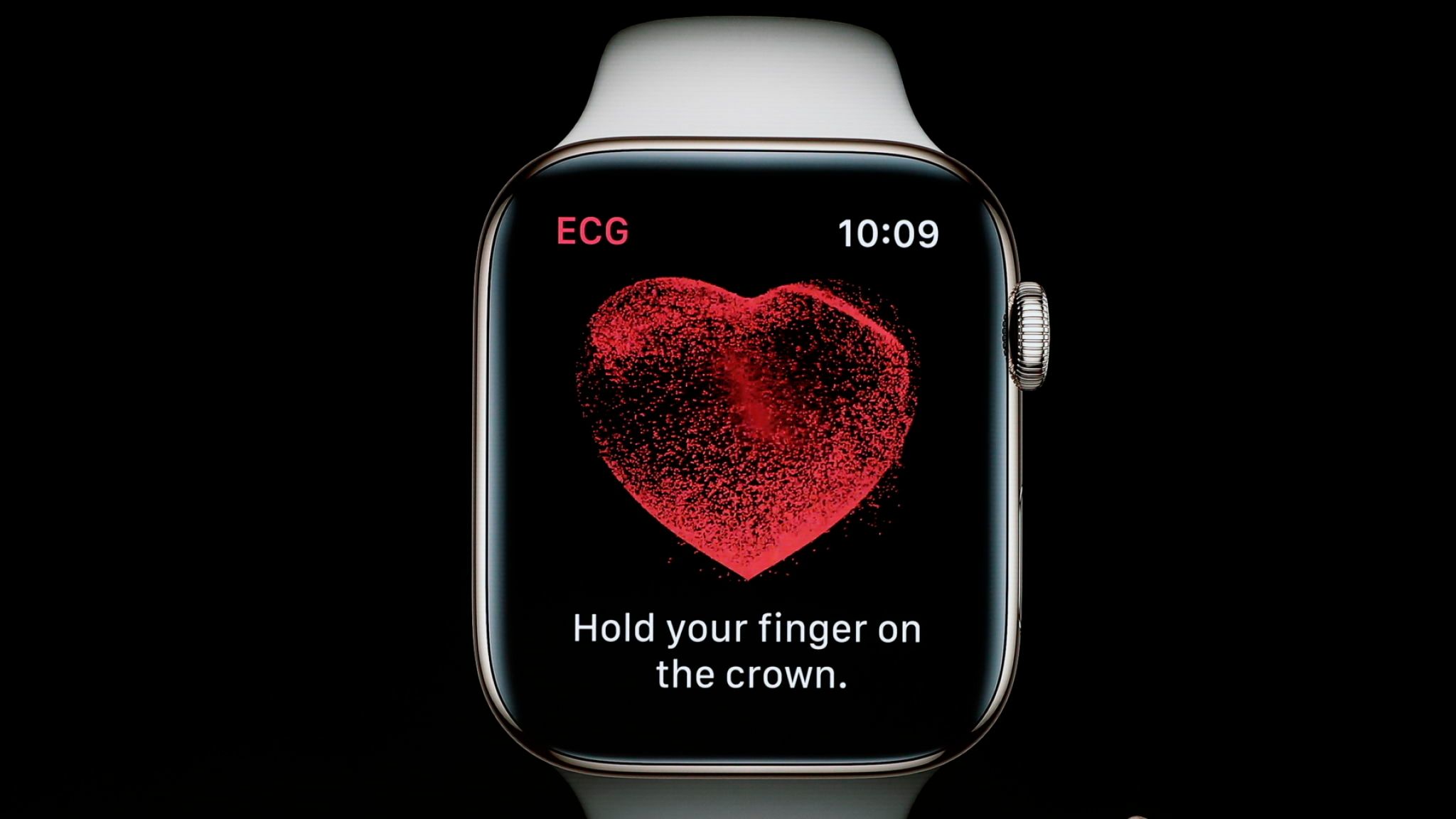
    Instead, it was the addition of ECG (electrocardiogram) capabilities without any additional hardware needed (besides the Apple Watch itself, of course). The feature allows the user to quickly and easily take an ECG and then, if need be, send the results to their doctor. Even without having the results looked at by a specialist, the device’s own algorithms would alert the user if they notice something out of the ordinary. Since then, reports are showing up regularly about how the Apple Watch helped one person or another notice an issue with their heart that was later confirmed by a cardiologist. This allowed proper measures to be taken a lot sooner than if the patient had waited until the problems became obvious.

    Unfortunately, despite the Apple Watch being loved all around the world, the ECG functionality was limited only to the United States. Not anymore!

    Select European countries and Hong Kong are getting ECG

    Apple’s watchOS 5.2 is now available for all Apple Watch models and adds a couple of features for users in 19 European countries and Hong Kong. The more important one is ECG, which comes only to the Apple Watch Series 4. Here’s the full list of European countries that are getting the new feature:

    Austria, Belgium, Denmark, Finland, France, Germany, Greece, Hungary, Ireland, Italy, Luxembourg, Netherlands, Norway, Portugal, Romania, Spain, Sweden, Switzerland, the UK.

    Despite the ECG app and the Irregular Rhythm Notification (more on it below) being cleared for use in the European Economic Area, according to Apple, there are several countries that are part of the EEA and won’t be getting these features yet: Bulgaria, Croatia, Czech Republic, Estonia, Iceland, Latvia, Lithuania, Poland, Slovakia, Slovenia.

    The reason for that is unknown. It could be due to additional regulatory approval needed or, alternatively, those are just markets Apple isn’t as interested in right now.

    A more notable country that’s also missing from the expansion list, although not in Europe, is Canada. It was expected to be one of the first countries besides the US to get the ECG app, but it appears that Canadians will have to wait at least until the second wave of expansion.

    ECG on a smartwatch, how does that work?

    For those of you that are just hearing about the Apple Watch’s ECG, here’s a quick rundown. Electrodes inside the Apple Watch Series 4 measure the electrical impulses your heart is releasing when beating. To do that, the user must touch the Digital Crown (the rotating bit on the side of the watch) in order to close the circuit, creating an effect similar to a single-lead electrocardiogram.
    After 30 seconds of measuring your rhythm, the ECG app will classify it as either AFib or sinus rhythm. If you get AFib as a result, you might want to get a consultation from your general practitioner or cardiologist. Of course, the results won’t be nearly as accurate as those taken by professional medical equipment, but the Apple Watch feature is far from a gimmick. Medical trials have shown that the wearable device is classifying the different heart rhythms with very high accuracy.
    The watchOS 5.2 update is also bringing a health-related feature to older Apple Watches as well. Called Irregular Rhythm Notification, this feature is coming to Apple Watch Series 1 and newer models. It checks the user’s heart rhythm on regular intervals using the optical sensors of the device and sends a notification if five irregular rhythms are detected over the span of at least 65 minutes.

    Sinus rhythm notification on the left (in Spanish) and an irregular heart rhythm warning on the right (in Italian

    To start using the new features, users have to enable them from the Health app on their iPhones. Obviously, the Apple Watch must be updated to watchOS 5.2, but to do that the iPhone itself must be updated to iOS 12.2.

  • Apple Music is rapidly growing in popularity on Android

    Apple Music is rapidly growing in popularity on Android

    Apple unveiled a ton of interesting stuff at a (Hollywood) star-studded event yesterday, but much to the disappointment of iPod Touch fans and potential AirPower buyers, not a single hardware announcement was made on stage in the Steve Jobs Theater during this “Show Time” shindig. While Apple’s focus on the so-called “services” business has sharply increased over the past year or so, it’s safe to assume the company’s TV+, News+, and Arcade platforms wouldn’t have happened were it not for the success of Apple Music.

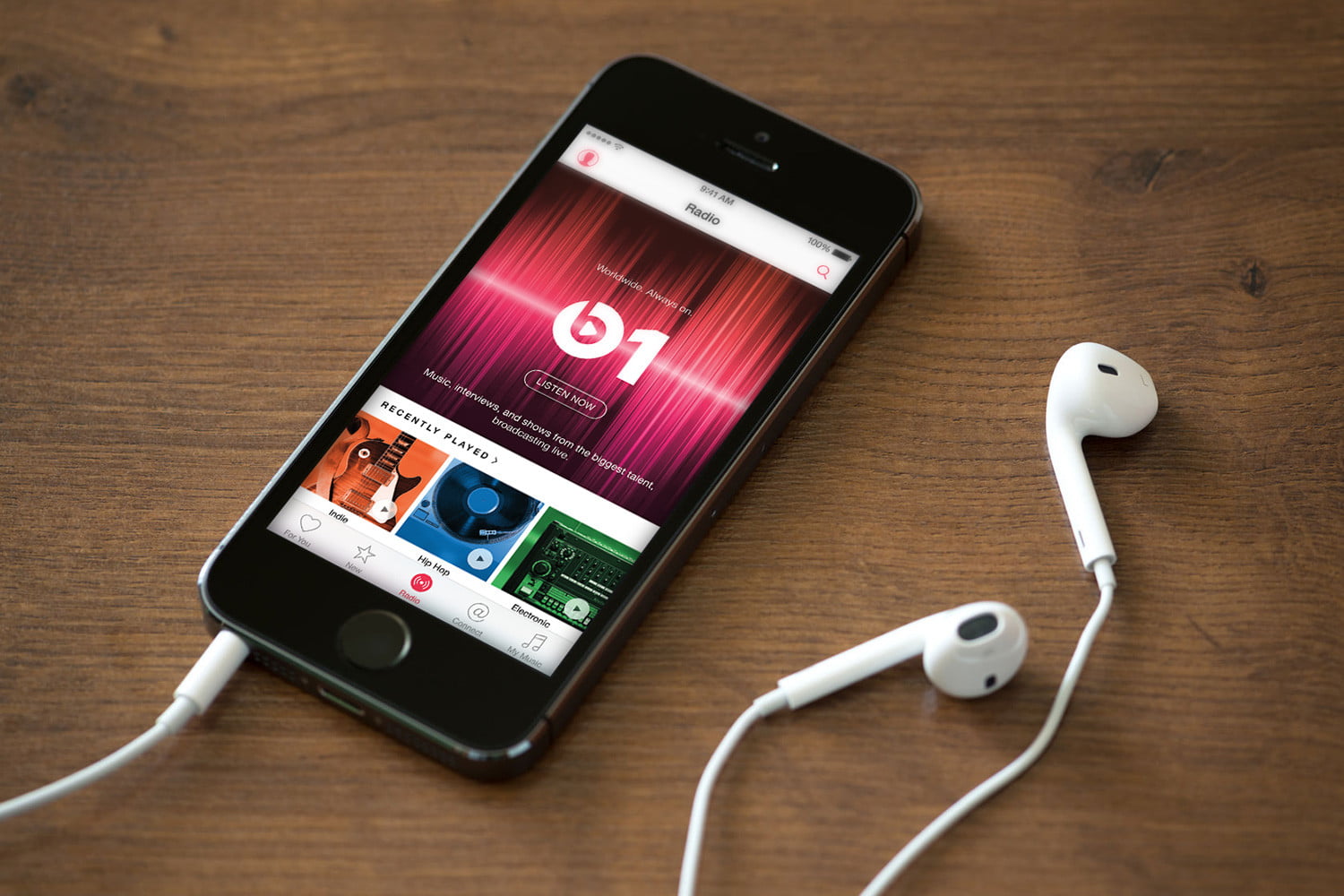
    Released back in 2015 in more than 100 countries around the world, the music streaming service quickly emerged as the primary challenger to Spotify’s throne. Almost four years later, the global subscriber gap between the two remains pretty large, but Apple Music continues to make great strides in the US, as well as on other platforms apart from iOS.
    After expanding its support to Alexa-powered smart speakers, the service recently crossed an interesting milestone on Android, according to Sensor Tower estimates. Even though the app isn’t exactly well-reviewed in Google’s Play Store, with a mediocre 3.5-star average score based on over 280,000 ratings, a whopping 40 million Android users in total have reportedly tried out Apple Music since its 2015 debut. That’s not bad for something that’s only gained Android tablet compatibility a couple of months back.
    What’s perhaps even more impressive is that quarterly Android installs have apparently begun to surge again after a temporary but steep decline in late 2017 and early 2018. In fact, Q1 2019 could be Apple Music’s best-ever three-month period in terms of Google Play downloads, which are expected to reach 3.8 million by the end of March. That would represent an increase of half a million downloads from the final quarter of last year and an incredible 1.5 million more installs than back in Q2 2018.
    Obviously, it’s unclear how many of these downloads typically end up converting into long-term paid subscriptions, but that figure is also up, so there’s definitely a correlation between the two, even when not taking iOS usage and install numbers into consideration.
  • Apple Music for Android update brings a slight redesign

    Apple Music for Android update brings a slight redesign

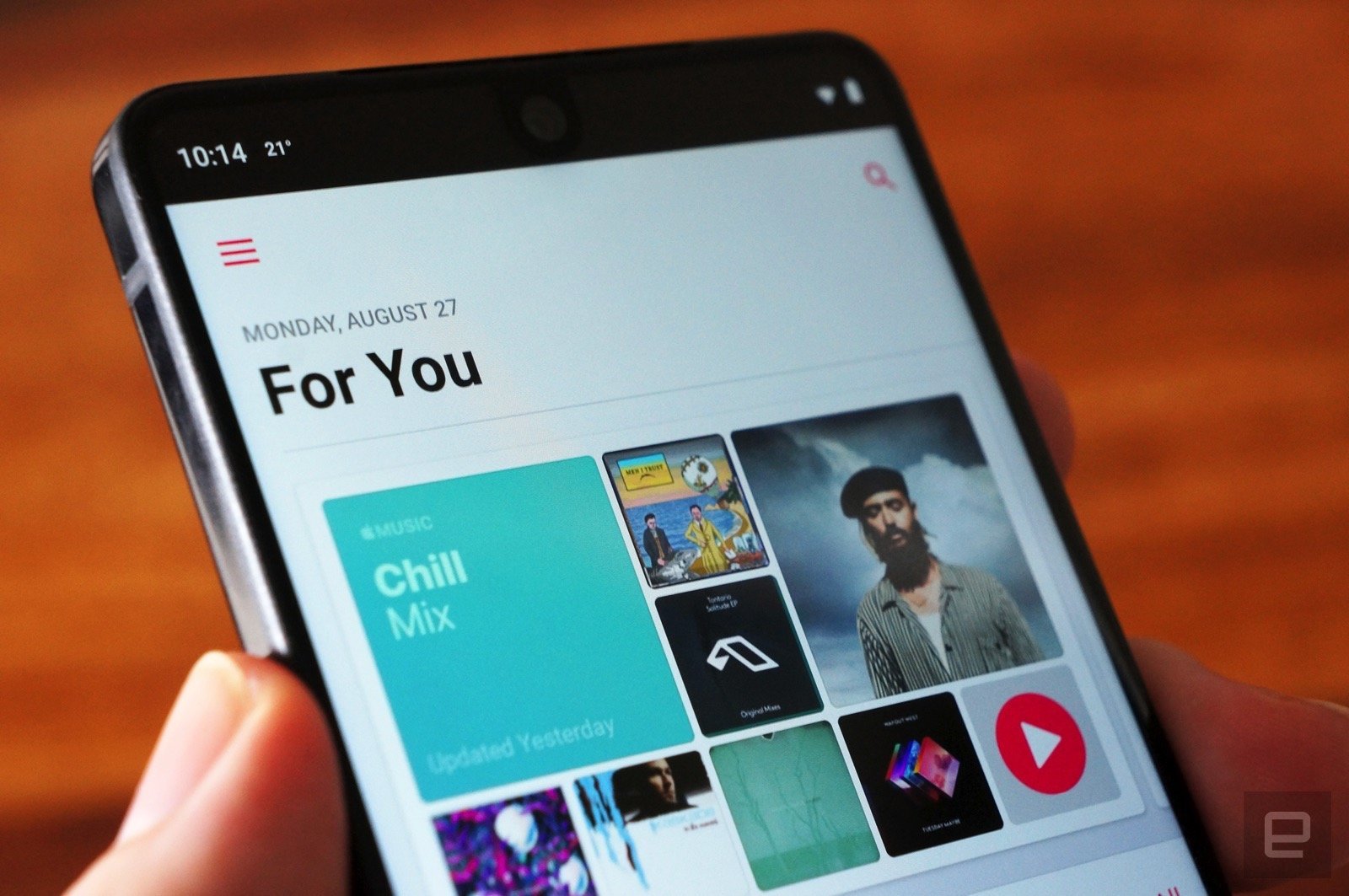
    Judging by the reviews left by Android users on Apple Music’s page in the Google Play Store, the app isn’t on par with the iOS version. However, it looks like Apple is making efforts to make the users experience as satisfying as possible.

    The latest update released today brings a slight redesign of the Browse tab and support for more devices. The update adds a new Browse tab that was initially made available on the iOS version of Apple Music.

    The Browse tab contains more editorial highlights which are supposed to make it easier for Apple Music users to find playlists and new music they might like. With the new tab, starting to play music becomes a breeze as it removes a few clicks previously needed.

    The second major change included in the update is support for Chromebooks. If you own one, you’ll now be able to access Apple Music from Chrome OS. Last but not least, Apple mentions that it squashed some bugs as well, so expect fewer issues with the app after you download the update.

  • TV+, News+, Oprah+, Arcade, Apple is on a War trip

    TV+, News+, Oprah+, Arcade, Apple is on a War trip

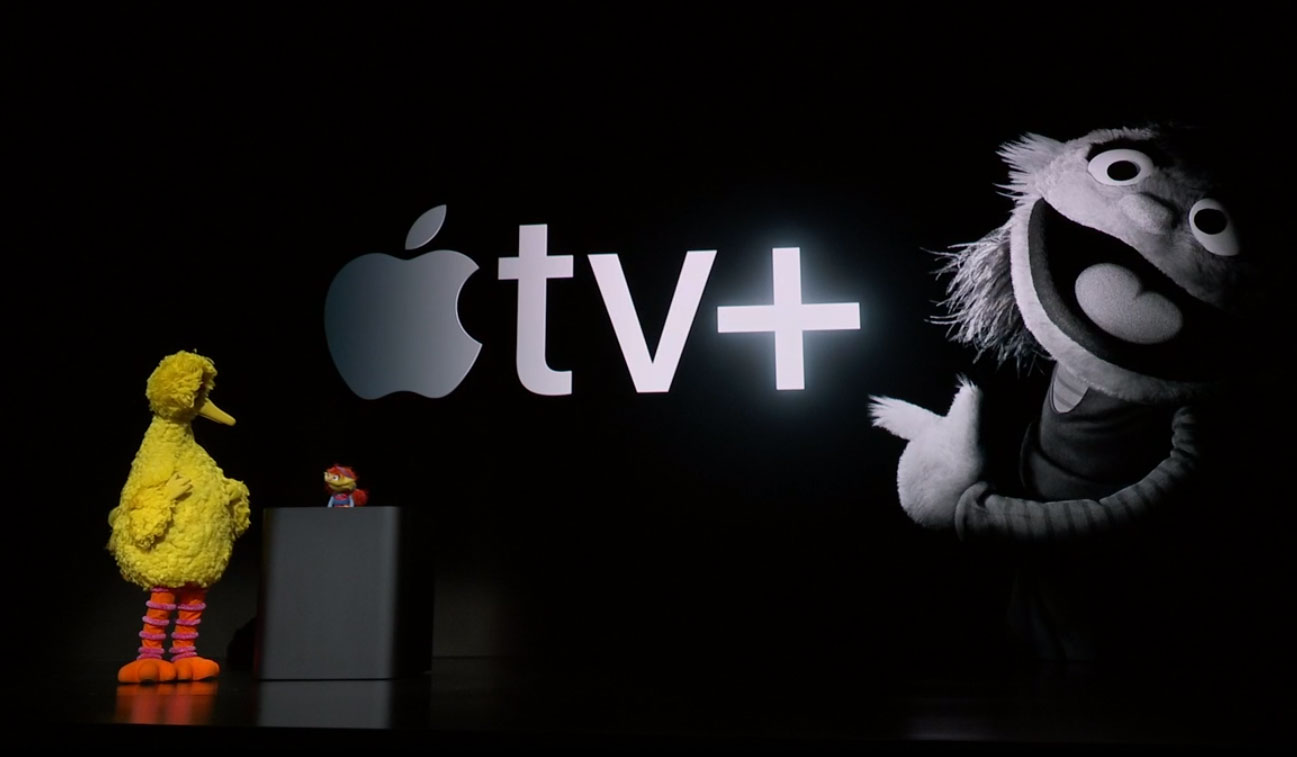
    After issuing a plethora of new hardware on the hush-hush lass week with simple press releases, starting from new iPads and finishing with AirPods 2, Apple reserved the stage today entirely for its new adventures in content and media. Multimedia.

    It took on cable and Netflix with the upcoming Apple TV channels and TV+ subscription streamer. Game streaming and distribution platforms like Steam or Google’s upcoming Stadia will face the formidable Arcade undertaking. News aggregators and standalone publishers now have another potentially huge platform to consider – News+.

    In one fell swoop, Apple wiggled its way right smack in the center of the news and entertainment industry, moving swiftly from a hardware to a content creation focal point. None of these newfangled Apple services can take on the established players on its own just yet, though.

    While News+ may give you access to 300+ magazines, the most it managed to sign up were the LA Times and WSJ – hardly the a la carte news buffet it envisaged for its freshest offspring. Ditto for the Arcade gaming platform, and the TV+ original video content streamer. The numbers they will start with are a far cry from the established competition in the fields.

    What Apple seems to be betting on, however, is the cumulative power of the platform it has, and the stickiness that will come from offering most everything that your heart desires in the world of infotainment we all live in day in and day out. Once you go that Apple rabbit hole, it imagined, it will be hard to break up with your iPhone, iPad, Mac or even a Samsung smart set with the new Apple TV app on it.

    The ability to have your movie, TV channels and shows, newspaper, magazines, or games access folded into one Apple nexus could certainly sound appealing for many an Apple device owner. If the giants of the competition aren’t worried for their own turfs, Apple’s cumulative assault on the media and content business as a whole seems to have started tonight, and with $250 billion war chest, the folks.

  • Apple introduces Apple Card: Daily Cash, no fees

    Apple introduces Apple Card: Daily Cash, no fees

    Apple has announced a brand new service: Apple Card. Starting this summer in the US, users will be able to sign up for a real Apple credit card that’s going to reside within the Wallet app. Requesting a virtual Apple Card living in your iPhone will be very easy, as you’ll be able to do it straight from your device. Issuing a new Apple Card shouldn’t take more than a few minutes. Once issued, your Apple Card should be right there in your Wallet app.
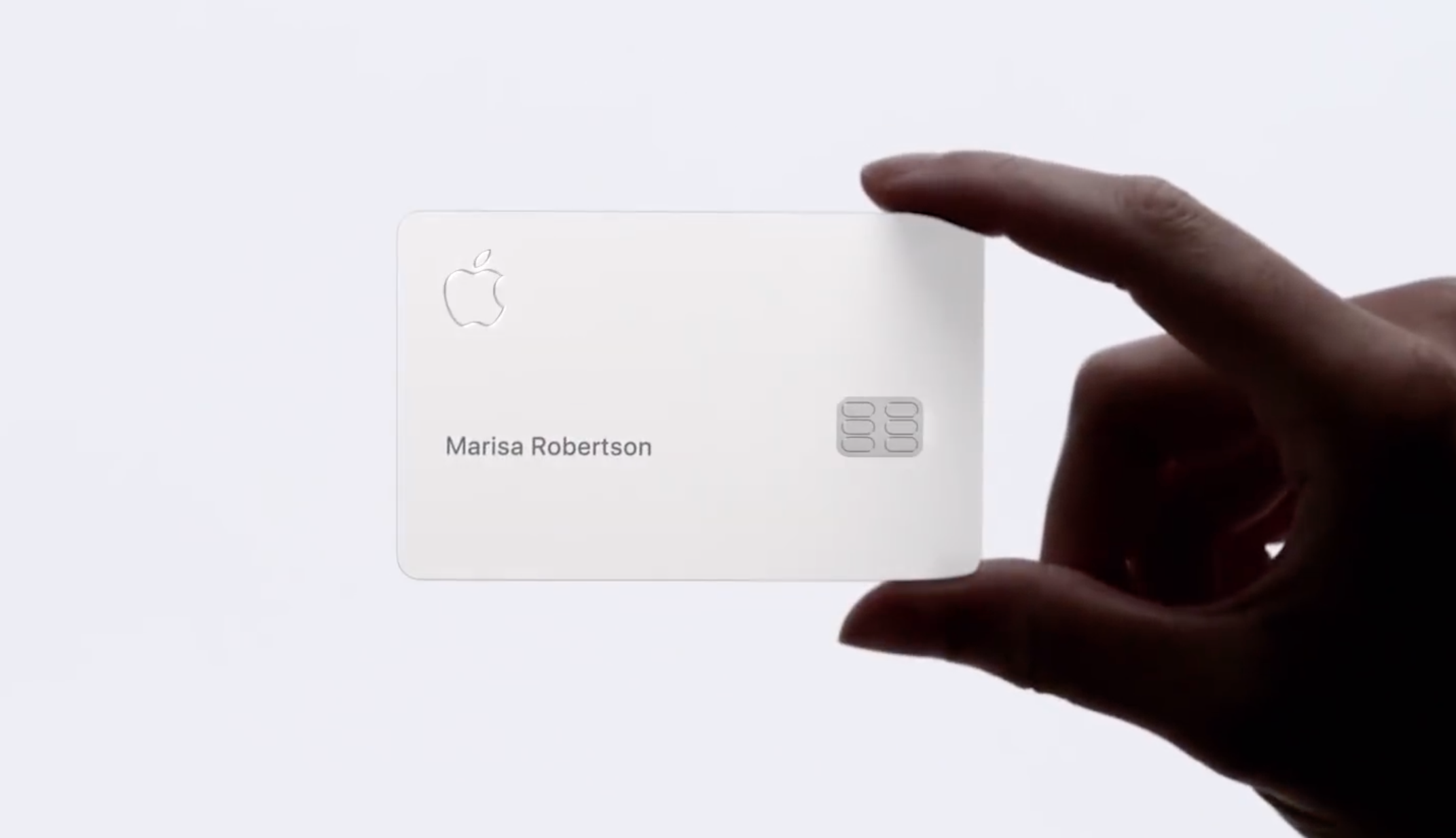
    What’s even cooler is that users will also be able to request a physical credit card, which will be made of titanium and have the user’s name laser-etched. No card numbers, CVV, or expiration dates will be printed on the card, making it that much more secure.
    Apple is creating Apple Card in partnership with Goldman Sachs. As it’ll be using the Mastercard payment network, the card will be accepted worldwide. Card support is going to be handled by Apple directly in a delightful new way: through Apple Messages. Just text Apple with your questions or requests, and the company will respond right there, in Messages. Apple Card will be available this summer in the US. Unfortunately, the company isn’t revealing any details regarding a future international rollout of the service.

    Daily Cash

    With Card, Apple is introducing a welcome new take on the cash back program. It’s called Daily Cash for a reason: you’ll be receiving your cash back amount daily, and you’ll be free to spend it again through Apple Pay, put it towards your Apple Card balance, or send it to family or friends through Apple Messages.
    Customers will be receiving Daily Cash to the tune of 2% on all of their Apple Card payments outside of Apple’s ecosystem. When it comes to Apple’s own stores, like Apple Stores, iTunes or the App Store, the Daily Cash amount will be 3%. And for purchases made using the physical Apple Card, the Daily Cash amount will be 1% of the purchase value.

    Apple helping you have a better financial culture

    Apple is building a number of new features around Apple Card, designed to help you have a better understanding of your spending. For starters, it’ll help you track your purchases more easily by using machine learning and Apple Maps in order to ‘translate’ the names of merchants in your purchases log. You are probably familiar with how merchant names often appear fairly cryptic when you view then through your bank’s web portal or mobile app; with Apple Card, Apple will make sure to have them all clearly labeled so that you’ll immediately know which transaction was made with whom.
    Color coding will also help with the organization of your transactions: products from distinct categories such as Food and Drinks or Shopping and Entertainment will be assigned a different color so that you can immediately find the ones you’re looking for. This, in tandem with the new weekly and monthly spending summaries, Apple hopes will give you a better vantage point over your overall expenditures.
    What’s more, Apple Card will include a tool to help users pay less interest by making their options more transparent. It’ll be suggesting a range of payment options and a handy calculator that estimates the interest cost on different amounts, so that each users can pick the option that suits their budget the best.

    Physical Apple credit card made of titanium

    Apple knows that for customers to fully embrace its payment service, it needs to be universally accepted. So, to let you deal with those merchants that don’t support Apple Pay yet, the company is creating a real, physical credit card with the signature Apple minimalist design. The company hasn’t released some of the technicalities, such as if it’s going to charge you for issuing such a card, but at least we know how it’s going to look like.
    No card numbers, expiration dates, or CVV numbers will be present on the card, making for an extremely clean look, with only the Apple logo and the holder’s name laser-etched onto the titanium piece. Your card’s numbers are, of course, still available: you’ll just have to look them up in the Wallet app on your iPhone.
    Thy physical Apple Card seems like a very appropriate product for international users, where Apple Pay support is still widely lacking, but the company seemingly has no immediate plans to launch Apple Card in markets other than the US at this time.

  • Apple takes on Netflix and cable with TV+ streaming service

    Apple takes on Netflix and cable with TV+ streaming service

    Hours before the “It’s show time” event, Apple began streaming a Car Play footage of someone driving from Los Angeles to Cupertino, in a not-so-subtle hint that we are about to see a lot of Hollywood honchos arriving for the announcement of its new Apple TV+ video service against formidable competition. Existing cable packs plus original content – it marks the first time Apple is jumping into a new and established industry in, well, forever. –

    The Apple-goes-Hollywood move is just the next in a long line of reorientations of Apple as a service company, concocted a few years back when CEO Tim Cook started to prepare for the inevitable commoditization of the bread-and-butter iPhone product. Apple’s CEO Tim Cook loves to brag at conference calls with investors that the revenue and profits from its “services” business is growing leaps and bounds, far outstripping the revenue growth in the iPhone department. The App Store alone is now a Fortune 100 company by itself, raking in more than, say, the whole McDonalds franchise.

    On the hook for billions of losses, however, after streaming services like Netflix or Spotify balked or circumvented the 15%-30% cut Apple takes from subscriptions sold via the App Store, the team from Cupertino decided to futureproof its revenue stream from services by taking the fight directly to the competition. Last year, streaming subscriptions outpaced cable, and Apple just went in, announcing its own TV+ video service.

    Apple TV+ streaming and Channels service price, features, markets, and platforms

    Instead of outing an actual TV set, Apple now aims to become an alternative to cable by mixing shows from renowned names like HBO or Showtime with dozens of its own TV+ original series, all from the comfort of the new Apple TV app, online or offline. With the new Channels service there, Apple will bundle your existing subscriptions, and personalize and curate the shows you might like, gleaning from the subscriptions or preferences you already have shown by renting iTunes movies and TV shows. Those will now also be folded into the new Apple TV app, coming in May.
    The Apple TV channels will sport such juggernauts like HBO, Starz, SHOWTIME, CBS All Access, Smithsonian Channel, EPIX, Tastemade, Noggin and some new ones as MTV Hits, with more down the pipe. All of this can be accessed within one app – Apple TV – no separate logins any more.
    The service would be reaching 100+ global markets and will be available not only on Apple iOS devices but also coming to the Mac, Roku streamers, and even Samsung, LG, Sony or Vizio smart TVs. How much? Well, separate subscriptions for HBO or Showtime will run you $9.99/month each, and you can subscribe with a single click. The Apple TV+ release date is scheduled for some time in the fall, with an “ad-free” price yet to be announced.

    With an installed base of more than a billion potential viewers who are used to paying for media, Apple could immediately become the next big thing on the trendy “what to watch” block. Unlike Netflix, however, whose stratospheric rise is fueled by copious amounts of debt, Apple reportedly took a more measured approach, earmarking “just” a billion for testing the original content streaming waters. Eddy Cue, Apple’s senior vice president of Internet Software and Services, piled on today:

    That’s not to say that the team from Cupertino is not ambitious, though – Eddy Cue is on record saying that they want to acquire or produce shows on the level of Game of Thrones, and, knowing Apple’s money, they could very well do so. For comparison, HBO spends two billion on original programming, and Apple could easily double or triple the amount invested if the shoe fits.

    Netflix is way ahead with $11 billion earmarked for spending on own shows and content this year, though there is a lot of fluff in it, while Apple usually takes a more targeted approach when it comes to quality, regardless of what one might think about shows like Planet of the Apps. In any case, it will have way fewer movies and TV shows than the rest of the competition at launch, though, as you can see from the stats below, having the most content doesn’t make for the most popular such service.

    Apple TV+ new original shows list at launch

    Apple has already poached plenty of entertainment industry names, too, so it finally seems bent on building a proper media empire. Here are all the shows Apple said its streaming service will be launching with:
  • Apple may have a surprise subscription service

    Apple may have a surprise subscription service

    We’ve heard a lot about what to expect from Apple’s planned event on Monday. We know that Apple likely won’t have any hardware to announce since it quietly already launched two new iPads and its second generation AirPods as well. We’re expecting some sort of TV service and a news subscription service, maybe even an Apple credit card, but a new report says there might be another subscription service announced that we didn’t know about.

    Apple might be getting ready to announce a game subscription service for iOS devices. Many will call it “Netflix for games,” but calling everything the “Netflix of whatever” often ignores companies that actually exist, so we’ll say it’s more like a digital version of Gamefly. Although it’s unclear if Apple will be announcing the game service on Monday, the report says Apple is talking to partners to build up the service. The way it would work is users would pay a monthly fee to get access to select games that would normally be paid and Apple would distribute the revenue (minus its cut) to developers based on how long users spend playing each game.

    Depending on the games made available as part of such a service, it could end up being the surprise star of the show for Apple. As we get closer and closer to the event, Apple’s video service is sounding less interesting as the latest rumors make it out to be a glorified Apple TV homescreen rather than a real competitor to something like Netflix or Hulu. Apple’s news service may be okay, but without big names like the New York Times, it’s hard to imagine that generating much excitement. But, a subscription game service could be pretty great if done right.

  • iOS 12 bringing iPad Pro support for unlikely accessories

    iOS 12 bringing iPad Pro support for unlikely accessories

    Apple has a pretty clear strategy for its iPad lineup with an option available at every price point from $329 up to infinity as well as having a handful of screen size options. Apple’s status in the tablet market means there’s no shortage of accessories, but in a surprise move Apple added native support for the Logitech Crayon for the 9.7-inch iPad and now support is coming to more devices.

    Apparently the next version of iOS 12 will bring support for the Logitech Crayon to “the iPad Pros.” Unfortunately, it’s not clear if Patel was referring to the new iPad Pros or the entire lineup of iPad Pros, which is an important distinction given the trouble users could have sorting out Apple Pencil support on different iPads. The suspicion is that Apple will be releasing a new version of iOS 12 on Monday to add support for the various subscription services expected to be announced.
    While on the surface, this seems like a good thing since the idea behind the Crayon is that it just works on an iPad right after you turn it on without needing to do anything else, and bringing support to more devices beyond the $329 iPad seems like a plus. The odd thing about it is that the plan would be to add support just for the iPad Pro lineup. The Crayon is designed for the education market (it’s actually not available for purchase outside of Apple’s Education channel.) The reason it only supported the cheapest iPad was because that’s the device also designed for the education market.
  • New AirPower image found on Apple’s website

    New AirPower image found on Apple’s website

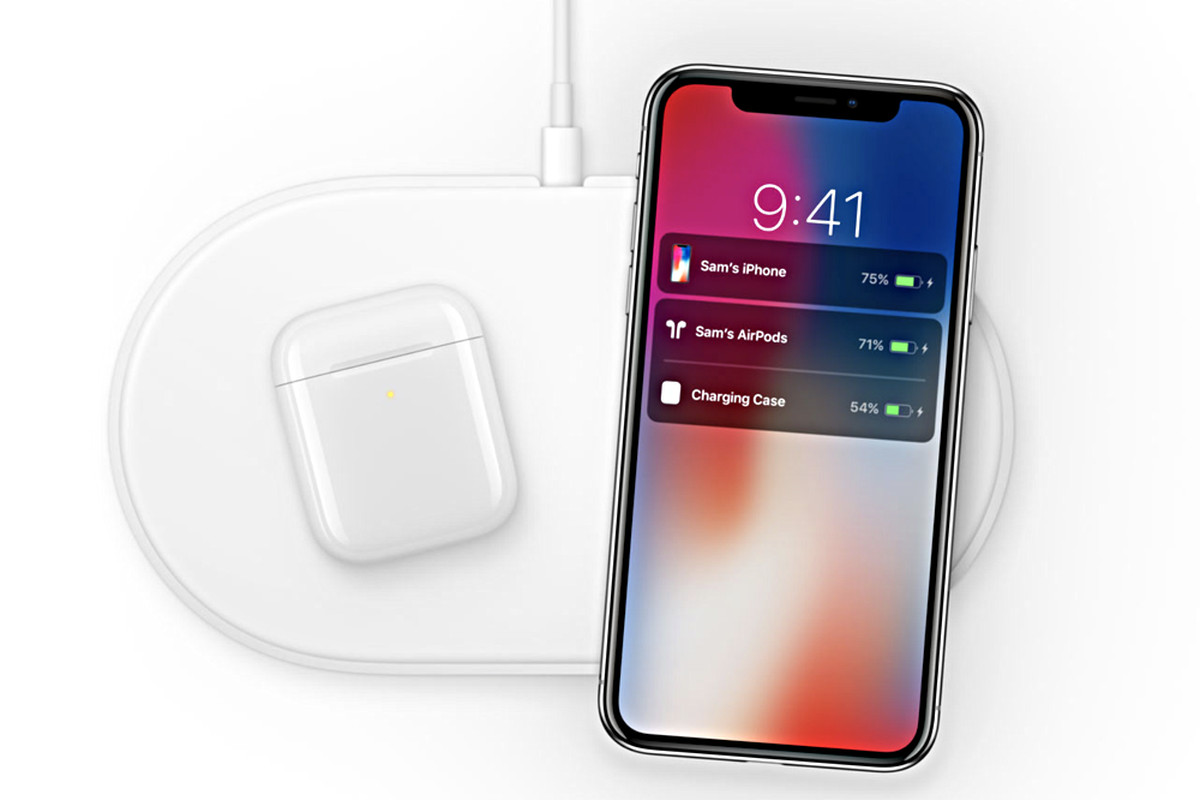
    It’s been over one year and a half since Apple first announced AirPower, the infamous wireless charging pad which still hasn’t been released, despite the promise of a launch during 2018. Reports and rumors about the status of AirPower have been floating around for months, with many now speculating that Apple will announce it sometime this week. Rather unsurprisingly, Apple has made no official statement on the matter, but now a new finding on the company’s website suggests AirPower could be just around the corner.

    The new AirPower image on Apple’s website

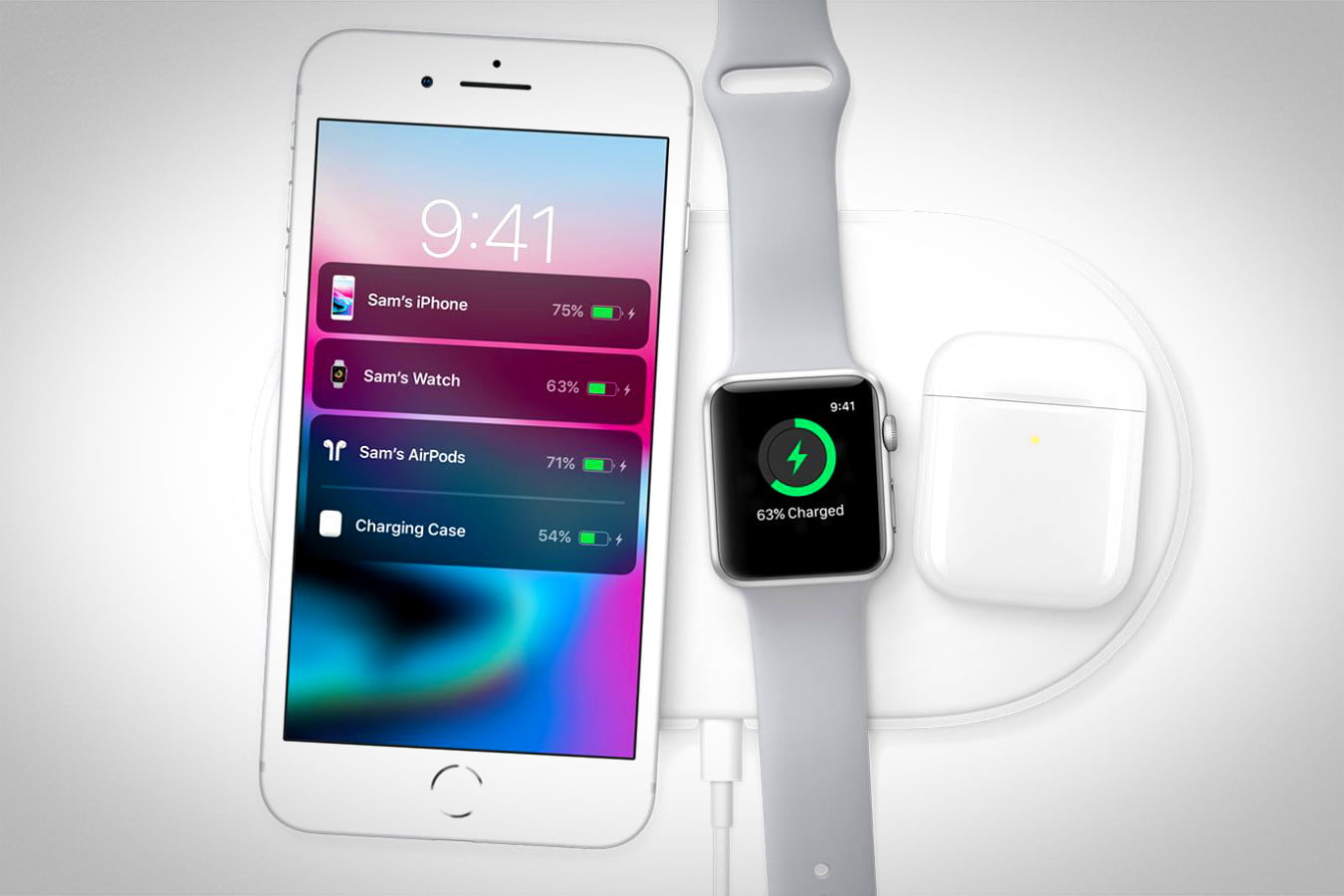
    Yesterday, when Apple updated the AirPods page on its website following the announcement of an improved pair, the company proceeded to remove all references to AirPower – it even removed the old marketing image showing AirPower charging an iPhone X and a pair of AirPods.  A replacement image is yet to be added to the page, but as it turns out, there is actually a new, never-before-seen official AirPower image hidden within the source code of Apple’s Australian website.

    Overall, the new press image is pretty similar to the original. This time around, though, Apple has replaced the iPhone X with a newer iPhone XS. Another tiny detail which has changed is the device owner’s name – it was previously Sam but is now David. Presumably, this new AirPower image will be used once the charging pad is officially introduced. The expectation was that it’d debut today, but Apple appears to have paused its announcements for the time.

    When will Apple actually release AirPower?

    At this rate, it’s unclear when Apple will announce its highly-anticipated wireless charger. There do, however, appear to be three options. The first option, and one which could be considered wishful thinking, is an announcement tomorrow. Apple successfully created hype earlier this week with iPad, iMac, and AirPods announcements on Monday, Tuesday, and Wednesday respectively. Then, earlier today a number of iPad Air and iPad Mini reviews dropped, hogging the limelight for the day. In order to complete the week, Apple could schedule an AirPower unveiling for tomorrow, guaranteeing itself another day in the headlines

    The second option is an announcement at Monday’s event. This is certainly possible but does seem pretty unlikely at this point. The focus of next week’s press event is Apple’s upcoming subscription services, and by announcing its newest hardware products this week, the company has successfully removed any potential distractions from the big day. But AirPower, rather naturally, would prove to be a pretty big one.

    The last option is an announcement later this year. When exactly remains a bit of a mystery, but the company could either launch it at WWDC or at its iPhone event in September, or choose to release it quietly on any given day.

    What key features will AirPower offer?

    In terms of what AirPower actually has to offer – aside from its integration within Apple’s ecosystem – the charging mat should offer the ability to wirelessly charge up to three devices simultaneously.

    This means that keen Apple users out there looking to purchase the charging pad will be able to charge their iPhone 8 (or newer) alongside an Apple Watch Series 3 (or newer) and a pair of AirPods – as long as the new wireless charging case has been purchased.

    As for pricing, no official details have been provided yet. However, rumors do point towards a retail price in the region of $150, although this is pure speculation at the moment and the final price could be either higher or lower.

  • Comcast beats Apple by announcing its own TV streaming service

    Comcast beats Apple by announcing its own TV streaming service

    Comcast beats Apple to it and announces its own TV streaming, the Xfinity Flex. Although Apple’s TV service isn’t official yet, the latest report claims it will work just like Comcast’s when it comes to content.

    However, Comcast’s Xfinity Flex is available to Internet-only customers and for an extra monthly fee. The service promises to provide customers with an easy way to use their TV and voice control to manage all their connected devices in their home. Basically, if you’re an Xfinity Internet customer, starting next week, the Xfinity Flex service will be available to you in a package that contains an Internet-connect, 4K HDR streaming TV device.

    Along to the streaming TV device, the retail box will also include a voice remote, one integrated guide for accessing popular streaming video and music choices (Netflix, Amazon Prime Video, HBO, Showtime, Pandora, iHeartRadio), along with Comcast’s home Wi-Fi, mobile, security, and automation services.

    The price is $5 per month and the subscription will give you access to more than 10,000 videos (TV shows and movies), as well as live TV from ESPN3, Xumo, Pluto, Tubi TV, Cheddar, and YouTube.

    On top of that, Comcast said that all Xfinity Flex customers will be able to upgrade to the full Xfinity X1 cable service directly from the guide, to get access to hundreds of live channels, tens of thousands of on-demand titles, and a cloud DVR.

    Keep in mind that if you’re an Xfinity Internet-only customer, you will have to pay the $5/month for the Xfinity Flex on top of what you’re already paying for your existing Internet plan.

  • Apple’s new iPod Touch might be announced somewhere this week

    Apple’s new iPod Touch might be announced somewhere this week

    As Apple has done in the past prior to product launches, yesterday the company shut down its online store for a few hours. When it reopened, an updated iPad Mini and an all-new iPad Air were introduced.Earlier today, in a very unexpected move, the Apple Store was updated yet again. But rather than closing and then reopening it, the Cupertino giant simply added its improved iMac computers to the website. Now, according to MacRumors, it seems Apple may have yet another product update planned for tomorrow.

    The iPod Touch could be Apple’s third announcement this week

    Earlier this month, MacRumors received a tip claiming that Apple would announce new products on March 18th, March 19th, and March 20th. The first day would see the debut of new iPads, while the second would see the introduction of new iMacs. This has proven to be accurate thus far and, as a result, means the information about the third day is likely correct too. “What will Apple be announcing tomorrow?” You may be asking.

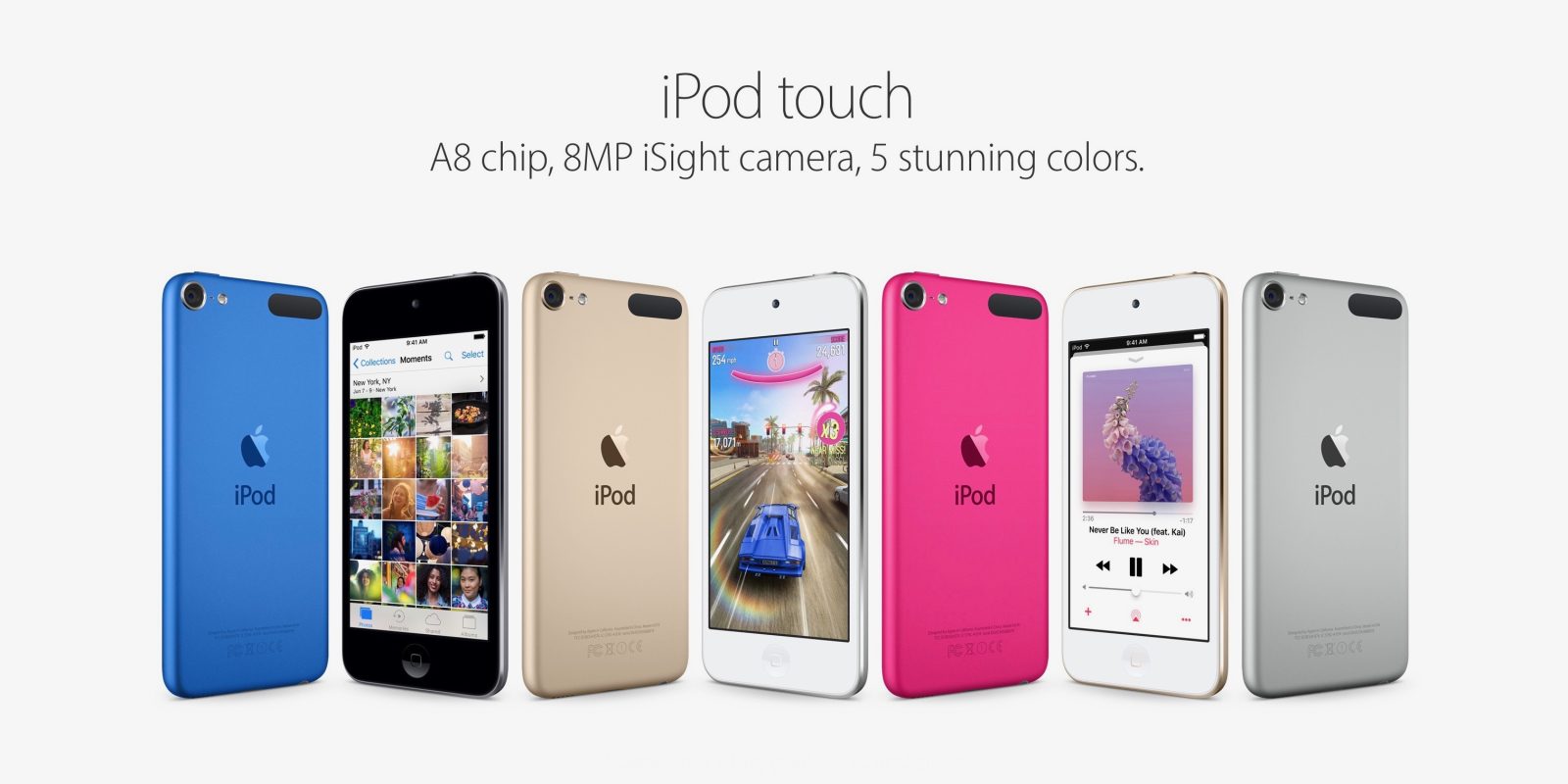
    Well, according to the tip, it’ll be an all-new iPod Touch. The current-gen iPod Touch dates back to June 2015 and is in dire need of a refresh. The model on sale now sports a tiny 4-inch Retina Display paired with an 8-megapixel rear camera and the aging Apple A8 processor. It’s also one of the few remaining Apple products to sport the company’s iconic home button but no Touch ID.

    Larger display, better processor, perhaps no headphone jack

    Considering Apple’s current focus on larger devices, the new iPod Touch will probably introduce a bigger display. The exact dimensions remain a mystery at the moment, but Apple’s new product might borrow the 4.7-inch display found on the iPhone 7 and iPhone 8. After all, this would avoid any unnecessary costs. Another big upgrade will presumably happen on the inside. In order to guarantee Apple’s usual 4-5 years of software updates, the new iPod Touch might adopt either the Apple A10 Fusion or the Apple A11 Bionic chip. The newer A12 Bionic is a possibility too, but this would probably increase the product’s cost too much.

    Like many of Apple’s other devices, there’s a strong possibility the next-gen iPod Touch will ditch the 3.5mm headphone jack. However, it should finally gain Touch ID, allowing for secure mobile payments, and receive a new set of updated cameras.

    Could the new iPod Touch focus on gaming?

    Once again, Apple’s next-gen iPod Touch will probably focus on music. But a recent trademark application revealed that Apple might also promote its mobile gaming capabilities. Over the years, iTunes and Apple Music support has become less of a selling point and more of a standard. As a result, the new iPod Touch might be marketed as a low-cost mobile gaming device instead.Interest in such a device will probably be quite limited initially, but the market does have potential for growth.

    Over the past few years, gaming smartphones have become much more popular and the market is gradually being flooded with them. Even Nintendo is said to be considering a gaming smartphone of its own, which means now could be the perfect opportunity for Apple to enter the market with a new iPod Touch.

    iPod Touch (7th-gen) release date and pricing

    If Apple does announce a 7th generation iPod Touch tomorrow, pre-orders will probably commence immediately prior to a release next week. Pricing does remain a bit of a mystery at the moment, but Apple could potentially stick with its current iPod Touch price points – the 32GB version retails for $199 while the 128GB model costs $299. The new iPod Touch should be available in an extensive range of colors, like the current-gen model. Apple could either keep the current iPod Touch finishes or adopt the iPhone XR’s colors.

  • Apple to announce AirPower and AirPods wireless charging case

    Apple to announce AirPower and AirPods wireless charging case

    According to Max Weinbach, Apple’s seventh-generation iPod Touch will make its international debut sometime tomorrow. Once again, specifics about the product weren’t provided but this announcement info does coincide with a previous rumor from earlier today. After the iPod’s announcement, Apple could proceed with the unveiling of two other products. Weinbach’s sources acknowledged that they haven’t worked on AirPower or the AirPods wireless charging case directly.

    However, they did confirm the possibility of these products launching later on this week. If Apple’s strategy so far is anything to go by, the AirPower charging mat will probably be announced on Thursday. This will presumably be followed in Friday by the debut of the AirPods wireless charging case. But if Apple wishes to cut the week short, it could announce both products simultaneously.

    As a further indication of Apple’s plans to launch AirPower soon, recent changes to the iOS 12.2 beta have resulted in “significant” modifications to the wireless charging code. More specifically, the operating system now includes the code “responsible for identifying that two devices are charging on the same mat,” something AirPower will support.

    Apple’s AirPods 2 might still be months away

    As you may have noticed, there has been no mention of AirPods 2. Unfortunately, this is because the sources believe Apple’s next-gen wearable won’t launch until September alongside the iPhone 11 series. Rumor has it that AirPods 2 will look fairly identical to the originals. But in the hope of improving grip and reducing slipperiness, Apple is believed to be preparing a new frosted glass-like coating. This same coating may be present on the 2019 iPhone series.

    The new AirPods should introduce always-on Siri – which will give users the option of activating Siri with the words ‘Hey, Siri’ – and some kind of water resistance. The updated accessory may also feature some health-related features such as a built-in heart rate monitor. Also expected from AirPods 2 is Apple’s W2 Bluetooth connectivity chip.

    This halves power consumption with respect to the W1 chip and should result in big battery life improvements. Better overall sound quality is likely too.

    What does Apple have left for its March 25 event?

    After what could potentially be an entire week dedicated to hardware, next Monday Apple is holding the “It’s show time” press event. And, as revealed by Weinbach’s sources, there will be no hardware announcements. Instead, the company will focus entirely on its new services. The main star next week is expected to be Apple’s highly-anticipated news-aggregating subscription service.

    For a rumored price of $10 per month, consumers will gain access to a range of premium new content provided by a wide range of suppliers. Reportedly, this new service will be available to iPhone, iPad, and Mac users through the existing Apple News app.

  • Change to AppleCare+ helps most of us using an Apple Pencil

    Change to AppleCare+ helps most of us using an Apple Pencil

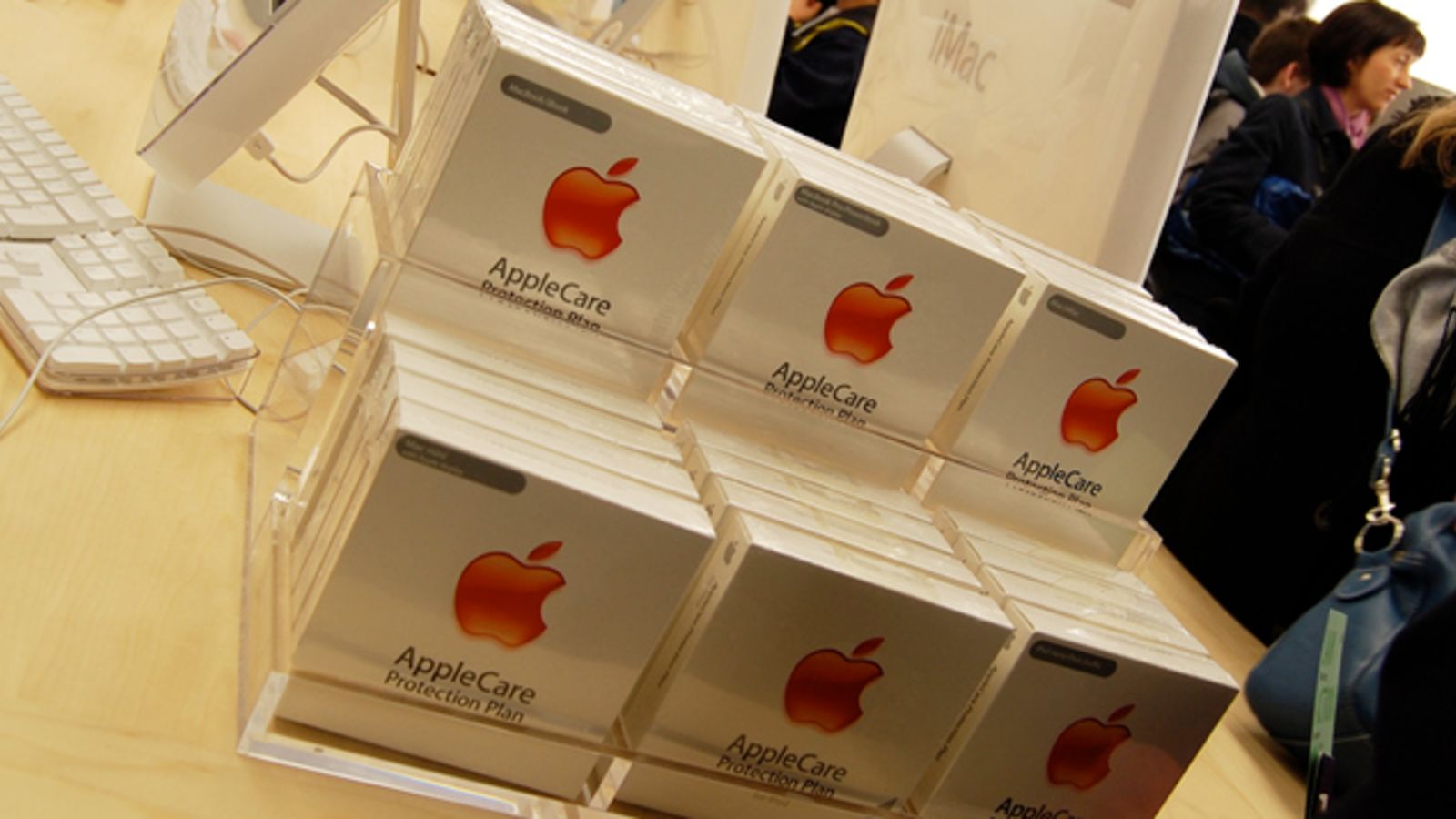
    Apple used to demand that an Apple Pencil be purchased at the same time as an iPad in order to allow the accessory to qualify for AppleCare+ protection. According to MacRumors, this is no longer the case. For example, if you own an Apple iPad that is covered by AppleCare+, any first or second generation Apple Pencil you’ve purchased will be covered by the plan even if you bought the Apple Pencil separately from the tablet. So if you have AppleCare+ for iPad, you will be covered if your Apple Pencil sustains accidental damage up to two times a year. Both times, all you will have to lay out is $29 plus tax for each repair.

    And Apple Care+ will be in effect for two years from the date that the plan is purchased. If you buy an iPad, you have up to 60 days after your purchase to add AppleCare+ (the date of the Apple Pencil purchase doesn’t seem to matter). If you have to return your iPad because of accidental damage, it will cost you $49 plus tax.

    This news comes after Apple introduced a couple of iPads this morning. The new iPad Air and the new iPad mini both support the first-gen Apple Pencil only. The cost of AppleCare+ for both new tablets is $69 (more on this below), and this will include coverage for the first generation Apple Pencil regardless of whether you purchased the accessory with the tablet or not. For those who take their iPads with them wherever they go, it might make sense to have the device protected from accidental damage.

    AppleCare+ for iPad covers hardware damage to your iPad, the battery, the AirPort, included USB cable and power adapter, the battery, and the Apple Pencil. It also gives you 24/7 priority access to Apple experts through a chat or a phone call. You can mail in your repair using a prepaid mailing box provided by Apple, or bring it in to the nearest Apple Store or authorized repair center. And you will also be entitled to express replacement service.

    AppleCare+ for iPad can help protect your investment

    Apple Care+ for iPad will also provide answers to questions you might have on how to run certain aspects of iOS and iCloud, how to connect to wireless networks, and questions you might have about certain Apple branded apps such as FaceTime, Keynote, Numbers, Pages and more. The cost of AppleCare+ for 9.7-inch and 7.9-inch iPads (including the new iPad Air and iPad mini) is $69 or $3.49 a month over 24 months. For iPad Pro units, the cost is $129 or $5.99 a month over 24 months. Considering the cost of your new iPad, iPad mini or iPad Pro, it might not be such a bad idea to spend the money to protect your investment.

    And since Apple has made the change in AppleCare+ coverage for the Apple Pencil, we would be remiss if we didn’t tell you that the first generation accessory costs $99.99 while the second-generation variant is priced at $129.99. The latter is compatible with the 11-inch and 12.9-inch iPad Pro models that were released last year. The former is supported by the new tablets announced today along with the 9.7-inch iPad launched last year (6th generation), the first and second generation iPad Pro models, the 10.5-inch iPad Pro and the 9.7-inch iPad Pro.

    Since AppleCare+ is considered part of Apple’s services unit, Apple is counting on increased revenue from these plans to help boost services revenue to $50 billion by 2020. The unit had revenue of $25 billion in 2016, and also includes ApplePay, the App Store, Apple Music, iTunes and more. It is the second largest revenue generator for Apple following the iPhone, and is the most profitable part of the company.

  • Fitbit Versa Special Edition with NFC support flies high

    Fitbit Versa Special Edition with NFC support flies high

    While it’s certainly not unusual to see older gadgets discounted shortly after new models are released, the recently unveiled Fitbit Versa Lite Edition is not actually an upgraded version of last year’s regular Versa. As such, deals on the original model weren’t exactly guaranteed, especially given Fitbit’s newfound success in a fast-growing global wearables market, owed in part to this specific low-cost Apple Watch rival.

    All things considered therefore, it’s definitely a nice surprise to be able to buy a Special Edition of 2018’s Fitbit Versa at a markdown of around 25 percent on Amazon right now. That translates into pretty hefty savings of 60 bucks (give or take a couple) for what was already one of the most affordable feature-packed smartwatches available in the US.

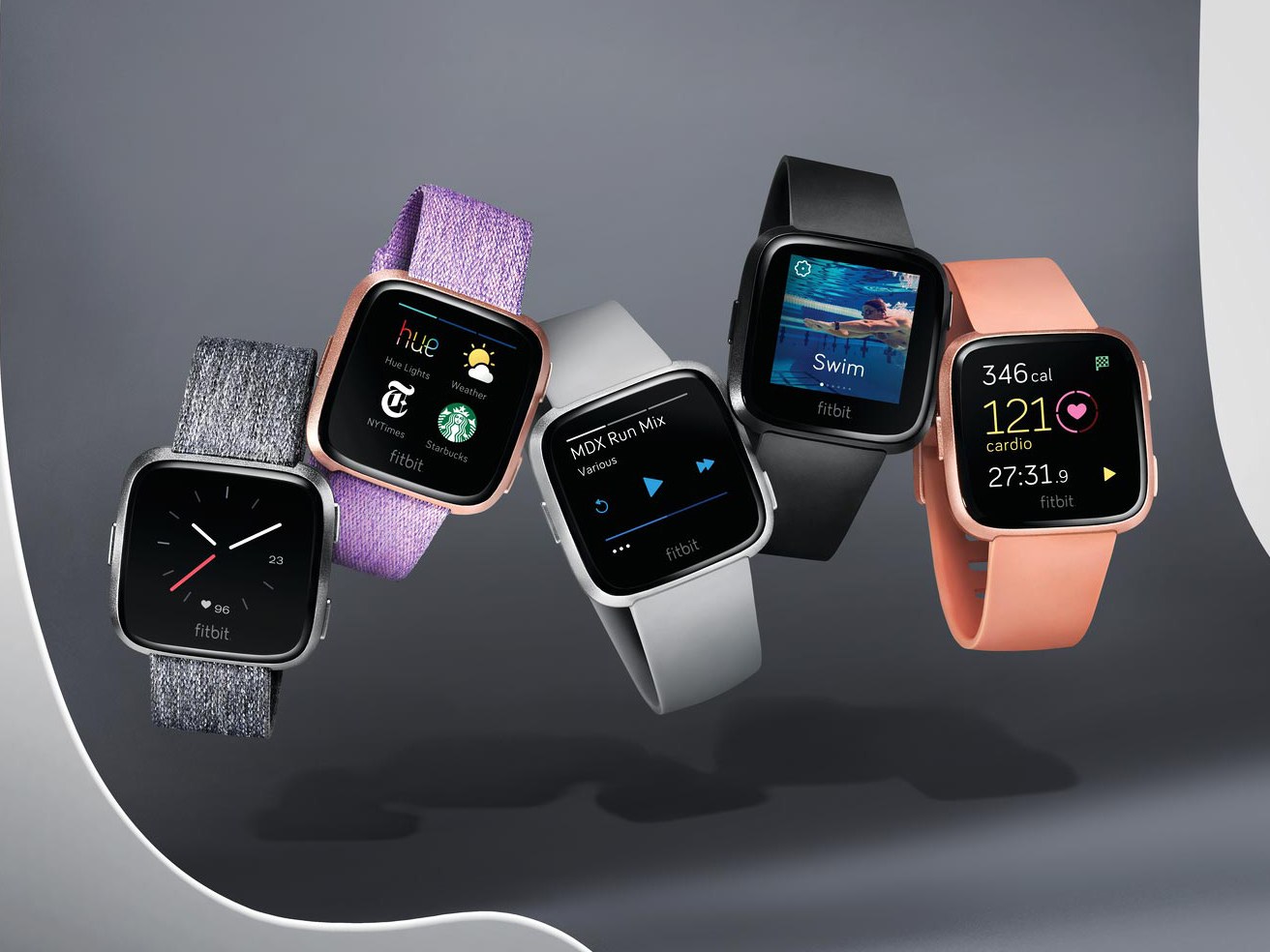
    In case you’re wondering what makes this device “special”, it’s the addition of an NFC chip compared to a standard Versa edition, which enables wrist payment support. We’re not talking about Google Pay, mind you, but rather’s Fitbit proprietary service, fittingly dubbed Fitbit Pay and compatible with credit and debit cards issued by more than 100 US banks

    You can get the marked-down Versa SE with a “Charcoal Woven” or “Lavender Woven” strap, both of which look… pretty unusual for a fitness-first wearable device. Otherwise, there’s no disputing the appeal of an inexpensive smartwatch with a decent touchscreen in tow, as well as stellar 4+ day battery life, a swim-proof design, built-in optical heart rate monitor, accelerometer, gyroscope, altimeter, and plenty of other tricks up its sleeve guaranteeing a top-notch activity and sleep tracking experience.