Tag: apple

  • Jury decision means Apple must pay Qualcomm millions

    Jury decision means Apple must pay Qualcomm millions

    Earlier today, we updated a story to tell you about a ruling made by Judge Gonzalo Curiel of the U.S. District Court for the Southern District of California. The judge said that Qualcomm is obligated to pay Apple nearly $1 billion in rebated royalties that it promised to pay Apple as long as the company didn’t attack the chip maker in court or to regulators.

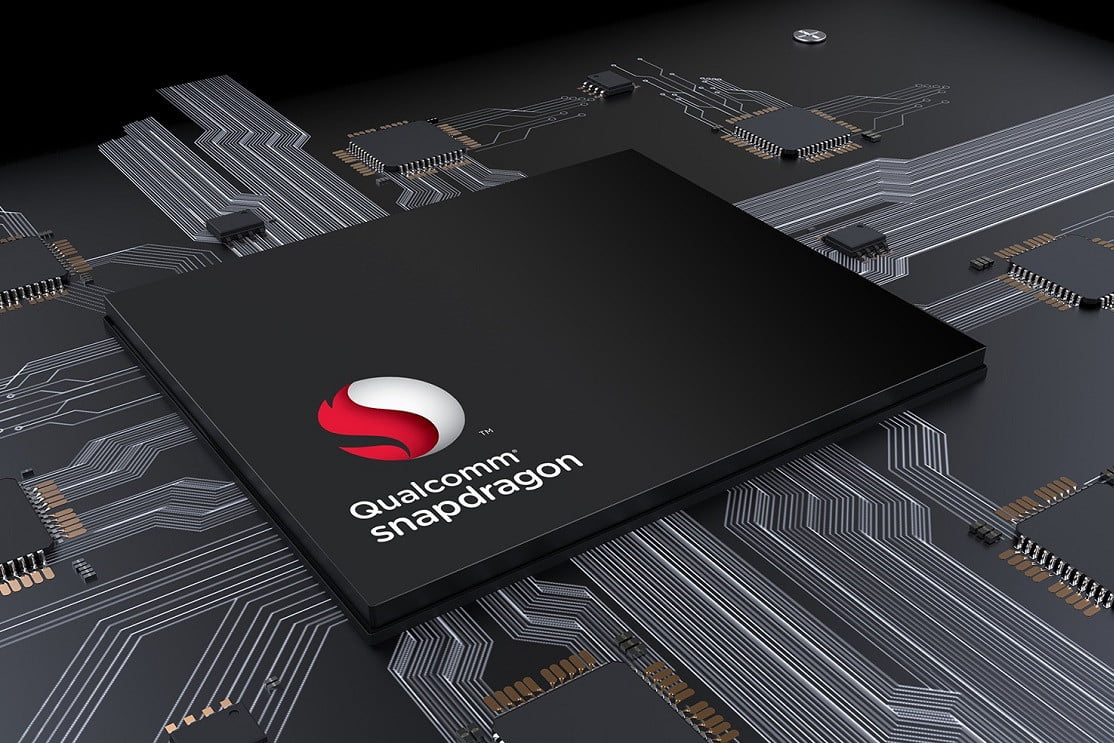
    But another legal decision involving Qualcomm and Apple was announced today. A jury sitting in federal court in San Diego today, awarded Qualcomm the $31 million it was seeking from Apple after finding that the latter infringed on a trio of Qualcomm patents. That works out to $1.41 for each iPhone sold without a license for the Qualcomm technology used inside each device. Despite the award, when you consider the $1 billion that Qualcomm will have to rebate to Apple, the latter ended up approximately $969 million in the black.

    The $31 million that was awarded to Qualcomm covers a trio of patents. One allows a phone to connect to the internet as soon as it is booted-up. Another helps conserve the amount of battery power consumed by the graphics processor when in use, and the third covers how traffic flows between the app processor and the modem on a handset. As you might imagine, Qualcomm was happy with the jury’s decision while Apple said it was disappointed with it. Apple and Qualcomm still have a number of court battles remaining. For example, next month a trial will start up in San Diego that will deal with billions of dollars in royalties.

    “Today’s unanimous jury verdict is the latest victory in our worldwide patent litigation directed at holding Apple accountable for using our valuable technologies without paying for them. The technologies invented by Qualcomm and others are what made it possible for Apple to enter the market and become so successful so quickly.”-Don Rosenberg, general counsel, Qualcomm

    “Qualcomm’s ongoing campaign of patent infringement claims is nothing more than an attempt to distract from the larger issues they face with investigations into their business practices in US federal court, and around the world.”-Apple

    Qualcomm could be forced the way it sells chips to phone makers

    Qualcomm is also awaiting a couple of key rulings that could change the way chips are sold to smartphone manufacturers in the future. The court battle it had with the FTC earlier this year revealed why many phone manufacturers hate dealing with the chip maker. Qualcomm’s “no license, no chips” policy has infuriated these handset vendors because each of them end up paying for the Qualcomm chips used in its phones, and a license that is based on the number of phones each manufacturer ships whether it contains a Qualcomm chip or not.  Qualcomm also has been accused of not licensing its standards essential patents in a fair, reasonable and non discriminatory manner. These are patents that cover technology that a device must include in order to meet technical standards.

    On March 26th, the International Trade Commission (ITC) is expected to make another important ruling involving Qualcomm. In this case, an ITC judge originally ruled that while Apple had infringed on a Qualcomm patent, it would be against the public interest to give Qualcomm the iPhone sales and import ban in the U.S. that Qualcomm was seeking. But ITC regulations call for a review of that decision by the entire commission, and the result of that review will be announced a week from this coming Tuesday.

    Depending on how this all shakes out, Qualcomm could end up with a whole new method of selling chips to smartphone manufacturers. And if it shows remorse and promises to reform, it just might be able to win back Apple’s business. From 2011-2015, Qualcomm was the exclusive supplier of modem chips for the iPhone. In 2016 and 2017, Qualcomm and Intel both supplied Apple with this component. Intel was the sole supplier of modem chips for the 2018 iPhone models, and is rumored to be the sole source of 5G modem chips for the 2020 iPhones.
  • Mass-production of a key component for 5G Apple iPhone about to Start

    Mass-production of a key component for 5G Apple iPhone about to Start

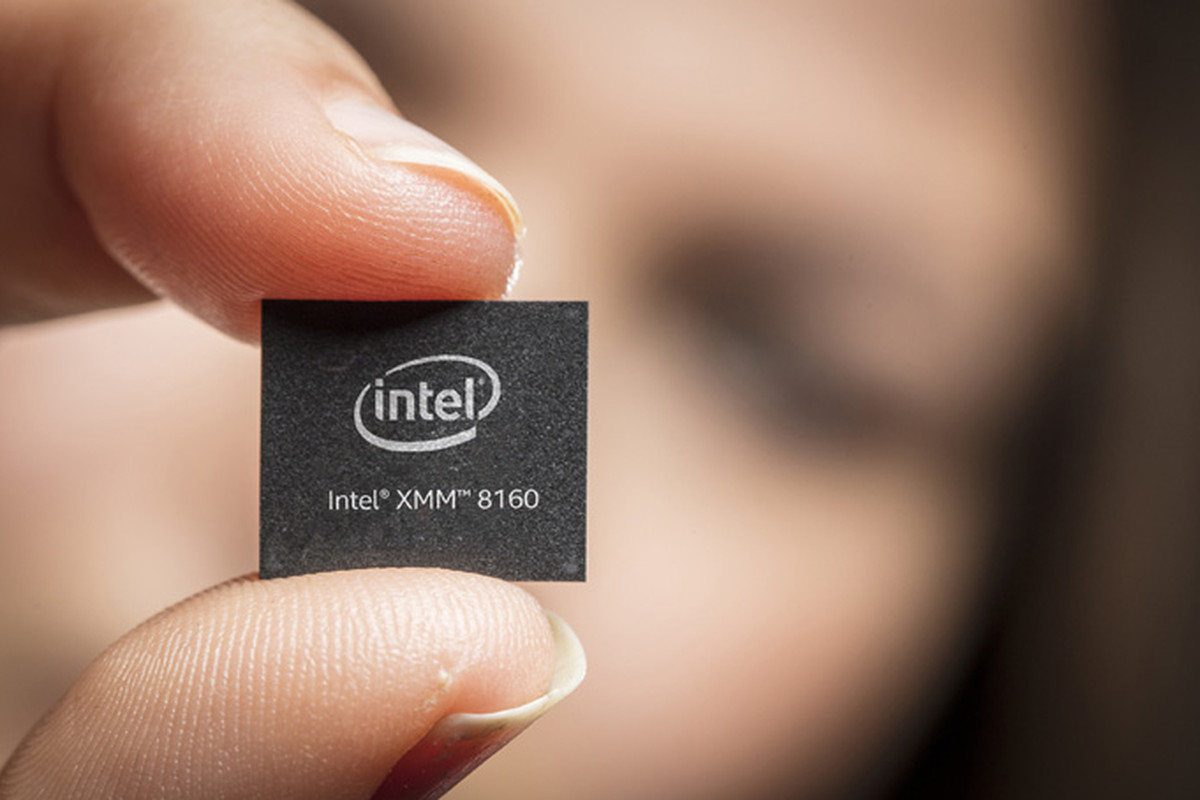
    Since Apple is expected to use Intel’s modem chips for its first batch of 5G compatible phones, we know not to expect 5G iPhones to be unveiled until 2020. That’s because Intel won’t have its modem chip for the next generation of wireless connectivity ready until next year. The chip maker will start work next quarter on the engineering projects it needs to finish in order to begin volume production of its 5G modem.

    Once Intel starts producing its 5G modem chip in 2020, it will compete with Qualcomm’s recently introduced Snapdragon X55 5G modem, the sequel to the Snapdragon X50 5G modem. The latter will be used on most 5G Android phones this year. It also will go up against the 5G modem chip designed by MediaTek. All three firms could still be in play to become the source of Apple’s 5G modem chips, although previous reports state that Intel has already won this battle. Sources cited in yesterday’s report say that Intel will also continue to generate revenue from selling its 4G modem chips to Apple for older iPhone 7 and iPhone 8 models.

    Apple currently has a contentious relationship with Qualcomm; over the last few months both sides have squared off in court on issues ranging from patent infringement to royalty payments. Just yesterday, one judge ruled that Qualcomm owed Apple close to a billion dollars in royalty payments it promised to rebate to the company (the actual figure is much. much higher says FOSS Patents). Meanwhile, a jury in San Diego yesterday ordered Apple to pay Qualcomm $31 million after it found Apple liable of infringing on a trio of patents. On March 26th, the International Trade Commission will rule on Qualcomm’s request for an exclusion order to be imposed on the iPhone in the U.S. Such an order would result in a sales and import ban of certain iPhone models in the states.

    Intel is now the exclusive source of modem chips for the iPhone

    During yet another trial held earlier this year (FTC v. Qualcomm), the plaintiffs called Apple supply chain executive Tony Blevins to the stand. Blevins testified that Apple had looked at sourcing 5G modems from Samsung and MediaTek. There is also speculation that Apple will design its own 5G modem chip, like it does for the A-series chipset that powers the iPhone and iPad. But Apple isn’t expected to deliver an in-house 5G modem design until 2021 at the earliest.

    From 2011 to 2015, Qualcomm was the exclusive provider of modem chips for the iPhone. That changed in 2016 when both Qualcomm and Intel were responsible for the modems used on the iPhone. That continued in 2017, and last year Apple sourced all of the modem chips used on the latest iPhone models from Intel.

    Apple is expected to be among the last major phone manufacturers to produce a 5G phone. Samsung has already unveiled its first 5G phone, which will debut on Verizon this summer. Huawei, LG and Oppo should also release 5G phones this year, and the 5G Moto Mod will allow the Motorola Z3 to support the faster data speeds as soon as Verizon flips the switch to turn on its new service. Once 5G service becomes more mainstream and less a curiosity, the faster data speeds will allow new services and businesses to be created. With 5G, a television series that takes 10 minutes to 15 minutes to download over 4G, will take only seconds to complete the task.

    When the industry transitioned from 3G to 4G LTE, Apple was one of the last major manufacturers to deliver a phone that supported the then-new technology. While a number of Android phones were launched with support for 4G LTE in 2011, Apple didn’t release a 4G LTE enabled handset until 2012’s iPhone 5.

  • Apple Watch saves lives says Studies

    Apple Watch saves lives says Studies

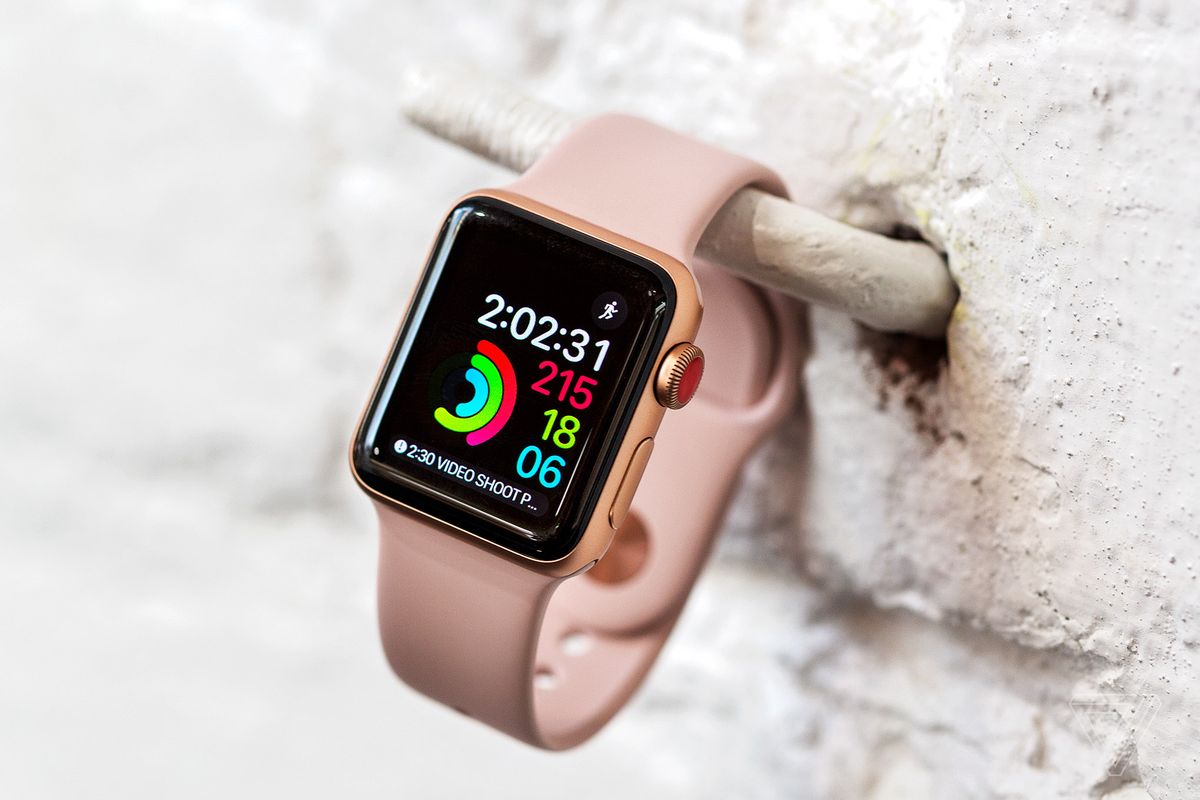
    A large study sponsored by Apple has revealed that the Apple Watch can detect an irregular heartbeat. 400,000 Apple Watch users were invited to take part in the study and the results were presented today in New Orleans at a meeting of the American College of Cardiology. 2,000 participants, or .5% of those wearing the smartwatch, received a notification about an irregular pulse. The 2,000 were sent a patch for their Apple Watch that included an electrocardiogram (ECG) sensor to help detect atrial fibrillation (AFib).

    AFib, which is an irregular heartbeat, can lead to strokes, blood clots, heart failure and other serious issues. AFib contributes to 130,000 deaths a year in the U.S. The Apple Watch series 4 already includes an ECG monitor right out of the box, but the study was completed before this new variant of the timepiece was released. Returning to the study, about 33% of the 2,000 study participants who were flagged with an irregular pulse were told that they had AFib, according to the ECG patch that they were sent.

    57% of the Apple Watch wearers in the study sought medical help when they received a warning about an irregular pulse. That number might surprise consumers since it means that 43% of Apple Watch wearers in the study ignored the warning. Dr. Mitesh Patel, an assistant professor of medicine at the Perelman School of Medicine, noted that while the Apple Watch is good at detecting warning signs of heart disease, the watch needs to be combined with something that will motivate users to act on these warnings. In other words, receiving a warning without following up on it could prove fatal to the user.

    When an Apple Watch wearer in the study received a notification of an irregular heart beat, the notification would ask the participant to schedule a telemedicine appointment with one of the doctors associated with the study. At that point, the ECG patch would be sent to those receiving the notification, and was used to record the rhythm of their heart for up to one week.

    Only 57% of study participants receiving a irregular pulse notification sought medical help

    The researchers behind the study said that Doctors need to be careful when using data from consumer devices when treating patients. On the other hand, a Boston cardiologist named Dr. Deepak Bhatt said that the study was very important because more people will be wearing wearable devices in the future.

    “Atrial fibrillation is just the beginning, as this study opens the door to further research into wearable technologies and how they might be used to prevent disease before it strikes.”-Lloyd Minor, dean, Stanford School of Medicine.

    “The performance and accuracy we observed in this study provides important information as we seek to understand the potential impact of wearable technology on the health system.”- Dr. Marco Perez, co-principal investigator and associate professor of cardiovascular medicine, Stanford Medicine

    Apple plans on making a big push into healthcare, and the Apple Watch is at the vanguard of this decision. While the series 4 model includes an ECG monitor along with the heart rate monitor that all Apple Watch models have, the company is working on a way for the Apple Watch to show a user’s blood glucose reading without a needle stick. This reading is used by diabetics to determine how much insulin they need to inject to bring their blood sugars down to a normal level. Currently, diabetics need to draw blood and place a drop of it on a test strip inserted into a glucometer to get a reading. This test is done several times a day.

    If Apple succeeds in producing a non-invasive blood glucose test for the Apple Watch, this alone could help Apple stay on top of the smartwatch market.

  • Spotify says Apple Music has unfair advantages

    Spotify says Apple Music has unfair advantages

    The founder and CEO of Spotify, Daniel Ek, announced today in a blog post that Spotify has filed a complaint against Apple with the European Commission (EC). The executive says that when it comes to Apple Music and the App Store, the company gives itself an unfair advantage, violating EC antitrust regulations. Ek says that Apple does this through the “Apple Tax.” That is the 30% of monthly subscription fees that Apple takes on subscriptions made through its payment system.

    Ek says that because Spotify is forced to pay the “Apple Tax,” it has to raise its price in the App Store above that of Apple Music. Right now, both music streaming platforms have the same prices. That would be $9.99 a month for individuals, $14.99 a month for families with up to six members, and $4.99 a month for verified students. However, if you choose to pay your subscription fee through Apple (an in-app payment), Spotify charges $12.99 a month for individuals, $16.99 a month for families and $7.99 a month for verified students.

    Apple has released a statement criticizing Spotify for using the App Store to help it grow over the years without making any contributions to that marketplace.” The company refutes some of Spotify’s claims. For example, Apple says that it has allowed Spotify to update the app over 200 times. Apple says it rejected updates when Spotify didn’t follow the App Store rules. Apple also points out that 84% of the apps in the marketplace don’t pay it a dime, and accuses Spotify of wanting all the benefits of a free app without being free.”

    Additionally, the executive says that if it bypasses Apple’s payment system, Apple will limit Spotify’s communications with its subscribers. For example, Ek says that in some cases Apple won’t let it send emails to Spotify users who use the service on an Apple device. He states that “Apple also routinely blocks our experience-enhancing upgrades. Over time, this has included locking Spotify and other competitors out of Apple services such as Siri, HomePod, and Apple Watch.”

    “It’s why, after careful consideration, Spotify has filed a complaint against Apple with the European Commission (EC), the regulatory body responsible for keeping competition fair and nondiscriminatory. In recent years, Apple has introduced rules to the App Store that purposely limit choice and stifle innovation at the expense of the user experience—essentially acting as both a player and referee to deliberately disadvantage other app developers. After trying unsuccessfully to resolve the issues directly with Apple, we’re now requesting that the EC take action to ensure fair competition.”-Daniel Ek, founder, CEO, Spotify

    All Spotify wants, says its founder, is to be treated the same as apps that don’t pay the 30% tax such as Uber or Deliveroo. The executive says that all apps should be able to compete fairly, and Apple Music shouldn’t get an advantage because Apple owns the App Store. He adds that all App Store users should have a choice of payment systems, and not be locked into using Apple’s platform. And Ek says that all app stores should not be allowed to control communications, including marketing and promotions, between services like Spotify and its customers.

    If Apple is eventually found to have violated anti-trust regulations in the EU, it can be slapped with a fine and be forced to make some changes to the App Store.

  • Apple’s AirPods 2 will help the ‘hearables’ segment to grow

    Apple’s AirPods 2 will help the ‘hearables’ segment to grow

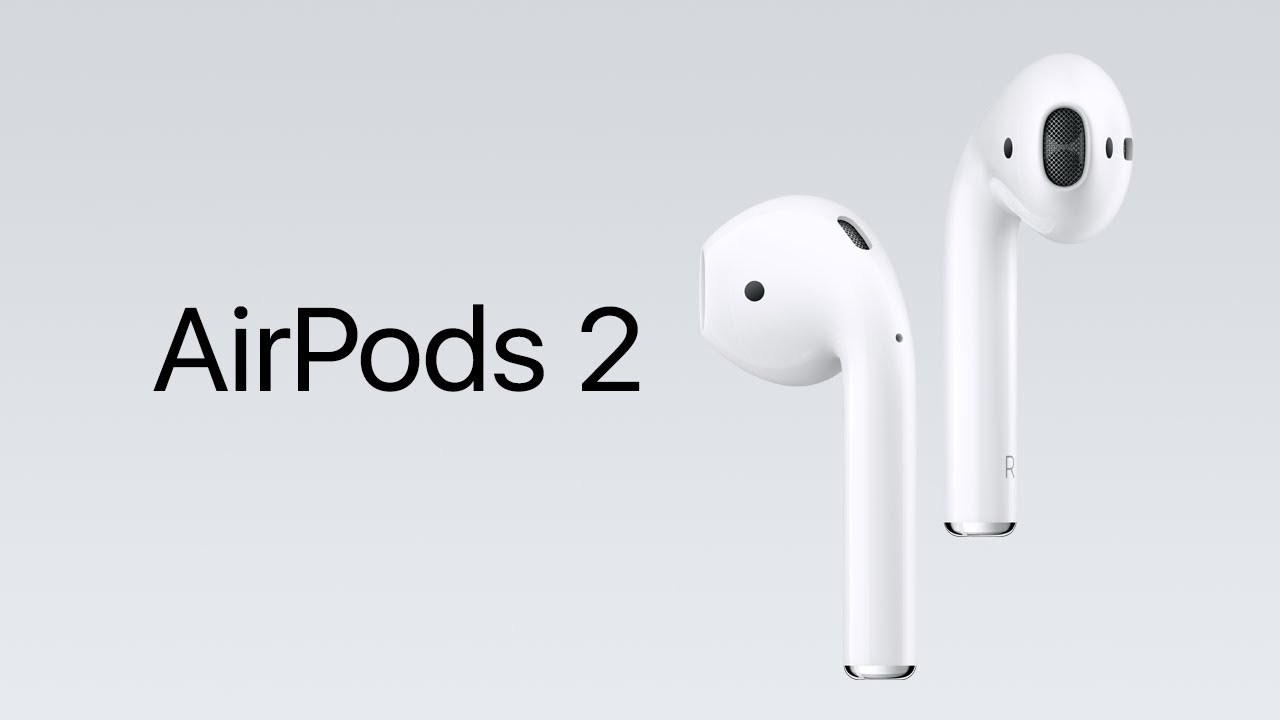
    According to Counterpoint Research, wireless ‘hearables’ are the next big thing. The segment, which contains Apple’s AirPods and the Samsung Galaxy Buds, saw global sales of around 46 million units last year. But with the help of AirPods 2, this could catapult to 129 million units as early as next year.

    Samsung, Google, Bose, and LG are all expected to grow

    As noted by Research Director Pete Richardson, “2019 will be the year that hearables evolve into an important market.” For the most part, new releases from major brands will boost sales across the globe. However, the evolving digital habits of consumers are also expected to propel demand.

    The likes of Samsung, Bose, Huawei, and LG all hold relatively small market shares at the moment. But as interest in the segment picks up throughout this year and next, each one is set to experience relatively strong growth which should translate into larger market shares.

    New Google Pixel Buds and other releases from the likes of Amazon are expected to play an important role too. After all, these should integrate the likes of Google Assistant and Alexa, both of which are becoming increasingly popular among consumers.

    AirPods 2 will propel the ‘hearables’ segment to new levels

    As mentioned in the opening paragraph, for the foreseeable future Apple is expected to remain the biggest driving force of growth. Rumor has it that the brand is preparing a second-generation of its AirPods which should integrate a variety of new features and potentially some small design changes.

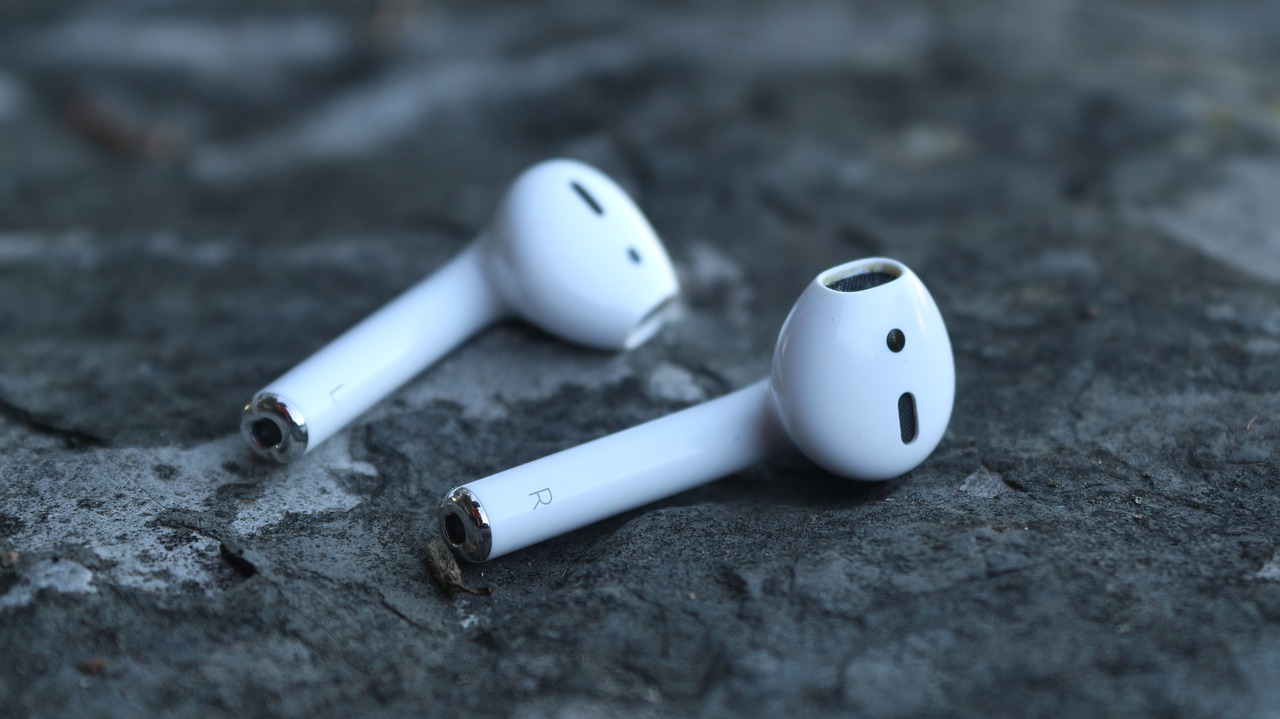
    From afar, AirPods 2 are expected to look identical to the originals. But upon closer inspection, a new frosted glass-like coating should be visible. This, according to rumors, will improve grip and reduce the slipperiness, which means the new AirPods shouldn’t fall out of your ears so easily.

    AirPods 2 should also introduce always-on Siri, which will allow users to activate the assistant with the words “Hey, Siri.” This feature was actually first teased way back in September by Apple but still hasn’t been confirmed officially.

    Joining the improved Siri will apparently be some kind of water resistance and potentially some health-related features. More specifically, an earlier report suggested Apple was researching the possibility of a built-in heart rate monitor. However, this extra is far from guaranteed. One feature that does seem extremely likely at this point is support for wireless charging through a new charging case. Allegedly, this feature, which will charge both the case and AirPods simultaneously, will take the battery level from 0% to 100% in just 15 minutes.

    Also expected from the new wireless accessory is Apple’s W2 Bluetooth connectivity chip. This can currently be found inside the Apple Watch Series 4 and halves the power consumption with respect to the W1 chip. As a result, battery life improvements are to be expected.

    Of course, Apple’s AirPods are primarily meant for music and Apple is set to bring some improvements to the overall sound quality.

    Most AirPods buyers aren’t bothered about sound quality

    Rather ironically, despite the fact AirPods are meant for music, consumers aren’t buying them because of their sound quality. Counterpoint Research recently conducted an online survey of over 200 people regarding their preferences. In the case of AirPods, 68% of correspondents cited “comfort & fit” as a key reason for buying them. This was followed by “ease of use” and “portability,” which were mentioned by 56% and 44% of people respectively.

    As it turns out, just 41% of the people surveyed cited “sound quality” as a reason for buying AirPods. For comparison, this factor was the key driver when it came to Bose products, with a whopping 72% listing it. “Noise cancellation” was also important with Bose headphones as it was cited by 68% of people.

  • Apple’s manufacturers gearing up production of new iPad and AirPods hardware

    Apple’s manufacturers gearing up production of new iPad and AirPods hardware

    Apple’s March 25 event is around the corner and naturally, rumors about it are abundant. The event is expected to be focused on new services but its almost inevitable that there will be a hardware release or two, even if there won’t be any dedicated time for them during the presentations. The latest news coming from distant Taiwan seems to confirm that. Some of Apple’s part suppliers are preparing to ramp up production of components for new products.

    Flexium Interconnect and Zhen Ding Technology are manufacturers of flexible PCB (printed circuit boards) that are reportedly starting production of PCBs for a new iPad model. Rumors are that Apple is going to refresh its iPad Mini. The last model of the line came out in 2015, so it’s long overdue for an overhaul. The revamp is expected to be primarily internal, however, so expect a familiar looking iPad with a more powerful chip.

    Both part suppliers are also providing components for the current line of iPhones. The release of a new iPad comes as a blessing for them since both saw their orders reduced after demand for the iPhones was weaker than anticipated.

    At the same time, two other companies, Compeq Manufacturing and Unitech PCB, are now working on rigid-flex boards for the yet unannounced AirPods, according to sources within the industry. Tech insiders are still divided whether Apple is going to introduce the AirPods 2, or a less meaningful refresh of its popular earbuds that may consist only of a new wireless-charging case.

    If Apple does indeed announce new hardware products on March 25, preorders will likely begin either on the same day or within a week. If you’ve been itching for a new Apple gadget for a while, the time has almost come!

  • No original shows at launch for Apple TV service

    No original shows at launch for Apple TV service

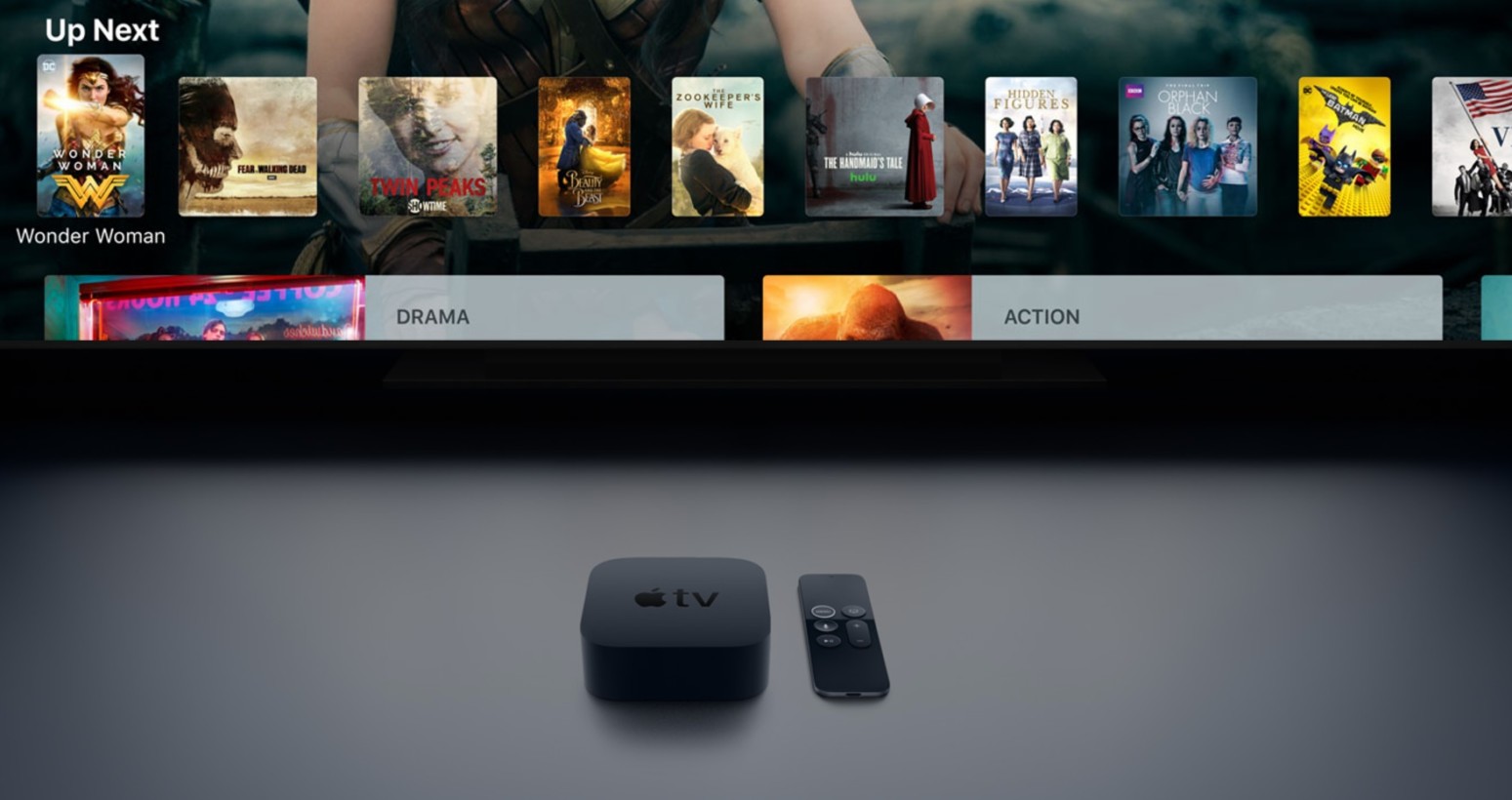
    Apple’s TV service is still a no show, but that’s probably going to change very soon. The Cupertino-based company plans to use the March 25 event to outline how it will take on rivals like Amazon and Netflix, a new Bloomberg report claims. While Apple is gearing up to launch its TV service, the company needs to sign deals with Pay-TV programmers like HBO, Showtime, and Starz, which in return must decide whether or not Apple is either a threat or a potential partner.

    If everything goes well, Apple TV will offer HBO and Showtime TV shows at launch, but no original content, people familiar with the matter claim. Apple’s own movies and TV shows are still in development and might not be ready until later this year at the earliest. Although Apple may take the wraps off its TV service this month, it’s almost certain that it will not be actually available until fall.

    Another important thing to note is that Apple plans to integrate the TV service into the iPhone, iPad and set-top box’s TV app, which will offer two types of content: Apple original shows or content bought/funded by the company, as well as content from third-party media companies like HBO and Showtime.

    The same report mentions that the first partnerships are expected to be closed as early as Friday, but since the talks are still going on, it’s impossible to predict what will happen.

  • Free Spotify premium service for Samsung Galaxy S10 buyers

    Free Spotify premium service for Samsung Galaxy S10 buyers

    With the Samsung Galaxy S10e, Galaxy S10 and Galaxy S10+ all officially launching today, music streamer Spotify has announced that its Android app will be pre-installed on all three models in the U.S. Additionally, the Spotify app will come loaded out of the box on the Samsung Galaxy Fold, and certain Galaxy A units in the states as well. The latter are mid-range phones offered by Sammy.

    Besides pre-installing the Spotify app on these Samsung Galaxy handsets, state-side users will receive a free six-month subscription to Spotify’s premium U.S. service as long as they are not a current subscriber to the music streamer. While Spotify does offer a free ad-supported tier of service, it does not come with certain features available to premium members. Those features include unlimited skips, and the ability to download music that can be played offline. Premium members can also play any track in Spotify’s library, and songs are streamed in High Quality.

    Spotify normally offers a free 30-day free trial to its premium tier, after which pricing is $9.99 per month. Families with up to six members can pay $14.99 monthly, and students with a verified .edu email address are charged only $4.99 a month.

    Last August, Samsung and Spotify teamed up to take on Apple Music. Spotify became Samsung’s new “go-to music service provider” as it tries to keep its lead over Apple Music world-wide. Launched in October 2008, Spotify has yet to turn a profit and has embarked on a campaign to transition subscribers from its free tier of service to a subscription plan.

  • Apple sales and profit slip

    Apple sales and profit slip

    Tumbling iPhone demand drove an uncharacteristic decline in Apple sales in the first quarter, trimming back its profit for the period.

    Sales of its iPhone range slumped 15 per cent year on year, and although burgeoning revenue from services like digital media subscriptions – up 19 per cent to a new high of US$10.9 billion – and other products compensated, total sales were down 5 per cent to $84.3 billion.

    Sales in China slumped 26.6 per cent during the period.

    Net income fell by $100 million, from $20.065 billion in the December 2017 quarter to $19.965 billion in the latest quarter. While the company championed setting “an all-time earnings per share record” that was a consequence of a share buyback program reducing the share pool rather than an improved bottom line.

    Commenting on the results, GlobalData Retail MD Neil Saunders said while Apple is still a money-making machine, the sales decline “symbolises a company that is starting to run out of steam”.

    “In our view, this is something to be corrected, not least because Apple is a costly company to run and it relies on strong revenue growth to drive up the bottom line. As this quarter’s figures show, failure to achieve that results in profit erosion.”

    Saunders said the slowdown in iPhone sales reflected Apple’s inability to come up with meaningful and valuable innovations that wow consumers.

    “The latest iPhones might be works of art from an engineering perspective, but they are essentially incremental products that lack the excitement and newness of earlier models. With the higher price points of top-end models, consumers expect a lot more for their money. The blunt truth is, Apple’s latest line up of phones doesn’t do that much more than the generations that came before.”

    He said the slowdown in China is a problem Apple shares with many other companies.

    “The country is suffering from more sluggish consumer demand which has put the brakes on retail growth rates across many sectors. However, the issue for Apple is that this has coincided with a rise in competition from local phones and devices which has helped to eat into its own growth. In short, China is no longer the engine of growth for Apple that it once was and this makes Apple uncomfortably more reliant on mature markets to drive revenues. Some of those markets, like Europe, are also not delivering – thanks to very high price points and consumers that are hesitant to spend on big-ticket items.”

    From must have to might buy

    Saunders said Apple’s iPads and some of its Macs are good, quality items, however they are simply not impressing the market and Apple is losing its lustre in terms of producing compelling products.

    “In our view, Apple has moved from a position of ‘must have this and must have it now’ to ‘might buy this at some point in the future’. Price increases may mitigate this but, ultimately, such a shift can only ever result in a softer sales performance.”

    While services are performing well, Saunders said Apple must push much harder.

    “Amazon is successfully creating an ecosystem of services through Prime. Apple needs to do something similar by building on its Apple Music subscription and its App Store offering. Movies and television content are also needed to propel sales.

    “In our view, Apple should seriously consider a big acquisition such as Netflix. Content is a big growth area and is becoming increasingly linked to devices. Apple needs to play more heavily in this space both to generate new opportunities but also to defend its own device business.”

    While Apple remains a solid and financially successful company, he said, a lack of serious and significant innovation means it runs the risk of diluting future earnings.

    “Apple thrives off serving a mass market; at the moment its moves to provide more expensive items to fewer people will ultimately do further harm to the bottom line. The clear blue water that once existed between Apple and its rivals is much diminished. The company has time to reopen the gap, but to do so, it needs to pull something new and unique out of its hat sooner, rather than later.”

    Cook’s positive spin

    Apple CEO Tim Cook delivered a positive spin on the results: “While it was disappointing to miss our revenue guidance, we manage Apple for the long term, and this quarter’s results demonstrate that the underlying strength of our business runs deep and wide. Our active installed base of devices reached an all-time high of 1.4 billion in the first quarter, growing in each of our geographic segments. That’s a great testament to the satisfaction and loyalty of our customers, and it’s driving our services business to new records thanks to our large and fast-growing ecosystem.”

    At the end of the quarter, Apple’s net cash balance was $130 billion.

  • Apple CE promises new products will ‘blow you away’ soon

    Apple CE promises new products will ‘blow you away’ soon

    Apple CEO Tim Cook has promised investors the firm remains on track to double its 2016 revenues of almost US$25 billion next year, prompting a rise of more than 1 per cent in Apple stock on Friday.

    Speaking at the firm’s annual meeting in Cupertino, Cook claimed Apple is “planting seeds” and “rolling the dice” on new products set to “blow you away”.

    Cook indicated a range of new products under development for the Apple Watch and AirPods, and has previously stoked ongoing expectations for an AR glasses product. He also signalled an eventual drop in price for the MacBook Air laptop, currently retailing at US$1200, despite upgrading to a higher-resolution screen.

    The shareholder meeting saw the entire Apple board re-elected, including former US VP Al Gore, and included a political discussion that emphasised a variance in political ideology with that of the current US administration, despite an acknowledgement that the firm has worked successfully with the US government.

    It also implied criticism of other big tech firms who maintain data profiles of its users, such as Facebook.

    Cook said the company was also continuing to evaluate new businesses to buy to build its technology capabilities.

  • Apple appoints former Microsoft executive

    Apple appoints former Microsoft executive

    Apple has appointed Microsoft’s former Corporate Vice President Sam Jadallah to lead the “Home” products category at Apple. Even though Apple has not officially announced the appointment, Jadallah updated his LinkedIn bio to read – “Working on Home at Apple”, reflecting his new role with the iPhone-maker. However, along with Apple, Jadallah has also been tight-lipped over his hiring by the company.

    After Microsoft, Jadallah ran a smart lock start-up called ‘Otto’ that shut down in January 2018.

    “Hiring Jadallah is the latest signal that Apple plans to get serious about its own efforts in the ‘Home’ category,” the report said.

    Apple has a range of “Home’ products including HomeKit — its software service that connects with a variety of third-party products; and HomePod — a smart speaker for the home with voice recognition and music.

    Currently, Apple’s HomePod constitutes a small share of the home products market as compared to Amazon’s Echo and Google Home.

    Recently, Apple acquired a voicetech start-up called Pullstring to strengthen Siri against Amazon’s Alexa.

    “That purchase could help the smartphone-maker become the centre of a connected living room,” the report added.

  • Smartwatch market set for a shakeup: Juniper Research

    Smartwatch market set for a shakeup: Juniper Research

    Big brands are set to lose share in a major shakeup of the smartwatch market. According to Juniper Research, the largest brands in the category now will see their market share fall by 2023 as new niche players gain ground. Four leading brands including Apple, Samsung, Fitbit, and Fossil will see sales decline from an estimated 58 per cent of the market last year to 47 per cent by 2023. The decline is due to the growth of smaller players such as Garmin, Huami and Huawei.

    Smaller players will thrive thanks to strategies tailored for niche markets, their choice of cases or price points, while other brands are releasing premium smartwatches combining the best of fitness, outdoor activity and health features. While Apple will remain the largest single vendor in terms of shipments over the next four years, Huawei will enjoy the fastest growth, at a CAGR of 20 per cent.

    An intensified focus on healthcare integration will also contribute to an increase in smartwatch shipments over the next few years. Juniper forecasts that Apple and Withings will lead this section, followed by Fitbit and Garmin.

    China to become the biggest market

    The rise of smaller players is linked to the rapid expansion of the Chinese market offering lower-priced smartwatches. The Far East and China have now overtaken North America as the largest geographical market, with more than 24 million smartwatches shipped last year, compared to 19.5 million in North America.

    The gap between these two markets will widen by 2023, with the Far East and China trebling its shipments by then.

    Slower hybrid market

    The adoption of hybrid smartwatches will be slower than expected. Last year, hybrid smartwatches represented about 22 per cent of all smartwatch sales. The slower growth is linked to smaller players focusing on digital smartwatches offering more possibilities in terms of apps, connectivity and sensors than hybrid watches, which remain limited in their functionality.

  • Where will Apple retail chief go after resigning?

    Where will Apple retail chief go after resigning?

    Within hours of the announcement that Apple retail chief Angela Ahrendts was to leave the role in April, speculation was rife as to where she is headed. Ahrendts, who led the fine-tuning of Apple’s retail business for five years after turning around British fashion house Burberry, has a stellar career in the luxury business. Several fashion industry sources have speculated she may be headed to take the helm of Ralph Lauren.

    In a statement announcing the Apple retail chief’s departure, the company said she is leaving the company “for new personal and professional pursuits”. CEO Tim Cook described her departure as “bittersweet”.

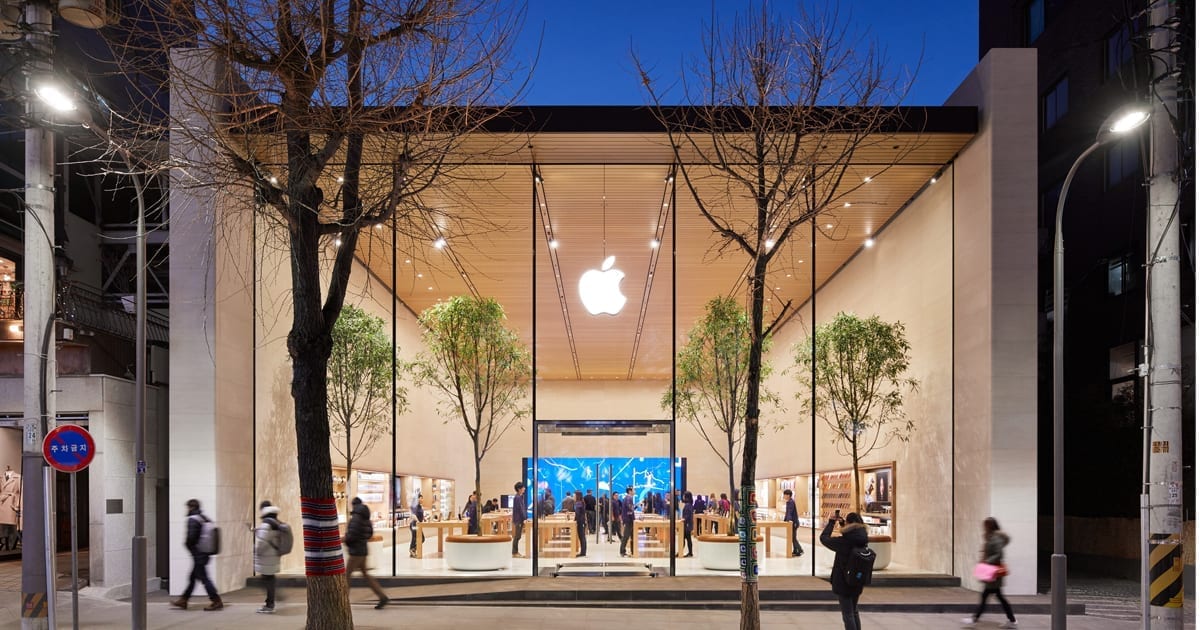
    During her time with Apple, Ahrendts – who was once tipped to take over Cook’s role in the future – has subtly redefined the Apple stores from high-end tech shops into community hubs. She took the renowned Apple Store concept created by predecessor Ron Johnson, dropped the “store” from its title and expanded the network to 506 physical stores and another 35 online.

    “Her vision includes stores as gathering spaces and hubs for creativity,” observed Daphne Howard of Retail Dive.

    “While Johnson is credited with initiating the brick-and-mortar strategy that has been the backbone of Apple’s hardware sales, including minimalist spaces conducive to product demos and customer education, Ahrendts has taken that [a step further].”

    Apple’s retail business will now be overseen by Deirdre O’Brien, the company’s senior VP of people, who will add retail to an already long list of responsibilities including talent development, Apple University, recruiting, employee relations, business partnerships, benefits, compensation and inclusion, and diversity.

    Some might see that as a sign Apple is reducing its focus on its retail business, although O’Brien might be considered something of an Apple acolyte, having been with the company for 30 years.

  • Apple again the most valuable US company

    Apple again the most valuable US company

    Apple won back its crown as the most valuable publicly listed US company on Wednesday, ending the session with a market capitalization above recent leaders Microsoft and Amazon.com. Apple edged up 0.03%, putting its market value at $821.5 billion. Microsoft’s market capitalization ended at $813.4 billion after its stock dipped 1.11%, while Amazon’s stock market value finished the day at $805.7 billion, in third place, after its shares slid 1.12%.

    Apple’s stock has risen about 13% since its quarterly earnings report on Jan 29, with investors betting it was oversold following months of concern about a slowdown in iPhone demand and the company’s rare revenue warning on Jan 2 related to soft demand in China.

    But slowing iPhone sales have led to lower expectations for Apple’s stock. The average analyst price target for Apple has fallen from $240 three months ago to $175, less than a dollar more than its current stock price of $174.24.

    After touching a record $1.1 trillion last October, Apple’s market capitalization fell gradually, and it was overtaken in December by Amazon and Microsoft, which have taken turns in the top position since then.

    Apple’s stock market value hit a low of $675 billion on Jan 3 after its revenue warning, but then steadily recovered, helped in part by a quarterly report that was better than feared by investors.

    While Apple has gained in recent sessions, Microsoft and Amazon’s shares fell after their quarterly reports. Amazon has declined almost 5% since Thursday, when it forecast first-quarter sales below Wall Street estimates and said it would step up investments in 2019.

    “That has raised some eyebrows, it’s a perception that Amazon may be settling into a more mature phase in terms of growth,” said Dan Morgan, a senior portfolio manager at Synovus Trust in Atlanta.

    Morgan owns shares in Apple, Amazon and Microsoft, but he said that if forced to choose, he would favor Amazon because of its lead in cloud-computing market share.

    Microsoft’s stock is about flat from last Wednesday, when the software maker met targets for its quarterly results and forecast.

  • Apple sales and profit slip as demand falls

    Apple sales and profit slip as demand falls

    Tumbling iPhone demand drove an uncharacteristic decline in Apple sales in the first quarter trimming back its profit for the period. Sales of its iPhone range slumped 15 per cent year on year, and although burgeoning revenue from services like digital media subscriptions – up 19 per cent to a new high of US$10.9 billion – and other products compensated, total sales were down 5 per cent to $84.3 billion.

    Sales in China slumped 26.6 per cent during the period.

    Net income fell by $100 million, from $20.065 billion in the December 2017 quarter to $19.965 billion in the latest quarter. While the company championed setting “an all-time earnings per share record” that was a consequence of a share buyback program reducing the share pool rather than an improved bottom line.

    Commenting on the results, GlobalData Retail MD Neil Saunders said while Apple is still a money-making machine, the sales decline “symbolises a company that is starting to run out of steam”.

    “In our view, this is something to be corrected, not least because Apple is a costly company to run and it relies on strong revenue growth to drive up the bottom line. As this quarter’s figures show, failure to achieve that results in profit erosion.”

    Saunders said the slowdown in iPhone sales reflected Apple’s inability to come up with meaningful and valuable innovations that wow consumers.

    “The latest iPhones might be works of art from an engineering perspective, but they are essentially incremental products that lack the excitement and newness of earlier models. With the higher price points of top-end models, consumers expect a lot more for their money. The blunt truth is, Apple’s latest line up of phones doesn’t do that much more than the generations that came before.”

    He said the slowdown in China is a problem Apple shares with many other companies.

    “The country is suffering from more sluggish consumer demand which has put the brakes on retail growth rates across many sectors. However, the issue for Apple is that this has coincided with a rise in competition from local phones and devices which has helped to eat into its own growth. In short, China is no longer the engine of growth for Apple that it once was and this makes Apple uncomfortably more reliant on mature markets to drive revenues. Some of those markets, like Europe, are also not delivering – thanks to very high price points and consumers that are hesitant to spend on big-ticket items.”

    From must have to might buy

    Saunders said Apple’s iPads and some of its Macs are good, quality items, however they are simply not impressing the market and Apple is losing its lustre in terms of producing compelling products.

    “In our view, Apple has moved from a position of ‘must have this and must have it now’ to ‘might buy this at some point in the future’. Price increases may mitigate this but, ultimately, such a shift can only ever result in a softer sales performance.”

    While services are performing well, Saunders said Apple must push much harder.

    “Amazon is successfully creating an ecosystem of services through Prime. Apple needs to do something similar by building on its Apple Music subscription and its App Store offering. Movies and television content are also needed to propel sales.

    “In our view, Apple should seriously consider a big acquisition such as Netflix. Content is a big growth area and is becoming increasingly linked to devices. Apple needs to play more heavily in this space both to generate new opportunities but also to defend its own device business.”

    While Apple remains a solid and financially successful company, he said, a lack of serious and significant innovation means it runs the risk of diluting future earnings.

    “Apple thrives off serving a mass market; at the moment its moves to provide more expensive items to fewer people will ultimately do further harm to the bottom line. The clear blue water that once existed between Apple and its rivals is much diminished. The company has time to reopen the gap, but to do so, it needs to pull something new and unique out of its hat sooner, rather than later.”

    Cook’s positive spin

    Apple CEO Tim Cook delivered a positive spin on the results: “While it was disappointing to miss our revenue guidance, we manage Apple for the long term, and this quarter’s results demonstrate that the underlying strength of our business runs deep and wide. Our active installed base of devices reached an all-time high of 1.4 billion in the first quarter, growing in each of our geographic segments. That’s a great testament to the satisfaction and loyalty of our customers, and it’s driving our services business to new records thanks to our large and fast-growing ecosystem.”

    At the end of the quarter, Apple’s net cash balance was $130 billion.