Tag: apple

  • Bangkok’s IconSiam launches tonight

    Bangkok’s IconSiam launches tonight

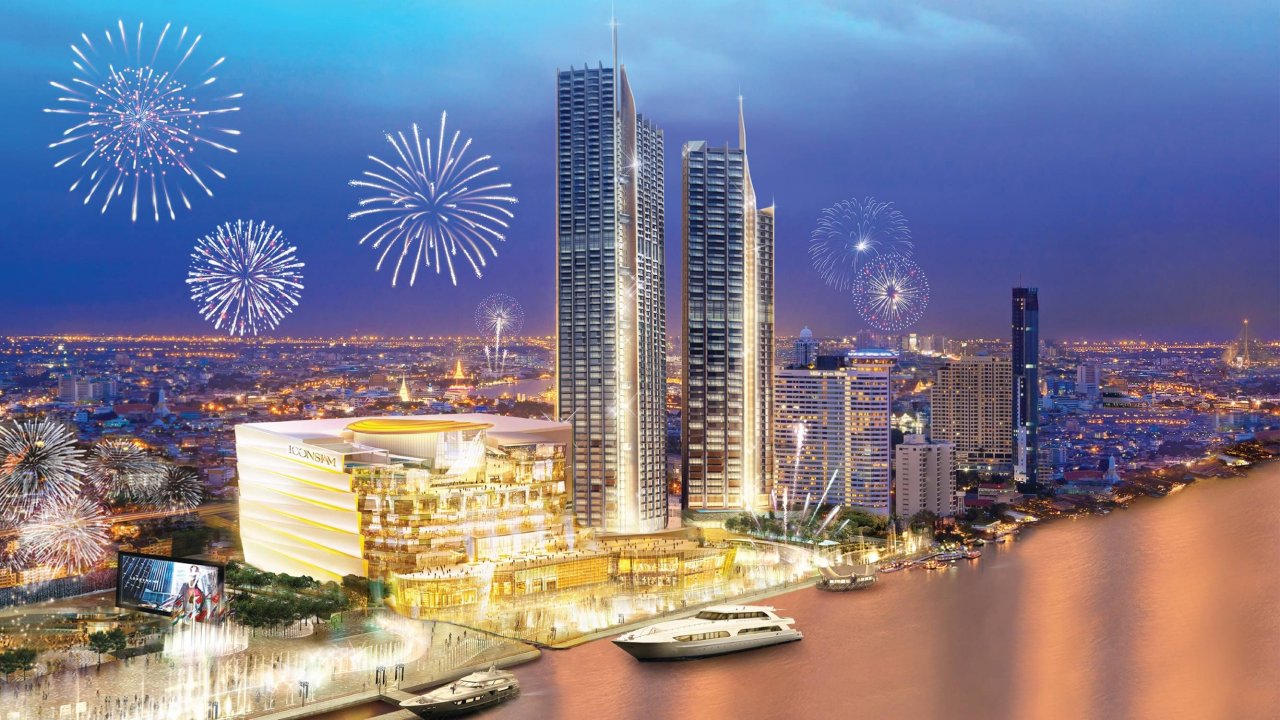
    Six years in design and construction, Bangkok’s US$1.6 billion IconSiam development will finally be officially launched tonight before opening its doors to the public tomorrow morning. With 500 stores, more than 100 restaurants and 14 cinema screens, a luxury apartment tower and a Mandarin Oriental hotel, the ambitious development is probably the most significant addition to Asia’s retail landscape in decades.

    Tonight, 10,000 businesspeople, retailers, media and guests have been invited to an opening ceremony which kicks off a weekend of festivities costing US$30 million. A fleet of 1500 drones organised by Intel will take to the sky above the Chao Phraya River and a “famous US singer” whose identity is being kept a closely guarded secret, will perform on stage somewhere along the 400-metre riverfront promenade of the building.

    Tickets to the invitation-only event, which also features a raft of Asian entertainers, fireworks, light and water shows, have been trading online for 10,000 THB (US$300), despite never being sold in the first place.

    Tomorrow, thousands of Thais are expected to visit the 750,000sqm venue, with stores offering rewards for early customers – like H&M issuing a 20,000 THB voucher to its first – and Apple is expected to draw long queues for its first official retail outlet in Thailand.

    About 80 per cent of the stores at IconSiam will be open for business tomorrow, the balance opening in ensuing weeks as fitouts are completed and approved by offshore head offices. But the project is still not complete. Several stories above the retail and dining area remain under construction, scheduled to open in July. They will house a world-class 6500sqm River Museum, a 3000-seat concert hall and other community facilities.

    Defining IconSiam is not easy.

    “It’s not a mall. It’s not a mixed use project,” IconSiam MD Supoj Chaiwatsirikul said last night. “It’s a destination.”

    The story of how IconSiam investors acquired the 8.8 hectare riverfront site gives an insight into how the project evolved into much more than a shopping centre. The owners of the land had been approached many times over the years, including by cashed up foreign developers. But they wouldn’t sell – until Siam Piwat CEO Chadatip Chutrakul talked to them, promising to create something that could showcase Thai culture and history to the world and be something all Thais could be proud of.

    Since then, IconSiam’s operational team have worked with Thais literally the length and breadth of the country to involve them in the project. Artworks and sculptures have been selected from 100 artists, mostly Thai, to appear throughout the complex, a 1.6 hectare space called SookSiam (“a city of Thai happiness”) will feature products and cultural heritage of the nation’s four regions, showcasing their handicrafts, performing arts, food, beverages “and local wisdom” in a single destination promised as “immersive, emotional and entertaining”.

    “IconSiam inaugurates a globally innovative model for destination development that moves the project away from being a mall or a mixed-use complex to being an inspiring destination,” explains Chutrakul.

    “It’s a place to regenerate and refresh, to be inspired and seek new ideas, and a place to discover the best of Thailand and the best on offer from around the world.”

    Unprecedented coordination has taken place with city and government authorities to enhance the transport system surrounding the site. A new skytrain track – aptly called the Gold Line – is under construction linking two other rail routes and which ultimately will make it a 20-minute railway journey from downtown Bangkok to the river. The company has built its own wharf in front of the building and worked to enhance a network of 73 river piers making it easier to reach the venue. Some 45,000 Thais travel along the river using public transport every day and they are starting to find that more convenient than ever.

    Work is continuing with landowners and hotel properties along the waterfront to create a public walkway, opening up the riverfront to the people for the first time in centuries.

    SiamPiwat’s Siam Paragon shopping centre which, when neighbouring properties Siam Center and Siam Discovery are added, create the city’s largest single shopping destination, attracts about 250,000 visitors on a typical weekend day. The company expects IconSiam to draw as many as 400,000 once the project is fully operational. About 60 per cent of those will be Thais, the balance tourists, although it is obvious from the size and scale of the luxury duplexes facing the river – bearing brand names including Louis Vuitton, Gucci, Cartier and Hermes – that the ratio will be quite different zone-by-zone: This part of the project is very clearly designed to appeal to the growing legions of Chinese tourists heading to Thailand.

    Another key retail drawcard of IconSiam will be the country’s first Takashimaya department store spread over several levels and including a comprehensive food and grocery offer as well as fashion and accessories.

  • Apple’s India profit zooms 140 pc to Rs 896 cr in FY18

    Apple’s India profit zooms 140 pc to Rs 896 cr in FY18

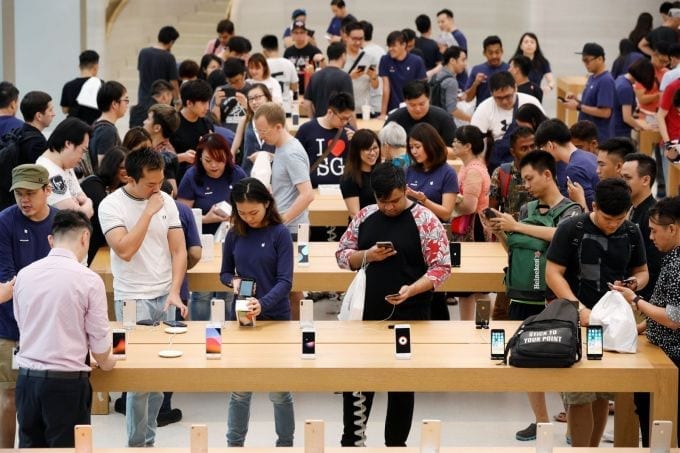
    Tech giant Apple’s India unit registered 140 percent jump in its net profit at Rs 896.3 crore for the fiscal ended March 2018, as per regulatory documents filed by the company. According to a report: The iPhone maker, which competes with the likes of OnePlus and Samsung in the premium smartphone category in India, had registered net profit of Rs 373.3 crore in 2016-17, the documents filed with the Corporate Affairs Ministry showed.

    The company saw its total income (including other income) rising about 12 percent to Rs 13,097.6 crore in FY2018 from Rs 11,704.3 crore in the previous financial year, documents sourced by business intelligence firm Tofler showed.

    During the company’s earnings call in July, Apple CFO Luca Maestri had stated that Apple was witnessing great momentum in emerging markets and that it had established new June quarter records for Mac sales in India.

    Earlier in the year, Apple CEO Tim Cook, too, had emphasised the importance of the Indian market. He had said the company plans to launch all its initiatives, including retail, in India where it has an extremely low overall market share but offers huge opportunities. The CEO also stated that Apple was putting a lot of energy in India and working with the carriers in the market.

    The company has also been steadily increasing its market share in the burgeoning Indian smartphone market. According to Counterpoint Research, the company had a 25 percent market share in the premium category (Rs 30,000 and above) — after OnePlus (30 percent share) and Samsung (28 percent share) — in the third quarter of 2018.

  • Latest iPhone models sell well in first week out in Korea

    Latest iPhone models sell well in first week out in Korea

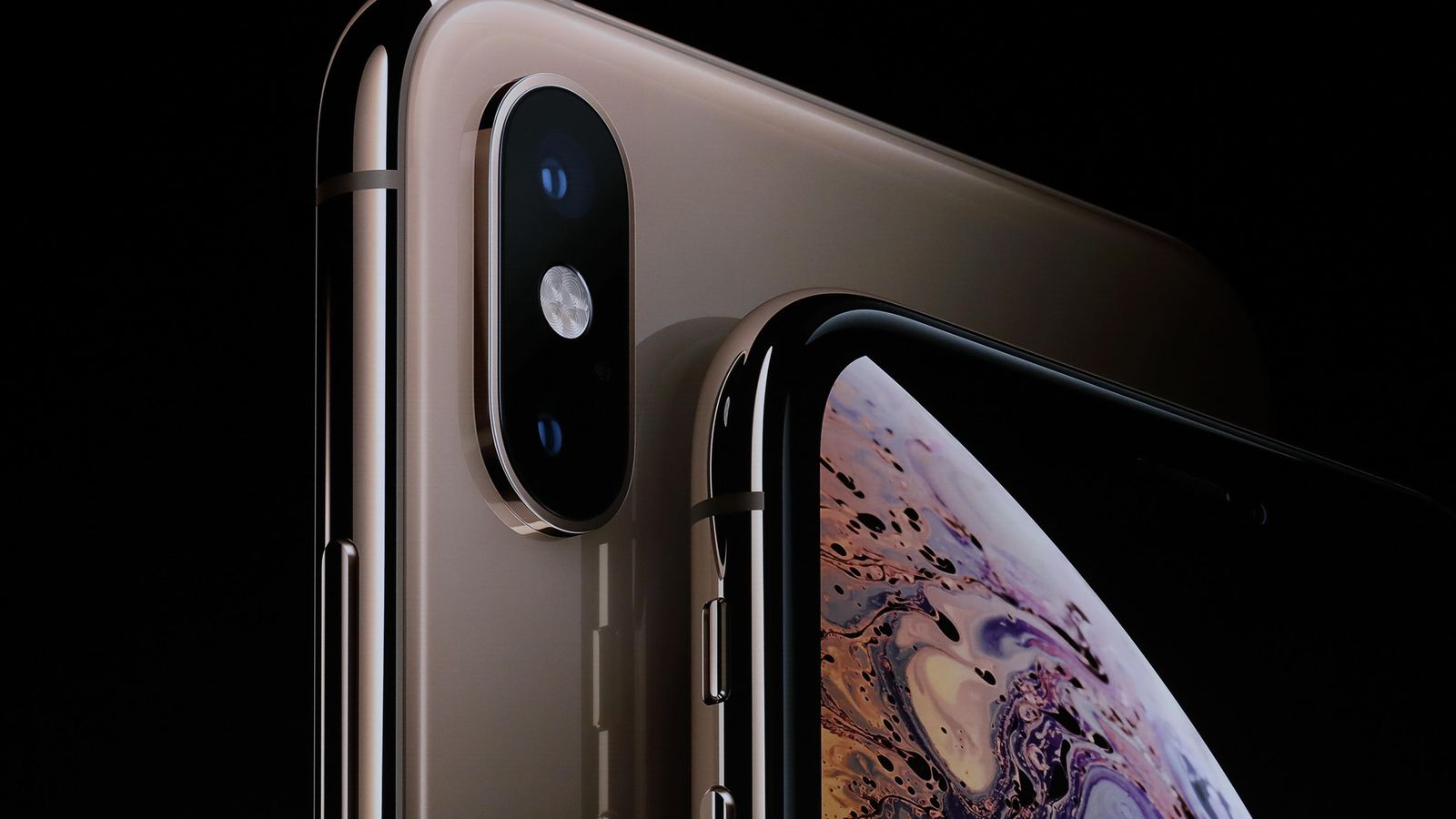
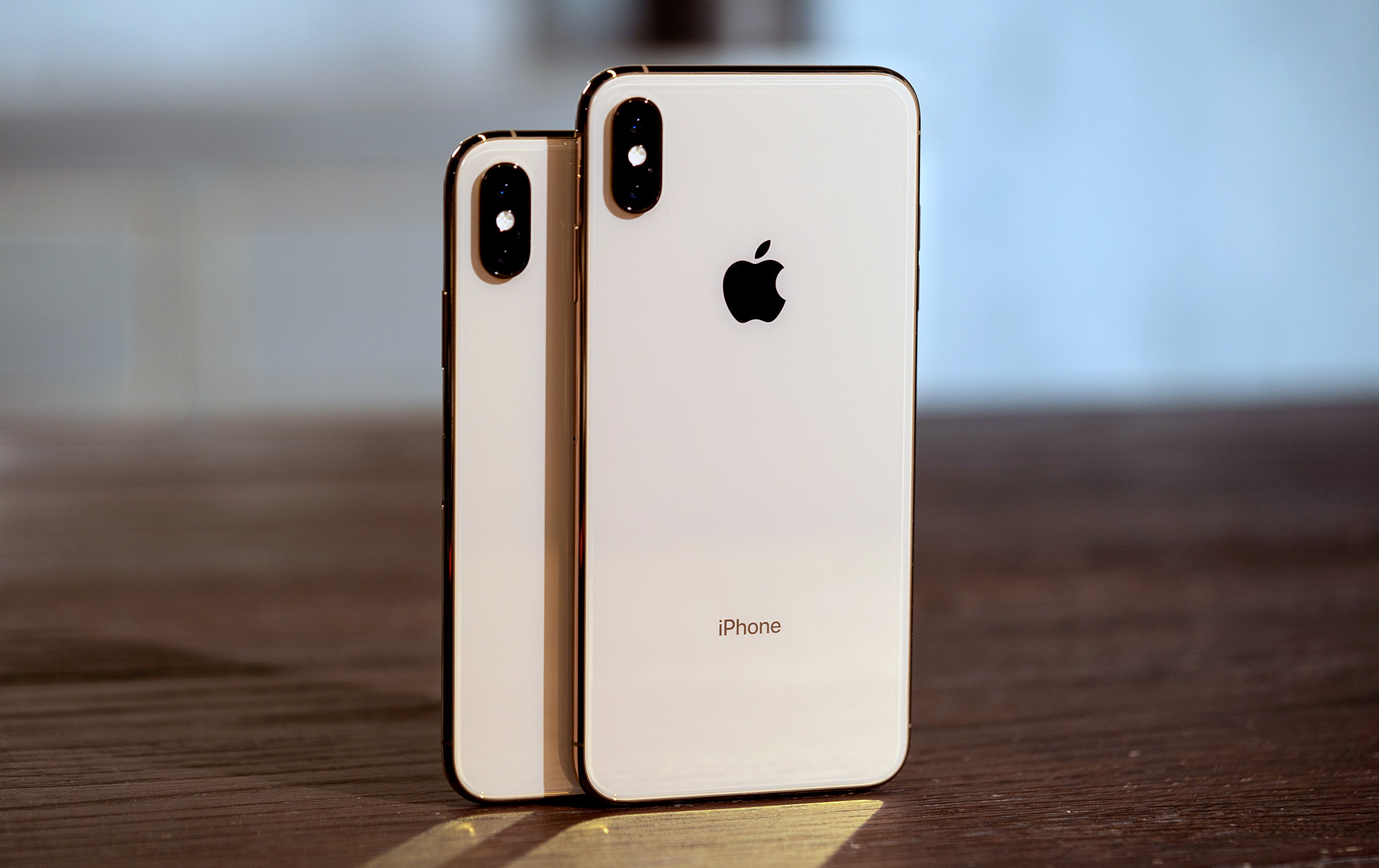
    After a week of presales, Apple’s new series of iPhones officially rolled out in the Korean market Friday. The response for the three phones – iPhone XS, XS Max, and the budget XR model – has been good.  According to local mobile carriers, the trio attracted the same number of or slightly more preorders than the previous iPhone generation: the iPhone X and the iPhone 8.

    “Overall, the new phones are generating more interest than the previous series,” a spokesperson from KT said. “Though the iPhone XS is getting more attention than the XR.”

    Presales data from Korea’s largest mobile carrier SK Telecom released Friday shows that 62 percent of the preorders were for iPhone XS, while 26 percent were for iPhone XS Max and 12 percent for the iPhone XR.

    The most popular color option was gold for iPhone XS and XS Max, followed by space gray and silver. For iPhone XR, black and white models led.

    The new phones are big with the young. About 30 percent of the early buyers were women in their 20s, according to SK Telecom. People in their 20s including men accounted for half of all customers making early reservations for the iPhones.

    “Younger people seem to be more interested in buying the new iPhones,” SK Telecom said in statement.

    As for storage, the 256 gigabyte (GB) option was the most popular for both iPhone XS and iPhone XS Max. Considering users have to pay over 1.8 million won ($1,611) for the 512GB option, many customers favored the slightly less pricey option. For iPhone XR, the mid-priced 128GB option was more popular than units with 64GB or 256GB of storage.

    It will take time to judge the true demand for the new phones from Apple, and questions are being raised as to whether the brand is up against the limits of efficiency gains and losing momentum.

    Apple posted $14.1 billion in net profit in the third quarter, up 32 percent year on year. Investors focused on weak unit sales and weaker-than-expected revenue guidance for the fourth quarter. Apple said it sold 46.89 million iPhones in the third quarter, a mere 0.4 percent increase year on year and below analyst expectations of 47.5 million unit sales. The revenue increase came from higher pricing.

    The U.S. phone maker also announced that starting next year it will not be reporting a breakdown of sales by product line. Luca Maestri, chief financial officer at Apple, said in a conference call Thursday that unit sales are no longer a good measure of the company’s performance.

    Apple stock fell by as much as 7.4 percent in aftermarket trading.

  • Apple profit driven by higher iPhone models

    Apple profit driven by higher iPhone models

    Tech giant Apple Inc. may not have sold as many iPhones during the quarter ending September 30, but the company’s pricier models are driving its profits higher than ever. The California-based company reported it sold about 46,889 iPhones during the quarter, almost the same number of iPhones sold in the previous corresponding period.

    Apple was selling its iPhone ASP at $793 during the quarter compared to the $618 price of the unit in the corresponding quarter a year ago. The company has also introduced the iPhone XS in September at a price starting $999 and the iPhone XS Max which costs about $100 more than the XS model.

    The tech company has posted a 20 per cent increase in its quarterly revenue for the quarter to $62.9 billion, and quarterly earnings per diluted share of $2.91, up 41 per cent.

    International sales accounted for 61 per cent of the quarter’s revenue.

    Apple’s services revenue has seen a 27-per cent increase of $10 billion.

    “We’re thrilled to report another record-breaking quarter that caps a tremendous fiscal 2018, the year in which we shipped our two billionth iOS device, celebrated the 10th anniversary of the App Store and achieved the strongest revenue and earnings in Apple history,” said Tim Cook, Apple’s CEO.

    Cook said with their recently introduced new versions of iPhone, Apple Watch, iPad and Mac, and the company’s four operating systems, they have entered the holiday season with their “strongest lineup of products and services ever.”

    “We concluded a record year with our best September quarter ever, growing double digits in every geographic segment. We set September quarter revenue records for iPhone and Wearables and all-time quarterly records for Services and Mac,” said Luca Maestri, Apple’s CFO. “We generated $19.5 billion in operating cash flow and returned over $23 billion to shareholders in dividends and share repurchases in the September quarter, bringing total capital returned in fiscal 2018 to almost $90 billion.”

    Apple is looking at a revenue of between $89 billion and $93 billion for the first quarter of the 2019 fiscal year, a gross margin of 38 per cent and 38.5 per cent, and operating expenses between $8.7 billion and $8.8 billion.

    Apple’s board of directors has declared a cash dividend of $0.73 per share of the Company’s common stock. The dividend is payable on November 15.

    Neil Saunders, managing director of GlobalData Retail, said the quarter’s results underlines all of the innovation the company has put into its suite of products over the past year.

    “Admittedly, the new iPhone XS and XS Max versions, along with Apple Watch Series 4, were only available at the very end of this quarter, but we still believe they had a positive material impact on sales,” Saunders said.

    Saunders said with the tech giant’s strong release of products, the potential launch of new services, and more sessions being added to better stores, Apple has set itself up for another year of growth.

  • Shibuya Apple store reopens after a year of renovation

    Shibuya Apple store reopens after a year of renovation

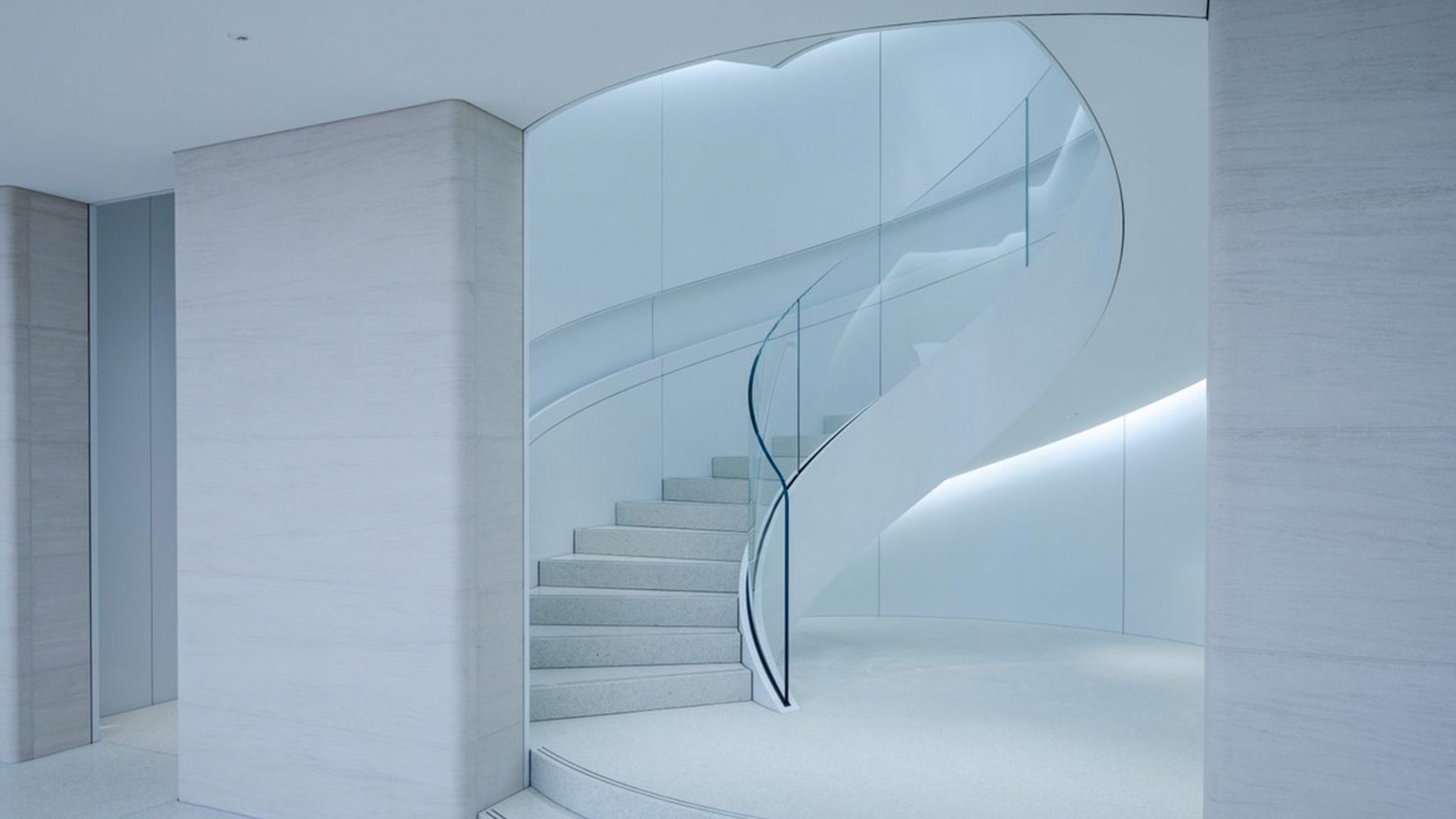
    The Shibuya Apple store in Tokyo has reopened today with striking modern styling, coinciding with the release of the iPhone XR. The new four-storey design features dramatic natural lighting and a new spiral staircase, described as “stunning” by local media. The store, which reserves substantial space for back-of-house activities, took 11 months to transform, during which time two further stores were opened in Japan.

    The original Shibuya store, which opened in 2005 as the fourth in Japan, was also well-known for its distinctive spiral staircase, reflective of Apple’s retail aesthetics at the time. The new design is closer in look to that of the Steve Jobs Theatre.

    Comparing the original design with the revamp offers a unique perspective into Apple’s evolving retail architecture. The earlier version of the store, optimised for the iPad era, has been enlarged vertically rather than relocated to more expansive premises, indicating the importance to Apple of the location over the venue’s suitability for the brand’s contemporary retail features such as its video wall, which is conspicuously absent in Shibuya.

  • Dialog Axiata launches VoWiFi

    Dialog Axiata launches VoWiFi

    Sri Lanka’s Dialog Axiata has launched what it says is the nation’s first voice over Wi-Fi calling service. The operator’s VoWiFi service does not require a third party app to be installed and allows calls to be received over Wi-Fi as if they were standard incoming calls.

    Dialog Axiata is offering five Huawei smartphones that support the VoWiFi service, and plans to extend it to other VoWiFi supported handsets from Samsung, Apple and other vendors in the near future.

    “Dialog is committed to delivering the latest in technology and connectivity to all Sri Lankans, and VoWiFi is another key step in offering next generation solutions to our customers,” Dialog Axiata CTO Pradeep De Almeida said.

    “We started this journey by enhancing the infrastructure in our network and migrating to a new state-of-the-art core network. For our customers, this means a better experience through greater agility and flexibility.”

  • Mahindra Marazzo MPV Gets Apple CarPlay

    Mahindra Marazzo MPV Gets Apple CarPlay

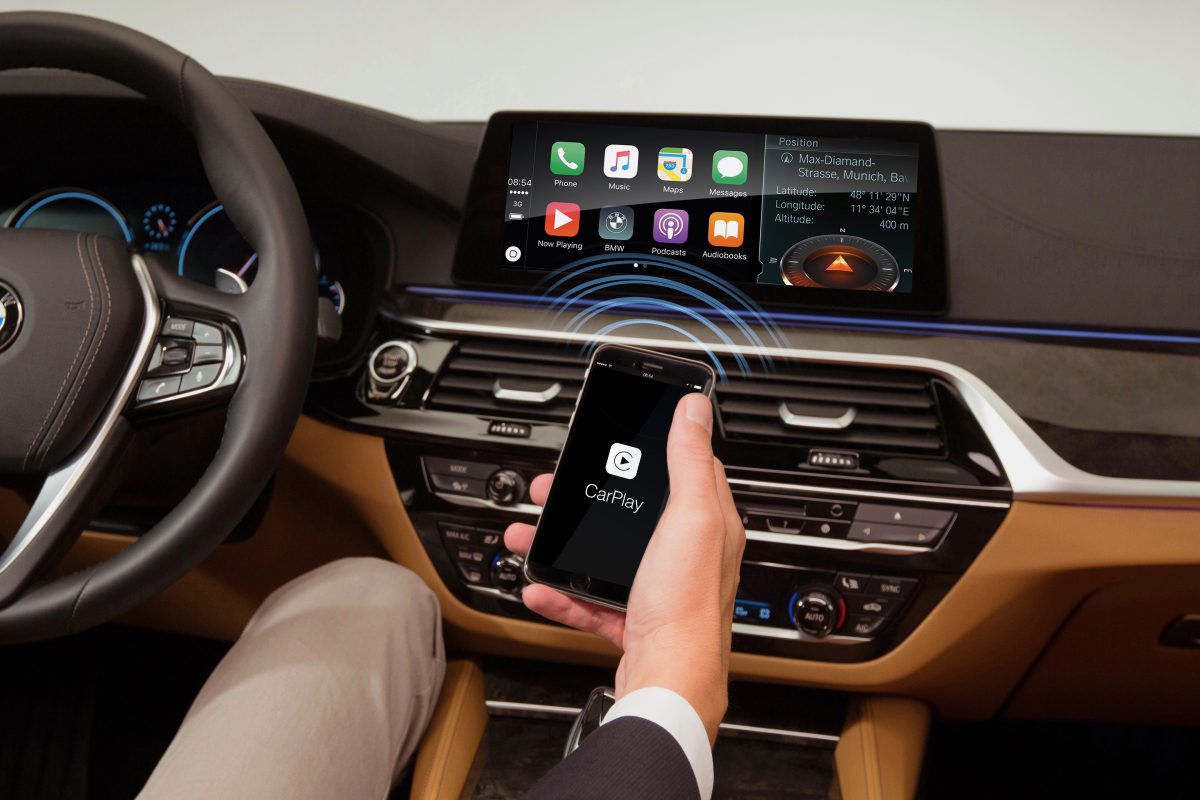
    Mahindra’s latest launch- the Marazzo will now be equipped with Apple CarPlay. The MPV was launched in India on September 3 and it’s infotainment system was Android Auto compatible. The UV maker has now confirmed to carandbike of having received the licence for Apple CarPlay. The company has sold over 4500 units of the Marazzo, which were rolled out of the Nashik plant. All these units did not have Apple Carplay but the company has informed us that all the models sold will be updated with the Apple CarPlay in their schedule service, without any additional cost.

    The timing for the license couldn’t have come at a better time as Mahindra is all set to launch the Y400 in the country in November this year and well, the SUV of course will get both Apple CarPlay and Android Auto now.

    The 7-inch touchscreen infotainment system in the Mahindra Marazzo is claimed to be the most updated unit in Mahindra’s product portfolio boasting of some cool features, for example configurable home screen. Buyers can add personalized images on the infotainment system’s internal memory via the USB socket and select it as the background wallpaper. Moreover, Mahindra has also been innovative with the creature comfort features in the Marazzo.

    The new Mahindra Marazzo is powered by a new 1.5-litre four-cylinder diesel engine that has been tuned to offer a maximum of 121 bhp and develops a peak torque of 300 Nm. The engine only comes mated to a 6-speed manual gearbox, and right now, there is no automatic transmission on offer. Mahindra is also working on the petrol engine and an automatic transmission for the Marazzo and could introduce the same when the BS VI emission norms come into effect from April 2020.

  • Apple is opening its first flagship store in Bangkok soon

    Apple is opening its first flagship store in Bangkok soon

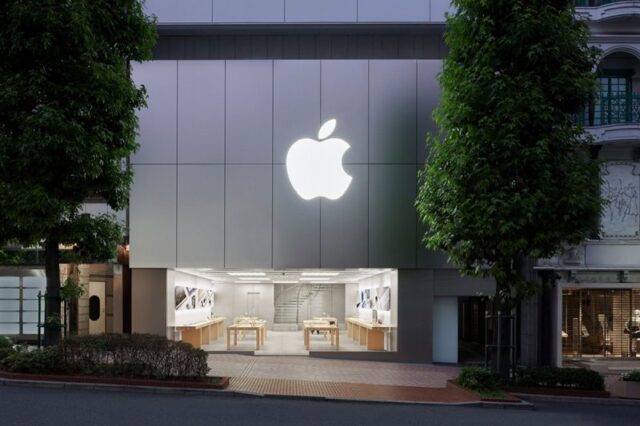
    Various Thai media outlets are reporting that not one but two Apple Bangkok stores are under construction. The US tech giant is notorious about not commenting on its store plans anywhere in the world, even when branding appears on barriers covering its construction sites. However, the first Apple Bangkok store is scheduled to open at IconSiam, the massive retail and entertainment destination being built on the banks of the Chao Phraya River, which will officially begin trading on November 9.

    Thai business magazine Positioning Magmeanwhile, is reporting a second Apple Bangkok store is being developed outside the giant CentralWorld shopping centre in the heart of the city.

    This will be constructed underground, in similar style to the Apple store near New York’s Central Park, with a glass canopy above the courtyard through which customers can enter, before descending down a curved staircase.

    The Icon Siam store will bear more of a resemblance to the Apple store on Singapore’s Orchard Road, featuring a two-story high glass frontage and most likely overlooking the river.

    Both stores were probably designed by Foster + Partners which has a long pipeline of unique Apple store designs around the globe. Its most recent work was Apple Macau.

    Apple now operates about 500 of its own stores in 24 countries.

  • Apple has redesigned new iPhones in China

    Apple has redesigned new iPhones in China

    Apple has made a rare special concession to Greater China with the design of its newest line of smartphones, revealing that new iPhone XS and iPhone XS Max produced for the market will not support the new eSIM feature.

    The eSIM feature, which supports two simultaneous carriers and is designed to allow more convenient switching between them, will not be available in Hong Kong, mainland China and Macau.

    Instead, the devices in these markets will offer slots for two physical SIM cards. This represents a rare case of Apple tailoring iPhones to a specific market.

    The report notes that it is unclear whether the special arrangement is to comply with any Chinese regulations, or merely as a result of pressure from the market’s operators reluctant to enable such easy switching between carriers, and Apple has not commented on the matter.

    But whatever the reason, the concession demonstrates that Apple is willing to take extraordinary steps to maintain its foothold in the world’s largest smartphone market. Greater China was responsible for around 20% of Apple’s total revenues during its 2017 financial year – around $45 billion.

    The company is under increasing competitive pressure from local vendors including Huawei and Xiaomi, which can differentiate by offering more locally oriented services.

  • Apple cuts costs for the iPhone XS’s big display

    Apple cuts costs for the iPhone XS’s big display

    Apple shaved some parts from the display in its largest new iPhone, helping keep costs under control in what has become the priciest component of its phones in recent years, according to a new cost analysis of the device.

    TechInsights, an Ottawa, Ontario-based firm which rips open phones to analyze their contents and estimate the cost of the parts inside, said on Tuesday that the iPhone XS Max with 256 gigabytes of storage capacity contains about $443 in parts and assembly costs, compared with $395.44 for the 64-gigabyte version of last year’s iPhone X.

    Apple released a trio of new phones earlier this month, including an update to last year’s iPhone X, called the iPhone XS, that starts at $999, and the budget-minded iPhone XR that starts at $749.

    But it was the iPhone XS Max – with a 6.5-inch display that uses OLED technology for richer colors – that pushed new pricing boundaries, starting at $1,099.

    In its cost analysis released on Tuesday, TechInsights found that the single priciest part of the iPhone XS Max – the display – cost $80.50, compared with $77.27 for last year’s iPhone X, which featured a smaller 5.8-inch screen.

    The relatively small increase in cost despite the larger screen size was because Apple appeared to have removed some components related to its so-called 3D Touch system, which makes apps respond differently depending on how hard users press the screen.

    “All told, what they took out adds up to about $10, so this $80 estimate would have been about $90,” Al Cowsky, who oversees cost analysis at TechInsights said in an interview.

    “They had a trade-off in cost.”

    Apple declined to comment on the study.

    But Bob O’Donnell of TECHnalysis Research said Apple likely made the right decision to focus on ensuring it could deliver a larger-screened model this year economically.

  • Apple Singapore to open two more stores

    Apple Singapore to open two more stores

    Recruiting is underway for the new Apple Marina Bay Sands flagship store – and another.

    Advertising on Apple Singapore’s jobs portal promotes roles believed to be for two new stores in the city.

    Construction has been under way for many months on the Marina Bay Sands flagship.

    Like the nearby Louis Vuitton Maison ‘island’ the new Apple store will emerge from the water, linked to the shopping centre by an underwater passageway. The location in which it is being constructed was previously tenanted by a nightclub.

    In the photo above, the store’s location is the dark “island” construction to the right. On the left is the Louis Vuitton Maison.

    The location of the second flagship has been the subject of endless speculation for some months, despite it being – in the words of a senior Singapore retail industry executive last month – “one of the worst kept secrets in town”.

    Despite the complexity of the construction and approval processes for the Apple Marina Bay Sands store, public information has been scant with development approvals we found online only relating to the closure of the nightclub and the rezoning of the space to retail. Apple is notoriously secretive about its store plans until just days ahead of their opening.

    The store is believed to have been designed by Foster + Partners in London, which was responsible for the Orchard Road flagship store and others recently opened in Milan and Macau. The company is also working on another, controversial, store planned for downtown Melbourne, Australia.

    Meanwhile, Apple Singapore’s jobs portal is advertising 12 retail positions for a new store, which it describes as being located in “Singapore East”. There is no indication of commencement dates for the roles, but these roles are most likely to be for a third store, planned for the new Jewel shopping centre under construction at Changi Airport and managed by CapitaLand.

  • Apple to open significant new Chinese retail store in Suzhou

    Apple to open significant new Chinese retail store in Suzhou

    Apple China is set to open a new retail store in the Chinese city of Suzhou.

    Roughly coinciding with the imminent launch of the new iPhone and Apple Watch models, Apple’s 505th retail outlet will open beneath the city’s tallest building, Gate to the East, adjacent to Suzhou’s largest shopping centre Suzhou Center Mall.

    It is the second new location for Apple in greater China this year since opening in Macau a few months back.

    Mystery surrounding the developing store under construction was cleared when its facade was recently revealed to bear the chromed Apple logo.

    Suzhou, along with Shanghai, was recently announced as a target location for new Apple R&D facilities.

  • Premium Apple reseller store EDigi opens in Vietnam

    Premium Apple reseller store EDigi opens in Vietnam

    Vietnam’s IPP Group has launched its first Apple premium reseller store EDigi, in Ho Chi Minh City.

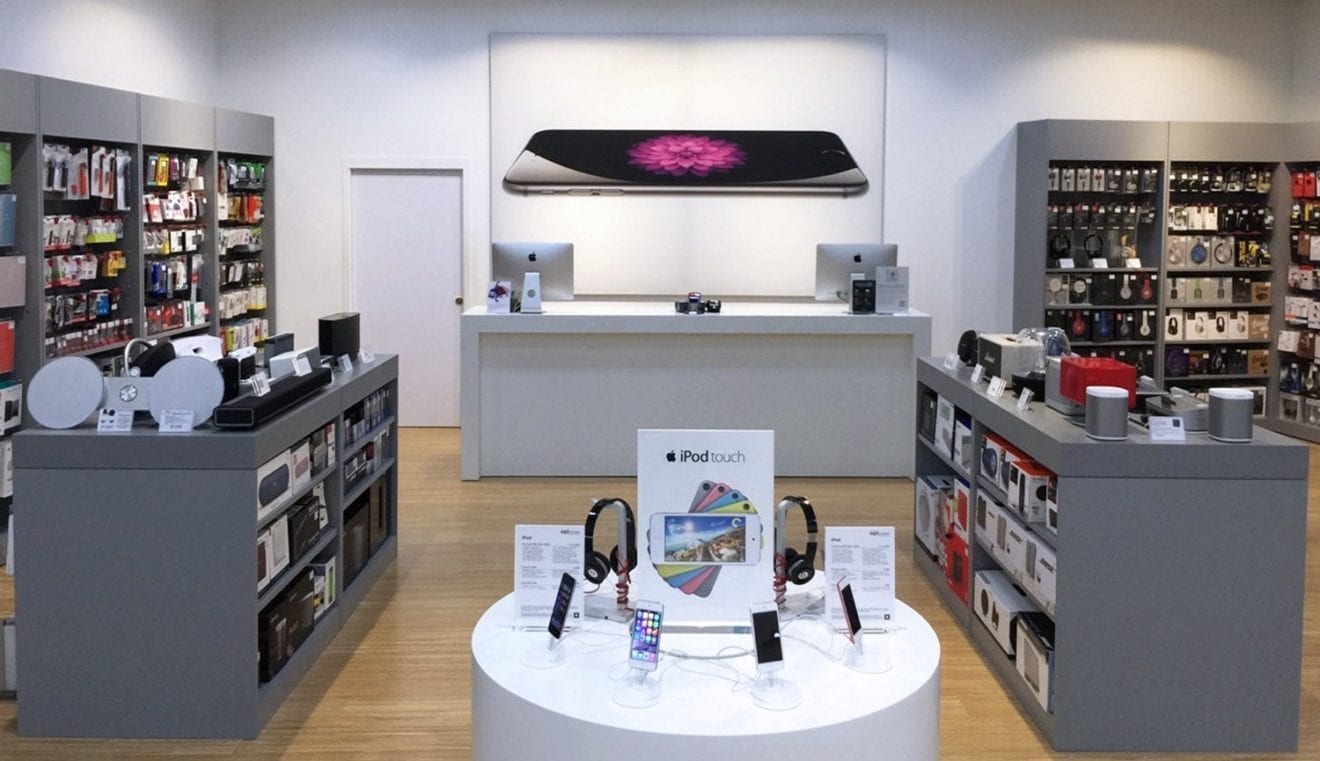
    Located at 2 Cong Xa Paris, at the corner of Nguyen Du and Dong Khoi Streets, the 250sqm store is the first Apple’s one-stop shop in Vietnam. According to that, EDigi will provide products and warranty services for all Apple devices, including hand-carried ones.

    EDigi is also the first store in Vietnam to promise a maximum repair time of 48 hours, according to the group representative.

    IPP Group specialises in retail, travel retail, and F&B, offering brands including Rolex, Armani Exchange, Bally, Burger King and Domino’s Pizza in Vietnam.

    Its most recent deal was bringing Mothercare to Vietnam.

  • Amazon joins Apple in trillionaire’s club

    Amazon joins Apple in trillionaire’s club

    Amazon briefly became the second US company to join the trillionaires club overnight.

    Like Apple just one month ago, Amazon’s market capitalisation has exceeded US$1 trillion.

    Neil Saunders, MD of GlobalData Retail, described the achieved as “extraordinary” after just 24 years in business.

    “That Amazon has achieved this demonstrates its dramatic advancement in both the retail and technology sectors, as well as the influence it now wields over large parts of the consumer landscape. Amazon is a very customer-centric retailer that has earned and deserves its success.”

    The e-commerce behemoth posted losses for many years when it launched in the relative infancy of the online shopping industry. But in recent times its growth has been stellar, based on creating a subscription platform (Amazon Prime), developing smart devices like the Alexa and acquiring and opening retail businesses to expand its reach offline, including upmarket grocer Whole Foods and its cashierless Amazon Go format currently in trial phase.

    Saunders said the valuation reflects the forward potential of the company. “Despite its size and scale, there is still something young about Amazon. It might be mature in a sector like books and media, but in categories like grocery and home furnishings, Amazon is really only just getting started. The same applies to geographic expansion – there are many global pockets of demand that Amazon has yet to fully tap into.”

    Saunders has no doubt Amazon will make the most of all of those opportunities.

    “We also believe it will move more heavily into new areas like pharmacy and healthcare. Its future success will be predicated on the same basis as its past victories: finding innovative ways of delivering on customer’s needs and identifying unique ways of solving their problems.”

    Apple was not the world’s first trillionaires club member: Chinese government-controlled company PetroChina briefly reached a stock market value of about $1.1 trillion in 2007, however it is now worth only about $200 million.

  • Epicentre Singapore suffers epic loss

    Epicentre Singapore suffers epic loss

    Singapore Apple reseller Epicentre Holdings has posted a S$7.1 million loss for the last year after all but cutting ties with the tech giant.

    Epicentre announced in June it would sell its four stores and e-commerce site to a rival reseller, after the opening of the Apple-owned flagship store on Orchard Road decimated its sales, with a second flagship already under construction in the city. At the time it said it would retain its Apple retailing business in Malaysia, however since then the company has apparently lost its official Apple reseller status, leading to an $11 million decline in revenue from continuing operations in that market.

    The company received just $516,275 for the Singapore Apple reseller business from Elush, parent of the rival iStudio chain, but Elush took over store lease liabilities.

    Epicentre says it will refocus the business on Japan IPL Holdings, a hair removal and skin rejuvenation salon in which the company bought a 51 per cent stake in June last year. That business was profitable contributing $3.6 million in revenue and $3.4 million in gross profit for the year. It is also planning to acquire a property development and hotel management business, allowing it to diversify away from retail into potentially more lucrative businesses.

    Epicentre was founded in 2002 and at one point operated 10 outlets in Singapore, Malaysia and China.