Tag: apple

  • Fitbit partners with Snapchat to make Apple Watch owners jealous

    Fitbit partners with Snapchat to make Apple Watch owners jealous

    Fitbit may have joined the “true” smartwatch game a bit late compared to Samsung or Apple, but after a somewhat slow start in this potential-brimming market, the Versa seems to have put the company on the right track. The world’s second-largest smartwatch vendor took quite a risk by developing its wearable software from scratch rather than adopting Google’s Wear OS, but this proprietary platform continues to grow at a healthy pace in terms of capabilities and ease of use.

    Of course, everyone needs high-profile partners to boost the appeal and trendiness of today’s wearable devices, and Fitbit’s newest ally in its fight against Apple and Samsung is as high-profile as they come. We’re talking about Snap, the company behind one of the world’s most popular social networks.

    Snapchat users who just so happen to own a Fitbit Versa, Versa Lite, or Ionic as well can now connect their Bitmoji account to their smartwatch to display their “personal emoji” on their wrist. For those unfamiliar with the Bitmoji app, we should probably mention the experience is very similar to what Apple offers with Memoji and Animoji on iPhones and Samsung’s own AR Emoji experiments for recent high-end Galaxy handsets.

    Obviously, the main difference is you can have fun with Bitmoji on both Android and iOS, as well as on Fitbit devices starting today. Your cartoon avatar will show up on the “first-ever” Bitmoji clock face (once you download it from the Fitbit App Gallery, that is), aiming to motivate you to be more active, help you create healthier habits, and celebrate personal achievements.

    While unlikely to be as expressive as its smartphone counterpart, your wrist Bitmoji promises to support more than 50 fun clock face variations, changing throughout your day to reflect your activity and progress towards your fitness goals. For instance, your personal emoji will wave hello to start your day, dance with your alarm clock to annoy help you wake up in a better mood, throw confetti after you hit your daily step objective, meditate when you’re totally relaxed and zen, carry an umbrella if there’s a chance of rain, and much more.

    That definitely sounds like something Apple Watch and Samsung Galaxy Watch owners could also appreciate, but for the time being, all we can do is wait and see if there are any Memoji or AR Emoji expansions planned for the near future.

  • Apple poached one of Google’s best AI specialists recently

    Apple poached one of Google’s best AI specialists recently

    We all get to see changes in market share percentages, sales numbers and all sorts of data showing how competing companies on the mobile market exchange blows all over the world. In California’s Silicon Valley there is another, less covered fight going on between the tech giants that call it home: the war for talent. There are only a few people at the top of each field and if you want to be the best, you have to get them.

    It seems that Apple did just that last month, CNBC reports, as it managed to bring a very important specialist to Cupertino. His name is Ian Goodfellow and for the last two years, he was a Senior Staff Research Scientist with a focus on machine learning at Google. Since March, however, he’s the Director of Machine Learning in the Special Projects Group at Apple, according to his LinkedIn profile.

    Just by comparing the two titles, Senior Staff versus Director, you get an idea about why Ian might have taken the job at Apple. Of course, we have no doubt that the new position came with a significant salary bump as well. Which seems completely justified considering his expertise. According to his own summary, Goodfellow is “an industry leader in machine learning”, and while that might sound a bit cocky, it’s not wrong. Ian has co-authored tens of publications about machine learning, including the book Deep Learning. He’s also invented multiple machine-learning algorithms that we’re not even going to try to describe here.

    As you might have noticed if you’re following closely the mobile technology scene, AI and machine learning are already deeply integrated within smartphones and other gadgets. This makes it harder to guess what exactly is Ian going to work on as part of Apple’s Special Projects Group. Is he tasked with the development of a brand new product? Is the “special project” making Siri actually useful? Are we going to see even more AI in Apple’s upcoming smartphone cameras? With a company the size of Apple, the possibilities are endless.

    It will take months, if not years before we see the results of Mr. Goodfellow’s work at Apple, but one thing is certain, the move is a huge win for Apple and an equally huge loss for Google. It’s not like AI geniuses are dime a dozen. At least we shouldn’t see any regression in Google Assistant if that’s any consolation.

  • Integration will define the 2019 smart home

    Integration will define the 2019 smart home

    IDC says the global market for smart home devices will grow 26.9% year over year in 2019 to 832.7 million units shipped. The analyst predicts consumers to adopt multiple devices within their homes, which will result in 1.6 billion devices shipped by 2023.

    “2018 was all about getting products into consumers’ homes and both Amazon and Google excelled at this through low-cost smart speakers and multiple bundles across device categories,” said Jitesh Ubrani research manager for IDC Mobile Device Trackers. “However, 2019 will be more about tying the various devices together to form a more cohesive experience and more importantly, layering in additional services.”

    The smart home will be dominated by the likes of Amazon and Google, with Apple following suite. The popularity of iOS and macOS devices combined with the availability of Apple apps/services on non-Apple products will help the company slowly entice more consumers into their ecosystem while also attracting third parties to build compatible devices.

    “One important trend to watch is how smart assistants become integrated throughout the home,” said Ramon T. Llamas, research director for IDC’s Consumer IoT Program. “Smart assistants will act as the point of contact with multiple smart home devices and essentially become the cornerstone of the smart home experience. Already we’ve been seeing that with smart speakers and this will eventually move on to appliances, thermostats, and all sorts of video entertainment.”

  • Android Q will bring an iconic Apple iPhone feature

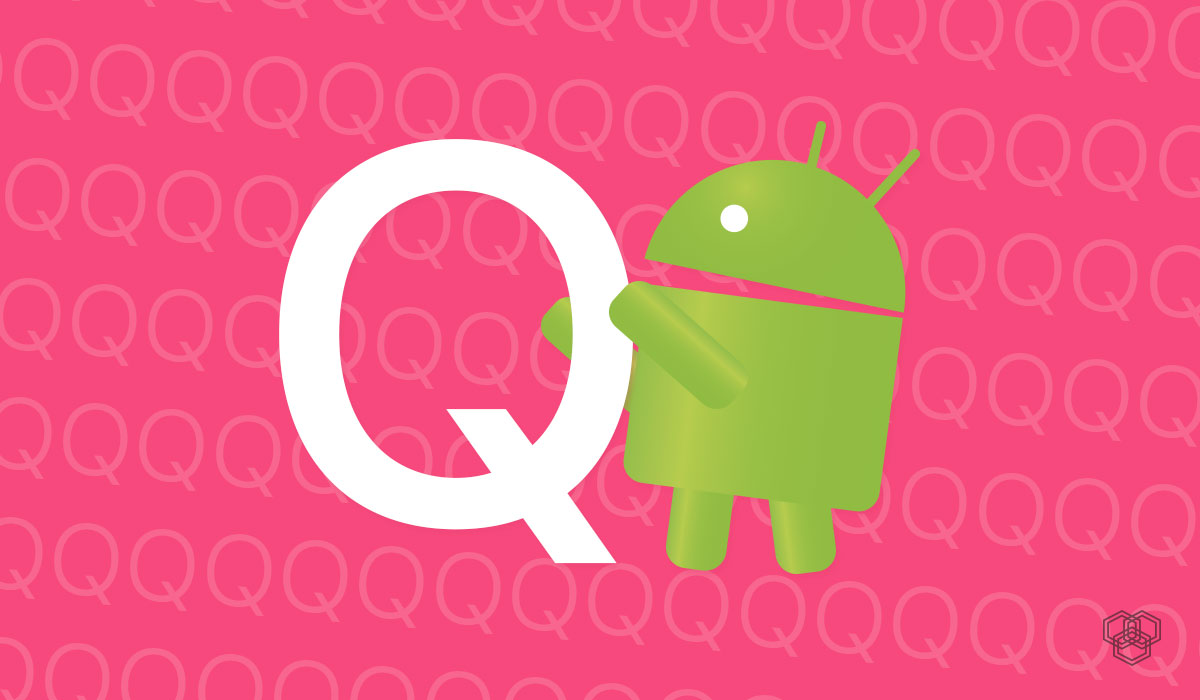
    Android Q will bring an iconic Apple iPhone feature

    Introduced in 2015 with the Apple iPhone 6s and iPhone 6s Plus, 3D Touch allows iOS users to press the screen to see previews, details, and shortcuts. Some applications allow users to Peek and Pop. For example, you can get a preview of an address in the Maps app. That’s a “Peek.” Applying a little harder force will “Pop” you into the app. Note that for technical reasons related to the Liquid Retina display on the iPhone XR, that model does not feature 3D Touch.

    In Android 8 Oreo, Google added a long press gesture that allows Android users to see shortcuts related to certain apps. That feature was continued on Android 9 Pie. For example, press hard on the YouTube icon in either build, and you’ll see shortcut options that can take you to the app’s search feature, and a list of your YouTube subscriptions. Documentation for Android Q reveals that the next Android build will allow users to see the same information, only faster, with a “deep press.”

    Found inside documentation for MotionEvents is a statement that says a touch on the touchscreen can be classified as a “deep press” when a user presses harder on the screen intentionally. This will “accelerate the long press behavior.” In other words, a “deep press” will reveal the same information as a long press, only quicker. Unlike 3D Touch, it doesn’t appear that Android devices will be able to distinguish between a light press, a medium press, and a hard press.

    Google could turn to algorithms to determine whether a user is using enough force to count a touch as a “deep press.” Or, the new feature might require specialized hardware. Either way, we could hear more about this during Google I/O. The annual developer conference will run from May 7th through May 9th. During the conference, Google traditionally reveals new features that will be found on the upcoming Android build.

    Just the other day, Google disseminated the second beta preview for Android Q. This included a foldable device emulator to help developers see how their apps will look on one of the new foldable phones that will be released soon. That includes the Samsung Galaxy Fold, due out on April 26th, and the Huawei Mate X. That model will be launched sometime this summer. Another feature called Bubbles allows you to take the functionality of certain apps with you from screen to screen on Android Q.

    Google plans on releasing six beta versions of Android Q with the final version scheduled to drop during the third quarter. If you have a Pixel handset, you can quickly sign up to receive the Android Q beta versions OTA. Simply head to the Android Beta for Pixel website and click on the Devices tab. Scroll down to “Your Eligible Devices” and tap the Opt-in button. Expect to wait up to 24 hours before the update arrives. When you’re ready to return to the public version of Android, repeat the process and tap on the Opt-out button. Keep in mind that the beta versions of Android are unstable and many of the features that you might depend on could fail to work. As a result, you might want to think twice before signing up to receive the Android Q beta previews.

  • Important change for next-gen Apple Watch Screen

    Important change for next-gen Apple Watch Screen

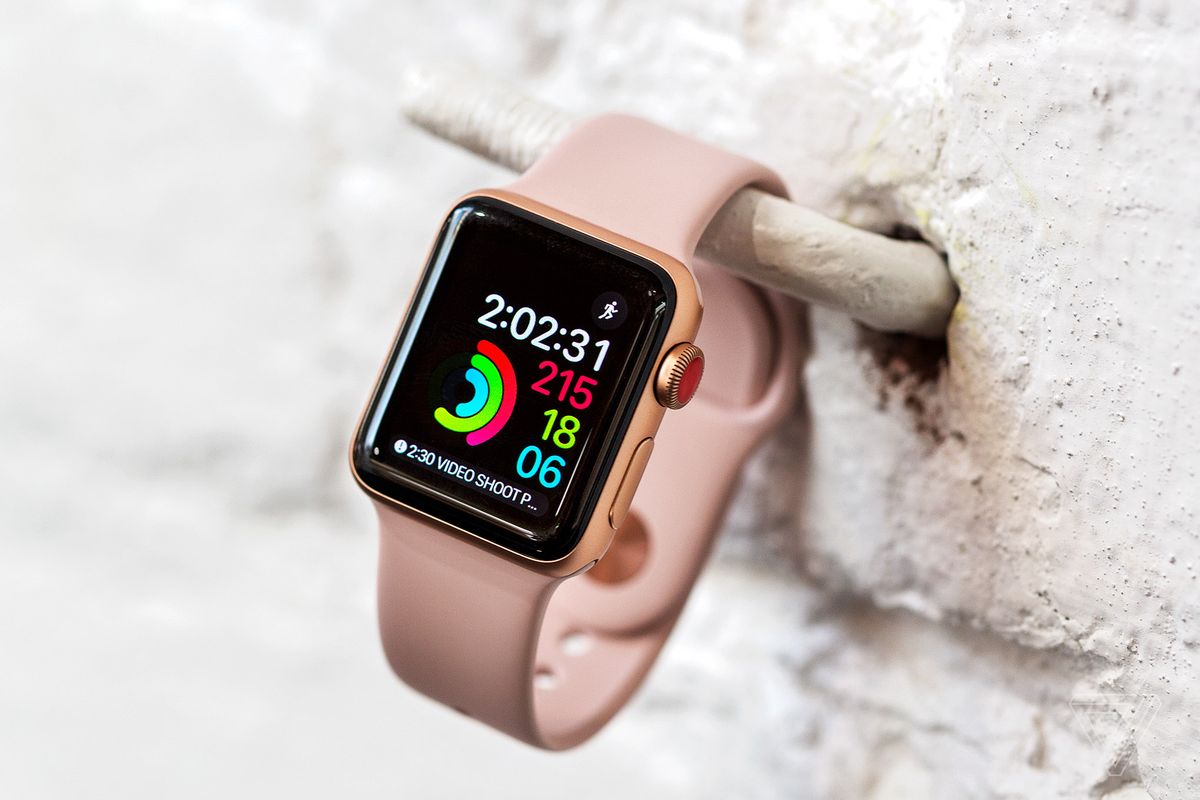
    It’s a little premature to make anything more than educated guesses regarding the key selling points and major new features of an Apple Watch Series 5 expected out sometime in the fall. But it’s certainly not too early for the manufacturer of the world’s most popular smartwatch family to line up its component suppliers and lay out some general production plans.

    While these are obviously rarely made public, we can typically rely on inside sources to spill the beans for reputable news organizations like Reuters. These often rock-solid informants are claiming Apple has reached a deal with Japan Display that represents a major breakthrough for the financially struggling screen manufacturer. The company, which is a long-time Apple partner, should start supplying OLED panels for the Apple Watch lineup at some point “later this year.”

    Even though there’s absolutely nothing wrong with the Apple Watch Series 4 screen, supply chain competition is always good, generally driving progress and innovation forward at a much faster pace than when a company holds a monopoly on one or several essential components. Unless we’re talking about Samsung, which has managed to exclusively take care of the iPhone X, XS, and XS Max OLED panels while maintaining an impressively high standard of quality and performance.

    By the way, you might be surprised to hear Samsung doesn’t also handle the production of the small but sharp OLED display on the Apple Watch Series 4. That’s actually LG’s business, which is soon expected to be shared with Japan Display. If and when that happens, Apple’s bill of materials could go down, as increased competition among suppliers has a tendency of impacting component prices.

    In other words, LG is likely to charge less for its Apple Watch Series 5 screens than those of the next-gen wearable’s predecessor, as Japan Display finally joins the OLED supply game. This company, which was born as an LCD technology joint venture by Sony, Toshiba, and Hitachi, realized the full potential of OLED (organic light-emitting diode) panels a little too late, staying focused on liquid-crystal displays past their prime. While Japan Display’s financial troubles are far from over, any OLED partnership with Apple would provide a welcome boost to a fledgling business division.

    What it means for future iPhones

    In short, not much. After all, it’s taken LG a long time to start supplying a small number of OLED iPhone screens. Meanwhile, Apple’s two 2019 and three 2020 OLED iPhones are all expected to primarily use Samsung-made displays. That’s obviously because the world’s largest smartphone vendor makes the most sophisticated handset panels out there, lightyears ahead of LG or Japan Display’s alternatives.

    Therefore, as much as Apple would like to further diversify its iPhone supply chain and reduce the company’s reliance on its Korea-based arch-rival, quality trumps any discounts Samsung’s display-making rivals could offer. Basically, unless Apple plans to release a lower-quality, lower-cost OLED iPhone variant in the near future, Japan Display is facing quite an uphill battle here.

    The same goes for LG, although the backup supplier could earn a slightly larger share of 2019 and 2020 OLED iPhone orders, offsetting its Apple Watch losses caused by Japan Display’s newly reported “breakthrough.”

    In theory, all these possible changes and shifts of suppliers could yield lower retail prices for future Apple Watch and iPhone generations, but knowing how the Cupertino-based tech giant typically operates, we wouldn’t hold our breath. After all, the best way to make up for shrinking sales numbers is to jack up profit margins.

  • Westpac introduces Apple Pay in New Zealand

    Westpac introduces Apple Pay in New Zealand

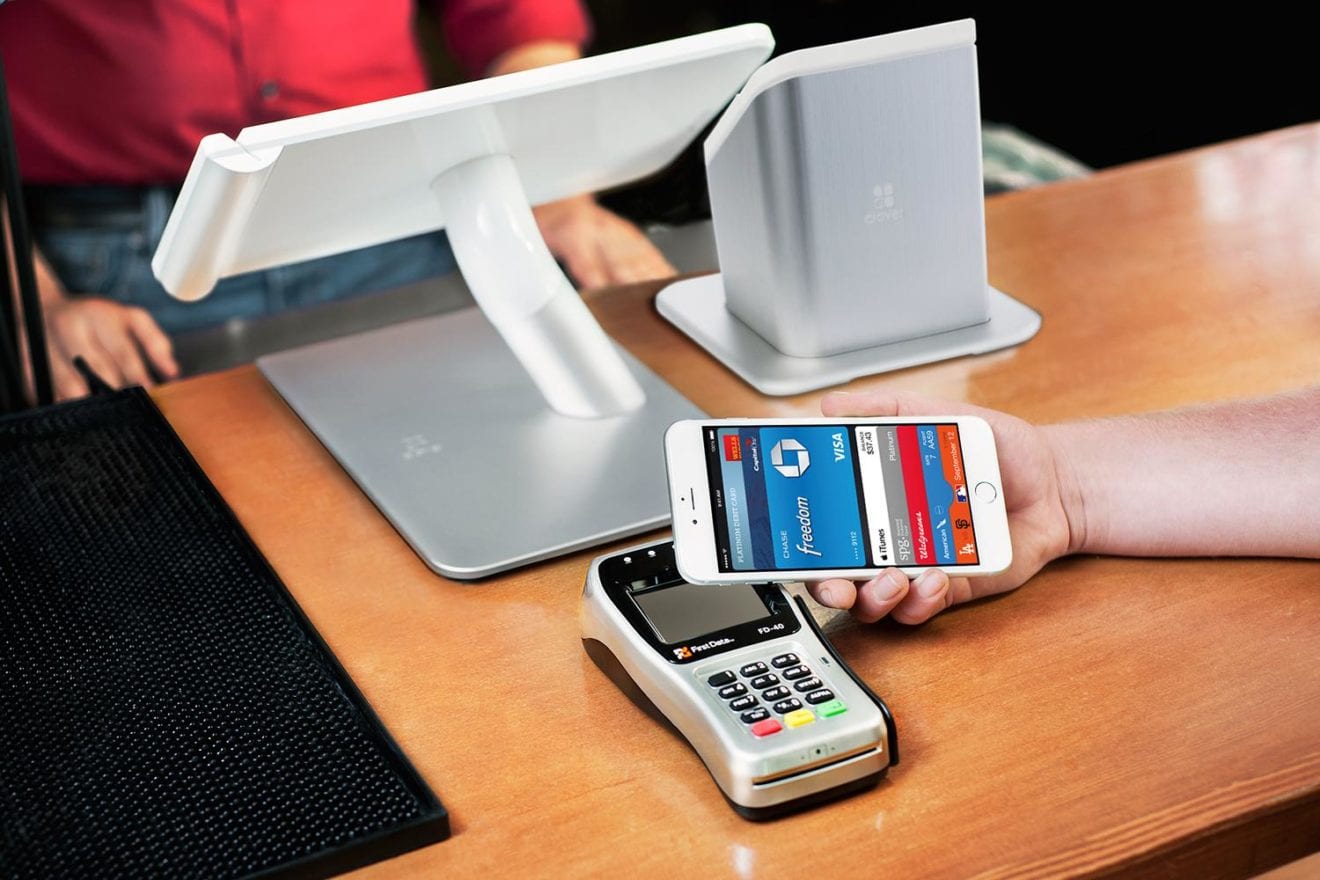
    Westpac New Zealand customers can now use Apple Pay wherever contactless payments are accepted.

    This reflects the findings of a recent study by Allied Market Research, which found that younger consumers appreciate the simplicity of mobile payments.

    The mobile payment market is expected to reach $4.5 trillion by 2023, according to the research firm, which also notes the market is growing with a “lightning-fast” rate in Asia-Pacific.

    However, even mobile payments are beginning to be superseded.

    The report noted that near field communication (NFC) and QR technology is fast becoming standard in various parts of Asia-Pacific, and various market players are already investing in this new technology.

    Westpac is celebrating the launch of Apple Pay by donating $2.50 for every customer who uses Apple Pay five times before May 2, 2019, to charity. Each customer will also receive a one-off payment of $10.

    “It is yet another reason for our customers to get excited about Apple Pay,” Shane Howell, Westpac’s chief experience officer, said.

    The four charities that will benefit from the initiative are the Mental Health Foundation, Shine, Sustainable Coastlines, and New Zealand’s rescue helicopter services.

  • Logitech unveils affordable Smart Keyboard alternatives for Apple iPad PROs

    Logitech unveils affordable Smart Keyboard alternatives for Apple iPad PROs

    Logitech makes some of the best third-party accessories for iPhones and iPads, a few of which can even be purchased directly from Apple at very competitive prices. Just think of the $69.95 Logitech Crayon, which substantially undercuts the $99 and up Apple Pencil. Or the $69.95 Logitech Powered wireless charging stand, or $130 and up Logitech Slim Combos with detachable keyboards for previous-generation iPad Pros

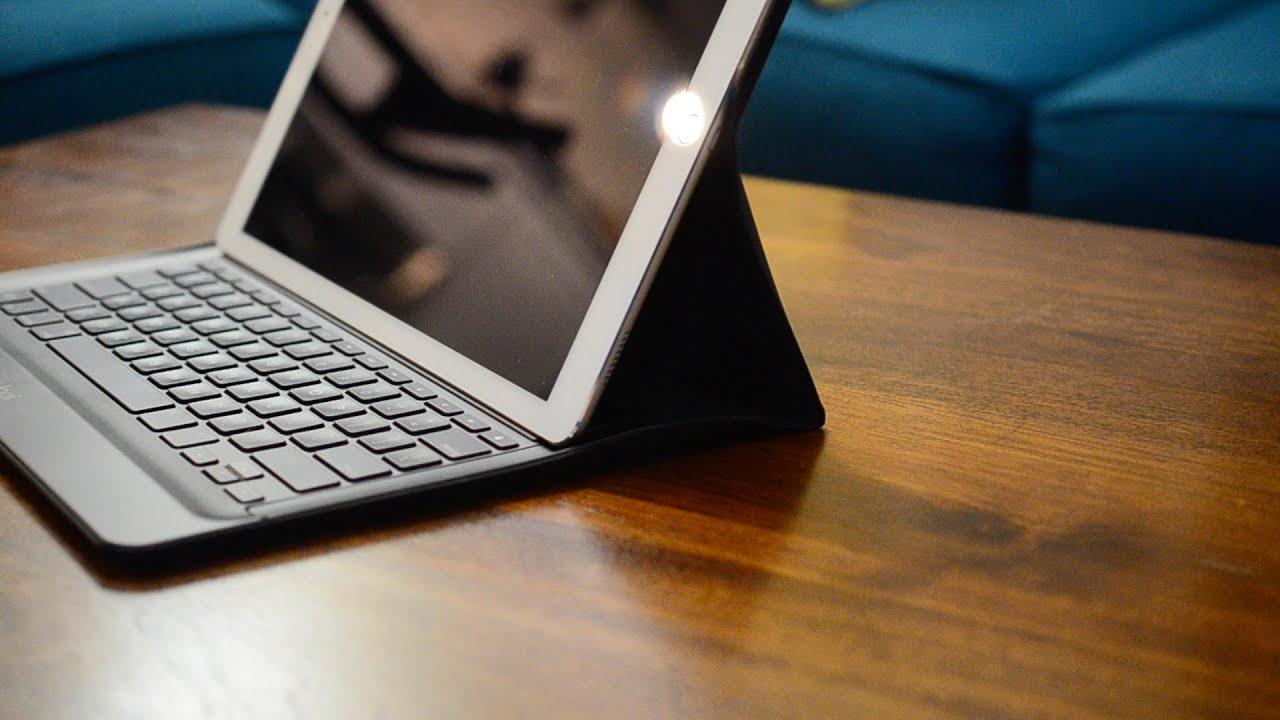
    Oddly enough, Logitech still doesn’t sell any keyboard accessories tailor-made for Apple’s newest iPad Pro models, but that’s finally set to change later this month. The Slim Folio Pro looks and sounds extremely similar to the first-party Smart Keyboard Folio, starting however at only $119.99. That’s a whopping 60 bucks cheaper than Apple’s own 11-inch option, while the Logitech Slim Folio Pro for 2018’s 12.9-inch iPad Pro will cost $129.99, compared to the $199 price tag of its Apple-made counterpart.

    Impressively enough, it doesn’t seem like Logitech has had to cut many corners or make any big compromises to go this low in terms of retail prices, as the Slim Folio Pro ticks all the essential boxes of a robust “all-in-one case”… and then some. You get both front and back protection against scuffs, scratches, and spills for your new 11 or 12.9-inch iPad Pro, an “edge-to-edge” backlit keyboard design aimed at stellar productivity, and even a special magnetic latch to safely store your Apple Pencil when not in use.

    Without a doubt, the best thing about this overall top-notch Smart Keyboard alternative is its battery life, rated at “up to three months” on a single charge. The Slim Folio Pro is also pretty versatile, enabling comfortable typing, sketching, and reading experiences by propping up your iPad Pro, sliding underneath it, or effortlessly folding back.

    The only possible drawback is the use of Bluetooth technology to wirelessly connect to Apple’s latest powerhouses rather than leveraging their magnetic Smart Connectors. But Bluetooth keyboards can be reliable too, so if you want to save a few bucks, you should definitely consider the Logitech Slim Folio Pro… when it actually goes on sale.

  • Swatch wins trademark lawsuit against Apple

    Swatch wins trademark lawsuit against Apple

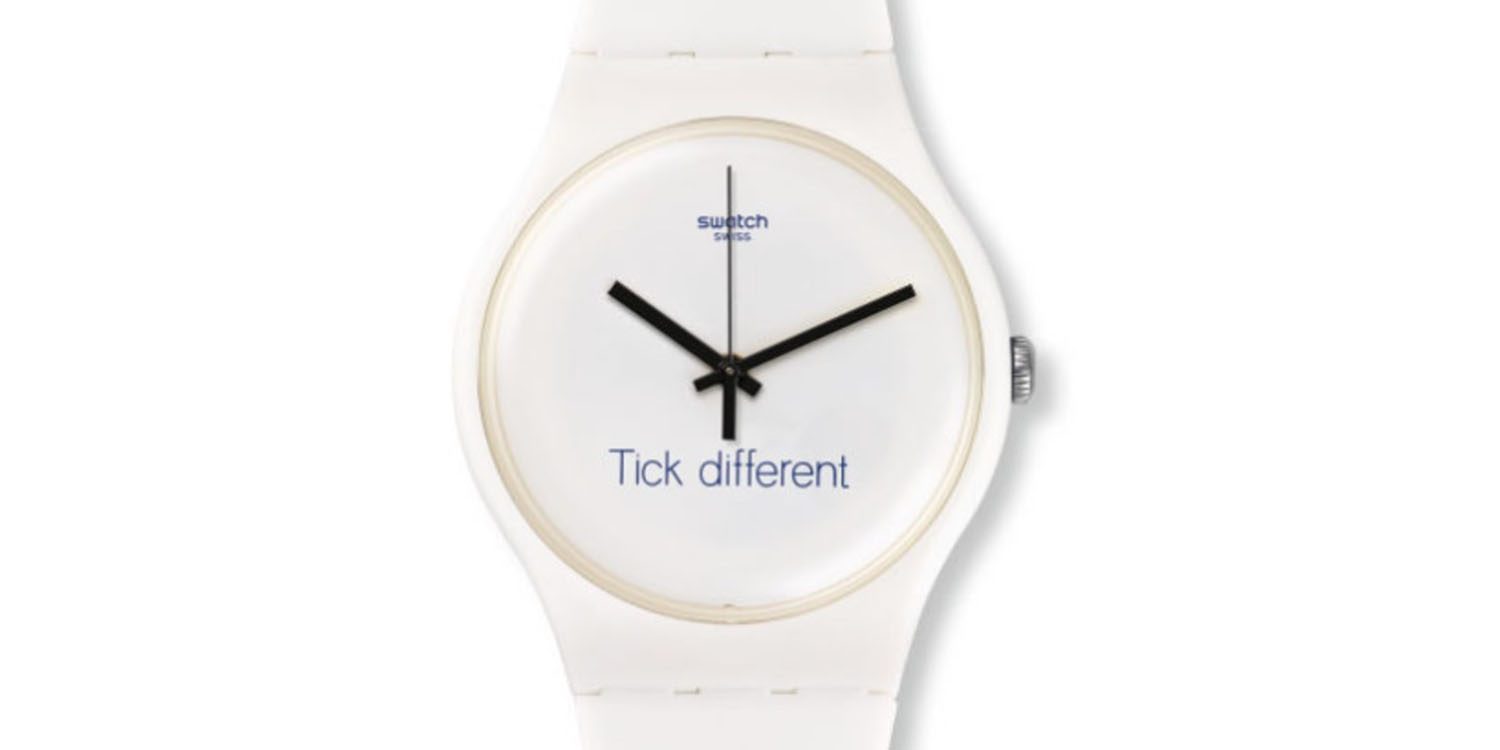
    Swatch is no stranger to legal battles with giants like Apple and Samsung, and to some success, we might add. The Swiss company filed a lawsuit against Samsung two months ago, because the South Korean company copied Swatch’s trademark on its smartwatch faces. However, Swatch was sued by Apple two years ago for a similar reason. The Cupertino-based company claimed in the lawsuit that Swatch’s logo – “Tick different,” which is etched on some of its smartwatches, strongly resemble its famous “Think different” slogan.

    Unfortunately for Apple, a Swiss court has just ruled in Swatch’s favor over the use of its “Tick different” logo. Apparently, the court doesn’t think that Swatch’s slogan infringes on Apple’s own logo, but even if they are very similar, the Swiss company claims the “Think Different” advertising campaign wasn’t too popular in Switzerland to warrant protection.

    The Federal Administrative Court has agreed with Swatch and said that Apple hasn’t given the court enough documents that would back up its case. Of course, Swatch wouldn’t stand a chance in the United States where the “Think Different” advertising campaign remains one the most famous in the company’s history.

  • Spotify and Apple Music were very important to the music industry Last Year

    Spotify and Apple Music were very important to the music industry Last Year

    It’s okay to dance now that the 2019 IFPI Global Music Report is out. The report from The International Federation of the Phonographic Industry shows that a 32.9% increase in paid streaming revenues helped drive a similar increase in total streaming revenue last year. Streaming now accounts for 46.9% of the music industry. Overall, the global music market increased its top line by 9.7% last year to $19.1 billion and revenue from streaming music came to $8.9 billion, up from $6.7 billion in 2017. Streaming was obviously very important to the music industry during 2018. That is especially true since last year music downloads and physical music sales declined 21.2% and 10.1%, respectively.

    As 2018 came to an end, there were 255 million people around the world paying monthly for streaming music. The leading provider globally was Spotify, with 87 million paying subscribers. Apple Music came in second. In the U.S., growth in streaming music revenue came to 33.4% last year, while sales of physical music (records, CDs) declined 22.1%. In the states, the fastest growth came from the paid streaming segment.

    “Streaming revenues, particularly from paid subscriptions, continued to grow in 2018, with all regions posting growth in this area. Overall, growth trends were more diverse across different markets.”-IFPI

    The top two music streamers in the world, Spotify and Apple, are at odds over the 30% that Apple charges Spotify subscribers who pay monthly through the App Store. As we told you last month, Spotify has filed a complaint with the European Commission over this so-called “Apple Tax.” This is why individual Spotify subscriptions cost $12.99 on the App Store as opposed to the usual $9.99 price. With Apple Music available from the iOS app storefront for only $9.99 a month, Spotify claims Apple is giving its own music streaming app a major advantage.

  • Apple cuts the prices of its devices in China

    Apple cuts the prices of its devices in China

    Earlier this year, there were quite a few reasons why Apple decided to cut the wholesale price of the 2018 iPhone models in China. First, the strength of the U.S. Dollar against the Chinese Yuan forced Apple to price the ‘more affordable’ iPhone XR higher than the premium-priced Huawei Mate 20 Pro in China. When the dollar is stronger against the Yuan, it means that Apple gets fewer dollars back when it converts the Yuans it receives from sales of its products in China. At this point, Apple has a choice; it can keep pricing the same and suffer the consequences, or it can lower its prices in China and take a hit to its margins.

    In addition, a rise of Chinese nationalism hurt iPhone sales as consumers in the country protested the U.S.-China trade war and the U.S. government’s treatment of Huawei. There was the overall sluggishness in the smartphone market due to high prices, lack of innovation and high penetration rates for smartphones. Lower sales in China of iPhone models forced Apple to cut its revenue guidance for the fiscal first quarter, leading to a selloff in the company’s stock. At the time, Apple CEO Tim Cook said, “If you look at our results, our shortfall is over 100 percent from iPhone and it’s primarily in greater China.” As it turned out, Apple ended up shipping 20% fewer iPhone units to China during the three month period, and its overall revenue in the market declined by 28% or $5 billion.

    Caixin reports today that Apple has made another bold pricing move in China, this time slashing prices of certain devices in the company’s own online and physical stores by as much as 6%. The affected products include iPhones, iPads, AirPods and Macs. For example, in China’s version of the Apple Store, the 64GB iPhone XR is now priced at 6,199 Yuan (equivalent to $924 USD at current exchange rates), a 4.6% decline from the 6,499 Yuan that the phone was listed at just a few days ago. The price cut took 500 Yuan ($74.50 USD) off the prices of the iPhone XS and iPhone XS Max.

    This is why Apple cut its prices in China today

    However, unlike the previous price cut in China, this time the reason has nothing to do with the supply-demand balance. Starting today, new regulations dropped the value-added tax (VAT) for manufacturers in China to 13% from 16%. This gives Apple some leeway to lower the pricing of Apple devices in the country. Still, consumers in China often find better pricing for the company’s products online. Prices for the iPhone XS Max and iPhone XS declined by as much as 2,000 Yuan ($298 USD) last month on these sites due to tepid sales of the phones. E-commerce firms in China such as Tmall and JD.com have now cut their prices on the 2018 iPhone models twice this year.

    It wasn’t until 2009 that a Chinese wireless provider offered the Apple iPhone to consumers. Before the iPhone 3GS became available from China Unicom, iPhone models could only be purchased from the black market.

  • Google yanks controversial app from the Play Store

    Google yanks controversial app from the Play Store

    Axios revealed last week that Google has removed the Living Hope Ministries app from the Google Play Store. Those who installed the app could listen to recordings of sermons and view texts of devotionals for men, women, parents and their children. However, despite the Ministry’s denial, the app was also known for offering gay conversion therapy. This is a controversial method that some (including Vice President Mike Pence) believe will convert gay and bisexual men and women to a heterosexual orientation. The conversion is done by a brainwashing-like technique that uses psychology and religious belief to pound messages into subjects over and over again. Some say that this technique is harmful, ineffective, and could lead to depression, drug use and suicide.

    Meanwhile, Google’s action came after 142,212 people signed a petition on Change.org that called for the app’s removal. Several LGBTQ organizations also demanded that the app is removed. But Google did not respond immediately; it took months of protesting before the company finally followed the lead of other tech firms that had already removed the app from their storefronts such as Apple, Microsoft and Amazon.

    “It took months of activism by Truth Wins Out and Change.org, and today Human Rights Campaign, to get Google to pull a conversion therapy app. I called Google out in the press about this in January. They took no action. Credit is due for finally acting — but Google now needs a serious internal audit examining why it delayed so long.”-Sen. Brad Hoylman.

    “After consulting with outside advocacy groups, reviewing our policies, and making sure we had a thorough understanding of the app and its relation to conversion therapy, we’ve decided to remove it from the Play Store, consistent with other app stores.”-Google

    Before the Human Rights Campaign fought for the removal of the app, it had given Google a perfect 100% score for its annual Corporate Equality Index. The score was based on Google’s offering of health benefits for same-sex couples, and for providing health care to Transgender employees. However, the organization pulled its support for Google because it would not originally remove the Living Hope Ministries app.

  • Update to Google’s Duo changes how you use the application

    Update to Google’s Duo changes how you use the application

    The Google Duo app allows users to stream live video, make calls or send video and voice messages to their Duo contacts. A server-side update performed by Google has changed how users select contacts, and whether they are streaming them video or making a voice call to them. In the olden days (like a week or so ago), one would open the Duo app, go to contacts, and tab the video or audio tabs before selecting the recipient.
    After the update, when you open the Duo app, you first select the contact that you want to connect with. Only then do you decide if you are going to stream live video or simply make a phone call to your selected contact. If you want to send a message, as soon as you open Duo, you swipe down on the screen. You then are given the option of creating a voice or video message. Once you create that message, you are given the option of sending it to five contacts simultaneously.
    The Google Duo app is available from both the Google Play Store and Apple App Store for Android and iOS devices, respectively.
  • With Apple News+ available, Texture will close on May 28th

    With Apple News+ available, Texture will close on May 28th

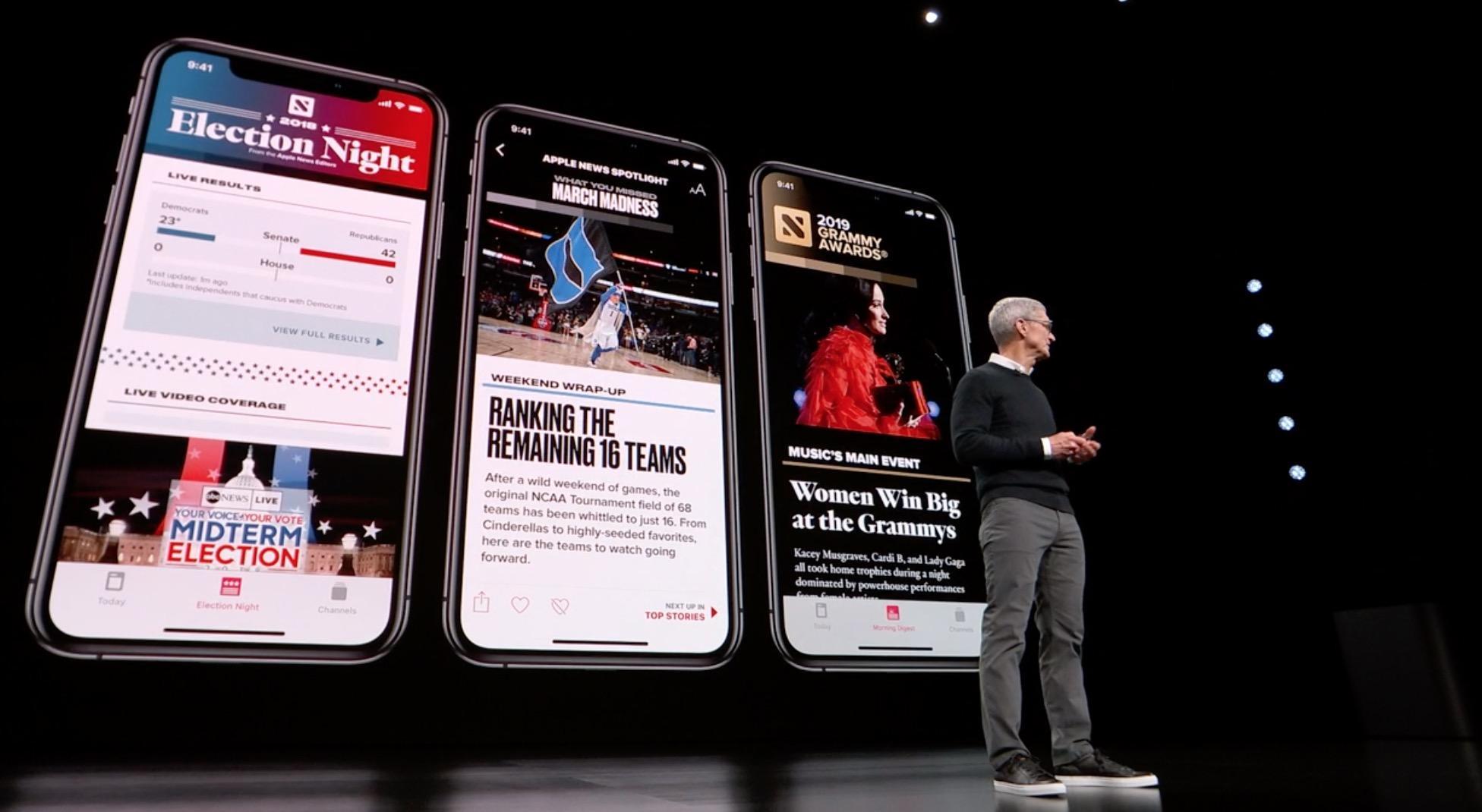
    Now that Apple has launched its Apple News+ magazine subscription service, AppleInsider says that the company plans on shutting down the Texture app on May 28th. The app, known as “the Netflix of magazine publishing,” was acquired by Apple last year and immediately rumors started about Apple using the service to launch a premium paid tier of Apple News. Of course, the rumors were true, and earlier this week Apple announced Apple News+. The latter offers over 300 magazines, The Wall Street Journal and the L.A. Times. After a one-month free trial, Apple News+ automatically renews at a price of $9.99 each month.
    Meanwhile, Apple has posted this news on the Texture website, saying “Goodbye Texture. Hello, Apple News+.” A link is included that allows iOS users to sign up for a free one month trial. Right now, in fact, iOS users with a Texture subscription can simply transition over to Apple News+. Android users with a Texture subscription aren’t as lucky since there is no Apple News+ app available for that platform. Android users might want to consider Magzter, available in the Google Play Store. The app is offering one year of unlimited access to over 5,000 magazines for $49.99, a $50 savings off the regular price.
    Apple is aiming to do $50 billion in services revenue by 2020, doubling the $25 billion that the unit grossed in 2016. With over 100 million active iPhone units, this is how Apple tries to combat sluggish iPhone sales in key markets. Consisting of Apple Music, Apple Pay, AppleCare+, the App Store, iTunes and more, the race to hit $50 billion will be helped by the trio of new subscription services that Apple announced last Monday: A
  • Spotify is going after couples with Duo plan

    Spotify is going after couples with Duo plan

    Spotify and Apple are engaged in a fierce battle over the domination of the thriving global music streaming market, with many other companies, including Google, Amazon, Pandora, Tidal, and Deezer fighting for scraps and trying to find ways to differentiate themselves in order to rise through the ranks. But at the end of the day, all of these services offer essentially the same features and capabilities with extremely similar pricing structures.

    One great way to stand out is to join forces with other tech giants on sweet bundle deals, either temporarily or indefinitely, thus providing more value than the competition for the user’s money. Or you can simply expand your plans to include something rivals haven’t thought of just yet. Enter Spotify Premium Duo, a new service tier currently available only in Colombia, Chile, Denmark, Ireland, and Poland, according to The Verge, which is likely to spread the love around the world soon if these regional “tests” are deemed successful.

    As the name suggests, Premium Duo mainly targets couples that want to save a few bucks compared to both the prices of two individual subscriptions and a family plan. A single Spotify Premium user can get an account at $9.99 a month in the US right now, while Premium for Family costs $14.99, allowing up to six people to stream music without limits, ads, or interruptions.

    Naturally, Spotify Premium Duo sits between the two globally available options, at a €12.49 monthly fee in Ireland that’s likely to equate to $12.49 stateside if this ever becomes a worldwide thing. Like family plans, Duo licenses will allow users on a shared account to keep their playlists separate, as well as get recommendations tailored to their individual tastes.

    Then again, if you’re one of those couples that likes to do everything together, a new Duo Mix playlist will be regularly updated with music you can both enjoy. Just keep in mind the Spotify Premium Duo plan requires two users to share a home address before gaining access, which the service will verify. That shouldn’t come as a big surprise, as Spotify doesn’t like family plan members to live at different addresses either.

  • Apple patent application “confirms” a new feature for iPhone

    Apple patent application “confirms” a new feature for iPhone

    Earlier this month, we passed along a rumor stating that the 2019 Apple iPhone XI line will feature a new Underwater Mode that would allow users to snap pictures and navigate the screen even with the phone submerged in water. The original rumor mentioned that the Underwater Mode would be patented, and today the actual patent application was released by the U.S. Patent and Trademark Office.

    The application is titled Submersible Electronic Devices With Imaging Capabilities, and mentions a device, like an iPhone, that has the capability to capture images. This device includes an ambient light sensor to determine the lighting underwater. The device also features an image sensor to capture pictures, and sports circuitry designed to measure the depth of the image sensor. Information about the depth of the image sensor and the ambient underwater lighting would be used to adjust the color balance of an underwater photograph. Photos taken underwater by a camera that doesn’t include the patented features could result end up with a “undesired greenish color cast,” Apple says in the patent application.

    According to reliable Apple analyst Ming-Chi Kuo, both the Apple iPhone XI Max and iPhone XI will feature a triple-camera setup on back, The third camera will be a Time-of-Flight (ToF) sensor that measures how long it takes for an infrared light emitted from the camera to bounce off a subject and return to the camera. This will result in more accurate depth information that could be used for a rear-facing Face ID feature, improved bokeh effects and more AR functionality.

    Underwater Mode wouldn’t be possible without the iPhone’s Ingress Protection rating

    Of course, we wouldn’t even be writing about an Underwater Mode if the iPhone didn’t include an Ingress Protection (IP) rating. Both the iPhone XI and iPhone XI Max will most likely continue to sport an IP68 rating. This means that both models are protected from dust, and can be submerged to a depth of nearly five feet for as long as 30 minutes. At this point, with the original rumor singling out the iPhone XI and iPhone XI Max, it is not certain whether Underwater Mode will be found on the iPhone XR (2019). If all things stay the same, the latter would keep its predecessor’s IP67 rating that allows a phone to be submerged to a distance of a bit over three feet for up to 30 minutes. The 2019 iPhones most likely won’t be unveiled until this coming September.

    “A submersible electronic device such as a waterproof cellular telephone may be provided with an image sensor. The image sensor may capture images of underwater objects. Control circuitry in the submersible electronic device may adjust image contrast and color balance based on information from sensors and other information. The electronic device may have an ambient light sensor. The ambient light sensor may be a color ambient light sensor and may be used in measuring ambient lighting conditions above water and underwater. A depth sensor may be used in measuring the depth of the image sensor and other components of the electronic device underwater. Information on the depth of the image sensor, information on the distance of an underwater object to the image sensor, and angular orientation information for the electronic device and image sensor may be used in color balancing an image.”-Apple’s patent application

    Apple first filed the application for its patent in September 2017. The patent application number is 20190098179. If the Underwater Mode doesn’t make it to the upcoming 2019 iPhone models, it would seem a sure bet for 2020.