Tag: asia

  • Korea to boost science, technology

    Korea to boost science, technology

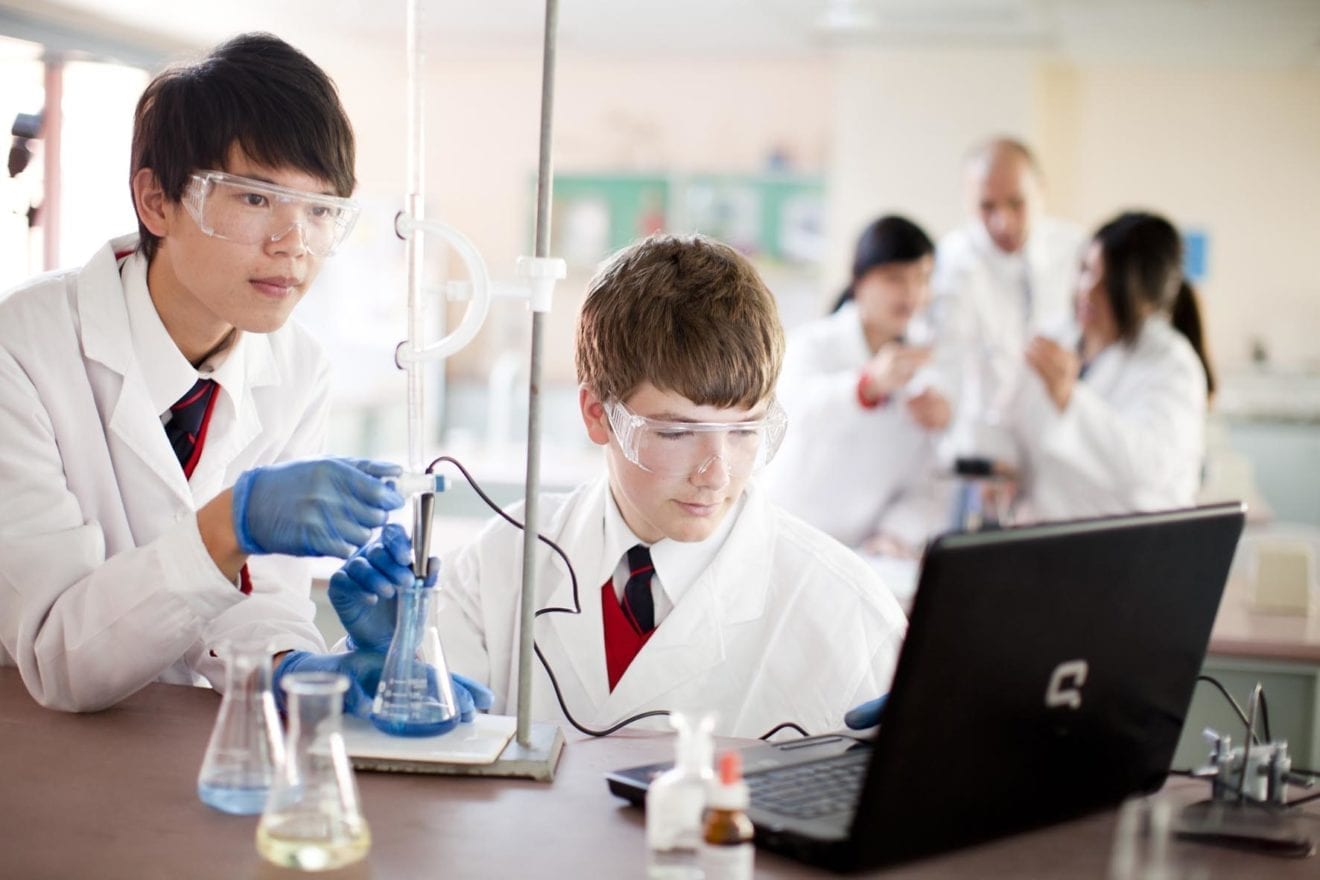
    Korea vowed Friday to increase its number of scientists and engineers and strengthen the quality of math and science education as it unveiled a blueprint that could set the tone for the development of science and technology.

    The government said it aims to improve its ranking in the category of availability of scientists and engineers to 20th by 2040 from 39th in the Global Competitiveness Report 2016-2017 released by the World Economic Forum.

    The plan was endorsed by the National Science and Technology Council earlier in the day.

    The government also said it is pushing to ensure that 40 Korean scientists will make it on the coveted list of Thomson Reuters’ “World’s Most Influential Scientific Minds” by 2020 from 28 in 2017.

    The government said it will foster sustained innovation in a break with the country’s decades-old practice of pursuing short-term outcomes.

    Yoo Young-min, minister of science and ICT, said that the government will monitor progress in achieving its goals on a yearly basis.

    Korea said it will push to increase the number of its universities listed among the world’s top 100 universities to 10 by 2040 from four in 2017.

    Asia’s fourth-largest economy has been racing to boost science and technology, seeing them as key engines for growth going forward.

    The blueprint also called for Korea to raise its ranking in quality of math and science education to 15th place in the Global Competitiveness Report by 2040 from 36th place in 2016.

  • GreyOrange to unveil new Butler XL for end-to-end supply chain automation in larger warehouses

    GreyOrange to unveil new Butler XL for end-to-end supply chain automation in larger warehouses

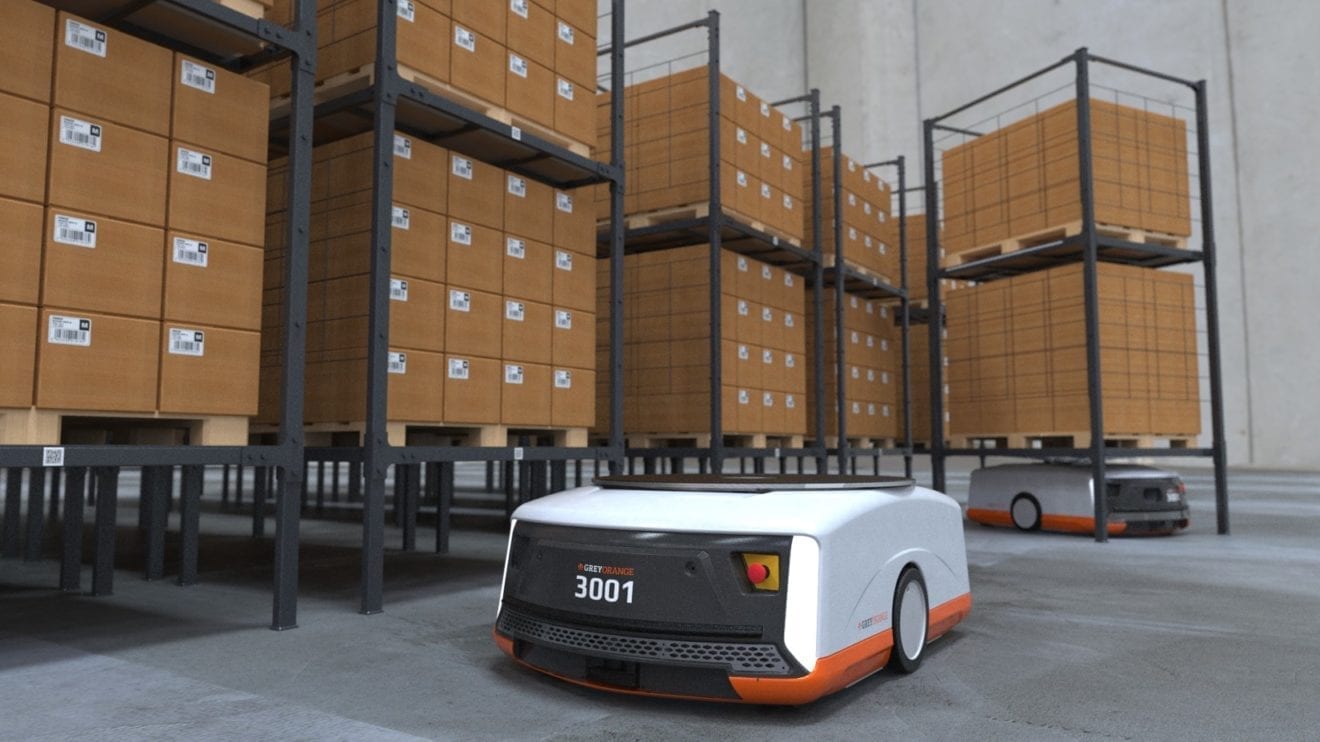
    Robotics and supply chain automation company GreyOrange is set to unveil at the 16th edition of LogiMat 2018 in Germany, its expanded range of Butler robots capable of managing a variety of payloads from 100 to 1600 kgs (220 to 3500 lbs).

    The goods-to-person Butler™ system lets warehouses run high-speed operations by automating inventory storage (putaway) and order fulfilment. It has been deployed in distribution centers in Japan, Hong Kong, India, Europe and the Americas for industries such as 3PL, e-commerce and retail. The robotics systems handle a variety of items including apparel, home furnishing and personal care, reducing cost per shipment and enhancing productivity of warehouse operations by more than four times.

    The new Butler XL handles payloads of up to 1600 kgs (3500 lbs). Its versatility is ideal for handling bulk inventory in factory warehouses, omnichannel fulfilment centers and large distribution hubs.  A wide range of loads from raw materials to finished goods, including automotive components, manufacturing material and liquids can be moved on and put or picked from pallets, drums, sacks, crates and cases.

    Sid Chatterjee, Vice President – Products, GreyOrange said, “We are delighted to add the Butler XL to the growing Butler family. The entire Butler range operates with minimal supervision using our software platform, GreyMatter, developed by GreyOrange to revolutionise warehouse operations by connecting people, process and technology more efficiently using Artificial Intelligence. In real-time, it integrates and delivers all of the functionality, intelligence and services required for optimum warehouse operations.”

    At every step of the order process, from receiving to storage, picking to fulfillment, the orders are managed by the software platform GreyMatterTM. One of the key advantages of the expanding Butler family is its ability to manage multi-floor operations with the use of an elevator. This provides greater flexibility in handling material and inventory on multiple floors, and optimises space utilisation vertically in a warehouse.

    Large and heavy pallets or slow moving inventory may be stored on one floor, while fast moving goods may be stored on another level. The software platform, GreyMatter, manages the Butlers across floors. Such auto-fulfilment improves order-to-dispatch time tremendously, with enhanced inventory traceability, increased fulfilment accuracy and minimising order returns. Putaway and picking processes often take up the majority of resources of warehouse staff – between 50-70%. Using the Butler system can lead to faster stock availability, improving efficiency multifold and shortens delivery times from days to just hours.

    It is easy to add the Butler system to existing operations as it requires minimal changes to infrastructure. The Butler range shares a similar footprint and can navigate within the same width of aisles. This versatility makes it easy to configure the Butlers to work in different parts of a warehouse for end-to-end autonomous fulfilment.

    Several units of the new Butler XL will be integrated in sites by mid-year. It is expected to set new standards in operational efficiencies in picking velocity and productivity.

    The Butler system conforms to applicable international safety and regulatory standards like CE Marking, ANSI/ITSDF B56.5 (US standard), JIS D6802 (Japanese standard), RoHS emergency response to fire and earthquake. The superior chemistry of lithium-ion batteries used in the Butler XL – similar to those of high-end electric vehicles – provide a continuous and long runtime on a single charge to complete a 24-hour shift, with a fast charge when necessary. Based on the workload and schedule during a shift, its Artificial Intelligence assigns Butler robots for Opportunity Charging to ensure the system delivers the optimum uptime.

  • Geely makes US$9b Daimler bet against tech ‘invaders’

    Geely makes US$9b Daimler bet against tech ‘invaders’

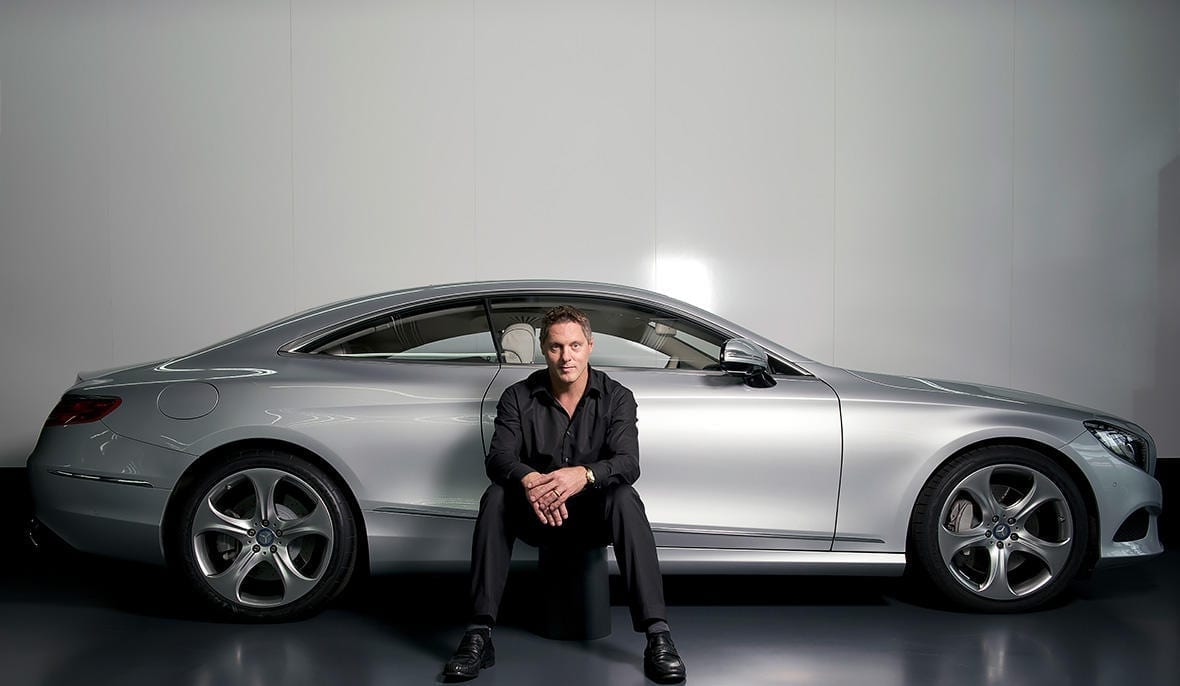
    Chinese carmaker Geely has built up an almost 10% stake in Daimler in a US$9 billion (RM35 billion) bet by its chairman that he can access the Mercedes-Benz owner’s technology in the growing battle for the future of automotives.

    The purchase by Li Shufu, Geely’s founder and main owner, means China’s largest privately owned automaker is now the biggest shareholder in Germany’s Daimler.

    Geely said on Saturday there were no plans “for the time being” to raise the stake further. Instead, it will seek to forge an alliance with Daimler, which is developing electric and self-driving vehicles, to respond to the challenge from new competitors such as Tesla, Google and Uber.
    “No current car industry player is likely to win this battle against the invaders from outside without friends. To achieve and assert technological leadership, one has to adapt a new way of thinking in terms of sharing and combining strength. My investment in Daimler reflects this vision,” Li said.

    “Daimler is pleased to announce that with Li Shufu it could win another long-term orientated shareholder, which is convinced by Daimler’s innovation strength, strategy and future potential,” the German company said in a statement.

    Geely officials plan to travel to Stuttgart to meet Daimler executives early this week and also hope to meet top German government officials in Berlin, two sources familiar with the matter told Reuters.

    The Chinese firm plans to use the meetings to underline that it intends to be a supportive long-term investor, they said.

    Daimler had no immediate comment on any meetings. Geely and the German economy ministry declined to comment.

    Chinese investors in German technology companies have tended to take a consensual approach, buying incremental stakes in companies such as robotics firms Kuka and Kion, typically after long consultation with management and other stakeholders.

    In November, Geely asked Daimler to issue new shares so it could buy a stake, as a way to access Mercedes-Benz technology for electric cars and trucks, including battery technology, to help Geely comply with a Chinese crackdown on pollution.

    But the German company turned down the offer saying it did not want to dilute existing shareholders, sources at the time told Reuters.

    Li changed tactics, and quietly amassed a stake of 9.69% worth US$9 billion at Daimler’s current share price.

    The sources said former Morgan Stanley Germany CEO Dirk Notheis was the architect of amassing the Daimler stake, working with former Morgan Stanley China executive Yi Bao.
    Notheis declined to comment, while Bao was not reachable.

    German state secretary at the economy ministry, Matthias Machnig, said separately that EU trade ministers meeting this week in Sofia would discuss how better to protect strategically important European companies from unwanted investors.

    “It is important that Europe keeps a close eye on which key European technologies foreign strategic investors are setting their sights on,” he said.

    Machnig did not comment specifically on Daimler.

    Only two or three auto manufacturers will likely survive, a source familiar with Li’s thinking told Reuters, prompting Geely to seek access to carmakers with a technological edge.

    Daimler is also the only one of Germany’s three carmakers not to be controlled by a family. Volkswagen is majority-owned by the Porsche-Piech clan, while BMW is 47% owned by Susanne Klatten, Germany’s richest woman, and her brother Stefan Quandt.

    Geely’s move poses a challenge to the German carmaker, since Mercedes-Benz already has an industrial alliance to develop cars and trucks with Renault-Nissan, which owns a 3.1% stake in Daimler, and has announced plans to build electric cars with existing Chinese joint-venture partner BAIC Motor Corporation.

    Bernstein Research analyst Max Warburton said: “It’s not clear what Geely wants and how it’s going to work, but we view this move as part of a broader Chinese move to gain involvement in the European automotive industry.”

    “China wants a payback after spending a decade gifting the European auto industry super-normal growth and profits. Now it wants more direct access to technology, brands and profits,” he wrote in a note shortly after the stake was disclosed.

    Zhejiang Geely Holding owns Volvo Cars, LEVC, the maker of London’s black cabs, and last year took a majority stake in sports car maker Lotus, a 49.9% stake in Malaysian automaker Proton, a US$3.3 billion stake in Volvo Trucks and control of flying car start-up Terrafugia.

    Geely sees potential in Daimler because it is developing high-speed connectivity for autonomous cars at a time when Li believes satellite-based internet connections could become more important, the source familiar with his thinking said.

    The source said Daimler and Geely had not held concrete talks about how to structure a potential joint venture, adding: “You know we have to become a stakeholder in order to engage.”

    Swedish truck maker AB Volvo, one of Geely’s other investments, has objected to the Chinese firm’s stake-building in Daimler, citing anti-trust concerns, the source added.
    “We will protect interests of both companies by abiding laws in the country and the company’s governance structure. We are not seeking to have a controlling power in Daimler,” the source added
  • Vietjet to Operate International Flights at Terminal 4, Changi International Airport

    Vietjet to Operate International Flights at Terminal 4, Changi International Airport

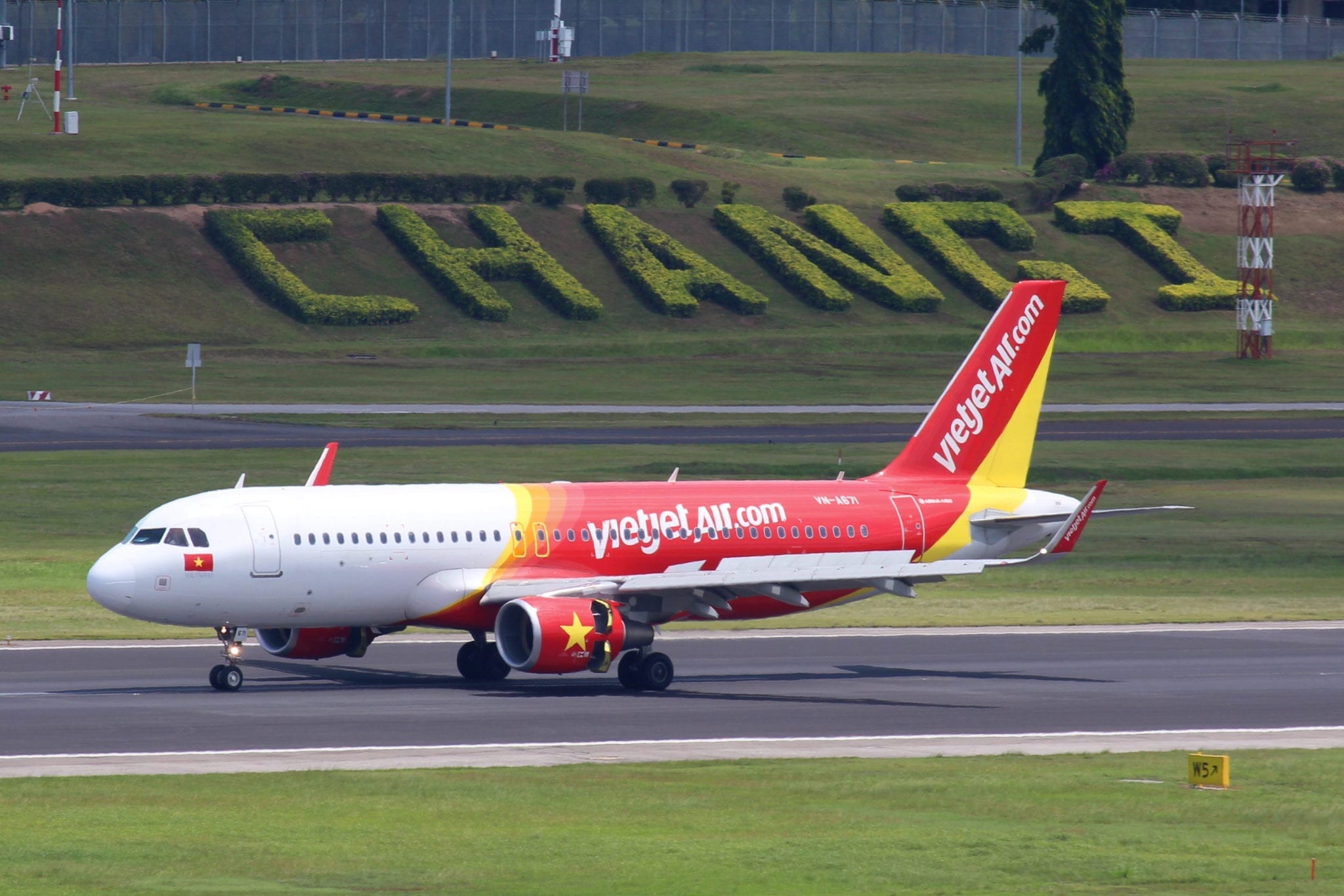
    Vietjet will soon shift its operation of international flights from Terminal 3 to Terminal 4 (T4) of Changi International Airport, Singapore beginning 6 March 2018.

    The forthcoming shift in operation marks the expansion and growth of Vietjet in Singapore’s Changi Airport – the world’s best 5-star international airport in the five consecutive years and also helps to reduce travel time by bus from the aircraft parking area to the terminal.

    Since launching its first flights from Ho Chi Minh City in 2014, Vietjet has continually increased its frequency and launched new routes from Hanoi to Changi, serving the rapidly growing travel demands between the two countries which contributes to promoting regional trade and intergration.

    Officially launched on 31 October 2017, T4 – Changi International Airport has since received over 1.6 million passengers and covered more than 9,400 flights.

    The areas serving Vietjet’s inbound and outbound flights are synchronously designed, equipped with modern equipment and prominent branding signs. Vietjet’s check-in counters are located in the same area making ticket counters accessible and convenient for passengers. The opening time of check-in counters for international flights remains at 3 hours before departure time and the closing time is 50 minutes before departure time. Passengers should be aware of the operational change to the new terminal to ensure all travel formalities including check-in, immigration, customs clearance and security procedures are cleared on time.

    Modeling itself as a ‘Consumer Airline’, Vietjet continues to open new routes, expand its fleet, invest in modern technology and offer more value-added products and services to serve the demands of customers. The airline also offers diverse promotional programs on tickets and entertainment especially during the festive seasons.

  • Online malls lead South Korea retail growth

    Online malls lead South Korea retail growth

    South Korea retail sales inched up 0.7 per cent year on year last month with online malls outshining brick-and-mortar stores, government data shows.

    Sales for 13 online stores and marketplaces jumped 21.6 per cent, according to the Ministry of Trade, Industry and Energy, which did not disclose sales figures.

    At the same time, sales for 13 offline retailers, including department stores and discount chains, fell 9.2 per cent. Convenience stores were the only bright spot, posting 9.8 per cent growth.

    Online malls saw sales soar 25.5 per cent, attributed to people being attracted by online grocery shopping offering fast delivery service.

    Online marketplaces also surged 20.4 per cent, with an increase in third-party sellers in the electronic and home-appliance sectors.

  • Indonesia Governement to Slash Taxes on Electric Cars

    Indonesia Governement to Slash Taxes on Electric Cars

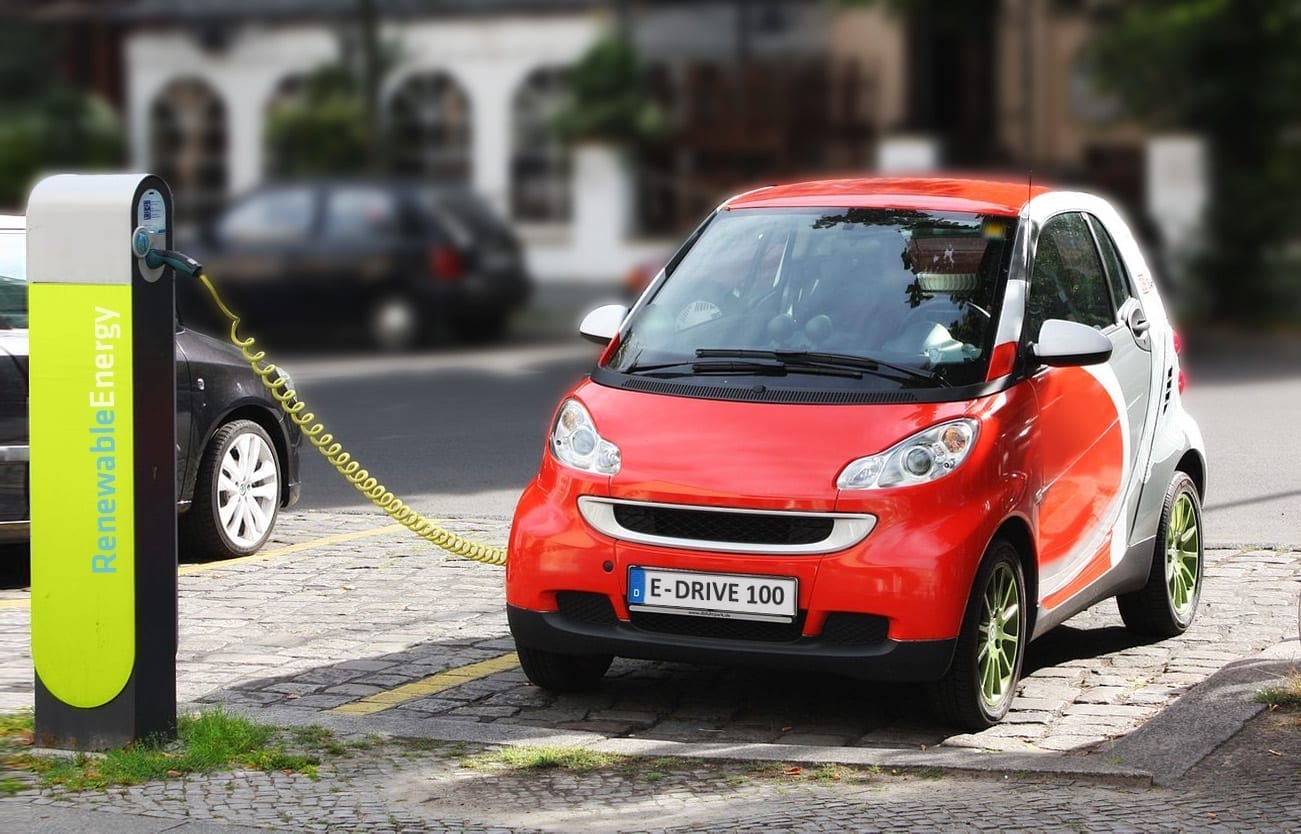
    Indonesia plans to scrap some taxes on electric cars as part of efforts to realize the country’s vision of low-emission models making up at least a fifth of all vehicles produced in the archipelago by 2025.

    Depending on the model, electric vehicles are currently subject to up to 40 percent luxury tax and up to 40 percent import tax.

    Prestige Image Motorcars, the importer of Tesla electric cars, is currently selling the Tesla Model X 75D sports utility vehicle for $200,000 in Indonesia – at almost double its price in the United States, due to the added taxes.

    This severely limits the adoption of electric vehicles in Indonesia, restricting it to a niche market, but the government is adamant that it wants to change this.

    “The luxury tax on electric vehicles will be zero percent and import tax will be 5 percent. But [it is not yet final], as we are still discussing it,” Industry Minister Airlangga Hartanto said on Monday (26/02).

    Lower-priced electric vehicles are expected to increase demand and encourage more people to purchase them. This may in turn convince automakers to establish production facilities here.

    Airlangga said the government is currently formulating a roadmap to encourage the local industry to produce more low-emission vehicles, including electric cars.

    “We have completed a stage where we produce cheap and energy-efficient cars. Now we need to move fast to build hybrid cars and electric vehicles,” Airlangga said.

    The minister said the government has set a target requiring 20 percent of all vehicles produced in Indonesia to be hybrid or electric by 2025.

  • Singapore’s Orchard Road gets its own Korean-style store opened

    Singapore’s Orchard Road gets its own Korean-style store opened

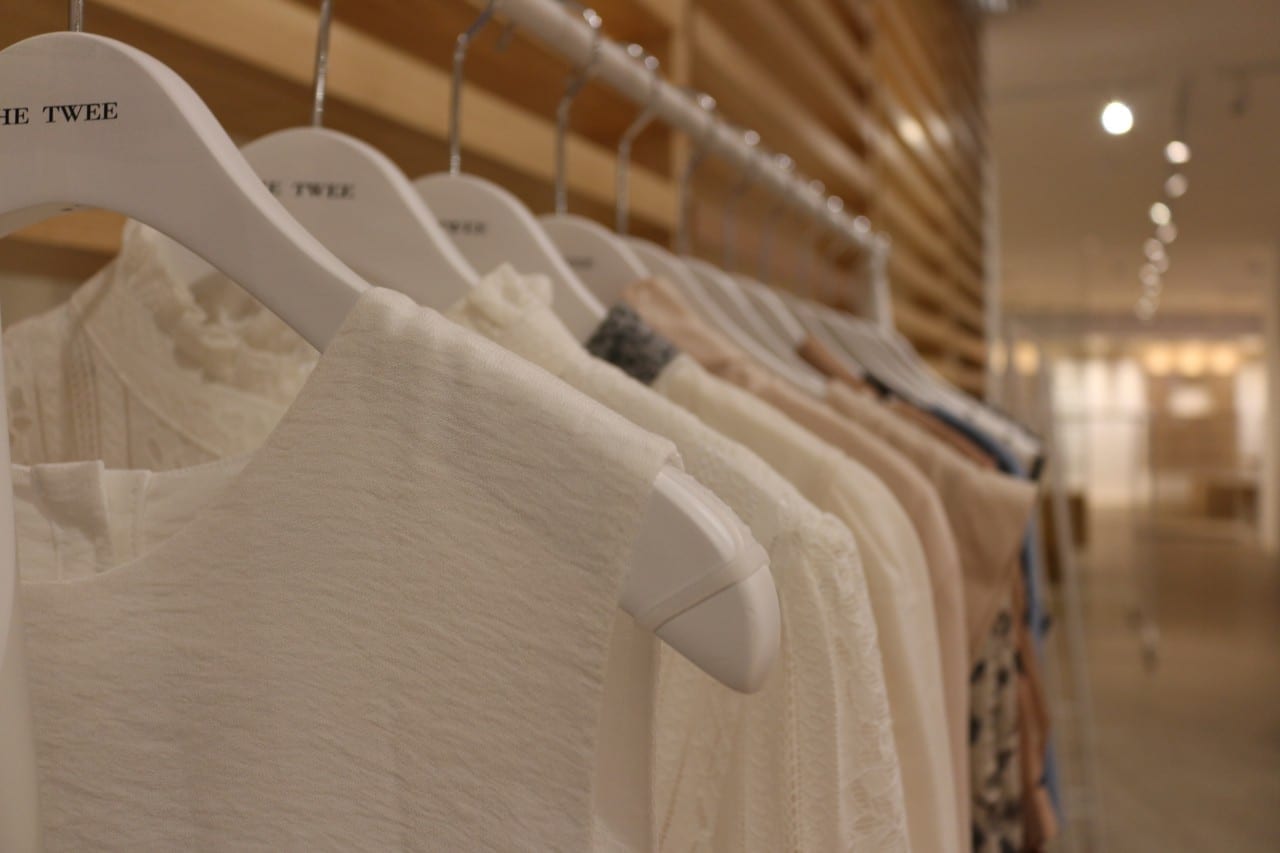
    South Korean fashion brand Twee has opened a flagship store at 313@Somerset on Orchard Road.

    The  4030sqft (374sqm) Twee Singapore store offers an exclusive collection of party dresses as well as Superface beauty products. The store promises to bring in more than 400 new styles for women and men every month.

    Twee has more than 40 stores in South Korea and 11 overseas, including nine in China and one in Malaysia. The brand plans to launch stores in Tokyo and Shanghai this year.

  • Kasikorn enhances the role of Thai-Myanmar Border Trade Business Center

    Kasikorn enhances the role of Thai-Myanmar Border Trade Business Center

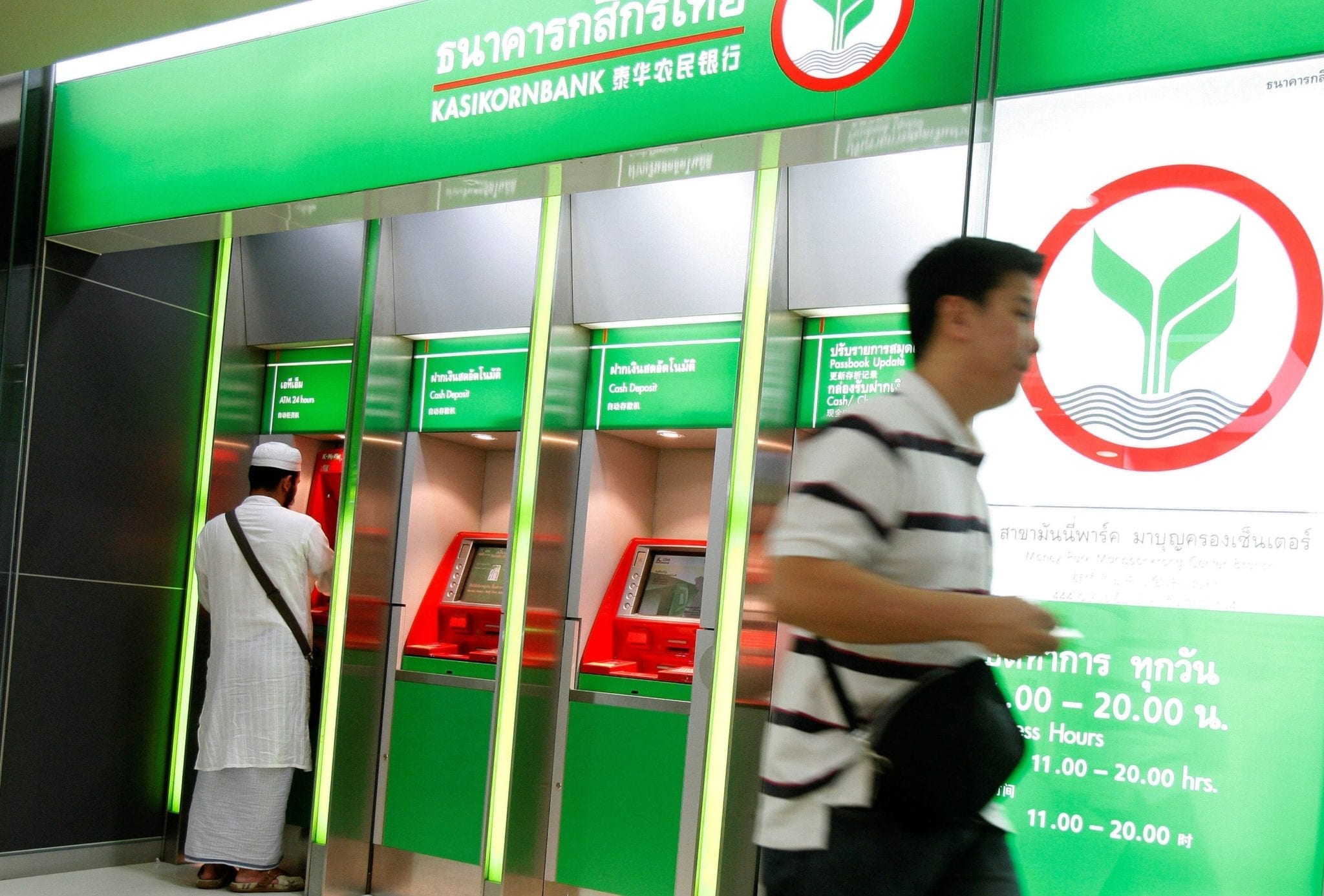
    Kasikorn Bank (KBank) teams up with Kanbawza Bank (KBZ Bank), Myanmar’s largest bank, to implement a staff exchange program of Mae Sot-Myawaddy, aimed at boosting Thailand-Myanmar border businesses. Focus is made on import-export settlements via banking system and promotion of cross-border funds transfer via Mae Sot Border Trade Business Center, which is aimed to increase to about THB200 million.

    Mr. Kittichart Potithat, First Vice President for World Business Strategy and Marketing Management Department, KBank, said the bank has always placed importance on Myanmar market, given a large volume of border trade with Thailand. With an aim to facilitate investors and business operators in the border areas, KBank’s Border Trade Business Center was set up in Mae Sot, Tak. To date, the center has granted credits of more than THB150 million to businesses in Mae Sot for investment in Myanmar, completed 10 successful cases of business matching and organized various seminars to share knowledge on trade and investment, in order to promote trade and financial transactions between the two countries.

    Recently, KBank expanded the cooperation with KBZ Bank by sending KBank’s staff to work at Myawaddy branch of KBZ Bank and in turn accepted KBZ Bank’s staff to work at Mae Sot branch of KBank for one year. This cooperation should enable KBank to gain in-depth expertise about business operational format and banking regulations in Myanmar, as  well as consumer insight in using financial services of Myanmar consumers. Moreover, KBank staff under this staff exchange program can help advise Myanmar entrepreneurs on how to conduct financial transactions in Thailand, thus allowing both Thai and Myanmar entrepreneurs to conduct border trade transactions more smoothly.

    It has been found that Thai SMEs still need help to understand more about Myanmar’s banking system and reliable channels in seeking business partners in Myanmar, while Myanmar SMEs want to use financial products and services of Thai banks, but have been limited by communications barriers. Therefore, it is hoped that this cooperation will help enhance knowledge and understanding about financial and border trade transactions between the two countries. In 2018, KBank will offer financial facility to support border trade as always, focusing on cross-border money transfer service. KBank will also place a greater emphasis on cross-border funds transfer to promote import-export settlements via regulated banking system because nearly 100 percent of such transactions now are settled through non-regulated system. KBank is targeting an increase in Thai cross-border funds transfer transactions to Myanmar via KBank’s Border Trade Business Center at Mae Sot branch to about THB200 million in 2018.

    In addition to cross-border trade, KBank has always placed emphasis on businesses in Myanmar. KBank and KBZ Bank have also jointly developed cross-border payment services, namely funds transfer in local currency and Myanmar Worker Remittance service to enable Myanmar workers in Thailand holding KBZ Bank account to transfer money back to Myanmar more conveniently by simply scanning the barcode of their Myanmar Remit Card at KBank ATM machines.

    Moreover, KBank teams up with the Union of Myanmar Federation of Chambers of Commerce and Industry (UMFCCI) to host the annual “SME Capacity Building Program” seminar to enhance the capacity of SME entrepreneurs in Myanmar. The seminar is aimed at equipping them with knowledge about business operations and internal work processes to prepare for their business expansion, as well as preparation of financial statements in compliance with international standards for use in loan application. Since 2016, the seminar has been held in six main cities including Yangon, Myawaddy, Bago, Mawlamyine, Myeik and Taunggyi.  So far, over 600 Myanmar entrepreneurs have participated in the seminar. This year, the activity will also be held to fortify Myanmar entrepreneurs amid flourishing cross-border business and investment.

  • Mr DIY opens door in Mid Valley Megamall Malaysia

    Mr DIY opens door in Mid Valley Megamall Malaysia

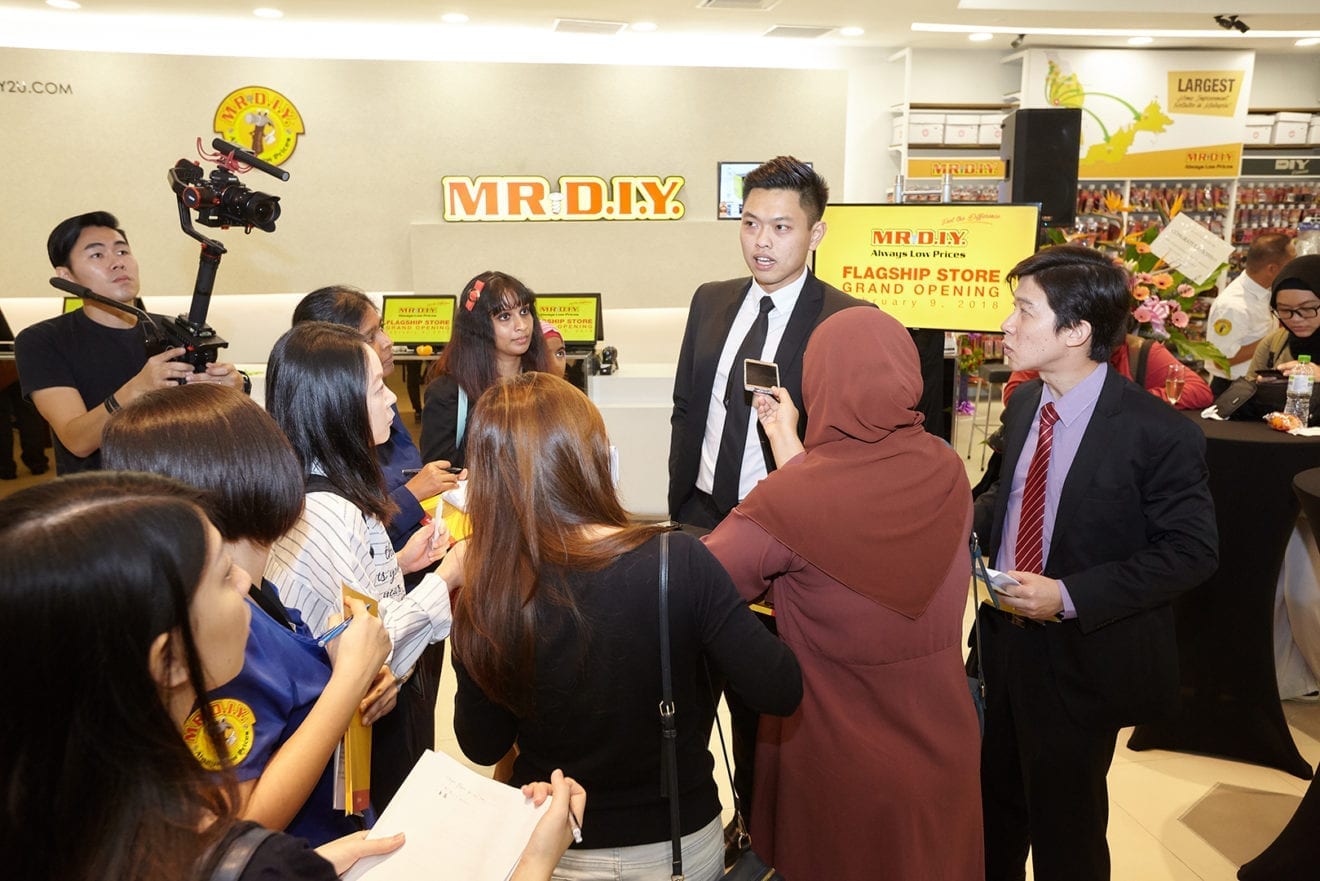
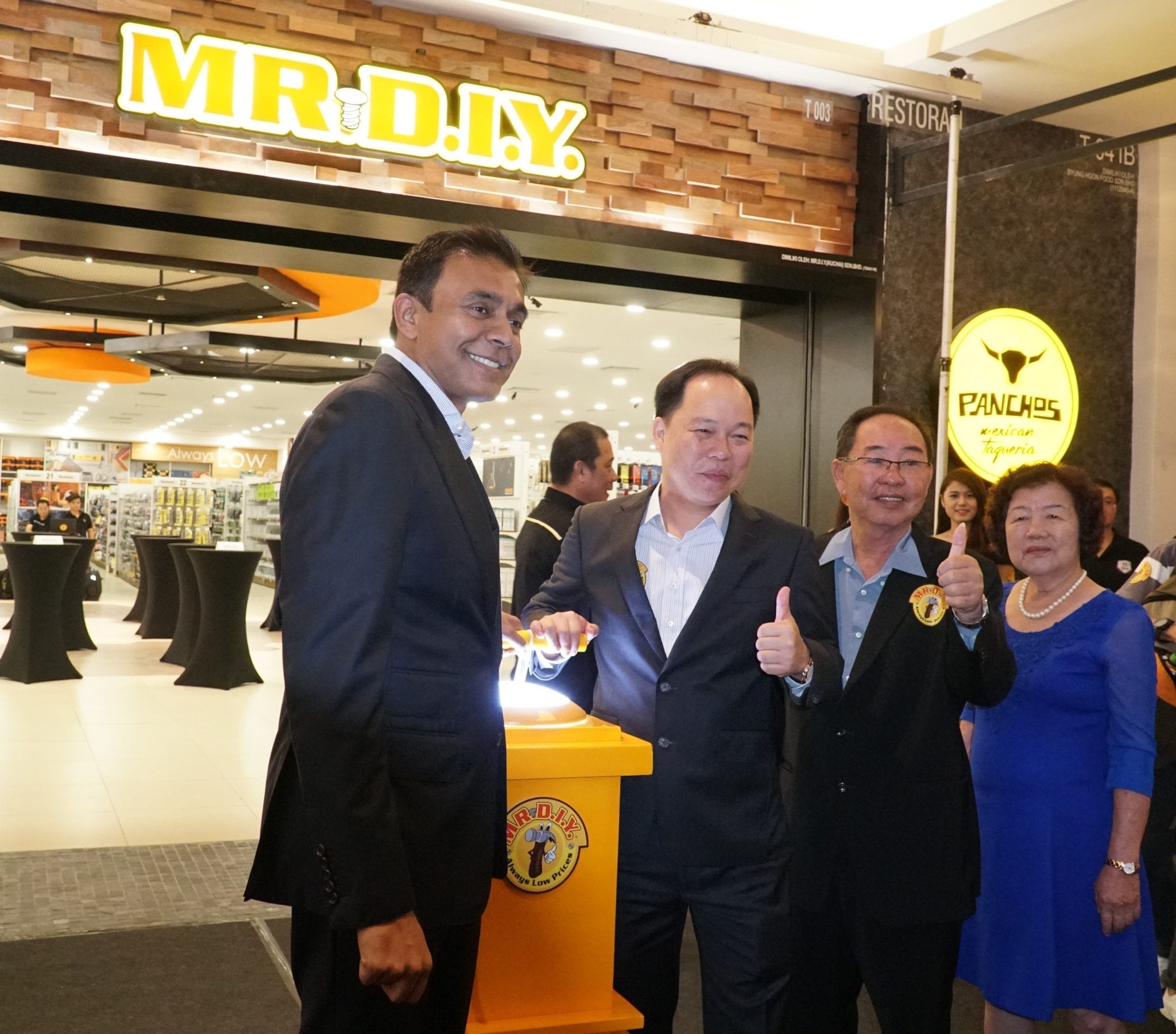
    Malaysian home improvement retailer Mr DIY has launched its first flagship store, at Mid Valley Megamall in Kuala Lumpur.

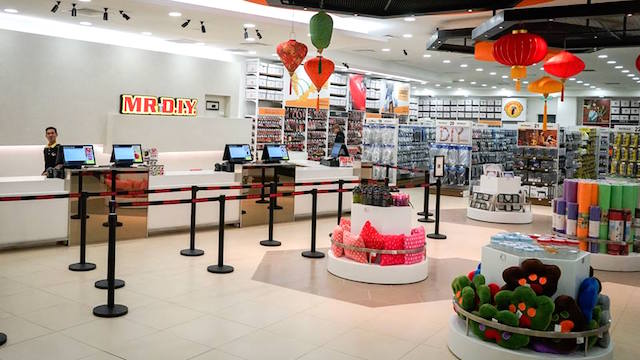
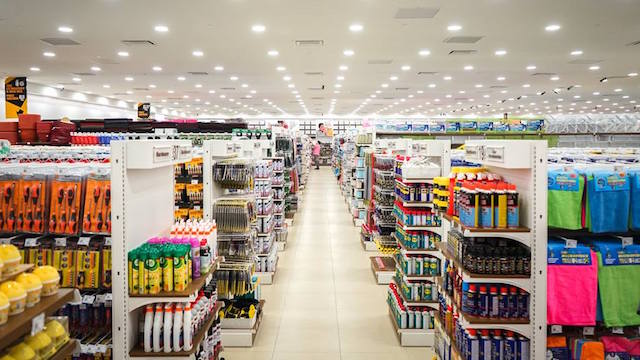
    The chain’s 360th store covers 1393sqm on the mall’s third-floor mezzanine, offering 20,000 product varieties across nine departments – household, hardware, electrical, car accessories, toys, stationery, gifts, sports, and jewellery and cosmetics.

    “This is an important milestone for Mr DIY’s growth in the region as we strive toward our vision of becoming the largest home-improvement retailer in Asia Pacific,” says Mr DIY Trading marketing head Andy Chin.

    With fresh concepts, the flagship store features a ceiling designed like a hexagon nut, plus there are walkways to make it easy for shoppers to navigate the store.

    Chin says RM2 million (US$511,000) was invested in the store, which is expected to drive a monthly footfall of 200,000 customers.

    He says it is an exciting year for the company. “We are targeting a total of 300 new stores across Asia Pacific, with 150 in Malaysia alone. Next, we are looking at expanding our reach into two new countries, Singapore and the Philippines, within the second half of the year while we are set to launch the Mr DIY e-commerce platform in the third quarter.”

    The retail chain last year recorded more than RM1 billion in revenue, serving 110 million customers. It started as a hardware store in Jalan Tuanku Abdul Rahman, Kuala Lumpur, in 2005 and now has more than 450 outlets throughout Malaysia and Asia Pacific, including Thailand, Indonesia and Brunei.

  • SMI signs deal to develop The Coffee Bean in Myanmar

    SMI signs deal to develop The Coffee Bean in Myanmar

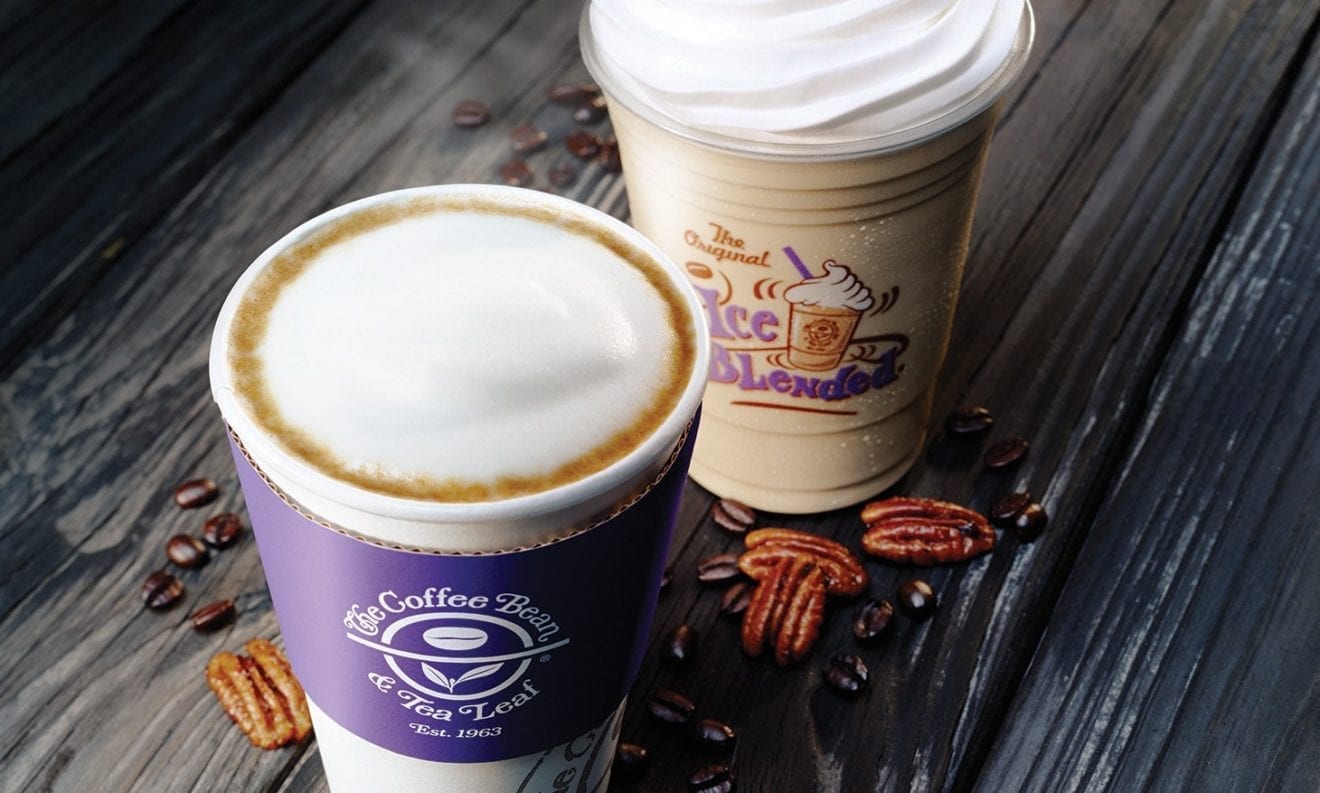
    Singapore Myanmar Investco (SMI) has signed an international area development agreement to develop The Coffee Bean & Tea Leaf (CBTL) cafe chain in Myanmar.

    Founded by Herbert Hyman in 1963, the chain is owned and run by International Coffee & Tea, which has its corporate headquarters in Los Angeles. It has more than 1000 self-owned and franchised stores in the US and 31 other countries.

    SMI secured the franchise rights two years ago to run CBTL outlets within the new Yangon International Airport. Following encouraging results from the two airport cafes, the new deal folds the CBTL brand into the group’s growing F&B brand portfolio, which includes Crystal Jade and Ippudo.

    Under the exclusive agreement, SMI is committed to expand CBTL across Myanmar, with the first outlet planned to open within the next month.

    “Aligned with the growing consumer market in Myanmar, our local market knowledge and experience gives us confidence as we further entrench our F&B business presence in this frontier market,” says SMI president/CEO Mark Bedingham.

  • Sapinda takes over La Perla

    Sapinda takes over La Perla

    After negotiations with Chinese conglomerate Fosun International faltered, Italian luxury lingerie label La Perla has a new owner, Amsterdam-based investment company Sapinda Holding.

    Two months ago, La Perla announced it had entered into exclusive negotiations with Fosun, which this month took control of Parisian fashion label Lanvin.

    La Perla has been owned since 2013 by Italian businessman Silvio Scaglia via Pacific Global Management holding company. He restructured the brand’s organisation before seeking a buyer.

    Founded in the1950s, La Perla diversified under Scaglia to focus on women’s and men’s ready-to-wear and become a fully fledged lifestyle label. It has been under the creative leadership of Julia Haart for nearly two years, and has 150 monobrand stores worldwide, mainly through retail expansion in Asia in the past few years. “We are delighted Sapinda has bought La Perla,” says Scaglia. “I have known Sapinda and its CEO Lars Windhorst for many years, and have worked with him several times. I know Sapinda has the resources necessary to bring La Perla to the next level and continue my vision of creating a worldwide luxury brand while keeping its production in Europe.”

    Windhorst says Sapinda is ready to invest more into the brand. “We have been trying to invest in the luxury industry for some time, and after assessing opportunities over the past few months we are happy to have been able to strike a deal with La Perla.”

    Sapinda Holding is a Dutch investment company with offices in Amsterdam, Berlin and London.

    Meanwhile, La Perla is facing eviction from its Causeway Bay flagship in Hong Kong following a claim of HK$9.2 million in outstanding rent.

  • IMF Chief visits Indonesia with some advices

    IMF Chief visits Indonesia with some advices

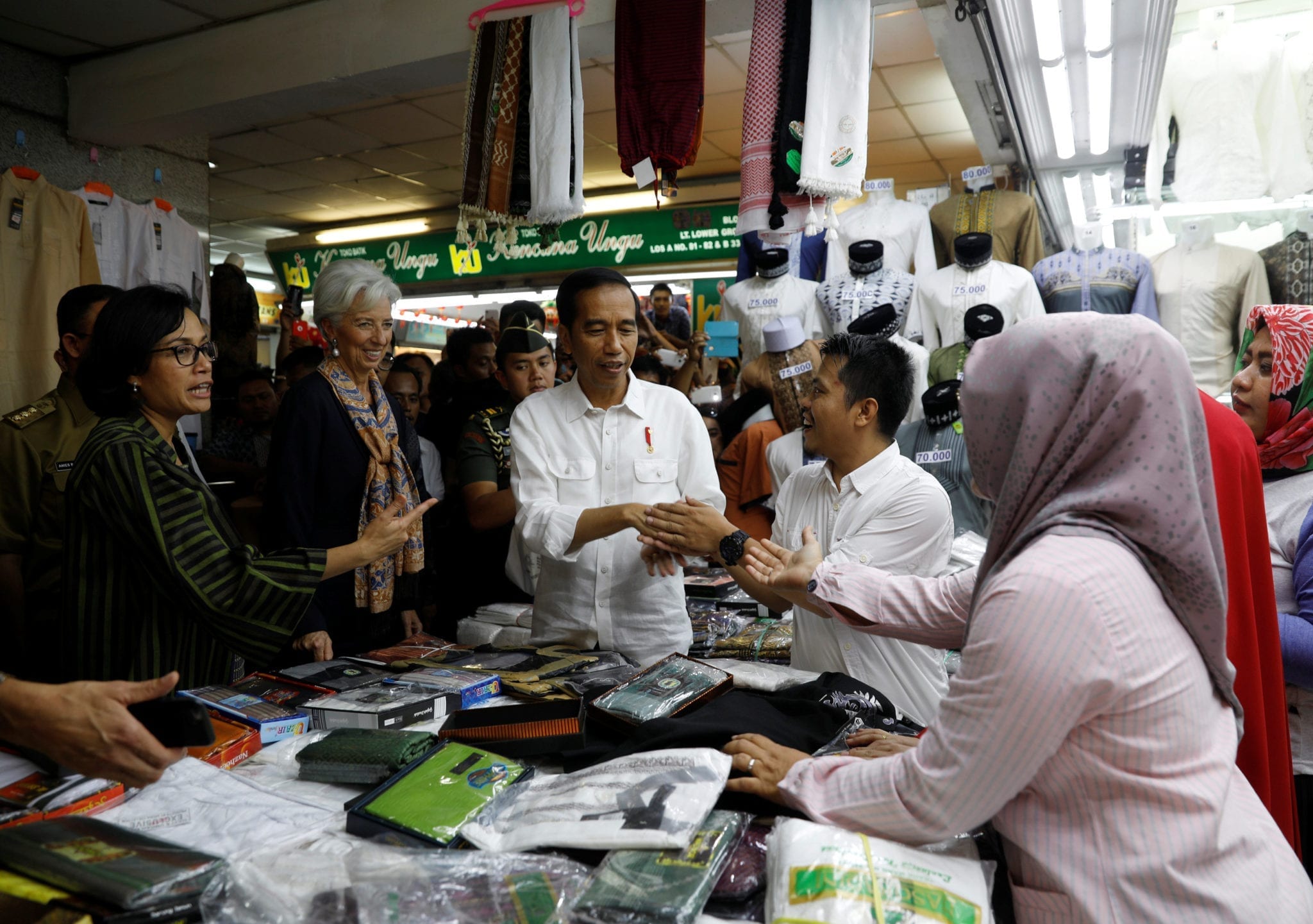
    Christine Lagarde, the managing director of the International Monetary Fund, said on Tuesday (27/02) the global economy was showing broad-based growth, but the landscape was shifting with heightened risks of trade disputes, monetary policy normalization and technological change.

    Lagarde, speaking to an IMF conference in Jakarta in preparation for the Fund’s annual meetings in Bali in October, said the IMF was expecting global growth to reach 3.9 percent in 2018 and 2019. This is unchanged from the IMF’s forecast in January and up from 3.7 percent in 2017.

    She said Asean countries were preparing for higher interest rates in advanced economies such as the United States and Europe, but cautioned that policymakers need to stay vigilant about its effect on financial stability and volatile capital flows.

    “We know this will have spillover effects across the world. We have known for some time that it’s coming,” Lagarde said. “It remains uncertain how this transition is going to affect other countries, companies, jobs, incomes.”

    Asean countries need to embrace new growth models that put a greater emphasis on domestic demand, regional trade and economic diversification and prepare for technological changes such as increased factory automation, artificial intelligence, biotechnology, new financial technologies and digital currencies.

    While these could eliminate some jobs, it was important for countries to boost efforts to educate workers to better prepare them to take advantage of new technologies.

    “Many jobs will be affected one way or another. Some of them will disappear, but many more will be affected because of automation. So we need to think about the future of work,” Lagarde said, adding that there was no single approach, and many countries will forge their own path.

    She highlighted Go-Jek, the fast-growing ride-hailing and delivery service in Indonesia, as an example of a country-specific technology innovation targeted to the country’s needs and workforce.

  • More funding comes for Go-jek Indonesia

    More funding comes for Go-jek Indonesia

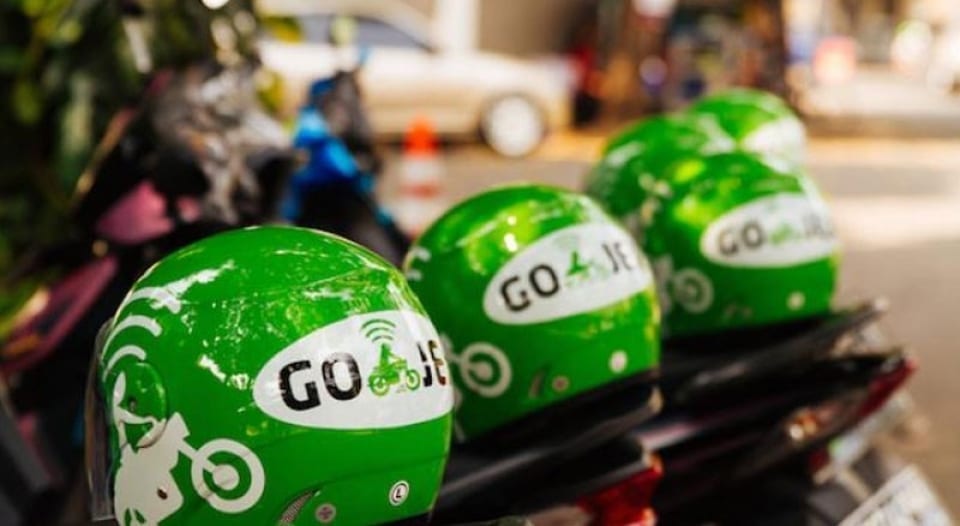
    Go-Jek has raised a higher than targeted $1.5 billion in a fundraising round from a dozen investors, including BlackRock and Google, as the Indonesian ride-hailing firm builds its war chest to fight deep-pocketed rivals.

    Go-Jek had planned last year to raise $1.2 billion, and, with the 25 percent extra funds it has received, it is now valued at about $5 billion.

    Reuters Breakingviews said last month that Go-Jek was valued at roughly $4 billion compared with over $6 billion for Grab, Southeast Asia’s largest ride-hailing firm.

    The additional funds and backing of well-known investors, including Singapore’s Temasek Holdings and Chinese technology giant Tencent Holdings, will help Go-Jek to better compete in Southeast Asia’s cut-throat market where incentives to drivers and passengers are used to build loyalty.

    Singapore-based Grab was expected to have raised $2.5 billion last year and Uber Technologies has pledged to invest aggressively in Southeast Asia – home to 640 million people – even though the US firm expects to lose money in the fast-growing market due to costly battles with rivals.

    Both companies are expanding in Indonesia, Southeast Asia’s most populous country, where Go-Jek, a play on the local word for motorbike taxis, is transforming the local economy, economists say.

    Go-Jek and Grab are also investing heavily in expanding their mobile payments platform.

    “Go-Jek is far beyond a ride-hailing app, it’s a digital platform that dominates consumers’ daily lives, including transportation, food delivery, logistics, and payment, etc.,” said Xiaofeng Wang, senior analyst at consultancy Forrester.

    “That’s also the key value that its key investors like Google and Tencent see. They know well about the power of the digital ecosystem, and Go-Jek has built it in Indonesia, like Google in the US and WeChat in China,” Wang said.

    Go-Jek told Reuters that some investments that came in this year were part of the funding round that kicked off last year but it declined to comment on the amount raised or the names of investors.

    It said the funding was aimed at developing technology for micro, small and medium enterprises in Indonesia.

    Go-Jek delivers everything from meals and groceries to cleaners, masseuses and hairdressers across Indonesia’s capital city Jakarta, all at the touch of a smartphone app – helping it become a crucial workaround in a city with some of the worst traffic in the world.

    Rumours said BlackRock and Temasek are investing about $100 million each in Go-Jek’s latest fundraising.

    BlackRock declined to comment. A Temasek spokesman confirmed participation in the fundraising but declined to say how much it had invested.

    This month, Indonesian conglomerate Astra International said it would invest $150 million in Go-Jek, while  Djarum Group’s Global Digital Niaga is putting in $100 million.

    Go-Jek’s payment system, known as Go-Pay, has emerged as one of the most popular mobile payment platforms in Indonesia. Grab, which bought Indonesian payment service Kudo last year, also sees its future in mobile payments as much as in transport.

    Go-Jek is expanding in other Indonesian cities and has said it plans to start operations in the Philippines this year, followed by other Southeast Asian countries.sou

  • TenRen Hong Kong plans expansion

    TenRen Hong Kong plans expansion

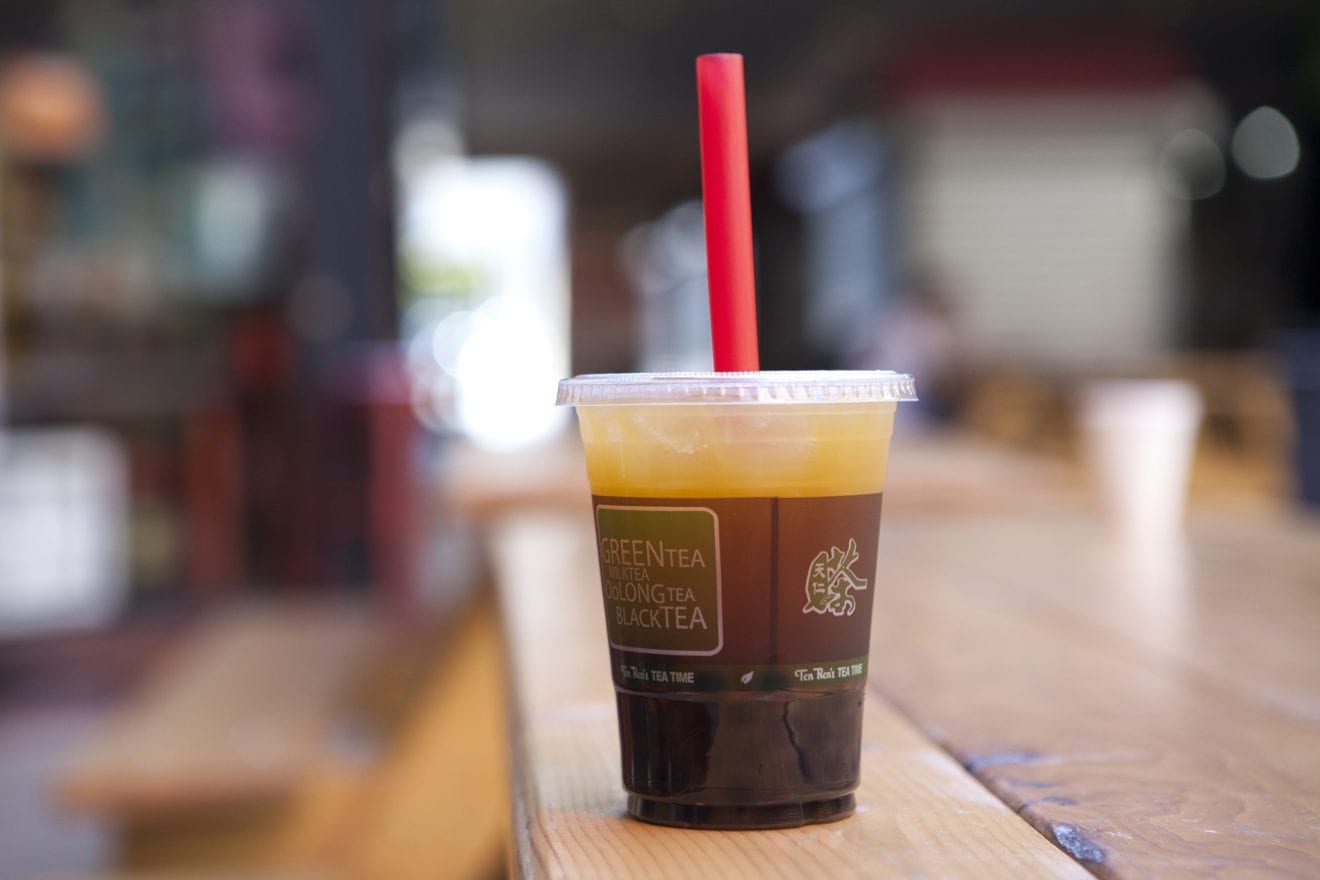
    Hong Kong food company B&S International expects to raise HK$62.8 million (US$8 million) in an IPO from today, the majority of which will be dedicated to retail store network expansion.

    The company plans to open 16 more licensed TenRen Taiwanese tea stores over the next three years and 10 more Jiu Tang Wu restaurants, which serve Japanese ramen-based foods.

    And it will open the first of a planned network of Uncle Tetsu stores, a popular brand of Japanese cheesecake, for which it has recently secured the Hong Kong licence.

    Retail currently accounts for about a quarter of B&S International’s turnover, but it represents the fastest-growing business segment and the company believes it offers the greatest potential for expansion. Between 2012 and 2016, B&S International grew its retail network by 128 per cent. Retail gross profits rose at a cumulative annual growth rate of about 140 per cent during the three years to March 31 last year.

    The balance of the business is packaged food and beverage distribution, with its top-selling brands being UHA and Hsin Tung Yang.

    B&S International currently owns and operates 47 stores across Hong Kong. It says the TenRen chain was the territory’s top-selling tea drinks brand by revenue between November 2016 and October last year, with a market share of 24.3 per cent.

    Besides its existing brands, B&S International is actively seeking additional food retailing concepts to roll out.

    “The group intends to capture the strong growth potentials by expanding the retail network for its existing licensed brands, particularly TenRen, and sourcing and obtaining licenses from other brands to launch new retail chains in Hong Kong,” the company said in its IPO documentation. “The group will remain prudent when expanding its retail business by continuing to adopt the self-operated model.

    “The retail business currently relies on a few brands only, yet its strong performance and growth will allow the group to attract other high quality brands with potential for setting up and operating retail chains in Hong Kong, thereby expanding its retail business.”

    Retail expansion will soak up about 67 per cent of the funds raised from the IPO, with 90 per cent of the shares in placement and only 10 per cent in the public pool, which closes on March 6.

    Another 17 per cent will be spent on leasing and setting up new warehouse facilities and the balance on upgrading its ERP system, recruiting three additional marketing sales personnel for the distribution business and for general working capital.

  • Ferrari optimistic about Indonesian sales

    Ferrari optimistic about Indonesian sales

    Citra Langgeng Otomotif, Indonesia’s authorized Ferrari distributor, is optimistic about its sales prospects this year as it continues to strengthen its presence within its specific target market, which has remained relatively immune to the sluggish growth of the the country’s automotive industry.

    The company’s CEO, Arie Christopher, said Ferrari had personally approached its existing and prospective customers to increase the exclusivity of its brand.

    One of the aspects of its exclusivity is maintaining the confidentiality of prices of Ferrari’s vehicles in Indonesia, which are discussed solely between the company and its customers.

    “So far, we are still on track in sales,” he told on Saturday, declining to disclose the sales value recorded in 2017.

    Indonesia’s car sales stood at 1.08 million units in 2017, a mere 1.6 percent growth over the previous year, according to data from the Indonesian Automotive Manufacturers Association (Gaikindo) show.

    On Saturday, Ferrari Indonesia showcased the California T “Superameric,” with livery number 16 and the 488 GTB “Test Driver” with livery number 63 to promote the manufacturer’s global tailor-made customization program.

    The tailor-made program allows customers to customize the interior and exterior appearances of their new Ferraris.

    Arie said the company had delivered 20 tailor-made customized Ferrari cars to Indonesian customers, with six of them agreeing to sign up with the program.